
Operator playbooks for cross-border payments, tax, and compliance execution.
Step-by-step guidance for finance, product, and ops teams to launch faster, reduce payout friction, and keep reconciliation clean across borders.
The Best Way to Send Money to the Philippines from the US
If you need to **send money to philippines from us** on any regular basis, start with one number: how many Philippine pesos actually reach the recipient. The visible transfer fee matters, but it is only part of the cost. The World Bank is clear that remittance pricing is hard to compare because both fees and exchange rate margin shape the final result.
Read more →
How to Pay US Subcontractors from Canada
Engaging U.S. talent can be a strong growth move for a Canadian business. The challenge is making the cross-border mechanics feel routine on your side and invisible on theirs. If payments, compliance, and reporting are sloppy, you create financial risk, waste time, and look less credible to the people you want to keep. When they are handled well, your back office starts to work in your favor.
Read more →
How to Pay US-Based Contractors from Australia
Engaging U.S. talent can be a smart growth move for an Australian business. But paying a cross-border contractor is not just an admin task. If you handle it reactively, you create compliance risk, unnecessary cost, and record gaps that are hard to repair later.
Read more →
How to Document 'Reasonable Cause' for IRS Penalty Abatement
Your reasonable-cause case starts before anything goes wrong. The goal here is routine proof that you exercised ordinary business care and prudence, not trying to write a better story after a miss. Reasonable cause is reviewed case by case, and you carry the burden to substantiate it.
Read more →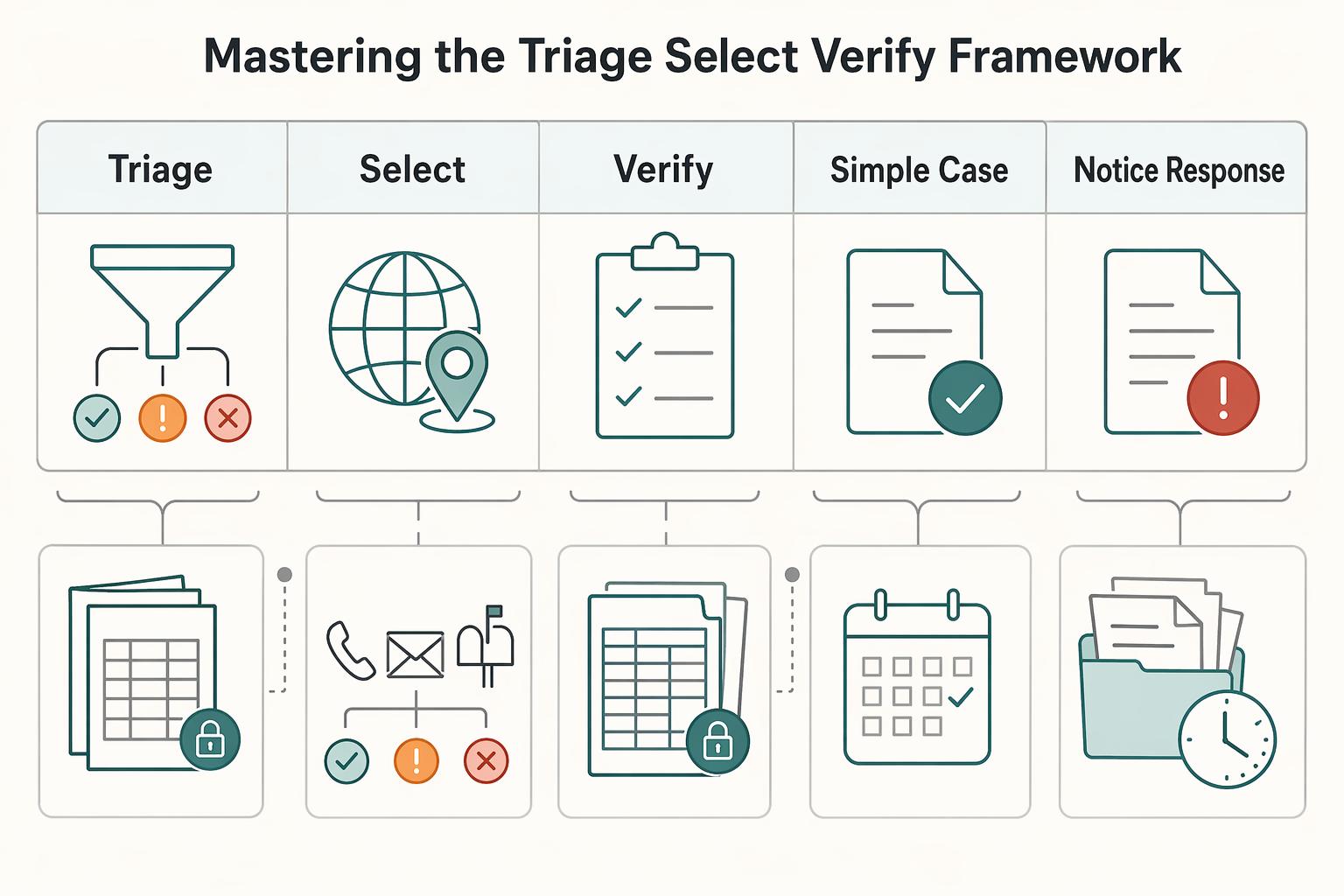
The Best Way to Communicate with the IRS from Abroad
Before you reach the IRS from abroad, make three decisions in order: your objective, your practical risk level, and the proof you need to keep. This is not an IRS term. It is a working method that helps you avoid repeated contacts and weak records.
Read more →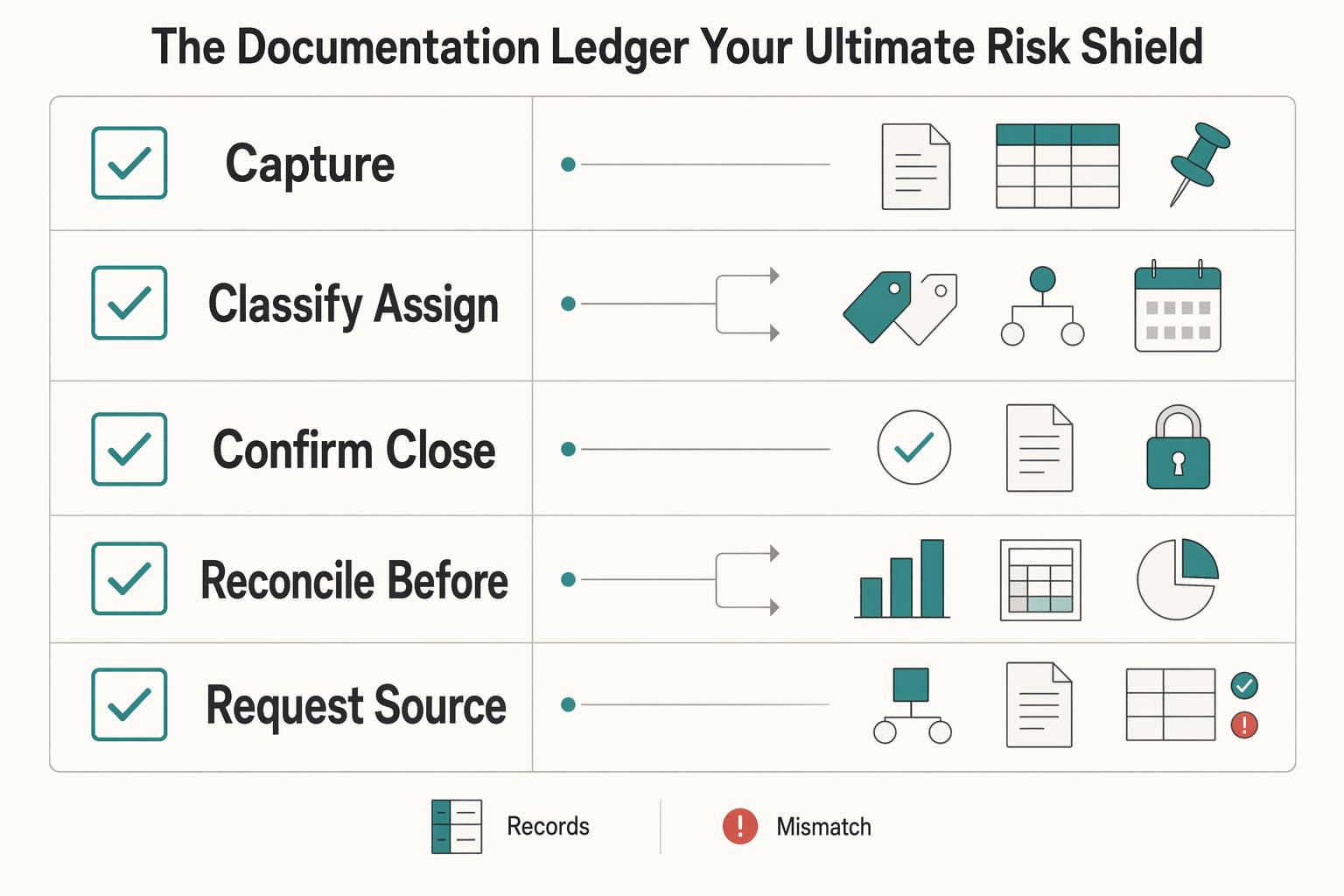
How to Give Effective Feedback to a Remote Team Member
**Set the rules before the first draft lands.** If you want remote feedback to lead to clean revisions instead of crossed wires, settle the process before anyone starts reviewing. At kickoff, the target is simple: one scoped document, one approved place for feedback, and one clear approval path.
Read more →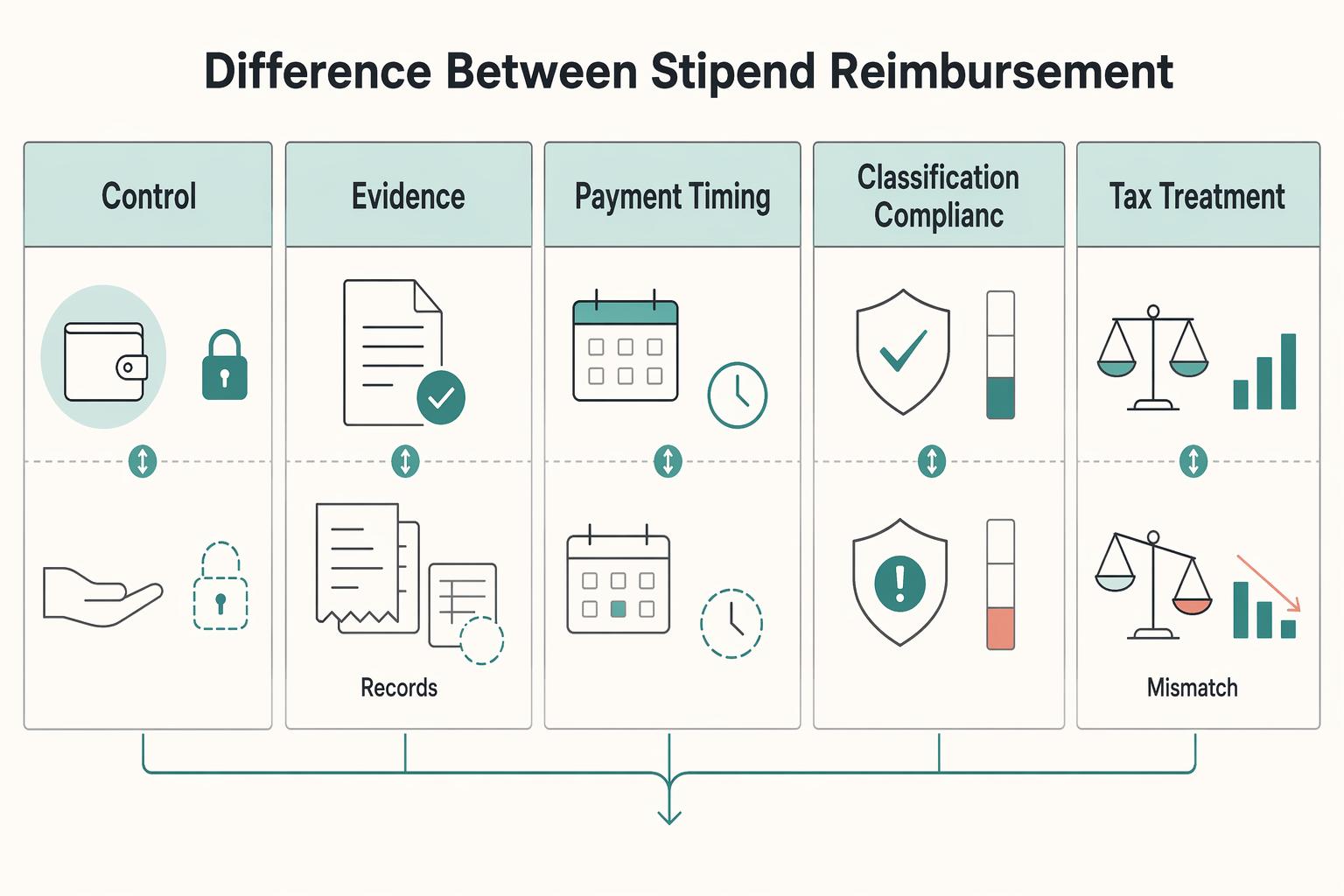
Competitive Benefits for International Contractors Without Misclassification Risk
As an independent professional, your most valuable asset is not your client list. It is your autonomy. That independence is fragile, and it is protected by deliberate business structure, not by hope. Build that structure to protect your autonomy, signal professionalism, and help you operate as a resilient Business-of-One.
Read more →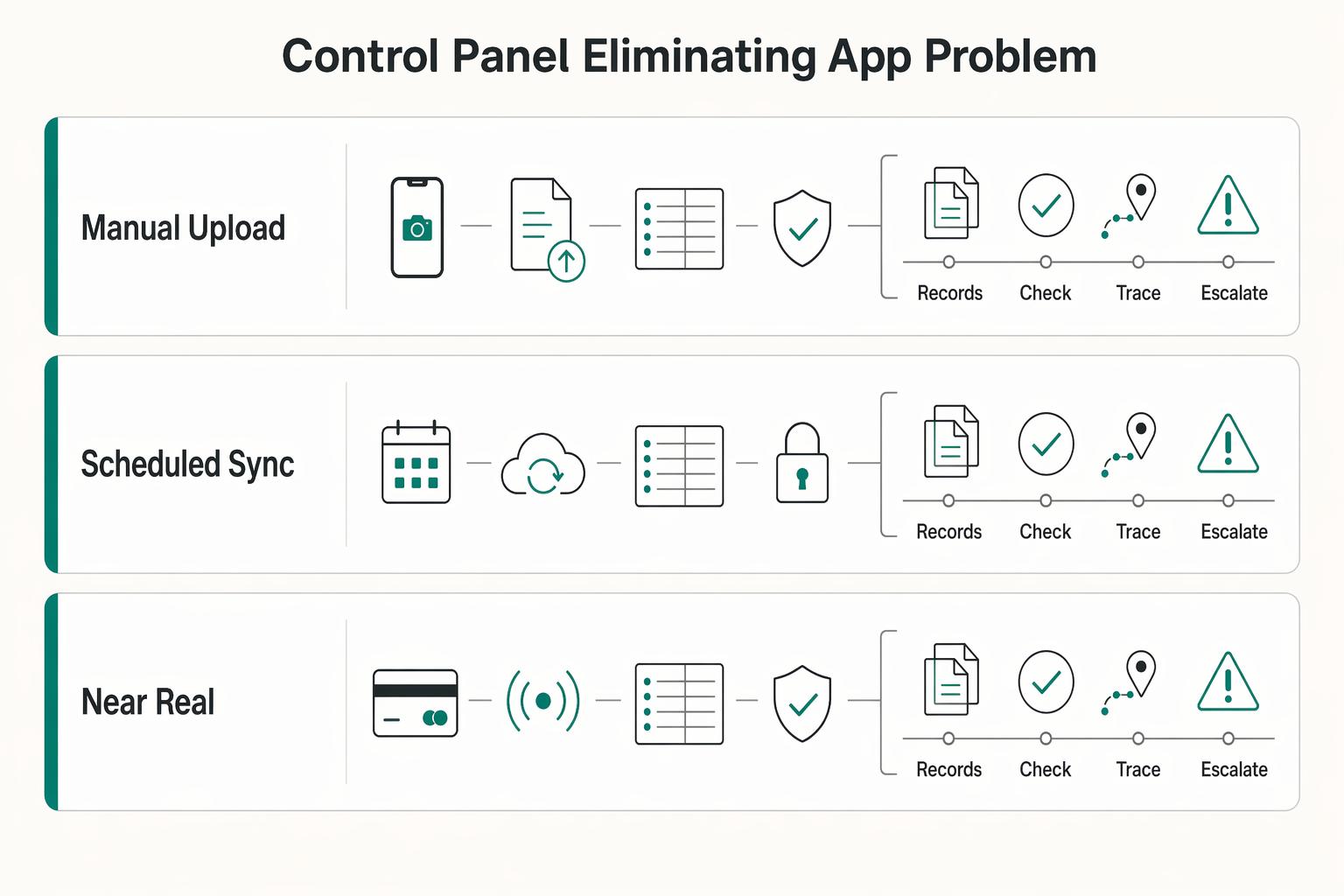
The Best Expense Management Software for a Remote Team
If you are choosing the **best expense management software for a remote team**, treat it as an operating decision, not just a receipt-tool purchase. You need a setup that shows money in, money out, approvals, reconciliation status, and potential risk signals early enough to act.
Read more →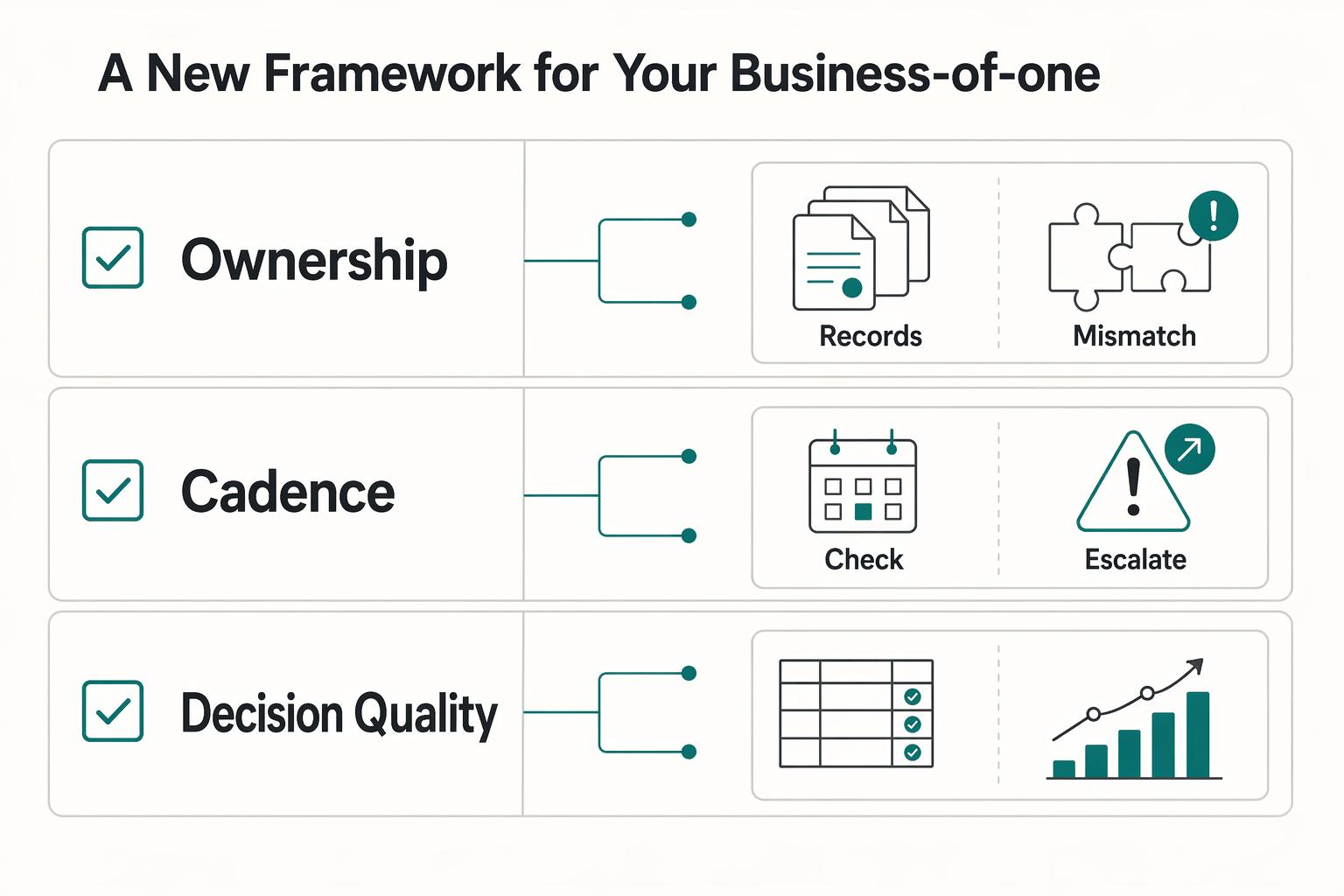
How to Run Duty of Care as a Global Business of One
Corporate duty-of-care guidance is built for employer-led teams, so it can break quickly when you run a business of one. In many employer settings, HR, legal, and operations share most risk decisions. In your model, you do.
Read more →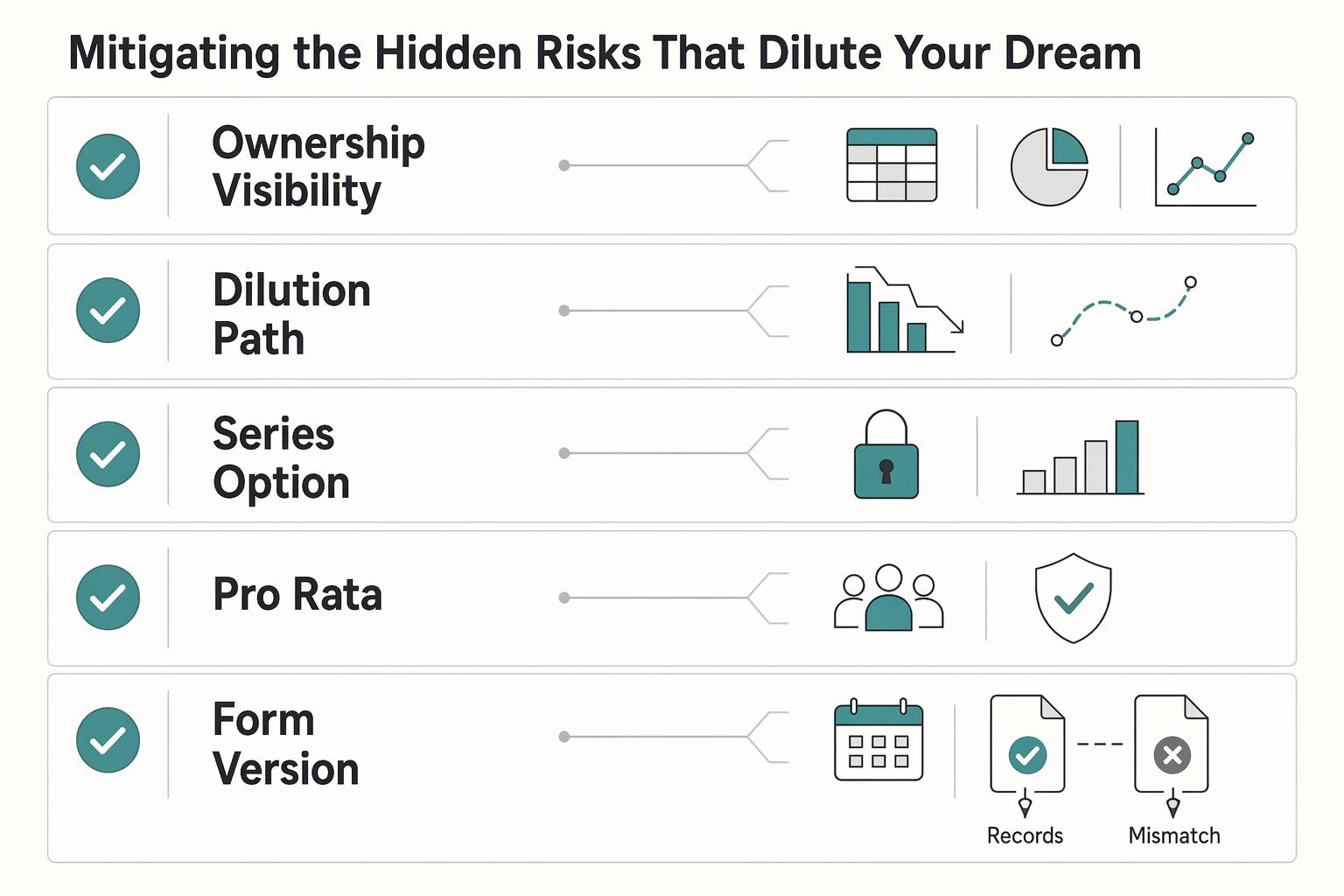
What is a SAFE (Simple Agreement for Future Equity) in Startup Fundraising?
A SAFE, short for Simple Agreement for Future Equity, is a contract where an investor gives you money now in exchange for a future ownership interest if a trigger event happens, often a later equity financing or an acquisition of the company. It usually fits an early raise when you need speed, simpler documents, and the ability to close investors one by one. It is a weaker fit when investors want negotiated control rights now, or when you need exact dilution certainty before taking money.
Read more →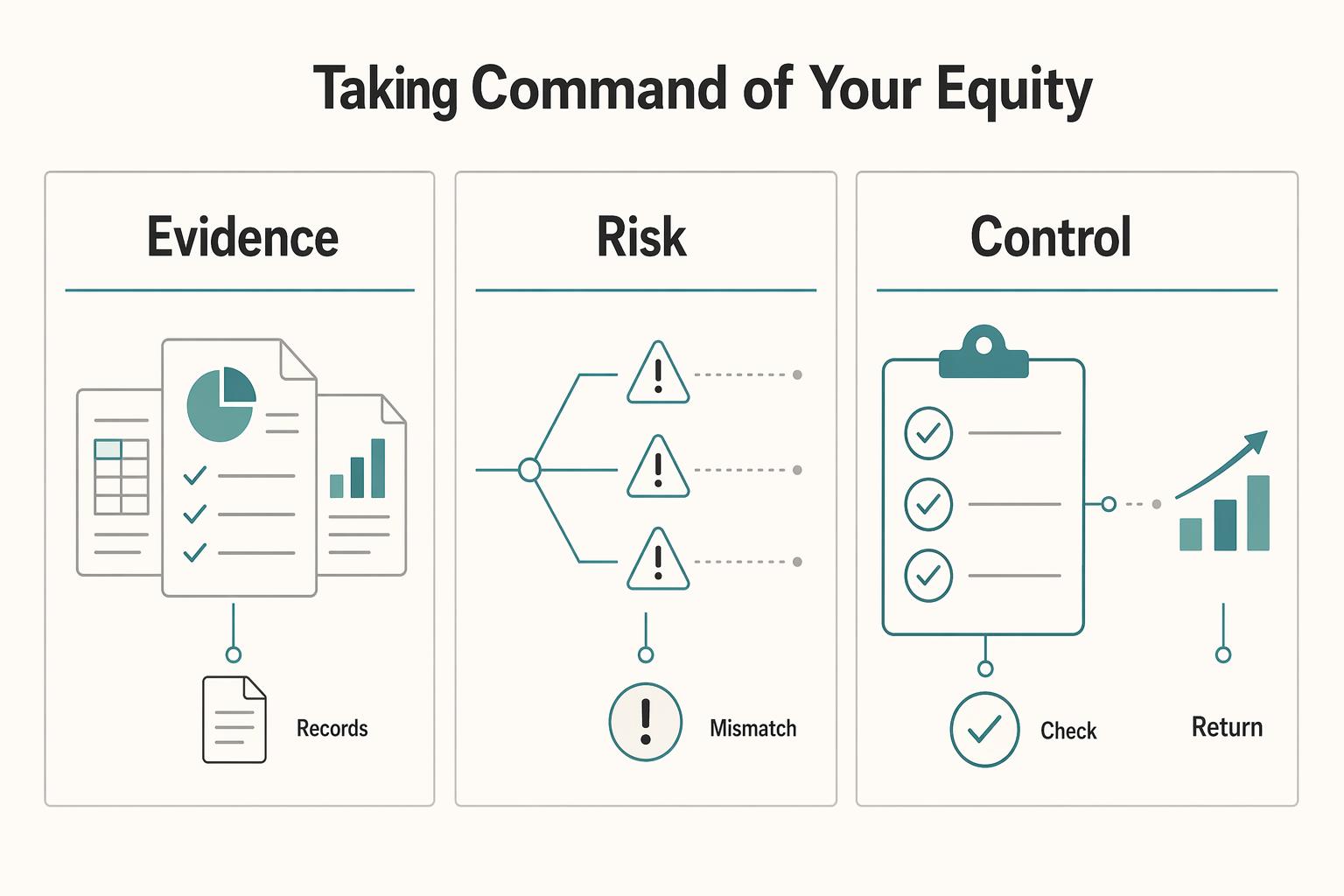
What Is a Vesting Schedule for Founder and Employee Equity?
Your equity grant is not a perk. It is a high-stakes financial asset, and it may become a meaningful part of your net worth. Most guides explain what you were given. This one is about what to do with it.
Read more →
How to Create a Cap Table for Your Startup
A cap table should do three jobs well: record ownership, help you model decisions, and hold up in diligence. Most founders start by treating it like an administrative file: a spreadsheet, a few signed PDFs, and a hope that everything still ties together when it matters. That view is too narrow, and it gets expensive later.
Read more →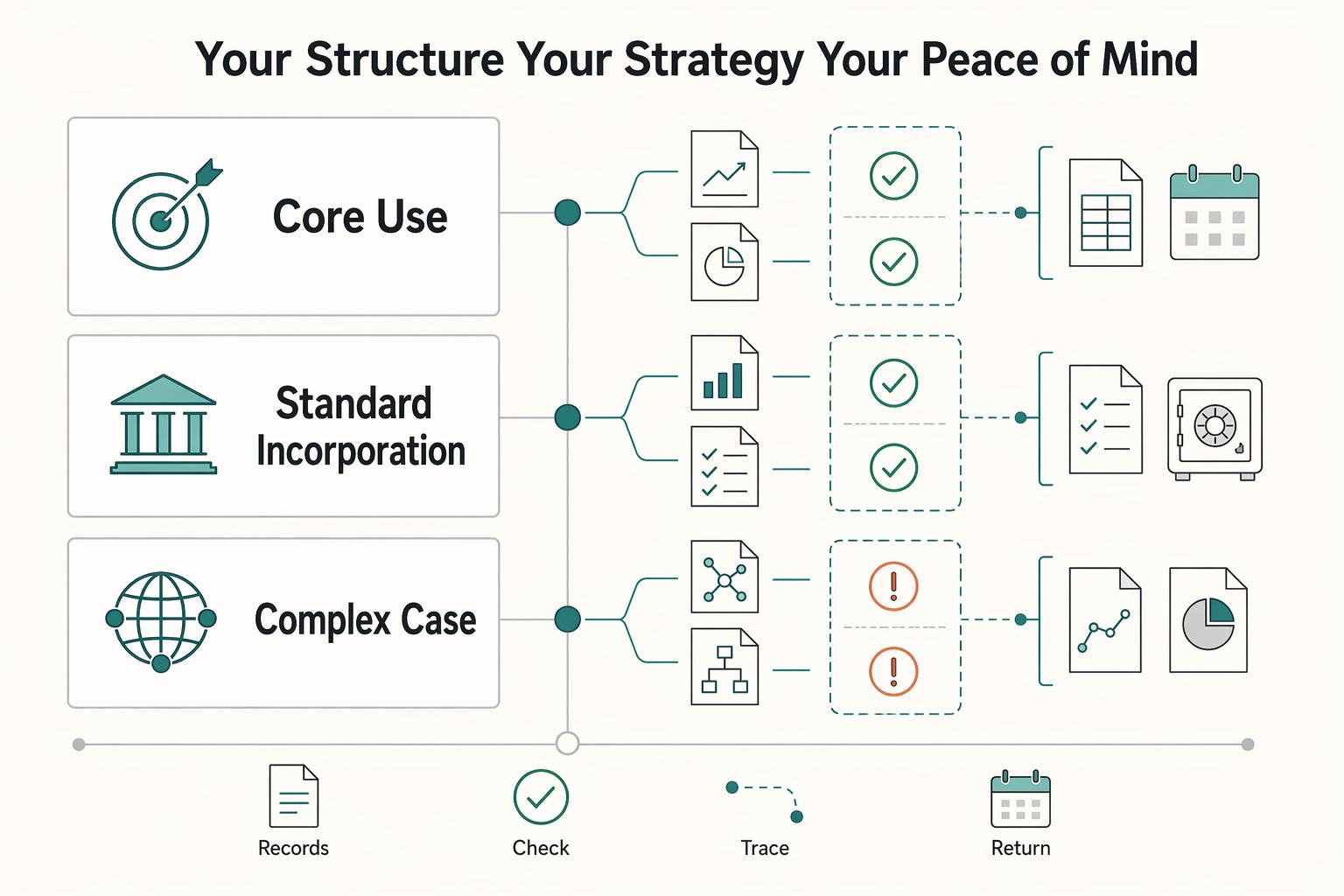
BVI vs Cayman Islands for an Investment Holding Company in 2026
As your work grows, the financial side gets harder to manage casually. What starts as straightforward invoicing can turn into retained capital, liability exposure, and enterprise clients with stricter requirements. At that point, a more formal company structure is not just optional. It becomes a strategic decision. The comparison often narrows to two leading jurisdictions: the British Virgin Islands and the Cayman Islands.
Read more →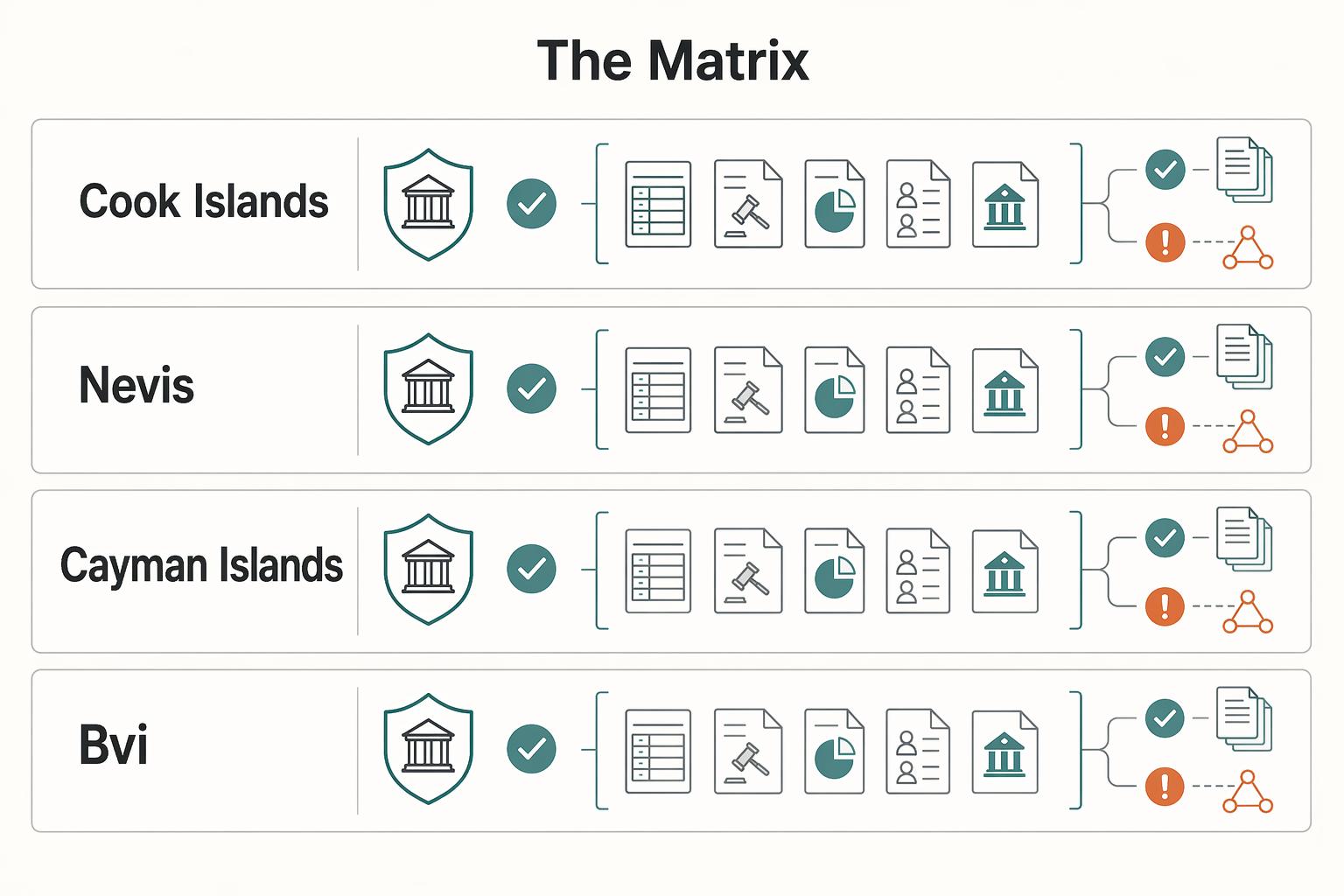
The Best Jurisdictions for an Offshore Asset Protection Trust
Before you compare offshore trust jurisdictions, decide whether you should be shopping for one at all. A foreign trust can be a sensible asset-protection tool, but only if your risk profile, asset mix, and compliance tolerance justify the cost and upkeep.
Read more →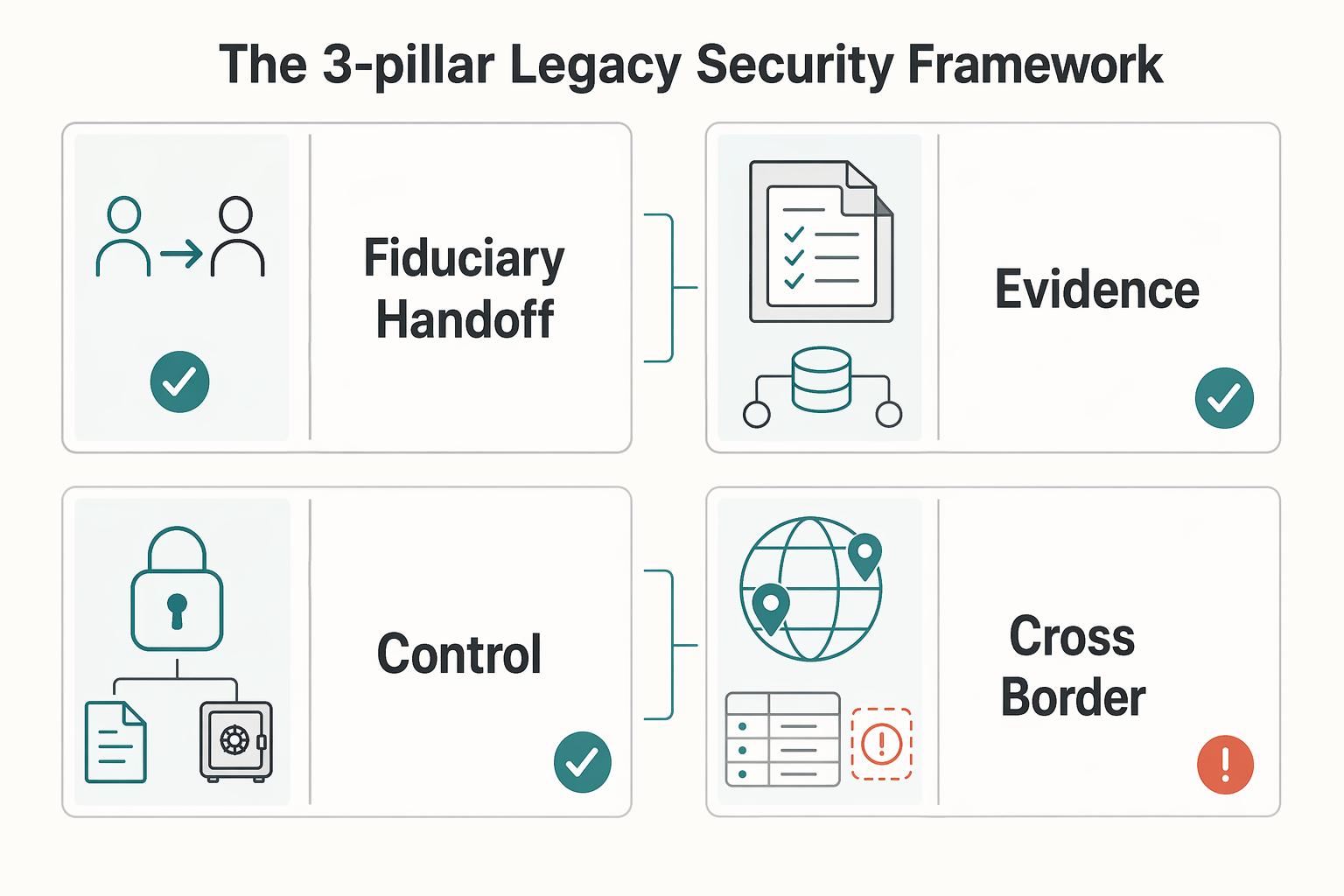
The Best Software for Trust and Estate Administration
If you are evaluating trust and estate administration software, start with one test: can your executor or trustee find assets, prove authority, and complete transfers without guesswork? Much of this market is built for legal practices and emphasizes billing and practice workflows. For a business-of-one, the bigger risk is handoff failure.
Read more →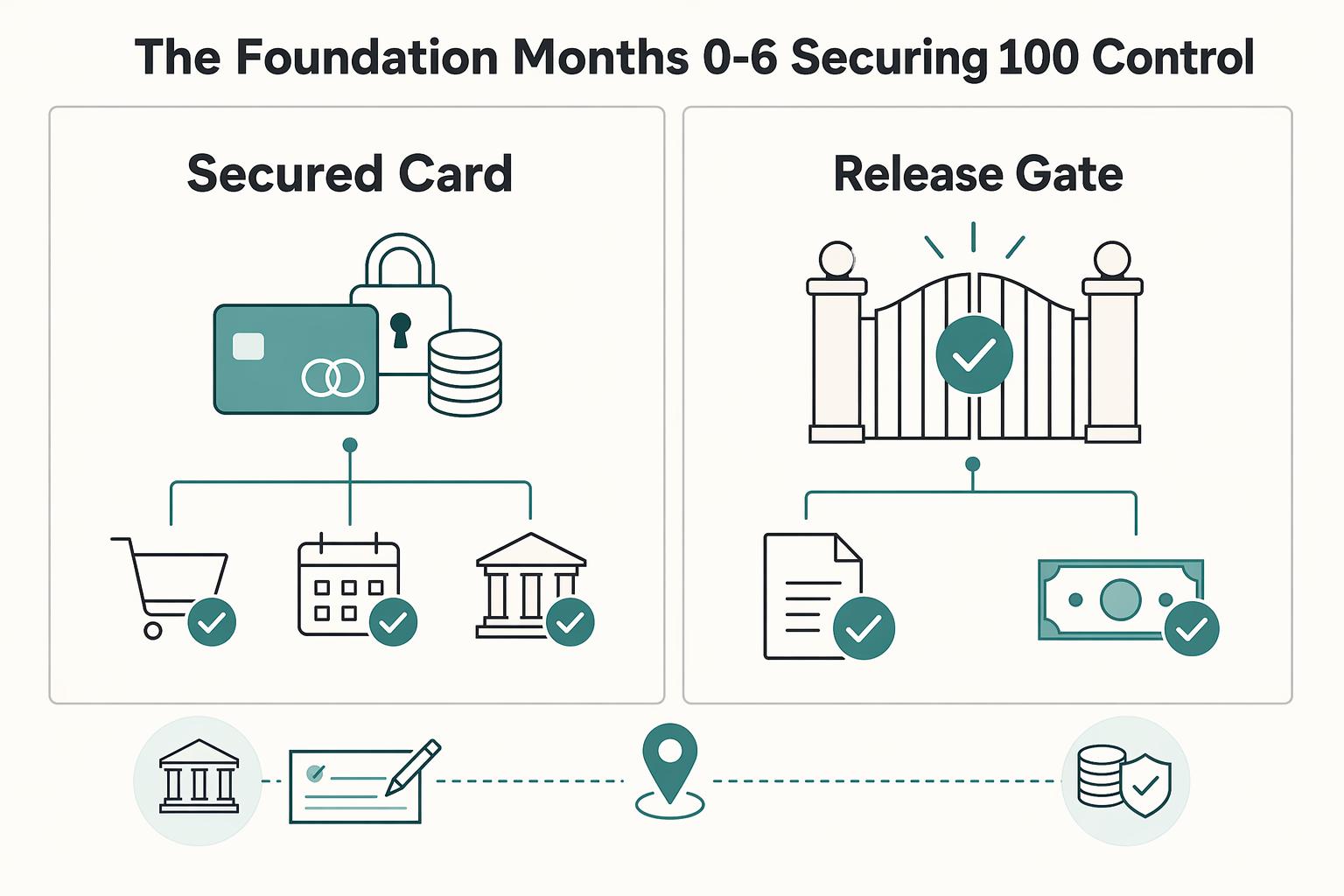
How to Build Credit in College
Forget the usual advice about "student" credit. You are not just looking for a starter card. You are building the financial track record for a business of one: you. That profile shapes how lenders, landlords, and card issuers deal with you long after school.
Read more →
HSA vs FSA for Freelancers Who Need Long-Term Flexibility
Before you pick between an HSA and an FSA, get clear on what each account is built to do. This is more than open-enrollment jargon. It is a planning decision about how you want to handle medical costs, tax treatment, and control of the money.
Read more →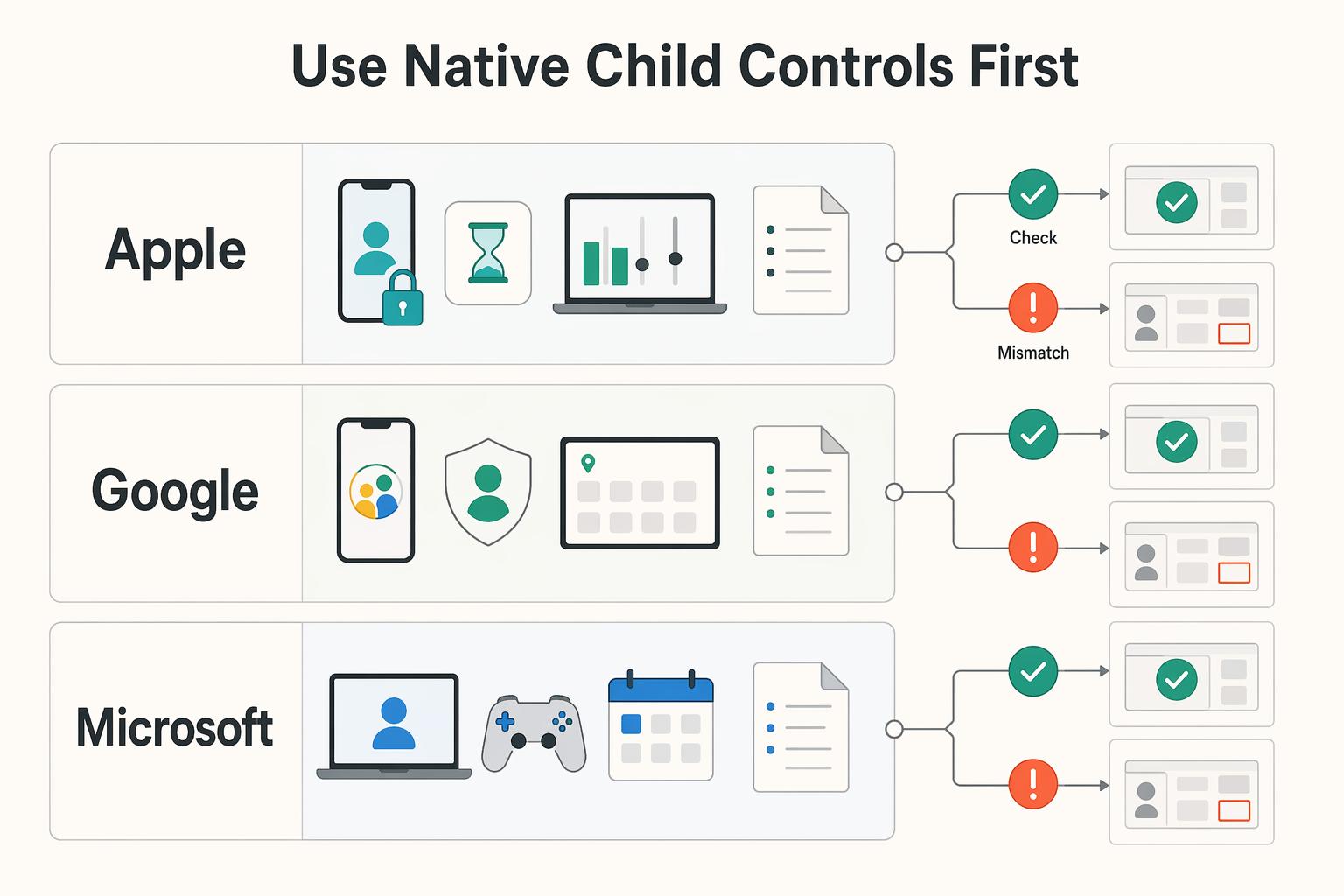
How to Set Up Parental Controls on Your Kids' Devices
If your work and family life run on the same home network, parental controls are not just about screen time. They are part of basic risk management. A stray click, a bad download, or a weak shared-device setup can spill from family tech into client work faster than most people expect.
Read more →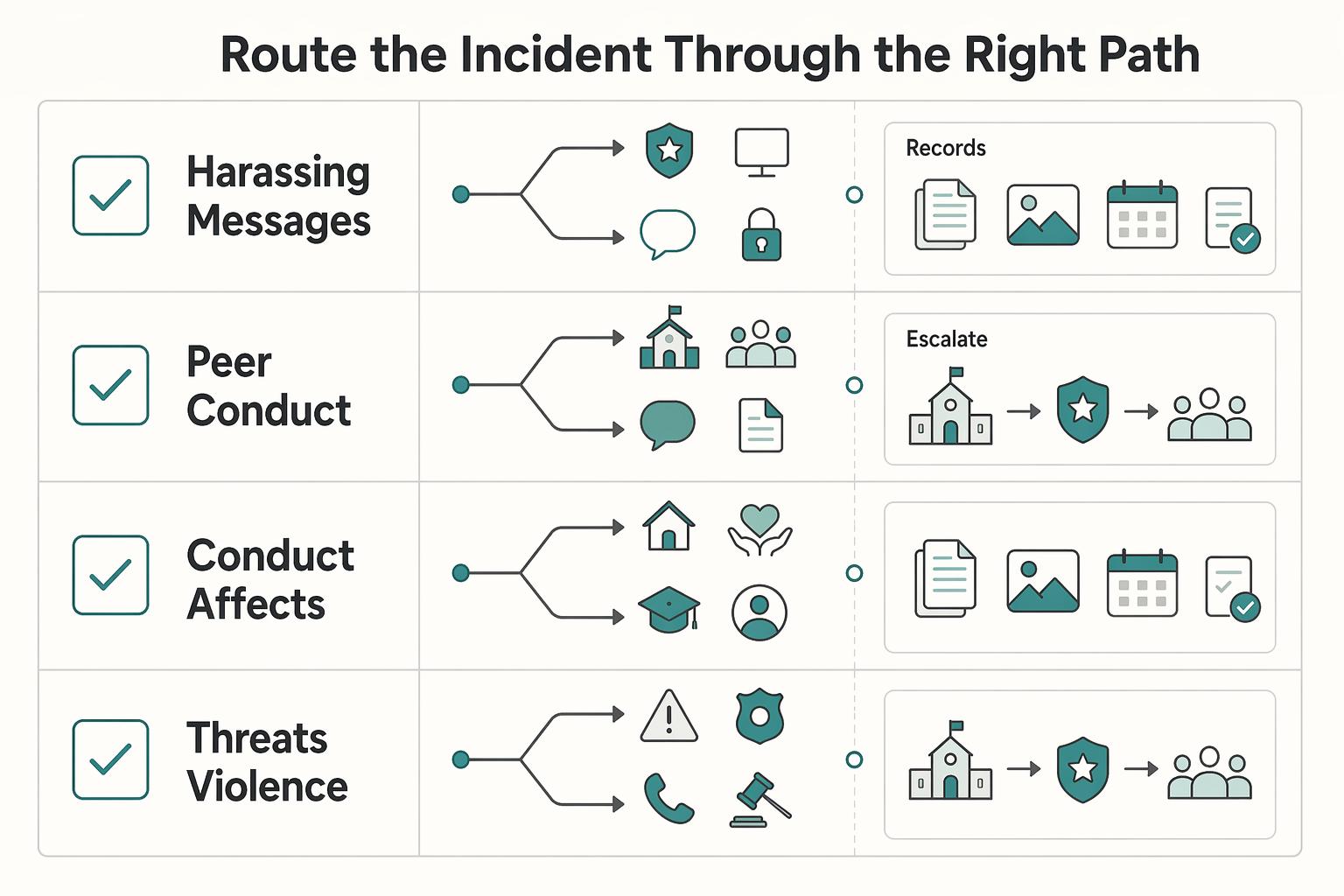
Cyberbullying Protection for Kids and What Parents Should Do First
The work starts before anything happens. In this phase, focus on prevention: set clear family rules, lock down privacy and location settings, secure accounts, and make reporting problems feel safe and normal.
Read more →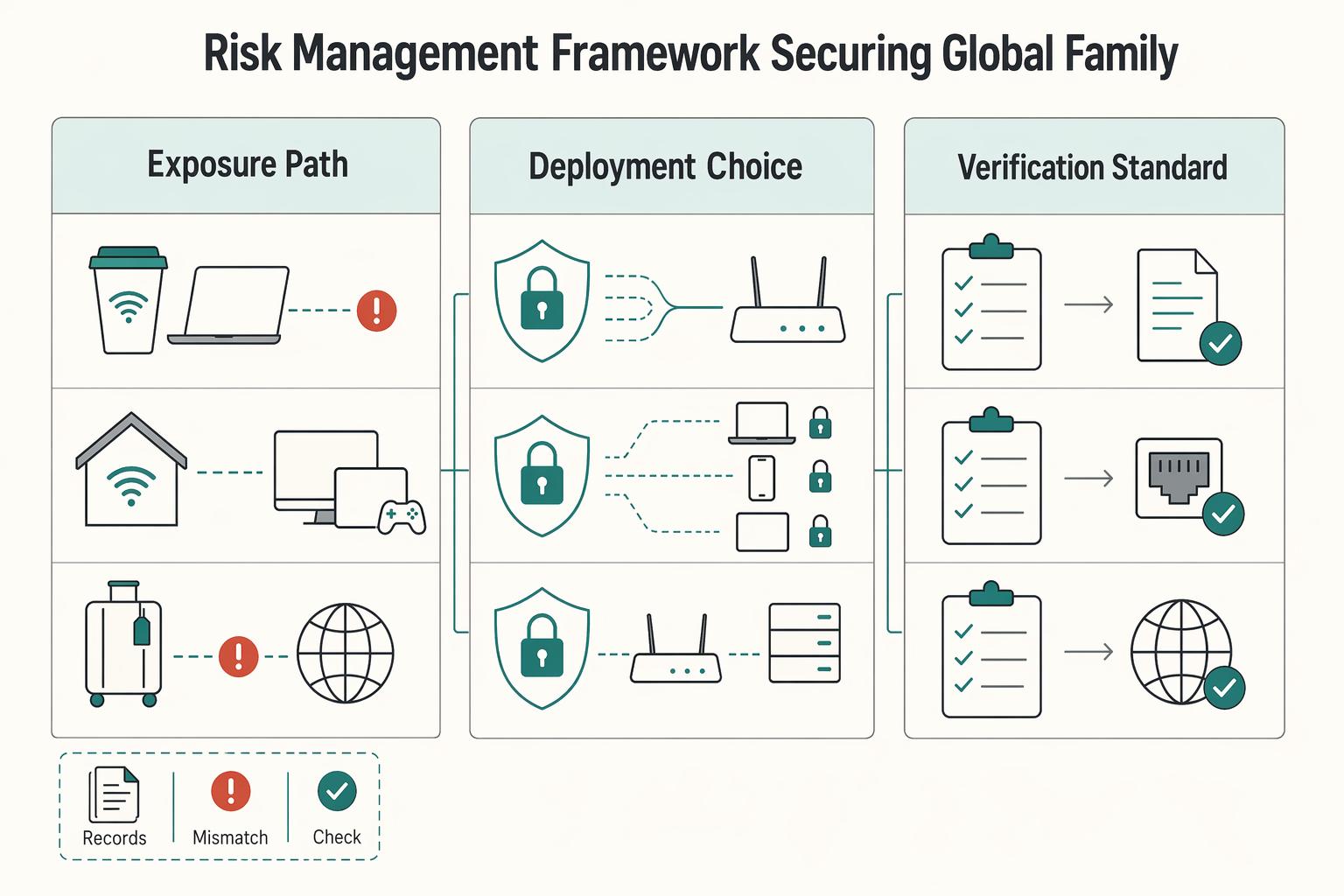
The Best VPNs for Families
Your family's digital habits are part of your business risk whether you treat them that way or not. If your work laptop, a partner's phone, and your kids' devices all touch the same home or travel network, choosing from the **best vpns for families** is an operating decision, not a gadget purchase.
Read more →