
Quick Answer
Start by deciding to create a channel partner program as a small alliance system, not a large channel hierarchy. Set legal and payment guardrails first with a plain-English agreement package, clear payout rules, and required cross-border documentation such as W-8BEN or W-8BEN-E before money moves. Then choose the model that fits your work pattern (Lead Generator, Skill Extender, or Force Multiplier), and run it with lightweight controls: a Vetting Scorecard, a concise onboarding kit, and one source of truth for partner activity.
How to Create a Strategic Alliance Program: A Practical 3-Phase Path#
You have probably reached the point where demand is real, but your capacity is still one person wide. If someone has told you to build a channel partner program, the problem may not be your ambition. Much of the advice in channel sales for SaaS businesses can feel geared toward more headcount, more process, and more admin appetite than a Business-of-One typically has.
That hesitation makes sense. At your size, a strategic alliance program does not need to start as a heavy corporate portal with multiple approval layers and partner managers. It can start as a small, deliberate network of trusted peers who can refer, complement, or sometimes co-deliver work without dragging you into operational sprawl. If you are also evaluating affiliate-style programs, How to Set Up an Affiliate Program for Your SaaS Product can be a useful companion read. This guide focuses on closer partnerships where coordination and fit matter.
The risk is not partnership itself. The risk is managing it informally until the moving parts become a bottleneck. Manual tracking can get you started, but it stops feeling light once you are recruiting, onboarding, enabling, and checking performance across multiple partners. Start with a simple checkpoint. If you cannot explain, in plain English, how a partner finds you, how you will onboard them, and how you will tell whether the relationship is working, you are not ready to recruit yet.
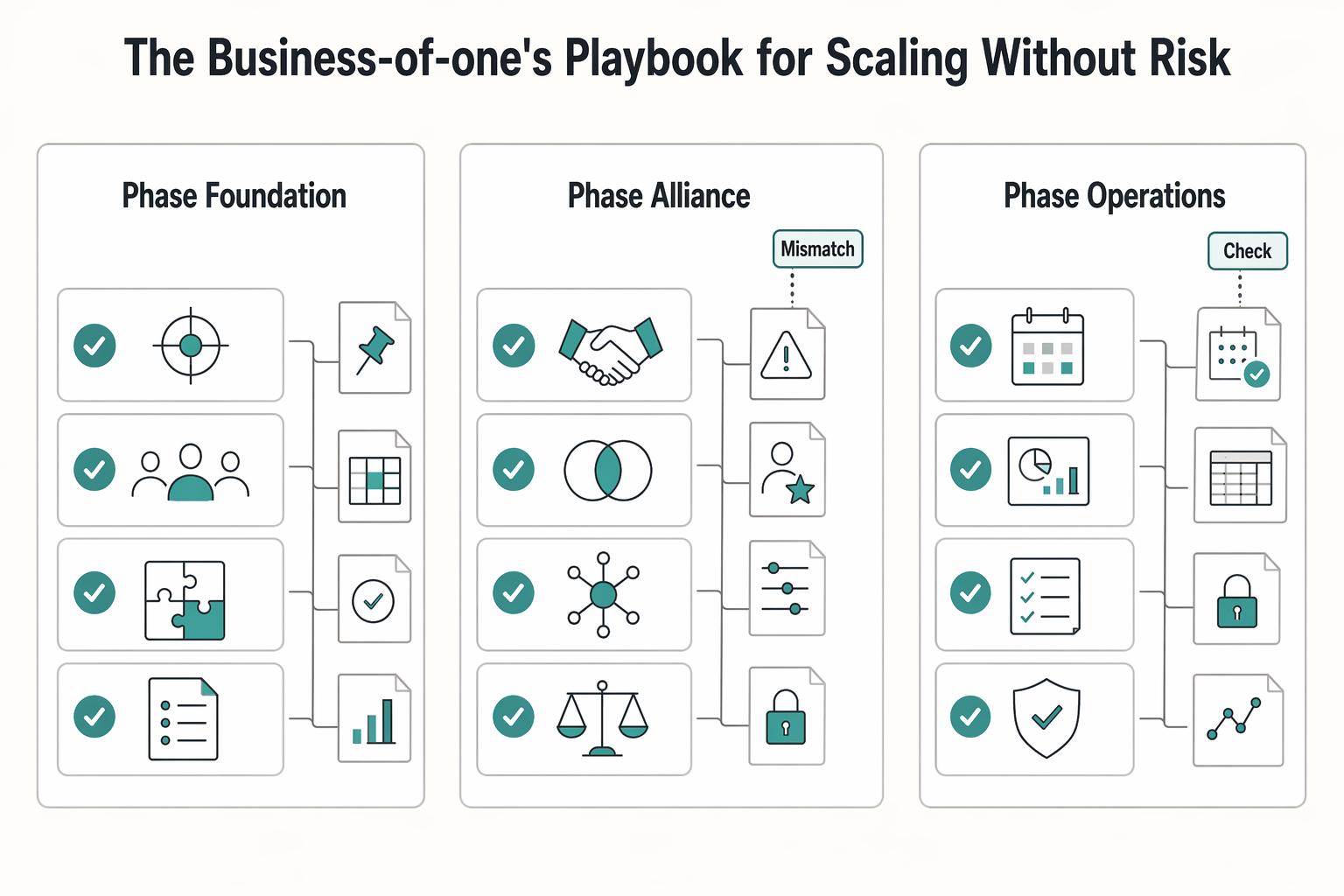
This article follows a practical 3-phase path, so you can make the decisions in order:
- Phase 1: The Foundation. Define your goals, partner profile, and operating checkpoints before recruitment starts.
- Phase 2: The Alliance Blueprint. Choose the model and workflow you can run consistently.
- Phase 3: The Operations System. Build just enough structure and tooling to avoid spreadsheet chaos and reduce bottlenecks as the program grows.
If you want another example of building a program with clear operating rules, read How to Create an Employee Recognition Program for Distributed Teams.
Phase 1: The Foundation - Do the Protective Work First#
Once you decide this will be a real alliance rather than a casual referral, do the protective work first. Skipping it does not save time. It pushes risk into the part of your business where a solo operator can least afford surprises.
| Step | Main focus | Checkpoint |
|---|---|---|
| Agreement package | Master agreement with supporting documents and addenda | Collect and file the partner's ownership and management details during intake |
| Payment compliance | Documentation rules, invoice expectations, payment details, and record retention | Stop and fix the file before money moves if anything is missing |
| Operating safeguards | Vetting process, one-page brand guide, and service level agreement | Keep three safeguards in place |
| Confidential discussions | Explicit confidentiality boundary, often with a mutual NDA | Maintain a centralized repository, then share only what the conversation actually requires |
Step 1. Draft a plain-English agreement package. Do not treat the contract as a generic PDF. In a real partner setup, the governing documents often work as a package. Think of a master agreement with supporting documents and addenda that are all part of the contract. That structure lets you keep the core terms stable while attaching specific obligations such as definitions, record-keeping, audit, reporting, or a referral addendum when needed. If you want that agreement structure to align with day-to-day channel execution, A Guide to Channel Sales for SaaS Businesses is the right companion read.
Keep the agreement readable by both parties. Make these five clauses explicit:
| Clause | Purpose | Why It Matters for a Business-of-One |
|---|---|---|
| Scope of Work | Clearly defines the specific tasks, responsibilities, and deliverables. | Prevents scope creep, where a partner does more or less than agreed, protecting your time and the client's outcome. |
| Commission & Payment Terms | Details the exact commission structure, payment schedule, and invoicing process. | Creates financial predictability and avoids awkward money conversations by making incentives clear from day one. |
| Intellectual Property (IP) | Specifies who owns the rights to any work created during the partnership. | Protects your most valuable assets, including your ideas and proprietary methods, until final payment is made. |
| Confidentiality | Legally prevents either party from sharing sensitive business or client information. | Safeguards the trust you have built with clients and protects strategic business information from being exposed. |
| Term & Termination | Outlines the length of the agreement and the specific conditions under which either party can end the relationship. | Gives you a clear, professional exit path if the partnership is not working, which helps prevent drawn-out disputes. |
A practical checkpoint here is to collect and file the partner's ownership and management details during intake. In one SEC-filed partner agreement package, that onboarding step is explicit. It includes identifying company ownership and management structure and, for public companies, owners at 20% or more of each class of shares. You do not need enterprise paperwork, but you do need enough information to know who you are actually contracting with.
Step 2. Clarify cross-border payment compliance before any invoice is due. Cross-border payments usually break on admin gaps, not on the transfer itself. Documentation rules, invoice expectations, payment details, and record retention can all vary, and the burden adds up fast if you already work across borders as a global professional.
Set the rules early. Decide what documents you need before payout, what an acceptable invoice must include, what currency you will pay in, who absorbs transfer or conversion fees, and where those records live. Before the first payment, make sure you have a complete evidence pack. It should include the signed agreement, partner legal name, payment instructions, and a matching invoice trail, plus any jurisdiction-specific documentation you require. If any of that is missing, stop and fix the file before money moves.
Step 3. Protect your reputation with explicit operating safeguards. Your name is the brand, so partner quality is not a soft issue. It is a control issue. Keep three safeguards in place: a rigorous vetting process, a simple one-page brand guide, and a clear service level agreement that sets communication and service expectations.
Do not treat an alliance as a warmer version of an affiliate relationship. An ally may speak about your work, touch clients, or represent part of your offer, so governance needs to be tighter. If you want lower-touch promotion with less representation risk, How to Set Up an Affiliate Program for Your SaaS Product is the cleaner model.
Step 4. Start confidential discussions only after you set the information boundary. Before detailed strategy conversations, set an explicit confidentiality boundary, often with a mutual NDA. That does not mean an NDA solves every legal problem. It means you are signaling that confidential information will be handled deliberately, not casually.
Back that up operationally. The practical failure mode here is poor security hygiene. It can expose sensitive data and threaten the deal itself. A strong checkpoint is to maintain a centralized repository of your security policies, procedures, and protocols, then share only what the conversation actually requires. That is the difference between professional caution and unnecessary exposure.
If you are also tightening how you package your own offer, How to Create a Productized Service for Your Freelance Business may help.
Phase 2: Choose the Lightest Partnership Model That Fits Your Work#
With contracts, payment rules, and information boundaries set, choose the lightest partnership model that matches how work actually moves through your business. If you want strategy context before you formalize this, A Guide to Channel Sales for SaaS Businesses is the right companion read.
A good model should make growth simpler, not more managerial. The right partner can transfer trust faster than you can build it alone, which often takes months or years. The wrong model adds handoffs, confusion, and co-selling friction you do not have room to absorb.
| Model | Typical use | How it works | Key requirements |
|---|---|---|---|
| Lead Generator | Complementary, non-competing professionals who serve the same clients | A formal referral arrangement that rewards partners for sending new business your way | Define what counts as a qualified lead, set commission terms in a reseller agreement, and track partner-level attribution and cost per lead |
| Skill Extender | Clients who want a more complete solution and larger projects you might otherwise decline | You stay the primary client contact while a trusted specialist delivers a specific part of the work under your banner | Use a rigorous agreement that defines scope of work, quality standards, communication rules, and who owns the client relationship |
| Force Multiplier | Projects too large or complex for any one independent operator | You and a partner pursue and deliver the work together as peers | Agree up front on lead responsibility, delivery roles, money flow, client communications, and how disputes will be handled |
Step 1. Choose the Lead Generator if you want clean growth without shared delivery#
For many solo operators, this is the safest starting point. You are not sharing delivery risk; you are creating a formal path for trusted introductions from adjacent professionals who already serve your buyers. Referral alliances and affiliate programs are related but distinct motions. If you want the lower-touch, link-driven version, read How to Set Up an Affiliate Program for Your SaaS Product.
Keep the commercial logic simple. Pay differently for a basic warm introduction than for a pre-qualified lead, where the partner has already confirmed need, budget, or timing. Put that in a simple reseller agreement. Define the payout trigger in plain English so nobody argues later about whether an intro was casual, qualified, or closing-ready.
Your checkpoint here is measurable attribution. Every referred opportunity should carry the partner name from first contact through close. You should be able to review partner-level revenue and cost per lead without rebuilding the trail by hand.
Step 2. Choose the Skill Extender if clients need more than you personally deliver#
Use this model when clients keep asking for a broader outcome than your specialty covers. You stay in front of the client, protect the relationship, and bring in a specialist for a defined slice of delivery. That lets you offer a more complete result without pretending to be something you are not.
Control matters more than enthusiasm here. Your agreement should spell out scope, review points, service standards, and how the specialist communicates with the client, if at all. Requiring approval before partner-created deliverables go to the client under your name keeps accountability clear.
Step 3. Choose the Force Multiplier only when you truly need peer-level collaboration#
This is the deepest alliance and the easiest one to overestimate. It works when a project is too large or too complex for either of you to win or deliver alone, but it stays healthy only when both sides align on co-selling and delivery from the start.
Before you pitch, lock five decisions: who leads the client relationship, who owns which deliverables, how invoices and payouts will flow, how you will communicate during the project, and what happens if you disagree. A clear red flag is assuming alignment will sort itself out after the work lands. Partnerships can stall when co-selling alignment breaks down, and they can become unstable if one partner is acquired or shifts business priorities.
If you are unsure between models, start smaller. A lead-sharing arrangement can become scoped subcontracting later. It is much easier to deepen a good alliance than to unwind a badly chosen one.
If you also need a cleaner way to hand off brand standards inside a collaboration, see How to Create a Brand Style Guide for a Client.
Phase 3: The Operations System - How to Manage Alliances Without Becoming a Manager#
Once you have chosen the right alliance model, keep operations intentionally light. Spreadsheets and email can work early, but they become harder to trust as partner activity grows. If you need deeper guidance on running the broader channel motion beyond partner selection, A Guide to Channel Sales for SaaS Businesses adds that context. Here, the goal is narrower: one lean system that protects quality, payouts, and visibility without turning you into a full-time coordinator.
Step 1. Implement the Vetting Scorecard#
Use a scorecard before any work, referral, or co-selling starts so decisions are based on evidence, not momentum from a good first conversation. A simple 1 to 5 scale works well, with a short note for each category so you can revisit the decision later instead of relying on memory.
| Criteria | What to Look For |
|---|---|
| Demonstrated Expertise | A strong portfolio, credible case studies, and client testimonials that show they can do consistently good work. |
| Professional Alignment | Do they serve a similar caliber of client? Are their positioning and pricing compatible with yours? A mismatch here creates friction fast. |
| Communication Style | Are they responsive, clear, and professional? Sloppy communication during vetting usually gets worse under pressure. |
| Financial Stability | Do they have established business practices, like professional invoicing and a clear grasp of how they handle money? |
The checkpoint is simple: complete the scorecard before you agree to anything, and do not leave blanks. If a candidate is weak in communication or business hygiene, treat that as an operational risk.
Step 2. Create your 5-minute onboarding kit#
Do not repeat the same 30-minute explanation for every new ally. Put the essentials into one shareable page or folder so a partner can understand your offer, your buyers, and your handoff process in minutes. A Notion page or shared Google Drive folder is enough.
| Item | What it includes |
|---|---|
| One-Page Brand Guide | A short summary of your mission, voice, and visual identity |
| Ideal Client Profile (ICP) | A specific description of the clients you serve best, so referrals are actually relevant |
| Referral Process Map | A checklist or flowchart showing how to submit a lead, what happens next, and how payouts are approved |
| Key Marketing Links | Direct links to your portfolio, case studies, and core service pages |
If you already use affiliate-style tracking, ideas from How to Set Up an Affiliate Program for Your SaaS Product can help shape handoff and payout flow, but affiliate mechanics do not replace alliance governance.
If this pack is vague, approval steps usually drift back into email, and that is where referral payouts start to stall.
Step 3. Build your solo-stack for alliance management#
You do not need a complex stack on day one, but you do need one clear place to manage partner data, deals, and communication so forecasting does not turn into guesswork.
| Function | Examples | Used for |
|---|---|---|
| Lightweight CRM | Notion or Airtable | Track partners, referred opportunities, status, payout amounts, and payout dates in one database |
| Contract Management | PandaDoc or HelloSign | Keep agreements and signatures organized so you are not digging through inbox threads later |
| Smooth Payments | Gruv | Pay partner incentives, especially across borders, with records easy to verify |
Make the CRM your source of truth for partner data and deal status. If cross-border operator realities are part of your partner conversations, this related guide can help with context: Digital Nomad Health Insurance: A Comparison of Top Providers.
A practical checkpoint is a short review every Monday morning of open action items, pending payouts, and any deals waiting for approval. That cadence matters because disorganized intake is how teams nearly pay commission twice on the same $50,000 deal. If you can see status, ownership, and next step in one place, the alliance stays useful instead of noisy.
If you are building simple partner-facing materials, you might also find this useful: How to Create a Speaker One-Sheet for Your Freelance Business.
Conclusion: Grow With a Few Well-Chosen Partnerships#
Thinking through contracts, payment terms, onboarding, and cross-border admin can feel like a lot for a solo operator. It can feel safer to stay small, even when your ambition has outgrown your capacity. But handling those decisions is one way to keep control as you grow. They let your reach expand without turning your business into something you no longer want to run.
To build a partner program that fits a Business-of-One, drop the corporate baggage attached to the term. This is not about building a sprawling sales machine you have to babysit. It is about choosing a small number of trusted relationships that extend your capabilities and credibility, and can make adoption easier through trust transfer. If you want the broader execution context, this is where channel sales for SaaS businesses becomes useful.
The 3-phase structure helps because it replaces vague worry with specific decisions at each stage:
- Phase 1, The Foundation, addresses compliance anxiety. When core terms and collaboration boundaries are clearly documented, you create a cleaner perimeter for partnership work.
- Phase 2, The Blueprint, reduces strategic anxiety. Choosing a partnership approach that matches your goals keeps effort aligned with the outcomes you want. If a lighter motion is the right fit, a dedicated referral program may be the more useful next step.
- Phase 3, The Operations System, reduces operational anxiety. Training is a core enablement building block, and basic performance tracking lets you evaluate partner contribution across the full lifecycle instead of guessing.
That is the real payoff. You do not need more moving parts. You need a few well-chosen ones that let you grow with confidence, protect your autonomy, and scale your impact without scaling your anxiety.
Frequently Asked Questions
How do you create a referral agreement for a solo professional?
Keep the agreement short, plain English, and specific about program objective, eligible actions, and how participation will be tracked. A practical checkpoint is requiring partner enrollment so you can identify who is participating and what activity counts. If you want examples of tracking and payout mechanics, How to Set Up an Affiliate Program for Your SaaS Product is useful context, but affiliate mechanics and alliance referrals are not the same model.
What is a fair referral commission for a consultant?
There is no single fair number that fits every service business. Start with the objective: are you rewarding a simple introduction, a pre-qualified opportunity, or active co-selling support? If that goal is vague, the payout will feel arbitrary and the program becomes hard to measure. A good check is whether you can explain, in one sentence, what action earns the commission and why that action is worth the amount.
What are the best types of partnerships for a solo business?
There is no single partnership model that is best in every case. Common indirect partner types include resellers, distributors, VARs, system integrators, and managed service providers, and each serves a different role in the distribution chain. Choose based on your objective and whether you are seeing organic momentum from potential partners. If you are still choosing the right model, this guide to channel sales for SaaS businesses gives useful extra context on how different indirect sales relationships actually operate.
How do I protect my brand when working with partners?
Use a structured partner program instead of ad hoc handoffs: repeatable onboarding, enablement, and performance tracking. Also require partner enrollment so you can identify participating individuals and monitor activity consistently. Without this structure, it becomes harder to maintain quality as partner activity grows.
How do I handle the tax implications of paying international partners?
There is no one universal set of tax forms or legal clauses for international partner payments. Treat cross-border payouts as jurisdiction-specific and confirm exact requirements with a qualified accountant or lawyer in the relevant countries. Also protect the relationship operationally, because delayed disbursements over 60 days are associated with lower participation and satisfaction in partner programs.
Try a related tool
Researched and edited by the Gruv editorial team. Gruv builds cross-border billing, payouts, and finance-operations software for global businesses.
Sources
- boonemo.gov/clerk/WebPublish/commission/orders/2020/2020...trusted
- cms.gov/files/document/guidance-snf-attachment-855a.pdftrusted
- directives.doe.gov/directives-documents/400-series/0470.4-DManu...trusted
- documents.fayetteville-ar.gov/WebLink/DocView.aspxtrusted
- dodcio.defense.gov/Portals/0/Documents/CMMC/AssessmentGuideL2.pdftrusted
- dss.sd.gov/docs/rfp/17659/17659.pdftrusted
- jud.ct.gov/LegalResources/Docs/LJDocs/CTReports/FullVol...trusted
- procurement.sc.gov/files/cpo/File_2026-213_Decision_Protests_of...trusted
Educational content only. Not legal, tax, or financial advice.
Related Posts

Digital Nomad Health Insurance Comparison for Long-Stay Moves
Use focused time now to avoid expensive mistakes later. Start with a practical `digital nomad health insurance comparison`, then map your route in [Gruv's visa planner](/tools/visa-for-digital-nomads) so we anchor policy checks to your real plan before pricing pages pull you off course.
Channel Sales for SaaS Without Losing Control
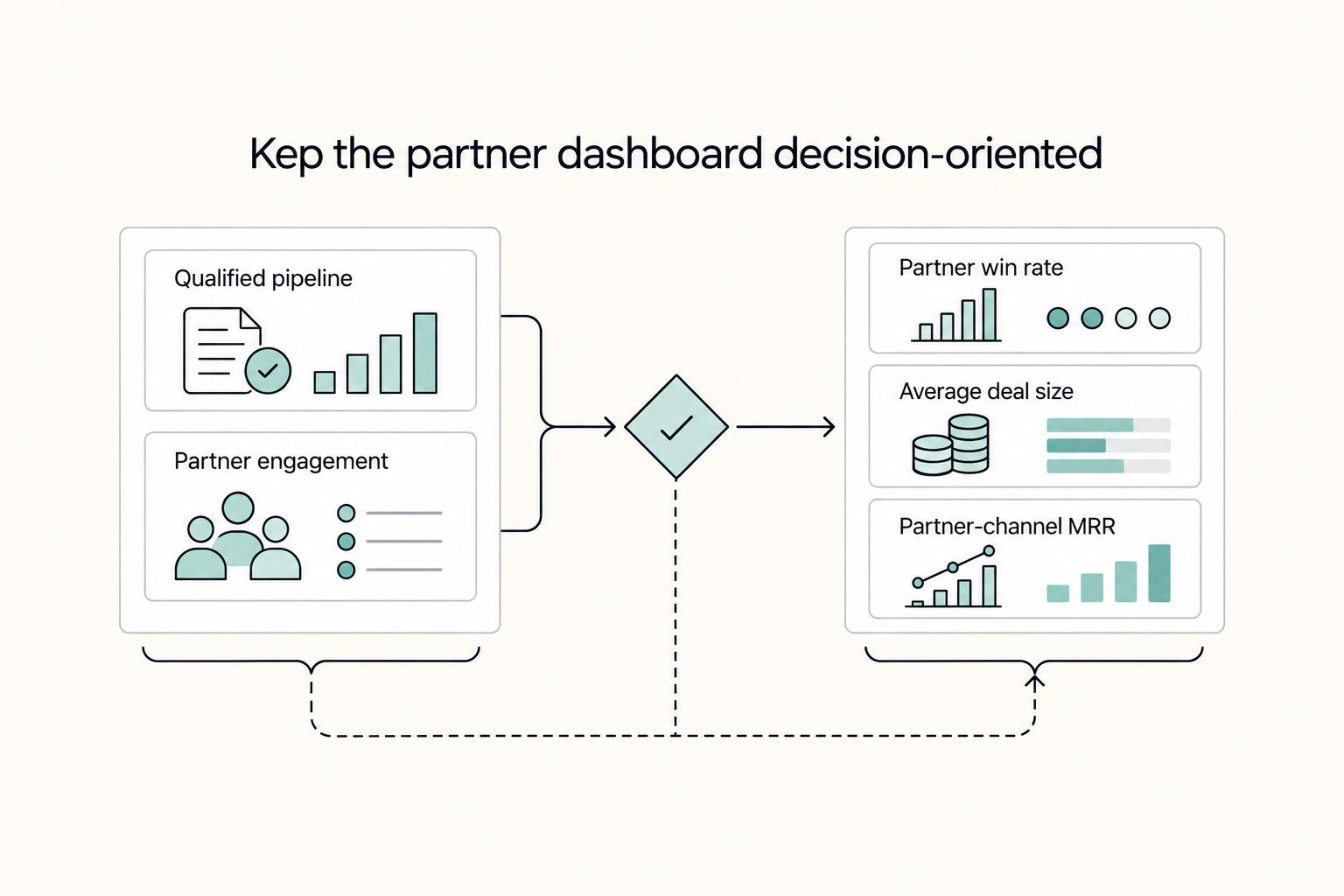
Channel sales for SaaS works when you treat the channel as an operating decision, not just a sales idea. The tradeoff is simple. You want more reach and efficiency, but you also need a centralized process with visibility, clear metrics, and controls that reduce avoidable compliance risk.
How to Set Up an Affiliate Program for Your SaaS Product
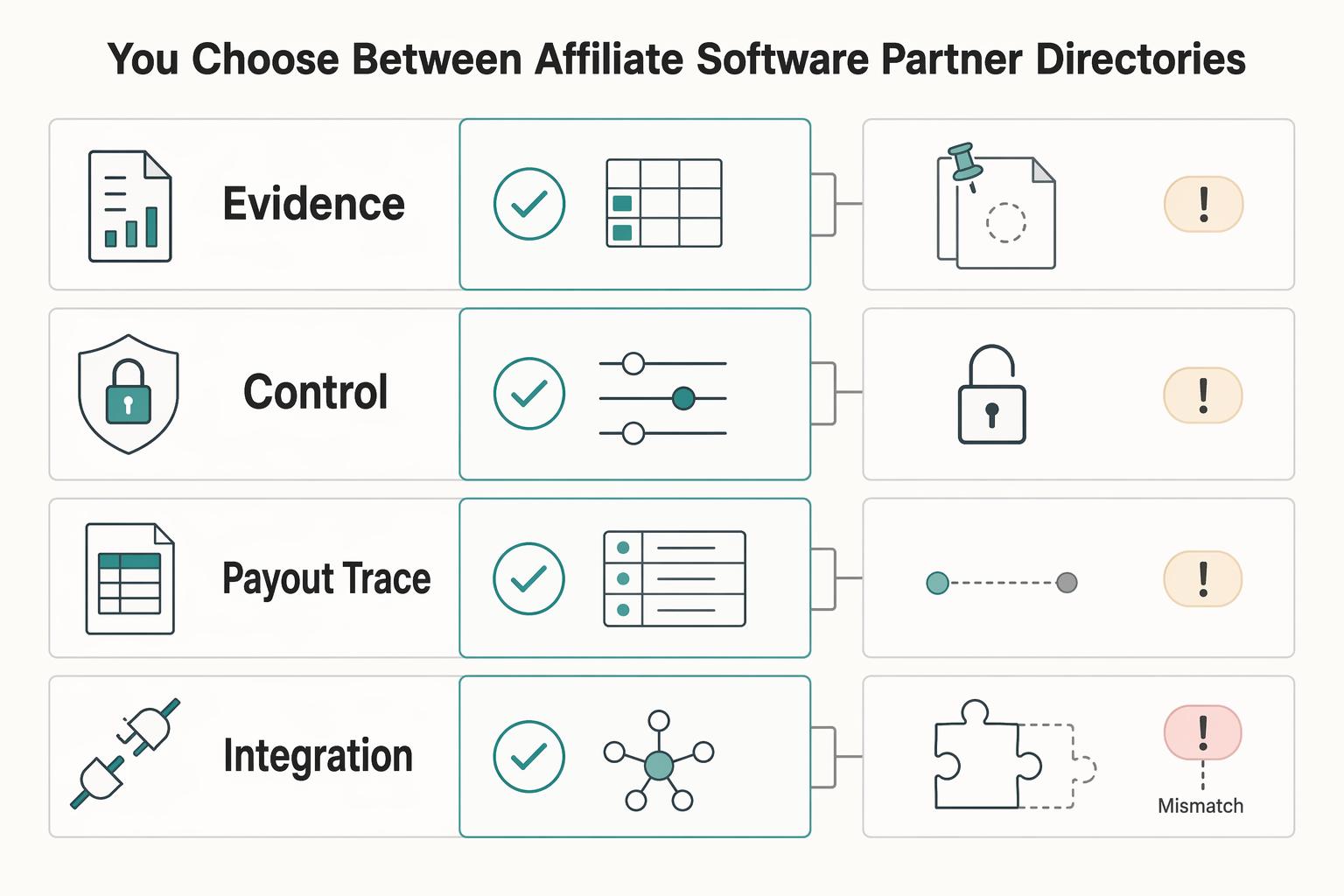
This is not a small marketing experiment. You are taking on a sales channel that touches payouts, attribution, partner trust, and margin. If you run it solo, every vague rule and every edge case comes back to you.