
Quick Answer
The right multi-state payroll service for a solo operator supports officer-only payroll, handles or guides state registration, and keeps W-2 salary separate from shareholder distributions. For an S-Corp, it should automatically calculate and remit federal, state, and local withholding in every jurisdiction where you work, while also supporting clean records and benefits planning such as Solo 401(k) contributions.
Step 1: Secure Your Revenue - Getting Paid Compliantly Across State Lines#
Figure out where getting paid creates tax exposure before you automate anything. Multi-state exposure is not just about state income tax. It can also affect sales, property, and employment-related taxes. Miss the trigger points, and paid work can turn into liabilities, penalties, and audits you do not want to deal with later.
| Control | What to record | Article note |
|---|---|---|
| Track activity by state | where work and business activity occurred | nexus checks are easier to verify |
| Tag income by state | revenue reporting by jurisdiction | not just by client |
| Keep clean documents | contracts, statements of work, invoices, and location/activity support | one folder per client |
Start with nexus, which is the connection that makes your business subject to a state's tax laws. Physical nexus usually comes from physical presence in a state, such as an office, warehouse, or other in-state footprint. Economic nexus comes from economic activity, usually sales above a state-set threshold. Employment-related tax obligations can also arise when work is performed across states, and those rules vary by jurisdiction.
The decision flow is straightforward, even when the answers are not. Ask where you have physical presence, where sales may have crossed a state threshold, and where multi-state workforce activity may create employment-related tax obligations. Each state sets its own criteria, so use this as a verification step, not a static rule. If a threshold matters, verify the current threshold before you act.
| Trigger | What to check | Evidence to keep | Action now |
|---|---|---|---|
| Physical presence in another state | Whether your location or ongoing activity created physical nexus | Calendar entries, travel records, office or coworking receipts, client visit notes | Review that state's nexus and filing rules before invoicing more work there |
| Sales into a state | Whether your sales crossed the official current economic threshold | Invoices, revenue reports by state, customer list, transaction counts if relevant | Check the current threshold and filing impact for that jurisdiction |
| Employees or payroll activity across states | Whether employment-related tax obligations are triggered in that state | Payroll reports, work-location records, registration records | Confirm state-specific compliance and registration requirements before scaling payroll there |
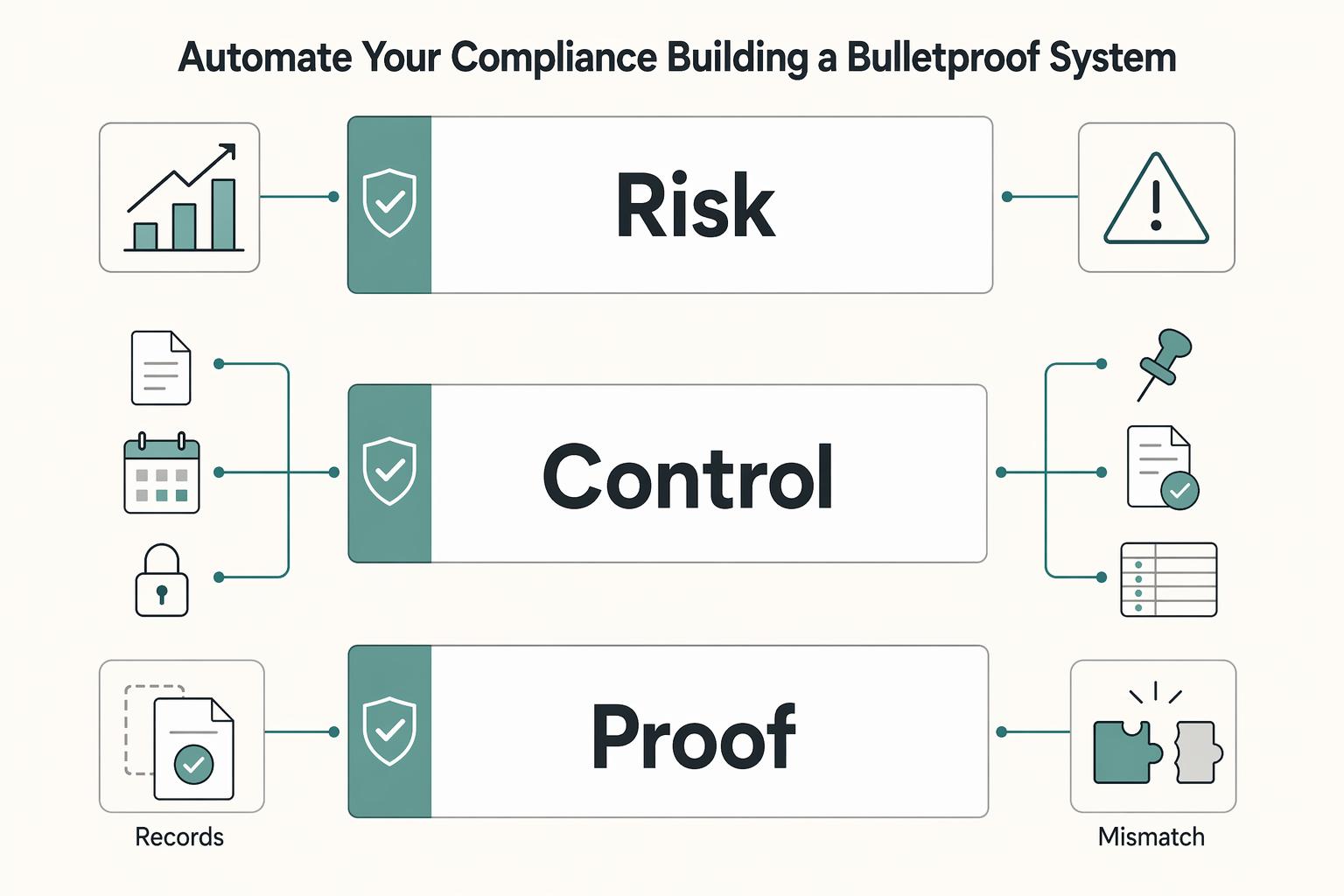
At minimum, set up those three controls from day one: track activity by state, tag income by state, and keep clean documents.
Treat your project documentation as compliance support, not just payment paperwork. If work spans multiple states or nexus status is unclear, get jurisdiction-specific tax guidance before the engagement gets larger. If you want a deeper dive, read Value-Based Pricing: A Freelancer's Guide.
Step 2: Build a Defensible Record of Decisions and Changes#
Your first move is to build a defensible record system, not to rely on payroll software defaults. For this step, treat payroll-specific rules as verification items and focus on process controls you can prove later: a clear change log and acknowledgment records.
If you are deciding between a payroll path and a no-payroll path, document the decision and the assumptions behind it, then verify tax treatment with qualified advice before execution. The risk is not just a wrong choice. It is an undocumented choice you cannot explain later.
1. Decide your path, then record the decision#
Write a short decision memo before setup starts. Keep it practical: what path you are using now, why, who approved it, and what still needs verification.
For any compensation structure, keep categories clearly separated in your records so pay treatment does not drift over time. If details are still pending, mark them as pending instead of filling gaps with assumptions.
2. Run an execution checklist with version control#
Use a one-page checklist and update it through a tracked process. Each change should show what changed, who changed it, and when.
- Create a single source of truth
Keep one current setup document for your compensation path, open verification items, and the responsible owner.
- Track jurisdictions and open checks
Maintain a list of states and localities to verify, with filing cadence marked pending until official payroll or tax records confirm it.
- Prepare a handoff pack
Include current setup notes, existing notices, known registrations, and decision records so your provider or advisor is not guessing.
- Capture acknowledgments
Keep proof that the relevant person reviewed and accepted the current setup. A missing acknowledgment weakens legal defensibility.
| Task | S-Corp payroll path | Sole prop/LLC no-payroll path | Failure risk if skipped |
|---|---|---|---|
| Decision memo | Record why payroll is being used and what still needs verification | Record why no payroll is being used and what still needs verification | Unclear rationale and inconsistent execution |
| Jurisdiction checklist | States/localities listed; current filing cadence pending official payroll/tax/source-record verification. | States/localities listed; current filing cadence pending official payroll/tax/source-record verification. | Missed obligations and reactive cleanup |
| Handoff pack | Share setup summary, known accounts/notices, and owner approvals | Share setup summary, owner-draw process notes, and owner approvals | Advisor/provider works from incomplete assumptions |
| Change log + acknowledgments | Track every change (what/who/when) and keep proof of review | Track every change (what/who/when) and keep proof of review | Weak audit trail and weaker legal defense |
3. Keep reciprocity as a verification checkpoint#
Treat reciprocity as something to confirm, not assume. Record eligibility checks, form/application status, and any local withholding checks that remain open after state-level review.
Use the same workflow for every update: verify, log the change, and capture acknowledgment. For deeper implementation guidance, see how to handle payroll taxes for a remote US team and What to Do If You've Been Misclassified as an Independent Contractor.
Step 3: Treat Owner Pay as a Documented Compliance Workflow#
After your setup is in place, treat owner pay as a compliance workflow, not an ad hoc transfer. In a multi-state environment, hybrid work, travel, and relocations can create tax obligations you do not see coming, so your structure should be easy to explain, document, and review before mistakes turn into audit risk.
1. Keep salary and distributions in separate lanes#
If you use an S-Corp payroll path, keep wages and distributions operationally separate so your records stay clear.
| Decision criteria | W-2 salary | Shareholder distributions |
|---|---|---|
| Tax treatment | Processed through your payroll workflow and payroll records | Handled outside payroll with separate coding and records |
| Audit defensibility | Clearer when supported by a compensation memo and periodic review | Riskier when transfers are poorly labeled or not documented |
| Retirement eligibility | Confirm how your plan defines eligible compensation | Do not assume distributions count; verify in plan documents |
| Cashflow predictability | Easier to run on a fixed cadence | More flexible, but easier to let discipline drift |
| Documentation burden | Payroll reports plus compensation support file | Separate approvals, transfer labels, and clean ledger entries |
Use separate workflow steps, ledger codes, and review notes for each pay type.
2. Build a reasonable-salary evidence file#
Treat reasonable salary as a documented judgment call, not a one-time guess. Keep one file with:
| Evidence item | What to keep | Article note |
|---|---|---|
| Role scope | what work you actually perform | keep one file |
| Market benchmark | your pay reference and saved support | Benchmark source pending official compensation/source-record verification. |
| Time allocation | how your time is split across delivery, sales, admin, and management | review at least annually |
| Annual review memo | what changed, what did not, and why pay was kept or adjusted | review at least annually |
Keep those items in one file rather than scattered across separate records. Review this file at least annually, and sooner when duties, locations, or travel patterns change.
For retirement plans, use a selection lens instead of a default:
- SEP IRA: usually simpler operationally.
- Solo 401(k): may be worth added administration if you want more design flexibility.
Before funding either plan, verify eligibility, compensation definitions, and current-year contribution limits from official plan, tax, or provider records.
3. Run a workers' comp state-check workflow#
Treat workers' comp as a recurring state check for each state tied to your work:
| Check | What to confirm | Evidence to keep |
|---|---|---|
| Officer classification rules | Confirm officer classification rules | payroll classification record |
| Exemption election | Confirm whether an exemption election is available | exemption record |
| Payroll provider status | Confirm your payroll provider can reflect the selected status correctly | confirmation record |
| Proof of coverage or exemption | Confirm what proof of coverage or exemption you must retain | policy or exemption record |
Run those checks and keep the evidence together (policy or exemption record, confirmation record, and payroll classification record) so the decision trail is easy to audit.
Use these pay-structure guardrails to prevent drift:
- Separate salary and distribution workflows.
- Keep a consistent salary cadence.
- Trigger a review when duties, revenue pattern, or state footprint changes.
- Retain one annual evidence file with compensation and workers' comp records.
For a broader systems walkthrough, see Best HRIS Software for Small Businesses in 2026.
How to Choose a 'Payroll' Service When You're Not a Traditional Business#
Choose for compliance control, not branding. A strong multi-state payroll option should clearly separate what it calculates automatically, what it helps you set up, and what still requires action from you or your accountant.
Most demos make calculations look easy. The real risk usually shows up in registration handoffs, notice handling, correction workflows, and recordkeeping when you run officer payroll and keep salary separate from distributions. If support cannot explain those boundaries clearly, treat that as a buying risk.
| Evaluation criterion | What good looks like | Red flag | Questions to ask sales/support |
|---|---|---|---|
| State setup vs. calculation | Clear line between automatic calculations, assisted setup, and your remaining state tasks | "We support multi-state" with no workflow detail | What is fully automatic, what is assisted, and what remains my responsibility by state? |
| S-Corp fit | Officer-only payroll is supported, salary stays in payroll, distributions stay outside payroll, and corrections are traceable | Owner pay forced into a generic flow, or corrections are hard to audit | How do you handle officer-only payroll, salary vs. distribution separation, and correction history? |
| Reporting and access | Exports are usable for bookkeeping, accountant access is practical, and filings/notices are easy to review | Thin reports, scattered notice history, or limited accountant visibility | Which payroll reports and exports are available, and how can my accountant access filings and notices? |
| Pricing and transition | Pricing, coverage, and features are explicit, with hidden-fee risk discussed up front and transition continuity addressed | Vague migration promises or unexpected post-onboarding charges | Where do extra fees appear, and who owns transition timeline, compliance handoffs, and payroll continuity? |
For a shortlist in 2026, run the same scenario in every tool: one officer payroll run, one correction, one state setup question, and one export test for your bookkeeper. Track setup friction, support quality, and what each provider confirms in writing. Choose the option with the lowest ongoing compliance risk and operational overhead.
You might also find this useful: The Best Payroll Services for Small Agencies with US Contractors. If you're still sorting through "best multi-state payroll services," try the free invoice generator.
Conclusion: Own the Workflow, the Reviews, and the Escalation Path#
The point of the "CEO mindset" here is not to sound bigger than you are. It means owning three things: a documented payroll workflow, a scheduled control review, and a clear escalation path when something does not reconcile.
What you control now is simpler than the rules themselves:
- Where you operate: Confirm every state or jurisdiction where you pay people, then verify your payroll setup or partner coverage matches those locations before the next run.
- How payroll runs: Decide whether payroll stays in-house or moves to a payroll partner, with a clear record of pay history, corrections, notices, and status.
- How you review controls: Set a recurring check to review payroll outputs, compliance tasks, and exceptions instead of waiting for a year-end surprise.
- When you escalate: Bring in a payroll or tax professional when local requirements conflict, a notice arrives, or your provider cannot clearly explain the setup.
| Decision area | Higher-risk setup | Better operator choice |
|---|---|---|
| Payroll model | Ad hoc in-house process stretched across locations | Deliberate in-house vs. payroll partner decision with clear ownership |
| Controls | Reactive checks after a problem | Scheduled reviews before each pay cycle and after key compliance events |
| Pay policy | Unclear, verbal, or inconsistent | Documented pay policy with explicit approval and exception rules |
| Oversight | Fragmented tools and missing context | Integrated process where records, status, and exceptions are reviewed together |
The red flag is not complexity by itself. It is a fragmented process that nobody owns. If your current setup depends on memory, inbox searches, or last-minute overrides, fix that before you add another location or another worker.
Do this next. List where you pay people today. Confirm your payroll workflow and provider setup match those locations. Write down your pay policy, schedule recurring control reviews, and escalate unresolved issues before the next payroll date. Want to confirm what's supported for your specific state or program? Talk to Gruv.
Frequently Asked Questions
How do I pay myself as a freelancer with clients in multiple states?
If you are a sole proprietor or single-member LLC, you pay yourself with an owner's draw from your business account to your personal account. You are responsible for setting aside 25-40% of each payment for quarterly estimated taxes. If you are an S-Corporation, you must pay yourself a reasonable salary through a formal payroll system that handles tax withholding automatically.
What are the tax rules for a consultant working in California and New York?
Both states are aggressive. You generally owe income tax where the work is physically performed. California taxes non-residents on income earned while physically in the state, with no minimum day threshold. New York may tax remote work under its Convenience of the Employer rule if your primary office is in New York.
Do I need a separate business entity for each state I work in?
No. You keep one primary business entity and register it as a foreign entity in each additional state where you conduct business. That foreign qualification filing is much simpler than managing multiple companies.
What is the best way to handle 1099 income and taxes from multiple states?
Track where work was physically performed for every project. Keep tax funds separate in a dedicated savings account and automatically move a set percentage of each client payment into it. Then use those records to make accurate quarterly estimated payments to the IRS and each state where you earned income.
How does payroll work for an S-Corp owner with no employees?
It works like regular payroll, except you are the only employee. You set up an officer-only payroll, choose a pay schedule, and the service calculates gross pay, withholds the correct federal and state taxes based on where you worked, and deposits net pay into your personal account. The service also files the necessary payroll tax forms on your behalf.
Can I pay myself a different salary depending on the state I'm working in?
No. Your reasonable salary is usually determined annually based on your role and industry benchmarks, not by project location. What changes is the tax withholding, since your payroll service applies the correct rates for the state where you worked during that pay period.
What happens if I work in a state for only a few weeks?
It will usually create tax nexus and can trigger a requirement to pay income tax in that state. Many states have a zero-day or very low threshold. The prudent approach is to assume any work performed in a new state may require registration and tax remittance.
Researched and edited by the Gruv editorial team. Gruv builds cross-border billing, payouts, and finance-operations software for global businesses.
Sources
- brookings.edu/wp-content/uploads/2024/03/20230314_TPC_Gale...trusted
- centervilleohio.gov/Archive/ViewFile/Item/58trusted
- congress.gov/bill/114th-congress/house-bill/2029/text/enrtrusted
- gsa.gov/buy-through-us/purchasing-programs/multiple-...trusted
- irs.gov/publications/p525trusted
- irs.gov/pub/irs-access/p5286_accessible.pdftrusted
- pa.gov/content/dam/copapwp-pagov/en/penndot/documen...trusted
- pamms.dhs.ga.gov/dfcs/_exports/snap-policy-manual.pdftrusted
Educational content only. Not legal, tax, or financial advice.
Related Posts
Value-Based Pricing for Freelancers Under Real Payment Risk
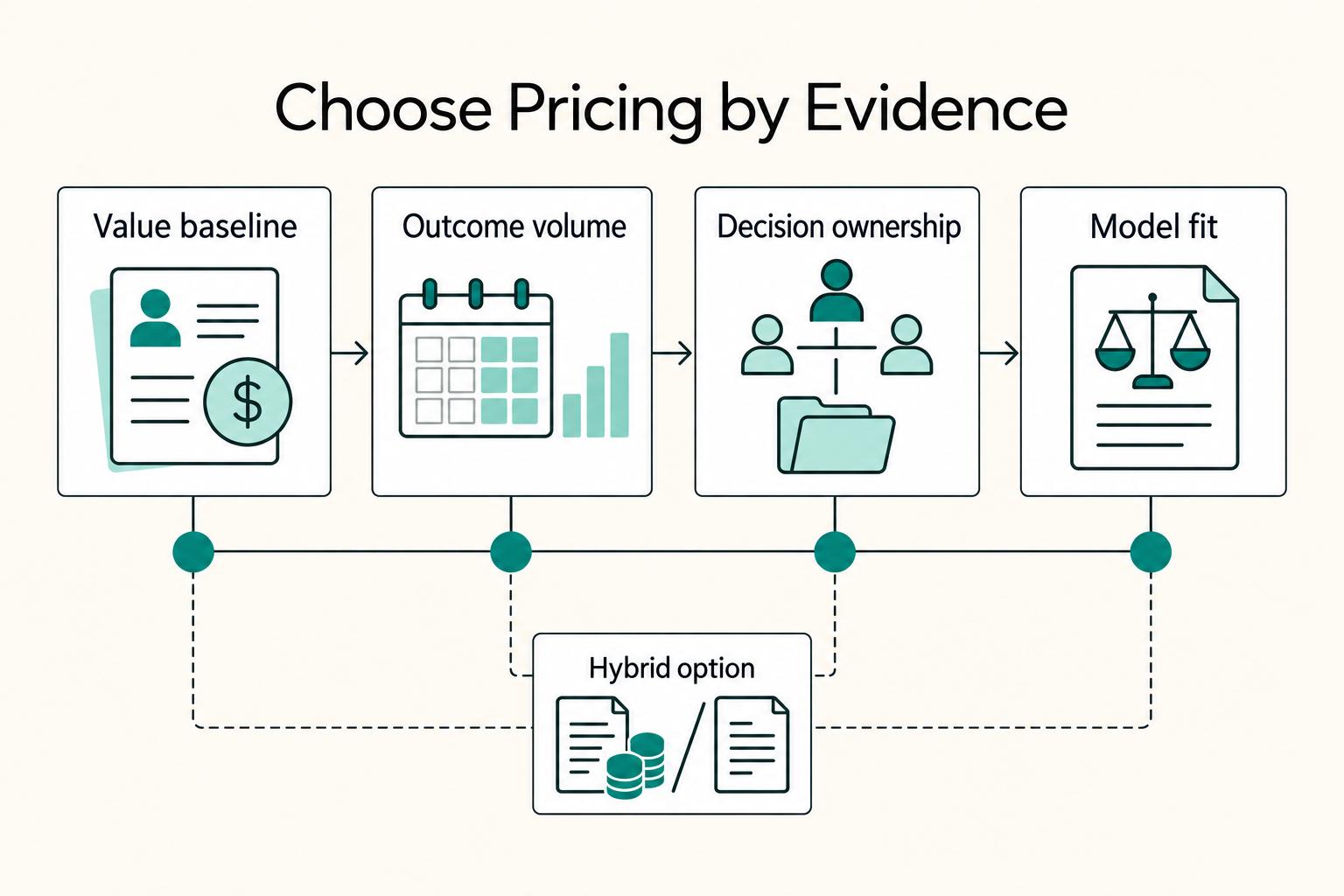
Value-based pricing works when you and the client can name the business result before kickoff and agree on how progress will be judged. If that link is weak, use a tighter model first. This is not about defending one pricing philosophy over another. It is about avoiding surprises by keeping pricing, scope, delivery, and payment aligned from day one.

What to Do If You've Been Misclassified as an Independent Contractor
Treat this as a protection problem first, not a label debate. If your work was treated as an independent contractor arrangement even though the relationship functioned differently, your first goal is to protect pay, rights, and records while you choose the least risky escalation path. You can do that without making accusations on day one, which often keeps communication open while you document what happened.
How to Handle Payroll Taxes for a Remote US Team
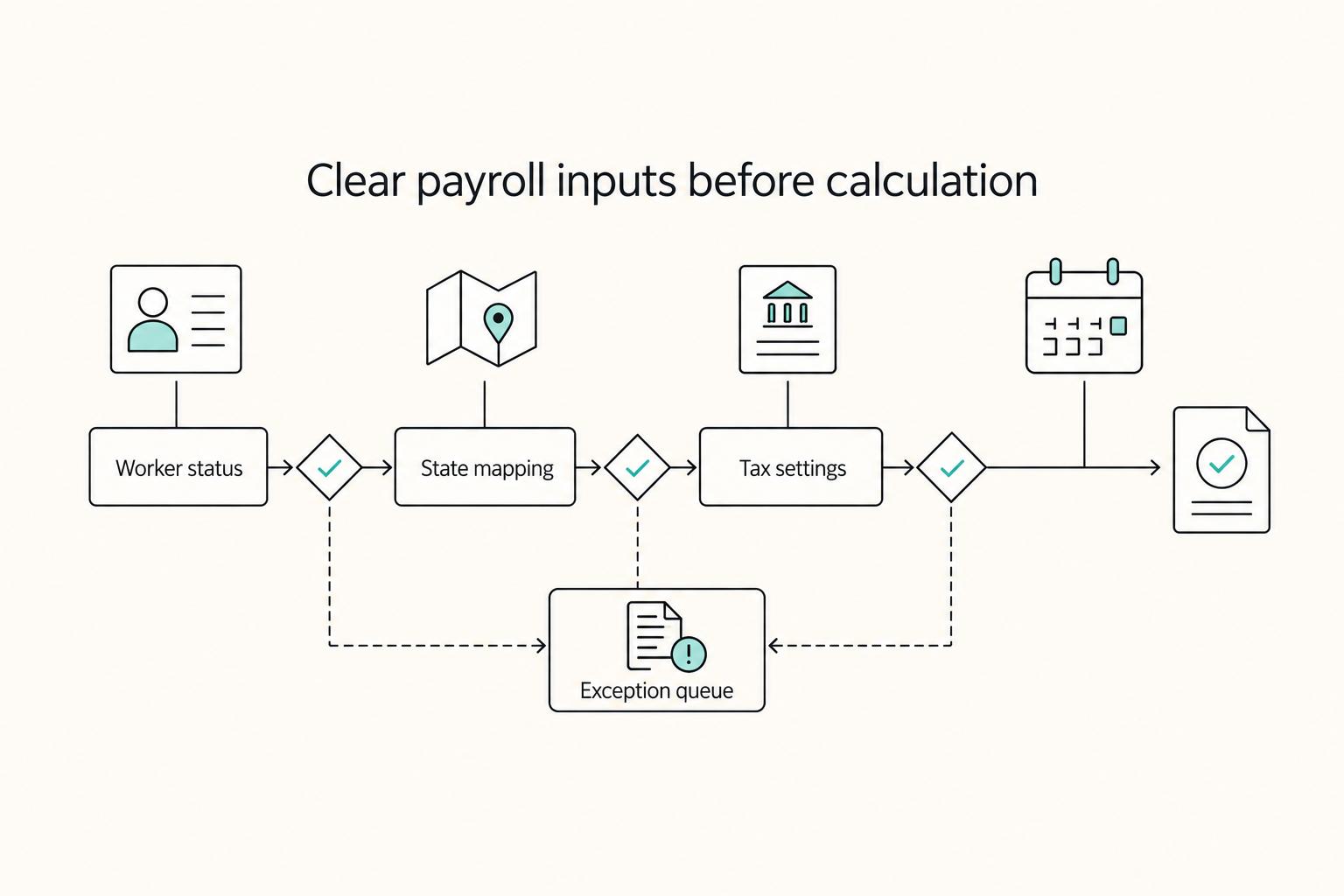
Use a risk-first setup before your first run. Put decisions and verification in a fixed order so payroll tax mistakes are less likely to turn into cashflow problems.