
Operator playbooks for cross-border payments, tax, and compliance execution.
Step-by-step guidance for finance, product, and ops teams to launch faster, reduce payout friction, and keep reconciliation clean across borders.
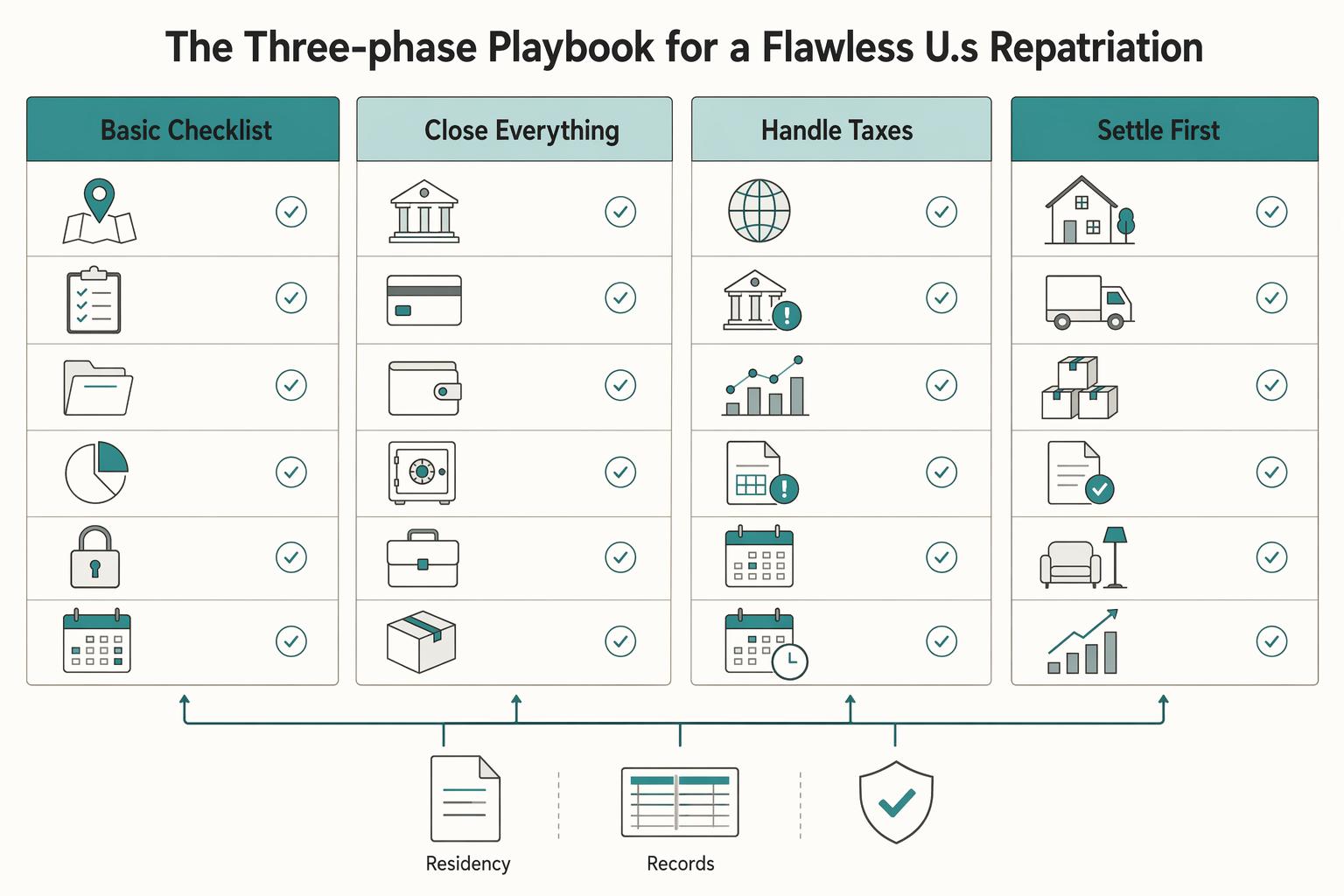
U.S. Expat Repatriation Financial Checklist: Foreign Wind-Down, Compliance Cut-Over, and U.S. Relaunch
Use a phased checklist, not a flat one. The order of decisions can change your tax filings, account reporting, and cash-flow continuity. A move back to the U.S. affects how you handle worldwide income, which foreign accounts still need reporting, and how you sequence your U.S. relaunch to avoid gaps.
Read more →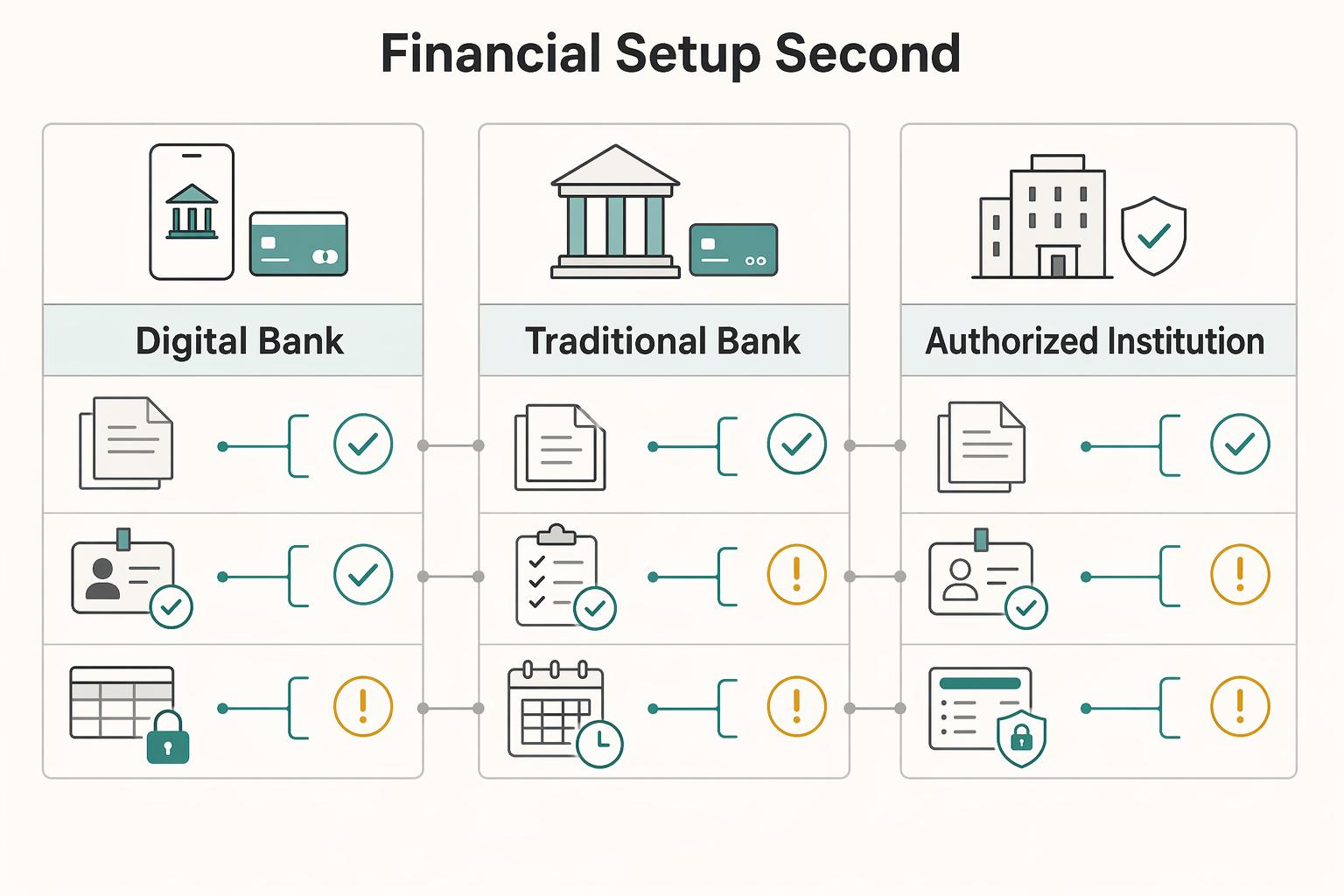
Brazil’s Digital Nomad Visa for 2026
Relocating to Brazil for remote work is not a casual lifestyle move. It is a planning exercise that touches immigration, tax exposure, documentation, and the basic admin you need to function once you arrive. This guide breaks the process into three phases: due diligence, application, and on-the-ground setup. The goal is simple: make a clear go or no-go decision early, file a clean application, and land with a workable first-90-days plan.
Read more →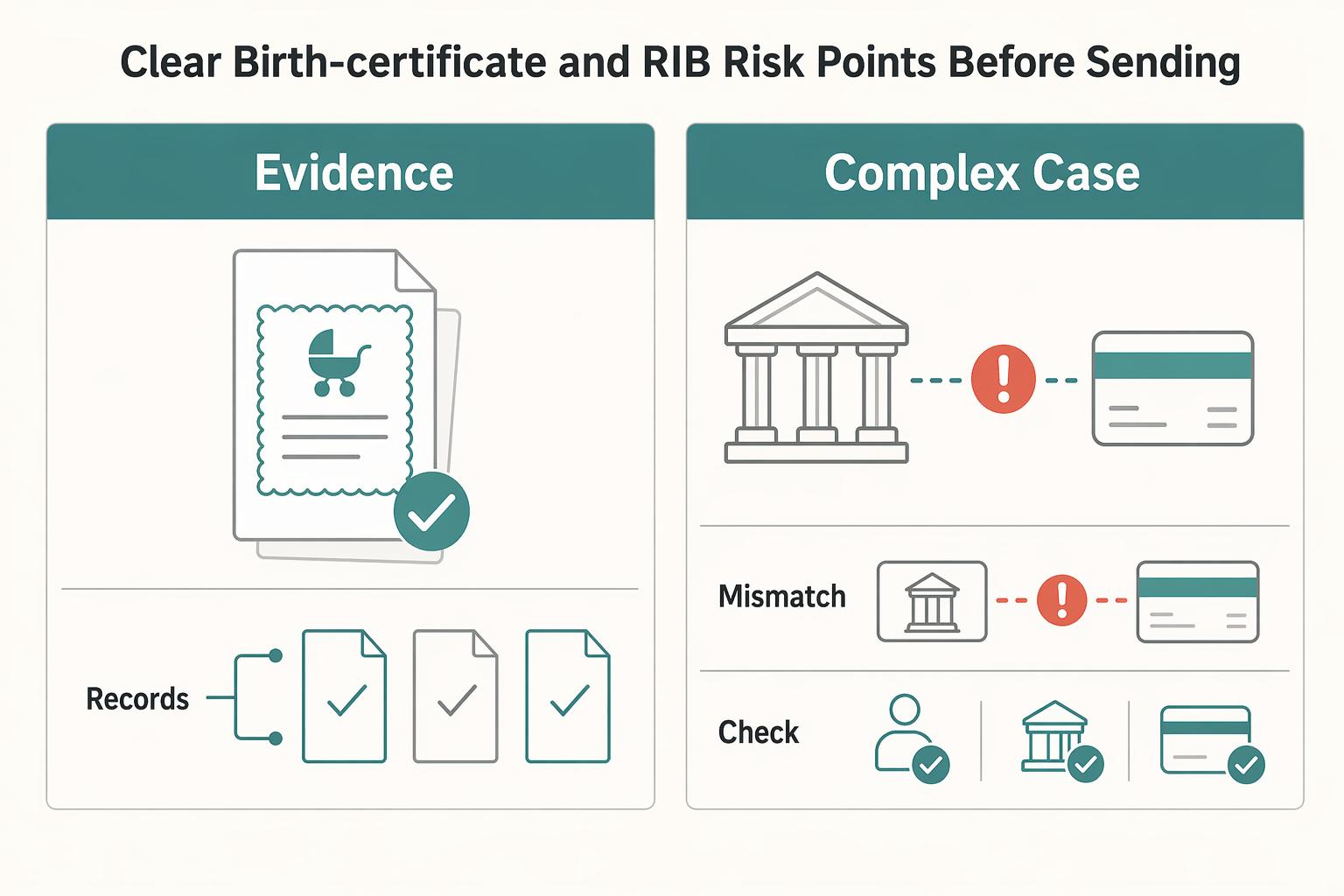
How to Get a Carte Vitale in France if You Are Self-Employed
To get a Carte Vitale in France as a self-employed person, first register your activity and secure your social-security affiliation. Then open your health-insurance rights, submit a clean dossier, and follow up until your rights and card are live. Most long delays happen when those steps are done out of order or the file does not hold together internally.
Read more →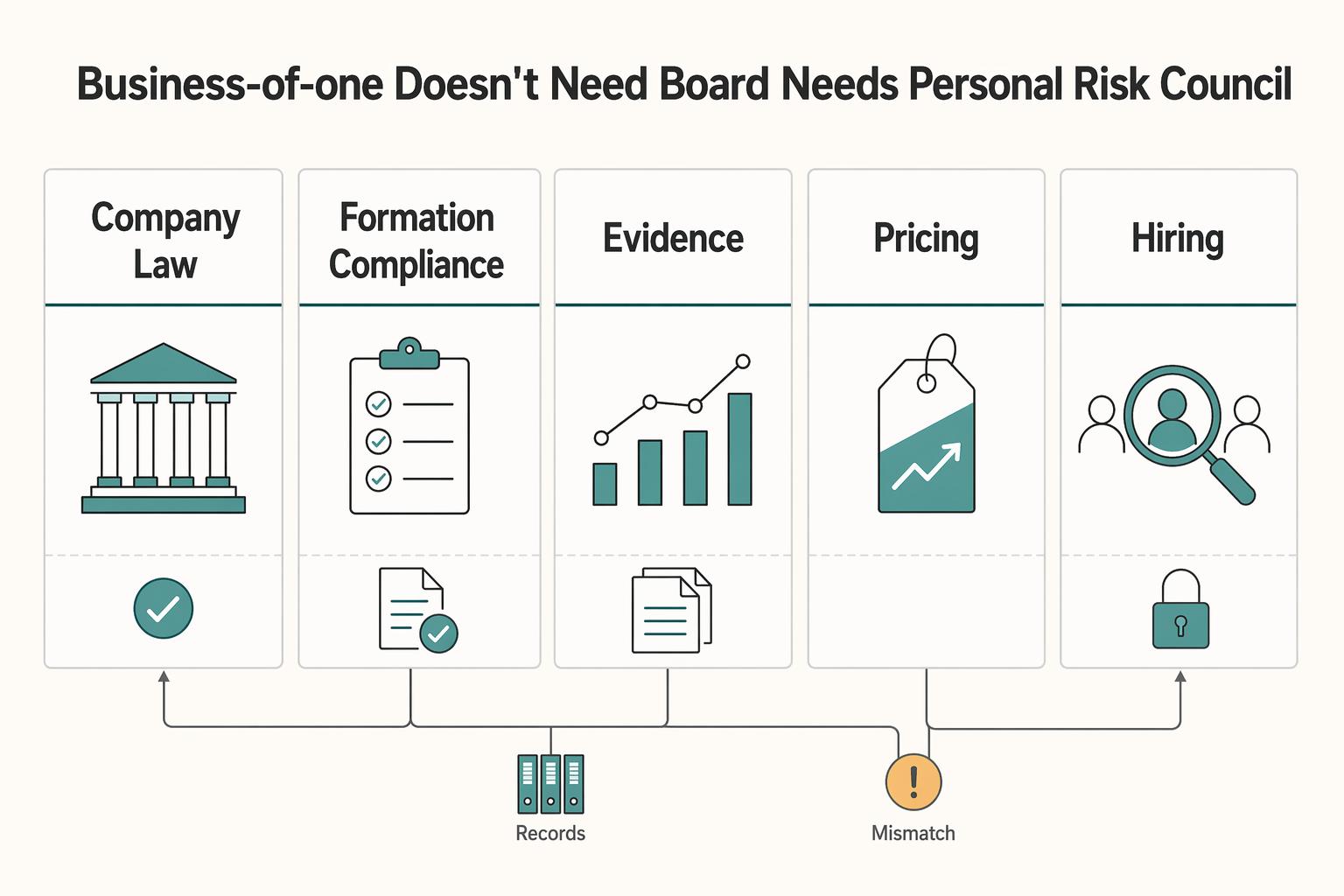
Board of Directors vs. Personal Risk Council for Solo Founders
When people tell you to appoint a board of directors, separate the problem first: legal compliance or decision quality. If you need to meet formation and governance formalities, handle the director requirements for your entity and jurisdiction. If you need better judgment under uncertainty, build an informal Personal Risk Council to pressure-test your thinking.
Read more →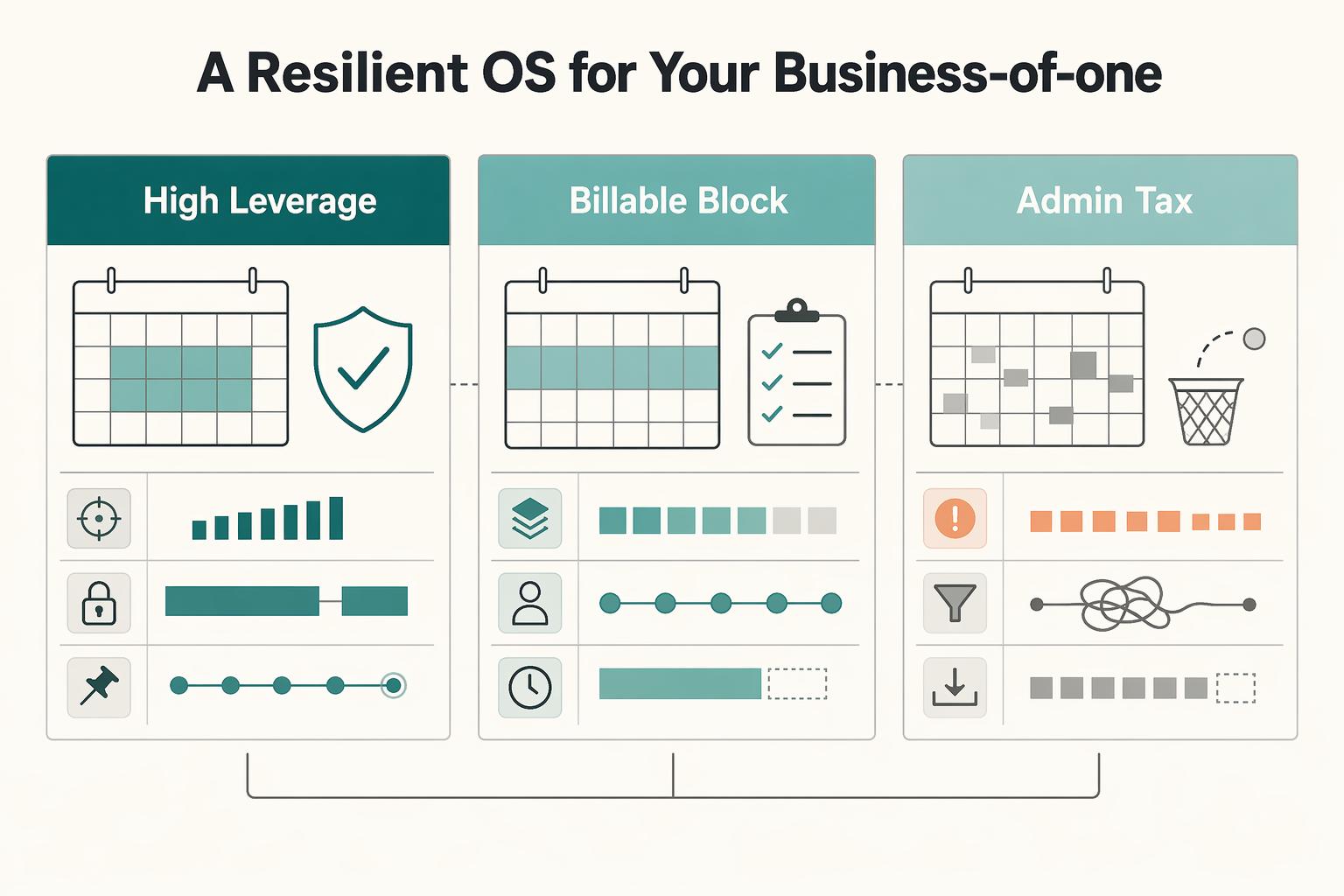
Deep Work for Freelancers Who Run a Business of One
If you run a business of one, deep work is not a lifestyle preference or a generic productivity trick. It is part of how you protect quality and judgment in client work. Context switching quickly becomes an operational risk when you are doing delivery, sales, finance, and admin from the same chair.
Read more →
Common Reporting Standard (CRS) for Digital Nomads: Self-Certification and Data Mismatch Risk
The Common Reporting Standard, or CRS, is a reporting framework, not a tax. In practice, your exposure often comes from inconsistent identity or tax residency data across institutions, not from CRS itself.
Read more →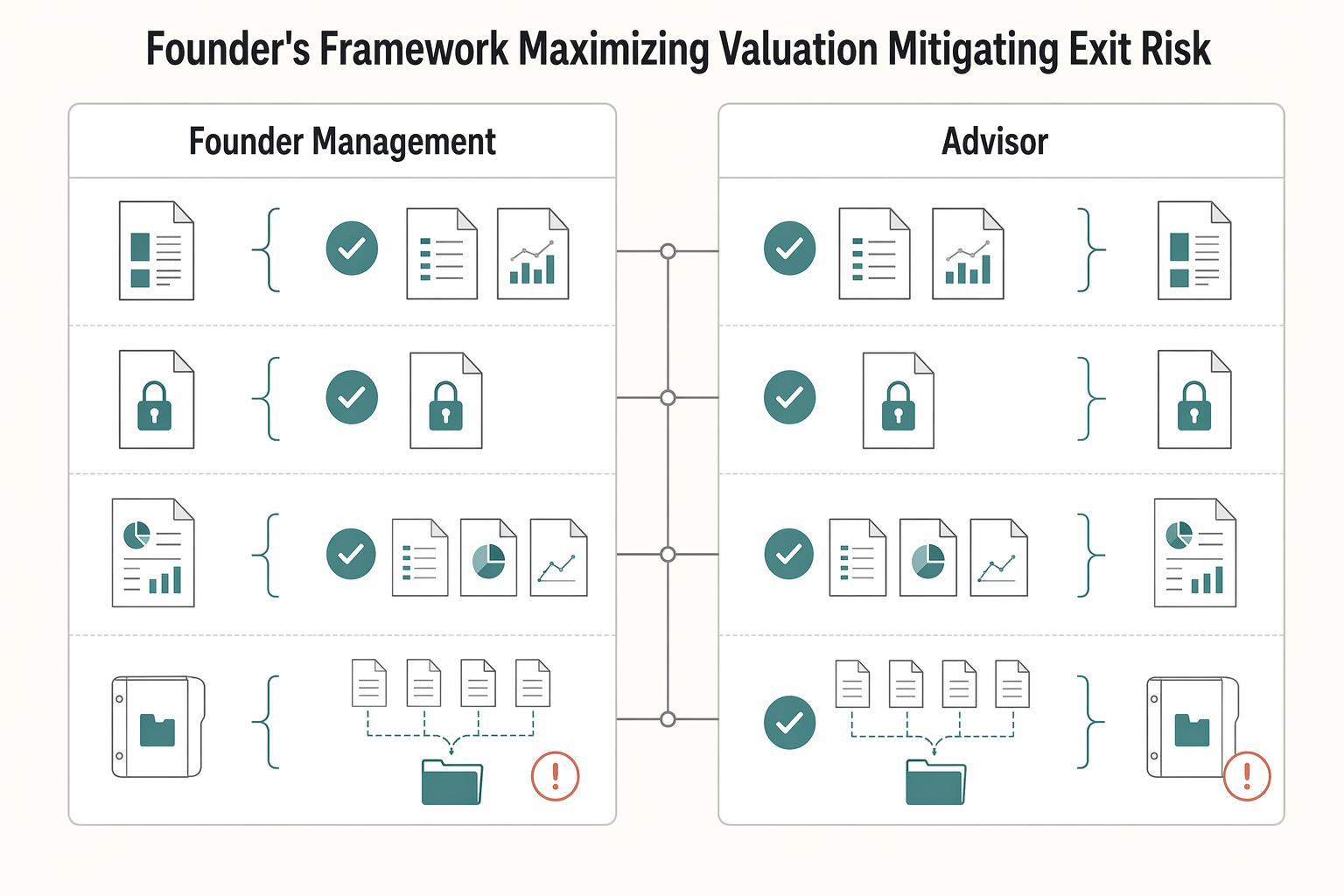
How to Prepare a Confidential Information Memorandum (CIM): A Founder's Framework for Maximizing Valuation and Mitigating Exit Risk
You are not preparing a brochure. You are preparing the document set that helps you run a controlled sale process, shape first impressions, and reduce avoidable surprises once buyers start testing your story. In practice, the sequence is usually teaser, NDA, full CIM, then deeper review in the virtual data room for shortlisted bidders after IOI/LOI triage.
Read more →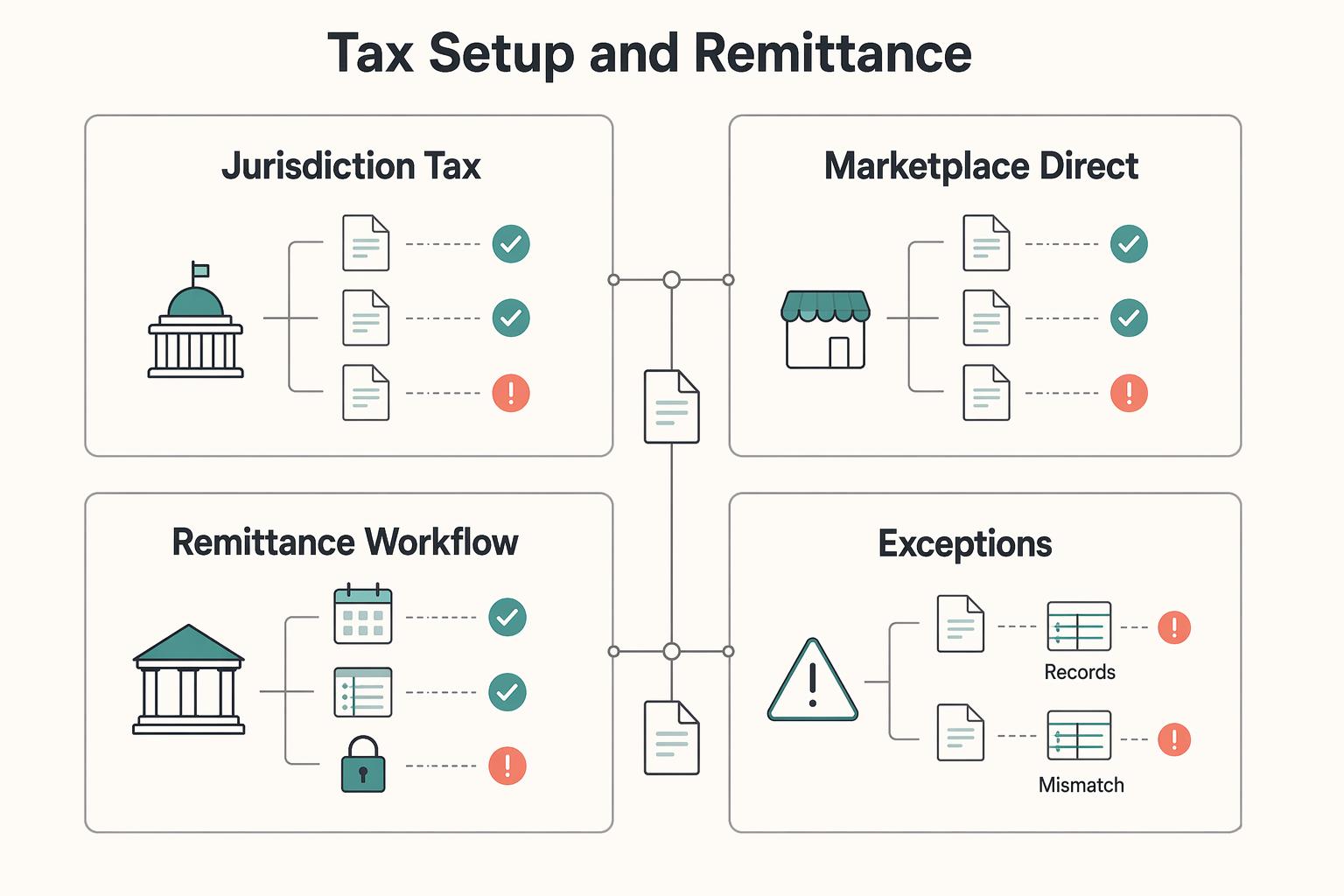
The Best Software for Managing Short-Term Rentals
If you own or manage a short-term rental, your job is not just answering guest messages and turning over a property. You are managing an income-producing asset. The real work is protecting cash flow, reducing operating mistakes, and making sure one missed detail does not turn into a booking issue or a compliance problem.
Read more →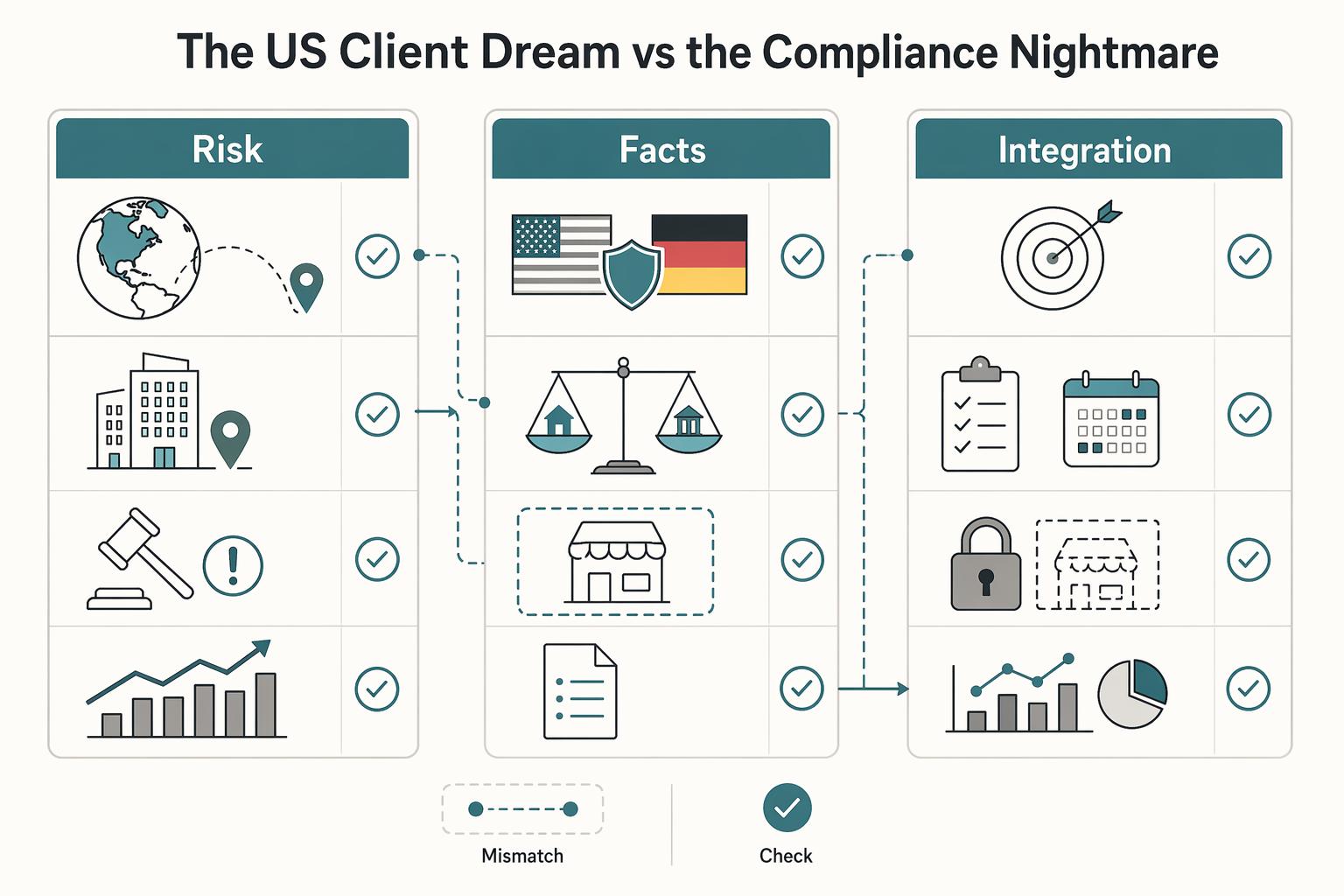
A German Freelancer's Guide to Permanent Establishment Risk in the US
A U.S. client can be a strong growth move for a German freelancer. The real decision is how to take that work without creating avoidable U.S. tax exposure.
Read more →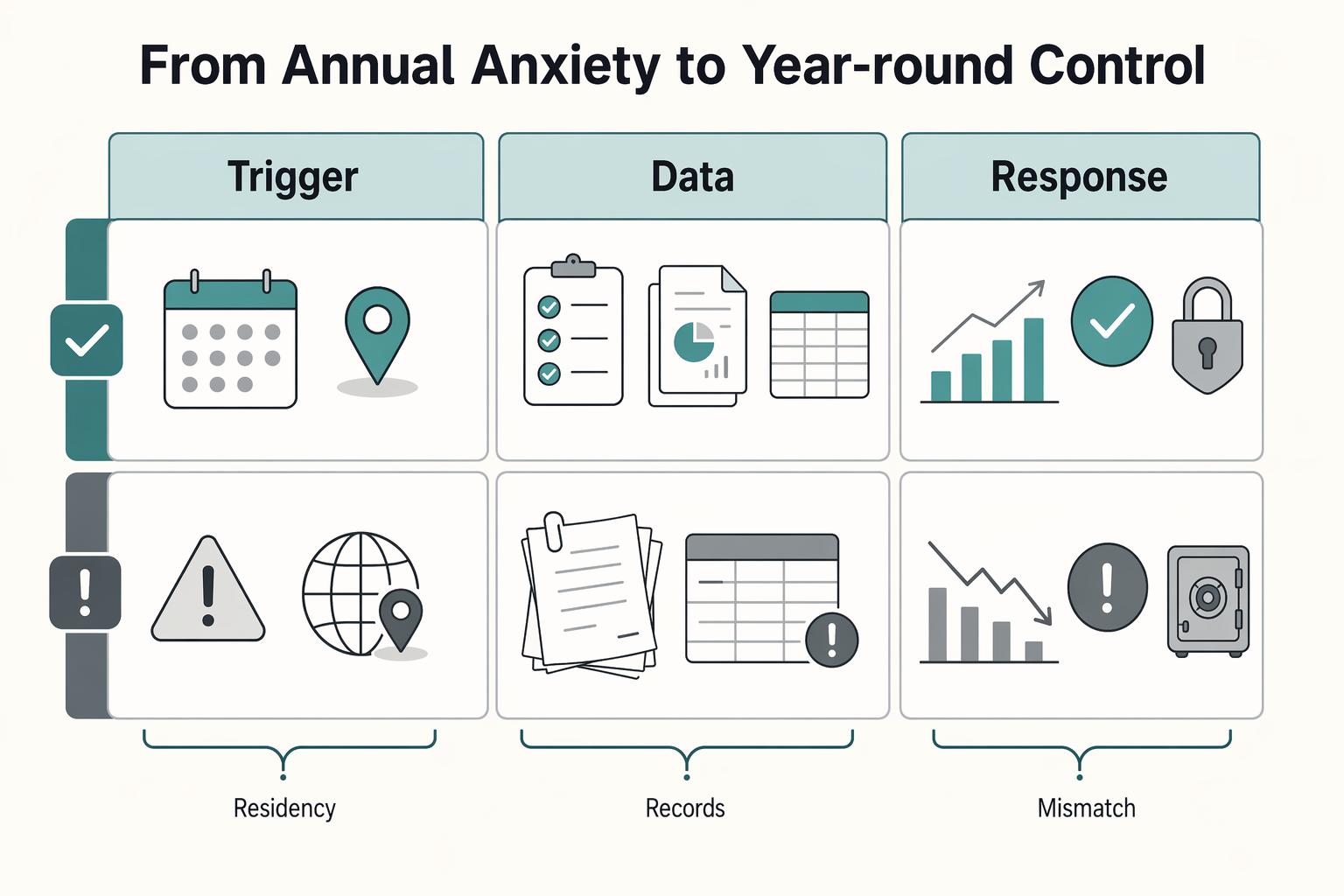
Digital Nomad Financial Review Checklist for Compliance, Cash Flow, and Resilience
Treat compliance as an annual evidence process. If residency, reporting, or invoice rules may apply in more than one jurisdiction, flag that early and escalate before you file returns or send year-end invoices.
Read more →
The 'Barbell Strategy' for a freelance career
The **barbell strategy**, a concept popularized by risk analyst Nassim Nicholas Taleb, is an approach to uncertainty that favors two extremes while avoiding the middle ground. The principle is to allocate the vast majority of your resources - typically 85-90% - to hyperconservative, safe-haven assets. The remaining 10-15% is then dedicated to hyperaggressive, high-risk ventures with the potential for massive, asymmetric payoffs. You protect most of your capital from catastrophic loss while keeping a small, calculated exposure to explosive growth.
Read more →
How to Set Up a Business Bank Account in the UK as a Non-Resident
Opening a UK business bank account as a non-resident director is one of the harder early operating tasks for a global founder. The process is full of inconsistent eligibility rules, preventable rejections, and risks you often only see after approval. The way through is not a loophole. It is a disciplined sequence.
Read more →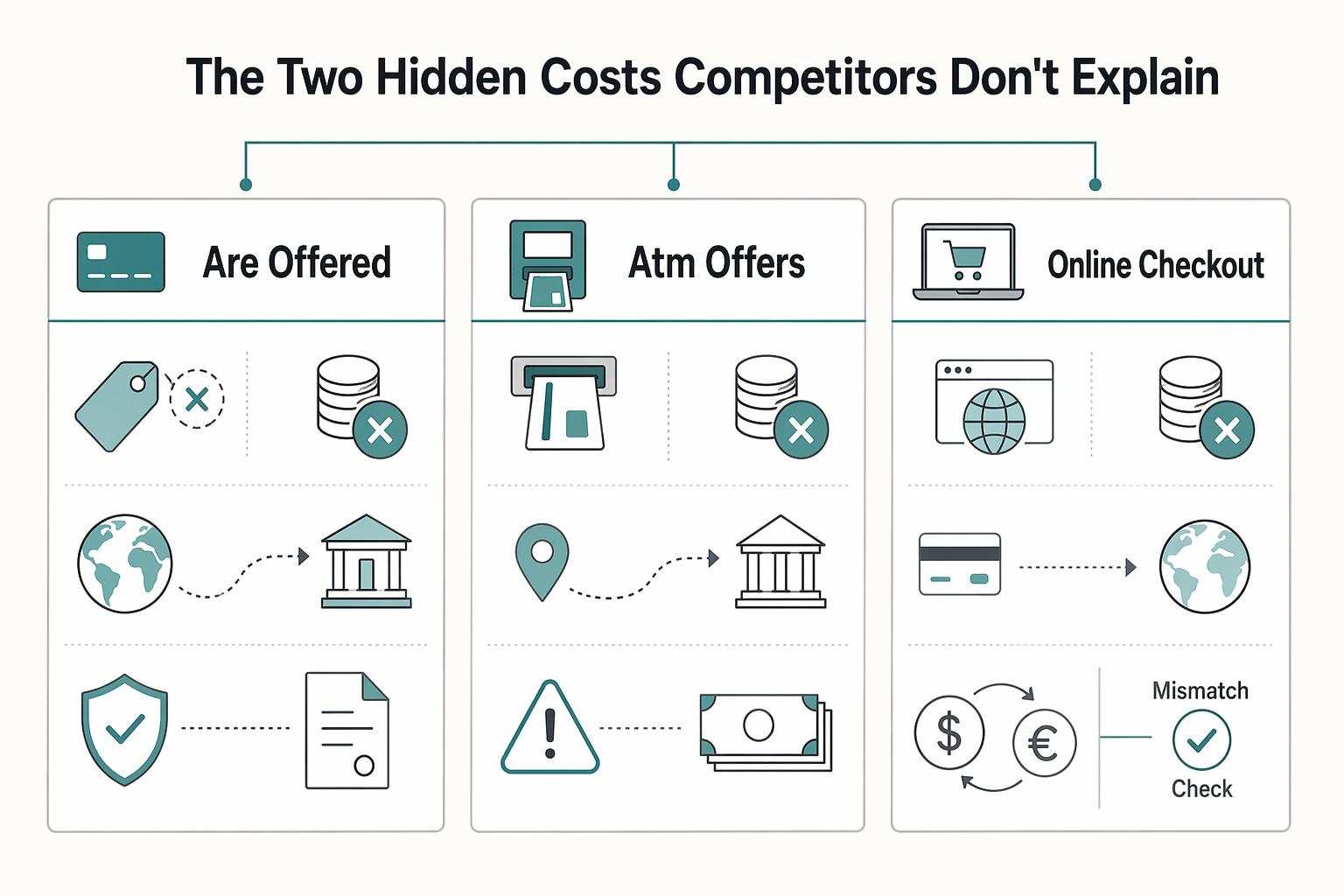
The Best Credit Cards with No Foreign Transaction Fees
If one blocked card can interrupt your workday, you do not have a card strategy. You have a single point of failure. The **Resilient Wallet** is a practical way to avoid that. Its job is simple: keep you paying, protect cash flow, and stop one payment problem from turning into an operations problem.
Read more →
How to Handle the Integration Phase After an Acquisition
Treat an acquisition as an operating process that can interrupt execution, not a headline you can simply wait out. During integration, the buyer is combining two organizations with different processes, structures, cultures, and management. At the same time, it is balancing expected benefits against integration costs. In that environment, day-to-day execution can slip even when no one is trying to force disruption.
Read more →
Can I Use My US LLC to Buy Property in Spain?
Start with "should," not "can." Based on the evidence available here, you do not yet have decision-grade legal or tax support. Treat the ownership structure as a verification step, not a conclusion.
Read more →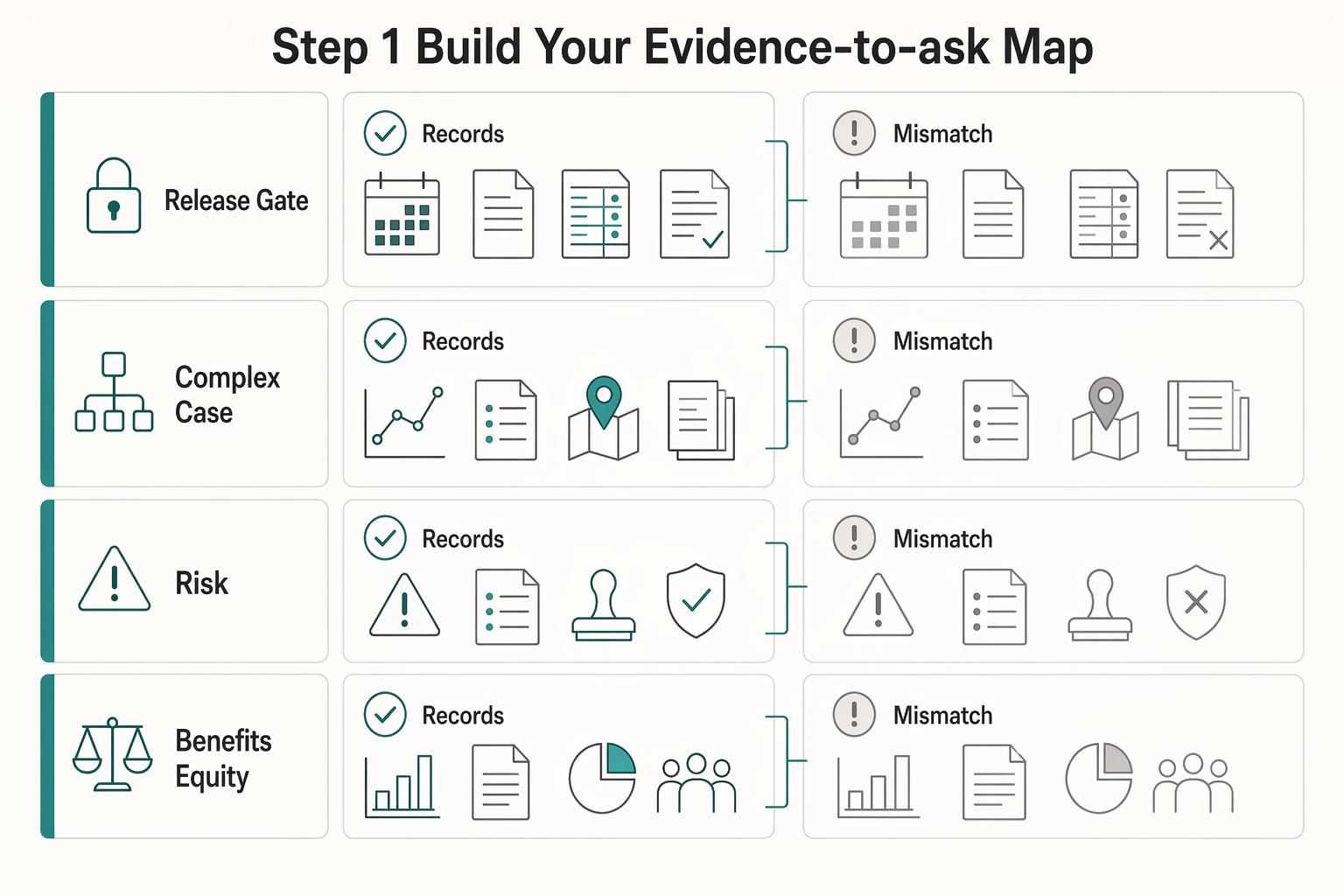
How International Professionals Should Audit and Negotiate Severance Pay
Your first move is verification, not negotiation. Before you ask for more money, sort the offer into five terms. **Contractual entitlement** is pay owed under your contract or employer plan. **Statutory minimum** is the legal floor. **Discretionary severance** is anything offered by agreement. **Termination date** is the legal end of employment. **Last working day** is the day you actually stop working. Those dates can differ, and that difference can affect notice, payroll, and immigration timing.
Read more →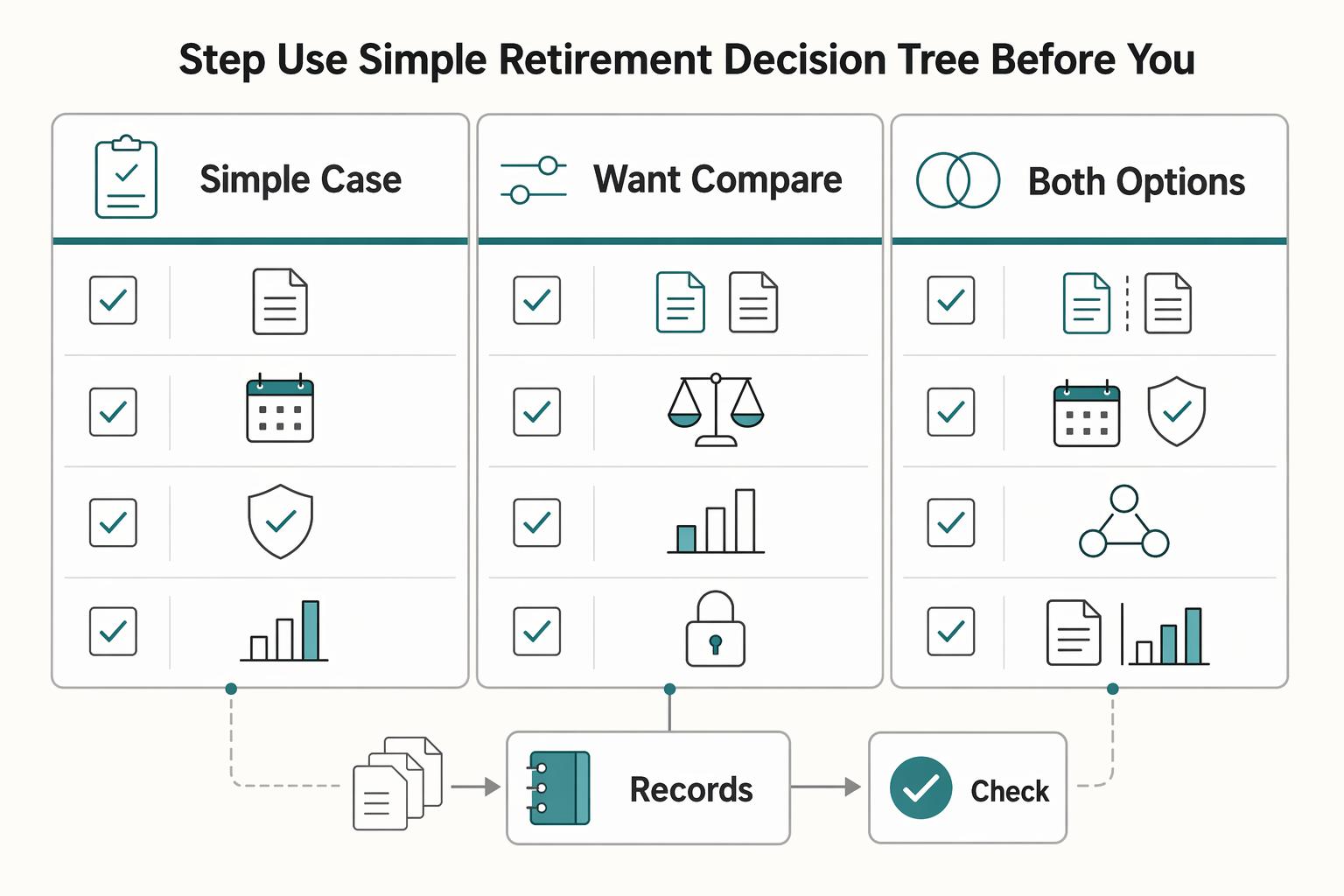
How to Handle Tax on Patreon and Other Crowdfunding Income
Tax season should not feel like a siege. For many creators, it does. The fix is not a bigger spreadsheet or a last-minute scramble. It is a setup you build on purpose, in the right order.
Read more →
How to Claim Copyright for Your Self-Published Book
One of the easiest mistakes to avoid is choosing the wrong registration path and creating unnecessary rework.
Read more →
Canadian Robo-Advisors for Global Professionals: Compliance, FX, and Account Fit
Start with risk, not the sticker fee. If you earn, live, or move across borders, the first question is whether a platform fits your compliance duties, account eligibility, cashflow path, and recordkeeping needs. A lower management fee does not help much if you cannot keep the account, lose money on avoidable FX, or end up with records that are hard to file.
Read more →
Currency Options for Hedging Against Forex Risk
You can deliver the work and still receive less in your home currency by the time payment arrives. If your contract is in one currency but your home currency is another, the invoice value can change between signing and settlement.
Read more →