
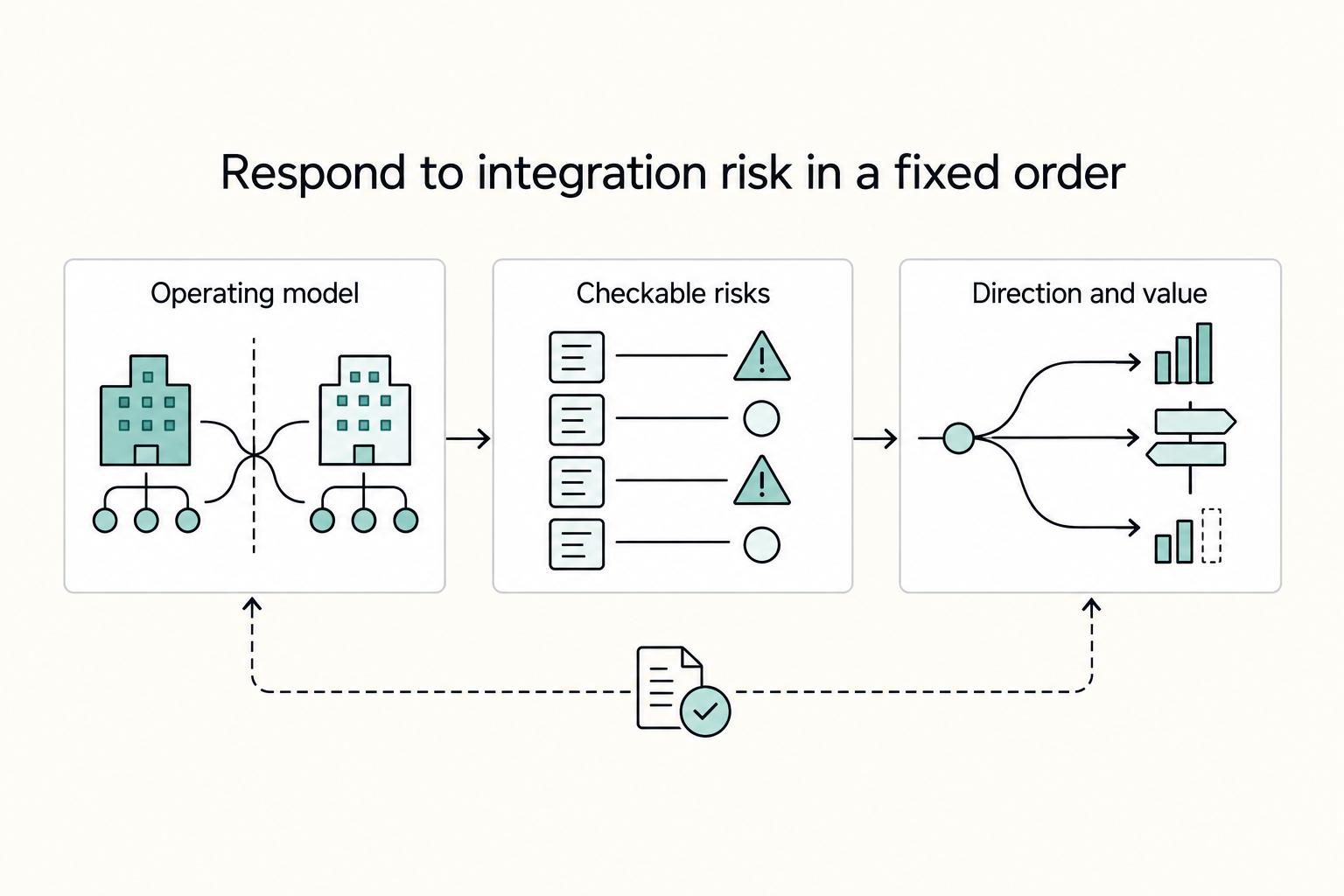
Quick Answer
Map ownership immediately after the announcement: confirm your sponsor or champion, budget owner, procurement contact, and accounts payable contact, then send a one-page transition summary with current deliverables, blocked dependencies, and the next approval needed. Ask for written confirmation of the invoice path, including bill-to entity and submission channel. Before discussing expansion, review termination, change-of-control or assignment, and payment or acceptance terms against the new decision structure.
How Integration Interrupts Execution and the Order to Respond In#
Treat the deal like an operating process#
If your client is acquired, integration can interrupt your consulting engagement while the buyer combines processes, teams and systems. Treat changed approvals, access and payment contacts as issues to verify rather than waiting for the new organization to settle.
Your risk is straightforward: decision paths can change before the new path is clear. Projects can lose momentum while leaders reset direction and teams reconfigure responsibilities. Use continuity as your first checkpoint: if ownership, approvals, or communication channels are unclear, treat that as an early warning.
Turn uncertainty into checkable risks#
The fastest way to reduce anxiety is to turn it into operating risks you can check:
- If integration objectives are unclear, teams can make local decisions that pull execution in different directions.
- If integration is not managed as a discrete program, dependencies and handoffs are easier to miss.
- If speed drops in the middle phase, value capture can stall while integration costs continue.
- If communication weakens in the final phase, alignment erodes and momentum is harder to maintain.
Use one simple checkpoint: can you name the current objective, decision path, operating cadence, and communication channel for your work? If not, treat that as your first red flag.
Set direction, capture value, then build the organization#
Run the playbook in three phases, in order: set direction, capture value, then build the organization. First, clarify objectives and who decides what. Next, execute quickly enough to capture value while keeping the ongoing business moving. Then reinforce the new operating model with continuous communication.
| Sequence | Phase | What to do |
|---|---|---|
| First | Set direction | Clarify objectives and who decides what |
| Next | Capture value | Execute quickly enough to capture value while keeping the ongoing business moving |
| Then | Build the organization | Reinforce the new operating model with continuous communication |
That order matters. Continuity first, then opportunity, is how you stay useful while the client is trying to keep the business moving. Related: A Guide to Selling Your Freelance Business or Agency.
Phase 1: The Early Warning System - Spotting an Acquisition Before It's Announced#
Your goal in this phase is not to prove a deal. Your goal is to catch a credible pattern early enough to tighten contract terms, protect cash flow, and line up stakeholder outreach before announcement day.
Look for clusters, not isolated signals#
Use these as triage cues, not proof. One signal can be normal volatility; a cluster across several categories is more practical.
| Signal cluster | What you may notice | Alternative explanation | Reliability cue |
|---|---|---|---|
| External diligence teams | Outside advisers join meetings, ask broad discovery questions, or request cross-functional access | Restructuring, audit, refinancing, or a major internal initiative | Stronger when this appears with approval or budget friction |
| Executive calendar shifts | Your sponsor is harder to reach, decisions move up the chain, or recurring meetings slip without clear replacement | Board prep, annual planning, incident response, or leadership turnover | Moderate on its own; stronger when paired with budget or procurement changes |
| Budget controls | Approvals slow, projects pause, nonessential spend gets heavier scrutiny, or procurement adds formal gates | Quarter-end pressure, missed targets, or a broad cost review | One of the more useful operational indicators |
| Messaging changes | Internal language shifts toward broad alignment or efficiency themes, and updates become more scripted | Rebrand, reorg, or a new operating plan | Weaker alone; useful as supporting context |
Validate quietly through normal business channels#
Do not ask anyone to confirm a transaction or share confidential information. Early assessments are often incomplete, so focus on operational checks you can verify.
| What to monitor | Where to verify | What to document |
|---|---|---|
| Priority, scope, and reporting-line changes | Sponsor or champion | Date, change noted, project impact |
| Funding continuity and approval timing | Budget owner | Approval status, timing shifts, blockers |
| Vendor process changes | Procurement contact | Onboarding steps, required records, new gates |
| Process and language shifts | Internal communications | New approval language, leadership/process updates |
If you can no longer clearly name the current sponsor, budget owner, procurement contact, or invoice route, treat that as a concrete operating risk.
Keep a plain evidence log and prepare the handoff#
Log observable facts only: changed steps, delayed decisions, invoice-routing questions, and dependencies that could break during transition. Include handoff-sensitive items such as data transfer points, account mapping dependencies, and client communication touchpoints.
If signals keep clustering, move to Phase 2 and secure continuity first. We covered this in detail in How to Onboard a New Employee in a Remote-First Company.
Phase 2: Reduce Execution Risk in the First 90 Days#
Once the deal is announced, your job is to reduce execution risk fast. In this 90-day window, speed and rigor usually matter more than polished messaging.
| Step | Owner | Action | Output |
|---|---|---|---|
| Re-engage stakeholders | You | Rebuild the decision map | A dated contact map with one clear approval path |
| Deliver value proof | You | Send a one-page evidence brief | A forwardable summary tied to the next decision |
| Reset the payment system | You (with procurement/finance counterpart) | Validate invoice routing in writing | A written payment path for new and outstanding invoices |
| Review contract position | You first; counsel if needed | Read the agreement against the new operating reality | A short risk list with response options |
Use your Phase 1 log as source material and convert it into four concrete outputs: a verified stakeholder map, a one-page value brief, a written payment path, and a contract risk position.
Step 1: Re-engage stakeholders#
Owner: You Action: Rebuild the decision map Output: A dated contact map with one clear approval path
Do not assume the old org chart still controls decisions. Reconfirm your sponsor or champion, current budget owner, procurement contact, and accounts payable contact. If an Integration Management Office is active, also confirm which workstream your project sits in and who the executive sponsor is.
Keep outreach brief and factual:
- Acknowledge the change
- Restate the business objective your work supports
- Ask whether approval or payment paths changed
- Request the right introduction if they did
Working script: "I'm confirming continuity on the project or business objective this work supports. Has sponsorship, budget approval, or invoice routing changed? If yes, who owns this now so we can keep the next milestone moving?"
Step 2: Deliver value proof#
Owner: You Action: Send a one-page evidence brief Output: A forwardable summary tied to the next decision
Make your work easy to evaluate against operating-model priorities. Use four evidence blocks, and include only verified data:
- Business objective: the outcome this work supports
- Delivered outcomes: what is live, completed, reduced, prevented, or unblocked, with a verified metric when available
- Current risk if paused: what slips, stalls, or must be reworked, with a verified metric when available
- Next milestone: next decision or delivery point, plus who must act
Avoid vague status language. The goal is clarity, not hype.
Step 3: Reset the payment system#
Owner: You (with procurement/finance counterpart) Action: Validate invoice routing in writing Output: A written payment path for new and outstanding invoices
Treat the previous payment route as unconfirmed until validated. Get written confirmation on:
- Bill-to entity
- Invoice submission channel
- Vendor onboarding status
- Issue escalation contact for stalled invoices
- Independently verify any changed bank or beneficiary instructions through a known contact before using them.
For open invoices, confirm whether they remain in the existing queue or require administrative resubmission. Preserve the original invoice number, amount, issue date and agreed due date; identify any copy as a resubmission so it does not create a second payable. A changed submission channel does not itself agree new payment terms or a different contracting entity.
Step 4: Review contract position#
Owner: You first; counsel if needed Action: Read the agreement against the new operating reality Output: A short risk list with response options
Focus on practical risk to scope, payment, and continuity. Contract effects depend on your actual language, the governing law, and the jurisdiction that applies. Use this as an issue-spotting tool, not legal advice.
| Clause area to review | Practical risk now | Your response option | Escalate to counsel when |
|---|---|---|---|
| Termination right and notice language | Work can end quickly or with limited notice | Quantify exposure, confirm notice/pay obligations, and tighten near-term deliverables | Language is unclear, disputed, or commercially significant |
| Change of control or assignment language | Contract continuity may be challenged | Request written confirmation of contracting party and continuity obligations | Transferability is unclear or counterparty identity is disputed |
| Payment, acceptance, and PO dependencies | Completed work cannot be invoiced or approved cleanly | Align invoicing and acceptance steps to the current process in writing | Payment conditions conflict with new process or approved work is withheld |
Use this readiness split:
- Immediate blockers: onboarding incomplete; payment path not confirmed in writing; lost access to essential systems/files; requested compliance artifacts not submitted
- Monitor items: migration dates; new policy acknowledgments; added approval layers; role changes not yet affecting the current milestone
You are stabilized when continuity is secured, payment routing is confirmed, and decision-maker alignment is documented. Then move to Phase 3.
Phase 3: The Opportunity Capture Strategy - Turning Integration Chaos into Growth#
Shift to growth only after continuity, payment, and decision ownership are stable. In this phase, you win expanded scope by fixing integration bottlenecks tied to the deal's value logic, not by pitching broad transformation.
Ask which integration bottleneck has a named owner, an approved budget and an outcome you can deliver. Cost consolidation, revenue continuity and migration work can create opportunities, but the right scope depends on the client’s objectives and current capacity.
| Priority lens | Act first on | Defer |
|---|---|---|
| Business impact | A live blocker tied to an active milestone, revenue path, or cost-removal target | Cleanup work with no current owner or decision date |
| Implementation effort | Work you can start with current access, context, and one approver | Multi-team changes needing new tools, training, and policy approval |
| Stakeholder buy-in | Problems both the budget owner and functional lead already acknowledge | Work backed by only one champion |
| Delivery risk | Short scoped work with clear acceptance and limited dependencies | Open-ended support with unclear ownership or success criteria |
Step 1: Stabilize delivery. Your first growth play is usually continuity on a live dependency, not a new strategy pitch. Focus on one concrete area such as backlog cleanup, reporting continuity, migration support, legacy-process documentation, or coordination across newly split teams. If your baseline delivery is not stable, expansion will not be trusted.
Step 2: Identify capability gaps. Integration often creates gaps when responsibilities shift and business and technology teams run on different assumptions. Because technology is central to integration execution, look for broken data handoffs, unclear source-of-truth choices, manual reconciliation points, and undocumented steps that now block delivery. Document each gap in plain language: what broke, what it delays, who owns it now, and what evidence you have.
Step 3: Propose scoped expansion. Use a written change request with five parts: problem, deliverables, owner, acceptance point, and commercial impact. Frame renegotiation around added responsibilities, coordination load, and documented outcomes, then tie price and terms to that scope change. If you need market context, use verified benchmark data as supporting context, not the core argument. As a working assumption to validate with each stakeholder: budget owner wants outcome-linked spend logic, functional lead wants delivery fit, PMO/integration lead wants dependency clarity, and procurement wants written scope and terms.
Step 4: Support cross-team alignment. Offer a bounded alignment role, such as a shared decision log, one joint planning cadence, or a clear owner map across teams. This supports the governance reality that integration decisions work better when business and technology leadership stay aligned. Avoid unpaid "glue work" where responsibility expands without documented scope or approval.
Before you scale further, confirm:
- Baseline work is stable and recent deliverables are accepted.
- New scope is documented, with assumptions and acceptance clear.
- Approval ownership is explicit, and procurement knows the change path.
- A review cadence is agreed before scope expands again.
Conclusion: You Are a Business, Not a Bystander#
An acquisition is not something you watch from the sidelines. It is an operating shift you have to manage. The pattern is simple: notice change early, stabilize what protects revenue and delivery, then expand only where the need, owner, and acceptance point are clear.
Consolidate your operating file#
Start by consolidating what you already know. Pull your signal notes, contract details, payment contacts, open risks, recent deliverables, and proof of outcomes into one short file. The checkpoint is basic but important: if someone new asks what you do, what is blocked, and what needs approval, you can answer with dates, owners, and evidence instead of memory.
Confirm ownership before you do more#
Confirm ownership before you volunteer more effort. In any acquisition, operational changes can create a real disruption dip, and it can show up as unclear approvals, duplicate requests, or work that suddenly has no sponsor. Your job is not to fix every people-side issue. Your job is to document where those issues affect delivery and route them to a named owner such as the functional lead, budget owner, or procurement contact. If nobody will own the decision, treat that as a red flag and keep scope tight.
Put follow-through in writing#
Done well, this approach can help protect revenue continuity and support durable client relationships through clear decisions and documented results.
You might also find this useful: How to Build a Culture of Innovation in a Remote Agency.
Frequently Asked Questions
What is the single most important thing I should do the day an acquisition is announced?
Contact your champion and ask three direct questions: who owns your area now, which decisions are paused or active, and when updates will be made. Then send a one-page transition summary that shows current work, business impact, open dependencies, and the next decision you need. Your checkpoint is simple: leave that exchange with a named owner and a review date.
My key contact was laid off. What is my immediate next step?
Replace the lost sponsor quickly by asking adjacent contacts who inherited the work or who is serving as the integration lead for your area. Then send the new contact a short note with your transition summary, current deliverables, blocked items, and the approval you need next. If nobody will claim ownership, treat that as a red flag and keep scope tight.
How can I protect my consulting contract if my client is acquired?
Start by documenting what is active now: agreed scope, accepted deliverables, open obligations, and pending approvals. Share that summary and ask the integration owner to confirm authority, decision timing, and next steps in writing. If legal exposure is material, get jurisdiction-specific legal advice rather than relying on assumptions during integration uncertainty.
How do I handle an invoice that is overdue right after a merger?
Ask the current AP owner whether the original invoice is in the queue and what is blocking payment. If resubmission is required, keep the original invoice number, amount and agreed due date, label the copy as a resubmission, and obtain receipt confirmation. Confirm any entity or payment-term change separately rather than treating a new portal as agreement to new terms.
How do I renegotiate my rate after a client merger?
During integration uncertainty, keep delivery stable and collaborative while ownership and decision rights are being clarified. Discuss pricing with the current decision-maker when you can point to documented scope, responsibility, or risk changes. If none of those changed, do not treat the merger alone as sufficient justification for a rate change.
Try a related tool
Researched and edited by the Gruv editorial team. Gruv builds cross-border billing, payouts, and finance-operations software for global businesses.
Sources
Includes 2 external sources outside the trusted-domain allowlist.
Educational content only. Not legal, tax, or financial advice.
Related Posts
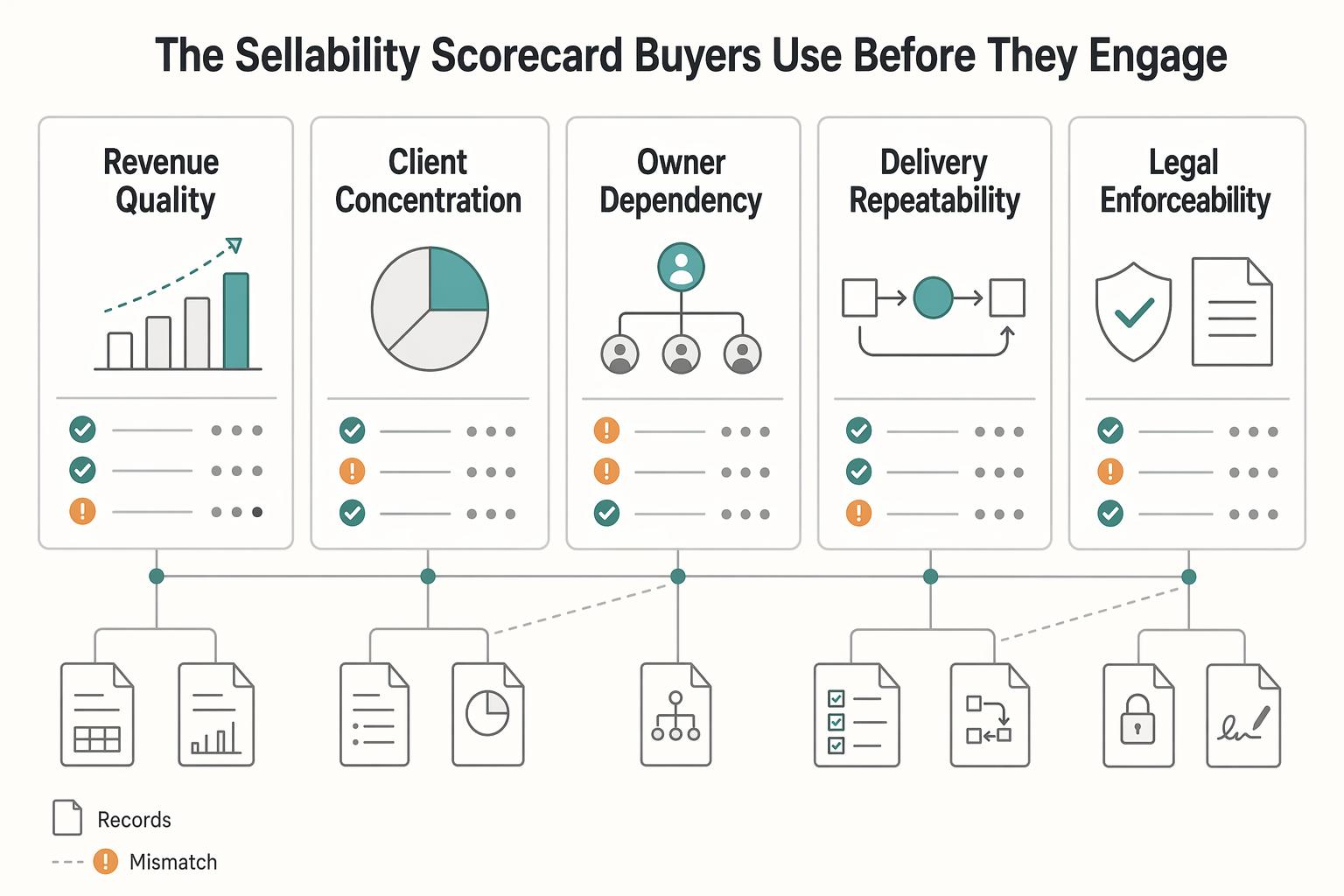
A Guide to Selling Your Freelance Business or Agency
**When you sell your freelance business, buyers are paying for a reliable asset they can verify, transfer, and run, not for your personal hustle.** A common mistake is mixing advice about winning clients with advice about closing an acquisition. Those are different jobs. This guide is a sellability-to-close playbook designed to reduce surprises before buyer conversations begin.
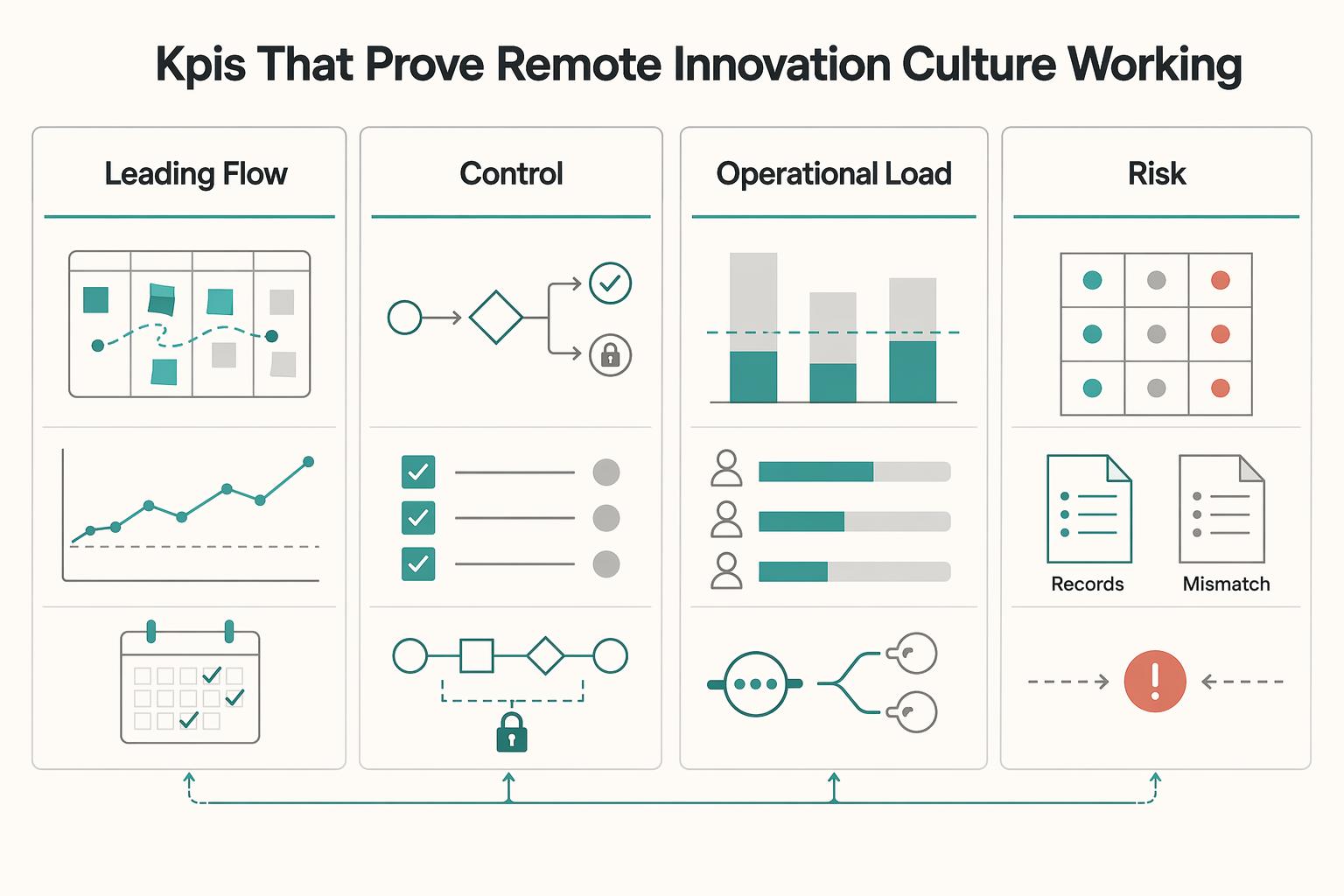
How to Build a Culture of Innovation in a Remote Agency
**Run your remote agency innovation culture through a one-week system with named owners, fixed Innovation Hours and Innovation Sprints, and simple controls that protect delivery quality and client trust.** Start here before you tune metrics or tooling. Execution discipline comes first, because remote culture alone does not create better ideas.

The Freelance Payment Penalty: A Modeled Audit of Platform Fees, FX Spreads, and Payout Delays
The money rarely disappears through a single, easy-to-spot fee. The real loss is stacked. A marketplace takes its commission, a processor adds a charge for international cards, a bank or payment company converts the currency at a spread, a platform holds the funds before release, and a wire sheds a little to intermediaries on the way in. Each layer looks defensible on its own, but the worker feels the combined result as a smaller deposit and a later payday.