
Operator playbooks for cross-border payments, tax, and compliance execution.
Step-by-step guidance for finance, product, and ops teams to launch faster, reduce payout friction, and keep reconciliation clean across borders.
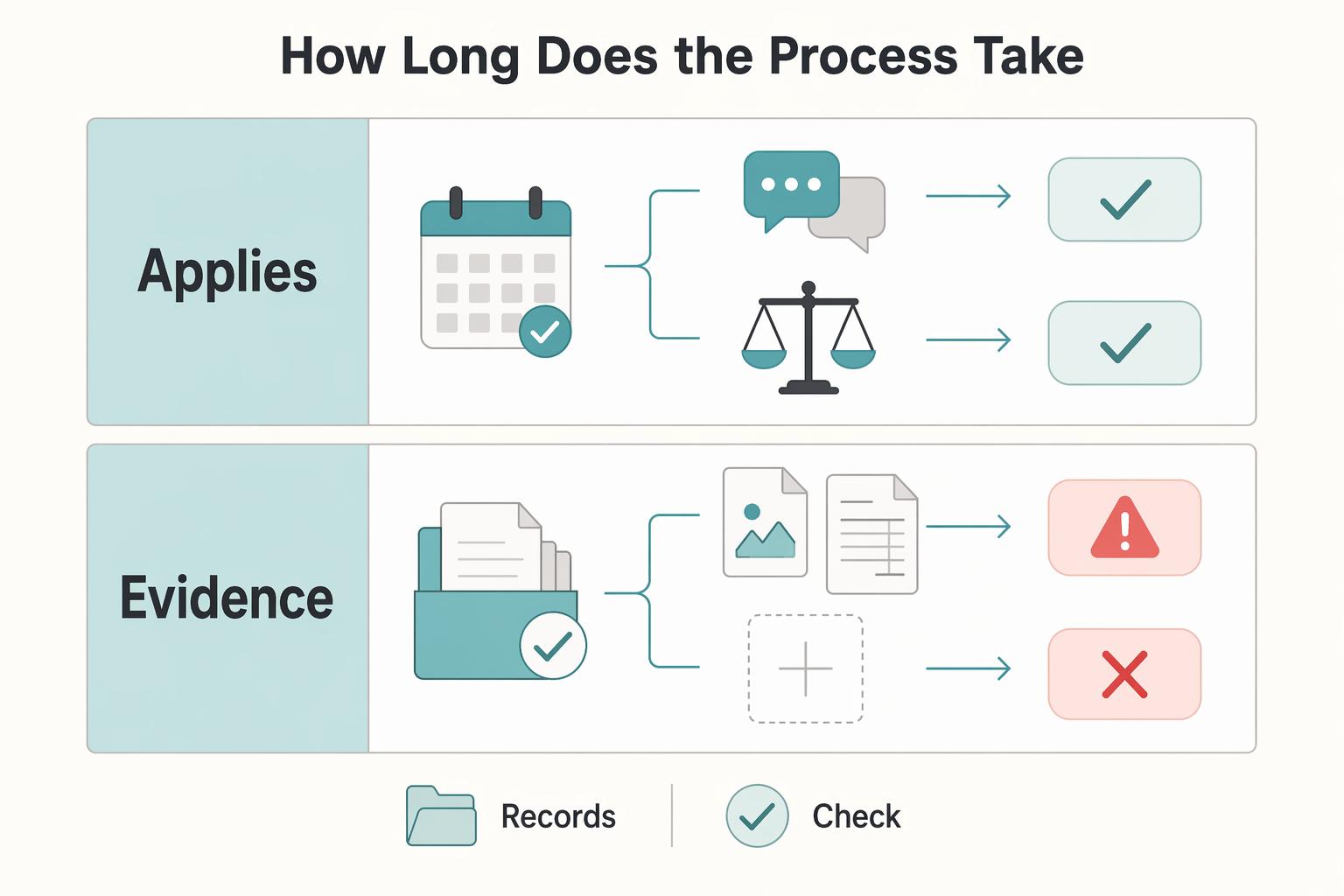
Airbnb Resolution Center: How to Document, File, and Escalate a Damage Claim
If you ever need to file through the Airbnb Resolution Center, the work that matters most starts before your guest arrives. The core goal is straightforward: set expectations early and keep your pre-stay records organized so later discussions are clearer.
Read more →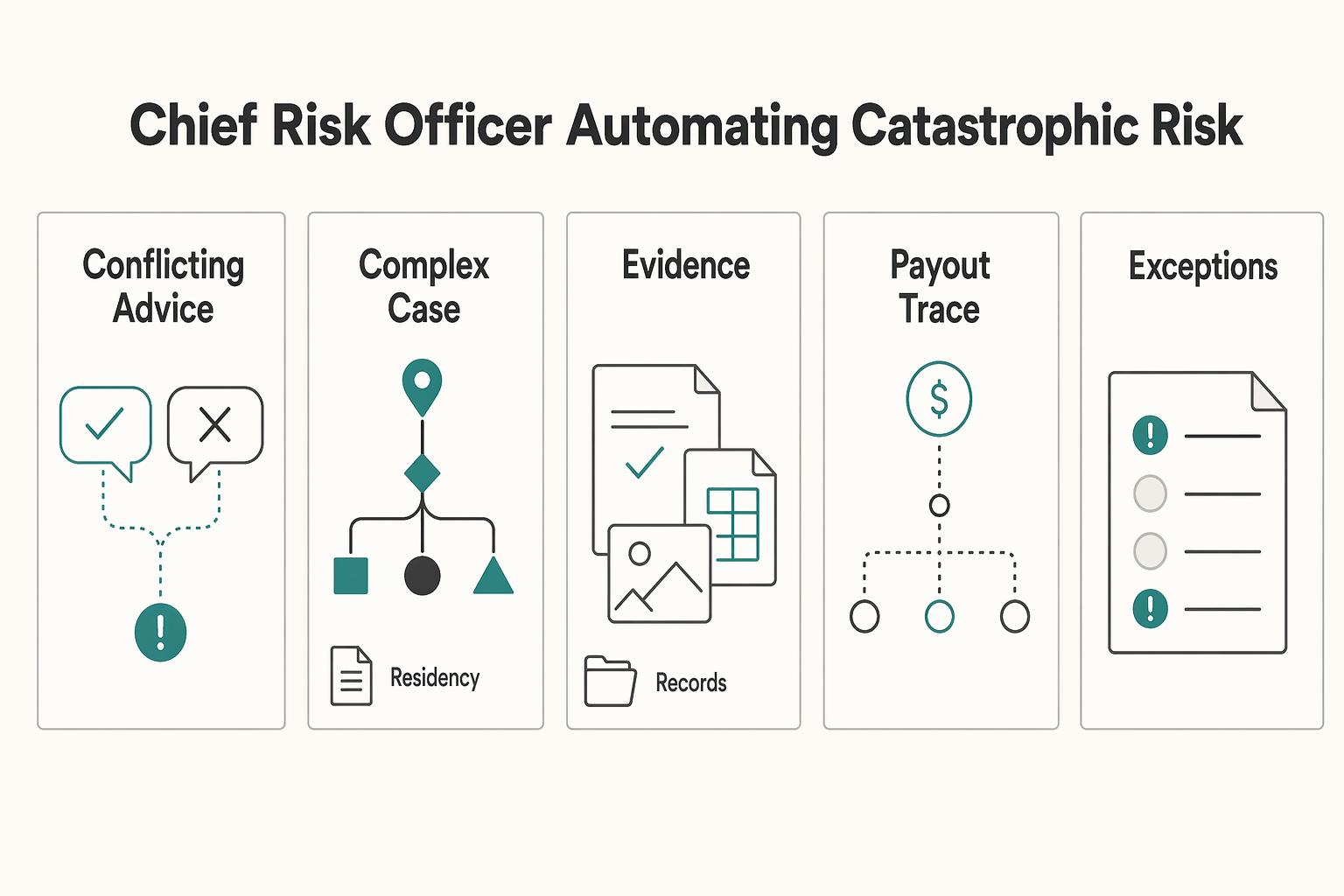
How an AI Co-Pilot Can Prevent Freelancer Burnout
--- You've built a successful Business-of-One. Clients across continents want your expertise, you charge premium rates, and you control your own schedule. By the usual measures, you're doing well. So why are you still so exhausted?
Read more →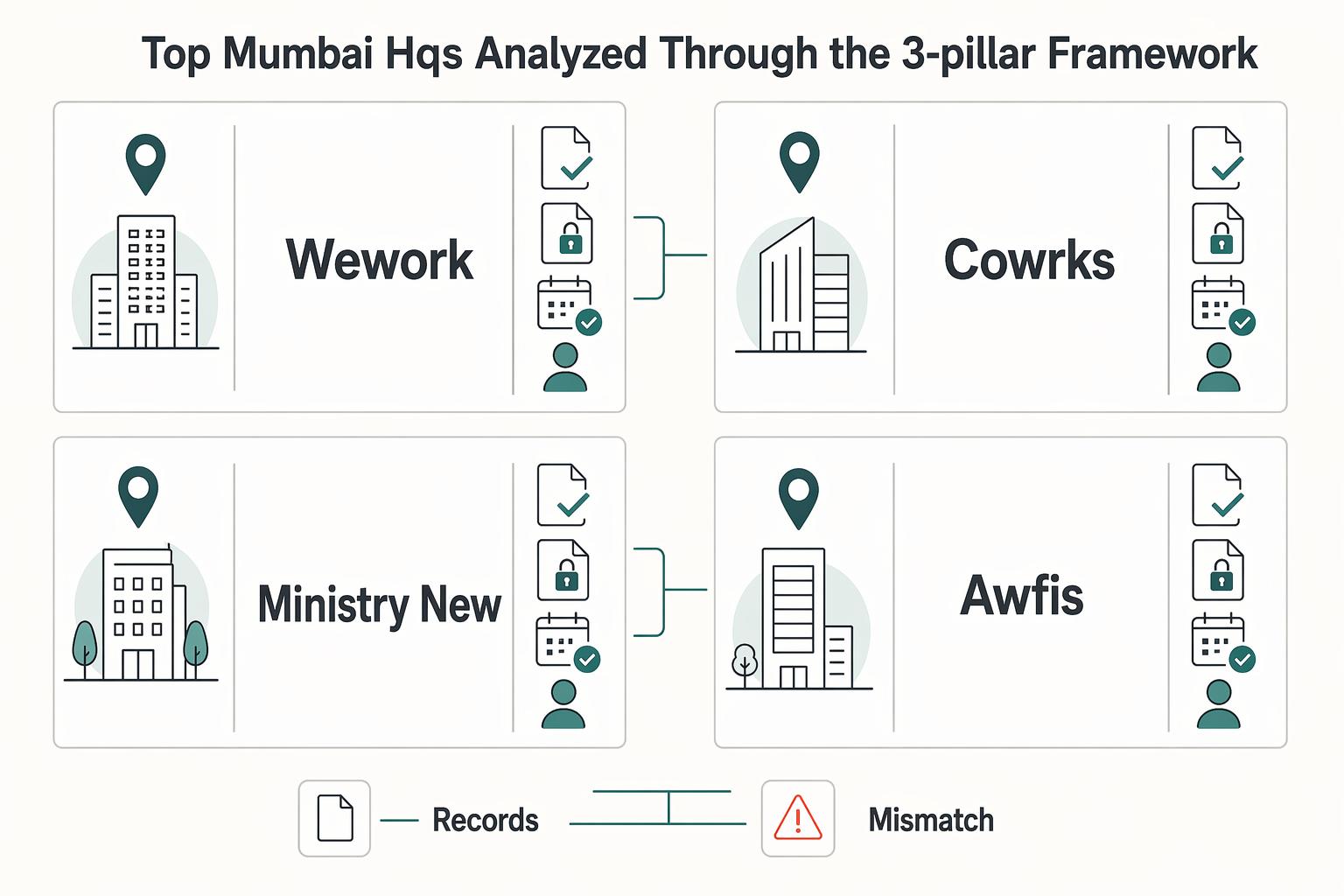
How to Choose a Mumbai Coworking Space: Professional Presence, Operational Resilience, and Paperwork Fit
Before you sign anything, treat this as an operating decision, not a lifestyle purchase. If you're evaluating Mumbai workspaces for a long stay or relocation, use it as a pre-signing filter. Line up your move timeline, confirm what paperwork you will need from the operator, and test whether the space holds up on an ordinary workday.
Read more →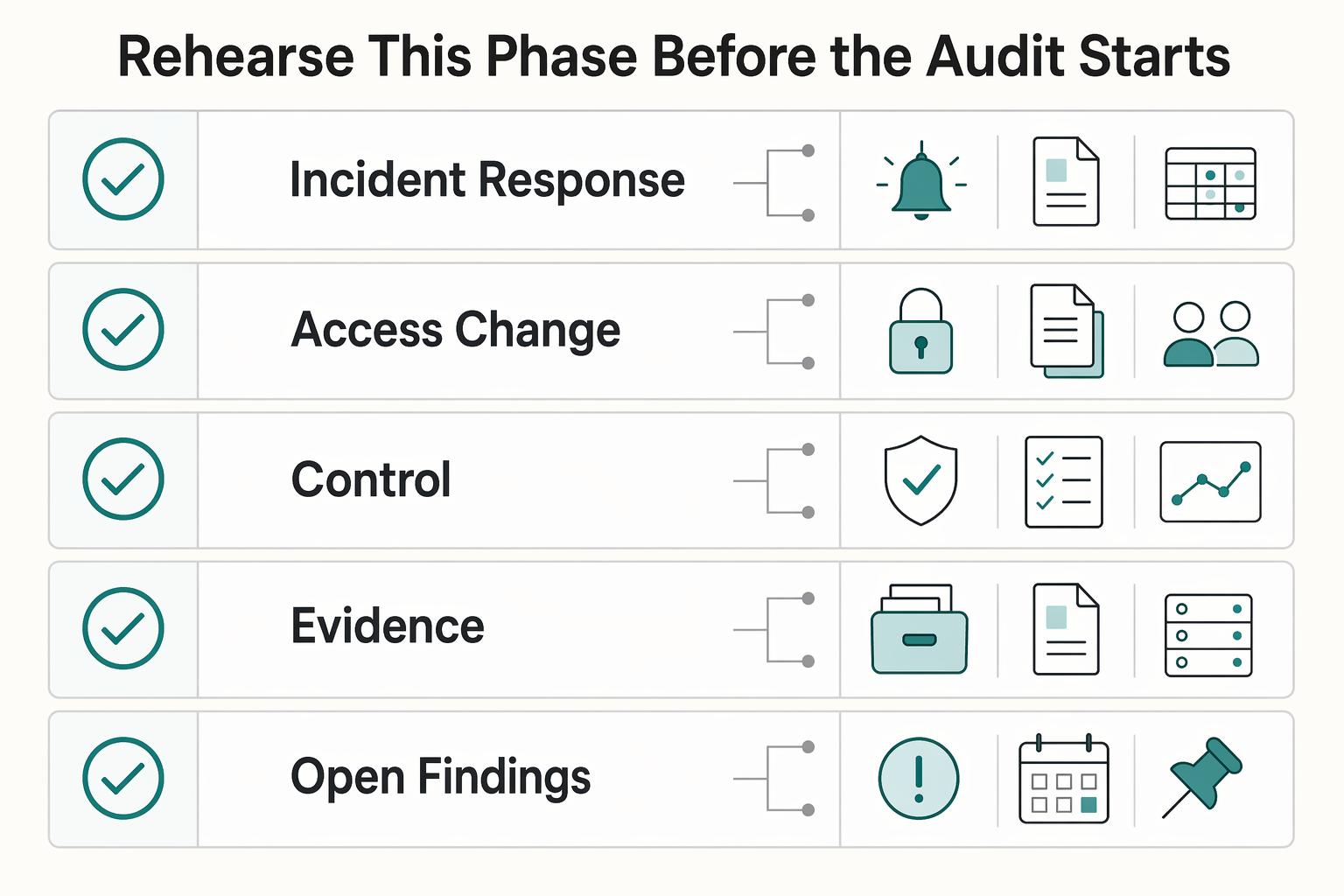
How to Prepare for a SOC 2 Audit
If you want to avoid unnecessary cost in your first SOC 2 cycle, keep the scope tight. Start with the business objective. Then define the exact service boundary, choose only the criteria that reflect real customer commitments, and pick an independent CPA firm that communicates clearly.
Read more →
How to Run Payroll for an S-Corp with a Single Employee (Yourself)
To run payroll correctly in a single-employee S corp, treat it as a separation and recordkeeping job first and a tax planning job second. A common operational risk is blurring your employee role and your shareholder role until payments and records no longer show clear business separation.
Read more →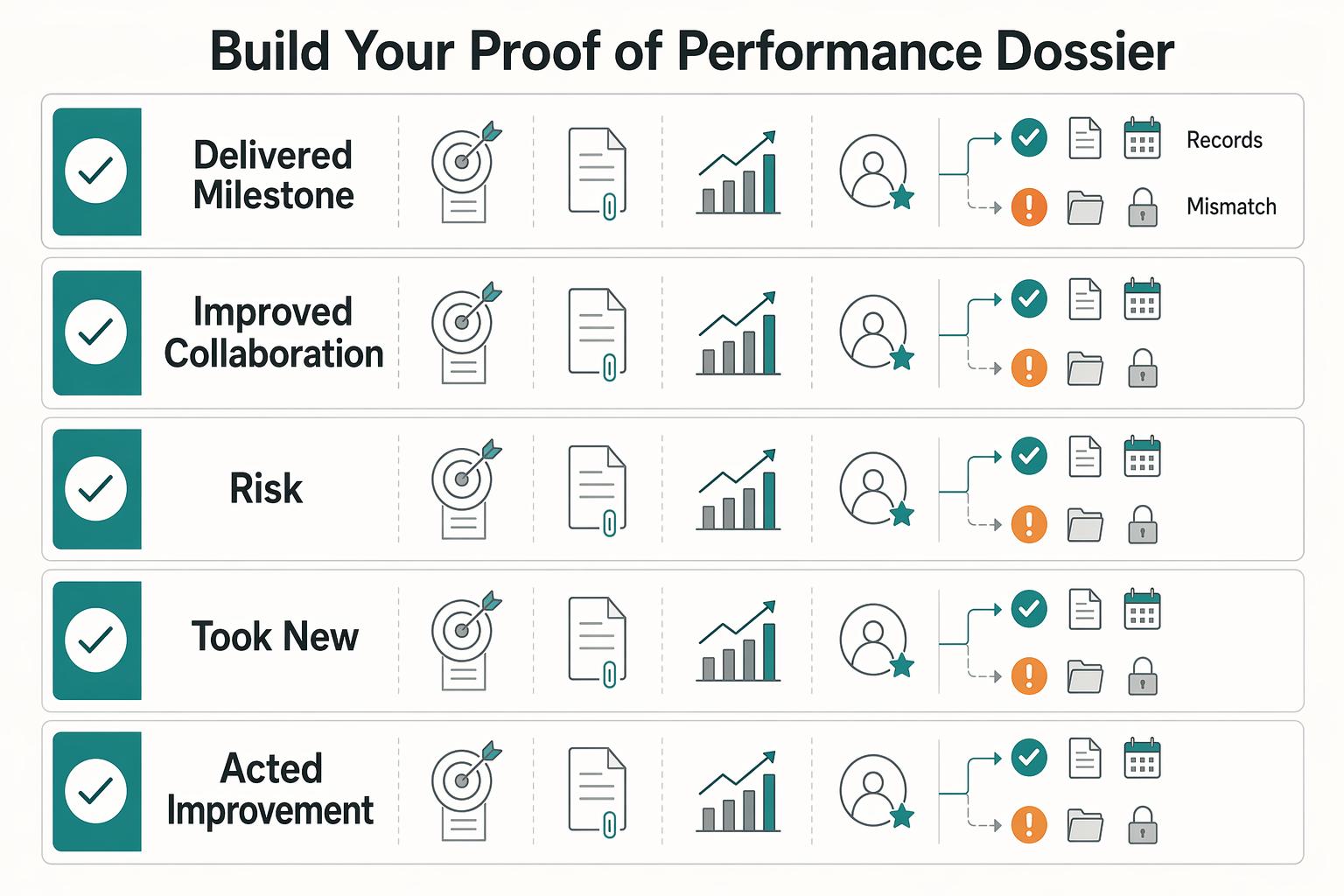
Remote Performance Reviews for Independent Contractors
Go into the call with three things nailed down: the decision you need, the evidence you will show, and the ask you will make. Treat it like a client business review about outcomes, scope, and next-phase terms, not an employee appraisal about approval.
Read more →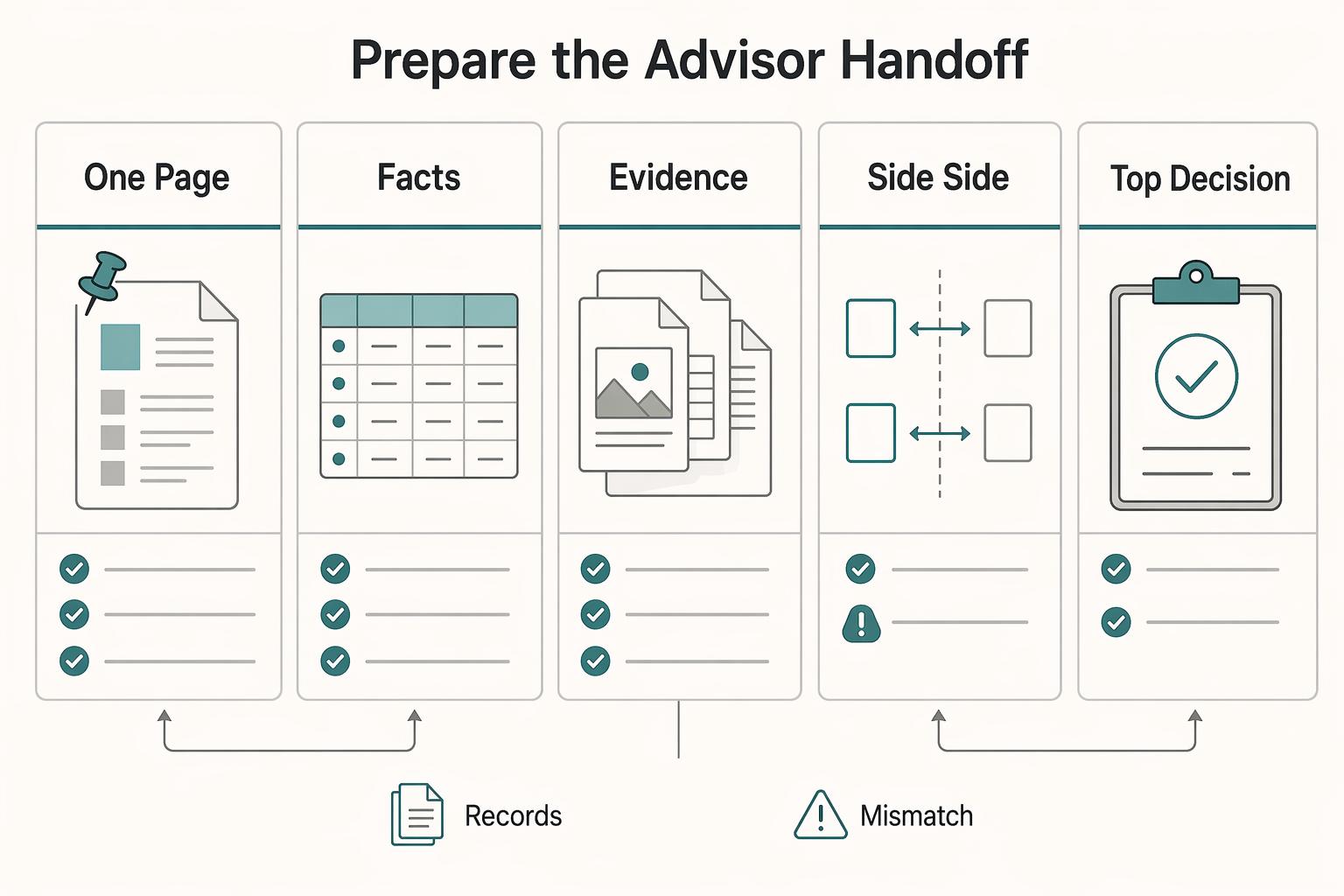
The Physical Presence Test Waiver for US Expats in War Zones
If you had to leave a foreign country because of war, civil unrest, or similar adverse conditions, you may still be able to protect your FEIE claim. The physical presence waiver is narrow relief from the minimum time requirement. It is not automatic, and it does not guarantee the full exclusion.
Read more →
Use the Reciprocity Principle in Your Freelance Marketing
For reciprocity to work on higher-value freelance deals, you have to stop treating it like "give something free and hope they feel grateful." Serious buyers usually move when risk feels lower. They want something useful, bounded, and easy to evaluate.
Read more →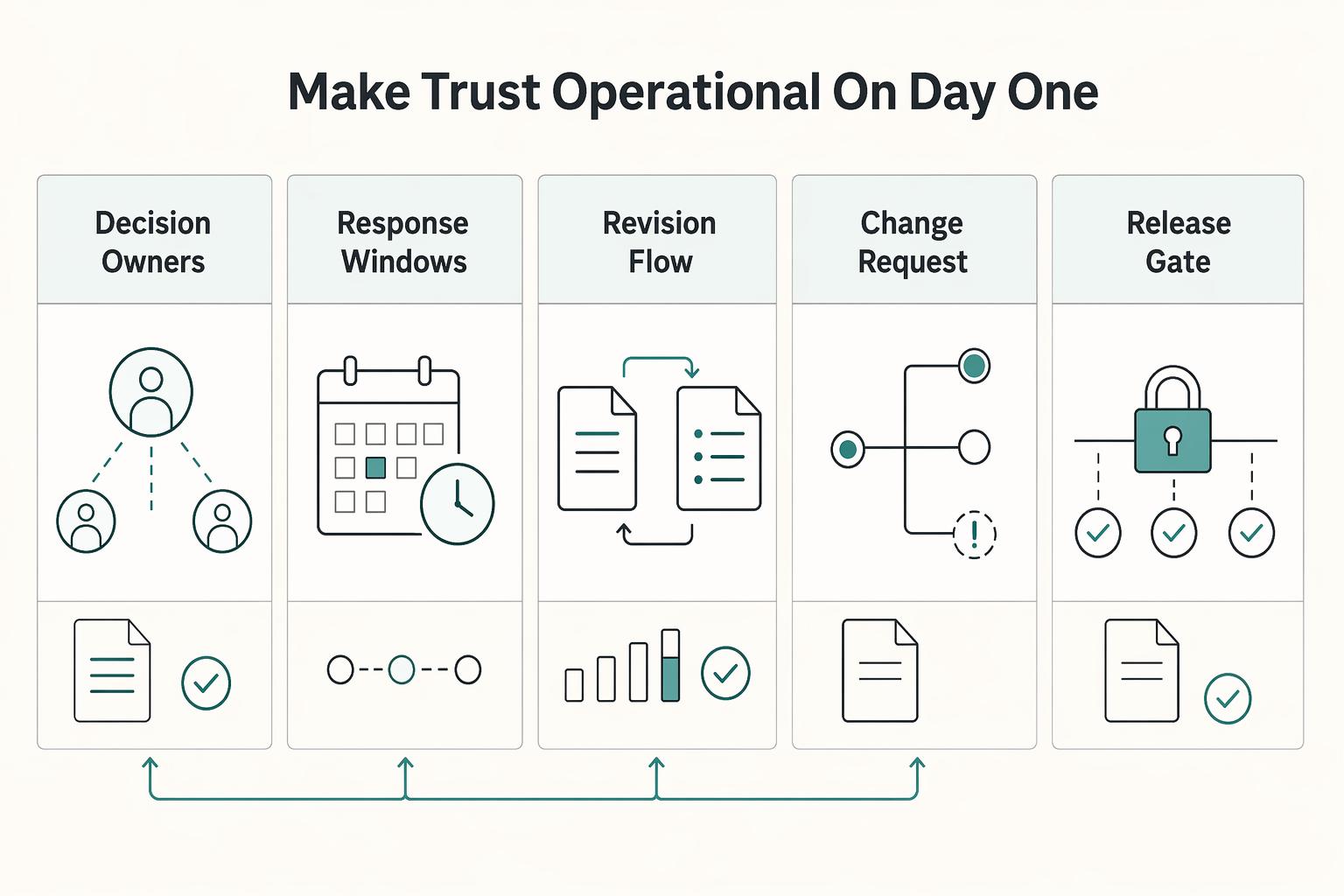
From Persuasion to Protection: A Freelancer's Guide to Cialdini's Liking Principle
If persuasion language makes you wary, keep that instinct. A safer approach is to use persuasion as transparent trust-building, not as a charm tactic.
Read more →
A Brand Strategist's Guide to Trademarking a Client's New Brand Name
As a brand strategist, your value goes well beyond delivering a strong name and identity. When you guide a client through trademarking, you help protect one of the business's most important assets, reduce avoidable risk, and make your role more durable.
Read more →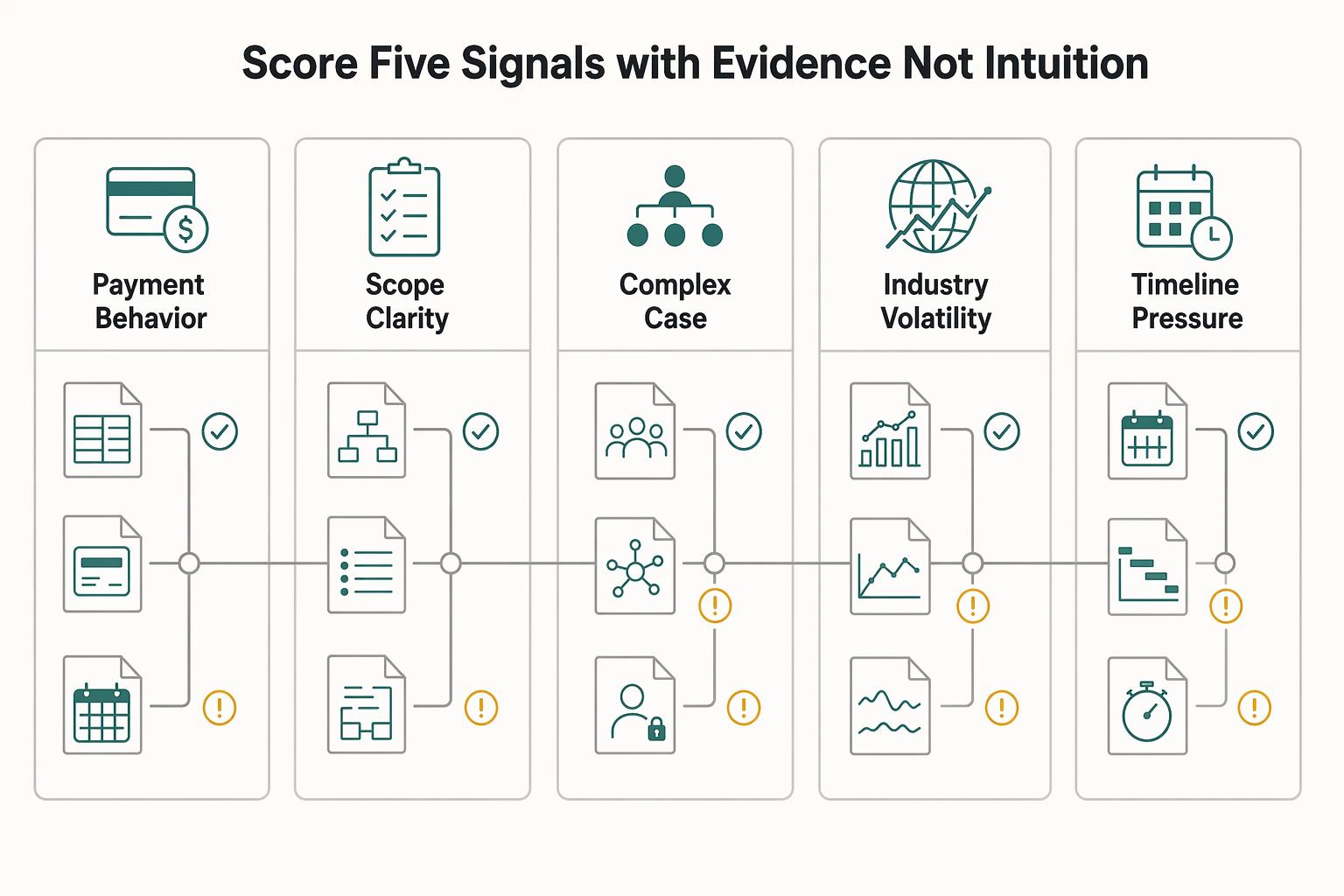
How to Calculate Customer Acquisition Cost (CAC)
--- Standard corporate metrics often break down for independent professionals. Customer Acquisition Cost, or CAC, is a good example. The textbook formula - total sales and marketing spend divided by new customers - leaves out your most valuable asset: your time.
Read more →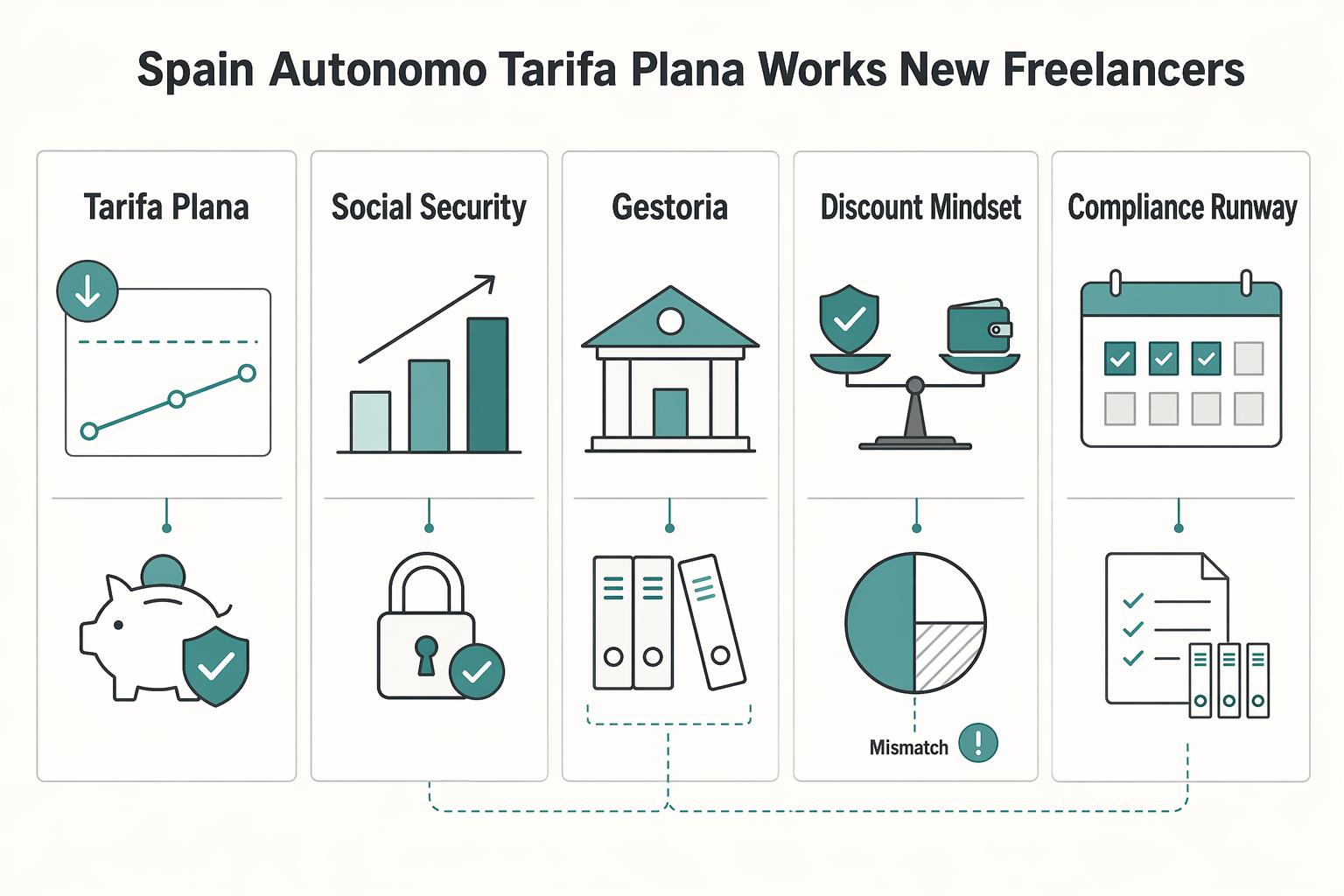
Spain’s Autónomo Tarifa Plana for New Freelancers in 2026
Use the tarifa plana to buy compliance control, not lifestyle drift. The discounted phase, often around **€80/month**, gives you room to set up the unglamorous parts properly. That matters because your social security cost later moves into a more normal **€230 to €530/month** range.
Read more →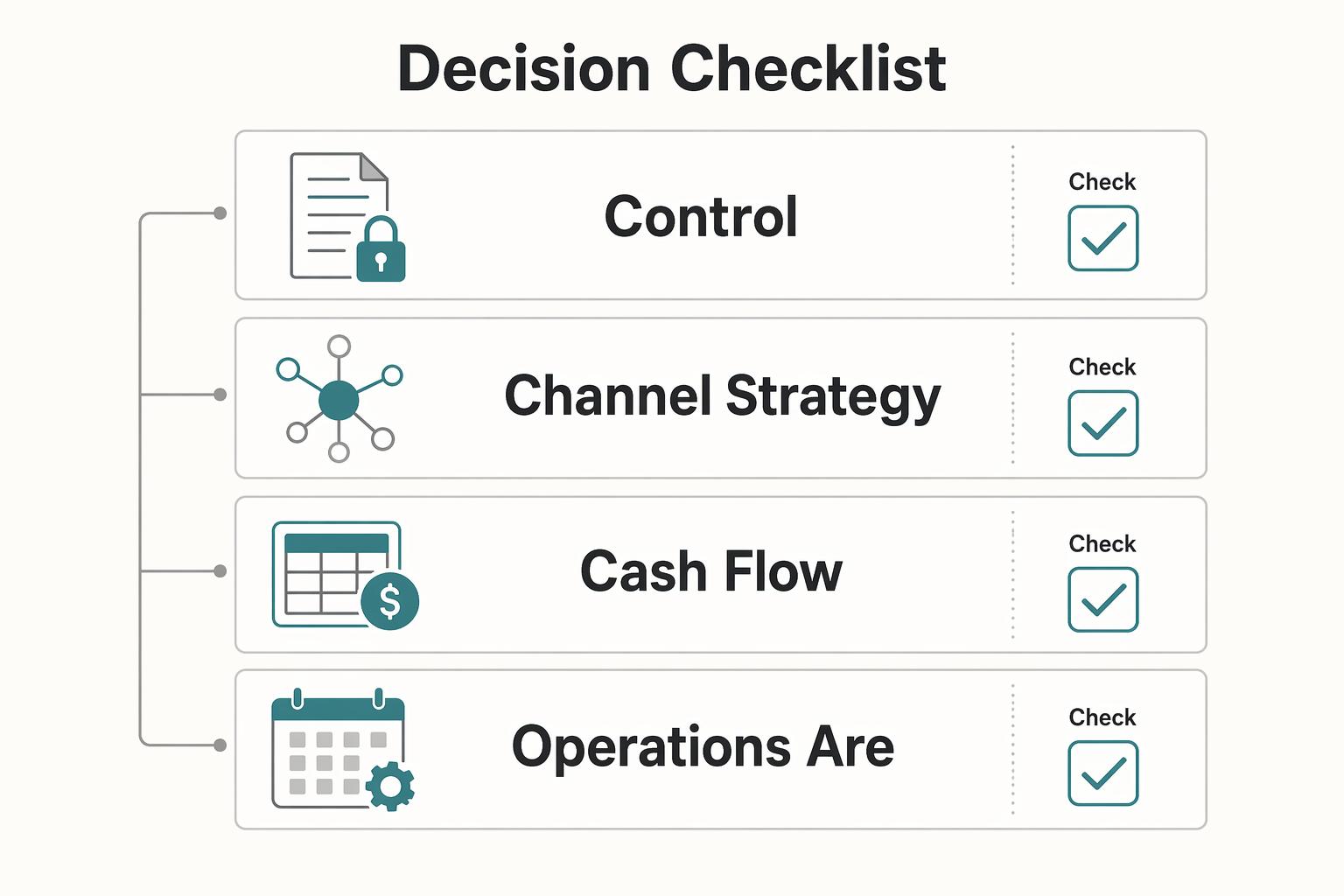
Self-Publishing vs Traditional Publishing
If your main goal is to build a reusable business asset, self-publishing is often worth evaluating first. If your main goal is a publisher-backed release, traditional publishing may fit better, but you need to accept slower timelines, gatekeepers, and less control.
Read more →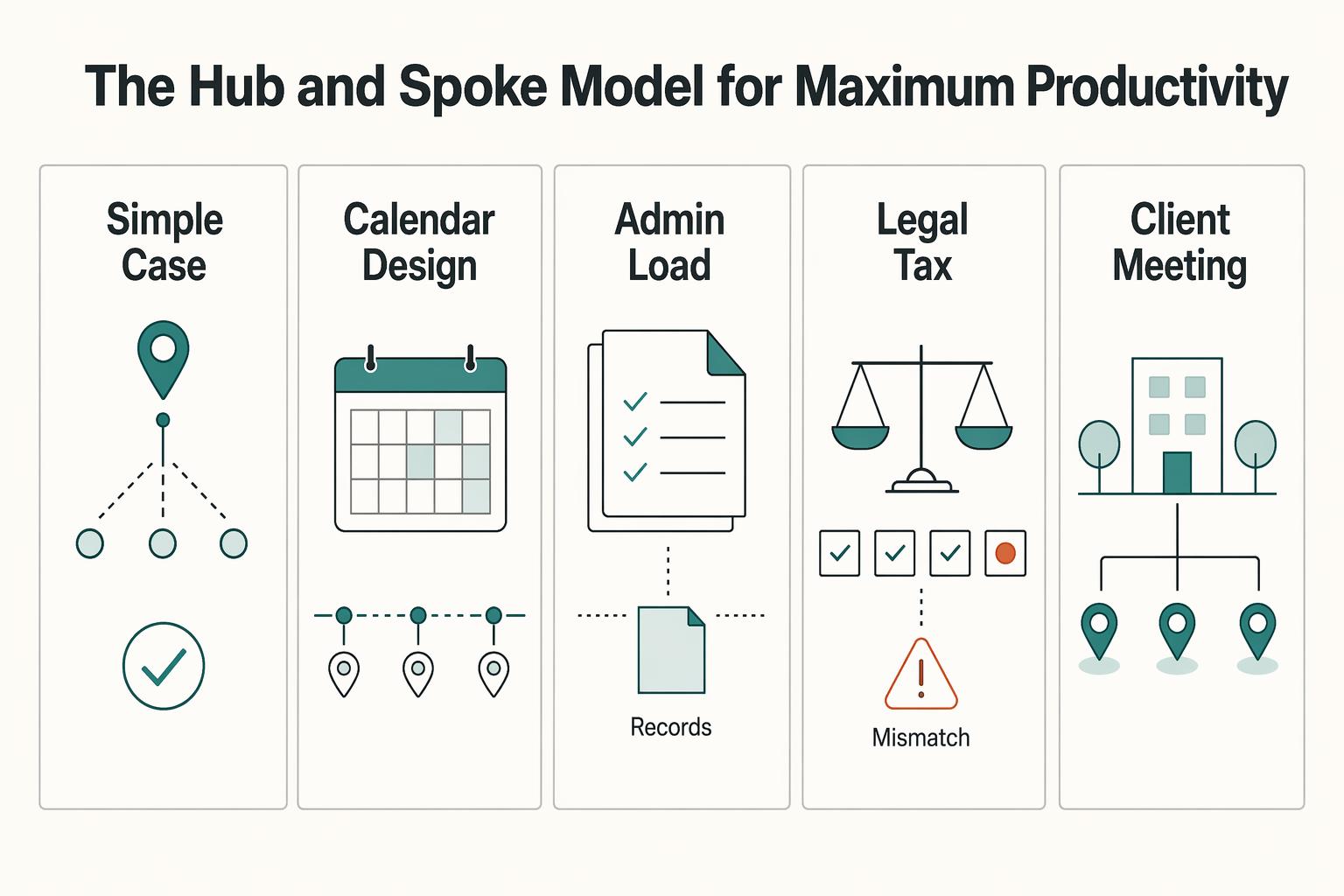
How to Manage a Multi-Country European Tour and Stay Schengen Compliant
A **multi-country Schengen tour** works best when you treat it as one regional operation with one evidence trail, not a string of loosely connected stops. The payoff is simple: better route decisions, fewer documentation gaps, and less backtracking if an airline, consulate, or other authority asks what you planned and what you actually did.
Read more →
How to Work Reliably From Campgrounds With Wi-Fi in the US
If you treat campground WiFi as part of your production setup, you are taking on delivery risk you do not control. Campground-specific performance and security should not be assumed, so the practical move is to treat both as unknown before deadline-dependent work.
Read more →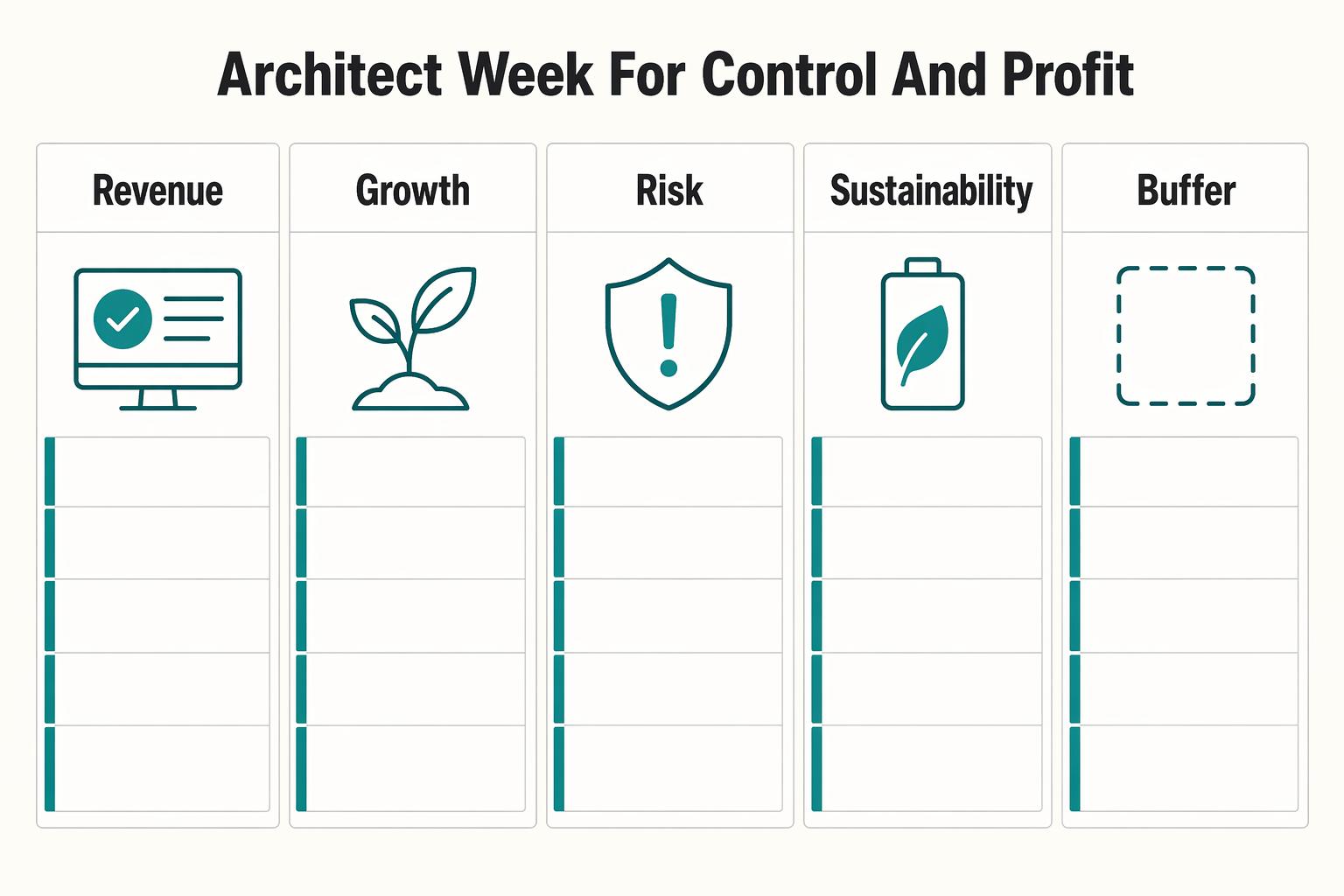
How Freelancers Can Use Time Blocking to Plan a Work Week
**Step 1: Put next week on your calendar before it starts.** Treat your calendar as where work gets decided. Do not use it only as the place where meetings go after planning happens somewhere else. In practice, time blocking means turning important work into appointments with yourself so you choose execution in advance instead of letting whatever feels loudest on Tuesday morning decide for you.
Read more →
How to Handle Remote Exit Interviews Without Burning Bridges
Treat the exit interview as one checkpoint inside offboarding, not a standalone venting session. Once your departure is known, the real work is leaving a clean transition, a consistent message, and feedback that still holds up once someone writes it down.
Read more →
What is the 'Wash Sale' Rule and How to Avoid It
As the CEO of your financial life, your primary mandate is to understand the operating environment. Many investors view the IRS wash sale rule as a punitive trap designed to penalize them. This is a fundamental error in thinking. A more powerful approach is to see the rule for what it is: a system parameter. The IRS simply wants to prevent investors from creating artificial tax deductions by selling a security at a loss only to buy it back immediately, maintaining their economic position while claiming a tax benefit.
Read more →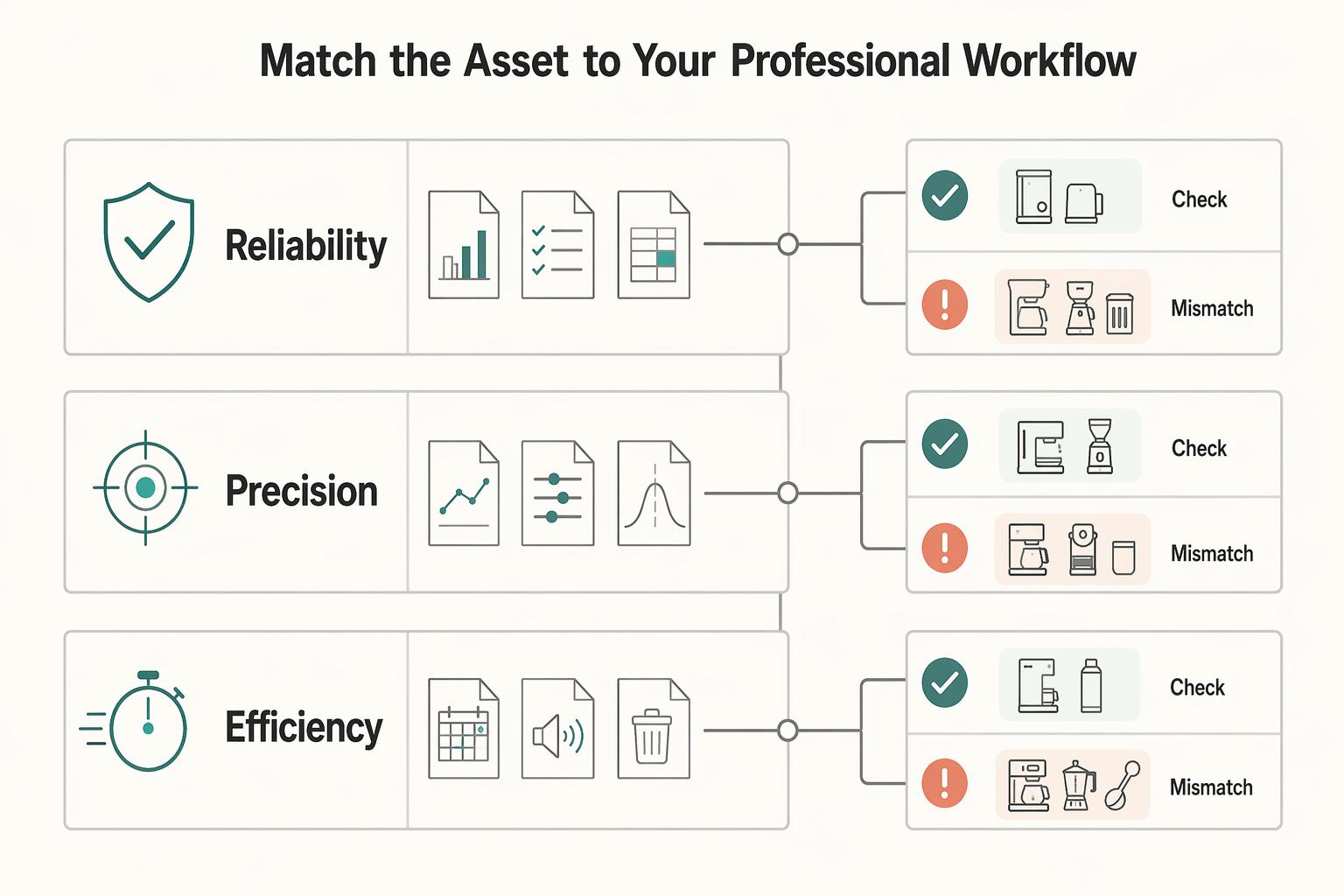
The Best Coffee Makers for a Home Office
You should evaluate your coffee setup like an operating asset, not a cheap kitchen add-on. Whatever its accounting treatment in your jurisdiction, the buying decision should still focus on operations. Choose for dependable output, ease of use, maintenance load, and fit with your actual workday.
Read more →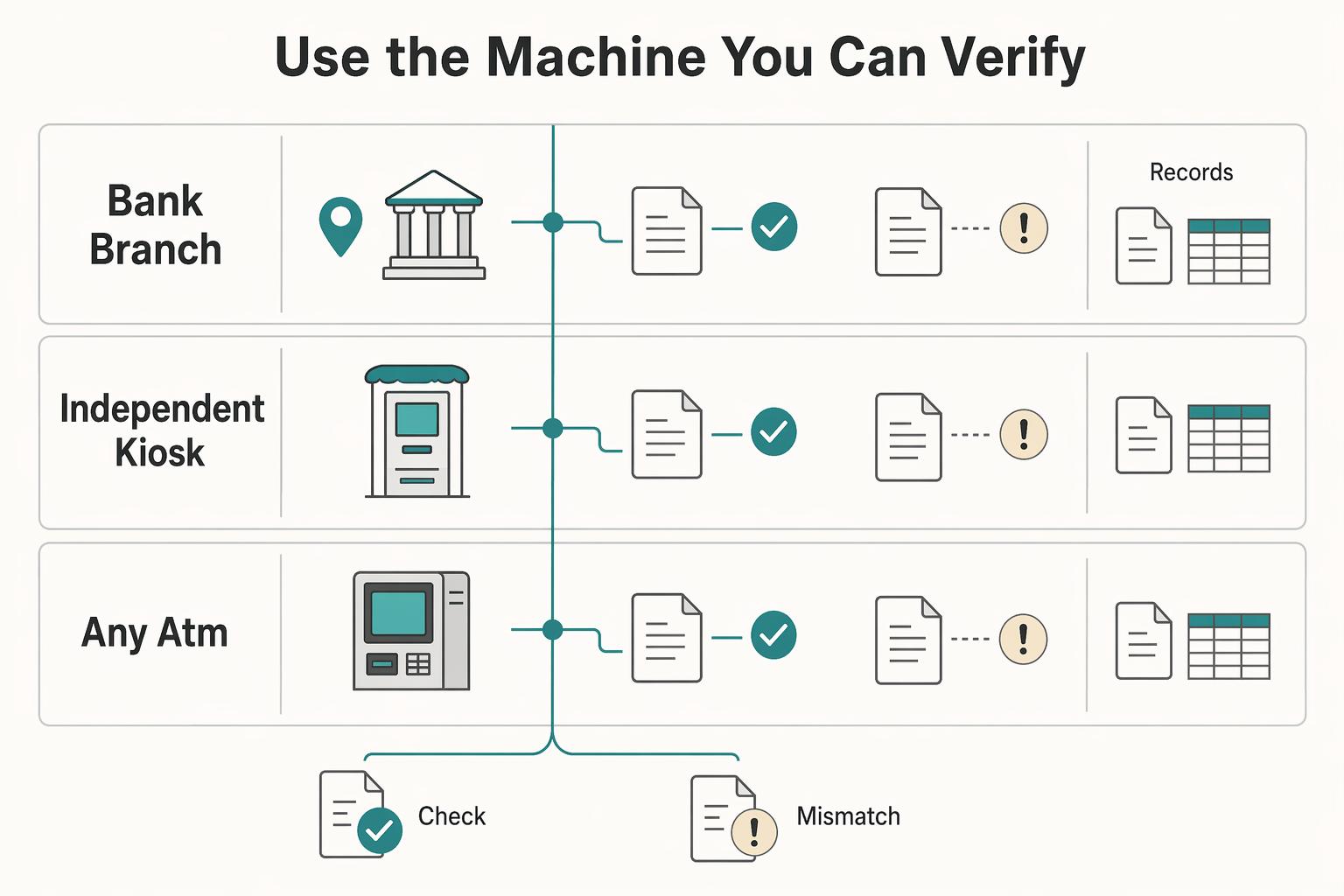
How to Get Local Currency Abroad Without a Recordkeeping Mess
For a global professional, cash is both a practical necessity and a recordkeeping problem. You need it for ground-level spending like a local fixer, taxi, or coffee. But every untracked withdrawal and every missing receipt creates work later. It can turn into an audit question, an expense you cannot support, or a deduction you cannot defend. That uncertainty pulls attention away from the work itself.
Read more →