
Operator playbooks for cross-border payments, tax, and compliance execution.
Step-by-step guidance for finance, product, and ops teams to launch faster, reduce payout friction, and keep reconciliation clean across borders.
Using the Ben Franklin Effect to Build Trust-Based Client Relationships
In client work, the Ben Franklin Effect matters when it creates mutual investment. Being liked is not what protects your work. What protects it is a relationship where the client has put time, judgment, and internal context into the project, not just approved a proposal.
Read more →
How Solo Professionals Create an Async-First Client Communication System
For a solo professional, async is not just a style preference. It is an operating mode that protects focus by reducing constant interruption and pushing more work into clear written communication.
Read more →
How to use a 'Decision Journal' for your freelance business
Before you build the defensible record your business needs, be honest about why conventional decision journals have failed you. Most of the advice out there is not just too thin for high-stakes work. It is built for a different kind of problem.
Read more →
How to Outline a Non-Fiction Book as a Strategy-First Plan
To outline a non-fiction book, treat your outline as a control document, not a warm-up draft. Before you write prose, decide what the book needs to say, who it helps, and what promise it makes. That upfront work cuts early rewrite loops and makes drafting decisions clearer.
Read more →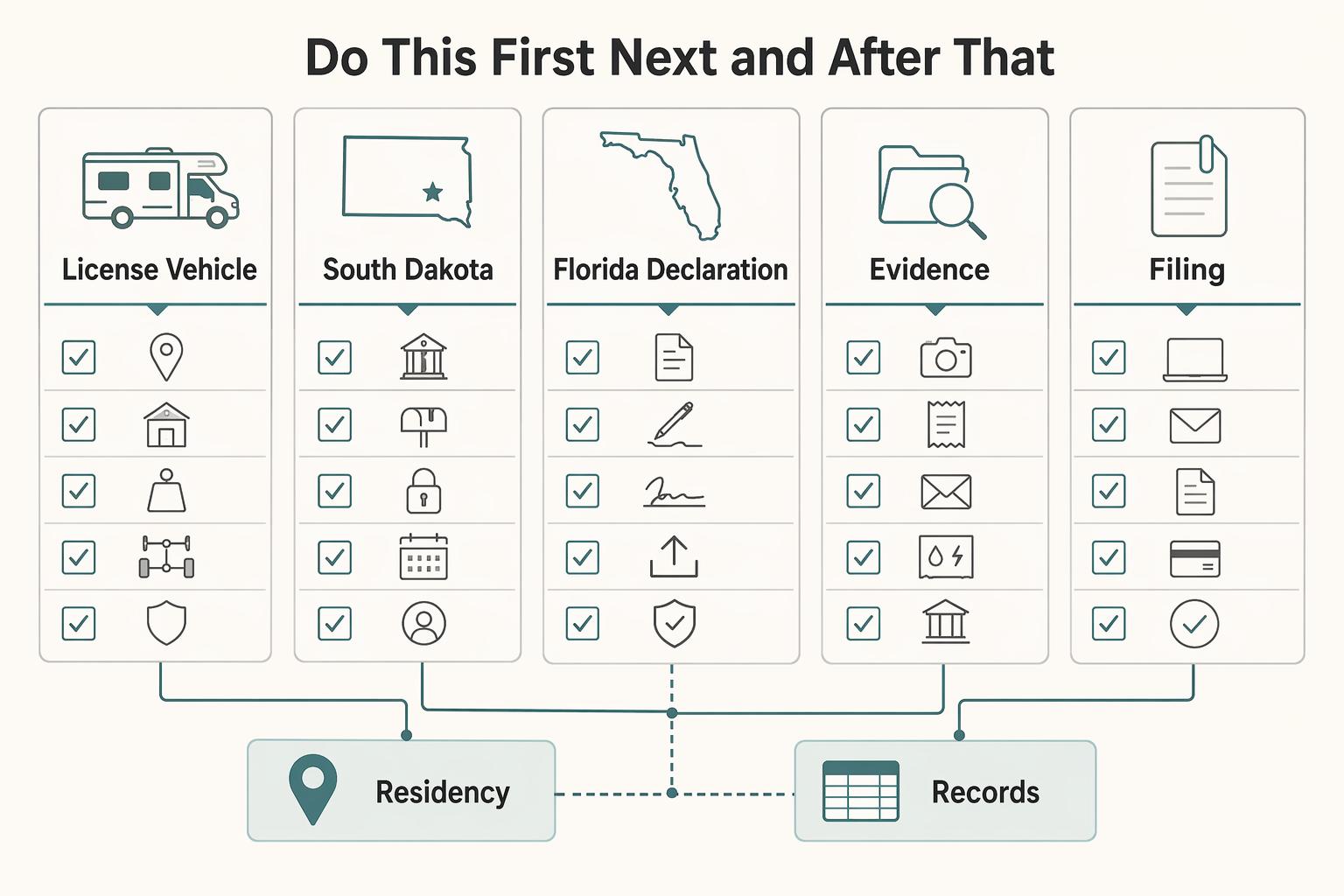
Full-Time RVing on a Budget for Freelancers Who Need Reliable Cashflow
Before you compare rigs, choose your domicile and make it provable. This comes first because a cheap setup can get expensive fast when your license, vehicle records, banking profile, and client paperwork do not match.
Read more →
Managing a Global Team of Video Editors with Frame.io
A stray client comment in an email or a casual remark on a video call can feel harmless. In practice, it is often the first crack in your project record. When a client ghosts your final invoice or says a major change was never approved, your review history stops being background context and becomes evidence.
Read more →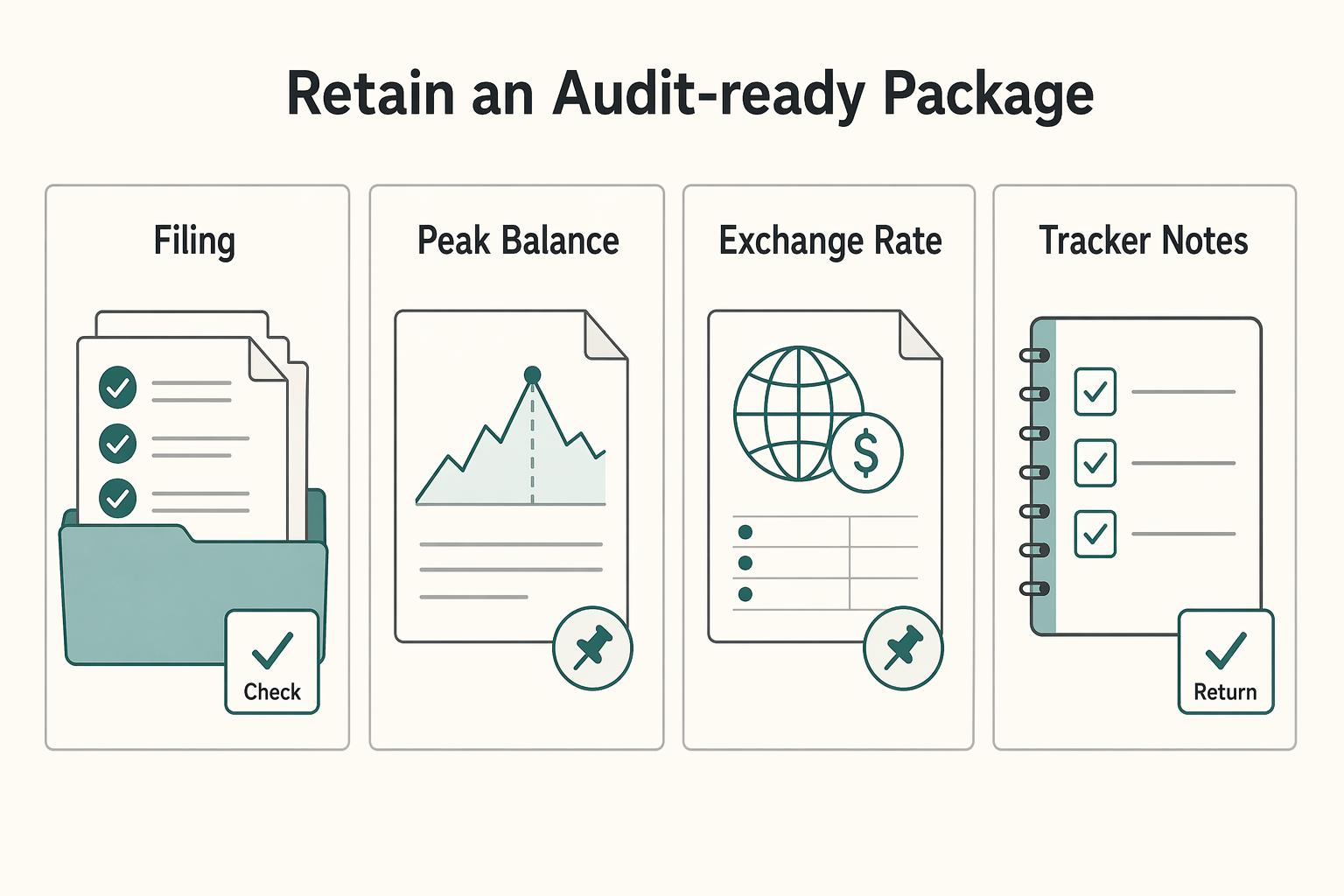
How to Determine the Maximum Value of a Foreign Bank Account for FBAR
If you rely on December statements alone, you can miss the number FBAR actually cares about: each account's maximum value during the year. The filing test is based on whether the **aggregate** value of your foreign financial accounts exceeded **$10,000 at any time during the calendar year**, not on whether year-end balances look low.
Read more →
How to Claim a GST Refund on Exports as an Indian Freelancer
**The zero-rated supply principle.** Under India's GST regime, the export of services is classified as a **"zero-rated supply."** That has two practical effects for your business:
Read more →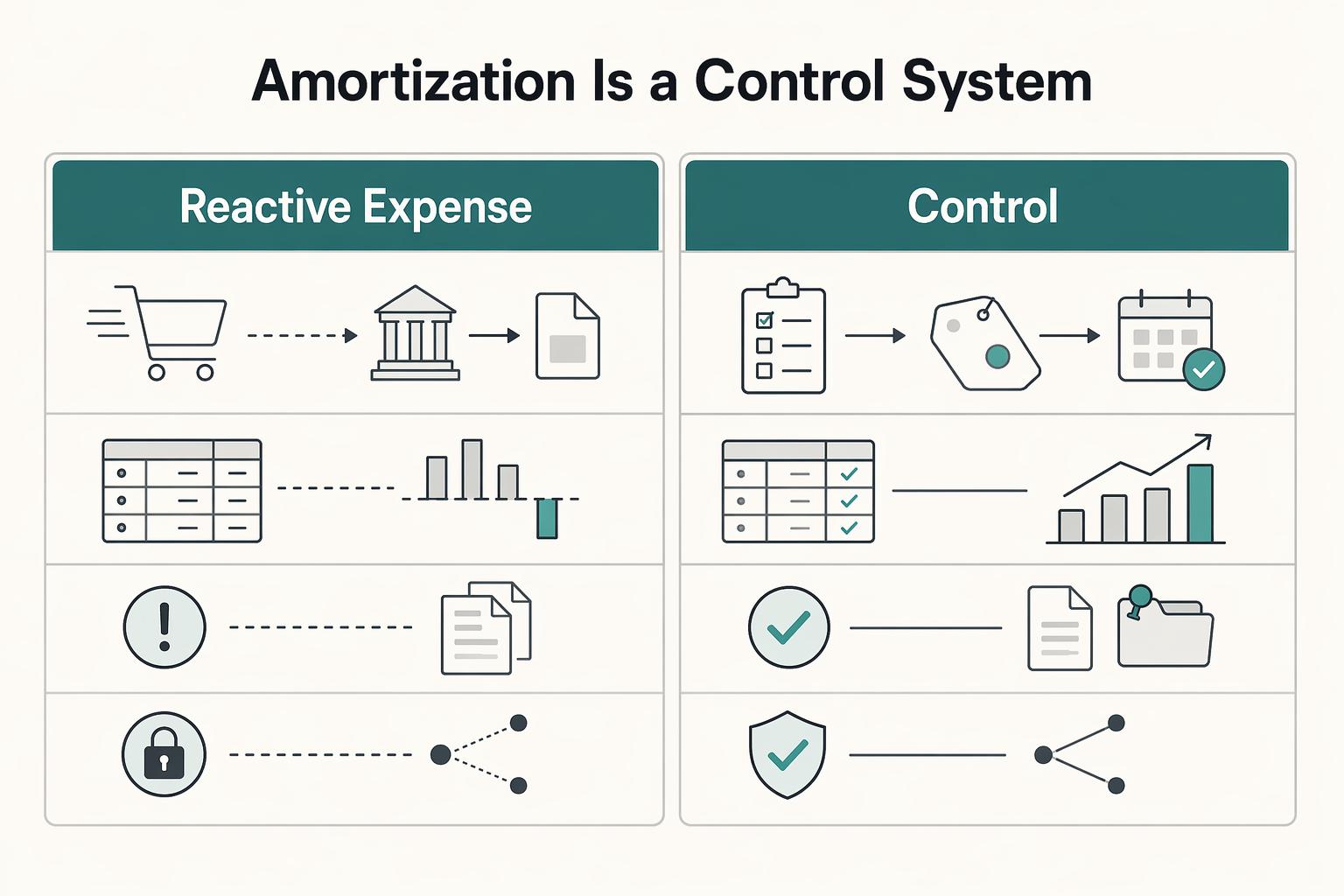
How Freelancers Should Classify Intangible Assets for Amortization
Before you book a meaningful nonphysical purchase, decide whether it is a current-year expense or an asset that may need capitalization and amortization. This section is only an orientation step; use the later checklist and framework sections to confirm what qualifies and how to report it.
Read more →
How to Calculate Cash-on-Cash Return for Real Estate
If your **Business-of-One** depends on disciplined decisions, real estate should be no exception. Yet a lot of investing advice still reduces the decision to one output: a single return figure. Find the number, compare it to a benchmark, and decide whether the deal is "good."
Read more →
Financial Metrics That Matter for Your Business
Before you build a better financial command center, separate what ratio analysis can do from what it cannot. Ratio analysis can extract useful insight from financial statements, and in some study contexts, financial ratios have distinguished failed and non-failed companies several years before failure. But the method has clear limits. If you ignore benchmark fit, historical inputs, or inflation effects, the conclusion can point you in the wrong direction.
Read more →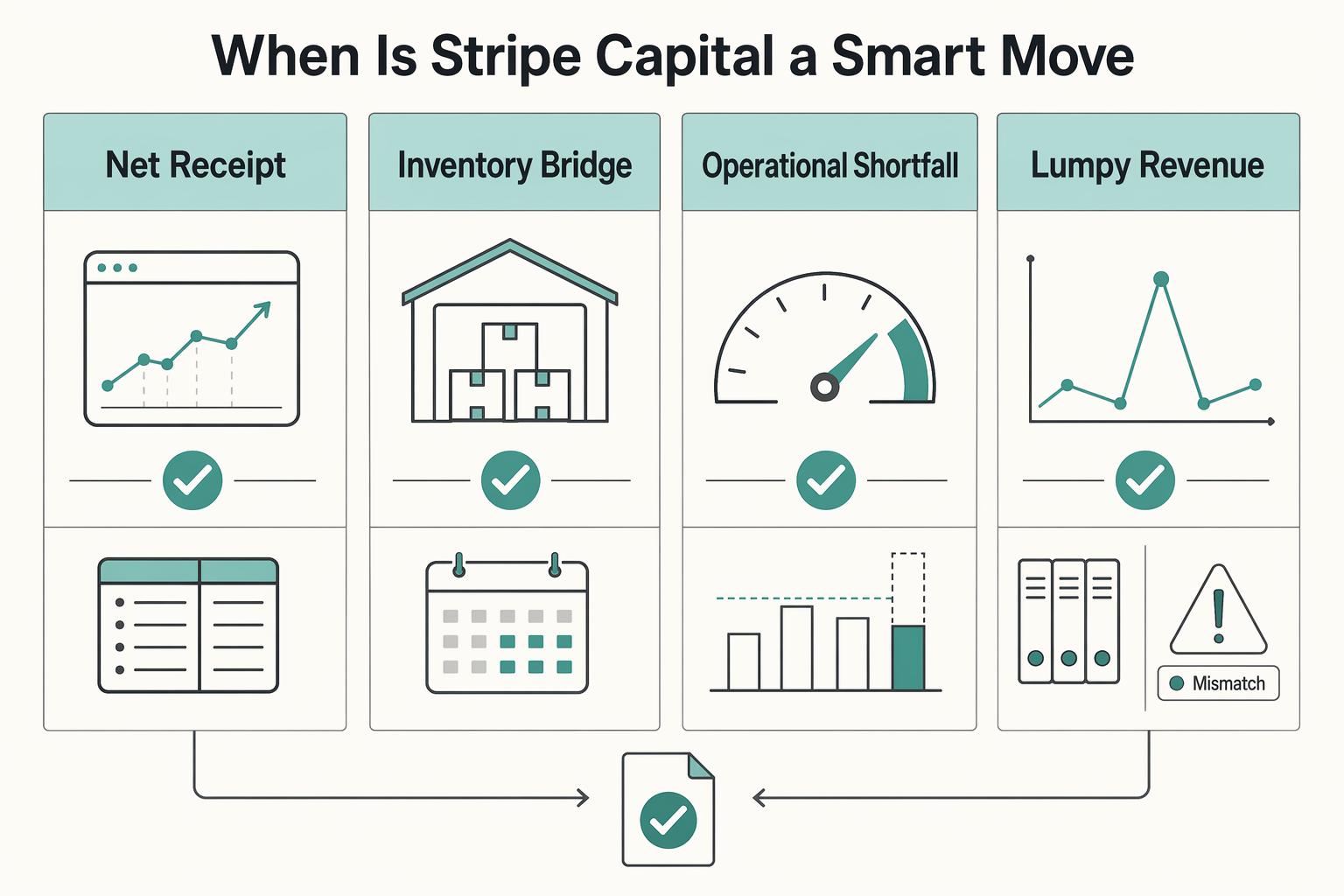
A guide to Stripe's 'Capital' for business financing
Fast, embedded financing can solve a timing problem, but it can also reduce control over your daily cash inflows. If you are evaluating **Stripe Capital financing**, use one decision standard: cash-flow resilience under stress, not convenience in the dashboard.
Read more →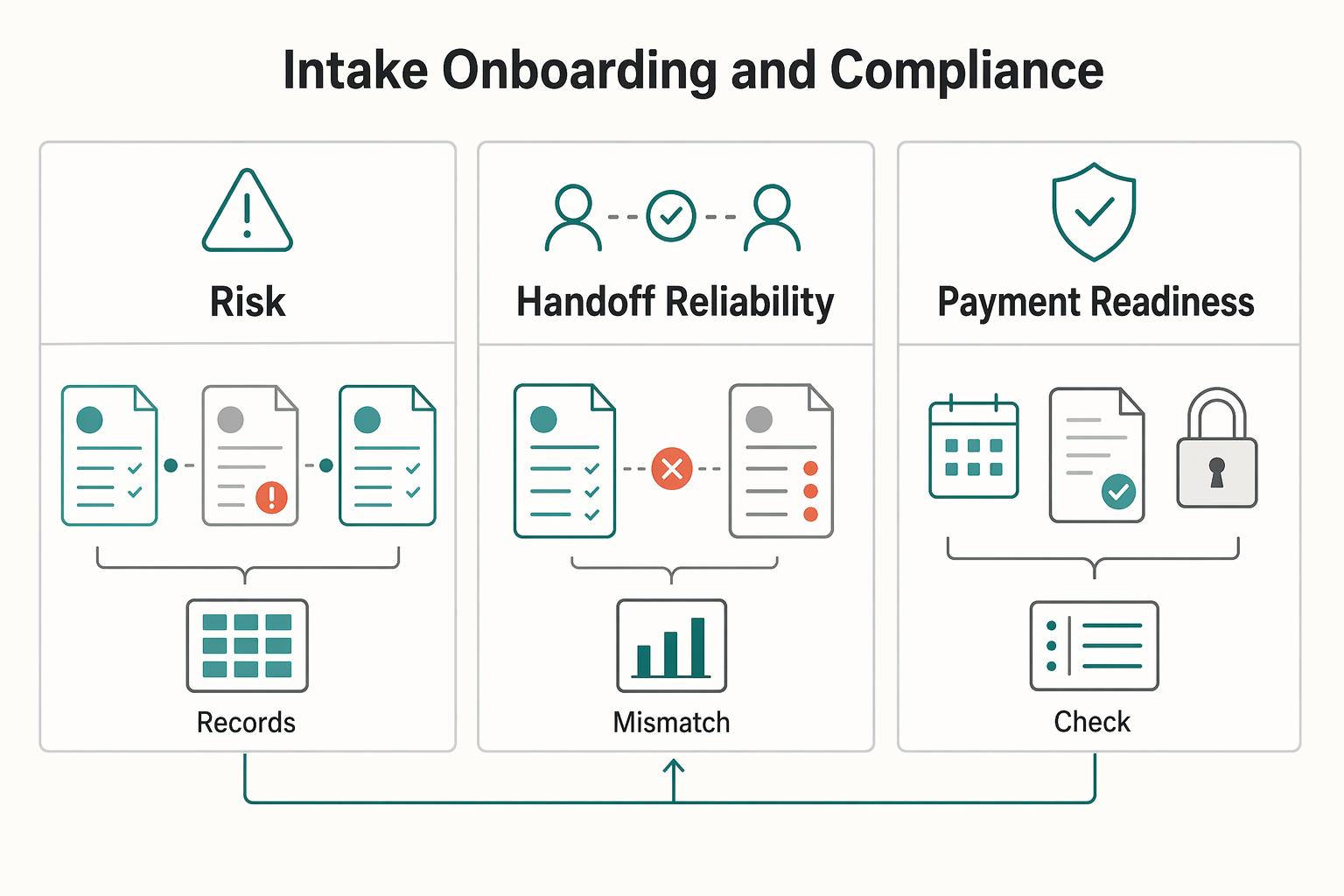
How to Use Airtable Automations to Streamline Your Agency Workflow
The friction is usually a repeatability problem, not an effort problem. Look at your operations as one working model, not a pile of reminders, inbox threads, and half-updated tools.
Read more →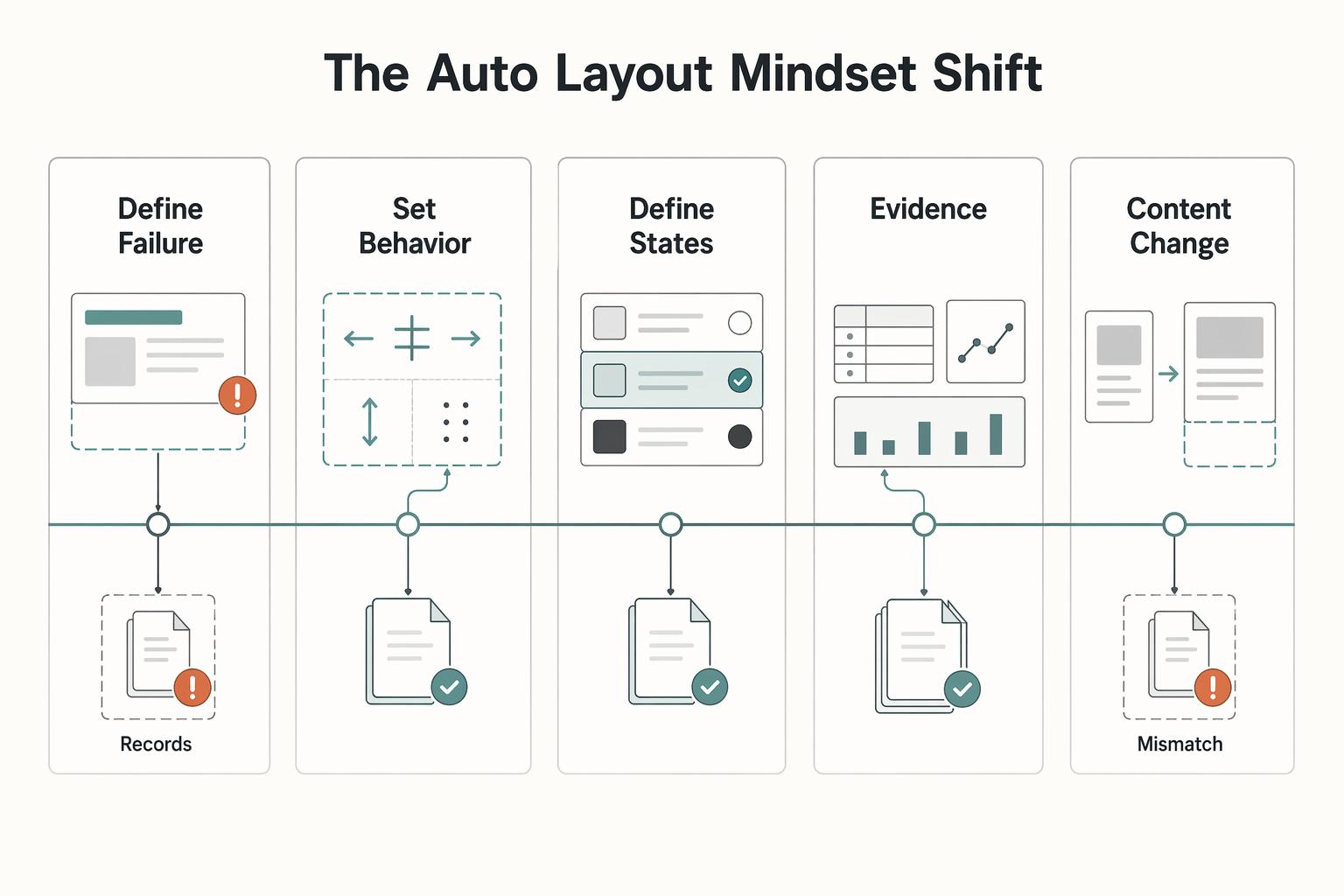
Build Reusable Component Systems with Figma Auto Layout
If you still treat **figma auto layout** as a faster way to align layers, you may keep paying for layout breakage later. The more useful shift is this: you are not just drawing screens. You are deciding how your assets behave when content changes, states change, and handoff begins. That shift rests on four practical pillars:
Read more →
How to Get High-Quality Backlinks to Your Freelance Website
For experienced professionals, the usual client acquisition model stops paying off. It becomes a loop of constant outreach, proposal writing, and networking, all driven by the pressure to keep the pipeline full. That churn eats your best time and leaves less room for the deep work that actually shows your value.
Read more →
How UK Companies Can Handle VAT When Selling to US Clients
Expanding your UK business into the US market is a real milestone. It also brings up a question early, and often more than once: how do you handle UK VAT correctly?
Read more →
VAT MOSS and Non-Union OSS for UK Freelancers Selling to the EU
If you sell digital services from the UK to EU customers, treat UK VAT MOSS as historical and [Non-Union OSS](https://vat-one-stop-shop.ec.europa.eu/one-stop-shop_en) as the current route to assess. You cannot use UK VAT MOSS for sales made from 1 January 2021 onwards. For UK sellers who are not established and have no fixed establishment in the EU, the relevant OSS branch is the **Non-Union scheme**.
Read more →
How to Create a Pitch Deck in Canva
You can create a professional [pitch deck in Canva](https://www.canva.com/presentations/pitch-deck). Its job is not to dump information. It is to lower uncertainty fast, because readers may spend only a few minutes deciding whether your pitch is worth a call. If you want your Canva deck to feel credible, build each slide to answer a likely question in your reader's mind.
Read more →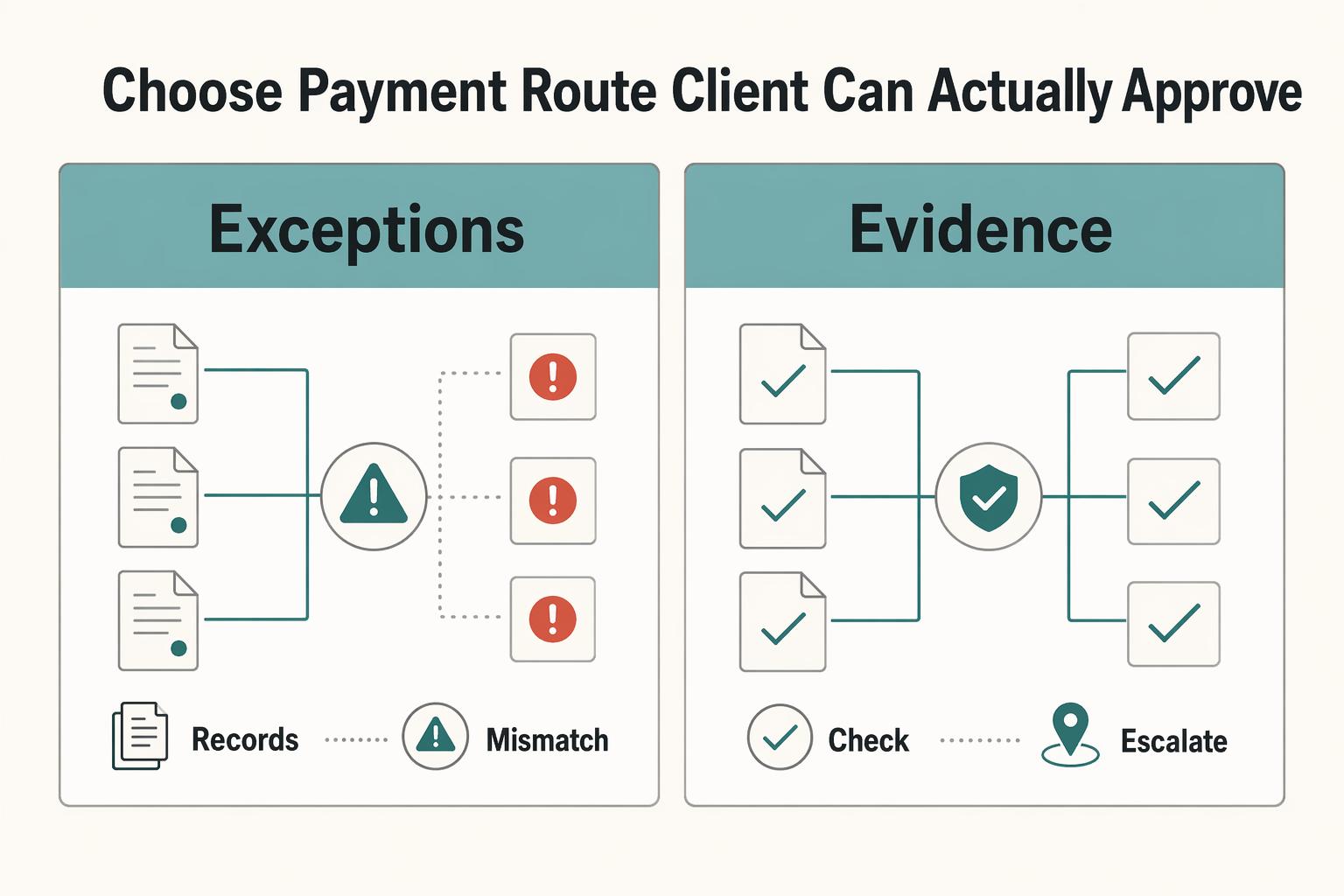
How the Trust-to-Transaction Business Model Wins Client Approval
If you sell your work across borders, clients are buying certainty as much as skill. The **trust-to-transaction model** is a simple operating rule: make it easy for a client to see that working with you will be orderly, legible, and low drama. The real friction is usually not whether you can do the work. It is whether hiring you will create admin, payment, or communication problems they will have to clean up later.
Read more →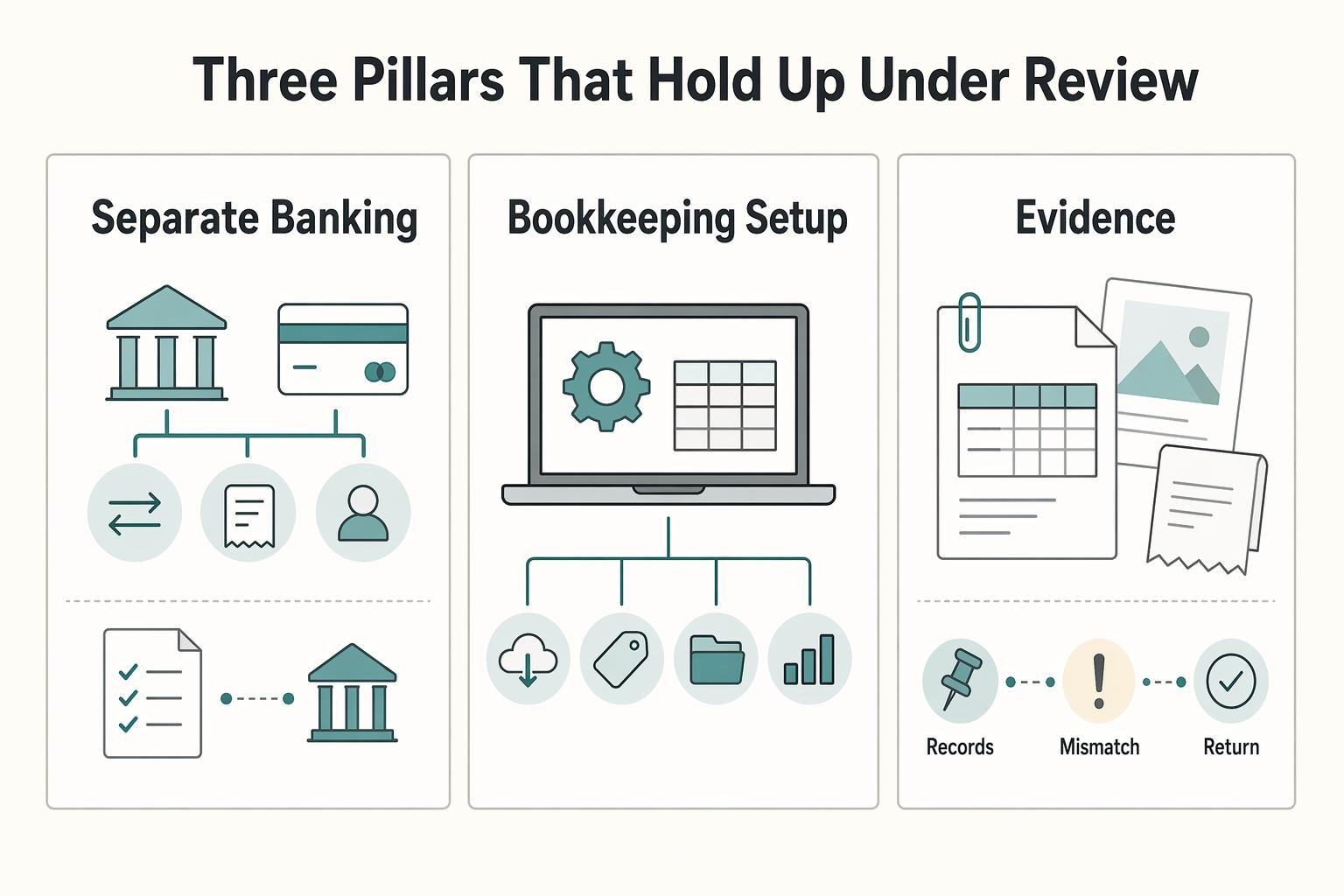
How Freelancers Can File Schedule C With Defensible Records
Use Schedule C as the operating report for your solo business. It reports business income, expenses, and your net profit or loss. If you are a sole proprietor, this is usually the form that determines it. If you are a [single-member LLC](https://www.irs.gov/businesses/small-businesses-self-employed/single-member-limited-liability-companies) that has not elected corporate tax treatment, it is generally treated as a disregarded entity for income tax, and Schedule C is often used to report that business income and expenses.
Read more →