
Quick Answer
Start with a live trial, not a feature tour. Run one inquiry-to-paid booking flow, one calendar block, and one cancellation across Airbnb, Vrbo, and Booking.com, then confirm the same changes appear correctly in your inbox, tasks, and reports. Use the article’s scorecard approach and keep proof: screenshots, one export sample, and one failed-test note. The right system should handle daily handoffs, produce accountant-usable records, and stay workable from mobile when something breaks mid-stay.
Introduction: You're Not Just a Host; You're an Asset Manager#
If you own or manage a short-term rental, your job is not just answering guest messages and turning over a property. You are managing an income-producing asset. The real work is protecting cash flow, reducing operating mistakes, and making sure one missed detail does not turn into a booking issue or a compliance problem.
| Filter | What to look for | Caution |
|---|---|---|
| Automation | One interface for bookings, rates, and availability across channels; can sync calendars, automate guest messages, and track payments | If those three jobs still feel manual in a demo, the software is adding admin, not removing it |
| Compliance | Software that keeps records organized as cities tighten short-term rental rules | A channel manager may only address distribution workflows |
| Control | One place to manage multi-channel activity, coordinate cleanings and other operational tasks, and support more control over your booking flow | None should get a pass just because the brand is familiar |
That shift matters because the daily drag usually is not dramatic. It is small, repeated friction. You answer the same question in three inboxes, check availability across Airbnb, Vrbo, and Booking.com, chase a cleaner after a same-day checkout, then realize payment tracking lives somewhere else. None of that feels strategic, but it creates blind spots fast. When work is split across separate apps and logins, you do not just lose time. You lose a clear view of the business.
That is where the search for the best short-term rental software often goes wrong. Too many buyers compare isolated features instead of asking whether the tool can serve as one operating layer. Vacation rental management software should centralize reservations, guest communication, and operational tasks. In practice, that means one interface for bookings, rates, and availability across channels, not a patchwork of tabs, plug-ins, and memory.
Read the rest of the article through three filters:
- Automation
The first test is whether routine work actually leaves your plate. Start with the basics before you get distracted by long feature lists. Can the platform sync calendars, automate guest messages, and track payments without forcing you to jump between apps? If those three jobs still feel manual in a demo, the software is adding admin, not removing it.
- Compliance
Operational speed only helps if it does not increase your exposure. You need software that keeps records organized as cities tighten short-term rental rules, not a tool that leaves critical steps scattered across messages, spreadsheets, and channel dashboards. A common failure mode is assuming a channel manager solves the bigger risk when it may only address distribution workflows.
- Control
Good software should help you run a business, not just keep listings live. Look for one place to manage multi-channel activity, coordinate cleanings and other operational tasks, and support more control over your booking flow where relevant. Well-known platforms are worth assessing through that lens, but none should get a pass just because the brand is familiar.
Keep that frame in mind as we move through the evaluation. By the end, you should be able to match a platform to your stage. You may need lighter support for a few listings now, then a more complete setup later as your priorities shift toward scale, compliance, and control.
Pillar 1: The Automation Engine - Reclaiming Your Most Valuable Asset#
Use automation to remove repeat work, not to create hidden failure points. In trials, stress-test three areas in order: inbox, channel sync, and task handoffs.
Run a simple scorecard so you can see the realized benefit, what the tool is worth, and where manual cleanup still shows up.
| Capability | 0 points | 1 point | 2 points | What to verify in trial |
|---|---|---|---|---|
| Unified inbox | Messages still feel split by channel | Mostly centralized, but weak context or rules | Full conversation view plus usable automation controls | Guest history, channel visibility, manual override |
| Channel sync | Delays or unclear update behavior | Sync works, but edge cases are unclear | Availability and rates update clearly across channels | Conflict alerts, duplicate-booking handling, outage recovery steps |
| Pricing control | Manual pricing only | Native or integrated pricing, limited control | Clear pricing control with defined rule ownership | Where final rate is set, override behavior, audit trail |
| Task automation | Manual texts and reminders | Basic task triggers only | Reservation events trigger tasks with confirmations | Cleaner completion, photo/checklist proof, reassignment options |
| Mobile execution | Desktop dependent | Partial mobile use | Field work can be completed cleanly on mobile | Checklist completion, uploads, alerts |
Score each platform out of 10. Keep a small evidence pack: screenshots, one sample reservation flow, one failed test, and notes on manual cleanup. Vendor positioning often sounds similar. For example, Guesty's December 29, 2025 post highlights unified messaging, real-time channel sync, and mobile task management, so your trial should confirm how that works in your setup.
1. Unified inbox quality#
A unified inbox is useful only if it covers the full booking lifecycle without forcing manual triage. Your test is whether you can configure triggers, handle exceptions, and keep channel-specific consistency.
Build one message sequence in trial mode: booking confirmation, pre-arrival instructions, check-in follow-up, mid-stay note for longer reservations, pre-checkout reminder, and post-stay review request. Verify current trigger controls directly in product before setting exact timing rules, because those options can vary.
Treat AI reply metrics as vendor-stated context, not proof of fit. If a tool suggests replies for most messages, you still need to confirm you can review, approve, suppress, or override replies when plans change or questions arrive mid-sequence.
2. Channel manager reliability#
Channel sync is a critical risk point because manual entry is where double bookings and missed reservations can start. Your standard is clear behavior under normal updates and edge cases, not a generic "it syncs."
Run a controlled reservation test, then request three failure-mode walkthroughs: near-simultaneous channel changes, reservation modifications, and outage behavior. Validate whether status is visible, conflicts are surfaced, and recovery steps are explicit.
Keep pricing control as a separate check. Native pricing can reduce moving parts; integrated pricing can add specialized controls. In either model, confirm who owns the final rate and how overrides are handled.
3. Workflow automation depth#
Automation is credible when checkout reliably triggers the next operational handoff. At minimum, test whether checkout creates a cleaning task, whether completion is confirmed, and whether checklist/photo proof is visible before the next arrival.
Map your own handoffs across cleaner, maintenance, and co-host roles before the trial. Then verify the platform can support those handoffs with clear confirmations and alerts when a step is missed.
Watch for silent breakdowns. If a task is not confirmed and nobody is notified, the workflow is still manual in practice.
Pillar 2: The Compliance Shield - Mitigating Risk, Protecting Your Asset#
Treat compliance as a verification workflow, not a feature promise. Automation helps you run faster, but defensible controls are what protect your asset from tax errors, listing problems, and weak records.
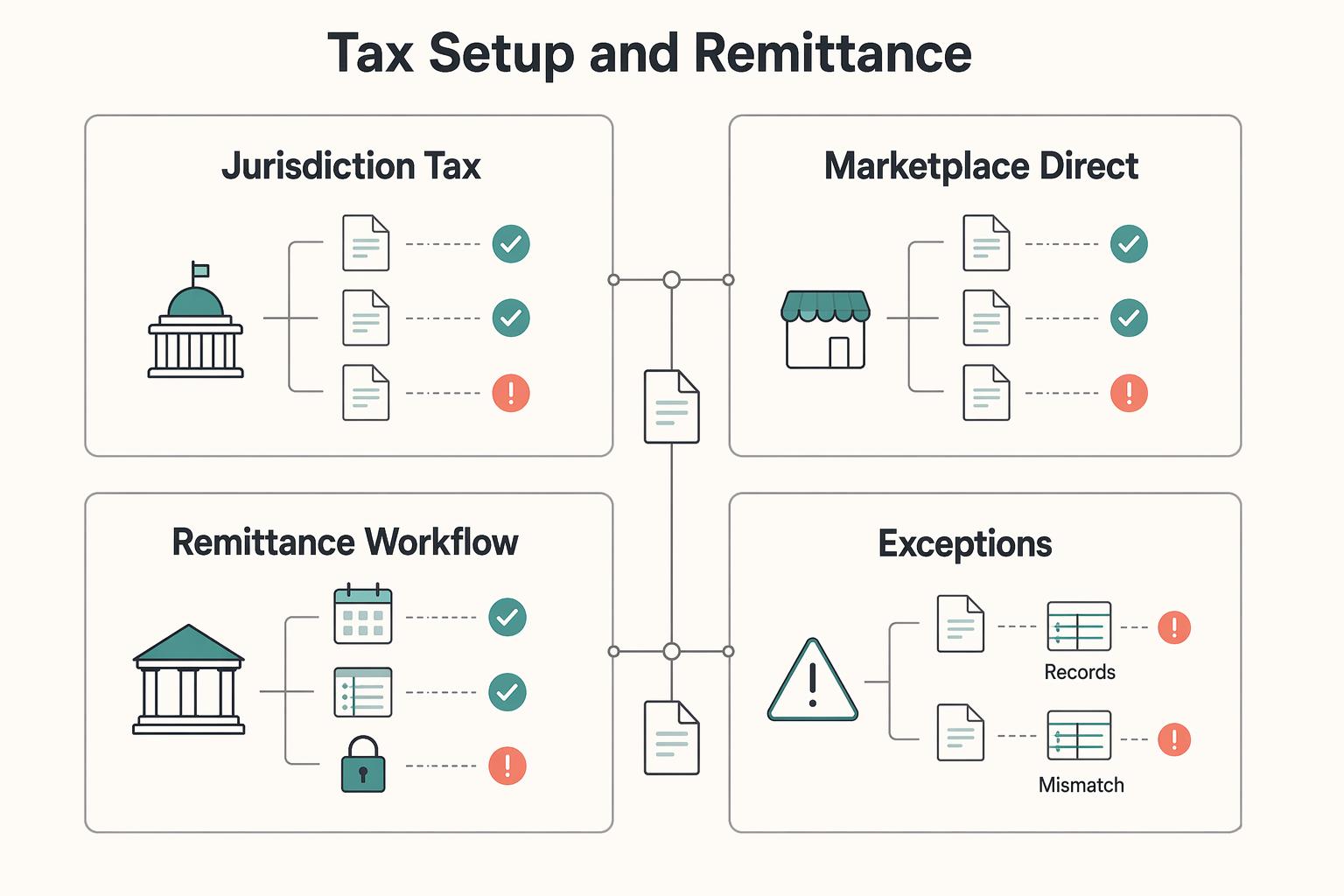
Tax setup and remittance#
Use a compliance scorecard during trial setup:
| Check | Trial action | What to confirm |
|---|---|---|
| Jurisdiction tax setup | Confirm you can configure tax logic at the property level | Tax logic can be set at the property level |
| Marketplace vs direct-booking treatment | Create one OTA booking and one direct booking for the same property | Compare tax lines, exported records, and payout impact |
| Remittance workflow | Get the exact handoff in writing | Collected only, export for manual filing, accountant handoff, or partner-assisted process |
| Exception handling | Ask what happens when channel behavior and your local obligations conflict | How the platform flags or logs that mismatch |
Do not treat pricing tooling as a compliance control. Revenue management can output price recommendations, but tax, permit, and filing obligations still need separate controls.
Permit and listing checks#
Run permit and license checks as a publish workflow, not just a settings review:
| Step | Action | Verification |
|---|---|---|
| 1 | Enter current permit or license data in the property record | Use the current permit or license data |
| 2 | Publish to each connected channel | Check each connected channel |
| 3 | Confirm the value appears correctly on each live listing where required | Verify the value appears correctly where required |
| 4 | Log any channel where the field is missing, altered, or not supported | Record missing, altered, or unsupported fields |
Verify rule sources before you rely on them. Prefer official .gov pages over secondary summaries, confirm HTTPS, and if you reference FederalRegister.gov content, cross-check against an official edition and save the printed PDF in your evidence pack.
Reporting and proof#
Assume your accountant needs exportable detail, not dashboard snapshots. Verify:
- booking-level ledger export
- fee and payout reconciliation tied to reservations, deposits, and channel deductions
- categorized expense trails by property
- audit visibility for who changed booking, tax, or fee settings, and when
| Platform | Tax rule flexibility | Filing support | Permit field sync | Reporting depth | Audit trail visibility |
|---|---|---|---|---|---|
| Guesty | Run OTA + direct-booking tax test | Get written scope of manual vs assisted steps | Publish and verify live listing fields | Request ledger + payout export samples | Verify user/time change logs |
| Hostaway | Run OTA + direct-booking tax test | Get written scope of manual vs assisted steps | Publish and verify live listing fields | Request ledger + payout export samples | Verify user/time change logs |
| OwnerRez | Run OTA + direct-booking tax test | Get written scope of manual vs assisted steps | Publish and verify live listing fields | Request ledger + payout export samples | Verify user/time change logs |
Before you commit, collect this minimum proof set:
- one screenshot of tax settings for a real property
- one OTA booking export and one direct-booking export
- one live listing screenshot showing permit/license display (where required)
- one accountant-reviewed ledger or CSV sample
- one documented conflict case and resolution path
If a vendor cannot show this before go-live, assume you will be fixing compliance issues manually later.
Pillar 3: The Growth & Control Hub - Building a Business, Not Just a Listing#
Control means reducing dependency on any single channel while keeping operations stable. Your target is clear: grow owned demand, keep usable guest data, and keep the direct-booking path under your control from inquiry to paid reservation.
Start by evaluating direct booking as a full workflow, not a landing page. Check brand control first, then booking UX, then finance visibility, then integration flexibility with your wider stack. In trial, verify whether direct bookings are easy to complete, whether the flow stays within your brand experience, whether direct revenue is clearly separated from OTA revenue in reporting, and whether your setup can connect cleanly to the systems you already use.
Keep your channel connectivity standard high while you build independence. You are not replacing Airbnb or Vrbo; you are adding an owned layer on top. Real-time sync and direct API connectivity are important checkpoints, third-party routing can add latency, and even a 15-minute update delay can increase booking-conflict risk. Preferred Partner signals can be useful, but you should still validate sync speed with live test bookings.
Treat guest data ownership as a practical operating capability. A property management CRM should help you understand guests and control engagement, not just store message history. In practice, test whether you can segment pre-stay guests, run post-stay follow-up, identify repeat guests, and keep consent-aware records in a way your team can actually use. Then confirm portability: if guest history and reservation data are hard to export, your repeat-booking strategy will be fragile.
Use reporting to make decisions, not to decorate dashboards. You need revenue by day, expense tracking, and channel-level visibility so you can evaluate net profit instead of gross revenue alone. That is what supports channel-mix decisions, pricing adjustments, and retention strategy. If reporting cannot connect booking source, revenue, and expenses in one view or export, you will be making growth decisions with partial data.
| Platform | Direct booking strength | CRM depth | Repeat-booking automation | Reporting maturity | Integration network |
|---|---|---|---|---|---|
| Guesty | Validate branded direct-booking flow and conversion friction in trial | Review guest profile structure and exportability | Test how repeat outreach is run natively or via connected tools | Request sample exports for revenue-by-day, expenses, and channel source | Verify API connectivity quality and partner-status checkpoints |
| Hostaway | Run the same end-to-end direct-booking test | Check whether guest history is usable beyond inbox threads | Validate repeat follow-up workflow and handoff options | Review whether reports support net-profit analysis, not only topline revenue | Confirm sync behavior and integration fit with your current stack |
| OwnerRez | Test quote-to-paid-reservation flow from a guest perspective | Verify segmentation inputs and contact-data portability | Check how repeat-guest workflows are triggered and tracked | Request sample outputs tying bookings, expenses, and source channels | Review connector coverage before committing to migration |
Use this shortlist to match your stage and control priorities:
- 1-3 units: prioritize low overhead, but keep direct-booking basics, real-time sync standards, and exportable guest data.
- 4-50 units: prioritize stronger automation, CRM usefulness, and reporting you can act on weekly.
- 50+ units: prioritize migration risk management and long-term control architecture; switching PMS is a multi-week operational project, and transition mistakes can hurt revenue and guest experience.
You might also find this useful: The Pros and Cons of Short-Term vs. Long-Term Rentals.
The Verdict: Matching the Right Operating System to Your Portfolio#
There is no universal winner. You should choose the platform that fits your current unit count, your next growth stage, and the migration risk you can absorb if you need to switch later.
Fit matters more than brand names because many tools serve one stage well, then become a constraint. A PMS switch is usually a multi-week project, and a messy transition can create data-export work, retraining pressure, automation rebuilds, double-booking risk, and guest-experience issues.
| Portfolio profile | Primary pain points | Non-negotiable features to verify | Likely-fit platforms |
|---|---|---|---|
| 1-3 units | Tool overload, day-to-day admin drag | Unified Inbox, Direct Booking Engine, dependable calendar sync, clean data export | Lighter-weight options from your shortlist first. OwnerRez only if trial tasks confirm your direct-booking and export needs. |
| 4-50 units | Team handoffs, channel complexity, need for clearer control | Separate direct vs OTA reporting, exportable guest data, Airbnb Preferred Plus Partner and Booking.com Premier Connectivity Partner checkpoints | Hostaway or OwnerRez as conditional fits only after live validation. Guesty if your trial shows you need deeper operational control. |
| 50+ units | Finance controls, integration depth, migration risk across teams | Trust accounting, Open API access, partner-status checkpoints, documented sync-delay handling | Guesty if the exact plan you are buying confirms trust accounting and Open API. Keep Hostaway and OwnerRez in discovery only with verified capability notes. |
Before you commit, run this selection path:
- Shortlist 2-3 tools by portfolio stage, not homepage claims.
- Run trial tasks from inquiry to paid booking, plus a calendar block, cancellation, and export.
- Test failure scenarios so you know what happens when sync lags or handoffs break.
- Confirm reporting and compliance fit using sample exports and the records your finance workflow needs.
The FAQ below covers the implementation questions that usually decide the purchase: cost, migration effort, remote operations, and direct-booking tradeoffs.
Conclusion: You're Not Buying Software, You're Investing in Control#
By this point, the decision should be less about brand names and more about fit. Whether you are comparing Guesty, Hostaway, OwnerRez, or another option, keep the tool that gives you cleaner control over real work, not the one with the strongest demo.
Before you commit, run one final three-part check:
- Automation
If the trial cannot handle cross-channel calendar sync, cleaning or maintenance task assignment, and owner reporting with your own data, stop there. Short-term-rental operations move fast, and manual handling is both time-consuming and error-prone. The useful differentiator is not feature count. It is whether those three jobs work without awkward handoffs or spreadsheet cleanup.
- Compliance
You are not buying guaranteed compliance. You are checking whether the platform supports the records and reporting workflows you need to verify your own process. A good checkpoint is to run the exports and reports you will actually keep, then confirm they make sense before you rely on them. If the reporting path is vague in the trial, that is a real red flag.
- Control
Your portfolio size matters. A single property may only need solid messaging and sync, while 11+ unit operators should treat multi-user access, owner portals, and consolidated reporting as decision gates. Usability matters too. If the software does not fit your work environment, it will create friction no matter how capable it looks.
Your next step is simple: define your non-negotiables, run a short real-world trial on your own processes, and confirm support for the reporting and workflow checks you need before you sign. The best short-term rental software is the one you can validate in practice and afford to run, typically somewhere in the broader $20 to $100+ per unit per month range once you confirm the real scope.
Frequently Asked Questions
Do you need a PMS or just a channel manager?
If you only need to sync listings, rates, availability, and bookings across OTAs, a standalone channel manager may be enough. If you also need guest messaging, task management, financial reporting, and broader day-to-day control, you want a property management software platform with a built-in channel manager. Run one calendar change, one new booking, and one cancellation across every connected channel as a quick checkpoint, or review The Best Channel Managers for Vacation Rentals if syncing is your only real problem.
How should you set up local tax collection in software?
Tax setup varies by jurisdiction and channel, so treat software configuration as a verification workflow, not a legal conclusion. Map which taxes an OTA collects and which taxes you collect on direct bookings with a local CPA or lodging tax advisor. Run a test booking and confirm tax appears at checkout, then export a report showing booking amount, tax collected, payout, and channel source. Keep that monthly export with filed returns and OTA payout statements, and have your advisor confirm filing thresholds, exemptions, and deadlines, because software setup alone does not guarantee compliance.
Can you usually treat the software cost as a business expense?
It may be possible, but the treatment depends on your local rules and entity setup. Book subscription, setup fees, and related add-ons only after your accountant confirms how they should be categorized in your country or state. That matters even more if you prepay annually or mix personal and rental use. Keep the invoice, payment confirmation, contract terms, and the matching accounting entry so you can show what the charge was for. Escalate to a tax professional if you operate through a company, own property across borders, or combine short-term and long-term rental activity in the same books.
What matters most if you manage remotely from another country?
Your phone becomes your operating desk, so verify mobile workflow depth in the actual app, not from screenshots or a sales call. Test whether you can reply to guests, adjust calendar blocks, assign or confirm cleaning tasks, view payouts, and handle an urgent cancellation or access issue without going back to a desktop. Also confirm integrations with payments, accounting, and any access or monitoring tools you depend on, because poor integrations, vague implementation timelines, and weak support for short-term-rental-specific tasks are real red flags. The goal is rule-based automation that lets you manage by exception rather than constant intervention.
How should you compare Guesty and Lodgify for direct-booking control?
Do not decide this from homepages. Put the same tasks through both trials: publish or edit your direct-booking site, change checkout rules, test a payment, update availability, assign a team task, and export guest and reservation data. Then score each platform on the same checklist for team operations, permissions, direct-booking control, and future scalability. Keep the platform that handles your real booking and reporting workflows with less friction.
How do you estimate ROI for one property?
Use a simple three-part check with your own numbers: time saved, channel fees potentially avoided, and possible revenue impact from fewer mistakes or better conversion. Fill in a small sheet with your hours saved per month, your average OTA fee avoided on direct bookings, and your revenue change from occupancy or rate improvements. Then compare that total to subscription cost, onboarding time, and migration effort. Ask the vendor for sample exports and test real workflows with your own property data, because across PMS tools the core functions may look similar, but the difference often shows up in implementation and scalability. If the trial cannot handle your real booking flow or reporting needs, the paper ROI will not matter.
Try a related tool
Researched and edited by the Gruv editorial team. Gruv builds cross-border billing, payouts, and finance-operations software for global businesses.
Sources
Includes 4 external sources outside the trusted-domain allowlist.
- federalregister.gov/documents/2026/01/21/2026-01009/united-state...trusted
- le.fbi.gov/cjis-division/cjis-security-policy-resource-...trusted
- websterny.gov/553/Supervisors-Columnstrusted
- gruv.ai/blog/the-best-software-for-managing-short-te...external
- guesty.com/blog/must-have-property-management-software-...external
- hostaway.com/blog/best-mid-term-rental-software-2025external
- hoteltechreport.com/news/vacation-rental-software-guideexternal
Educational content only. Not legal, tax, or financial advice.
Related Posts
Value-Based Pricing for Freelancers Under Real Payment Risk
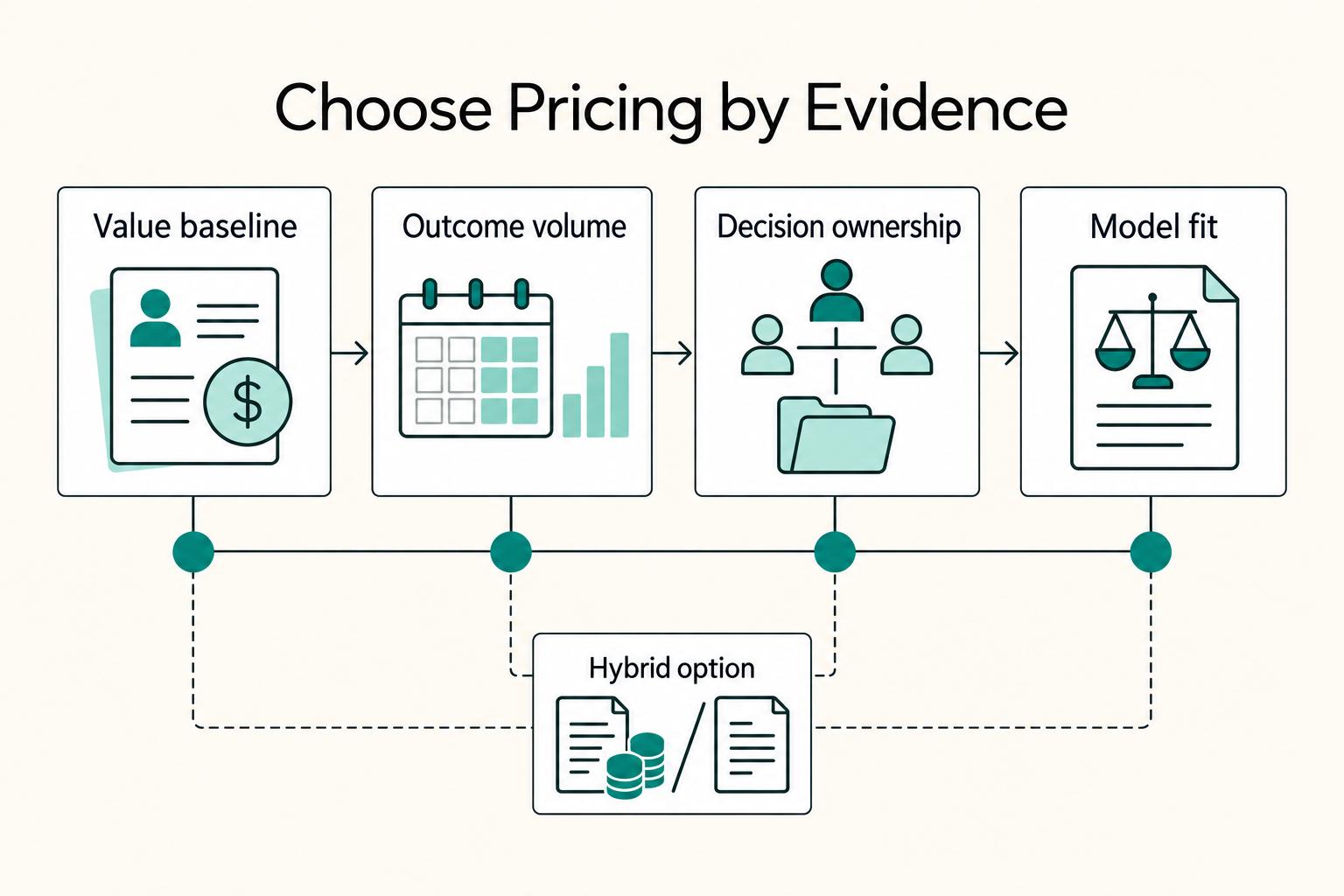
Value-based pricing works when you and the client can name the business result before kickoff and agree on how progress will be judged. If that link is weak, use a tighter model first. This is not about defending one pricing philosophy over another. It is about avoiding surprises by keeping pricing, scope, delivery, and payment aligned from day one.
How to Invest in Real Estate as a Digital Nomad
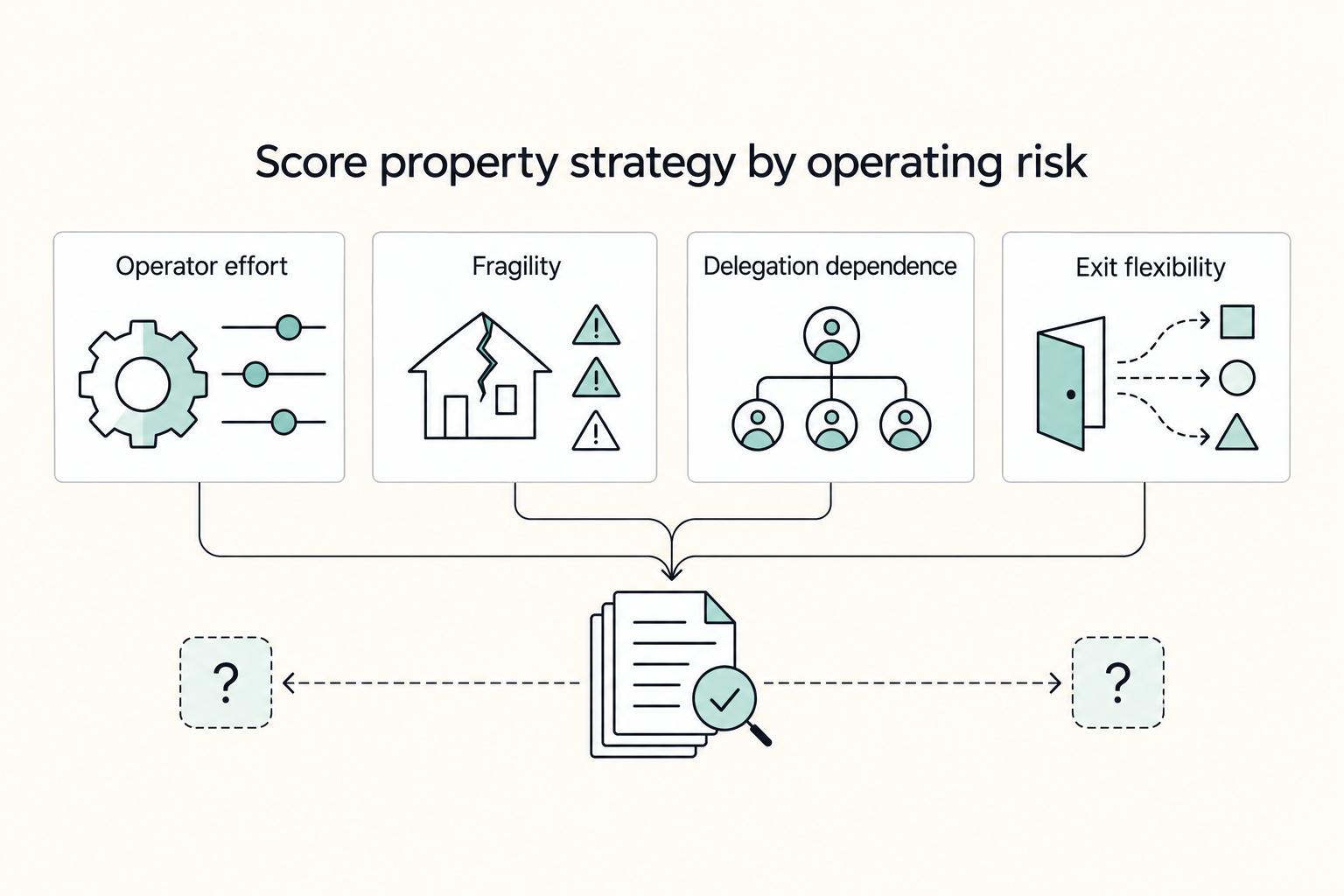
**Run anything with money and moving parts like an operations system (cash, docs, delegation, and controls), not a "passive income" vibe.** Real life stress-tests weak spots. You change time zones, a client pays late, and something breaks at the worst moment. As the CEO of a business-of-one, your job is to build a setup that keeps working when you are not available on demand.
The Pros and Cons of Short-Term vs. Long-Term Rentals
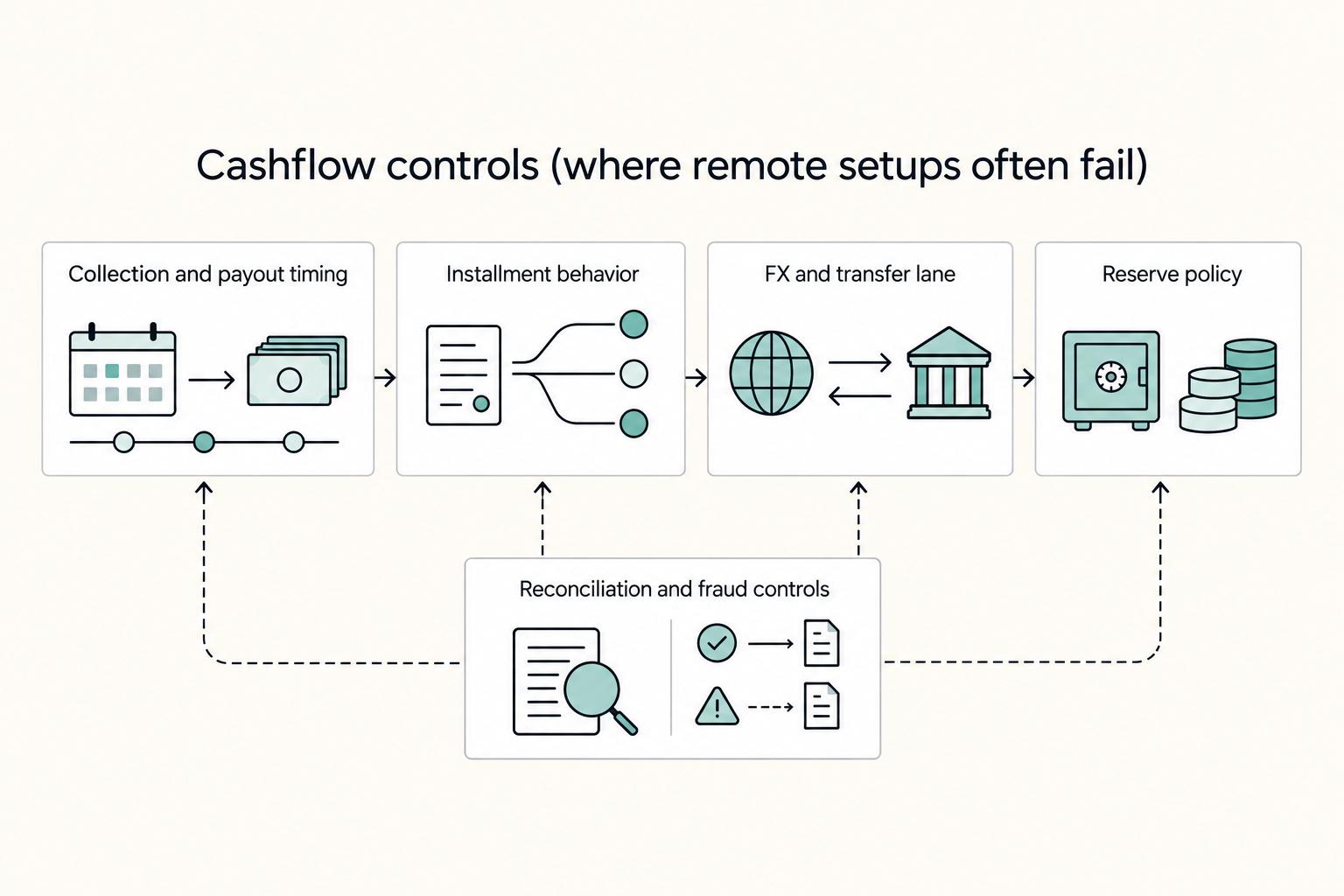
You are probably not chasing the biggest headline revenue number. You want rent that arrives, stays collected, and does not turn into a second job or a cross-border tax headache. For an owner living internationally, the real choice between a short stay and a long-term lease is about risk first. Which model gives you lower compliance exposure, less remote operating drag, and more cash left after fees, taxes, and reporting?