
Operator playbooks for cross-border payments, tax, and compliance execution.
Step-by-step guidance for finance, product, and ops teams to launch faster, reduce payout friction, and keep reconciliation clean across borders.

The Best Fitness Apps for Busy Freelancers
If you are looking for the **best fitness apps for freelancers**, start with business outcomes, not app-store hype. The right app can help you protect delivery energy, decision quality, and consistent execution across the week.
Read more →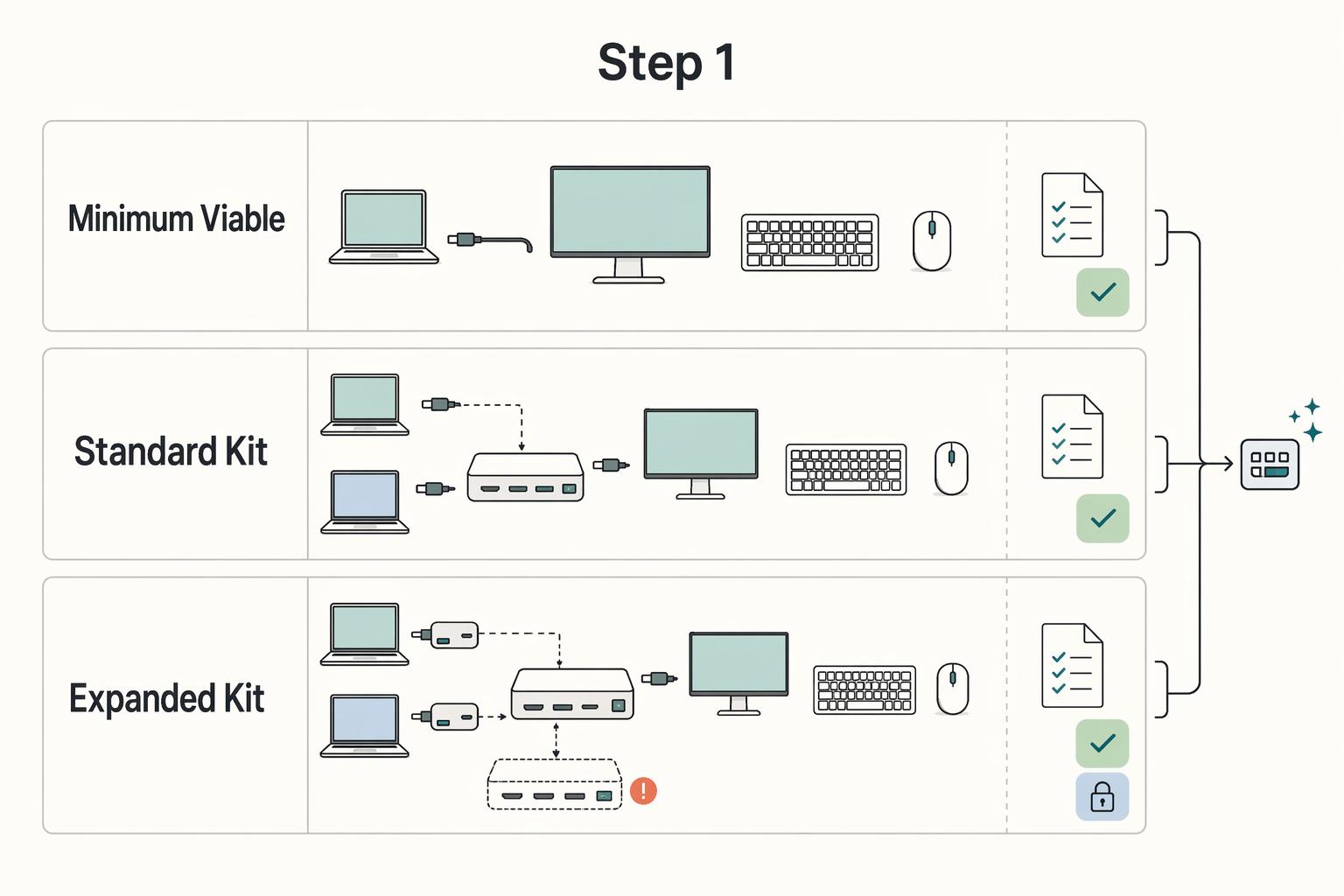
How to Properly Set Up Your Monitor for Ergonomic Health
Your desk setup shapes how consistently you can do client work. If you work independently, ergonomics is not a nice-to-have. It is an operating safeguard: fitting work to your capabilities so you can sustain focus, limit avoidable fatigue, and stay reliably available.
Read more →
The Best Ergonomic Mice for Preventing Repetitive Strain Injury (RSI)
If your work depends on a cursor, your mouse is part of your risk management setup, not a throwaway accessory. This is not just about desk comfort. It is about protecting consistent delivery and continuity when symptoms start interfering with work.
Read more →
The Best Air Purifiers for a Home Office
Your home office air is an operating input, not a wellness extra. It affects how clearly you think, how steadily you work, and how reliably you deliver over a full day.
Read more →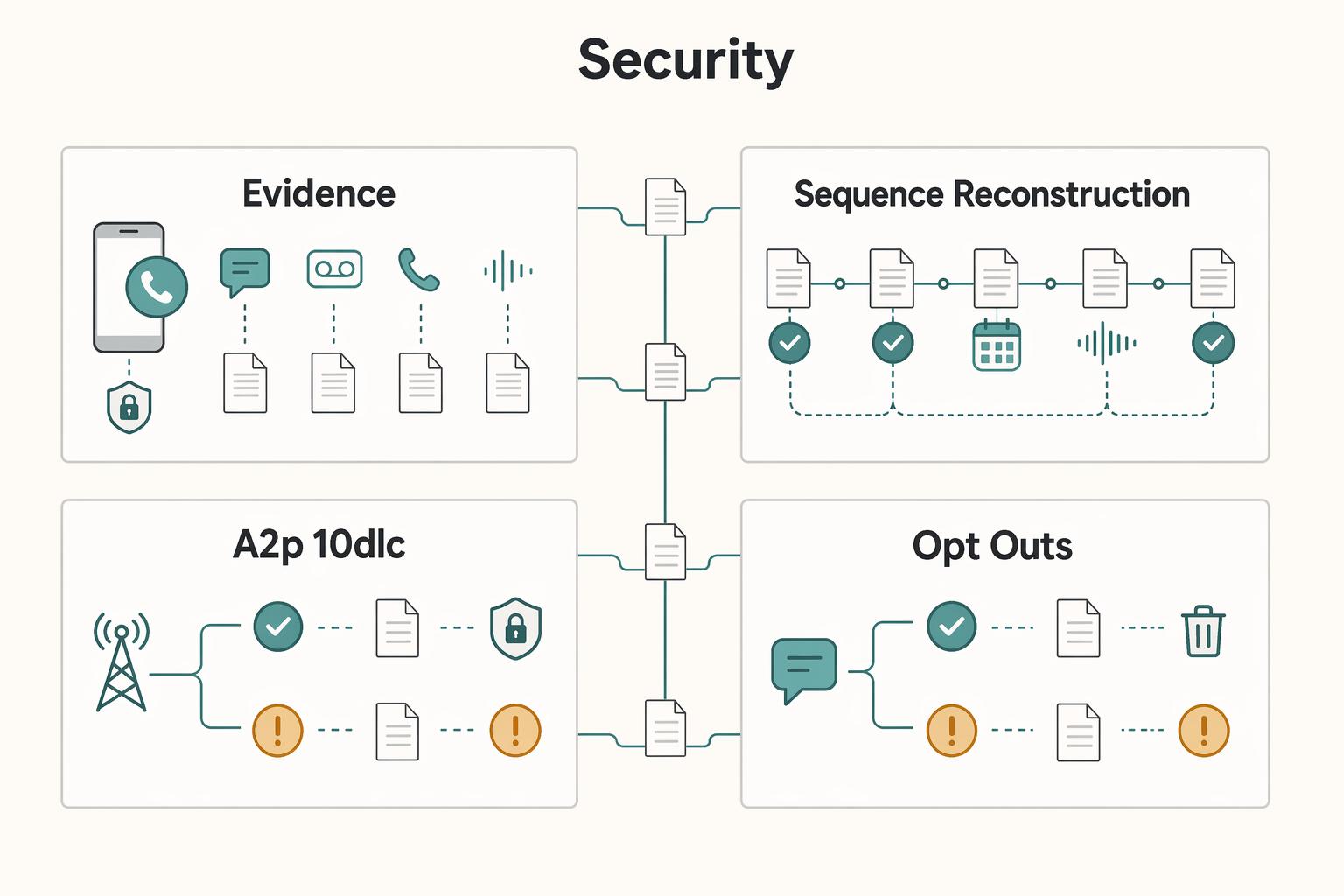
The Best Virtual Phone Number Services for Freelancers
To choose the **best virtual phone number for freelancers**, start with one filter: pick a line you can separate, document, and port when your business changes. Price matters, but a cheap number gets expensive fast if it blurs personal boundaries, creates texting issues, or locks you in.
Read more →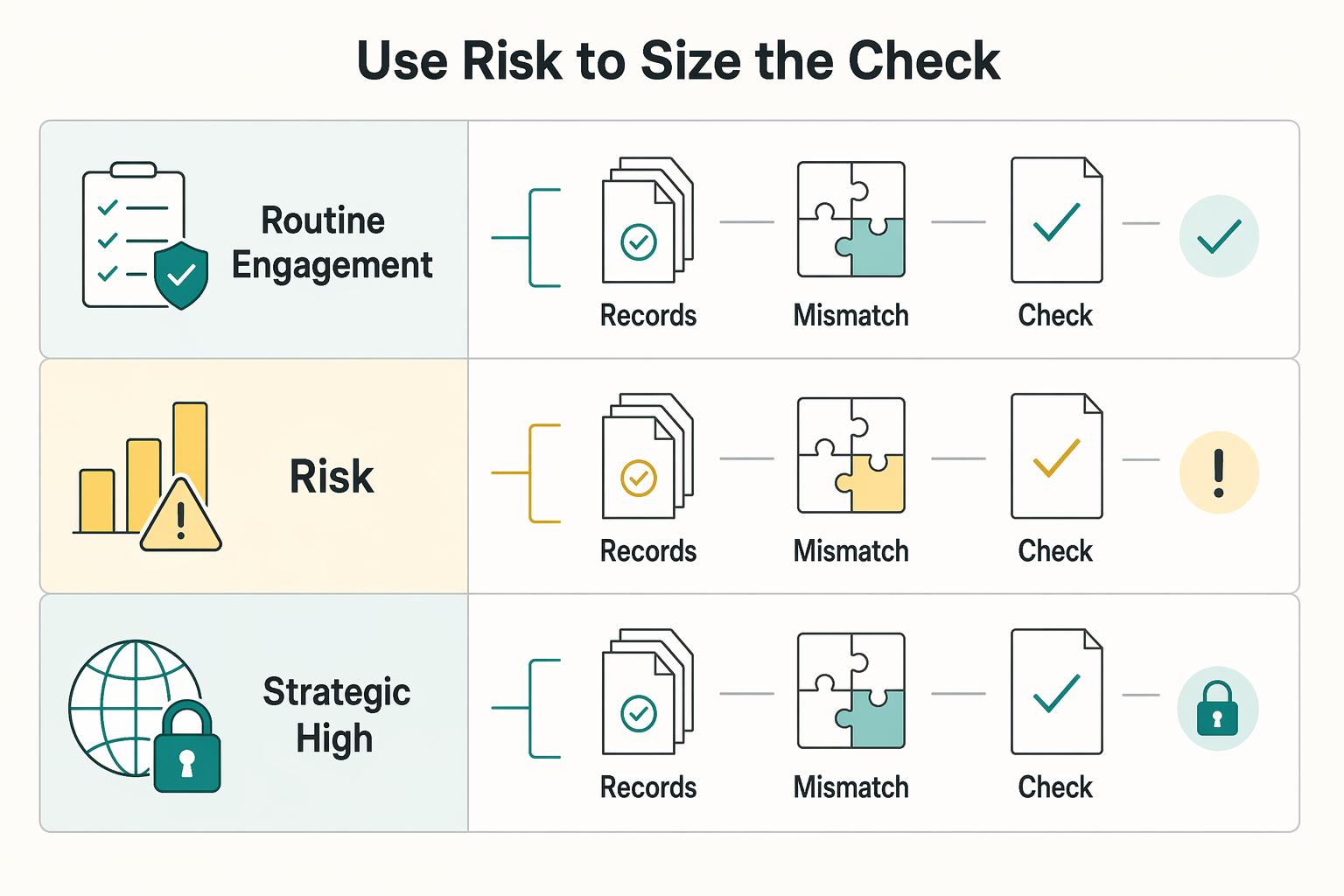
How to Do a Background Check on a New Client Before Signing
A **background check on a new client** is not just a tool decision. It is a business decision. Before you start work, decide whether the engagement is likely to create payment friction, dispute risk, or compliance exposure while you still control the decision.
Read more →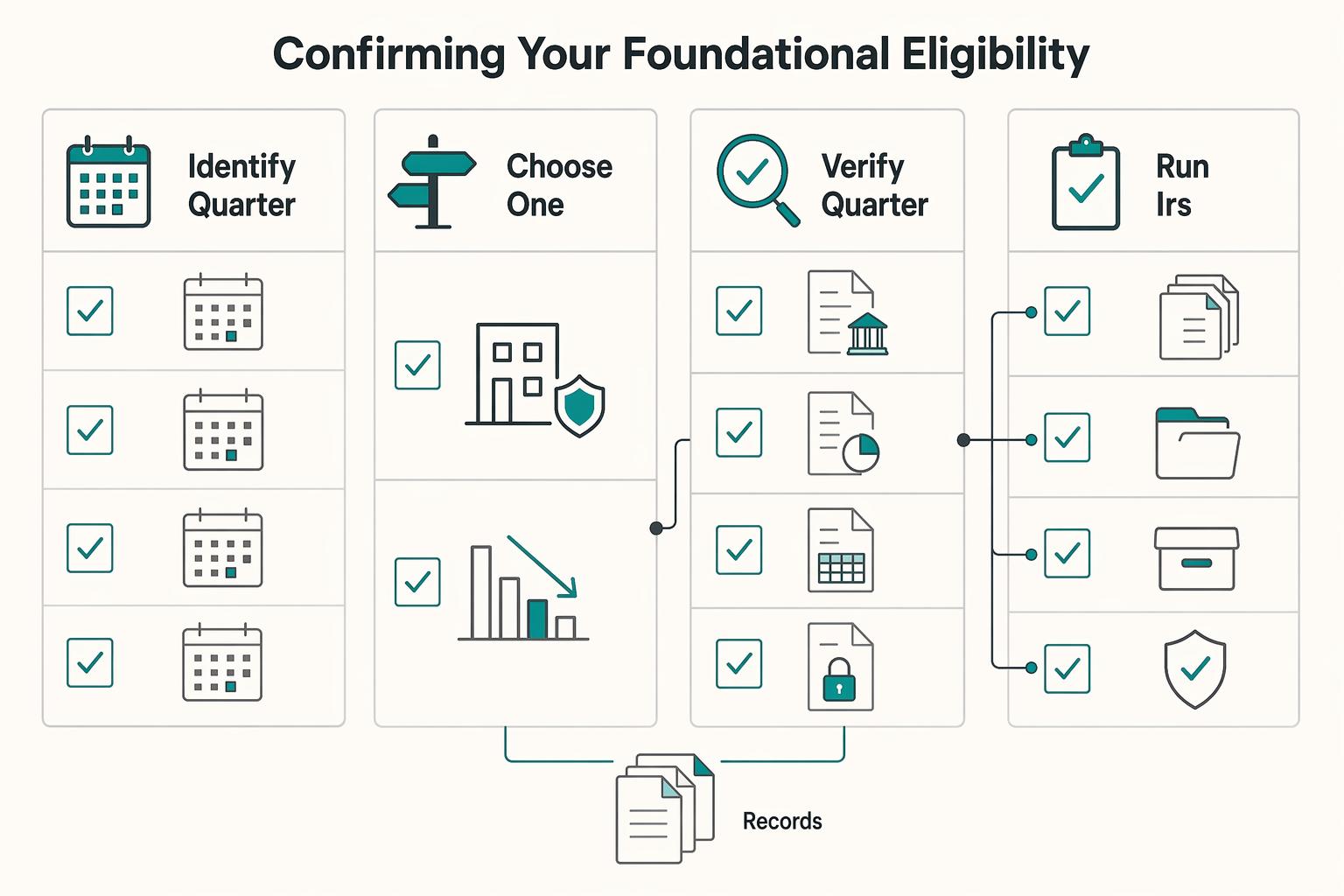
S-Corp ERC Guide: Eligibility, Owner Wages, Filing Deadlines, and Audit Readiness
If you own an S-Corp, your first decision is not how much you might claim. It is whether you can defend an ERC claim quarter by quarter with records that will hold up under IRS review. This is a compliance exercise, not a windfall play. That posture matters because the IRS says ERC claims are under close review.
Read more →
A Motion Designer's Guide to Licensing Music and Sound Effects
When you pick music or SFX for client work, you are making a rights and delivery decision as much as a creative one. In motion design, a strong track is unusable if you cannot show permission for that exact asset in that exact project.
Read more →
E-Discovery for Small Businesses Under Real-World Pressure
You do not need to treat e-discovery as a crisis. If you run a solo practice or a very small team, the job is operational: know where business data lives, preserve potentially relevant material when a dispute appears, and deliver it in a usable format.
Read more →
How to Handle a Client Who Wants to Own Your 'Process'
Treat this as risk allocation, not a personality clash. Start by separating ownership. You can grant rights in agreed deliverables while reserving your method, know-how, and reusable process assets, then document any broader transfer explicitly in the contract. Under U.S. copyright rules, copyright transfers should be [written and signed](https://www.law.cornell.edu/uscode/text/17/204). Use this roadmap: diagnose the request, define the collaboration boundary, then document that split in the SOW and contract.
Read more →
How to Handle the Eviction Process
If you want to know **how to handle eviction process** without creating avoidable exposure, approach it as a controlled risk process. The goal is not just to remove a tenant. It is to protect legal compliance, cash flow, operating continuity, and a clean record if the dispute ends up in court.
Read more →
Toggl Track Project Profitability Audit for Freelancers
Use this audit to make three decisions: whether your pricing is working, which clients or project types to repeat, and whether your workload is sustainable.
Read more →
What is a 'Covenant Not to Sue' in a Settlement Agreement?
**Use the same order every time:** build your evidence file, define the exact open issues, and close only when your record matches signed terms you can verify.
Read more →
When a Cost Segregation Study Makes Sense for Real Estate
If you run real estate inside a business, cost segregation is a timing decision. You either keep the default long-life depreciation or reallocate eligible costs into shorter recovery periods so more deductions land earlier.
Read more →
How to Invest in Farmland
Choose the vehicle before the property. The right path depends on your liquidity needs, how much control you want, and how much admin work you are willing to carry. If you need easy exits and very little operational burden, direct ownership is often not the right starting point.
Read more →
Making a Section 962 Election for Individual CFC Shareholders
A Section 962 election lets an individual U.S. shareholder calculate current-year CFC inclusion tax using corporate-style rules under Section 11, including corporate-style foreign tax credit mechanics under Sections 960(a) and 960(d), rather than staying fully on the ordinary individual path. The main tradeoff is timing. It may improve current-year cash retention, but later distributions can still trigger additional U.S. income to the extent earnings and profits exceed tax already paid under the election. Use it as a screening tool before you run a full model.
Read more →
Your First California Employee Handbook Without Guesswork
If you are making your first hire in California, one major risk is sequence, not templates. The practical order is to make three decisions: classify the worker, set written policy foundations, and complete onboarding paperwork on time.
Read more →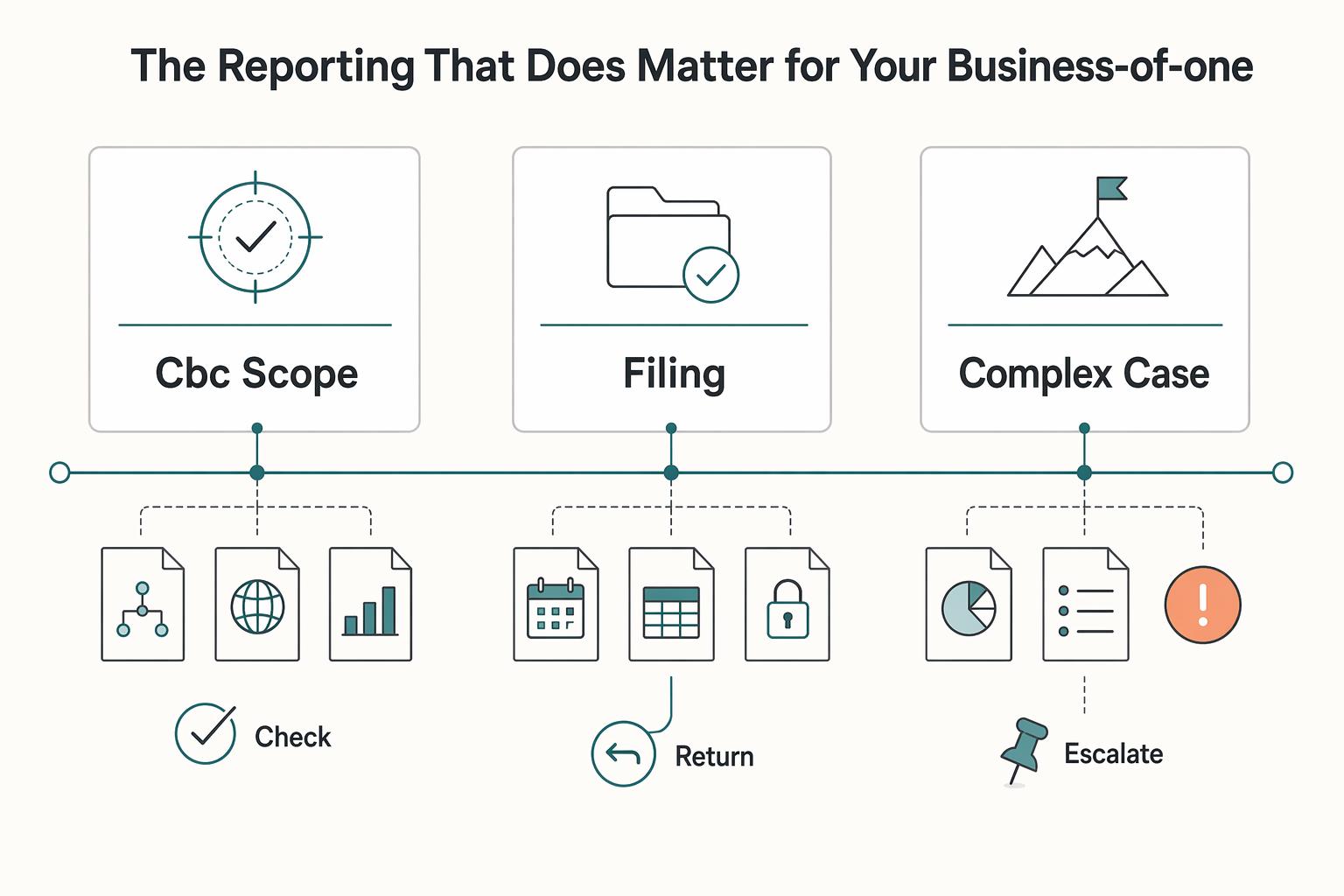
Does Country-by-Country Reporting Apply to Freelancers?
**For many freelancers, consultants, and business-of-one operators, the answer is usually no.** You are generally outside scope unless you are part of a multinational enterprise group, not just working with clients in multiple countries. Use this quick scope check:
Read more →
What is a 'Quality of Earnings' (QofE) Report?
A personal QoE is a repeatability and sustainability check, not a compliance document. It helps you answer a harder question than "what did I earn last year?" After you normalize one-time, unusual, or nonrecurring items, what earnings are likely to continue?
Read more →
How to Conduct a Functional Analysis for Transfer Pricing
As a global professional running your own business, you already know how to deliver valuable work across borders. The harder part is often quieter: figuring out whether your international tax position will hold up if anyone ever asks questions.
Read more →