
Operator playbooks for cross-border payments, tax, and compliance execution.
Step-by-step guidance for finance, product, and ops teams to launch faster, reduce payout friction, and keep reconciliation clean across borders.
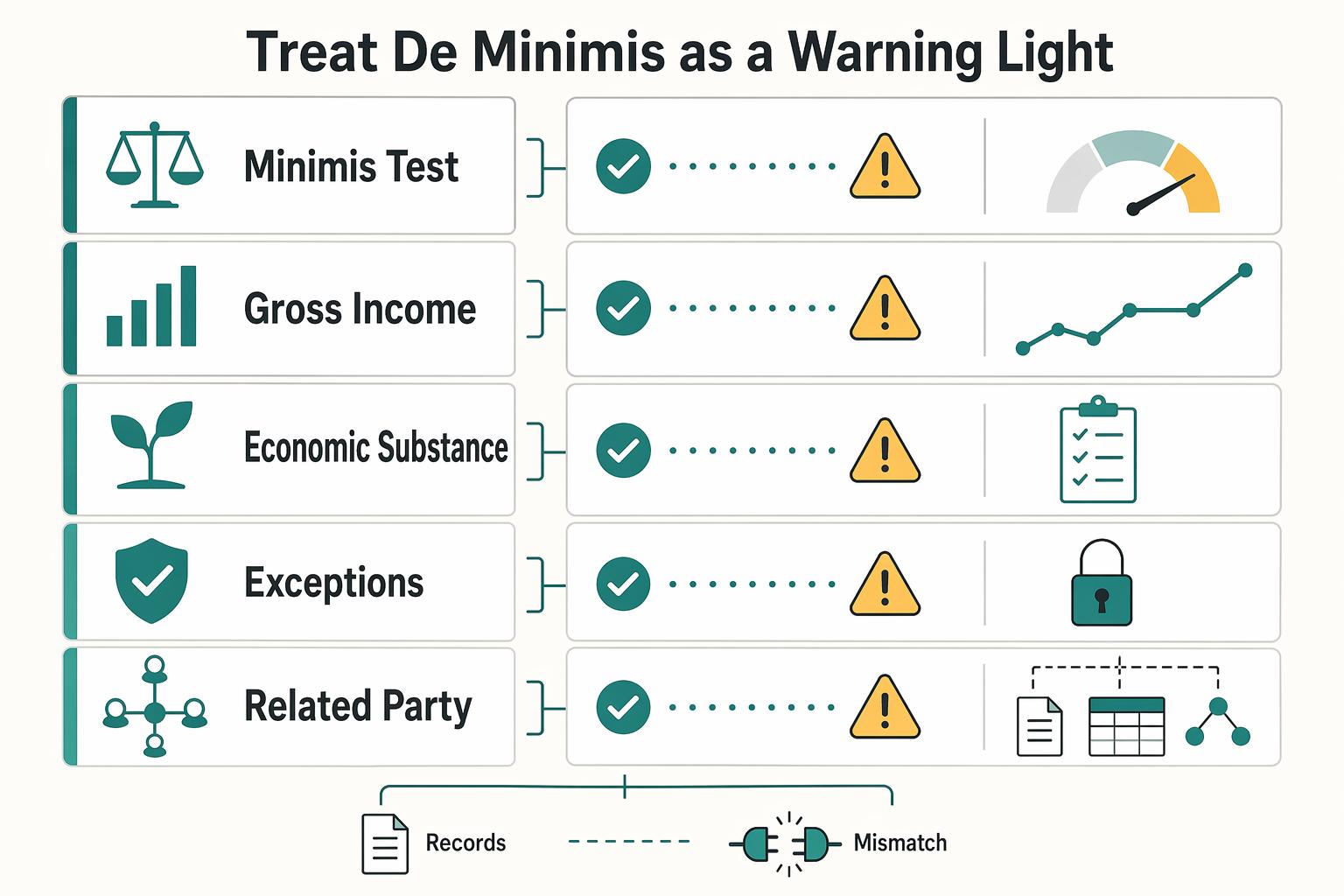
Subpart F Income for U.S. Shareholders of CFCs
If you are a U.S. shareholder of a foreign corporation that meets the CFC rules, **Subpart F is an anti-deferral rule that can pull income into your U.S. return before you receive cash**.
Read more →
Should You Use a Charitable Remainder Trust After a Windfall?
If you are preparing to sell a highly appreciated asset, tax drag shows up early. A personal sale can lock in a large gain before you decide how to redeploy the proceeds.
Read more →
How to Run a Special Needs Trust After It Is Signed
Start with one decision: whose assets will fund the trust. That choice sets the rest of the architecture because it drives eligibility treatment, drafting requirements, and whether payback language may apply.
Read more →
How a UK Limited Company Files W-8BEN-E for US Client Payments
How to turn a mandatory compliance document into a practical shield against a 30% withholding tax while keeping payments moving.
Read more →
How to Choose a Trustee for Your Trust
If you want a practical answer to **how to choose a trustee**, treat it as a fiduciary hiring decision, not a relationship decision. Start with the job itself, then compare candidates on capability, conflict controls, continuity, and the real administrative load they will carry. The main mistake is choosing a person first and then trying to shape the job around them. In trust administration, that usually reverses the risk analysis and leaves important work unassigned.
Read more →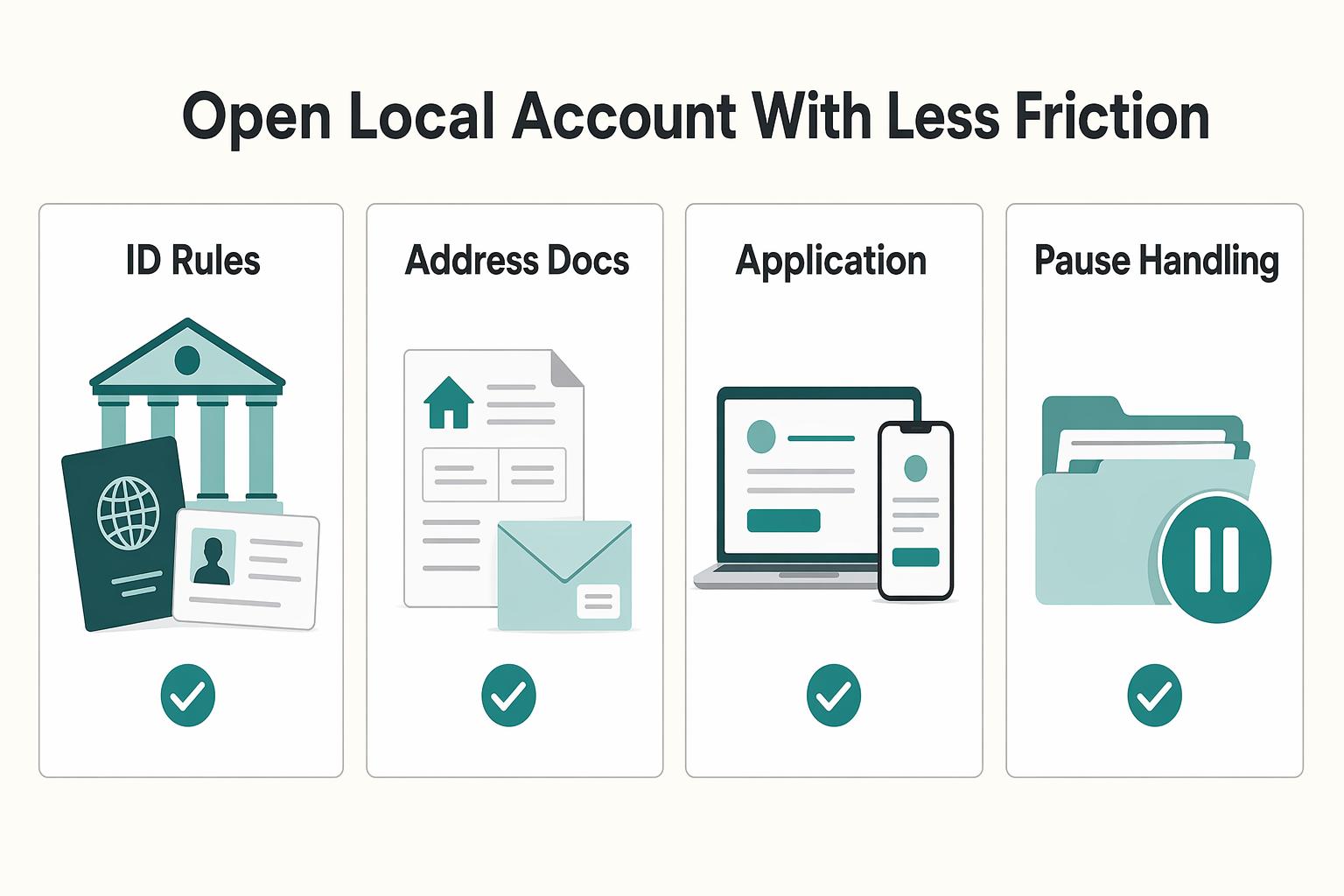
How to Build a Credit History in a New Country
If you need to establish credit history in a new country, use a simple sequence: get banked, add one reporting credit line, then separate personal and business cashflow so your payment record stays stable.
Read more →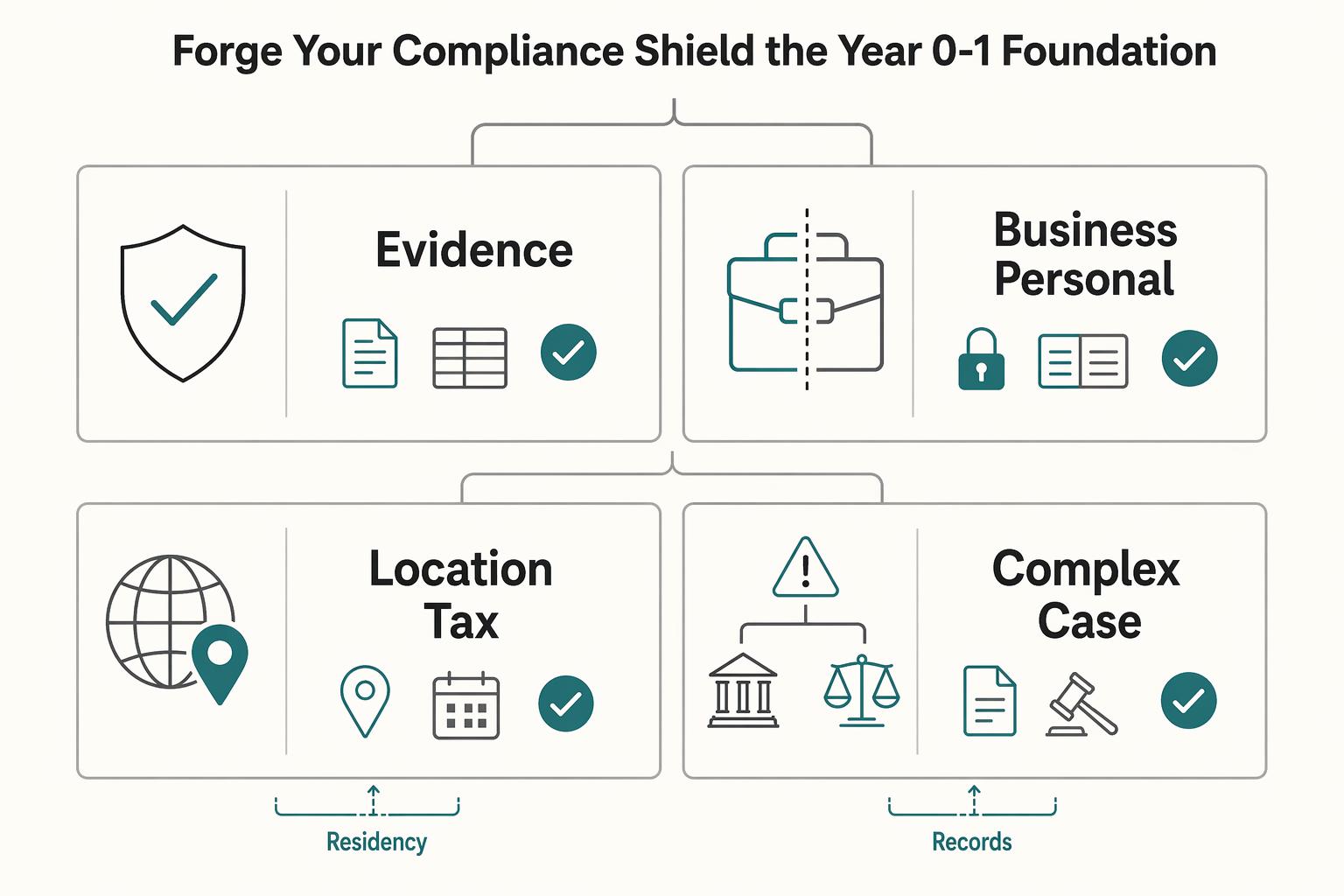
How to Create a 5-Year Financial Plan for Freelancers
A 5-year financial plan works best when you treat it like an operating plan for getting paid reliably, not like a generic budget. For a business-of-one, the real constraints are usually timing, risk, and control.
Read more →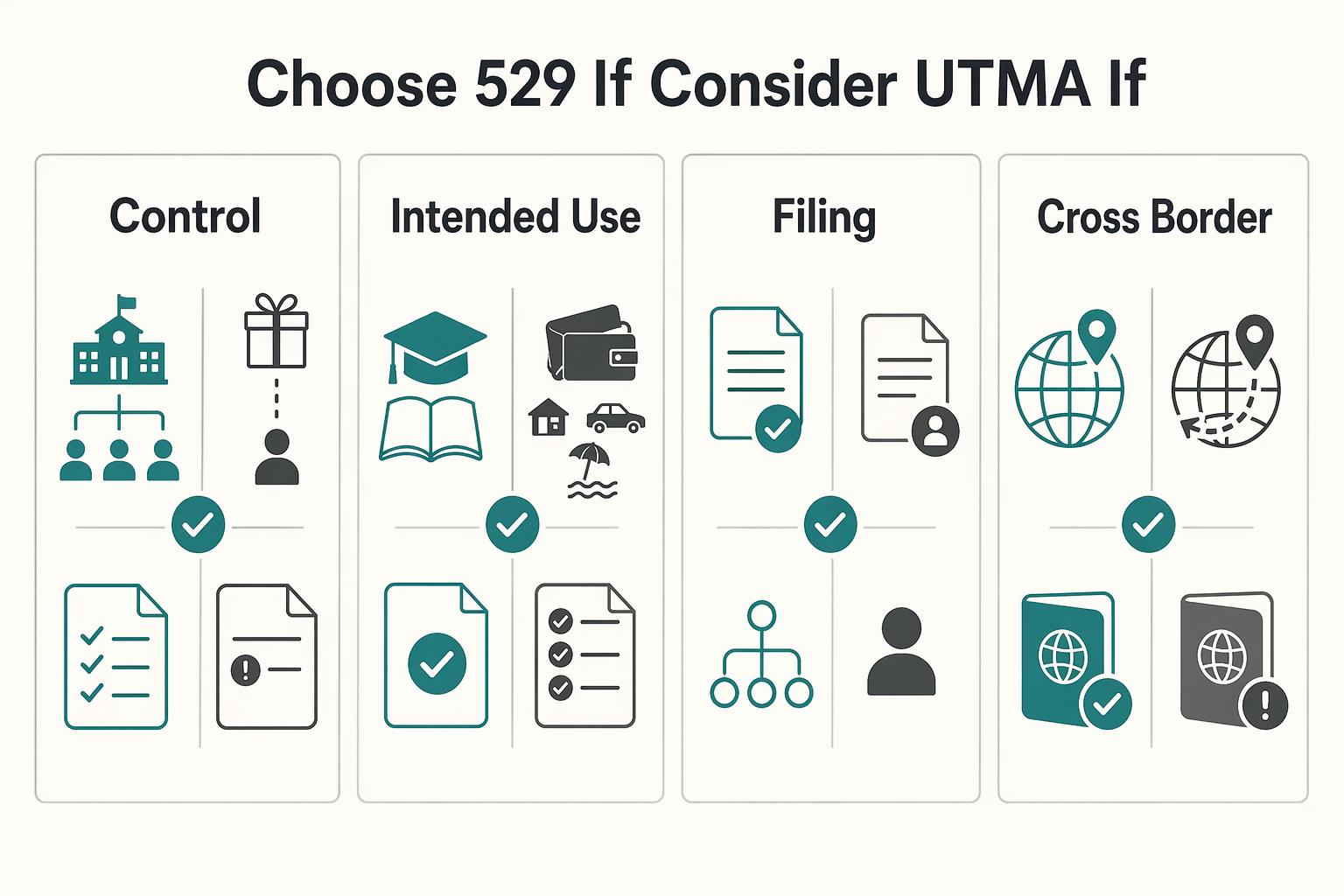
UTMA/UGMA vs. 529 Plan for College Savings
If you are mainly saving for education and want to preserve family-level flexibility, a 529 is usually the default. A UTMA can still make sense when you intentionally want an irrevocable gift to one child and want spending flexibility beyond education. Use this decision lens: control, tax treatment, financial aid treatment, and cross-border compliance friction.
Read more →
Revocable vs. Irrevocable Trusts for Global Professionals
For a global professional, choosing between a revocable and an irrevocable trust is not just another estate planning task. It is a practical decision about how you want to hold wealth and business interests now: with maximum flexibility or with more separation from personal risk.
Read more →
The Best Personal Finance Apps for Australians
The right app category depends on how complex your finances have become, not on what is popular. If your money is mostly local, budgeting features may be enough. If you invoice clients, work across borders, or move between countries, judge tools on four things: cashflow reliability, payment risk control, cross-border readiness, and compliance support.
Read more →
A Guide to the Augusta Rule (Section 280A) for Renting Your Home to Your Business
Section 280A(g), often called the **Augusta Rule**, can let you exclude rent from income when you rent a home you also use as a residence for **less than 15 days in the tax year**. In a common setup, you rent your home to a separate business entity for a real business event at a supportable fair rate. The entity may treat the payment as a business expense, and you may exclude the rent personally if the requirements are met.
Read more →
A M&A Consultant's Guide to Due Diligence Checklists
Most mergers and acquisitions fail, not in the negotiation room, but in the months after closing. The deal buckles under operational confusion, cultural friction, and liabilities that were not understood early enough. A common cause is bad due diligence, treated as a defensive box-checking exercise instead of a decision tool. That is the strategic mistake.
Read more →
PAYG Instalments for Australian Freelancers in 2026
Think of PAYG as cash-flow control, not a penalty. You are prepaying expected income tax through recurring ATO reporting cycles, usually once every 3 months, so your annual return is less likely to end with a large balance due.
Read more →
How to Register for a Business Number (BN) in Canada
--- Getting control of your operation starts with the right question: not whether you might eventually need a Canadian Business Number, but when it becomes worth setting up. This is less about bureaucracy than about operating cleanly, reducing onboarding friction, and avoiding rushed compliance work later.
Read more →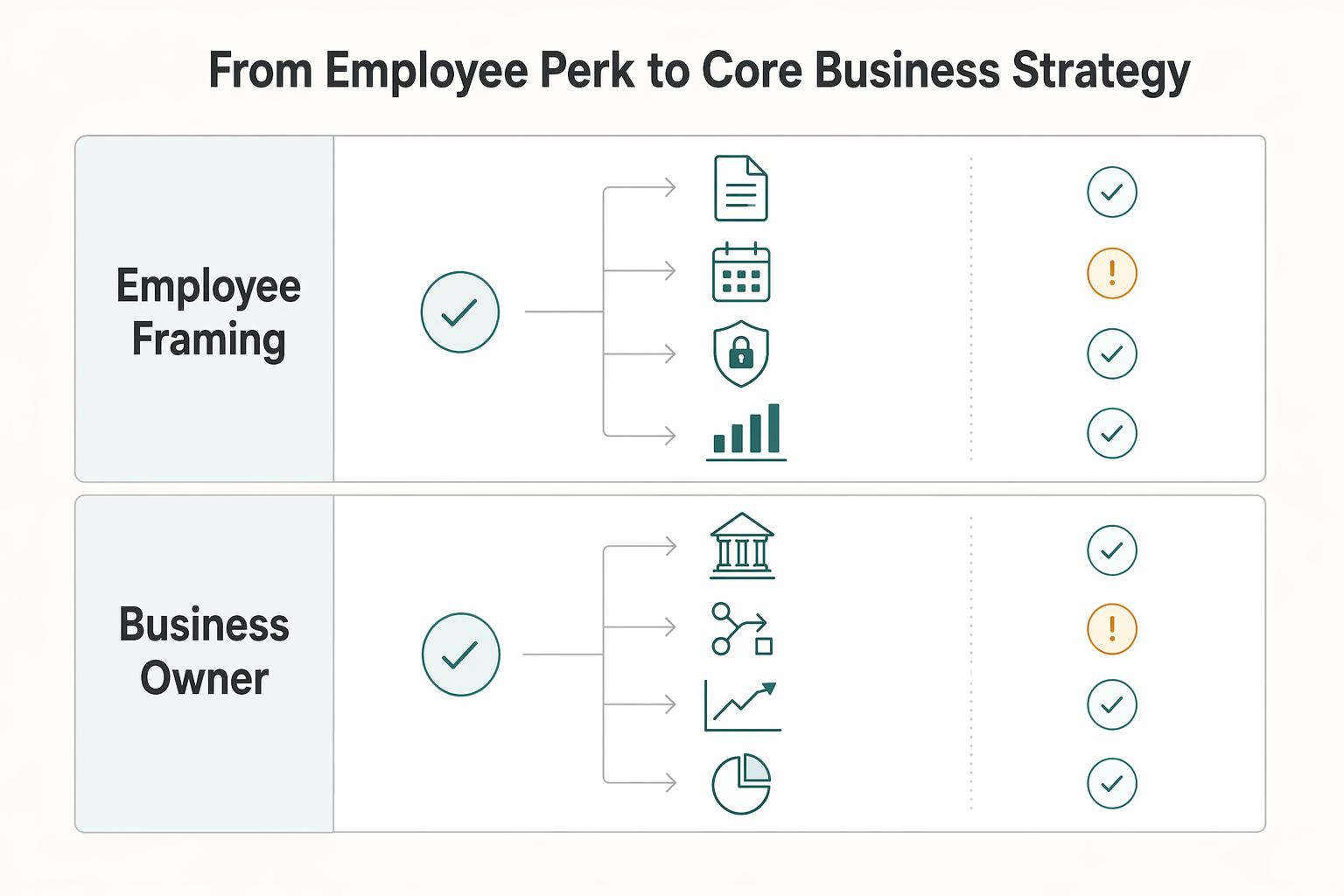
Salary Sacrificing into Super in Australia for Sole Traders and Directors
If you run the business, treat super as a planned allocation decision, not a payroll extra. Your structure determines the contribution path, and your timing determines how cleanly it fits cash flow, compliance, and your concessional cap.
Read more →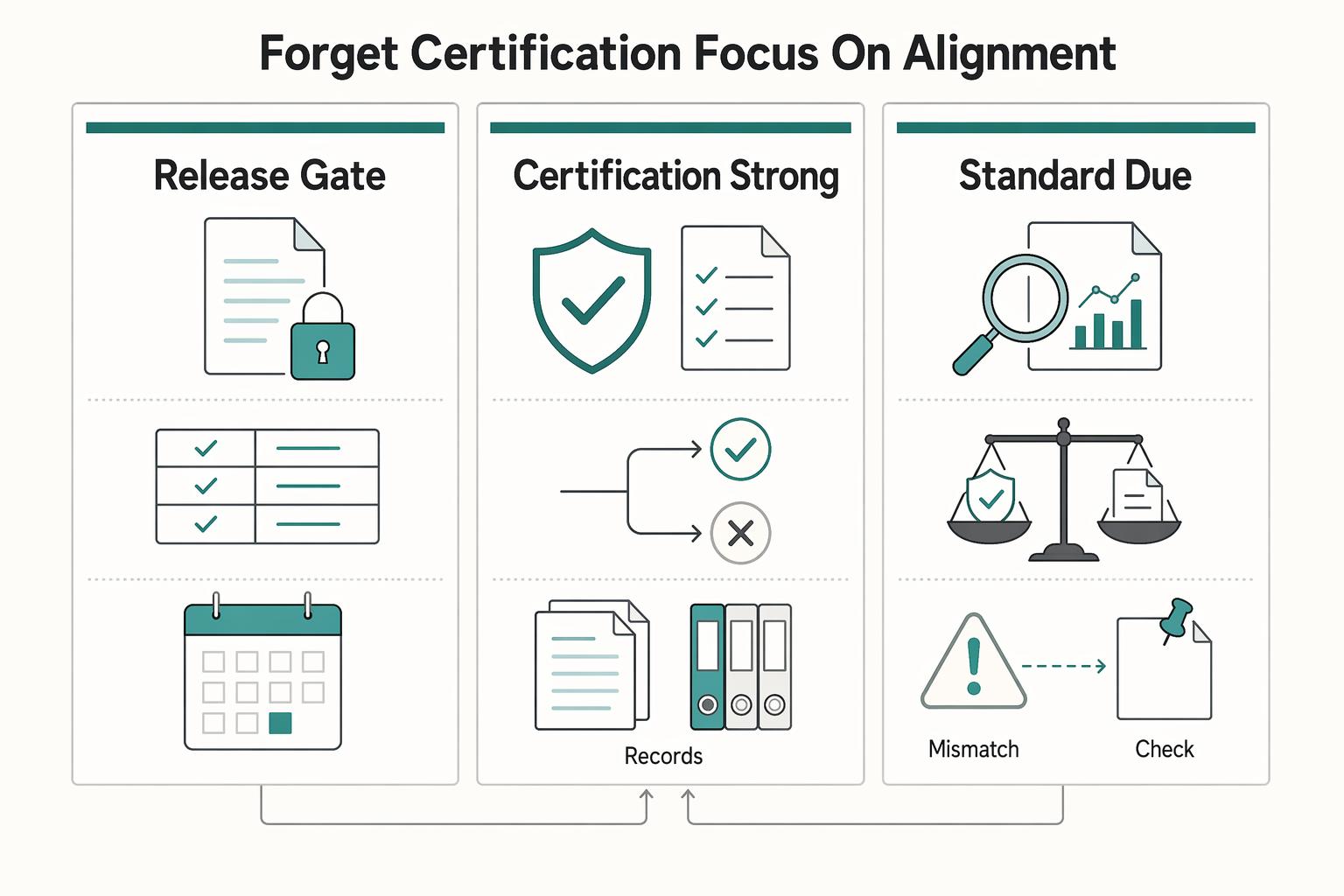
ISO 27001 Certification for Tech Companies Working With Enterprise Clients
When a buyer asks about ISO 27001 certification, treat it as a third-party risk decision. They want to see that your security approach is documented, repeatable, and reviewable.
Read more →
The Pyramid of Control for Freelancers: Operations, Compliance, and Margin
For high-earning independent professionals, the jump from a six-figure income to durable wealth rarely comes from working harder. It comes from building control. Too many people stay in reactive mode, chasing invoices, absorbing scope creep, and dealing with global compliance issues after the fact. They may be strong practitioners, but they are still operating like reluctant CEOs.
Read more →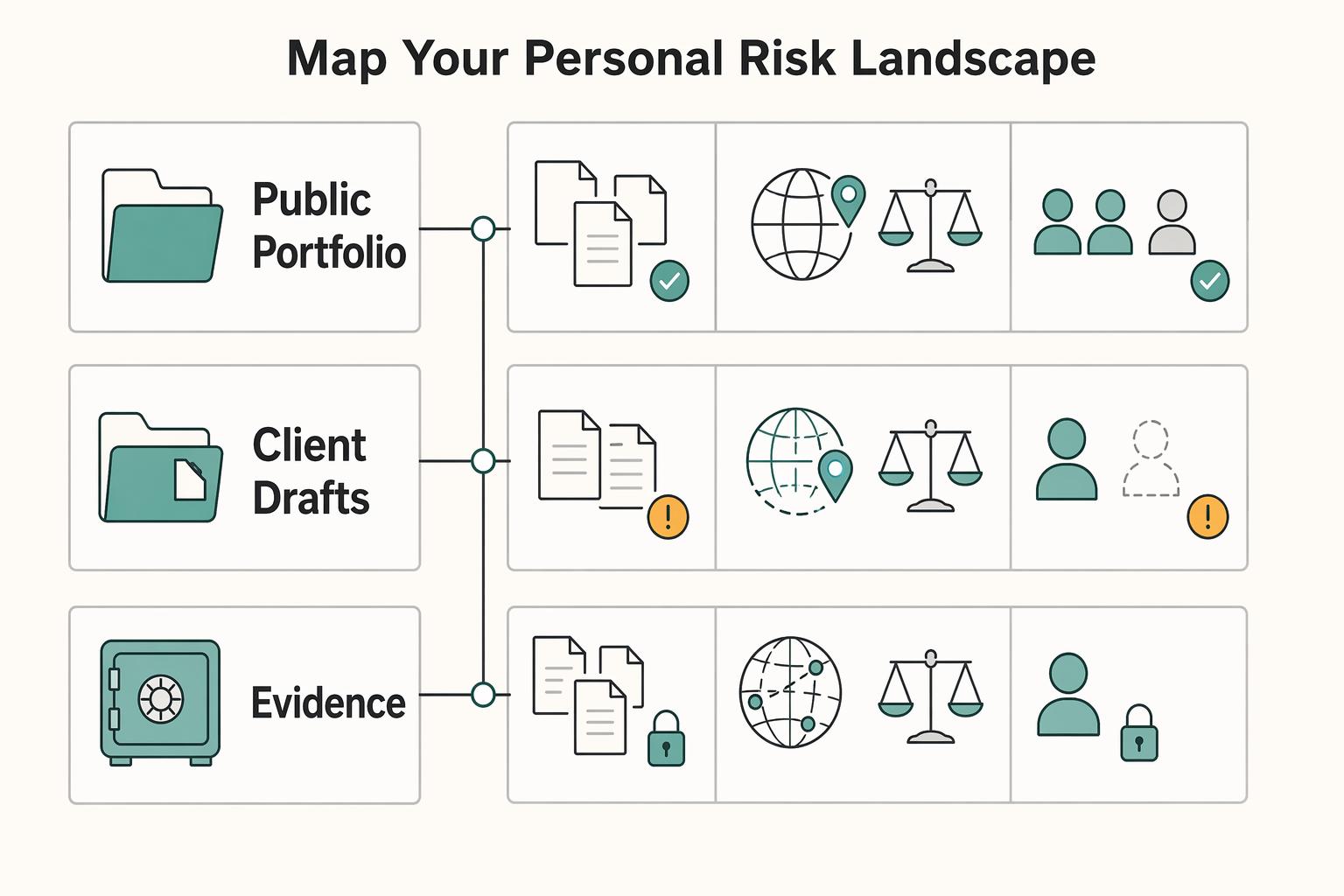
Data Sovereignty in Cloud Storage for Cross-Border Freelancers
If you run a business of one, data protection is not an abstract compliance issue. It sits in the background of client work every day. One bad sharing setting, one misunderstood cross-border rule, or one convincing phishing email can expose client data and damage the reputation you built one project at a time.
Read more →
How to Clear In and Out of Countries on a Sailboat
Treat clearing customs by sailboat as a repeatable process. Prepare your evidence before departure, present it in the right order on arrival, and leave each country with records the next port can verify.
Read more →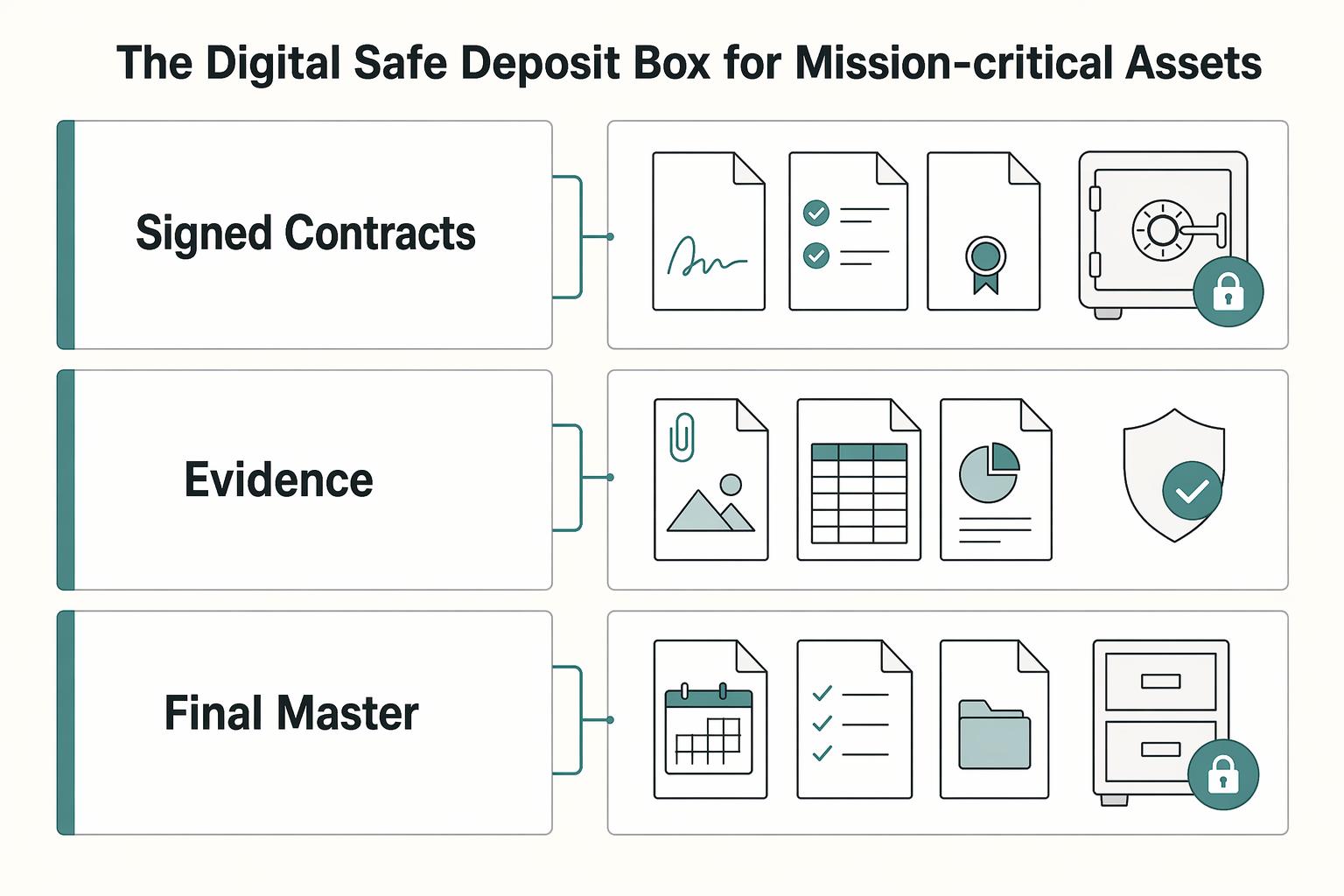
The Best Cloud Storage Providers with European Data Centers
Your storage setup is a business risk decision, not just a software choice. If you handle client files, contracts, source code, or personal data, default cloud settings can create legal exposure, weak audit evidence, and avoidable IP loss. Those problems often show up long before anything looks broken.
Read more →