
Quick Answer
Choose the path that matches how you operate: for salary sacrificing super australia, sole traders generally use personal deductible contributions, while directors paid via a company usually use employer-processed super contributions. Then reconcile every concessional amount into one running total and count timing by when the fund receives payment. Before any top-up, verify current cap settings and carry-forward availability in ATO online services.
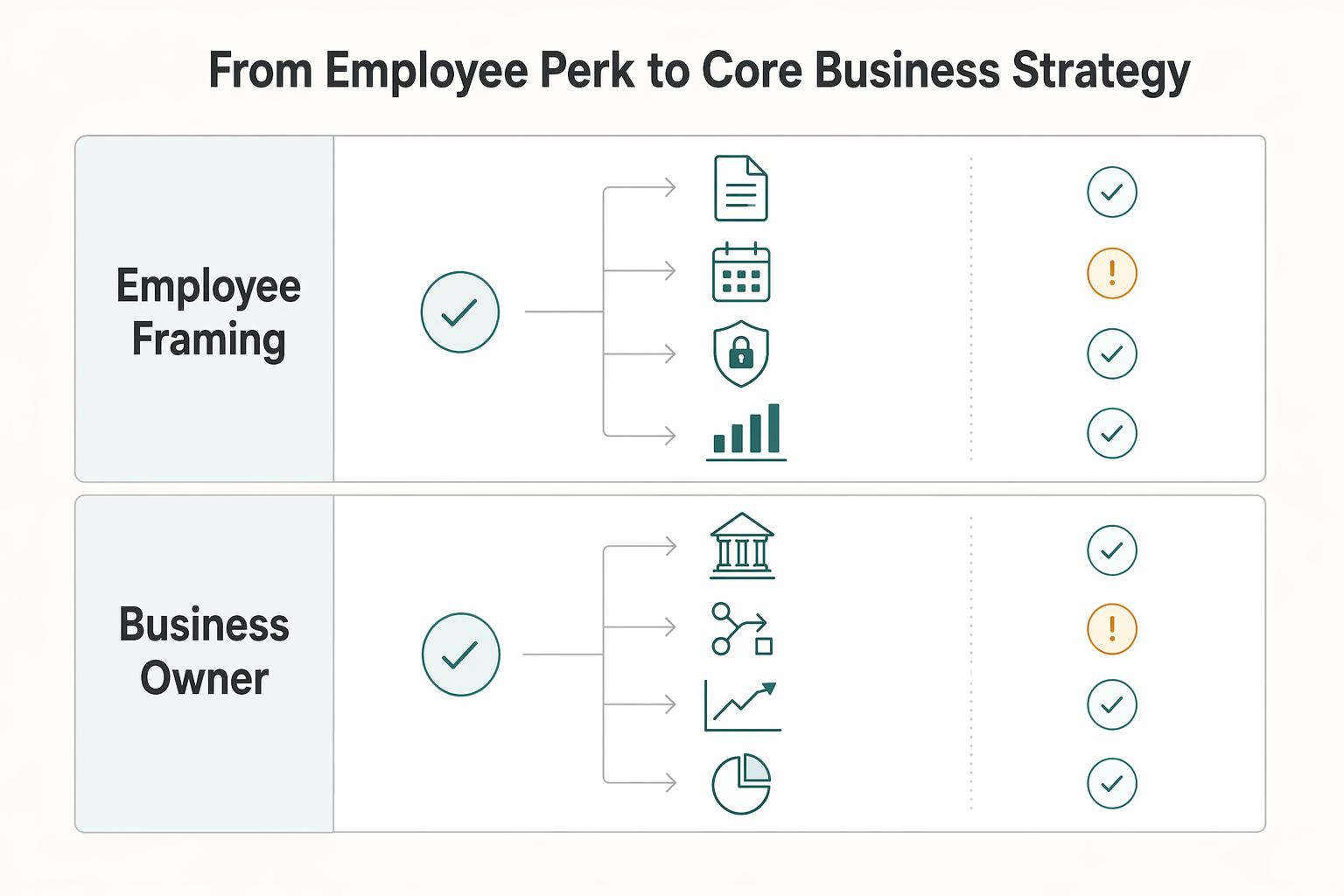
The Mindset Shift: From Employee Perk to Core Business Strategy#
If you run the business, treat super as a planned allocation decision, not a payroll extra. Your structure determines the contribution path, and your timing determines how cleanly it fits cash flow, compliance, and your concessional cap.
Classic salary sacrifice is specific. It is an employee-employer agreement to reduce pre-tax income in exchange for benefits of similar value, and it must be arranged before pay is earned. For many owner-operators, the real question is not "Can I salary sacrifice?" It is "Which contribution path fits how I operate?" Start there. Then choose the method that matches your structure.
| Framing | Who controls timing | How contributions are made | Primary operational benefit |
|---|---|---|---|
| Employee framing | Employer payroll cycle | Pre-tax pay is reduced under a salary sacrifice arrangement | Fits a standard employment payroll setup |
| Business-owner framing | You, based on business structure and cash position | Sole trader: personal contribution that can later be claimed as a deduction. Company: business pays super to a complying fund | Can provide more control over timing, deductions, and year-end planning |
If you are a sole trader, you do not have to pay SG for yourself, and a common path is a personal deductible contribution. The key control point is administrative. You must submit a valid notice of intent to your fund and receive acknowledgment before claiming the deduction.
If you run a company, contributions paid on time to a complying super fund or RSA can be a deductible business expense. Do not assume director status automatically switches SG rules off, because directors can fall within SG contexts. If you are on quarterly SG timing, payment is due 28 days after quarter end. From 1 July 2026, employers move to payday super.
Across both paths, track total concessional contributions carefully. Employer contributions, salary sacrifice contributions, and deductible personal contributions all count toward the same cap. That cap is $30,000 from 1 July 2024, and excess can attract extra tax. Choose the structure first, then execute the matching contribution method. Related: A Guide to Tax Residency in Australia for Digital Nomads.
Sole Traders: What to Verify Before a Personal Deductible Contribution#
For a sole trader, treat the ATO salary sacrifice page as a boundary marker, not a complete operating guide. The material cited here is in an employee payroll/STP context: salary sacrifice amounts are reported in STP, pre-sacrificed income is reported separately, and the instruction applies where an employee had an effective salary sacrifice arrangement.
Your planning should come from current requirements you can verify directly. A complete sole trader contribution workflow is not established on its own.
Execution checkpoints (verify current requirements first)#
Build your file so your records are defensible at tax time:
| Checkpoint | Requirement |
|---|---|
| ATO requirements | Confirm the current ATO requirements that apply to your situation. |
| Fund process | Confirm your fund's current process and the records it provides. |
| Evidence | Keep evidence for each step you complete before claiming anything in your return. |
Warning: Verify the current sole trader sequence, deadlines, and cutoffs before you act.
Use year-end decisions with clear criteria#
If you are considering this path, decide from current numbers and verified rules. Check three things before you contribute:
- profit visibility: how clear your year-end result is
- cash buffer: whether cash remains after tax and business obligations
- tax planning fit: whether the deduction helps this year based on your actual position
If visibility is low, verify applicable deadlines first. If visibility is high and cash is already in the bank, you can decide more deliberately.
| Topic | Confirmed | Needs verification |
|---|---|---|
| Employee salary sacrifice | Employee arrangement context; STP reporting includes salary sacrifice amounts and pre-sacrificed income separately; instruction applies when there is an effective salary sacrifice arrangement. | N/A for this excerpt's scope. |
| Sole trader personal deductible contribution process | Confirm with the relevant authority. | Step-by-step workflow, paperwork order, and deadlines still need current verification. |
The practical rule is simple: separate what is confirmed here (employee STP salary sacrifice reporting) from what you still need to verify for your own process.
If you want a deeper dive, read the six-month Japan digital nomad visa runbook.
Company Directors: Treat Super as a Controlled Employer Payment#
In a company, super is an employer payment decision, not a personal afterthought. If the business pays you salary or wages, handle extra super through company payroll and finance controls from the company account. Keep records that can stand up at tax time.
Employer contributions, including salary sacrifice amounts, are concessional contributions. Your concessional cap is tested across all super funds, not just one. Coordinate every contribution source before approving more from the company. For 2025-26, the general concessional cap is $30,000. As a current checkpoint, the SG rate is 12% (from 1 July 2025), and company tax context is 25% for base rate entities and 30% otherwise; re-check before action.
How the money should move#
The cleanest setup is to treat this like any other controlled employer payment. The company pays the contribution to a complying fund and records it as an employer super expense if deduction conditions are met.
- Confirm your pay setup first. Being a director alone does not settle every SG outcome, so confirm how payroll is treating your remuneration.
- Choose contribution type. If using salary sacrifice, set it up for future earnings only, with signed terms in place before those earnings are processed.
- Pay through employer rails. Use the normal employer channel. SuperStream links contribution data and payment via a unique payment reference number.
- Track total concessional usage. Include compulsory employer amounts, salary sacrifice, and concessional amounts made to any other fund.
- Keep an evidence file. Retain signed salary sacrifice terms, if used, plus payroll records, SuperStream reference, bank proof, and fund confirmation.
Regular cadence vs strategic lump sum#
For most company setups, regular cadence can be the lower-risk operational option. A lump sum can work, but only when your books are current and your remaining cap room is verified.
| Approach | Cash-flow stability | Admin effort | Forecasting accuracy needed | Risk of late or incorrect processing |
|---|---|---|---|---|
| Regular cadence | Can be better with steady revenue and consistent payroll | Usually lower after setup | Usually lower, because decisions are spread through the year | Usually lower, if each payment is received by the fund on time |
| Strategic lump sum | Can be useful when profits are uneven and you want to wait for clearer year-end numbers | Usually higher, because it needs a deliberate review cycle | Usually higher, because you are targeting remaining cap room | Usually higher, if records are stale or payment timing is misjudged |
Governance controls that prevent avoidable errors#
What keeps this working is not complexity. It is a few controls you actually follow every time:
| Control | Requirement |
|---|---|
| Payroll | No salary sacrifice processing without a valid signed arrangement in place first; SG still applies and is not replaced by salary sacrifice. |
| Finance | Match the SuperStream payment reference to the bank debit and then to fund receipt. |
| Timing | Treat a contribution as paid only when the fund receives it, not when a clearing house receives it; for wages paid before 1 July 2026, quarterly due dates are 28 October, 28 January, 28 April, and 28 July; from 1 July 2026, SG moves to payday timing. |
| Tax coordination | If your income plus concessional contributions may exceed $250,000, flag Division 293 early at 15% and coordinate before payment rather than trying to sort it out after year-end. |
- Payroll control: no salary sacrifice processing without a valid signed arrangement in place first; SG still applies and is not replaced by salary sacrifice.
- Finance control: match the SuperStream payment reference to the bank debit and then to fund receipt.
- Timing control: treat a contribution as paid only when the fund receives it, not when a clearing house receives it. For wages paid before 1 July 2026, quarterly due dates are 28 October, 28 January, 28 April, and 28 July; from 1 July 2026, SG moves to payday timing.
- Tax coordination control: if your income plus concessional contributions may exceed $250,000, flag Division 293 early at 15% and coordinate before payment, rather than trying to sort it out after year-end.
You might also find this useful: The Best Superannuation Funds for Australian Freelancers.
The High-Earner's Framework: Optimising Around the $250k Division 293 Threshold#
If your income is near the Division 293 threshold, treat this as a planning decision, not a panic event. Use this as a checklist, not a final tax position. Confirm current Division 293 settings, marginal-rate comparisons, and your exact figures with your accountant before you process any extra contribution.
Inputs you must confirm first#
Before you approve any extra concessional contribution, confirm the following from current records, not memory, and make sure all contribution types sit in one estimate before you proceed:
- Estimated taxable income for the current year, using the latest verified figure.
- Compulsory employer contributions already scheduled, reconciled to payroll and fund records.
- Available concessional cap room after all relevant contribution sources are counted, using current fund and ATO records.
Pick the branch that matches your year#
| Scenario | Contribution approach | Expected tax treatment | When this is usually sensible |
|---|---|---|---|
| Clearly above | Set contribution size from verified cap room and cash-flow capacity. | Final treatment can only be confirmed after accountant review of current rules and your latest numbers. | Your estimate remains comfortably above the Division 293 threshold after you confirm the current setting and latest figures. |
| Near threshold | Model at least two cases before acting: one below and one above the threshold. | Outcome may change with small estimate updates, so confirm using the latest numbers before execution. | Final payroll, adjustments, or year-end updates could move you either side of the threshold. |
| Likely below | Contribute only if it still fits your cap room, cash flow, and longer-term plan. | Division 293 outcomes still need confirmation before execution. | Your estimate is meaningfully below the threshold and remaining year-end items are limited. |
Late-year planning can improve accuracy, but only if your books are current and execution is controlled. If you are clearly above, decide on net benefit and cap room after accountant confirmation. If you are near the line, do not execute until your accountant signs off on the latest estimate, scheduled employer amounts, and intended contribution.
We covered this in detail in Franking Credits in Australia for Freelancers Managing Uneven Cashflow.
Run Contribution Tracking as a Control Routine#
If you want fewer surprises, run contribution tracking as a control routine, not a once-a-year guess. Track every concessional dollar by fund receipt date, review each pay cycle, and do a final reconciliation before 30 June. Many avoidable mistakes come from timing errors or incomplete totals.
Know your numbers#
For 2025-26, the general concessional contributions cap is $30,000, and the SG rate is 12.00% from 1 July 2025 to 30 June 2026. If you are applying this in a later year, confirm the current ATO table first.
Keep one combined running total across all your super funds. Your concessional total must include all of the following:
- Employer SG
- Salary sacrifice contributions
- Other employer contributions
- Personal contributions you claim as a tax deduction
Timing is the key control. Contributions count in the year your super fund receives them. Do not rely on payroll date alone. For example, SG for the quarter ending 30 June can be paid by 28 July in the next financial year and count there.
What mistakes actually cost you#
Going over the cap usually creates admin and tax consequences, not a clean extra benefit. If you exceed the concessional cap, the ATO treats the excess as follows:
- The excess is added to your assessable income.
- It is taxed at your marginal rate, less a 15% tax offset.
So the benefit is reduced and the paperwork increases. Also, while the ECC charge no longer applies to contributions made on or after 1 July 2021, overcontributing is still not neutral.
Pick a tracking method you will actually maintain#
The best method is the one you will keep up to date. Whatever you use, it needs the same minimum fields: receipt date, period, contribution type, amount.
| Tracking option | Best when | Minimum fields to capture | Key control point |
|---|---|---|---|
| Manual sheet | One entity, one fund, low volume | Receipt date, period, contribution type, amount | Update only when fund receipt is confirmed, then maintain a running total against the $30,000 cap |
| Accounting or payroll workflow | Regular employer contributions already run in software | Receipt date, period, contribution type, amount | Reconcile payroll reports to fund receipt confirmations before year-end |
| Adviser-assisted process | Multiple contribution types, late-year top-ups, or Division 293 sensitivity | Receipt date, period, contribution type, amount | Share one evidence pack before final contribution: payroll records, fund receipts, and ATO contribution view |
At year-end, cross-check three records before your final contribution: your ledger, fund receipt evidence, and ATO online services. If you want to use carry-forward, clear the eligibility checks first and run them in this order:
Carry-forward checks before you use extra cap room#
| Check | Requirement |
|---|---|
| Unused amounts | Unused concessional amounts can be used for up to 5 years; the first year that could be carried forward was 2019-20. |
| Balance test | Your total superannuation balance must have been less than $500,000 on 30 June of the previous financial year. |
| ATO online services | Check Super > Information > Carry forward concessional contributions. |
If any one of these checks is unclear, pause the extra contribution until the available amount, the 30 June balance test, and fund receipt timing all line up.
For a step-by-step walkthrough, see A Guide to Superannuation for Australian Freelancers. If you are setting up a contribution-tracking routine, standardize your incoming payment records first with the Free Invoice Generator.
Conclusion: Your Super, Your Strategy, Your Control#
Keep this simple: use the contribution path that matches your business structure, verify current limits before acting, and track every contribution the same way each time.
If you are a sole trader, this fits when you are the only owner of the business and responsible for your own super. You can employ other workers, but you cannot employ yourself, so keep your contribution confirmations and tax records together.
If your contributions run through payroll in your structure, keep one consistent process, confirm settings before the next cycle, and reconcile payroll records against what the fund actually received.
Before making or increasing contributions, confirm current limits from a current ATO source or your adviser. The avoidable risk is usually process error: the wrong path for your structure, stale assumptions, or incomplete records.
What to do this week#
- Confirm your path for your structure: sole trader process or payroll-based process.
- Verify current limits before making or increasing contributions.
- Gather your records in one place: contribution receipts, payroll reports, fund confirmations, and tax records.
- Schedule a recurring review point, monthly if income is uneven, plus a pre-year-end check.
Consistency and verification are the control points. They reduce avoidable admin mistakes and help protect the tax outcome you are aiming for.
This pairs well with our guide on A Guide to Backdoor Roth IRAs for High-Earners.
If you want your collection and payout flow to stay auditable while you run your super strategy, review Merchant of Record for freelancers.
Frequently Asked Questions
Can you salary sacrifice super as a sole trader?
Not in the employer sense. Salary sacrifice is an employer arrangement, so as a sole trader you would usually use a personal deductible contribution instead. The practical move is to contribute to your fund, submit a valid notice of intent in the approved form, and wait for the fund acknowledgment before claiming the deduction.
How do you make super contributions as a company director?
If you are paid through a Pty Ltd payroll as an employee, your company can make employer super contributions for you, including through a formal salary sacrifice arrangement. Set the arrangement before the work is performed, and do not use it to reduce ordinary time earnings or SG obligations. In practice, document it in payroll and track contributions by the date your fund receives them.
What is the difference between salary sacrifice and personal deductible contributions?
Both can count as concessional contributions, but the process is different, and that changes the admin burden. Salary sacrifice runs through employer payroll, while personal deductible contributions run through your own contribution, notice-of-intent, and tax return process. | Feature | Salary sacrifice super | Personal deductible contributions | | --- | --- | --- | | Who it’s for | Employees, including directors paid by their own company | Sole traders and others using personal after-tax cash first | | Mechanism | Your employer directs part of pre-tax salary to super under a formal arrangement | You contribute personally, then claim a deduction | | Flexibility | Usually set through payroll and often spread across pay cycles | Can be more flexible for uneven income and later-year top-ups | | Administration burden | Payroll setup, written agreement, and pay-run monitoring | Notice-of-intent, fund acknowledgment, and tax return workflow | If you are paid via company payroll, use the payroll route. If you are a sole trader, use the notice-of-intent route and keep the acknowledgment.
Is it still worth contributing if your income is above the Division 293 line?
It can be, but decide from verified numbers, not assumptions. If your income plus concessional contributions may exceed $250,000, additional tax may apply, and the ATO generally issues the notice after it has both your return and your fund contribution data. Estimate before 30 June, then check your myGov inbox after lodging, if you used myTax, and confirm the notice before settling your view.
How do you handle contributions when your income is variable?
Use the method that gives you the most control closest to year-end. Personal deductible contributions can be easier with uneven income, while salary sacrifice can be cleaner when pay is steady and payroll is already set up. Keep a running concessional total across all funds by fund receipt date and hold room under $30,000 (general concessional cap from 1 July 2024; verify the current-year cap) until your year-end numbers are clear.
What happens if you go over the concessional cap?
You should expect extra tax consequences and cleanup work rather than a clean tax benefit. This can happen through timing or double-counting across SG, salary sacrifice, director contributions, and personal deductible contributions. Pause extra concessional payments, reconcile by fund receipt date, and check ATO online services at Super > Information > Concessional contributions before lodging or topping up.
How does the carry-forward rule work?
You can only use unused concessional amounts if your total superannuation balance was below $500,000 at 30 June of the previous financial year and your unused amounts are still within the 5-year carry-forward window. Treat this as an eligibility check, not a default entitlement. Confirm your status in myGov via ATO online services before contributing above the standard annual cap.
What records should you keep?
Keep evidence that proves contribution type, amount, and fund receipt timing: contribution confirmations, clearing house or SuperStream payment evidence, your notice of intent, and the fund acknowledgment. Keep these records for 5 years from the contribution date. A practical setup is one file set per contribution with amount, receipt date, contribution type, and confirmation evidence.
Try a related tool
Researched and edited by the Gruv editorial team. Gruv builds cross-border billing, payouts, and finance-operations software for global businesses.
Sources
Educational content only. Not legal, tax, or financial advice.
Related Posts

Japan Digital Nomad Visa 2026: Six-Month Planning Runbook
Treat this as your operating model: identify the right mission first, commit to one route, and keep dated records before you make irreversible plans. That is what keeps the rest of your timeline, paperwork, and decisions coherent.
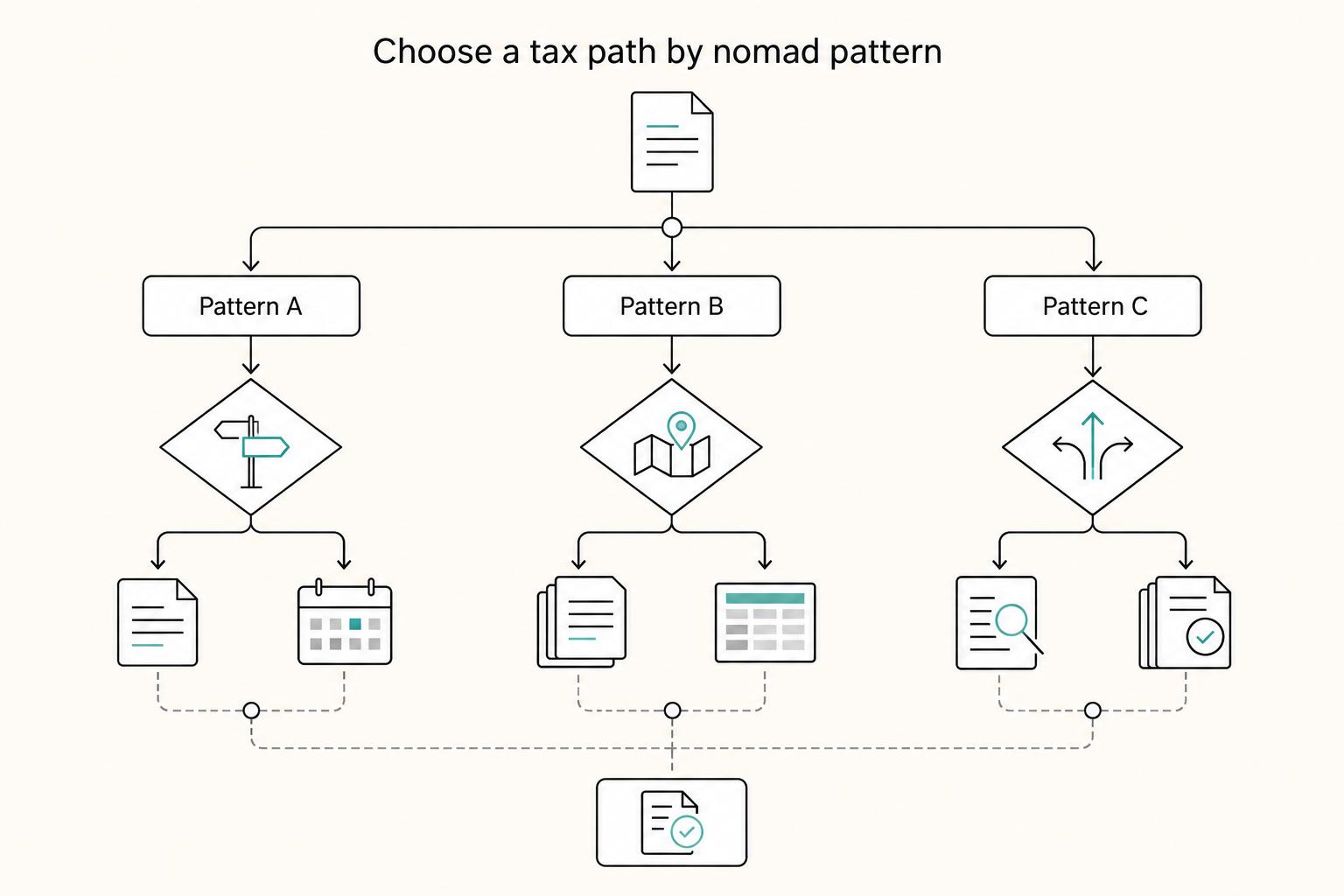
Australia Tax Residency for Digital Nomads With GST and ABN Checkpoints
The goal is a defensible, low-drama position the Australian Taxation Office (ATO) can follow from your records, not a clever workaround. For a digital nomad, that usually means keeping two tracks straight: residency and GST/ABN admin. Consistency is what holds up over time: use real facts, take steps in a clear order, and keep documents that still match months later.
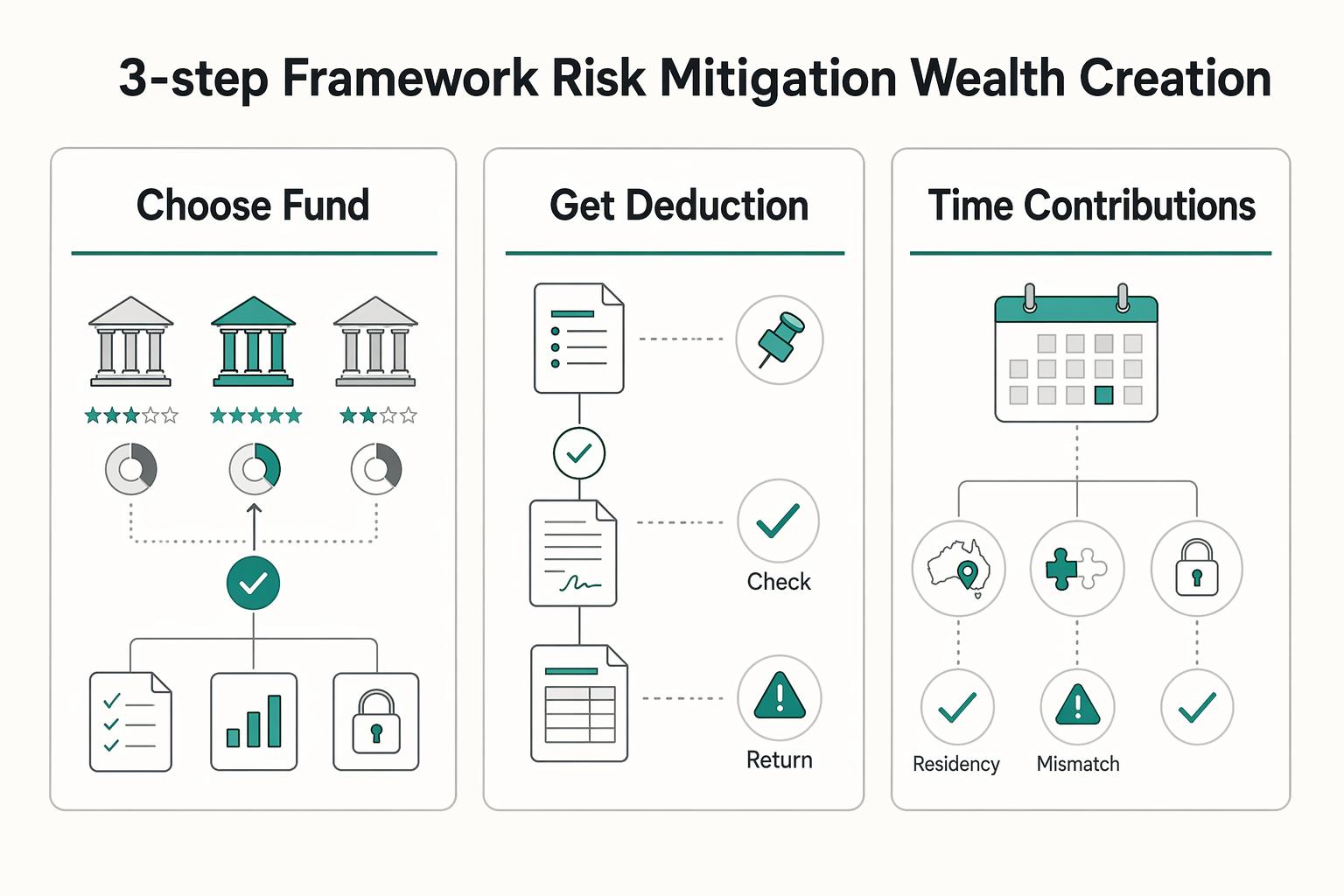
Australian Freelancer Superannuation: Compare Funds, Claim Deductions, and Time Contributions
Use this playbook to make three decisions in the right order: choose a fund on a like-for-like basis, complete the deduction process correctly, and time contributions within the cap rules. The focus here is practical execution. Get the sequence right and you can reduce deduction errors, compare funds more cleanly, and time contributions with more intent.