
Operator playbooks for cross-border payments, tax, and compliance execution.
Step-by-step guidance for finance, product, and ops teams to launch faster, reduce payout friction, and keep reconciliation clean across borders.
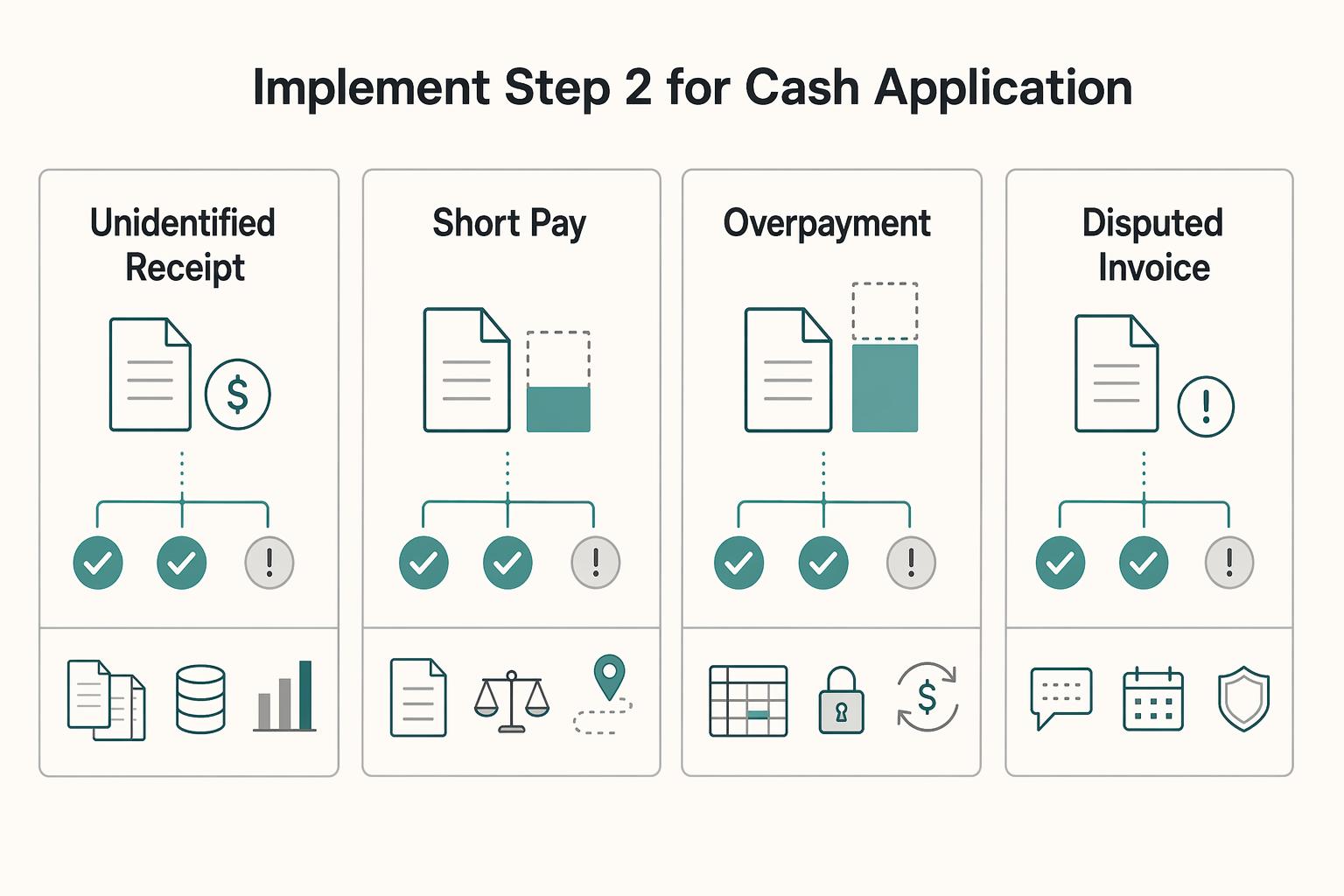
Accounts Receivable Automation for Platforms to Collect from Enterprise Buyers at Scale
Enterprise AR teams are being asked to improve cash conversion and cut manual work at the same time. That sounds reasonable until you're collecting from buyers on terms like 0-90/other days. In that environment, weak AR operations do more than consume staff time. Manual, error-prone workflows can create bottlenecks that delay cash conversion.
Read more →
Why Outsourcing Money Transmission to a MoR Saves Platforms $500K in Licensing Costs
If you are evaluating **outsource money transmission MoR licensing savings**, treat it as an operating model decision rather than a vendor feature comparison. A Merchant of Record, or MoR, can change who carries parts of the licensing and compliance load and may affect how quickly you can launch, while still leaving your team with questions to answer when finance, auditors, or regulators ask harder questions later.
Read more →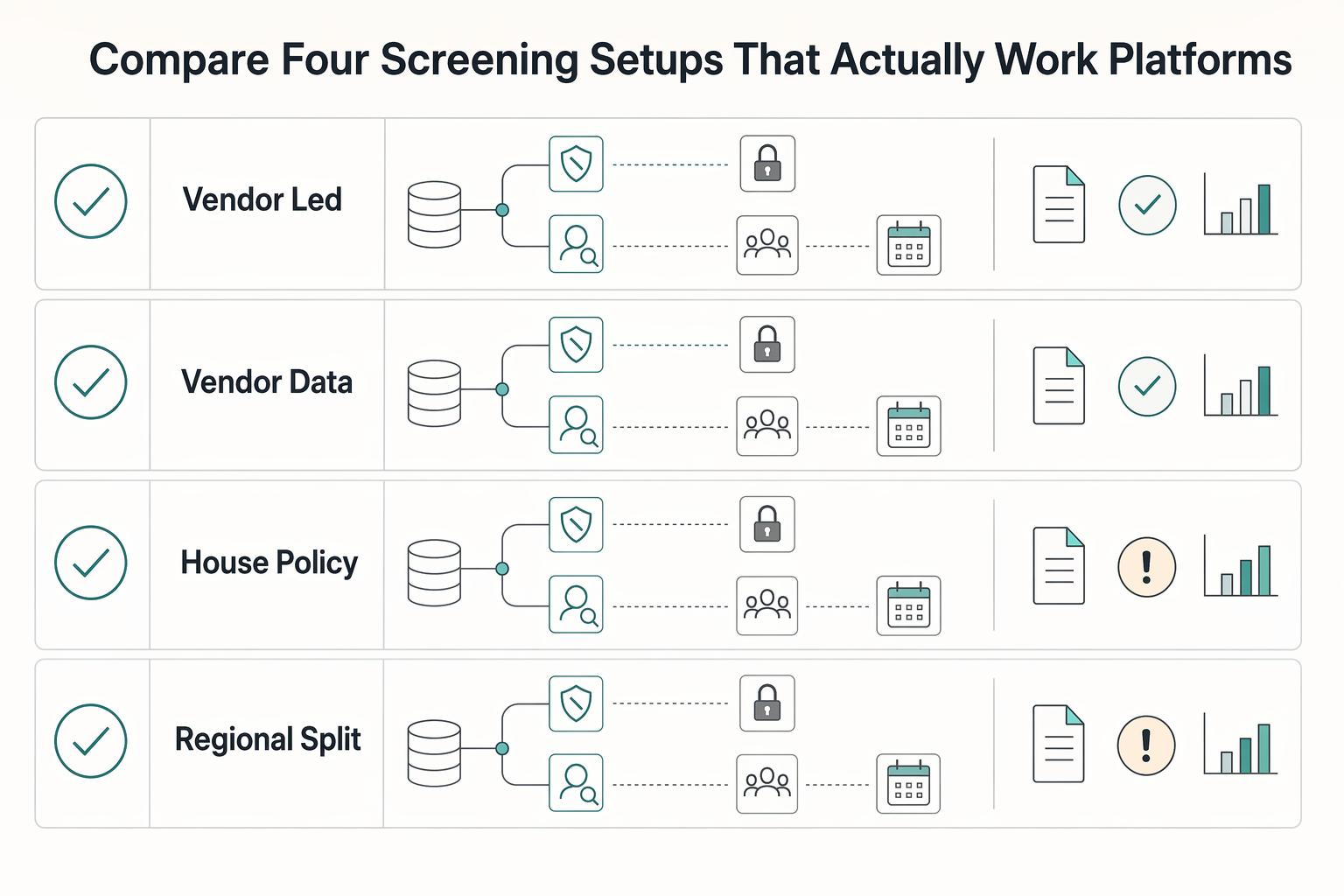
PEP Screening for Cross-Border Platforms and Monitoring Obligations
If your platform moves money across borders, treat PEP screening as a decision discipline, not a vendor checkbox. You should be able to show how an alert became a documented action under your AML and CTF controls without leaning on vague vendor claims. That matters most in five places:
Read more →
Billable Hours Tracking to Maximize Hourly Rate Revenue
**Treat billable hours tracking as a revenue-control job, not a timer-adoption job.** Tracking alone does not create revenue. Revenue impact depends on approved time, governed rates, and invoicing controls staying aligned in one traceable chain so the hours you capture can actually be billed.
Read more →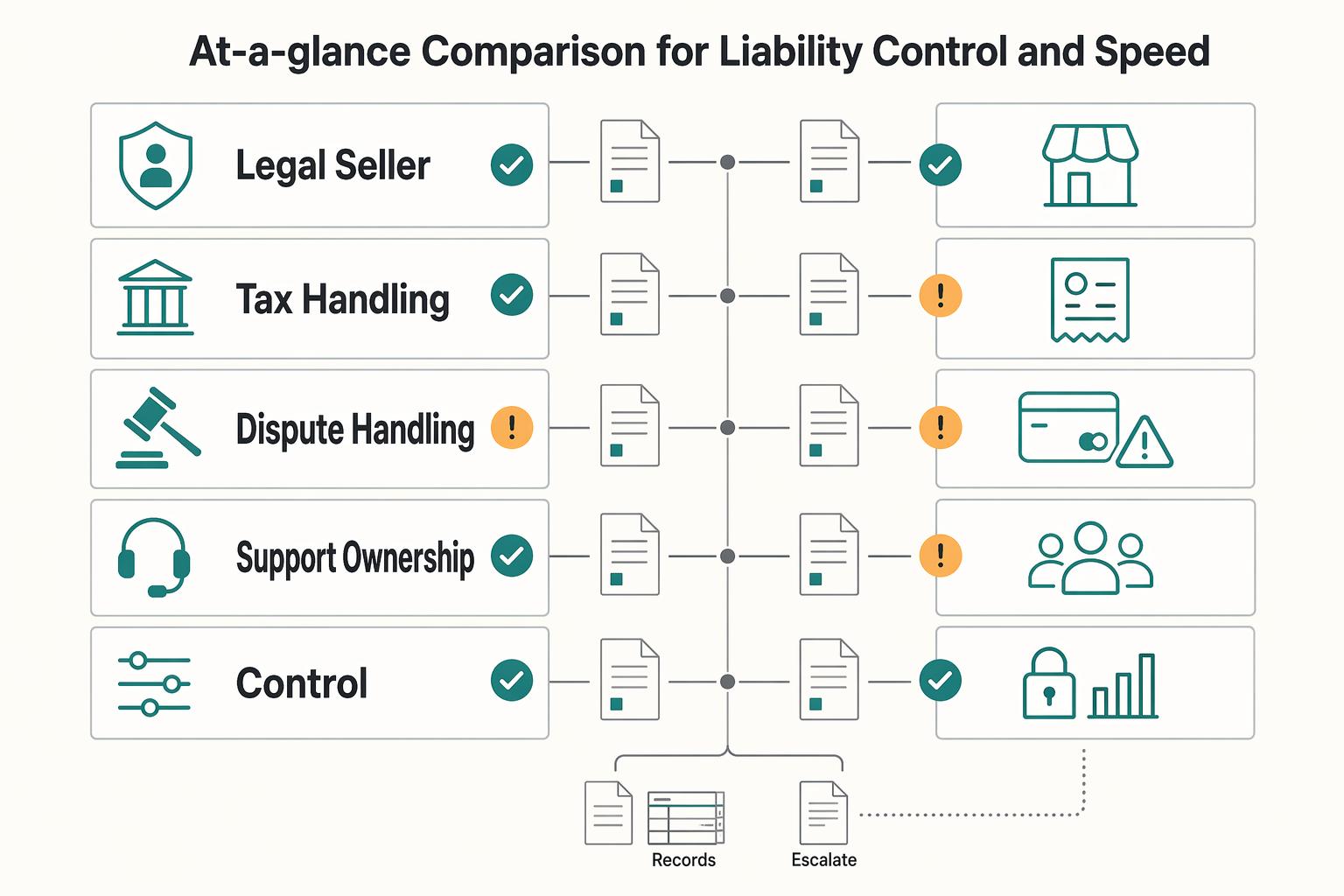
Stripe Connect vs Merchant of Record for Marketplace Liability Decisions
The core choice in **stripe connect vs merchant of record** is not checkout UX or payout speed. It is who carries the legal and operational burden when a transaction goes wrong, when tax obligations expand, or when your marketplace starts selling across more regions.
Read more →
Project Milestone Tracking: How to Bill Based on Deliverables Not Hours
Treat **project milestone tracking for billable deliverables** as a billing control, not just a prettier project plan. You are not trying to celebrate progress. You are deciding, with evidence, when a client-accepted outcome is mature enough to trigger an invoice and hold up through reconciliation, dispute review, and audit.
Read more →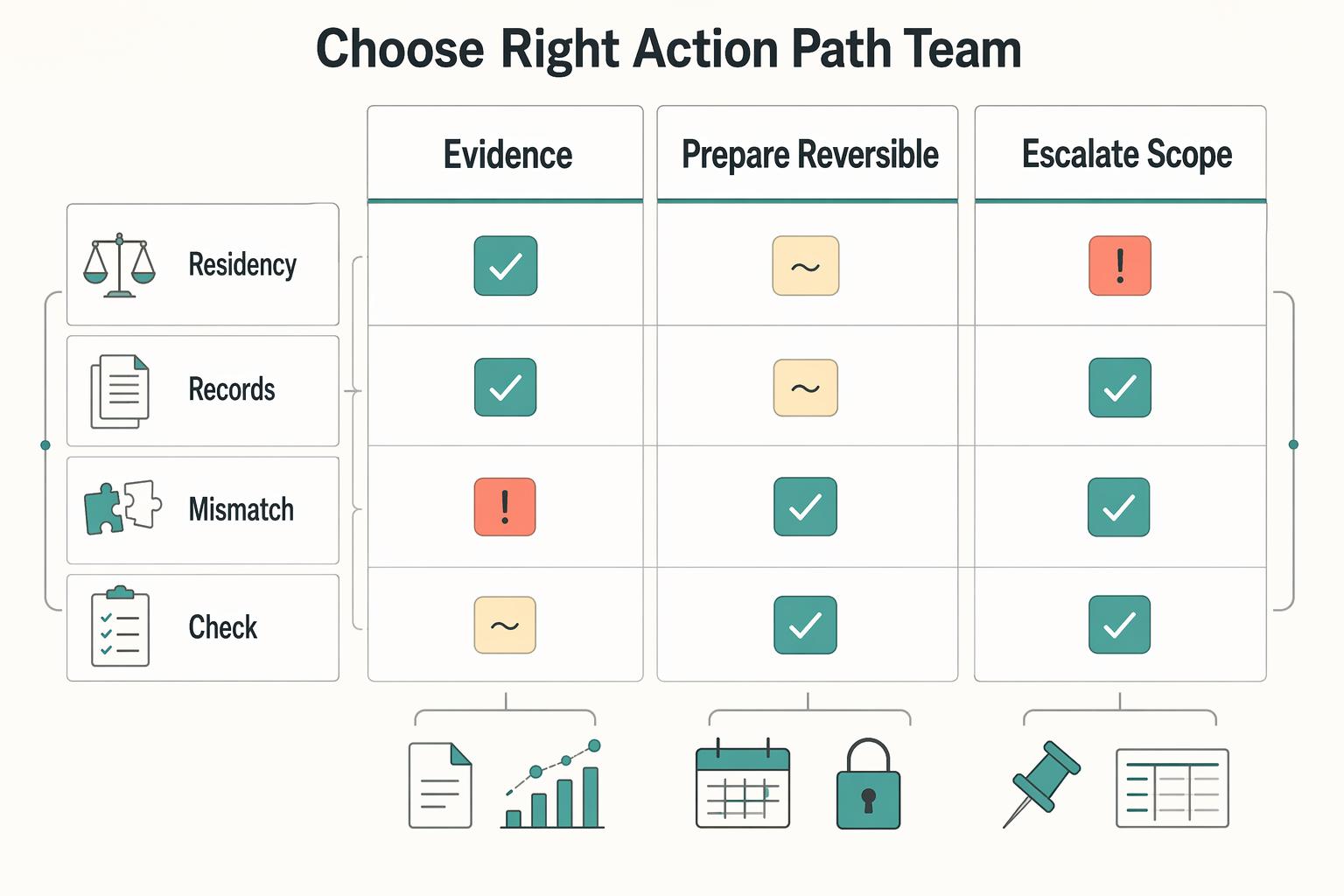
India Equalisation Levy: What Foreign Platforms Must Pay on Digital Advertising Services
Treat any reported change as a trigger for a controlled review, not a switch straight into production. If you handle the India advertising levy question for a foreign platform, the real job is deciding when legal status is firm enough to change billing, tax, and customer-facing controls. Otherwise, you create a second problem while trying to solve the first.
Read more →
Which of the 5 Marketplace Archetypes Fits Your Platform
If you need to choose a marketplace model without getting stuck in taxonomy debates, this guide is meant to help you get to a decision in one pass. It is written for founders, product leaders, finance ops, and engineering owners who need to choose a model that fits the business, then carry that choice into execution without avoidable surprises.
Read more →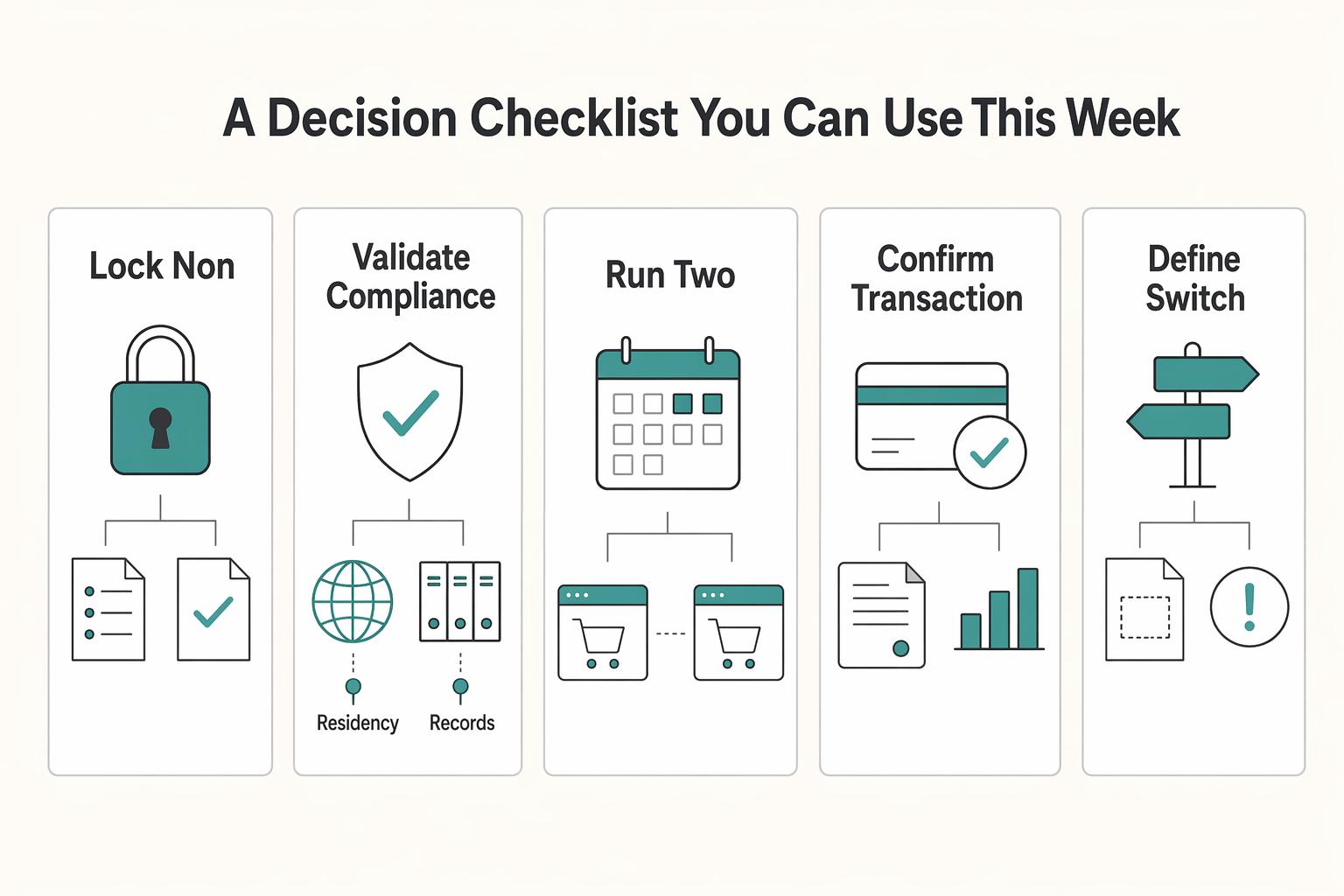
Hosted Checkout vs Custom Checkout for Service Businesses
The real choice is not just launch speed. It is whether you want to ship payments quickly now, or take on more control and day-to-day ownership later. For many platform teams, that tension shows up as soon as product wants a tighter in-app experience while engineering and finance ops are still trying to keep the first payment path stable.
Read more →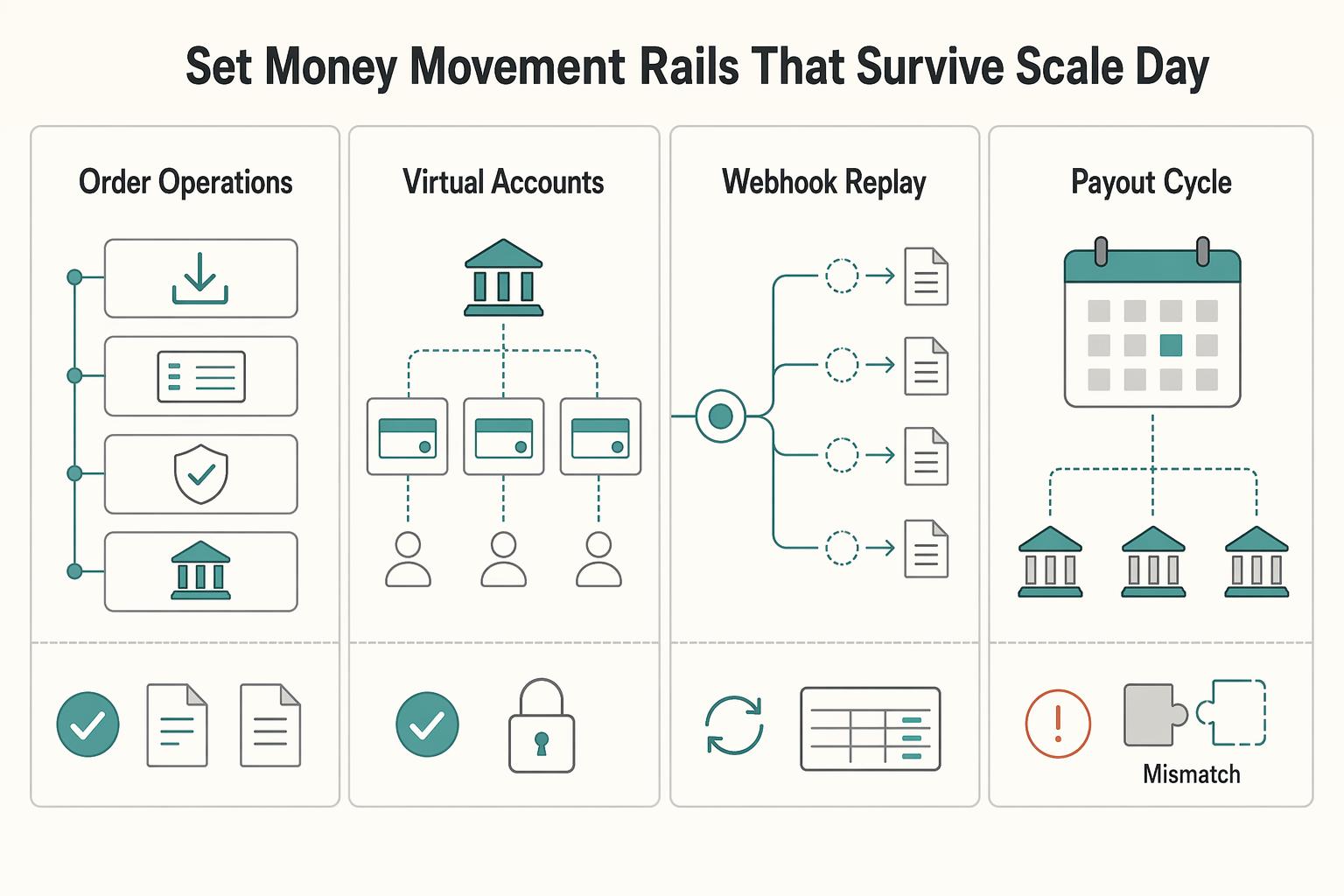
Building a Two-Sided B2B Marketplace to Reach $100M GMV
**Step 1. Reset the benchmark.** A lot of marketplace advice explains two-sided mechanics well, but says much less about the sequence of decisions that actually gets you from zero to meaningful gross merchandise value. You can find plenty on supply and demand loops, pricing, and product-market fit. What is harder to find is a repeatable path that keeps transactions moving as volume rises.
Read more →
How to Display Local Prices in Multiple Currencies Without Losing Margin
Treat local-currency display as a pricing decision, not a checkout decoration. A sound **multi-currency pricing strategy local display** setup makes prices feel native to the buyer. It also changes who controls the FX quote, how margin moves, how settlement is configured, and what finance has to reconcile later.
Read more →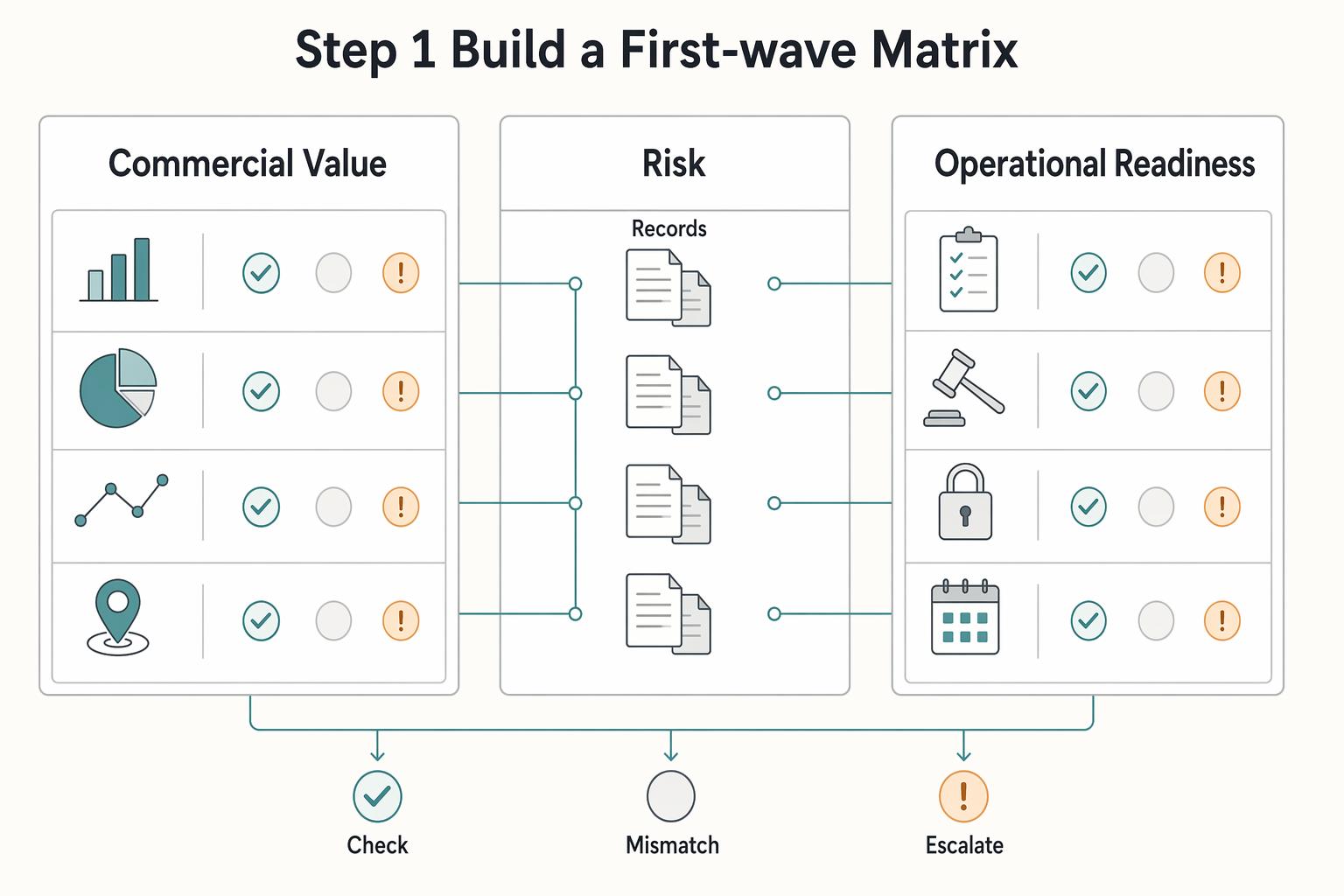
How to Get a Money Transmitter License State by State Without Cost Surprises
Start with sequence, not sticker price. If you are building contractor payouts, creator monetization, marketplace settlement, or embedded payments flows, the bigger risk is not just getting the **money transmitter license state by state cost** wrong. It is spending on the wrong filings, in the wrong order, before you have nailed down what your product actually does with customer funds.
Read more →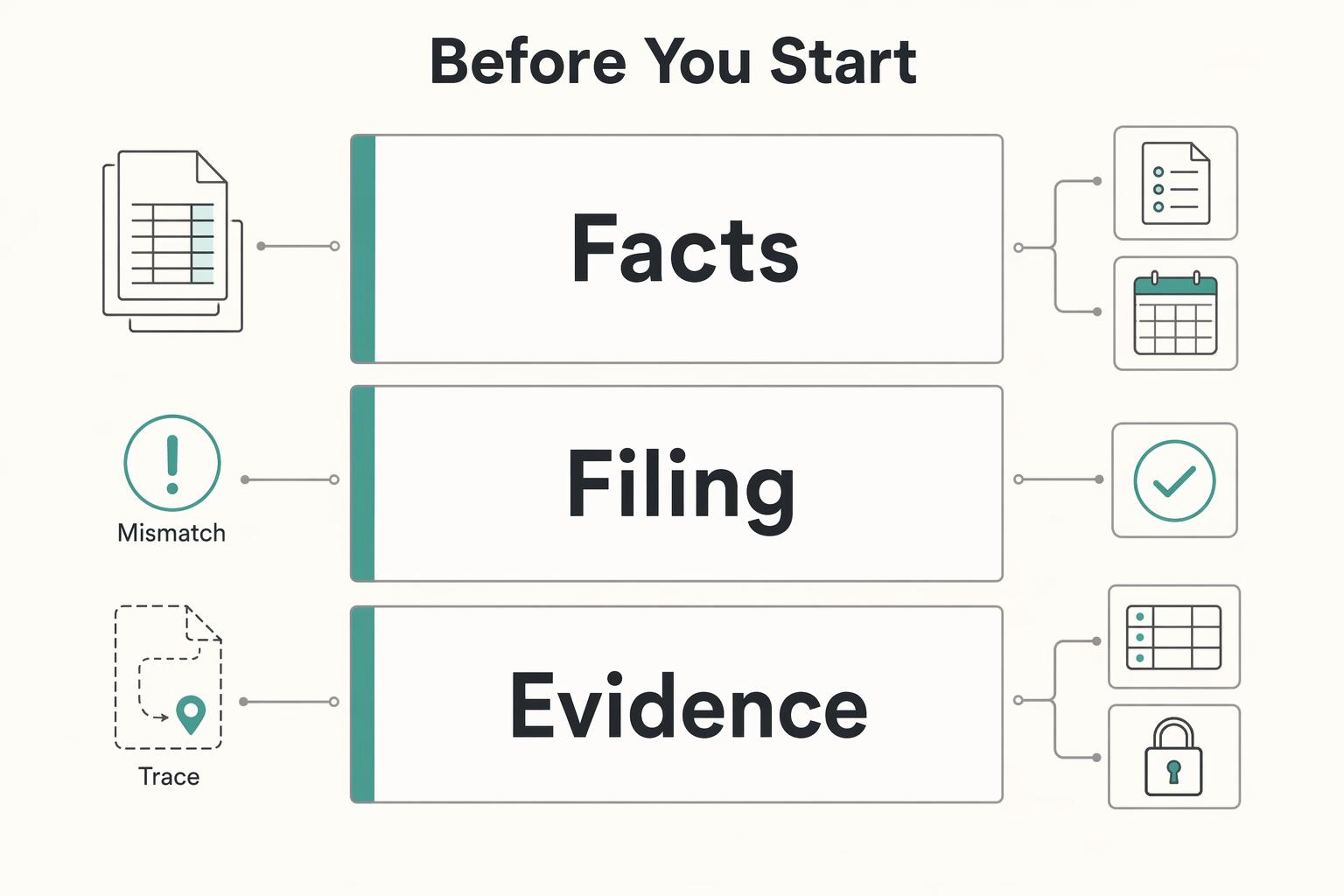
How Gig Platforms Report 1099s for Thousands of Contractors at Year-End
Treat **gig platform 1099 bulk reporting** as an operations control problem before you treat it as a filing task. If ownership, worker classification, and supporting records are loose before year-end, the final transmission only scales bad decisions faster.
Read more →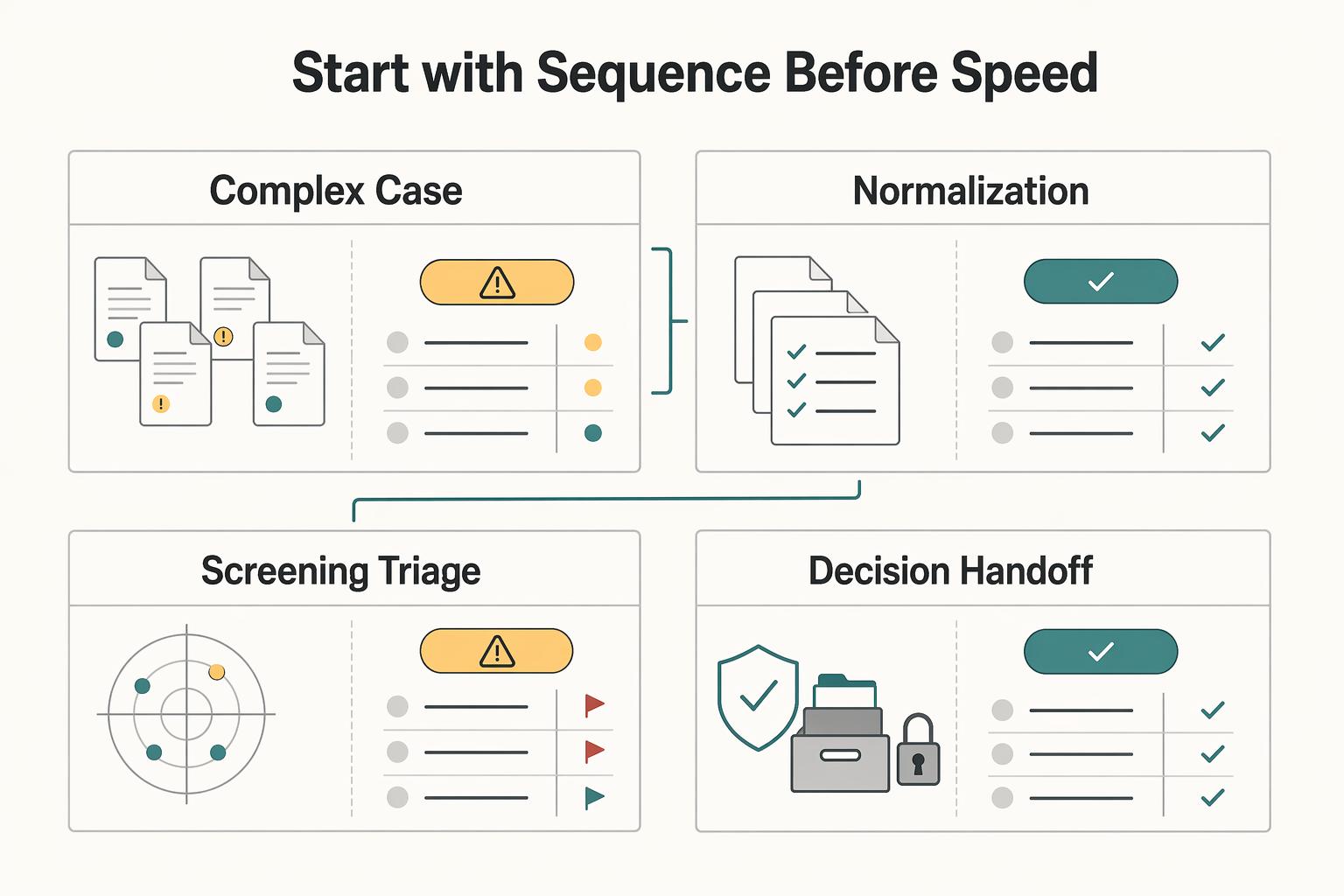
OFAC, PEP, and Adverse Media Screening Decisions for Payment Platforms
**Use sanctions screening as a payout control, and treat PEP and adverse media as deeper-review signals.** If you run a platform that pays contractors, sellers, or creators, you need screening that holds up under AML expectations without turning every weak name match into a frozen payout. That is the real operator problem behind **ofac pep adverse media watchlist screening** in practice: three controls that sit close together in onboarding and review, but answer different questions and lead to different actions.
Read more →
Platform Take Rate Optimization: How to Set Marketplace Fees Without Losing Liquidity
Fee changes in a two-sided marketplace are network decisions, not just pricing decisions. They can change participation on both sides and determine whether your economics improve or quietly get worse.
Read more →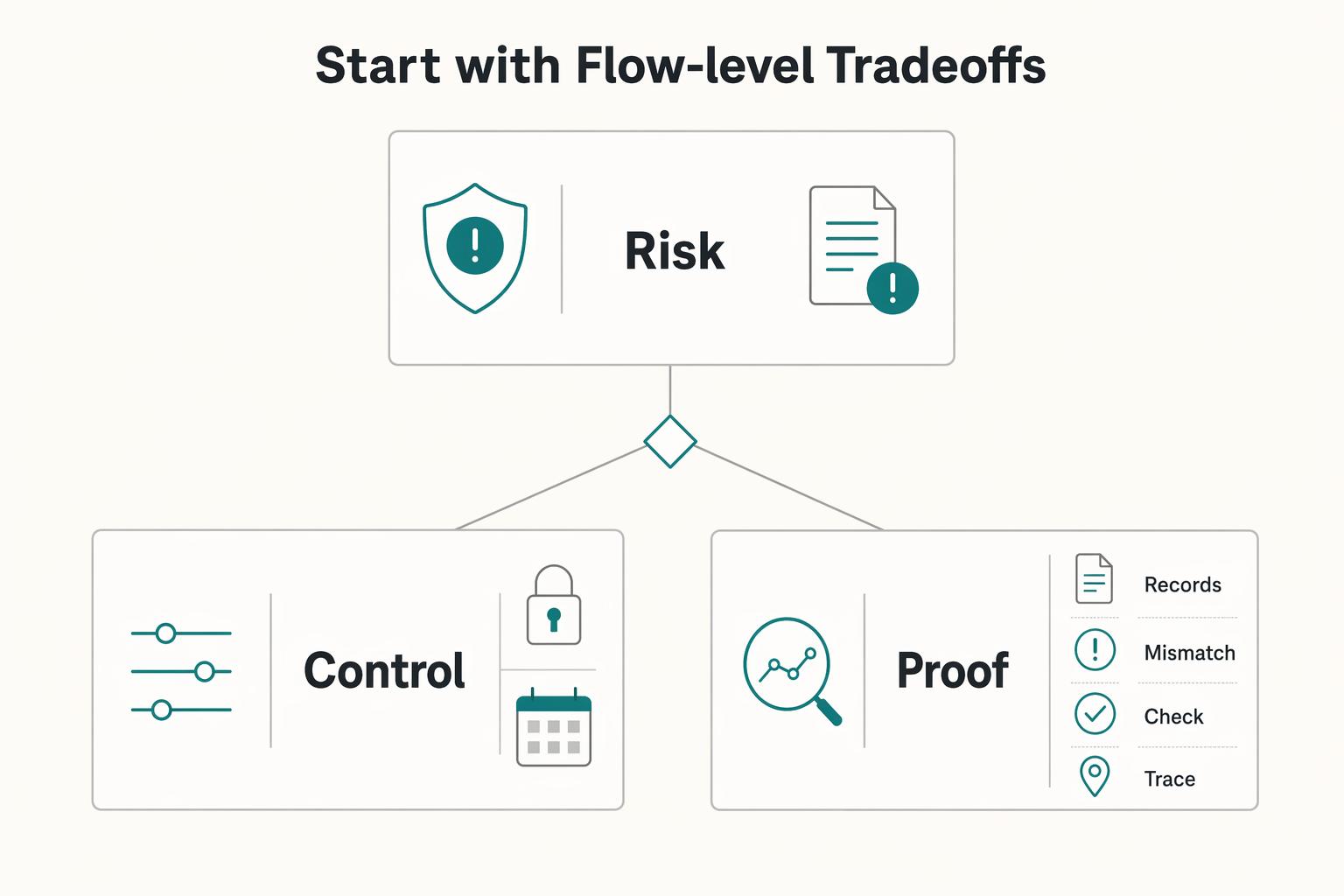
Real-Time Ledger vs Batch Settlement for Platform Volume Decisions
The useful decision is rarely "real-time everywhere" versus "batch forever." For platform teams, the real choice is often which payment flows need immediate handling and which are better served by scheduled release. If you treat this as a speed contest, you can accelerate the wrong step and make cash flow management and internal workflows harder.
Read more →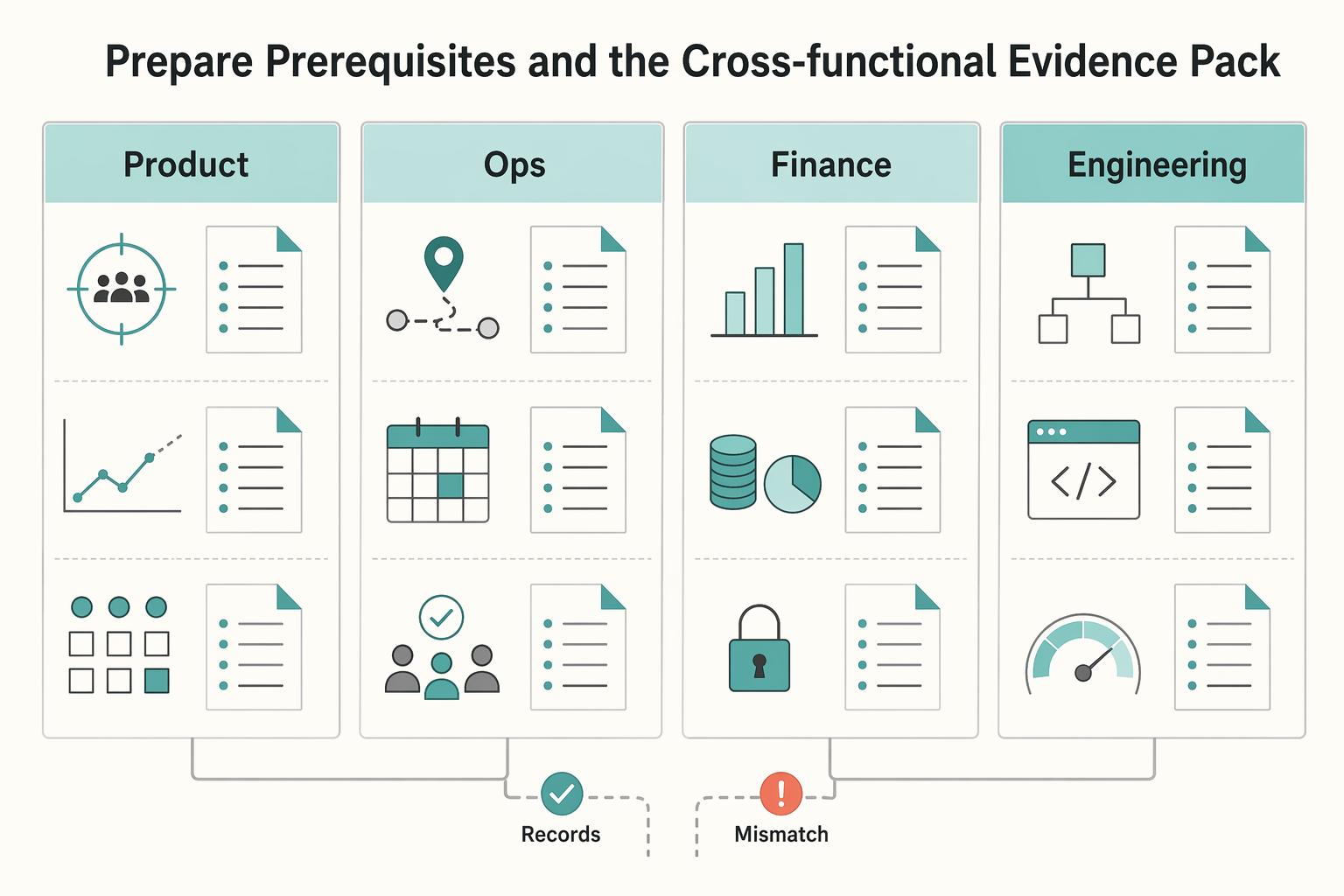
Bootstrapping Marketplace Liquidity Without Breaking Unit Economics
Treat the cold start as an operating problem, not a branding exercise. In a two-sided marketplace, your job is to make matching reliable fast enough to prove demand.
Read more →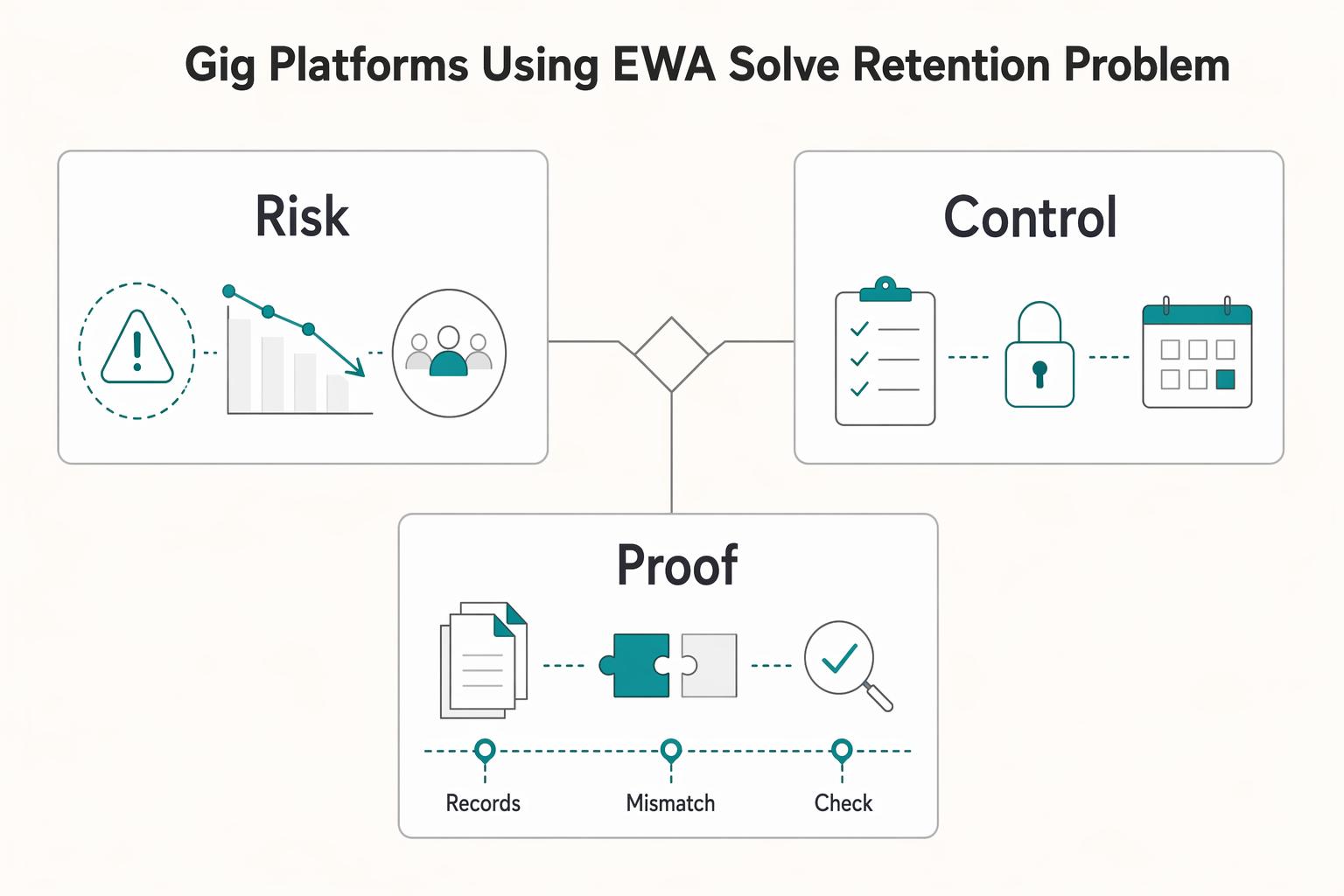
How Gig Platforms Can Use Earned Wage Access (EWA) as a Contractor Retention Tool
**Step 1. Diagnose payout experience before blaming price or demand.** The real retention question is usually not "Do workers want faster money?" It is "Is payout timing and trust one of the reasons they stop taking jobs on our platform?" For many platforms, that is the right place to look first. If contractors are getting enough work but still disengage after a delayed payout, a failed transfer, or confusing settlement timing, you likely have a payout experience problem before you have a marketplace pricing problem.
Read more →
KYB for Platform Operators Without Losing Legitimate Business Clients
If your platform onboards businesses for payments, KYB has one job: help you decide, before money moves, whether the business is real, legitimate, and low enough risk to onboard without creating weeks of avoidable friction. Done well, Know Your Business helps you spot higher-risk business relationships early. Done poorly, it slows legitimate businesses until they give up and go elsewhere.
Read more →
How to Build a Float Management Strategy for Marketplace Platforms
If you searched for **float management strategy marketplace platforms**, start by defining float correctly. Here, float means money-timing decisions in a marketplace context. It is not the schedule buffer used in critical path analysis, where teams talk about total float and similar timing slack. It is also not Float, the resource management software built around planning, scheduling, resources, and team capacity.
Read more →