
Operator playbooks for cross-border payments, tax, and compliance execution.
Step-by-step guidance for finance, product, and ops teams to launch faster, reduce payout friction, and keep reconciliation clean across borders.

How Platforms Hold and Segregate Client Funds with Omnibus Accounts
Most platform teams should start with the lightest structure they can prove. Choosing between an omnibus structure and deeper segregation is not just a naming exercise. For most platform teams, **omnibus account platform fund segregation** is really a decision about ownership visibility, the control work your team can sustain, and how much launch friction you can absorb.
Read more →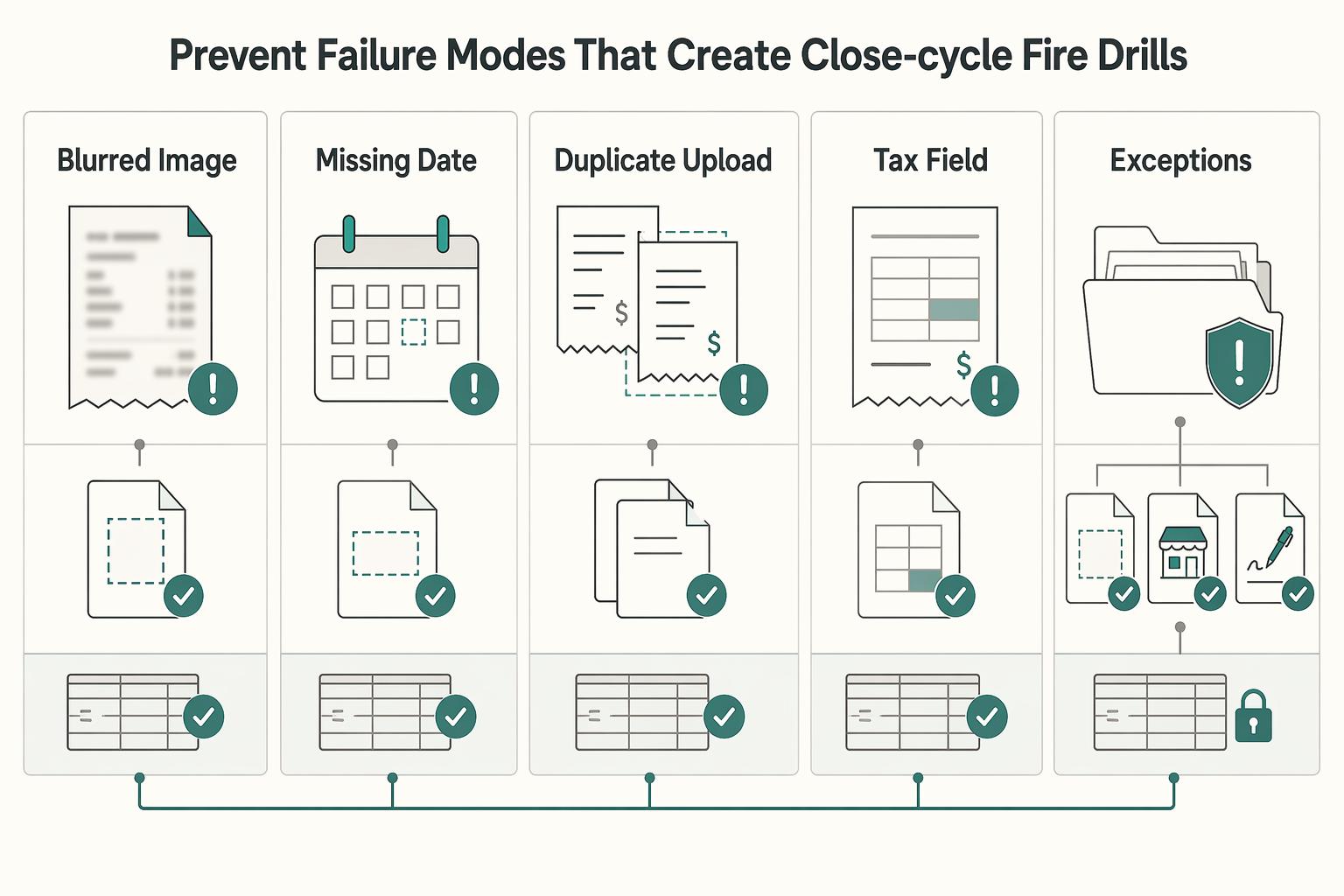
Mobile Expense Tracking Snap Receipts With Audit-Ready Controls
Use mobile receipt capture as your intake layer, not your posting authority. The photo is the easy part. The real work starts after capture, when that receipt has to survive review, post cleanly to your ledger, and still make sense during **Reconciliation**. That is the problem this guide is solving.
Read more →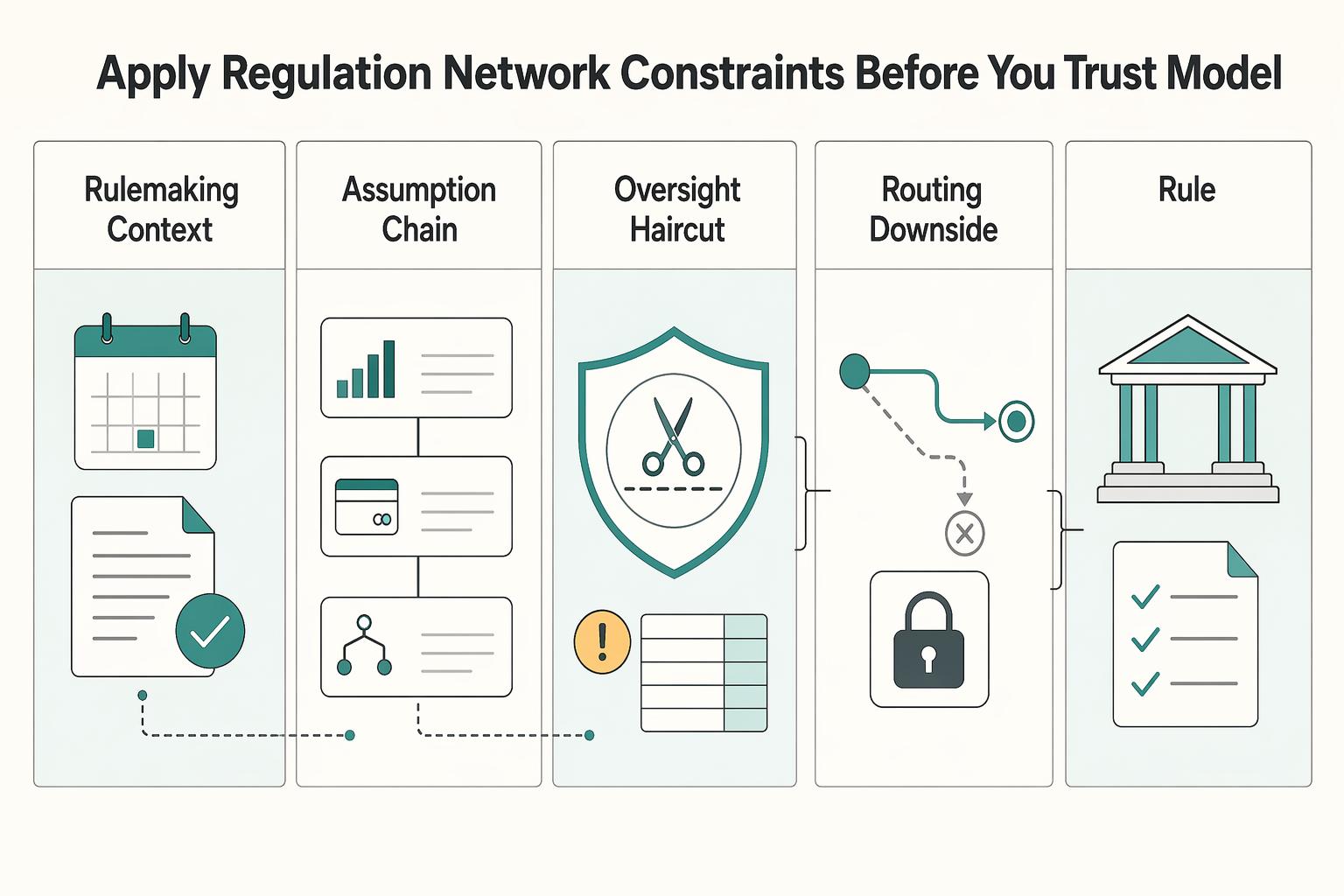
Calculate Platform Interchange Revenue From Card Transactions and What You Keep
The number that matters is **net interchange revenue**, not the headline interchange fee. If you only track gross interchange, a platform card program can look like it is scaling while the earnings you actually keep are getting thinner.
Read more →
How to Choose the Right Subscription Pricing Model for Your Platform
Pick the model that matches how customers get value, then pressure-test whether it works for your unit economics and your ability to operate it. If product, finance, and revenue are using different definitions of value, stop there first. Pricing built on split assumptions usually fails later in packaging, forecasting, or billing.
Read more →
Flat-Rate vs Tiered vs Per-Seat Pricing: A Decision Framework for SaaS Platforms
The useful question is not which model looks smartest on a pricing page. It is which one your team can actually sell, bill, report on, and defend when growth targets and margin targets start pulling in different directions. For B2B SaaS, that usually means choosing based on how customers actually get value and how different segments buy, not on what a competitor happens to show.
Read more →
Device Fingerprinting Fraud Detection Platforms for Payment Risk Teams
For payment platforms handling contractor, seller, or creator payouts across markets, the starting point is not vendor hype. It is control design. Device fingerprinting can help detect suspicious behavior and reduce fraud risk, especially when the same device appears across repeated sign-ups or refunds. But it only works if risk, compliance, legal, finance, and payments ops agree on what the signal can support and what evidence must exist when a decision is challenged.
Read more →
How to Build a Spend Control Policy for Virtual Cards on Your Platform
Treat virtual-card spend control as a product and infrastructure decision from day one. If you reduce it to a few card settings, you may issue cards quickly. You can also end up with weak ownership, inconsistent approvals, and records that are harder for finance to reconcile later.
Read more →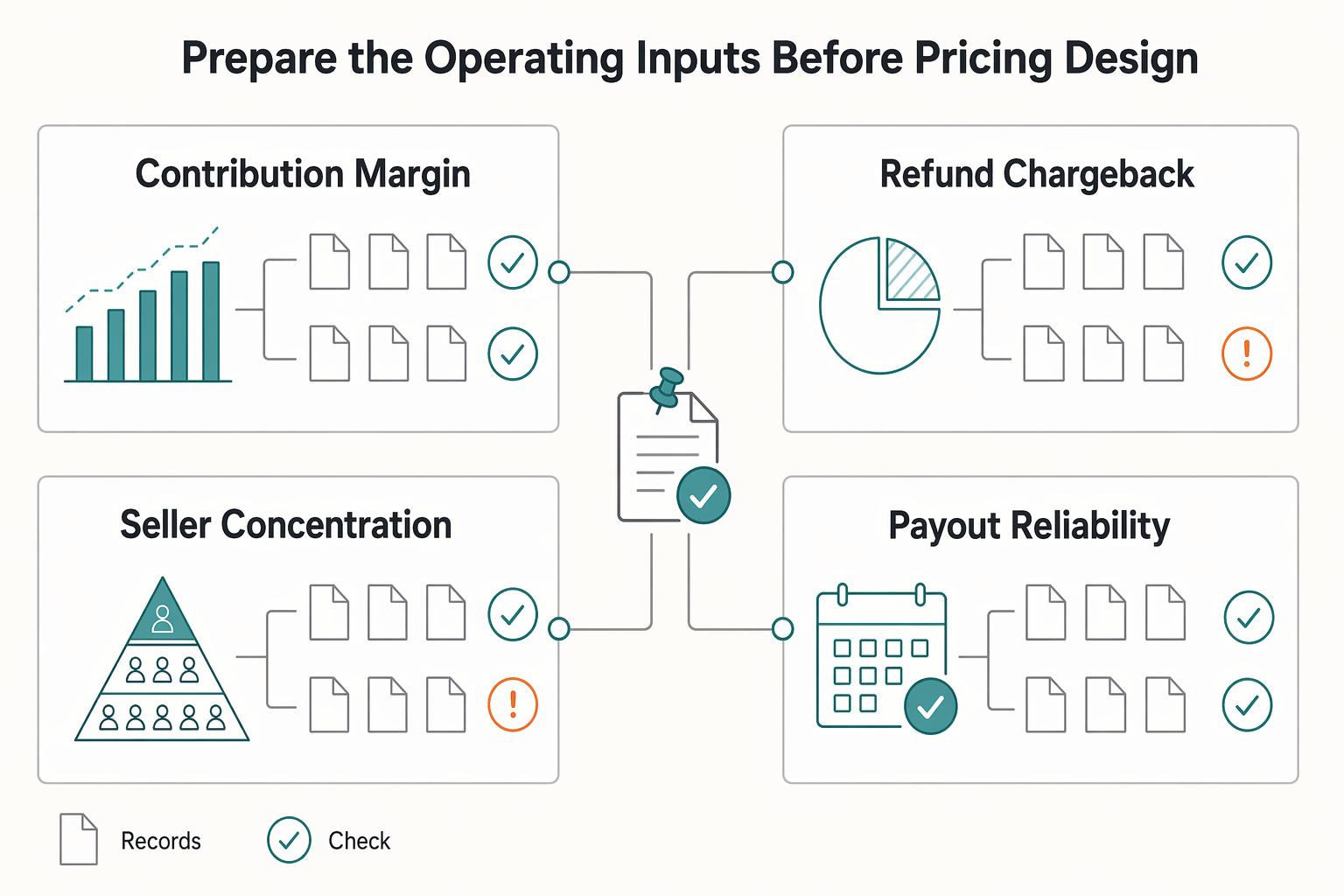
Building Tiered Commission Structures for Marketplace Performance-Based Fees
A tiered commission structure works best when you design seller growth and contribution margin together. In a commission marketplace revenue model, the operator earns a percentage or flat fee on each sale made by third-party sellers, so your upside rises when sellers perform. That alignment helps, but it does not manage itself. Revenue still moves with demand and seller activity, and an aggressive rate can create seller resistance instead of improving marketplace performance.
Read more →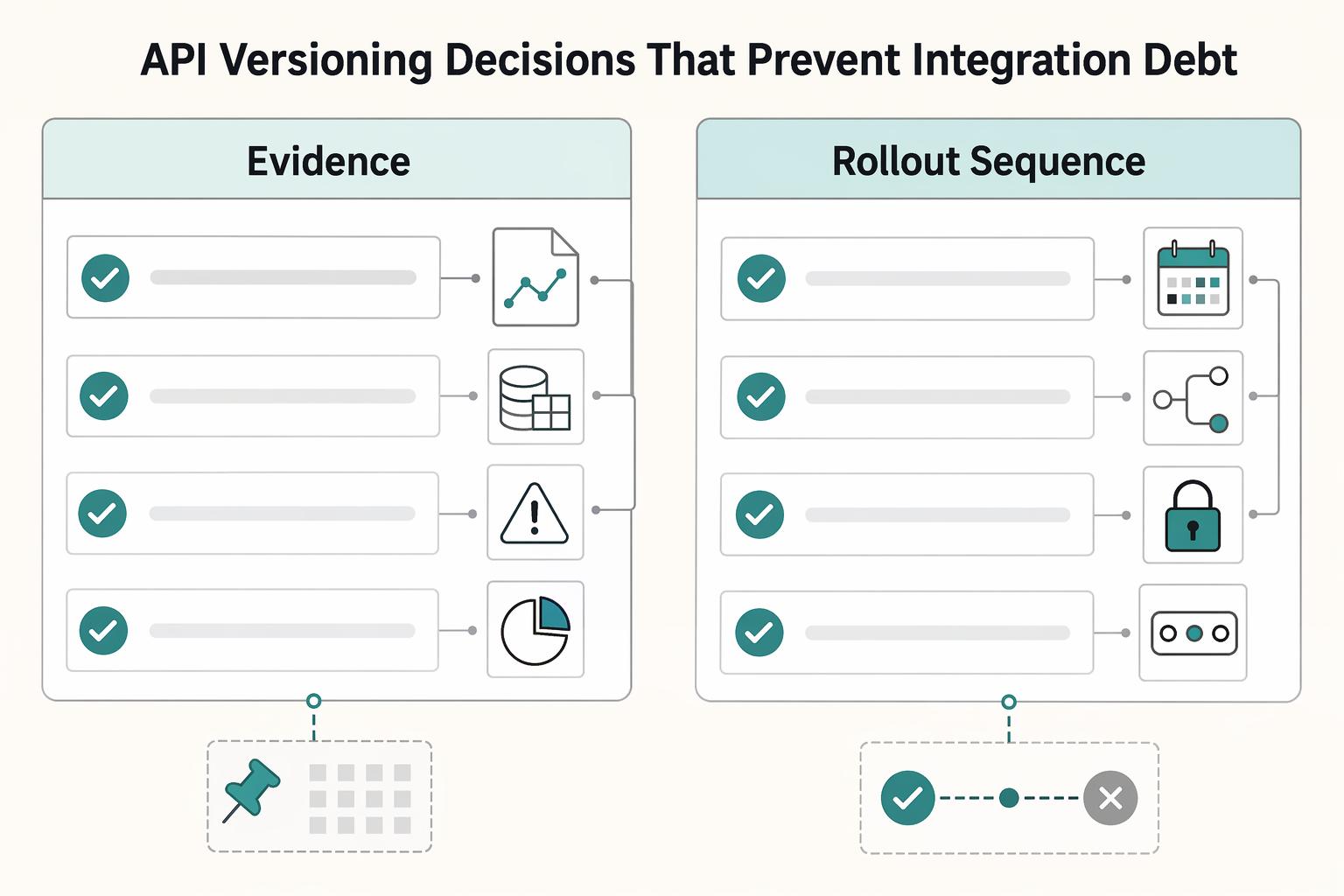
How to Handle Breaking Changes in API Versioning
If your team ships payments, onboarding, reporting, or payouts, treat versioning as a risk decision first and a design choice second. A weak call here does not stay inside the API team. One breaking change can trigger broken applications, frustrated consumers, and technical debt that gets harder to unwind with every release.
Read more →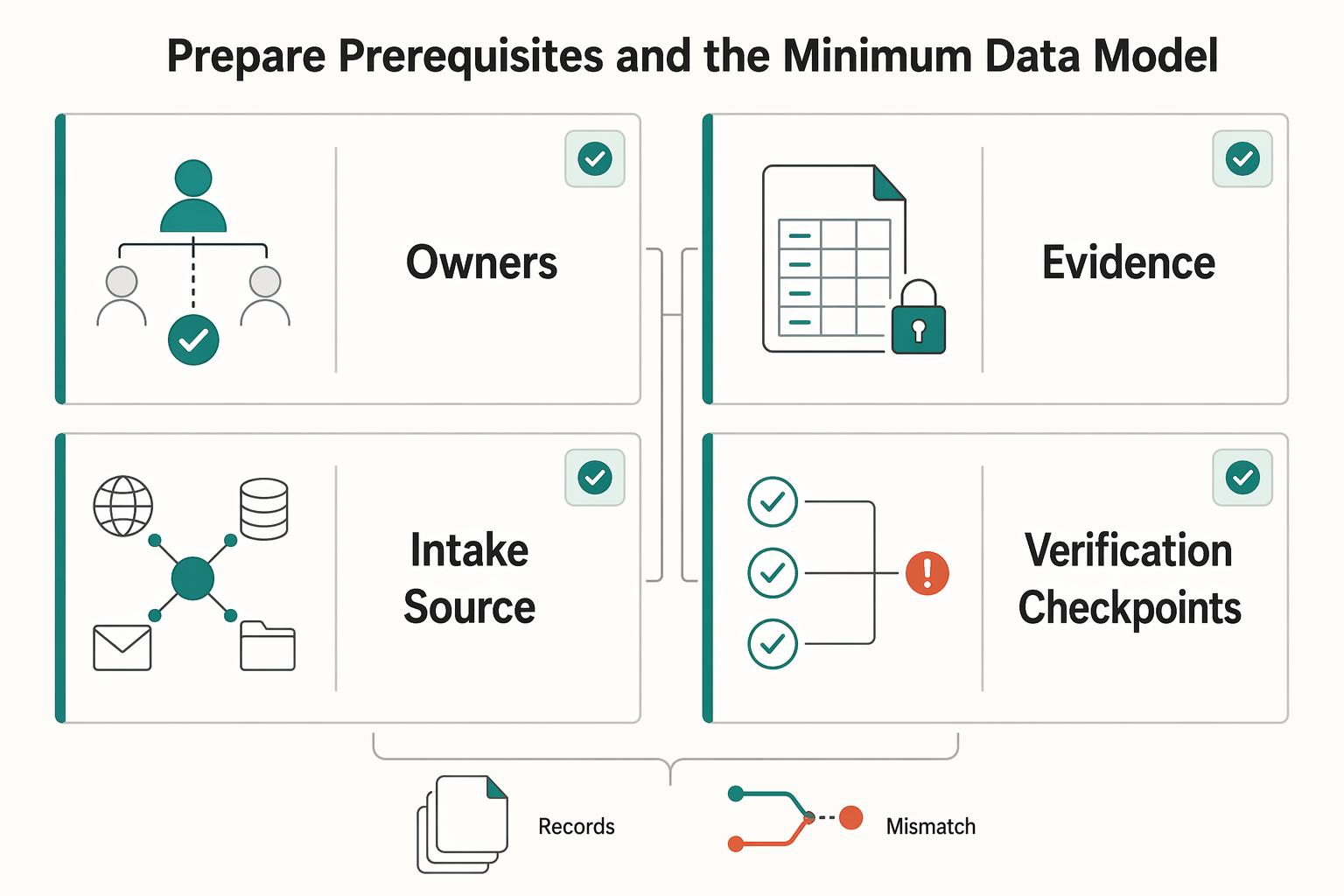
Expense Management for Freelance Agencies to Track and Reimburse Client Costs
For an agency platform, it helps to make three decisions before freelancer expenses reach payout: what gets reimbursed, what stays agency overhead, and what should never be paid out. If you treat freelancer expenses as only a pricing question, you miss operational choices that can protect margin. A lot of freelance advice focuses on rates and pricing. Product teams usually need a tighter answer.
Read more →
Choosing OAuth 2.0, JWT, or API Keys for Production APIs
Your first authentication choice is not just a security decision. It shapes how quickly you can launch payments, onboarding, reporting, and payouts, and how expensive cleanup becomes once partner access, credential rotation, or incident response starts to matter.
Read more →
Deduct Platform Commission Before Seller Payouts in Marketplaces
Yes, a platform can deduct **Platform commission** before **Seller payout**. The hard part is not the math. It gets harder when product promises one fee story, finance books another, and engineering implements a third. The practical win is to lock one operating model early so every order follows the same gross-to-net payout logic from completed sale through payout release.
Read more →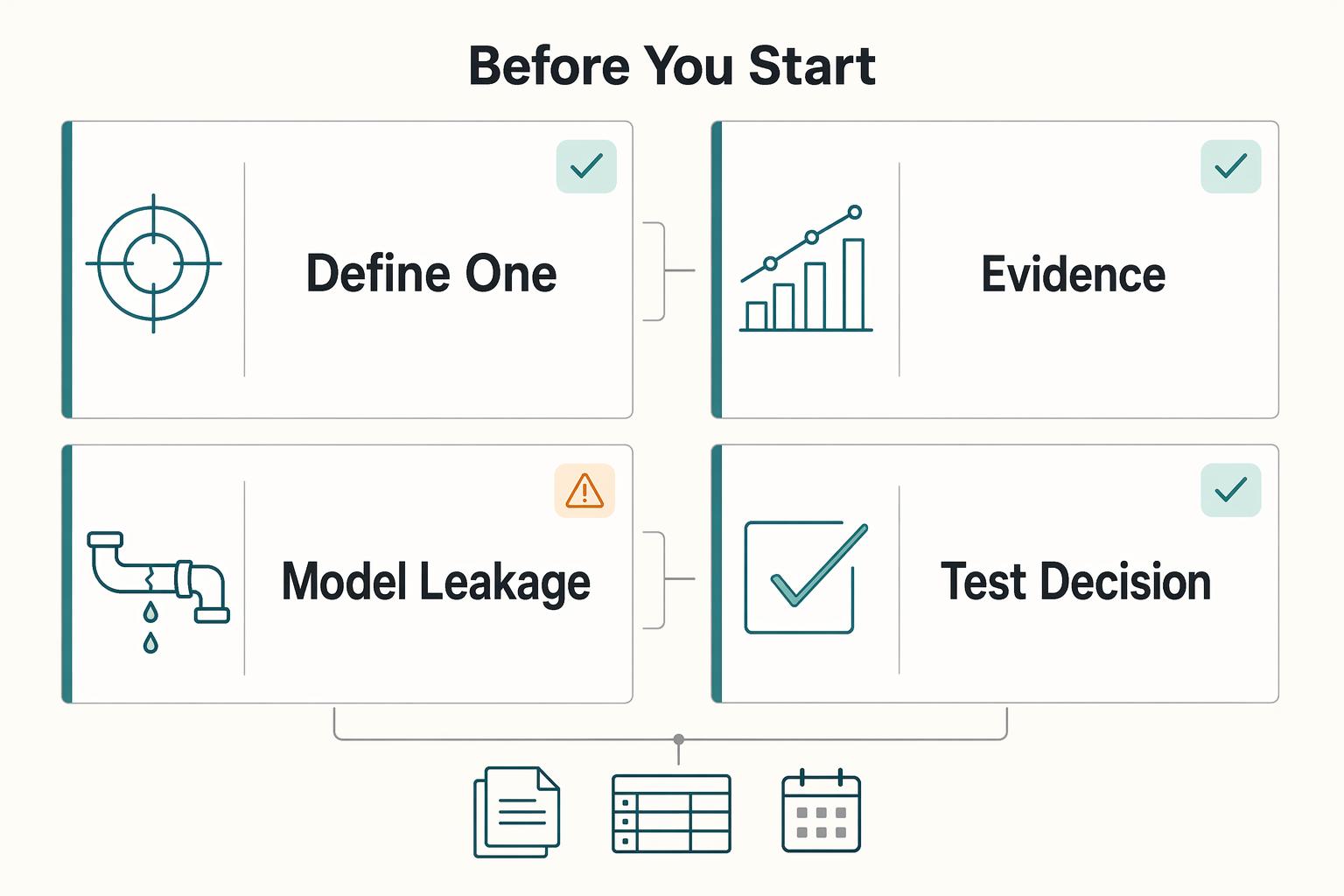
Platform Economics 101 for Commission Fees, Payout Costs, and Gross Margin
**Use gross margin, not top-line fee percentage alone, to make pricing decisions.** If your fee model stops at commission revenue, it is not ready for a pricing decision.
Read more →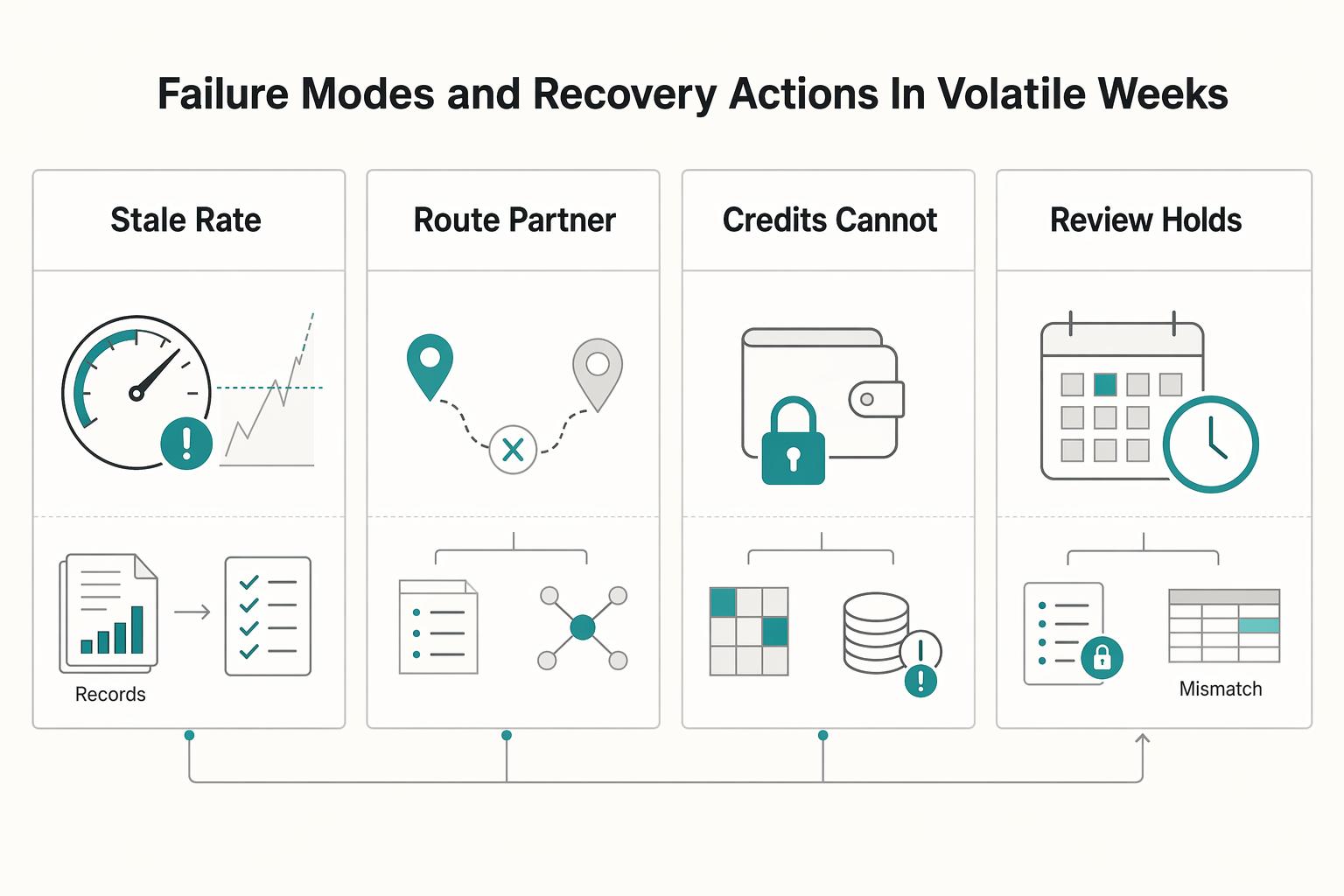
How to Build a Currency Reserve Strategy for Marketplace Platforms Operating in Volatile Markets
A useful reserve policy starts as an operating decision, not a market call. In marketplace payments, **foreign exchange (FX)** choices can affect how reliably teams convert funds, reconcile balances, and release payouts.
Read more →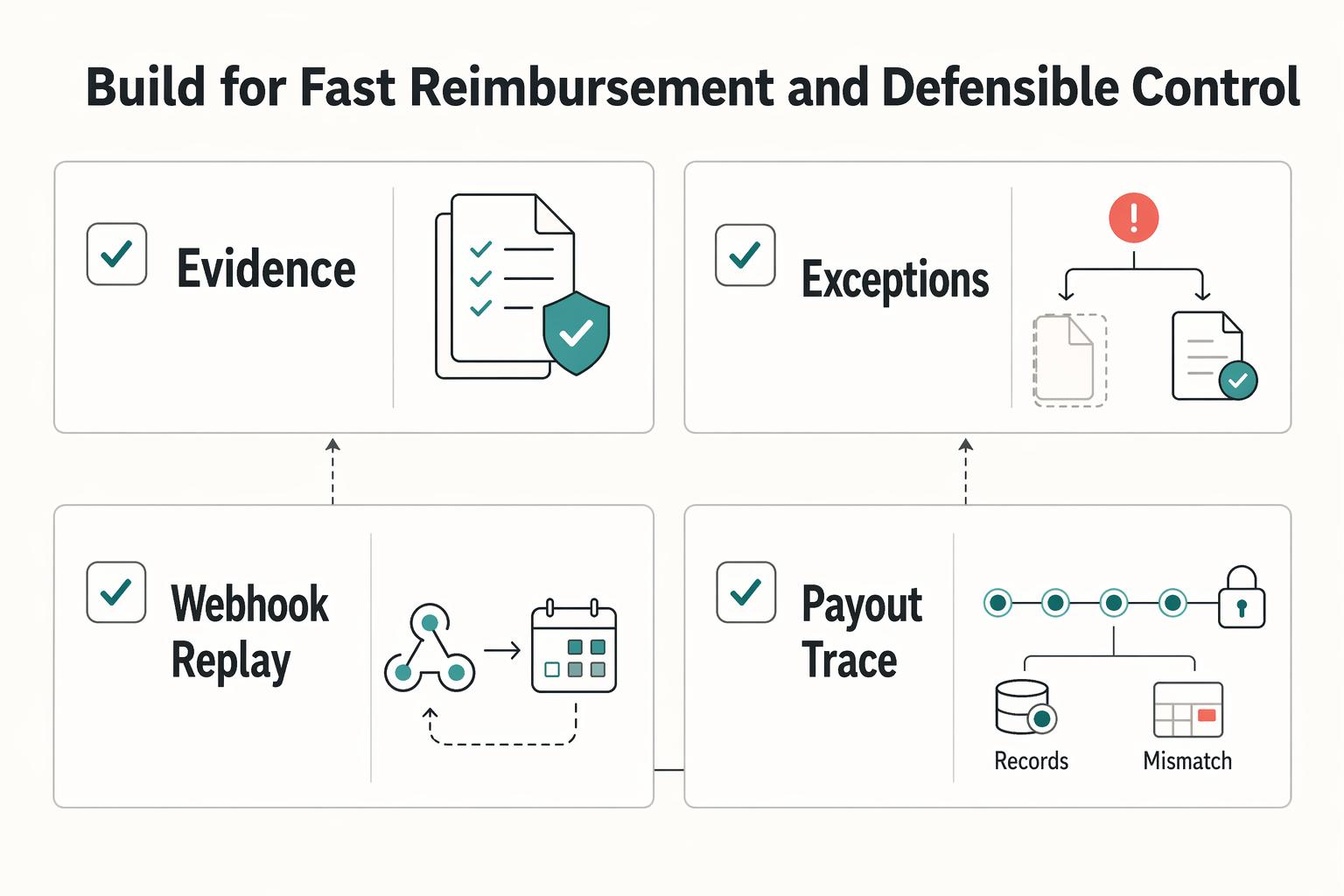
How Clients Get Paid Back Through Better Expense Reimbursement Workflows
**Step 1: Design for both fast payback and finance control from day one.** If you are building reimbursement flows your clients will rely on, the job is not just paying someone back quickly. The harder part is paying fast while keeping a clean audit trail, handling policy exceptions, and making reconciliation routine enough that Finance can trust it.
Read more →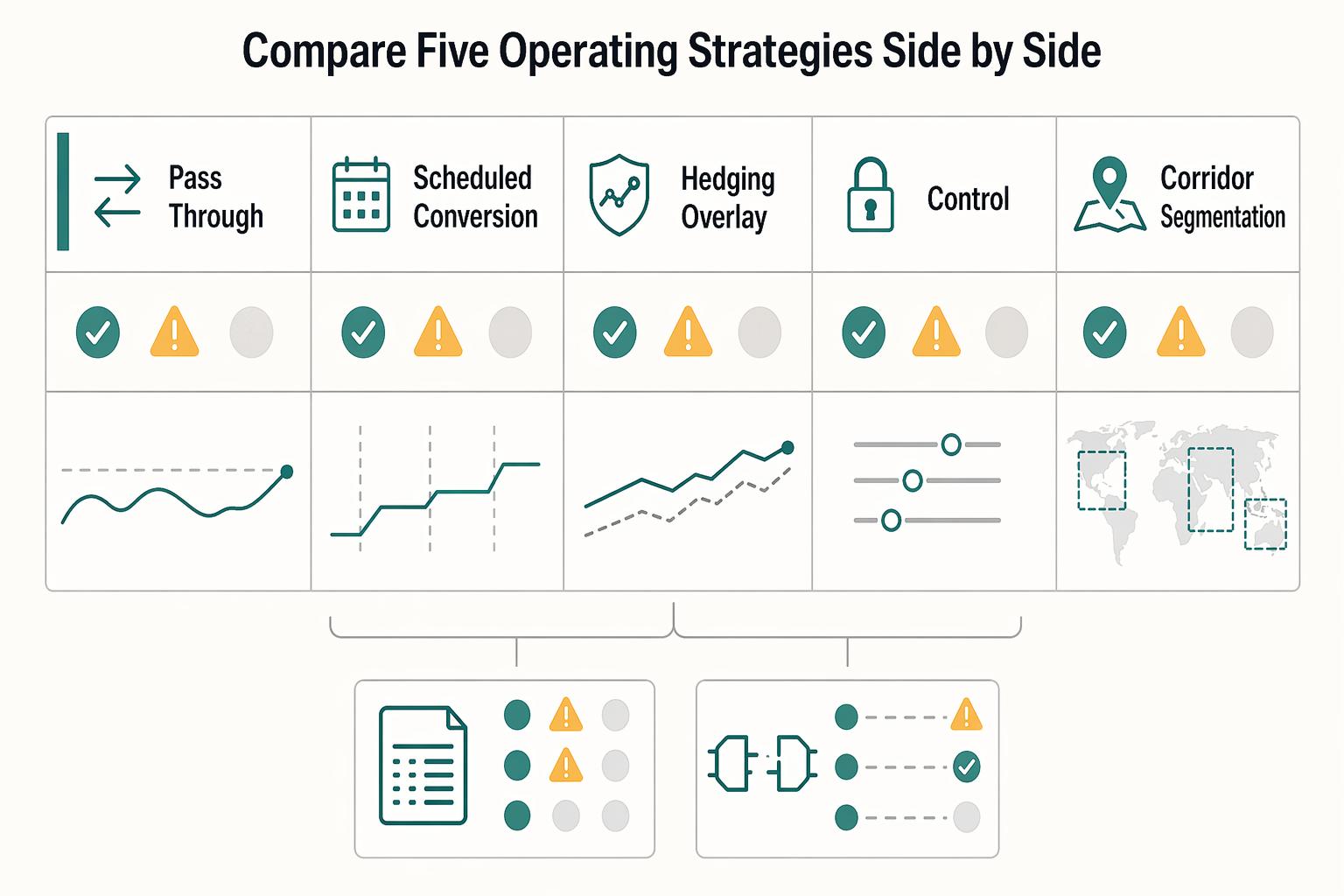
When a Currency Peg Breaks and Your Platform Still Has to Pay
For a platform that collects, converts, and pays across borders, a currency peg is more than background macro context. It is a policy regime that can affect assumptions in your pricing, treasury, and payout logic. The core risk is not predicting markets. It is avoiding product and finance decisions that only work while a pegged rate stays stable.
Read more →
Embedded Wallet Design Patterns for In-App Balance and Spend Features
Choosing an embedded wallet is not just a UX call. It is an operating model choice. The moment you keep wallet actions inside your product instead of sending users to a separate interface, you are also deciding how compliance handling, balance accuracy, and payout timing will work when a spend succeeds in one place and fails in another.
Read more →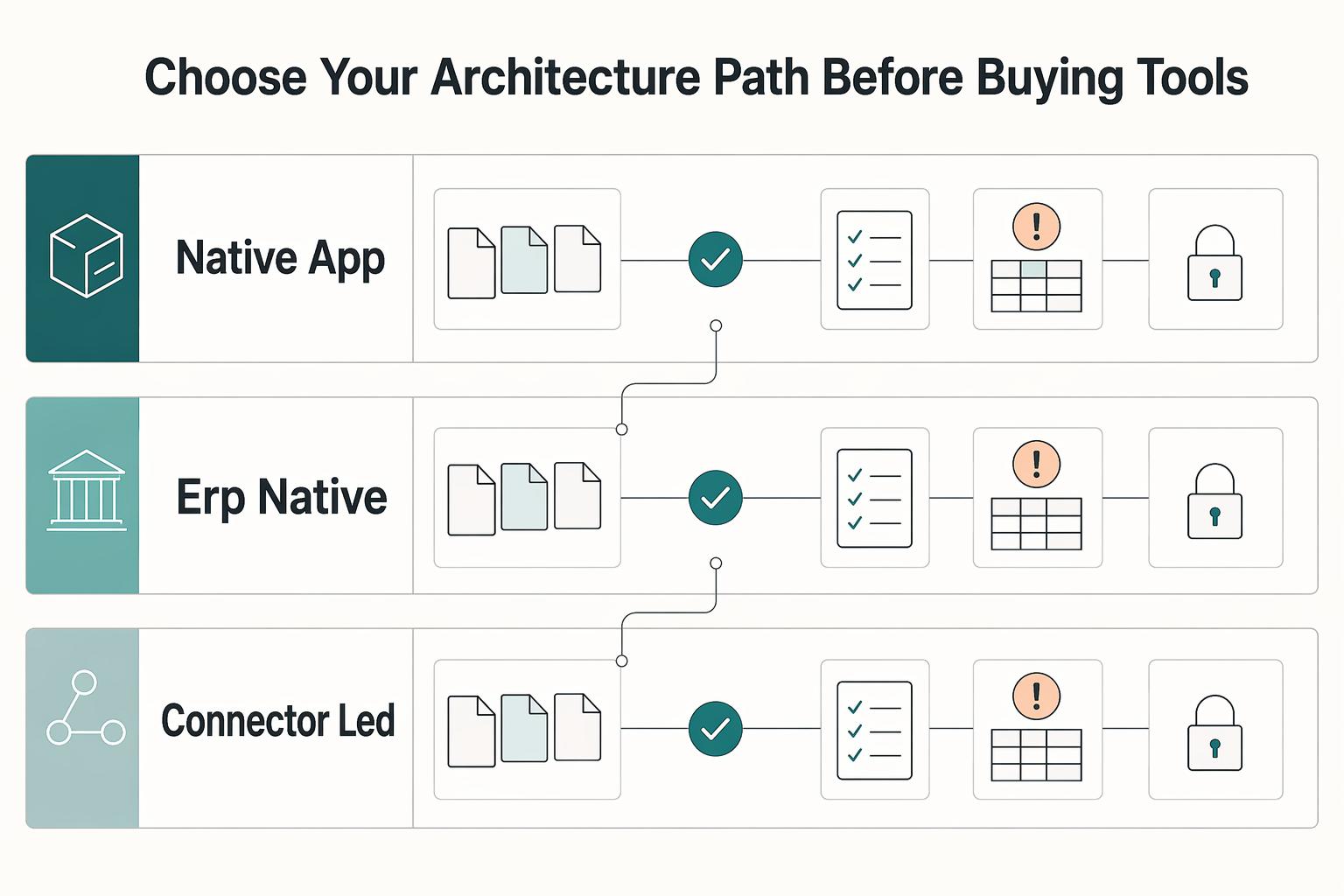
Receipt Scanning OCR for Expense Entry Decisions
Receipt OCR is best treated as an expense infrastructure choice, not a camera feature. Faster entry is the obvious benefit, but the real impact shows up later in reconciliation effort, exception volume, and how well you can defend each posted expense in an audit.
Read more →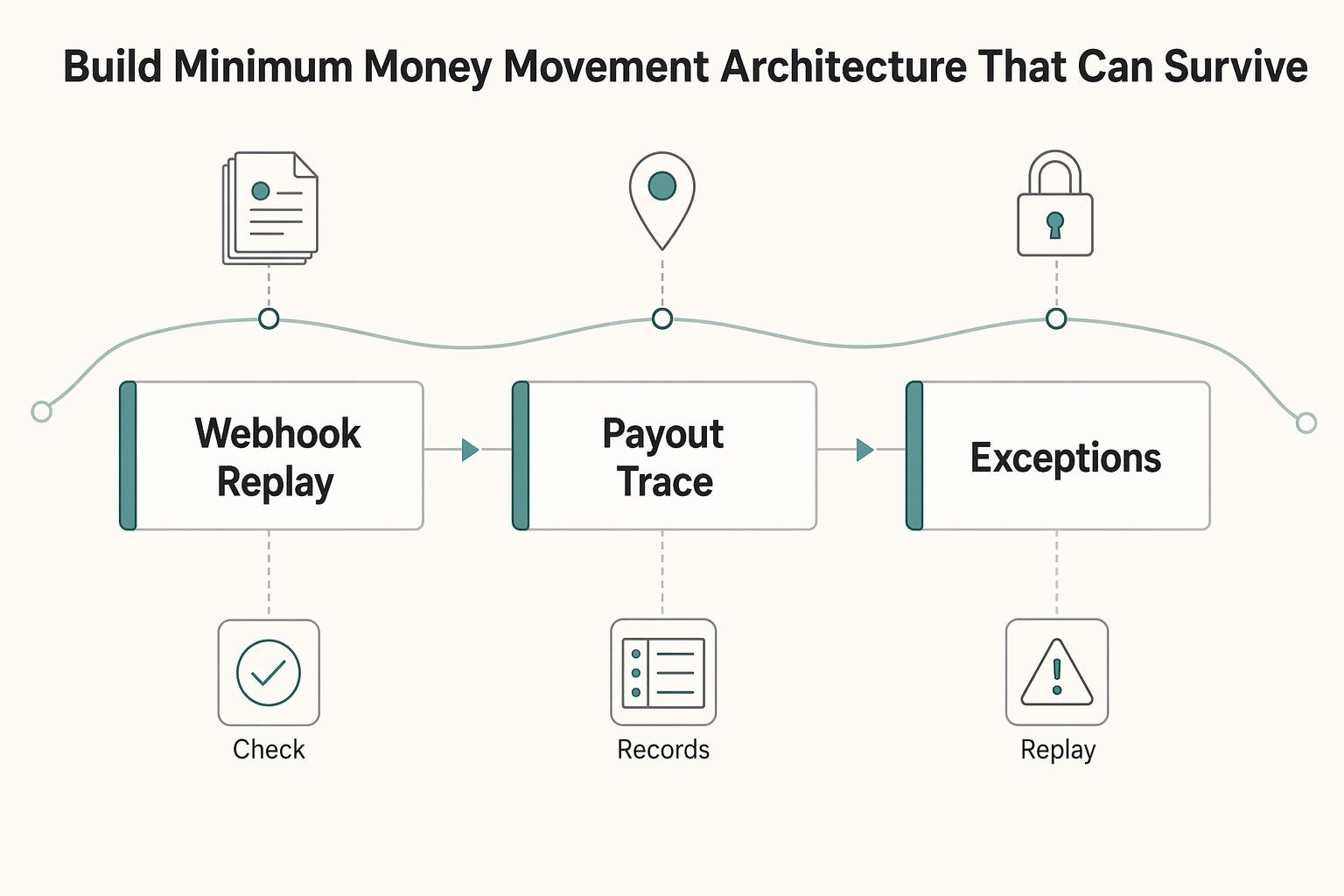
Earned Wage Access Architecture: How to Build EWA Into Your Gig Platform
EWA is an operating-model decision before it is a product feature. Earned Wage Access lets workers access pay they have already earned before payday. For a gig platform, it also changes earnings verification, fund movement, repayment handling, exception operations, and launch risk.
Read more →
Time-Based vs. Project-Based Billing: Which Pricing Model Earns More?
For finance and ops teams, the real question in **time-based vs project-based pricing** is not which model looks better in a spreadsheet. It's which model better matches scope certainty and cost expectations. If your scope is uncertain, lean toward time-based billing. If the work is defined and repeatable, project-based billing usually gives clients clearer costs and deliverables upfront.
Read more →