
Operator playbooks for cross-border payments, tax, and compliance execution.
Step-by-step guidance for finance, product, and ops teams to launch faster, reduce payout friction, and keep reconciliation clean across borders.

The Freemium-to-Paid Conversion Guide for Platform Operators
Freemium works best when growth and monetization are designed together. Most teams agree they want more users. The friction starts when product wants lower signup resistance, revenue wants clearer upgrade paths, and finance sees free users consuming support, infrastructure, and development capacity without direct revenue.
Read more →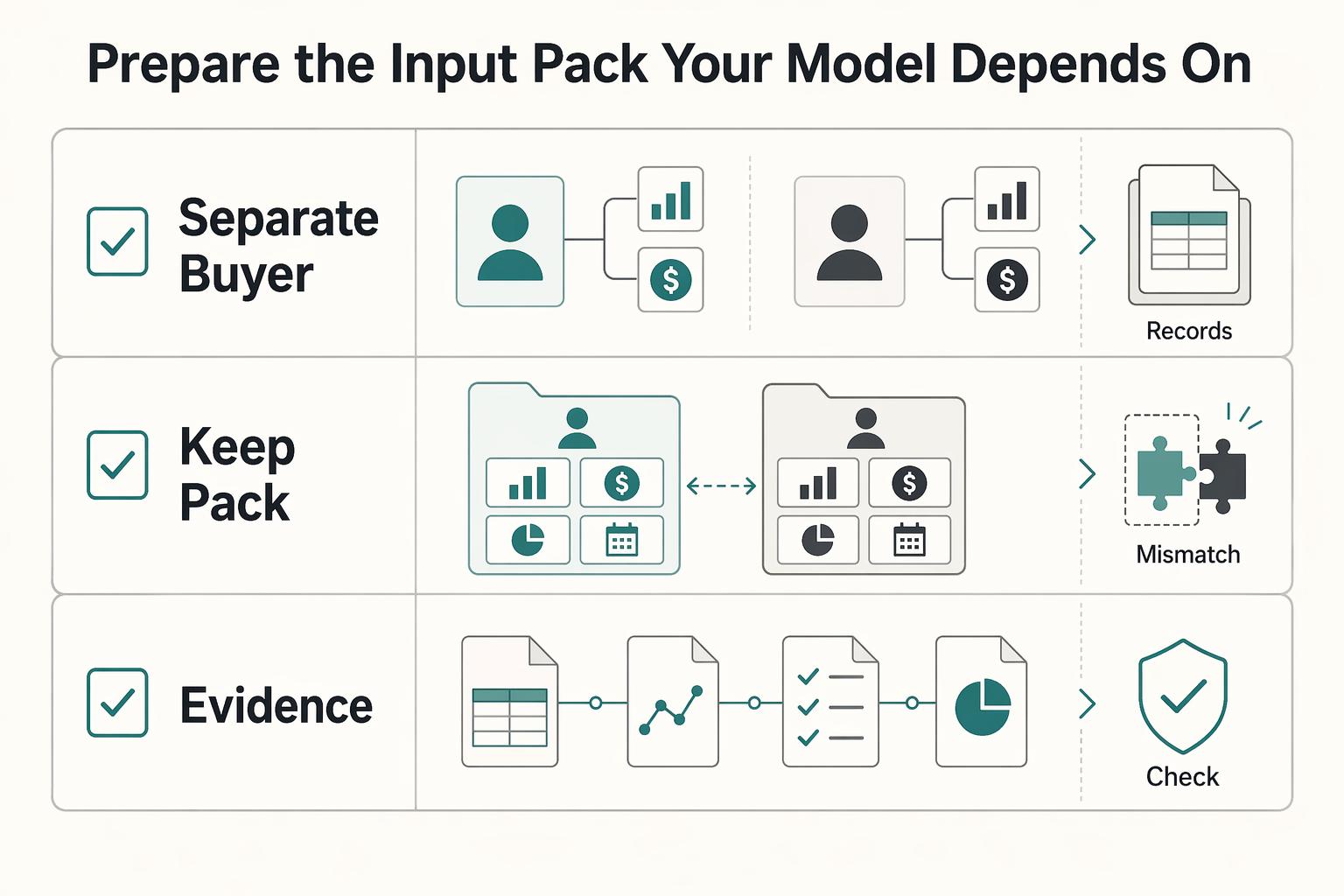
How to Calculate LTV in a Two-Sided Marketplace for Buyer, Seller, and Platform Decisions
In a two-sided marketplace, many teams look at buyer-side and seller-side value separately, then compare each view to the relevant Customer Acquisition Cost instead of forcing everything into one blended ratio. Treat Lifetime Value as an operating number, not a spreadsheet guess.
Read more →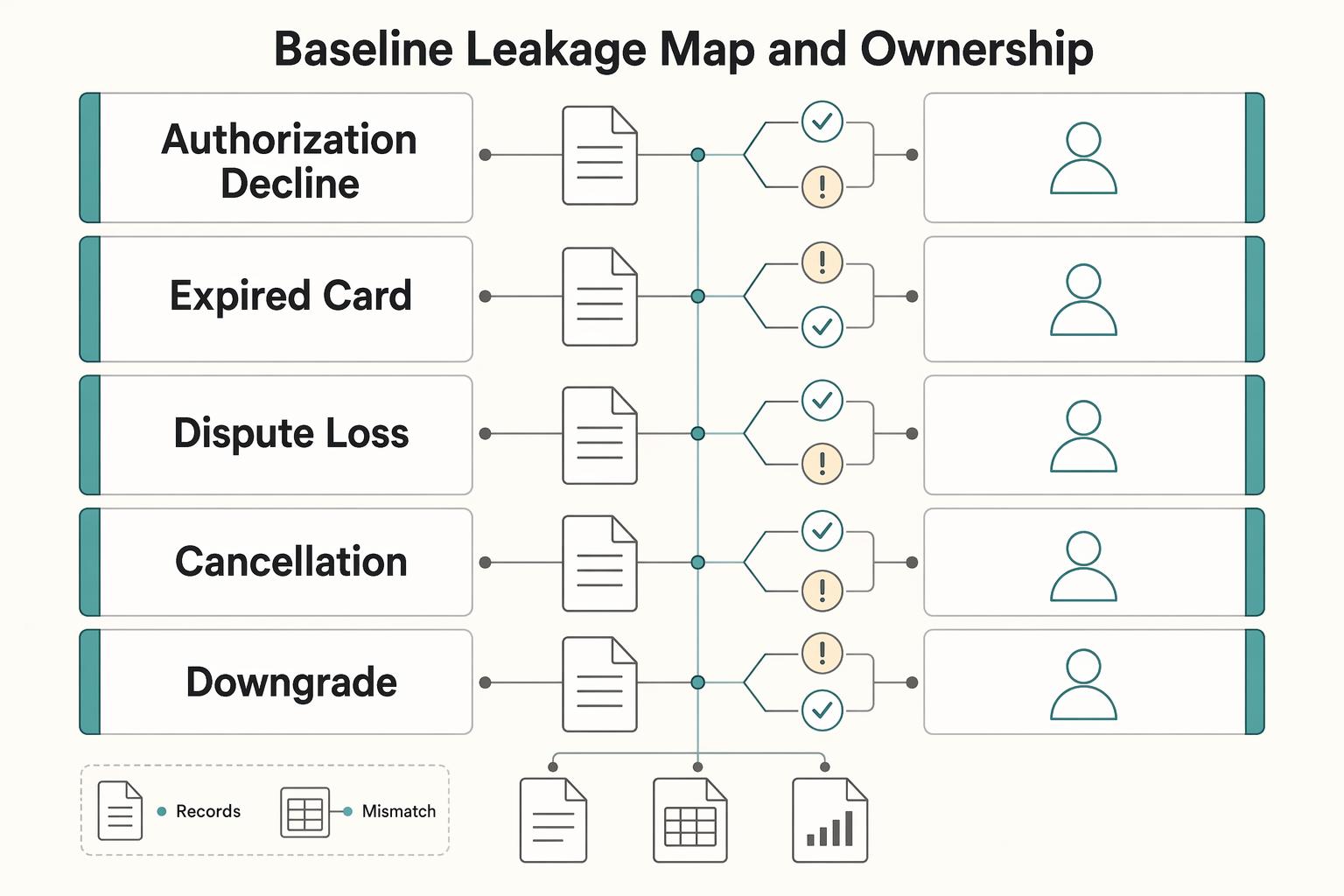
Subscription Revenue Recovery Decisions That Protect Margin
Subscription revenue recovery is an operating discipline, not a billing add-on. Your job is to find where money is leaking, separate recoverable loss from true churn, assign an owner to each fix, and prove in your own data that the fix worked.
Read more →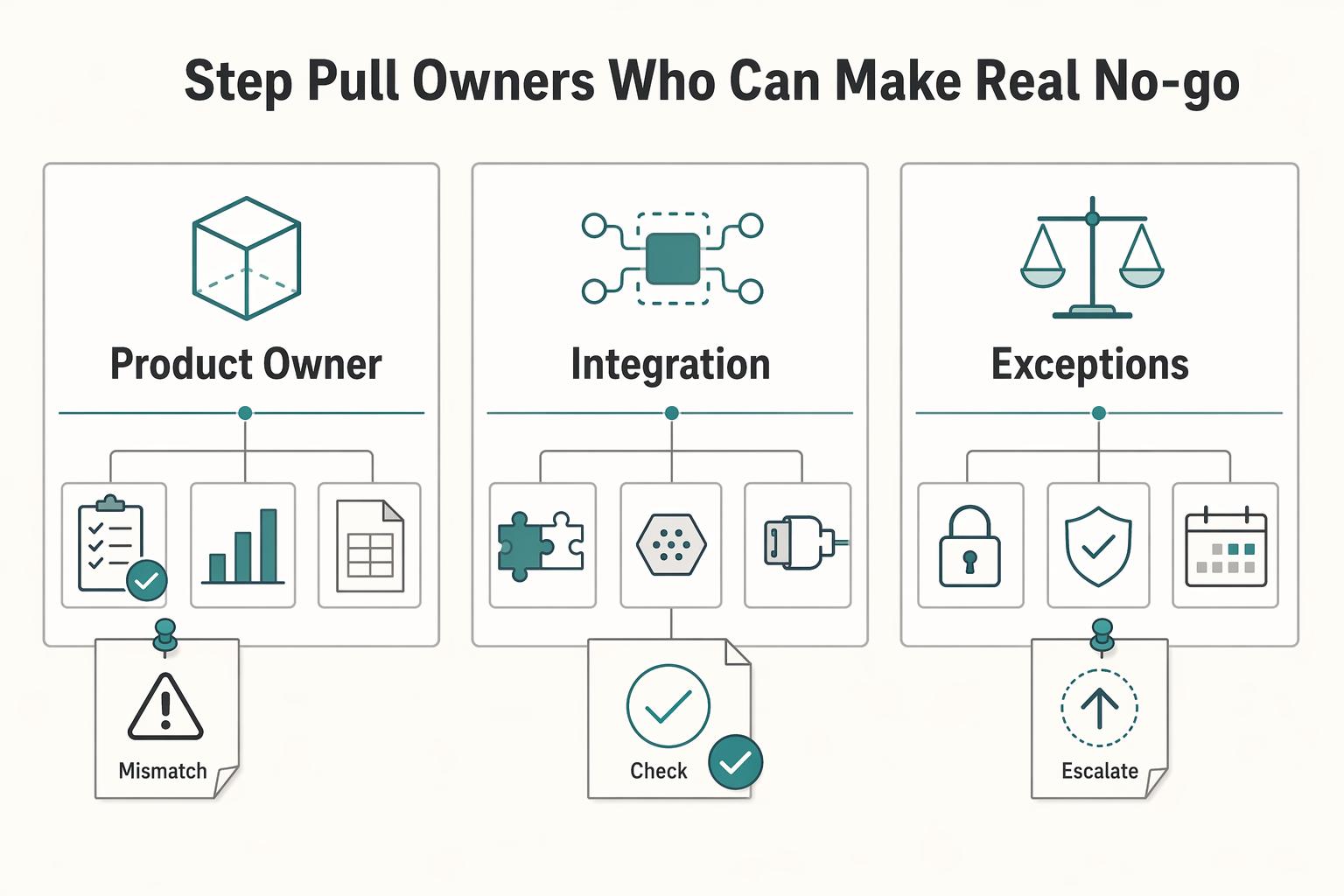
Offer Instant Payouts Without Taking on Float Risk
The hard part is not moving money fast. It is being honest about the risk you take on when you do. You can market Instant Payouts in a headline, but the speed promise only holds up when liquidity, routing, liability, and controls line up in the same sequence.
Read more →
Net Revenue Retention (NRR) vs. Gross Revenue Retention (GRR) for Platform CFO Decisions
If you rely on retention reporting, one number is not enough. Net Revenue Retention (NRR) and Gross Revenue Retention (GRR) answer different questions, and you should read them together before deciding whether the business has a customer problem, an expansion problem, or a reporting problem.
Read more →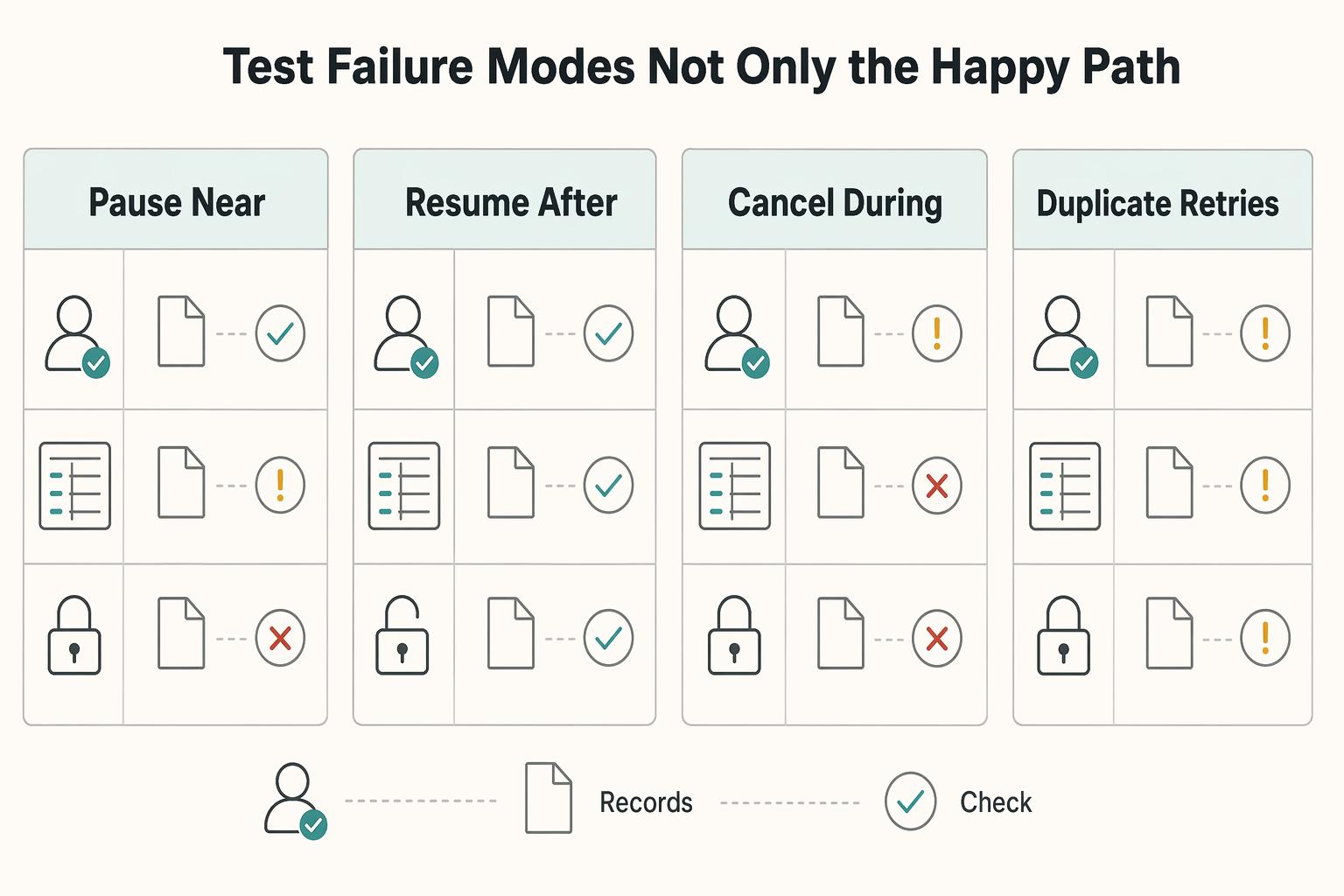
Pause vs Cancel Subscription and the Revenue Impact of Getting States Right
Teams lose money when they treat **pause vs cancel subscription** as a copy choice instead of a state choice. The real decision is whether you are changing renewal, changing access, or ending the relationship. Each path creates different churn, billing, and support outcomes.
Read more →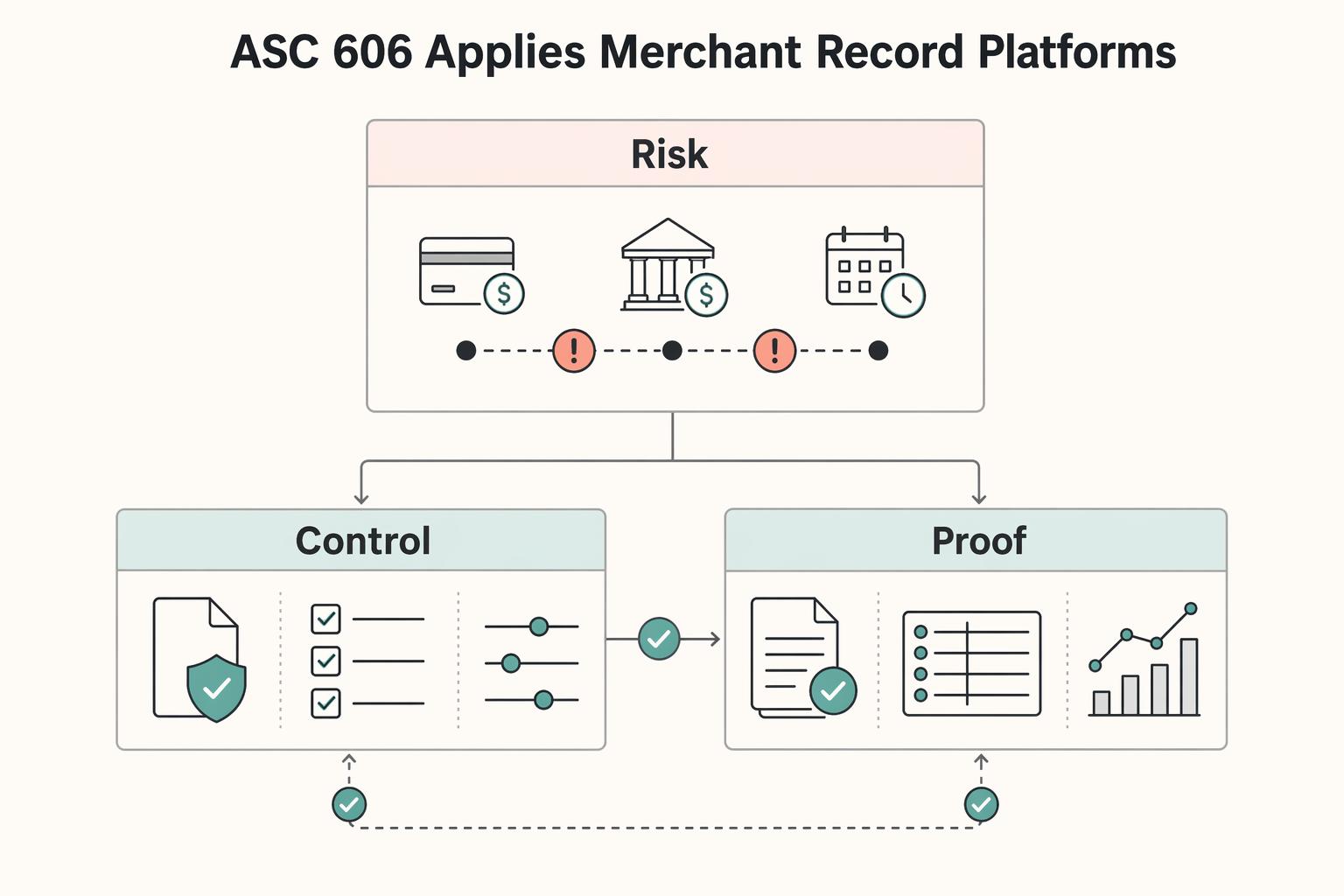
ASC 606 Revenue Recognition for Merchant of Record Platforms
If you run a Merchant of Record flow, cash movement is not your revenue policy. Under ASC 606, the hard part is that customer payment, processor settlement, and the point when revenue is actually earned can sit on different dates and in different records.
Read more →
How to Implement Prorated Billing Without Losing Revenue
Prorated billing is a policy choice inside subscription billing, not just a courtesy setting. When a customer signs up, ends service, or changes plans partway through a billing cycle, you are deciding how to charge for a partial service period. You are also deciding how much revenue to carry forward, credit, or collect now.
Read more →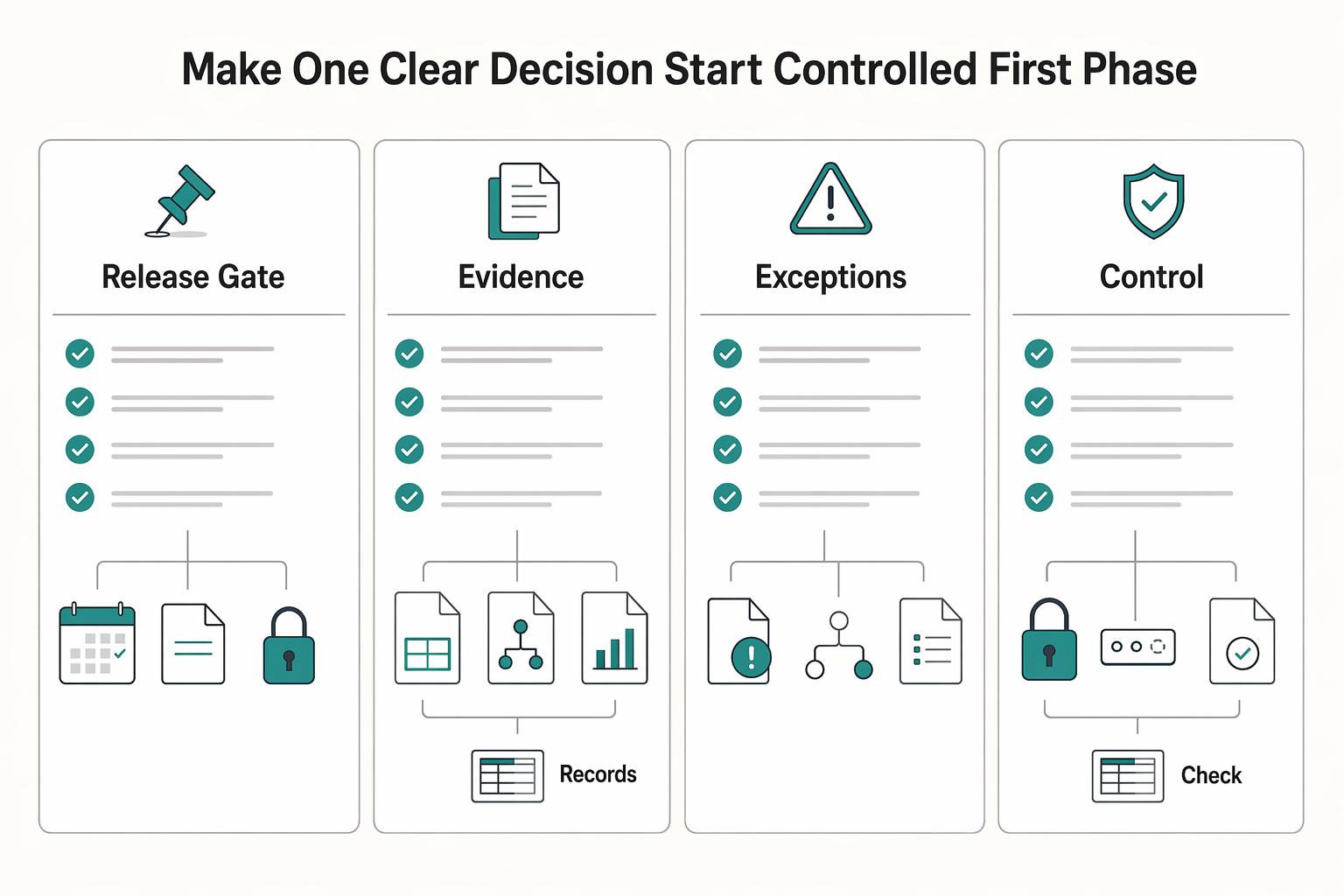
What Is AP Automation? A Platform Operator's Guide to Eliminating Manual Payables
AP stops feeling like a back-office admin task once your platform is processing more supplier and vendor payables. At that point, **ap automation for platform operators** is about controlling operational risk as much as efficiency. Manual AP is slower, more error-prone, and more expensive, and those weaknesses surface fast as volume rises.
Read more →
Smart Dunning Strategies to Sequence Retry Logic for Maximum Recovery
If you treat retry logic as a billing setting, you may get some upside and still create hidden operational gaps. A better starting point is shared ownership across teams. Product decides customer treatment. Engineering controls retry execution and event integrity. Finance ops owns reconciliation and audit-trail review.
Read more →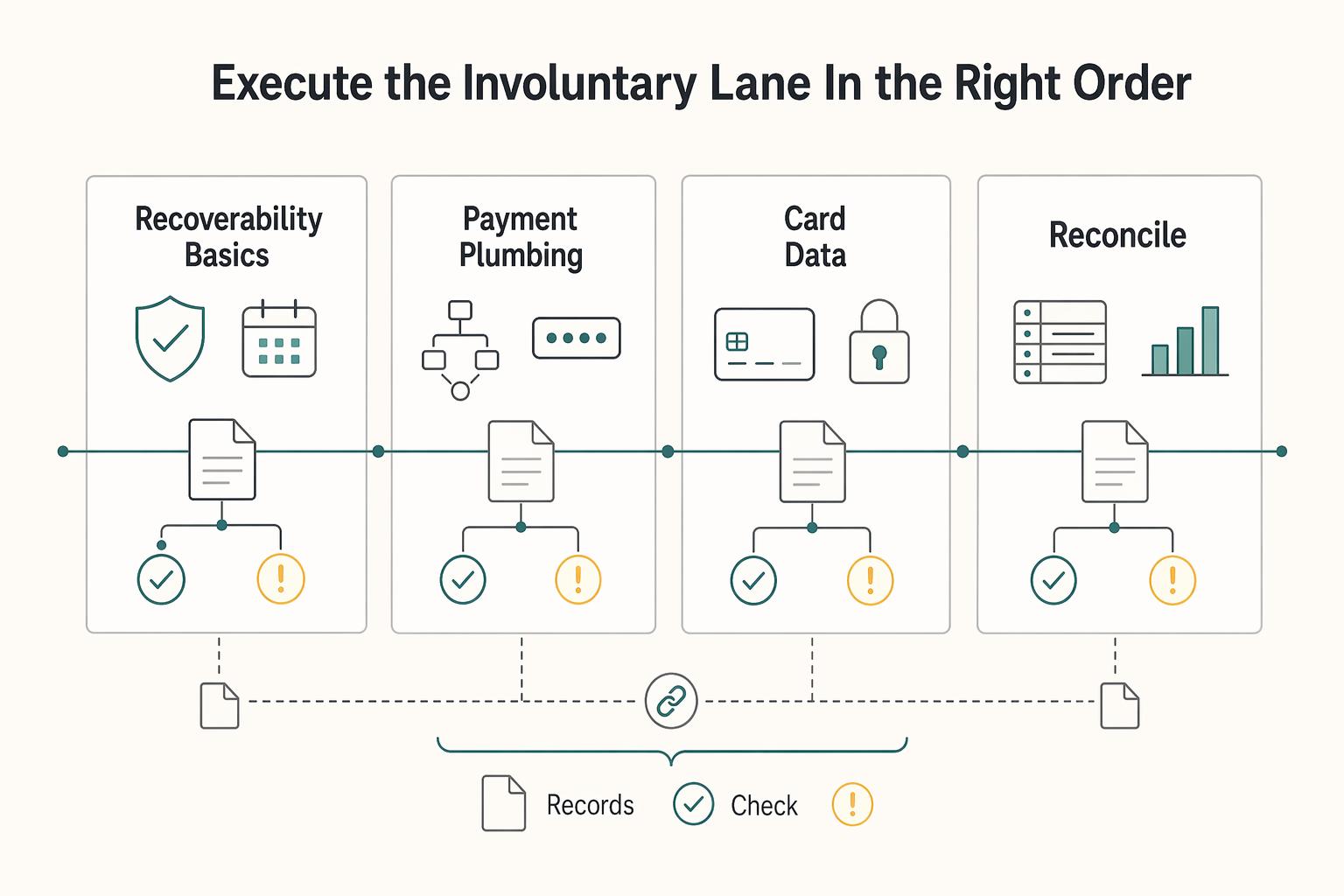
Involuntary vs Voluntary Churn on Platforms and How to Attack Each
Measure voluntary and involuntary churn separately. Treating churn as one number can fund the wrong fix. In a subscription business, **Voluntary churn** and **Involuntary churn** are different failures. One is a customer choosing to leave because price or value no longer works. The other is a customer dropping unintentionally because of a payment failure or technical issue.
Read more →
Understanding Payment Platform Float Between Collection and Payout
If your platform collects funds and pays out later, float is an operating constraint, not a side topic. It shapes payout promises and reconciliation. Below, we define float in platform terms, show where the risk actually sits, and frame how to control it.
Read more →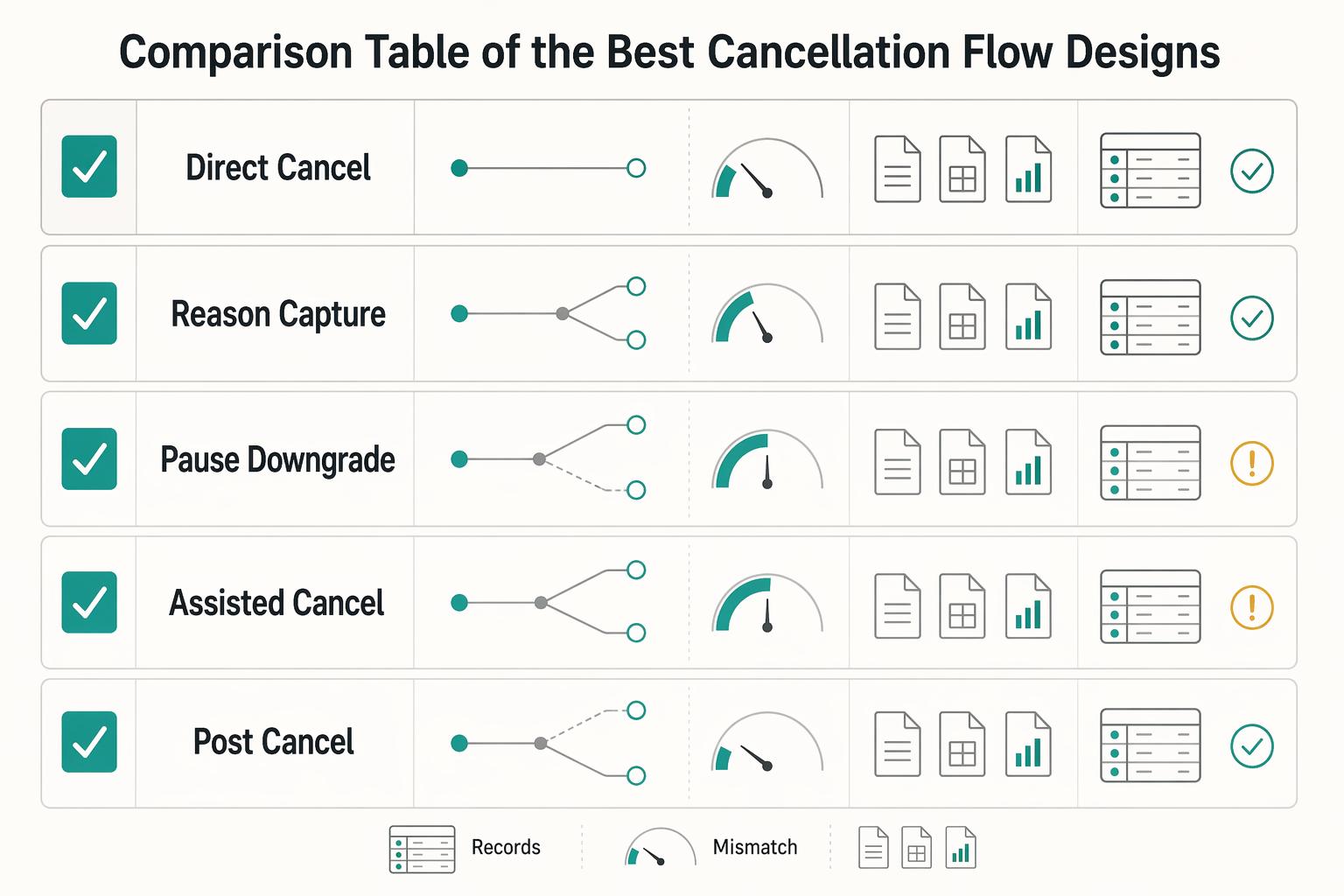
Cancellation Flow Design for Subscription Platforms
Subscription cancellation flow design is both a revenue and UX decision. A cancellation flow is the set of steps a customer goes through to end a product or subscription, and in SaaS that path may happen on-site or in-app. If you treat it as a simple exit screen, you miss the real tradeoff. Every added step can affect revenue, retention, and how much trust is left when the customer leaves.
Read more →
Subscriber Churn 101: What Every Platform Operator Needs to Know
Subscriber churn is not a vanity metric. For a SaaS company or any subscription business, it is one of the clearest signals of whether growth is durable or just expensive.
Read more →
The Freelancer's Guide to Understanding Merchant Category Codes (MCCs)
For freelancer platforms, MCC assignment is an operating decision, not a setup detail. If your platform onboards freelancers, contractors, or creators, the classification choice you make early can affect reporting and other payment outcomes later. The goal here is practical: classify merchants by what they actually sell, then keep those decisions accurate as your catalog, geographies, and payment partners expand.
Read more →
The Platform Operator's Guide to Usage-Based Billing
Choosing between usage-based billing and subscription pricing is less about pricing fashion than about what you are actually selling: access or measurable consumption. If your product's value shows up in units customers already understand, charging on usage can tighten the link between price and value. If demand is lumpy, budgets are fixed, or your meter is hard to explain, the same move can create revenue volatility and trust issues.
Read more →
Metered Billing Explained: How to Bill Customers for What They Actually Use
Metered billing sounds simple. You charge for what customers use. The hard part is everything underneath that sentence. You need to decide what counts as usage, record it consistently, and turn it into an invoice a customer will trust.
Read more →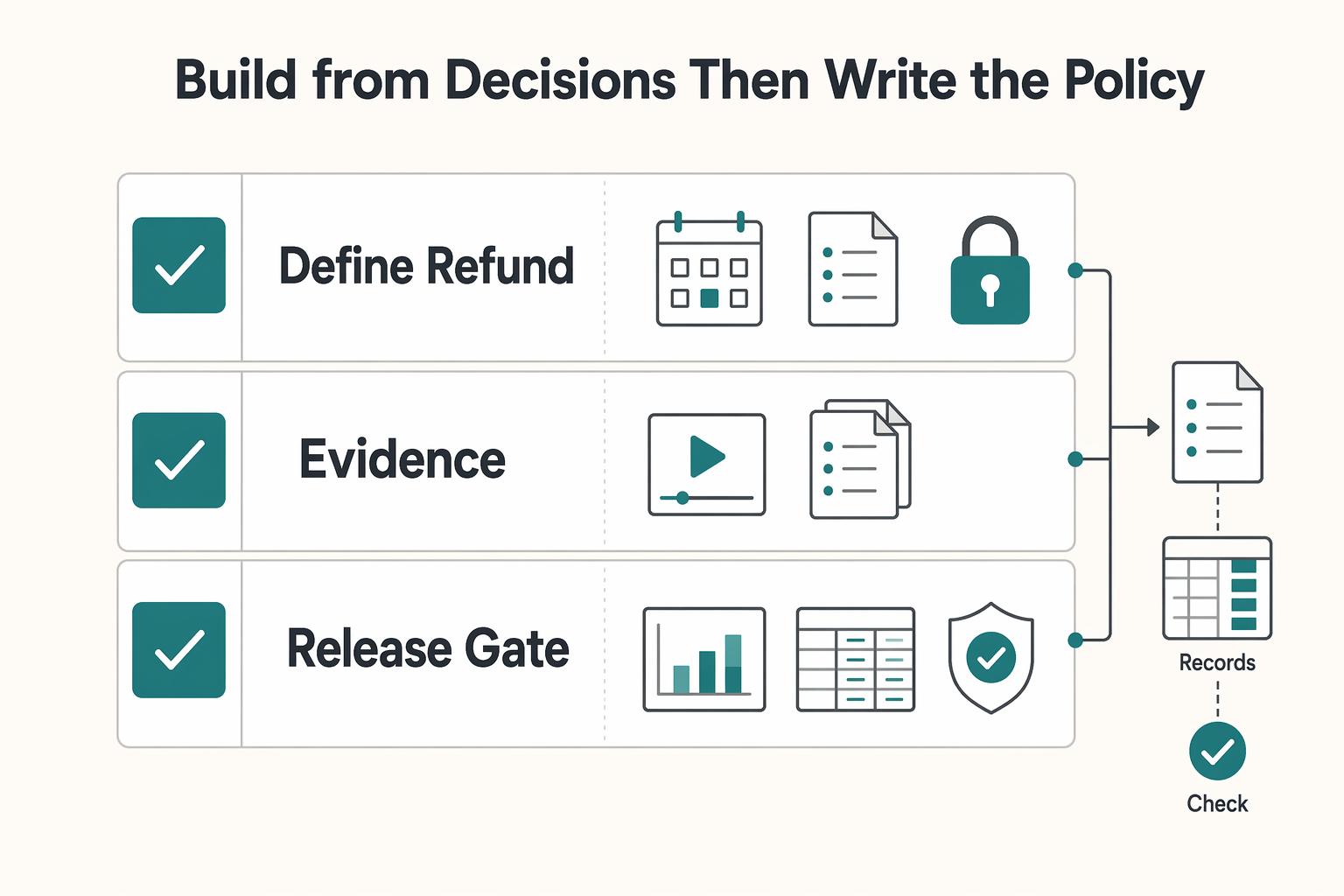
Refund Policies for Service Businesses That Protect Margins and Trust
A strong refund policy can reduce avoidable dispute risk without turning every customer issue into a payout loss. For platform teams, the goal is not to be stricter. It is to set a policy you can actually enforce, while keeping enough flexibility to preserve trust when delivery is partial, delayed, or disputed.
Read more →
How to Launch a Referral Program for Your Gig Platform with Built-In Commission Tracking
**Referral program commission tracking on a gig platform starts with reconciliation.** Many referral pages focus on growth, visibility, or real-time insights. None of that helps if your team cannot trace a referral from first capture to final payout and get the same answer from product, ops, and finance.
Read more →
Marketplace Commission Fees: What Percent Should You Charge?
If you are trying to decide the **marketplace commission fees percent to charge**, do not start with "what do other marketplaces charge?" Start with "what can our model support after the full cost stack shows up?" This article is for founders, product leaders, and finance teams that need a commission policy they can defend in planning, in board reviews, and after launch.
Read more →