
Operator playbooks for cross-border payments, tax, and compliance execution.
Step-by-step guidance for finance, product, and ops teams to launch faster, reduce payout friction, and keep reconciliation clean across borders.

Subscription Pause vs Cancel and the Middle Option That Protects Revenue
Subscription pause is not a nicer cancel button. It is a revenue decision. When cancel is the only path, you lose the current subscription and, in many cases, the chance to re-engage that customer later. A paused state can reduce churn, support loyalty, and preserve longer-term revenue. It also affects how you track revenue and churn across future billing cycles.
Read more →
Subscriber Winback Campaign Decisions on Timing Channels and Offers
A subscriber winback campaign should optimize recovered value, not activity. Churn is not just a lifecycle problem. It is a unit economics decision: is a former subscriber worth recovering, or should that budget go to new acquisition or low-cost nurture instead? For subscription businesses, every cancellation means lost monthly recurring revenue and sunk acquisition spend, so your response determines whether that value is gone for good or still recoverable.
Read more →
PIX vs. SEPA vs. ACH vs. SWIFT for Platform Payout Decisions by Market
If you own payouts, you do not need another glossary. You need a fast way to choose the rail that fits the job, then avoid the failures that show up after launch. This payout rail comparison is for finance, ops, and engineering teams that care less about labels and more about whether money lands on time, statuses reconcile cleanly, and exceptions stay out of inboxes.
Read more →
How Staffing Agencies Automate Contractor Disbursements with Batch Payouts via CSV
CSV batch payouts can work for staffing agencies, but only if you control the process around the file. A CSV is a practical starting point. The risk begins when the workflow is treated as nothing more than export, upload, send. As volume grows, that approach gets hard to manage safely with memory, inbox threads, and spreadsheet edits.
Read more →
Gift Subscriptions and Prepaid Plans for Platform Billing Without Cleanup Chaos
Gift offers look simple on the storefront, but the billing choice underneath them affects cash flow, customer clarity, and how much cleanup lands on Support and Finance. Prepaid subscriptions can work well because the customer pays the full subscription cost upfront, often with a discount. The catch is that gifting breaks the normal pattern of scheduled recurring transactions on a fixed billing cycle, so small design mistakes can show up later as preventable tickets, refunds, and reconciliation noise.
Read more →
Subscription Metrics MRR ARR and Churn for Better Pricing Decisions
Recurring revenue is simple in principle: money your company receives on a regular basis. The trouble starts when clean definitions turn into messy decisions. Teams often track Monthly Recurring Revenue and Annual Recurring Revenue, but still make pricing, packaging, or customer-save calls without enough context.
Read more →
Hybrid Billing Model for Subscription and Usage on One Invoice
**A hybrid billing model combines a recurring base fee with variable charges, giving you a stable revenue floor while customer spend can rise with usage.** The appeal is straightforward. The hard part is not the pricing idea itself. It is whether your contracts, invoices, and finance records can support mixed charges without creating confusion or cleanup work later.
Read more →
Mass Payouts for Gig Platforms That Teams Can Actually Operate
Mass payouts are no longer just a finance back-office concern. If your platform pays contractors, creators, or marketplace sellers, the payout experience affects recipient trust and your operational workload. In practical terms, mass payments mean paying many recipients in one flow instead of sending transfers one by one. That makes payout design a product and operations decision, not just an accounting task.
Read more →
How AI Platforms Should Use Credit-Based Billing Models
Credit-based pricing can be a useful launch model for AI, but it is not a pricing identity. Customers prepay for a pool of credits and consume them as they use the product. That works especially well in AI, where LLM consumption can swing wildly and cost is easier to observe than customer value early on. The advantage is straightforward: you get a predictable prepayment layer for an unpredictable workload. The catch matters just as much. For many teams, credits are a bridge model, not the thing that should define pricing forever.
Read more →
Billing Mid-Cycle Proration Upgrade Downgrade Refund Logic
You need one written decision model for every **Mid-Cycle Plan Change**. Without it, product can optimize for customer experience, finance can optimize for revenue timing, and engineering can optimize for whatever the billing stack does first. That is how mid-cycle billing turns into case-by-case judgment calls instead of a repeatable policy.
Read more →
Use Coupons and Discounts in Subscription Billing Without Cannibalizing Revenue
Coupons can influence acquisition quickly, but in a subscription business they do more than change conversion. They also affect how revenue shows up in your operating metrics, especially Monthly Recurring Revenue (MRR). Many teams use MRR to track predictable income and plan growth, even though it is not a GAAP or IFRS accounting metric.
Read more →
ASC 606 Revenue Recognition Decisions for Subscription Pricing
ASC 606 is not just a compliance topic for subscription companies. It is a pricing and packaging constraint that affects how you sell, how you report, and how much confidence people can place in your financial statements. The practical goal of this guide is simple: turn subscription revenue recognition under ASC 606 from accounting language into decision rules you can use before a launch, not after a close problem.
Read more →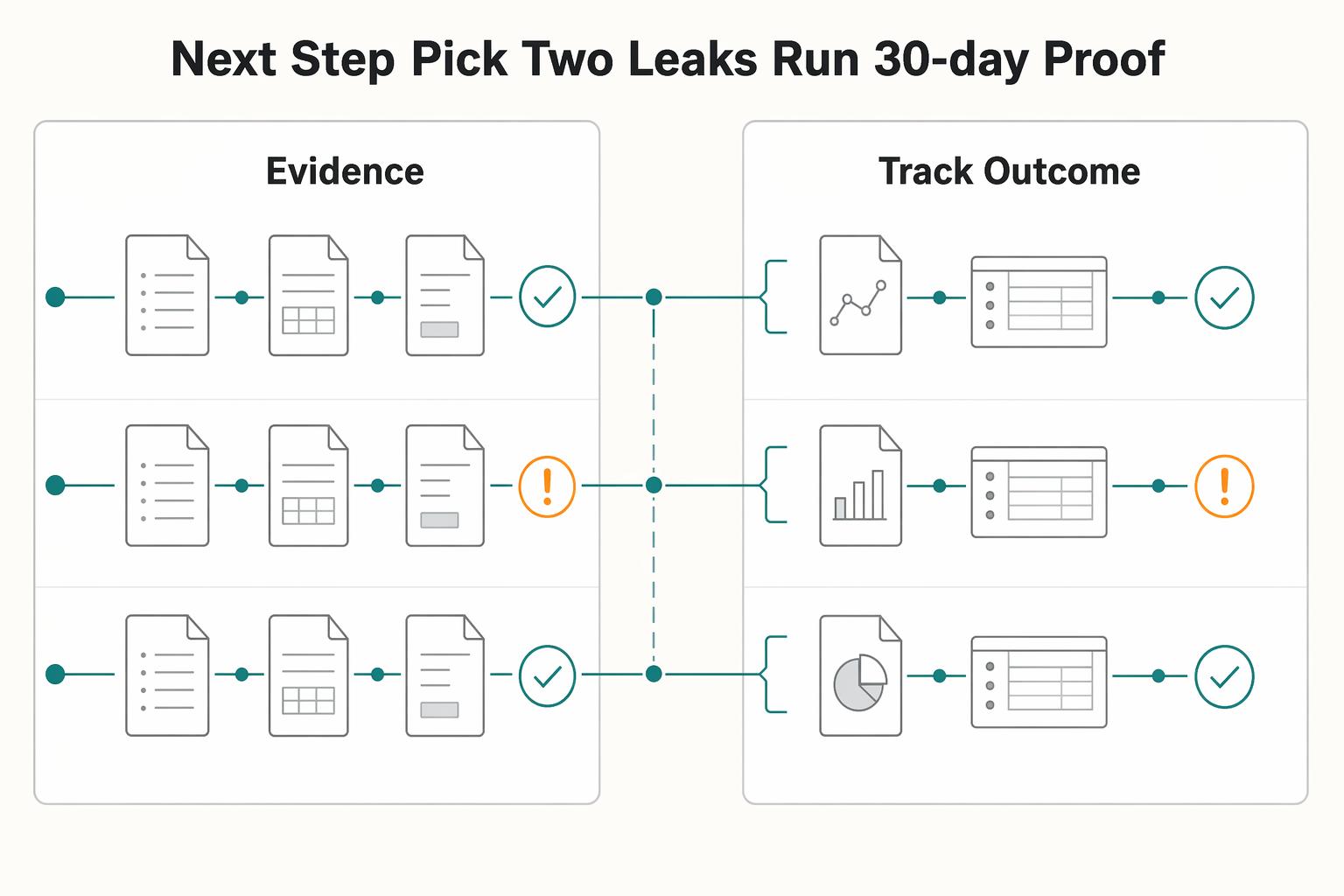
7 Revenue Leak Points in Subscription Platforms You Can Verify in 30 Days
Small leaks in a subscription platform rarely show up as one dramatic miss. They usually appear as repeated, low-visibility failures across sales, product, billing, and finance handoffs. A contract change never reaches billing, a failed payment does not revoke access, a usage event never becomes an invoice line, or a CRM record says "closed won" while finance never sees clean billable data.
Read more →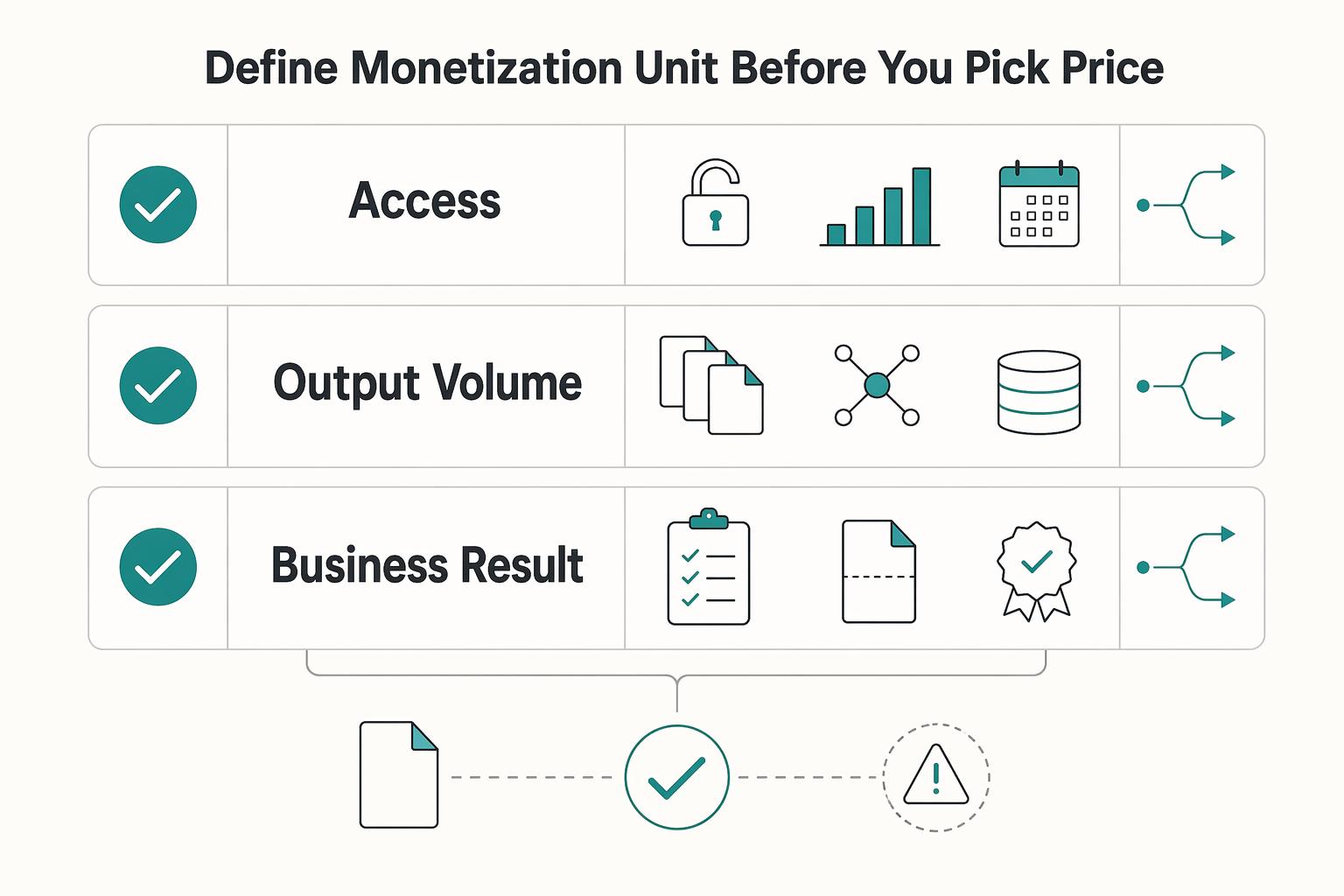
How to Price AI Features as a Subscription Add-On
Pricing an AI feature as a subscription add-on sounds clean, but the real decision is about margin, retention, and operating risk. AI changes how value is delivered and how costs show up, so this is not the same as adding another premium tab to your pricing page.
Read more →
Annual vs Monthly Subscription Pricing to Maximize ARR and Reduce Churn
Annual vs monthly billing is an operating decision before it is a pricing-page choice. It affects when cash is collected, how much commitment is required upfront, how cancellation works, and how finance tracks collected cash versus recognized revenue.
Read more →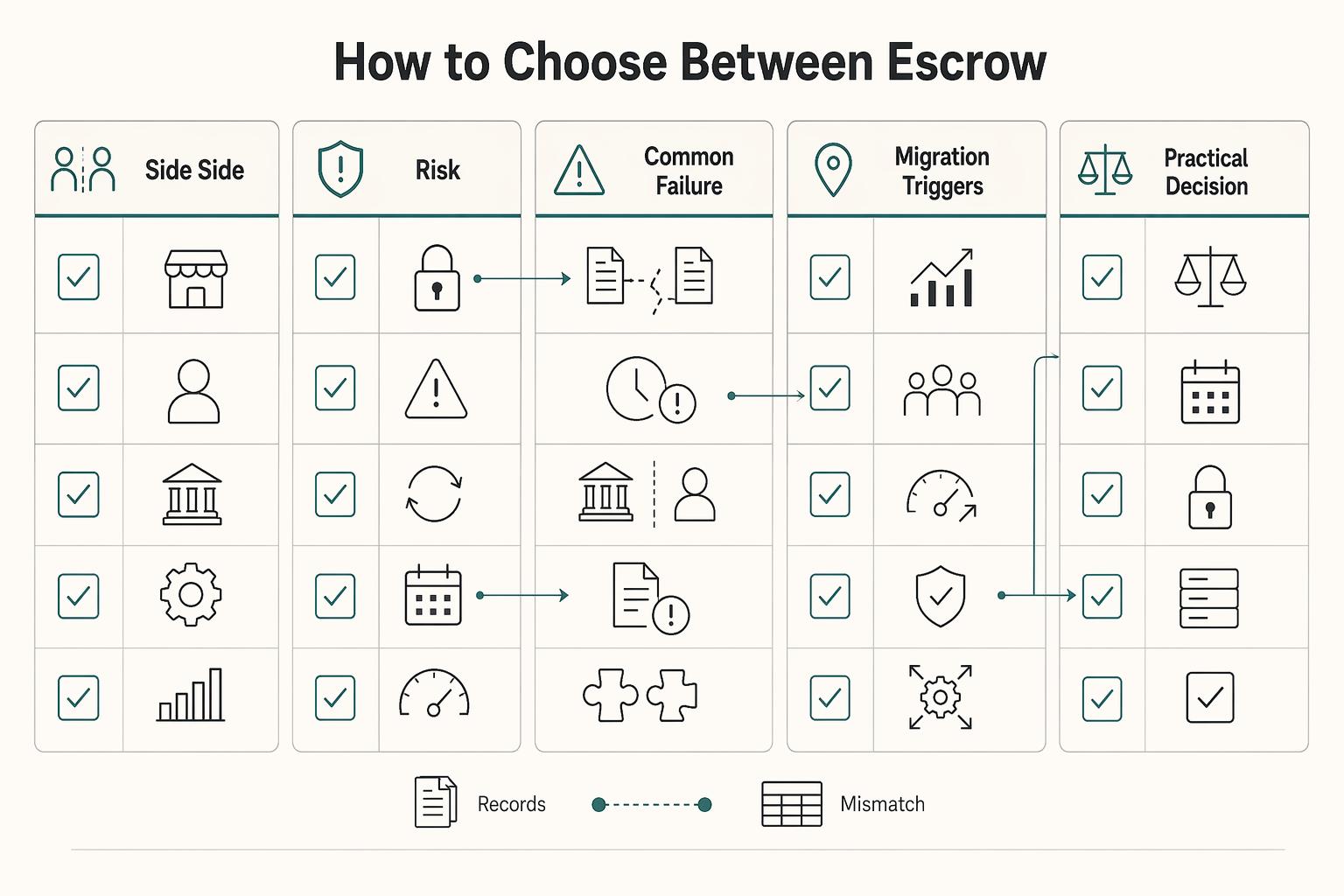
Choosing Escrow, MoR, or Direct Payment by Operational Ownership
In an **escrow vs mor vs direct payment platform** decision, the first question is ownership, not just features. Before you choose a model, get clear owners for onboarding checks, payout timing, exception handling, documentation, and transaction matching.
Read more →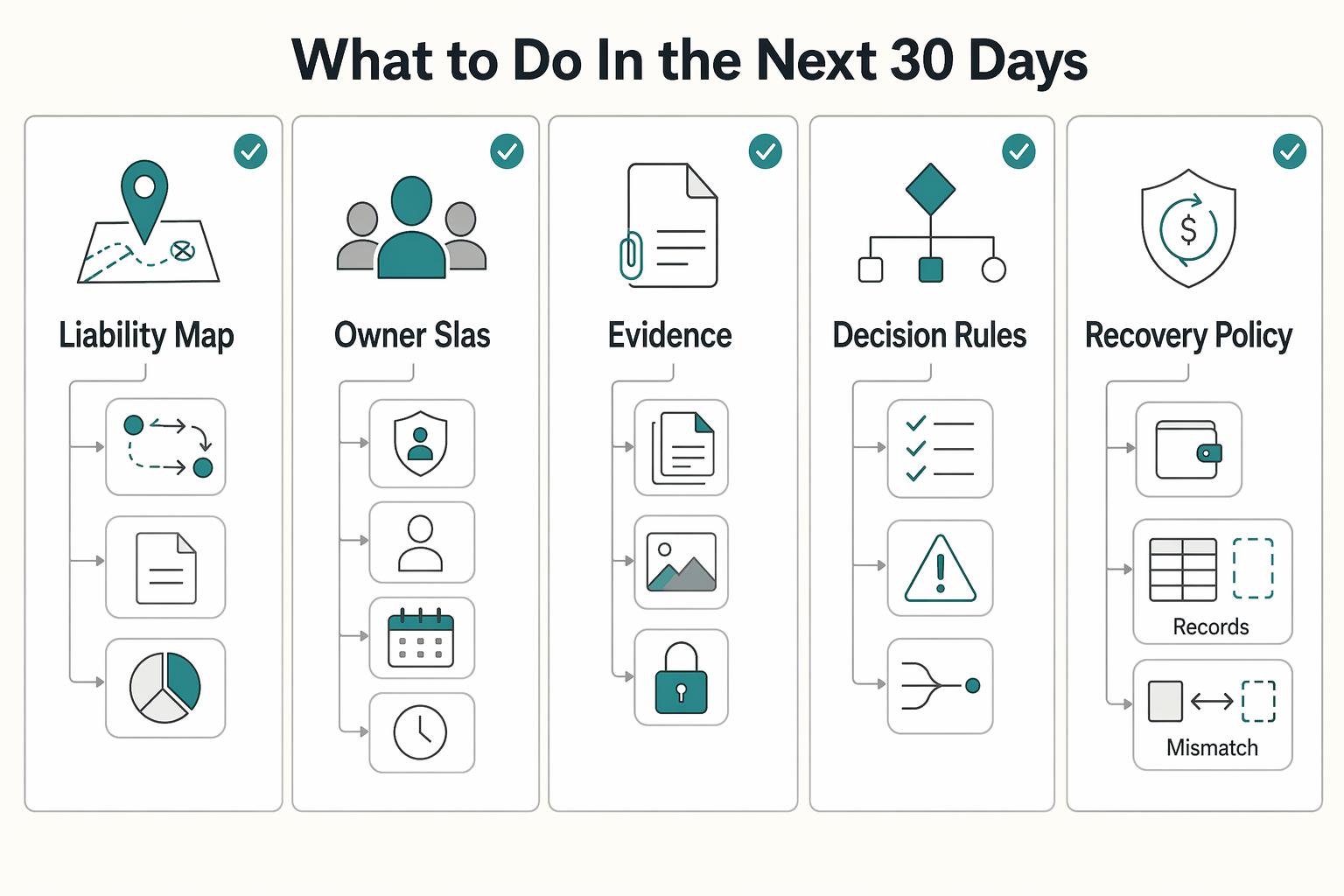
Chargeback Management for Marketplaces and MoR Dispute Recovery
If you are the **Merchant of Record (MoR)** in a marketplace flow, chargebacks are an execution problem. The dispute lands with you. The real question is who reacts, how fast, and with what evidence.
Read more →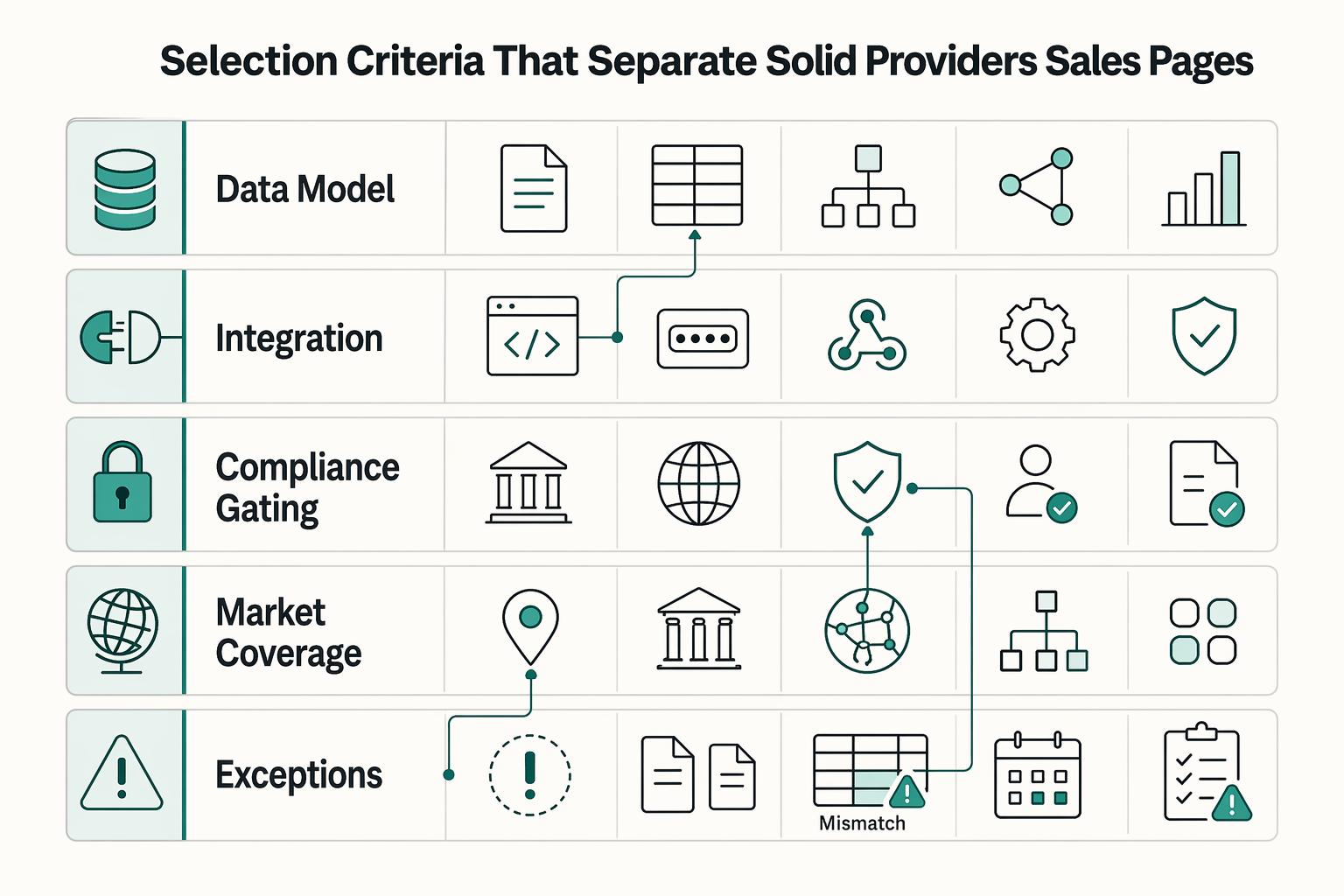
What is a Virtual IBAN and How Do Platforms Use It to Collect Payments Globally?
A virtual IBAN model gives each seller or customer a unique **Virtual IBAN (vIBAN)** while routing funds into one underlying **Master account** or pooled structure. The practical value is straightforward: clearer attribution and cleaner reconciliation without opening a separate bank account for every user. This section is for finance, ops, and engineering teams that need operating decisions, not vendor claims.
Read more →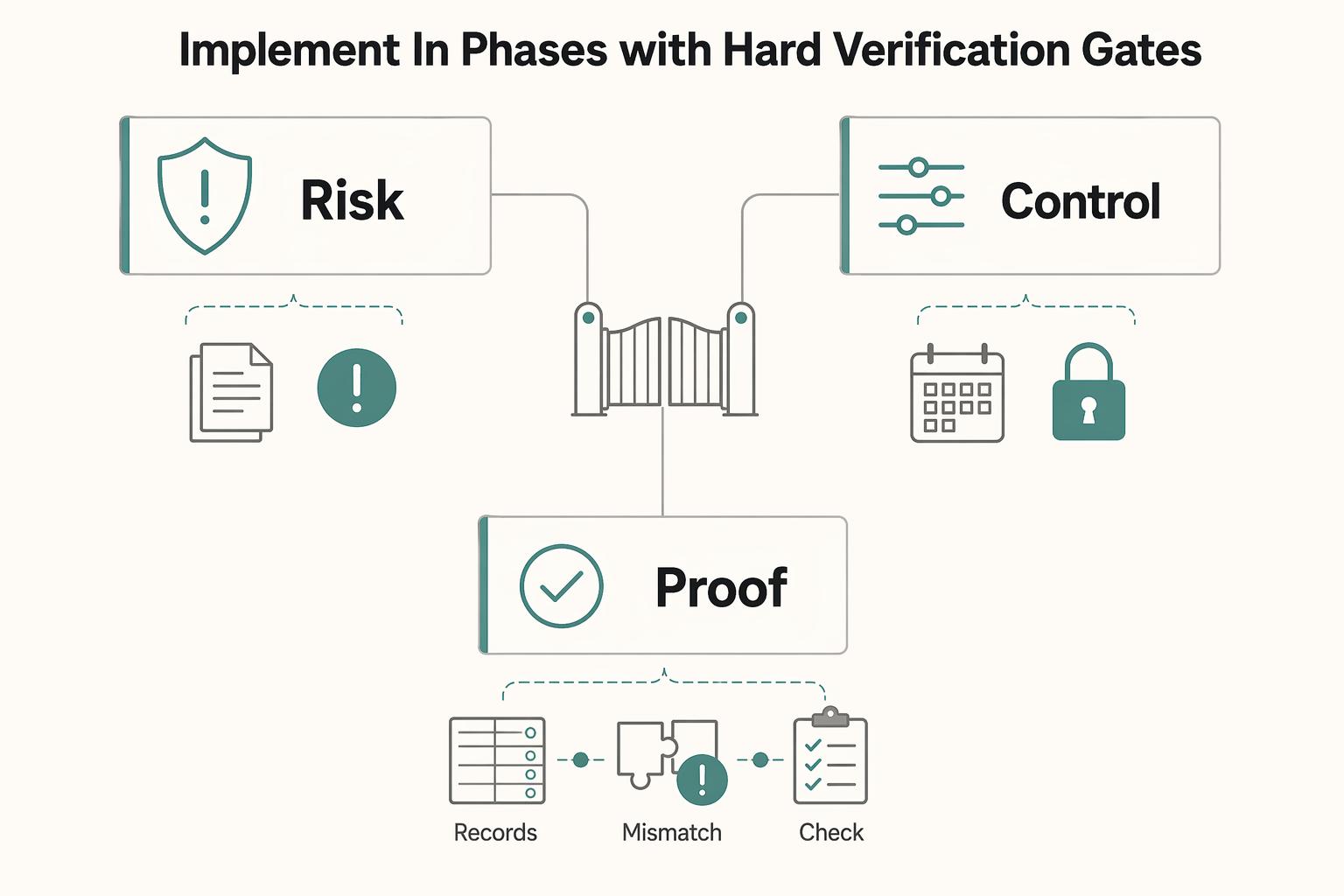
How Marketplaces Add Recurring Revenue Without Billing Gaps
If you treat a **subscription ecommerce platform** like a checkout add-on, you can make the wrong call. Recurring revenue can change pricing and cash timing, add support work around renewals and plan changes, and require tighter finance coordination before you scale.
Read more →
Usage-Based Billing for B2B SaaS Platforms That Teams Can Operate
Usage-based billing works best when customer value rises with measurable consumption rather than with a fixed license. It can improve pricing fit, but only if pricing logic, billing data, and finance controls are designed together from the start.
Read more →