
Quick Answer
Choose AI subscription monetization by locking the pricing structure before debating price points: use subscription-only for predictable unit costs, then add usage or hybrid mechanics when cost and value diverge by account. Start with a single monetization unit, test one segment first, and gate rollout on realized margin, retention, and invoice clarity. If customers cannot see what consumed usage before charges post, fix visibility before scaling.
Why pricing AI as a subscription add-on is harder than it looks#
Step 1. Treat the add-on as a business model choice#
Pricing an AI feature as a subscription add-on sounds clean, but the real decision is about margin, retention, and operating risk. AI changes how value is delivered and how costs show up, so this is not the same as adding another premium tab to your pricing page.
The cost side usually trips teams up. One cited benchmark from BVP is that every AI query carries a real expense. That same benchmark reports AI companies at 50 to 60% gross margins versus 80 to 90% for SaaS. That does not mean your business will land there. It does mean instinct alone is a risky way to price.
Before you package anything, run one basic check: can your team estimate the incremental cost of one meaningful customer action, not just the monthly infrastructure bill? If finance cannot connect likely usage to a unit cost range, you are not making a packaging choice yet. You are taking margin risk without being able to see it.
Step 2. Choose the pricing structure before you argue over the number#
The hard part is not deciding between $20 and $40. It is deciding what the customer is actually buying, because that determines whether a subscription add-on, usage-based pricing, or a hybrid structure makes sense.
You should expect these models to coexist. Chargebee frames the market well: subscriptions, usage, and outcomes are all going to coexist. RevenueCat makes the hybrid case even more directly by describing it as subscriptions plus usage-based or consumable pricing. That is why this guide focuses on choosing the structure without guessing, not on pretending one model always wins.
One common mistake is defaulting to per-seat pricing because your core product already uses it. When AI automates work, seat counts can stop matching delivered value. In some cases, per-seat pricing can penalize customers who get the most benefit because they need fewer human seats after automation.
Step 3. Connect product, pricing, and finance before launch#
This usually shows up as a pricing question, but the decision cuts across product design, monetization, and finance controls. If product ships an expensive feature, sales bundles it loosely, and finance cannot reconcile usage to revenue, the ROI story will look good in the launch deck and weak in the cohort data.
This article stays practical. It gives you a way to choose among subscription-only, metered, and hybrid options based on cost behavior, customer value, and operating risk. One operating question stays in view throughout: can customers understand what they are paying for before they get the invoice? If the answer is no, pause the packaging work and fix visibility first. If you want a deeper dive, read Marketplace Subscription Monetization: How to Add Recurring Revenue.
Define the monetization unit before you pick a price#
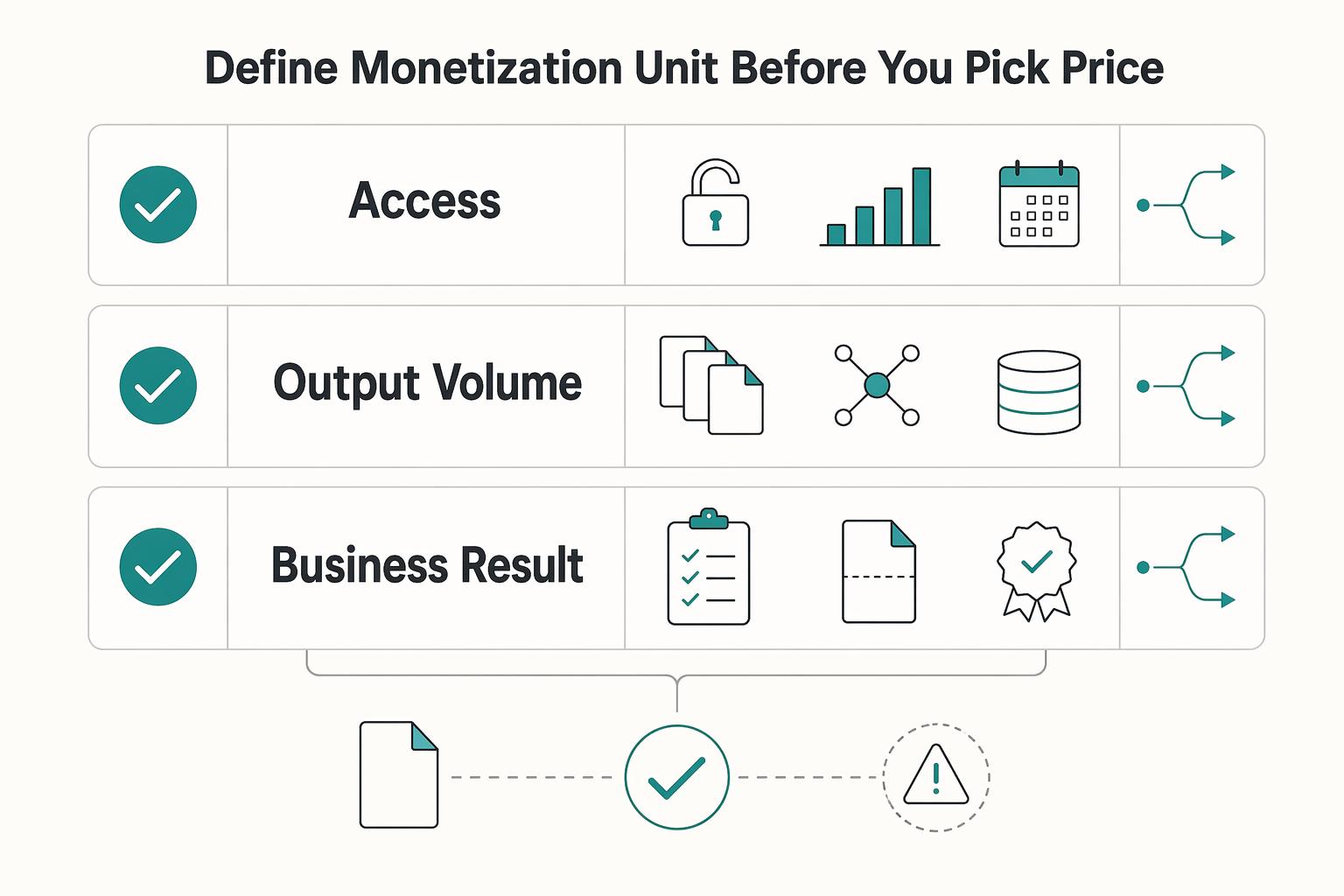
Step 1. Choose the charge metric before you choose the number. Your first decision is whether the customer is buying access, output volume, or a business result. That choice determines the pricing logic. Flat-fee pricing fits ongoing access. Direct monetization fits outputs such as API calls or generated assets. Outcome-based pricing works best when you can measure completed work like tickets resolved or documents processed. A simple checkpoint: if product cannot point to the exact event that proves the unit was delivered, do not price on that unit yet.
| Unit | Fits when | Example |
|---|---|---|
| Access | Flat-fee pricing fits ongoing access | Ongoing access |
| Output volume | Direct monetization fits outputs | API calls or generated assets |
| Business result | Outcome-based pricing works best when you can measure completed work | Tickets resolved or documents processed |
Step 2. Split core plan value from AI premium value. In a tiered subscription model, it often helps to keep your base plan tied to the non-AI value the customer already understands, then state the AI premium separately. If you hide AI inside a broad plan increase, you can lose two things at once. Customers cannot tell what changed, and finance cannot tell whether the premium covers compute, inference, and support costs tied to delivery. That can turn a clean upsell into generic price inflation with weak margin visibility.
Step 3. Default away from pure per-seat pricing when usage is spiky and expensive. If the feature is intermittent, costly per use, or valuable to a small group only occasionally, per-seat pricing is often a weak first move. It can misalign with value when AI reduces needed human labor, and it can undercharge for low-frequency, high-value decisions. In those cases, test a metered component first, often as included usage plus clear overage terms, so cost and value stay connected.
Step 4. Write one sentence every team can repeat. Your sales, product, and billing teams need the same plain-language definition of the add-on. For example: "This add-on includes access to the AI assistant and X included usage each month." It does not include unlimited high-volume processing or guaranteed business outcomes. If that sentence changes between the pricing page, sales call, and invoice, expect disputes later. For a related example, see Monetization Models for Creator Platforms: Subscriptions Tips Ads and Revenue Share.
Gather the minimum evidence pack before packaging anything#
Do not package the add-on until product, finance, and revenue are working from the same evidence pack. A common failure pattern is choosing a pricing model before understanding cost, and that risk is even higher when buyers treat AI as optional.
| Evidence item | What to gather | Why it matters |
|---|---|---|
| Shared input sheet | Expected adoption, inference costs, target breakeven, acceptable payback window | Keeps sales and finance working from the same assumptions |
| Baseline commercial metrics | Current LTV/CAC, plan-level churn, expansion behavior for adjacent premium features | Helps judge whether this will attach like a trusted upgrade or behave like an optional add-on |
| Pricing transparency requirements | What usage data customers can see in-product, on invoices, or in account reporting | Gives customers a clear record of what created the charge |
| Rollout checkpoint | Segment usage patterns, realized delivery cost, attachment, support friction | Confirms cost variance before final packaging |
Step 1. Build one shared input sheet. Put expected adoption, inference costs, target breakeven, and acceptable payback window in one place. Keep it simple enough for sales to use and specific enough for finance to challenge, so everyone is operating from the same assumptions.
Step 2. Pull baseline commercial metrics before price debates. Gather current LTV/CAC, plan-level churn, and expansion behavior for adjacent premium features. Use that baseline to judge whether this is likely to attach like a trusted upgrade or behave like an optional add-on.
Step 3. Set pricing transparency requirements before launch. Define what usage data customers can see in-product, on invoices, or in account reporting. If usage drives charges, customers need a clear record of what created the charge. Otherwise disputes are predictable, and quote-to-cash complexity rises with consumption models.
Step 4. Add one rollout checkpoint for cost variance. If segment-level cost variance is still unclear, delay broad rollout and run a controlled beta first. Use that beta to confirm segment usage patterns, realized delivery cost, attachment, and support friction before final packaging.
For a related operational view, see Building Subscription Revenue on a Marketplace Without Billing Gaps.
Compare pricing structures against your real cost curve#
Choose the structure that matches your cost behavior, not the one that is easiest to pitch. If every AI query carries real delivery cost, packaging errors show up fast in margin pressure or billing trust issues.
Use one scorecard across all options: margin stability, sales simplicity, and trust risk.
| Structure | Margin stability | Sales simplicity | Trust risk | What can go wrong |
|---|---|---|---|---|
| Flat-fee pricing | Strong when unit-cost volatility is low and usage is predictable | Highest simplicity for quoting and budgeting | Lower when scope is clear | Underpricing at scale if heavy users consume far more than modeled |
| Usage-based pricing | Stronger when variable COGS move with activity | Harder sale because buyers must estimate spend | Higher if customers cannot see what created charges | Hidden overage risk and bill shock when usage visibility is weak |
| Hybrid monetization model | Strong balance when cost is uncertain | Moderate complexity (access + meter) | Moderate to high if included usage, meter, or overage rules are unclear | Customer confusion from mixed meters or unclear upgrade triggers |
Use a simple decision rule before you debate price points: if unit-cost volatility is low, start subscription-only; if volatility is high, use subscription plus usage. Validate that with early cohort data on realized cost per delivered unit, segment spread, and where heavy usage concentrates.
Keep margin reality in view. AI offers can carry higher variable COGS, and reported gross margins can land closer to 50-60% versus 80-90% in classic SaaS. If the economics only work under light usage, a flat add-on is just underpricing on a delay.
Treat outcome-based pricing as a later move. Use it only when telemetry is reliable enough for usage forecasting, performance tracking, and customer-readable billing evidence. Otherwise, disputes and sales friction rise quickly.
You might also find this useful: Live Streaming Platform Monetization: How to Handle Tips Subscriptions and Creator Payouts.
Set add-on levels, limits, and overage logic customers can trust#
Set a small number of clear add-on tiers, and make usage visible before the invoice. If customers cannot tell what is included, which actions consume usage, and what happens at the limit, expansion turns into disputes.
Step 1. Build tiers around customer jobs, not internal feature lists#
Anchor each tier to a distinct usage pattern and expected value: lighter use, steady use, and heavier or more critical use if needed. For entry tiers, keep the path from trial to paid obvious so customers can see what changes as usage grows.
If you use credits, define them as usage-based units tied to product actions. Assign usage values to actions, deduct balances as customers consume AI functionality, and show that meter in product.
| Tier role | Customer job | What to state explicitly | Main risk if vague |
|---|---|---|---|
| Entry | Trial or occasional use | Included usage, counted actions, limit behavior | First paid invoice feels unexpected |
| Growth | Regular team usage | Included usage, overage basis, alert timing, upgrade path | Adoption creates bill shock and support load |
| Scale | High-volume or critical use | Included usage, volume handling, account controls, support expectations | Heavy accounts outgrow tier and pressure margin |
Checkpoint: sales, product, and finance should each describe the same tier in one sentence. If those summaries differ, the package is not launch-ready.
Step 2. Back-check each tier against unit economics and expected customer ROI#
A tier only works if included usage still works under real usage patterns. Validate each tier against expected usage, cost per action, and the value a customer should see before hitting limits.
Use a clear go/no-go rule: if breakeven depends on best-case adoption behavior, change the package before launch. Raise price, reduce included usage, or shift more value into metered consumption.
Step 3. Add soft limits and pre-overage prompts before extra charges apply#
Trust usually breaks at the handoff from included usage to paid usage. Put guardrails before that point: show remaining balance in product, alert before thresholds, and present upgrade or top-up paths before overages apply.
Operational test: can a customer see which action consumed usage and when? If charge explanations require manual reconciliation, your transparency is not ready.
Step 4. Use market references as directional input, not pricing truth#
External frameworks can help you pressure-test structure choices, but your limits and overage logic should come from your own usage distribution, cost behavior, and support burden.
If the package is not understandable on the pricing page and defensible in renewal conversations, it is not ready.
Wire billing, finance, and audit controls before launch day#
Launch only when every billed AI action is traceable from product event to invoice line. If finance cannot reconcile a charge and support cannot explain it, the packaging will not hold up in production.
Step 1. Map each billable product event to one billing event#
Start with a strict event map: one customer action, one billable unit, one billing event definition. Keep that definition consistent across product, metering, rating, and invoicing, especially if you meter usage at an atomic level. The core rule is simple: if you cannot meter it, you cannot monetize it.
Sanity-check one real action end to end. You should be able to show the product event, usage record, rated charge, and final invoice line without manual cleanup. For usage-based models, keep enough event detail so you can trace disputes to a specific action, not just a monthly total.
Step 2. Define what happens when the data arrives late or twice#
Treat retries, delayed events, and reversals as normal operating conditions, not edge cases. That matters even more when usage is frequent and metering is near real time.
Set explicit rules before launch:
- Retry: define how duplicate events are detected and suppressed.
- Delayed event: define whether late usage is billed in-period, next period, or routed to adjustment.
- Reversal: define who can issue credits and how reversals appear in billing records.
Step 3. Run a weekly review against the model, not just top-line expansion#
Hold a weekly operating review across product, finance, and revenue. By segment, track realized margin versus model, overage incidence, and retention impact.
Use one cohort-level check every week: expected margin per account versus realized margin from invoiced usage and credits. If overage revenue rises while credits and complaints also rise, treat that as a packaging-clarity signal first.
Step 4. Use a finance checkpoint before you touch price#
If expansion rises and churn rises in the same cohort, review packaging clarity before changing price. Re-check what was included, what counted as usage, when alerts fired, and whether customers could see consumption before charges hit.
The control that lasts is a billing trail finance can defend, support can explain, and customers can verify themselves.
For a step-by-step walkthrough, see Subscription Billing Platforms for Plans, Add-Ons, Coupons, and Dunning.
Roll out in phases and adapt by segment, not by opinion#
After your billing trail is defensible, roll out to one segment first and scale only if that segment clears your pre-set margin and retention gates.
Step 1. Launch to one segment and lock the pass or fail gates in advance#
Start with one segment that has clear usage patterns and enough volume to evaluate the package on its own. Define the pass/fail gates before launch so the decision is not debated after results come in.
Include:
- segment name and package structure
- expected adoption and usage pattern from your prelaunch model
- margin and retention gates required for expansion
- review date and owner of the go/no-go call
At review, compare realized conversion, invoiced usage, credits, churn, and margin against the approved model. If results only look healthy after blending in other cohorts, the segment has not passed.
Step 2. Test packaging structure before you test small price moves#
If you are deciding between subscription-only and a hybrid model, test structure first. Small price changes can fine-tune performance later, but they will not answer whether the core package matches how customers use and pay for AI value.
Your readout should separate conversion, retention, and monetization fit by segment. An estimated 67% of B2B SaaS companies combine multiple models, so a hybrid test is a mainstream decision path, not an edge case.
Step 3. Freeze one executive rule on breakeven#
Set one non-negotiable rule: do not scale if usage grows faster than monetization and breakeven compresses. Higher usage is not a win if paid capture lags cost.
Review the pilot cohort weekly with this lens. If usage growth outpaces monetization, pause expansion and adjust packaging before broader rollout.
Need the full breakdown? Read How to Calculate and Manage Churn for a Subscription Business.
Fix the mistakes competitors gloss over#
Most pricing misses start in model design, not the headline price. Contract language, billing mechanics, and retention economics are usually where the real failure begins.
| Mistake | Recovery | What to verify |
|---|---|---|
| Treating AI licensing terms as separate from pricing design | Align contract terms with usage and overage mechanics before launch | A finance lead and counsel can trace a heavy-usage account from product event to invoice line to contract clause without guessing |
| Copying benchmark narratives directly | Reprice from your own cohort economics | Use external narratives as directional only, not as pricing truth |
| Adding complexity too early | Start with one clean add-on and one upgrade path, then layer meters once telemetry is stable | Report included usage, overage incidence, and invoice accuracy by segment before adding seats, credits, and output caps |
| Optimizing only for short-term conversion | Rebalance for retention strategy and long-term margin durability | If trial-to-paid rises but complaint volume, trust signals, or retention weakens, rework the package before scaling |
Mistake 1: Treating AI licensing terms as separate from pricing design. Recovery: Align contract terms with usage and overage mechanics before launch. Review the MSA, order form, product terms, and billing event definitions as one system, and verify that a finance lead and counsel can trace a heavy-usage account from product event to invoice line to contract clause without guessing. Licensing and content rights remain active risk areas; for example, Chicago Tribune v. Perplexity (Civil Action No. 1:25-cv-10094) includes allegations about copying publisher content.
Mistake 2: Copying benchmark narratives directly. Recovery: Reprice from your own cohort economics. Use external narratives as directional only, not as your pricing truth. A cited 2025 source says 95% of enterprise AI pilots produced no measurable return, and that same source says the headline needs nuance. So build from your own adoption curve, support load, inference cost, and churn pattern.
Mistake 3: Adding complexity too early. Recovery: Start with one clean add-on and one upgrade path, then layer meters once telemetry is stable. Wait until you can clearly report included usage, overage incidence, and invoice accuracy by segment before you add seats, credits, and output caps.
Mistake 4: Optimizing only for short-term conversion. Recovery: Rebalance for retention strategy and long-term margin durability. If trial-to-paid rises but complaint volume, trust signals, or retention weakens, rework the package before scaling.
Related reading: Retainer Subscription Billing for Talent Platforms That Protects ARR Margin.
The takeaway and a copy-paste checklist for your team#
Use this as a final gate before launch: if your team cannot explain the offer clearly, bill it clearly, and audit it clearly, pause rollout.
- Confirm the monetization unit: write one sentence for what the customer is buying (
access,usage, oroutcome). - Validate key inputs in one shared model:
inference costs, adoption assumptions,LTV/CAC,churn, and your targetbreakeven. - Choose structure by cost behavior: use subscription-only when fit is clear, and move to
usage-based pricingor a hybrid structure when usage patterns create meaningful differences. - Publish customer-facing usage visibility and overage rules for
pricing transparencybefore invoices go out. - Launch in one segment first, review on a fixed cadence, and scale only after your margin and retention checkpoints pass.
This pairs well with Choosing Between Subscription and Transaction Fees for Your Revenue Model.
Frequently Asked Questions
What is AI subscription monetization in practical terms?
It is the choice of what customers are actually paying for: access, usage, or a business result. In practice, many teams keep a core subscription and add credits or another meter when cost or value starts to vary by account. The important point is that subscriptions, usage, and outcomes can coexist rather than forcing one permanent model.
When is subscription-only enough for an AI feature?
Subscription-only can be enough when usage is fairly predictable and unit cost does not vary much across customers. It also fits when sales simplicity and predictable billing matter more than perfect price capture. Operationally, you should still be able to connect product access to invoicing without complex usage reconciliation.
When should we add usage-based pricing to a subscription add-on?
Add a usage component when heavier accounts create meaningfully different cost or value, and per-seat pricing stops expanding naturally with adoption. The practical middle ground is a subscription-plus-credits hybrid: keep the core subscription, add an included credit allowance, and let heavier usage expand from there. Clear pre-invoice usage visibility usually makes that model easier for customers to accept.
When does outcome-based pricing make sense for AI features?
Use outcome-based pricing when the outcome is measurable and you can credibly attribute value based on your product and customer context. If attribution is weak, outcome pricing can create disputes that outweigh pricing upside. If telemetry is still noisy, consider delaying outcome-based pricing until measurement is more reliable.
How do we prevent bill shock while keeping pricing transparent?
Spell out included usage, limits, alerts, and overage rules before launch. Many teams reduce complexity by bundling included credits so most buyers rarely have to think about the meter. A common failure mode is selling “simple AI” but later sending invoices that feel hard to reconcile.
What does near-breakeven tell us, and what does it not tell us?
Near-breakeven is a directional signal that the package may be viable under current adoption and cost conditions. It is not proof that margins will hold as usage and costs change. If breakeven depends on best-case assumptions, tighten included usage or adjust pricing before broad rollout.
Which metric should decide whether to keep or change the AI add-on model?
Use the metric that matches the pricing model. For consumption-heavy pricing, ARR and Magic Number can be less useful, so realized margin, usage expansion, invoice accuracy, and retention are often more informative. For a hybrid model, treat platform-fee revenue and token-usage economics as separate businesses first, then evaluate blended margin.
Try a related tool
Researched and edited by the Gruv editorial team. Gruv builds cross-border billing, payouts, and finance-operations software for global businesses.
Sources
Includes 8 external sources outside the trusted-domain allowlist.
- adapty.io/blog/hybrid-monetization-for-subscription-appsexternal
- agenticaipricing.com/ai-pricing-for-low-frequency-high-value-ente...external
- bvp.com/atlas/the-ai-pricing-and-monetization-playbookexternal
- chargebee.com/blog/ai-monetization-is-a-continuous-experim...external
- copyrightalliance.org/wp-content/uploads/2025/12/Chicago-Tribune-v...external
- cpl.thalesgroup.com/resources/software-monetization/ai-monetizat...external
- digitalapplied.com/blog/x402-payment-protocol-ai-agents-pay-coi...external
- digitalroute.com/podcast/tackling-ai-monetizationexternal
Educational content only. Not legal, tax, or financial advice.
Related Posts
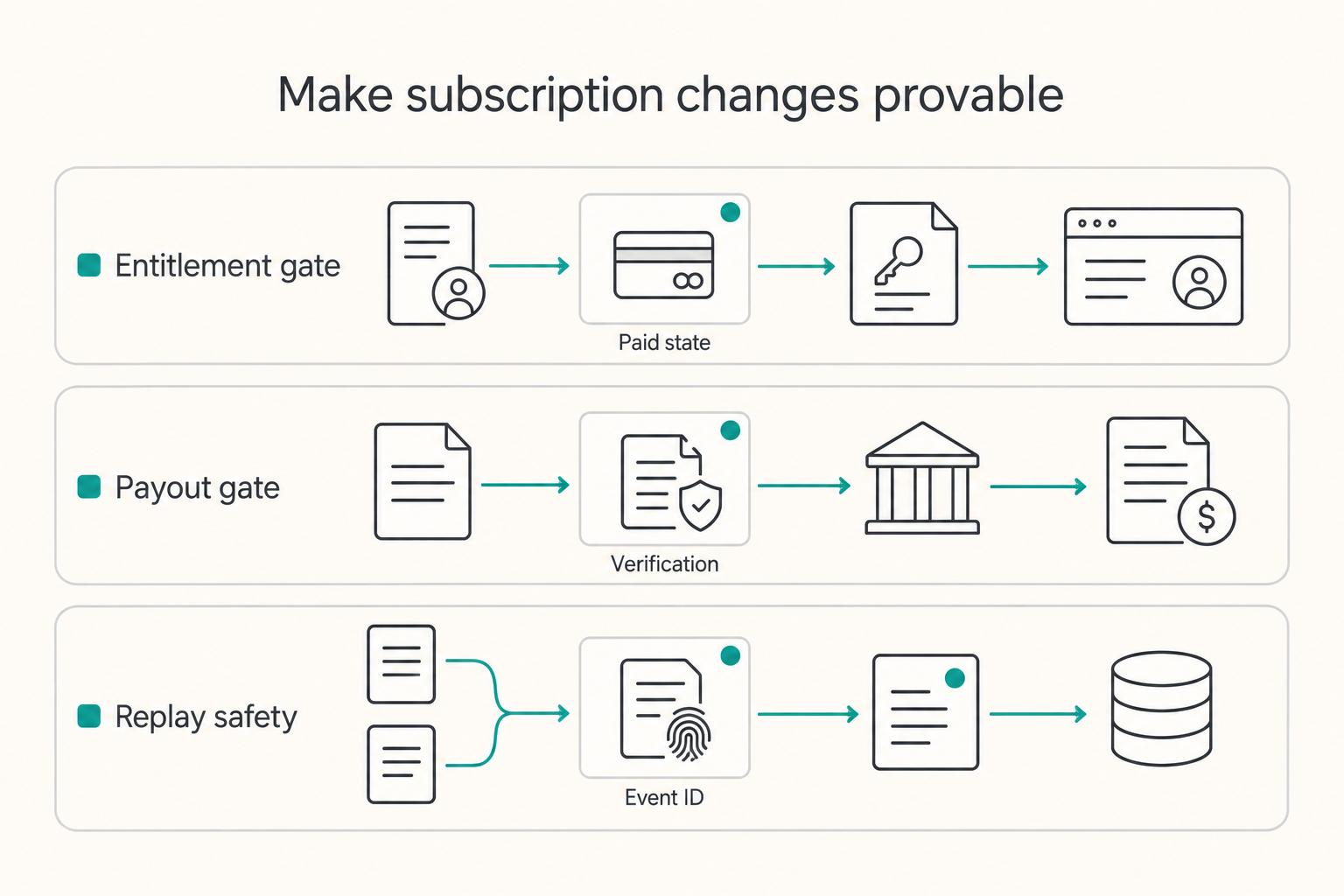
Marketplace Subscription Monetization: How to Add Recurring Revenue
Treat a Subscription Revenue Model as an operating decision first and a pricing decision second. Recurring fees can turn uneven sales into steadier monthly revenue, but in a cross-border marketplace they also expose entitlement logic, country-specific payout constraints, and tax responsibility gaps quickly.
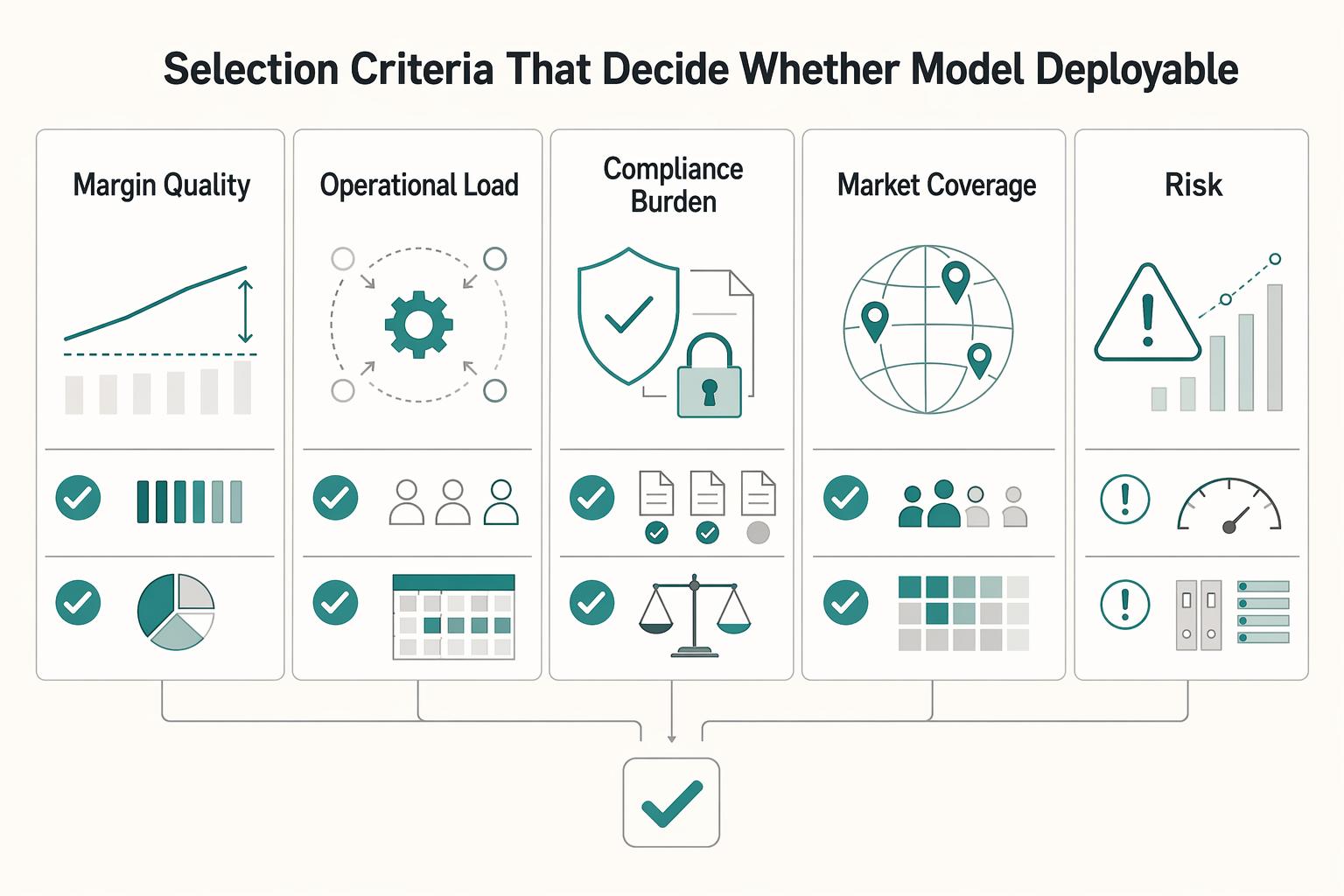
Choosing Creator Platform Monetization Models for Real-World Operations
Popularity alone can be a poor way to choose among creator platform monetization models. If a model only looks good during a viral spike, a sponsorship burst, or a one-time product drop, it is a weak base for product and go-to-market bets.
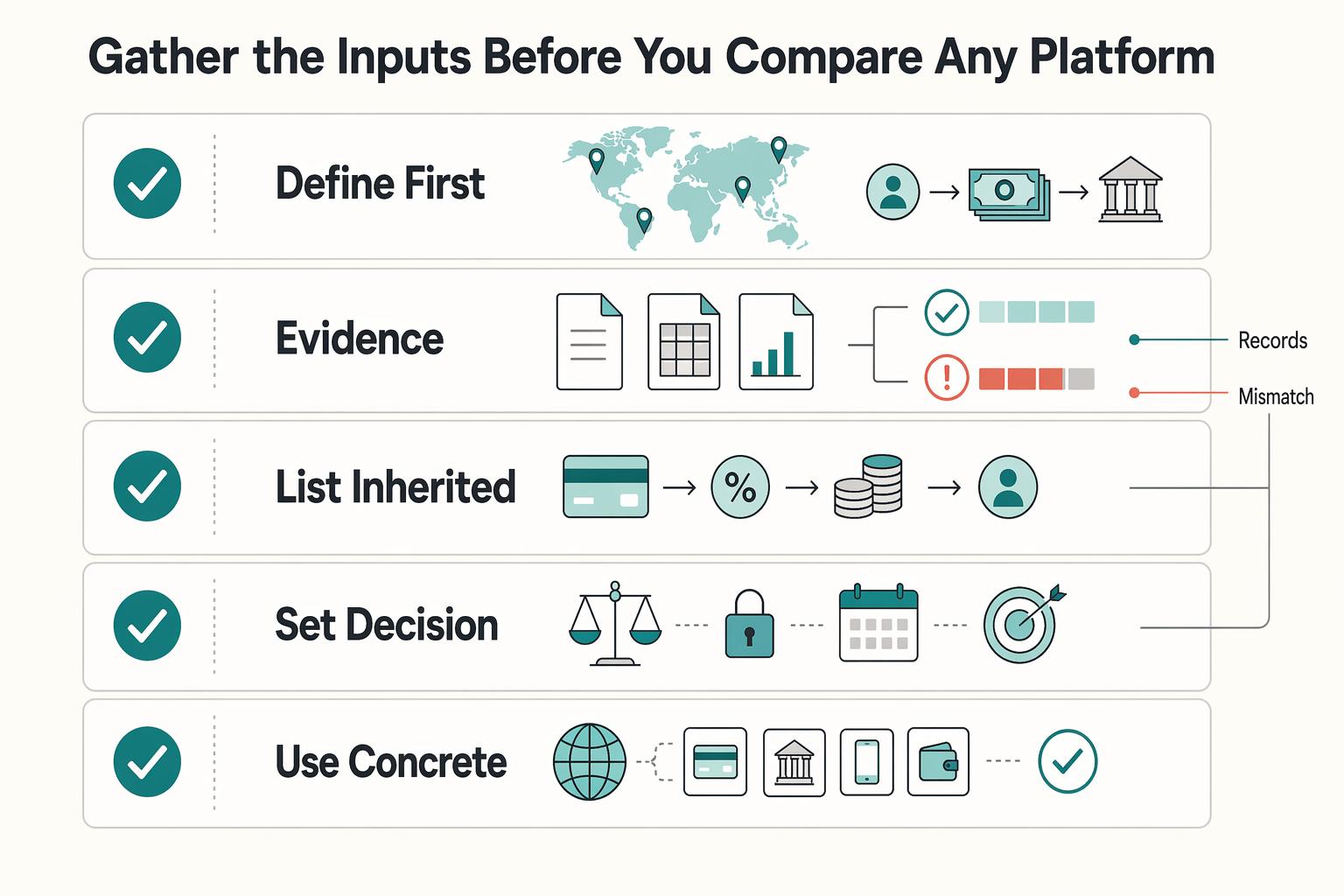
Comparing Live Streaming Monetization: Tips, Subscriptions, Pay-Per-View, and Creator Payouts
A lot of advice on live stream monetization focuses on creators deciding where to publish. Founders and operators need a different lens: choose revenue features and payout design together. The right model depends not only on audience demand, but also on what you are selling, who you are selling to, and whether you can support the money movement behind it.