
Operator playbooks for cross-border payments, tax, and compliance execution.
Step-by-step guidance for finance, product, and ops teams to launch faster, reduce payout friction, and keep reconciliation clean across borders.
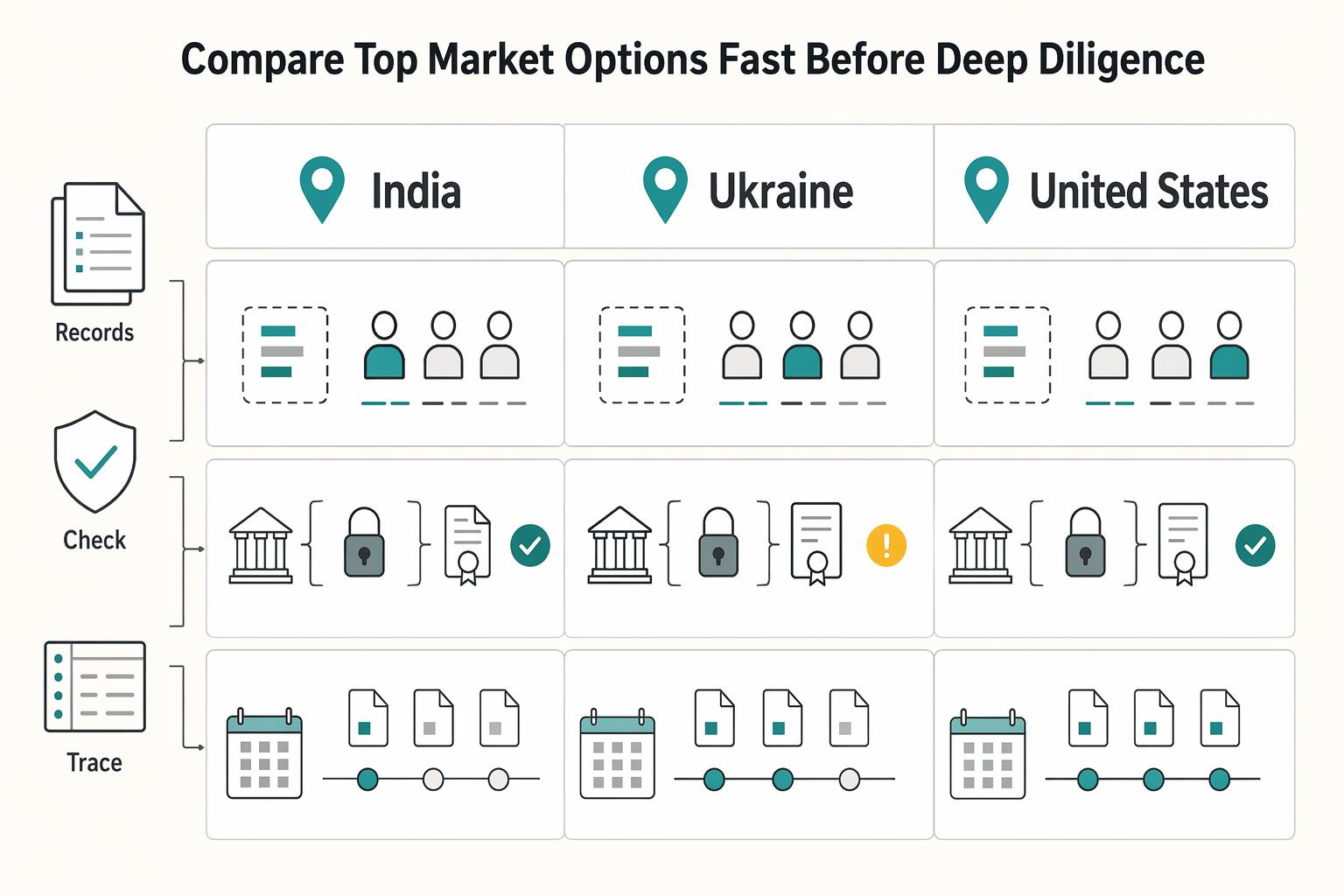
What to Pay Freelance Software Developers in 2026 by Region
A benchmark for **freelance developer rates 2026** is useful as a screening tool. It helps you narrow where to look. It does not tell you where to hire until you test how pricing is structured, what costs sit outside the headline rate, and how much operational drag the market adds.
Read more →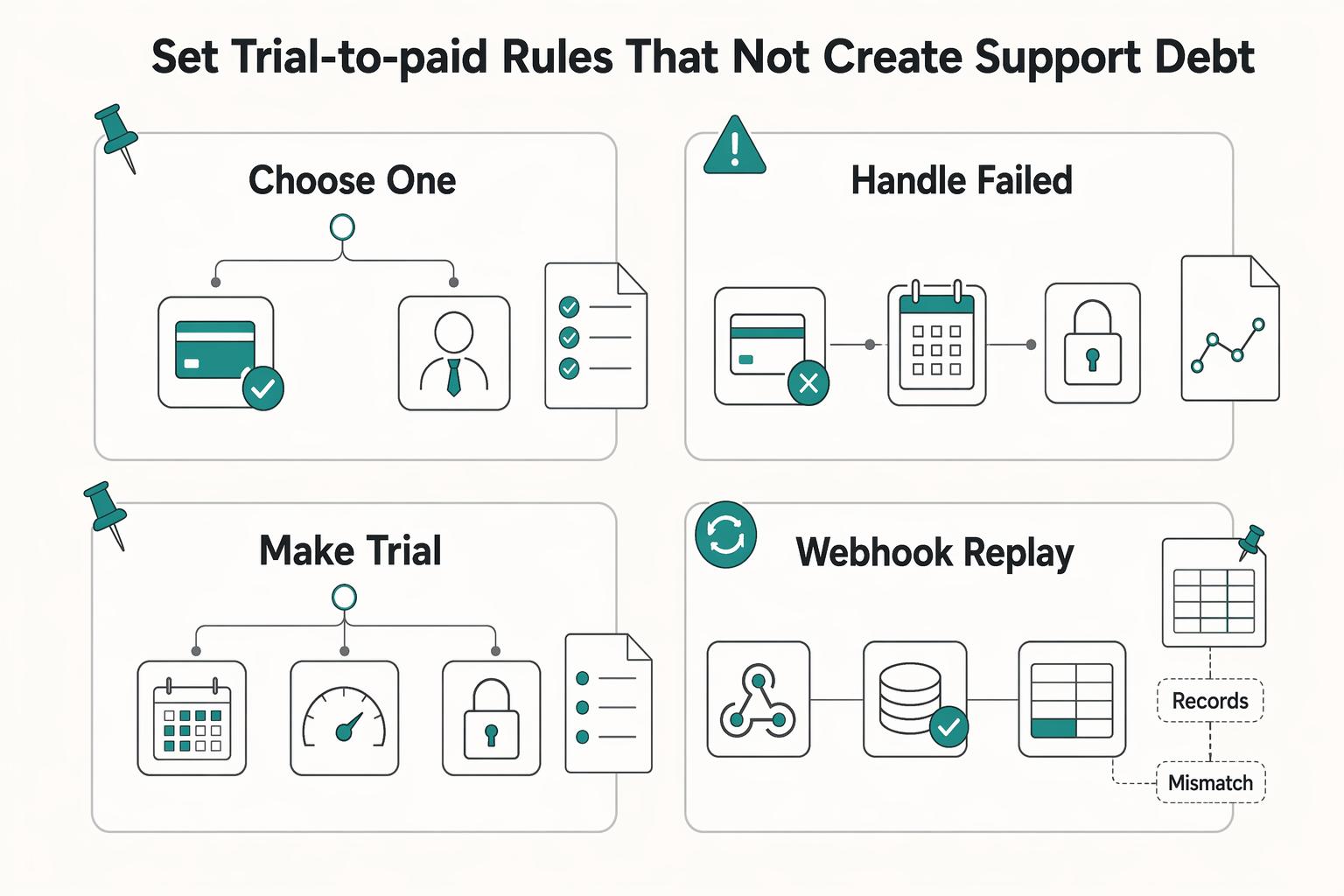
Subscription Billing for SaaS Teams Handling Trials and Plan Changes
Treat subscription changes as an operating decision first, not a pricing page edit. The moment a customer upgrades mid-cycle, adds services, or switches to annual prepay, you are coordinating product access, invoicing, and accounting at the same time.
Read more →
Subscription Billing for Media Publishing with Metered Paywalls and Gifts
Treat this as a contract and access problem first, not a pricing-page tweak. For teams working through subscription billing in media publishing with metered paywalls and bundles, the common challenge is getting product, finance, and engineering to agree on exactly when access starts, pauses, resumes, and ends. If your team cannot explain that in plain language before launch, you are not ready.
Read more →
Subscription Pricing A/B Test Calculator for Billing Experiments
A pricing change is not automatically safe just because a calculator says the result is significant. In subscription businesses, the harder part is often turning that result into something product, finance, and operations can actually ship without creating downstream issues.
Read more →
Subscription Billing for eCommerce DTC Brands Adding Recurring Revenue to Physical Products
Direct-to-Consumer (DTC) teams are adding recurring billing for a simple reason. It can make revenue more predictable and planning less reactive. That upside is real, especially in ecommerce, where subscriptions are often associated with steadier revenue and stronger retention than one-time purchases alone.
Read more →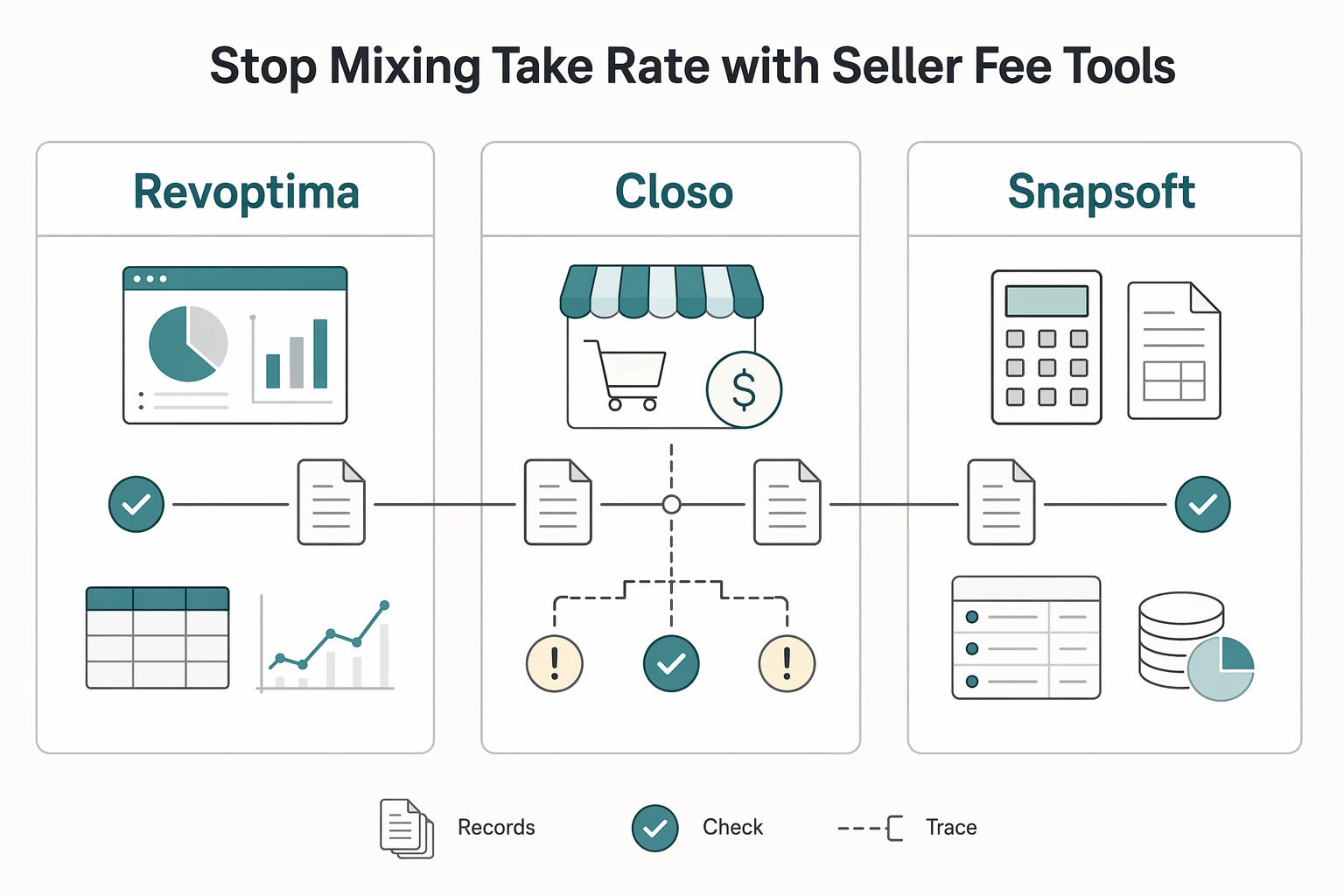
Platform Revenue Split Calculator for Modeling Marketplace Take Rates
A useful **marketplace take rate calculator** is not just a pricing widget. For operators, it is a way to model how take rate, fixed fees, and average transaction value affect projected platform revenue and margins.
Read more →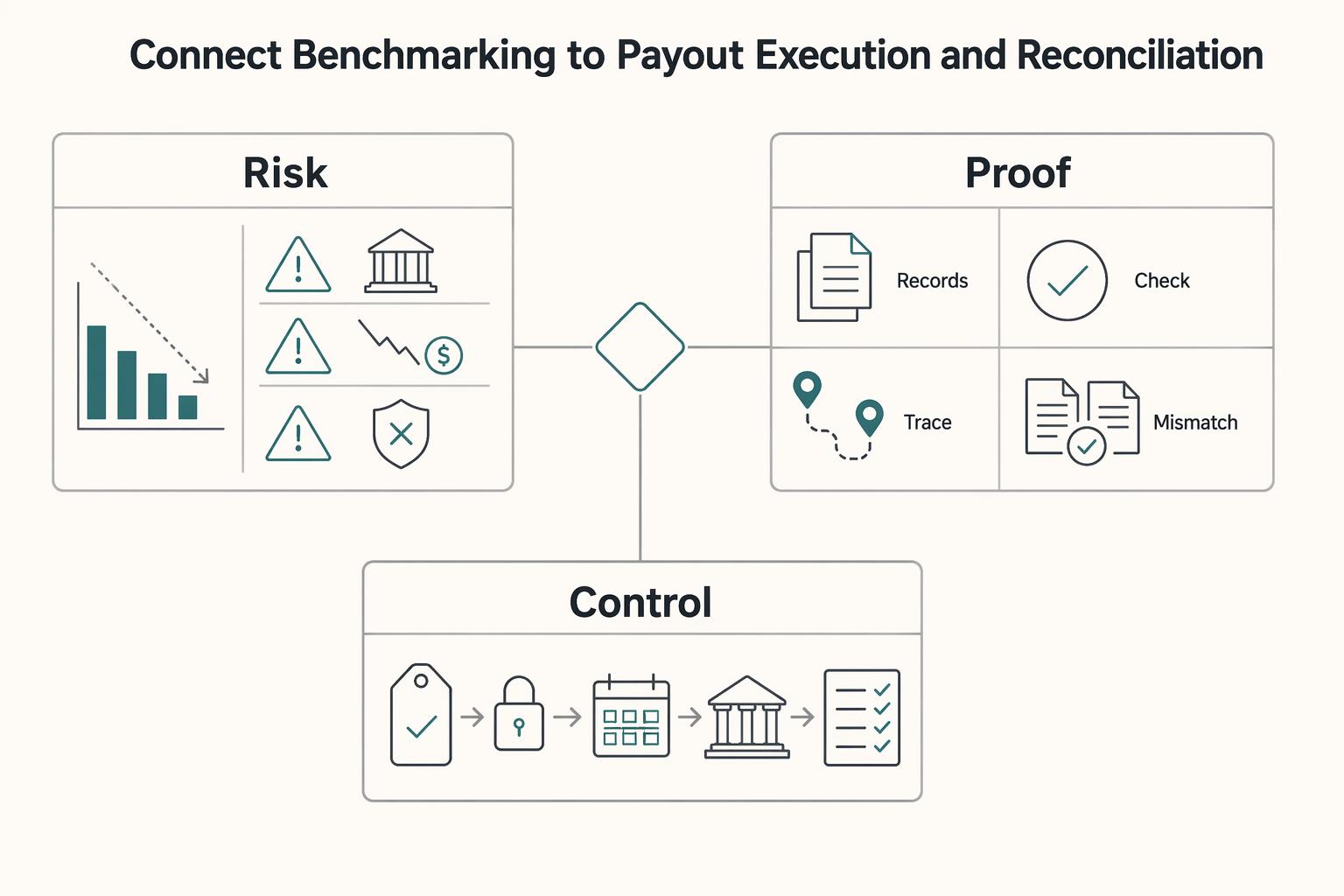
Freelance Hourly Rate Benchmarking Tool by Role and Region
A **freelance hourly rate calculator** is useful when you need a floor. It answers the freelancer side of the question: what do I have to charge so the work covers bills, income goals, and the hidden costs of working independently? That is a real starting point, but it is not enough for teams making repeat pricing decisions across different contexts.
Read more →
Automating Market Research Incentive Disbursements for 10,000 Respondents in 24 Hours
Many guides fail because they define success as sending messages quickly. At 10,000 respondents in 24 hours, the real job is speed with control. Rewards need to go out fast, but you also need to know which payouts were delivered, which are still pending, and which should never have been released.
Read more →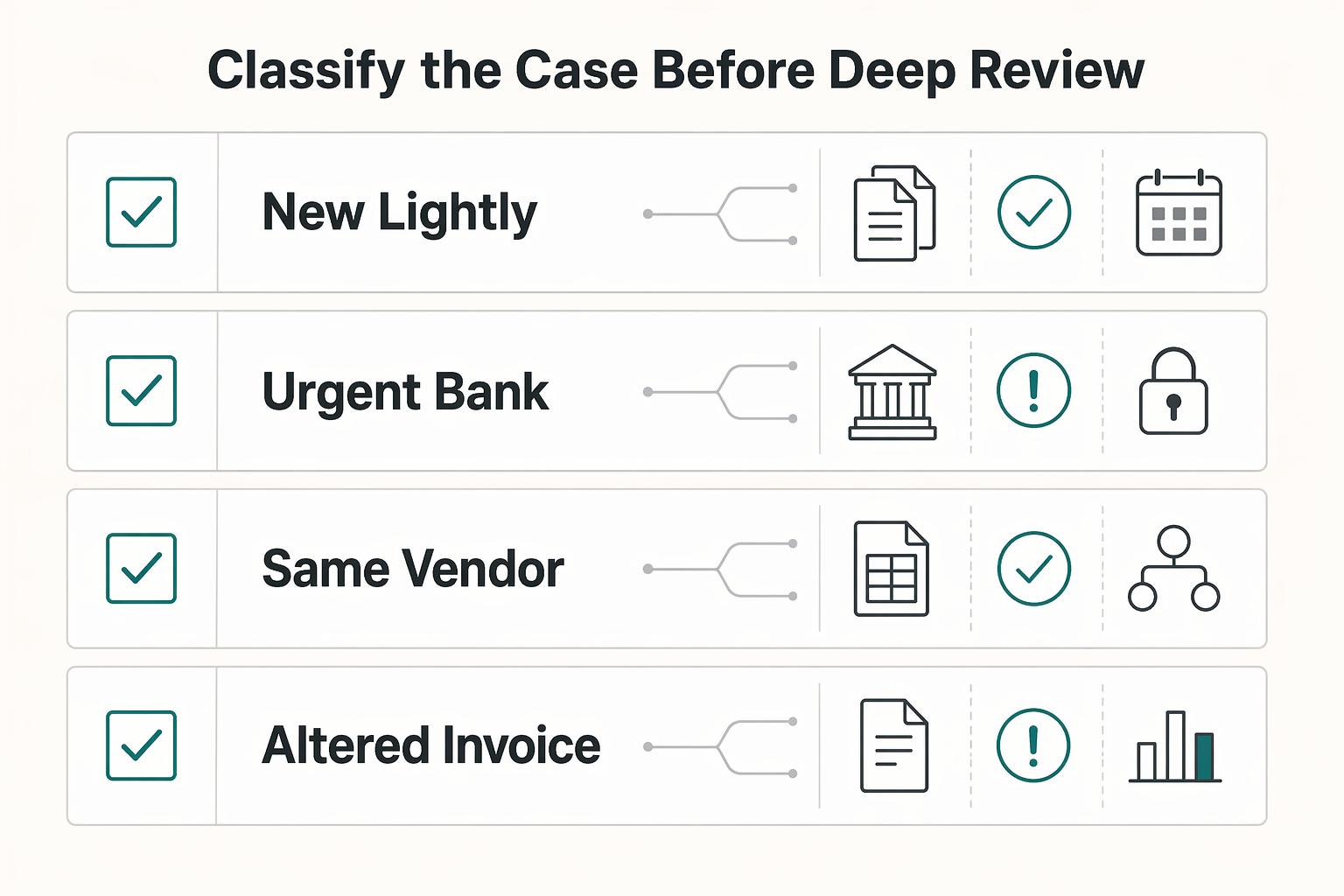
Vendor Fraud Red Flags for Duplicate and Ghost Vendor Billing Schemes
Treat this as a pattern hunt, not a single-invoice review. In Accounts Payable (AP), losses can surface across vendor setup, invoice handling, and the payment rail together, especially when a fake vendor, supplier impersonation, or unauthorized bank payout is made to look routine.
Read more →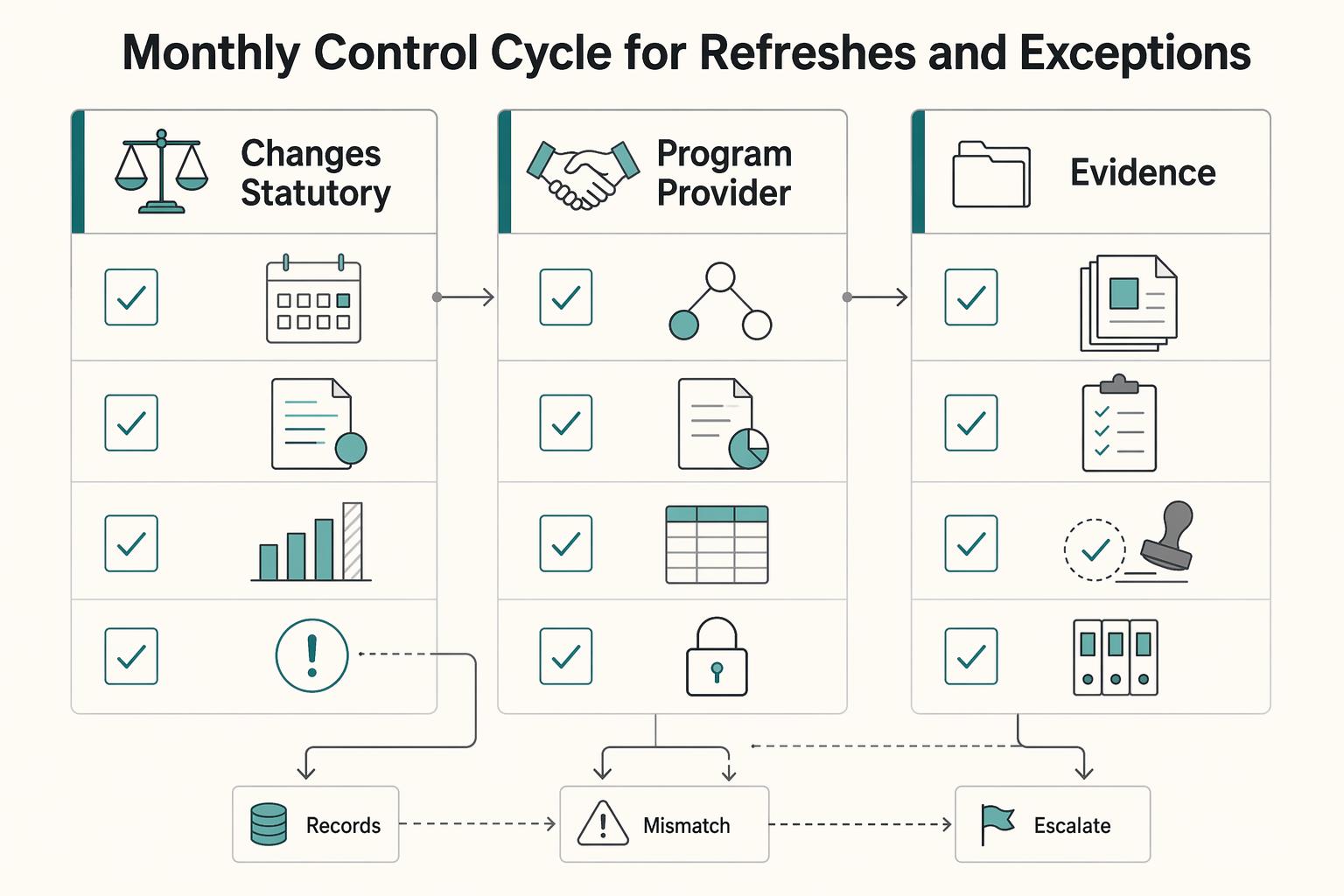
Employee Cost by Country Calculator for Total Burden Across 40+ Markets
An **employee cost by country calculator** is useful only if you can explain what sits inside the number and what happens to that estimate after approval. Finance and ops teams do not need a headline total by itself. They need a planning figure that can survive review and still make sense when payroll, reconciliation, and settlement workflows start moving money.
Read more →
1099 Reporting Threshold Checker for Platform Filing Decisions
If your team cannot explain, for a given payment flow, which 1099 form family applies, what reporting trigger controls it, and what record proves the decision, you are not ready to automate filing. This guide gives platform finance, ops, and product teams a usable way to decide when filing may be required and what evidence to keep either way.
Read more →
Pay Contractors in India With UPI Without Losing Control
Treat UPI as a fast payment rail, not the whole contractor payout operation. In India, that distinction matters. Unified Payments Interface was established by NPCI in 2016, supports instant bank-to-bank transfers across multiple banks 24/7, and works through widely used apps such as Google Pay, PhonePe, and Paytm. The rail is proven at national scale, with [BCG](https://www.bcg.com/publications/2025/india-upi-the-global-benchmark-for-digital-payments) reporting over 20 billion transactions each month and 84% of India's digital retail payments.
Read more →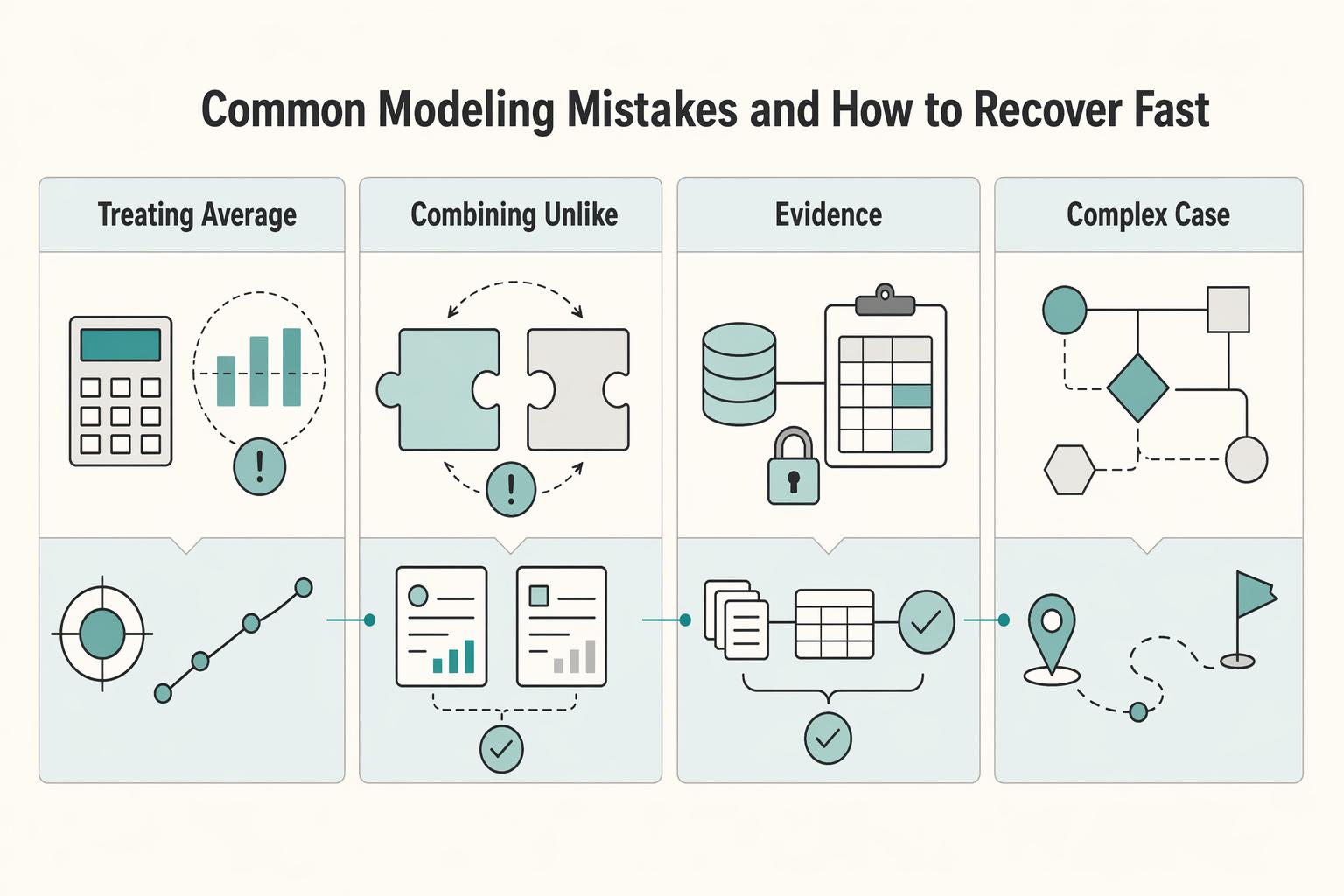
How Streaming Platforms Calculate and Pay Artist Royalties Per Stream
Per-stream headlines are useful for orientation, but they are a bad operating assumption. If your product, pricing, or artist messaging depends on one blended payout number, you are already skipping the part that usually breaks in production: settlement reality.
Read more →
Churn Rate Calculator for Platform Teams Measuring Subscriber Retention
A churn rate calculator is most useful when it sits inside your regular operating cycle, not as a one-time number check. For finance and ops teams, the sequence should stay the same every period: define the inputs, run the calculation, reconcile the result, compare it with the right context, and decide whether anything needs action.
Read more →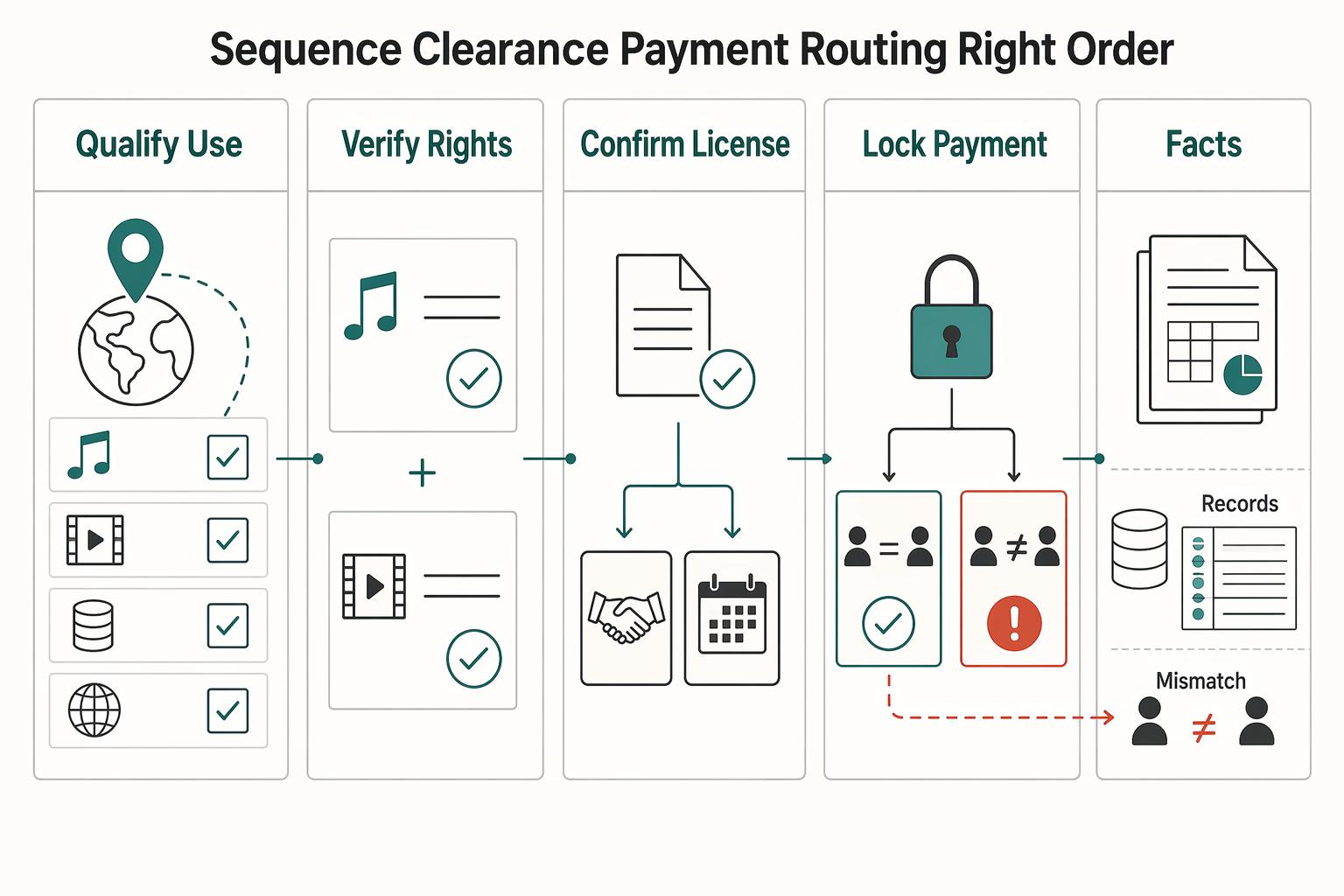
How Platform Teams Decide Music Royalty Readiness Before Launch
If you are deciding whether a music feature is worth building, start with rights complexity before you spend on product, partnerships, or go to market. The real question is not what mechanical, performance, sync, publishing, and master rights mean in theory. It is whether your feature creates obligations you can actually clear, route, and verify with confidence.
Read more →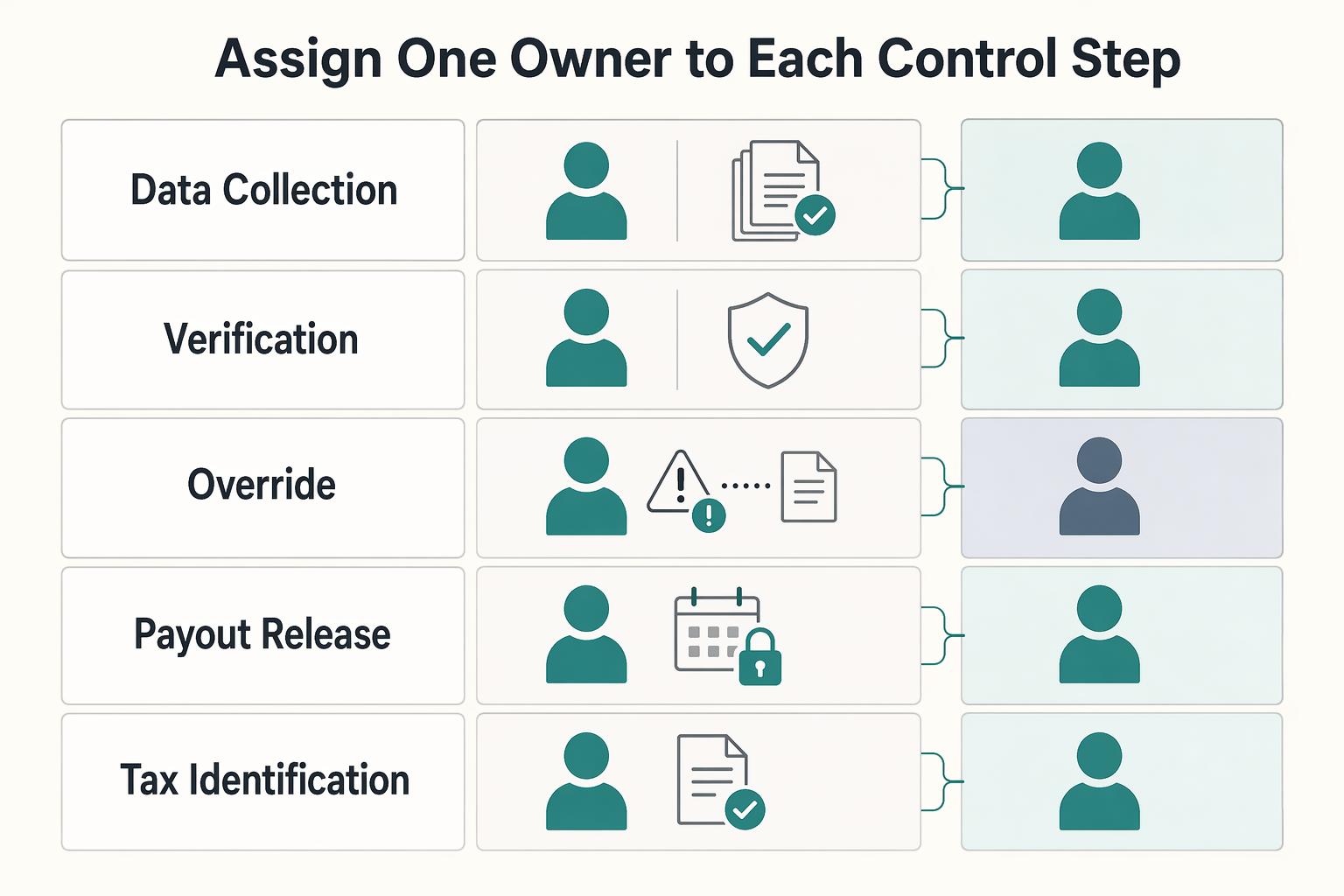
US Online Marketplace Seller Verification Under the INFORM Consumers Act
If you own marketplace compliance or product operations in the United States, start narrower than many teams do. The INFORM Consumers Act creates real seller controls for covered marketplaces. The practical job is to build to the legal floor the statute sets, document what the public excerpts do not resolve, and avoid turning open questions into hard-coded product requirements.
Read more →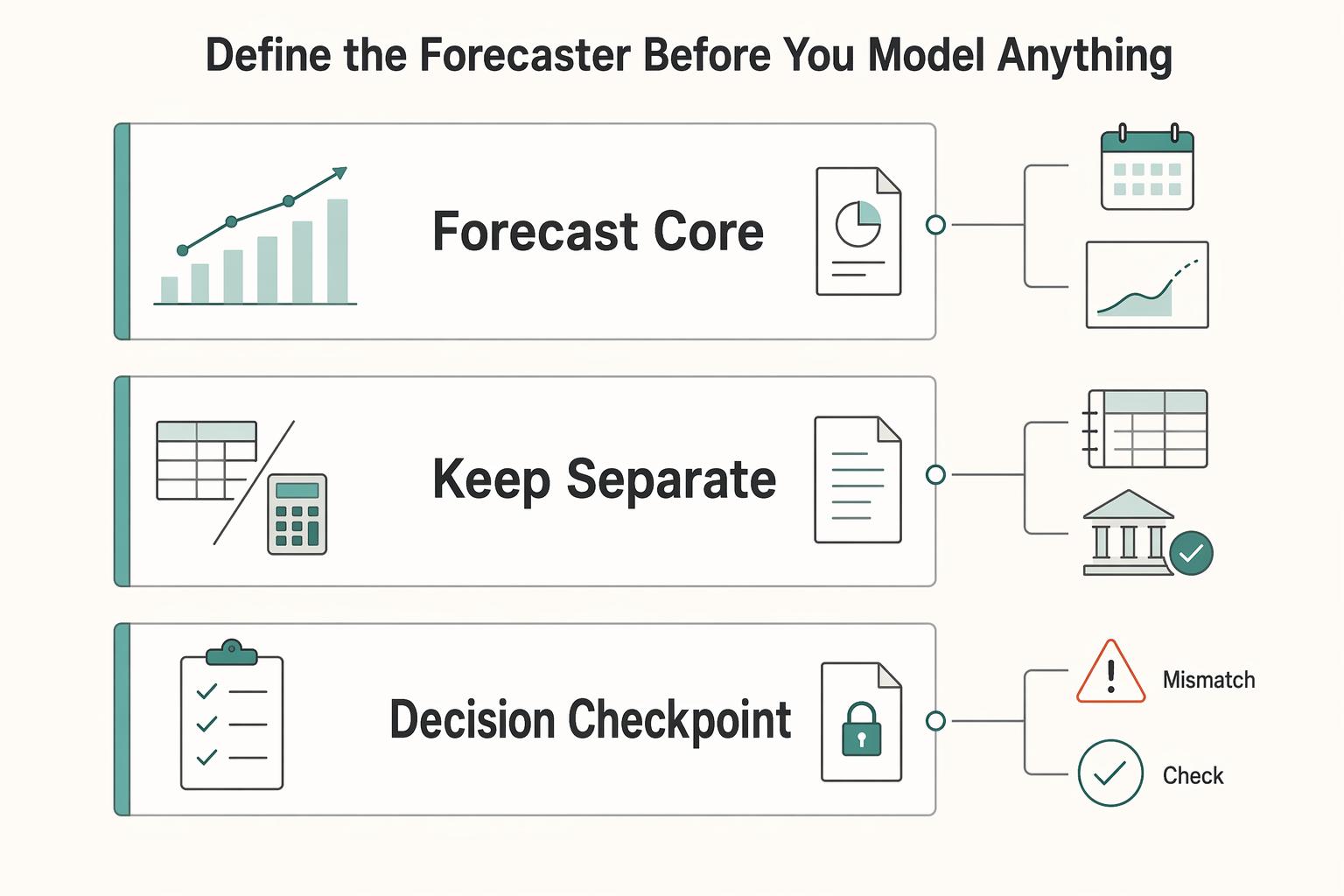
Subscription Revenue Forecaster for MRR and Churn Scenarios
A subscription revenue forecast is only useful when it survives real subscription operations, not a neat spreadsheet version of the business. For a capable finance or RevOps team, the job is to project recurring revenue clearly enough to support decisions, then test whether those projections still hold once billing, churn, and exceptions show up.
Read more →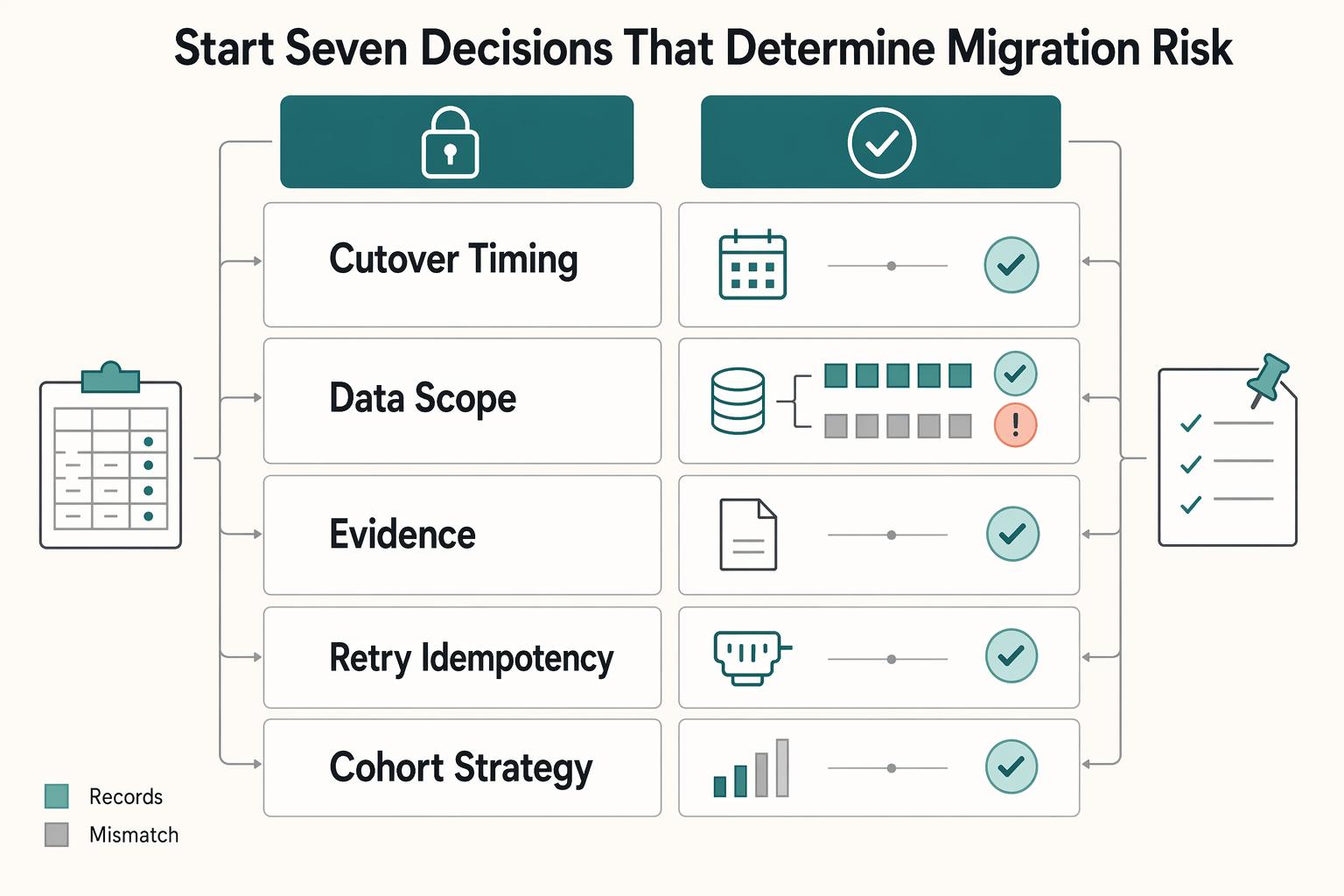
How to Migrate Subscribers from a Legacy Billing System Without Downtime
A successful **subscription billing migration** should be boring to customers and calm for finance. You are not just moving records out of a legacy system. You are changing who can create charges, where invoice truth lives, and how finance will trust the first close. Done well, the move is largely invisible to customers, designed to avoid duplicate charging, and uneventful for the teams who have to run it.
Read more →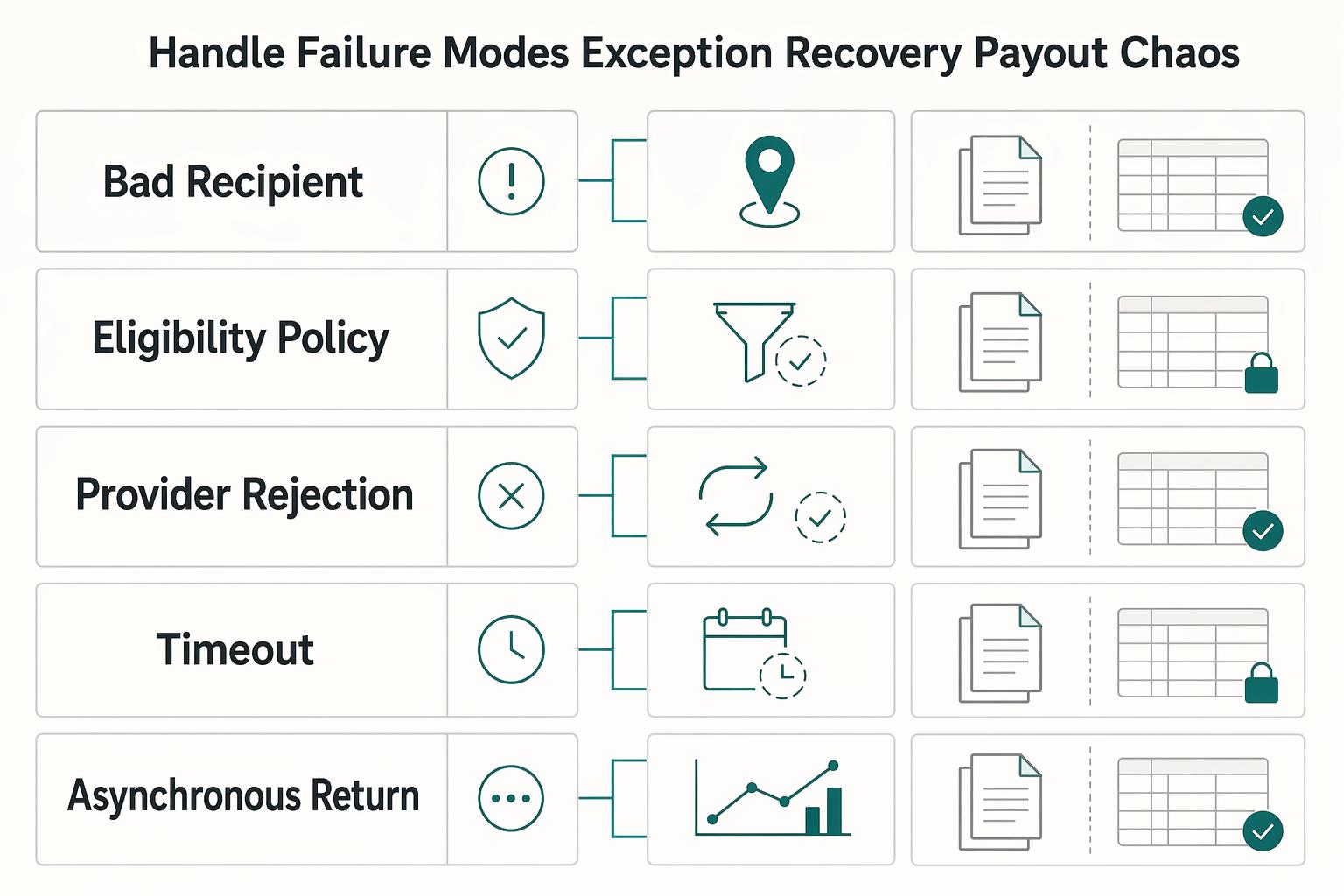
How Platform Teams Pay Brazil Contractors with Pix
For many local contractor payouts in Brazilian real (BRL), Pix is often a practical starting rail rather than a later optimization. The real decision is whether your team can use it with enough control to trust it at volume. That means choosing when Pix fits better than TED, DOC, or a cross-border route, and deciding what evidence you will keep when something goes wrong.
Read more →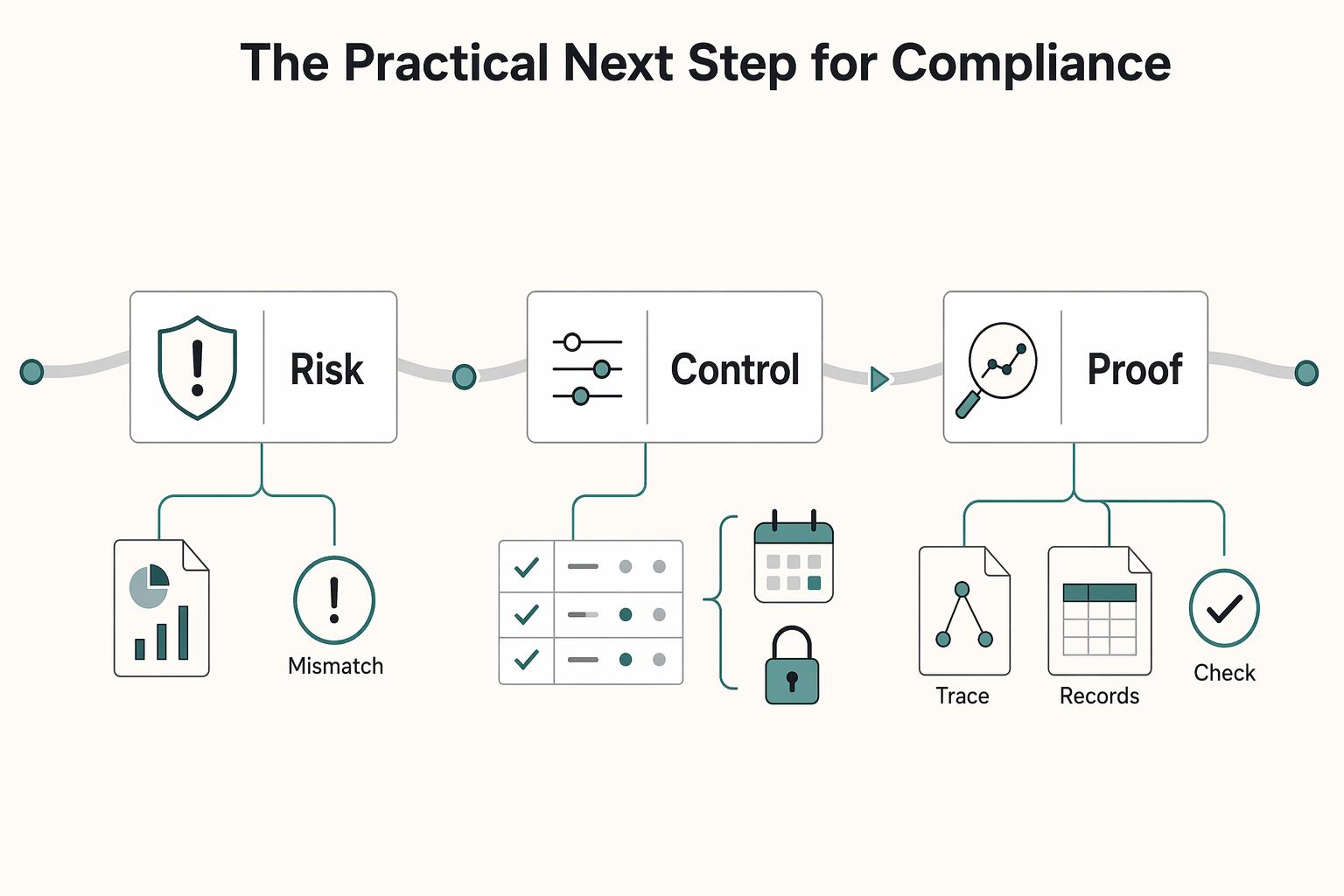
EU Digital Services Act for Marketplace Operators
If you own compliance, legal, finance, or risk at an online marketplace, the question is not whether EU cross-border compliance matters in the abstract. It is which controls to stand up now, who owns them, and when an issue needs to move from operations to legal review.
Read more →