
Quick Answer
No - streaming platform artist royalty per-stream rate calculation should be used as directional planning, not as a fixed payment rule. Spotify’s own guidance in the article states payouts are based on share of overall streams, and modeled outputs shift with tier mix, country mix, and contract deductions. The practical approach is to separate Premium and ad-supported cohorts, map rights and fee deductions in order, and only make external payout claims after those assumptions are documented and reviewed.
How Streaming Royalties Are Calculated and Paid#
Per-stream headlines are useful for orientation, but they are a bad operating assumption. If your product, pricing, or artist messaging depends on one blended payout number, you are already skipping the part that usually breaks in production: settlement reality.
Reset what a per-stream number can actually tell you#
Treat any streaming platform artist royalty per-stream rate calculation as a directional estimate, not a promise. Streaming royalties are not a single payment. They come from multiple revenue flows and are split across different rights holders and agreements, so the artist-facing number quoted in a calculator is already downstream of several moving parts.
That matters more now because the market is too large to hand-wave. One cited 2023 figure puts streaming platform trade revenue at $19.3 billion, representing more than two-thirds of money earned across the recorded music market. At that scale, small assumption errors turn into real margin errors quickly. A headline rate can help with rough sizing, but it will not tell you what you can safely promise, accrue, or pay.
Move from headline math to operator assumptions#
The useful shift is to model royalties the way an operator has to live with them. DSPs do not all calculate royalties the same way, and practitioner sources flag that as a major source of confusion. So your first job is not to hunt for a magic number. It is to decide which variables you need to separate before you trust the output.
At minimum, split assumptions by platform and contract path, and treat other factors as explicit variables when they apply. Also assume that an average per-stream outcome is only that, an average. It is often described as less than a penny, which is mainly useful as a warning against fixed payout promises. If your GTM depends on saying "one stream equals X," stop there and redesign the offer before you get deeper into rollout planning.
Set the checkpoints that keep the model honest#
Before you build anything more detailed, set one verification rule and one failure rule. Verification rule: no model input should stay unlabeled. Mark each assumption as verified, estimated, or unknown, and name an owner for updating it. Failure rule: if you cannot explain how platform revenue turns into an artist payable through rights-holder agreements and splits, you do not have a launch-ready model.
That is the standard this guide uses. With sources updated in 2026, the goal is not to predict a universal rate. It is to turn rough calculator logic into operator-grade assumptions for streaming royalties, then pressure-test those assumptions in planning and payout operations. If you leave with anything, it should be a cleaner decision boundary: what you know, what you are assuming, and what would make you delay rollout instead of explaining away variance later.
If you report royalty income in the US, this guide covers the tax side: How to Handle Royalty Income on Your US Tax Return.
What to Prepare Before You Model Royalties#
Build the input pack first, then model. If any platform, tier, geography, or contract assumption is unlabeled or unsourced, your forecast is still a guess.
Step 1: Gather platform inputs by DSP#
Create separate evidence rows for Spotify, Apple Music, YouTube Music, Amazon Music, Tidal, Pandora, and Deezer instead of using one blended benchmark. Spotify's own guidance is a useful reminder: payouts are based on share of overall streams, not a fixed per-stream rate, so calculator outputs are directional estimates.
For each platform row, include:
- source link
- date checked
- source type (platform-first or third-party)
- owner and refresh date
Step 2: Split streams by tier and country#
Separate Premium subscription streams from ad-supported streams, then tag each cohort by geography (for example, United States and Switzerland). Payout outcomes depend on stream share, country mix, and tier mix, not total plays alone.
If your only input is "monthly streams," pause and add these cuts before forecasting. One-rate modeling can hide material differences from territory, plan type, and distributor terms.
Step 3: Collect contract artifacts and set a quality bar#
Pull Rights agreements, Record label agreements, and expected Distribution fees into the same pack from day one. Then label every assumption as verified, estimated, or unknown.
Unknown is acceptable before launch. Unlabeled is not. If you cannot trace the deduction path through agreements and fees, do not approve pricing or artist-facing payout claims yet.
If you want a deeper dive, read What Is Know Your Artist (KYA)? How Music Platforms Stop Streaming Fraud Before It Starts.
Pick the Royalty Logic You Will Operate#
Set your royalty logic before you model payouts: if your inputs come from platform averages and calculator defaults, assume pooled allocation, not a fixed per-stream contract.
Step 1 Choose pooled allocation unless you can prove listener-level settlement#
In a pro-rata setup, the core unit is the royalty pool: the pool is divided across tracks by share of total streams in a period. So your payout driver is stream share within that period, not a literal fixed payment per play.
An Individual listener model is a different concept, where allocation follows what each listener consumed. Do not assume a specific formula for that allocation, so treat it as a separate logic and do not blend it into pooled assumptions.
Use a simple checkpoint in your model: add an allocation logic assumed field for each DSP row, and make it explicit.
Step 2 Decide who carries month-to-month variance#
Month-to-month variance is built into average per-stream outputs, because those figures are derived from period results and can move with market and tier mix. This is why average per-stream numbers are useful for planning but not as fixed guarantees.
A concrete example: Qobuz reported an average payout of $0.01873 per stream to labels and publishers for its 2024 financial year. That is a reported average for that service and period, not a transferable promise across platforms or months.
Choose the risk holder up front: with pass-through settlement, the artist or rights holder absorbs variance; with a fixed payout promise, your platform absorbs it.
Step 3 Remove fixed payout promises from GTM#
If your GTM depends on a guaranteed per-stream number, redesign it. Calculator values like $0.0030/stream (Spotify) and $0.0060/stream (Apple Music) are presented as estimates based on averages, not contractual outcomes.
| Platform | Figure cited | Context |
|---|---|---|
| Qobuz | $0.01873 per stream | Reported average payout to labels and publishers for its 2024 financial year; not a transferable promise across platforms or months |
| Spotify | $0.0030/stream | Calculator value presented as an estimate based on averages, not a contractual outcome |
| Apple Music | $0.0060/stream | Calculator value presented as an estimate based on averages, not a contractual outcome |
The failure mode is selling an estimate like a guarantee. A safer promise is a clear method, expected range, and explicit language that per-stream outputs are period averages.
For a step-by-step walkthrough, see How to Calculate a Freelance Rate You Can Actually Get Paid On.
Build a Baseline Estimate Table Before Any GTM Commit#
Build the table before you commit GTM resources, even if many cells are still unknown. A row with explicit unknowns and a weak confidence label is safer than a precise-looking number with no defensible source trail.
Step 1 Create one row per platform in a single, consistent format#
Use one structure across Spotify, Apple Music, YouTube Music, Amazon Music, Tidal, Pandora, and Deezer so each row is comparable and reviewable.
| Platform | Model type assumed | Known inputs to log now | Unknowns blocking approval | Gross estimate | Confidence | Volatility note |
|---|---|---|---|---|---|---|
| Spotify | Assumption must be documented | Calculator-style input (if used), territory tag, rights-doc reference | Premium subscription mix, Ad-supported tier mix, geography share, deduction order | Placeholder only | Weak until verified | Sensitive to tier and country mix |
| Apple Music | Assumption must be documented | Calculator-style input (if used), territory tag, rights-doc reference | Geography share, deduction order, source authority | Placeholder only | Weak until verified | Sensitive to country mix |
| YouTube Music | Assumption must be documented | Calculator-style input (if used), product note, territory tag | Premium vs Ad-supported split, geography share, deductions | Placeholder only | Weak until verified | Keep paid and ad-supported assumptions separate |
| Amazon Music | Assumption must be documented | Calculator-style input (if used), territory tag, contract reference | Premium subscription mix, geography share, deductions | Placeholder only | Weak until verified | Recheck when subscriber mix shifts by market |
| Tidal | Assumption must be documented | Calculator-style input (if used), territory tag, contract reference | Geography share, deduction order, source authority | Placeholder only | Weak until verified | Small country-mix changes can move derived averages |
| Pandora | Assumption must be documented | Calculator-style input (if used), legal-source note, territory tag | Applicable legal basis, tier mix, deductions, geography share | Placeholder only | Weak until verified | Do not treat rule citations as artist net payout figures |
| Deezer | Assumption must be documented | Calculator-style input (if used), territory tag, rights-doc reference | Premium subscription mix, geography share, deductions | Placeholder only | Weak until verified | Sensitive to tier and territory composition |
Treat the gross estimate as a placeholder until the source trail is complete. Do not move placeholder numbers into pricing, sales copy, or artist commitments.
Step 2 Score source authority before you score upside#
Confidence should reflect evidence quality, not optimism. If a row depends on FederalRegister.gov text alone, keep confidence weak until you verify the linked official PDF on govinfo.gov. FederalRegister.gov explicitly states it is not an official legal edition and advises verification against an official edition.
| Confidence | Support needed | Remaining uncertainty |
|---|---|---|
| Strong | Official legal/contract source attached; method stated | Unknowns narrow |
| Medium | Credible source trail exists | Key drivers remain estimated |
| Weak | Calculator/secondary source only | Tier, geography, or deduction questions unresolved |
If you use CRB materials, log the exact proceeding reference in the row evidence, such as Web V (10/27/2021) or Web IV docket 14-CRB-0001-WR (2016-2020). A row should not be marked strong when support is only a calculator or secondary commentary.
Use a consistent rule:
- Strong: official legal/contract source attached, method stated, unknowns narrow
- Medium: credible source trail exists, but key drivers remain estimated
- Weak: calculator/secondary source only, with unresolved tier, geography, or deduction questions
Step 3 Require ownership and review cadence before market approval#
Add two mandatory fields to every row: assumption owner and next review date. No market is greenlit until both are filled.
This prevents placeholder estimates from being copied into GTM materials as implied commitments. If a row remains weak, hold launch, gather stronger evidence, and revisit on the named review date.
You might also find this useful: Choosing Creator Platform Monetization Models for Real-World Operations.
Convert Gross Estimates Into Net Artist Payout Reality#
A gross estimate is not artist payable. In a pro-rata system, payout comes from a share of a revenue pool rather than a fixed per-stream fee, and both the pool and the artist's share can change month to month.
Step 1 Map deductions in the exact order money moves#
Write each row as a settlement path: gross pool share -> Record label agreements -> Distribution fees -> taxes -> final artist payable. If you do not lock the order, teams apply the same deductions differently across markets and tiers.
| Stage | What to log | Common failure |
|---|---|---|
| Gross pool share | Estimate source, tier mix tag, geography tag, confidence | Treating an average rate as a promise |
| Label + distributor deductions | Contract split, fee basis, deduction order | Using one blended cut without contract support |
| Taxes + final payable | Tax assumption, payee entity, final net to artist | Calling pre-tax net "take-home" |
Use averages as gross context only. The commonly cited $0.003-$0.005 per-stream range and $3,000-$5,000 per 1,000,000 streams are average gross outcomes, not guarantees and not final artist cash after downstream deductions. The controlling input is the distribution or label agreement that sets what the artist keeps.
Step 2 Keep streaming and mechanical obligations separate#
Do not merge Streaming royalties and Mechanical royalties into one "royalty" line. This section is about converting streaming gross estimates into net artist payable after downstream deductions; blending obligations hides where variance actually comes from.
Even broad platform-level statements do not replace this separation. For example, a claim that 70% of net revenue goes to music rights does not by itself tell you artist take-home after label, distributor, publisher, and tax treatment.
If helpful, use this companion guide: Mechanical Royalties Explained: How Streaming Platforms Calculate and Pay Mechanical Rights.
Step 3 Apply a hard decision rule before launch#
Run low/base/high net scenarios by varying the drivers that actually move payout: tier mix, geography mix, and any unverified agreement split. Premium streams are generally described as more valuable than ad-supported streams, so mix changes can materially shift net payout.
Decision rule: if net payout variance is wider than your margin tolerance, narrow scope or delay launch instead of pushing uncertainty into operations.
Related reading: Getting a Freelance Artist Visa in Germany.
Set Country and Tier Decision Rules for Expansion#
Gate expansion on evidence confidence, not the most attractive gross case. After you build the net model, only launch country and tier slices where rights, tax, and reconciliation assumptions are documented enough to operate without payout disputes.
Step 1 Build three scenario slices before adding more markets#
Keep three slices separate in the model: United States premium-heavy, Switzerland premium-heavy, and a mixed Ad-supported tier cohort. Use these as operating scenarios, not proof that one country pays more than another.
| Scenario slice | What to isolate | Minimum evidence to record |
|---|---|---|
| United States premium-heavy | premium mix assumptions, rights path, tax handling for the payee entity | rights/label/distribution agreement references, tax setup note, assumption status (verified/estimated/unknown) |
| Switzerland premium-heavy | same fields, tracked independently from U.S. assumptions | updated assumptions log, contract basis, named reviewer |
| Mixed Ad-supported tier cohort | ad-supported share, higher-variance revenue assumptions, reconciliation risk notes | tier tag in model, source note, explicit variance warning |
If any row is still borrowing assumptions from another row, treat it as no-go until corrected.
Step 2 Set go/no-go rules from confidence, not upside#
Use a confidence gate beside the revenue case. Where rights treatment, tax treatment, or document support is less certain, require stronger evidence before launch.
This is also a source-quality check. If legal support is taken from FederalRegister.gov XML, mark it as non-authoritative until verified against the official edition, because that page explicitly says it is not the official legal version.
Step 3 Assign a monthly refresh owner per country#
Broader coverage adds growth options, but it also increases policy, payout, and reconciliation complexity. Each country therefore needs an updated assumptions log and one documented owner for monthly model refresh.
Your checkpoint is operational: one named owner can show the current assumption version, what changed, why it changed, and when it was last refreshed for each slice. If that is missing, do not expand yet.
Design Payout Operations So Estimates Can Survive Production#
Your payout operations should treat per-stream outputs as estimates that need clear settlement logic before money moves. These models are not final settlement amounts, and outcomes can vary by territory, listener plan type, and distributor terms, so operations should be built to handle that variability explicitly.
Step 1 Keep estimate logic separate from payable logic#
Do not convert modeled output directly into payout instructions. First confirm which assumptions are still estimates and which are accepted for settlement in the current cycle.
A practical checkpoint is whether an operator can quickly see the settlement period, territory, listener plan type, and distributor-term context behind the payable amount. If those fields are unclear, disputes are harder to resolve.
Step 2 Make the assumption chain auditable#
If you start from a platform rate assumption and then apply a royalty share after splits, keep that chain visible in the record. For example, one calculator displays a Spotify assumption of $2.38 per 1,000 streams before applying share adjustments, and it also labels results as modeled estimates.
This keeps teams from treating a planning calculator as if it were a final statement.
Step 3 Design for transparency as scale increases#
Legal scholarship has described royalty collection and distribution as disjunct, inefficient, and incomplete in the digital era, so transparency should be an operating requirement, not a later fix. Keep records structured so you can explain how each payable amount was derived when questions come in.
If you evaluate automation paths such as smart-contract-style distribution, judge them on whether they improve transparency and speed in your real workflow.
Related reading: How to Negotiate a Higher Rate with a New Client.
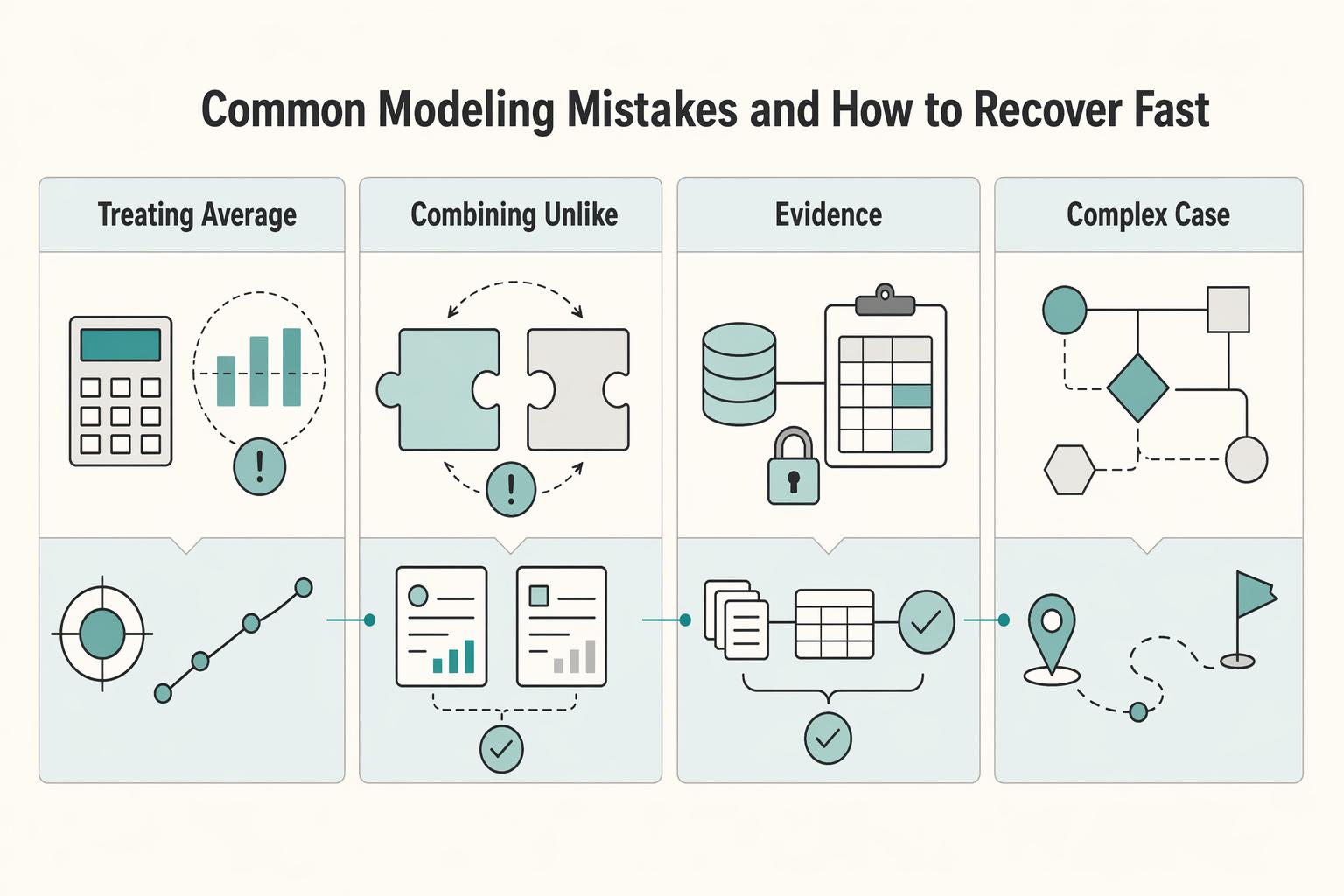
Common Modeling Mistakes and How to Recover Fast#
Once payout operations are traceable, the biggest modeling error is treating estimate outputs as promises. Recover by rebuilding the model around assumptions you can explain, rerun, and document.
| Mistake | Recovery | Quick check |
|---|---|---|
| Treating an average per-stream figure like a fixed contract rate | Rebase on Pro-rata system mechanics and rerun with a rate range, not one headline rate | Rerun the same case, including high-volume cases like 100,000 streams, with a rate range |
| Combining unlike royalty categories in one payout bucket | Split Streaming royalties and Mechanical royalties into separate ledger and statement lines before payout | One operator can identify which category drove a balance without a side spreadsheet |
| Modeling deductions that are not clearly tied to contract records | Pause rollout until Rights agreements and Record label agreements clearly map to how gross becomes net in your model | Each deduction maps to a specific payee, agreement record, and period |
| Adding identity and fraud controls only after scale | Include Know Your Artist (KYA) and music streaming fraud controls in intake and exception review before scaling payouts | Suspicious activity can be held and reviewed before statements and funds are finalized |
1. Mistake: treating an average per-stream figure like a fixed contract rate. Recovery: rebase on Pro-rata system mechanics. A streaming royalty calculator projects gross earnings from stream count and an estimated rate, but artists are not paid a fixed price per stream. In a pro-rata model, payout comes from a monthly revenue pool and your share of total streams, so the displayed per-stream number is a calculated average that can move month to month. Quick check: rerun the same case (including high-volume cases like 100,000 streams) with a rate range, not one headline rate.
2. Mistake: combining unlike royalty categories in one payout bucket. Recovery: split Streaming royalties and Mechanical royalties into separate ledger and statement lines before payout. Quick check: one operator should be able to identify which category drove a balance without a side spreadsheet.
3. Mistake: modeling deductions that are not clearly tied to contract records. Recovery: pause rollout until Rights agreements and Record label agreements clearly map to how gross becomes net in your model. Quick check: each deduction in the model should map to a specific payee, agreement record, and period.
4. Mistake: adding identity and fraud controls only after scale. Recovery: if you plan to rely on Know Your Artist (KYA) and music streaming fraud controls, include them in intake and exception review before scaling payouts. Quick check: suspicious activity can be held and reviewed before statements and funds are finalized.
Related: Music Streaming Fraud: How AI Creates Fake Streams and How Platforms Can Fight Back.
Conclusion#
Launch only when your royalty assumptions can survive settlement, reconciliation, and country rollout. If one link is still hand-wavy, especially model choice or gross-to-net deductions, treat that as a stop sign, not something operations will sort out later.
- Confirm the payout logic you are actually using.
Write down whether your economics assume a Pro-rata/streamshare model or another contract-defined model, and note why. The grounded default for major services is the pooled, streamshare approach: revenue from subscriptions and ads goes into one pool, then payout follows share of total listening. Your verification point is simple: can you explain why a title with 1% of listening would map to 1% of royalties to rightsholders under your model? If not, your pricing or creator promise is probably still anchored to a made-up fixed rate.
- Build a baseline table before you promise anything externally.
For each platform and geography you care about, create one row with known inputs, unknowns, confidence score, and a volatility note for subscription mix (for example, premium vs ad-supported). Country matters because a stream's value can vary by listener location, so do not treat one blended global average as launch-ready. A good red flag is any row built from an old comparison table, especially dated figures such as 2023 averages, without a refresh owner and review date.
- Convert gross estimates to net in a written deduction order.
Start with pooled revenue logic, then apply your share of listening, then move through contract terms and fee deductions in explicit order. At minimum, your documentation should capture the contract assumptions and what gets removed before rightsholder allocation. Spotify's support language is useful here: royalty calculations use net revenue, not the full cash collected, and that net removes items like taxes, credit card processing fees, billing, and sales commissions. Failure mode: teams compare a gross calculator output to a net statement line, miss publishing or other obligations, and call the difference an error. Keep streaming and publishing royalties separate so you are not blending distinct payment duties.
- Set go or no-go rules, then test production readiness.
Pick country-tier thresholds based on confidence, not upside alone. If the contract path is unclear, the listener mix is unknown, or net payout variance is wider than your margin tolerance, narrow scope or delay launch. Before GTM, confirm payout operations can support auditability: a named owner for monthly assumption refresh and traceable payout records.
That is the practical close on any streaming platform artist royalty per-stream rate calculation: document the model, prove the assumptions, map deductions, and do not scale past what your payout operations can actually support.
Frequently Asked Questions
Is there a fixed per-stream royalty rate on Spotify or Apple Music?
No fixed number should anchor your model. Spotify explicitly says it does not pay artist royalties according to a per-play or per-stream rate, so any headline figure is an average outcome after monthly variables settle. For pooled-revenue models, use range-based estimates rather than a promised unit price.
What is the minimum formula to estimate royalties before launch?
Start with pooled revenue, then estimate your streamshare for the month, then apply your deduction path to get from gross to artist payable. In plain terms: expected platform revenue pool x your share of total streams x your rights split, then subtract distributor fees and contract-based deductions. If your formula cannot show where recording royalties stop and publishing or other obligations begin, it is still too rough for launch.
Why do calculator results differ from distributor statements?
Most calculators show a simplified estimate, while statements reflect net revenue, actual streamshare, country mix, subscription tier mix, and downstream deductions. Spotify says the revenue pool itself is net of items like taxes, card processing, billing, and commissions before rightsholder shares are paid. A common failure mode is comparing a simplified calculator output to a net statement line and calling the gap an error.
Which variables move payout outcomes the most each month?
The biggest movers are usually pool size, your share of total monthly streams, listener country, and Premium versus ad-supported mix. That is the core of pro-rata pool distribution: your payout follows monthly revenue and your proportion of total plays, not a locked rate card. If one of those inputs is unknown, mark the estimate low confidence instead of hiding the gap inside one blended assumption.
Can payout comparison tables alone justify a market-entry decision?
No. A table is useful for screening, but it is not enough on its own if your contract path, tax treatment, or payout operations are still unclear. Treat it as research until your net payout path is documented.
How should we treat premium versus ad-supported streams in planning?
Model them separately from the start. Eligible streams from both Premium and ad-supported listeners can generate royalties, but the revenue inputs behind those streams are different, so blending them hides real volatility. A good checkpoint is whether you can rerun the same title mix with a heavier ad-supported share and explain why the expected payout changed.
Try a related tool
Researched and edited by the Gruv editorial team. Gruv builds cross-border billing, payouts, and finance-operations software for global businesses.
Sources
- bea.gov/resources/methodologies/nipa-handbook/pdf/al...trusted
- brooklynworks.brooklaw.edu/cgi/viewcontent.cgitrusted
- congress.gov/114/plaws/publ94/PLAW-114publ94.htmtrusted
- copyright.gov/policy/musiclicensingstudy/transcripts/mls-l...trusted
- crb.gov/rate/14-CRB-0001-WR/statements/NRBNMLC.pdftrusted
- crb.gov/rate/16-CRB-0003-PR/rebuttals/2-23-17-pandor...trusted
- federalregister.gov/documents/2016/05/02/2016-09707/determinatio...trusted
- federalregister.gov/documents/2021/10/27/2021-20621/determinatio...trusted
Educational content only. Not legal, tax, or financial advice.
Related Posts
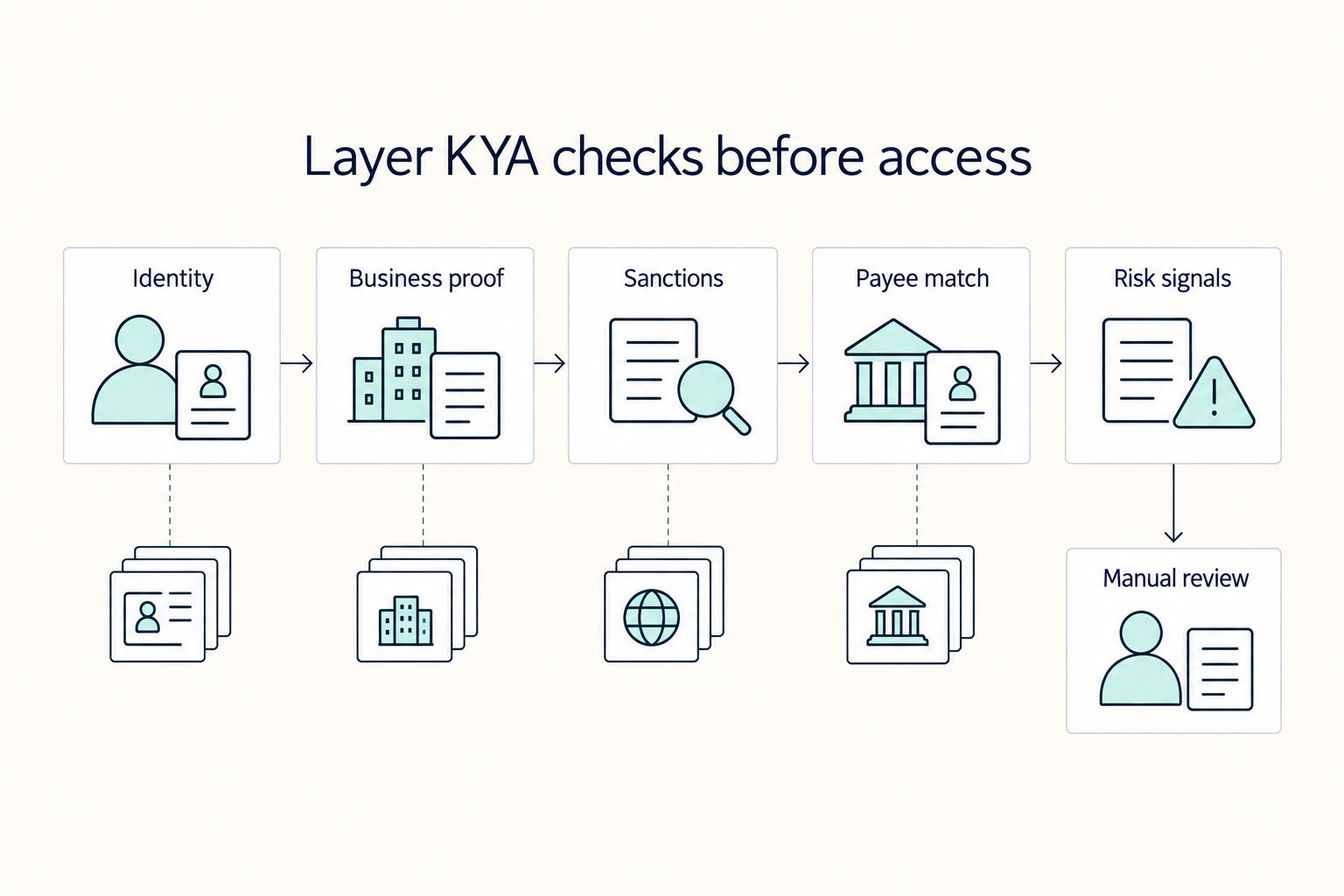
What Is Know Your Artist (KYA)? How Music Platforms Stop Streaming Fraud Before It Starts
So this piece stays practical. You will see where basic identity checks end, where KYA adds real value, and where enhanced review is worth the extra operational load. You will also see a failure mode many teams miss: collecting signals without a clear action path. A flag that does not route to a defined approve, hold, or reject decision is not much of a control.
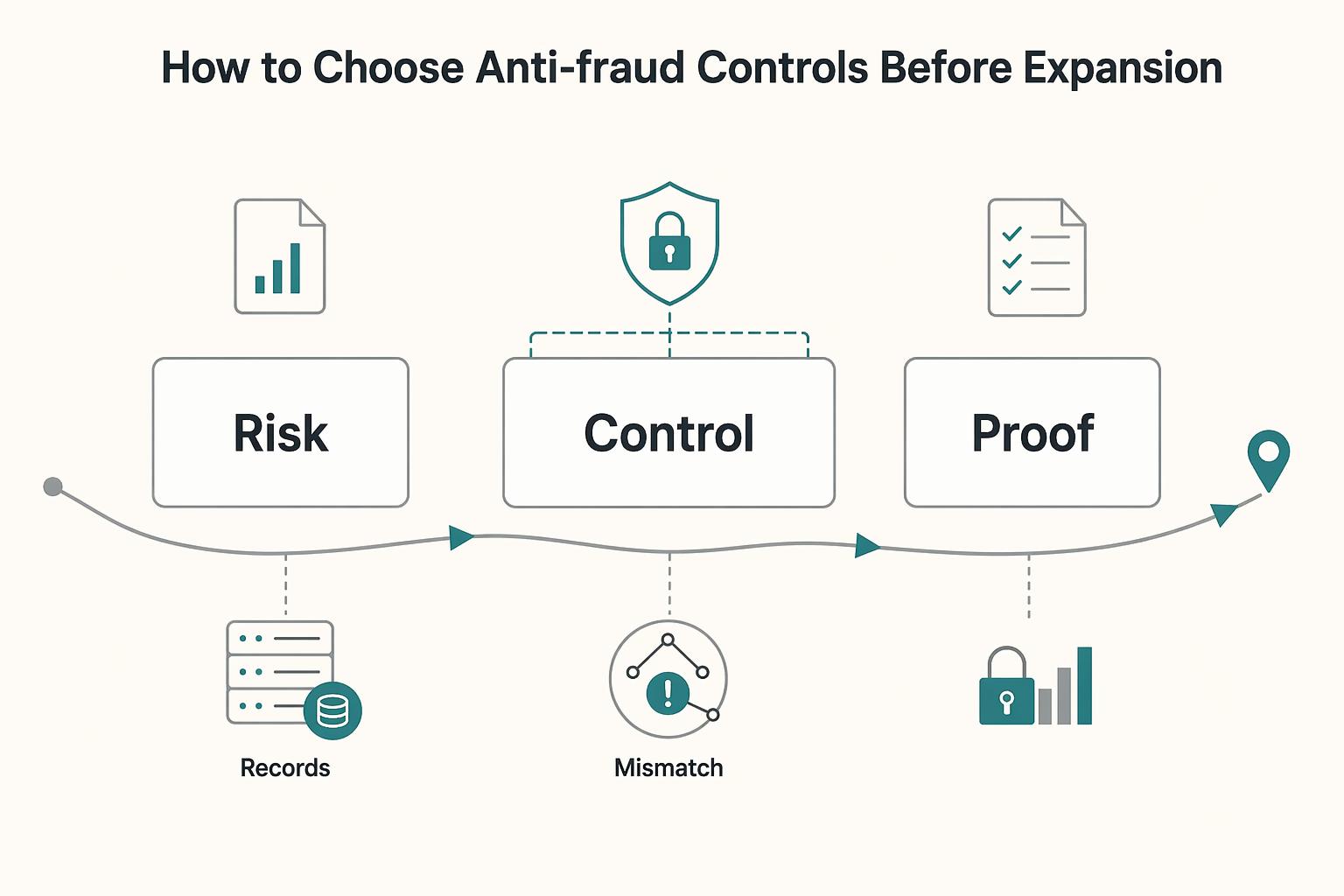
How Platforms Can Fight Back Against AI Fake Streams in Music
Music streaming fraud is now an operating risk, not a corner case you can clean up later. A recent example is the [Michael Smith case](https://www.justice.gov/usao-sdny/pr/north-carolina-man-pleads-guilty-music-streaming-fraud-aided-artificial-intelligence-0) in the United States. Federal prosecutors said he used bots to fraudulently stream AI-generated songs billions of times and obtain more than $8 million in royalties.
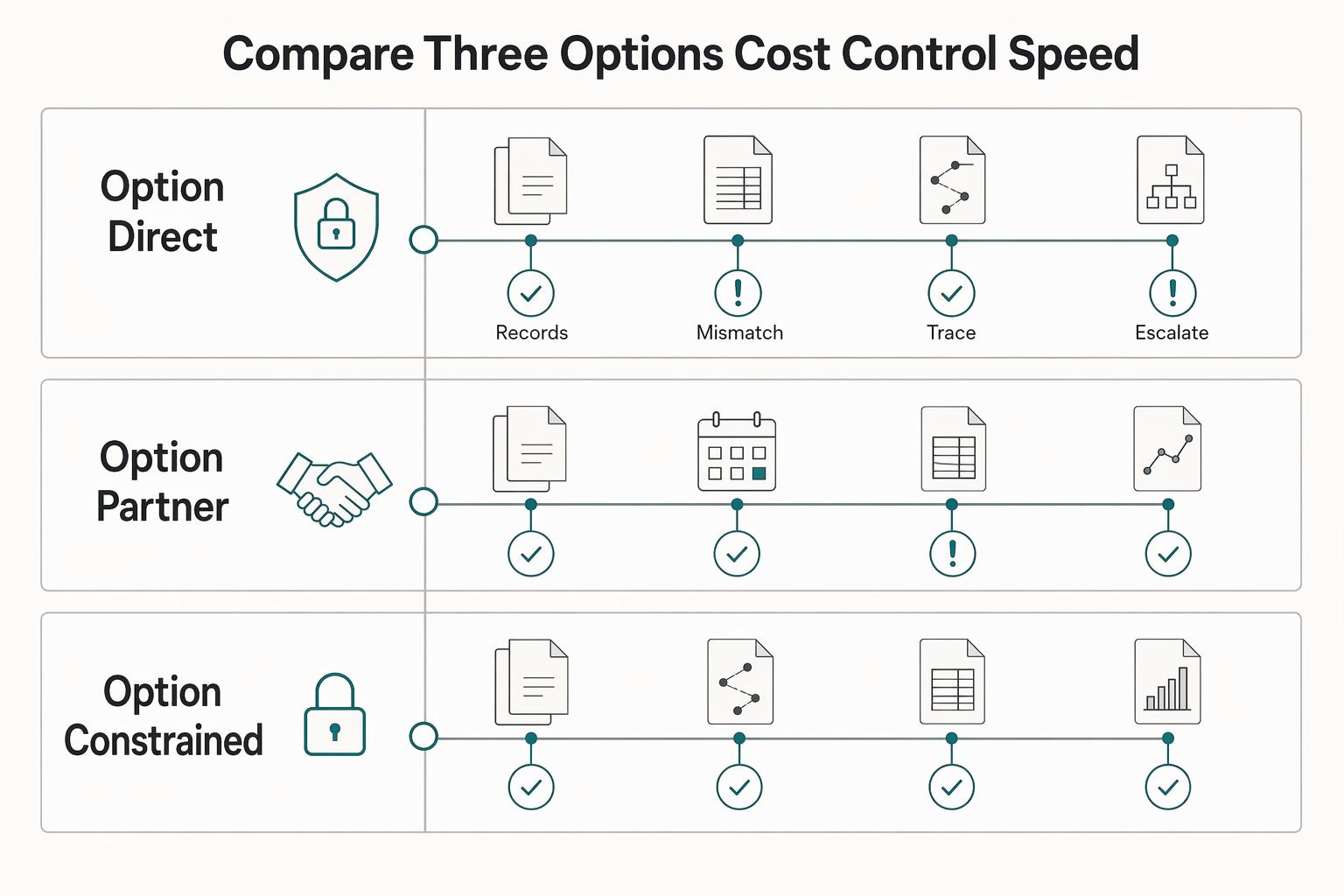
How Streaming Platforms Calculate and Pay Mechanical Rights
Mechanical rights in interactive streaming can fail at the operations layer before they fail in a legal memo. If you are building or expanding a platform, the real question is not just what counts as a mechanical royalty. It is whether your licensing, data, reporting, and payout choices will hold up once monthly usage starts moving.