
Quick Answer
Start by separating subscriber churn into voluntary cancellations and payment-failure lapses, then pick the metric that matches the risk: customer churn for activation and onboarding problems, MRR churn rate for revenue durability. Use one aligned monthly window, cut results by lifecycle stage and plan tier, and only then decide on pricing, product, or billing changes. In the article’s sequence, this prevents teams from discounting broadly when the real issue is concentrated in one segment or in collection reliability.
What Subscriber Churn Means for Platform Operators#
Subscriber churn is not a vanity metric. For a SaaS company or any subscription business, it is one of the clearest signals of whether growth is durable or just expensive.
It rarely shows up as just a customer-count problem. It destabilizes recurring revenue, weakens planning, and changes how much acquisition you need just to stay in place. Amplitude makes the practical point clearly: churn affects revenue, growth, and planning, and even small changes in churn rate can shift customer lifetime value and acquisition targets. In operating terms, a growth chart can still look healthy while the economics underneath it get worse.
That usually happens when teams celebrate net new signups without checking what kind of churn sits underneath them. You can add accounts and still end the month with weaker recurring revenue, depending on who leaves. That is why this guide treats account loss and revenue loss as separate but connected signals. If you only watch logo counts, you can miss changes that quietly compress CLV.
The goal here is practical. You should leave with a sequence for deciding which metric belongs in front of you first, what to inspect before changing product or pricing, and how to separate the two lanes that often get blended together. Voluntary churn means customers actively choose to leave. Involuntary churn means they leave because billing fails. Those are different problems, and they need different fixes.
A useful early checkpoint is simple. Before you react to a rising number, verify whether the loss is cancellation-driven or payment-failure-driven, and whether it is concentrated in a specific segment. If you skip that step, you can end up changing product or pricing when the real issue is collection reliability, or rolling out broad discounts when the problem is weak activation in one segment. Both responses create activity without doing much to protect revenue quality.
Subscription models have spread across more sectors, so more teams now face churn management challenges. Stripe cites market growth expectations of $1.5 trillion by 2025, alongside data that private SaaS companies can lose a median 14% of revenue and 13% of customers annually. Those figures are not a universal benchmark, but they are a useful reminder that churn is not a minor retention metric. It is a monetization problem with direct consequences for recurring revenue and long-term account value.
The sections that follow will help you choose the right lens, diagnose voluntary versus involuntary loss, and prioritize fixes that protect both revenue durability and CLV.
For related context, see The Freelancer's Bill of Rights: What You Should Demand from Your Platform.
Define subscriber churn in operator terms#
In operator terms, subscriber churn is the loss of paying subscribers from the active base, and you should split it into two types from the start: active and passive churn. Active churn (voluntary churn) is when a subscriber cancels, disables auto-renewal, or lets a term lapse intentionally. Passive churn (involuntary churn) is when a subscription lapses without subscriber action, often because payment collection fails.
Treat churn with two lenses at the same time: account loss and recurring-revenue loss (often labeled customer churn and MRR churn). The label is less important than the split. A period with fewer lost accounts can still produce worse revenue stability if the subscribers leaving are higher value.
This is why churn is not just a retention KPI. It affects cohort strength, long-term revenue stability, and customer lifetime value, so pricing, product, and finance all need a clean read before acting. Before you change packaging, onboarding, or discounting, segment loss by lifecycle stage, behavior, and acquisition source, then compare account loss versus recurring-revenue loss inside each segment.
Choose the right churn metric before you choose a fix#
Pick the metric that matches the risk you are trying to control, then use a second metric as a check. Churn by customer count and churn by recurring revenue measure different outcomes, so using only one lens can point you to the wrong fix.
If leadership is focused on top-line durability, lead with revenue churn. If the issue looks like weak onboarding, activation, or early lifecycle drop-off, start with customer churn.
| Metric | Best use case | Typical owner | What decision it should drive |
|---|---|---|---|
| Customer churn rate | Show what share of customers left in a period, especially when lifecycle or product experience issues are suspected | Product, customer success, growth | Whether to fix activation, onboarding friction, or segment-specific retention gaps |
| MRR churn | Show how much recurring revenue was lost in absolute terms | Finance, revenue leadership | Whether current revenue loss is acceptable and which plan cohorts are driving the damage |
| MRR churn rate | Show recurring revenue lost relative to starting recurring revenue for the period | Finance, leadership, pricing owners | Whether revenue durability is improving or weakening over time |
Match the metric to the decision#
Customer churn is the percentage of customers who end their relationship in a given period. Use it when you need to confirm whether loss is broad across customers or concentrated in specific cohorts.
Revenue churn answers a different question: how much recurring revenue left with those customers. In subscription businesses, that often carries board-level weight because it directly threatens recurring revenue and financial stability.
Before the review, align both views to the same monthly period and starting base. If customer and revenue reports are built on different windows, the comparison can look like insight when it is just mismatch.
Same churn, different economics#
Identical churn can produce opposite margin outcomes when plan mix is different. Two products can lose the same share of subscribers, but if one loses mostly lower-priced plans while the other loses higher-priced plans, the revenue and margin impact will not be the same.
Use both lenses together: customer-count churn for breadth of loss, and revenue churn for economic weight. Watching only one can hide either a growing activation problem or a concentrated high-value revenue problem.
A monthly cadence that keeps teams honest#
Set one primary and one secondary metric before the month-end review so ownership and intervention are clear.
| Team or review | Primary focus | Secondary check |
|---|---|---|
| Leadership and finance | MRR churn rate | Customer churn rate |
| Product and growth (when activation/onboarding is the concern) | Customer churn rate | MRR churn rate |
| Every review | Include a pricing-plan cut | Make loss concentration by plan visible |
Escalate from monitoring to intervention when the primary metric worsens across monthly reviews and the secondary metric confirms either broadening customer loss or meaningful recurring-revenue damage. If customer loss rises while revenue loss stays flatter, investigate onboarding and segment quality first. If revenue loss worsens while customer counts look stable, prioritize plan-mix exposure, retention on higher-value plans, and pricing decisions.
Related: AI-Driven Churn Prediction for Platforms: How to Identify At-Risk Subscribers Before They Cancel.
Diagnose churn by lifecycle stage and segment#
Work in this order: segment first, then compare customer churn and MRR churn inside each segment. A single blended churn rate is not enough for action planning, and it can hide where risk is concentrated.
Segment before you compare#
Cut churn on two axes at the same time: Subscription lifecycle stage (early, mid, mature) and subscriber segment (plan tier, cohort, use case). Keep those definitions stable month to month, then read both churn lenses inside each slice:
- Customer churn shows where logo loss is happening.
- MRR churn shows where revenue exposure is concentrated.
- If both are elevated in the same slice, treat that slice as the priority.
- If customer churn is high but MRR churn is low, the leakage may be concentrated in lower-value accounts.
Losing a $50 account and a $5,000 account is not the same economic problem, even when both count as one customer.
Read churn by lifecycle stage with a fixed denominator#
For stage-level diagnosis, use: stage churn rate = (churned from stage ÷ starting in stage) × 100. Freeze the records that entered each stage for the period, then measure churn from that fixed group. That avoids denominator drift and reduces double counting when records move during the same window.
Validate plan concentration before changing packaging#
Before you change packaging for everyone, verify whether loss is concentrated in a specific set of Pricing plans. Use one aligned monthly cut across segment, lifecycle stage, and plan tier. If churn is concentrated in one plan, cohort, or use case, fix that area first instead of applying a broad pricing change.
This pairs well with our guide on What is a Merchant of Record (MoR) and How Does It Work?.
Triage voluntary and involuntary churn in the right order#
Split churn into voluntary and involuntary lanes before you change packaging or pricing. If you see high involuntary loss, fix collection reliability first. If voluntary loss is concentrated in one segment, fix offer and onboarding fit there before you use broad discounts.
If you need to inspect billing-path economics, keep the billing model and fee path visible:
| Billing model | Published fee detail | Notes |
|---|---|---|
| You handle pricing | $2 per monthly active account; 0.25% + 25¢ per payout sent | Monthly active account = one that received payouts to a bank account or debit card that month |
| Managed Payments | 3.5% fee per successful transaction | In addition to standard Stripe processing fees; additional charges for subscription payments |
| Stripe Standard pricing | 2.9% + 30¢ for successful domestic card transactions | +1.5% for international cards; +1% for currency conversion |
Voluntary churn usually signals value, pricing, or onboarding fit problems. Involuntary churn usually signals billing or payment-path failures. Treating them as one issue sends you to the wrong corrective action.
Use matched evidence for the same month and segment cut so teams do not mix diagnosis:
- Voluntary lane: cancellation reasons, support notes, onboarding completion.
- Involuntary lane: failed-payment counts, recovered payments, and a billing-path map from invoice to successful charge.
If the involuntary lane is elevated, inspect billing-stack ownership and economics before rewriting plans. In Stripe Connect, for example, "Stripe handles pricing" and "You handle pricing" are different responsibility models. In "You handle pricing," published pricing includes $2 per monthly active account and 0.25% + 25¢ per payout sent, and a monthly active account is one that received payouts to a bank account or debit card that month.
Apply the same check to Managed Payments economics. Stripe states a 3.5% fee per successful transaction, in addition to standard Stripe processing fees, and notes additional charges for subscription payments. Stripe Standard pricing separately lists 2.9% + 30¢ for successful domestic card transactions, with additional fees such as +1.5% for international cards and +1% for currency conversion. This does not prove why churn happened, but it helps you avoid misdiagnosing a billing-path economics issue as a packaging issue.
If voluntary loss is concentrated, go narrow: improve the promise, onboarding flow, or plan fit for that segment first. Use broad discounts only when evidence shows the issue is broad across the base.
Use separate success criteria so product and finance stay aligned:
- Involuntary lane: lower failed-payment volume and higher recovered collections.
- Voluntary lane: lower cancellation in the target segment and stronger onboarding and cohort retention.
You might also find this useful: How to Calculate and Manage Churn for a Subscription Business.
Connect pricing decisions to churn and margin tradeoffs#
Treat price changes as a churn-and-margin decision, not just a growth lever. Review any plan change through both customer churn and revenue churn, because one can improve while the other gets worse.
Read the results side by side:
| View | What it shows | Typical risk after a pricing change |
|---|---|---|
| Customer churn | How many subscribers you lose in a period | Fewer cancels can still hide weaker economics if retained customers contribute less per period |
| Revenue churn | How much recurring revenue you lose in a period | Account counts can look stable while revenue quality declines through contraction or lower-value retention |
In a Subscription business model, that distinction is critical: performance depends on how long customers stay and how much profit they generate per period. Small churn shifts can materially change long-term outcomes, so do not treat churn as one headline number.
Before you cut price#
If churn improves only after heavy discounting, pause before a broad rollout and test whether CLV and payback actually improve. Lower cancellations alone are not enough if margin deteriorates and payback extends.
Use the same cohort window before and after any packaging change, and check:
- segmentation by lifecycle stage, behavior, and acquisition source
- customer churn and revenue churn together for the same cohorts
- whether retained customers improve contribution quality, not just retention duration
Commitment changes have different costs#
Commitment terms can change churn shape, but they do not remove the core tradeoff between retention optics, flexibility, and expansion potential. Judge annual or flexible terms by cohort quality over time, not by short-term cancellation relief alone.
Tie commitment and packaging changes to measurable outcomes: cleaner retention quality in later months, healthier expansion patterns, and stable or improving MRR churn rate. If the only gain is a short-term cancellation dip after discounts or term changes, you may have delayed the problem instead of fixing plan fit.
For a step-by-step walkthrough, see How to Use a Community to Reduce Churn and Increase LTV.
Build a cross-functional churn operating checklist#
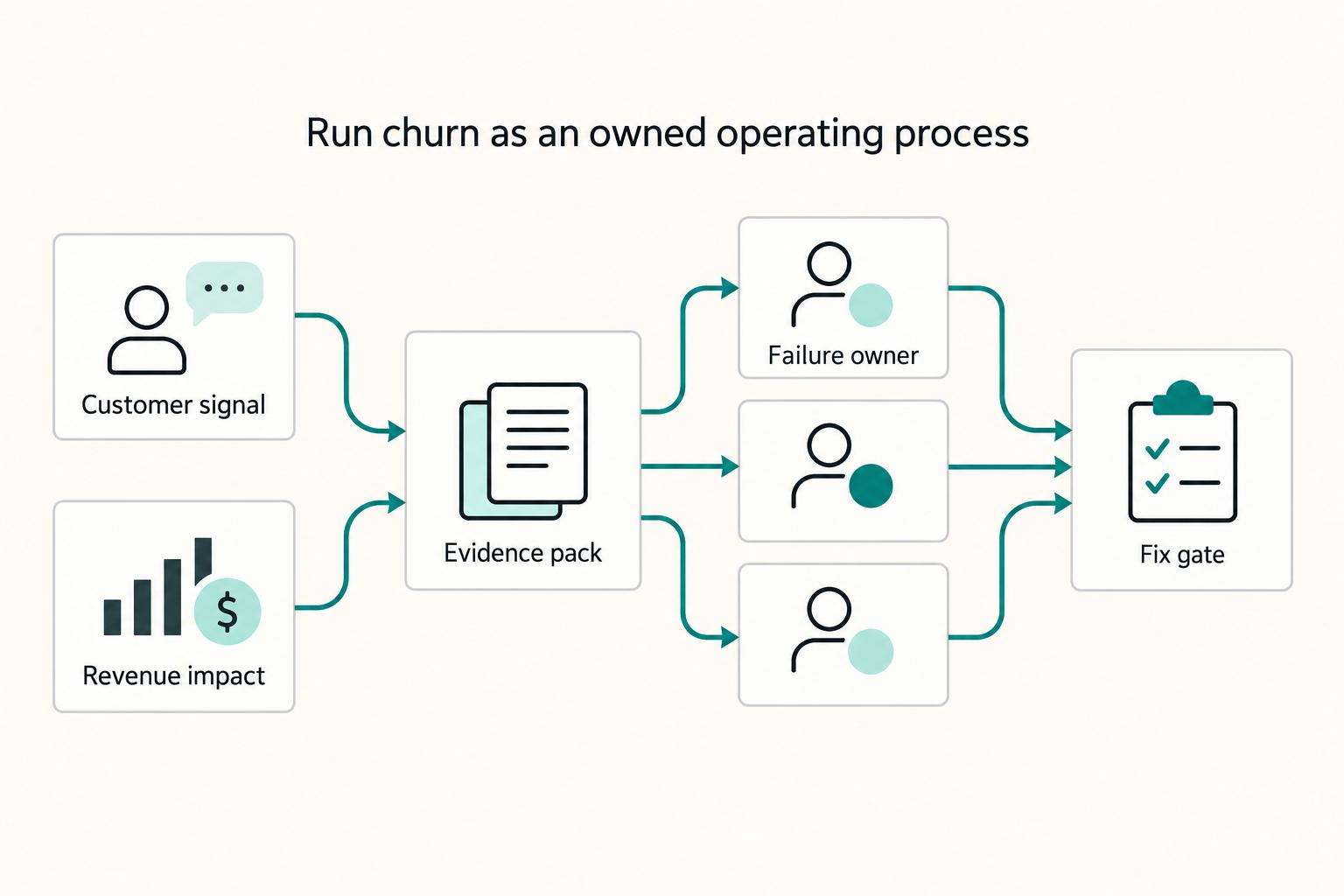
Treat churn as an operating process, not a single KPI: assign owners by failure mode, review a shared evidence pack, and ship fixes only when both customer churn and revenue churn improve.
| Review artifact | What it shows |
|---|---|
| Segment report | Where loss concentrates by plan, cohort, or use case |
| Subscription lifecycle cohort cut | Early-stage behavior is not mixed with mature accounts |
| Failed-payment log | Separates involuntary churn signals from value or pricing issues |
| Support win/loss notes | Why customers cancel, downgrade, or recover |
Use ownership as an operating choice, not a universal rule. A practical split is: product on activation and value-friction issues, finance on Recurring revenue exposure, ops on billing-failure recovery signals, and leadership on prioritization and rollout gates. The goal is clear accountability for controllable inputs, not shared ownership of one headline rate.
Keep the review evidence-based. Churn is more useful when paired with context, so bring the same artifact set each cycle:
- segment report showing where loss concentrates by plan, cohort, or use case
- Subscription lifecycle cohort cut so early-stage behavior is not mixed with mature accounts
- failed-payment log to separate involuntary churn signals from value or pricing issues
- support win/loss notes to capture why customers cancel, downgrade, or recover
Add a clear handoff path when risk is detected:
- route to deeper Subscriber segmentation when the headline rate hides a concentrated cohort problem
- route to churn prediction when earlier risk detection is needed and behavior is shifting
- route to Win-back campaigns when customers have already left and recovery is still plausible
Before shipping any fix, run one verification checkpoint: confirm movement in both customer churn and revenue churn, not just one. A one-sided improvement can hide a larger loss pattern.
Red flags that make churn reporting look better than reality#
If reporting looks better on paper while the business feels worse, your cuts, metrics, or actions are probably mismatched.
- Blended averages hiding risk: Treat aggregate Subscription churn as a warning sign, not proof of improvement. Churn patterns often change across SMB, mid-market, and enterprise cohorts, and get clearer when you slice by lifecycle stage, behavior, and acquisition source. Keep those cuts consistent across reviews so you are measuring change, not changing the view.
- Metric mismatch: If Customer churn improves while Revenue churn rises, the headline can look healthier than the underlying economics. Use every improvement to check which plans or cohorts moved and what happened to recurring revenue inside them.
- Action mismatch: Do not run broad Win-back campaigns before separating Voluntary churn from Involuntary churn. They are different failure modes, and both affect cohort strength and long-term revenue stability. If you skip that split, spend can go to the wrong fix.
- Benchmark misuse: Be skeptical of "good churn rate" claims without context. There is no universal benchmark across industries, business models, and growth stages, and even early-warning signals can mislead without context (for example, seasonal usage dips).
Conclusion#
Churn work is not a glossary exercise. It is an operating decision system: choose the metric that matches the risk, find where losses are concentrated, and fix the cause instead of arguing over a blended average. If you take one idea from this guide, make it this: the metric is only useful when it changes a real operating decision.
The next move should be narrow and practical, not a broad retention campaign. Start with one primary churn measure for the next review cycle, and define it clearly before you act. Keep the secondary measure visible as a check, but do not let competing lead metrics slow action.
Then run the diagnosis where it actually matters: inside segments. Break results by plan tier, cohort, lifecycle stage, or an RFM-style cut if that is how your team already works. Pull transactional, engagement, and feedback data into the same view before you make pricing or product changes. High loss can point to dissatisfaction or competitive pressure, and those require different fixes. Avoid base-wide changes when the damage is concentrated in one plan or one customer group.
From there, execute one focused fix cycle. Use the segmented evidence to choose one intervention, then test whether it changes churn in that segment before scaling it more broadly.
Before you call anything an improvement, agree on shared verification checkpoints. Keep the calculation consistent over time, review the same segment cuts after the change, and confirm that the primary metric improved without the secondary metric quietly getting worse. A simple evidence pack is enough: the before-and-after segment view, the transactional and engagement data behind the change, and the feedback themes that explain why customers stayed or left.
Use that structure to brief product, revenue, and finance together. If the read is clean and the fix holds, you can move from reactive reporting to early retention, with expansion revenue eventually outpacing what you lose.
Related reading: A freelancer's guide to 'Measure What Matters' (OKRs).
Frequently Asked Questions
What is subscriber churn in plain terms for platform operators?
It is the rate at which customers cancel or stop their subscriptions over a given period. For an operator, that means more than a headcount dip. In a recurring model, it directly translates into lost business and puts recurring revenue under pressure.
What is the difference between customer churn and MRR churn?
Customer churn tells you how many accounts left. MRR churn tells you how much recurring revenue you lost, which matters when the accounts leaving are not all the same size. If those two move in opposite directions, treat the mismatch as a signal, not a reporting oddity.
How do you calculate subscriber churn on a monthly basis?
A common monthly calculation is: customers who canceled or failed to renew during the month, divided by the active subscriber base at the start of that month. The checkpoint that matters is consistency. Keep the same inclusion rules every month for pauses, plan migrations, annual renewals, and reactivations, or your trend line will drift for reporting reasons instead of business reasons.
Why can subscriber count grow while revenue churn still gets worse?
Because growth in logos does not guarantee growth in durable revenue. You can add many lower-priced accounts while losing a smaller number of higher-value subscribers, so customer count rises while the revenue-based rate worsens. That can happen when teams focus on acquisition volume without checking plan mix and cohort value.
What is a good churn rate for a SaaS subscription business model?
There is no single good rate you can borrow without context. One cited benchmark says average churn is 10% and top performers reach 2%, while another source cites private SaaS medians of 14% revenue churn and 13% customer churn annually, but those figures are directional only. Use them to ask better questions about your own plan mix, lifecycle stage, and business model, not as a target to copy.
How can teams reduce involuntary churn from failed payments?
Billing recovery for failed payments is a practical retention lever. In practice, separate payment-failure loss from voluntary cancellations, and tighten your retry and recovery setup. That can improve retention, but it will not fix customers leaving for value or pricing reasons.
When should we prioritize win-back campaigns vs product or pricing fixes?
Prioritize based on why people left. If loss is mostly involuntary, recovery and payment fixes come first. If voluntary churn is tied to product, pricing, or customer experience, address those issues before broad win-back campaigns.
Try a related tool
Researched and edited by the Gruv editorial team. Gruv builds cross-border billing, payouts, and finance-operations software for global businesses.
Sources
Includes 2 external sources outside the trusted-domain allowlist.
- catalog.cornell.edu/ecornell-catalog-coursestrusted
- hbs.edu/ris/download.aspxtrusted
- pmc.ncbi.nlm.nih.gov/articles/PMC12749653trusted
- stripe.com/resources/more/subscription-churn-101trusted
- stripe.com/connect/pricingtrusted
- support.stripe.com/questions/managed-payments-pricingtrusted
- amediaoperator.com/analysis/reducing-passive-subscriber-churnexternal
- amplitude.com/explore/analytics/churn-predictionexternal
Educational content only. Not legal, tax, or financial advice.
Related Posts
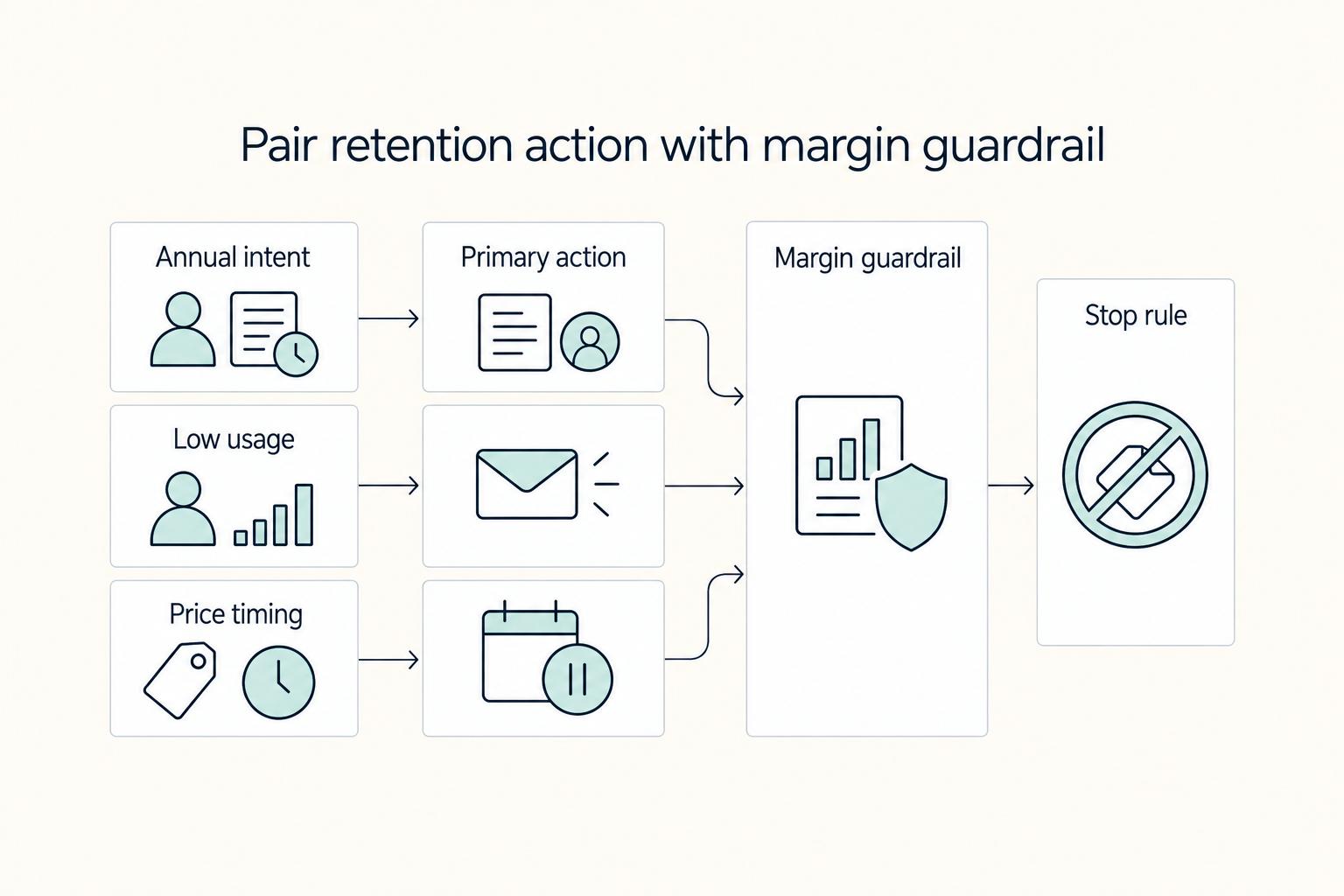
How to Use Subscriber Segmentation to Reduce Churn on Your Platform
Treat subscriber segmentation work as an economics decision, not only a targeting exercise. If a segment does not help you reduce **revenue churn** or improve recurring-revenue outcomes, it is probably adding complexity without changing the business outcome.
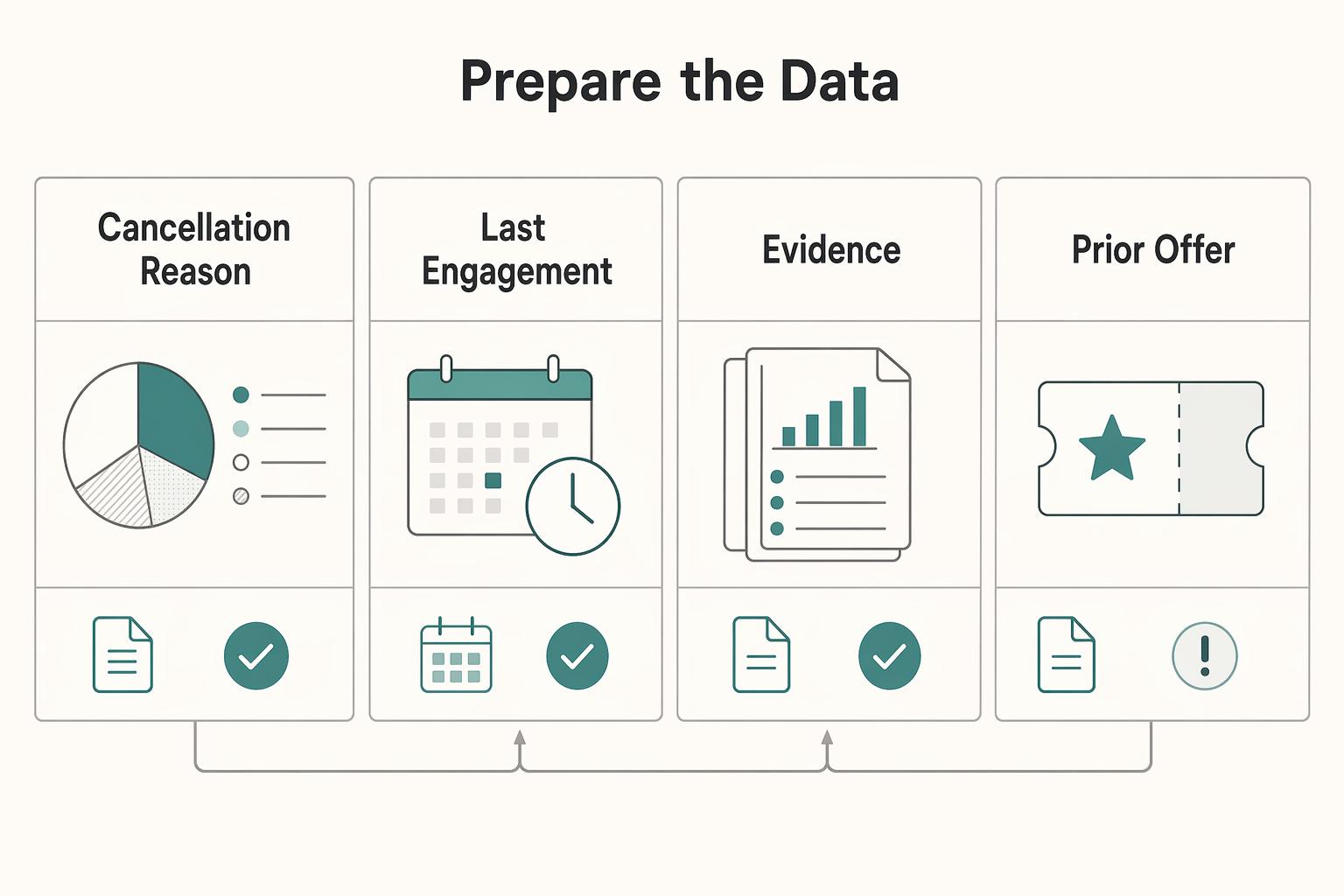
Win-Back Campaigns That Reactivate Churned Subscribers Without Margin Loss
Assume from the start that a win-back flow can lift reactivations and still be a bad trade. If you do not measure what those returns cost in incentives and short-term re-churn, you can end up celebrating activity that does not help the business.
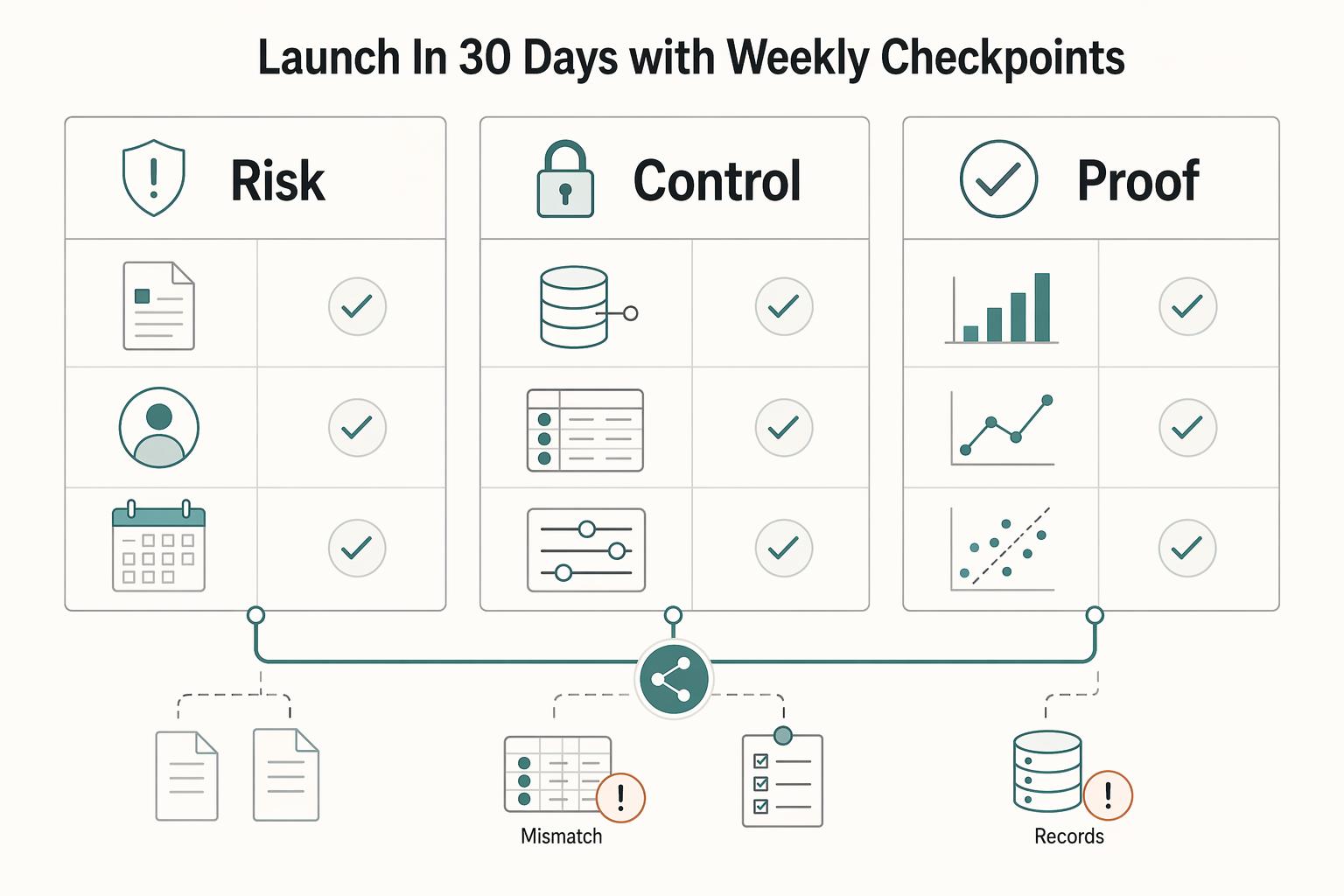
AI-Driven Churn Prediction for Platforms Before Subscribers Cancel
A churn score matters only if it changes what you do before a subscriber leaves. If the output lives in a dashboard and never affects pricing, outreach, feature access, or support treatment, you do not have a retention motion. You have a reporting artifact.