
Quick Answer
Start with a subscriber segmentation reduce churn platform strategy that uses reproducible fields first: subscription status, plan tier, and billing interval. Assign one intervention per segment, set guardrails tied to CLV and CAC, and test each segment with its own A/B design plus a true control group. Keep only treatments that lower revenue churn without weakening margin.
Why subscriber segmentation reduces churn#
Treat subscriber segmentation work as an economics decision, not only a targeting exercise. If a segment does not help you reduce revenue churn or improve recurring-revenue outcomes, it is probably adding complexity without changing the business outcome.
That standard matters because churn is not just a retention metric. Revenue lost from cancellations or downgrades is revenue you have to replace just to stand still. That increases pressure on sales, marketing spend, and acquisition costs. In a subscription business, segmentation is useful only when it changes the math on recurring revenue, not when it simply makes reporting look more sophisticated.
The definition here is narrow on purpose: subscriber segmentation means grouping subscribers in ways that support lifecycle-specific retention actions. That sounds obvious, but it is where many teams drift. They build segments that describe customers well, yet do not clearly change what happens next. Richer segmentation can support more profitable engagement, but only when it leads to a clear action and holds up economically.
This guide is for founders, revenue leaders, product teams, and finance operators who need to defend decisions in a planning review. The bar is higher than "engagement improved" or "the campaign performed well." You need a line of sight from segment to action, from action to measured lift, and from measured lift to business impact. The check is simple: if you cannot show the effect on revenue churn or related churn outcomes by the relevant subscriber group, you do not yet have a decision-grade result.
The main risk is easy to miss. A retention offer can reduce visible churn while creating tradeoffs that weaken overall economics. So the goal is not to segment as much as possible. It is to choose a few high-signal groups, attach one clear intervention to each, and measure whether the net effect is worth keeping.
That is the lens for the rest of this article. We will start with the operating basics you need before you segment at all, then move into baseline setting, segment choice, intervention design, clean measurement, and monthly review. If you are already running retention work, use this as a pressure test for whether your current segments are improving churn outcomes in a way finance would actually accept.
What to prepare before you segment subscribers#
Before you segment, set your operating foundation: one shared metric pack, reliable subscription and cancellation data, and clear decision governance. Without that, your results are hard to trust and harder to repeat.
| Preparation | Include | Check |
|---|---|---|
| Align one metric pack | customer churn rate, revenue churn, CLV, and CAC in one shared KPI layer; break reporting out by plan tier and billing interval | two teams pulling the same period should get the same result |
| Assign data ownership and freshness rules | owners for subscription status, cancellation events, and engagement signals; define update timing and edge-case handling | confirm webhook events like customer.subscription.deleted are arriving cleanly before relying on cancellation-based segments |
| Build an evidence pack before launch | event schema, exact segment definitions, eligibility rules for offer recommendations, and rollback criteria | add in/out examples for each segment |
| Set governance before live changes | who can edit the cancellation flow, who approves incentives, and which changes require finance sign-off | require approval before launch if an offer affects margin or payback against CAC |
-
Align one metric pack. Put customer churn rate, revenue churn, CLV, and CAC in one shared KPI layer so teams use the same definitions. Break reporting out by plan tier and billing interval. Use a simple check: two teams pulling the same period should get the same result.
-
Assign data ownership and freshness rules. Set explicit owners for subscription status, cancellation events, and engagement signals. Define update timing and edge-case handling. Cancellation can be immediate or set for billing-cycle end, so segment eligibility and status logic should account for both states. If you use Stripe, confirm webhook events like
customer.subscription.deletedare arriving cleanly before relying on cancellation-based segments. -
Build an evidence pack before launch. Document your event schema, exact segment definitions, eligibility rules for offer recommendations, and rollback criteria. Add in/out examples for each segment so targeting logic stays testable over time.
-
Set governance before live changes. Decide who can edit the cancellation flow, who approves incentives, and which changes require finance sign-off. If an offer affects margin or payback against CAC, require approval before launch.
For earlier intervention, see AI-Driven Churn Prediction for Platforms: How to Identify At-Risk Subscribers Before They Cancel.
Set a churn baseline finance and product both trust#
Build a baseline that separates customer loss from revenue loss, then apply the same definitions across every dashboard.
| Baseline element | Definition or cut | Why it matters |
|---|---|---|
| Separate logo churn from revenue churn | Logo churn shows the percentage of paying customers lost in a period, while revenue churn shows how much recurring revenue you lost | a small number of high-paying cancellations can outweigh many low-value losses |
| Cut churn by plan tier, billing interval, and tenure band | Do not use a churn percentage without its period and billing cycle | even an 11% churn number is ambiguous unless you know the timeframe and whether it came from monthly or annual subscribers |
| Track gross and net revenue churn separately | Gross churn shows raw revenue leakage, while net churn includes offsets like expansion or reactivation | keeping both prevents improvements in net churn from hiding underlying loss |
| Use one governed metric definition across tools | Finance and product should reconcile every baseline cut to one shared calculation layer, not BI-local redefinitions | that is what makes the baseline trustworthy enough to drive retention decisions |
- Separate logo churn from revenue churn.
Logo churn shows the percentage of paying customers lost in a period, while revenue churn shows how much recurring revenue you lost. You need both views because a small number of high-paying cancellations can outweigh many low-value losses.
- Cut churn by plan tier, billing interval, and tenure band.
Do not use a churn percentage without its period and billing cycle. Even an 11% churn number is ambiguous unless you know the timeframe and whether it came from monthly or annual subscribers.
- Track gross and net revenue churn separately.
Gross churn shows raw revenue leakage, while net churn includes offsets like expansion or reactivation. Keeping both prevents improvements in net churn from hiding underlying loss.
- Use one governed metric definition across tools.
Finance and product should reconcile every baseline cut to one shared calculation layer, not BI-local redefinitions. That is what makes the baseline trustworthy enough to drive retention decisions.
For a broader retention plan, read How to Reduce Subscriber Churn on Your Platform Without Sacrificing Margin.
Choose the first segments that actually change decisions#
Start with segments that change execution immediately: subscription status, plan tier, and billing interval. If a segment does not change action, merge it.
Step 1: Start with operational segments first#
Use deterministic fields already present in subscription operations. Subscription status (active, inactive, churned) maps directly to different retention motions, so it is a practical first cut. Then layer plan tier and billing interval, since billing cycles and plan structure are standard operational attributes and usually easy to activate.
Before you add more, pressure-test each segment: does it have a clear owner, intervention, and decision path? If not, it is probably descriptive, not practical.
Step 2: Remove segments that do not change treatment#
Keep a segment only when it changes strategy execution. If two groups get the same message, the same offer policy, and the same timing, treat them as one operational segment.
This is where over-segmentation starts to create noise. Demographic segmentation and psychographic segmentation can add context, but if they do not change what happens next, they add labels without improving decisions. False positives also rise as checks multiply: at a 5% significance level, about 1 in 20 tests can look significant by chance, and at 16+ tests, at least one false positive becomes expected.
Step 3: Add richer segmentation only when your system is ready#
Add complexity only when your baseline, labels, and interventions are stable enough to support it.
| Segment family | Stability | Implementation effort | Expected lift pattern | Common failure mode |
|---|---|---|---|---|
| Demographic segmentation | More stable when demographic data is collected consistently | Moderate | Often indirect for churn unless it clearly changes need, support, or offer design | Treating correlation as causal and sending generic campaigns |
| Predictive segmentation | Depends on data quality, labeling quality, and ongoing model upkeep | High | Can be meaningful when interventions are already proven and measurement is disciplined | Trusting model scores before baseline definitions and treatments are stable |
If your data maturity is still low, rule-based operational segments are usually the safer starting point. Add model-driven predictive segmentation after your baseline and interventions are reliable enough to measure real impact.
Related: Win-Back Campaigns for Platform Operators: How to Re-Engage Churned Subscribers Automatically.
Map each segment to one intervention and one margin guardrail#
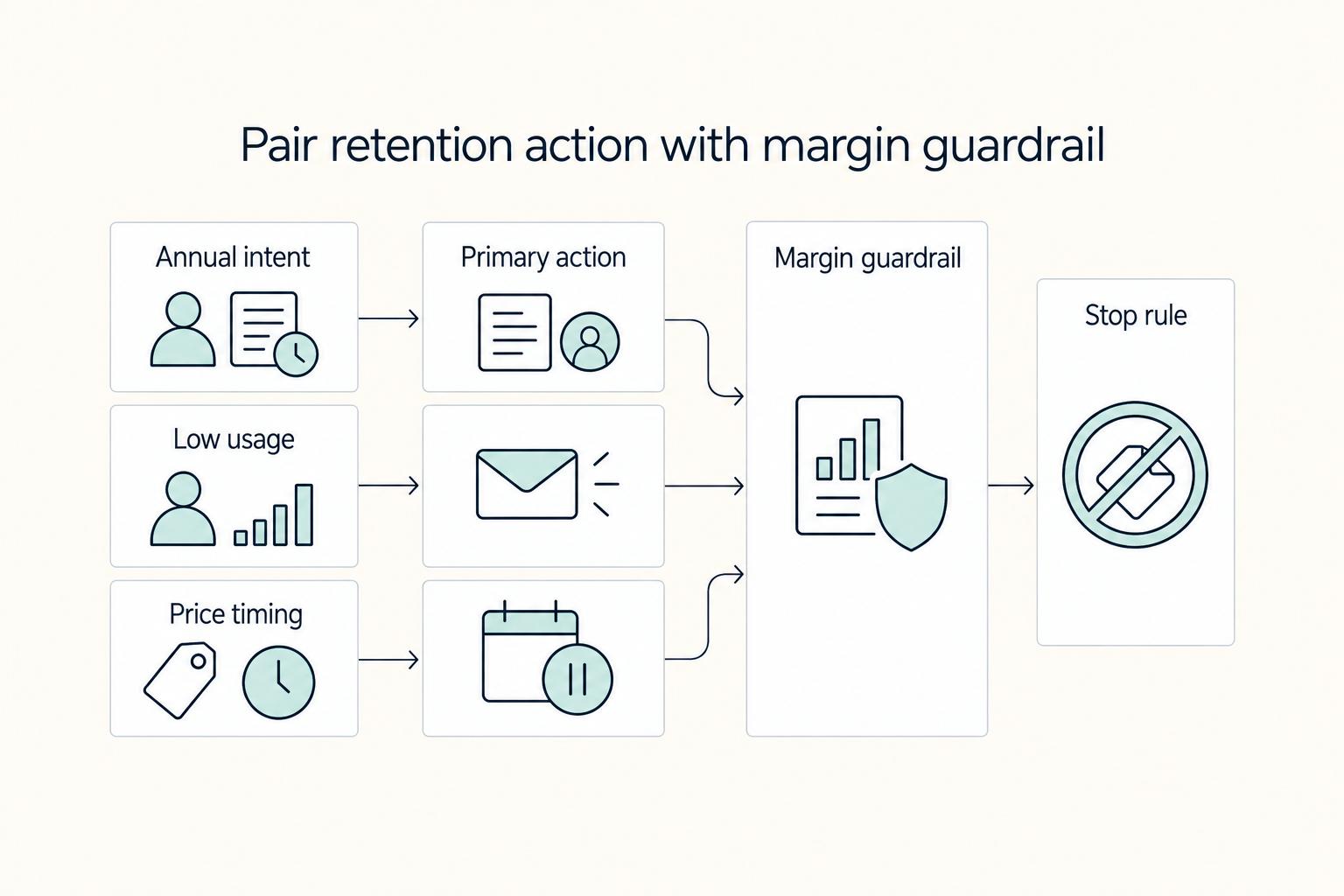
Map each segment to one primary intervention and one financial guardrail before launch. This keeps retention work testable, speeds approvals, and prevents discounting from becoming the default response.
Step 1 Assign one primary intervention#
Assign a single primary action per segment: onboarding fix, pricing or packaging change, in-product nudge, cross-channel journey, or targeted offer recommendation. If one segment seems to need several first-line treatments, narrow the segment or clarify the root cause first.
Use your existing segment traits to drive that mapping. For annual-plan users showing cancel intent, start with service recovery before discount testing. For monthly, low-usage users, test activation support or a product nudge before price cuts.
In the cancellation flow, route by stated reason, not just risk score. If timing is the issue, offer pause, skip, or delay options; some flows support delays of 1, 2, or 3 billing cycles. If fit or usage is the issue, route to activation help or a lighter package instead of a generic coupon.
| Segment | Primary intervention | Eligibility | Owner | Expected CLV impact | Stop conditions |
|---|---|---|---|---|---|
| Active annual subscribers with intent-to-cancel signal | Cross-channel journey focused on service recovery | Active status, annual billing interval, cancel intent event or support complaint | Customer success or retention lead | Improve renewal retention without default discounting | Stop if saves rise but unresolved issue rate or support cost stays high |
| Active monthly subscribers with low usage | Onboarding fix or in-product nudge | Active status, monthly billing interval, low engagement over agreed lookback | Product or lifecycle owner | Improve activation and reduce avoidable churn | Stop if engagement improves but churn does not |
| Subscribers entering cancellation flow with price or timing reason | Targeted offer recommendations, pause, skip, or delay | Cancellation flow entry plus stated reason | Revenue ops or lifecycle owner | Recover at-risk accounts while constraining incentive spend | Stop if repeat-offer requests increase or margin falls below approved floor |
Step 2 Pair every intervention with a margin guardrail#
Any intervention that changes price, timing, or service cost needs guardrails set in advance. At minimum, define max incentive depth, minimum acceptable payback window versus CAC, and a no-repeat-offer cooldown in the cancellation flow.
Use contribution margin and CAC payback impact as decision checks, not save rate alone. Promotions flow directly into P&L outcomes, so a higher save rate is not enough if margin or payback moves outside your approved range.
Do not let deep discounting become the automatic answer when demand softens.
Step 3 Build the approval sheet product and finance can sign#
Use one approval table for every segment with the same required fields: eligibility logic, primary intervention, owner, expected CLV impact, guardrails, stop conditions, escalation path, effectiveness metric, and feedback loop.
Finance should shape these decisions before launch with cost clarity and scenario planning, not only review results later. Final checkpoint: if a row cannot be reproduced from your subscription source data, or the owner cannot explain when to stop, do not launch it.
For a step-by-step walkthrough, see How to Use a Community to Reduce Churn and Increase LTV.
Design experiments that prove lift instead of noise#
Run a separate A/B test for each segment with a true control group, and decide based on net business impact rather than response rate. Pooled results can look positive while hiding that effects differ by subgroup.
Step 1 Split each segment into treatment and true control#
For each segment, compare the current experience (control) against one new intervention (treatment). Keep eligibility logic identical across both branches so the comparison stays clean.
Avoid combining unlike segments into one pooled test just because both are "at risk." Treatment effects can vary by group, so segment-level readouts are required for rollout decisions. Before launch, confirm assignment logic matches your source extract; during the run, watch for contamination (for example, control accounts receiving treatment-like offers).
Step 2 Set thresholds before launch and tie duration to billing interval#
Define the decision rule before launch: one success metric, one guardrail metric, a minimum detectable effect (MDE), and planned duration. MDE is the smallest improvement you want to detect, so set it intentionally up front.
| Test element | What to set | Notes |
|---|---|---|
| Success metric | customer churn rate or revenue churn | pick success metrics that reflect the risk you are trying to reduce |
| Guardrail metric | discount cost, payback impact versus CAC, or post-offer CLV | pair them with guardrails and decide based on net business impact, not response rate |
| Minimum detectable effect (MDE) | the smallest improvement you want to detect | set it intentionally up front |
| Planned duration | estimate duration from observed traffic and baseline rates, not intuition | many tools use a recent 29-30 day traffic window, and defaults like 5% MDE are examples, not rules |
| Billing interval timing | set timing expectations by billing interval | avoid early calls unless you already have a trusted leading indicator |
Pick success metrics that reflect the risk you are trying to reduce, such as customer churn rate or revenue churn, then pair them with guardrails such as discount cost, payback impact versus CAC, or post-offer CLV. Estimate duration from observed traffic and baseline rates, not intuition; many tools use a recent 29-30 day traffic window, and defaults like 5% MDE are examples, not rules. Set timing expectations by billing interval, and avoid early calls unless you already have a trusted leading indicator.
Step 3 Read net effect and reject unprofitable wins#
Treat readout as a sequence: did churn improve, did revenue churn improve, and did post-offer CLV hold after intervention costs? A churn win that depends on costly incentives may still fail economically.
Make the failure checkpoint explicit: if churn improves but incentive cost breaches your approved target, mark the intervention non-viable. Iterate the intervention design (amount, timing, or non-price path) instead of changing segment logic to force a pass.
Run a monthly operating cadence across product, revenue, and finance#
Run retention as a monthly operating review across product, revenue, and finance, not as a one-off project. A monthly review gives you a granular churn read, and you can still roll those numbers up quarterly or annually for planning.
Step 1 Review the same segment pack every month#
Use one standing review pack so teams can compare change over time instead of debating format. At minimum, review top loss segments, interventions launched in the last cycle, experiment readouts, and pending pricing or packaging decisions that may affect customer churn or revenue churn.
Keep the checkpoint strict: metrics should come from one central metric definition, and segment counts should tie back to the same subscription extract used in prior reviews. If a month or quarter check shows no measurable difference in a holdout or A/B test, treat that as a decision point and redesign or stop the intervention.
Step 2 Keep an auditable decision log#
Maintain an auditable log for segmentation and intervention changes so decision history stays traceable as logic evolves. Track who changed what, when, and why, with filterable fields where possible, especially action and user.
A practical log includes:
- segment name and exact definition version
- experiment ID or campaign ID
- date of change
- action taken
- owner and approver
- reason for change
- affected environment or audience tag
Step 3 Connect retention actions to operations and set one escalation rule#
Review retention with operational context, not in isolation. Payment processing and support operations can materially affect churn outcomes, so include signals like invoicing status, failed payment patterns, and support queue load. If payout status affects subscriber experience on your platform, include it as a platform-specific check.
Define one internal escalation rule and apply it consistently. For example: if a segment's revenue churn worsens for two monthly cycles, pause new offers for that segment and run root-cause analysis before scaling. Check invoice failures, support backlog, cancellation-flow changes, and recent packaging shifts before expanding a motion that appears to be working.
For the measurement side, see How to Calculate and Manage Churn for a Subscription Business.
Common mistakes that increase churn or compress margin#
Retention programs usually fail for four avoidable reasons: vendor claims treated as proof, churn measured as one number, noisy data fed into predictive models, and campaigns run without a control. Fix measurement discipline first so you do not spend margin on decisions you cannot verify.
Mistake 1: Copying vendor claims into your roadmap. If you use ideas from Blueshift, Churn Solution, or ChurnAssassin, treat outcome claims as hypotheses until your own pilot validates them. Define readiness criteria upfront: reproducible segment logic from your source extract, stable subscription status and plan tier, and a holdout group for comparison.
Mistake 2: Treating all churn as equal. Track customer churn and revenue churn separately, then prioritize segments by financial impact. Losing many low-spend accounts is a different margin problem than losing a few high-value subscribers.
Mistake 3: Forcing predictive segmentation on noisy inputs. Predictive models are useful only when the underlying fields are stable. If plan mapping, status changes, or cancellation data are inconsistent, return to rule-based segments built on subscription status and plan tier until data quality is reliable.
Mistake 4: Running retention campaigns without a control. Without a control group, you cannot properly benchmark treatment impact. Re-run with randomized assignment, keep a holdout, and set success criteria for churn and post-offer economics before changing pricing or discount policy.
Related reading: How to Reduce Stripe Processing Fees.
Conclusion#
Treat this work as an economic decision, not a personalization slogan. Keep a segment only if it changes what you do, and keep the intervention only if it improves retention without weakening net economics.
- Define the baseline first.
Start with one metric pack that product, revenue, and finance all accept: customer churn rate, revenue churn, CLV, and CAC, split by plan tier and billing interval. Those cuts matter because customer churn rate tells you who canceled or stopped paying, while revenue churn shows the recurring revenue lost from cancellations or downgrades. Your first checkpoint is simple: rerun the same extract twice from the same source and confirm that subscriber counts and revenue totals match before anyone starts testing offers.
- Launch only the first segments you can operate cleanly.
Begin with subscription status plus plan tier plus billing interval, with one intervention per segment. If your status field includes values like trialing, active, past_due, canceled, unpaid, or paused, map them once and do not let each team reinterpret them. A practical red flag is when one segment gets multiple competing actions, such as a discount, a support outreach, and an onboarding message at the same time. If that happens, you will not know what actually moved churn.
- Enforce experiment discipline before sending anything live.
Use an A/B test with a true control group for each segment, and set the decision rules before launch. That means naming the success metric, the guardrail metric, and the minimum detectable effect (MDE) you care enough to detect. A good verification habit is to write the stop conditions in the test brief before the first readout. If treatment lowers customer churn rate but discount cost rises enough to damage CLV, mark it non-viable and change the intervention, not the segment logic.
- Review on a regular operating cadence and document every change.
Set a cadence your team can sustain, and bring product, revenue, and finance together to review segment definitions, experiment IDs, owner approvals, and any changes to pricing or cancellation handling. If a performance jump lines up with a segment-definition edit, treat the result as suspect until you can separate measurement change from real behavior change.
- Scale only what improves retention and net economics at the same time.
Keep losses from many low-spending accounts separate from losses in a few high-value accounts, because those cases do not carry the same business impact. The final rule is simple: if an intervention improves saves in a dashboard but fails on revenue churn, CLV, or CAC, do not scale it. That is the filter that keeps this work grounded in actual outcomes instead of hopeful reporting.
If you want help pressure-testing this for your team, Talk to Gruv.
Frequently Asked Questions
What is subscriber segmentation for churn reduction in practical terms?
It means grouping subscribers into a few decision-ready buckets so you can act differently by group. In practice, that usually starts with lifecycle stage, subscription status, plan tier, billing interval, or clear usage patterns. If a segment does not trigger a distinct intervention, it is probably too thin or unnecessary.
Which segments should a subscription platform start with first?
Start with the segments your billing and product data can reproduce cleanly: subscription status, plan tier, and billing interval. Those are stable enough to support different actions such as service recovery, onboarding help, or offer testing. Leave predictive or behavior-heavy cuts for later if the base fields still drift.
How do we know segmentation is reducing churn and not just shifting discounts?
Use a randomized A/B test with a true control group for each segment, not a pooled campaign readout. Then compare treatment versus control on customer churn and economic outcomes such as discount cost and post-offer value. If churn goes down but margin gets worse because discounting climbed, the intervention is not working economically.
What data do we need before launching segmented retention?
You need reliable customer-level purchase and subscription data first. At minimum, make sure you can see subscription status, purchase history, cancellation events, billing interval, plan tier, and basic engagement or usage signals in one reproducible extract. If your stack provides a customer record like RevenueCat’s CustomerInfo object, use that as the base record and verify segment counts are reproducible run to run.
When should we use predictive segmentation instead of rule-based segments?
Use predictive segmentation when your rule-based groups are already stable and you need to predict future outcomes from historical data. It is a modeling approach, not just a smarter filter. If status mappings, cancellation events, or usage fields are incomplete, stay with deterministic segments until the inputs stop moving.
How often should segment definitions and interventions be reviewed?
Review them on a regular cadence your team can sustain, and also when a source field changes, a test finishes, billing behavior shifts, or your churn cohorts start behaving differently. Keep a decision log so you can trace whether the change came from new segment logic, a new offer, or both. That makes it easier to separate a real performance shift from a measurement change.
What are the fastest warning signs that our retention strategy is hurting margin?
One clear sign is when churn improves but discount cost rises faster than retained revenue. Another is when saved subscribers remain subscribed but show usage drop-off on the features that create value, which can foreshadow later cancellation anyway. Watch for over-discounting too: if discount cost rises faster than retained revenue, you are buying saves that erode profit margins.
Try a related tool
Researched and edited by the Gruv editorial team. Gruv builds cross-border billing, payouts, and finance-operations software for global businesses.
Sources
Includes 2 external sources outside the trusted-domain allowlist.
- docs.stripe.com/billing/subscriptions/billing-cycletrusted
- docs.stripe.com/billing/subscriptions/overviewtrusted
- gao.gov/assets/720/711573.pdftrusted
- hbs.edu/ris/Publication%20Files/14-020_2d6c9da0-94d3...trusted
- stripe.com/resources/more/revenue-churn-101-how-to-calc...trusted
- stripe.com/resources/more/customer-lifetime-valuetrusted
- arxiv.org/abs/2212.08771external
- atlan.com/metrics-layerexternal
Educational content only. Not legal, tax, or financial advice.
Related Posts
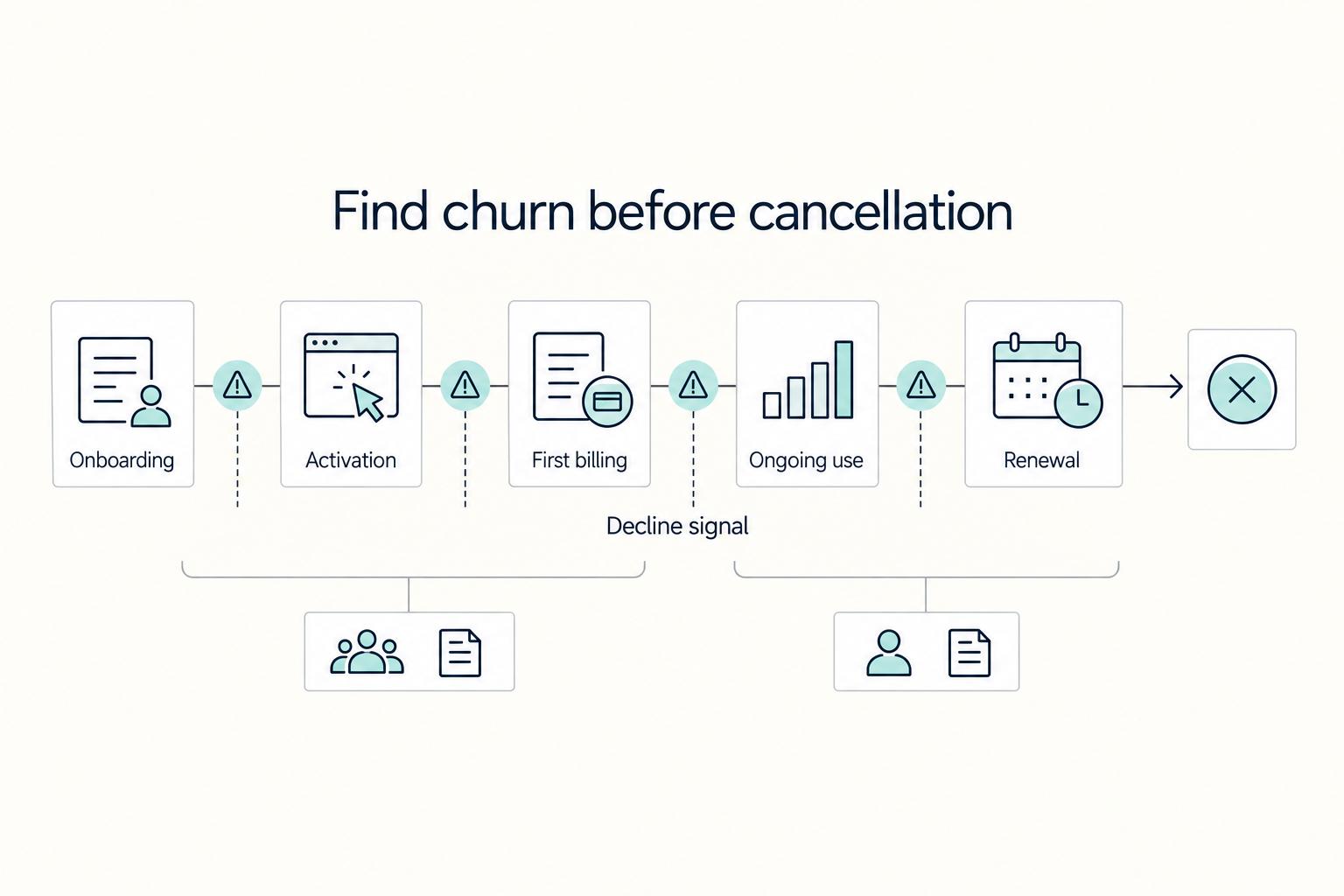
How to Reduce Subscriber Churn on Your Platform Without Sacrificing Margin
Churn is an economics problem before it is a growth problem. At its simplest, subscription churn is the rate at which subscribers discontinue within a defined period. The impact runs deeper than lost logos: churn cuts recurring revenue, makes planning less reliable, and forces you to spend more to replace customers you often could have kept more cheaply.
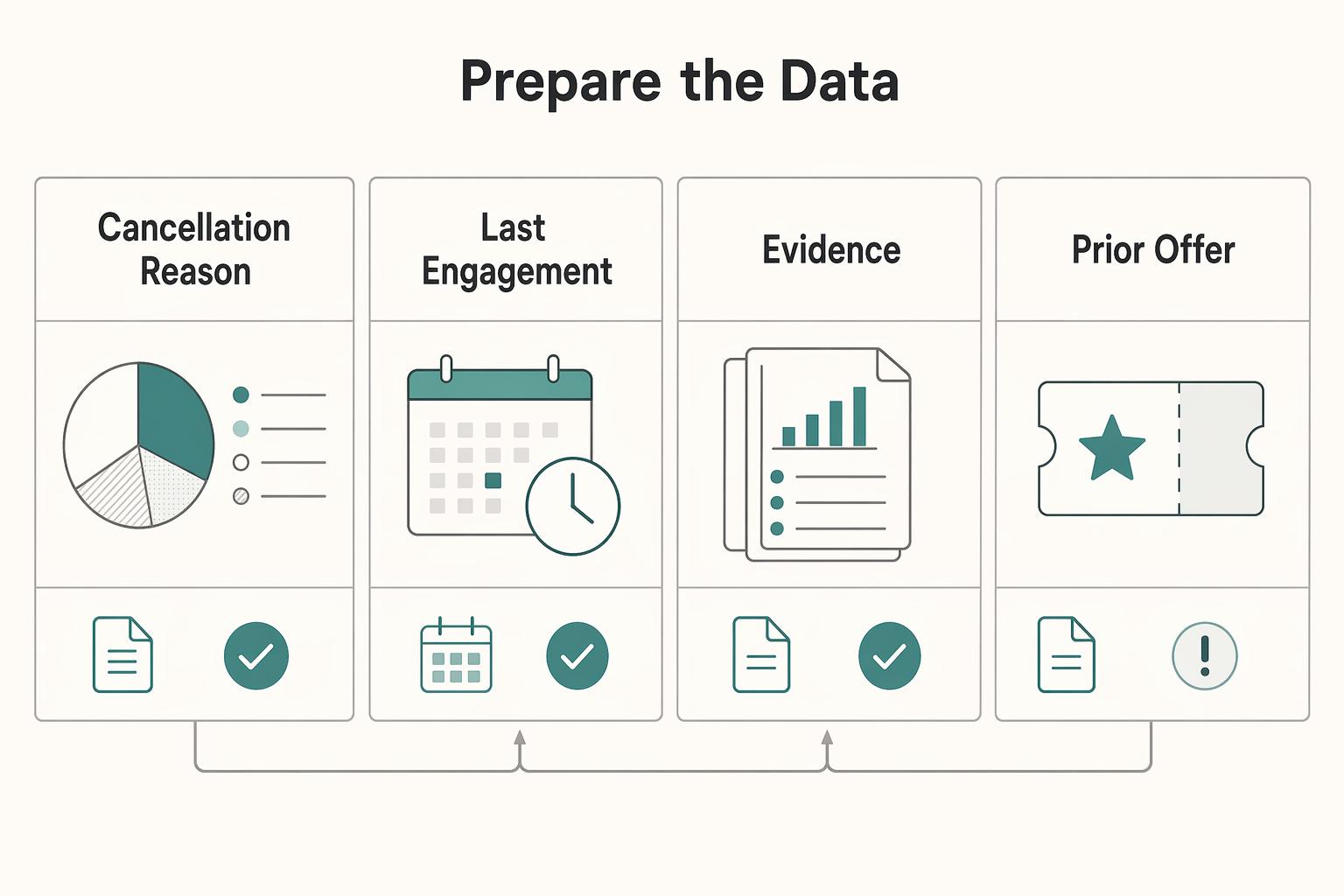
Win-Back Campaigns That Reactivate Churned Subscribers Without Margin Loss
Assume from the start that a win-back flow can lift reactivations and still be a bad trade. If you do not measure what those returns cost in incentives and short-term re-churn, you can end up celebrating activity that does not help the business.
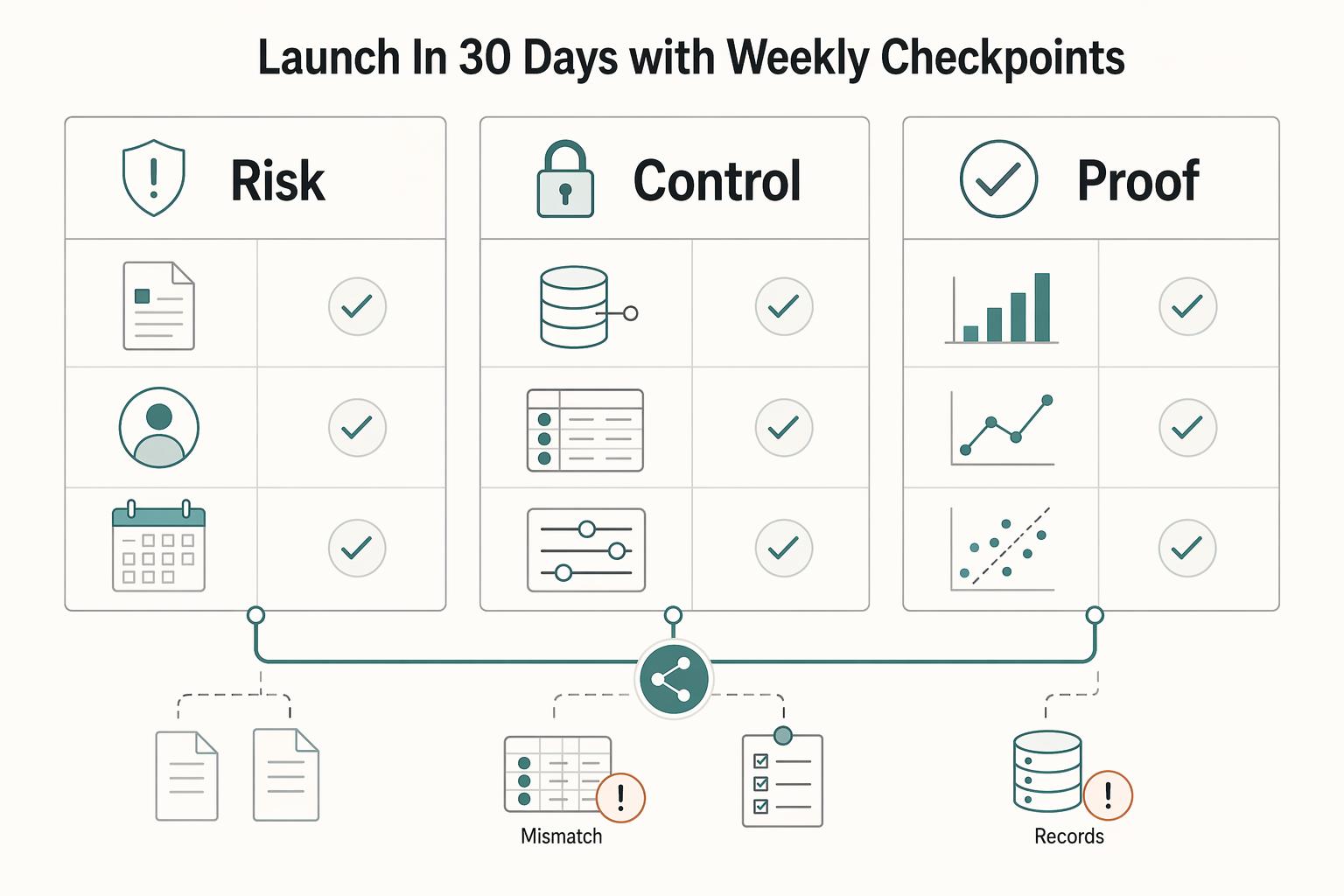
AI-Driven Churn Prediction for Platforms Before Subscribers Cancel
A churn score matters only if it changes what you do before a subscriber leaves. If the output lives in a dashboard and never affects pricing, outreach, feature access, or support treatment, you do not have a retention motion. You have a reporting artifact.