

Quick Answer
Check your Stripe pricing agreement and actual fee lines first. Compare supported payment methods, avoid unnecessary currency conversion, and request a custom quote where volume justifies it. Billing data and retry improvements can reduce failures, but do not automatically lower a blended processing rate. Measure net savings after conversion, returns, disputes, and operating effort.
Stop leaking margin on every invoice#
You can protect margin by treating fees, payout timing, and dispute exposure as one risk system. It is easy to fixate on headline Stripe fees. In practice, margin usually leaks from three places at once:
- card charges
- cashflow delays
- payment reversals
If you run a business of one, you are the person who has to turn payment costs into a manageable system.
Processing costs include network and processor components, but your agreement determines how they are billed. As of 3 October 2026, Stripe’s US standard pricing lists 2.9% plus 30 cents for successful domestic-card payments. International cards, currency conversion, and additional products can add costs. Standard blended rates should not be counted again as separate interchange charges.
Payout timing and disputes add a second layer of pressure. Payout availability varies by country and industry, and new live processing accounts typically see an initial payout window around 7 to 14 days. A dispute can also pull the disputed amount plus a dispute fee from your Stripe balance. If you want more durable margin protection, start with risk controls and workflow quality, not line-item fee hunting.
Run this quick framework before you change anything#
- Map the leak. Split your margin loss into fee burden, delay risk, and dispute risk for your current invoice mix.
- Choose the levers you control today. Prioritize changes you own now, like payment flow quality, retry logic, and pricing model review.
- Set trust boundaries. Tell clients what stays stable, what might change, and when you will review terms so scope stays clear.
| Margin area | You can control | You cannot lock in |
|---|---|---|
| Stripe fees and workflow costs | Checkout and invoice design, data quality, model selection, dispute process | Universal savings outcome across all businesses |
| Network costs and interchange fees | Monitoring and response cadence | Stable long term network behavior |
| Cash availability | Payout planning and reserves | Identical payout timing across markets |
Imagine a small studio onboarding a new client with unfamiliar card behavior. Instead of guessing, it runs this framework, chooses safe defaults, and documents one checklist it can reuse on every engagement.
What should you prepare before you touch Stripe settings?#
Prepare a segmented baseline before you change Stripe settings, or you will end up optimizing noise instead of real margin. If you skip the baseline, you can end up "improving" settings while the real leak stays untouched. The goal is to build a repeatable snapshot of fees, payout timing, and disputes so every change is measurable and defensible.
Use Stripe Reports and exports to pull historical transactions, payments, and payouts. Tag each record by country and payment method, then add internal segment tags if useful, such as client type. This helps you separate fee patterns from workflow issues like refund-heavy segments or payout timing pressure.
Before you start#
- Export and tag your working window. Pull a consistent historical window that is large enough to show patterns. Tag successful, refunded, and uncaptured payments with their associated fees.
Verification point: You can filter your data by country and payment method and spot your top fee clusters.
- Build one baseline worksheet per segment. In your internal worksheet, track fields like fee burden, delay risk, dispute risk, and operational effort. Add your current pricing model status, including whether costs are blended or separated into Stripe fees and network costs.
Verification point: For every segment, you can explain whether Stripe fees or network costs drive the biggest pressure.
- Record constraints before any setting change. List cross-border exposure, refund frequency, payout timing needs, and any policy gates. If you are evaluating local acquiring, confirm eligibility before rollout.
Verification point: Your team can name which constraints block a rollout and which only require monitoring.
- Lock success criteria in plain language. Reduce avoidable Stripe fees, keep payment friction steady, and avoid increases in holds or disputes.
Verification point: You can measure progress weekly with the same definitions.
| Segment view | What to capture | Why it matters |
|---|---|---|
| Cost signal | Stripe fees and network costs trend | Prevents blind pricing model changes |
| Reliability signal | Disputes, refund pressure, payout timing | Protects cashflow while you control fees |
| Execution signal | Operational effort and owner | Keeps the checklist usable every cycle |
A creative team can use this baseline to distinguish a contracted rate from costs caused by payment-method mix, currency conversion, refunds, or optional products. Start with the largest avoidable fee line.
Step 1 Build your fee map and baseline in 30 minutes#
Build a transaction-level fee map first, then prioritize only the changes that can lower cost without raising payment risk. With your segments tagged and your success criteria set, turn Stripe reporting into an operator baseline. The output is not a pretty dashboard. It is a weekly decision tool.
Run this build in four steps#
- Bucket actual fee lines. Under blended pricing, keep the total processor fee intact rather than adding interchange again. For IC+ reporting, separate processor fees from network costs. Track refunds, disputes, FX, and optional-product charges separately.
Verification point: You can explain which bucket drives the most fees for each segment.
- Audit data fields that influence cost and approval outcomes. Mark payment flows where you already collect ZIP or postal code. Flag flows where you can pass Level II data or Level III data on eligible commercial card traffic. Treat this as eligibility mapping, not guaranteed savings. Some flows qualify, others do not.
Verification point: You have a clear list of flows with complete billing details and a second list with missing fields.
- Map capture and retry risk. Use the actual authorization expiry supplied for each payment and check extended-authorization eligibility before relying on a longer hold. Test unknown outcomes before retrying or changing payment methods.
Verification point: You can point to the exact transaction groups where timing choices create avoidable loss.
- Rank your first actions by impact, effort, and implementation risk. Keep the first sprint small and reversible so cost work does not create cashflow surprises.
Verification point: Your team can name the top three changes and one owner for each.
| Candidate change | Likely effect on payment processing costs | Effort | Implementation risk |
|---|---|---|---|
| Improve ZIP and billing detail completeness | Can improve verification; does not automatically reduce a blended rate | Low | Low |
| Expand Level II and Level III data coverage | May pass through interchange savings under eligible card programs and pricing agreements | Medium | Medium |
| Tighten authorization window and retry rules | Can reduce reliability leakage; fee impact varies by segment | Medium | Medium |
For a small studio invoicing mixed client types, this map can surface workflow leakage before pricing issues and point you to the lowest-risk wins first.
Should you stay on flat-rate pricing or move to network cost plus?#
Stay on flat-rate pricing until your volume and operating discipline justify managing fee variance directly. This is not a "pick the cheapest" decision. It is a "pick the model you can operate" decision, based on the baseline you just built.
Blended pricing bundles network costs into the agreed processing rate. IC+ pricing separates network costs from processor markup. Compare a quote against your actual mix, including international-card and currency-conversion charges and separately priced services. Better interchange qualification does not automatically reduce a blended rate.
| Model | Transparency | Variance risk | Operational complexity | Best fit stage |
|---|---|---|---|---|
| Flat-rate pricing | Low to medium | Low | Low | Early stage teams optimizing for simplicity |
| Network cost plus | High | Medium to high | Medium | Teams ready to monitor fee drivers regularly |
Step 1 Score model fit with your baseline#
| Factor | Signal | Article action |
|---|---|---|
| Transparency need | You cannot explain where payment processing costs come from by segment | Stay simple first |
| Variance tolerance | Monthly swings in network costs would stress cashflow | Keep flat-rate pricing while you improve controls |
| Operating readiness | Your team already tracks fee drivers and data quality regularly | Test network cost plus with a limited segment |
There is no universal volume threshold or guaranteed saving from IC+. Request a quote and compare it with your actual transaction mix and operating costs. A larger volume can strengthen a pricing discussion without making one model universally cheaper.
Step 2 Decide absorb or pass through without hurting trust#
- Set your default policy. Absorb fees unless your margin model clearly requires a pass-through option.
- Test client language before rollout. Try invoice wording on a small segment and track paid rate, delay, and client pushback.
Separate a general price increase from a payment-method surcharge. A surcharge can have law, card-network, and acquirer requirements; Visa’s merchant guidance includes advance acquirer notice. Confirm the applicable rules before adding a fee. An application fee also has its own platform economics; it does not eliminate processor costs.
A small studio with mixed clients can keep flat-rate pricing, tighten internal cost controls first, and negotiate with Stripe only after the baseline shows stable data quality and clear leverage.
If you want a deeper dive, read The Future of Work is Freelance: Trends to Watch in 2026.
Step 3 Lower avoidable costs in checkout and invoice flows#
Start with data quality and flow controls, then add tokenization and cross-border routing where the data says it helps. Your pricing model sets the rules. Your checkout and invoicing execution determines whether those rules actually work. If the flow is sloppy, fee optimization turns into whack-a-mole.
Run this four-step execution pass#
- Standardize billing data capture. Require ZIP or postal code and billing street address wherever your flow supports it so issuers can run AVS checks. Treat this as a reliability and risk control first, then measure any fee impact by segment.
Verification point: You can report billing detail completion rates by client type and payment method.
- Check enhanced-data economics before implementation. Confirm commercial-card program eligibility, account support, and whether your pricing agreement passes through any interchange reduction. Measure actual fee changes rather than inferring a saving from submitted fields.
Verification point: You maintain a list of eligible flows and a separate list of blocked flows with owner and next action.
- Enable and verify network tokens in recurring and saved payment paths. Some markets and setups benefit from lower interchange fees or fewer scheme penalties, but only when tokens actually run in production.
Verification point: Your dashboard confirms token usage, not just feature enablement.
- Tighten authorization and recovery logic. Capture before the payment’s actual expiry. Use the retry controls supported by that payment flow; Smart Retries is a Billing recovery feature. Confirm a failed or unresolved attempt before offering another payment method so fallback cannot create a second charge.
Verification point: You track recovery rate, failed captures, and dispute trend after each change.
| Lever | Why it affects payment processing costs | Weekly check |
|---|---|---|
| ZIP and address completeness | Supports issuer verification checks and helps reduce avoidable leakage | Completion rate and decline reasons |
| L2 and L3 coverage | Can affect eligible interchange; merchant savings depend on the agreement | Eligible volume vs submitted volume |
| Network tokens | Cost benefit depends on program, market, and pricing agreement | Tokened transaction share |
| Local acquiring tests | Can improve cross-border acceptance and lower overhead where available | Authorization lift by country |
A small creator team selling to domestic and cross-border clients can fix missing billing fields first, then phase in tokens and local acquiring tests only where the data supports the move.
How do you cut fees without triggering holds disputes or payout failures?#
Track risk and cost together, or your fee wins will disappear in disputes, payout failures, and reserve pressure. Once you start making changes, you need a control loop that watches money movement and payment reliability together. This is where fee work often breaks down: teams trim costs, then get surprised by disputes, payout problems, or reconciliation gaps.
Run a four step risk control loop#
- Track disputes by the correct measure. Compare Stripe dispute activity and charge-date dispute rate separately. Disputes can arrive later under reason-specific filing rules, so review resolved cohorts as well as recent charges.
Verification point: Your weekly review shows both metrics, trend direction, and owner actions.
- Handle payout failures explicitly. Assign an owner to payout.failed, confirm the provider’s outcome and returned funds, correct bank details where needed, and reconcile before a replacement. Use your provider’s actual states rather than mixing collection and payout labels.
Verification point: Every failed payout has a timestamped incident log, assigned owner, and closure note.
- Reconcile cash before scaling. Match automatic payouts to their underlying balance transactions. For manual or instant payouts, use balance and transaction-history reconciliation. Confirm bank posting separately from the processor’s payout status.
Verification point: Your team can explain each payout delta without manual guesswork.
- Define cross-border exception paths. Build an exception lane for markets where payment methods differ by country, currency, or integration setup. If a market lacks your preferred route, fall back to the best supported option instead of forcing one global rule.
Verification point: You maintain a country-level exception table with fallback payment methods and escalation contacts.
| Control area | What to watch weekly | Why it protects cost optimization |
|---|---|---|
| Disputes | Dispute activity plus dispute rate | Prevents hidden losses that erase credit card processing fees savings |
| Payout health | Failed and returned payouts | Protects cash availability and avoids compounding operational risk |
| Reconciliation | Unmatched payout items | Catches mismatches across payout transactions before they compound |
| Cross-border coverage | Payment method-country/currency fit | Preserves conversion while managing reliability and operational risk |
A team can lower payment processing costs, then see payout failures spike in one region. A solid runbook catches it early, routes clients to supported alternatives, and keeps margin gains intact. Want a quick next step? Try the free invoice generator.
Common mistakes and how to test fee changes before rollout#
Treat every fee tactic as a controlled experiment, then scale only what lowers cost and protects payment reliability. The fastest way to lose those gains is to treat "fee tips" like permanent fixes. Use your baseline and risk loop as a release gate, and keep every change reversible until it proves itself.
| Issue | What to do | Verification point |
|---|---|---|
| Viral fee claims | Run an A/B test against your own baseline segment first and measure total payment processing costs, approval outcomes, and dispute movement | Keep a written test brief with baseline, variant, stop criteria, and a clear ship or revert decision |
| Community advice | Translate each tip into one hypothesis and test it on a narrow segment before you scale | Each community idea maps to a hypothesis, an owner, and a decision log |
| Pricing model changes before data quality is stable | Stabilize your payment data and reporting first, then re-evaluate | Your team reviews stable data quality and margin outcomes across repeated weekly reviews before reopening model migration |
| Fee changes without reliability checks | Track authorization performance, dispute handling speed, and retry performance every week before you roll out broader changes | Pause rollout when authorization misses or unresolved disputes trend up |
- Validate viral fee claims before rollout.
If a YouTube video promises you can slash Stripe fees, do not copy it across your account. Test it against your own baseline segment first. Measure total payment processing costs, approval outcomes, and dispute movement, then decide.
Verification point: Keep a written test brief with baseline, variant, stop criteria, and a clear ship or revert decision.
- Convert community advice into testable hypotheses.
Reddit and r/FPandA threads can surface useful ideas, but they cannot set policy for your transaction mix. Translate each tip into one hypothesis, test it on a narrow segment, and compare fee impact against reliability impact before you scale.
Verification point: Each community idea maps to a hypothesis, an owner, and a decision log.
- Fix data quality before changing pricing model.
Compare the proposed agreement with your current blended pricing before switching. IC+ separates network costs from Stripe fees, and custom pricing requires an agreed package; it is not a universal account toggle or a guaranteed saving.
Verification point: Your team reviews stable data quality and margin outcomes across repeated weekly reviews before reopening model migration.
- Gate fee changes with reliability checks.
Track authorization performance, dispute handling speed, and retry performance every week before you roll out broader changes. Capture held funds before authorization expiry. Answer disputes inside network deadlines, often 7 to 21 days. Use adaptive retry logic where available so you reduce avoidable payment failures instead of masking them with rigid retry rules.
Verification point: Pause rollout when authorization misses or unresolved disputes trend up.
Imagine a team that tries a popular forum tactic, sees lower payment costs in one lane, then notices more failed captures. It stops expansion, tightens capture timing, and relaunches only after reliability returns to baseline.
Run this 10 minute weekly checklist and keep more of every payment#
Run a short, segment-based review that pairs fee drift with reliability signals, then scale only one proven change. At this point you have the pieces: baseline, model choice, execution levers, and risk controls. The checklist below keeps it working without turning payments into a full-time job.
Use a complete recent reporting period. Confirm report availability and data freshness for your account before comparing changes; incomplete fee lines can make an apparent saving misleading.
- Step 1 Review your fee map by segment. Compare segments by client type, country, and payment method, then flag drift in network costs and interchange fees. Do not force one rule across every segment.
Verification point: You can name the top segment where payment processing costs moved and state whether volume mix or pricing mix likely drove it.
- Step 2 Confirm data quality inputs. Check billing details and eligible program fields. Count an interchange improvement as a merchant saving only when the actual fee charged falls under your agreement.
Verification point: Your dashboard shows stable completion rates and highlights which eligible flows still miss required fields.
- Step 3 Check reliability before launch. Review network authorization rate trends, dispute rate movement, and authorization window outcomes together. Capture before authorization expiry, since windows vary by scenario and uncaptured funds release after expiry.
Verification point: Approve rollout only when authorization and dispute trends stay controlled. Review delayed dispute arrivals under the relevant reason and network rules rather than treating 120 days as a universal cap.
- Step 4 Re-rank your roadmap by impact effort and risk. Promote low-effort fixes with measurable upside, and demote noisy ideas from Reddit, r/FPandA, or YouTube until your own data validates them.
Verification point: Your next action has a clear success metric and a defined rollback trigger.
- Step 5 Assign clear ownership for each decision. Document what you changed, why you changed it, and what you will review next cycle. If you are choosing between two fee tweaks, ship one, measure it cleanly, and avoid operational churn.
Verification point: Your log records the owner, the decision, and a follow-up date.
Frequently Asked Questions
How can I reduce Stripe fees without increasing client payment friction?
Compare supported payment methods and your actual pricing agreement first. Improve billing-data capture where it helps verification, while testing checkout friction. Under blended pricing, better data does not automatically lower the agreed fee; measure actual costs and completed payments together.
Should I use flat-rate pricing or network cost plus for my business stage?
There is no one-size-fits-all answer. Choose the model that matches your volume, mix, and operational maturity. Treat any upside on IC+ as possible, not guaranteed.
When does passing ZIP code or Level II and Level III data actually help?
Postal and street details can support AVS verification. Enhanced commercial-card data can affect eligible interchange qualification, but a merchant saving also depends on the pricing agreement passing that benefit through. Confirm the program, card, and account eligibility before investing in fields; do not assume a blended rate falls.
Can enabling network tokens lower my card costs in practice?
Network tokens replace PANs for online purchases. Cost outcomes vary, so verify real usage and segment-level fee impact before you call it a win.
Is it better to absorb Stripe fees or gross up invoices?
Absorbing costs or changing general prices is a margin decision; a payment-method surcharge also needs to meet applicable law, network, and acquirer requirements. Confirm those rules before adding it. Recovering a cost from the customer changes who pays it, rather than reducing Stripe’s charge.
What are the best low-effort fee reduction actions for a small team first?
Inspect your largest actual fee lines, compare supported payment methods, and check unnecessary currency conversion or optional services. Then test billing and retry changes for fewer failures. Enhanced-card-data work is worthwhile only when your account, card mix, and agreement can produce a measurable benefit.
What changes if my clients are cross-border and local acquiring coverage varies?
Use market-specific defaults instead of forcing one global setup. Stripe supports broad international coverage across many countries and currencies, but method availability still depends on local conditions and your integration path. Enable local options where they fit, then compare conversion and cost before you expand.
Watch
How to Reduce Stripe Processing Fees Without Hurting Cash Flow
Try a related tool
Researched and edited by the Gruv editorial team. Gruv builds cross-border billing, payouts, and finance-operations software for global businesses.
Sources
Includes 1 external source outside the trusted-domain allowlist.
- docs.stripe.com/payments/extended-authorizationtrusted
- docs.stripe.com/reports/payout-reconciliationtrusted
- stripe.com/resources/more/how-to-reduce-credit-card-pro...trusted
- stripe.com/resources/more/credit-card-processing-fees-e...trusted
- support.stripe.com/questions/understanding-ic-feestrusted
- usa.visa.com/support/small-business/regulations-fees.htmlexternal
Educational content only. Not legal, tax, or financial advice.
Related Posts
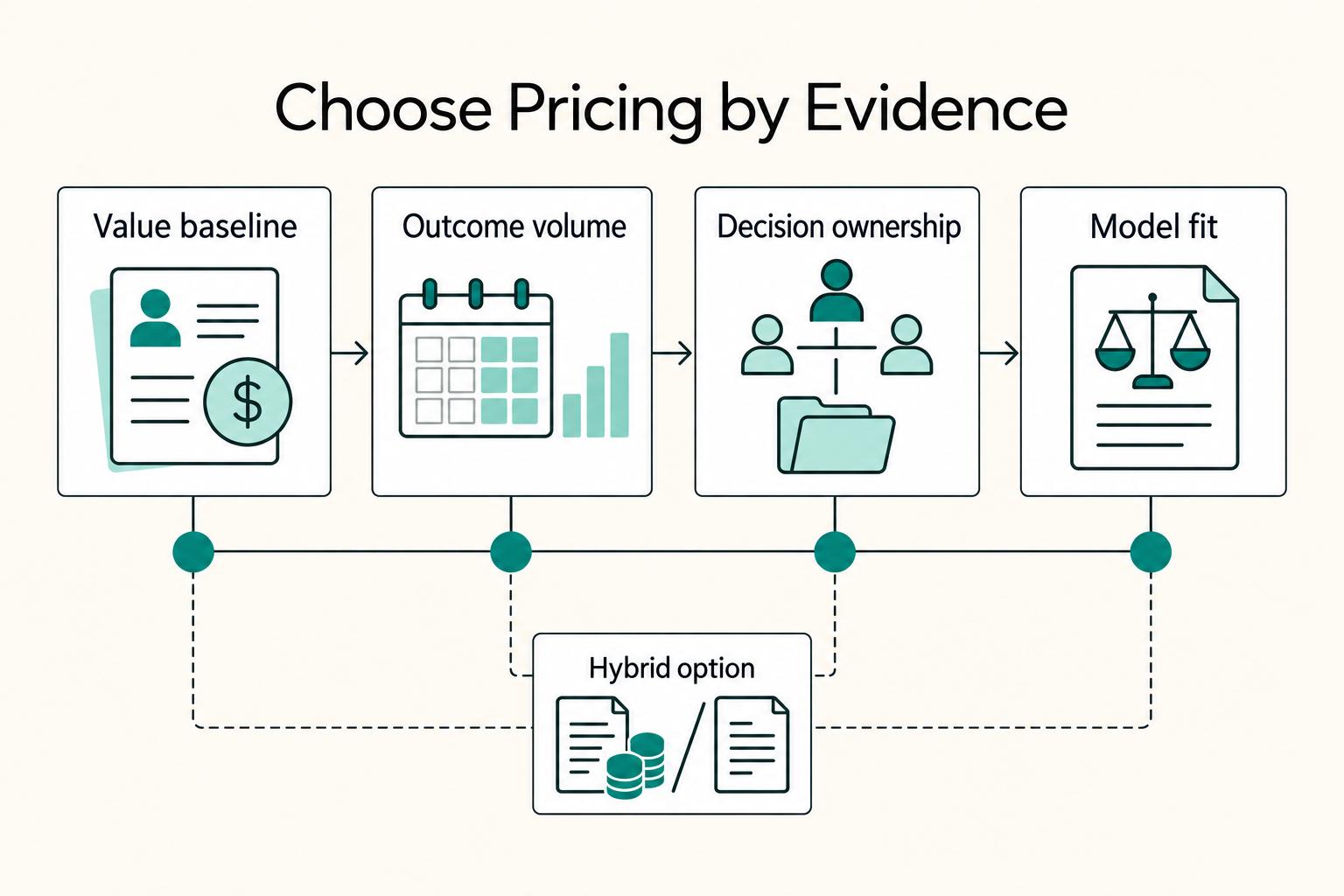
Value-Based Pricing for Freelancers Under Real Payment Risk
Value-based pricing starts with the client’s expected benefit and willingness to pay. It still needs a deliverable, scope and payment agreement you can perform. Use a discovery phase when the benefit or effort is too uncertain to support a defensible quote.

The Future of Freelance Work in 2026: AI, Skills, and Hiring Choices
As of October 2026, freelance work is being reshaped by AI-assisted production, competition, and the kinds of tasks clients purchase. A hiring team can use those changes to design better work and evaluation. It cannot safely turn one platform’s findings into a forecast for every profession or country.
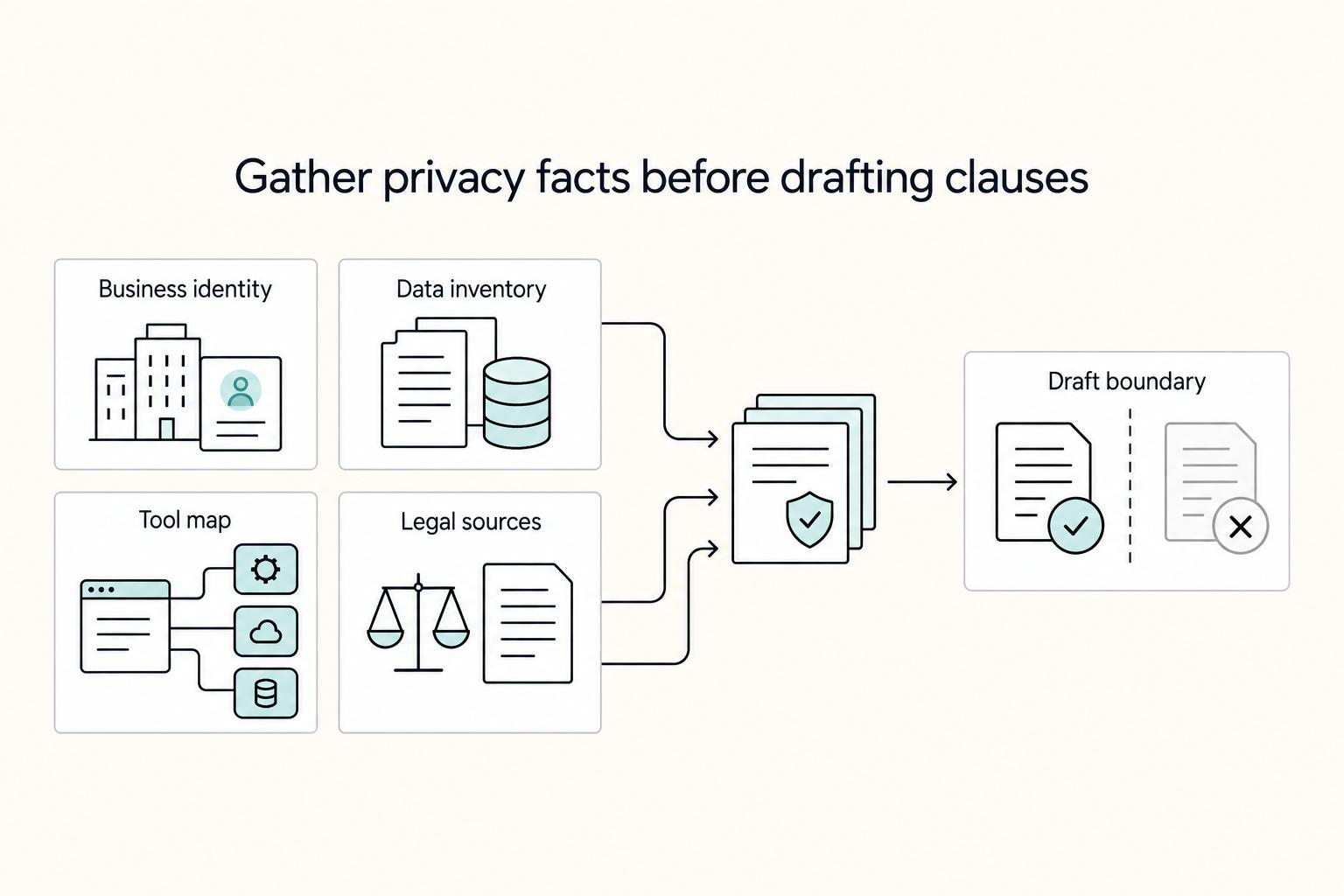
How to Write a Privacy Policy for Your Freelance Website
A [privacy policy](https://freelancersunion.org/privacy-policy) is easier to defend in client due diligence when each statement traces to real behavior. Treat it as a working record, not footer filler: what personal data you collect, how you use and manage it, and how someone can raise a concern.