
Quick Answer
Pick one primary revenue trigger tied to a completed value event, then add layers only after operations are stable. In most early cases, a Commission-based Marketplace is easier to defend than a Subscription Model because charges follow actual transactions. Move to layered monetization only after weekly checks show pricing logic, payout states, and reconciliation exports stay consistent across normal and exception paths.
How to choose the right marketplace archetype#
If you need to choose a marketplace model without getting stuck in taxonomy debates, this guide is meant to help you get to a decision in one pass. It is written for founders, product leaders, finance ops, and engineering owners who need to choose a model that fits the business, then carry that choice into execution without avoidable surprises.
Start with a plain definition. A business model is how a company creates, delivers, and captures value. Here, the scope is narrower than broad business-school labels or personality-style company categories. We are focused on platform marketplaces: businesses that connect suppliers with buyers for products or services, and the revenue patterns that actually shape operator decisions inside that setup.
That distinction matters because a team can describe itself as a marketplace and still make bad decisions if the monetization story stays too abstract. Saying "we are a marketplace" is not enough if you have not pinned down who pays, when they pay, and whether your economics depend mainly on transaction fees, subscriptions, advertising, or a mix. Use this checkpoint as you read: identify your primary payer, the event that triggers revenue, and the one operational constraint most likely to slow rollout. If those three answers do not line up, the model is still fuzzy.
The source material needs a quick reality check. Some commonly cited digital-business sources use five archetypes, while other Business Model Archetypes explain the space with seven. Prophet presents five digital archetypes within a native-digital framing and describes marketplaces as models that connect suppliers with buyers, primarily monetized through transaction fees charged to suppliers and buyers. Productfolio, drawing on Neal Cabage and Sonya Zhang's Business Model Archetypes framing, presents seven archetypes instead. That does not mean one source is wrong. It means you should treat archetype labels as decision aids, not doctrine.
One more limit is worth stating up front. Some sources refer to five models, but they do not always publish the full canonical definitions in a way that lets you compare every item cleanly from excerpts alone. So this article uses a marketplace-first lens: start from transaction economics, test the payer logic against your actual product behavior, and only then consider layered monetization. If your live unit economics or operating constraints disagree with the label, trust the evidence, not the neat category.
By the end, you should be able to sort through the "platform business model archetypes 5 models marketplace" question without overfitting to a headline list. You will have a clearer way to compare the common marketplace-relevant options, spot early red flags, and make a choice your team can actually run. If you want a related primer, read How to Choose the Right Business Structure for Your Freelance Business.
Start with the archetype lens platform teams can actually use#
Use archetypes as a decision lens, not a rulebook. Business Model Archetypes are repeatable patterns for how a platform creates value and captures revenue, and a Digital Business Model Decision Tree is simply a way to sort those patterns by context.
The model-count mismatch is mostly a scope mismatch:
| Study context | What it classifies | Reported pattern count |
|---|---|---|
| Digital marketplaces (May 2017) | Platforms that connect previously unmatched demand-side and supply-side participants | Not enumerated in this excerpt |
| Open-source business models (14 June 2022) | 120 OSBMs | seven archetypical patterns |
| Data-sharing platforms (July 2023) | Data crawler, data marketplace, data aggregator, data disseminator | four platform archetypes |
These are different taxonomies for different operating realities, so do not treat them as interchangeable marketplace lists.
If your product matches suppliers and buyers and revenue is tied to a transaction event, start with marketplace economics first. Then layer additional monetization only when operations can support it. A quick operator check: write down your primary payer, your revenue trigger, and the operational step most likely to block collection or payout. If those three do not align, your label is probably masking a design issue.
If you want a deeper dive, read Marketplace Economy 101: How Platform Business Models Create Value for Buyers Sellers and Operators.
Define the five marketplace-relevant archetypes before you compare them#
For marketplace decisions, use these as working labels: Commission-based Marketplace, Subscription Model, advertising-supported content layer, infrastructure usage-fee layer, and a hybrid layered model. Treat this as an operator tool, not a universal canon of five names.
Keep one distinction clear: business model vs revenue model. The business model is how you create, deliver, and capture value; the revenue model is how you commercialize it. That is why a marketplace can stay marketplace-led while monetizing through transaction fees, subscriptions, supplier advertising, usage fees, or a mix.
| Working archetype | What it is best at | Primary payer logic to verify |
|---|---|---|
| Commission-based Marketplace | Transaction-linked monetization | Supplier, buyer, or both pay when an order, booking, or service completes |
| Subscription Model | Recurring predictability | User or supplier pays on a time basis, often for access or fee relief |
| Advertising-supported content layer | Monetizing reach/attention | Suppliers or brands pay for visibility or placement |
| Infrastructure usage-fee layer | Monetizing platform capability usage | Participant pays based on usage of operational capabilities |
| Hybrid layered model | Smoothing revenue volatility | Two or more payer triggers run together without conflict |
For the marketplace core, commission is still the clearest starting point: marketplaces connect suppliers and buyers and are primarily monetized through transaction fees; extensions can include supplier advertising and subscriptions that reduce transaction fees.
Where teams mix up labels#
You will also see neighboring labels such as Marketplace Model, Trade Model, Brokerage Model, Service Model, and Product Model. Use them as comparison aids, not fixed doctrine, and map each one back to the same operating checks: primary payer, revenue trigger, and the event that proves value delivery.
A final guardrail: some sources present five digital archetypes, while a 23 May 2022 data-marketplace study reports four in that narrower context. So compare labels, but validate decisions against your actual monetization and operations.
For a step-by-step walkthrough, see MoR vs. PayFac vs. Marketplace Model for Platform Teams.
Compare revenue mechanics and payer logic before you pick a model#
Pick payer logic first. The most defensible starting point is to tie charges to the event that proves value, especially when your core value is matching demand and supply and reducing transaction cost.
| Archetype | Primary payer | Revenue lever | Margin sensitivity | Operational burden |
|---|---|---|---|---|
| Commission-based Marketplace | One side or both sides of a completed transaction | Fee on completed activity | More exposed when transaction volume is uneven | Higher when collection, payout timing, and reversals must track transaction status |
| Subscription Model | Buyer, supplier, or operator user on a recurring plan | Time-based access fee | Usually less volatile when usage is steady; weaker when usage is uneven | Higher when entitlement, renewals, downgrades, and cancellations are unclear |
| Brokerage Model | Party receiving match value, sometimes both sides | Match or facilitation fee | More exposed when deal cycles are long or heavily manual | Higher when teams stay in qualification, negotiation, or exception handling |
| Walmart anti-pattern | Payer logic copied from non-native retail/channel assumptions | Fee logic copied from channel access instead of platform value proof | Hard to read because economics are not anchored to native platform usage | High, because exceptions multiply and pricing becomes harder to explain |
Use familiar brands as shorthand, not proof. Uber can represent transaction-led logic, Spotify can represent subscription plus ads, and LinkedIn can represent layered monetization, but your decision should still come from your own payer trigger and value-delivery event.
A practical rule: if transaction frequency is uneven, keep monetization closer to completed activity and test subscription add-ons after repeat behavior is clear. If usage is steady, subscription can help smooth volatility.
Red flag: layering ads, fees, and subscriptions too early can create pricing confusion and early supplier churn before network effects mature. This matters because once a platform gains traction, reversing structural choices gets much harder.
You might also find this useful: Platform Operator Revenue Report Template: Monthly Financial Review for Marketplace Businesses.
Choose with operator-first decision rules by stage and supply shape#
Choose the model your team can operate now, then widen it as execution matures. The June 2021 WEF guidebook notes that starting and successfully operating a marketplace demands significant effort, and it also notes that only a handful of large-company marketplace models have produced top-line growth so far. Treat the rules below as operator heuristics for fit, not as universal laws.
| Stage | Focus | Monetization guidance |
|---|---|---|
| Launch | Clear matching and proof of value over monetization breadth | Leave room for curation and guided matching when supply is uneven and trust is fragile |
| Scale | Decide where automation should replace human judgment | Test subscription on top of transactional charging; keep transactional paths for irregular or exception-heavy work |
| Optimization | Layer revenue only after billing, payout status, and reversals are reliable | Expand from proven behavior, not from category ambition |
Launch#
At launch, prioritize clear matching and proof of value over monetization breadth. If your supply is uneven and trust is still fragile, leave room for curation and guided matching instead of forcing full automation too early.
Your first checkpoint is operational clarity: can you explain from real records why a supplier was shown, approved, paid, or rejected? If not, simplify the model and tighten execution before adding more pricing layers.
A key risk here is positioning drift: saying "self-serve marketplace" while users still need heavy manual intervention. The 2025 study identifies that mismatch between positioning and user needs as a critical driver of churn and potential platform failure.
Scale#
At scale, shift from "can we create matches?" to "where should automation replace human judgment?" This is the point where Marketplace Model and On-Demand Model patterns can become more effective, but only where your own supply and fulfillment behavior are consistent enough to support them.
If you serve recurring operator workflows, test subscription on top of transactional charging rather than replacing transactions outright. Keep transactional paths for irregular or exception-heavy work so you do not force occasional users into a poor fit.
Optimization#
In optimization, layer revenue only after your core operating data is reliable. If billing, payout status, and reversals are still inconsistent, new monetization layers usually multiply confusion instead of margin.
Network-style expansion is strongest when repeated interaction and trust are already visible in your usage patterns. Expand from proven behavior, not from category ambition.
If you want one carry-forward rule: match monetization complexity to operating reality. When curation is still central, price for that reality; when execution is standardized, automate around the transaction; when recurring operator value is clear, add subscription without removing practical edge-case paths.
Related: How Photo and Stock Image Platforms Pay Photographers: Royalty and Licensing Payout Models. If you want a quick next step, try the free invoice generator.
Stress-test execution complexity before committing revenue design#
If your operating model depends on multiple platforms, keep revenue design simple until your team can explain how value is created and where it can break. The grounding study defines a meta-platform as one built on two or more platforms, and it also says these business models are still largely unexplored and value creation for data marketplaces remains speculative.
Treat archetype choice as an execution-risk decision#
The same study identifies 3 archetypes for meta-platform value creation: discovery aggregator, brokerage, and one-stop-shop. Use that as a planning frame, not proof that a layered monetization design will work cleanly in your context.
Pressure-test interoperability before adding monetization layers#
The study defines Platform-To-Platform Openness (PTPO) as the extent of interoperability between platforms. More interoperability can expand what you can offer, but it also adds external dependencies, so test operational complexity before committing to a more complex revenue stack.
Use evidence thresholds, not slide logic#
This area is still early: the findings come from interviews with 14 data-sharing consultants and 6 meta-platform experts. That is useful directional evidence, but not a guarantee that a complex design will execute cleanly in your platform. Add monetization layers only when your team can consistently explain and operate the model in practice.
This pairs well with our guide on Choosing Creator Platform Monetization Models for Real-World Operations.
Build compliance and tax gates into the model from day one#
If cross-border payout speed is part of your growth plan, design compliance and tax gates before adding monetization complexity. Treat these gates as product states with clear evidence and exception handling, not back-office cleanup.
| Requirement | Mentioned as | Built into |
|---|---|---|
| KYC | Program check | Product states with clear evidence and exception handling |
| KYB | Program check | Product states with clear evidence and exception handling |
| AML | Program check | Product states with clear evidence and exception handling |
| VAT validation | Tax/reporting step | Onboarding and payout readiness |
| W-8/W-9 collection | Tax/reporting step | Onboarding and payout readiness |
| Form 1099 | Tax/reporting output | Onboarding and payout readiness |
A practical baseline is to separate status into three checkpoints:
- eligible to onboard
- eligible to transact or earn
- eligible to receive payout
For programs that include checks such as KYC, KYB, or AML, avoid a single generic "approved" label. Support and finance should be able to see the same block reason, missing step, and latest status timestamp for every held payout.
Use the same approach for tax and reporting flows. If your program needs steps such as VAT validation, W-8/W-9 collection, or outputs like Form 1099, build those checkpoints into onboarding and payout readiness rather than retrofitting them after balances accrue.
Use FBAR as the reporting reality check#
FBAR shows why reporting logic needs explicit design from day one. FinCEN defines FBAR as the Report of Foreign Bank and Financial Accounts, and filing can apply in cases involving signature authority over foreign financial accounts even without financial interest.
| FBAR detail | What the section says |
|---|---|
| Definition | FinCEN defines FBAR as the Report of Foreign Bank and Financial Accounts |
| Filing obligation example | Filing can apply in cases involving signature authority over foreign financial accounts even without financial interest |
| Maximum value rule | Maximum account value is a reasonable approximation of the greatest value during the calendar year |
| Currency and rounding | Values are reported in U.S. dollars rounded up to the next whole dollar |
| Due date for other individuals | April 15, 2026 |
| Later date for certain previously extended cases | April 15, 2027 |
The mechanics are specific: maximum account value is a reasonable approximation of the greatest value during the calendar year, and values are reported in U.S. dollars rounded up to the next whole dollar (for example, $15,265.25 becomes $15,266). For other individuals with an FBAR filing obligation, the due date remains April 15, 2026, while certain previously extended cases have a later date of April 15, 2027. Do not assume one filing timeline applies to everyone.
If your team cannot track signature authority, value-calculation inputs, and the filing date that applies to each case, pause monetization complexity and fix the gate design first. For a separate operational guide, read Build a Platform-Independent Freelance Business in 90 Days.
Set launch checkpoints finance ops and engineering can verify weekly#
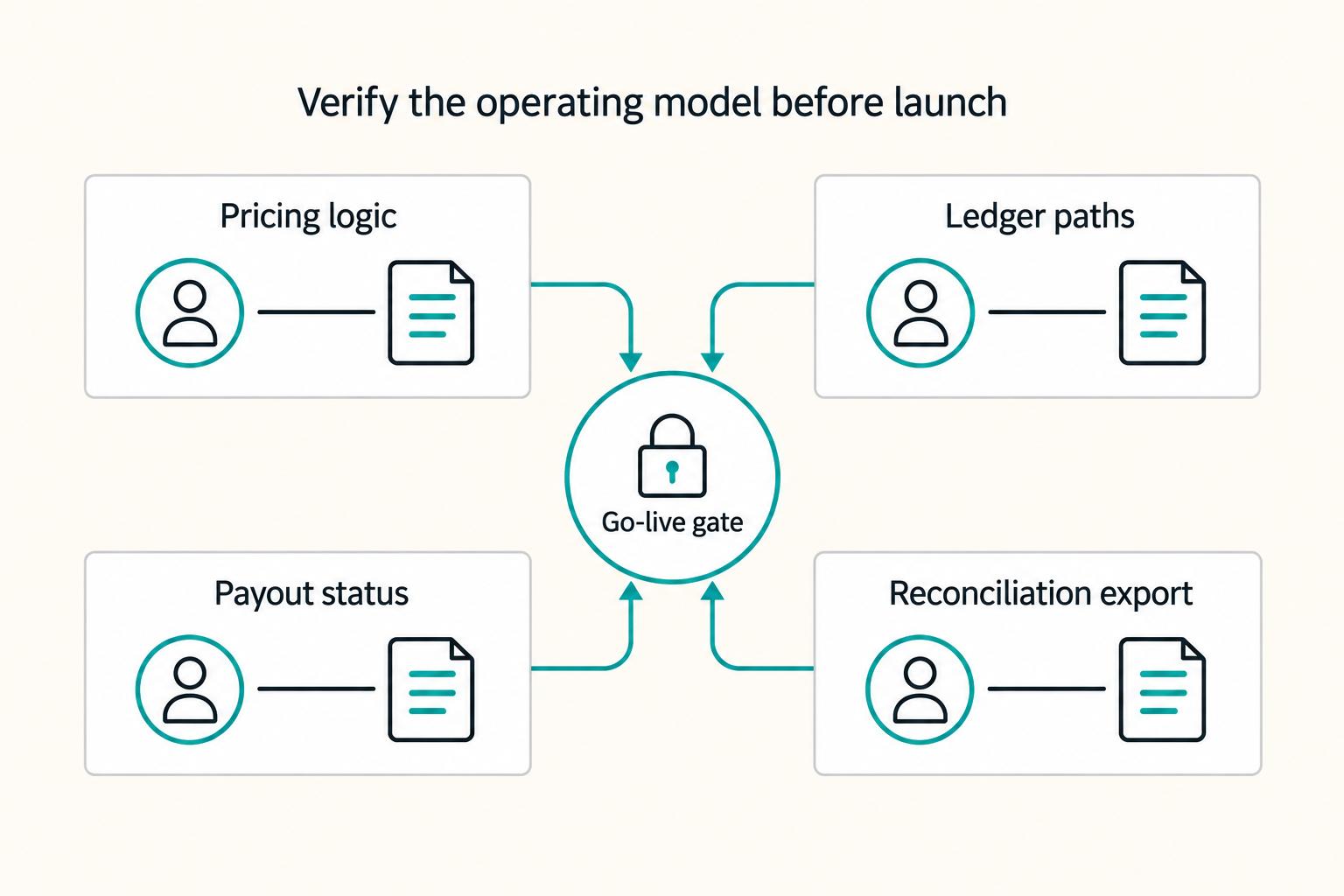
Run launch readiness as a weekly evidence review with named owners and test artifacts, not a confidence vote. If a checkpoint has no owner, no export, or no proof, treat it as a no-go even when growth metrics look strong.
| Checkpoint | What must be true | Owner evidence pack | Common fail state |
|---|---|---|---|
| Pricing logic verified | Pricing outcomes match the model across normal and exception paths | Product: model assumptions, scenario checks, approval notes | Front-end price looks right, downstream records do not |
| Ledger posting paths tested | Transaction and payout states map consistently into ledger flows | Finance ops: margin view, posting review, exception log | Funds move, but balance changes cannot be explained quickly |
| Payout status visibility live | Teams can see payout state, block reason, and latest status change | Product + ops: status views, reason codes, blocked-case samples | Users appear approved but payouts remain blocked without a shared reason |
| Reconciliation exports reviewed | Exported data supports transaction, fee, and payout matching | Finance ops + engineering: recon sample, mismatch handling notes | Unmatched or duplicate events are found only after rollout |
Set go/no-go criteria by model, not vanity metrics. For a Commission-based Marketplace, require end-to-end proof of commission logic, payout holds, and exception handling. For a Subscription Model, require proof that billing events, ledger entries, and access states stay aligned through retries, refunds, and plan changes.
Include a country/program variance check before opening a market: confirm your KYC, AML, and VAT coverage, and confirm whether Merchant of Record support is available for that program. Regulatory reporting and KYC should be treated as a dedicated workstream, and disconnected tools without a unified view are a pre-launch risk signal.
Choose one model, validate fast, then layer carefully#
Choose the model your team can run reliably across pricing, payouts, compliance, and reconciliation, not the one that only looks strong in planning decks. If those core operations break down, the model is not ready.
That approach matches the research. One B2B chapter (first online 31 July 2024) divides platforms into 3 types by the market structures they enable and compares them by value creation/capture logic, governance, and architecture. A separate Technovation study also identifies 3 archetypes (product platform, supply chain platform, and platform network), while data marketplace research reports 4 archetypes across ownership and orientation ranges. The practical point: archetype labels vary, and architecture, services, and governance co-evolve with your model choice.
Start with one primary revenue logic#
Pick one primary archetype first and validate it in a narrow pilot before adding more layers. Keep the pilot scoped to one market, one core participant segment, and one known exception path.
Track a short weekly checkpoint set:
- pricing shown to users matches what finance expects to collect
- payout states are traceable to the originating transaction or billing event
- compliance reviews and exceptions are visible and assigned
- reconciliation can be completed without undocumented manual workarounds
Layer only after the basics hold#
Add a second revenue layer only after the first model is consistently operating. If you layer too early, pricing logic gets hard to explain and operational friction rises.
Before layering, keep a compact evidence pack from the pilot: current pricing rules, sample statements or invoices, a log of failed/manual cases, and a recurring finance-product reconciliation review. If that pack is incomplete, keep the model simple longer.
Frequently Asked Questions
What are the five platform business model archetypes for marketplaces?
For this article, we use five working marketplace monetization labels: a Commission-based Marketplace, a Subscription Model, an advertising-supported layer, an infrastructure usage-fee layer, and a hybrid layered model. The caveat is that archetype counts are not universal: one source uses 5, the World Economic Forum guidebook uses 4, and another business-archetype framework uses 7. Treat the labels as decision aids, not doctrine.
How is a `Commission-based Marketplace` different from a `Subscription Model` in practice?
A Commission-based Marketplace earns mainly when transactions happen, and one source describes marketplace monetization as primarily transaction fees charged to both suppliers and buyers. A Subscription Model earns from recurring access or recurring value, so your main check shifts to billing status, access state, retries, refunds, and plan-change handling. If transaction frequency is uneven, commission can be easier to justify. If usage is steady, subscription can make revenue more predictable.
Can a platform combine commission, subscription, and advertising without confusing users?
Yes, but only if each charge maps to a distinct benefit the user can explain back to you. One source explicitly notes that marketplaces may add supplier advertising or user subscriptions to reduce transaction fees, which is a cleaner story than simply piling on charges. A red flag is when the same supplier pays a commission, a membership fee, and ad spend without a clear reason for each line item.
When should a marketplace choose transaction fees instead of subscriptions?
Choose transaction fees when your core value is matching and completed transactions, especially if buyer or supplier activity is irregular. In that case, charging only when value is realized usually creates less friction than asking for a recurring commitment up front. If you cannot show ongoing value every billing cycle, do not lead with subscription.
How do `Marketplace Model`, `Trade Model`, and `Brokerage Model` differ for operators?
These labels are used inconsistently, so start by defining what the operator actually controls. Here, Marketplace Model is the broad bucket for connecting suppliers and buyers, including participants who were previously unmatched. This guide does not provide a single standard definition for Trade Model versus Brokerage Model, so treat those as local taxonomy choices and document them explicitly before using them for decisions.
What compliance and tax requirements can change archetype viability across countries and programs?
Treat viability as jurisdiction-specific due diligence: verify required documents, review steps, and reporting obligations for each target market and program before you add or change monetization layers.
Try a related tool
Researched and edited by the Gruv editorial team. Gruv builds cross-border billing, payouts, and finance-operations software for global businesses.
Sources
- bsaefiling.fincen.gov/docs/XMLUserGuide_FinCENFBAR.pdftrusted
- farmingdale.edu/courses/index.shtmltrusted
- farmingdale.edu/courses/index.shtmltrusted
- fincen.gov/reporting-maximum-account-valuetrusted
- fincen.gov/report-foreign-bank-and-financial-accountstrusted
- pmc.ncbi.nlm.nih.gov/articles/PMC8549426trusted
- pmc.ncbi.nlm.nih.gov/articles/PMC8938739trusted
- scholarspace.manoa.hawaii.edu/bitstreams/e295a8a5-2402-481a-88f7-56223c042...trusted
Educational content only. Not legal, tax, or financial advice.
Related Posts
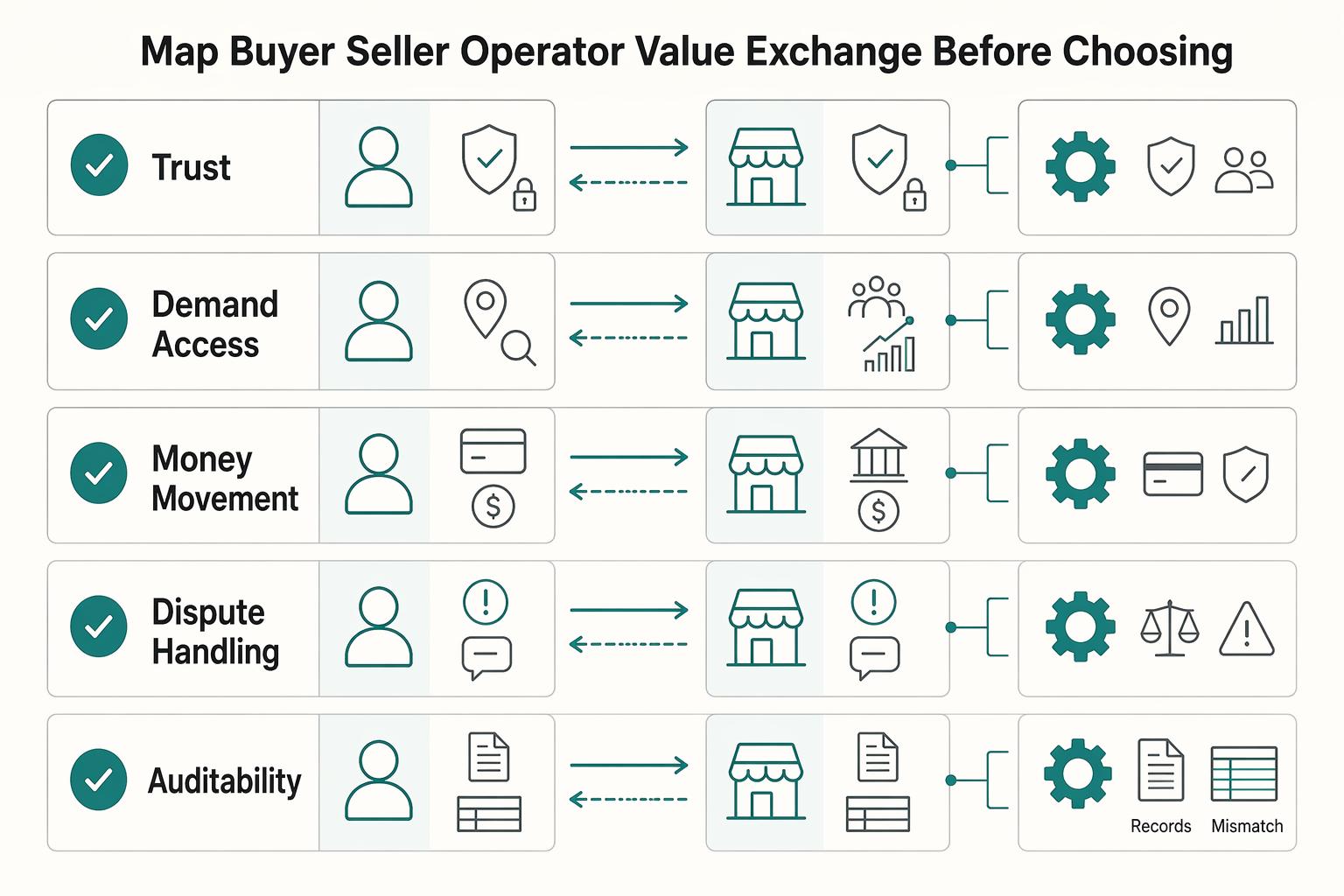
Marketplace Economy 101 for Buyers, Sellers, and Operators
Choosing between a **Marketplace business model** and a **Platform business model** should be an operating decision, not a branding exercise. This guide is built to help you make that call with go or no-go checks that reflect how the business will actually run once buyers, sellers, and expansion pressure show up.
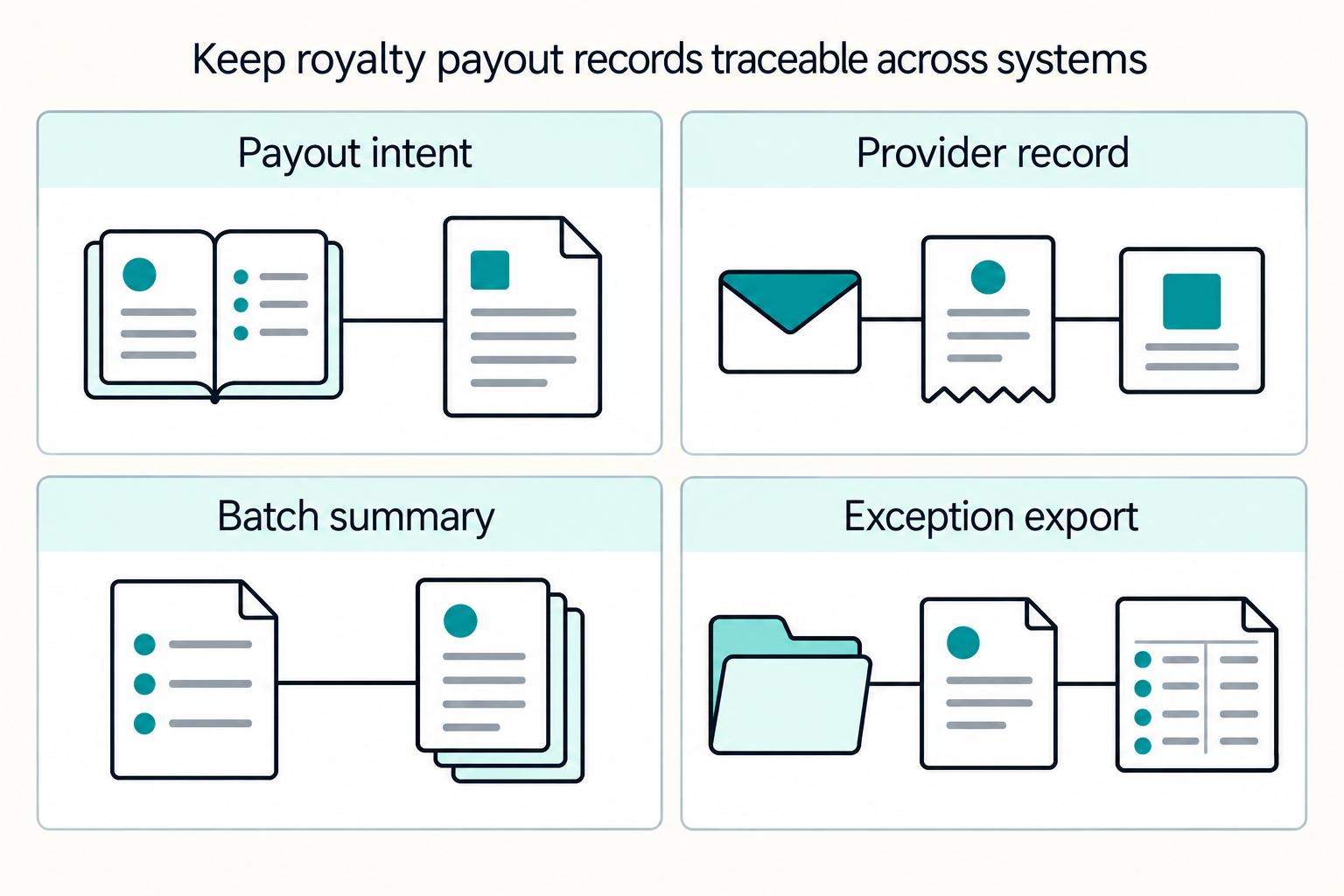
How Photo and Stock Image Platforms Pay Photographers with Royalty and Licensing Payout Models
Use platform-owned evidence, not marketplace landing pages, for this decision. Most comparisons of how photo stock image platforms pay photographers under different royalty, licensing, and payout models come down to four details that are often buried or split across pages: the license type, how contributor earnings are calculated, when payments actually go out, and what must be in place before money can move.
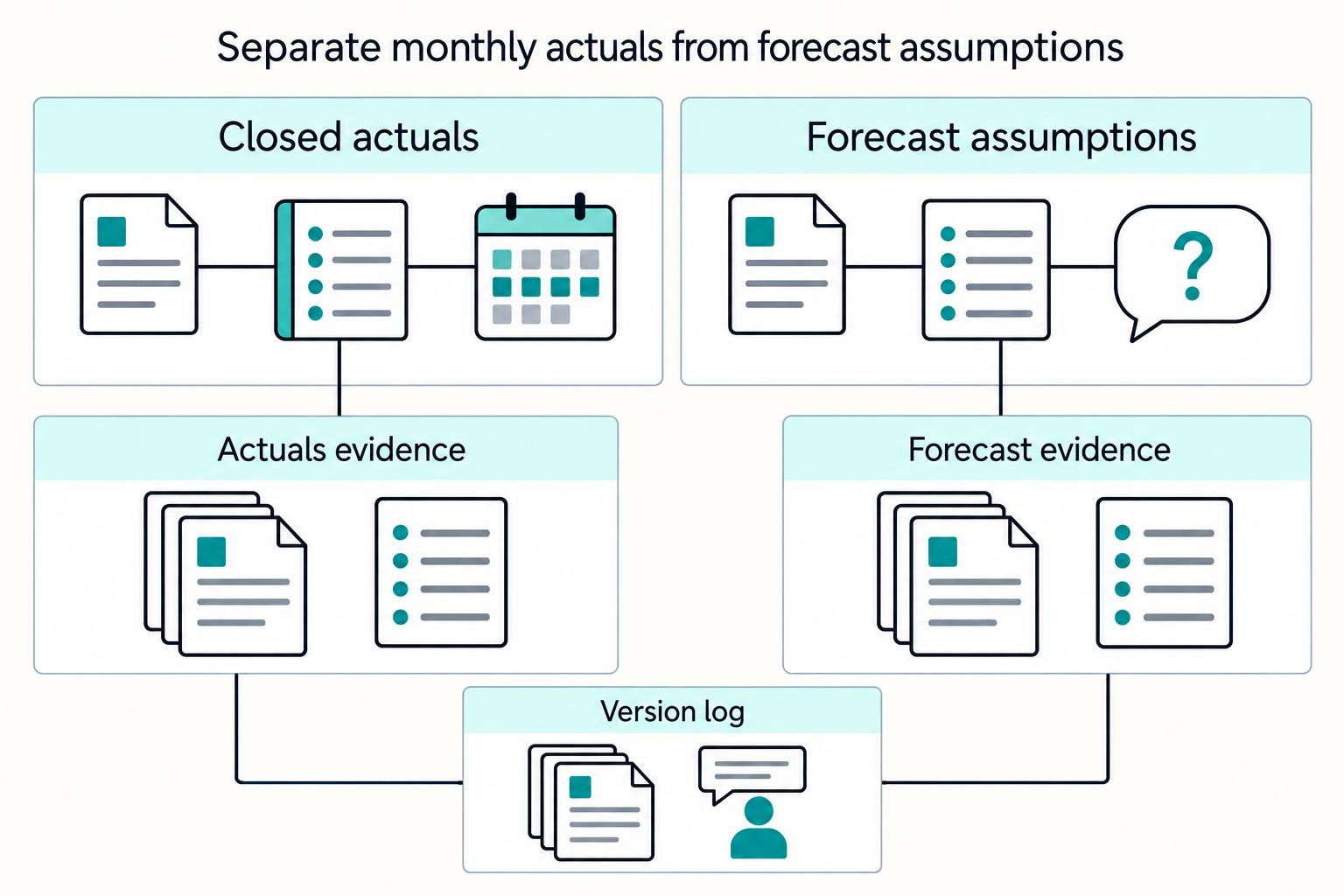
Platform Operator Revenue Review Template for Marketplace Finance
If your monthly review cannot explain why cash, revenue, settlements, and payouts moved together or drifted apart, it is not doing enough. We built this platform-operator template for finance, payments ops, and product teams that need tighter reconciliation, clearer settlement visibility, and payout reliability in the core review.