
Operator playbooks for cross-border payments, tax, and compliance execution.
Step-by-step guidance for finance, product, and ops teams to launch faster, reduce payout friction, and keep reconciliation clean across borders.
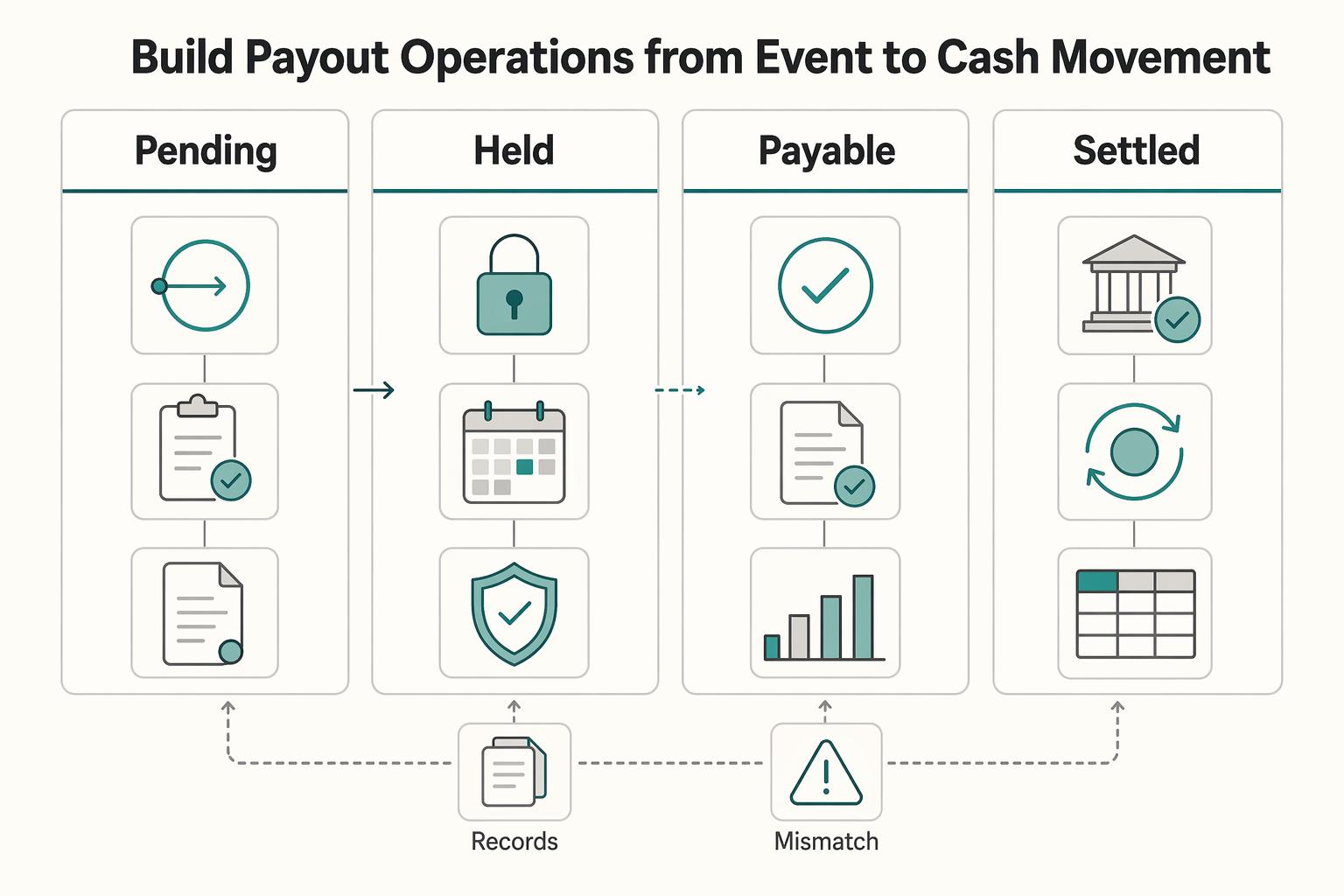
How to Structure Platform Revenue Sharing Without Margin Drift
A workable platform revenue-sharing model starts with payout logic you can explain and report on clearly. The sequence matters: define the parties, covered revenue streams, and payment and reporting rules first, then choose a simple split method (fixed, performance-based, or tiered) and put dispute and exit terms in writing before cash moves.
Read more →
How to Handle Currency Gain and Loss Reporting for a Multi-Currency Platform
Currency gain and loss reporting can break down when treasury owns the rates, accounting owns the journals, and no one owns the full trail from transaction to close package. On a multi-currency platform, this has to operate as a shared control across finance, compliance, risk, and platform operations, not as a side task for the team booking conversions.
Read more →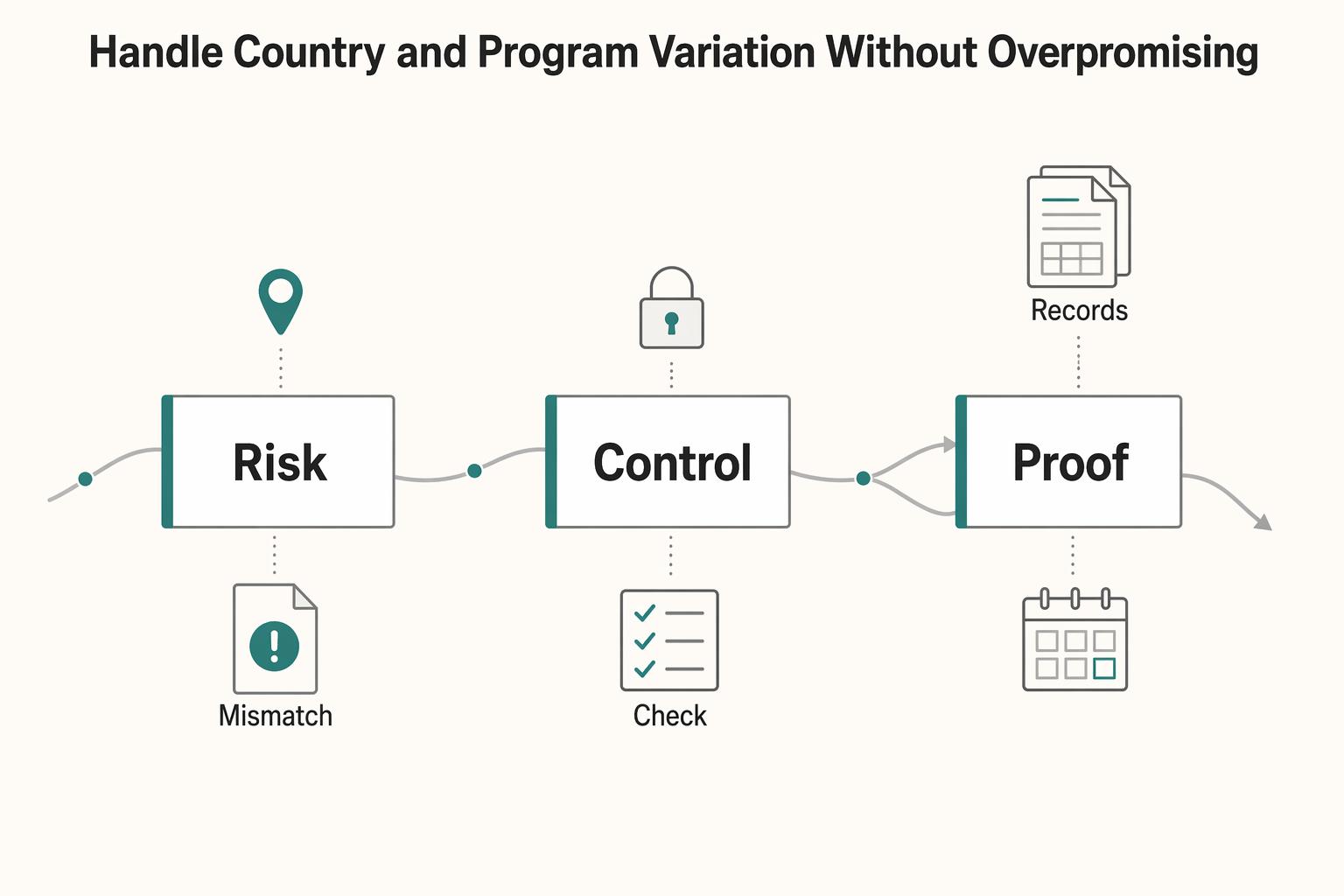
How Platform Operators Should Plan PCI DSS Level and Cost
PCI DSS planning for a marketplace or embedded-payments team is an operating-model decision, not just a compliance label. It can shape what you build versus delegate, how quickly you can ship payment features, and how much ongoing security work lands with product, engineering, and finance.
Read more →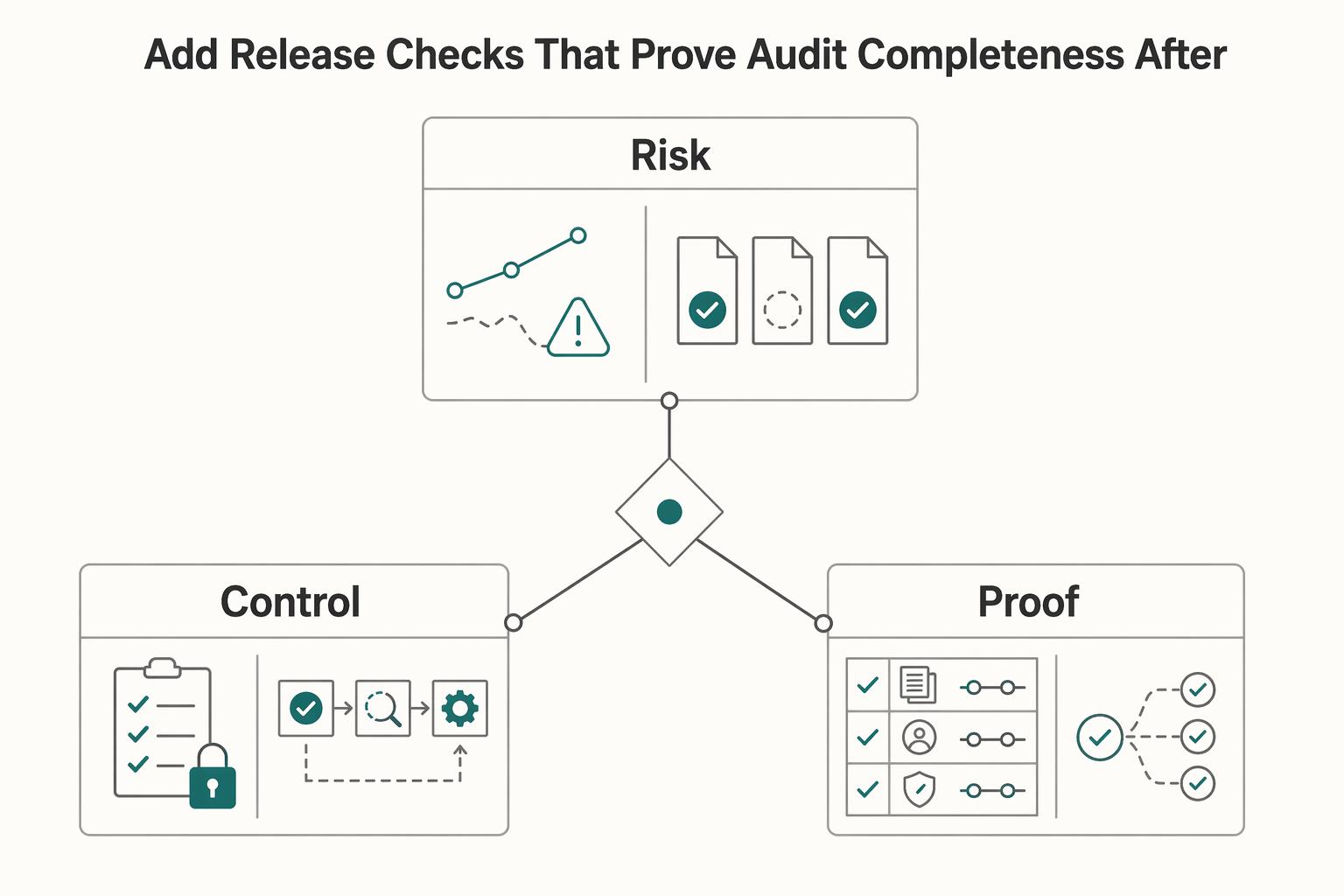
KYC at Scale for 10,000 Contractors Without Killing Conversion
This guide is for teams handling **kyc at scale contractor verification** that need a practical decision path, not a generic compliance lecture. The goal is straightforward: move low-risk contractors and sellers through quickly, escalate only when risk signals justify it, and keep a record you can defend later.
Read more →
Build a Cancellation Flow That Saves the Right Subscribers
Treat the cancellation flow as a commercial control point, not a last click on the way out. When a subscriber leaves, the loss to recurring revenue does not stop at one invoice. It compounds month after month. Start with an operating question, not a UX question: should you save this customer now, offer a lower-commitment path, or let them go cleanly?
Read more →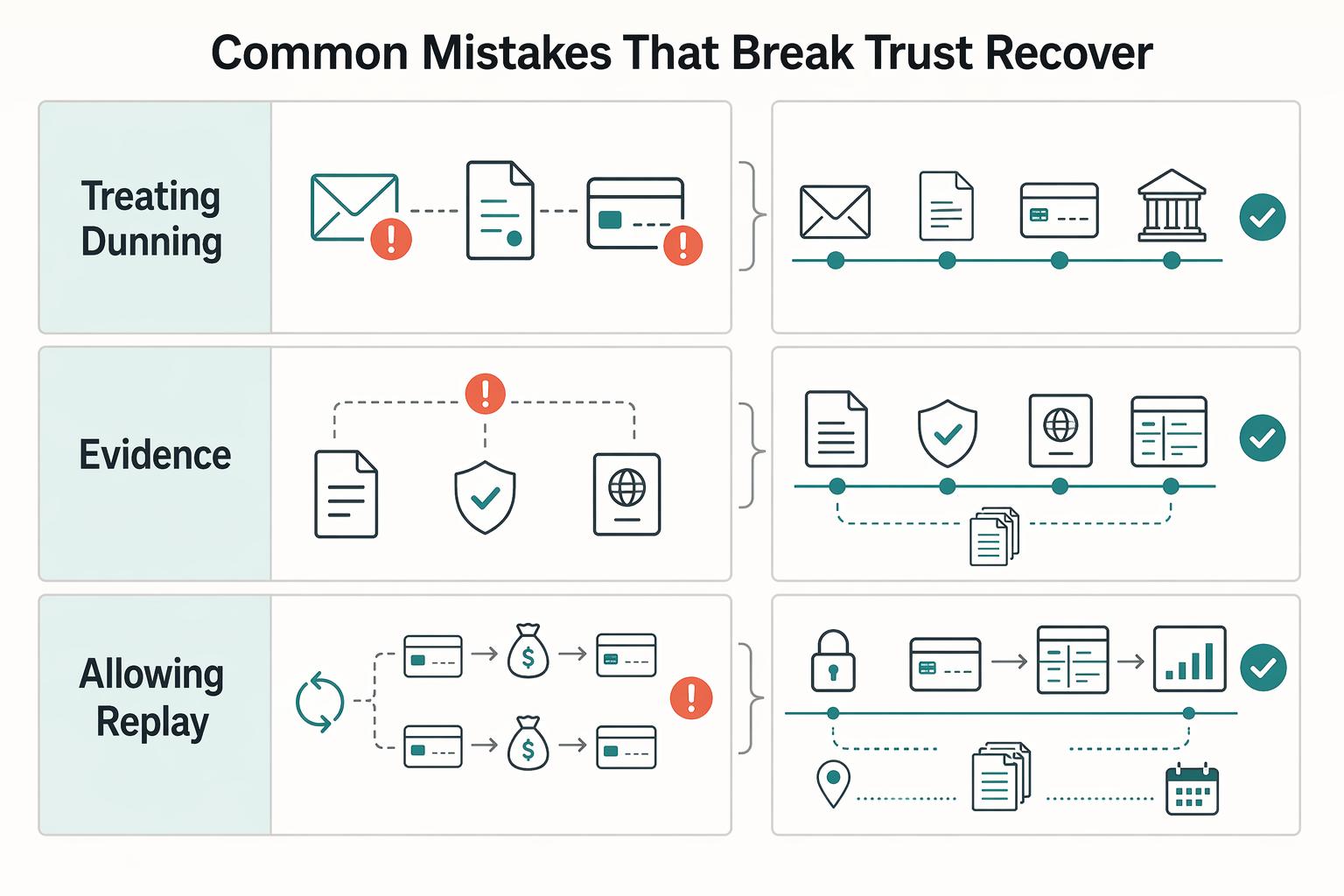
Subscription Billing Platforms for Plans, Add-Ons, Coupons, and Dunning
**Treat subscription billing as an operating discipline, not just a pricing setup.** A subscription is the billing object used to charge a customer for a selected plan. Every choice around Plans, Add-ons, and Coupons has downstream effects once renewal time arrives.
Read more →
ARR vs MRR for Your Platform's Fundraising Story
For platform finance teams, the ARR versus MRR question in fundraising is less about which formula sounds cleaner and more about whether your numbers hold up when someone starts pulling at the thread. In many cases, you should lead with **Annual Recurring Revenue (ARR)**, then support it with clean **Monthly Recurring Revenue (MRR)** movement that ties back to the books.
Read more →
Choosing Between Subscription and Transaction Fees for Your Revenue Model
The real mistake in choosing between subscription and transaction fees is usually not picking the wrong label. It is choosing a model your customers do not naturally fit, or one your team cannot bill, explain, and reconcile without frequent exceptions. That is when a revenue plan looks good in a deck and bad in operations.
Read more →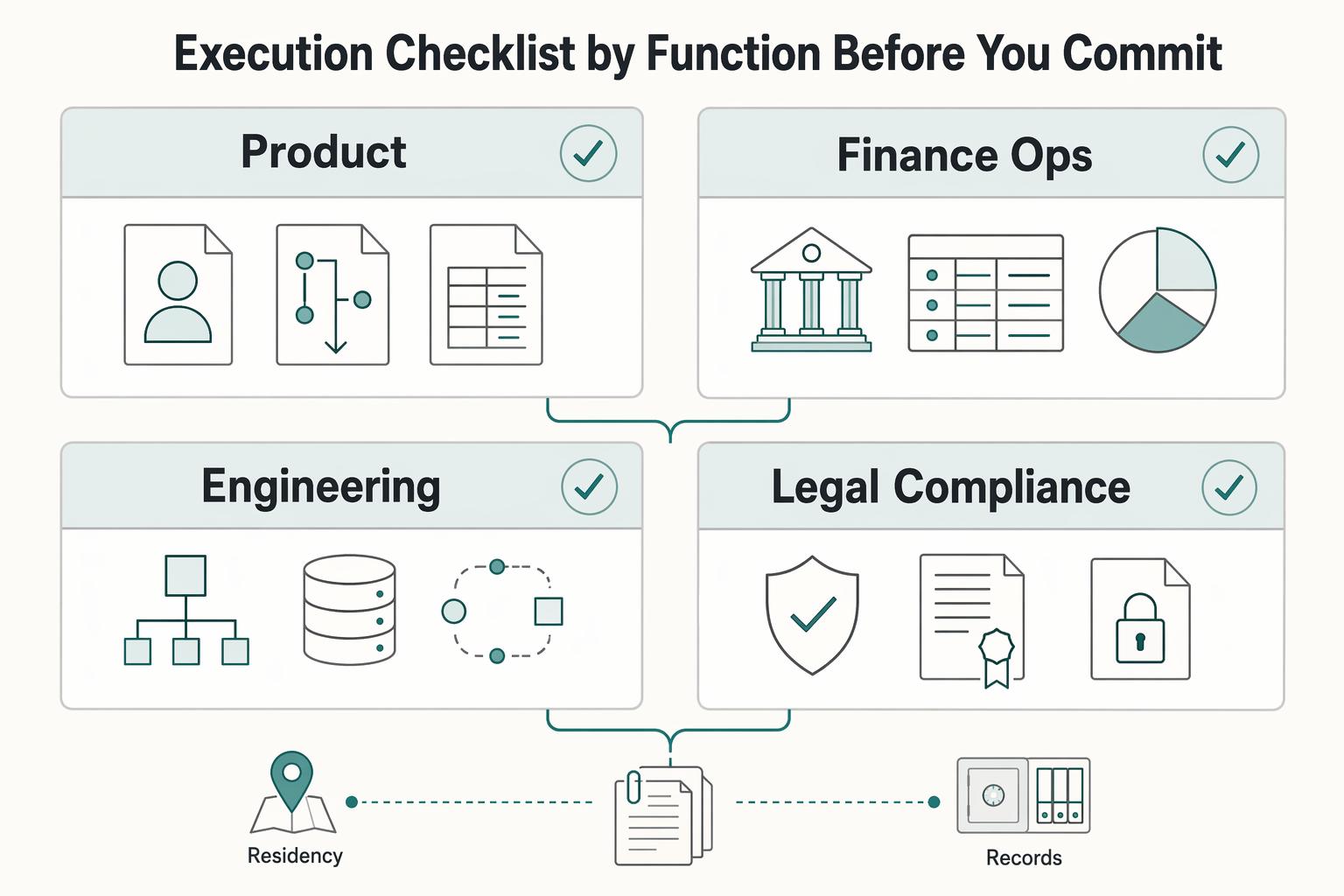
MoR vs. PayFac vs. Marketplace Model for Platform Teams
Treat the **mor vs payfac vs marketplace model** choice as an ownership decision first, not a checkout feature decision. Look at who presents as the seller, who the cardholder turns to when something goes wrong, and how much operational load your team is really taking on across product, finance, ops, legal, and engineering.
Read more →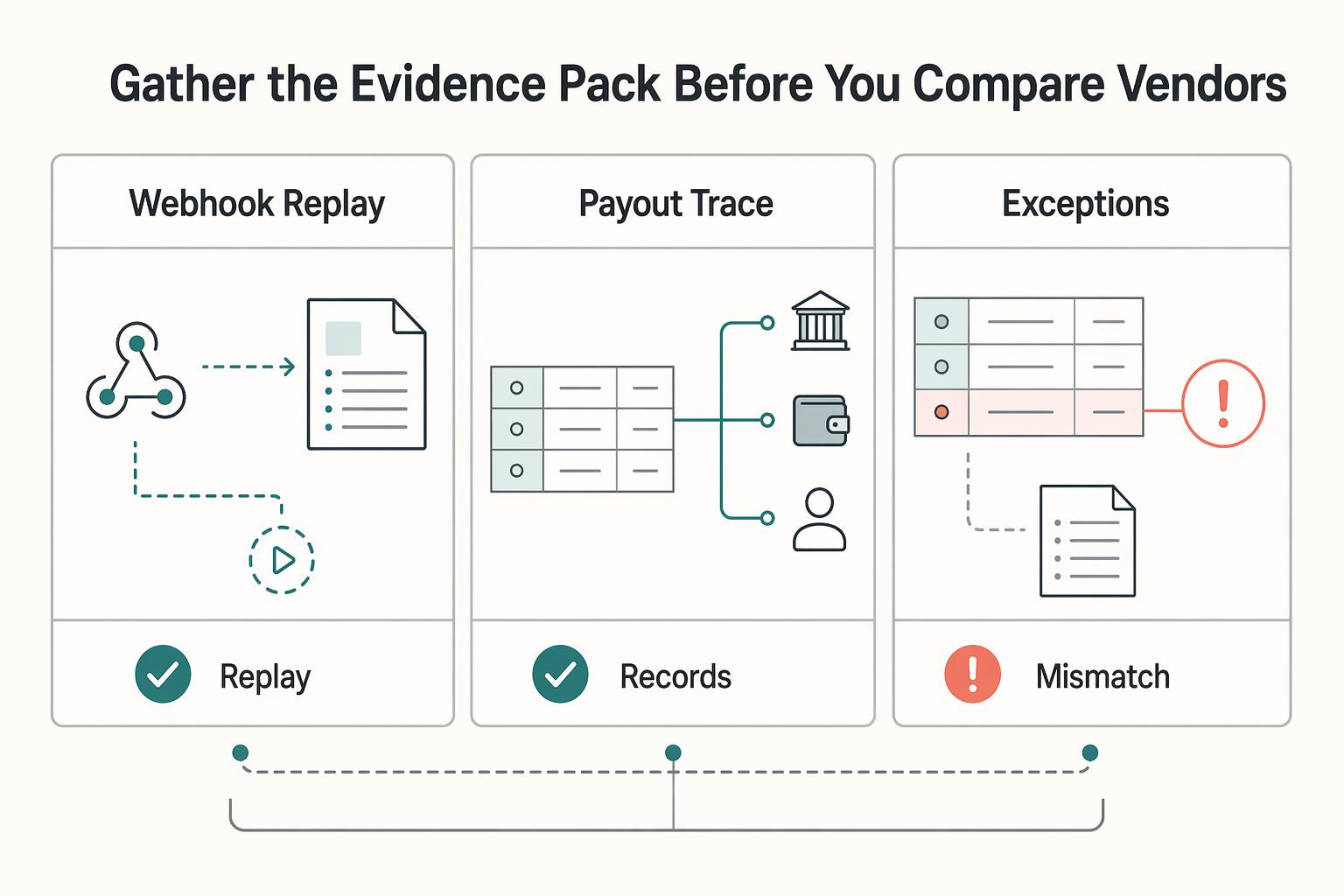
Building Subscription Revenue on a Marketplace Without Billing Gaps
Recurring billing usually breaks after the pitch stage for a simple reason. Teams buy a feature story when they really need an operating decision. If you are evaluating a subscription revenue platform for marketplace billing, the real question is not which vendor demo looks strongest. It is where you can launch first, which recurring-charge rules apply, and what your finance team can prove after go live.
Read more →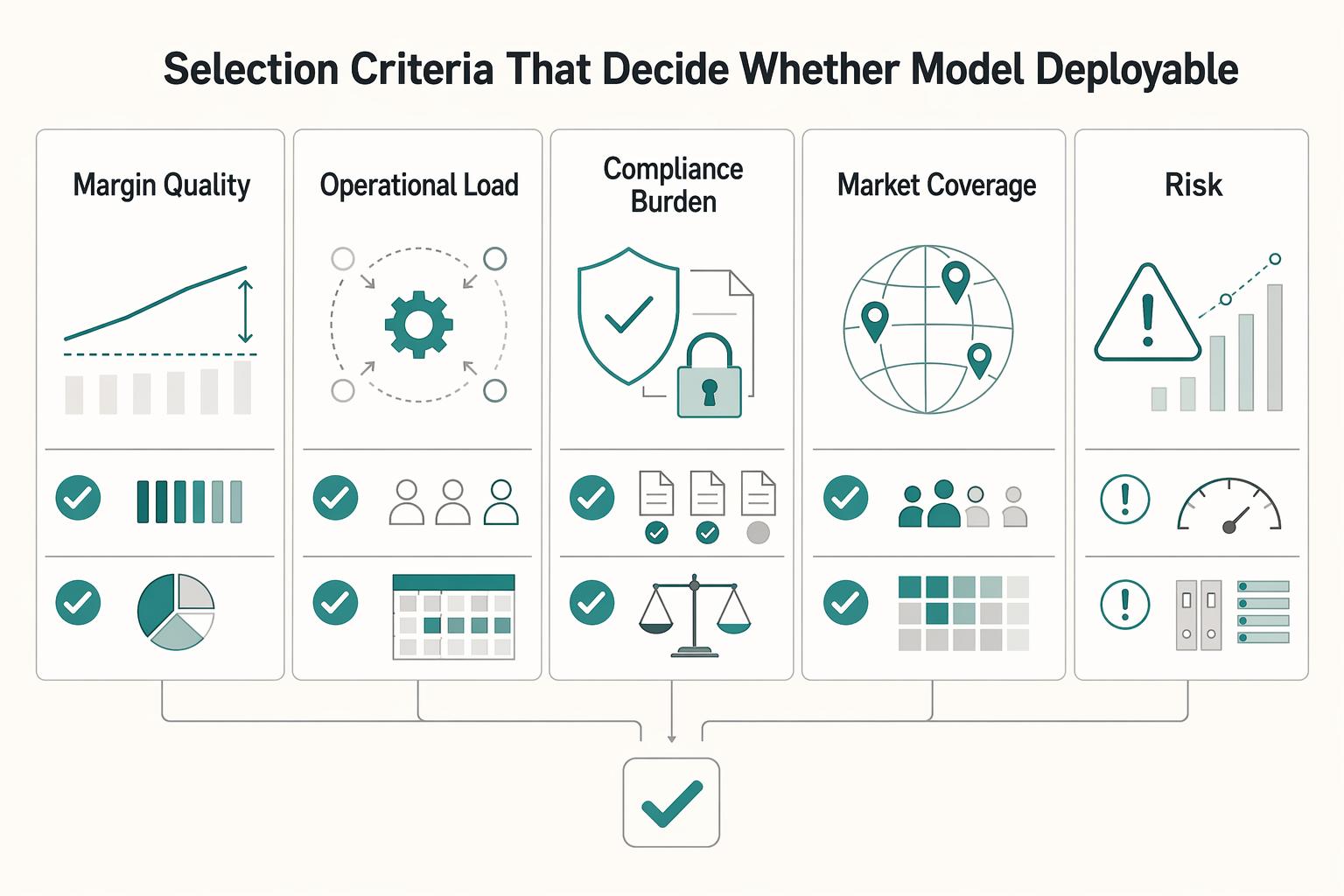
Choosing Creator Platform Monetization Models for Real-World Operations
Popularity alone can be a poor way to choose among creator platform monetization models. If a model only looks good during a viral spike, a sponsorship burst, or a one-time product drop, it is a weak base for product and go-to-market bets.
Read more →
Retainer Subscription Billing for Talent Platforms That Protects ARR Margin
If you want to turn project revenue into something closer to ARR, do not start by copying an agency monthly fee and calling it a subscription. Start by deciding whether the work is stable enough for a retainer. Then lock the commercial rules into a retainer agreement, and automate recurring billing only after the edge cases are visible.
Read more →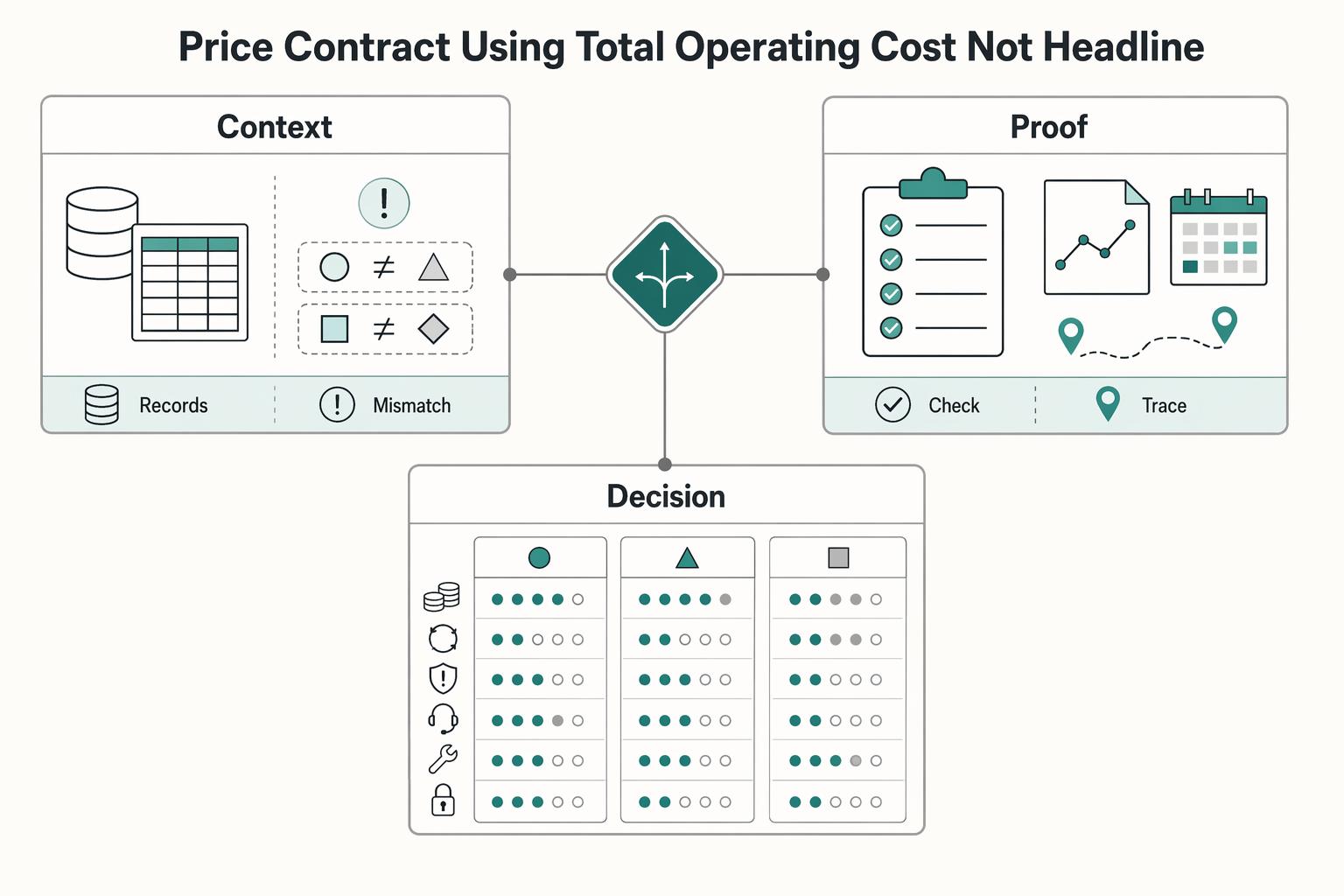
How to Choose a Merchant of Record Partner for Platform Teams
If you want a useful answer to **how to choose merchant of record partner**, do not start with demos or headline fees. Start by writing down the decision before you book a single call. Build one shared decision record that finance, product, ops, and engineering can all test against the same scope, evidence, and risk thresholds.
Read more →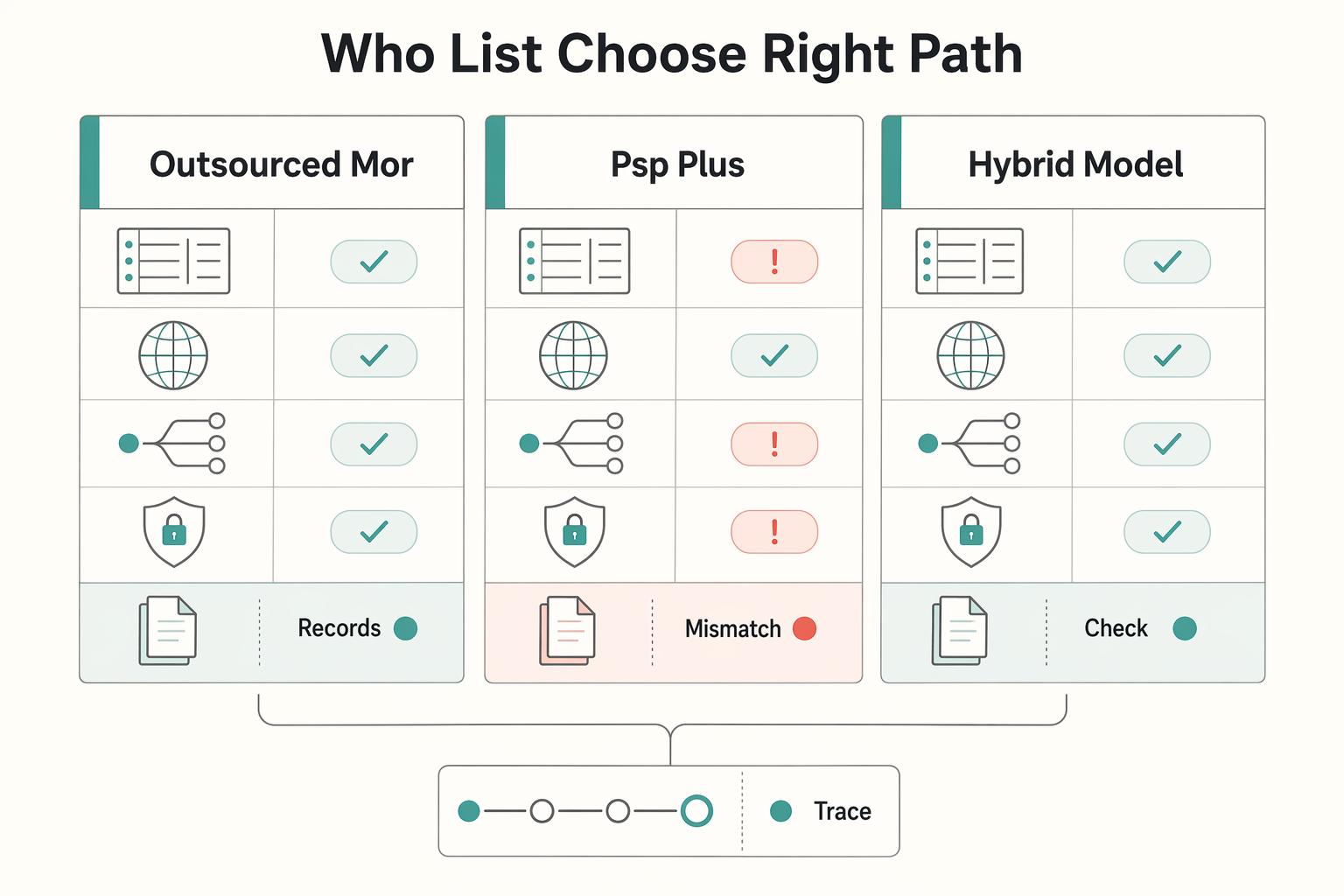
Merchant of Record for Platforms and the Ownership Decisions That Matter
If you are looking for a **merchant of record for platforms**, the real question is not what MoR means. It is whether handing off enough payment, compliance, and risk work will help you move faster without creating new problems for product, finance, and engineering later.
Read more →
Named Perils vs. All-Risk Insurance Policies: How Burden of Proof Shapes Claims
**Quick answer:** if one damaged laptop, camera, or recorder would interrupt your income, start by leaning toward an all-risk policy and reviewing exclusions carefully. In practical terms, **burden of proof** is about who has to prove coverage first, and that can create more claim friction than most buyers expect.
Read more →
Taxes in Germany for Freelancers and Expats
Low-stress compliance in Germany comes from decision order, not tax tricks. Use this sequence: confirm core facts, apply conservative temporary assumptions, verify the few points that can break invoices or filings, and keep one evidence file that explains each decision.
Read more →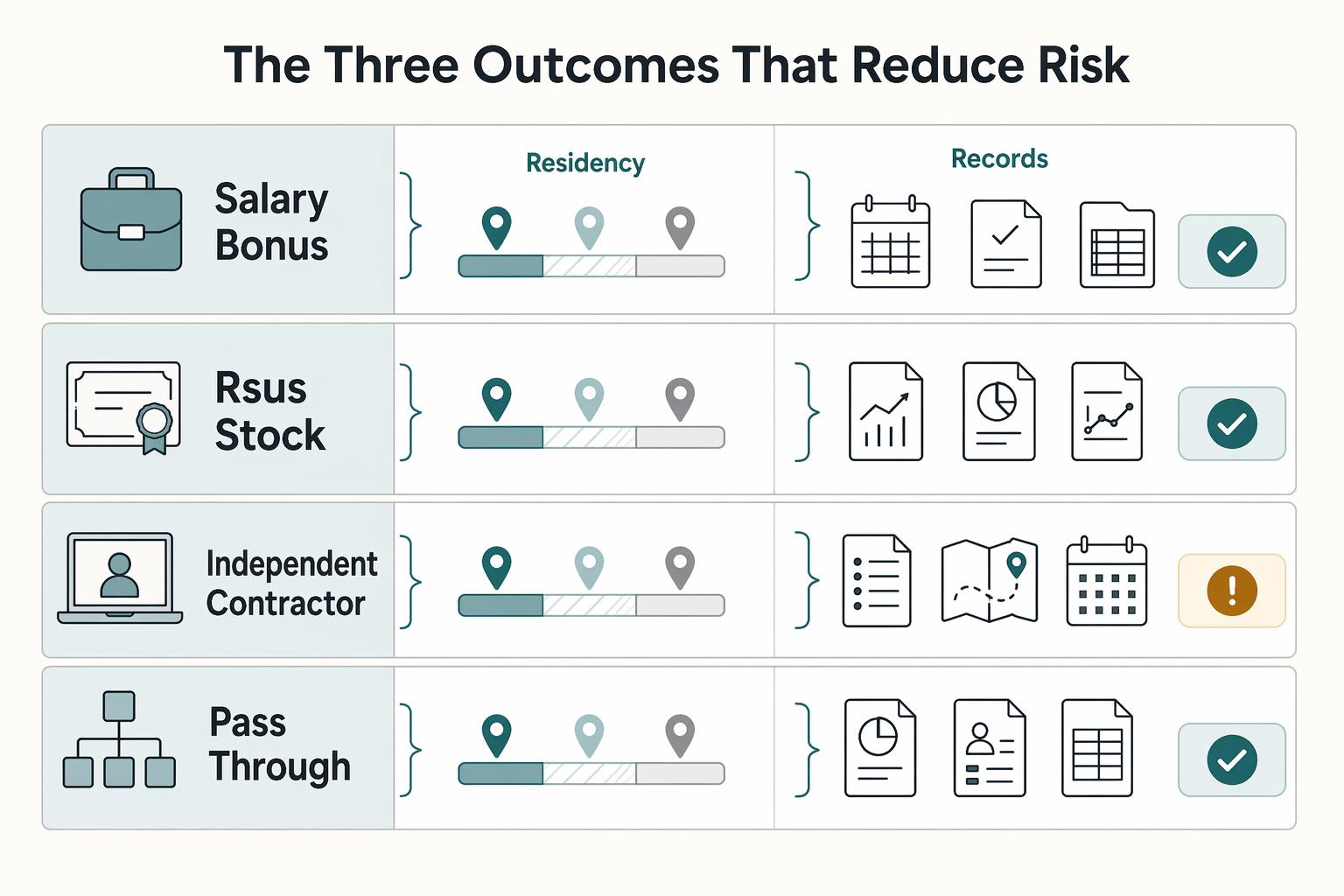
Trailing Tax Liability After Leaving California for Freelancers
**Quick answer:** After you leave California, you can still owe California tax on income that remains California-source. California taxes residents on worldwide income, but as a nonresident, you are taxed on California-source income.
Read more →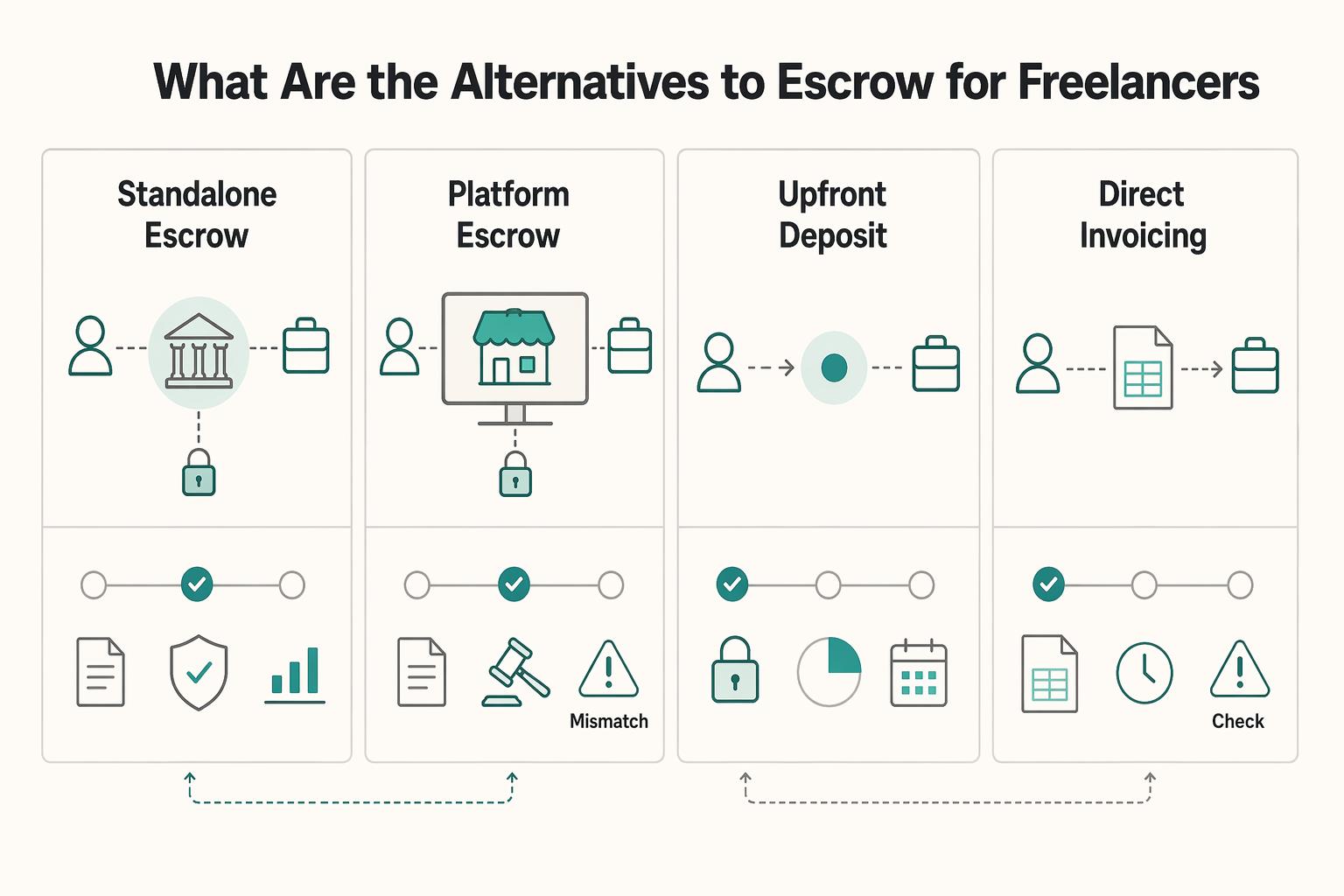
How to Use Escrow for Large Freelance Projects
If you invoice after delivery, you hand over the work before payment is under your control. On a large freelance project, that is a payment-control gap first and a collections problem second.
Read more →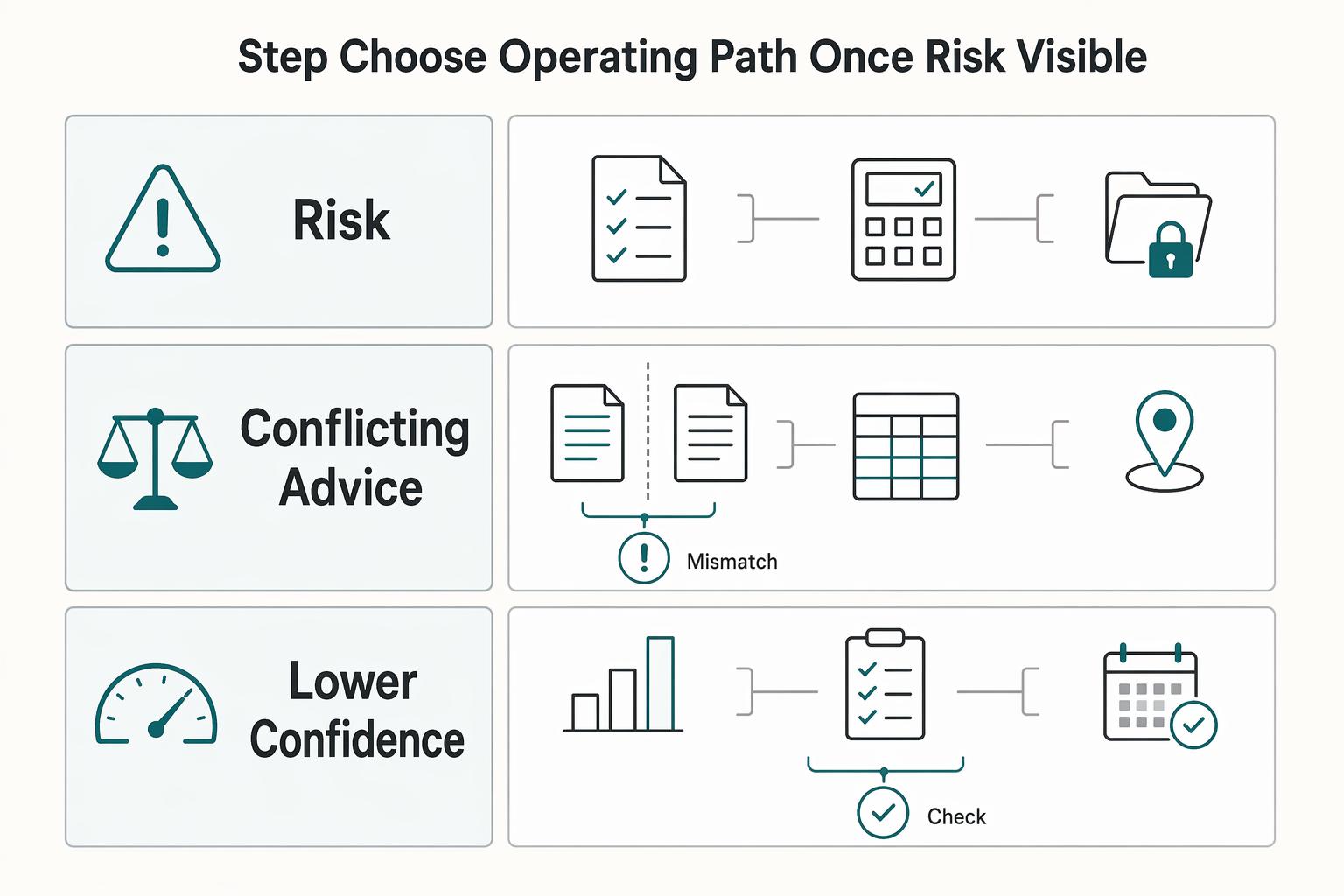
The 'Closer Connection' Exception: How to Avoid US Tax Residency Even if You Spend Time in the US
If your U.S. travel is increasing, the real risk is not your intent. It is drifting into the wrong filing posture because you waited too long to make a clear decision. Use this section as a practical framework to decide early, document your position, and avoid a last-minute scramble.
Read more →
Can I Deduct My Coworking Space Membership?
Short answer: **possibly, if you are claiming it as a self-employed business expense and you can show it is both ordinary and necessary**. It is **not** automatically deductible just because you work remotely or prefer the environment. That ordinary-and-necessary standard does the real work here, and both parts matter:
Read more →