
Operator playbooks for cross-border payments, tax, and compliance execution.
Step-by-step guidance for finance, product, and ops teams to launch faster, reduce payout friction, and keep reconciliation clean across borders.

How to Write a Legally Compliant Lease Agreement
To write a lease agreement well, start with enforceability, not speed. Confirm who the parties are, what property is covered, when possession starts, what is due before move-in, and what happens at the end of the term.
Read more →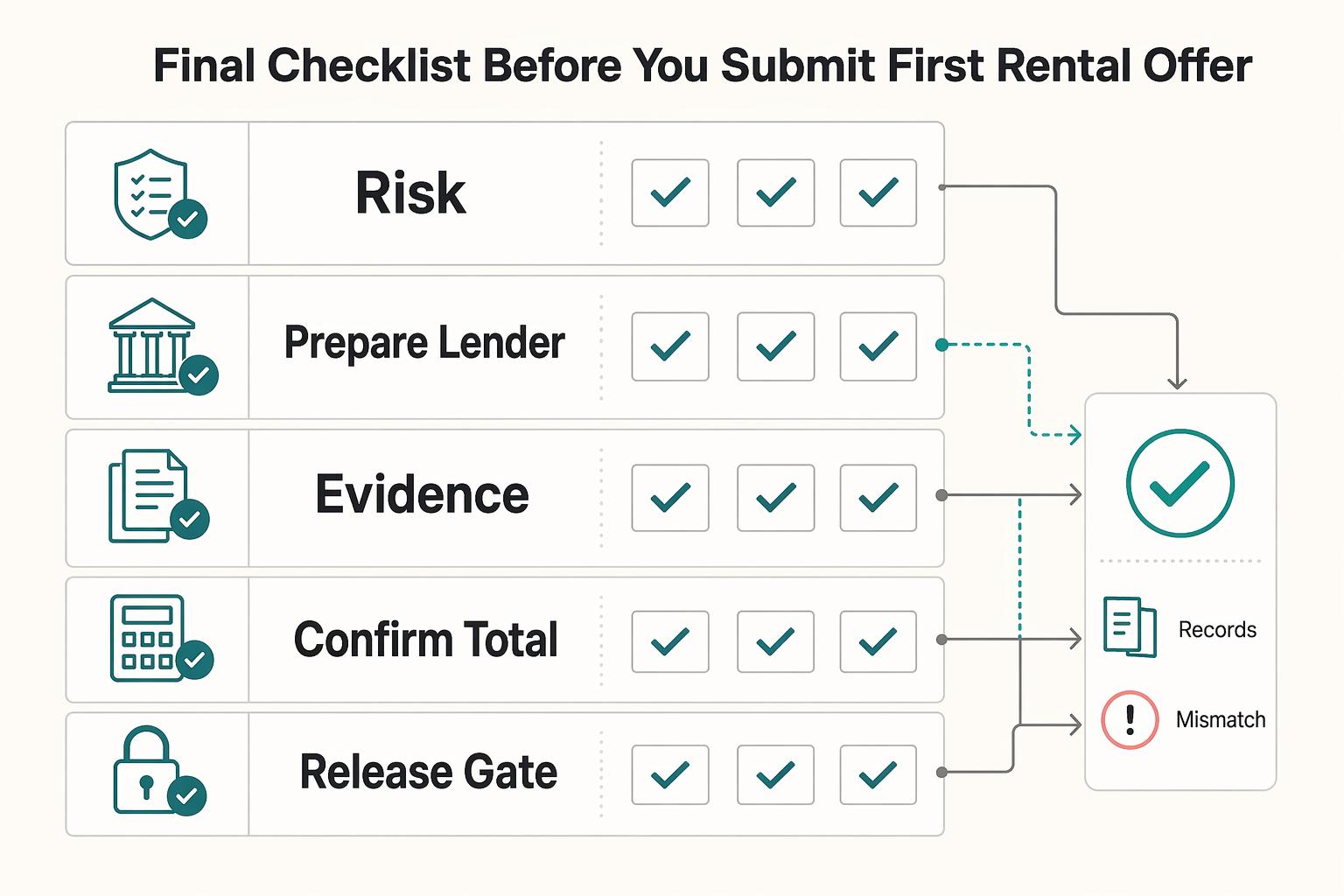
How to Finance Your First Rental Property
Start by protecting your day-to-day cashflow, then treat loan approval as a constraint. If client payments are uneven, a payment that feels manageable in a strong month can create real pressure in a weak one.
Read more →
How to Handle Payroll Taxes for a Remote US Team
Use a risk-first setup before your first run. Put decisions and verification in a fixed order so payroll tax mistakes are less likely to turn into cashflow problems.
Read more →
Working Capital in M&A for Small Service Businesses
If you are selling a small service business, define working capital early. It is one of the simplest ways to protect your proceeds before the Letter of Intent (LOI), during financial due diligence, and at closing. In many deals, these mechanics can still move what you take home in a meaningful way.
Read more →
How to Get or Retrieve a SARS Income Tax Reference Number in South Africa
Start with one practical fork: check whether SARS may already have you on record. Register only if you appear genuinely new to the system. That reduces stress and helps you avoid duplicate requests.
Read more →
A Deep Dive into the German Trade Tax ('Gewerbesteuer') for Freelancers
Start with one decision: does `Gewerbesteuer` apply to your work at all? Not every self-employed person in Germany pays it, and that classification drives the rest.
Read more →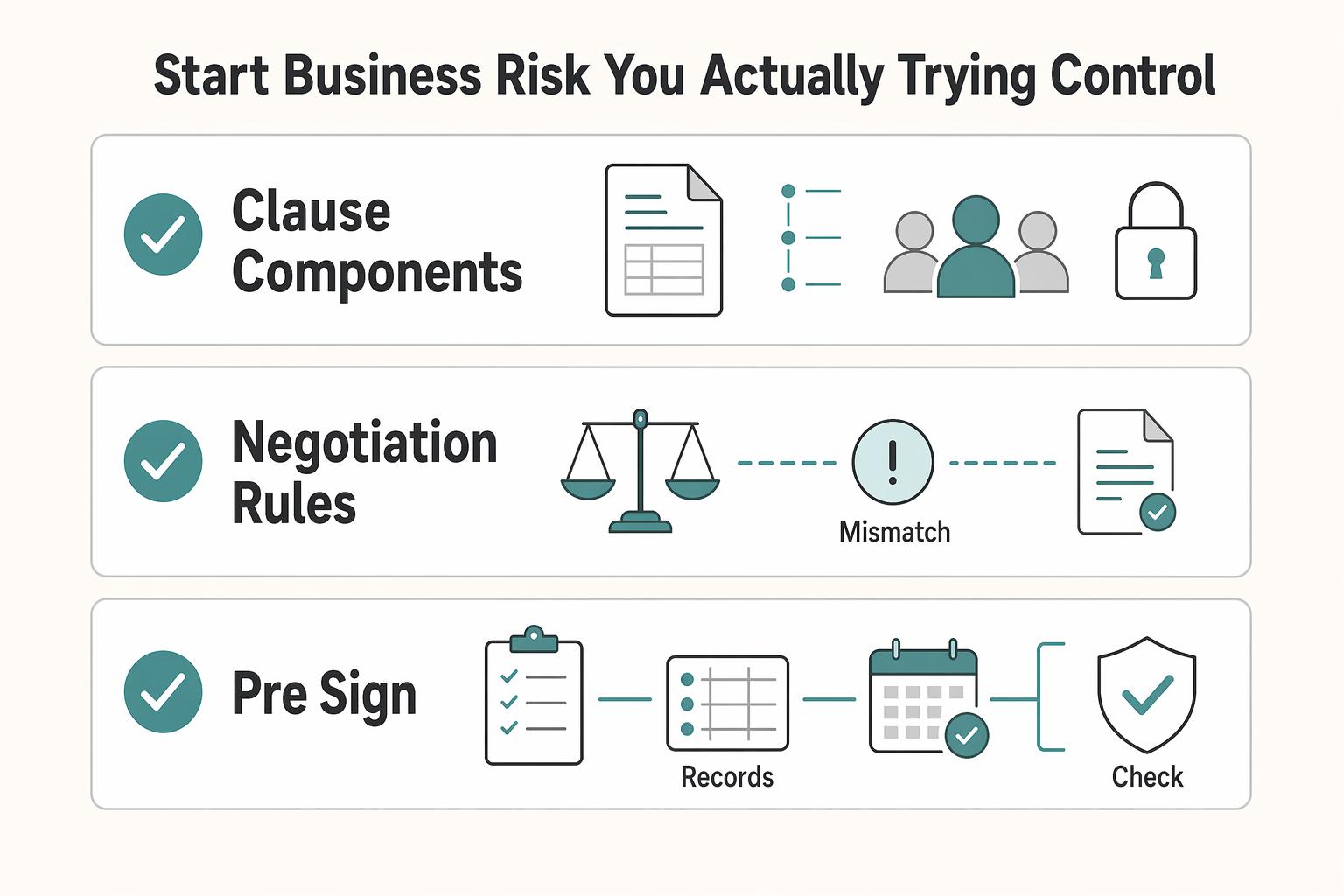
How to Structure a 'Key Person' Clause in a Consulting Agreement
**Step 1: Name the risk before you draft.** Key person risk in a consulting agreement is a continuity control, not legal decoration. If delivery depends on one person or a small group, losing that capacity can quickly lead to missed deadlines and disputes about what was promised.
Read more →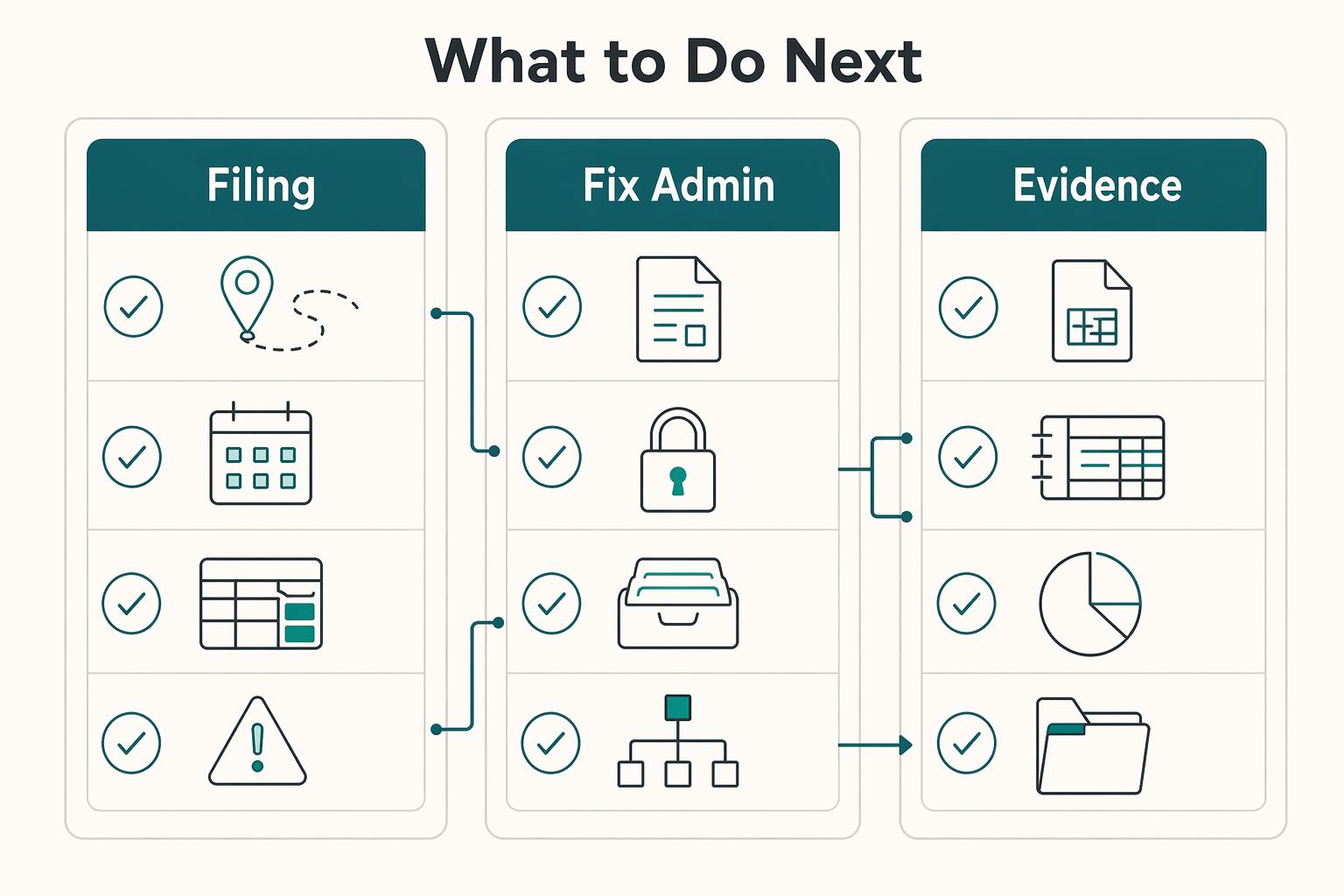
UK Non-Dom Tax Status: Self Assessment Steps and What You Must Verify
Start with filing mechanics, not tax jargon. You may still be unsure how labels like **Domicile** or the **Remittance basis** fit your history, but that does not pause your **HM Revenue and Customs (HMRC)** obligations around Self Assessment registration, account access, record-keeping, and filing.
Read more →
Federal vs. Provincial Incorporation in Canada: How to Choose
When you're deciding between federal and provincial incorporation in Canada, the practical question is usually simple: choose the jurisdiction that fits your operating footprint, your name-protection needs, and the compliance follow-through you can realistically manage without missing steps.
Read more →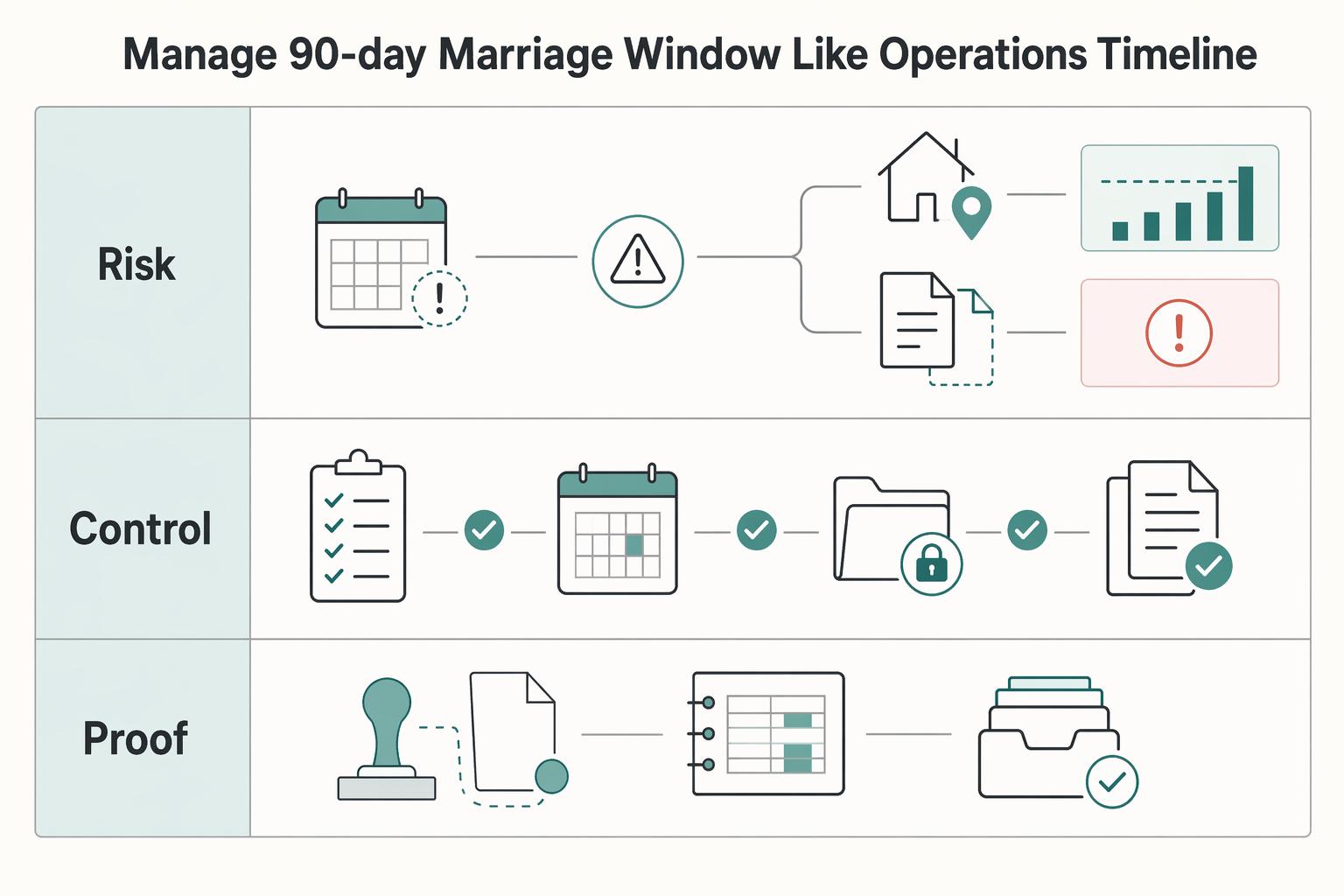
K-1 Fiancé(e) Visa Process: Timeline, Eligibility, Filing, and 90-Day Marriage Rule
Think of the **K-1 path** as a series of gates, not a single application. The order is `Form I-129F` with `USCIS`, `DOS` visa processing, U.S. entry if a `K-1 nonimmigrant visa` is issued, marriage within `90 days` of admission, and then `Adjustment of Status` toward a `Green Card`.
Read more →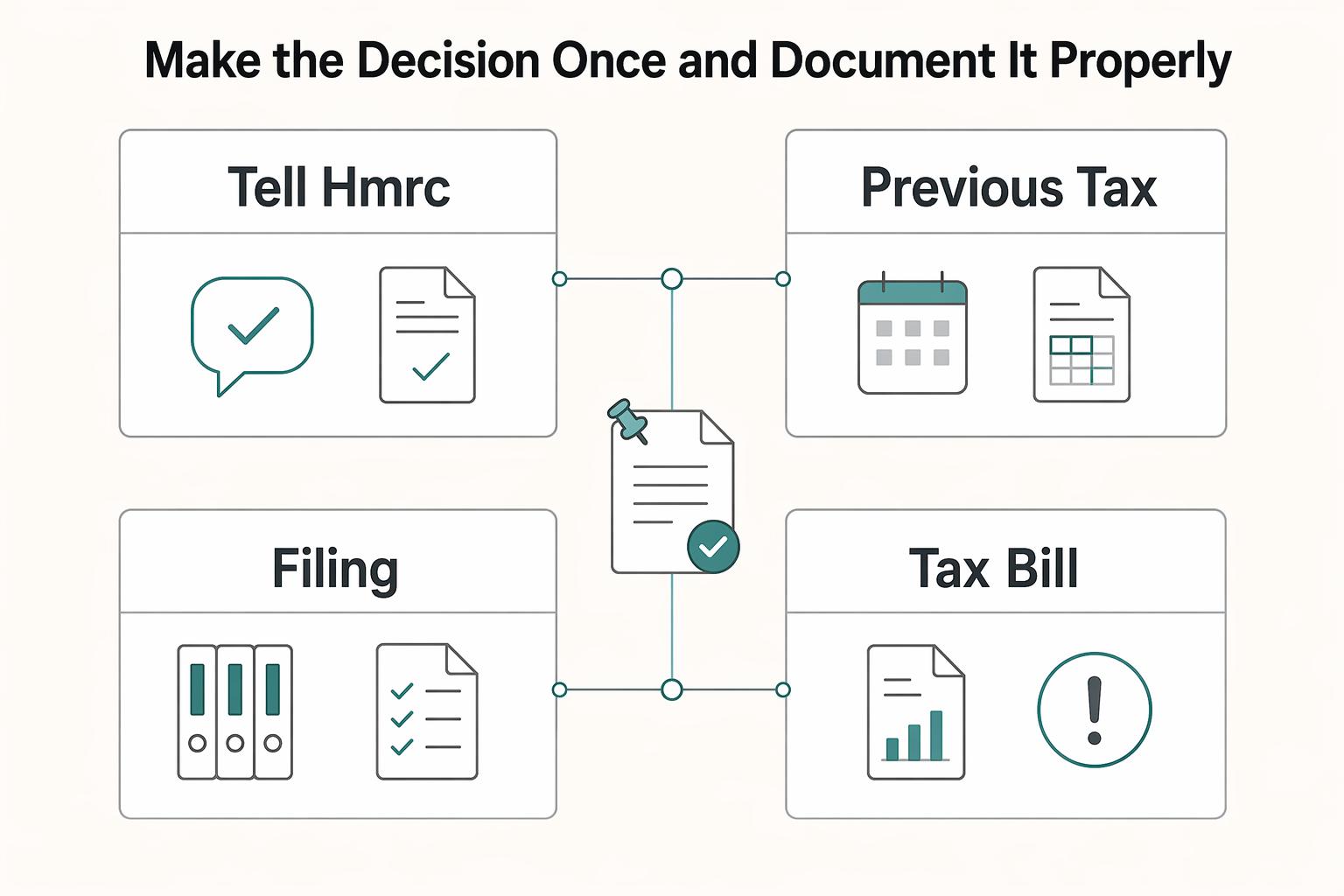
A Guide to Capital Gains Tax for UK Freelancers
Start with one basic control: if a source is not clearly about UK Capital Gains Tax and HMRC, do not use it to make filing decisions. For UK freelancers, that is the first risk to control here because the background material also includes Australian GST and ABN content, which is not UK CGT guidance.
Read more →
How to Set Up a UPI Payment Gateway on Your Website
This is not a generic "switch it on" tutorial for a **upi payment gateway on website**. It is a cashflow-focused setup for service businesses. The goal is to reduce payment drop-off at checkout, get confirmed collections faster, and avoid operational issues when payment status is unclear.
Read more →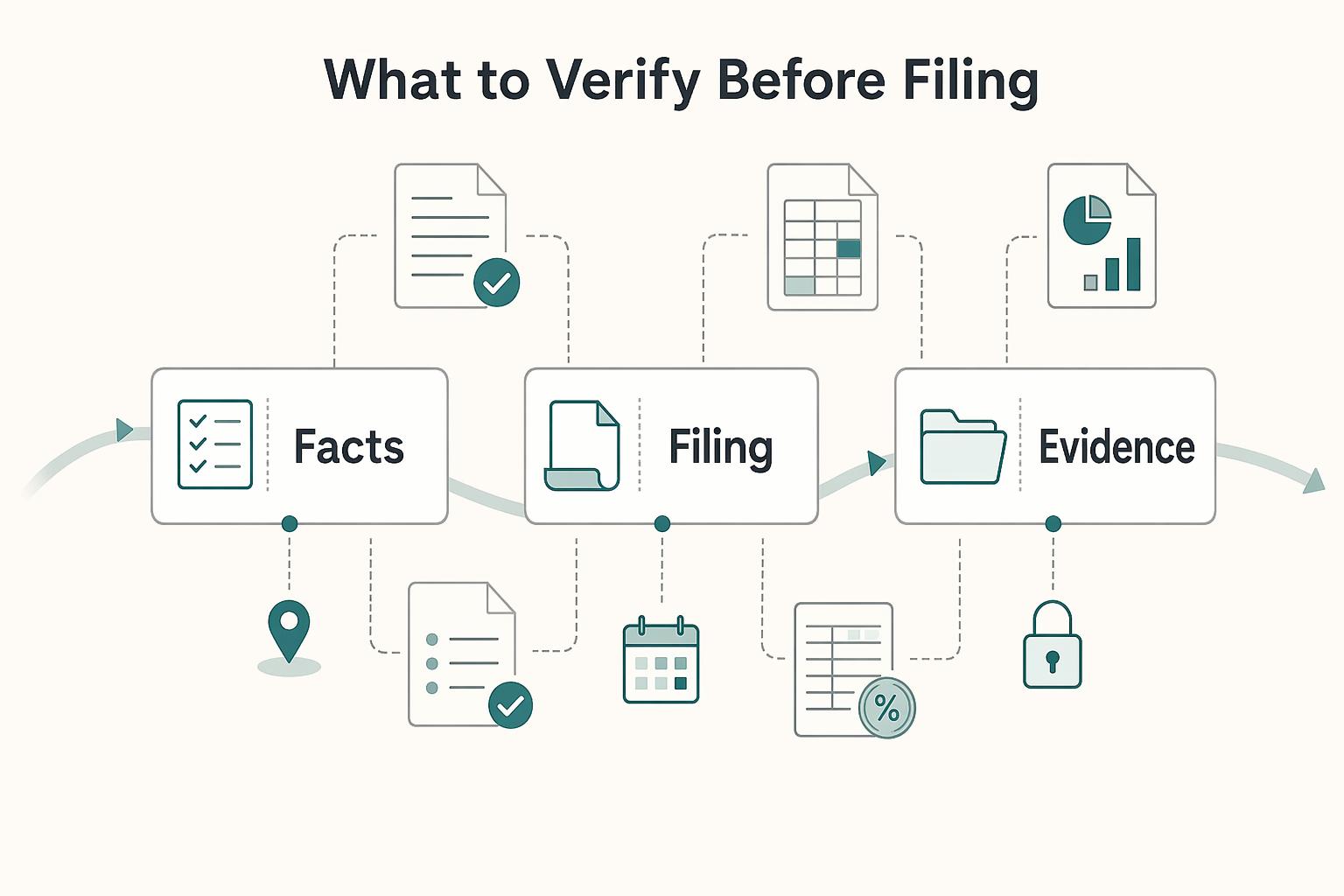
GST Registration Decisions for Indian Freelancers
This guide is for solo freelancers and independent consultants working from India, whether you bill Indian clients, foreign clients, or both. It focuses on practical GST registration decisions, not large-company structures, multi-entity planning, or product-heavy GST setups.
Read more →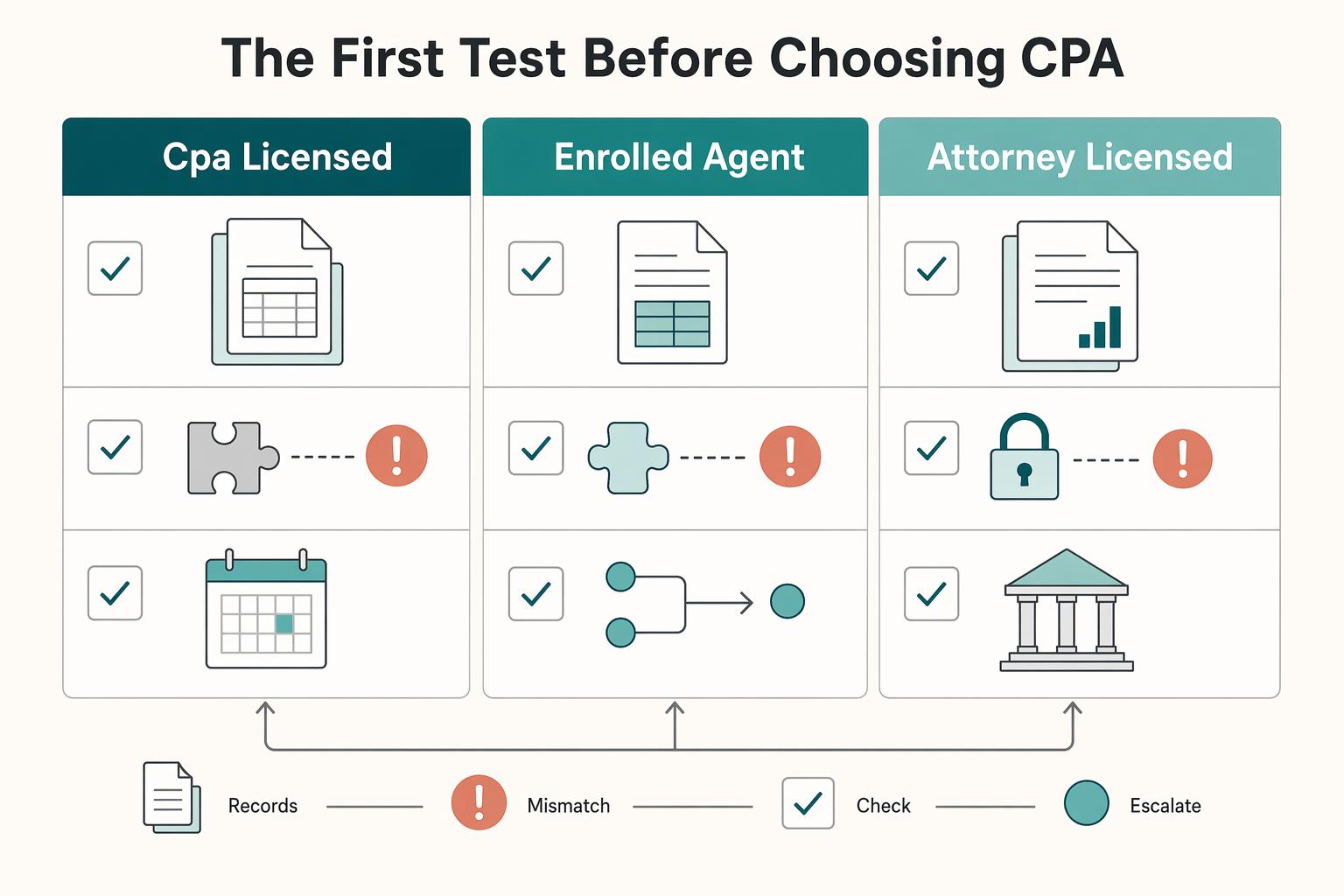
Choosing Between a CPA, Enrolled Agent, and Tax Attorney
Choose by case stage and representation rights, not by title prestige. In **cpa vs enrolled agent vs tax attorney**, the safest first move is to match the credential to the work in front of you and the likely escalation path if the IRS pushes back.
Read more →
How to Fill Out FBAR (FinCEN Form 114) Step by Step
The cleanest way to handle FBAR is to decide whether it applies, then file through the right channel with the right records in hand. Treat it as a separate annual compliance task, not as part of your income tax return process.
Read more →
What is a 'Statement of Work' vs. a 'Master Service Agreement'?
Use the simplest contract structure that still protects both sides and keeps execution clear. The goal is not more paperwork. It is clear expectations, clear delivery rules, and less friction once work starts.
Read more →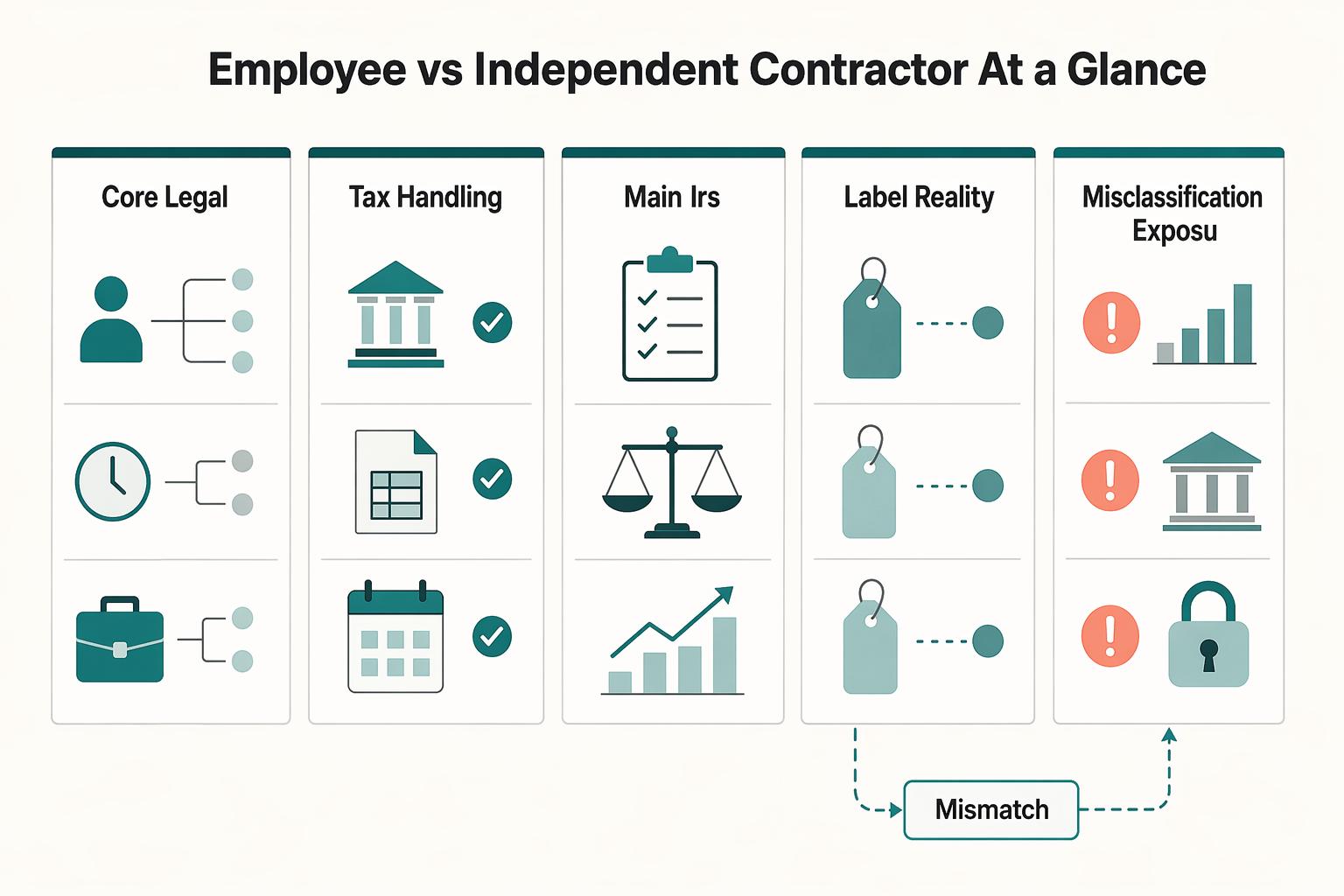
How to Classify a Worker as an Employee vs. an Independent Contractor in the US
Start with the real working relationship, because that drives the classification outcome. If the day-to-day setup looks like a **common-law employee** relationship, calling the worker a contractor in the agreement does not by itself remove the underlying **worker misclassification** risk.
Read more →
How to Structure a US LLC for Investing in Foreign Real Estate
If you are considering a **Limited Liability Company (LLC)** to buy property outside the United States, start with compliance, not convenience. A clean structure can support ownership separation and, in some cases, financing options. Weak setup decisions can also create tax exposure and expensive rework.
Read more →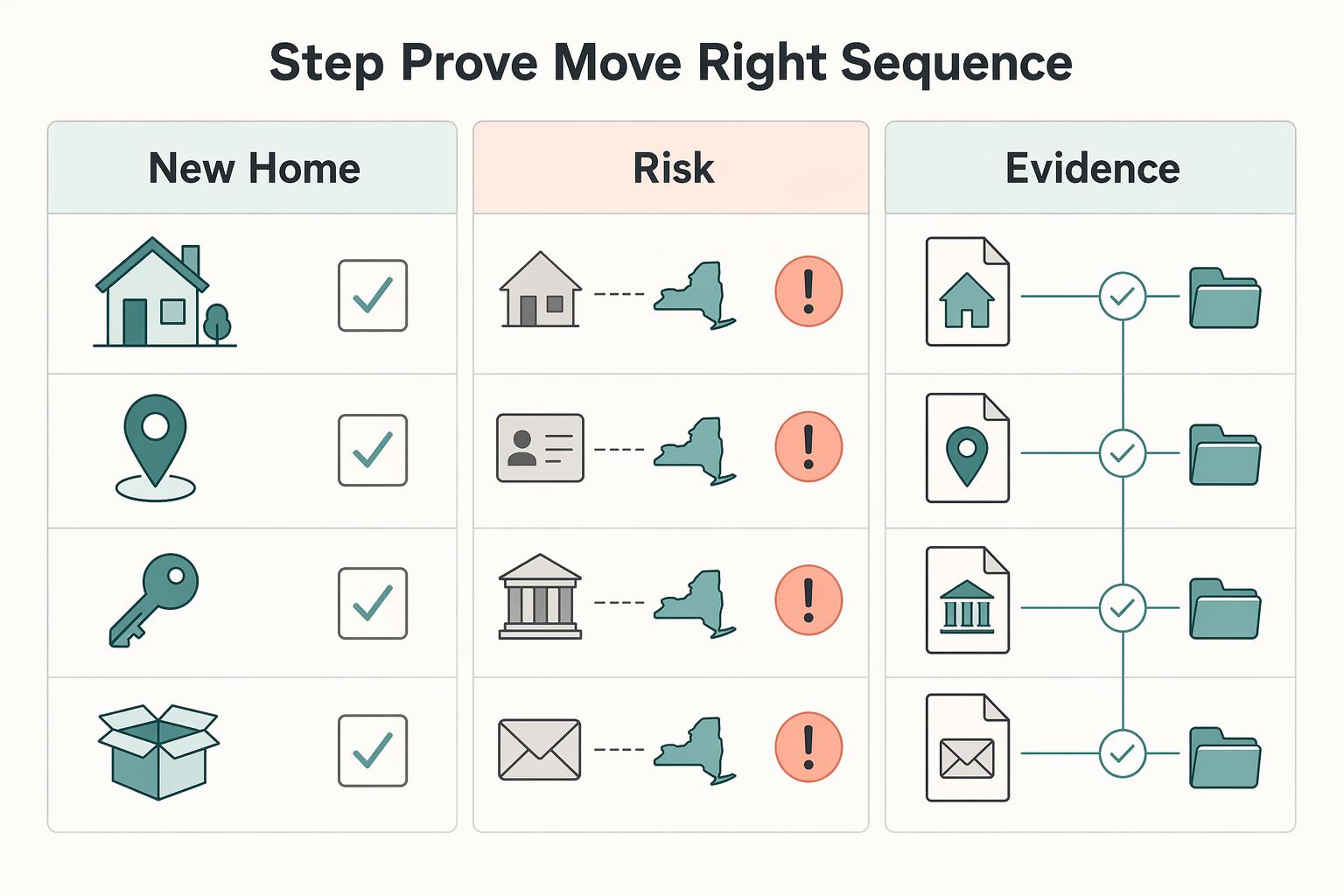
How to Properly Break New York State Residency
You can break New York residency without guessing, but only if you work in New York's order: classify status first, document the facts, then file. For mobile freelancers and consultants, this is about reducing audit risk, not finding loopholes.
Read more →
How to Structure an S-Corp for a Husband and Wife Partnership
You can usually sort this out in one sitting if you classify the facts first. Start with federal tax treatment, then look at state-law ownership issues only when they matter.
Read more →