
Operator playbooks for cross-border payments, tax, and compliance execution.
Step-by-step guidance for finance, product, and ops teams to launch faster, reduce payout friction, and keep reconciliation clean across borders.

Home Office Permanent Establishment Risk for Consultants in 2026
The tension is real. You want location flexibility, but you also need a defensible **Article 5 (Permanent Establishment)** position if a tax authority reviews your home office setup.
Read more →
Best Virtual Mailbox Services With Check Depositing
**A virtual mailbox with check depositing is usually mail handling with a banking handoff, not an instant deposit feature.** It can be useful for a solo operator or LLC, but only when the provider gives you a clear physical process, visible costs, and enough visibility when something slows down.
Read more →
Assessing Services PE Clause Risk Under Tax Treaties for Cross-Border Consultants
Start with the treaty, not assumptions. Form a treaty-first view of likely permanent establishment (PE) exposure, document the facts behind that view, and flag when the facts or treaty text are too thin to rely on without help. By the end of this guide, you should be able to make three decisions:
Read more →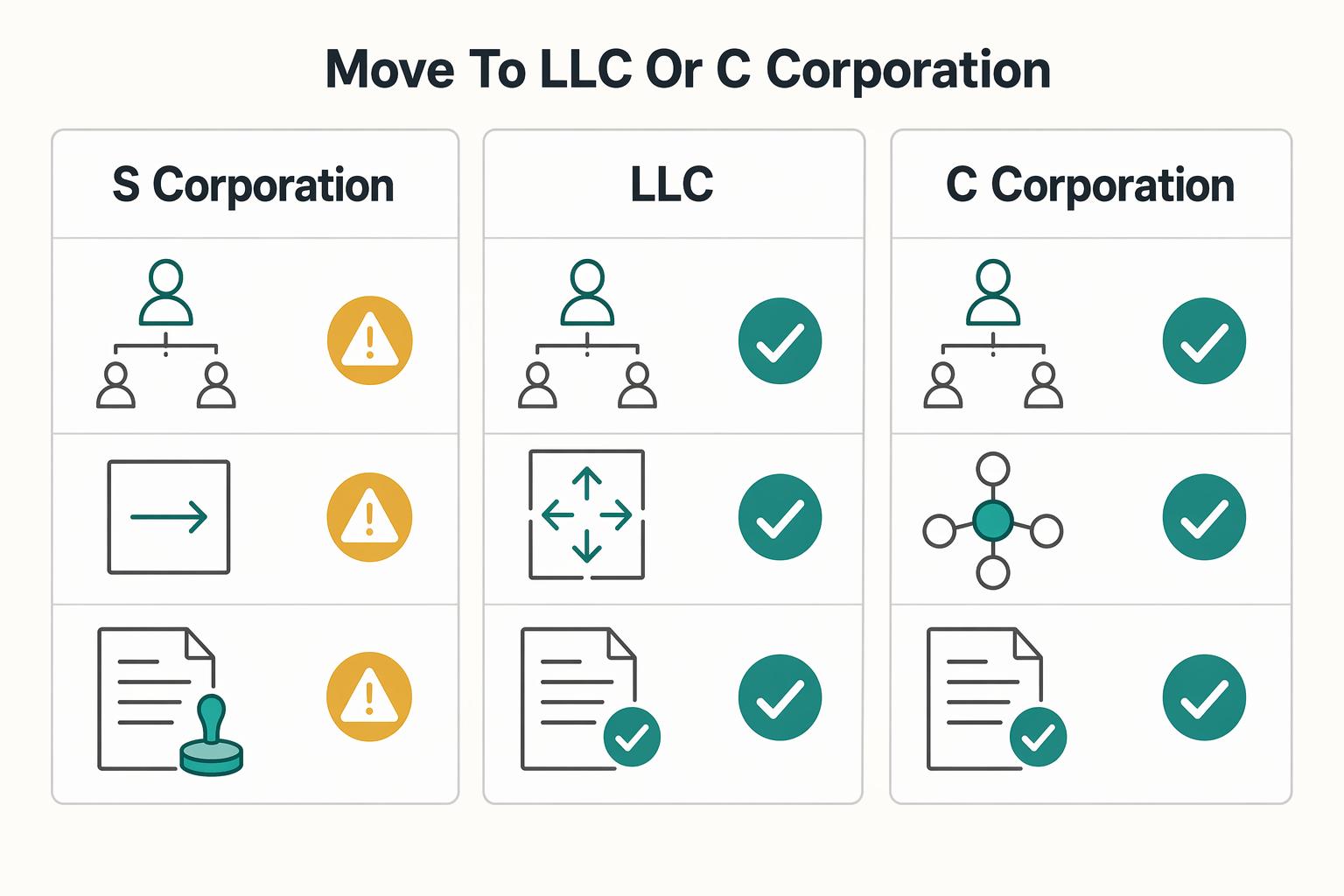
Can I Keep My US-Based S-Corp if I Move Abroad?
Yes, you can often keep a U.S. S Corporation after moving abroad, as long as the eligibility and ownership rules still hold.
Read more →
How to Handle Tax Equalization for Expat Employees
Tax equalization for expats is a tax-neutral framework, not a tax-cut strategy. Its job is to keep your assignment from leaving you better or worse off on tax than if you had stayed in your home country.
Read more →
How to use a 'pen name' legally and financially
Using a pen name safely is mainly a documentation task. The job is to keep your public name and your legal identity clearly linked anywhere enforceability, payment, or compliance could become relevant.
Read more →
What is the 'credit for prior year minimum tax' (Form 8801)?
Start with one question: claim the credit now, carry it forward, or pause and escalate before you file. This article focuses on Form 8801 and the **credit for prior year minimum tax**. It is for individuals, estates, and trusts, and it covers the prior-year AMT credit plus any carryforward. The minimum tax credit is allowed only for AMT caused by deferral items.
Read more →
How to get a 'Certificate of Good Standing' for a Wyoming LLC online
Use the Wyoming process in this order: confirm the right entity, generate the certificate, validate it, and save both documents so you can respond quickly when a requester asks for proof.
Read more →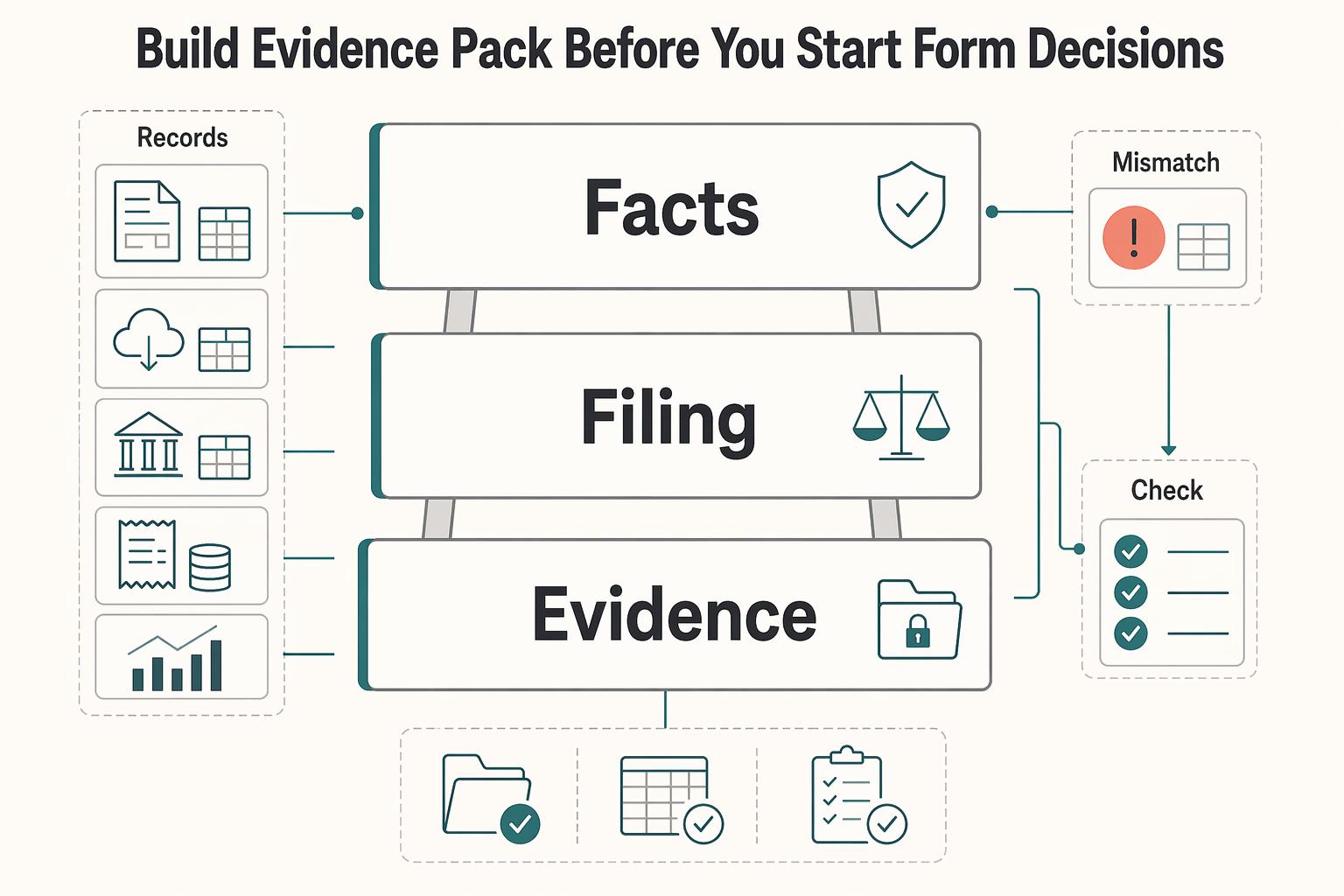
The Freelancer's Year-End Tax Prep Checklist (US Expat Edition)
Your year-end target is filing readiness. By December 31, you want a complete file for your U.S. federal return, not a last-minute chase for documents. For a globally mobile freelancer, the hard part is usually proving what happened, choosing the likely FEIE or FTC lane, and spotting the facts that need professional review.
Read more →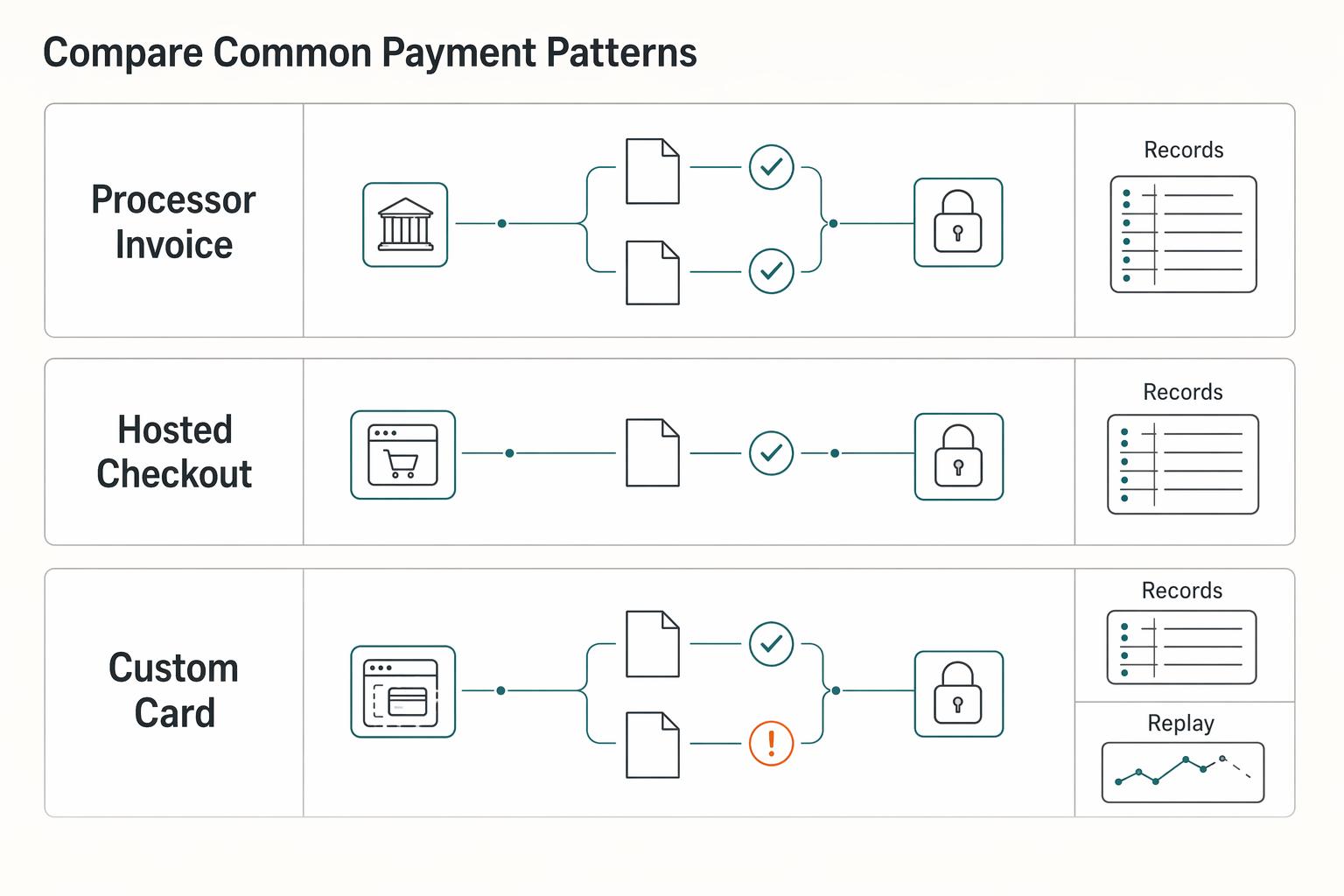
What Is PCI DSS Compliance and Do You Need It?
If you accept or process payment cards, treat PCI DSS as a current business requirement, then narrow your scope on purpose. The goal is to keep cardholder data from spreading into tools and workflows you never meant to involve, so the work stays manageable instead of turning into surprise cleanup later.
Read more →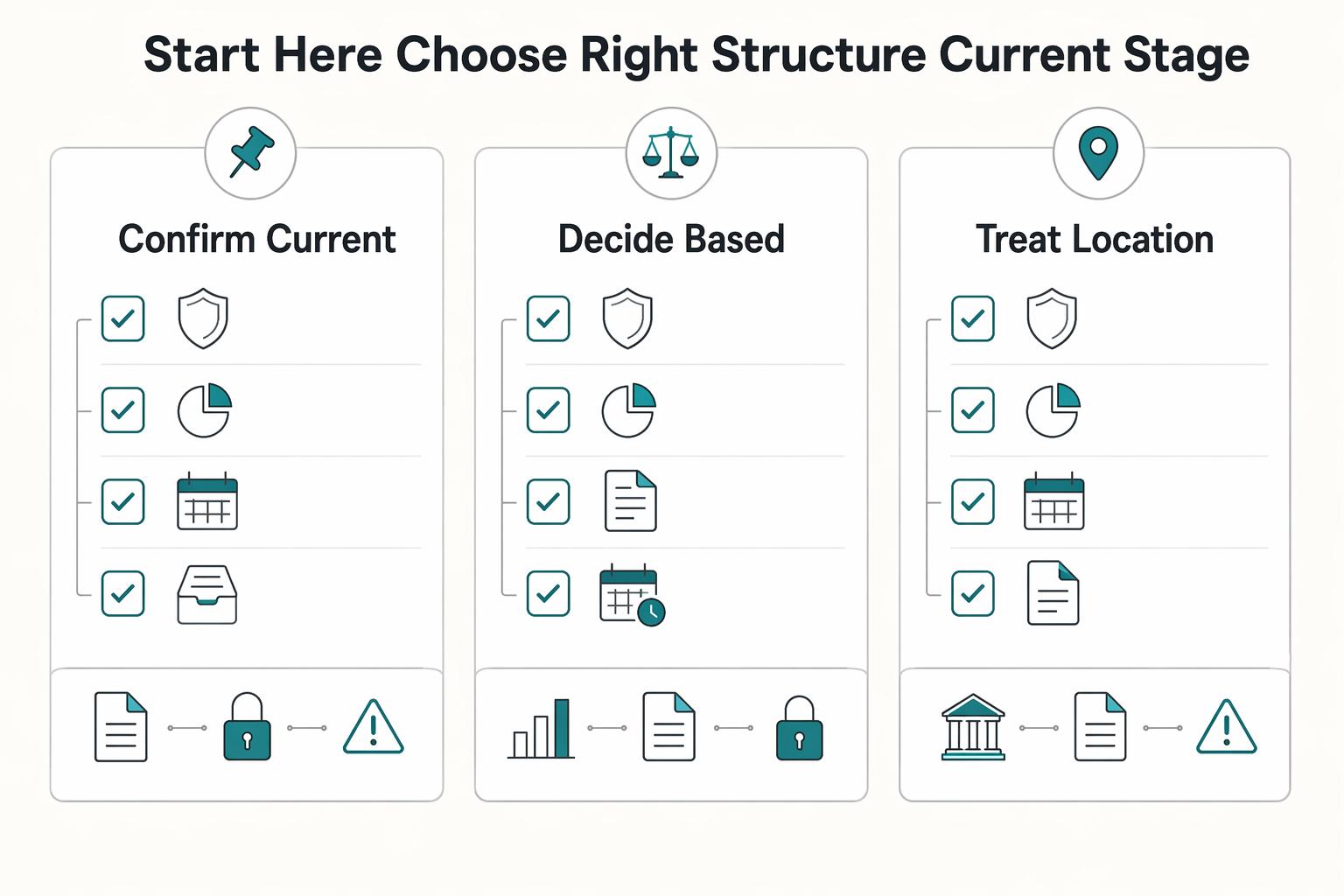
How a YouTuber should choose between a Sole Proprietorship, LLC, and S-Corp
Choose the structure that fits where you are now, not the one that sounds most sophisticated. This guide helps you decide between Sole Proprietorship, LLC, and S-Corp. It focuses on the tradeoffs that actually matter: liability exposure, taxes at a high level, and the paperwork and ongoing admin each option requires.
Read more →
How to use Paddle to handle sales tax and VAT for a SaaS product sold globally
Start with boundaries, not setup screens. Paddle can take a lot of payment and sales-tax operations work off your team, but you still need verification, oversight, and records.
Read more →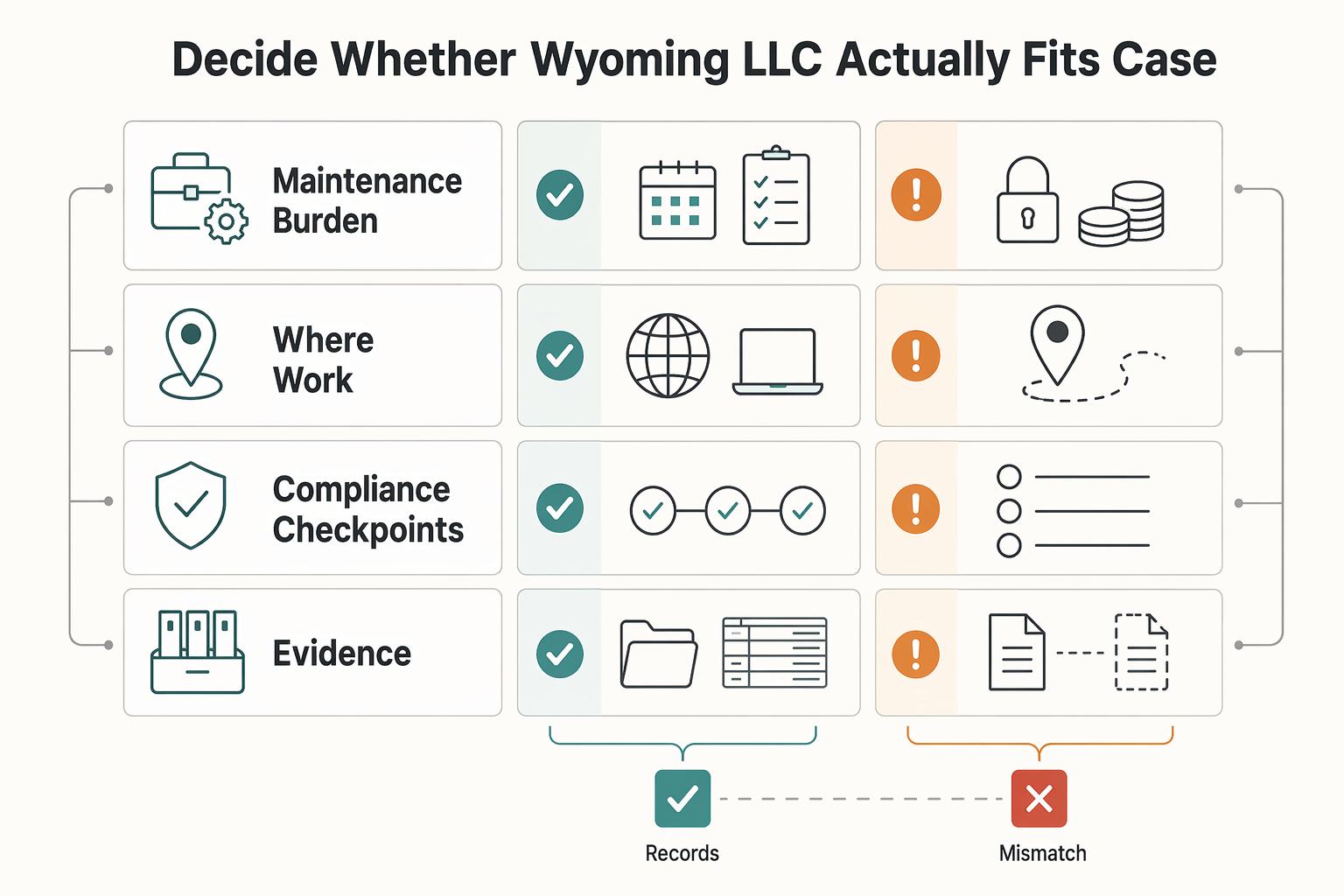
The US Solopreneur's First-Year Blueprint: From Wyoming LLC Formation to Filing Your First Expat Tax Return
Your first year should be compliance-first, not hype-first. Build a clear baseline for your Business-of-One so your structure and recordkeeping decisions are easier to explain, maintain, and revisit later.
Read more →
How to Use a Forward Contract to Hedge a Foreign-Currency Invoice
Use a forward when a foreign-currency invoice matters to near-term cash flow and both the amount and timing are reasonably clear. If either is still loose, do not rush to hedge the full invoice. Start partial, or wait.
Read more →
How to Write an 'Indemnity' Clause That Limits Your Financial Risk
An indemnity clause should allocate risk, not leave you with open-ended exposure. In a freelance contract or services agreement, the practical goal is to cover risks tied to what you actually control, limit downside, and keep the terms workable enough to sign.
Read more →
What Is the Accumulated Earnings Tax in a C-Corp?
Retaining earnings in a corporation can raise accumulated earnings tax questions, so you need a defensible business reason for the accumulation. The review turns on whether retained profits match the reasonable needs of the business and whether your records support that position.
Read more →
How to Structure Payments for a Year-Long Retainer
Start with risk, not preference. For a year-long retainer, no single payment schedule is automatically right. The right structure depends on your relationship with the client and the level of trust in your expertise.
Read more →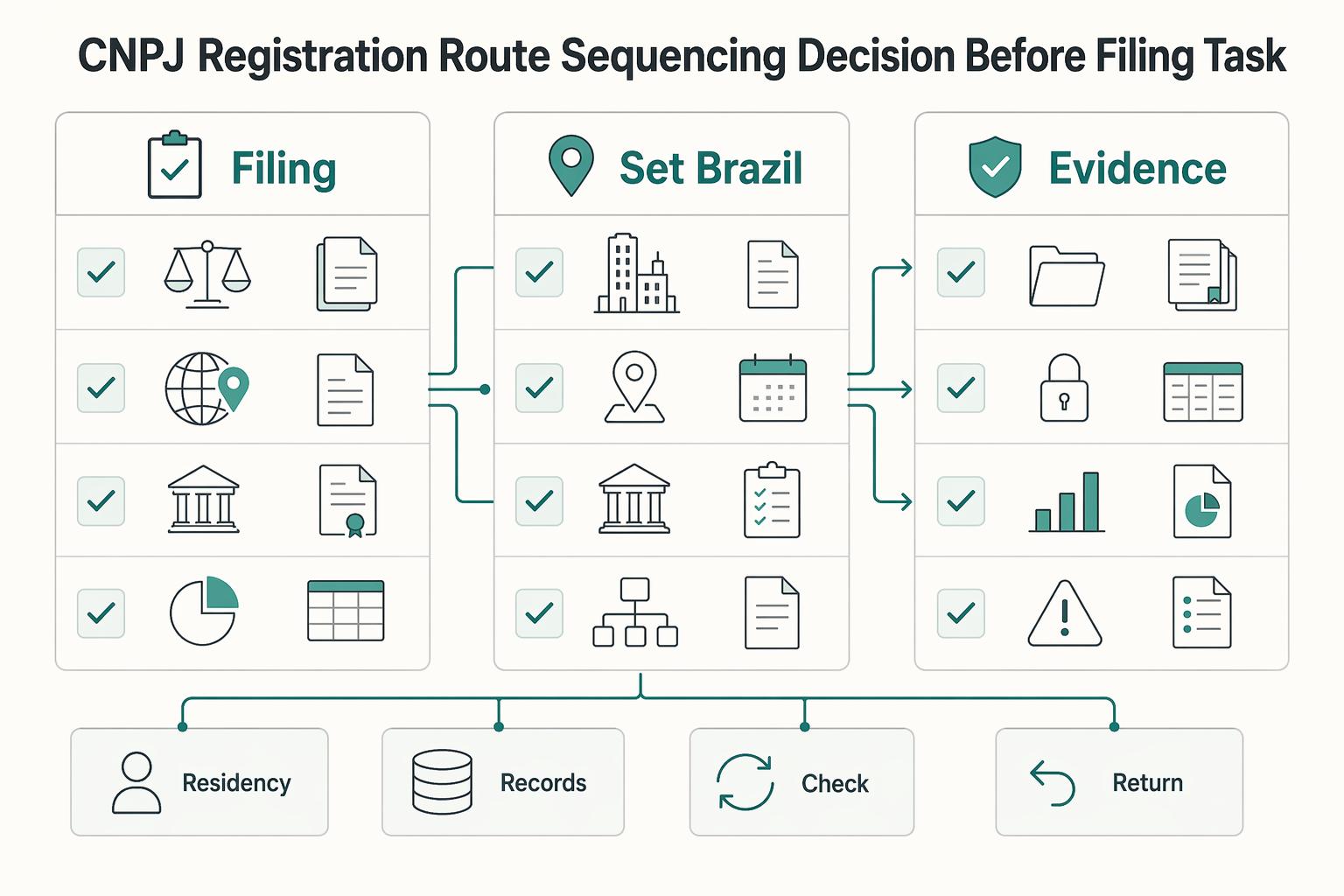
Brazil's CNPJ for Foreign-Owned Businesses: When It Is Needed and What It Does
For many foreign founders, the first decision is not how fast to file. It is whether your current activity requires a CNPJ now, later, or not yet.
Read more →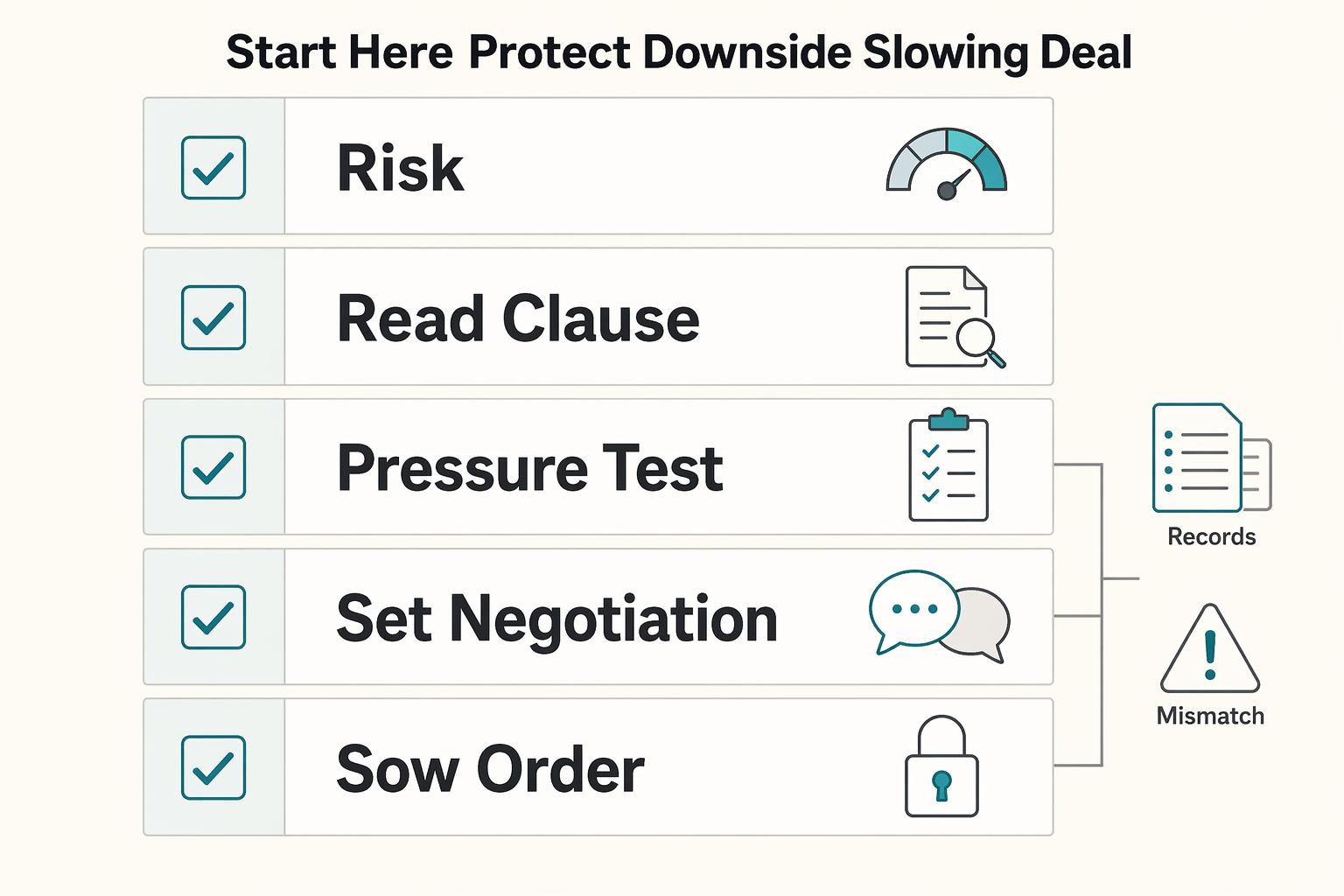
Limitation of Consequential Damages in Freelance Contracts
Treat the **limitation of consequential damages** clause as a risk-allocation term, not boilerplate. Consequential loss is a recognized breach-related category in contract damages analysis, but the practical goal here is simpler: set predictable boundaries around higher-uncertainty claims without creating avoidable deal friction.
Read more →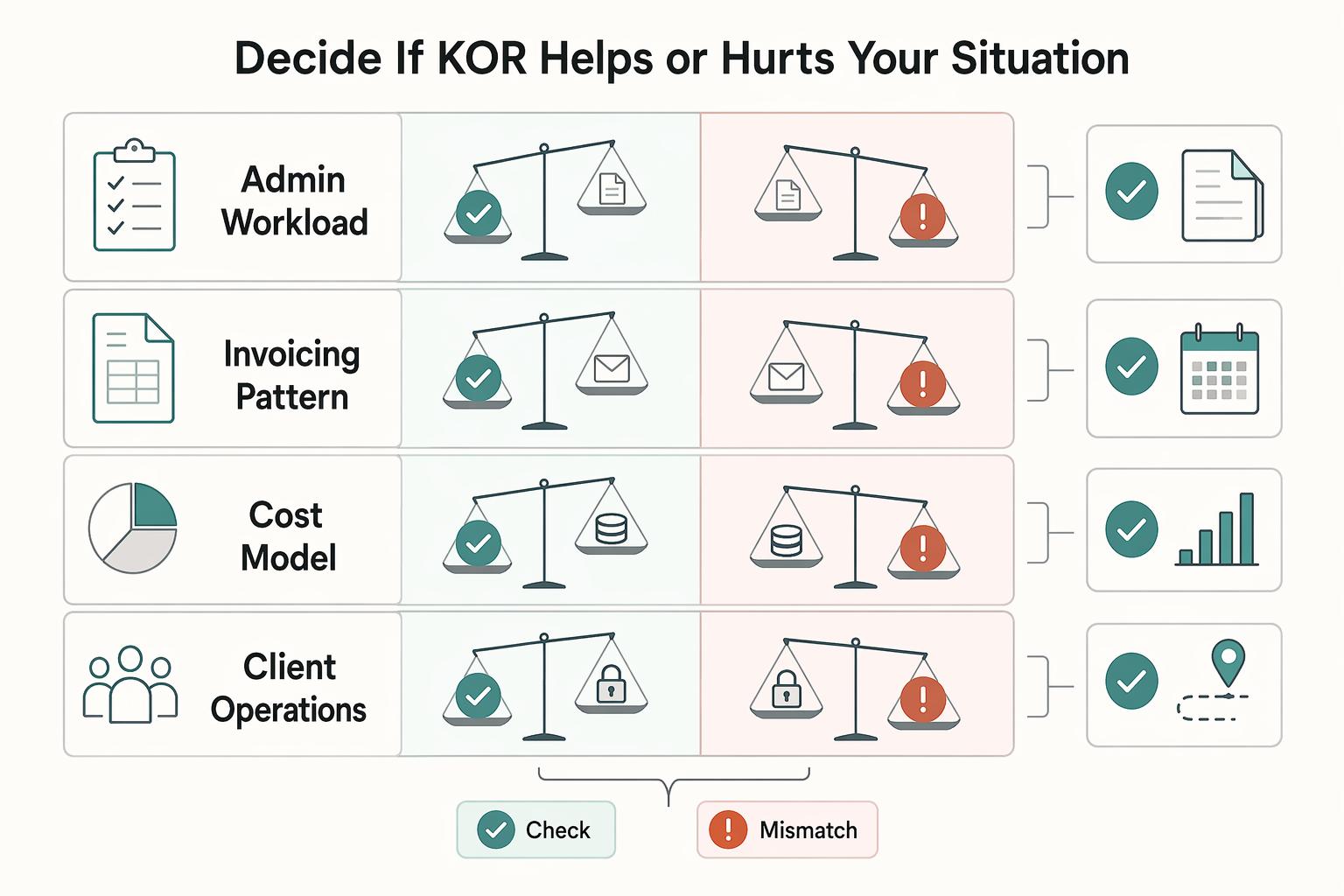
How to Obtain a 'VAT Number' as a Freelancer in the Netherlands
If you want the clean, compliant route as a freelancer or zzp'er in the Netherlands, set up first and bill second. VAT problems usually start when people invoice before confirming registration steps, VAT treatment, and filing duties, then have to fix missed deadlines or filing errors later.
Read more →