
Operator playbooks for cross-border payments, tax, and compliance execution.
Step-by-step guidance for finance, product, and ops teams to launch faster, reduce payout friction, and keep reconciliation clean across borders.

When to Use an Employer of Record for International Hiring
An Employer of Record lets you hire in another country through a third party, without setting up your own local entity first. The provider handles key compliance mechanics, but it does not hand off every employment risk.
Read more →
Charging Order LLC Rules for Freelancers and Consultants
A charging order usually lets a judgment creditor reach a member's LLC payout rights, not take over the business. When people search for **charging order llc** rules, they are often trying to solve the wrong problem. The real issue is not how to improvise after a lawsuit. It is how to keep your business functional if a personal judgment creditor shows up and starts looking at your LLC membership interest.
Read more →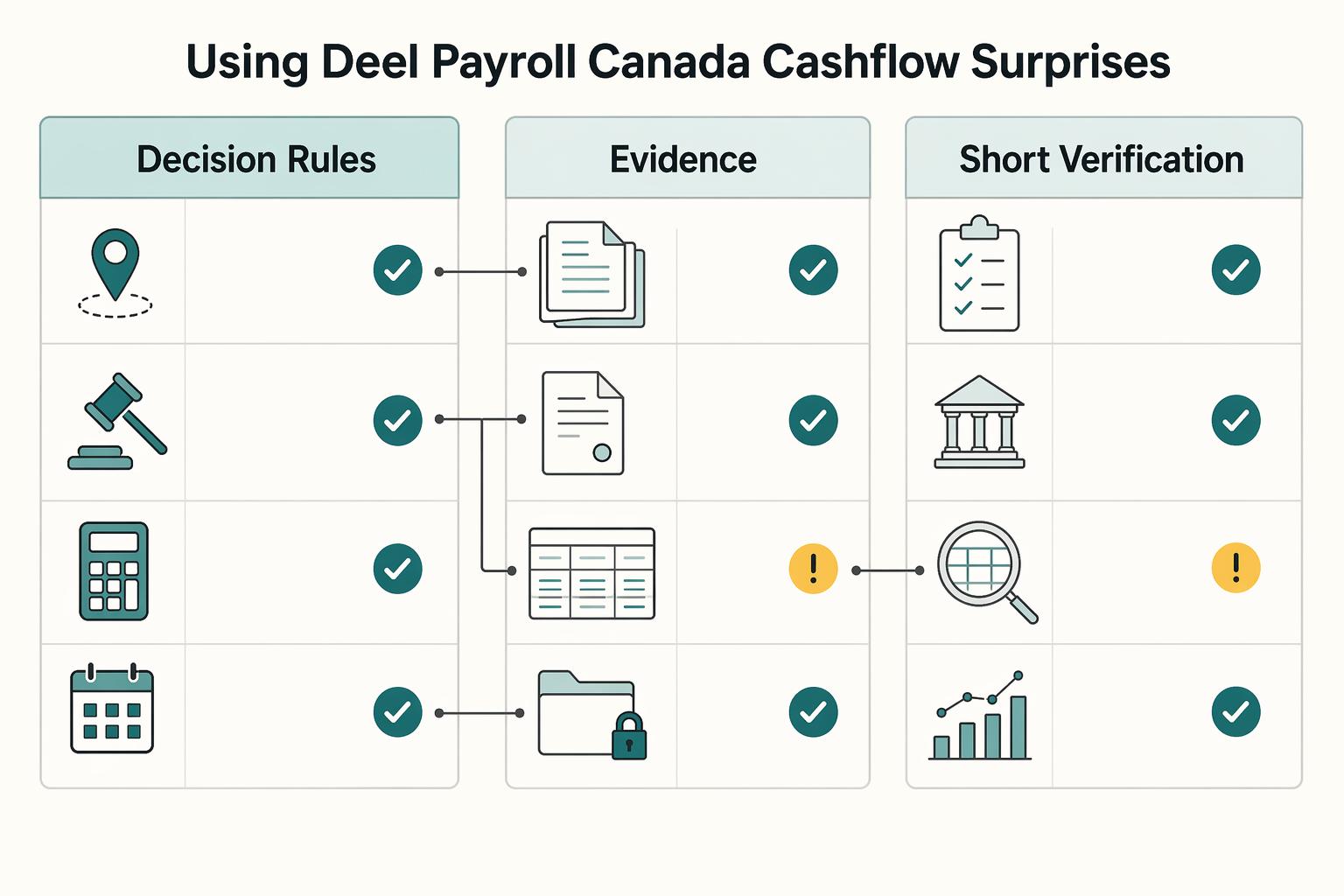
Using Deel for Payroll for a US Company with Canadian Employees
If your goal is simple - pay Canadian employees on time from a United States company without avoidable delays, fees, or compliance cleanup - start with one assumption: provider materials are a useful starting point, not the whole answer. Cross-border hiring here is common, even without a local entity. It still brings real tax, legal, and payroll complexity.
Read more →
Turkey Citizenship by Investment Without the Guesswork
Use this guide to verify each step before you commit money, not to compare marketing claims. It focuses on sequence, documents, and decision points that reduce avoidable delays.
Read more →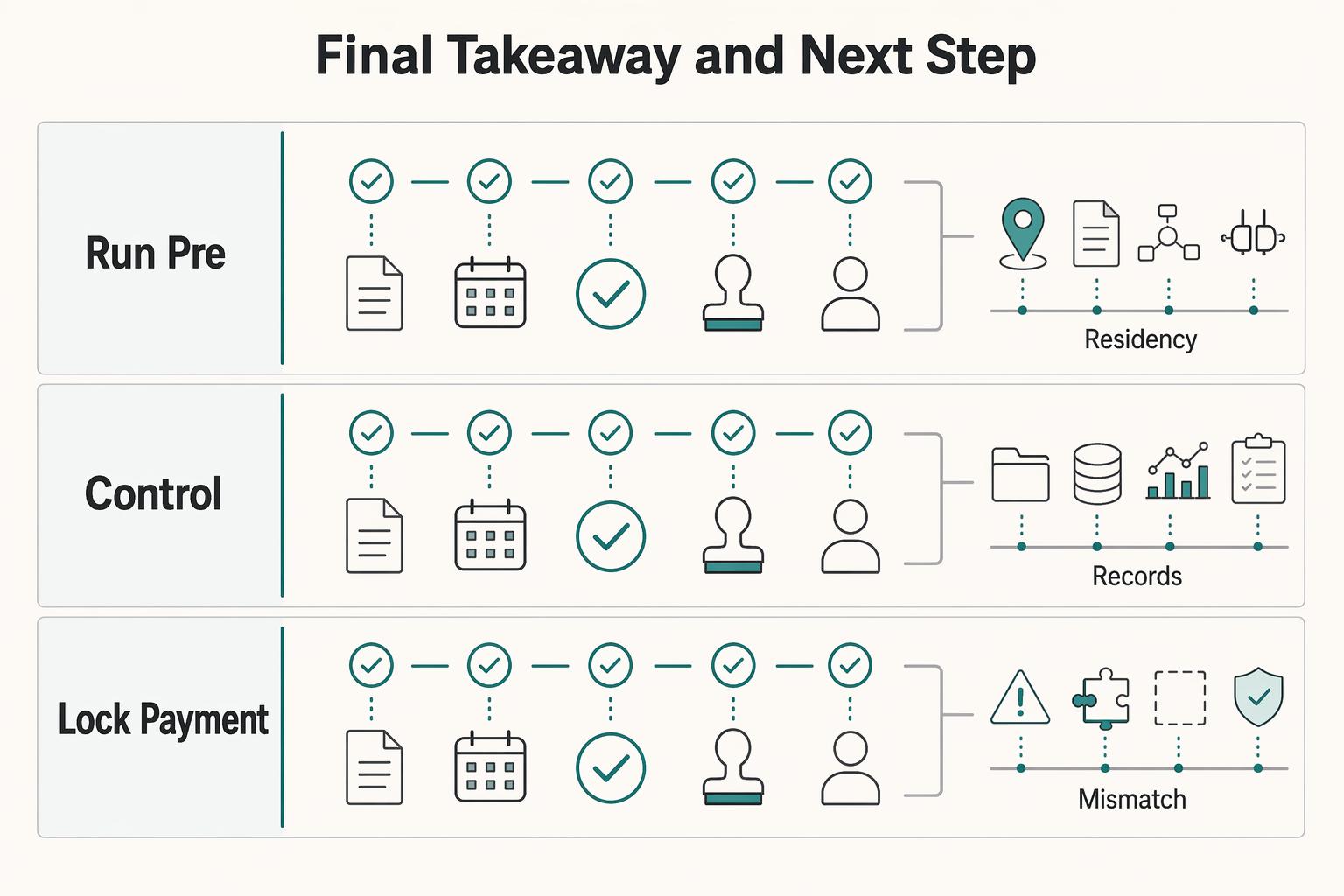
A DevOps Engineer’s Statement of Work That Prevents Scope Creep
A **sow for devops engineer** is not paperwork for its own sake. It is the document that keeps delivery and payment tied to the same agreed terms. When a client says they need help with cloud infrastructure, deployment stability, or automation, the SOW is where that broad ask becomes a project you can deliver without quietly absorbing extra work.
Read more →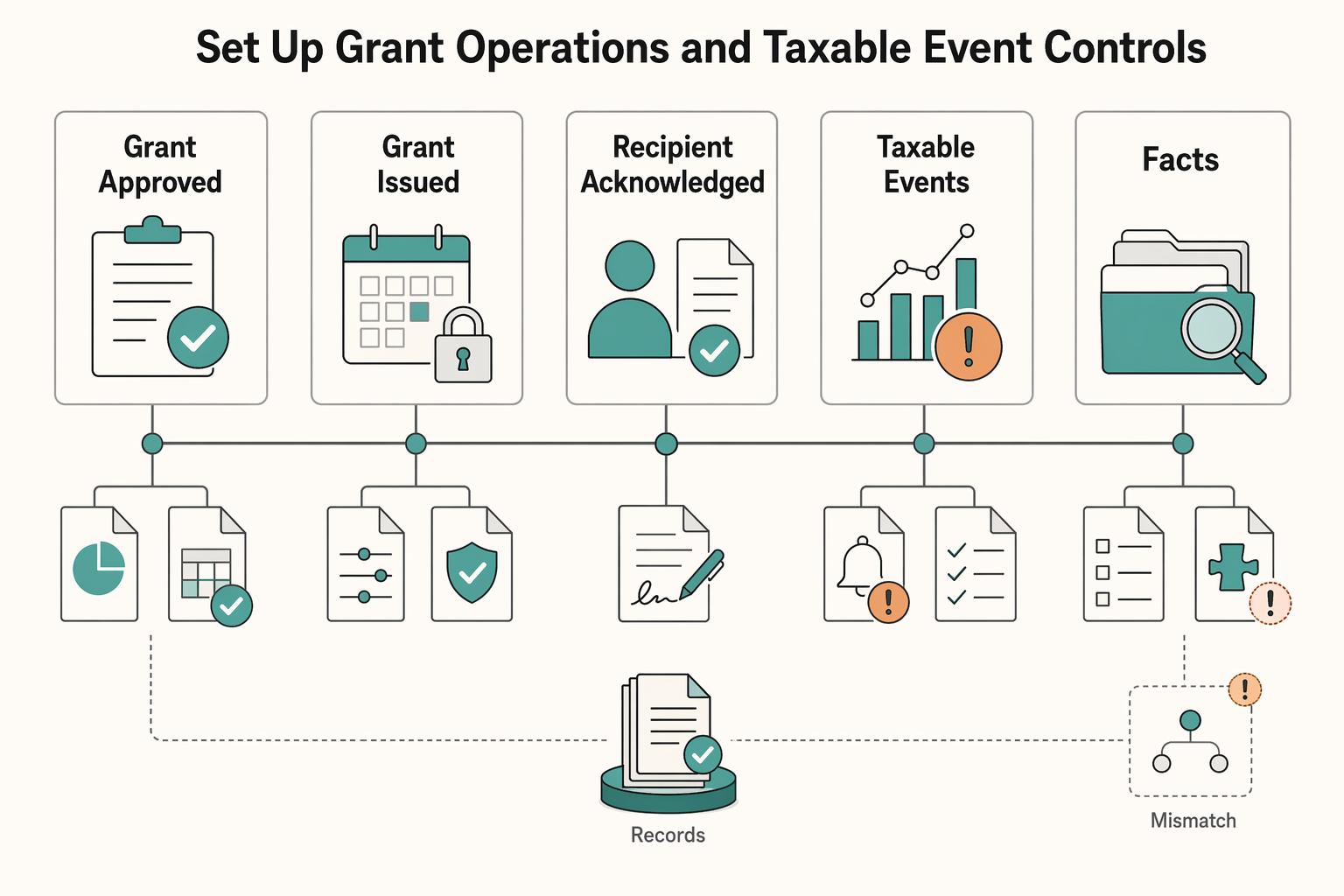
How to Manage a Global Equity Plan for a Remote Team
You can build a **global equity plan remote team** strategy that helps you hire and retain strong people without pretending equity will solve cashflow problems. The goal is a plan you can actually run: one that treats equity compensation as upside, keeps near-term pay dependable, and avoids promises you cannot support across countries.
Read more →
How to Invoice a German GmbH Compliantly
If you want a Rechnung that gets paid without back-and-forth, treat first-pass accuracy as a cash flow task, not admin cleanup. Two failures are common and expensive: sending a duplicate or conflicting invoice, and invoicing while scope or acceptance is still disputed.
Read more →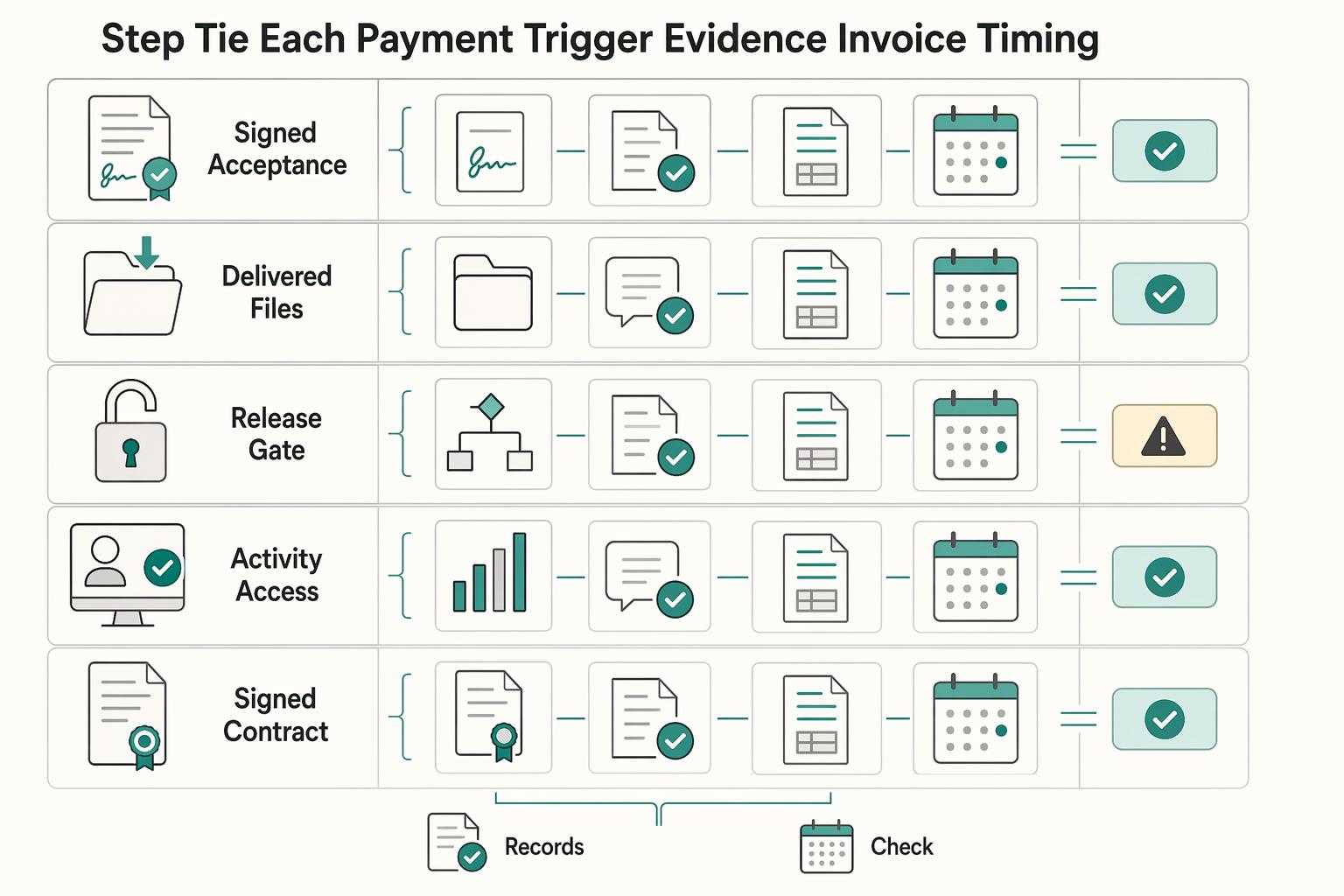
How to De-Risk a Fixed-Price Project with a Phased Payment Schedule
Phased payments let you keep one fixed project price while tying payment timing to verified progress. That can help protect cash flow without giving up the budget certainty your client wants.
Read more →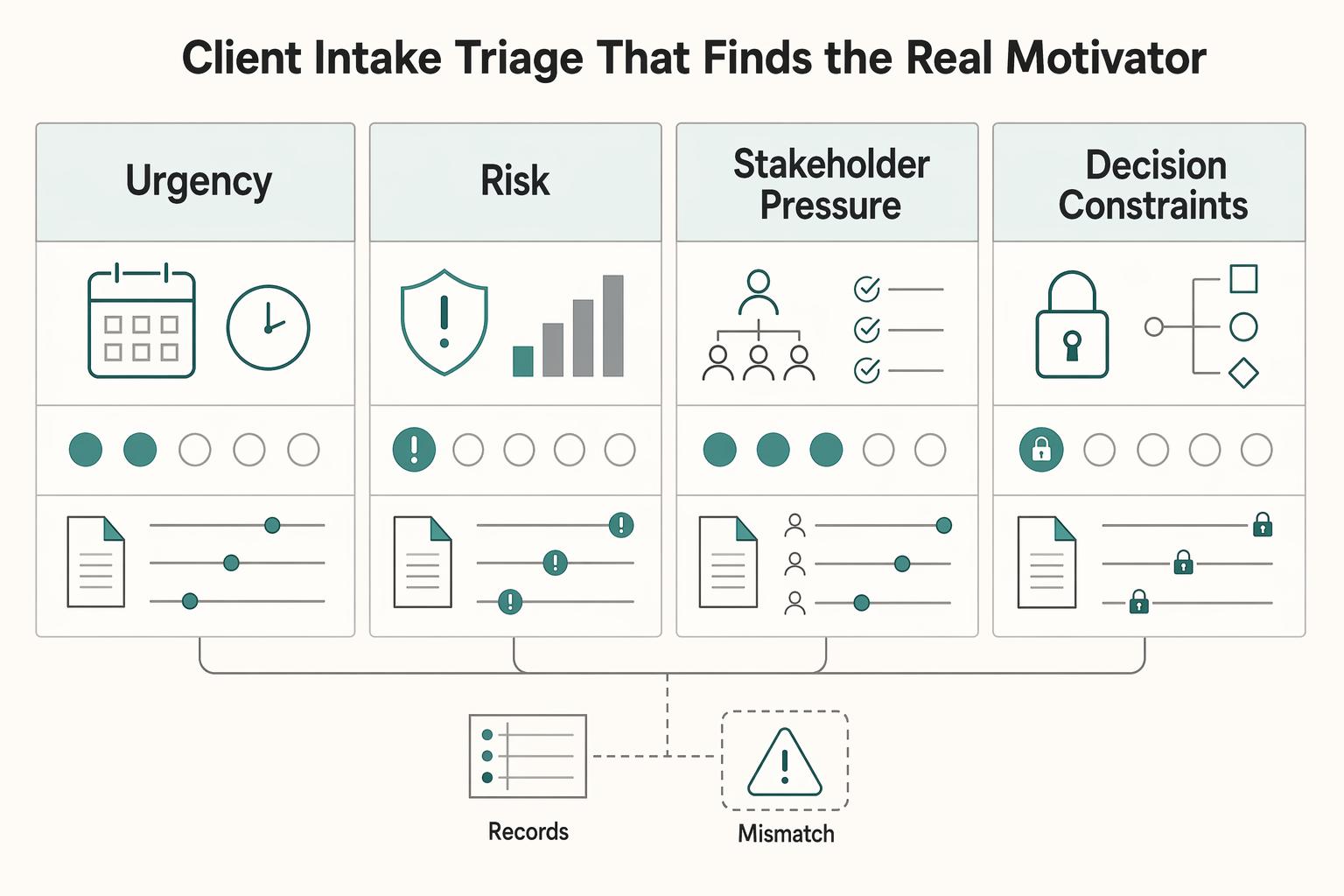
Using Maslow’s Hierarchy to Unblock Client Decisions
Maslow's hierarchy is useful in client work when you use it as a decision lens, not a psychology lesson. It helps you read what a client needs from you right now instead of pushing what you most want to sell. In practice, client conversations can stall when strategic or high-value positioning shows up before the basics are settled. What is being delivered, who approves it, how risk is handled, and what happens if something slips all need to be clear first.
Read more →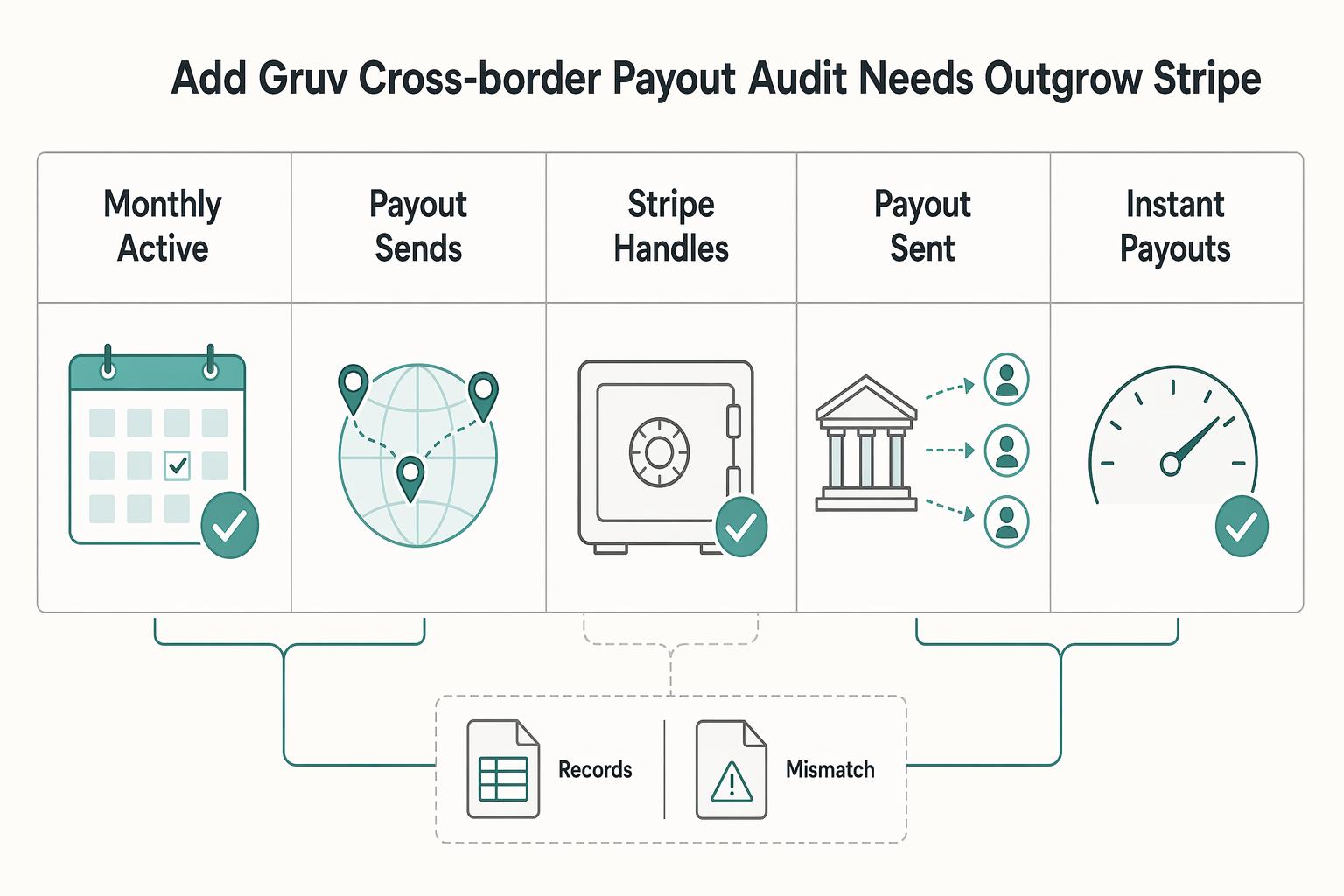
Set Up a Recurring Client Retainer with Stripe Invoicing
Define the retainer objective before you automate anything in Stripe. Use a simple sequence: choose the recurring model, lock scope and payment terms, then configure billing. In practice, that order makes disputes and overages easier to manage.
Read more →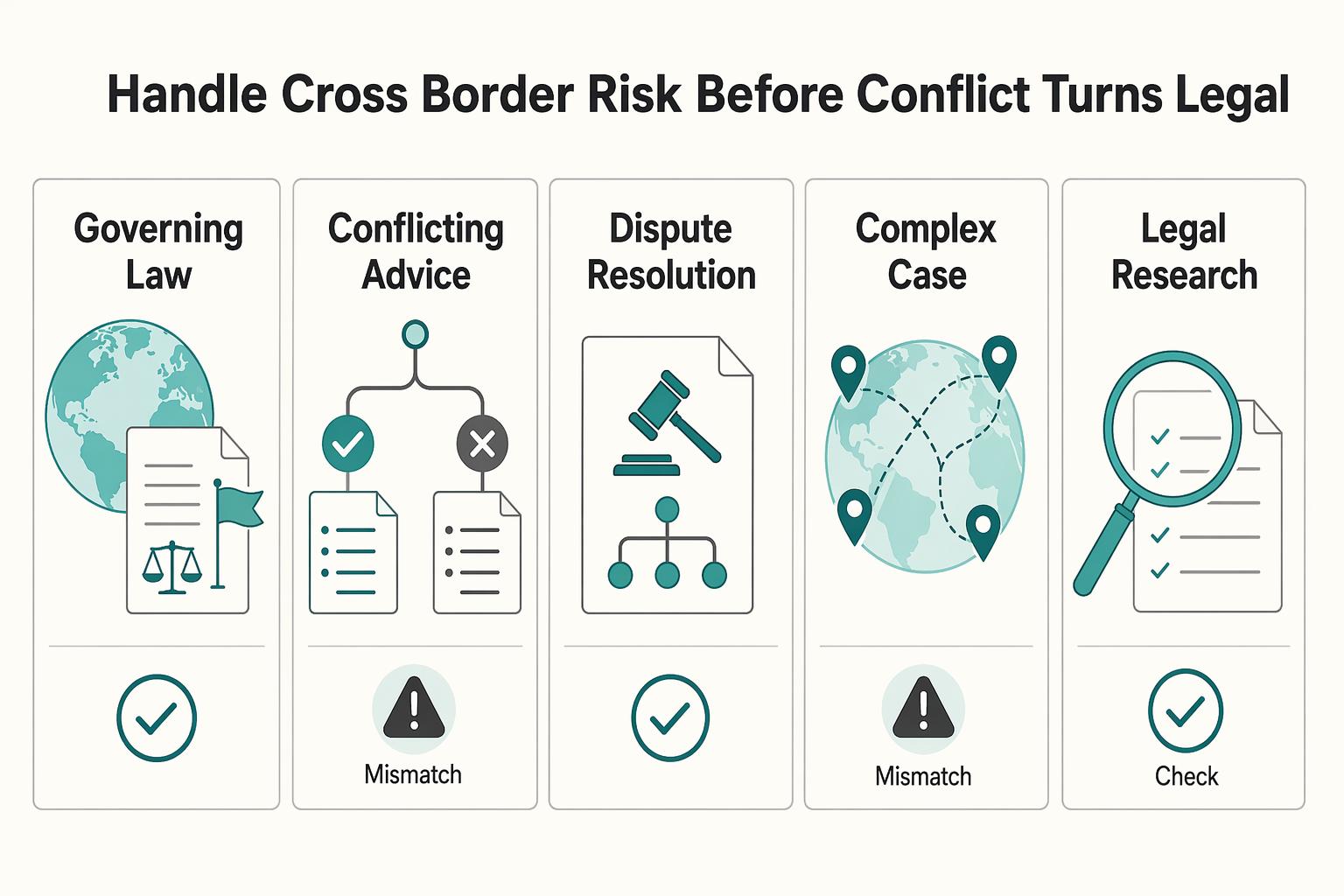
Conflict Resolution for Freelance Partnerships
Conflict between business partners is inevitable. What protects you is a clear, documented response before it escalates. This guide applies that sequence to **conflict resolution for freelance partners**: listen early, address issues directly, document decisions, and follow up.
Read more →
A Cybersecurity Consultant's Guide to Professional Indemnity Insurance
Treat this as a business-setup decision first. Start with how your consulting work is structured and documented, then get the UK tax and liability basics in place before you shop for cover.
Read more →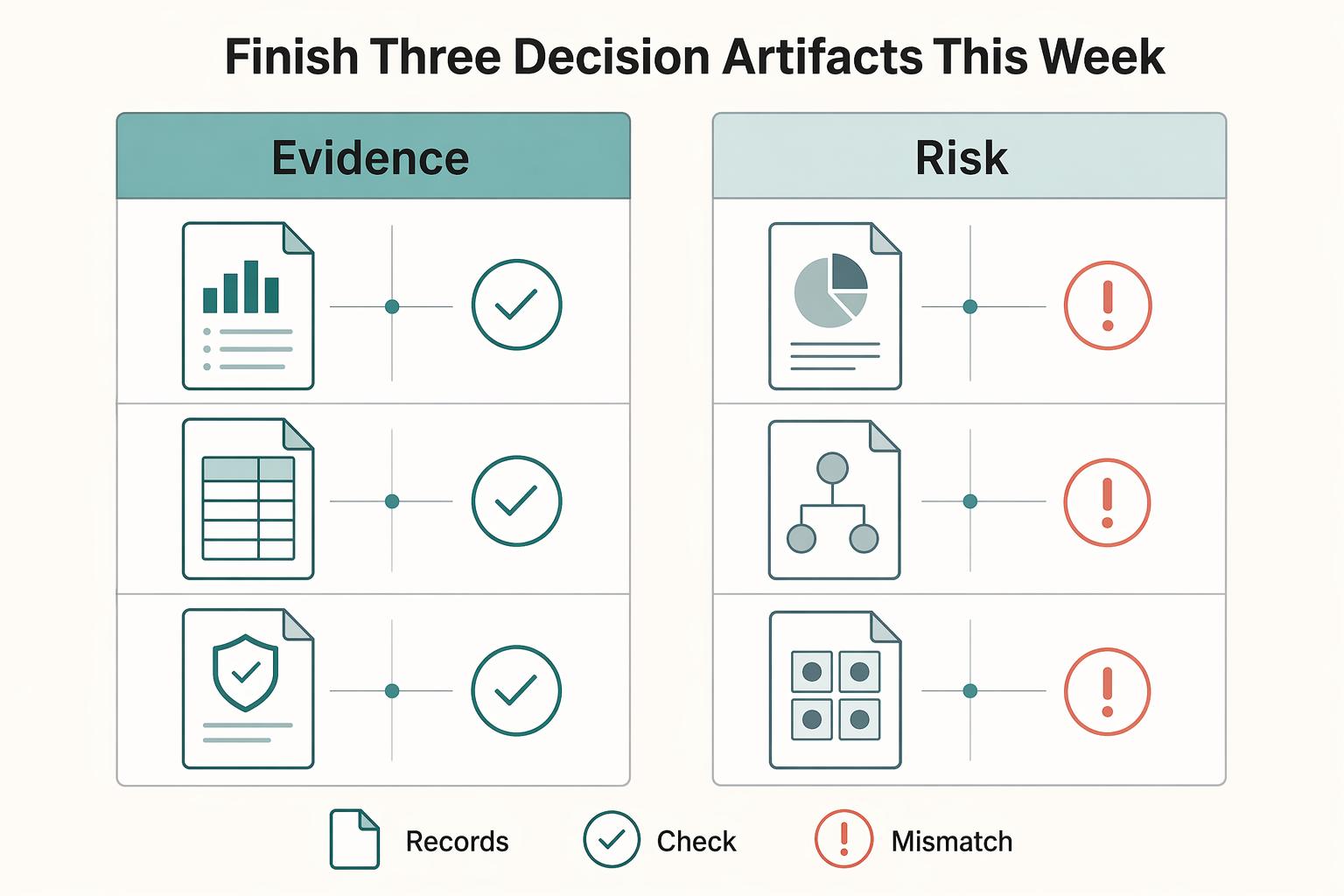
Media Liability Insurance Decisions for Content Creators
If your income depends on publishing content, treat media risk as a current operating risk, not something to handle later when the business is bigger. **Media liability insurance** is a form of errors and omissions insurance focused on claims tied to content you create, publish, or distribute.
Read more →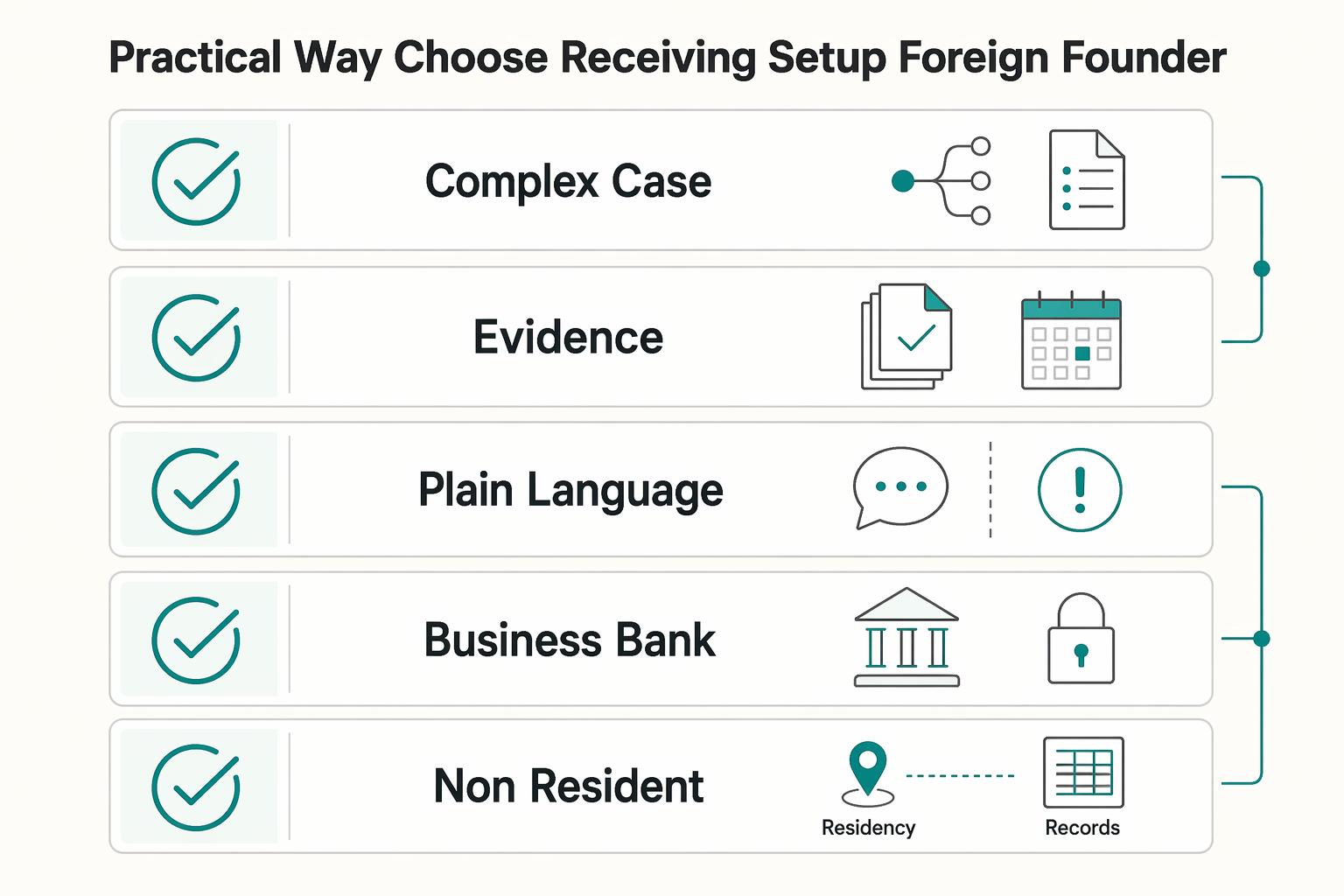
Choosing a US Bank Account Path as a Foreign Founder
Start by separating banking decisions from tax terminology. Firm claims about U.S. bank approval rates, onboarding timelines, or provider eligibility for foreign founders are not supported here, so treat those as provider-specific questions and verify them directly. Your first practical step is simpler: choose a receiving path you can operate now, keep clean records for, and avoid mixing tax-residency language with banking policy.
Read more →
What is the 'Center of Vital Interests' in a Tax Treaty?
Start by making one defensible tax residency call based on facts, not on a preferred country outcome. Use the treaty tie-breaker in order, document why each step does or does not resolve residence, and stop at the first clear result.
Read more →
How a German Freelancer Can Navigate US Sales Tax with a US LLC
Use this as your default: a U.S. LLC can change how you operate and document the business, but it does not turn German and U.S. tax questions into one answer.
Read more →
Filing Taxes in Multiple States as a Remote Worker Without Guesswork
If you worked from more than one state during the year, the safest path is a documented, state-by-state process, not a shortcut.
Read more →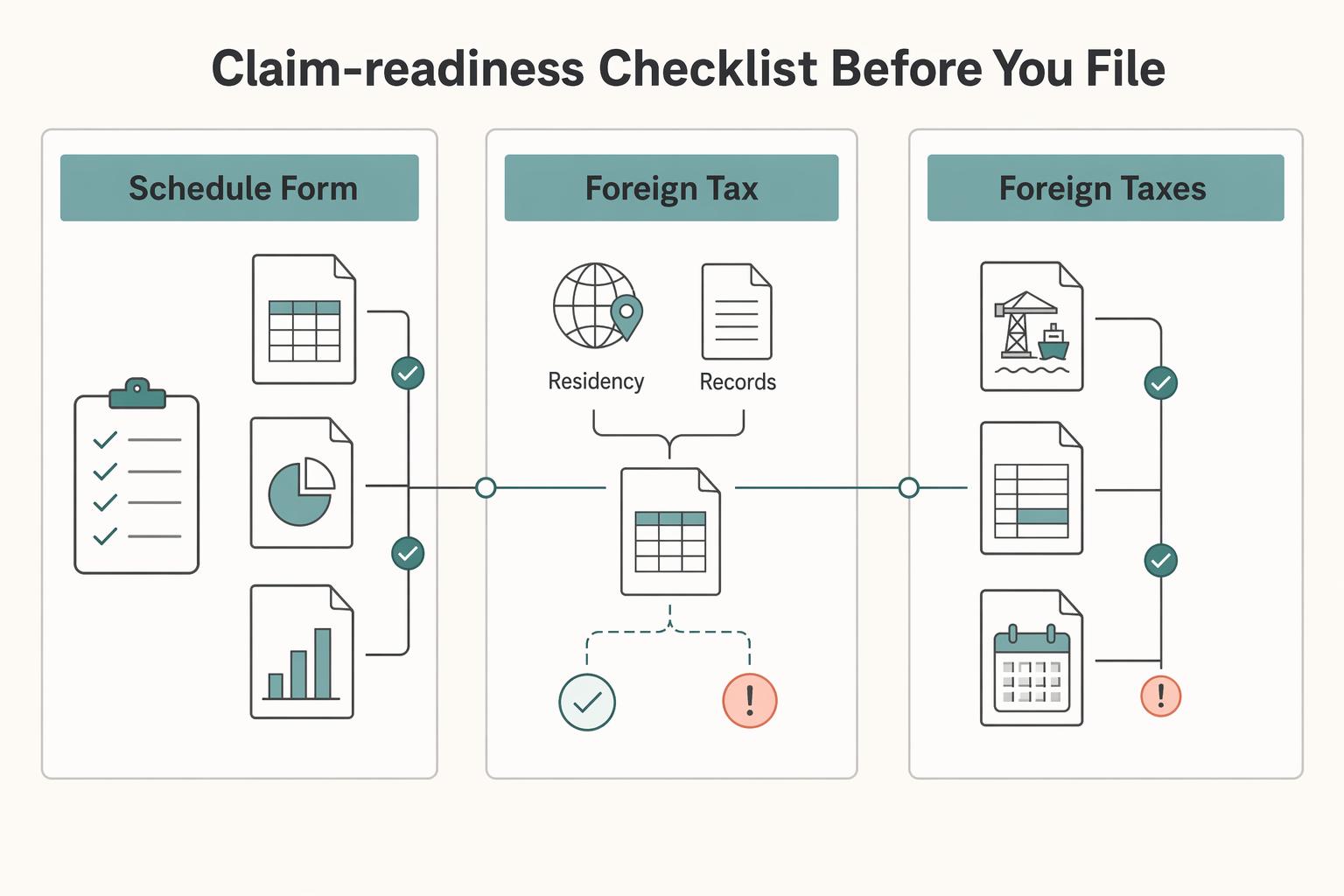
What is the difference between a 'tax deduction' and a 'tax credit'?
Start with the core distinction: a **tax credit** reduces the tax you owe, while a **tax deduction** reduces **taxable income**. Both can lower your tax bill or increase your refund, but they work at different points in the calculation, so they are not interchangeable.
Read more →
How to Use Credit Card Trip Insurance and Avoid Claim Denials
Treat **credit card trip insurance** as conditional backup, not blanket protection. Some cards include [travel insurance benefits](https://www.capitalone.com/learn-grow/more-than-money/credit-card-travel-insurance), but eligibility is card-specific, and coverage can depend on using the card to book and pay for the return trip.
Read more →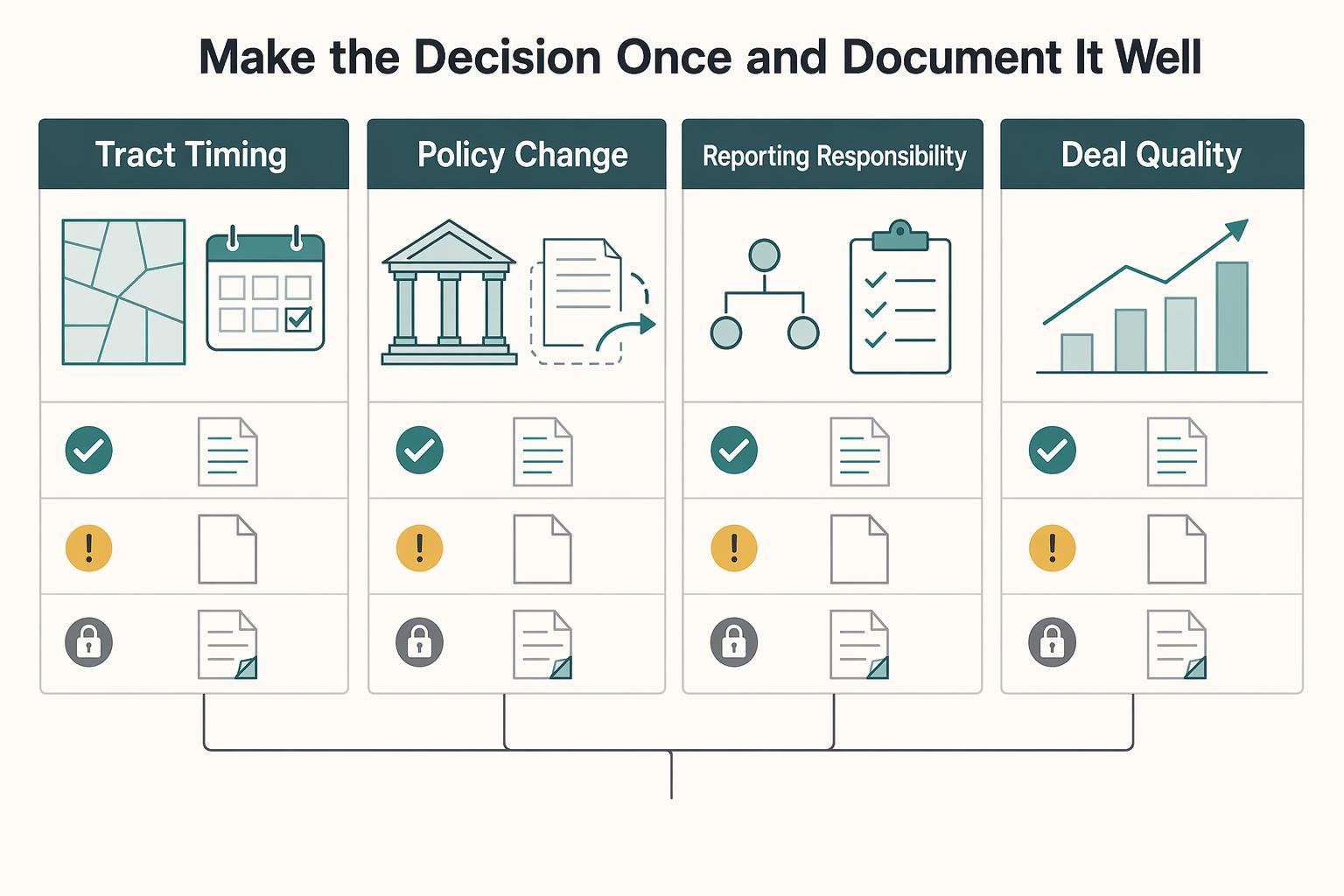
Opportunity Zone Real Estate: Verify Gain, Timing, and Tract Status Before You Invest
Treat **Opportunity Zone real estate** as a conditional tax incentive, not an automatic green light. Use this guide to make a go/no-go decision in one sitting based on your risk tolerance, tax profile, and ability to handle the compliance work.
Read more →