
Operator playbooks for cross-border payments, tax, and compliance execution.
Step-by-step guidance for finance, product, and ops teams to launch faster, reduce payout friction, and keep reconciliation clean across borders.

US-Singapore Tax Treaty Reality Check for SaaS Founders
Use a verification-first default. Do not rely on assumed treaty benefits until you confirm the legal source on primary government pages. For a solo SaaS operator, that habit reduces avoidable compliance mistakes.
Read more →
How to Manage Your First Paycheck After Graduation
**Treat your first paycheck as a cashflow test, not a spending signal.** If you want to handle it well, the real job is not deciding what to buy or save this week. It is making sure next month still works if a payment arrives late, a deposit is smaller than expected, or you cannot immediately explain where money came from.
Read more →
How to Make a Defensible US Tax Residency Call Under the Look-Back Rule
If you searched for "look-back rule us tax residency," the goal is practical: take a U.S. tax residency position you can defend under IRS rules with records that hold up.
Read more →
Colombia Digital Nomad Visa Tax Planning Around the 183-Day Rule
The key point in **colombia digital nomad visa tax** planning is simple: your immigration route and your tax exposure are separate decisions. You can choose the right visa for entry and still create tax risk if your day count drifts.
Read more →
How to Price a Copywriting Project
If you want fewer payment arguments later, set the project fee around decisions you can document: the scope of work, exact deliverables, clear payment terms, and a dated invoice schedule. That keeps pricing tied to what the client is buying, instead of quietly agreeing to extra work, open-ended revisions, or approval delays that eat margin.
Read more →
US Software Developer Guide to Germany Scheinselbstständigkeit
This guide is for decisions, not theory. If you are a US software developer, freelancer, or consultant selling services into Germany, the goal is straightforward: choose a setup that is less likely to look like employment, then document it in a way that still makes sense if someone reviews the relationship later.
Read more →
Quarterly Taxes in Spain for Freelancers Using Modelo 303 and 130
Quarterly taxes in Spain are easier to manage when you treat them as a set of form-based obligations, not a single return. The first anchor is **[Modelo 303](https://sede.agenciatributaria.gob.es/Sede/procedimientos/G601.shtml)**. It covers VAT, which in Spain is an indirect tax paid by customers to your business and then remitted to **AEAT**.
Read more →
What Is the Withdrawal Penalty on EOR Platforms?
For buyers, the practical question is simple: what was approved, what arrived, and how long it took. Treat that end-to-end payout result as the real cost signal, then keep enough records to reconcile it later.
Read more →
Capitalization vs Expensing for Business Assets Without Tax-Season Surprises
**Capitalization vs expensing is not a vocabulary quiz. It changes net income timing, what stays on your balance sheet, and how your treatment holds up under review.** For a business of one, that makes it more than a bookkeeping preference.
Read more →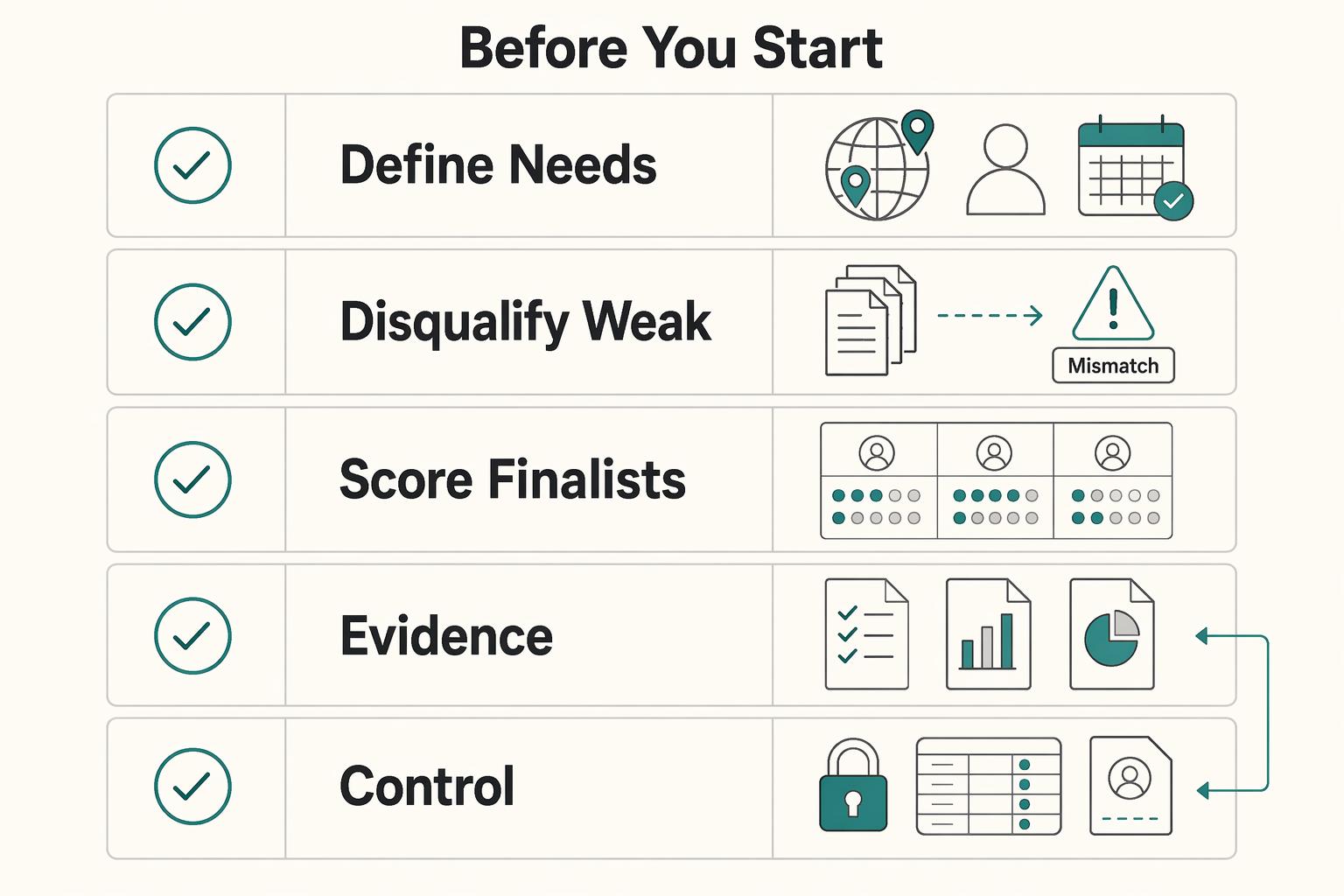
How to Choose an Employer of Record (EOR) Provider
A practical way to choose an Employer of Record (EOR) is to test one real hiring case, cut vendors that cannot support it, and ask for proof before you score finalists. It is an operating decision, not a brand popularity contest. The right provider is the one that can support your actual hiring plan, in your target locations, with clear ownership when something goes wrong. If you start from vendor hype, you can miss the details that determine whether the relationship works in practice.
Read more →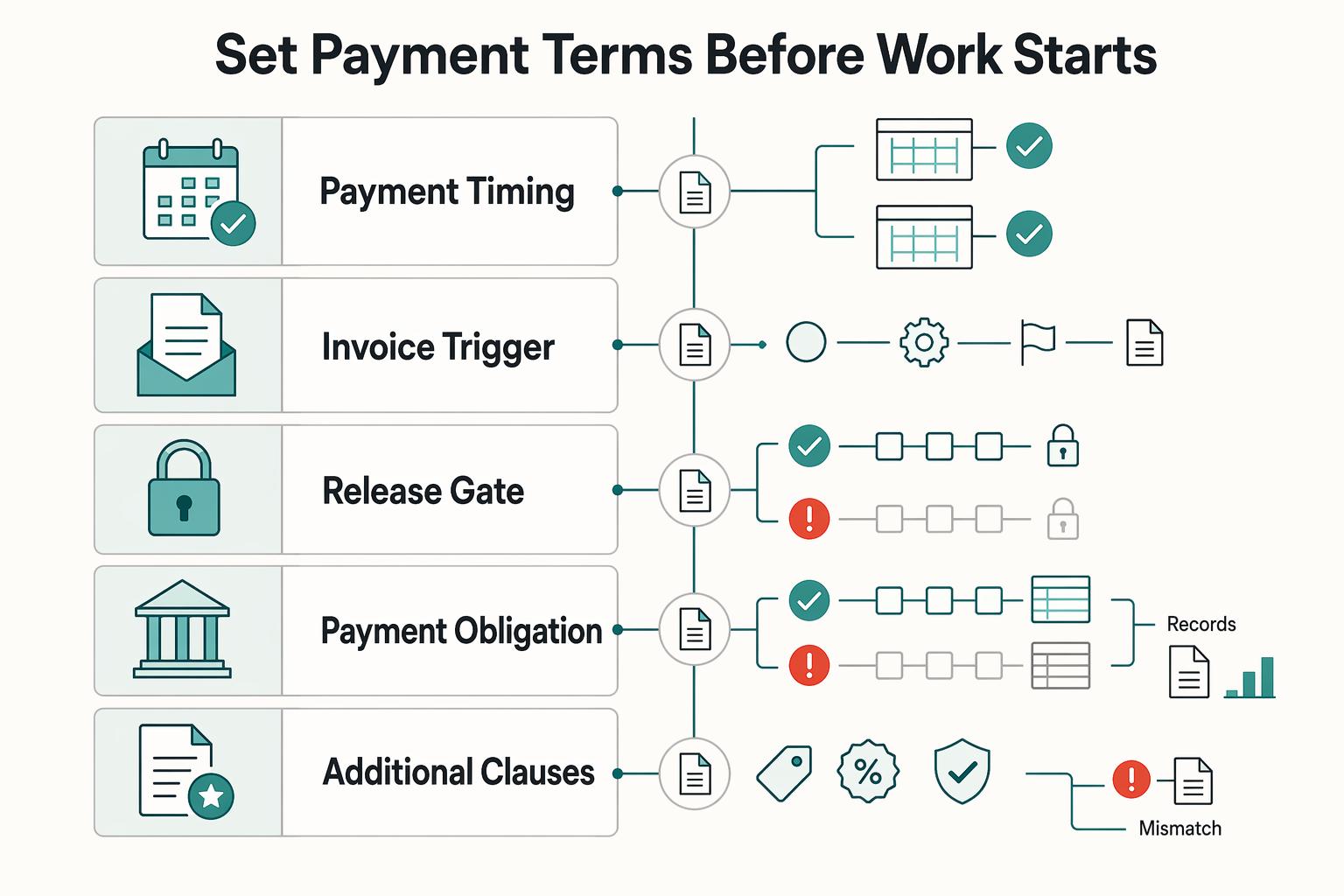
Working Capital Management for Freelancers Who Invoice Clients
Protect your working capital before cash gets tight. In practice, that means balancing short-term assets and obligations so you have enough cash to cover near-term bills and keep operations steady.
Read more →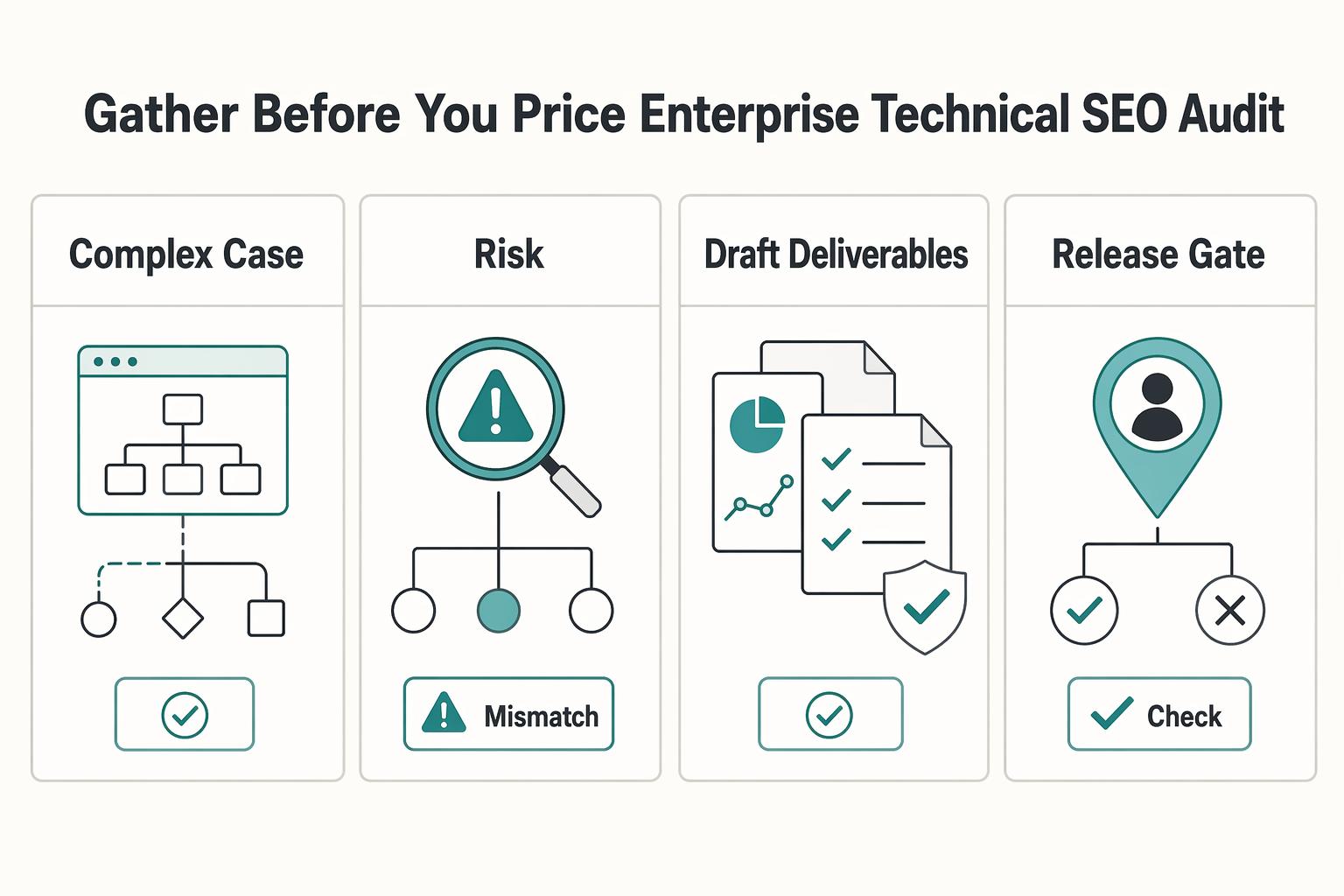
How to Price a Technical SEO Audit for an Enterprise Website
If you need to price technical SEO audit work for an enterprise site, do not start with headline market comparisons. Start with scope, delivery risk, and how you will avoid getting trapped in long review cycles.
Read more →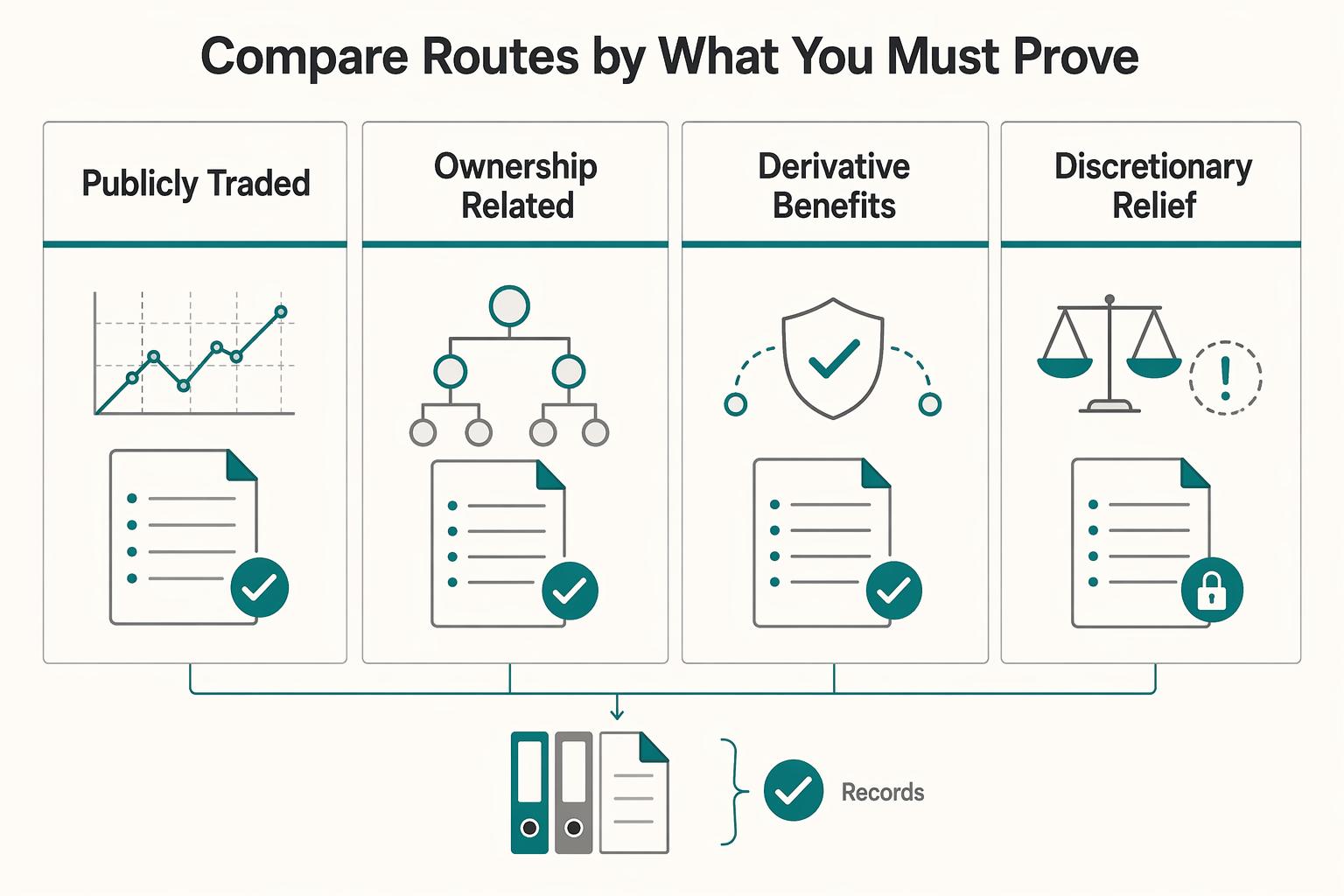
How to Make a Defensible LOB Call Under the US-Netherlands Tax Treaty
Use this guide to make a defensible **yes / no / escalate** call on the Limitation on Benefits issue and leave with a document checklist you can actually use. The point is not to guess or claim treaty benefits based on a structure that only sounds plausible.
Read more →
SOW vs Proposal for Freelancers Before Client Kickoff
The real **sow vs proposal** issue is handoff clarity: use the proposal to win approval, then use the Statement of Work (SOW) to define execution in detail.
Read more →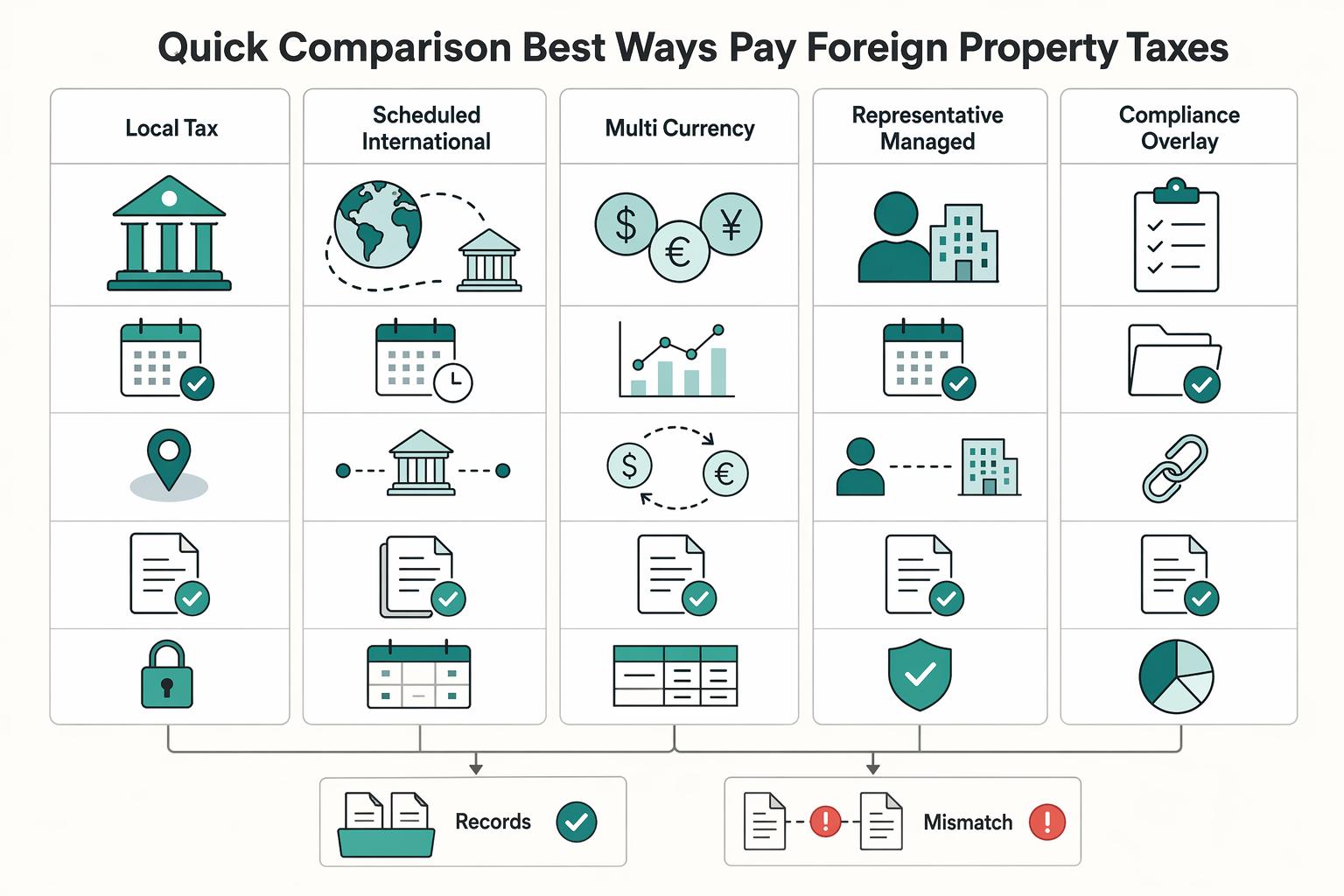
How to Pay Foreign Property Taxes Without U.S. Tax Surprises
**Treat local payment and U.S. reporting as two separate jobs from day one.** First, get the foreign property tax bill paid on time. Then make sure your U.S. tax file can support how that payment is treated. This is an operating guide, not legal advice, because local payment rules and U.S. tax outcomes depend on the jurisdiction and your facts.
Read more →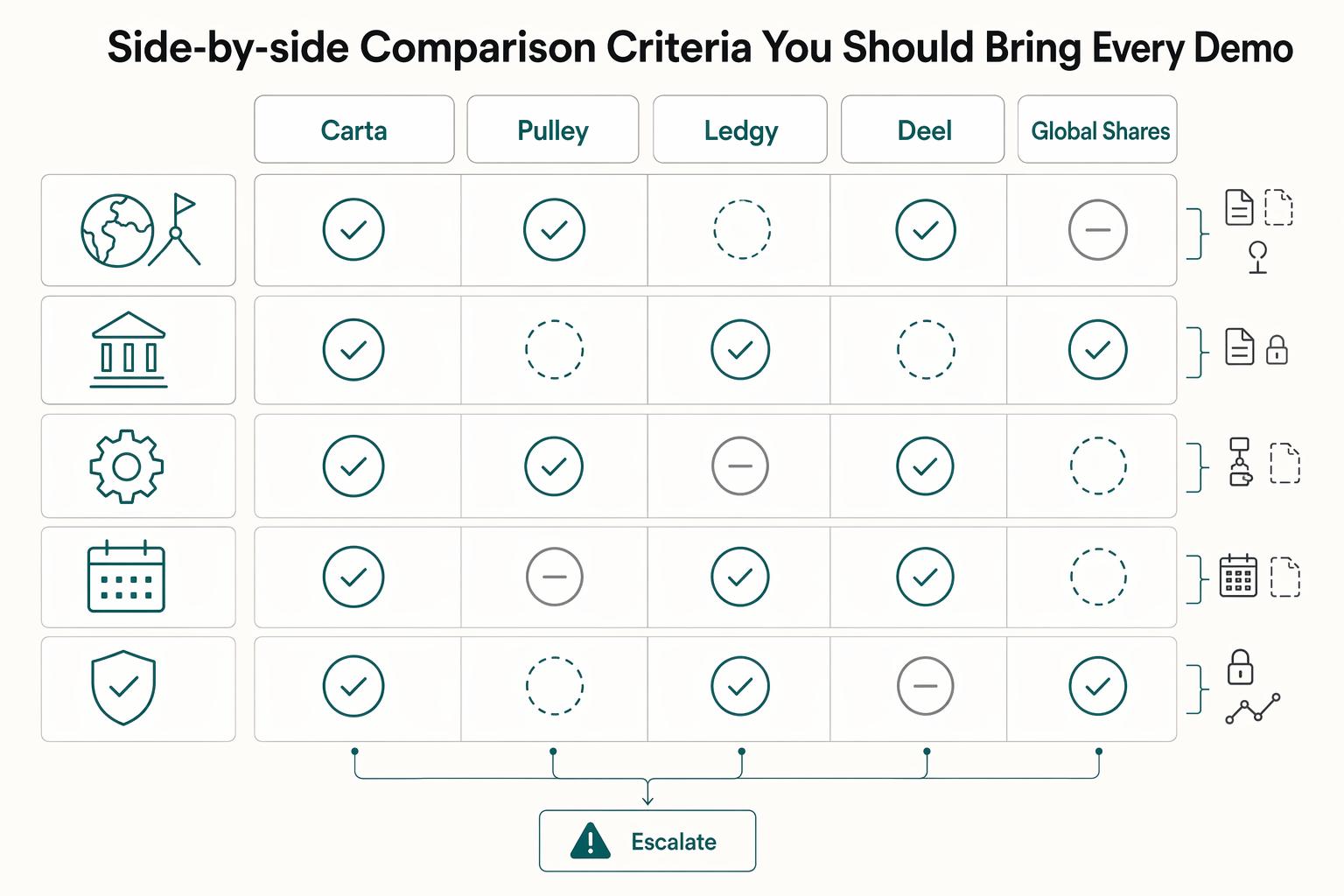
The Best Tools for Managing a Global Equity Plan
This is not another skimpy roundup of the **best global equity plan tools** with a few logo blurbs and vague "great for startups" labels. The goal is simpler and more useful: help you choose a platform with fewer compliance surprises by focusing on the details that actually affect day-to-day administration, reporting, and rollout risk.
Read more →
How an Indemnification Clause in an MSA Can Create Unlimited Liability
Use this as a first-pass screen. Decide whether the risk allocation language is acceptable, fixable, or a pause or walk away issue based on the full **Master Services Agreement (MSA)**, not one paragraph in isolation. The goal is to make the right call early, then move into focused redlines instead of debating the same baseline terms over and over.
Read more →
Write a Decision-Ready User Research Plan in One Sitting
You do not need a polished research deck to work professionally. You need a decision-ready **user research plan**. It should make one thing obvious: what choice this work is meant to inform, who owns that choice, and what evidence will count when it is time to decide.
Read more →
Franking Credits in Australia for Freelancers Managing Uneven Cashflow
If you earn client income and also hold dividend-paying shares, franking credits in Australia are best treated as conditional tax upside rather than operating cash. The ATO states credits may be refundable only when eligibility criteria are met, so the right starting point is verification, not assumption.
Read more →
How to Negotiate Your First Salary
Negotiate your first salary after the written offer arrives, and treat it like contract review, not a test of personality. Your job is not to win a debate. Your job is to make sure the pay, title, start date, benefits, and any special terms you discussed actually appear in the documents you will sign.
Read more →