
Quick Answer
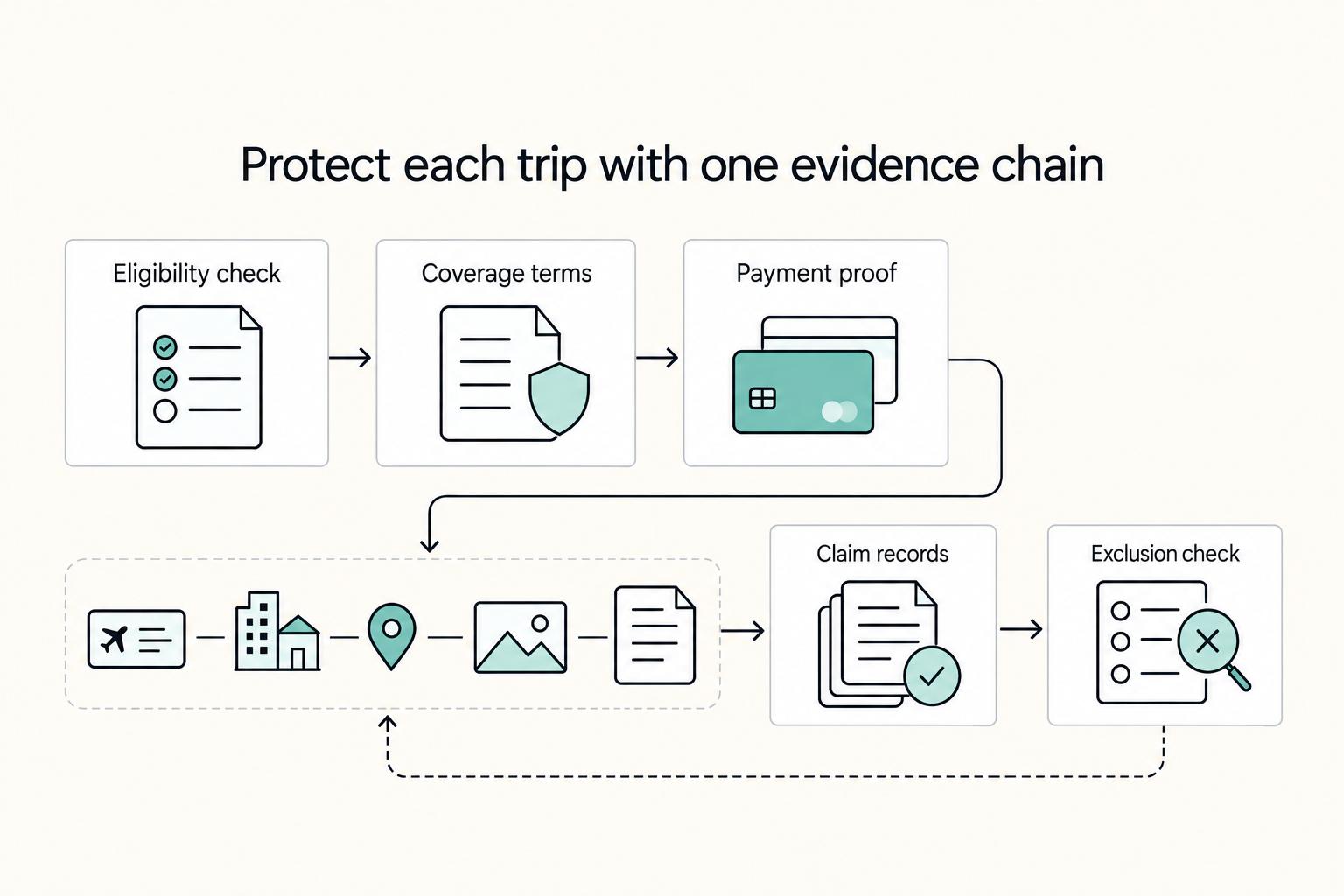
Use your card's trip insurance only after verifying the exact benefits guide, payment trigger, exclusions, and claim steps for your card. Then save your booking, payment, and itinerary records, contact the benefit administrator quickly after a covered disruption, and file one complete claim packet. If a gap would hurt cashflow, consider standalone travel insurance before you book.
Why this guide matters if your income depends on reliable cashflow#
Reset the expectation#
Treat credit card trip insurance as conditional backup, not blanket protection. Some cards include travel insurance benefits, but eligibility is card-specific, and coverage can depend on using the card to book and pay for the return trip.
That payment rule appears often in policy materials. Before you rely on any benefit, check the activation rule, exclusions, coverage limits, and claim instructions. If you cannot clearly answer what activates coverage and how you would file a claim, treat it as uncertain.
Focus on cashflow, not the benefits list#
The question is not whether your card advertises a long benefits list. It is whether one disrupted trip would create a cashflow problem.
For freelancers and small teams, cancellations and itinerary changes can create operating pressure fast. Card benefits may help with some costs, but exclusions and limits can still leave gaps. Terms can include age limits, pre-existing medical conditions, and coverage limits, so you need to know where protection starts and where it stops.
Use this guide to make a yes-or-no decision#
This guide gives you a practical way to decide when card coverage is enough and when separate travel protection may be worth considering. Work through three questions:
- What does your card clearly cover, and what does it exclude?
- What proof and steps are required to activate coverage and submit a claim?
- If part of the loss is not covered, can your business absorb it without stressing near-term cashflow?
If the trigger is clear, the terms fit the trip, and you can absorb a gap, card coverage may be enough. If one disruption would put deadlines or cashflow at risk, review separate travel protection before you book.
Start with what credit card trip insurance usually covers and what it does not#
Assume nothing until your own benefit guide confirms what is covered, what activates coverage, and what is excluded.
Identify the core benefit types#
Start with the usual benefit labels, then verify the actual terms in your guide.
- Trip cancellation and interruption insurance: can apply to covered trip changes involving prepaid, nonrefundable travel expenses.
- Trip delay reimbursement: can apply in covered delay situations, often for specific extra costs.
Read the benefit guide, not the headline#
A lot of mistakes start here. Benefit names can look similar across cards, but terms may still differ by card and benefits provider.
Pull the current guide tied to your account and confirm the activation language, including whether coverage depends on paying prepaid, nonrefundable travel expenses with the card.
Verify the three denial-risk unknowns#
Before you book, check three things for each benefit: what triggers coverage, what is excluded, and any denial conditions listed in the guide. If the wording is unclear at that stage, treat the coverage as uncertain and plan a backup instead of relying on assumptions.
Gather your claim evidence pack before you book anything#
Once you confirm a benefit exists, set up your evidence pack early. Waiting until a delay or cancellation creates avoidable gaps, and claim requirements vary by card.
Build one trip folder tied to the card booking#
Create one physical or digital folder and keep it updated as plans change.
| Folder item | Keep on file |
|---|---|
| Benefits guide | Your card's benefits information or Cardholder Benefits Guide |
| Booking records | Travel plans, booking confirmations, and reservation details |
| Payment records | Receipts for travel purchases |
| Claim records | Rental agreements, medical documentation, or police reports when applicable |
Keep each provider's records separate enough to show what was booked, what was paid, and what became nonrefundable.
Save the exact Cardholder Benefits Guide and claims contacts#
Do not rely on memory or a generic issuer FAQ if something goes wrong. Keep the Cardholder Benefits Guide for your exact card with your account information, along with the claim instructions and benefit administrator contact details.
Benefits, terms, conditions, and coverage amounts vary by card, and claims may run through a benefit administrator instead of the issuer's main support. Confirm the guide matches your card and check any visible effective date, for example, the Chase Sapphire Reserve guide marked effective as of 08/15/2021. If you cannot tell which guide applies, treat coverage as unverified until you confirm with the benefit administrator.
Prepare a simple incident log template#
A simple incident log makes later claim work much easier. It is not a formal issuer requirement in these materials, but it helps you preserve facts while they are fresh.
Track:
- event date and time
- provider involved
- what happened
- who informed you and by which channel
- costs created by the event
- files saved, including receipts, rental agreements, medical documentation, or police reports when applicable
A clean log makes it easier to connect expenses to the covered event.
Add emergency and escalation contacts#
Keep one contact sheet in the same folder with the benefit administrator, issuer number, and any listed travel or emergency assistance contacts in your guide.
Some materials list separate travel-protection numbers, including 800-627-8372 (Mastercard) and 800-825-4062 (Visa/Discover), with 804-965-8071 for collect calls outside the U.S. Also confirm that your own contact details are accurate so benefit communications reach you. If a covered event happens, contact the benefit administrator as soon as possible and gather the documentation requested, which may include travel receipts, rental agreements, medical documentation, or police reports.
Confirm the trigger rules before payment so coverage actually starts#
Do not pay until you can point to the activation rule in the exact benefits guide for your card. If you cannot prove the trigger in writing, treat that benefit as unreliable for planning.
Verify the eligible booking payment rule#
Coverage usually starts only when your payment method matches the guide's eligible-booking rule. Use your card's benefits guide to confirm what counts as an eligible booking for that specific benefit and whether full or partial card payment qualifies.
Many trip benefits require at least part of the trip to be paid with an eligible card, but that is not universal across issuers or benefits. Save the exact page or screenshot that states the trigger, then match it to how you plan to pay.
If you split payment across cards, points, credits, or reimbursements, confirm the guide still supports coverage and that your statement clearly ties the charge to the booking. For claims, expect to show proof of payment, the original itinerary, receipts, and carrier statements.
Check when trip benefits actually activate#
Do not assume trip cancellation and trip delay benefits start just because you used the card. Confirm who is covered, what event triggers the benefit, and when protection starts.
One practical threshold: trip delay reimbursement generally requires a delay of more than six hours or an overnight stay. You also generally need to seek compensation from the carrier first, so keep a record of that request and response.
Add this three-line note to your trip folder:
- Who is covered under this benefit
- What event triggers the benefit
- When the benefit starts based on payment and booking
If any line is unclear, treat that protection as uncertain.
Confirm rental car coverage before you decline the counter waiver#
This is one of the easiest places to make an expensive assumption. Do not decline the rental desk waiver until you verify the rental trigger rules in your exact guide.
| Check | Chase guide detail |
|---|---|
| Payment trigger | Use the card account and/or associated rewards programs to initiate and complete the entire rental transaction |
| Covered people | Primary renter and additional drivers permitted by the rental agreement |
| Rental period | Up to thirty-one consecutive days |
In one concrete Chase example, Auto Rental Collision Damage Waiver requires using the card account and/or associated rewards programs to initiate and complete the entire rental transaction. That same Chase guide limits covered people to the primary renter and additional drivers permitted by the rental agreement. It also states coverage applies to rental periods up to thirty-one consecutive days.
Those are not universal card rules, but they show why the exact wording matters before you rely on rental car theft or damage protection.
Confirm whether coverage is primary or secondary#
Primary versus secondary status changes both your out-of-pocket risk and your claim path. In the Chase example:
| Scenario | CDW status |
|---|---|
| Within your country of residence | Secondary coverage |
| Outside your country of residence | Primary coverage |
With secondary coverage, you may need to involve other valid insurance first. With primary coverage, the card benefit may respond first. The same Chase guide also states that the Auto Rental Collision Damage Waiver covers no other type of loss, so do not treat it as broader protection.
If the guide language is old or unclear, call the Benefit Administrator before you rely on the benefit. If you see an older effective date, for example 09/13/20, confirm the current version and save that proof.
Related: The Best Business Credit Cards for Freelancers.
Decide when card coverage is enough and when to add standalone insurance#
Use a cashflow-first rule: treat card coverage as potentially helpful only when you can fully absorb a disrupted trip without stressing operations. If that loss would strain cash, consider standalone travel insurance before booking.
Set your loss limit before you commit#
Set the maximum out-of-pocket loss your business can handle without delaying delivery, refunds, or core expenses. If the likely trip loss is above that line, do not rely on card benefits alone.
Map the loss that would hurt your business most#
Do not evaluate the trip by benefit labels alone. Look at the failure that would hurt most: fixed client deadlines, linked multi-stop logistics, or high-cost gear replacement. If your fallback for that exposure is not already funded, standalone coverage can be the safer choice.
Use the benefits guide as your decision record#
Make the decision from the exact benefits guide for your card, not summary marketing language.
For each risk, document:
- the event
- the exact benefit text, if any
- what is unclear
- your fallback funding source
This is an operational-risk check. The mindset is the same as Model Documentation and Model Management and Tracking: write down your assumptions, then verify that your fallback is real.
Make the yes-or-no call with one table#
| Event type | Card benefit | Unknown in this review | Self-funded fallback | Buy standalone yes/no |
|---|---|---|---|---|
| Client-critical cancellation or interruption | Exact matching benefit text in your guide | Trigger rules, covered causes, covered travelers, and covered expenses are not confirmed | Rebooking reserve + client contingency plan | Yes if failure would strain revenue or cash |
| Multi-stop itinerary disruption | Exact matching benefit text for the affected booking path | Cross-segment treatment and reimbursement scope are not confirmed | Reserve for extra lodging, meals, and onward transport | Yes if one break can cascade across the trip |
| Gear-dependent travel failure | Exact matching benefit text for traveler and item context | Item treatment, timing, and limits are not confirmed | Equipment reserve or rapid rental budget | Yes if you cannot replace essentials immediately |
| High-impact emergency away from home | Exact matching benefit text for the event you care about | Service scope, reimbursement path, and timing are not confirmed | Emergency reserve and return-home reserve | Yes if worst-case self-funding is not comfortable |
If your fallback is funded, documented, and tolerable, relying on card benefits may be a business decision. If any part is missing or unclear, add standalone insurance.
Related reading: How to create a PCI-compliant workflow for handling credit card data.
If this decision table shows one uncovered disruption could hurt cashflow, pair your insurance plan with tighter client billing terms using Gruv's invoicing workflow via the Free Invoice Generator.
Book and pay in a way that protects your claim rights#
If you rely on card coverage, treat booking records as claim evidence from day one. The goal is a clean trail showing that the trip met your card's rules.
Use the exact card tied to the benefit#
Book and pay with the same card whose benefits guide you reviewed. Do not assume another card from the same issuer works the same way, because coverage varies by card and the benefits guide is the primary reference.
Keep a clear record set: booking confirmation, merchant receipt, and the posted card charge for the same trip. Save the confirmation email, receipt page, and a statement screenshot after the charge posts.
If you split payments, document each charge clearly. Split payment does not automatically void a claim, but it can make card-specific eligibility harder to verify.
Save the fare terms from booking day#
Save the terms that existed when you paid: fare rules, refundability status, and cancellation windows. Save them before travel changes happen, not after.
This matters because card coverage may reimburse only up to a set limit, and protection is not guaranteed in every disruption scenario. If refund rights are unclear, it may be harder to estimate what could be reimbursable. A practical habit is to export the booking page to PDF and capture one screenshot of cancellation terms before checkout.
Keep traveler and itinerary records consistent#
Keep traveler and itinerary details consistent across your booking records so the file is easier to review.
When plans change, keep original and revised confirmations together with any fare-difference receipts. For phone changes, ask for written confirmation before you end the call.
Verify benefits access before departure#
Before you leave, reopen your benefits guide and confirm the exact protections you may rely on.
Do not assume your card includes trip cancellation insurance. One cited estimate says only 29% of consumer cards offer it, with average trip-cancellation coverage of $6,361. Also confirm any enrollment details and where to file a claim. Card travel insurance can help, but it is not a guaranteed safety net in every disruption scenario, so make sure you can reach the claim path before you travel.
For a step-by-step walkthrough, see How to Use Wise to Pay International Invoices with a US Credit Card.
Handle disruptions with scenario-specific actions in the right order#
When something goes wrong, classify the event first, confirm it fits an eligible scenario, then match your documentation to the specific benefit terms before you escalate.
The key split is timing. Trip cancellation coverage applies before departure, and trip interruption coverage applies after travel has started. For other disruption types, use the exact benefit label in your card guide and verify terms card by card.
Classify the event before assuming coverage#
Put the event in the right bucket first. If travel never started, treat it as cancellation. If travel already started and was cut short, treat it as interruption. For other disruptions, confirm that the benefit exists on your card before you act on assumptions.
Confirm cause and eligibility#
This is the first real filter. Card travel benefits generally apply to eligible events beyond your control.
If the trigger is discretionary, the claim may not be valid. Covered reasons are limited and card-specific, so verify the reason against your guide before you build the claim.
Match evidence to the benefit#
Build a claim packet that ties together:
- what happened
- which benefit you are using
- prepaid loss amount
- proof of how the trip was paid
For cancellation or interruption, make the prepaid loss and event timeline easy to verify in one read. If you paid with points, confirm whether your card treats taxes or fees paid on the card as an eligible trigger for that benefit.
Use a fallback path when fit is unclear#
If the event category, cause, or payment trigger is unclear, pause and verify your card's policy terms before you assume reimbursement.
| Event | First 3 actions | Required documents | Likely denial trigger | Fallback action |
|---|---|---|---|---|
| Delay | Confirm whether your card offers a delay benefit, verify eligibility terms, log timeline and costs | Follow the policy or claim checklist for your card | Assuming a delay is covered without confirming eligibility terms | Use provider options while you verify card terms |
| Cancellation or interruption | Confirm whether travel had started, validate eligible cause, isolate prepaid loss | Records that show payment method, loss amount, cause, and timeline | Voluntary cancellation, discretionary early return, or weak proof linking cause to loss | Verify terms and submit only clearly eligible losses |
| Baggage issue | Confirm whether your card offers this benefit, then verify eligibility terms | Follow the policy or claim checklist for your card | Assuming coverage without confirming eligibility terms | Use provider channels while you verify card terms |
| Rental car incident | Confirm whether your card offers this benefit, then verify eligibility terms | Follow the policy or claim checklist for your card | Assuming coverage without confirming eligibility terms | Use provider channels while you verify card terms |
If you follow this sequence, you reduce preventable denials by checking timing, eligibility, and payment-trigger details before filing.
File the claim package fast and track status like an operator#
File one complete claim package as soon as your event is classified and your fallback refund path is in motion. Avoid drip-feeding documents unless the benefits provider asks. Incomplete first submissions may slow review and can push you toward filing windows that are typically due within 90 days.
Assemble one packet for the exact benefit#
Build the file for the specific benefit you are claiming, not for the trip in general.
For trip delay reimbursement, show the qualifying delay, your out-of-pocket costs, and that you sought carrier compensation first. For trip cancellation/interruption, center the packet on the eligible disruption and the nonrefundable loss.
Include one organized set of:
- incident log with dates, times, and what happened
- original itinerary and booking confirmation
- receipts for claimed expenses
- proof of payment showing at least part of the trip was paid with the eligible card
- carrier statements, notices, or reports tied to the event
- the relevant checklist or page from the card benefits guide or claim portal
Quality check before you submit: each document should clearly support one claimed benefit.
Verify the trigger before submission#
Before you send anything, confirm the claim fits your card's benefits guide terms.
For example, trip delay reimbursement generally requires a delay of more than six hours or an overnight stay. Claims can fail when the proof chain is incomplete. Issues can include unclear payment proof, itinerary changes without a clean record, or carrier notices that confirm a delay but not the duration needed for reimbursement.
Submit once, then track with your own status sheet#
Submit through the provider's required channel, then track progress in your own sheet:
| Date | Your status label | What you sent or received | Next action |
|---|---|---|---|
| Mar 12 | Submitted | Full packet uploaded | Save confirmation number |
| Mar 14 | Acknowledged | Provider confirmed receipt | Wait for review |
| Mar 20 | Additional docs requested | Asked for carrier statement | Upload same day |
| Mar 27 | Decision pending | No new docs requested | Follow up if silent |
| Apr 3 | Resolved | Paid / denied / partial payment | Archive or appeal |
These are your working labels, not universal claim stages. They help because terms, covered reasons, and exclusions vary by card.
Follow up with tight records#
Keep confirmation emails, claim number, and every follow-up in the same folder as your evidence pack.
If more documents are requested, answer that request line by line instead of resending everything without context. If the case is messy, add a one-page cover note. Include the claimed benefit, event date, any carrier compensation already requested or received (if relevant), and where each supporting document appears in the packet.
Avoid common denial triggers and recover without losing momentum#
Treat a denial as a contract check, not a dead end. Confirm whether the reason matches the Evidence of Coverage (EOC) and current Guide to Benefits, then fix only the gap that actually caused the decision.
With card travel benefits, the governing language is the policy itself. The EOC defines terms, conditions, and exclusions, and in the cited World Mastercard language the EOC, Key Terms, and Legal Disclosures are the entire agreement. Benefits can change over time, so use the current issuer-hosted guide before you decide what to do next.
Check whether the denial matches a real policy condition#
Use these denial-condition buckets to classify the issue quickly:
| Denial bucket | What it means |
|---|---|
| Missing proof | The claim file does not clearly prove the non-refundable charge, payment path, or event-to-loss link |
| Ineligible trigger | The event does not meet the covered trigger for that specific benefit |
| Definition mismatch | A key term in the policy works more narrowly than expected |
| Exclusion or restriction | The loss falls inside stated exclusions or restrictions in the governing documents |
Two mismatch patterns from the cited policies:
- Some travel accident benefits are accident-only. In the cited Visa Gold policy, this coverage is accidental death and dismemberment only and does not pay for sickness-related loss.
- "Common carrier" can be narrower than everyday usage. The cited World Mastercard language excludes taxis, rental cars, hired cars, helicopters, and private or contract carriers from that definition.
Checkpoint: verify against the exact EOC or Guide language that applies to your claim, not a marketing summary.
Ask for the exact clause, then rebuild only the weak part#
If the denial notice is broad, ask for the specific clause or definition used. You need the exact policy basis, not a generic "not covered" response.
Then resubmit targeted evidence for that point only. For example:
- If the issue is payment proof, submit the card record plus booking proof that ties traveler, supplier, and charge.
- If the issue is activation criteria, submit proof that your fare or payment met that policy's requirement.
In the cited Visa Gold example, covered persons become covered automatically when the entire common-carrier fare is charged to the covered card account. If that condition is not met, extra unrelated documents may not cure the denial.
Use a short cover note: denied for X, resubmitted with Y, attached files A/B/C. That keeps the review focused on the actual defect.
Escalate deliberately and protect cashflow in parallel#
If the denial still does not align with the policy language you are using, follow the review or reconsideration route listed in your denial notice or current guide. If that route is unclear, contact your issuer to confirm who handles reconsideration for your account.
At the same time, protect liquidity. Escalation is not guaranteed to reverse a denial, so run your fallback plan in parallel. Start with your contingency budget, then check whether any standalone travel insurance may respond under its own terms.
Target outcome: quickly determine whether the claim was under-documented, the wrong benefit was claimed, or the loss is outside coverage. That clarity prevents a denial from turning into a prolonged cashflow problem.
Compare issuer ecosystems without turning this into card hype#
Compare Chase, American Express, and Capital One with the same verification checklist, then verify the exact card documents before you trust any summary.
Use the same criteria for each issuer:
| What to compare | What to check |
|---|---|
| Clarity of terms | Can you quickly find the current issuer benefit guide or terms, and is the language clear enough to map your scenario? |
| Documentation burden | Is it obvious what proof you would need to submit if a claim is filed? |
| Claim interface usability | Is the filing flow clear enough to complete without guesswork? |
| Support consistency | Can support point you to the exact clause or definition when you ask? |
Card examples are useful for building this verification habit, not for making assumptions across a card family. A Venture X explainer can describe flight, luggage, and rental-car coverage in that card context and note a $395 annual fee. That does not mean Venture or VentureOne use the same triggers, protections, or provider terms.
Use comparison pages as question generators, not final decision tools. Public pages can help, but they may not include all offers. They may be influenced by partner compensation, and they may even warn that some card details are outdated or not issuer-reviewed. If you skim the terms, expectations and outcomes can diverge, so rely on the current issuer benefit guide and provider terms.
Build your repeatable trip protection checklist#
Use one repeatable checklist: confirm eligibility before you pay, avoid known exclusion triggers, and keep a complete proof file from booking through claim.
- Save the exact benefits guide on booking day.
Keep the current guide for the exact card, plus claim instructions, in one place. If your guide lists a Benefit Administrator, save that contact before travel. One Chase guide explicitly says to keep the guide and call with questions, and lists 1-888-880-5844.
- Verify the eligible-booking trigger before payment.
Do not rely on the benefit name alone. In the Chase Auto Rental Collision Damage Waiver example, you must use the card account to initiate and complete the entire rental transaction, and coverage is limited to the primary renter plus additional drivers allowed by the rental agreement.
- Check exclusion and denial conditions before you commit.
For that same rental benefit, accepting the rental company's CDW or LDW cancels the card benefit. It also does not cover liability or injury-type outcomes, for example, damage to another driver's car or injuries, so decide in advance whether you need separate coverage for those risks.
- Keep one clean evidence folder.
Store key booking and rental records in one place, including proof that the eligible card charge posted. Keep backup document copies on your phone so you can produce records while traveling.
- Use scenario-specific first moves when something happens.
For rental events, inspect and document any prior damage before leaving the lot. Save records immediately, and verify location and rental-period limits in your guide. In the Chase example, rentals are covered up to 31 consecutive days, and coverage may be unavailable where precluded by law.
- File one complete package and track to resolution.
Submit a single, organized claim package mapped to the specific benefit, then track status until closed. If denied, ask for the exact clause used so you can fix missing evidence or decide whether to escalate.
When you want this checklist to sit inside a broader get-paid workflow, explore Gruv Tools for practical templates and calculators.
Frequently Asked Questions
What does credit card trip insurance usually cover?
It usually covers some mix of trip protection. Depending on the card, that can include trip cancellation, luggage-related issues, rental collision or loss damage, and on some cards travel medical coverage. Coverage varies by card, so confirm the current benefits guide for your exact card.
When does credit card trip insurance start?
There is no single start point across issuers, cards, or benefit types. Start and eligibility can depend on payment conditions, including how much of the trip or hotel charge went on the card. If the trigger is not clear in the current benefits guide, treat coverage timing as uncertain.
Does paying with the card activate coverage automatically?
Not always. Some benefits require you to book and pay with the card, and some also depend on charging a certain amount of trip or hotel costs to that card. Confirm the exact payment rule in your benefits guide and keep proof that the eligible charge posted to the correct card.
Is credit card trip insurance enough on its own?
Sometimes, but only when the card's terms clearly fit your trip and you can tolerate any uncovered gap. Card benefits may reimburse only up to a set limit, so check whether that limit is enough for your situation. If one disruption would strain revenue or cashflow, consider standalone travel insurance before booking.
What is usually excluded from coverage?
Exclusions are card-specific, so do not assume a benefit name means the same thing everywhere. Not all plans include baggage and personal effects coverage, and even covered losses can still be limited to a set cap. Use the current benefits guide or Evidence of Coverage to confirm restrictions before you rely on the benefit.
What documents should I collect before I file a claim?
Start with documents that prove eligibility under your card's rules. Keep the current benefits guide, booking confirmations, proof of payment on the eligible card, and records tied to the disruption or loss. Keep the records consistent so your claim package clearly connects the trip, the payment path, and the event.
Researched and edited by the Gruv editorial team. Gruv builds cross-border billing, payouts, and finance-operations software for global businesses.
Sources
- archive.regulations.delaware.gov/documents/March2002.pdftrusted
- benefits.va.gov/homeloanstrusted
- cms.gov/regulations-and-guidance/guidance/manuals/do...trusted
- files.consumerfinance.gov/f/documents/cfpb_credit-card-penalty-fees_fi...trusted
- ftc.gov/sites/default/files/documents/public_events/...trusted
- govinfo.gov/content/pkg/CFR-2020-title38-vol1/html/CFR-2...trusted
- govinfo.gov/content/pkg/CHRG-115hhrg28747/html/CHRG-115h...trusted
- insurance.ca.gov/01-consumers/105-type/95-guides/09-comm/comm...trusted
Educational content only. Not legal, tax, or financial advice.
Related Posts
Canada Digital Nomad Visa Planning for Visitor Status and Work Permits
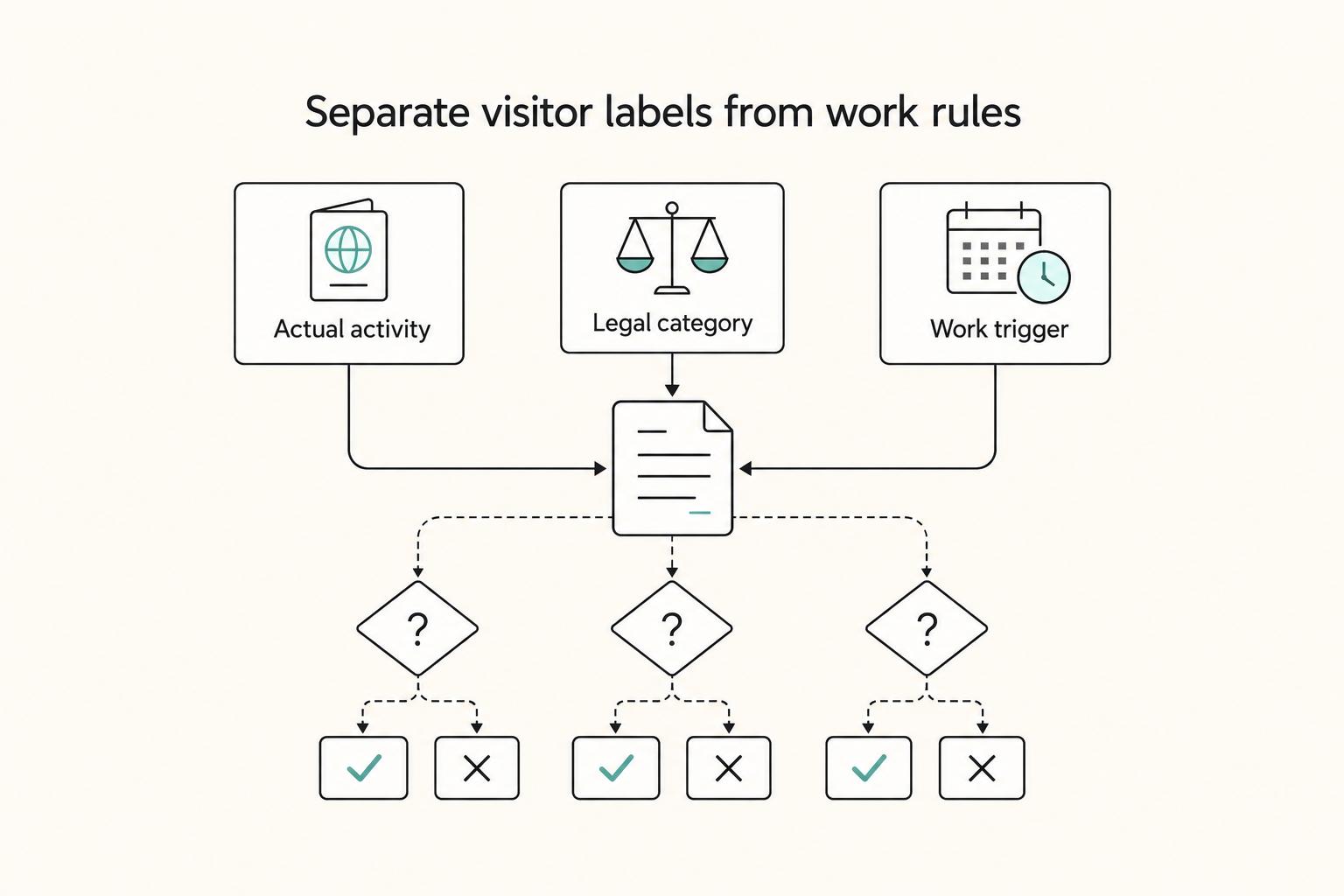
The phrase `canada digital nomad visa` is useful for search, but misleading if you treat it like a legal category. It is shorthand for existing Canadian status options, mainly visitor status and work permit rules, not a standalone visa stream with its own fixed process. That difference is not just technical. It changes how you should plan the trip, describe your purpose at entry, and organize your records before you leave.
The Best Business Credit Cards for Freelancers
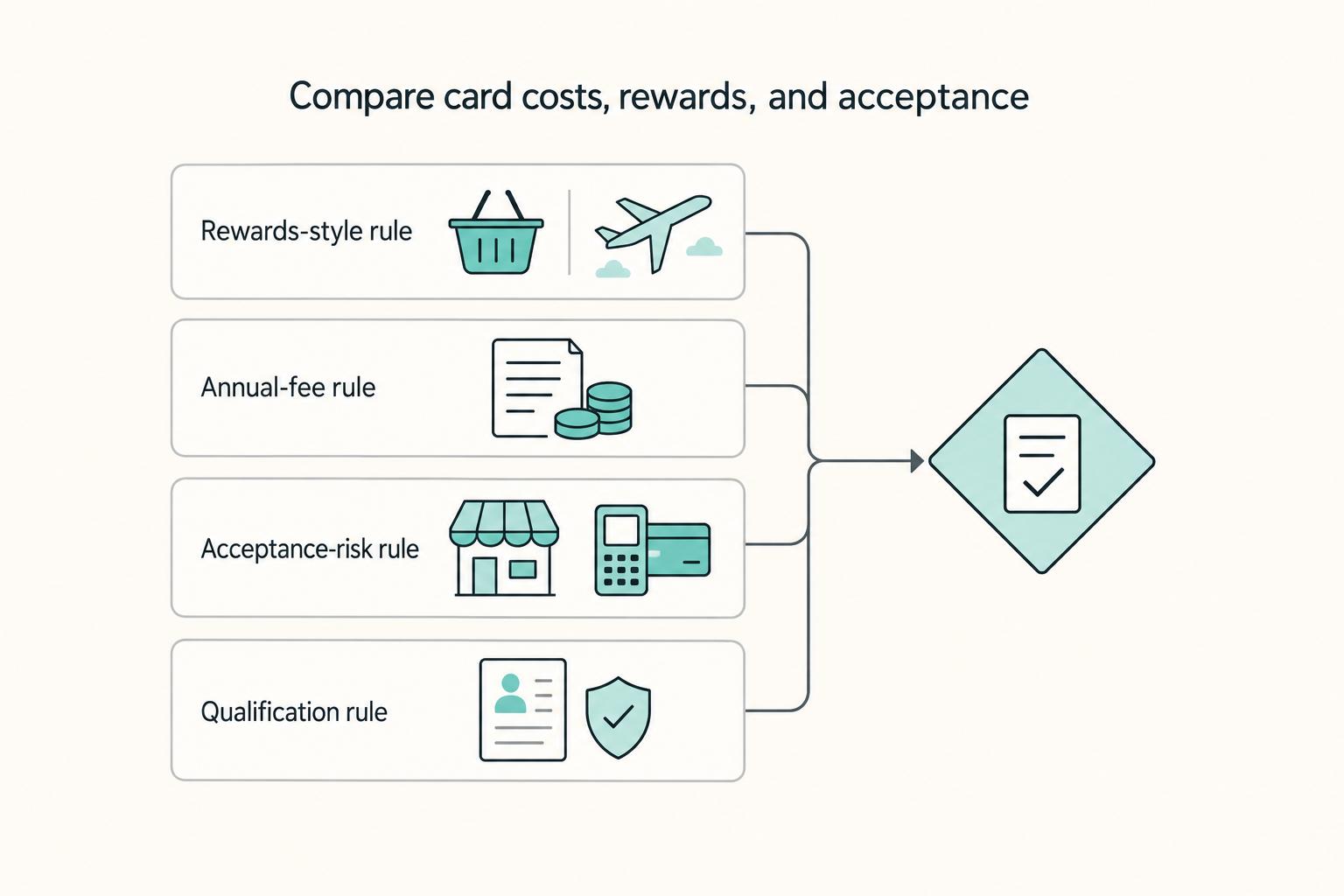
Pick for reliability first. For a freelancer, the right business card is usually the one that keeps recurring bills moving, keeps records clean, and avoids extra costs when income swings from month to month. Rewards still matter, but they sit on top of those basics. They do not replace them.
The Best Email Encryption Tools for Freelancers
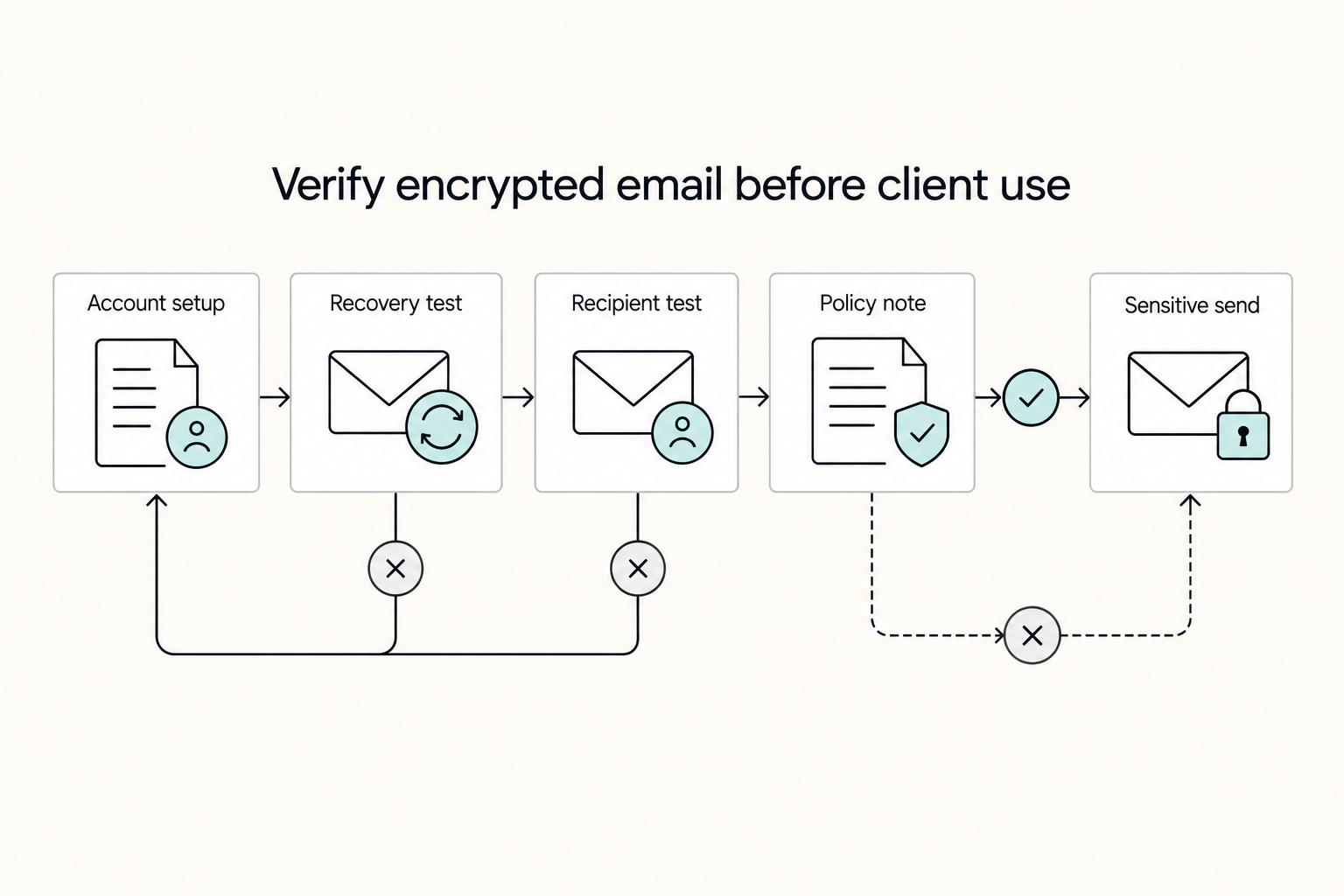
You can choose an email encryption route, test it in a real exchange, and keep contract and invoice threads moving.