
Quick Answer
Use a scenario-first process: map negligent advice, delay, breach, and confidentiality allegations to the policy that should be notified first, and do not buy until that path is confirmed in writing. For indemnity insurance for cybersecurity consultant engagements, set limits from live contract duties, choose a deductible you can absorb, and pause when exclusions, sub-limits, or endorsement wording leave response unclear.
Set up business structure and UK compliance basics before you shop for cover#
Treat this as a business-setup decision first. Start with how your consulting work is structured and documented, then get the UK tax and liability basics in place before you shop for cover.
For UK independents, GOV.UK says your business structure affects both tax and legal responsibilities. A sole trader is the simplest structure to set up and keep records for, but it also means unlimited liability for business debts. A limited company changes that position, because owners are responsible for debts only up to the value of their financial investment.
Get the compliance basics in place early. If you are a sole trader and earn more than £1,000 in a tax year, GOV.UK says you need to register for Self Assessment. In HMRC's example timeline, the previous tax year is 6 April 2024 to 5 April 2025, with a notification deadline of 5 October 2025. Missing that can lead to a penalty. If you have registered before, failing to reactivate an existing account can delay filing, and you need records such as bank statements or receipts to complete returns correctly. GOV.UK also notes that if something goes wrong, you may need additional business insurance.
By the end, you should have a tighter process for what to check first and what to confirm before you move forward. For related context, see liability insurance for freelance IT consultants.
Translate the insurance language before you buy#
Treat policy labels as shorthand, not proof of cover. GOV.UK confirms only that you may need additional business insurance if something goes wrong. It does not spell out how particular policy labels map to consulting risks, so check the policy wording before you assume what is covered.
A product name on a quote is not enough to show how a claim would actually be handled. Ask for the written wording, then match it to your real service scenarios before you buy.
Get the answer in writing#
Use a simple document check before you accept terms. It gives you a record if the sales description and the issued wording do not line up later.
- Ask for the exact policy wording and schedule that apply to your quote.
- Ask for a plain-language explanation tied to those documents, not just product names.
- Keep proposal forms, quote versions, and written clarifications with your final policy records.
For a step-by-step walkthrough, see A management consultant's guide to 'Errors & Omissions' insurance policies.
Map claim scenarios to the policy that should respond#
Map each realistic claim scenario to a policy path before you buy. If the mapping is unclear, treat that as a pre-purchase blocker. For a cybersecurity consultant, this is where expensive disputes often start. Because wording and product availability can vary by country, validate assumptions in your jurisdiction before binding.
Use this table as a verification worksheet, not a promise of coverage. The aim is to test each row against scope, trigger conditions, protected parties, reimbursable costs, limits, and exclusions.
| Scenario | Policy path to test first (confirm with wording and jurisdiction) | What you expect to verify (defense costs, damages, exclusions) | Handoff and dispute note |
|---|---|---|---|
| Missed security control design in a client project | Professional indemnity and cyber liability wording (determine intended first-response path) | Verify whether allegations tied to your professional services can trigger legal defense and damages coverage, and whether exclusions could block response if facts fall outside insured services. | If the client links the design issue to a later breach, confirm in writing whether one policy responds first, both respond, or neither responds under current wording. |
| Late remediation delivery after engagement to fix a known issue | Professional indemnity and cyber liability wording (determine intended notice path) | Verify whether delay-related allegations are treated as an insurable event, whether defense costs and damages are addressed, and whether exclusions for contractual-performance disputes apply. | If delay is framed as causing a cyber incident, clarify the intended first-notice path and where a second policy might also be notified. |
| Client sues after a breach and names your work as a cause | Cyber liability and professional indemnity in parallel (verify primary path) | Verify who is protected, what damages are in scope, whether defense against third-party allegations is included, and what exclusion triggers may limit response. | This is an overlap zone: one carrier may frame it as cyber liability, another as professional services. Record the intended primary path before binding. |
| Ransomware or extortion event affecting your own operations | Cyber policy wording for operational-loss costs, with liability wording checked in parallel | Verify which costs are reimbursable, what event triggers payment, whether defense and damages obligations arise, and whether extortion-related costs are included or excluded. | If a client later alleges harm from the same event, a separate liability path may open. Treat operational-loss and liability handling as distinct checks. |
| Accidental disclosure causing a confidentiality breach | Cyber liability and professional indemnity in parallel (verify trigger fit) | Verify whether confidentiality-related defense costs and damages are addressed, what type of breach trigger is required, and which exclusions could apply. Test both internal-cause and external-cause fact patterns. | This can be framed as both a cyber incident and a professional error. If wording does not map cleanly, pause purchase and resolve it first. |
Once you can map scenarios cleanly, you can make a better call on whether one policy is enough or you need both professional and cyber cover.
Use four checks on every row#
Run each scenario through four tests: coverage scope, insurable events, limits, and exclusions. Then make a second pass for reimbursable costs, who is protected, and when payment is triggered. This is where quotes that look similar at first start to separate.
Resolve overlap before claim time#
Overlap is normal. Cyber incidents can create both direct financial loss and liability exposure, so do not leave the handoff question for later. Keep a one-page note for each scenario before purchase:
- scenario and trigger
- policy path you expect to notify first
- any second policy that may also respond
- written explanation from broker or underwriter
If you cannot map a scenario clearly, do not defer it to claim time. Treat it as a buying blocker and resolve it before binding.
Decide when you need both E&O and cyber cover#
Use a two-step rule. If your main risk is client loss caused by your advice, design, or implementation mistakes, start with Technology errors and omissions insurance. If you also face cyber incident exposure in your own operations or client-suit exposure tied to a breach, add Cyber liability insurance. That keeps you from covering only one side of the risk.
A useful checkpoint is this: are you more concerned about a breach on your own systems, or a client claim that you failed to prevent one? Tech E&O is generally framed around professional mistakes affecting clients. Cyber cover is framed around cybercrime and breach costs, often split into first-party and third-party coverage.
| Your exposure pattern | Prioritize first | Add or verify next |
|---|---|---|
| Advice, architecture, control design, remediation guidance | Technology errors and omissions insurance | Add cyber if your exposure also includes breaches or cyberattacks affecting your business |
| Work that can affect both your systems and client outcomes in a cyber incident | Technology E&O + Cyber liability insurance | Verify whether cyber includes both first-party and third-party coverage |
| Contracts mention breach notification, extortion, or forensic response | Technology E&O for professional-service allegations | Test First-party cyber liability insurance and Third-party cyber liability insurance against contract wording |
The point here is not to collect more policies than you need. It is to match your cover stack to the way claims are likely to be framed.
Use contract language as an investigation trigger#
If your MSA, SOW, or questionnaire mentions breach notification, extortion, or forensic response, take that as a sign to validate cyber coverage in detail. It does not automatically confirm policy response or a specific product structure. Ask your broker or underwriter to show, in writing, where first-party cyber would address your own-business breach costs. Then ask where third-party cyber would address client-suit legal-cost exposure.
Do not substitute public or general liability#
Avoid treating General liability insurance or Public liability insurance as a substitute for professional-risk and cyber-incident cover. They can sit in your overall stack, but you should evaluate them separately from E&O and cyber for the risks discussed here.
Some packaged options combine E&O and cyber and may be cheaper than buying them separately. You still need to confirm what is actually included, especially first-party versus third-party cyber scope.
Verify before you bind#
Before you accept a quote, use three checks to see whether the wording matches the work you actually do:
- Map each service line or contract promise to the exact coverage part that should respond.
- Keep your cyber and E&O application answers consistent across multi-line question sets.
- Confirm whether underwriting has narrowed coverage breadth, and whether cyber is first-party, third-party, or both.
If a quote cannot clearly show who is protected and how own-business loss is separated from client-suit exposure, keep pushing before you bind.
Set limits and retentions from contract reality#
Set your limits and retention from what your contracts can actually trigger, not from a generic quote range. Your target limit should reflect a plausible contract-sized dispute, and your retention should be an amount you can fund without disrupting operations.
Build one contract exposure sheet#
Put your current MSA, SOW template, security addendum, and client insurance requirements into one working table. For each contract, pull out the indemnity wording, liability caps, confidentiality duties, and the likely size of a dispute once legal costs start.
| Contract item to extract | What to note from the live contract | Pressure on Professional indemnity insurance | Pressure on Cyber liability insurance |
|---|---|---|---|
| Indemnity language | Who you must indemnify, and whether it reaches advice, deliverables, or confidentiality obligations | Higher if a client can allege your professional work caused loss | Higher if wording reaches security or breach-related obligations |
| Liability cap | The cap amount and whether it clearly applies to the claim type you are worried about | First ceiling to test against a professional-negligence style claim | Critical if breach or confidentiality claims are treated differently |
| Breach and confidentiality duties | Notification, forensic support, data handling, and incident-support promises | Can still trigger professional-services allegations if your professional work is challenged | Can affect first-party response costs and third-party claim exposure |
| Proof of insurance requirement | What evidence must be shown before work begins | Verify current limit against required evidence before contract start | Do the same for cyber where incident-response duties are in scope |
Use this table as a decision checkpoint. Compare required proof-of-insurance terms with your current declarations, not with coverage you plan to buy later.
Do not choose a retention you cannot absorb#
If a retention looks efficient on paper but would strain your operating cash during a claim, it is too high. A lower premium is not a win if the retention creates operational stress when you need to respond quickly.
This can be a low-frequency, high-severity risk profile. A single client dispute can escalate into six-figure legal costs, so test your retention against that kind of pressure.
Stress-test full claim cost, not just the allegation#
Model the full cost stack before setting limits. Third-party cyber can involve defense and claims administration costs plus judgments or settlements. First-party cyber response can start with attorney and forensic investigation fees. On the professional indemnity side, client disputes can still generate substantial legal-cost exposure when professional work is challenged.
Also check whether you are relying on a limited cyber endorsement where dedicated cyber cover is the real need. Endorsements can help, but they are often narrower than dedicated cyber cover.
Review before bigger or more complex work#
Recheck limits and retentions before renewal and before you take on larger or more complex engagements. If contract size, confidentiality duties, or proof-of-insurance expectations change, rerun your limit and retention assumptions before signing.
Read policy wording like an operator, not a shopper#
Treat policy wording as a claim-response test, not a price comparison. For this work, two grounded test scenarios matter: a client alleges negligent advice, or a client alleges accidental leakage of sensitive data. If the wording does not clearly address those paths, the quote is not ready for a decision.
Insurance transfers part of your financial exposure, not all of it. Read each quote against your real services and contracts, then get the key points confirmed in writing before you bind.
Start with the wording most likely to affect real-world cover#
Use the full wording, including the policy form, schedule, and endorsements, not just a summary sheet.
One broker source for IT consultants lists professional indemnity, public liability, and cyber insurance as separate services, and names negligent advice and accidental leakage of sensitive data as claim triggers. Do not assume one policy label automatically covers both scenarios.
| Wording item | What to confirm in writing | Practical warning sign |
|---|---|---|
| Negligent-advice scenario | Which policy is expected to respond if a client alleges your advice caused loss | You get broad reassurance, but no clause-level explanation tied to the scenario |
| Data-leakage scenario | Which policy is expected to respond if sensitive data is accidentally exposed during your work | The answer is verbal only, with no wording reference |
| Policy type alignment | How professional indemnity and cyber insurance are expected to apply to your services | One policy label is presented as a catch-all without scenario-level detail |
Get the professional indemnity and cyber response mapped by scenario#
Ask scenario-first questions, not generic coverage questions. For each scenario below, ask which policy should be notified first and what wording supports that answer:
- A client says your security advice or remediation guidance was wrong and caused loss.
- A client says sensitive data was exposed during your work or because of your handling.
If the answers stay vague, treat that as a purchase blocker until you get a clear response.
Re-check when your risk profile changes#
When you switch insurers, change scope, or take on materially different client work, rerun the same scenario checks and confirm the response in writing.
Keep quote comparisons aligned#
Quote comparisons only work when the assumptions match. Pricing can vary by coverage type, business size, and the nature of your work, so side-by-side price checks are only useful when those inputs are aligned. In a selective market with fewer active providers, wording discipline matters as much as headline price.
Compare quotes with an apples-to-apples scorecard#
Compare quotes only after you lock the same assumptions across every option. If limits and key coverage fields are not aligned, premium comparisons will mislead you.
A consultant comparison was only usable because it normalized inputs: same limits where possible ($1M per claim / $2M per policy term) and one buyer profile (Washington State, no employees, $125,000 revenue). Use the same discipline in your own scorecard. Starting monthly prices are profile-specific, so figures like $21.00 or $95.79 are not portable unless your inputs match.
Normalize the assumptions first#
Before scoring, keep the buyer profile and target limits constant across all quotes. Then compare each option on the same fields: starting monthly cost, whether the base policy includes general + professional liability, same-day COI availability, online purchase, and professional liability coverage limit.
| Quote | Starting monthly cost | Same limits as baseline | Base policy includes General + Professional Liability | Same-day COI? | Buy 100% online? | Professional Liability Coverage Limit | Gotcha clauses (exclusions/hidden fees) | Score |
|---|---|---|---|---|---|---|---|---|
| Quote A | Record quoted start price | Yes/No | Yes/No | Yes/No | Yes/No | Record limit | Note any exclusions, hidden fees, or lock-in terms | /10 |
| Quote B | Record quoted start price | Yes/No | Yes/No | Yes/No | Yes/No | Record limit | Note any exclusions, hidden fees, or lock-in terms | /10 |
| Quote C | Record quoted start price | Yes/No | Yes/No | Yes/No | Yes/No | Record limit | Note any exclusions, hidden fees, or lock-in terms | /10 |
Score for value, not just price#
Weight your score toward coverage value, then use price as a tie-breaker. A practical weighting is:
- 3 points: coverage fit and limits
- 3 points: gotcha-clause risk (exclusions, hidden fees, lock-in terms)
- 2 points: operational fit (
Same-day COI?,Buy 100% online?) - 2 points: premium
This keeps the decision value-led rather than price-led and makes hidden downside easier to spot.
Treat vague terms as a reject signal#
Reject any quote that cannot clearly state key coverage terms and limits in writing. If answers stay vague or rely on marketing language instead of clear policy terms, pause and get clarification before choosing.
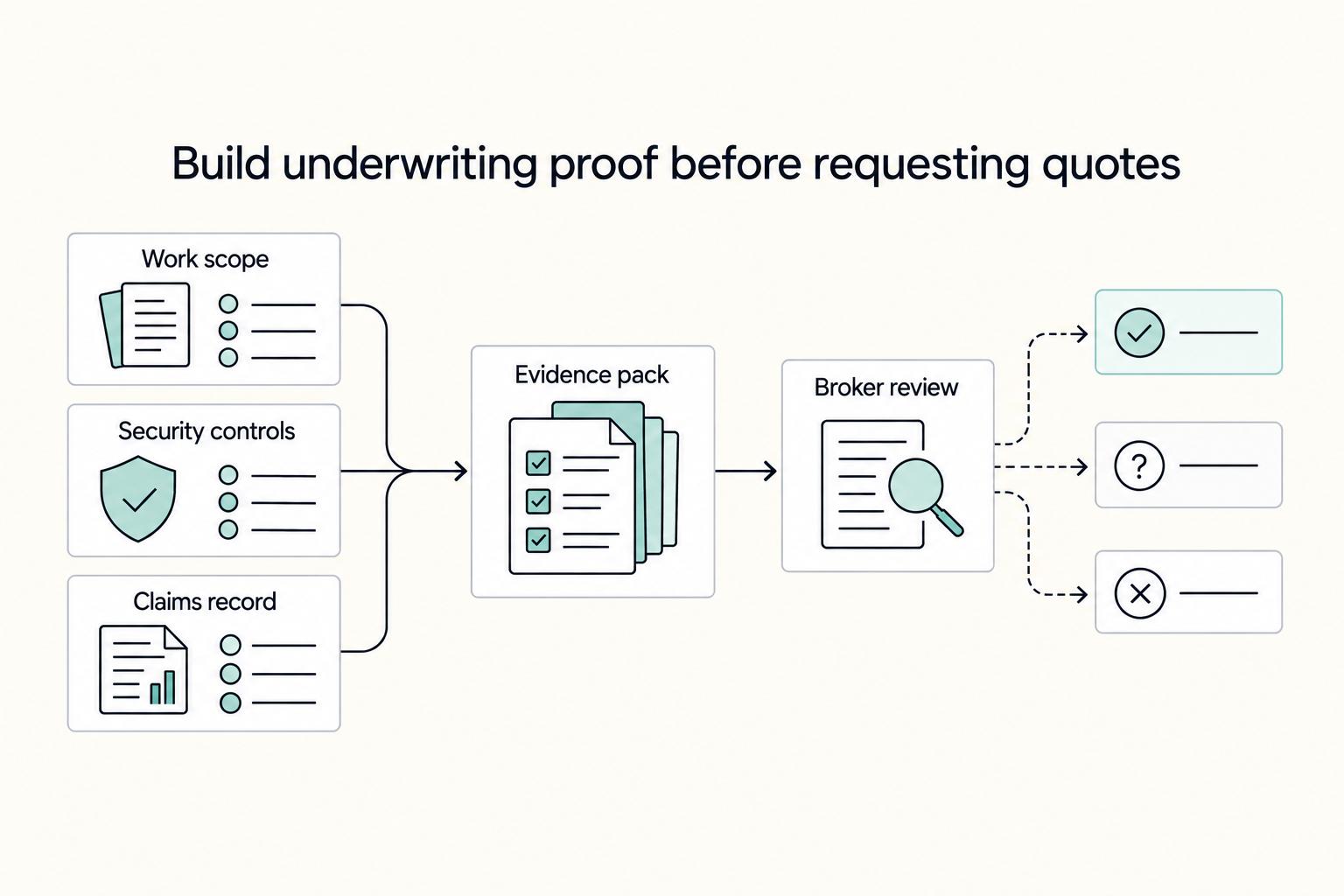
Prepare your underwriting evidence pack before approaching brokers#
Before you approach brokers, build a reusable evidence pack so underwriting is based on proof, not memory. It helps you, the broker, and the insurer work from the same risk picture, which matters because collecting and justifying underwriting information is often one of the hardest parts of placement.
Show what you actually do#
Start with a short service summary you can reuse across applications: typical deliverables, sectors served, and where you touch sensitive data or client environments. For a cybersecurity consultant, be explicit about whether your work is advisory only or includes implementing controls and accessing client systems or data.
Add a concise exposure summary your broker can use during placement. Focus on the risks you need covered so intermediaries can help identify exposures and support informed insurance decisions.
Prove controls, not just policies#
For cyber underwriting, evidence matters more than self-attestation. In 2026 UK conversations in particular, underwriters are looking for proof that controls are real, enforced, and monitored.
| Artifact | What it documents |
|---|---|
| MFA and conditional-access screenshots | MFA and conditional access are in place |
| Endpoint dashboard exports | Endpoint visibility and status |
| Patch-compliance reports | Patch compliance |
| Backup evidence and restore-test results | Backups and restore testing |
| Incident-response or tabletop notes | Incident response or tabletop work |
| Training completion reports | Training completion |
Use concrete artifacts rather than broad statements. If you claim a control exists, keep current evidence ready. Answers based on intent or outdated documentation can slow underwriting discussions compared with screenshots, reports, or configuration proof.
Keep one source of truth#
Keep applications, evidence files, endorsements, policy schedules, and renewal notes in one dated folder. Save the exact version of each answer sent to each broker, and log material scope changes so coverage discussions stay tied to current exposure rather than assumptions.
Align contract clauses and insurance wording before client signature#
Do not sign until the contract liabilities and your policy wording have been reconciled side by side. An active policy is not enough if the contract requires obligations outside your Professional Indemnity (PI) or cyber policy wording.
Check the promises, not just the certificate#
Your real exposure is often set by indemnities, SLAs, and limitation-of-liability carveouts, not by a quick look at the certificate. Review the liability section and mark:
| Contract point | Why review it | Wording follow-up |
|---|---|---|
| Required policy types and exact coverage amount | Check required limits early | Reconcile required limits and current wording in a short note or redline |
| Indemnity obligations | Your real exposure is often set by indemnities | Compare each contract liability promise with the insuring clause and exclusions |
| Liability cap and carveouts | Your real exposure is often set by limitation-of-liability carveouts | Reconcile liabilities, required limits, and current wording in a short note or redline |
| Other contractual obligations that could expand liability | Obligations outside your PI or cyber policy wording can leave part of a claim on your balance sheet | Resolve the gap before signing by changing the contract, changing insurance, or declining the work |
Check required limits early. Professional Indemnity is commonly required in software contracts, and cited minimums can range from £1 million to £5 million depending on client size and software criticality. Without careful clause review, you can end up agreeing to unlimited liability or insurance requirements you cannot afford.
Where wording can leave gaps#
The key task is to confirm how the contract promise maps to actual insuring language and exclusions. PI is designed for compensatory damages from third-party claims tied to professional services. Cyber and PI can overlap on third-party claims, while cyber can also include first-party losses that PI generally does not.
Run two checks every time:
- Compare each contract liability promise with the insuring clause and exclusions.
- Check silent cyber wording in non-cyber policies to confirm the extent of any cyber cover.
The main risk is not automatic voiding. It is agreeing to liabilities that are broader than the insured scope, leaving part of a claim on your balance sheet.
Make "no signature until reconciled" a rule#
Set a hard pre-sign rule: no signature until liabilities, required limits, and current wording are reconciled in a short note or redline. If there is a gap, resolve it before signing by changing the contract, changing insurance, or declining the work.
If a client requests limits you do not carry, treat that as a negotiation point. Some clients may accept lower limits if you can show other protections, but that is case-specific.
Re-check when scope changes#
Repeat this review after major scope changes. Coverage can vary by policy and geography, so contract-policy alignment needs to be revalidated when services or contractual commitments change.
Before signing, draft cleaner scope and liability language you can review against policy wording with the freelance contract generator.
Avoid the claim-day mistakes that hurt consultants most#
On claim day, do three things first: lock down the facts, notify the insurer that may respond, and preserve the evidence file. That helps protect your position when a negligence, security, or privacy allegation arrives.
Do not rush into fault statements before the record is clear. Start a dated chronology of what you were engaged to do, what was approved, when the issue was reported, and what happened next.
Route notice based on the allegation and your actual policy wording. Alleged client financial loss from professional services usually points to professional indemnity, professional liability, or Tech E&O, while security or privacy allegations may point to cyber liability. If your policy bundles E&O and third-party cyber liability, notify the carrier and confirm which coverage part is being opened.
For claims-made coverage, verify both checkpoints immediately before you debate the merits of the allegation:
- the policy was active when the claim was filed
- the alleged act is on or after the policy retroactive date
Treat evidence preservation as part of claim control, especially because legal costs can rise quickly even before fault is proven. Keep a complete file with:
- statements of work, change orders, and security recommendations
- approvals, sign-offs, and acceptance emails
- incident logs, tickets, and timestamps
- formal complaints or demand letters alleging negligence or error
- records of the client's claimed financial loss
If policy response is unclear, treat that as a notice problem now, not a debate to postpone.
Use this 30-day action checklist to get covered properly#
Use this as a practical 30-day plan for indemnity insurance for cybersecurity consultant work. Document your exposure first, pressure-test quotes for gaps, and bind only after key policy wording is confirmed.
| Period | Main actions | Key check |
|---|---|---|
| Week 1 | Write down what data your business has and how it is handled and protected; list the services you deliver today and your top incident scenarios | Use that list to ask how each quote is intended to respond |
| Week 2 | Build a quote-review checklist with explicit red flags and specific broker questions; pressure-test first-party cash-flow exposure | Confirm whether the policy has Pay on Behalf wording for upfront incident costs |
| Week 3 | Run an apples-to-apples comparison; review multiple critical coverage areas and test each quote for potential gaps | Confirm whether breach-response costs sit inside the main limit or outside it |
| Week 4 | Do a final document check on named insured details, purchased coverage parts, limits, retention or deductible, and endorsements | If a program advertises $0 retention tied to a named incident-response service, verify the exact condition in the policy documents |
| Ongoing | Keep policy documents, endorsements, and broker communications organized in one place | Keep coverage intent easy to verify later |
Week 1. Start with a formal data inventory before requesting quotes#
Start with a formal data inventory before requesting quotes. Write down what data your business has and how that data is handled and protected. Even a very small operation with one computer or one credit card terminal can benefit from this step.
Then list the services you deliver today and your top incident scenarios. Use that list to ask how each quote is intended to respond.
Week 2. Build a quote-review checklist with red flags and broker questions#
Build a quote-review checklist with explicit red flags and specific broker questions, not just premium comparisons.
As you review quotes, pressure-test first-party cash-flow exposure. Breach response, forensics, ransom-related, and other first-party costs can add up quickly, so confirm whether the policy has Pay on Behalf wording for upfront incident costs.
Week 3. Run an apples-to-apples comparison across quotes#
Run an apples-to-apples comparison and do not let premium drive the decision. One 2026 checklist approach is to review multiple critical coverage areas, for example eight areas, and test each quote for potential gaps. Off-the-shelf policies can leave important gaps.
Validate wording that changes outcomes in the quote and endorsements. Also confirm whether breach-response costs sit inside the main limit or outside it. That structure varies by policy and should be confirmed in the quote or endorsement.
Week 4. Do a final document check before you bind#
Before binding, do a final document check on named insured details, purchased coverage parts, limits, retention or deductible, and endorsements. If a program advertises $0 retention tied to a named incident-response service, verify the exact condition in the policy documents.
If your environment becomes more complex, add expert support rather than relying on the checklist alone.
Ongoing#
Keep policy documents, endorsements, and broker communications organized in one place so coverage intent is easy to verify later.
Conclusion#
Do not choose a policy on price alone. Choose cover you can defend on paper against your real client-risk scenarios. Claims often turn on wording, limits, and documented facts, not product labels.
Treat traditional CGL cover as a separate decision. It is built around bodily injury and property damage. Many cyber-loss elements fall outside that scope, and while rare privacy-related exceptions exist, they are not a planning strategy.
Before you bind, keep one short evidence pack with:
- the exact policy wording and endorsements you are relying on
- contract or procurement requirements for proof of cyber liability insurance with stated limits
- a brief scenario map showing how you expect coverage to respond to likely allegations
Use that pack as an operating control, not a one-time file. Buying insurance without evaluating internal controls can create false confidence, and weak due diligence can reduce how much protection the policy gives you. Insurers may also expect sound IT controls.
The practical move is to review cover whenever your services, client profile, or contract demands change. If your scenario map no longer matches your wording, or a client requires limits you cannot evidence, pause and fix that gap before signing.
Frequently Asked Questions
Do cybersecurity consultants actually need `Professional indemnity insurance`, or is `General liability insurance` enough?
The GOV.UK sources for this section do not directly answer that coverage decision. They do confirm that your business structure affects your legal responsibilities and that you may need additional business insurance. If you operate as a UK sole trader, you are personally responsible for all business debts, so check policy wording rather than relying on labels alone.
What is the practical difference between `Professional indemnity insurance`, `Technology errors and omissions insurance`, and `Professional liability insurance`?
Do not assume those terms are clearly defined or equivalent in practice. The practical move is to request full policy wording and ask the insurer or broker to confirm in writing which allegations the policy is intended to address.
Do I need both `Cyber liability insurance` and E&O for client-facing security work?
That cannot be confirmed from these sources alone. What is grounded is that business structure affects legal responsibilities and that additional business insurance may be needed. Use your live contracts and actual services to get a policy-specific answer, not a generic one.
What does `First-party cyber liability insurance` cover that `Third-party cyber liability insurance` does not?
Keep this as a document check: ask the insurer to point to the exact wording for your own losses versus claims made against you before purchase.
Which risks are often not covered because of a `Policy exclusion` or `Sub-limit`?
The GOV.UK material here does not list common exclusions or sub-limits for consultant insurance. Before binding, request exclusions and any reduced limits in writing and keep them with your records.
How should a solo consultant choose limits and `Deductible` levels without overbuying?
Do not assume there are fixed numeric rules for limits or deductibles. Keep strong records, including bank statements or receipts, so your return is accurate. If you are a UK sole trader and earn more than £1,000 in a tax year, register as a sole trader and keep records current.
How do `UK` and `U.S.` terminology differences affect contract and policy matching?
The cited material does not provide a UK-U.S. terminology map for insurance products. For UK context, it does confirm that a sole trader is personally responsible for business debts, while company owners are responsible for business debts only up to the value of their financial investment. Keep compliance basics current as well: telling HMRC after 5 October 2025 can trigger a penalty, and filing without reactivating an existing Self Assessment account may delay your return.
Try a related tool
Researched and edited by the Gruv editorial team. Gruv builds cross-border billing, payouts, and finance-operations software for global businesses.
Sources
Includes 2 external sources outside the trusted-domain allowlist.
- digitalcommons.unl.edu/cgi/viewcontent.cgitrusted
- fcc.gov/sites/default/files/cyberplanner.pdftrusted
- gao.gov/assets/files.gao.gov/assets/gao-11-278.pdftrusted
- live.house.govtrusted
- pmc.ncbi.nlm.nih.gov/articles/PMC11441973trusted
- scholarsarchive.library.albany.edu/cgi/viewcontent.cgitrusted
- actuary.org/wp-content/uploads/2022/06/CyberRiskToolkit....external
- cdw.com/content/cdw/en/articles/security/getting-cyb...external
Educational content only. Not legal, tax, or financial advice.
Related Posts
Canada Digital Nomad Visa Planning for Visitor Status and Work Permits
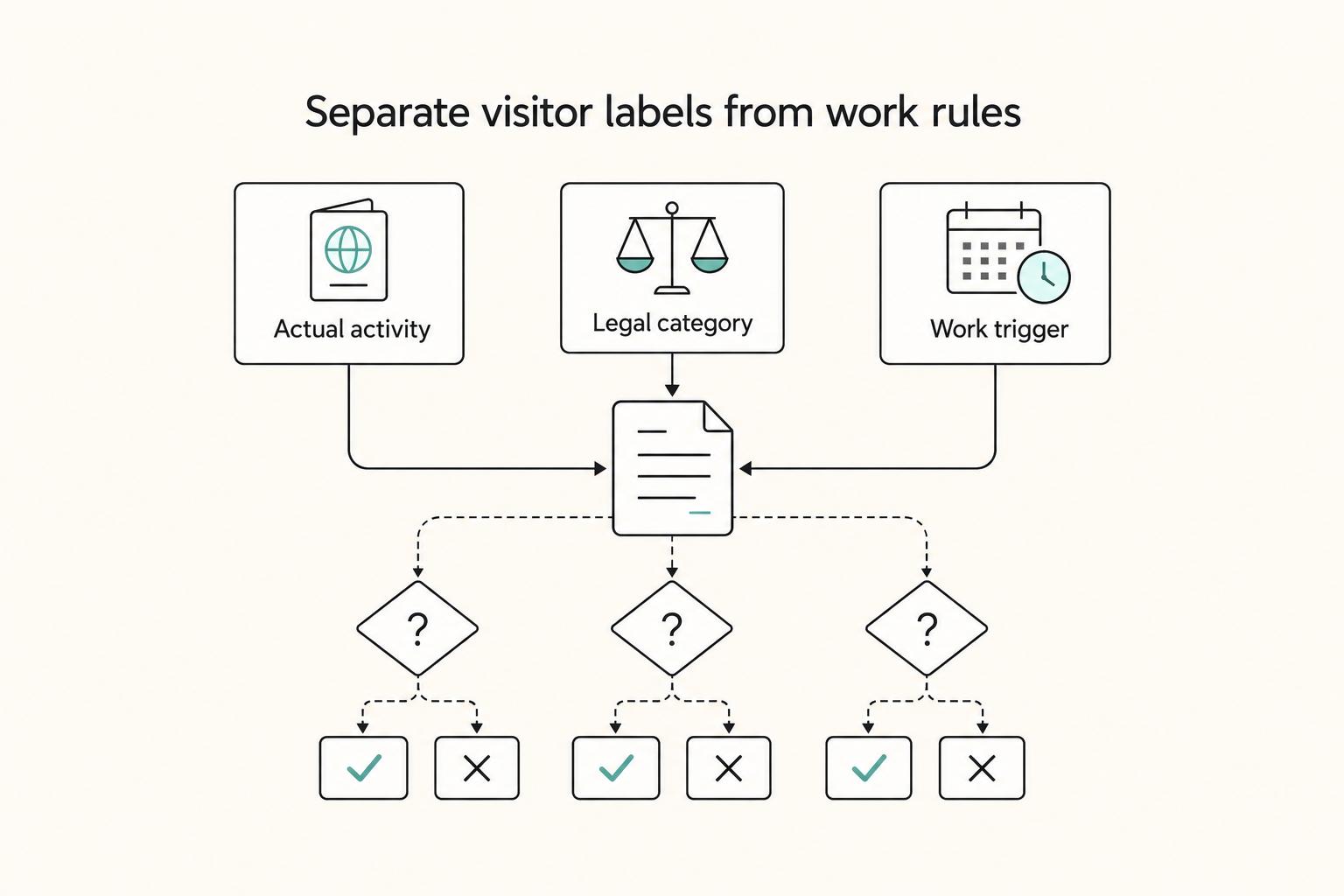
The phrase `canada digital nomad visa` is useful for search, but misleading if you treat it like a legal category. It is shorthand for existing Canadian status options, mainly visitor status and work permit rules, not a standalone visa stream with its own fixed process. That difference is not just technical. It changes how you should plan the trip, describe your purpose at entry, and organize your records before you leave.
Securely Wipe Devices Before Selling Them With Clear Risk Checks
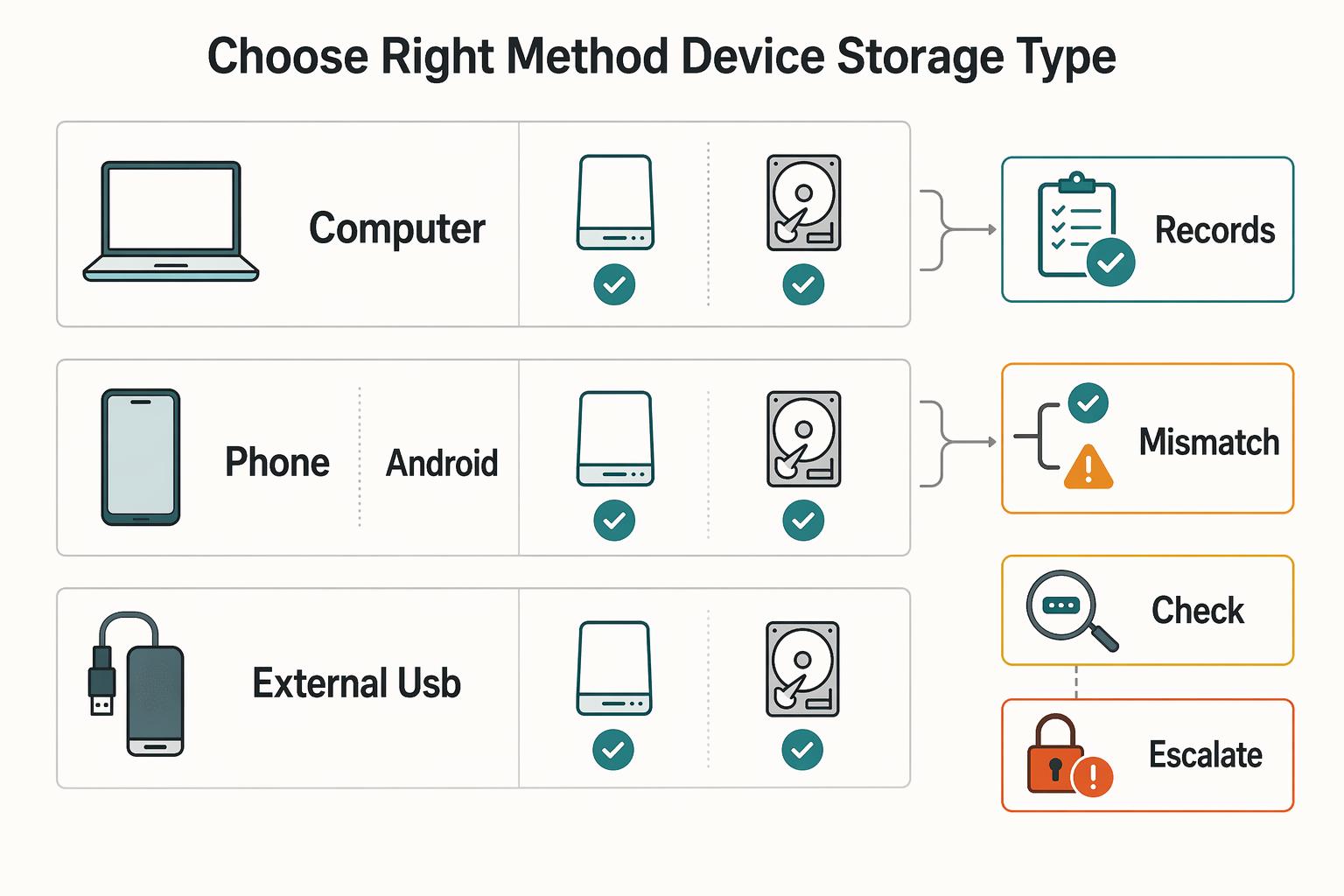
Make one call before you touch the device: choose a wipe level that matches the risk, then document each step you complete. That keeps your decisions consistent when you are under pressure from a buyer, a trade-in deadline, or a handoff date.
Liability Insurance for Freelance IT Consultants: Do You Need It?
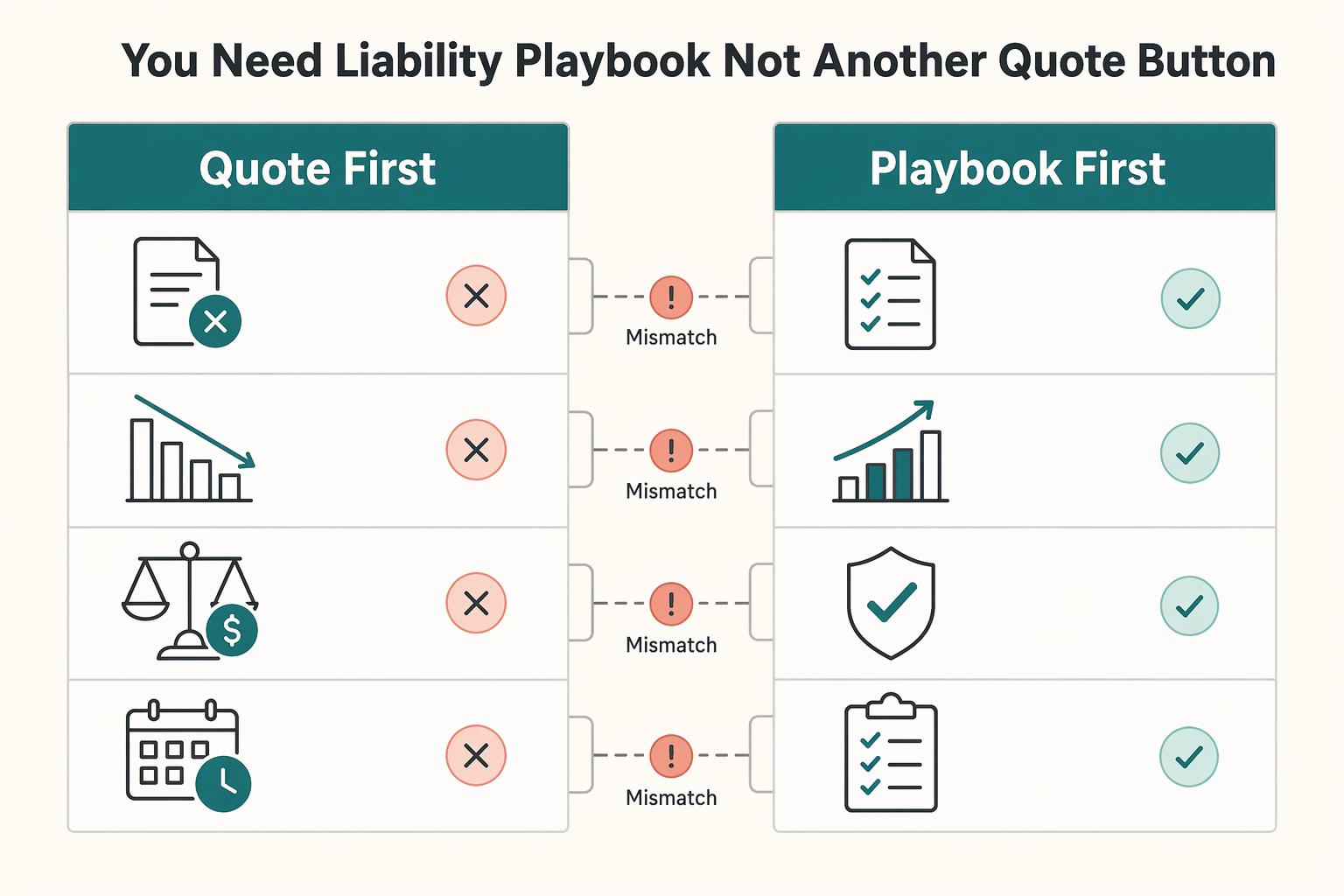
**Treat your insurance decision like risk management, not online shopping.** As an independent IT consultant, you can face a negligence allegation, a client financial-loss claim, and legal defense costs even when you delivered in good faith. One bad dispute can drain time, focus, and cash before anyone proves fault. If you run solo, you are the CEO of a business-of-one, and risk decisions are part of the job.