
Operator playbooks for cross-border payments, tax, and compliance execution.
Step-by-step guidance for finance, product, and ops teams to launch faster, reduce payout friction, and keep reconciliation clean across borders.
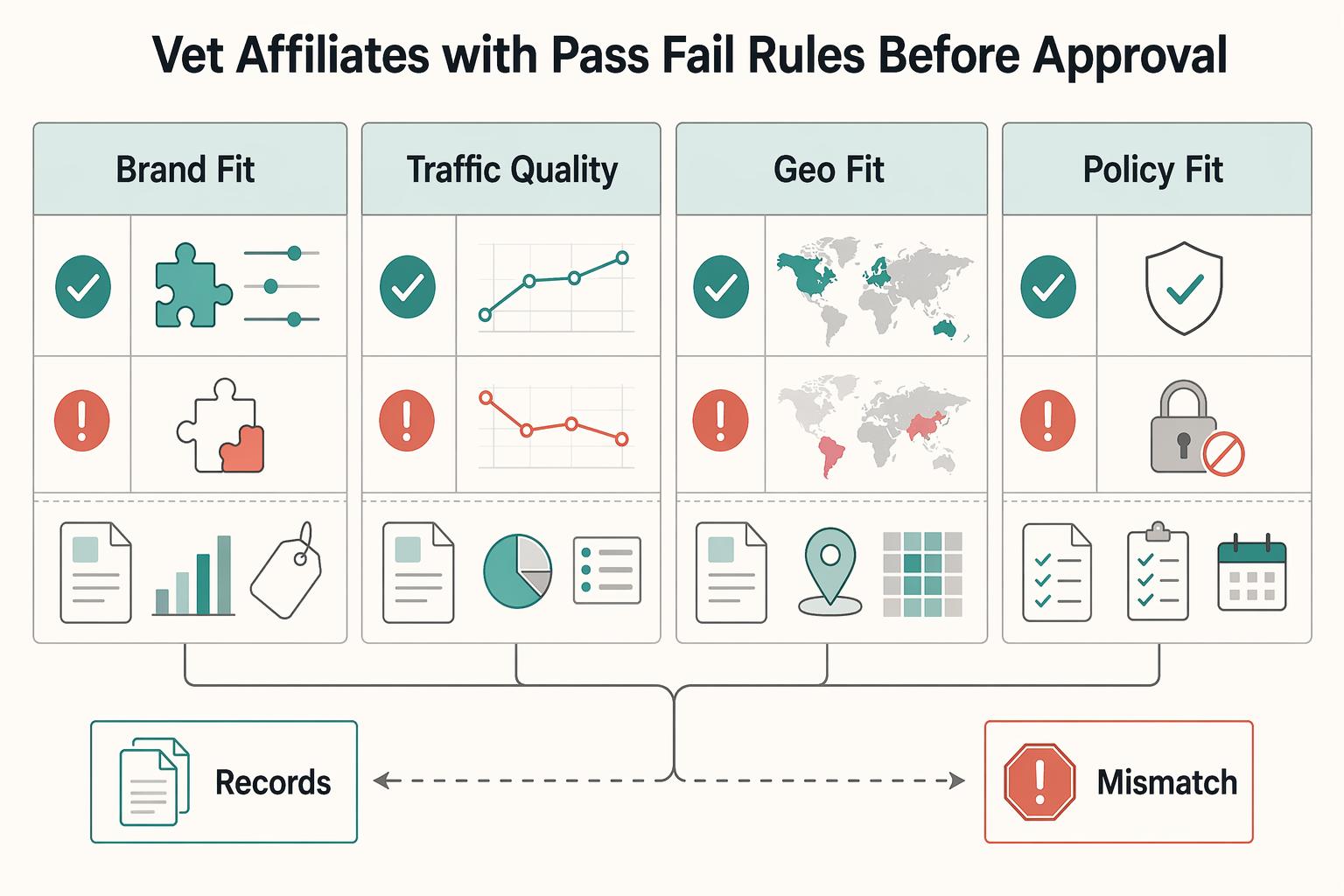
Find Affiliate Marketers at Scale Without Losing Vetting Control
Many affiliate programs do not stall because too few people apply. They stall when too few approved partners get activated, and when approvals are treated as the finish line instead of a control point.
Read more →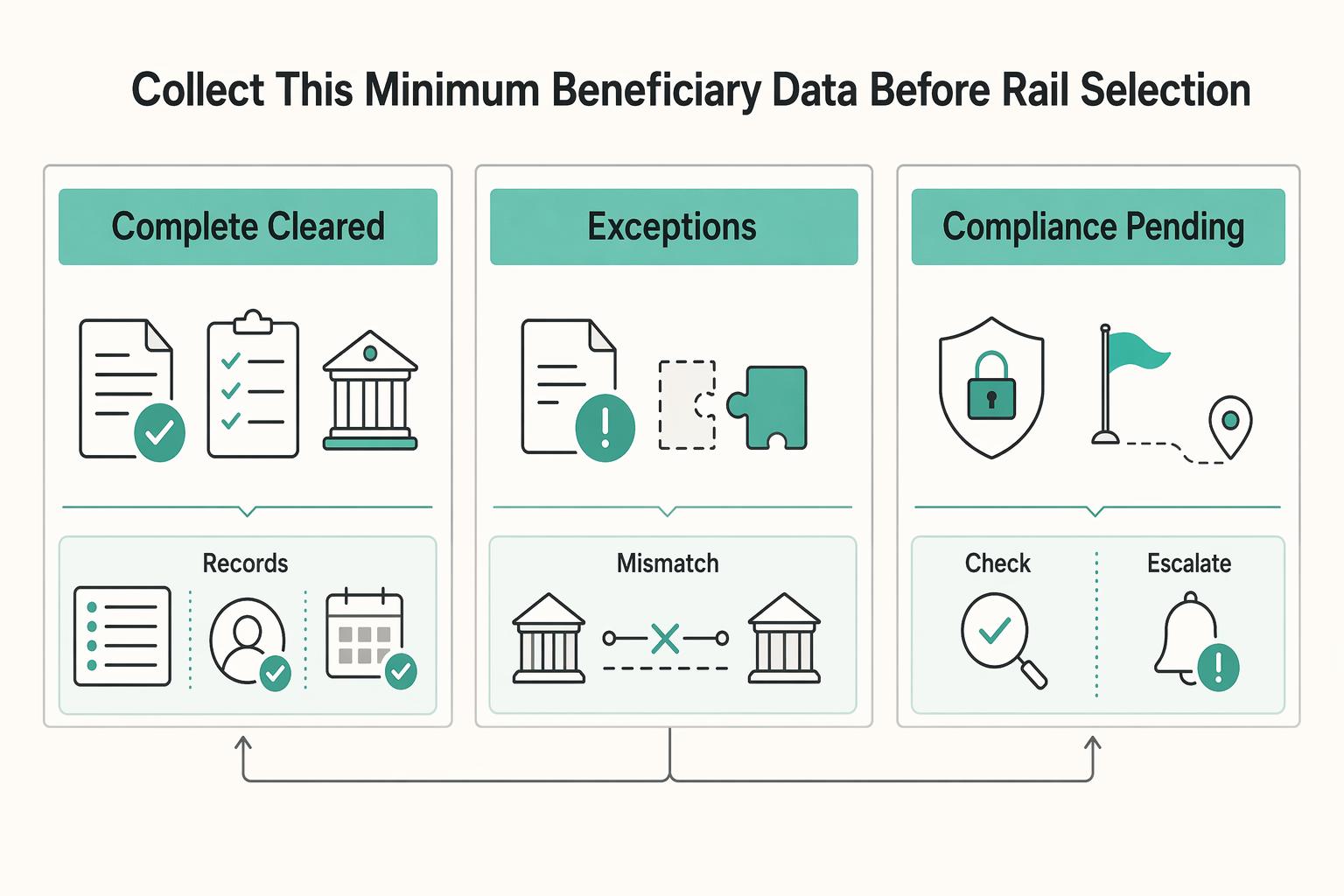
When Platforms Should Use Wires vs Local Rails for Cross-Border Payouts
Treat rail choice as product logic, not team habit. No rail wins everywhere. SWIFT and local payment rails solve different payout risks, so your job is to route each payout by destination, currency, speed, and cost, not by whichever option sounds more global or more modern.
Read more →
How Platforms Stop Affiliate Fraud Before Commissions Are Paid
If you approve or challenge affiliate payouts, detection quality matters only when it changes the payout decision and leaves a record you can defend. If you pay partners across markets, vendor claims about speed or AI are not enough. You need controls that catch invalid traffic and fake conversions before commission is released, plus enough evidence to explain why a conversion was approved, held, or denied.
Read more →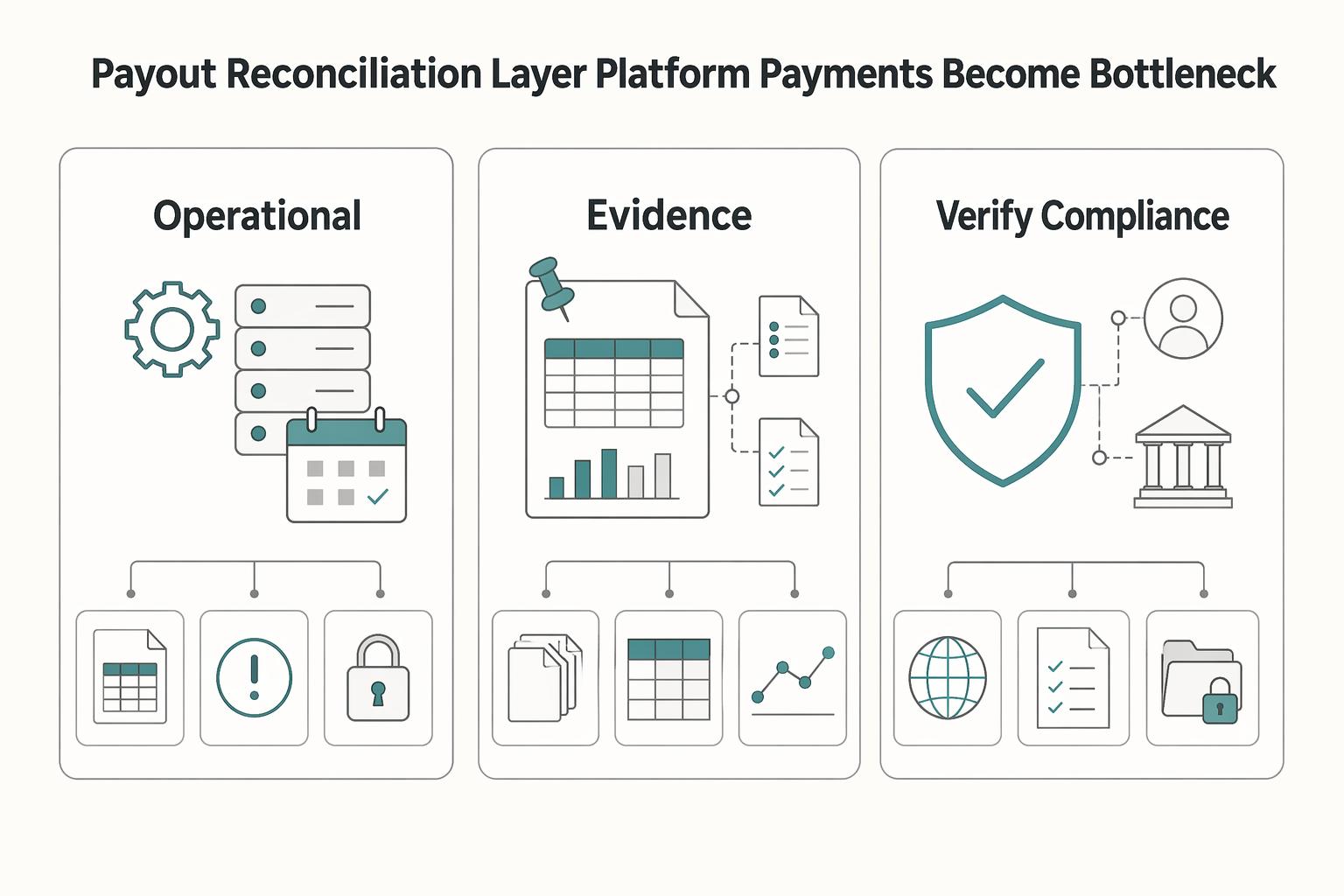
Best Fiverr Alternatives for Freelancers in 2026 for Better-Paying Clients
Do not leave Fiverr because it is popular to do so. Leave only if another marketplace gives you better pricing power and a better execution fit for the kind of work you actually want to sell in 2026.
Read more →
Fiverr vs Upwork Comparison for Better Pay and Stronger Protection
The first useful question in a **fiverr vs upwork comparison** is not "which one is cheaper?" It is which platform model better protects your margin and execution quality for the kind of work you hire again and again. That framing matters because teams do not always lose money on headline platform cost alone; they also lose it through mismatch, rework, slow hiring cycles, and weak proof when delivery quality gets disputed.
Read more →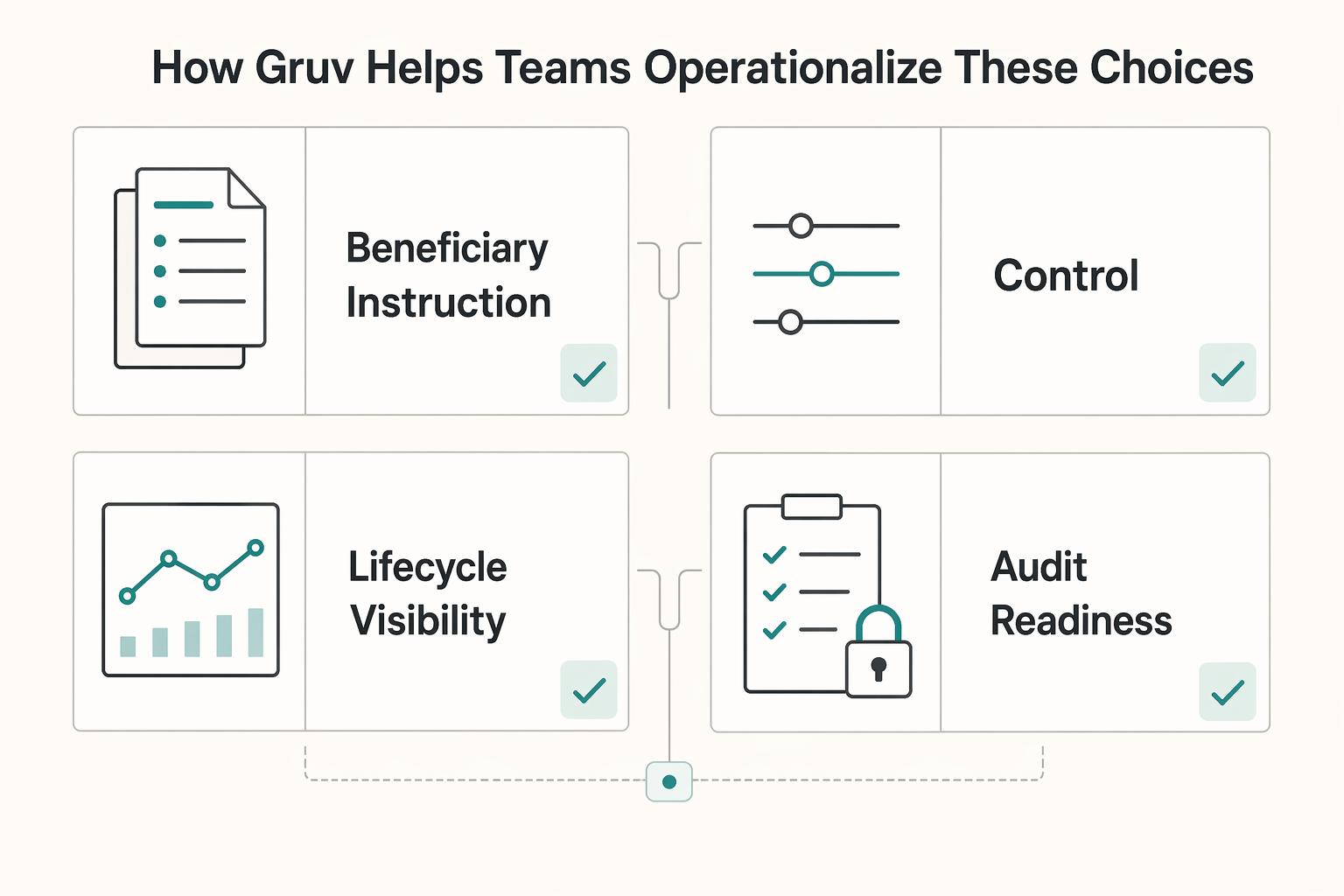
FFC vs FBO vs FAO Wire Transfer Instructions for Platform Teams
If your team treats FFC, FBO, and FAO as interchangeable labels, stop there. In production, these terms may be handled differently depending on the bank, provider, rail, and corridor. That is why finance, payments ops, and engineering teams can talk past each other.
Read more →
MT103 SWIFT Message Explained for Tracing International Wire Transfers
This guide is for platform finance, ops, and engineering owners dealing with wire incidents at volume. If your first question is only "do we have the bank message copy?", you are already framing the case too narrowly. That document can be an important trace input, but it is not the whole incident record. It also does not remove the need to verify what your own stack, your bank, and the counterparty can each actually confirm.
Read more →
1099-NEC vs 1099-K Platform Filing Starts With Settlement Path
Start your filing analysis with the payment flow, not the worker label. The practical question is whether a transaction belongs in the `Form 1099-K` lane, whether another form in the 1099 series, including `Form 1099-NEC`, may apply, whether both might appear across different flows for the same payee, or whether form assignment needs further review.
Read more →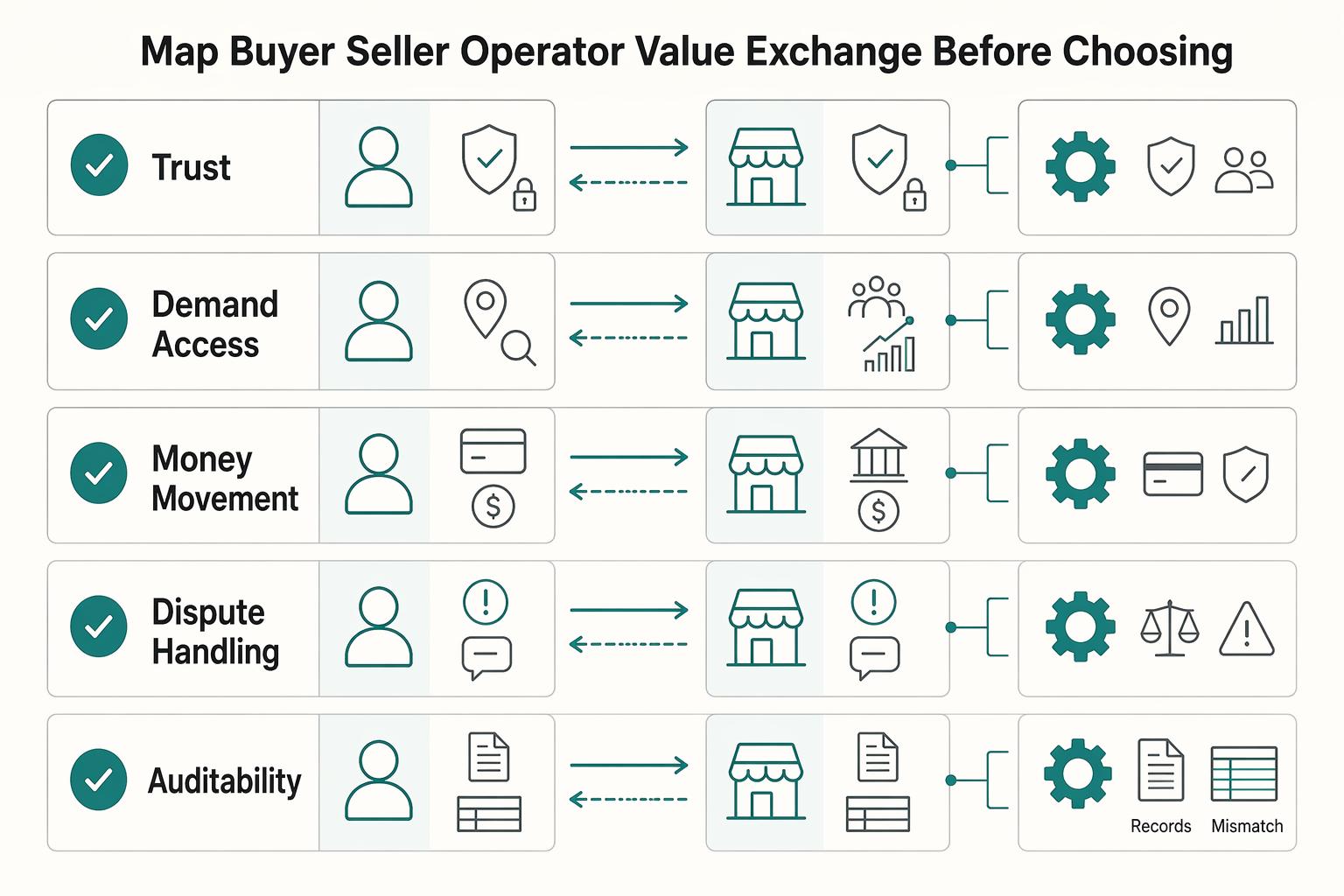
Marketplace Economy 101 for Buyers, Sellers, and Operators
Choosing between a **Marketplace business model** and a **Platform business model** should be an operating decision, not a branding exercise. This guide is built to help you make that call with go or no-go checks that reflect how the business will actually run once buyers, sellers, and expansion pressure show up.
Read more →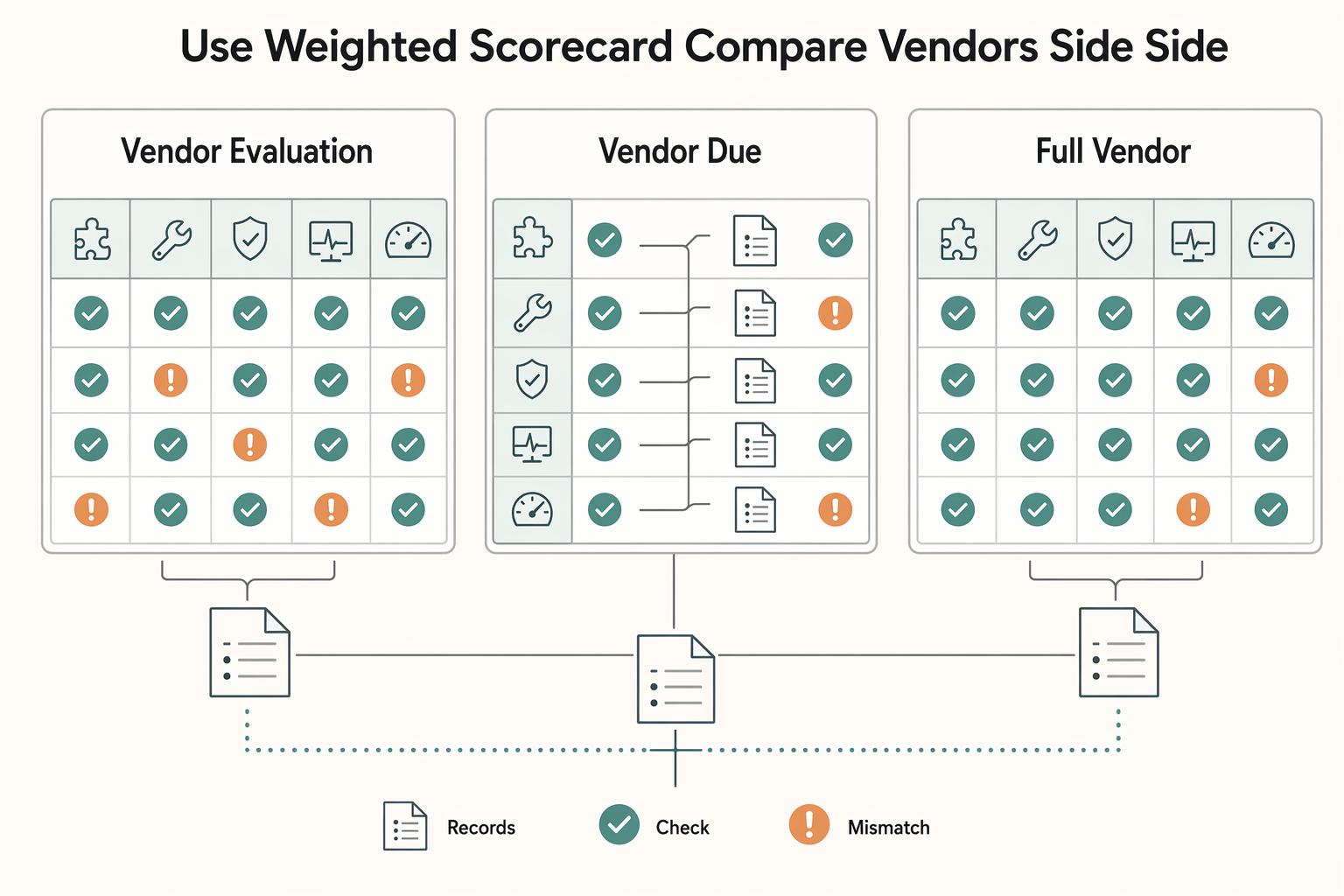
How to Find Vendors for Your Platform and Vet Third-Party Providers at Scale
This guide treats vendor choice as a risk decision, not a shopping exercise. If a provider will touch payments, compliance, onboarding, or customer trust, roundup posts are only a starting point. They often do not give you enough evidence to approve, pilot, and monitor a third party with confidence.
Read more →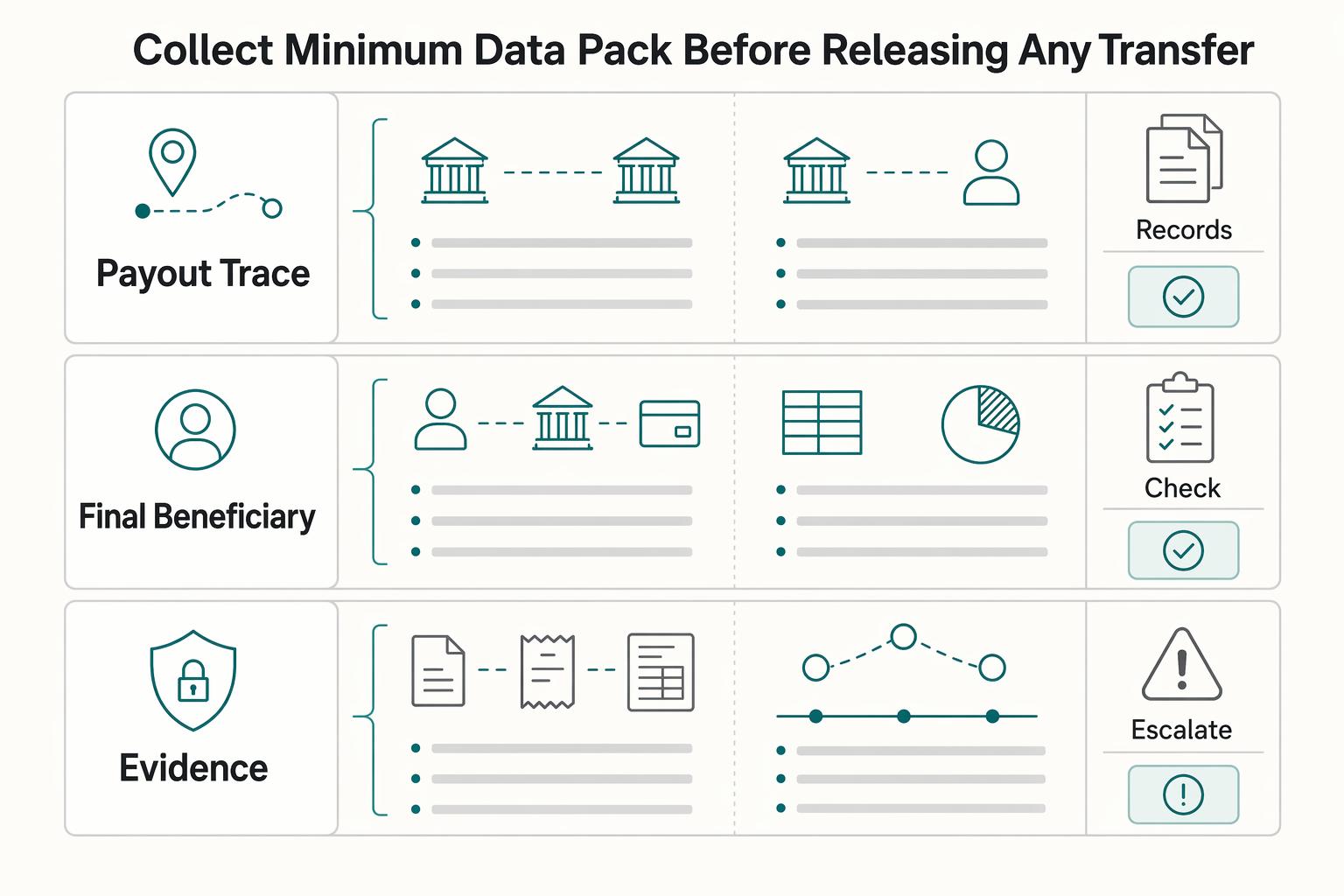
FFC Account Number Meaning for Wire Transfers and Further Credit Instructions
FFC confusion is often a source-status problem, not just a wording problem. If teams act on instructions from the wrong place, execution risk increases.
Read more →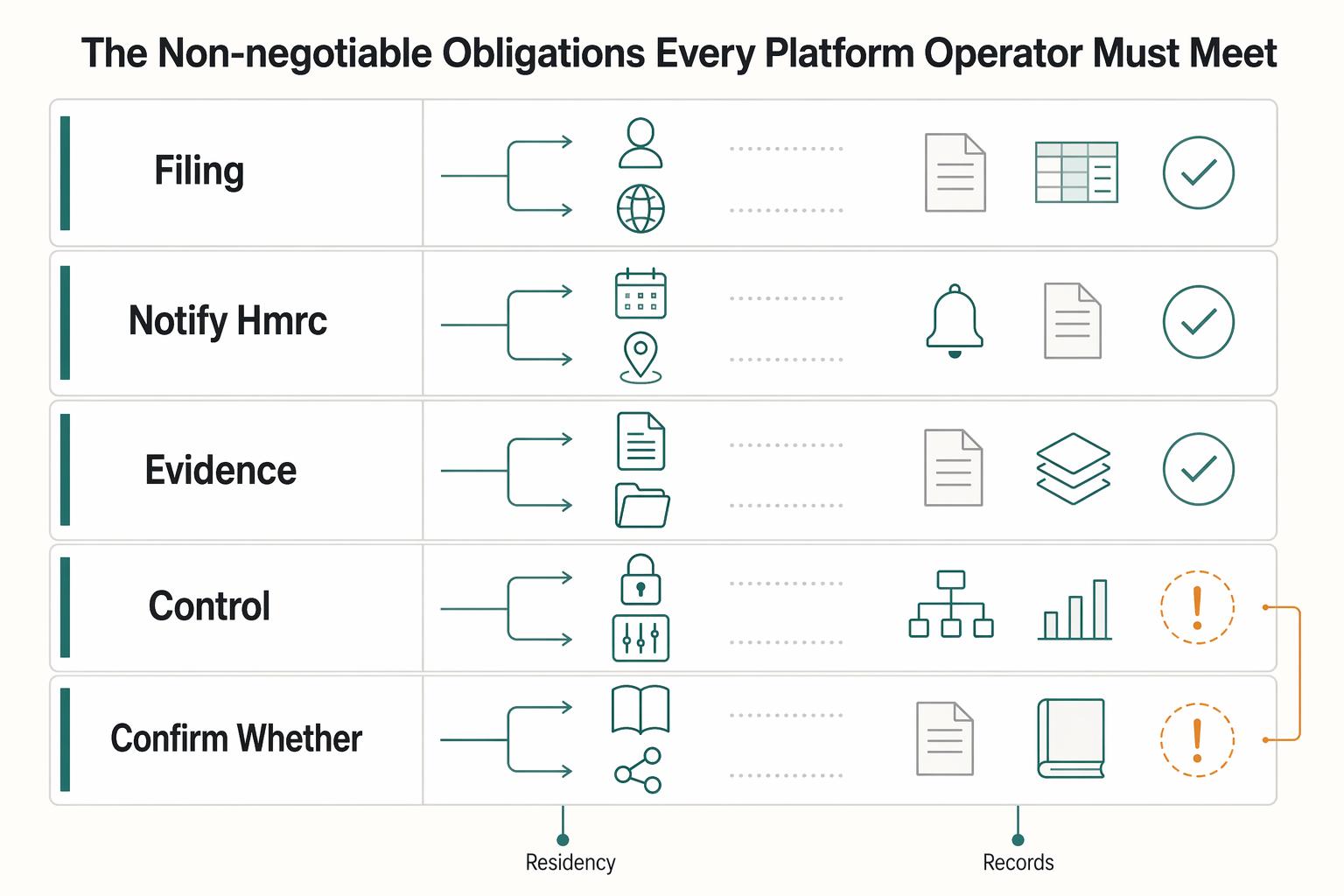
HMRC Reporting Rules for Platforms for UK Marketplace Operators
If you own this area, start by separating what HM Revenue and Customs (HMRC) and GOV.UK clearly say from what your team is only assuming. This guide helps you make those calls in order. The goal here is to anchor decisions in evidenced Self Assessment registration and filing rules, and to mark where platform-reporting specifics require direct confirmation.
Read more →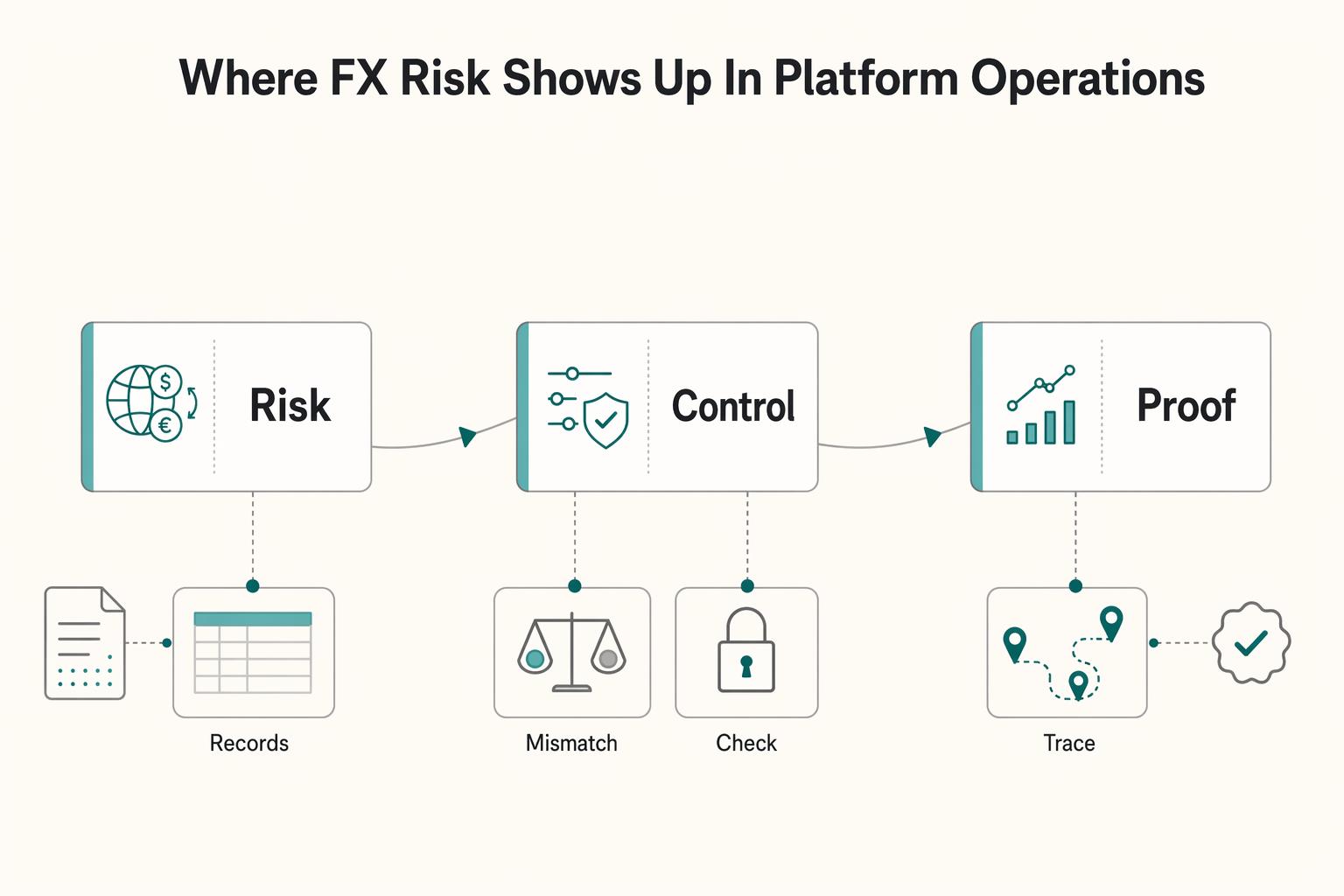
Foreign Exchange Risk for Platform Operators and the Decisions That Cut FX Exposure
Foreign exchange risk is not just a problem for large multinationals. If your marketplace, embedded payments product, or contractor payout stack touches more than one currency, exchange-rate moves can affect margins and financial stability in very practical ways.
Read more →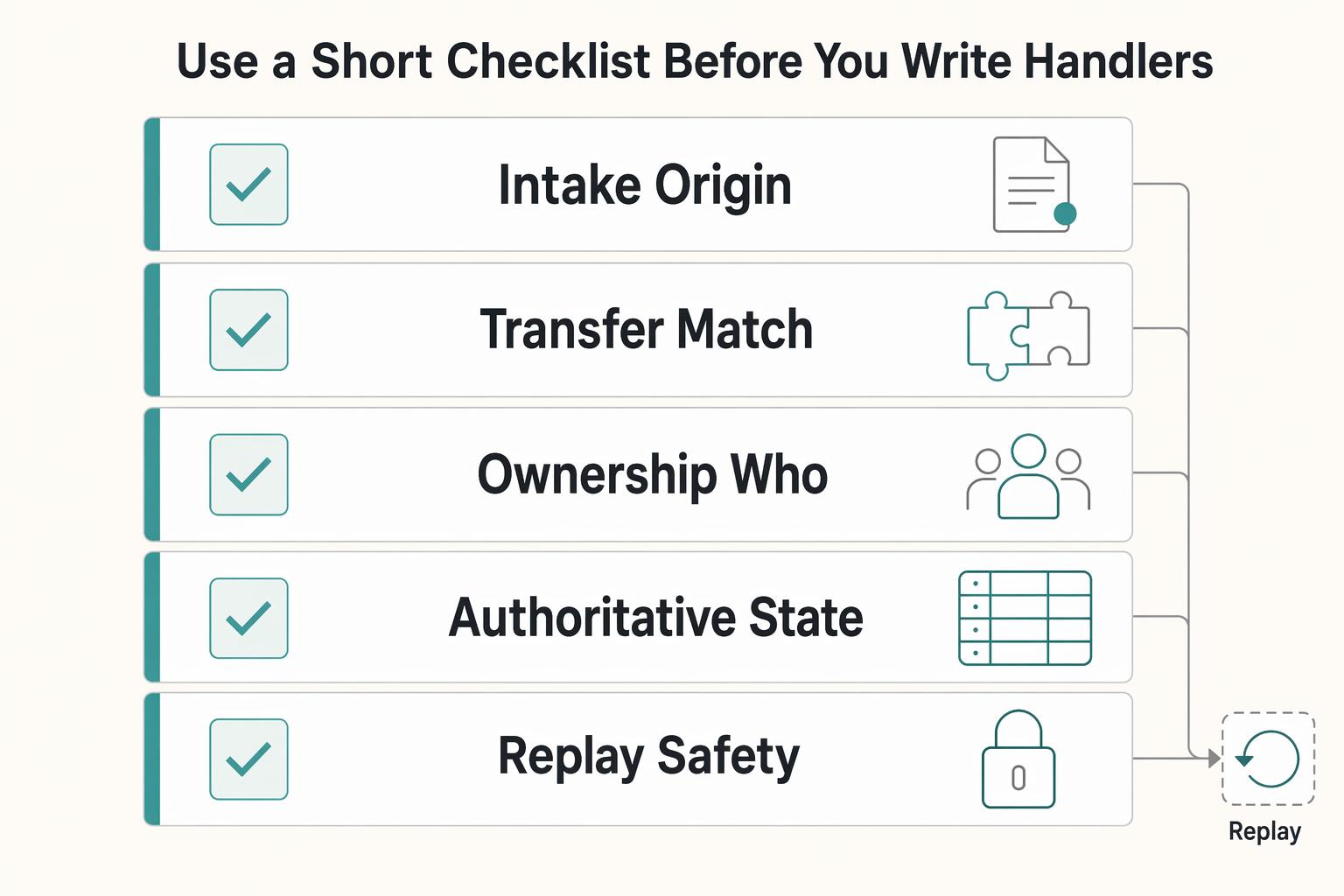
Handle ACH Returns and NOCs with One Deterministic Event Pipeline
For many platform teams, `ACH Returns` and `Notice of Change (NOC)` handling belongs in the main payment path, not in a side inbox for exceptions. If you split receipt, matching, posting, and customer-facing status too early, problems show up fast. Your books diverge from the product, actions get duplicated on replay, and unresolved items sit in logs with no clear owner.
Read more →
How to Automate W-9 Collection for a 1099 Contractor Pool
Automating **Form W-9** intake pays off only when it is auditable, scalable, and clear about when a human needs to step in. Faster data entry is not the main win. The real gain is a tax-document control that shows which payees are ready, which are blocked, and who owns the next action.
Read more →
Best Digital Banks for Freelancers and Gig Workers Global Comparison
If you are choosing banking paths for a platform, most roundups for **best digital banks freelancers** are useful context but not rollout evidence on their own. They can help a solo operator pick an account, but they do not answer the questions your finance, ops, and engineering teams need to settle before you can run payouts reliably.
Read more →
What UK Companies Should Enter in Foreign TIN on Form W-8BEN-E
Foreign TIN mistakes on **Form W-8BEN-E** are often not simple typing errors. They usually happen when tax, onboarding, and payments teams work from different assumptions about the same entity and no one stops to confirm which one is right.
Read more →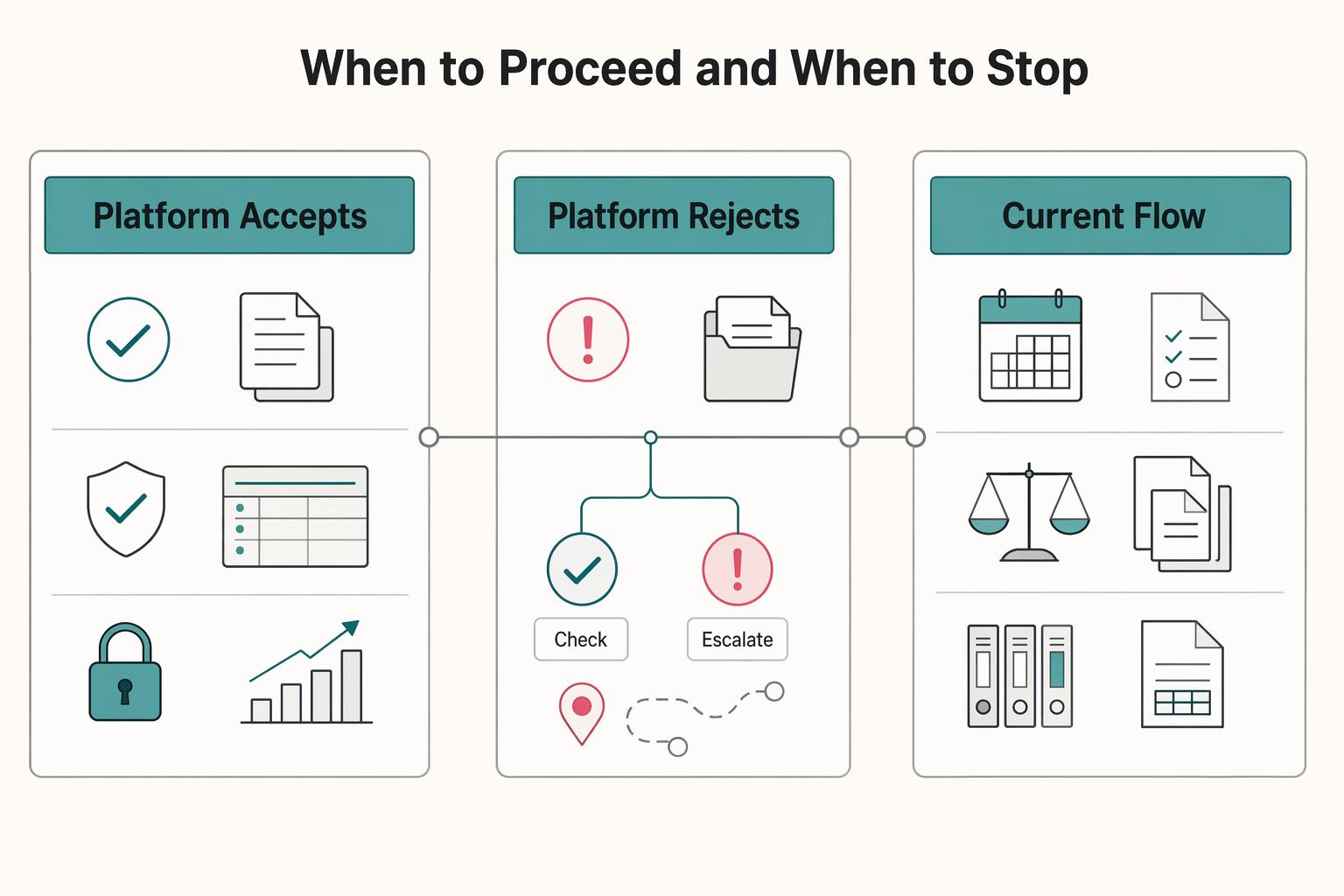
Apple W-8BEN-E Decisions for UK Limited Companies in App Store Connect
For most UK teams, the hard part is not discovering that a U.S. tax form exists. It is deciding what a **UK limited company** should actually submit when App Store Connect presents tax questions in a way that is operationally vague. This article takes a narrow, practical path through that problem: how to document decisions, and when to stop and escalate before a tax setup issue turns into a payout or audit issue.
Read more →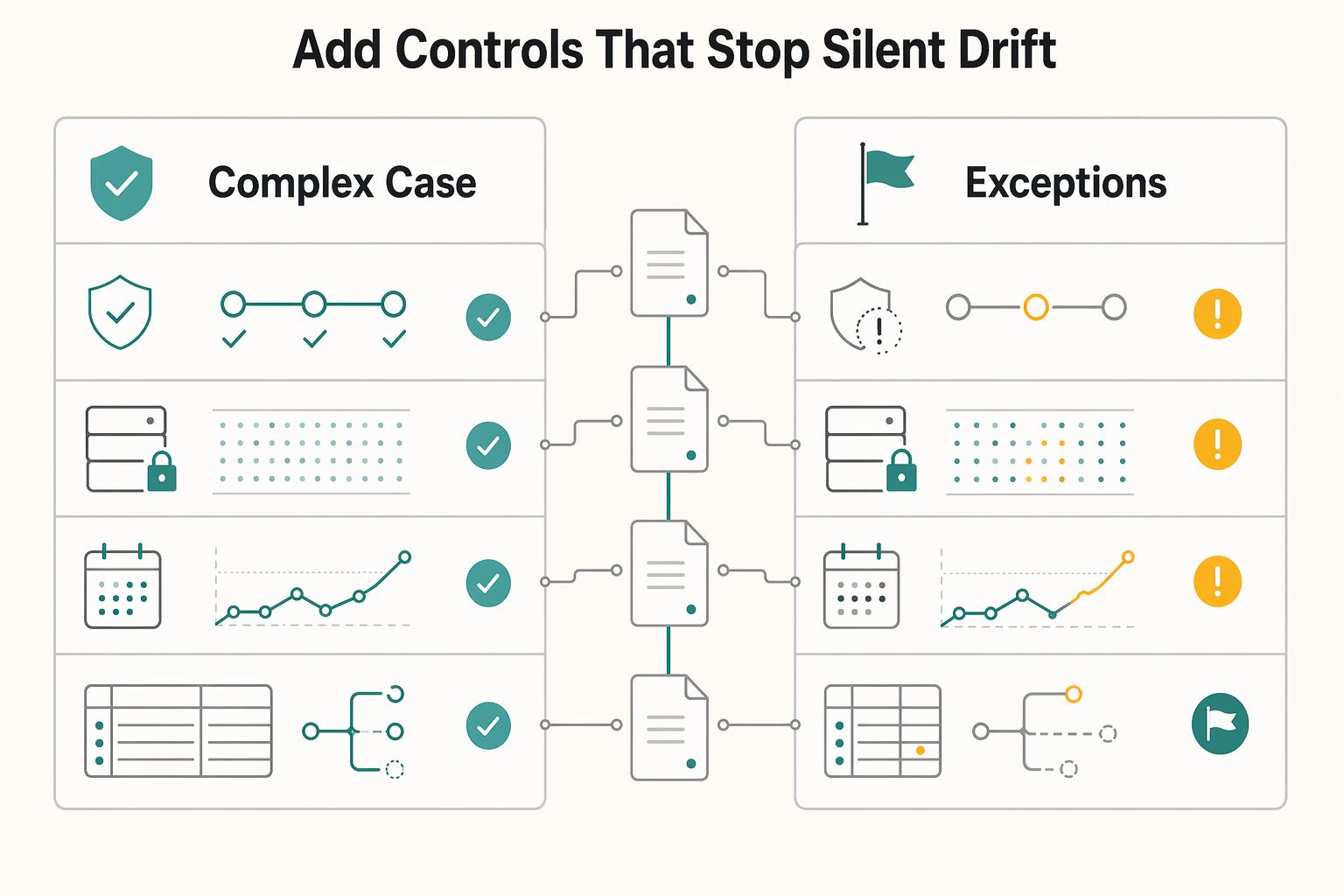
W-8BEN-E Entity Type for UK Limited Companies and Platform Controls
If your team needs a practical answer on **W-8BEN-E entity type UK**, start with a simple goal: classify UK payees on Form W-8BEN-E using evidence and clear stop points, not habit or guesswork. This guide is for compliance, payments, legal, and finance operators who need a defensible record when a United Kingdom entity is being paid in a U.S. withholding context.
Read more →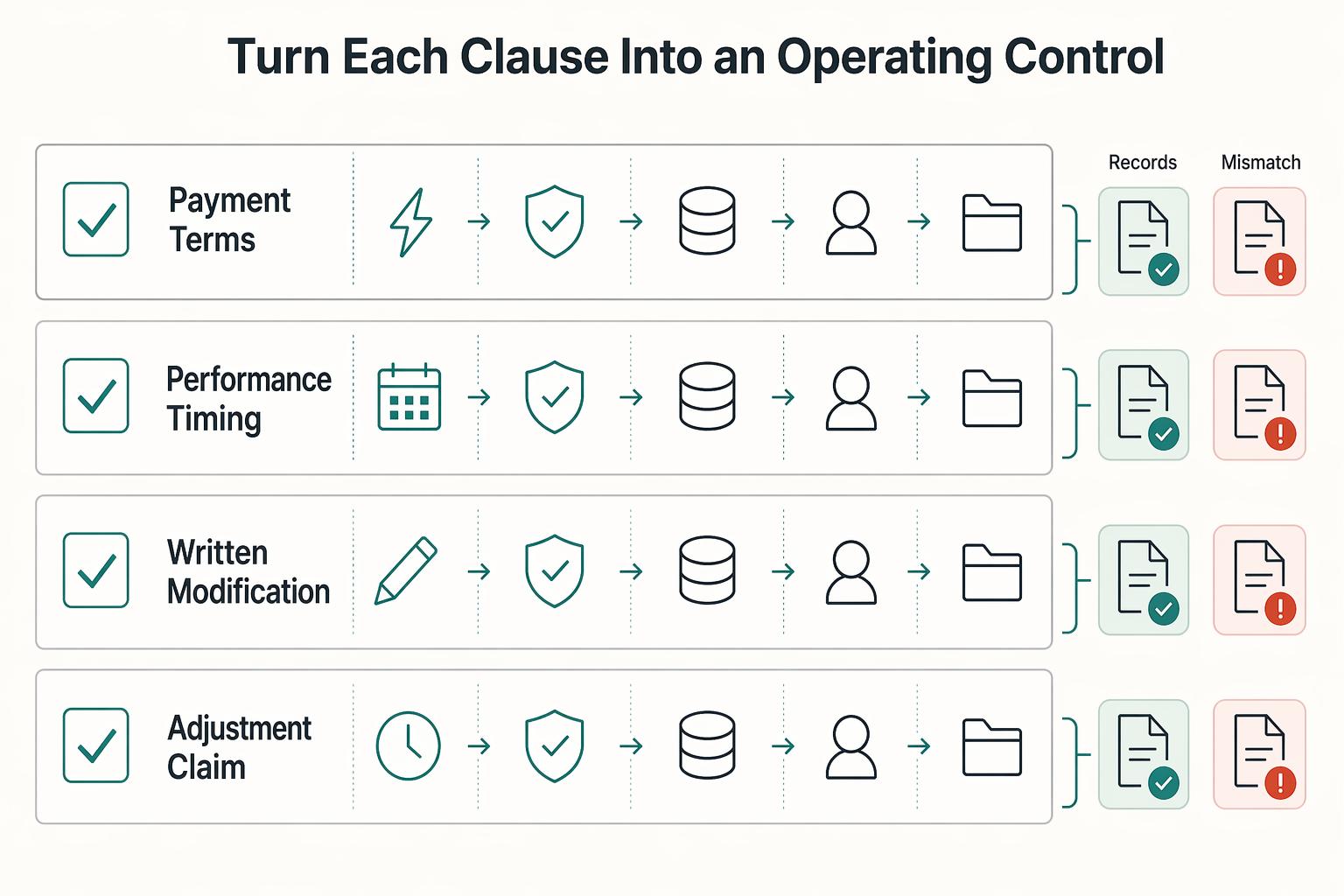
Structure Contractor Agreements That Hold Up in a DOL Audit
If you want your contractor agreement to hold up in a DOL review, start with consistency, not length. Risk rises when the agreement says one thing, the payment records suggest another, and your internal team cannot explain the gap the same way twice.
Read more →