
Operator playbooks for cross-border payments, tax, and compliance execution.
Step-by-step guidance for finance, product, and ops teams to launch faster, reduce payout friction, and keep reconciliation clean across borders.
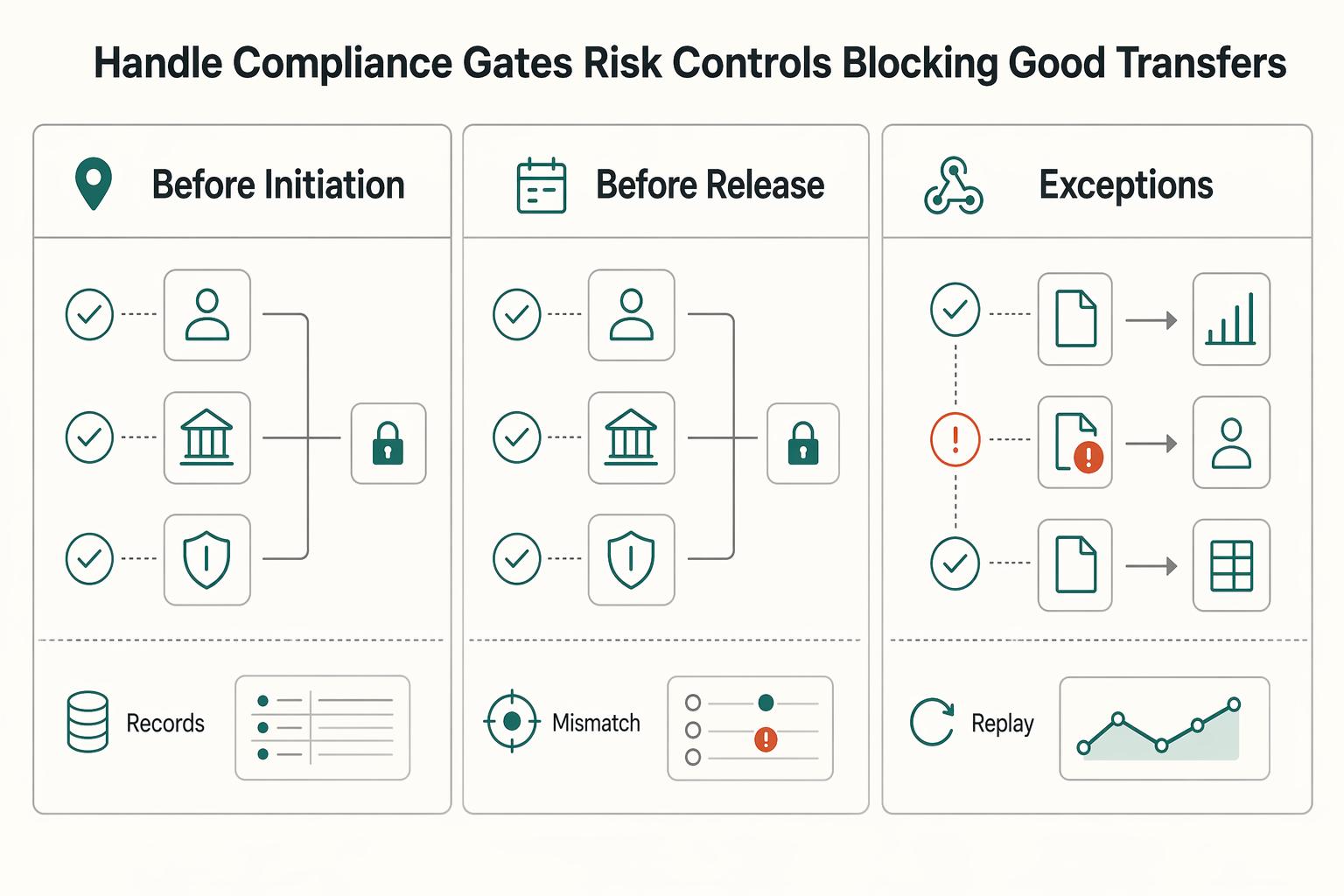
ACH API Integration to Programmatically Initiate and Track Transfers in Your Platform
Treat this as an architecture guide, not an ACH 101. An ACH API lets your platform initiate, send, and track ACH payments. The harder part is often not the first create-transfer call. It is deciding where transfer intent lives, how asynchronous status updates enter your application, and which records you keep when finance or support asks what happened to a specific payment.
Read more →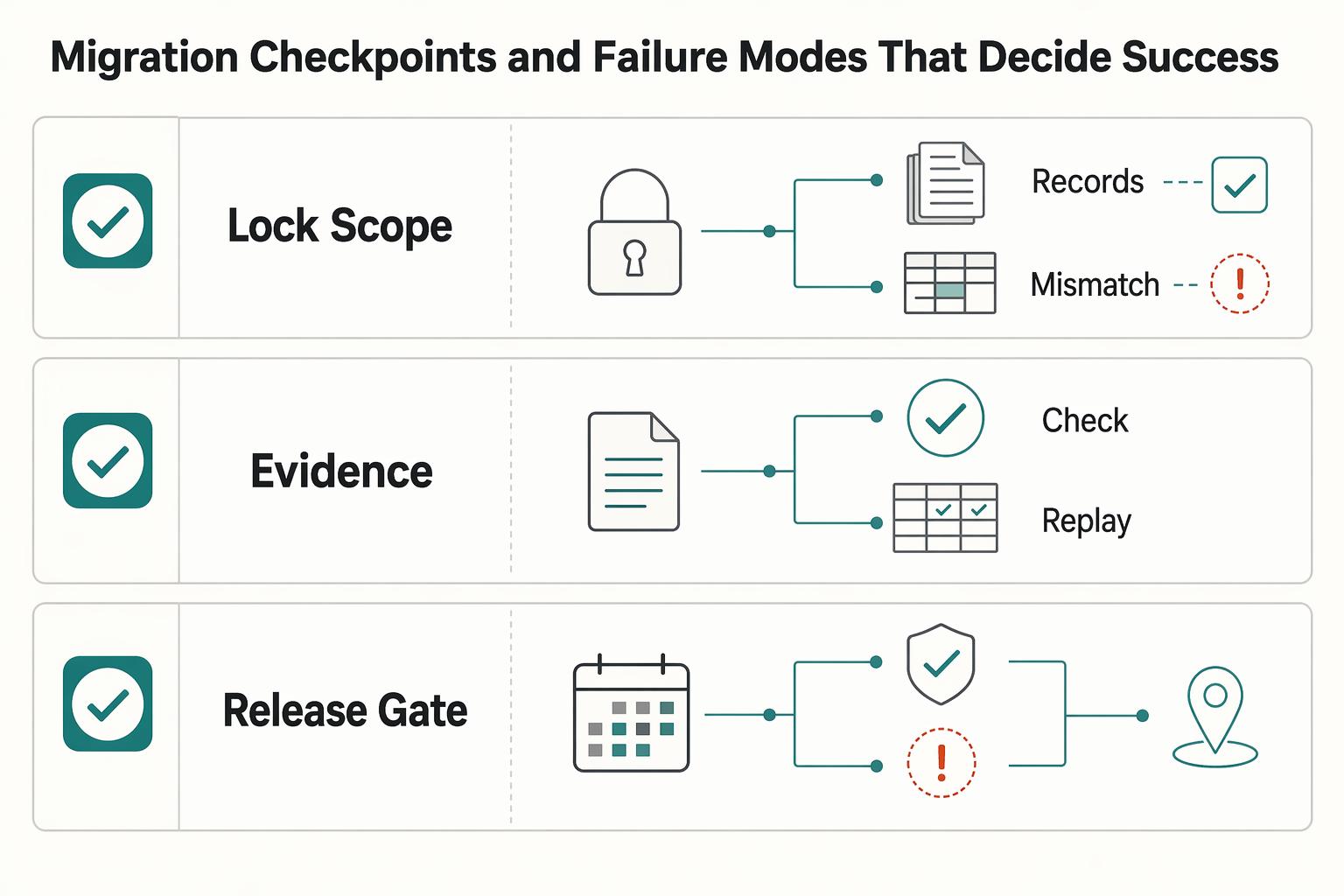
Have You Outgrown Your Current AP Software? 7 Signs Your Platform Needs to Upgrade
If your AP setup still works for one entity, modest invoice volume, and straightforward domestic payments, you probably do not need to replace it yet. Pressure usually starts when teams are supporting payment flows across more countries, more entities, more payment methods, and more people touching the process.
Read more →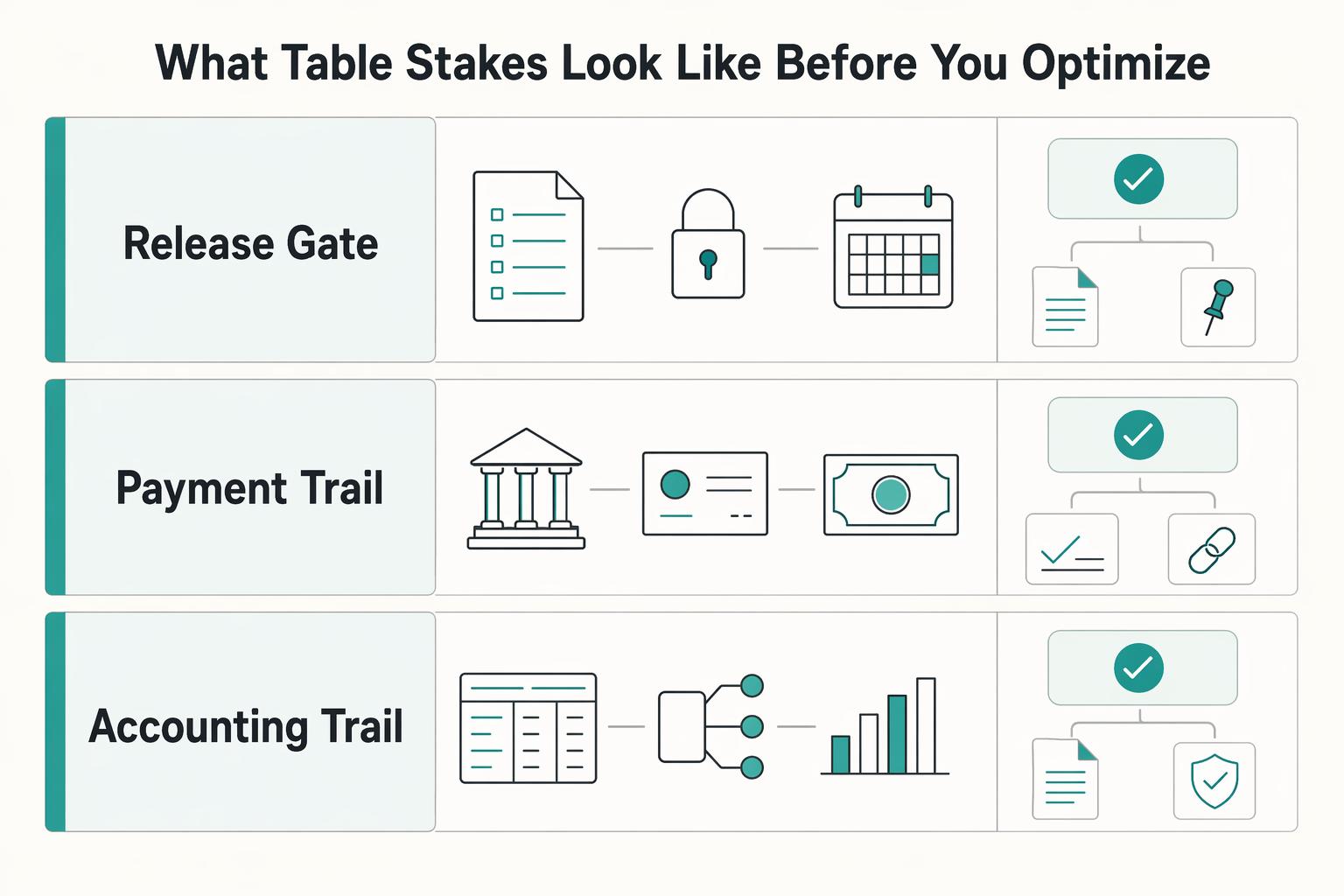
5 AP Principles for High-Growth Platforms That Need Control and Speed
AP breaks early because growth turns invoice handling into a control problem. As invoice volume rises and more people join approvals, invoice processing stops being straightforward. It becomes a series of decisions about who can be paid, when, which checks must happen first, and how you prove the payment was valid after the fact.
Read more →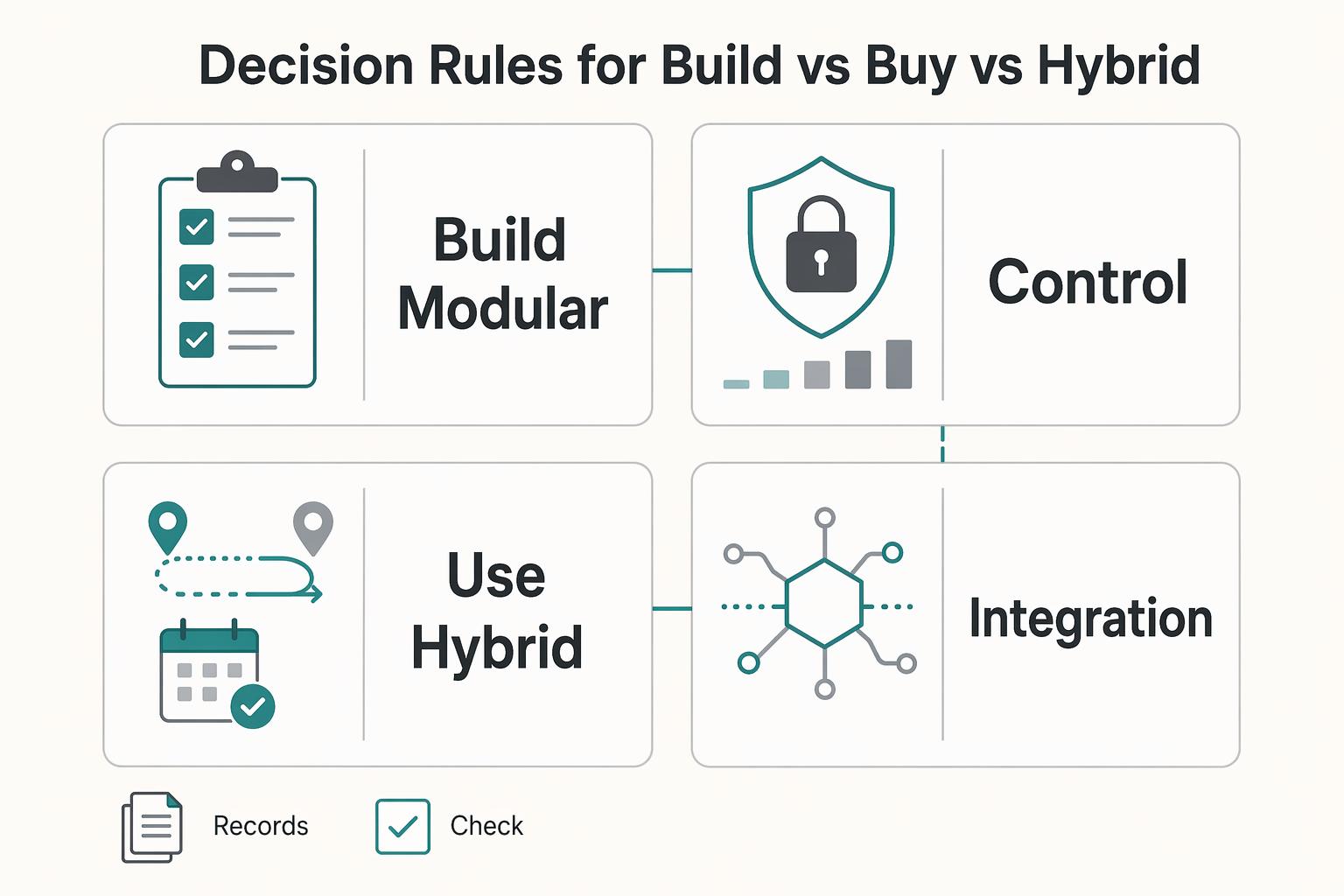
Accounts Payable Automation ROI for Platforms That Need Defensible Results
Most AP projects do not miss ROI because the spreadsheet was wrong. They miss it when real costs show up in exception handling and post-go-live process work. If you are evaluating AP automation, the useful question is not whether automation can create value. It can. The question is whether that value survives contact with your actual process.
Read more →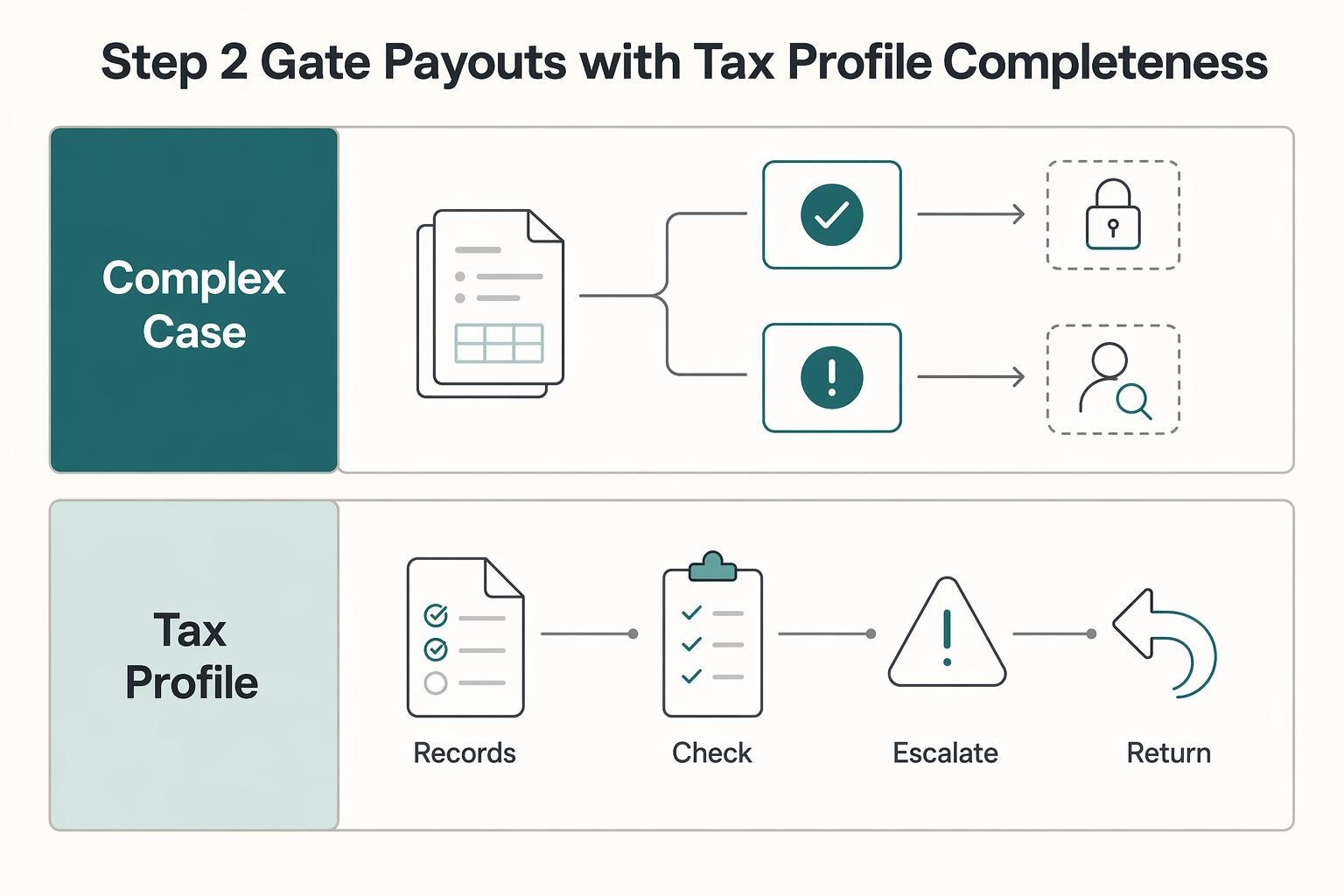
How a Creator Platform Streamlined 1099 Filing with Gruv
If your platform waits until filing season to think about tax reporting, you are already late. The practical point here is simple: 1099 quality is shaped upstream, in payout design, identity collection, and transaction records, not in a January cleanup sprint.
Read more →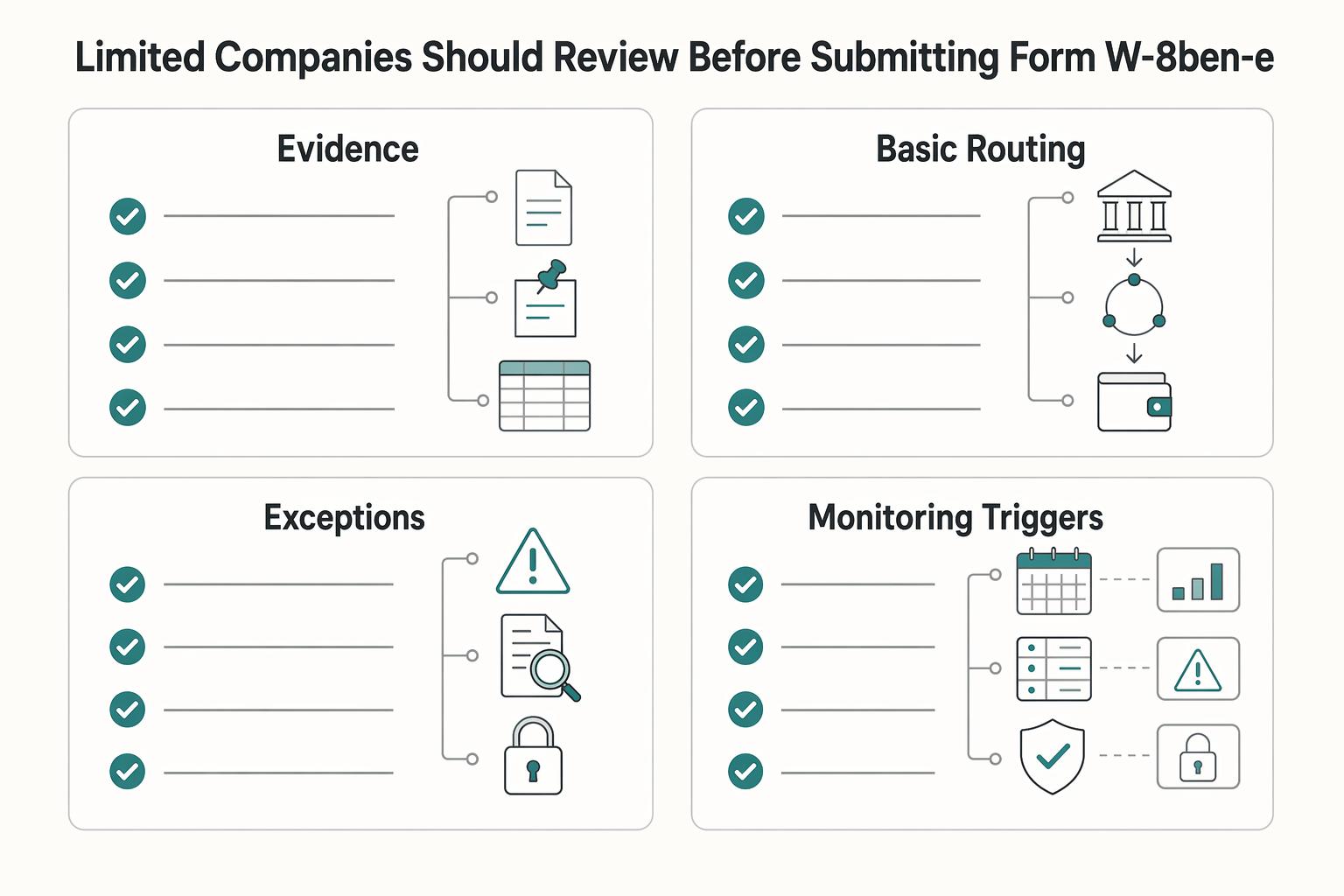
W-8BEN-E for UK Limited Companies with Routing and Review Checks
For a UK limited company acting for its own account, Form W-8BEN-E can be the relevant entity form in some cases. In practice, handle it as a control problem first, not a box-ticking exercise. If you own compliance, legal, or payments operations for UK company payees, your job is to decide whether this is the right document, collect the minimum support behind it, and know when to stop and escalate before a payout goes out.
Read more →
ARR vs MRR for Platform Teams Managing Subscription Revenue
**ARR vs MRR is not a branding debate. It is a decision problem.** If you run a subscription business, you usually need both views. Monthly Recurring Revenue gives you close-up operating visibility. Annual Recurring Revenue helps with planning and leadership communication. Used together, they connect short-term movement to longer-term impact.
Read more →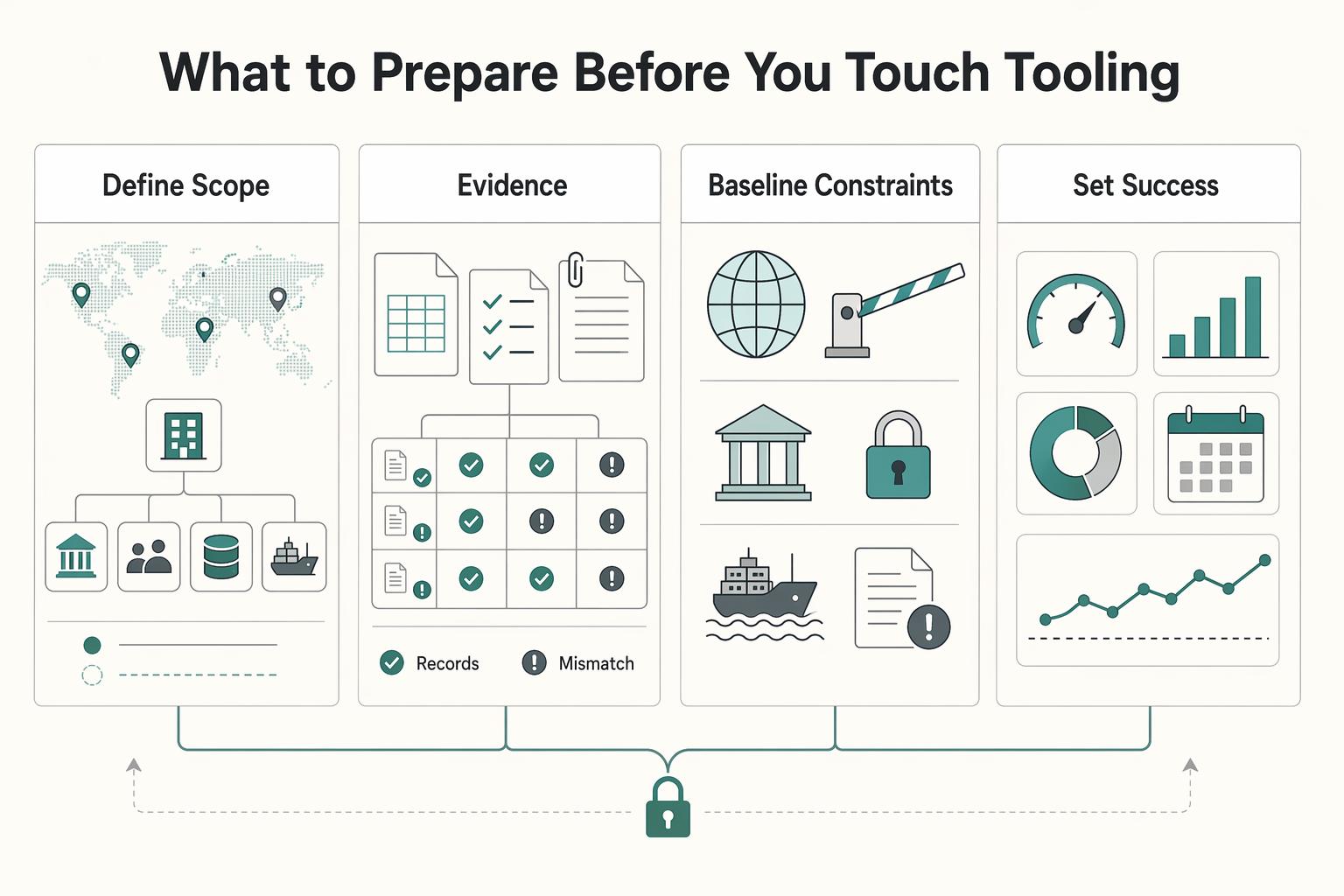
How to Build a Global Accounts Payable Strategy for a Multi-Country Platform
Multi-country AP can break for a simple reason: payment volume grows faster than control design. Once invoices and supplier payouts move across multiple countries, you are no longer solving a basic back-office task. You are deciding how approvals, compliance checks, FX handling, and settlement visibility will work across entities with different tax filings, bank accounts, vendor relationships, and sometimes separate ERP instances.
Read more →
What Is Churn Rate? Measuring Subscriber Loss for Subscription Platforms
If you came here asking **what is churn rate**, the answer you need is bigger than a glossary line. For a subscription business, churn is an operating signal that shapes growth, margin, and where your team spends time next. High churn means you are losing customers or recurring revenue faster than you are replacing or expanding them.
Read more →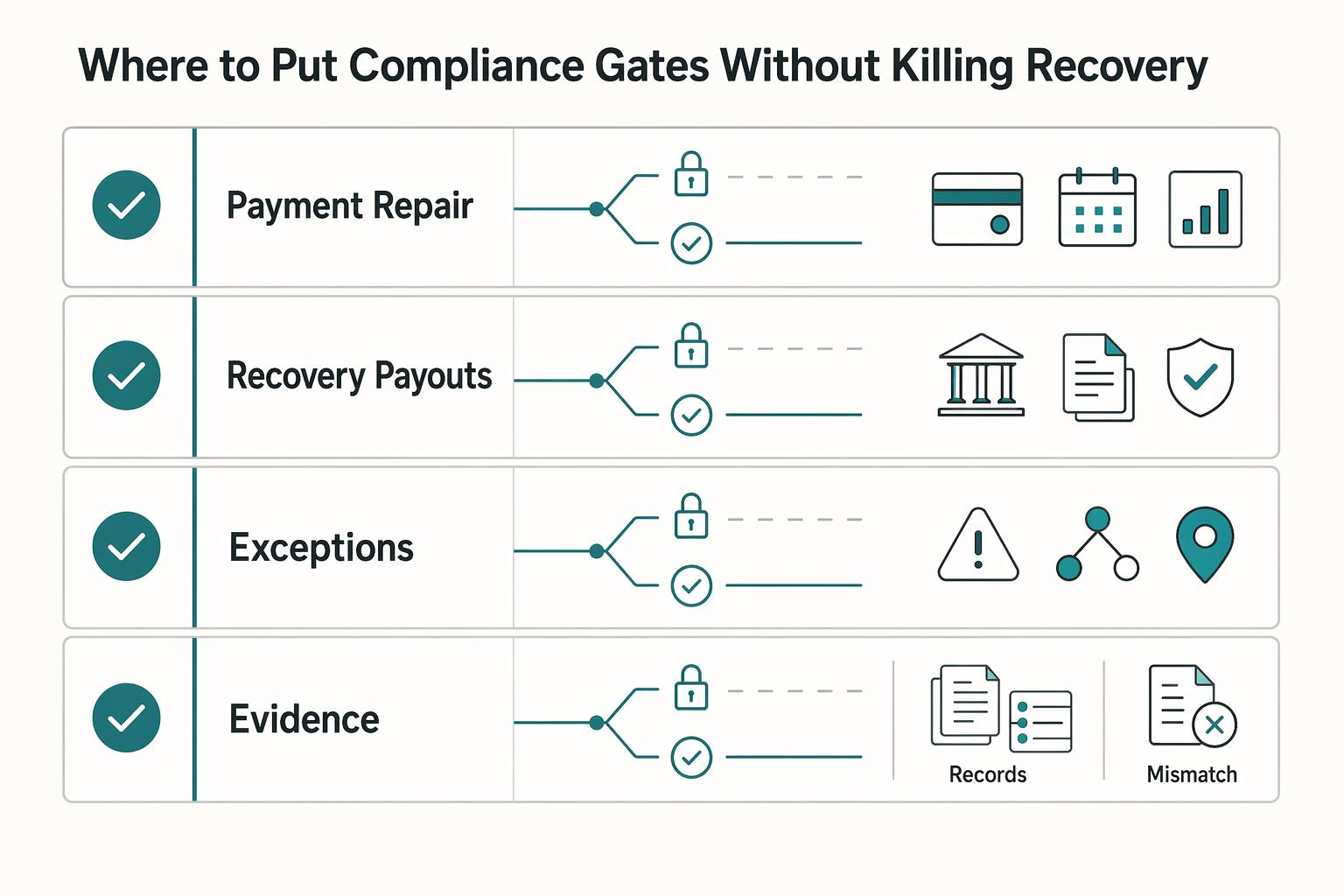
How Dunning Works for Subscription Platforms
Most articles stop at the definition. That part is easy. The harder question is whether your team can choose an approach that product, engineering, finance, and ops can actually run without creating hidden risk.
Read more →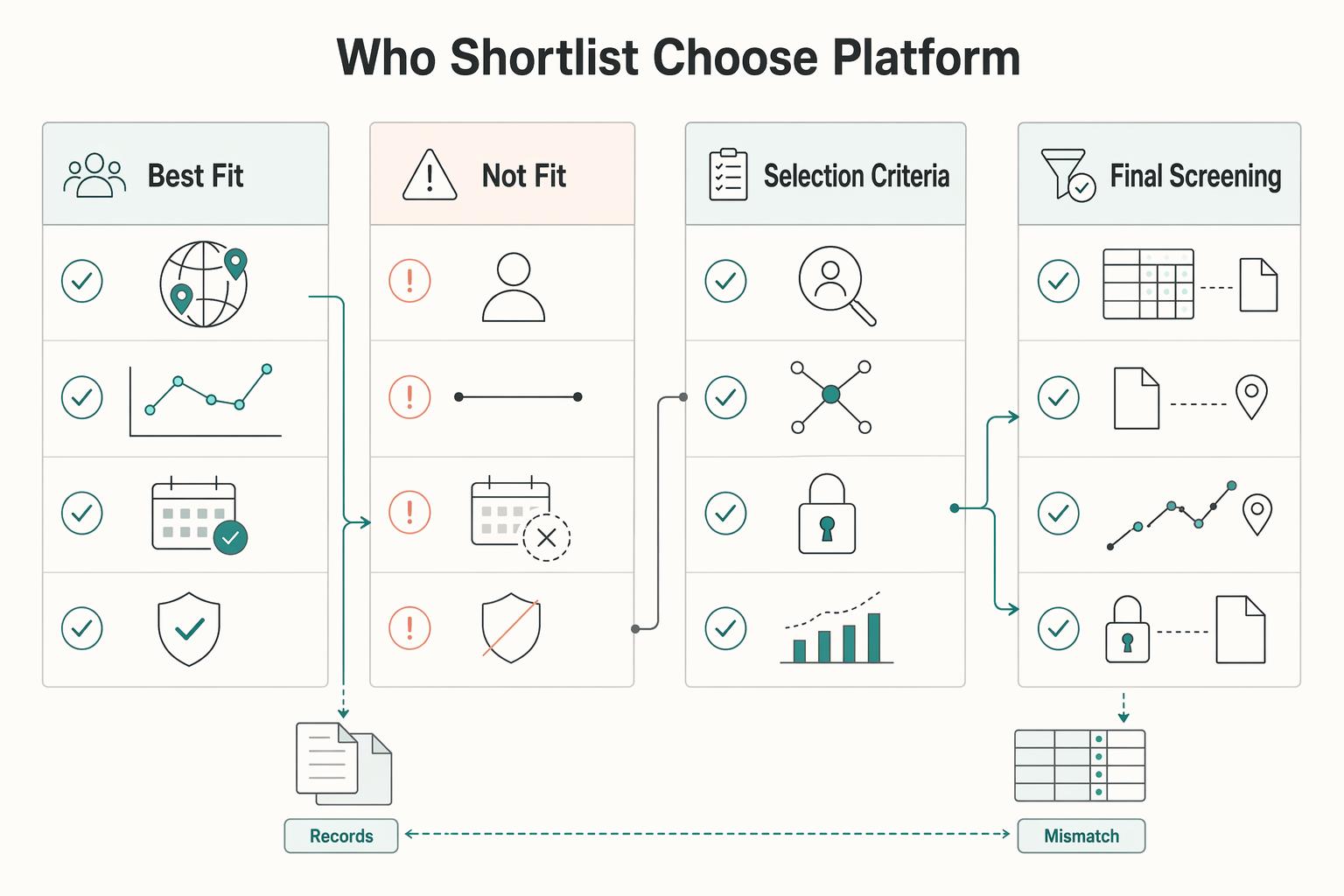
Continuous KYC Monitoring for Payment Platforms Beyond One-Time Checks
Treat this as a control design decision first and a software purchase second. One-time onboarding checks can miss risk changes after approval. When you compare continuous KYC monitoring platforms, the real test is whether they help you decide when to re-verify, who reviews, and what evidence gets retained.
Read more →
Liveness Detection and Biometric KYC for Platforms
Liveness now sits inside payout risk, not just onboarding UX. If you are evaluating **liveness detection biometric kyc for platforms**, the real job is to cut spoof-driven loss and compliance surprises without adding controls your team cannot run well in production.
Read more →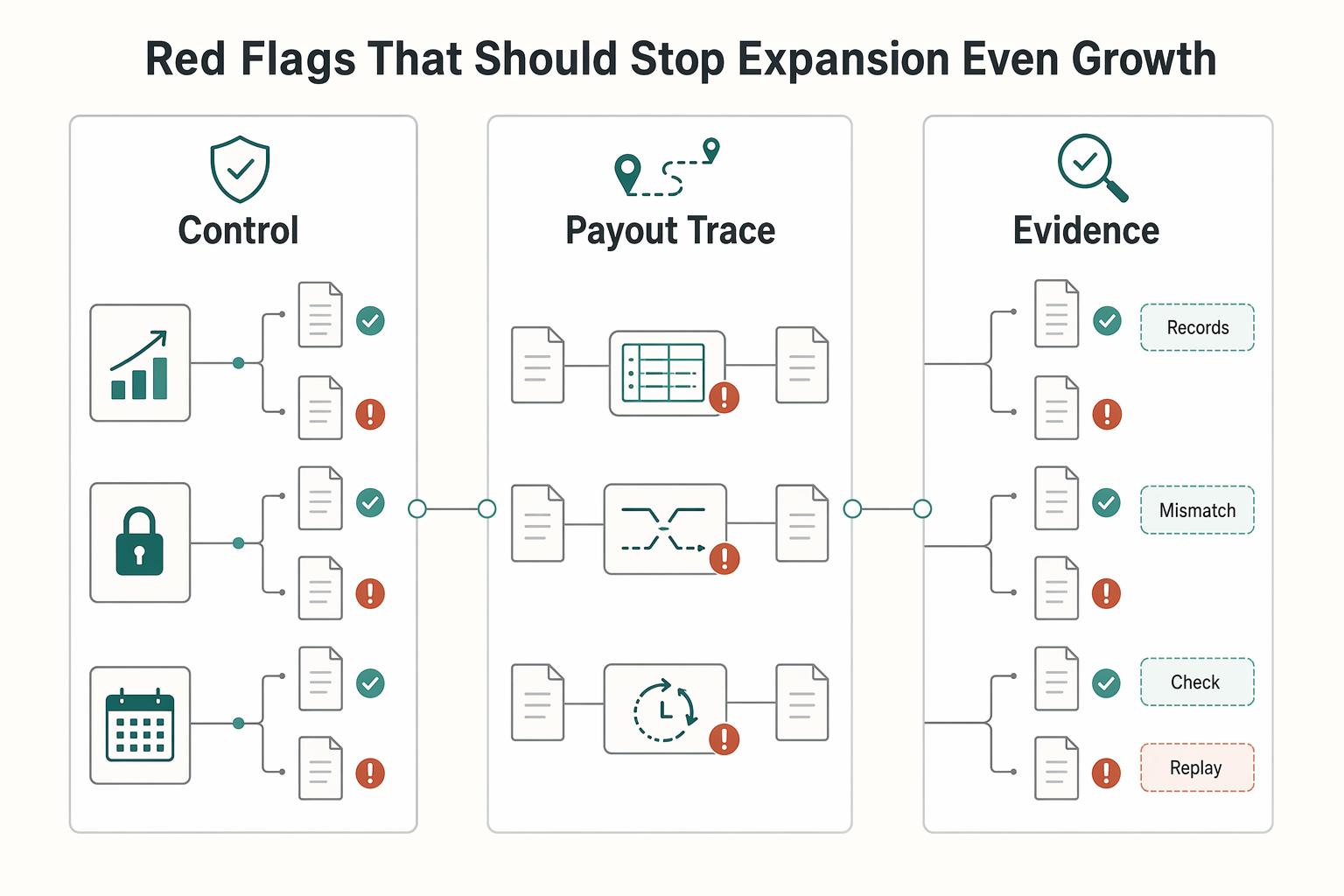
KPIs for Platform Growth from Seed to Series C and IPO
The useful way to read growth metrics is by stage, not as a fixed scorecard. **Key Performance Indicators (KPIs)** change with a company's lifecycle, and the decisions you make from them should change too.
Read more →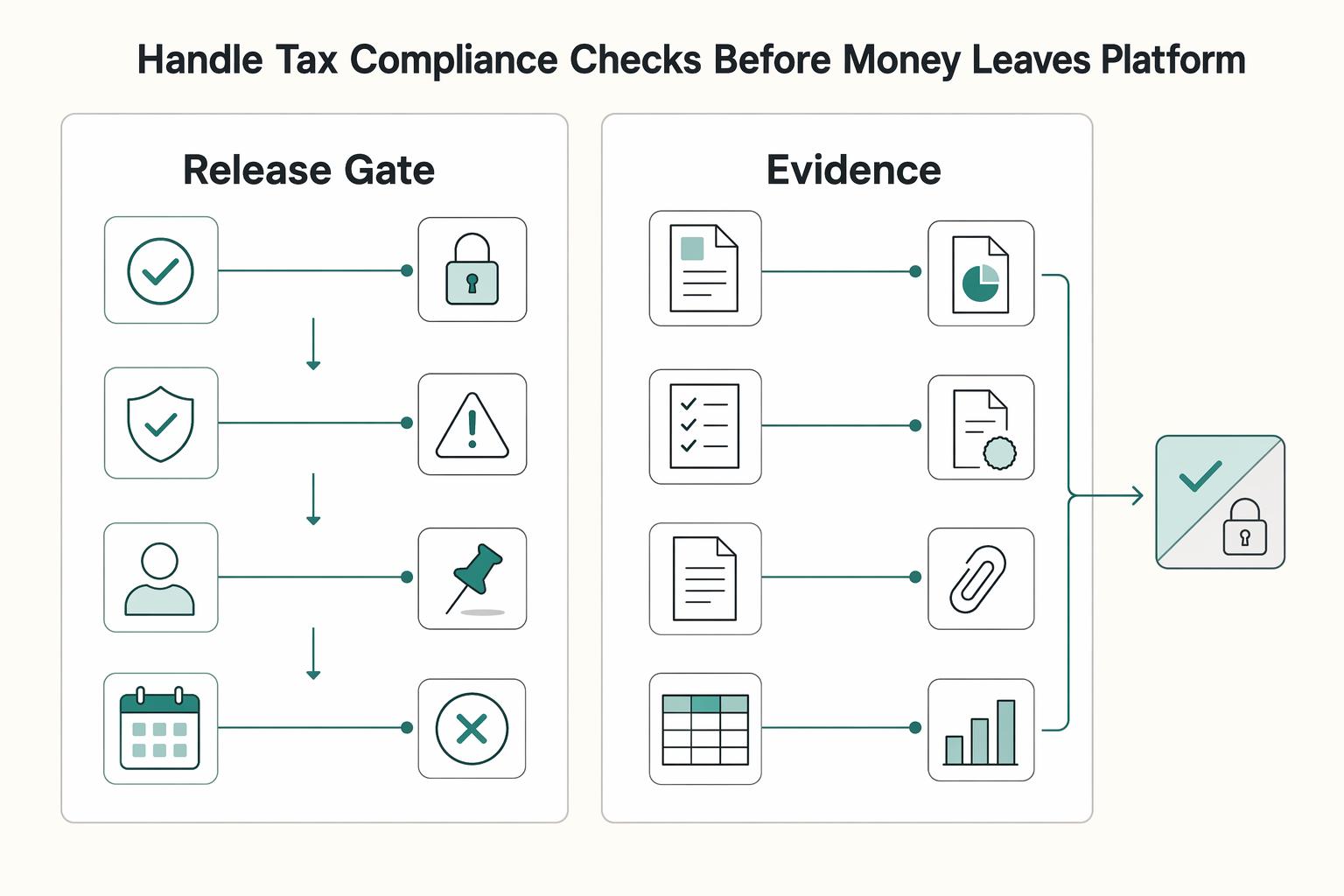
What Is a Requisition Order? How Platforms Use Internal Purchase Requests to Control Spend
Requisition control matters when it answers one practical question: where must a **Purchase Requisition** exist before anyone commits company money, and where can you allow a faster path without losing control? The goal is not to make every purchase harder. It is to make sure higher-risk spend is authorized early, with enough detail for finance to review before a **Purchase Order** is issued.
Read more →
Global Treasury Management for Platforms Across 50+ Countries
If you came here looking for **global treasury management platforms cash visibility 50 countries**, the real question is not which dashboard looks best. It is whether your team can see, trust, and act on cash positions across entities and banking partners before payout timing slips, FX decisions get made on stale data, or a control break surfaces too late to fix cleanly.
Read more →
What Is ACH? The Automated Clearing House Explained for Platform Operators
Platform teams usually ask what ACH is when they are choosing a U.S. bank transfer rail for payouts, recurring debits, or account-to-account movement. The useful answer is not a dictionary definition. It is whether ACH fits the promise your product makes on timing, certainty, and operational effort.
Read more →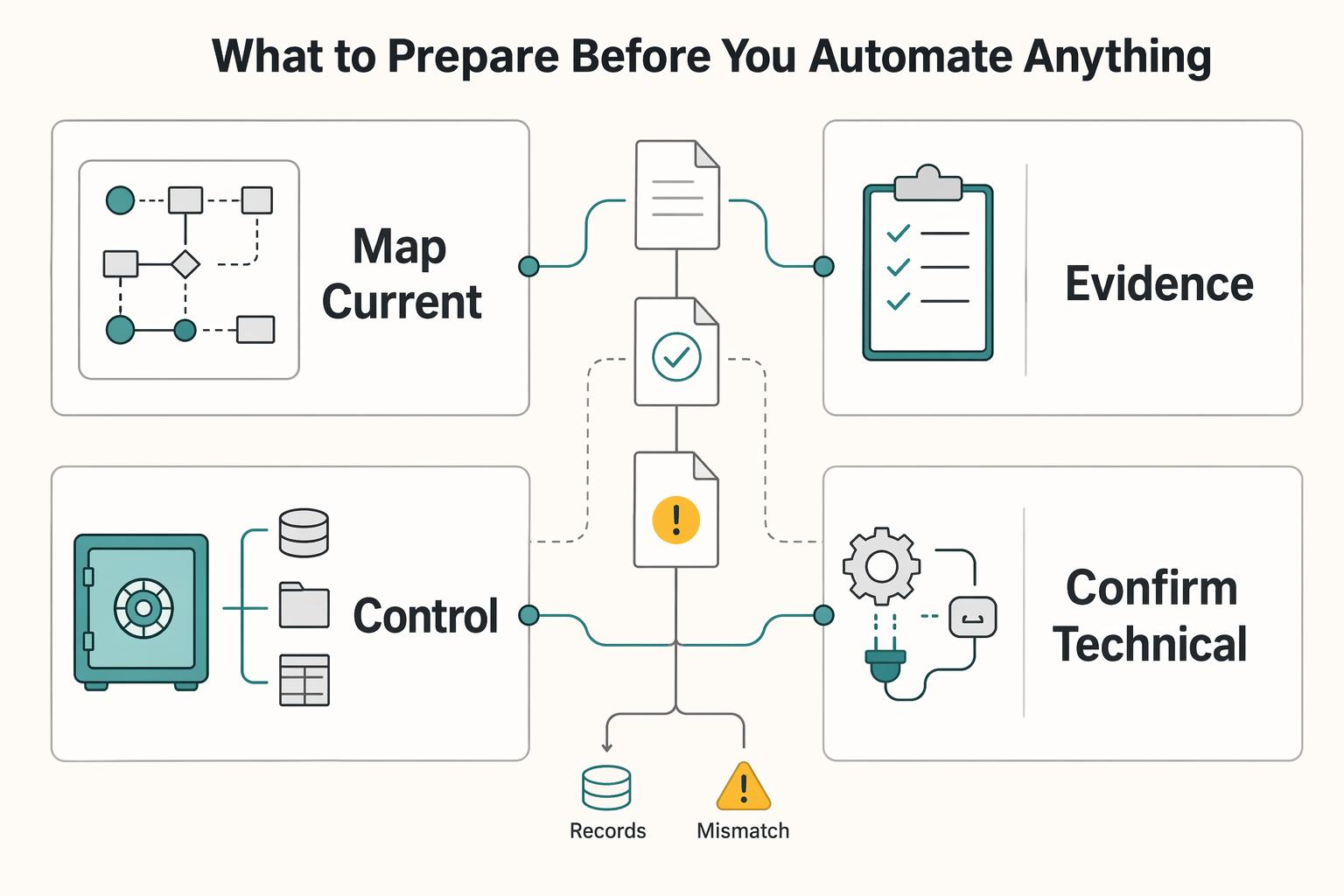
Business Process Automation for Platforms: How to Identify and Eliminate the 5 Most Expensive Manual Tasks
Start with the manual work that repeats across people and applications. That is where business process automation usually earns its keep. It is also where teams get into trouble if they automate messy ownership or bad data instead of fixing it first.
Read more →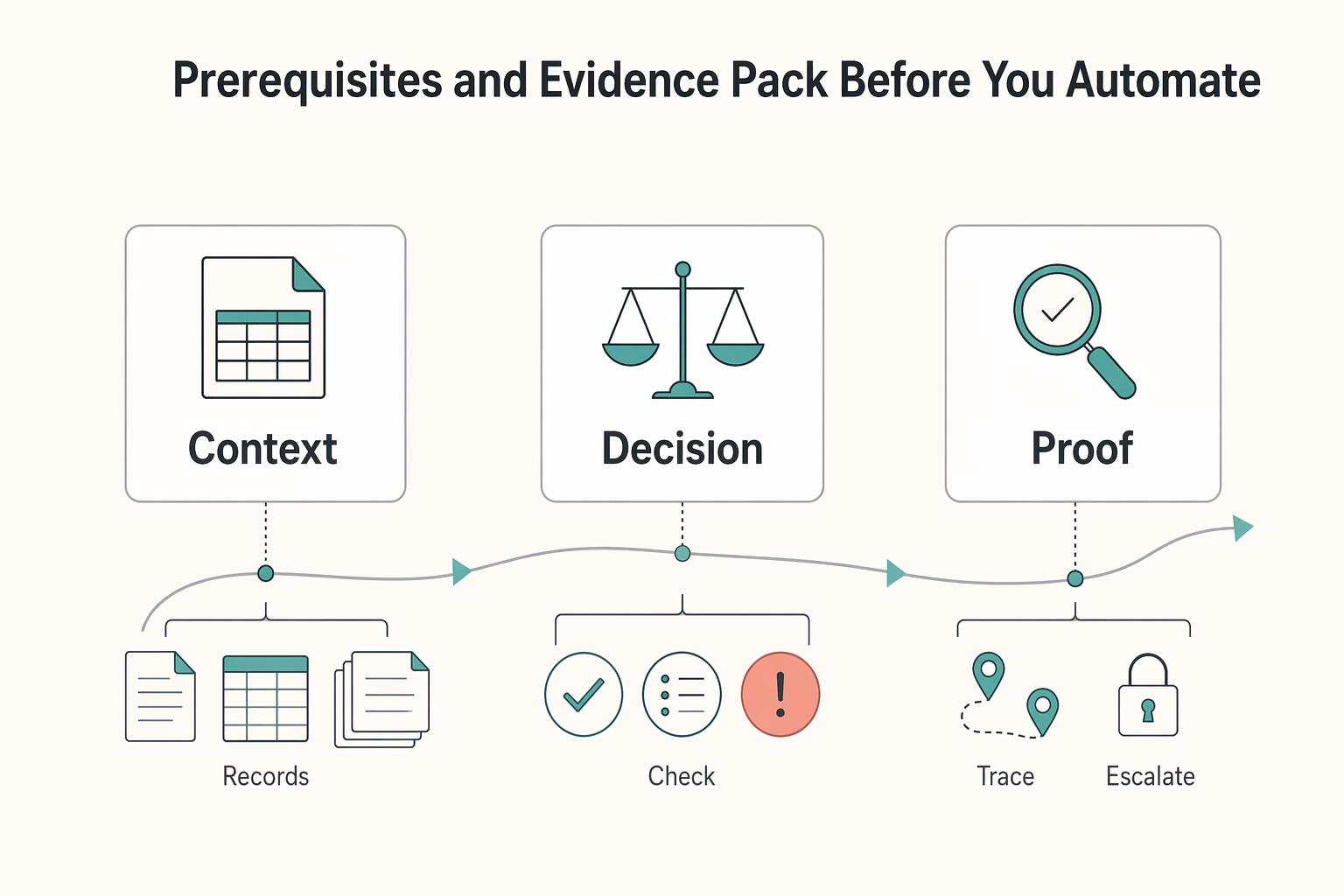
Accounting Automation for Platforms That Removes Manual Journals and Speeds Close
If you are asking whether reducing manual journal entries helps you close faster, the short answer is that it can, especially when automation removes the handoffs around journals, not just the typing. Manual journal work is rarely just someone typing into the General Ledger. It is often a chain of accruals, spreadsheet handoffs, approval waits, reconciliation checks, and final ERP posting that turns month-end close into one of the most time-sensitive and resource-intensive jobs in finance.
Read more →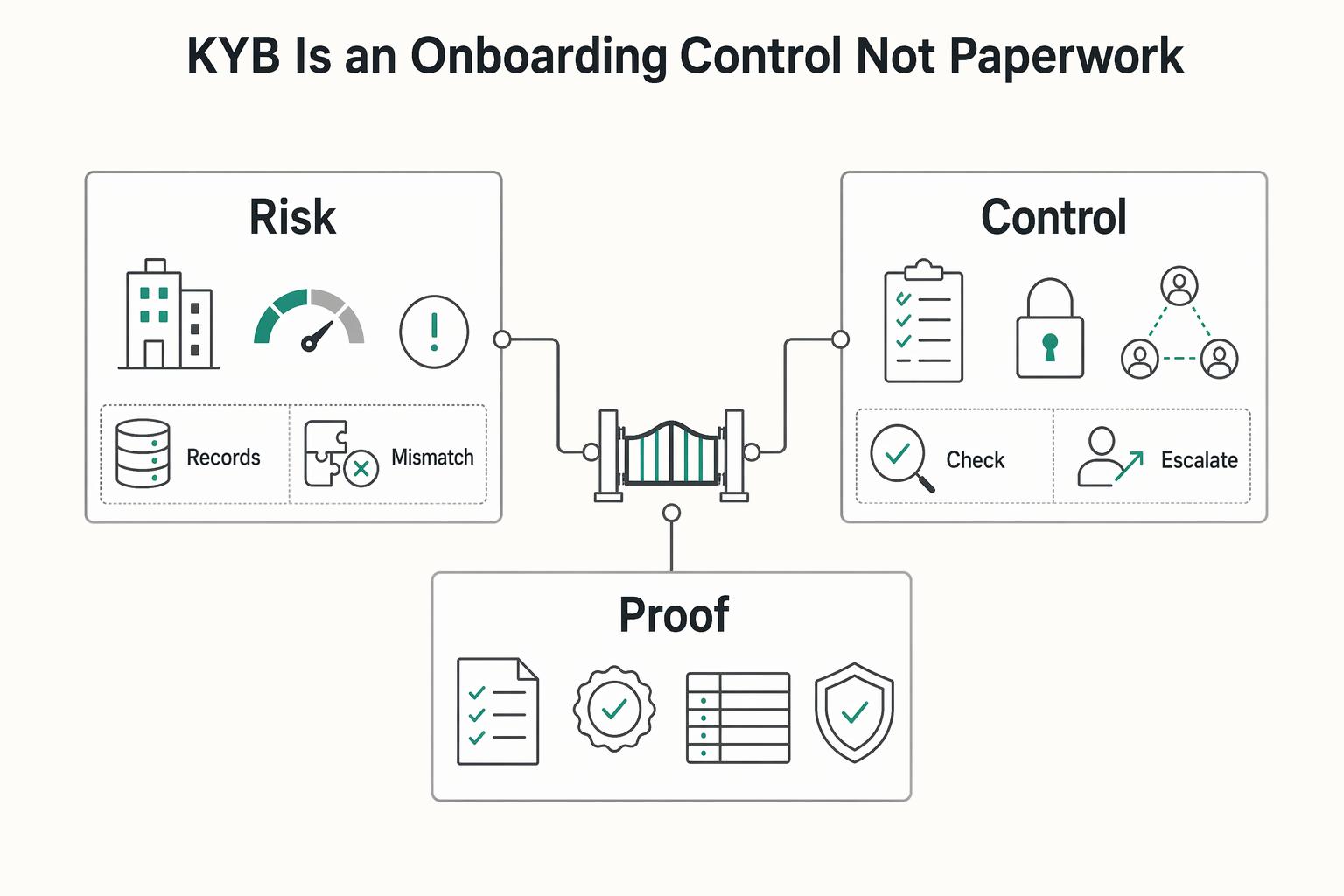
What Is KYB? Know Your Business Verification for Marketplace Onboarding
Marketplace onboarding usually breaks in one of two ways: the team treats Know Your Business (KYB) as a compliance label with no product consequences, or it rushes activation and discovers business-identity or risk issues when money is about to move. For platforms running embedded payments, KYB is better understood as an operating gate for business customers. It is a documented decision on whether the entity is understood well enough to enter a financial relationship.
Read more →
What Is DAC7? EU Platform Reporting Directive Explained
If you are asking **what is DAC7**, the useful starting point is not the label. It is the operating reality of EU cross-border tax administration. For a platform team, compliance work can land across onboarding, tax data, finance operations, product decisions, and audit evidence, not just in a legal memo.
Read more →