
Operator playbooks for cross-border payments, tax, and compliance execution.
Step-by-step guidance for finance, product, and ops teams to launch faster, reduce payout friction, and keep reconciliation clean across borders.
Choosing Token Metering and Cost Pass-Through for LLM API Billing
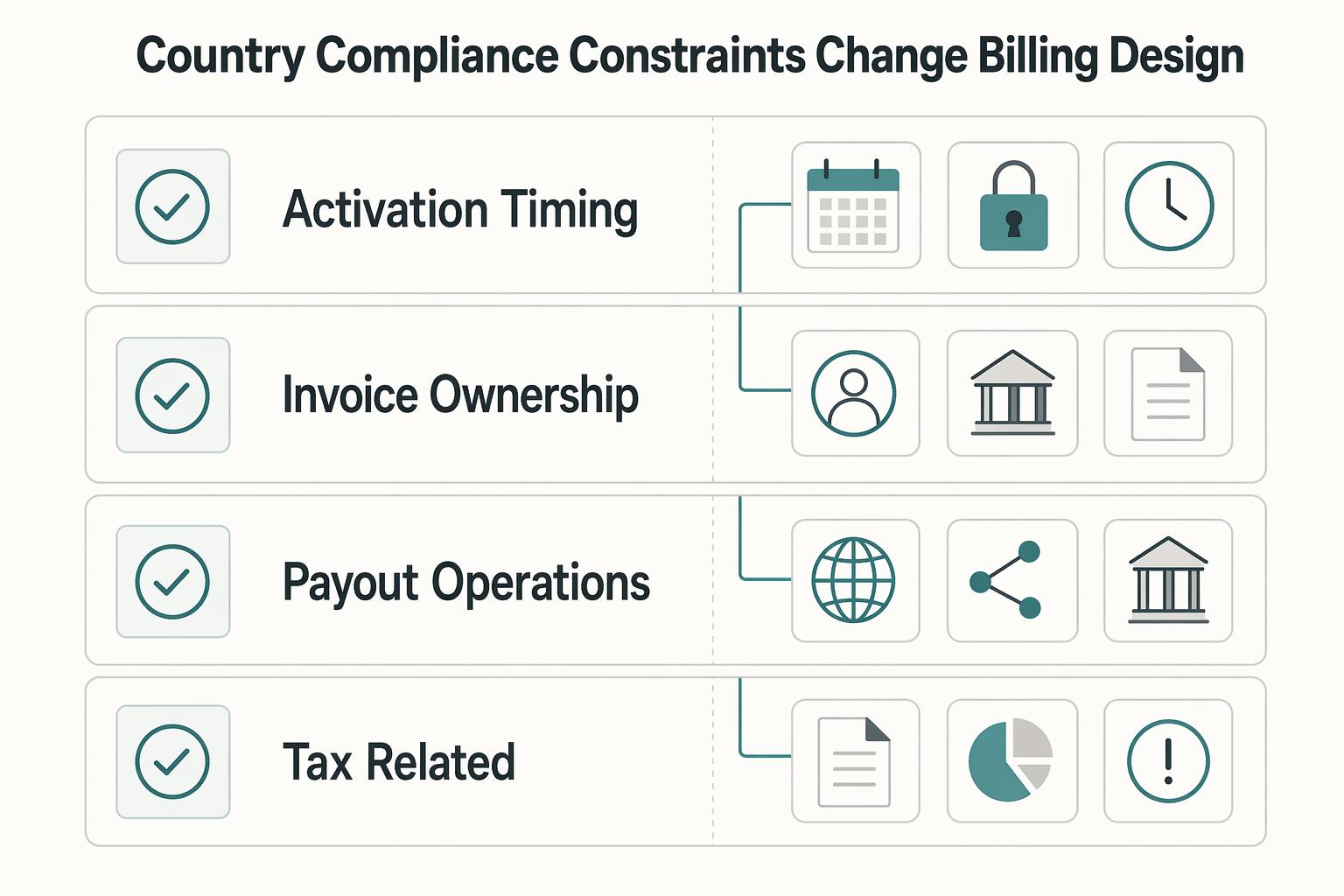
LLM API billing looks tidy on a pricing page and much messier in production. Once real traffic shows up, the hard part is not pricing theory. It is choosing the right meter, reconciling charges across providers, and producing invoices you can explain line by line when a customer pushes back.
Read more →
What Is Strong Customer Authentication? EU Mandate Explained
**Strong Customer Authentication (SCA)** matters in the **European Union** payments context because a failed auth step can interrupt money movement. The goal here is practical: decide where it applies in your stack and what to verify before you expand into EU markets.
Read more →
Same-Day vs Next-Day vs T+2 Payouts and the Real Cost to Your Platform
Payout speed is not a vanity metric. For embedded payments teams, it can affect unit economics, working capital, support load, and the level of trust sellers, creators, contractors, or suppliers place in your platform. The useful question is not "how fast can we move money?" but "which settlement tier is worth its cost once real operating friction is included?"
Read more →
Payout Error Rates in Contractor Payroll Teams Can Actually Reduce
Many teams do not have one payroll problem. They have at least two, and both can disappear inside one blended number. The first is **payout execution**: failed, returned, duplicated, delayed, or misdirected contractor disbursements. The second is **compliance and payroll operations**: missing tax forms, blocked eligibility checks, filing defects, or classification issues. If you want a useful contractor payout metric, split those from the start.
Read more →
Accounts Receivable Turnover for Platforms to Measure Collection Efficiency
Accounts receivable turnover can help a platform measure collection efficiency, but only when you read it against cash timing. A higher [`Accounts Receivable Turnover Ratio`](https://www.netsuite.com/portal/resource/articles/accounting/accounts-receivable-turnover-ratio.shtml) usually points to faster collections and stronger cash flow. On its own, though, it does not tell you everything about collection health.
Read more →
AI-Native Monetization for Products Where the User Is a Machine
The hard part of AI-native monetization is not just setting a price. It is deciding how to charge when a human still approves the budget, but usage, cost, and much of the perceived value come from an autonomous agent acting on that person's behalf.
Read more →
Designing an End-to-End Accounts Payable Workflow for Platforms
Start with the process, not the product demo. Full-cycle Accounts Payable (AP) runs from purchase order through payment and reconciliation. Weak design usually shows up later as invoice delays, duplicate payments, missed due dates, and supplier disputes.
Read more →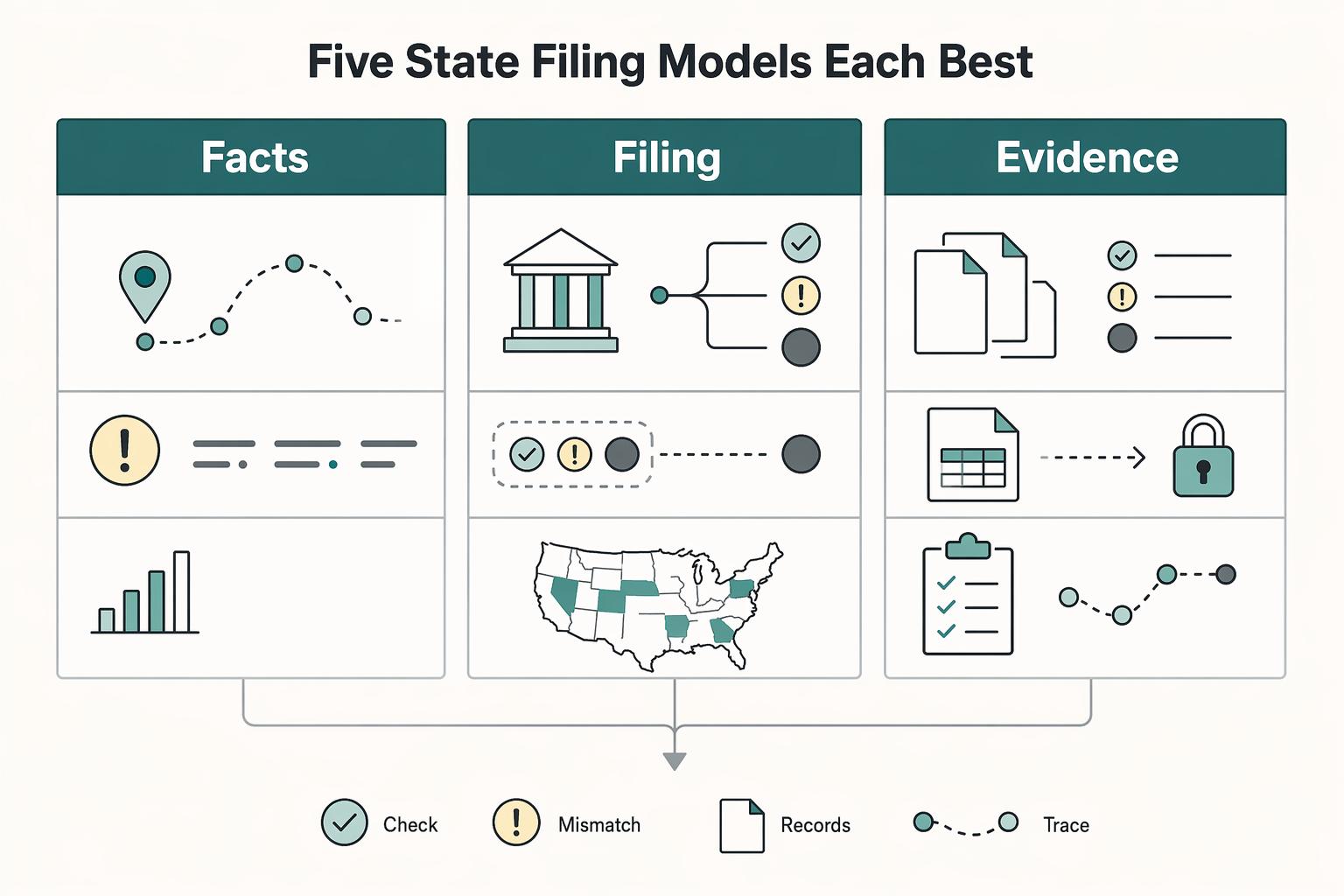
State 1099 Filing Requirements for Multi-State Platforms
Handle multi-state 1099 work as a decision process, not a chart of fixed answers. Federal rules set the baseline, and state rules can depart from that baseline. If your spreadsheet only says "file" or "do not file," it is missing the part that matters most: why the answer is right and how you would defend it later.
Read more →
Fraud Prevention in Agentic Commerce When Bots Have Wallets
Agentic commerce fraud prevention starts with a simple operating truth: a transaction can be fast, clean, and apparently authorized, and still create fraud, policy, or legal exposure. For founders and operators, that makes launch sequencing at least as important as model tuning. Whether AI shopping agents can buy on your platform is not the real question. The real question is where your permissions, controls, and support capacity are strong enough to let them.
Read more →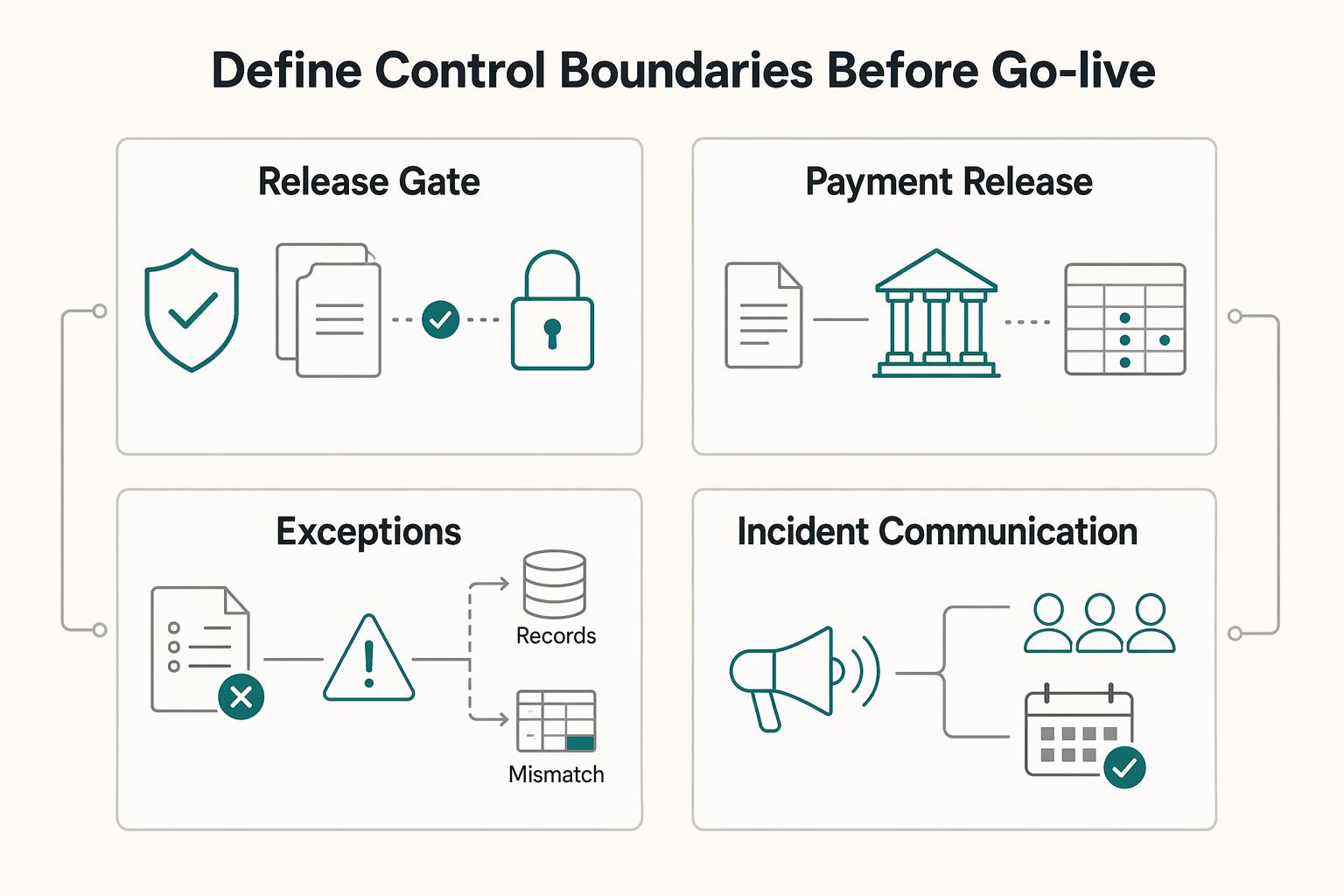
Accounts Payable Outsourcing for Platforms When and How to Hand Off Your Payables to a Third Party
Start with the real choice, not the buzzword. Accounts Payable outsourcing means shifting AP work from your in-house team to a specialized external provider. In practice, your decision is usually narrower: hand off execution now, wait until the process is ready, or keep it internal and automate instead.
Read more →
When Platforms File 1099-K and 1099-NEC
If you are trying to decide when platforms file **Form 1099-K** and where other forms may apply, the real job is not memorizing form names. It is assigning filing ownership by payment path, proving that choice before filing season, and catching cases that can create duplicate reporting or missed filings. That is the operator view this piece takes.
Read more →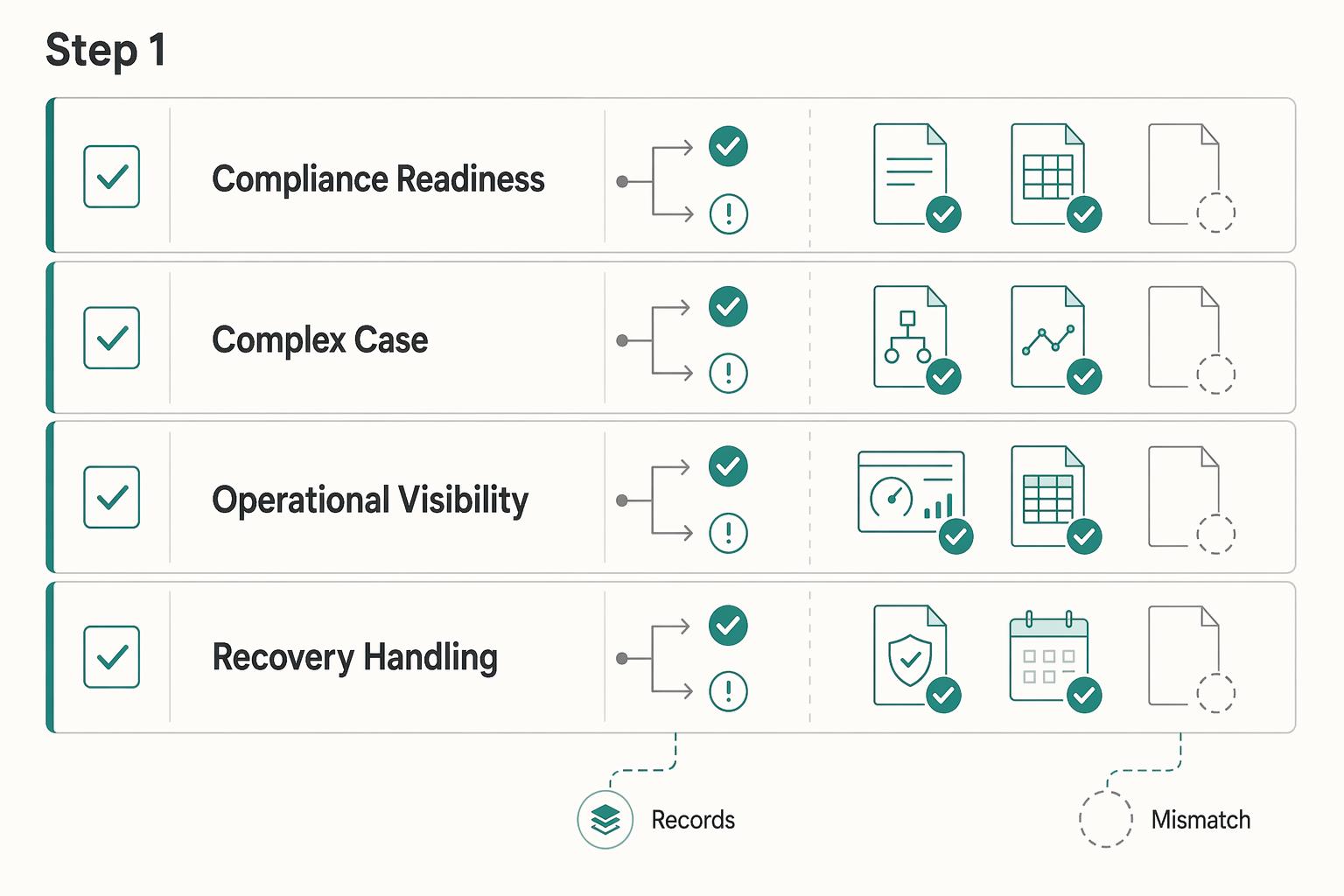
How Platforms Evaluate Third-Party Service Providers Before Signing
**Step 1: Treat vendor choice as a risk decision, not a feature contest.** A solid vendor selection process matches your requirements to vendor capabilities and pricing through a clear set of procurement steps. That sounds basic, but it matters because poor vendor choices have real business consequences. Feature lists rarely tell you how a provider will perform under real operational and risk constraints. If your team starts by comparing dashboards, coverage maps, or headline fees, you can end up shortlisting vendors that look strong in demos but fail once legal, finance, or operations gets involved.
Read more →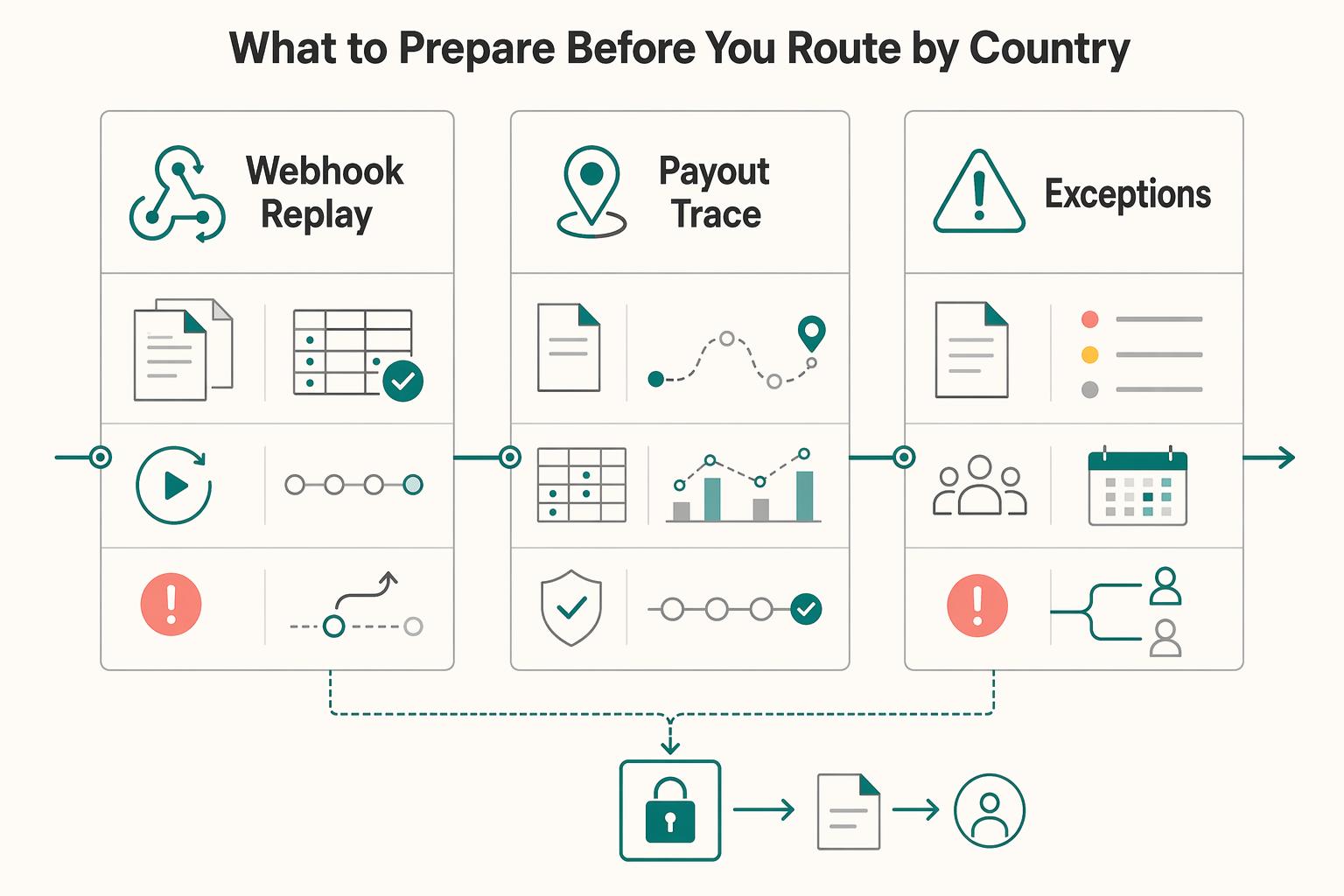
Reduce Payout Fees by Matching Disbursement Rail to Destination Country
**Use country-level routing decisions to control payout costs, rather than forcing every payout through one default rail.** A single default can trade simplicity for higher cost. A practical approach is to decide at the country level: rule out rails that cannot work, compare full landed cost, then review results against live operations instead of provider defaults.
Read more →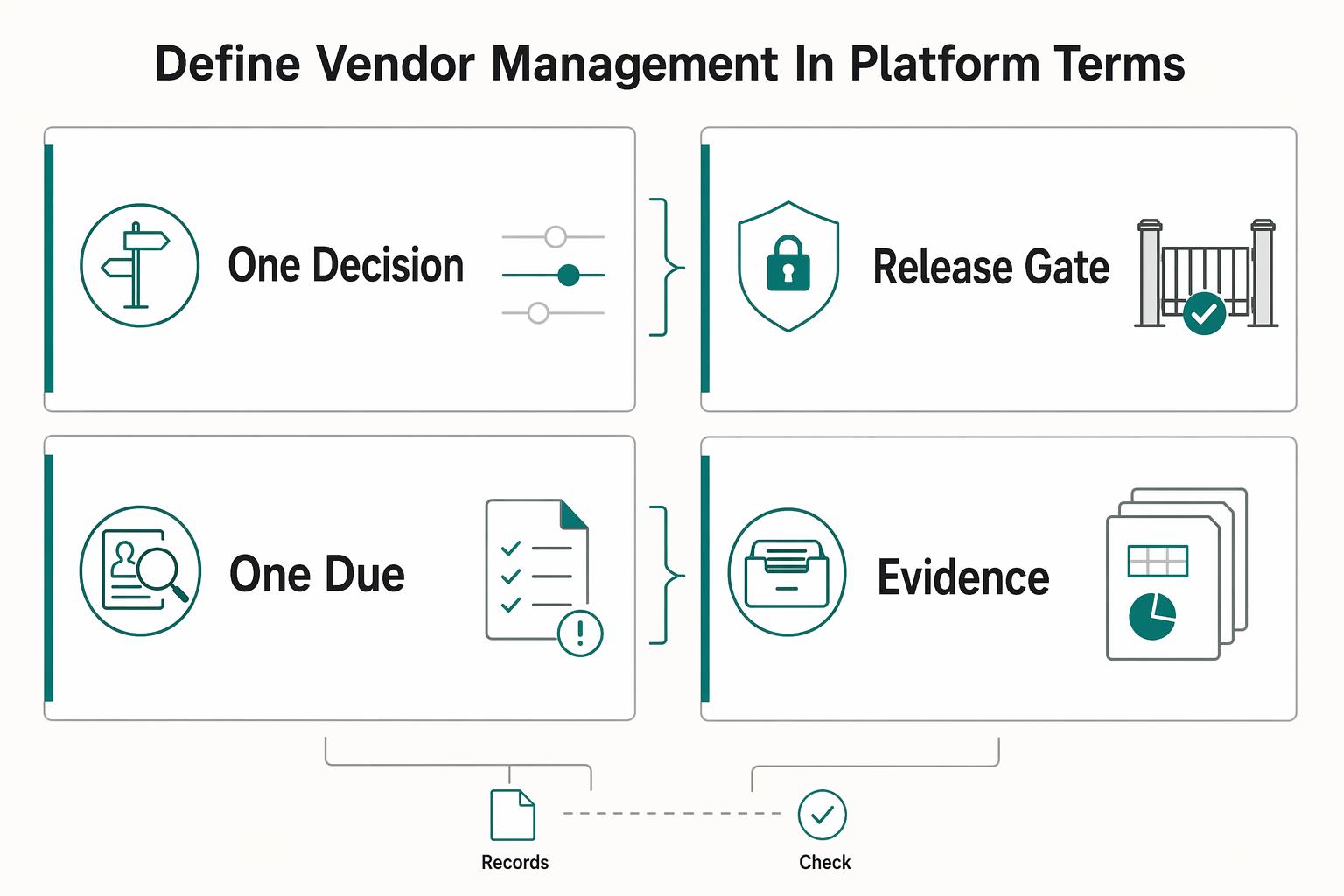
What Is Vendor Management? A Platform Operator's Guide to Supplier Lifecycle Control
Vendor management in a platform business is not back-office admin. It is a core control point in the business. It determines which third parties can influence core operations, service quality, and customer experience, and under what conditions they can do it.
Read more →
How Platform Operators Recover Failed Payouts Without Duplicate Risk
Treat a failed payout as an operator-controlled incident, not something you solve with a retry button. This guide gives Finance, Ops, and Engineering a shared sequence. It is meant to reduce manual escalations, duplicate-payment mistakes, and back-and-forth when someone asks what happened to the money.
Read more →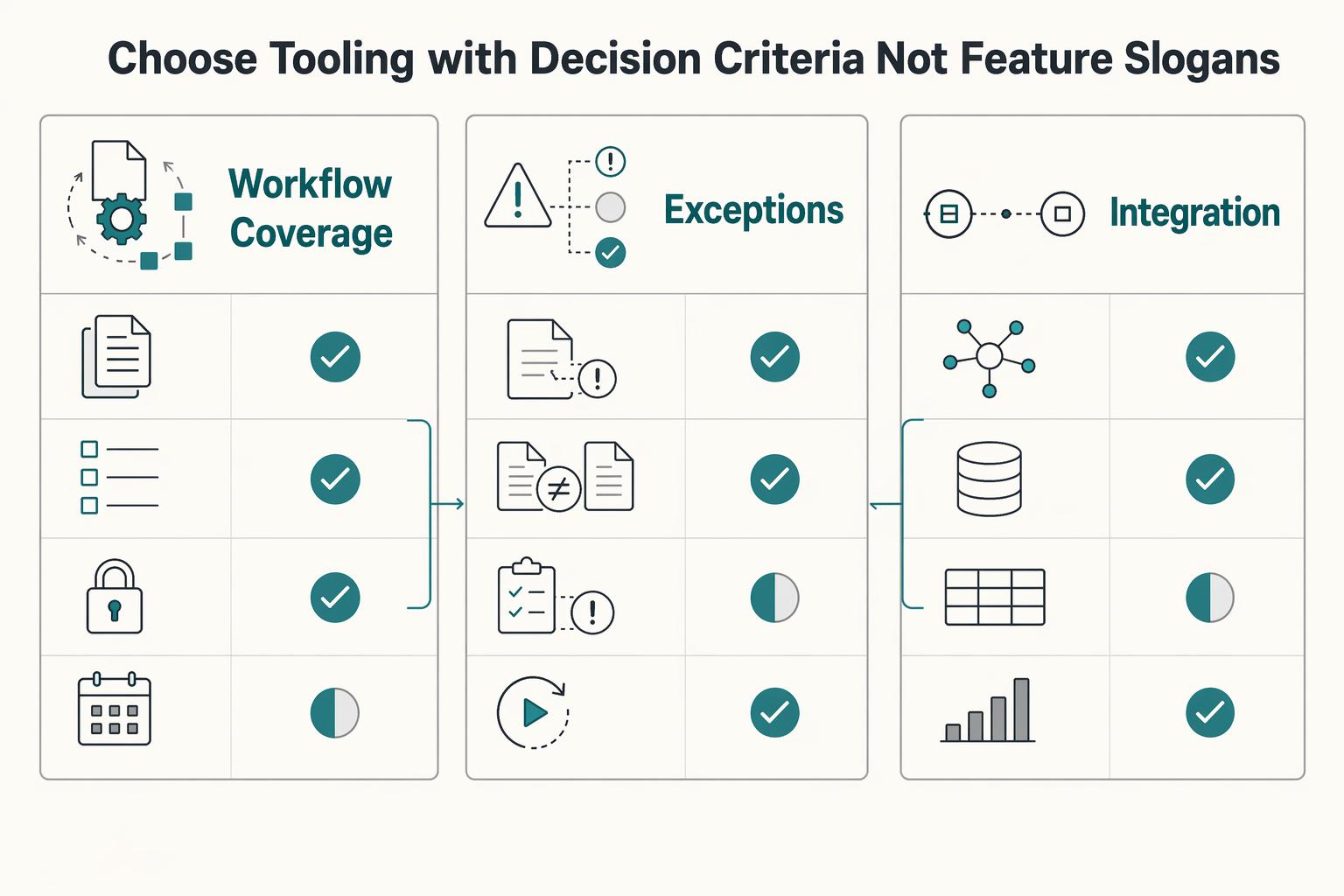
W-9 Collection at Scale for US Contractors
High-volume contractor payout programs can break on control gaps, not because they lack another tool. W-9 collection is easier to defend when you can show three things clearly: who was routed into the U.S. onboarding path, what tax data they submitted, and why payment was allowed or held.
Read more →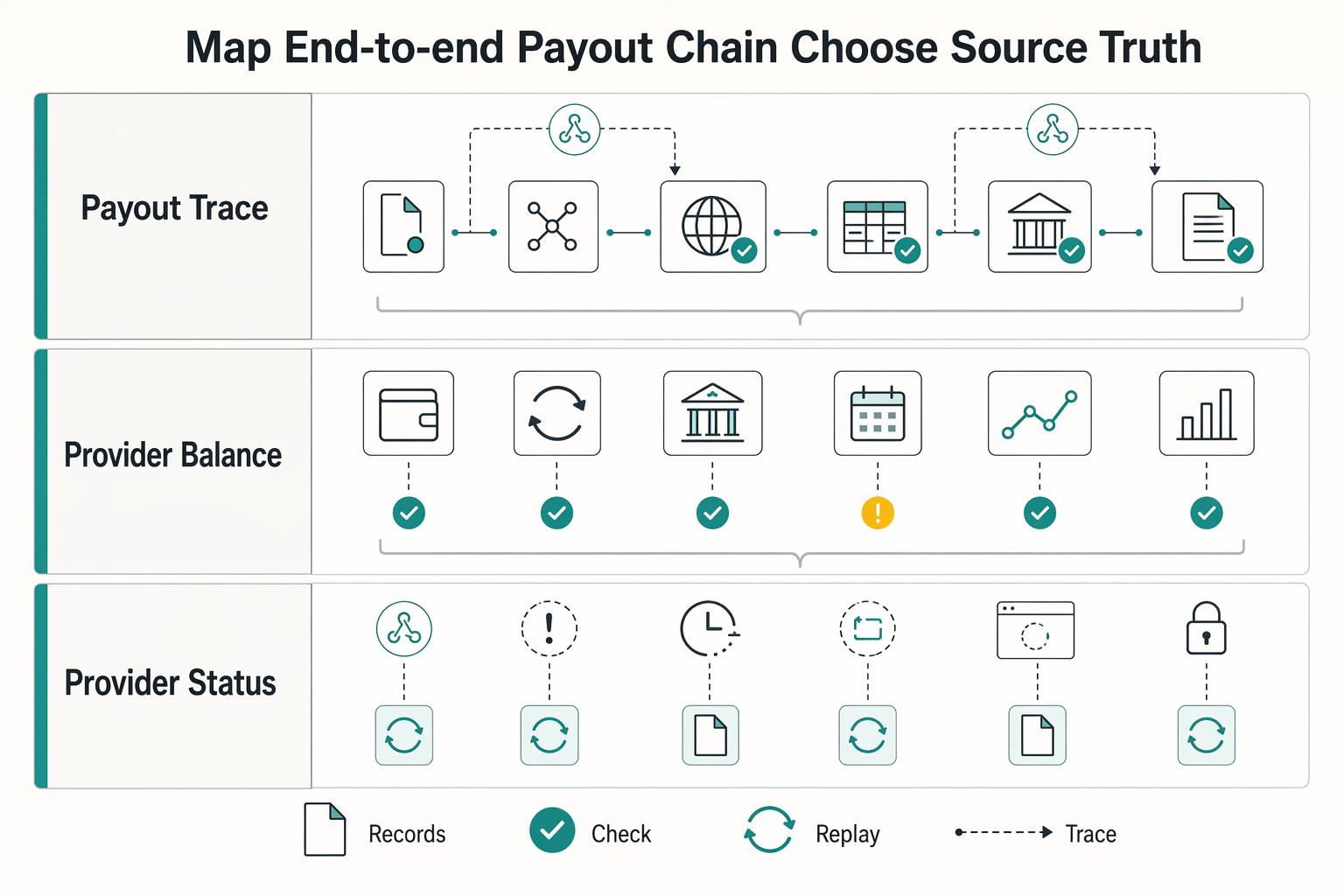
Catching Payout Errors Early in High-Volume Platform Operations
Treat payout reconciliation at scale as an operating control, not a back-office tidy-up after money has already moved. Once you pay through one or more PSPs, a mismatch is no longer just a finance nuisance. It can delay settlements and create downstream accounting work.
Read more →
Crypto Payouts for Contractors: USDC vs. USDT - What Platforms Must Know
Treat this as an operating decision first. If you are a platform team building contractor payroll, the early mistake is to frame USDC versus USDT as a recipient wallet preference. The real choice sits with Finance, Ops, Product, and Engineering.
Read more →
Freelance Video Editor and Motion Designer Rates for 2026 Market Entry
If you are looking for one clean global answer on **freelance video editor rates**, this is not that article. The more useful question is narrower: do you have enough evidence to launch pricing in a specific market corridor, or are you still looking at noisy public signals that should not carry a go decision?
Read more →
What Is Procurement as a Service? How Platforms Can Outsource Vendor Sourcing and Contracting
If you are evaluating procurement as a service for vendor sourcing, start by drawing control boundaries before you outsource anything. Hosted services can scale quickly, but faster access to vendors or contracts does not automatically mean better procurement. The harder question is still who owns approvals, evidence, and exceptions.
Read more →