
Operator playbooks for cross-border payments, tax, and compliance execution.
Step-by-step guidance for finance, product, and ops teams to launch faster, reduce payout friction, and keep reconciliation clean across borders.
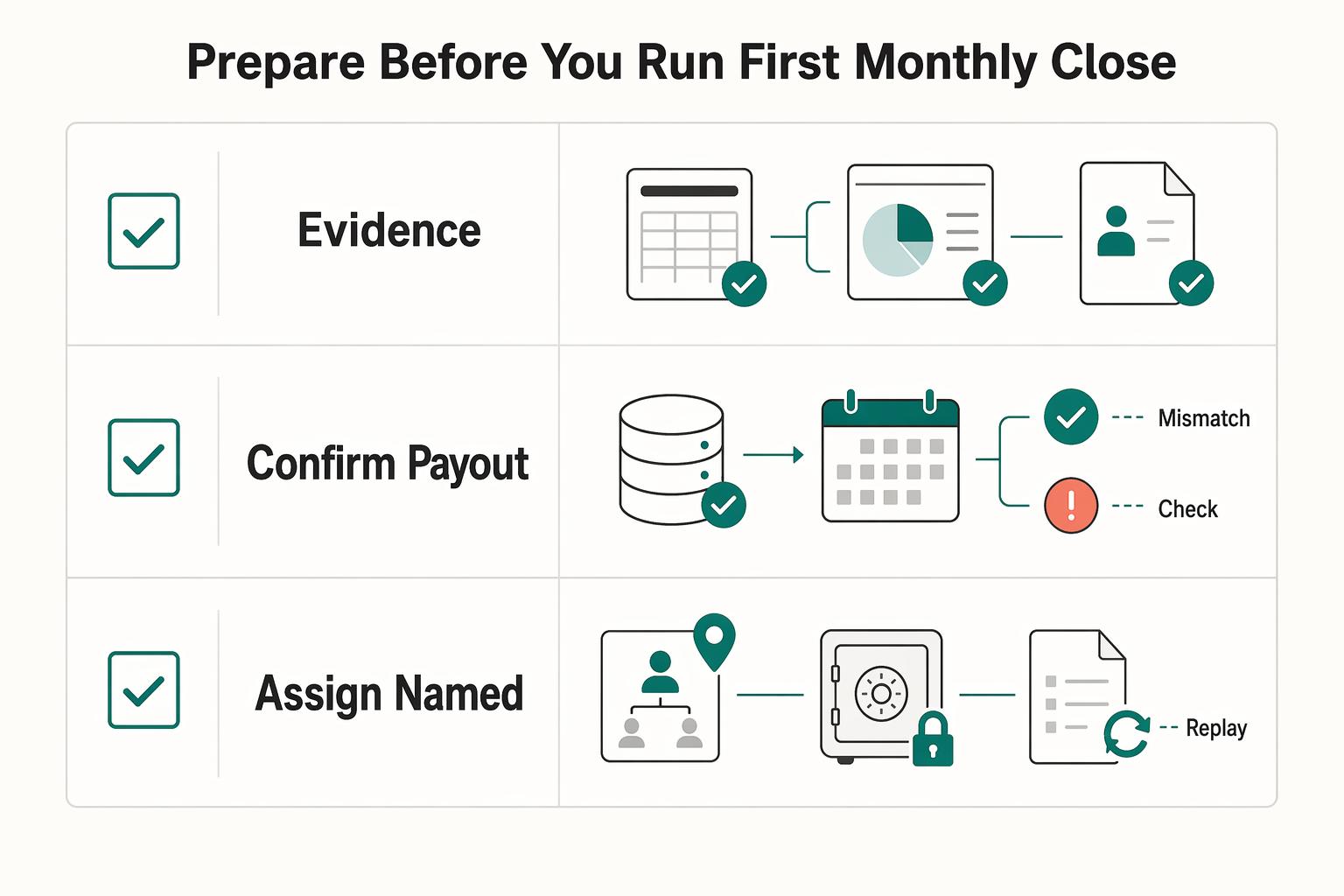
Building a Monthly Payout Reconciliation Process for a 1000-Contractor Platform
**Monthly payout reconciliation at this scale is an operating control, not clerical cleanup.** When you are paying a large contractor base every month, the hard part is not exporting totals. It is deciding which record counts as truth, proving that each payout state is backed by evidence, and stopping unresolved breaks from bleeding into finance reporting.
Read more →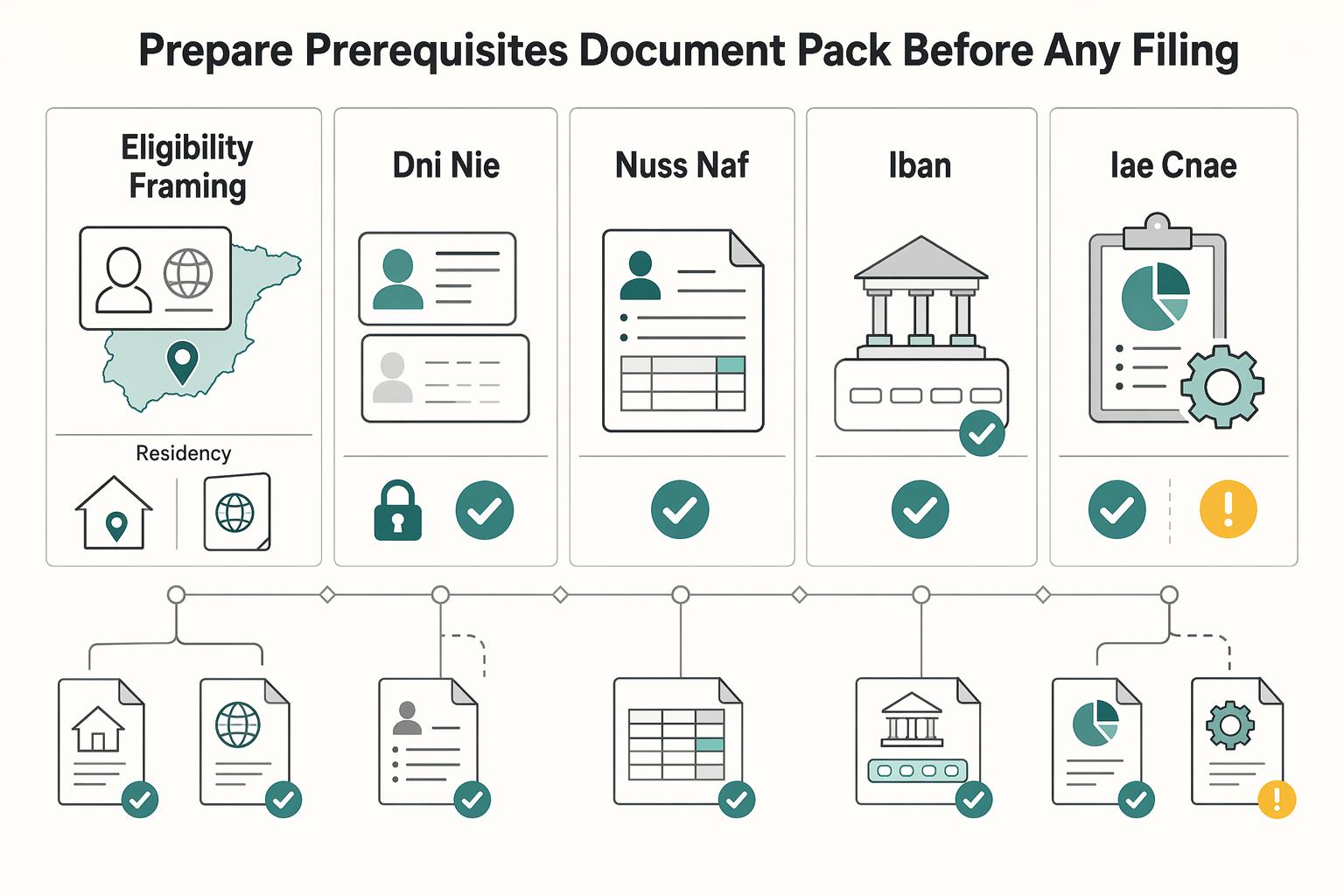
Become Freelancer Spain Autonomo 2026 with the Right Filing Sequence
Spain setup is a multi-system launch, not a profile-completion task. If your internal brief is **become freelancer spain autonomo 2026**, you are managing at least three moving parts that affect launch speed and support load: AEAT registration, RETA onboarding through Importass, and invoicing rules that are still shifting around VERI*FACTU.
Read more →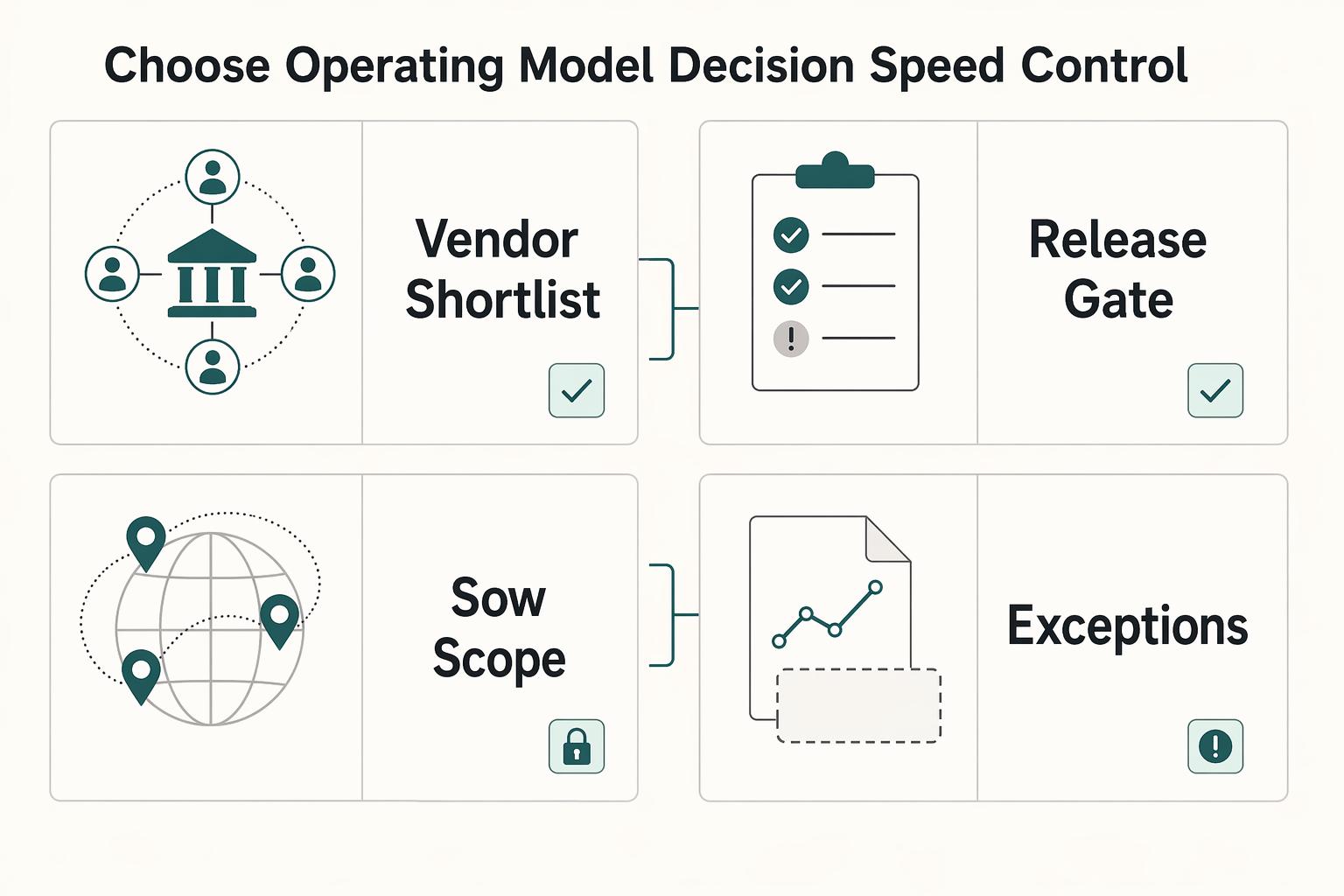
What Procurement Means for Platform Operators Managing Strategic Sourcing and Vendors
**For a platform operator, procurement is a control point for selecting, contracting, and overseeing third parties that affect money movement, compliance exposure, and customer trust.** That matters even more when your product depends on Virtual Account Management, payouts, or a merchant of record model, because outside providers can sit close to customer payments, cash visibility, and legal responsibility for processing funds.
Read more →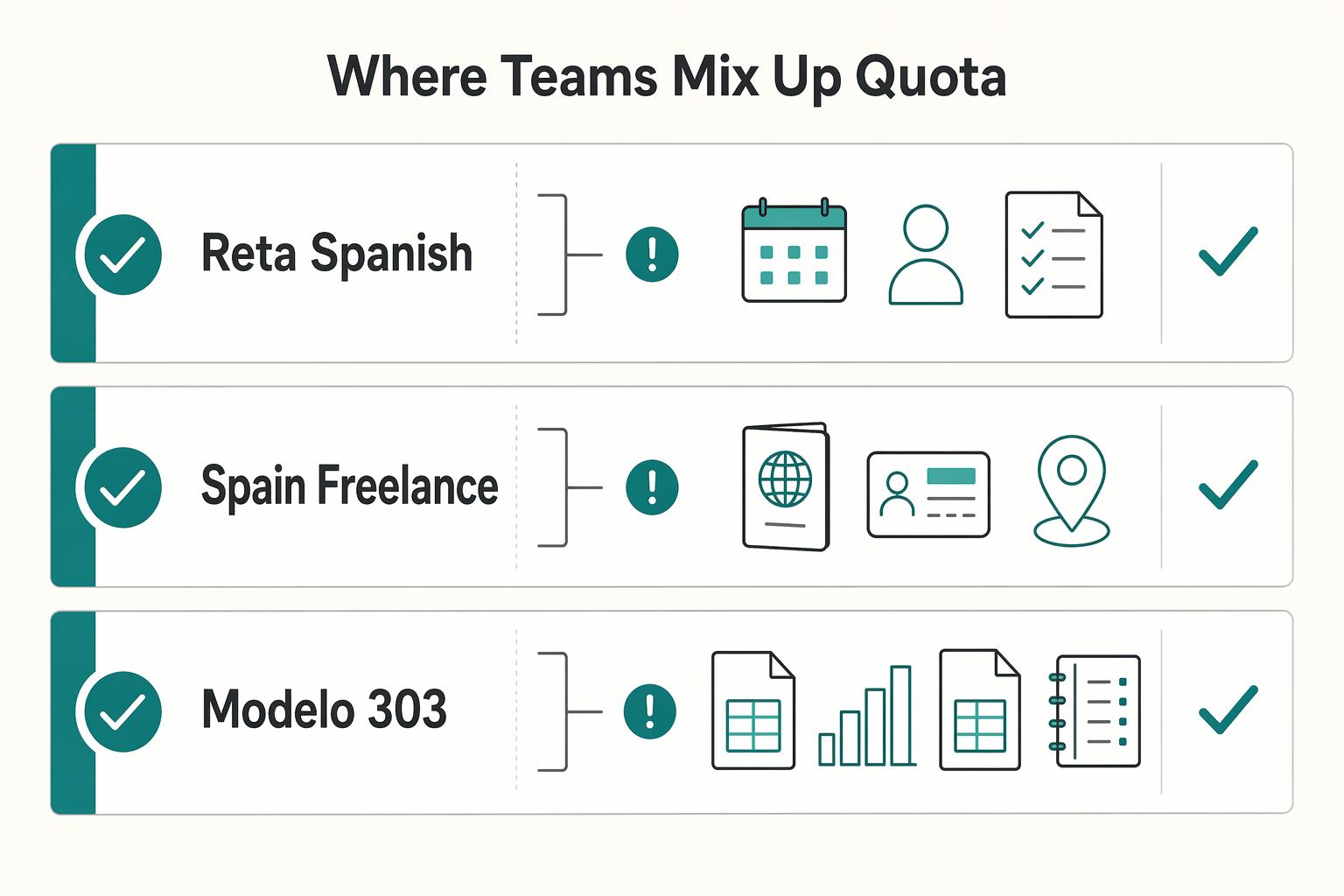
How Autonomos Actually Pay Spanish Social Security Quota in 2026
If you are trying to pin down the **spanish freelance quota autonomo 2026**, start by fixing the label. The *autónomo quota* is not a catch-all freelancer tax. In Spanish Social Security terms, the **cuota** is the amount paid into Social Security, calculated by applying the contribution rate to the **base de cotización**, and it sits inside **RETA**, the special regime for self-employed workers.
Read more →
Deductible Expenses for Freelancers in Spain Under IRPF and VAT
When you review freelancer costs in Spain, a common mistake is treating "deductible" as a simple category question. It is not. It is a control question that runs across two separate tax tracks, IRPF and VAT, each with its own filing path and timing, within a formal inspection framework.
Read more →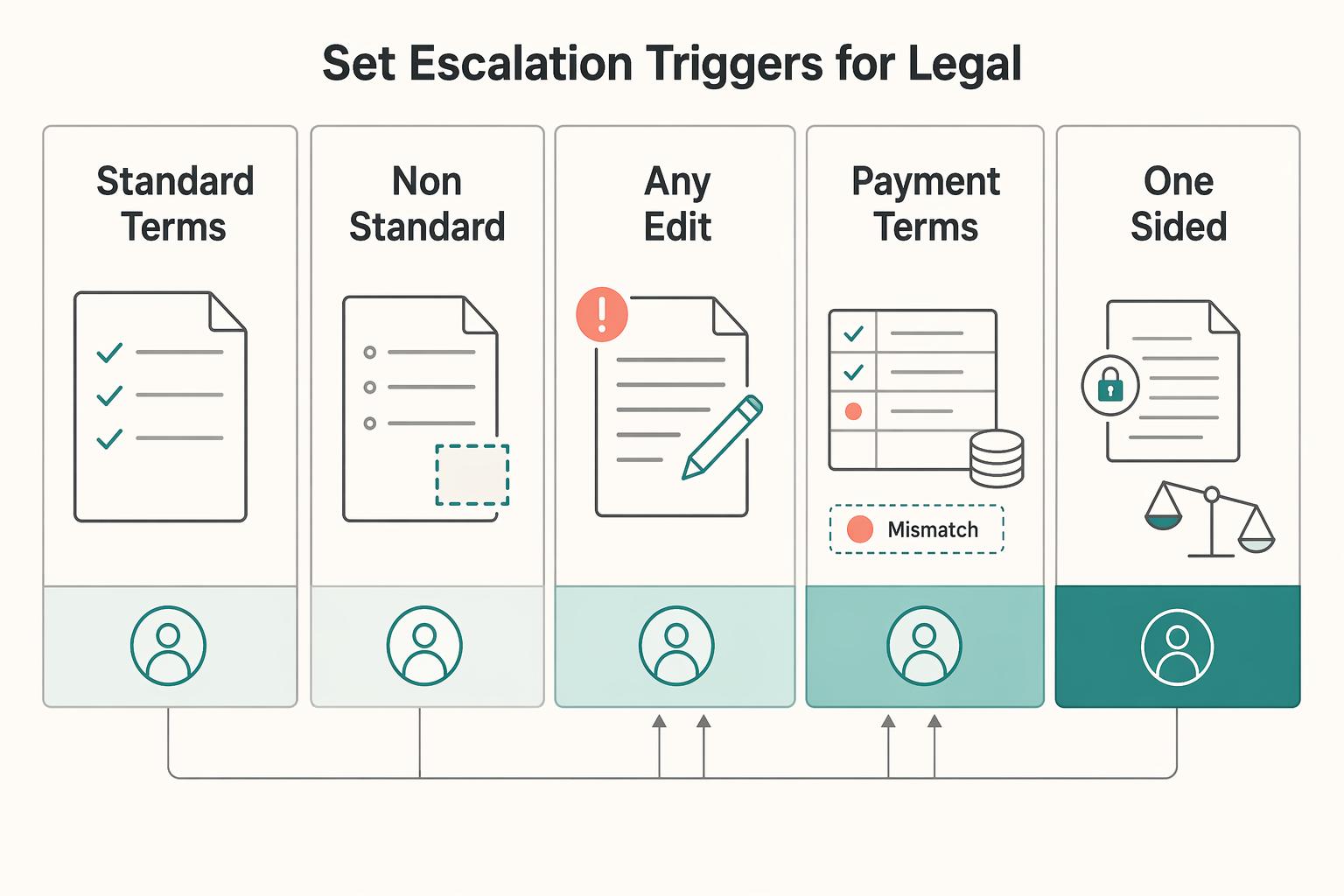
Free Service Agreement Generator for Freelancers With Risk Controls
Free drafting tools are useful, but only if you control how they are used. The real risk is not getting a freelancer agreement out quickly. It is letting different teams produce slightly different terms under different legal assumptions until you no longer know what your baseline contract actually is.
Read more →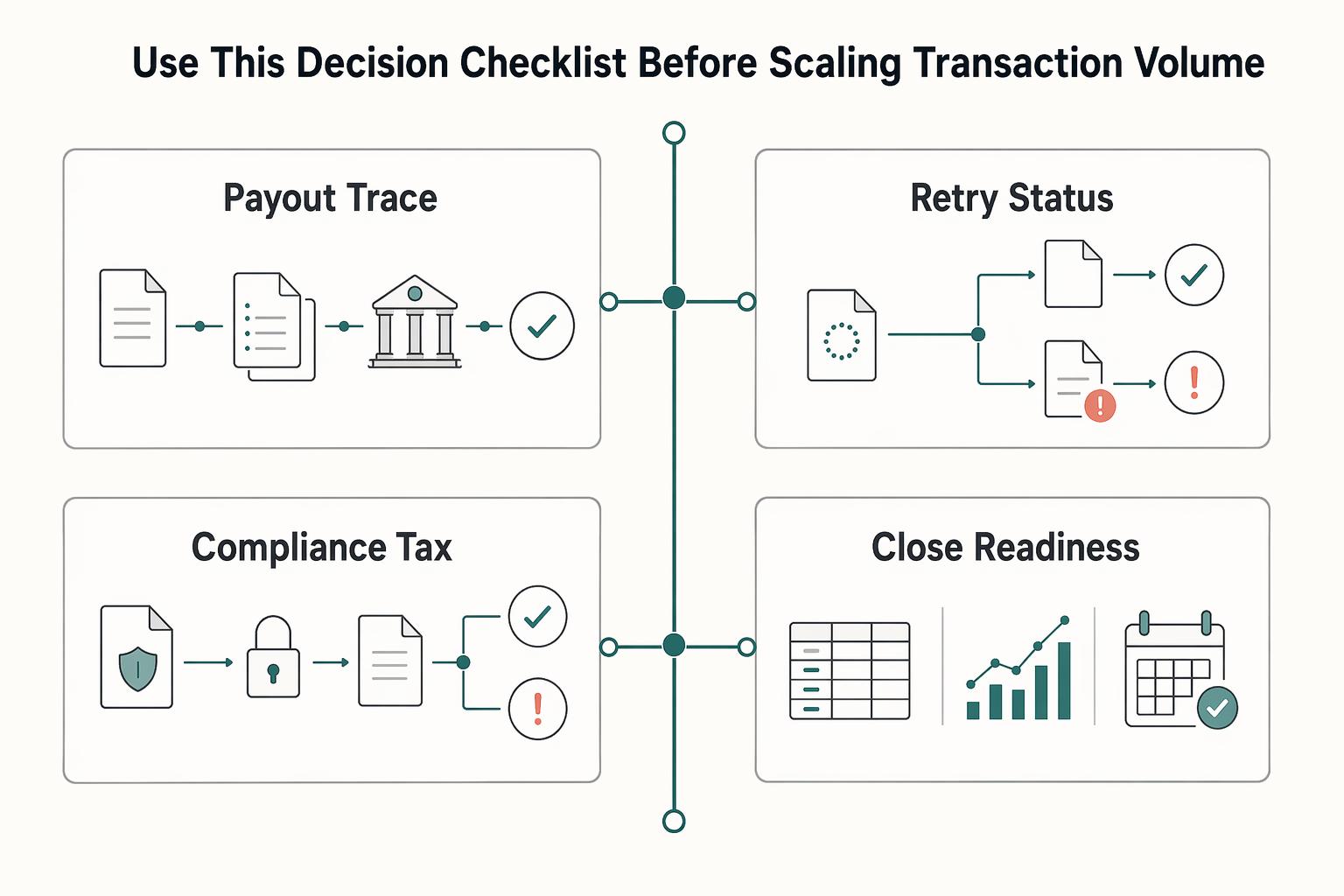
Accounts Payable vs. Accounts Receivable for Platforms and the Two-Sided Ledger
If you run a platform, Accounts Payable and Accounts Receivable are not just accounting labels. They are two connected operating flows, and treating them that way early helps you manage matching breaks, payment finalization, and payout readiness with fewer assumptions.
Read more →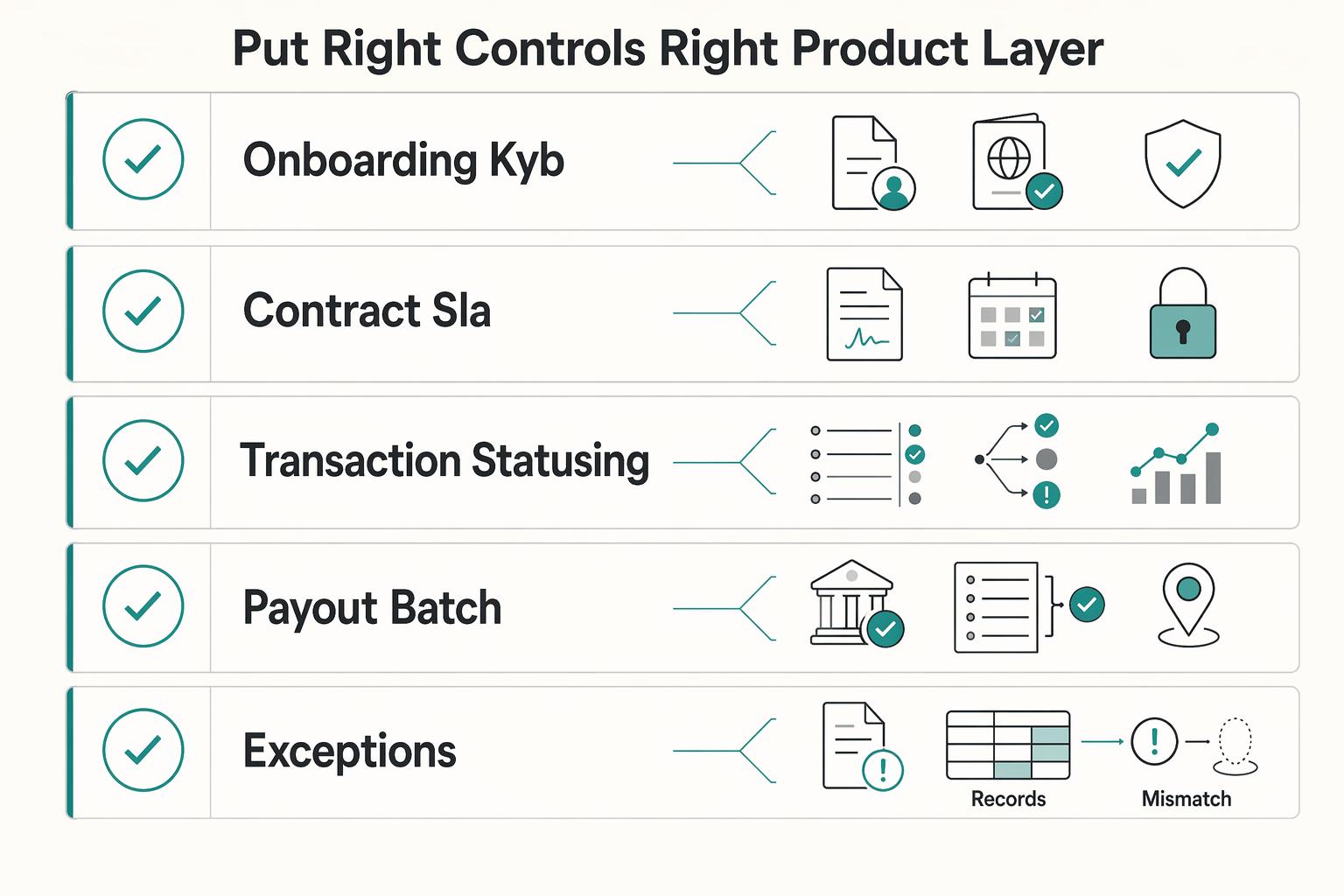
How Marketplaces Build Vendor Trust Through Supplier Relationship Management
Vendor trust in a marketplace belongs in your revenue model, not in a vague partner-relations bucket. If suppliers do not trust how your platform onboards them, governs issues, or communicates status, growth can get more expensive. Activation can slow, and teams may spend more time handling exceptions and manual fixes that should have been designed into the product and operating policy much earlier.
Read more →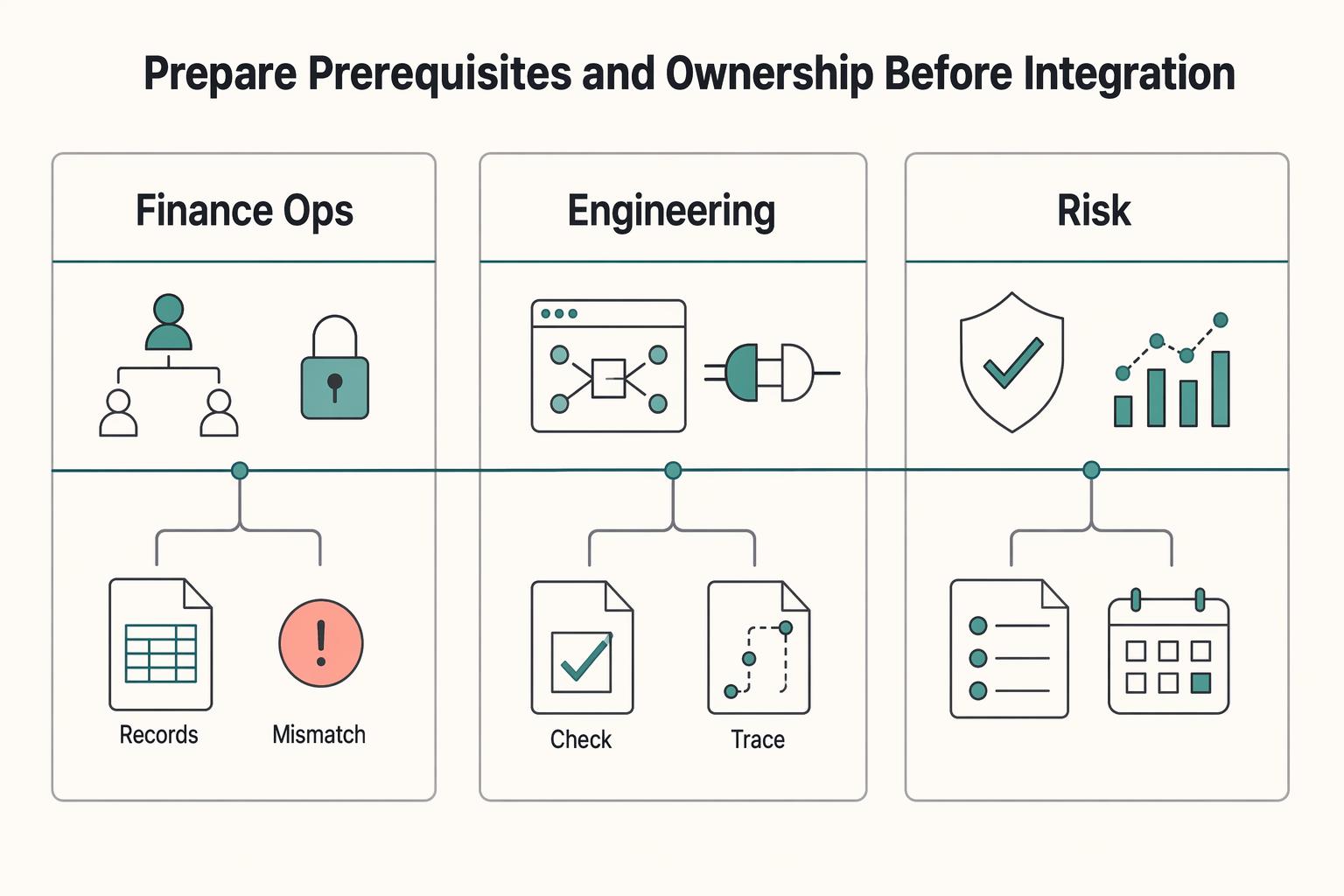
How Platform Teams Enable USDC Freelancer Payouts Without Losing Control
If you're evaluating a **get paid crypto freelancer USDC** workflow at platform scale, the real question is not whether stablecoins are interesting. It is whether you can add USDC as a payout rail without creating compliance, reconciliation, or support problems. This guide takes that narrower, more practical view.
Read more →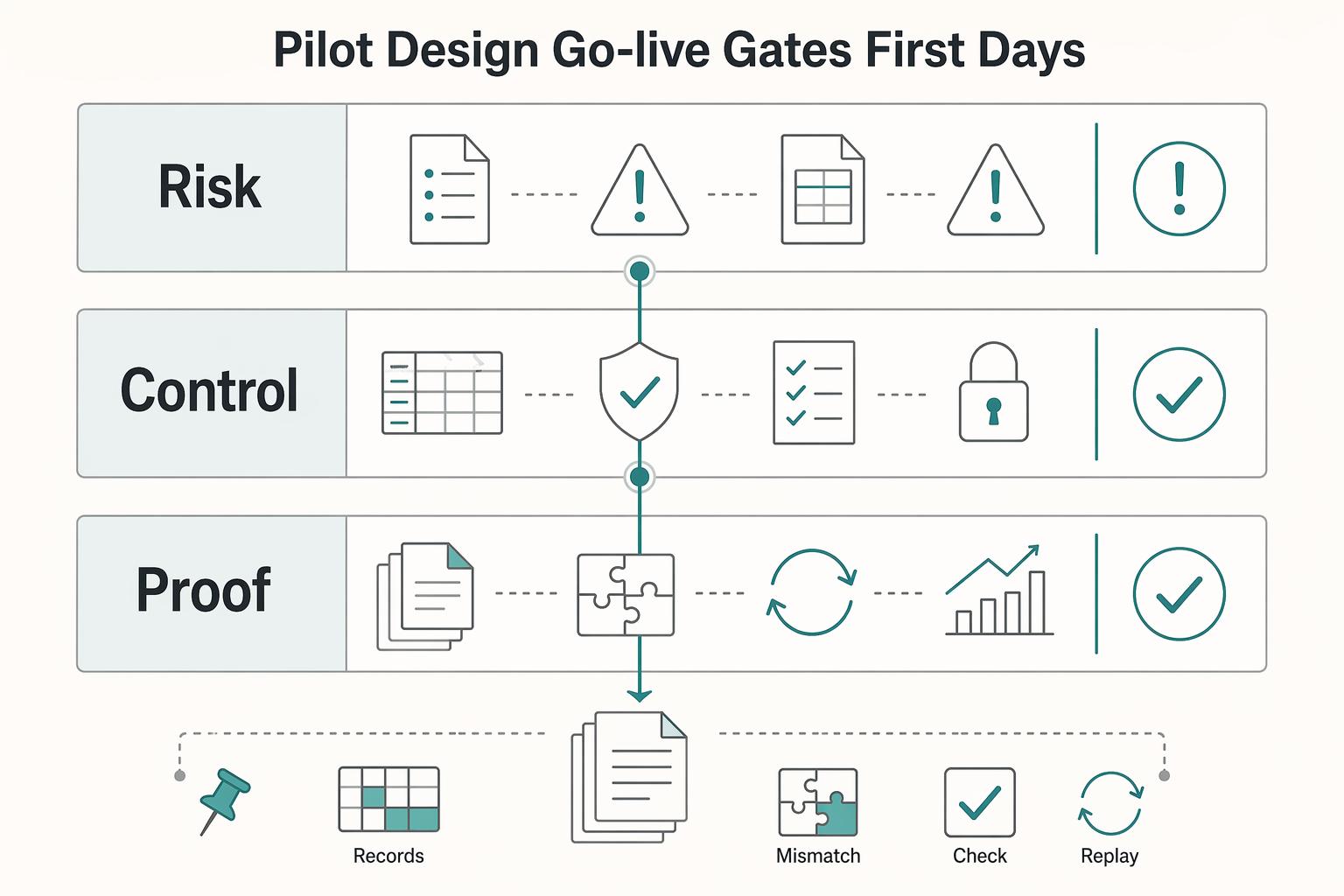
Accounts Payable Software Comparison for Platforms That Need Operational Proof
If your company pays contractors, creators, marketplace participants, or users through embedded payment flows, do not start with a generic AP ranking or a polished demo. Start by deciding what you are actually buying: AP software only, a broader payments layer around it, or a split model where finance owns AP and product or engineering owns payment orchestration.
Read more →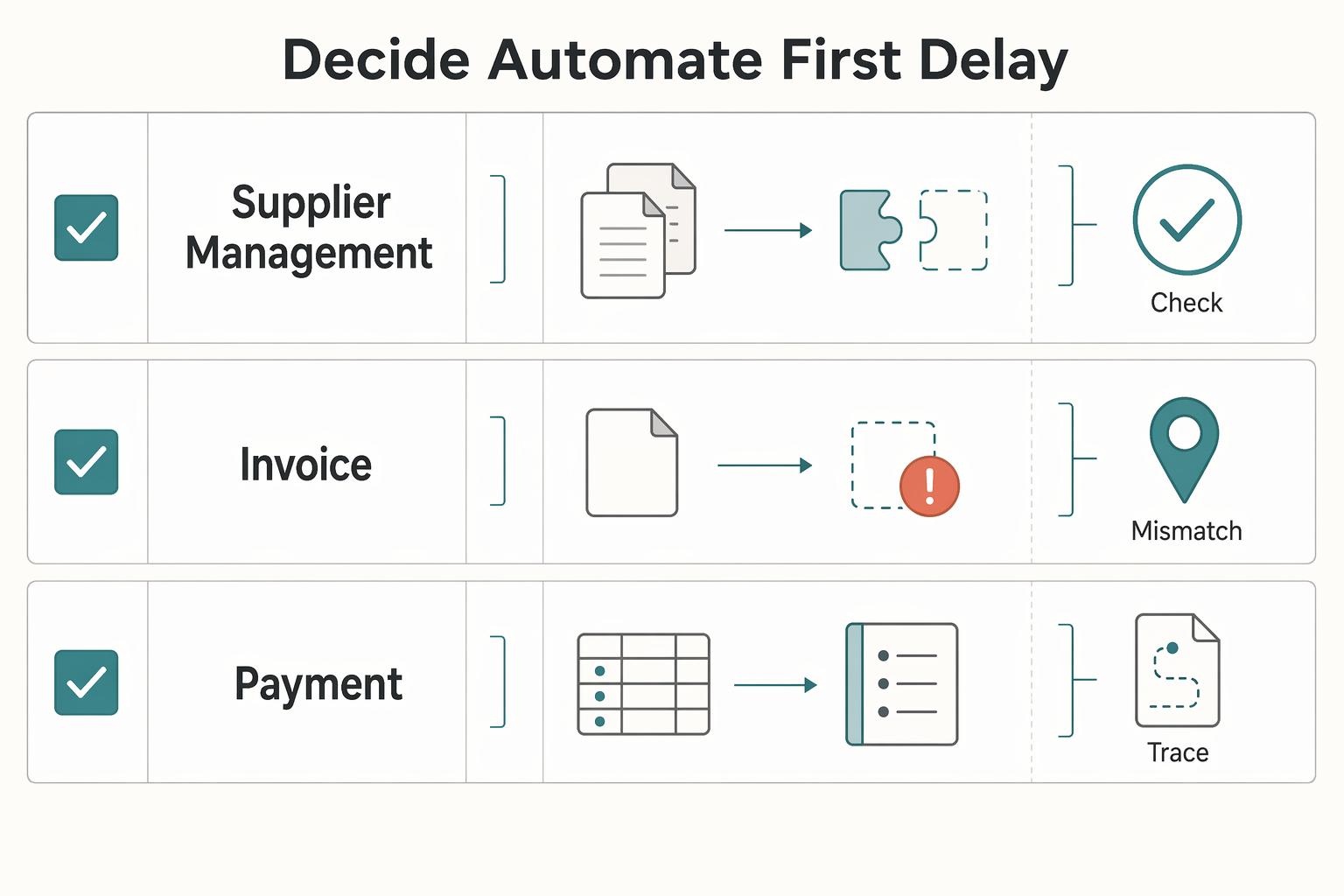
Accounts Payable Automation for Dummies for Platform Operators
Treat accounts payable automation as a sequencing problem, not a software shopping trip. If you are new to AP technology, the useful question is not which tool has the most features. It is which steps you should automate first so invoices, approvals, payments, and reconciliation stay reliable as volume grows.
Read more →
How Platform Teams Get Freelancers Paid Faster Beyond Net-30
Most freelancer payment advice assumes a simple setup: one self-employed contractor, one client, one invoice, one due date. That works for an individual freelancer. It breaks quickly when you run a platform or an embedded payout product. Your team is not just trying to move cash faster. You are trying to do it across product, finance, ops, and engineering without losing control of approvals, records, or exceptions.
Read more →
How Freelance Designers Get Hired and Paid on Dribbble
Dribbble can be useful for freelance visibility and, sometimes, client opportunities. Treat it like a hiring funnel, not just a gallery. If you're evaluating **dribbble for freelance designers**, the practical question is simple: what can it reliably do for visibility, what can it do for lead capture, and what still has to be proven by your own numbers?
Read more →
Where Freelance Designers Earn More on Dribbble, Behance, or 99designs
Many **dribbble vs behance vs 99designs** comparisons focus on visibility. The more useful question is which channel, or mix of channels, gives you better lead quality and healthier margin for your design business.
Read more →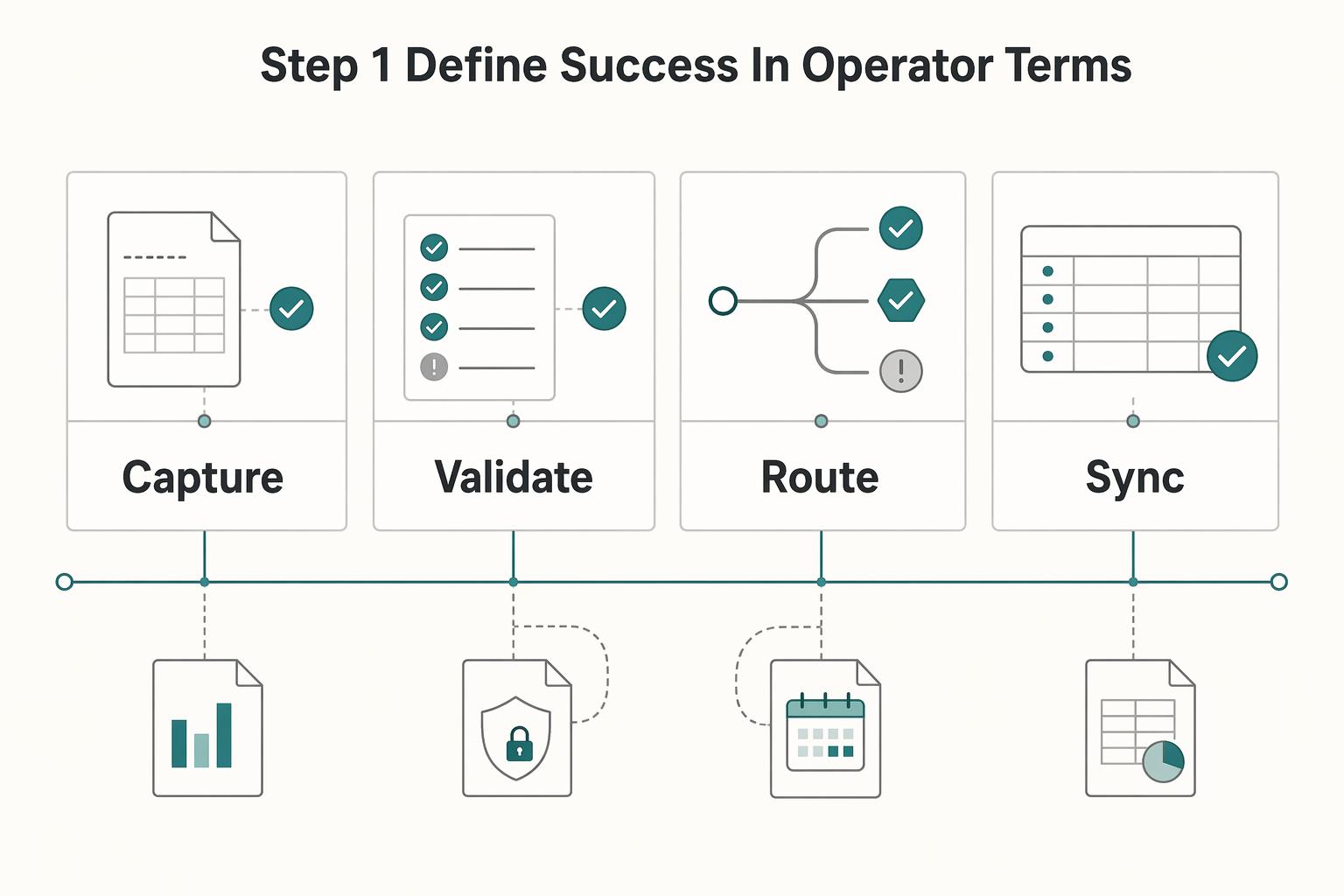
How Platform Teams Automate Reimbursements With Enforceable Policy Controls
Buy an expense tool only if it can do two things at once: enforce policy before money moves, and leave a clean trace after reimbursement hits payment and accounting. Feature-led buying often misses that. You may get easier submissions and faster approvals, but Finance inherits the cleanup when a claim cannot be tied back to the right evidence, payment record, or ledger entry.
Read more →
Best Freelancing Websites in 2026 by Skill Type and Pay Level
Start with fit, not popularity. The best freelancing websites 2026 for your team depend on what you are buying, how much variance you can tolerate, and how expensive a bad handoff will be once the work starts.
Read more →
When Marketplace Platforms Still Face Sales Tax Nexus Obligations
Sales tax exposure in an online marketplace is a platform-level risk, not just a seller issue. If nexus review starts only after a state raises a registration question, teams can end up reacting under time pressure, with rushed decisions and inconsistent assumptions.
Read more →
Affiliate Marketing Management for Platform Operators Running a Partner Network
Partner revenue can be a clean growth engine, or it can turn into an expensive mess of unclear attribution, manual payouts, and commission disputes. The difference is usually not partner enthusiasm. It is the operating model you choose, and whether that model matches the control your team actually needs.
Read more →
How Platform Operators Control Employee Expenses with Automation
Employee expense automation is a control-design problem first and a software-buying problem second. If you optimize only for faster expense report processing, you can still end up with weak policy enforcement, delayed reimbursements, and finance teams doing manual cleanup.
Read more →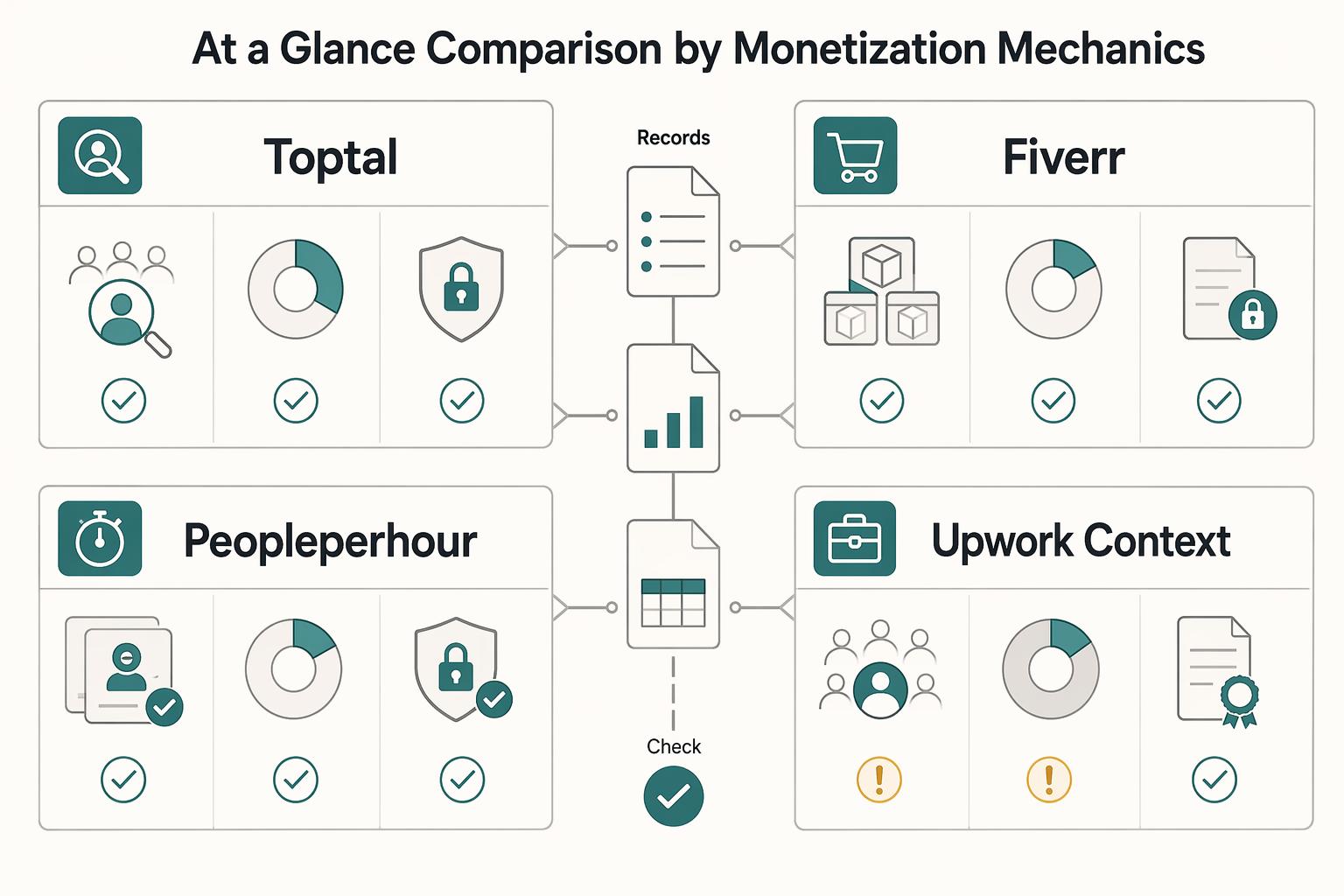
Toptal vs Fiverr vs PeoplePerHour for Freelance Hiring Economics
Most comparisons of Toptal, Fiverr, and PeoplePerHour start with reputation, talent labels, or surface pricing. That is usually the wrong place to begin. The real decision is economic design: who absorbs fees, how matching happens, where payment friction sits, and how those mechanics can show up in your margin, delivery speed, and rework cost.
Read more →