
Quick Answer
Use a gated sequence: source for fit, qualify with one intake record, approve with pass/fail evidence, then onboard to first live placement and payout-ready status. Keep one proof standard across Impact.com, PartnerStack, Trackdesk, Endorsely, Upfluence, and Publisher Discovery by running the same tracking-link test, attribution test, and reconciliation export test before expanding volume.
Why most affiliate recruitment programs stall after early wins#
Many affiliate programs do not stall because too few people apply. They stall when too few approved partners get activated, and when approvals are treated as the finish line instead of a control point.
Step 1 Set the target around activation, not applicant volume#
The useful target is not raw signups. It is a shorter, more meaningful chain of events: you recruit for fit, approve with care, and activate the partner. That is the difference between collecting names and building a real channel.
This matters early because applicant volume can look healthy while execution underneath is weak. If your team cannot see the path from applicant to approved affiliate to active partner, you may be rewarding activity that does not turn into results. Use a simple checkpoint here: before pushing more recruitment, confirm you can see where partners drop off after approval, not just how many joined.
The core operating idea is simple: success comes from recruiting the right affiliates and getting them active. If approval becomes the finish line, the program fills with inactive accounts.
Step 2 Choose speed carefully#
Founders and revenue leaders usually feel the same pull: recruit faster, approve faster, show pipeline growth. The tradeoff is that speed without controls creates hidden rework long before it creates durable results.
That is why vetting and approvals need to be fast, but controlled. Done badly, growth can look strong on new partner count while activation lags. Done well, approval is a control point, not a rubber stamp.
If you have to choose, favor controlled approvals over maximum intake. A slower approval queue is often easier to fix than a large pool of low-fit partners who never activate.
Step 3 Follow the execution path in order#
The rest of this article follows the sequence that helps prevent that stall: recruit for fit, then run vetting and approvals fast but carefully, then focus on activation, and only after that widen the funnel.
If you keep that order, recruitment friction stays manageable instead of becoming expensive.
Set success metrics before you recruit anyone#
Set your success definition before you add volume, or recruitment will optimize for intake instead of outcomes.
Step 1 Define success in business terms. Before outreach, set targets for what happens after approval: approved-affiliate rate, time from approval to first qualified referral, and payback window by channel. If you cannot trace candidate source to approval, activation, and first qualified referral, you are still measuring activity, not performance. Your checkpoint is simple: can your team explain where partners stall after approval and which channels activate fastest?
Step 2 Set disqualifying economics up front. Build your Ideal Affiliate Profile and pair it with clear no-go rules for margin quality. If a partner type consistently brings low-fit traffic, attribution disputes, or long payback, treat that volume as a cost center even when applications look healthy. Affiliate operations are data-intensive and fraud-sensitive, so low-quality volume usually means more manual review, more payout exceptions, and noisier ROI reporting.
Step 3 Fix instrumentation before expanding. If you cannot track approval-to-activation and payout error rates, delay tool expansion and partner-count growth. Tie partner economics to payout execution early so commissions and disputes do not break trust or distort payback analysis. One missed commission or disputed payout can push strong partners to leave.
Prepare the evidence pack your team needs to recruit and vet at scale#
Lock your evidence pack before you scale recruiter volume. If two reviewers would answer the same applicant differently, your process is not ready.
| Area | What to set | Check |
|---|---|---|
| Intake pack | Keep your Ideal Affiliate Profile, offer terms, prohibited traffic sources, and commission logic in one place, and add clear examples of acceptable and unacceptable partner types. | Give the same sample application to two reviewers and compare both decision and rationale. |
| Compliance prerequisites | Document when KYC, KYB, or AML checks apply by market and program design, which applicant types need extra review, and who can approve exceptions. | Keep "approved" tied to completed prerequisites, not to follow-up later. |
| Tax and finance artifacts | Decide what your flow collects, where it is stored, and who owns collection and review; include W-8 or W-9 where applicable, VAT handling assumptions, payout details, and Form 1099 ownership if it applies. | Finance should be able to open one approved partner record and immediately see tax form status, entity name, payout destination, and document source. |
| Dry run | Run a tracking-link test, attribution test, payout simulation, and reconciliation export test, and keep screenshots and export samples. | Confirm the referral attributes to the correct partner, commission follows your terms, and finance can reconcile the export. |
Step 1 Build one enforceable intake pack. Keep your Ideal Affiliate Profile, offer terms, prohibited traffic sources, and commission logic in one place, and use that version for outreach and review. In a pay-for-performance model, define exactly which results earn payout and which do not. Add clear examples of acceptable and unacceptable partner types so approvals are not based on gut feel. Sanity-check consistency by giving the same sample application to two reviewers and comparing both decision and rationale.
Step 2 Define compliance prerequisites before approvals begin. If your program supports KYC, KYB, or AML checks, document when each applies by market and program design. Specify which applicant types need extra review and who can approve exceptions. Keep "approved" tied to completed prerequisites, not to follow-up later. Otherwise, you risk approving quickly and discovering missing entity details when finance prepares payout.
Step 3 Set tax and finance artifacts before launch. Decide what your flow collects, where it is stored, and who owns collection and review. Include W-8 or W-9 where applicable, VAT handling assumptions, payout details, and Form 1099 ownership if it applies in your setup. Use payout readiness as your checkpoint, not form presence alone. Finance should be able to open one approved partner record and immediately see tax form status, entity name, payout destination, and document source.
Step 4 Run a controlled dry run for tracking and payout flow. Before opening the program, run a tracking-link test, attribution test, payout simulation, and reconciliation export test. Use an internal test partner or controlled pilot account, and keep evidence from the run, including screenshots and export samples. Confirm the referral attributes to the correct partner, commission follows your terms, and finance can reconcile the export. Fix any break before recruitment volume turns a small error into payout disputes.
This pairs well with our guide on How to Set Up an Affiliate Program for Your SaaS Product.
Choose your recruitment stack based on control needs not feature lists#
Choose the stack that can enforce your evidence pack, not the one with the most polished demo. If you need a faster launch with fewer handoffs, start with an integrated platform. If compliance, payout logic, or audit requirements are more complex, a modular setup can be the better fit, with extra coordination as the tradeoff.
Step 1 Decide whether speed or control is your governing constraint#
Your core decision is speed versus control, not feature volume. Pick the tool that can carry approval rules, tracking checks, and payout evidence without forcing your team back into email and spreadsheets. Otherwise, the program gets managed there anyway.
Rank these five criteria before demos: partner discovery quality, onboarding automation, tracking reliability, payout workflow fit, and audit visibility. Keep your order fixed during evaluation. If reconciliation risk is already a concern, prioritize payout fit and audit visibility over recruitment features.
A modular stack can still be right when discovery and finance/compliance needs are better served by different tools. Just account for the operating friction when handoffs are unclear.
Step 2 Compare candidates with one proof standard, not six different demos#
Use one proof standard across all vendors so the outputs are comparable. For Impact.com, PartnerStack, Trackdesk, Endorsely, Upfluence, and Publisher Discovery, require the same core checks against your own approval and payout logic.
| Platform | Table-stakes proof you should request | Differentiator worth paying for only if proved |
|---|---|---|
| Impact.com | A scripted demo using your sample applicant, approval rules, tracking test, and payout status changes | The one area you ranked first: discovery, onboarding, tracking, payout fit, or audit visibility |
| PartnerStack | The same scripted demo plus an export your finance team can read without manual cleanup | Evidence that it reduces team handoffs in your environment, not just in sales slides |
| Trackdesk | The same scripted demo plus a commission calculation test using your real terms | Evidence that your team can launch and maintain it without hidden manual work |
| Endorsely | The same scripted demo plus an exception case that requires manual review | Evidence that automation still leaves a visible approval and audit trail |
| Upfluence | The same scripted demo plus a sourced-candidate handoff into your review process | Evidence that sourced prospects translate into approval quality, not just more names |
| Publisher Discovery | The same scripted demo plus a clean handoff from prospecting into onboarding and tracking | Evidence that discovery output fits the rest of your stack without rework |
Verification is simple: one recruiter, one finance owner, and one operator should review the same output and agree on what happened. If they cannot confirm approval status, payout readiness, and attribution from one record, keep evaluating.
Step 3 Pressure-test the unknowns vendors rarely prove#
Pressure-test implementation effort, migration friction, and edge-case failure handling before you buy. Ask for a live walkthrough of exception paths, including policy overrides, payout failures, attribution disputes, and post-approval entity changes.
Capture your own buying evidence pack as you evaluate: demo script, screenshots of approval states, sample exports, and written ownership for failed payouts or disputed commissions. That record reduces ambiguity during implementation and later operations.
If partner discovery is part of the decision, broaden diligence beyond software branding. Directories like Clutch let you filter providers by budget, industry focus, location, and platform expertise, but stack outcomes still depend on choosing the right partner.
If you want a deeper dive, read How to Find Vendors for Your Platform: Sourcing and Vetting Third-Party Service Providers at Scale.
Run discovery and qualification through explicit stage gates#
To keep recruitment auditable, separate discovery from qualification and require the same documented fields before a candidate moves forward.
| Gate | Requirement | Purpose |
|---|---|---|
| Discovery | Assign a unique ID and capture the screening fields you require at this gate. | If required fields are missing, keep the candidate in discovery. |
| Qualification | Advance candidates only when status is clear and supported by the record. | Consistent labels make decisions easier to review later. |
| Validity dates | Store an expiration date in the same record and re-check it before the next stage. | This helps prevent stale decisions from passing through. |
| Gate transition owner | Record the owner, decision, and reason whenever a candidate is advanced, rejected, or recycled. | That keeps transitions auditable instead of getting lost in inbox handoffs. |
Step 1: Use one intake record at discovery. Assign a unique ID and capture the screening fields you require at this gate. If required fields are missing, keep the candidate in discovery.
Step 2: Qualify with explicit status labels. Advance candidates only when status is clear and supported by the record. Consistent labels make decisions easier to review later.
Step 3: Track validity dates where they apply. If a qualification input can expire, store that expiration date in the same record and re-check it before the next stage. This helps prevent stale decisions from passing through.
Step 4: Assign one owner for each gate transition. Record the owner, decision, and reason whenever a candidate is advanced, rejected, or recycled. That keeps transitions auditable instead of getting lost in inbox handoffs.
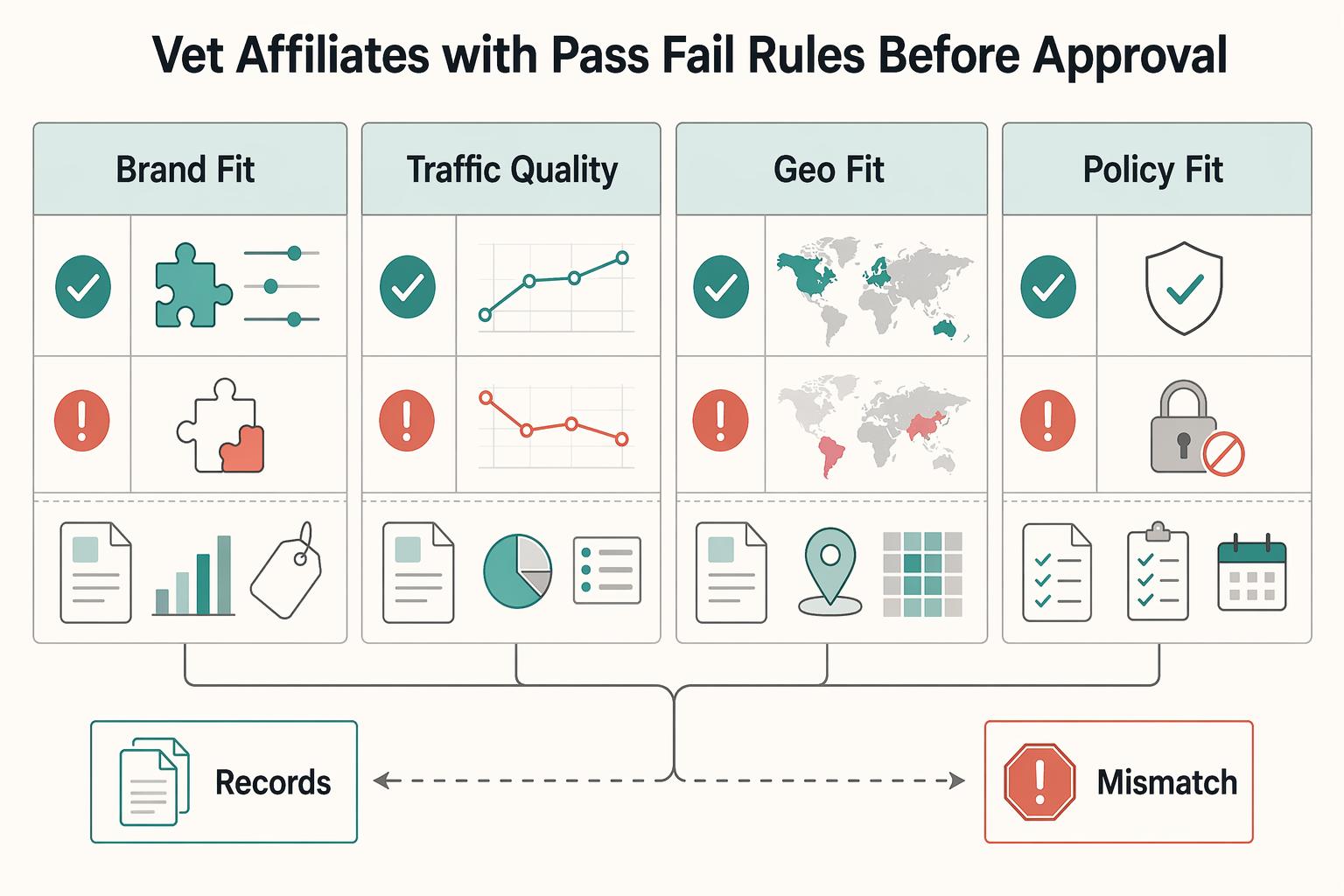
Vet affiliates with pass fail rules before approval#
Once a candidate clears qualification, make approval a policy decision, not a recruiter judgment call. At this gate, the record should show both partner fit and payout readiness.
Step 1 Set pass/fail rules before approvals start. Keep the rubric simple enough that two reviewers can reach the same result from the same evidence. Use hard blocks that stop approval and soft risks that can pass only with a documented rationale.
| Check area | Hard block example | Soft risk example | Evidence to store |
|---|---|---|---|
| Brand fit | Clearly harmful, deceptive, or off-brand content | Mixed content quality or weak disclosures | URL, screenshots, reviewer note |
| Traffic quality | Signals that traffic is not credible | Thin history or unusual spikes that need context | Channel notes, profile screenshots, recent posts |
| Geo fit | Audience is clearly outside your target markets | Partial overlap, but not dominant | Audience geography note, profile data |
| Policy fit | Promotion method conflicts with your terms | Allowed method that needs monitoring | Policy checklist, reviewer note |
Step 2 Include payout readiness in the same gate. Platform choice affects discovery, commission structure, payment processing, and performance tracking, so approval should cover operational readiness as well. Program terms can vary widely, including fixed payouts and percentage commissions (for example, $125, 20%, 15-25%, or 5% models), and those differences change payout operations. Before you approve, confirm the partner record is complete for how your program pays and tracks performance.
Step 3 Define an escalation path for ambiguous cases. For edge cases, route the profile to additional review under your internal policy and keep the decision notes with the evidence. The key standard is auditability: another reviewer should be able to see why the partner passed, failed, or was conditionally approved.
Step 4 Match approval speed to segment risk. For lower-risk segments, automated approval with immediate post-approval monitoring may be appropriate. For higher-risk segments, require a stricter pre-approval gate. Set this rule in advance so speed does not override control when downside risk is high.
For a step-by-step walkthrough, see How to Find a Book Editor for Your Manuscript Stage.
Onboard for first referral fast and payout readiness from day one#
After approval, onboarding should do two things quickly: get the partner to a first referral and confirm they can be paid without cleanup.
Step 1 Start with tracking, then send assets. Set up the tracking link or code first, and verify it works in a real test before sharing a full creative pack. Once attribution is confirmed, send approved assets and the exact commission terms tied to the offer. This keeps activation focused and avoids troubleshooting campaigns that were never trackable.
Step 2 Use one first-campaign checklist. Give partners a short checklist they can finish in one pass: test the link, pick one approved asset, publish one placement, confirm disclosure language, and return the live URL or equivalent placement evidence. That gives you a clear activation record and a fast troubleshooting path. If they cannot show a live placement and the offer they used, they are not fully onboarded.
Step 3 Automate onboarding follow-through, not just recruitment. Use your affiliate tool to run a simple milestone cadence with reminders and a clear handoff to a human owner when something stalls. The goal is operational visibility: who is blocked on setup, who is live, and who has gone quiet. Onboarding and program management should run in the same workflow.
Step 4 Confirm payout readiness during onboarding. Do not wait for the first conversion to find payee issues. Confirm who gets paid, make sure payee and entity details align, and capture anything finance still needs before release. That prevents the common failure mode of partners who are ready to promote but not ready to be paid.
Step 5 Track early activation with an internal rubric. Use a simple first-month rubric to monitor progress, such as first click, first qualified referral, first payout-ready status, and first reconciliation-ready record. Treat it as an internal operating tool, then intervene quickly when a partner stalls. This keeps growth and finance aligned as volume scales.
Related: Finance Automation and Accounts Payable Growth: How Platforms Scale AP Without Scaling Headcount.
Fix the failures that usually break scale#
Scale usually breaks on control quality, not signup volume. The common pattern is weak qualification, late payout readiness checks, unclear ownership, and inconsistent finance evidence.
| Failure mode | Recovery | Check |
|---|---|---|
| Lots of signups, low activation | Keep partners provisional until they complete the milestones that prove they can operate: tested tracking link, one live placement, and confirmed offer. | If they cannot show working tracking and placement evidence, treat them as not fully approved. |
| Payout or compliance delays | Collect payout and compliance-critical partner details earlier, then enforce a pre-payout completeness check before release. | Confirm required payee and record fields are complete and no unresolved compliance flags remain. |
| Tool sprawl and opaque ownership | Assign one accountable owner for each stage transition, even when software automates vetting, payment processing, or fraud monitoring. | Keep stage exceptions visible so blocked partners are handled before they become disputes. |
| Finance cannot reconcile partner spend | Standardize one payout evidence pack and status mapping before adding channels. | Include a consistent audit trail and exportable transaction history so finance can reconcile without manual stitching. |
- Failure mode: lots of signups, low activation.
Keep partners provisional until they complete the milestones that prove they can operate: tested tracking link, one live placement, and confirmed offer. If they cannot show working tracking and placement evidence, treat them as not fully approved.
- Failure mode: payout or compliance delays.
Collect payout and compliance-critical partner details earlier, then enforce a pre-payout completeness check before release. Confirm required payee and record fields are complete and no unresolved compliance flags remain.
- Failure mode: tool sprawl and opaque ownership.
Assign one accountable owner for each stage transition, even when software automates vetting, payment processing, or fraud monitoring. Keep stage exceptions visible so blocked partners are handled before they become disputes.
- Failure mode: finance cannot reconcile partner spend.
Standardize one payout evidence pack and status mapping before adding channels. Include a consistent audit trail and exportable transaction history so finance can reconcile without manual stitching.
Related reading: How to Use Make.com to Automate Onboarding, Compliance, and Cash Flow for Your Freelance Agency.
Conclusion and copy paste checklist#
If you are about to push recruitment volume up, do not scale on applicant count alone. The practical finish line is simpler: more approved partners who reach first live placement fast, stay payout-ready, and do not create finance exceptions you only discover later.
- Confirm your economics guardrails before you add volume.
Decide what makes a partner worth approving before outreach expands. Your checkpoint is not raw signup growth, but whether approved partners move to activation without hurting margin or adding manual cleanup. If you cannot see approval-to-activation and payout exception rates in one view yet, hold volume and fix the tracking first.
- Choose tooling for control and implementation reality.
A strong toolkit can improve execution, but only if it matches how your team actually works. When you review options, ask for one live walkthrough from candidate intake to approval to export, including privacy-first tracking and attribution, because that is where handoff gaps usually show up. Red flag: the demo looks smooth until you ask how rejected, recycled, or exception cases are logged.
- Enforce stage gates across discovery, qualification, vetting, onboarding, and activation.
Keep one owner for each gate transition so candidates do not disappear into inboxes or get approved without a record. The evidence pack should travel with the partner: ICP fit, prohibited traffic sources, commission logic, tracking-link test, and any override reason for manual approval. You should be able to explain why any one affiliate is in its current stage in under a minute.
- Pull payout and tax readiness into onboarding.
Treat payout setup and tax documentation as onboarding requirements, not end-of-month ops chores. The failure mode is predictable: the partner is ready to send traffic, but payout setup is incomplete, so first payment stalls and trust drops. Your checkpoint is a clear payout-ready status before meaningful spend or commissions accumulate.
- Review failures weekly and fix the bottleneck before spending more.
Affiliate program management is about managing the right partners, with the right incentives, backed by the right data. Every week, review where candidates stall: discovery quality, slow qualification response, failed tracking tests, missing tax data, or harder-to-detect fraud signals. If one stage is dragging conversion down, tighten that gate or repair that handoff before you buy more top-of-funnel volume.
- Book a demo only when you know what you need validated.
Do not ask vendors for a generic platform tour. Bring your real edge cases: multiple geographies, payout models, compliance rules, finance export needs, and what happens when a partner fails compliance review. A good demo should prove coverage for your markets and exception handling, not just show a polished dashboard.
Need the full breakdown? Read How to Structure an Affiliate Agreement for Your Digital Product.
Need a quick next step on affiliate recruitment, vetting, onboarding, and scale? Browse Gruv tools.
Frequently Asked Questions
How do you find affiliate marketers at scale without lowering quality?
Use more than one sourcing channel, but keep one qualification standard. Affiliate networks such as ShareASale and CJ Affiliate can widen the top of funnel, and you can add direct outreach to complementary businesses, niche influencers, local directories like Yelp and TripAdvisor, plus social search on Facebook and Twitter. The checkpoint that matters is not applicant count but how many approved partners reach a working tracking link and a first live placement.
What should be automated first in affiliate recruitment and onboarding?
Automate repeatable admin first, not final approval judgment. Good first candidates are outreach follow-ups, intake status changes, and reminders tied to required onboarding steps. Keep approval gated on clear evidence a partner can execute, or automation will scale low-fit records faster than high-fit ones.
How do you vet affiliates before approval in a way finance and growth both trust?
Give both teams the same pass-or-fail record. Growth needs audience fit, traffic source fit, niche relevance, and evidence that the partner can actually promote your offer, especially if your market is narrow like cybersecurity, developer tools, or remote work solutions. Finance needs complete onboarding records and a documented reason for acceptance or rejection. A red flag is approving someone on follower count alone with no live placement evidence.
Which is better for scaling, an all-in-one platform like Trackdesk or a modular stack with tools like PartnerStack and Publisher Discovery?
Neither is automatically better. If your main problem is handoffs, an all-in-one option can reduce operational drag. If discovery quality is the bottleneck, a modular mix may give you better sourcing coverage at the cost of more audit and handoff work. Before you choose, run one real test from invite to approval to export and check whether the data you need for reconciliation survives the trip.
When should you require KYC, KYB, or AML checks in an affiliate program?
There is no universal timing rule in this section's evidence, so set the trigger deliberately rather than treating it as a default. A practical approach is to define which partner types or payout scenarios need extra review, then make that requirement visible in your intake and approval stages. The failure mode is discovering too late that additional checks are needed.
How do W-8, W-9, and Form 1099 requirements affect affiliate onboarding timelines?
This section does not support a universal timing claim for W-8, W-9, or Form 1099 requirements, so avoid fixed assumptions. What you can control is ownership: decide early who collects tax information, what fields must be complete before a partner is payout-ready, and what records finance needs on file. If those rules are vague, onboarding can feel fast until payout prep exposes the gap.
Try a related tool
Researched and edited by the Gruv editorial team. Gruv builds cross-border billing, payouts, and finance-operations software for global businesses.
Sources
Includes 3 external sources outside the trusted-domain allowlist.
- acces.nysed.gov/sites/acces/files/vr/2026wioacombinedstatepl...trusted
- leginfo.legislature.ca.gov/faces/billCompareClient.xhtmltrusted
- med.psu.edu/education/academic-resources/md-student-hand...trusted
- nemcc.edu/assets/docs/research-and-effectiveness/nemcc...trusted
- sec.gov/Archives/edgar/data/2107400/0001213900260128...trusted
- affiliatemarketingconsultant.org/best-affiliate-marketing-strategyexternal
- catalystmarketingagency.com/insights/best-integrated-marketing-agenciesexternal
- clutch.co/affiliate-marketingexternal
Educational content only. Not legal, tax, or financial advice.
Related Posts
How to Find Vendors for Your Platform and Vet Third-Party Providers at Scale
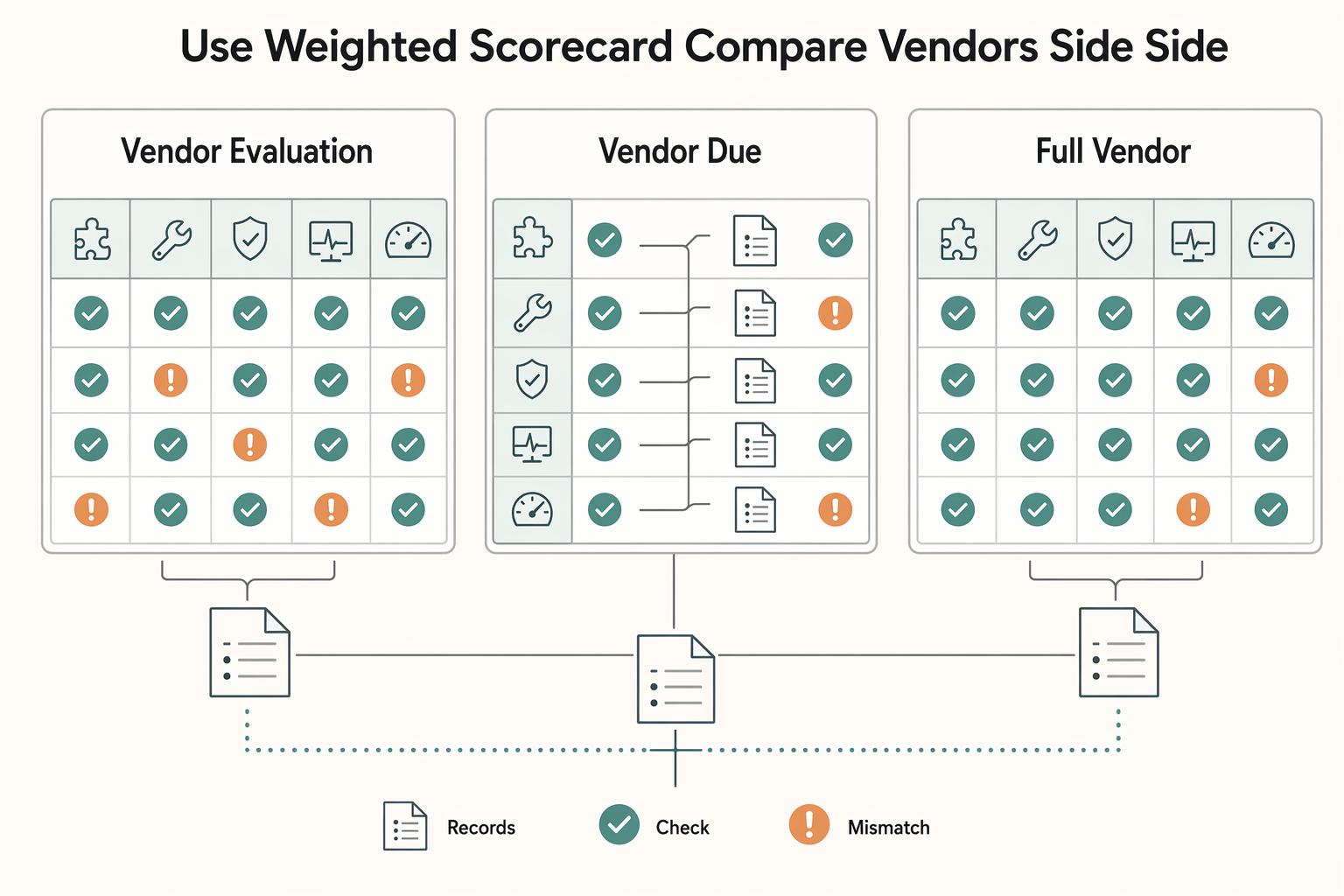
This guide treats vendor choice as a risk decision, not a shopping exercise. If a provider will touch payments, compliance, onboarding, or customer trust, roundup posts are only a starting point. They often do not give you enough evidence to approve, pilot, and monitor a third party with confidence.
How Platform Teams Scale AP Volume Without Adding Headcount
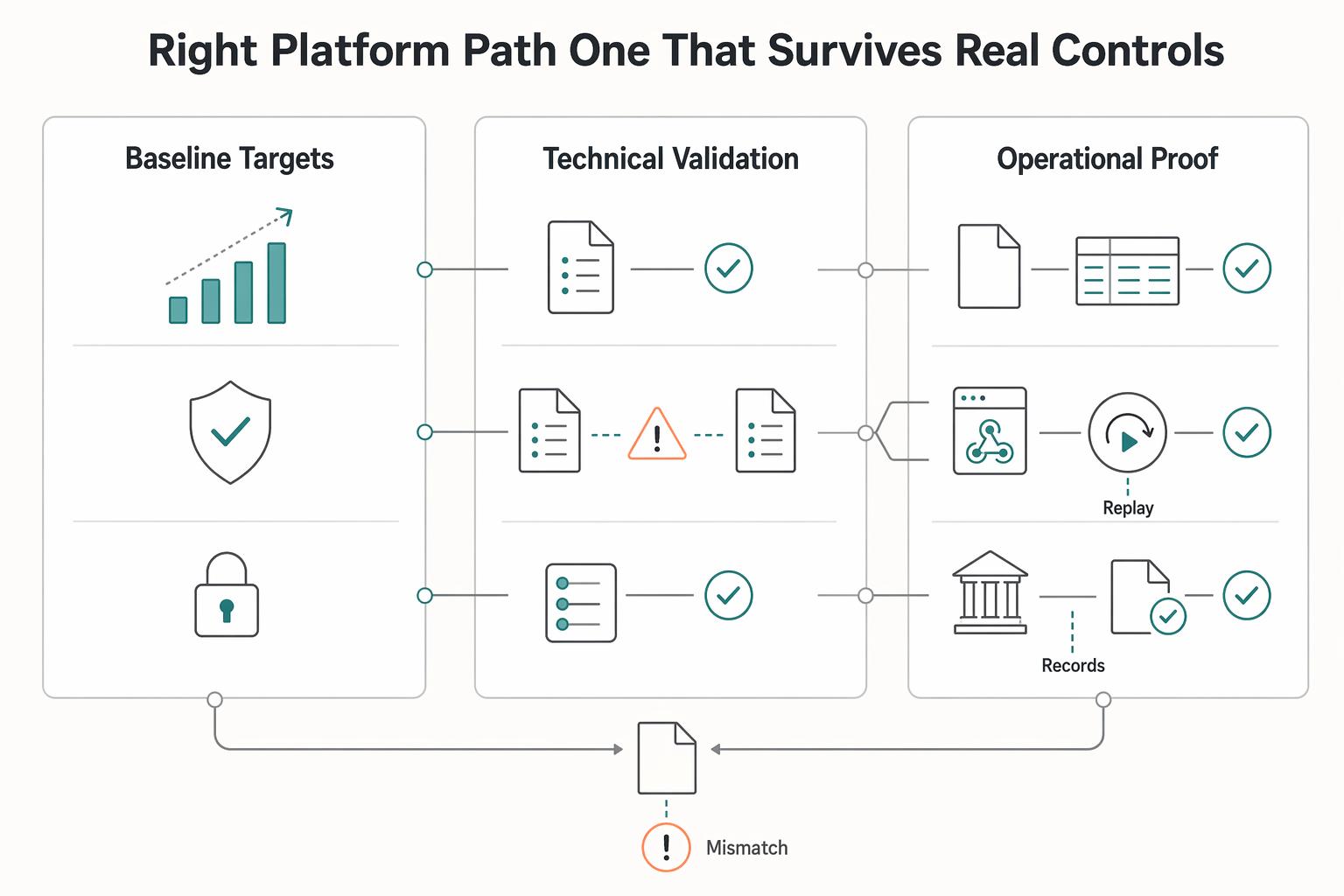
Use this as a decision list for operators scaling Accounts Payable, not a generic AP automation explainer. In these case-study examples, invoice volume can grow faster than AP headcount when the platform fit is right, but vendor claims still need hard validation.
Airline Delay Compensation Payments for Customer Experience and Control
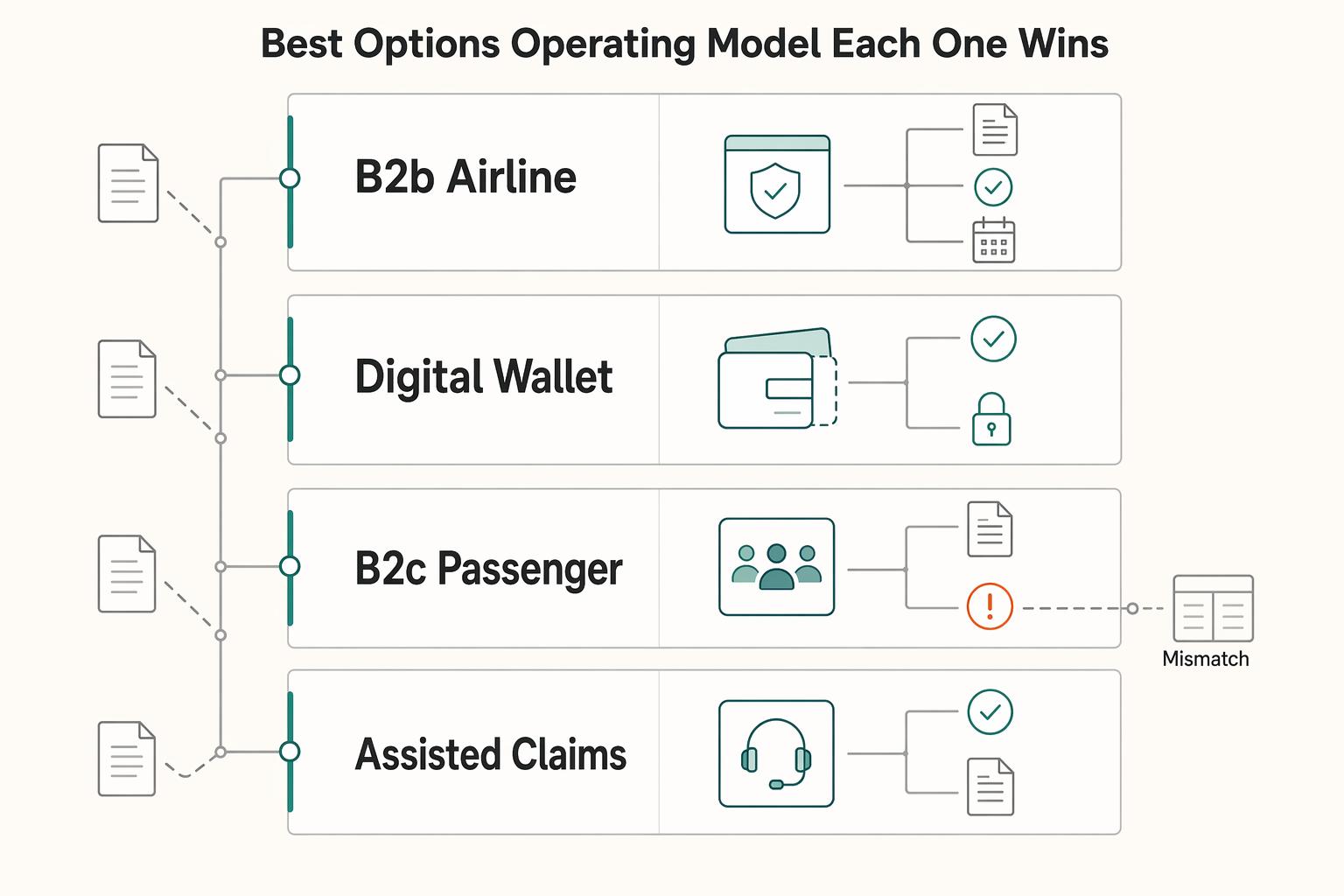
If you are evaluating an `airline compensation payments customer experience delays platform`, split the work into three lanes first: legally owed refunds, discretionary compensation, and outsourced claims recovery. Vendor pages often blur these together, but they lead to different policy choices, ledger treatment, and customer outcomes.