
Quick Answer
Start by shortlisting one or two options beyond Fiverr, then run a 30-day scored trial before switching fully. For broad demand, test Upwork or Freelancer.com with a firm floor price; for specialist positioning, test Toptal or Codeable only if your portfolio is ready. Track accepted rate band, brief quality, revision risk, and payout timing on every lead. Keep platforms that improve margin and scope clarity, and drop channels that only increase message volume.
Choose alternatives by client quality, not volume#
Do not leave Fiverr because it is popular to do so. Leave only if another marketplace gives you better pricing power and a better execution fit for the kind of work you actually want to sell in 2026.
That distinction matters because Fiverr still solves a real problem. It gives people a fast, accessible way into the market and a quick way to support smaller projects. Even Fiverr's own business guide frames the choice as a comparison of pros and cons, costs, and payment structures across 12 freelance platforms. With 700+ categories on Fiverr, access may not be the issue by itself. The real question is whether that access aligns with your pricing goals, scope clarity, and the commission structure affecting your margin.
This guide is for three groups in particular: freelancers trying to raise rates, founders hiring specialized talent, and revenue operators who care about client quality, repeatability, and what each channel does to unit economics. If you only need the fastest possible first gigs, staying on Fiverr may still be rational. If you care more about stronger vetting, better long-term fit, and clearer communication, compare alternatives by buying intent and operating friction, not by brand familiarity.
The evidence base also needs a reality check. Search results for the best fiverr alternatives freelancers often skew toward list posts and community threads. Those can help you spot patterns, but they are not side-by-side benchmarks. Fee talk is a good example. You can find anecdotal claims, such as a Quora example of an Upwork tier of 20% on the first $0 to $500, but that is still user testimony. Do not treat it as current official pricing. So this article leans on decision checkpoints you can verify yourself.
Use that standard from the start. Before you switch, check four things in your own tracker:
- accepted rate band by platform
- quality of inbound brief or job post
- revision and scope risk before close
- payout reliability and payment timing after delivery
That simple evidence pack helps you avoid a common failure mode: leaving Fiverr for another broad platform, changing nothing about your offer or qualification process, and landing in a similar race to the bottom with different branding. By the end, you should have a shortlist, a 30 day test plan, and clear pass or fail criteria for moving beyond Fiverr without guessing.
This pairs well with our guide on Best CRM for Freelancers Who Need Reliable Client Follow-Up.
Choose by pricing power and execution fit first#
Start with a blunt split: if you need the fastest possible first gigs, Fiverr and Freelancer.com can still be rational. If you already have proof of work and want better-paying clients, prioritize platforms where expertise is screened more tightly, such as Toptal, and niche-fit options such as Codeable.
Execution fit matters more than brand familiarity. Across platform comparisons, the same pattern repeats: platform choice affects quality, speed, and reliability, and the buying flow (job post + interview vs a la carte booking) shapes scope clarity, revision risk, and your ability to hold rate.
Use these five filters before you shortlist#
| Filter | What to check | Grounded note |
|---|---|---|
| Client quality | Budget clarity, decision ownership, and a real delivery need | Check this on broad platforms like Upwork, PeoplePerHour, and Guru |
| Access friction | Whether more friction supports stronger rate positioning | Toptal is positioned as a highly vetted talent network; more friction is not automatically bad |
| Fee pressure | Realized margin after proposals, revisions, and unpaid back-and-forth | Treat 20% fee claims in marketing content as non-universal |
| Niche fit | Whether the platform matches your delivery model | Specialized, portfolio-backed work often performs better where buyers select for specific outcomes |
| Payout reliability | Payout timing, dispute handling, and milestone release behavior | Track this before you scale volume on any platform |
Use the table as a first screen, then apply these filters in practice:
- Client quality
On broad platforms like Upwork, PeoplePerHour, and Guru, check whether buyers show budget clarity, decision ownership, and a real delivery need.
- Access friction
More friction is not automatically bad. Toptal is positioned as a highly vetted talent network, and that tradeoff can support stronger rate positioning when your portfolio is ready.
- Fee pressure
Do not choose on fee headlines alone. You will see claims around 20% fees in marketing content, but treat those as non-universal and focus on realized margin after proposals, revisions, and unpaid back-and-forth.
- Niche fit
Match the platform to your delivery model. Specialized, portfolio-backed work often performs better where buyers are selecting for specific outcomes, not just fast task turnaround.
- Payout reliability
Track payout timing, dispute handling, and milestone release behavior before you scale volume on any platform.
If your niche is specialized and portfolio-backed, accepting stricter screening can improve rate anchoring and reduce low-intent buyer volume. If you need volume to learn positioning faster, start with broader pools like Upwork or Freelancer.com, but set a hard floor price before you send proposals.
You might also find this useful: The Best Meditation and Mindfulness Apps for Freelancers.
Compare top Fiverr alternatives on one decision table#
Use this as a validation table, not a ranking table. Choose based on your project type and complexity, then test for quality versus quantity in live opportunities before you commit.
What is confirmed here is limited: late-2025 comparison coverage exists (Useme dated 5 November 2025, Floowi dated November 25, 2025, Squareboat updated Dec 16, 2025), and those sources consistently frame alternatives as useful when you need more specialization, quality, or flexibility than quick-buy hiring.
| Platform | Best-for profile | Access model (open vs admission-based) | Competition intensity | Pricing power potential | Known unknowns from Reddit/Quora/Medium-style threads | Confidence |
|---|---|---|---|---|---|---|
| Upwork | Test if your offer can handle broad-market demand | Not confirmed in the approved sources; verify directly | Not confirmed in the approved sources | Depends on project complexity and buyer quality | Community sentiment is common, but benchmark-grade evidence is limited | Low |
| Freelancer.com | Test if you want another broad-market channel | Not confirmed in the approved sources; verify directly | Not confirmed in the approved sources | Depends on scope clarity and buyer intent | Community sentiment is common, but benchmark-grade evidence is limited | Low |
| PeoplePerHour | Test as an additional channel after core options | Not confirmed in the approved sources; verify directly | Not confirmed in the approved sources | Depends on project complexity and buyer quality | Often discussed in roundups; live fit still needs direct validation | Low |
| Toptal | Test only after confirming current fit and requirements | Not confirmed in the approved sources; verify directly | Not confirmed in the approved sources | Depends on category fit and buyer quality | Discussions often focus on access, not reliable outcome data | Low |
| Guru | Test as a secondary broad marketplace | Not confirmed in the approved sources; verify directly | Not confirmed in the approved sources | Depends on scope quality and decision-maker intent | Limited consistent benchmarking in community threads | Low |
| Codeable | Test if your offer is strongly niche-specific | Not confirmed in the approved sources; verify directly | Not confirmed in the approved sources | Can improve when niche fit is strong; verify with live demand | Niche communities (including r/Wordpress) can over-index on anecdote | Low to medium |
| FlexJobs | Test if curated listings match your delivery model | Not confirmed in the approved sources; verify directly | Not confirmed in the approved sources | Depends on listing quality and role fit | Role mix and buyer intent need direct checks | Low |
| Truelancer | Test only after stronger-fit channels | Not confirmed in the approved sources; verify directly | Not confirmed in the approved sources | Unclear from approved evidence | Coverage is thinner and often anecdotal | Low |
| Kennflik | Research lead, not first-line channel | Not confirmed in the approved sources; verify directly | Not confirmed in the approved sources | Unclear from approved evidence | Evidence is especially thin in approved materials | Low |
Best first test by profile:
- New freelancer: start with one broad platform first and validate opportunity quality before scaling activity.
- Established specialist: prioritize platforms where your specialization is easiest to signal and scope precisely.
- Agency-style operator: prioritize channels where briefs show clear scope, budget ownership, and repeatable multi-deliverable demand.
For related reading, see The Best High-Interest Checking Accounts for Freelancers.
Pick the right platform for your current stage#
Pick one platform, or two at most, for your first sprint. Spreading across too many platforms early usually weakens signal quality and profile momentum. Treat the options below as a test order, not a verified ranking, because much of the available evidence is still community and listicle-level.
Core platforms#
Upwork Best for: early portfolio-builders and growing freelancers who want broad market exposure. Key pros: broad marketplace signal and high volume for testing positioning. Key cons: competition can be intense, so weak scoping can burn time fast. Use case: test one tightly scoped offer and measure response quality before expanding.
| Platform | Best for | Pros | Cons | Use case |
|---|---|---|---|---|
| Upwork | Early portfolio-builders and growing freelancers who want broad market exposure | Broad marketplace signal and high volume for testing positioning | Competition can be intense, so weak scoping can burn time fast | Test one tightly scoped offer and measure response quality before expanding |
| Freelancer.com | Newer freelancers who need repetition and fast market feedback | Broad demand surface for learning what buyers respond to | Price pressure risk if scope and floor price are not explicit | Run fixed-scope offers with strict revision boundaries and a minimum fee |
| PeoplePerHour | Freelancers adding a second broad channel after initial testing | Another general-market option when your service package is clear | Entry conditions and demand quality should be verified before setup effort | Test only if sampled briefs in your niche show clear budgets and scope |
| Toptal | Established specialists testing a more selective path | Often positioned as a specialist-leaning option in community discussions | Community claims are not enough on their own; verify fit and current requirements directly | Compare specialist-fit opportunities here versus a broad marketplace |
| Guru | Freelancers or small operators who want another broad marketplace comparison point | Workable when your delivery can be split into clear milestones | Thinner benchmark-grade discussion means you need your own validation | Sell phased work instead of one bundled promise |
The same test logic applies to the other core platforms:
Freelancer.com Best for: newer freelancers who need repetition and fast market feedback. Key pros: broad demand surface for learning what buyers respond to. Key cons: price pressure risk if scope and floor price are not explicit. Use case: run fixed-scope offers with strict revision boundaries and a minimum fee.
PeoplePerHour Best for: freelancers adding a second broad channel after initial testing. Key pros: another general-market option when your service package is clear. Key cons: entry conditions and demand quality should be verified before setup effort. Use case: test only if sampled briefs in your niche show clear budgets and scope.
Toptal Best for: established specialists testing a more selective path. Key pros: often positioned as a specialist-leaning option in community discussions. Key cons: community claims are not enough on their own; verify fit and current requirements directly. Quora commentary also suggests a potentially narrower skill range. Use case: compare specialist-fit opportunities here versus a broad marketplace.
Guru Best for: freelancers or small operators who want another broad marketplace comparison point. Key pros: workable when your delivery can be split into clear milestones. Key cons: thinner benchmark-grade discussion means you need your own validation. Use case: sell phased work (for example discovery, draft, final) instead of one bundled promise.
Secondary options (niche-first)#
- Codeable: move this up only if your work is clearly WordPress-heavy.
- FlexJobs: consider it if you prefer curated job discovery over pure bidding; verify listing mix first.
- Truelancer: keep it as a lower-confidence test after stronger options.
- Kennflik: treat it as an exploratory lead only; confidence is lowest and requires direct validation.
Stage-based selection#
- Early portfolio-builder: start with Upwork or Freelancer.com, set a floor price first, and optimize for qualified replies over raw activity.
- Established specialist: test Toptal first; if your work is WordPress-specific, test Codeable first.
- Operator optimizing margin and deal quality: start with one broad marketplace, then add PeoplePerHour or Guru only if early briefs show clear budget, scope, and decision-maker signals.
For a related workflow read, see The Best Calendly Alternatives for Freelancers.
Avoid the mistakes that trap freelancers in low-ticket work#
Low-ticket work usually comes from weak qualification and weak test design, not from picking the "wrong" brand. After you shortlist platforms, optimize for buyer intent, proposal cost, and scope control.
- Choosing by familiarity instead of pricing power and buyer intent
Picking between Fiverr, Upwork, or another familiar name by habit can hide better-fit demand. Many freelance platforms are bid-first, not instant-assignment channels, so do not assume quick wins after signup. Test what matters: are the briefs actually written by buyers with clear scope and real budget intent?
- Comparing headline fees while ignoring competition and scope risk
On Freelancer.com and Guru, the listed fee is only one part of your economics. In proposal-driven workflows, bid competition, quoting time, and vague revision terms can wipe out any apparent fee advantage. Even on Upwork, a cited beginner experience describes proposal credits (20 free Connects to start, with 2 to 6 Connects per proposal), which is a useful reminder to track cost per serious conversation.
- Treating Reddit or Quora sentiment as proof
Community threads are useful for hypotheses, not final decisions. They are not benchmark-grade evidence, and competition is fierce even on LinkedIn freelancing channels. Use community input to decide what to test, then validate with your own brief quality and response data.
- Skipping a qualification script and accepting vague scope
Poor-fit clients exist on every platform, so your filter matters more than the marketplace label. Before you price, qualify budget range, decision timeline, success metric, and revision boundaries. If the buyer cannot define deliverables or approval ownership, do not discount to absorb that ambiguity.
For a step-by-step walkthrough, see The Best Invoicing Software for Freelancers in 2026.
Run a 30-day switch test with clear pass-fail checkpoints#
Do not switch platforms on hope alone. Use a 30-day test to see whether an alternative improves buyer quality and rate position, or just creates more activity.
| Week | Focus | What to do | What to track or decide |
|---|---|---|---|
| Week 1 | Setup | On Upwork and PeoplePerHour, keep the same offer, client profile, and proof points; create direct/commercial and diagnostic/consultative proposal variants; keep profile screenshots, both proposal versions, your floor rate, and a one-line qualification script; check each platform's official pricing page | Set control variables first so the comparison is usable |
| Week 2 | Acquisition | Run a controlled batch of qualified pitches against your Fiverr baseline; keep service category, buyer profile, and project complexity as similar as possible across platforms | Log brief quality, stated or implied budget, response speed, and whether the buyer answered your qualification questions |
| Week 3 | Conversion | Measure what happens after first interest, including Toptal and Guru where relevant; track interview-to-close patterns; flag scope creep, budget mismatch, and slow decision cycles | Treat repeated underbidding pressure and undefined scope as quality signals |
| Week 4 | Review | Keep platforms that pass your quality, pricing, and closeability thresholds; pause channels that produce activity without profitable closes | Use the pass-fail rule: buyers respect your floor rate, scope is clear early, and deals move without chasing |
- Week 1 setup
Set control variables first so your comparison is usable. On Upwork and PeoplePerHour, keep the same offer, client profile, and proof points, then create two proposal variants: one direct/commercial and one diagnostic/consultative.
Keep a simple evidence pack: profile screenshots, both proposal versions, your floor rate, and a one-line qualification script (budget, success metric, approval owner). Before you send pitches, check each platform's official pricing page. Fee structures can change, and headline fees may not reflect full cost once hidden costs or fee pass-through effects show up.
- Week 2 acquisition
Run a controlled batch of qualified pitches and compare the results against your Fiverr baseline. Keep service category, buyer profile, and project complexity as similar as possible across platforms.
Track response quality over raw reply count. For each pitch, log: brief quality, stated or implied budget, response speed, and whether the buyer answered your qualification questions.
- Week 3 conversion
Measure what happens after first interest, including Toptal and Guru where relevant. Track interview-to-close patterns and flag scope creep, budget mismatch, and slow decision cycles.
Treat repeated underbidding pressure and undefined scope as quality signals, not just negotiation friction.
- Week 4 review
Keep platforms that pass your quality, pricing, and closeability thresholds. Pause channels that produce activity without profitable closes.
Use a plain pass-fail rule: keep a platform if buyers respect your floor rate, scope is clear early, and deals move without chasing. There is no universal winner, so keep what works for your economics and cut what does not.
Need the full breakdown? Read Best invoicing apps with Stripe for freelancers and small teams in 2026.
Verify client quality and payout reliability before you scale#
Scale only when both signals are true: client quality is strong, and the payment path is clear enough to protect margin. Early traction on a marketplace is not enough on its own.
Use a tighter pre-engagement filter#
Use this filter before you scope work:
| Platform | What to verify before accepting |
|---|---|
| Upwork | It is often used for fast hiring and broad talent, so check for a defined outcome, a budget range, and a clear approval owner before detailed scoping. |
| Freelancer.com | In competitive-bidding conditions with price-undercutting risk, define revision boundaries, confirm out-of-scope work, and agree how change requests are handled if the brief shifts. |
| Guru | It is often positioned around diverse skills and flexible payment options; treat that flexibility as a structuring tool by defining milestone names, acceptance criteria, and completion conditions before kickoff. |
Across all three, ask one dispute question up front: If scope changes or there is disagreement, do we open a new milestone or treat it as revisions? Save screenshots of the original brief, budget, and agreed revision limit before delivery starts.
Check payment operations before volume#
Better client conversations do not automatically mean reliable payouts. Marketplace guidance highlights quality and consistency issues, security and scam concerns, and high service fees and costs, so verify invoice clarity, payout expectations, and the escalation path before you increase delivery volume.
Some comparison content cites roughly 10-20% freelancer commissions and 3-10% client fees on traditional platforms. Treat those ranges as directional, not universal across every plan or geography.
Log evidence that survives gut feel#
Track the same four fields for every closed or lost deal:
- Lead source: job post, invite, repeat buyer, or off-platform referral into the platform
- Accepted rate band: closed rate, not opening ask
- Cycle time: days from first message to funded milestone or signed approval
- Realized margin: revenue after platform fees, revision time, and payment friction
If client quality improves but payment friction rises, keep acquisition on-platform and tighten terms: smaller first milestones, sharper acceptance criteria, and clearer invoice language until payout patterns stabilize.
Related reading: Best No-Code Tools for Freelancers Who Need Clean Handoffs.
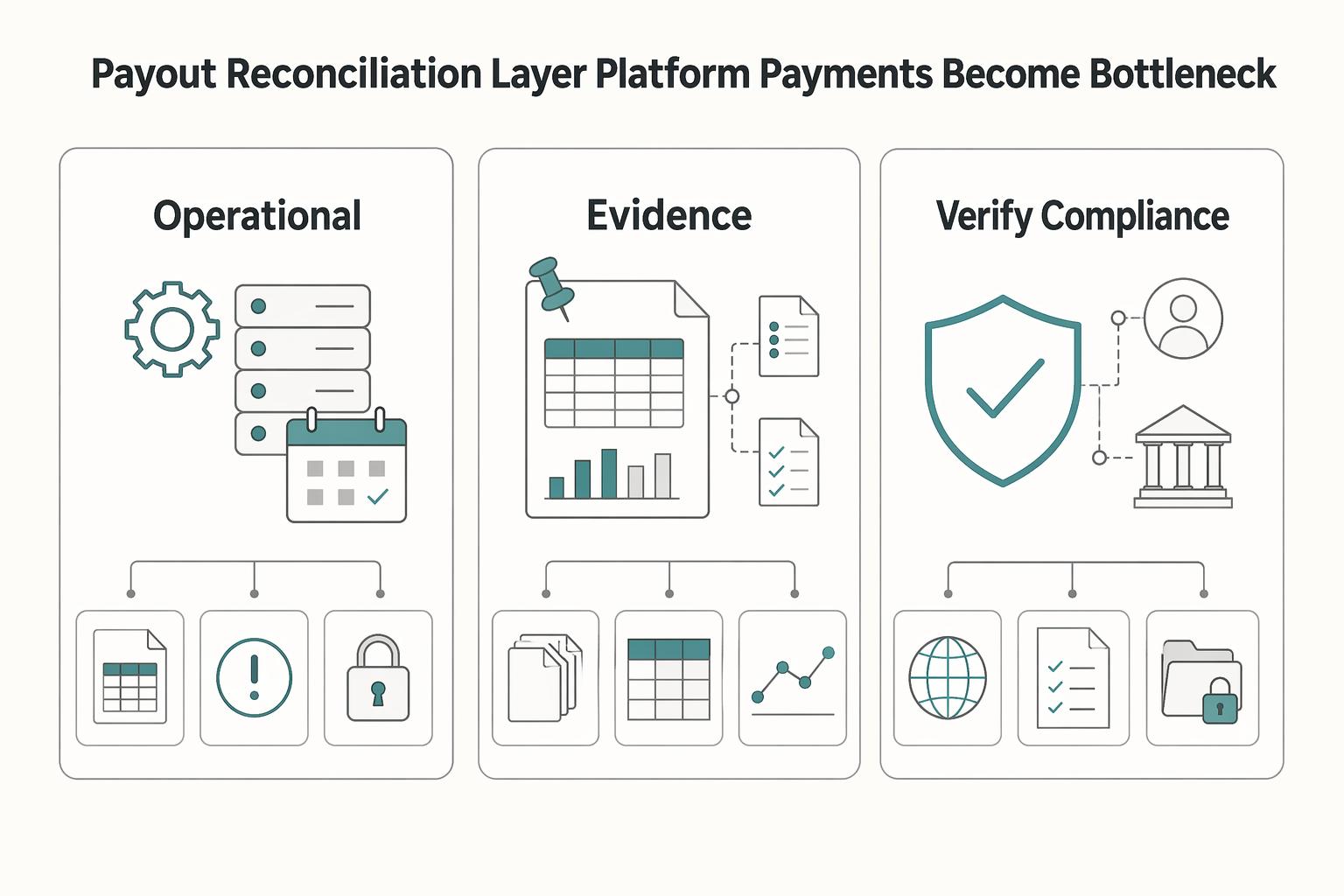
Add a payout and reconciliation layer when platform payments become a bottleneck#
When client acquisition is still working but payouts and records are slowing you down, separate the two functions: keep the marketplace for demand, and add a payment operations layer for execution.
- Use an operational trigger, not a gut feeling about growth
Move when manual handling starts creating slow approvals, failed payouts, or compliance friction. Tipalti's EU guidance is explicit that payment operations get more complex at scale and that manual workflows start to break as volume and complexity rise. Key differentiator: switch when admin risk starts hurting cash flow or auditability.
- Centralize the records that fail first
Where supported, Gruv can act as an operations layer for invoicing, payout controls, and audit-ready reconciliation for freelancers or small teams managing cross-border client flows. Keep a clean chain from invoice to approval to payout reference so records stay consistent as tax validation, multi-currency payouts, and reconciliation stop being one-off tasks. Key differentiator: consistency matters more than adding another acquisition channel.
- Verify compliance scope before shifting volume
Labour classification rules vary by country, and 2026 freelance management system guides already highlight that some tools position global worker classification and compliance as built in. Treat that as a reminder to verify coverage, not assume it. Key differentiator: confirm what is supported in your market and program before you route more payment volume.
This is an operations upgrade, not the reason to choose between PeoplePerHour, Toptal, or Guru. Pick the marketplace for client quality first, then add payment infrastructure when payment operations become the bottleneck. We covered this in detail in Best Business Books for Freelancers Building a Durable Business.
Conclusion#
The right choice is not the platform with the loudest community praise. It is the one that gives you more pricing power and a cleaner way to deliver at your current stage. For most people comparing Fiverr alternatives, the winning signal is simple: better net margin, better briefs, and less delivery stress.
- Choose for economics first
Start with fee structure, then look at buyer quality. Recent coverage describes Fiverr and Upwork with different commission and application cost models, but those numbers should not decide the whole move by themselves. They are only a checkpoint. If a platform brings you slightly better rates but the same revision churn or application waste, your margin may not actually improve. Always verify live pricing and terms before you commit, because fee models change.
- Run a short, scored test instead of following forum sentiment
Pick one or two platforms, not five, and compare them against your Fiverr baseline over a defined trial window. Track the same evidence pack on each lead source: brief quality, stated budget, your proposed rate, close outcome, payout timing, and realized margin after platform costs and revisions. A good pass rule is that client quality should improve enough to raise earnings and reduce stress. A red flag is getting more replies while still seeing vague scopes, budget mismatch, or buyers who resist milestones.
- Fix payment operations when acquisition starts working
Once you have better clients, the next blocker can shift from lead flow to money movement. If your acquisition channel improves and you still lose time to scattered withdrawals, weak payout visibility, or messy reconciliation, add a dedicated invoicing or payout layer so you can see what was billed, paid, and still outstanding. That is especially useful if you start mixing platform work with direct clients or cross-border payments. Commission-free options can help you keep more of what you earn, but they are not automatically better if they create more admin or weaker client handling.
That is the practical end state: use platforms like Fiverr, Upwork, or other alternatives as acquisition channels, then keep only the ones that improve client quality and net return. If you make the call from margin evidence instead of brand familiarity, you are much more likely to land on a platform you can actually grow on.
Frequently Asked Questions
What is the best Fiverr alternative for finding better-paying clients?
There is no universal winner. If you are a specialist with a strong portfolio, start by leaning toward pre-vetted or niche options such as Toptal. Platform choice affects both how quickly you find work and what rates you can command. If you still need volume and proof points, a larger marketplace can be a practical step, but only if you keep a firm floor price so you do not slide into a race-to-the-bottom pattern.
Is Upwork better than Fiverr for freelancers trying to raise rates?
It can be, but not by default. Different platforms reward different selling motions, and results depend on how well you qualify buyers and say no to weak briefs. A good checkpoint is simple: if the jobs or invites you see have clearer budgets, scope, and decision-makers than your Fiverr leads, the switch is helping. If activity goes up but your accepted rate does not, it is just noise.
Which Fiverr alternatives are admission-based or curated?
Toptal is the clearest supported example here. One alternatives guide explicitly labels it as “pre-vetted” and frames it as best for high-end developers and designers, which signals screening before access. Do not assume every alternative on a shortlist is screened the same way.
What should I compare first before switching from Fiverr?
Start with niche fit and buyer quality, then check payment methods, fee structures, and safety features before you sign up. For specialists, niche platforms can outperform large marketplaces because competition may be lower and fit can be better. The red flag is comparing only headline fees while ignoring weak briefs, vague revision expectations, or poor payment handling.
Should I test multiple platforms at once or focus on one?
Start focused: test one platform first, or two at most if you can run a clean comparison. Spreading across too many freelance platforms can weaken your profile momentum and make it harder to tell which changes actually improved results. If you do test two, keep the offer, rate band, and qualification standard as close as possible so you can make a clean comparison.
How do I know if a platform is improving client quality versus just increasing activity?
Look for better economics, not more messages. Track a small evidence pack for each lead source: brief quality, stated budget, your proposed rate, close outcome, payout timing, and realized margin after revisions or platform costs. If you are getting more replies but still dealing with unclear scope, budget mismatch, or slow pay, that platform is adding admin, not moving you closer to a channel worth keeping.
Try a related tool
Researched and edited by the Gruv editorial team. Gruv builds cross-border billing, payouts, and finance-operations software for global businesses.
Sources
Includes 7 external sources outside the trusted-domain allowlist.
- echo.cs.princeton.edu/interactive.htmltrusted
- acctual.com/blog/best-fiverr-alternatives-12-platforms-t...external
- aidoos.com/blog/best-freelancer-com-alternativesexternal
- fiverr.com/resources/guides/business/freelancer-alterna...external
- fiverr.com/resources/guides/business/best-freelance-web...external
- hireinsouth.com/post/fiverr-alternativesexternal
- intelusagency.com/blog/upwork-vs-fiverr-finding-the-right-plat...external
- jobbers.io/best-freelance-platforms-without-fees-2026-k...external
Related Posts

The Best Calendly Alternatives for Freelancers
If you're shopping for Calendly alternatives, the real risk isn't just picking the wrong interface. It's choosing a tool that books time cleanly but still leaves you chasing missed meetings, sending manual follow-ups, and stitching the next step together by hand.
The Best High-Interest Checking Accounts for Freelancers
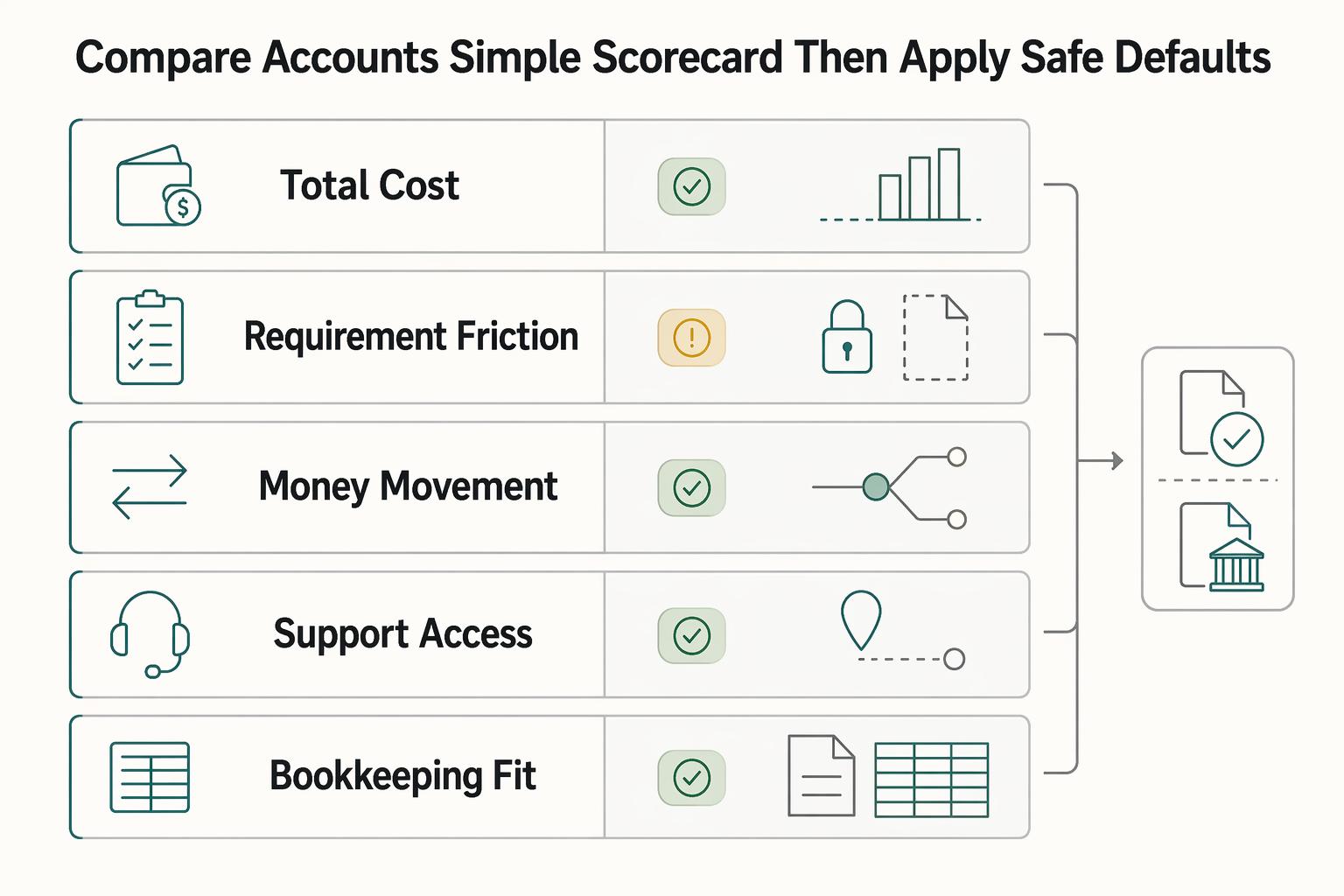
Stop optimizing for the highest advertised rate. Optimize for net yield plus predictable money movement, because that is what keeps your freelance cashflow stable. If you run a business-of-one, treat checking like your cashflow control panel, not an investment product. Once checking becomes a system, you can choose a setup that survives late invoices, odd payout timing, and vendor auto-bills. Then interest becomes a bonus instead of a trap.
The Best Meditation and Mindfulness Apps for Freelancers
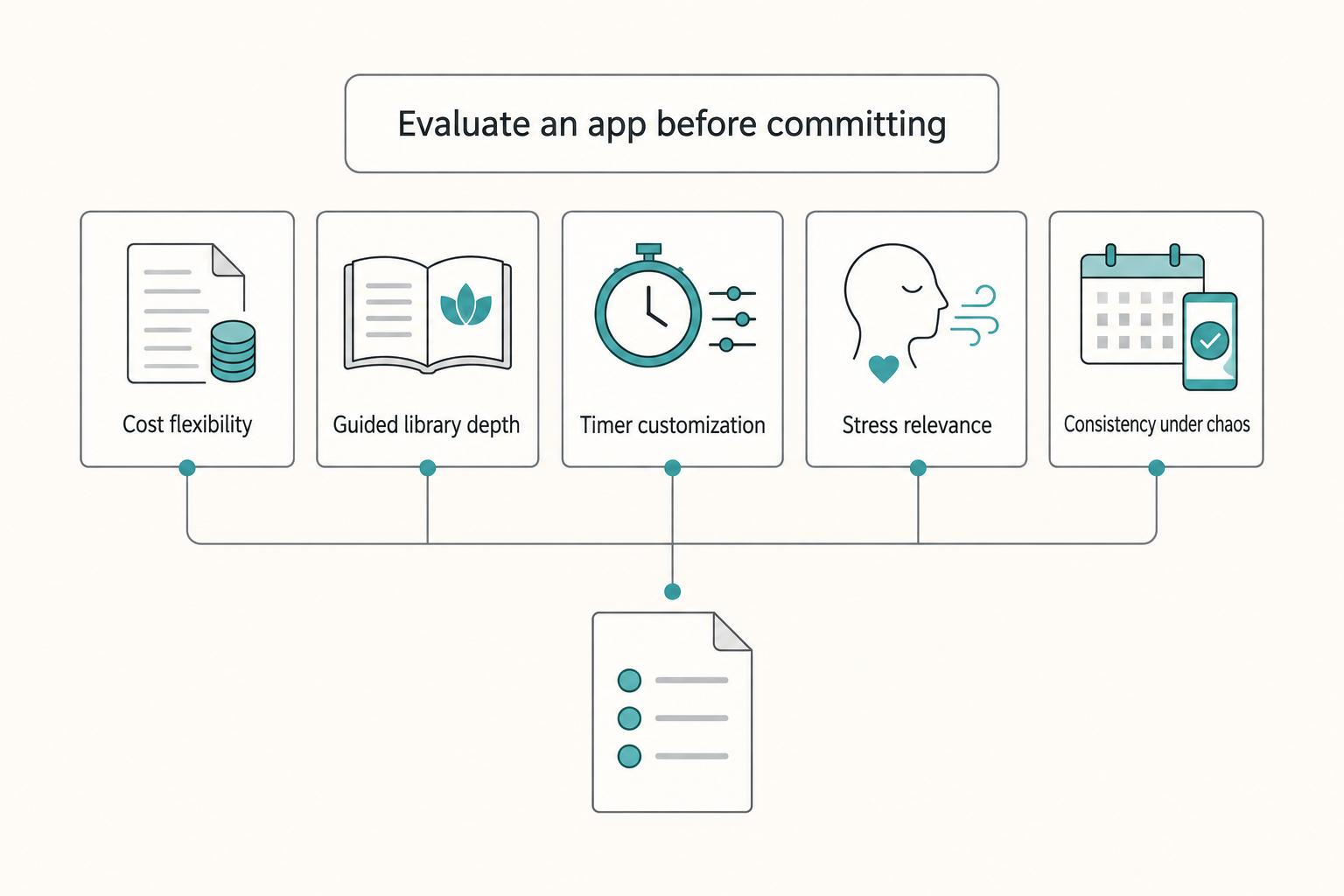
Freelance work breaks generic wellness advice. Working for yourself demands responsibility and accountability, and your schedule shifts fast, context switching drains attention, and stress spikes when delivery risk climbs. As the CEO of a business-of-one, your mind is part of your delivery stack. You own the outcome, so your mindfulness routine has to protect energy and mental health during real deadlines, not just on calm days.