

Quick Answer
Compare Bluevine Standard’s conditional 1.3% APY with Axos Business Interest Checking’s balance-tiered rates and fee waiver. Use your expected balance and activity to calculate net interest before paying for an upgraded plan.
Two interest-bearing options for US freelance businesses#
Choose a business account that accepts your legal form, owners and operating location before comparing its yield. This shortlist covers Bluevine and Axos business-checking products documented on their own sites. The recommendations below are based on published terms and illustrative arithmetic, rather than hands-on testing or an exhaustive ranking of every account.
A personal rewards-checking account can have different permitted-use and qualification terms. A savings account can be useful for reserves, but it is a different product. Compare the operating account you will actually use to receive client payments and pay business bills.
Published rate and fee comparison#
| Product or plan | APY reference, checked 3 October 2026 | Monthly maintenance fee | Interest or waiver conditions |
|---|---|---|---|
| Bluevine Standard | 1.3% on eligible balances up to $250,000 | $0 | Monthly $500 debit-card spend OR $2,500 qualifying customer payments/deposits |
| Bluevine Plus | 1.75% on eligible balances up to $250,000 | $30 unless waived under plan terms | No activity condition for interest; fee-waiver conditions are separate |
| Bluevine Premier | 3.0% on all balances | $95 unless waived under plan terms | No activity condition for interest; fee-waiver conditions are separate |
| Axos Business Interest Checking | 1.01% for the published $0–$49,999.99 tier; lower rates at higher tiers | $10, waived with $5,000 minimum average daily balance | $100 opening deposit; use the applicable balance-tier disclosure |
See the current Bluevine account table and Axos Business Interest Checking disclosure before applying. APYs are variable. The table separates interest requirements from fee waivers; account approval and transaction charges still apply.
Bluevine: consider the free plan before buying a higher rate#
Standard can suit an eligible business that already meets one of its monthly activity conditions. Check which receipts qualify rather than assuming an owner transfer counts as a customer payment. Do not create unnecessary debit spending just to earn interest.
Plus or Premier can make sense when a fee waiver applies or a sufficiently large balance funds the higher rate. Calculate the difference using the plan’s current fee and waiver terms. At balances above a cap, apply the interest treatment of the excess; a headline rate cannot be multiplied across every dollar unless that plan’s disclosure supports it.
Axos: compare the actual tier and average balance#
Axos publishes 1.01% APY for its lowest Business Interest Checking balance tier and lower rates for higher tiers. Its product page lists a $100 opening deposit and a $10 monthly fee waived at a $5,000 minimum average daily balance. A large month-end deposit does not necessarily satisfy an average-balance requirement.
This option is worth considering when you expect to maintain the fee-waiver balance and prefer a bank account without the same monthly activity condition shown for Bluevine Standard. Review the rate calculation across tiers if your balance moves above $49,999.99; do not assume the top advertised rate continues unchanged.
Worked example: a $20,000 operating balance#
Assume a constant eligible $20,000 balance for a full year, unchanged APYs, no tax or transaction fees, and no fee waivers on the paid Bluevine plans. Bluevine Standard also meets its interest activity condition every month. These are comparison assumptions, not a forecast of next year’s rates.
| Option | Approximate annual interest | Annual maintenance fee under these assumptions | Interest less maintenance fee |
|---|---|---|---|
| Bluevine Standard at 1.3% | $260 | $0 | $260 |
| Bluevine Plus at 1.75% | $350 | $360 | −$10 |
| Bluevine Premier at 3.0% | $600 | $1,140 | −$540 |
| Axos at 1.01% with balance waiver | $202 | $0 | $202 |
The paid plan’s higher APY does not automatically produce a better result. Under these assumptions, Standard produces more net interest than either unwaived paid plan. If a plan fee is waived, recalculate; also consider whether useful payment features justify a subscription independently of interest.
At a $2,000 balance, Axos would produce about $20.20 annual interest at the quoted rate, while twelve unwaived $10 fees total $120. That is a net cost before other charges. Low balances make fee avoidance more valuable than a small difference in APY.
Check deposit protection at the actual banks#
FDIC coverage is generally $250,000 per depositor, per insured bank, per ownership category. Other deposits in the same category at the same bank are combined. A second app or account number does not necessarily create another insurance limit.
Bluevine is a financial technology company and identifies Coastal Community Bank and program banks as the deposit institutions for its coverage program. For any sweep or pass-through arrangement, check where the funds are placed and whether you have other balances there. FDIC pass-through guidance explains the ownership and recordkeeping conditions. Insurance addresses covered bank failure; it is not a promise of uninterrupted app access or payment processing.
Compare the payment workflow alongside yield#
- Client receipts: incoming ACH, cheque and wire support, charges and hold times.
- Bills: standard and expedited transfer costs, outgoing limits and approvals.
- Cash access: deposit options and ATM terms for your actual usage.
- Records: statements, exports and accountant access you need to reconcile monthly.
- Contingency: another usable payment route if the primary account is restricted or unavailable.
A few outgoing wire fees or an avoidable late bill can outweigh the interest difference in the worked example. Run one representative month of receipts and payments through the fee schedules. Keep near-term tax and operating cash accessible instead of moving it solely to chase a headline rate.
Choose with your actual monthly pattern#
Start with Bluevine Standard when your normal business activity meets its interest condition and the payment workflow fits. Compare Axos when you maintain its average-balance waiver and prefer its bank and product terms. Consider a paid plan only after the incremental interest or useful features exceed its unwaived cost. Recheck rates and terms before opening or upgrading.
Frequently Asked Questions
Which account pays the most interest for a freelancer?
It depends on your balance, qualification and fees. In the article’s constant $20,000 example, qualified Bluevine Standard nets $260 before tax and transaction fees, while unwaived paid plans can net less despite higher APYs.
Does every Bluevine Standard balance earn 1.3%?
The published Standard rate requires its monthly activity condition and applies to eligible balances up to $250,000. Check qualifying activity and current terms rather than assuming every deposit earns the rate.
Do multiple fintech accounts create separate FDIC limits?
Not automatically. Coverage depends on the actual insured bank and ownership category, and pass-through coverage has conditions. Other deposits in the same category at the same bank are combined.
Try a related tool
Researched and edited by the Gruv editorial team. Gruv builds cross-border billing, payouts, and finance-operations software for global businesses.
Sources
Includes 2 external sources outside the trusted-domain allowlist.
Educational content only. Not legal, tax, or financial advice.
Related Posts
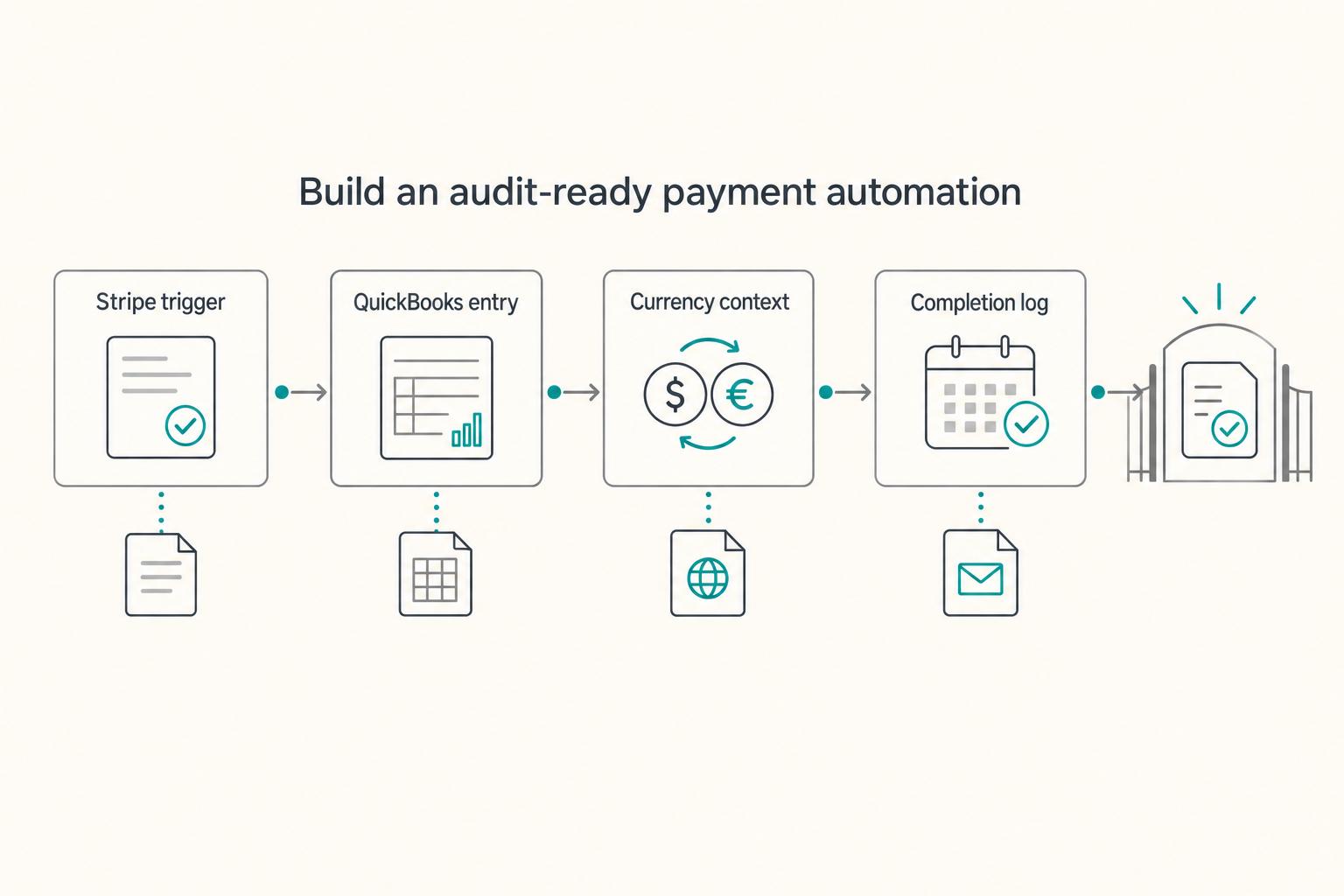
Automating Your Freelance Finances: A Zapier Workflow for Connecting Stripe, QuickBooks, and Wise
Start with one payment flow you understand, then automate its accounting record without losing the source reference. Stripe captures payments, QuickBooks holds the books, Zapier connects the selected steps, and Wise records any separate cross-border balance or conversion activity.
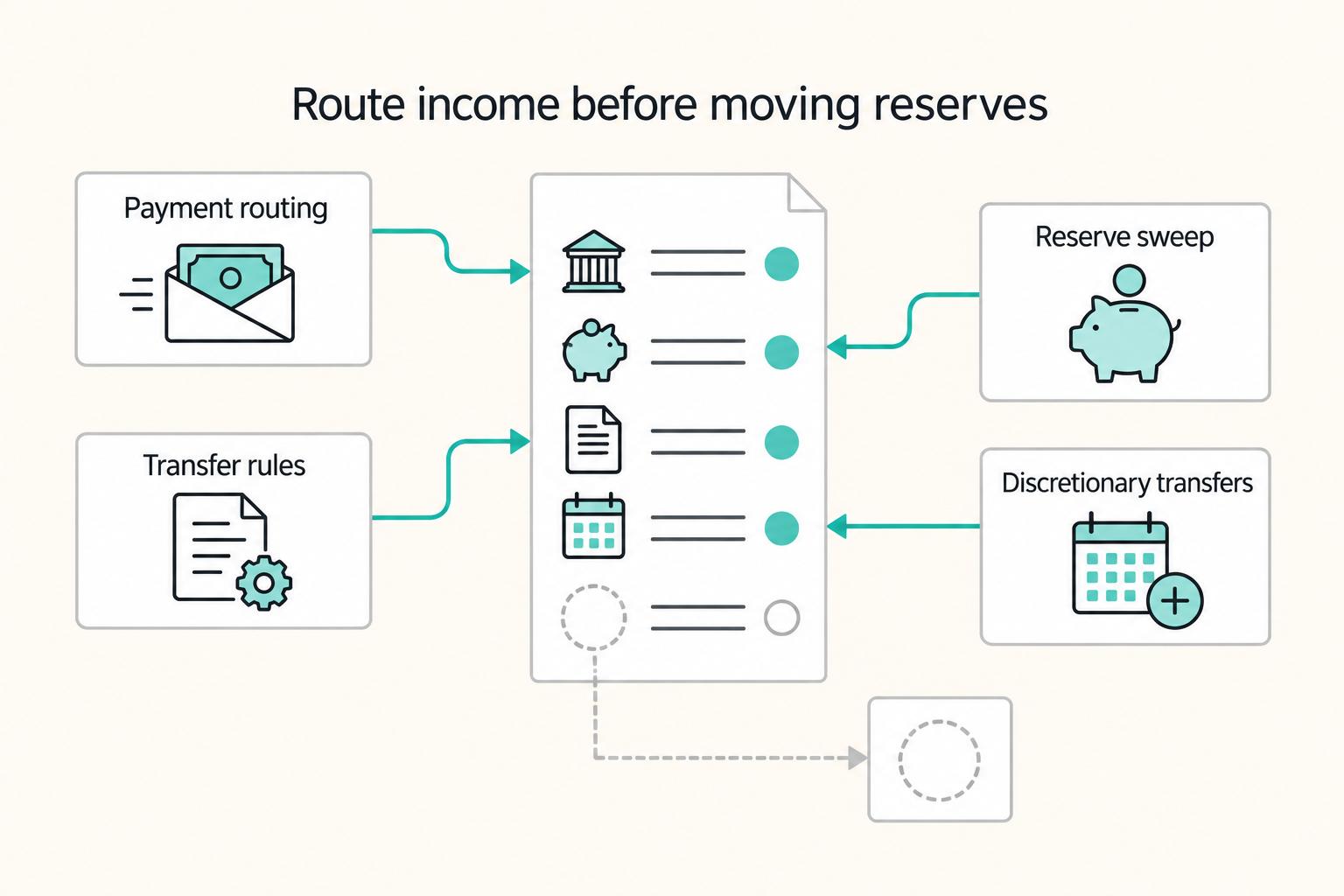
The Best High-Yield Savings Accounts for Freelancers
A freelancer needs two different kinds of savings: reserves belonging to the business and personal savings funded from properly recorded owner draws or pay. Start by identifying which money you are placing. A consumer HYSA may suit a personal emergency fund while prohibiting business transactions; business reserves need an account whose terms permit that use.
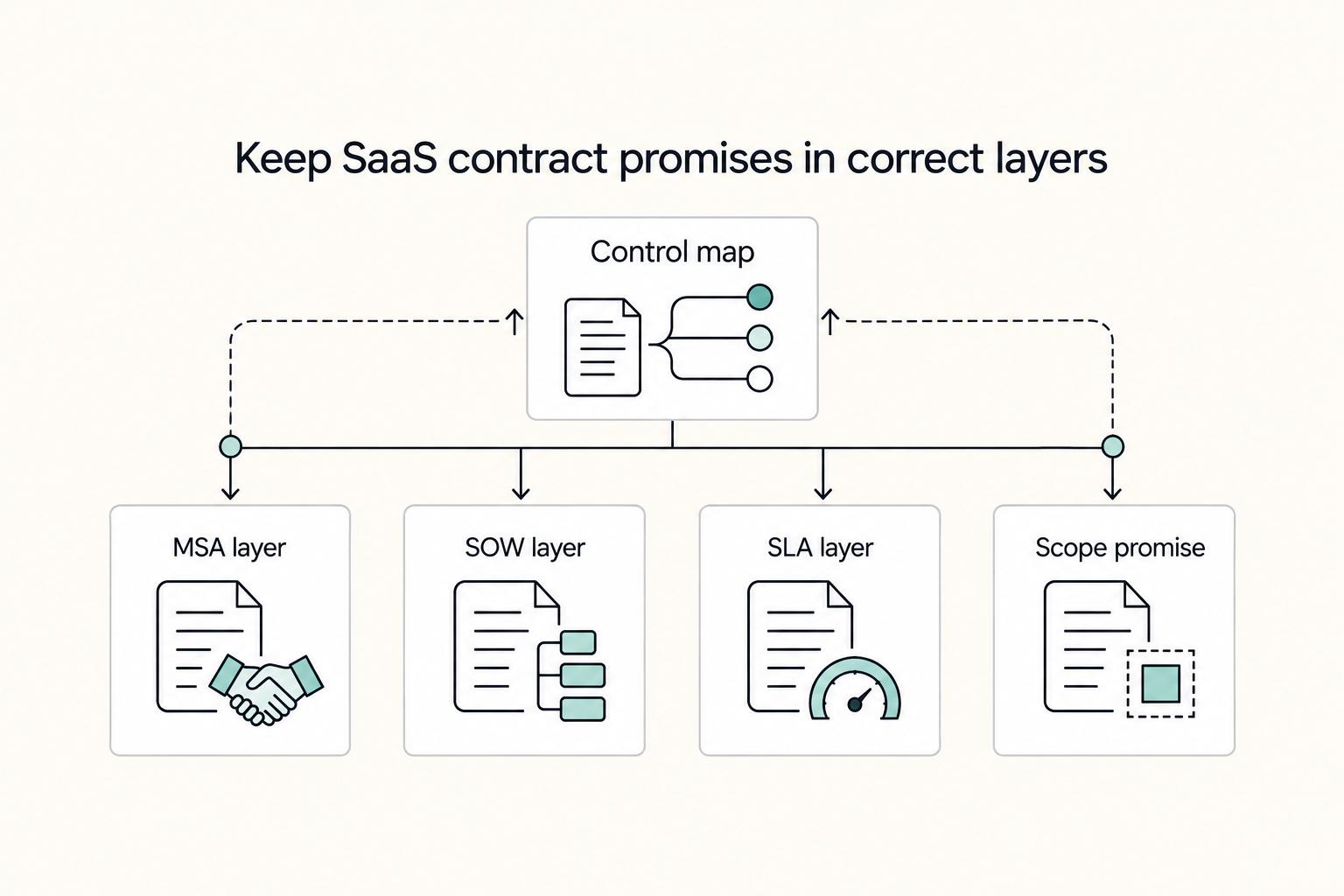
A Guide to the Statement of Work (SOW) for a SaaS Development Project
Before coding starts, agree what the client will receive, how it will be tested and when you can invoice. Those decisions protect delivery time and cash flow more directly than a broad promise to implement the platform.