

Quick Answer
Start with Acuity for appointment intake and deposits, SavvyCal for calendar-overlay scheduling, or Cal.com for a free hosted solo account with multiple calendars. Setmore Free supports up to four users but two-way calendar sync is paid. TidyCal has free and lifetime options with distinct limits and Stripe booking fees; SimplyBook.me is booking-volume based; Doodle helps a group agree on a time. Test your required calendar, reminders and payment flow before switching.
Choose a Scheduler Around Your Client Workflow#
A useful Calendly alternative should solve a specific problem: an appointment intake form, another calendar connection, a client-friendly way to compare availability, or a group poll. Start with the missing capability and the plan that includes it.
The booking page is only one part of the decision. Check confirmation messages, reminders, rescheduling, payment handling and the record you can keep afterward. A manual follow-up can be enough for a small practice; choose automation when it removes work you repeatedly do.
| Lens | Ask this before you shortlist | Good outcome | Red flag |
|---|---|---|---|
| Follow-up control | After someone books or misses, can the tool trigger the next step without you? | More consistent follow-up and less inbox chasing | You rely on manual emails after every call |
| Reminder strength | Can you set reminders and handle rescheduling without extra admin? | Smoother attendance workflows with less manual coordination | Reminder setup is shallow or unclear in docs |
| Intake and handoff | Do booking details move into your next client step cleanly? | Less retyping and fewer admin errors | You still paste notes into other tools |
| Evidence quality | Do current vendor docs clearly show how this works? | You buy based on verified behavior | You are trusting roundup copy alone |
Plan details below were checked against vendor pages on October 5, 2026. For example, Acuity Starter is $20 with monthly billing or $16 per month billed annually ($192 for the year), and its trial lasts seven days without a card. A low advertised monthly equivalent may require annual payment.
For your current setup, see A Guide to Calendly for Freelance Scheduling. Note what already works before evaluating replacements.
Which Freelancers Is This List For and What Should You Score First?#
Use this list if you run a solo or small client-service workflow and need one reliable path from booking to reminder to payment or follow-up. If your core problem is enterprise-style lead routing across reps, territories, or departments, this comparison is the wrong tool for that job.
A solo consultant may need one calendar and email reminders. A small appointment business may need several staff calendars, deposits and intake questions. Write down those requirements before you compare the same tool’s free and paid plans.
Score the shortlist with pass/fail checks first#
Run these six checks before using price as the tiebreaker. Mark a feature optional if you do not use it today; a cheaper plan with a reliable manual handoff may be sufficient.
| Criterion | Pass if | Fail if |
|---|---|---|
| Client UX | Booking is clear, timezone handling is obvious, and rescheduling is easy for clients | The flow feels confusing, timezone behavior is unclear, or clients need manual help |
| Reminders | Reminder timing and message options are verifiable in current docs or a live test | Reminder behavior is vague or only clear after a sales conversation |
| Integrations | Calendar support and downstream handoff are documented, and your must-have connection is current | You rely on old roundup copy or missing connections force manual copy-paste |
| Payment flow | Booking matches how you sell (deposit-first, pay-after-call, or no upfront payment) | Payments feel bolted on and create extra follow-up or reconciliation work |
| Records | You can export usable booking data and keep a clear trail of changes | Exports, history, or handoff data are hard to verify |
| Migration friction | Event types, links, and client comms can be recreated without breaking live bookings | You have live links/embeds/automations and no rollback path |
For paid appointments, check the payment provider’s supported business country, currency and onboarding requirements separately. A scheduler’s payment integration does not establish that your processor account is eligible or that a booking confirmation is a payment receipt.
Run a quick anti-bias check before committing#
| Check | Apply it this way |
|---|---|
| Same-flow recreation | Build the same duration, calendar, intake questions and payment requirement in each finalist. |
| Plan and billing basis | Record the plan, monthly versus annual billing, user count, booking allowance and date checked. |
| Unclear claims | Check the relevant help page and trial the behavior. Keep test results separate from vendor descriptions. |
Keep two finalists that meet your requirements and explain the tradeoff in one sentence: for example, a hosted free plan with more calendars versus a paid appointment tool with deeper intake. You can then test the difference that would justify moving.
How Do the Top Calendly Alternatives Compare at a Glance?#
These are documented capabilities and limits, not a ranking based on app execution. Use the comparison to choose two tools for your own pilot.
Shortlist view#
| Option | Useful starting point | Entry-plan capabilities | Limit that may change the choice |
|---|---|---|---|
| Acuity Scheduling | Paid appointments and structured intake | Starter: one appointment calendar, intake forms, email reminders and payments/deposits; $20 monthly or $16/month annually | SMS starts on Standard; refunds are handled in the connected payment processor. |
| SavvyCal | Client-friendly availability comparison | Recipients can overlay their calendar; Basic includes unlimited calendars/links and meeting polls | Paid bookings and custom domains require Premium. Check the selected billing option. |
| Cal.com | Free hosted solo scheduling | Individual: one user, unlimited event types/calendars, email/SMS notifications and Stripe/PayPal payments | Team routing and round robin require Teams; $12/user/month billed yearly. |
| Setmore | A small appointment team | Free: up to four users, unlimited appointments, payments, confirmations and one email reminder | Two-way calendar sync and SMS reminders require Pro; SMS country and credit limits apply. |
| TidyCal | Low-cost solo booking | Free: unlimited bookings and booking types, paid bookings, one calendar connection | Free has no CSV export or automatic meeting links; Free and lifetime plans add a 1% fee on Stripe bookings. |
| SimplyBook.me | A booking-volume based service business | Free: 50 bookings/month, one provider and one premium custom feature | Free must be renewed monthly; Basic adds 100 bookings, five providers and three premium features. |
| Doodle | Finding a time that works for a group | Free: one Group Poll, one Booking Page and one 1:1 | Pro adds unlimited polls/pages and deadlines/reminders; a poll still needs a final agreed meeting. |
Cal.com’s Individual plan is hosted: you do not need to self-host to use its free solo features. For appointments, count staff or service calendars separately from connected external calendars. Acuity’s one-calendar Starter allowance is an appointment-calendar limit, not a claim that only one external calendar can connect.
For each finalist, save the reminder settings, booking confirmation, reschedule result, payment receipt where used, and available export or record view. The pilot below is a procedure for you to run; these pages were not tested in live accounts for this comparison.
Keep Booking and Payment Responsibilities Clear#
| Signal | What the tool can support | What remains your obligation |
|---|---|---|
| Appointment record | Who booked which service and when | Choose the client record and preserve changes to the appointment. |
| Payment integration | A connected processor can collect payment where the plan supports it | Confirm processor eligibility, receipts, fees and refunds in your own account. |
| Calendar configuration | Busy-time checks, booking windows and reminders | Connect the calendars you use and test conflicts, reschedules and cancellations. |
A cancellation and a refund are separate actions. Acuity’s refund guidance directs refunds to the payment processor; cancelling an appointment is not evidence that the customer was refunded.
Pick two options, run one live workflow in each, and mark every unverified claim in your notes before cutover. For one broader comparison pass, use The Best Calendar and Scheduling Apps for Freelancers.
The Best Calendly Alternatives for Freelancers by Business Model#
Pick by operating model first. For a paid session, compare intake, deposits and cancellation handling. For discovery calls, prioritize calendar conflicts and follow-up. For a group, distinguish polling for a common time from selling multiple seats in a fixed session.
Calendly Standard already includes automated reminders and Stripe/PayPal payments. An alternative needs to improve something you actually use, such as intake depth, calendar limits or client availability comparison.
Fast model-to-shortlist map#
| Your operating model | Primary shortlist | Secondary shortlist | Why this is the right starting point |
|---|---|---|---|
| Billable solo appointments | Acuity | SimplyBook.me | Compare intake, deposits and the booking volume you need. |
| Discovery calls and several personal calendars | Cal.com | SavvyCal | Compare free hosted calendar connections with calendar-overlay convenience. |
| Small appointment team | Setmore | SimplyBook.me | Check user/provider limits, external calendar sync and reminder tiers. |
| Agreeing a group meeting time | Doodle | SavvyCal meeting polls | Collect availability, then confirm the selected meeting; polls are not paid workshop tickets. |
Tool cards#
Treat these as starting points, then test your real booking-to-reminder-to-payment-or-follow-up path.
| Tool | Best fit | Strengths | Friction | Effort |
|---|---|---|---|---|
| Acuity | Appointment services | Forms, deposits and email reminders on Starter | SMS needs Standard; refunds are processor actions | Build the intake and cancellation policy. |
| SavvyCal | Availability comparison | Calendar overlay, buffers and meeting polls | Paid bookings need Premium | Connect calendars and test the invitee view. |
| Cal.com | Hosted solo scheduling | Free one-user plan with unlimited event types and calendars | Team assignment features are paid | Recreate event types and check busy-time behavior. |
- Acuity Scheduling
Acuity is worth piloting when the appointment itself is your service. Starter includes forms, email reminders and connected payments; Standard adds SMS and packages/memberships. Build one intake form and deposit rule, then test rescheduling and the processor’s refund steps. Check processor and country availability before offering a payment method.
- SavvyCal
SavvyCal is worth piloting when clients need to compare your availability with their own. Its calendar overlay lets a recipient view their events over your scheduling link. Basic includes unlimited calendar connections and scheduling links plus meeting polls; Premium adds paid bookings and custom domains. Test both the overlay experience and a client who chooses not to connect their calendar.
- Cal.com
Cal.com’s hosted Individual plan suits a solo freelancer who needs several calendars and event types without a subscription. It lists email/SMS notifications and Stripe/PayPal payments. Teams adds assignment tools such as round robin and routing forms at $12 per user per month billed yearly. Calendly event-type import is not a promise to transfer existing bookings, payment records or original reschedule links.
Before piloting, check availability windows, buffers and external-calendar conflicts. For a paid session, keep a booking confirmation, reminder, payment receipt and reschedule record. For a broader scan, see The Best Calendar and Scheduling Apps for Freelancers.
What Changes If You Serve Cross-Border Clients?#
International clients add timezone and currency choices. Make those visible before the client confirms, and keep the appointment record linked to the invoice or receipt without collecting unrelated sensitive details on an open booking form.
Use one shared field set across your scheduler, invoicing, and payout/export workflows (for example: client name, entity name, service date, and contact details), then validate that those values stay consistent from booking through reconciliation.
| Item | Action check |
|---|---|
| Timezone | Show the named timezone on the booking, confirmation and calendar event. Test a client in another zone and a date after a daylight-saving change. |
| Currency and price | State the charge currency and whether tax is included. A client’s card currency can differ from your invoice currency. |
| Provider eligibility | Check the processor’s business-country and settlement support; an enabled integration alone is not account approval. |
| Record linkage | Use booking ID, client, service date and invoice/receipt reference. Keep tax forms and bank details in the appropriate secure workflow, outside public scheduling intake. |
| Fee estimate | Hypothetical $100 charge less $3 processor fee leaves $97 before other fees. On TidyCal Free/lifetime Stripe bookings, a further 1% platform fee would leave $96 under that assumption; actual processor fees vary. |
Test your selected payment method and reminder channel with the countries you serve. Review the charge and receipt in the processor, then confirm the scheduler shows the intended booking status. An appointment can exist even when a payment is pending or failed.
Related reading: Airtable vs Notion vs ClickUp for Freelancers Building a Reliable Stack.
How Do You Switch from Calendly Without Breaking Your Pipeline?#
Switch like a live cutover, not a feature swap: only move links after you confirm your booking-to-follow-up flow still works end to end.
Example cutover: keep Friday’s already-booked paid consultation in Calendly with its original reminder and reschedule link. Pilot only next week’s new discovery-call bookings on the replacement. After tests pass, change your website link; do not recreate Friday’s booking or charge the client again merely to make all records appear in the new tool.
| Stage gate | Main action | Pass rule |
|---|---|---|
| Inventory live links | List URLs, embeds, email templates and their owners; map each replacement | Every entry point has a replacement and fallback contact route. |
| Recreate core event types first | Match duration, buffers, availability windows, intake questions, confirmation copy, and reschedule/cancel rules before adding advanced automation; if payment matters, run a live test where a client can book, reschedule, cancel, and pay on their own | Core event behavior matches your current live expectations |
| Validate reminders and routing with live tests | Run tests across at least one alternate timezone and each assignment path you use; save proof for each run | Timezone display, reminder timing, and assignment result are correct in recorded tests |
| Pilot a small link batch | Start with a low-traffic new-booking link, then primary CTAs after it passes | Calendar conflicts, reminders and payment behavior pass before expansion. |
| Retain the original setup | Keep existing appointments, original links and reminder rules; save available exports and configuration | Rollback changes new-booking links without deleting existing paid appointments. |
- Stage gate 1: inventory live links and replacements.
List booking URLs and embeds across your website, email templates, signatures, proposals and social profiles. Record the location, owner, replacement and fallback contact. You can redirect a URL on a domain you control; generally you cannot redirect a provider-hosted Calendly URL. Replace it wherever you control the content and communicate the new link to active clients.
- Stage gate 2: recreate core event types first.
Start with the event types tied to your lead flow or revenue. Match duration, buffers, availability windows, intake questions, confirmation copy, and reschedule/cancel rules before adding advanced automation. If payment matters in your flow, run a live test where a client can book, reschedule, cancel, and pay on their own. Pass rule: core event behavior matches your current live expectations. Leave existing appointments in their original system until completed or explicitly rebooked. Rebooking needs agreement, one active reminder path and confirmation that no duplicate charge occurs.
- Stage gate 3: validate reminders and routing with live tests.
Run tests across at least one alternate timezone and each assignment path you use. Save proof for each run (confirmation, reminder, assignment result), because the handoff after booking is where leads are often lost when CRM flow breaks. Pass rule: timezone display, reminder timing, and assignment result are correct in recorded tests.
- Stage gate 4: roll out links in controlled order.
Start with a low-traffic link for new bookings or one event type. After its calendar, reminder and payment checks pass, update the main CTA and active templates, then older links. Keep both tools checking the same relevant busy calendars during overlap and test whether each respects the other’s bookings.
- Stage gate 5: keep rollback ready with a baseline export.
Save available booking exports, event settings and confirmation/reminder copy. An export preserves records; it does not restore integrations, notification jobs or provider-specific reschedule tokens. Retain the working original configuration and existing future appointments. If a timezone, reminder or assignment test fails, route new bookings back to the old link and separately resolve appointments already created in the new tool.
| Failure point | Tool A | Tool B | Tool C | Explicit pass/fail rule | Owner |
|---|---|---|---|---|---|
| Timezone display | Pass/Fail + screenshot | Pass/Fail + screenshot | Pass/Fail + screenshot | Booking page, confirmation, and reminder show the same local time for the test invitee | Ops lead |
| Reminder delivery | Pass/Fail + message proof | Pass/Fail + message proof | Pass/Fail + message proof | Reminder arrives at expected time for each core event type | You |
| Routing assignment | Pass/Fail + assignment proof | Pass/Fail + assignment proof | Pass/Fail + assignment proof | Booking reaches intended person or queue in each tested path | Sales/client lead |
Keep cutover communication brief and operational:
- Pre-cutover: send the new link and switch date.
- Near-cutover: remind active client threads.
- Day-of: confirm where to book now.
- Fallback path: provide one contact route for duplicate invites or missing confirmations.
For the first ten new bookings, review confirmations, reminders and conflicts before expanding. Ten is a suggested pilot size, not a vendor threshold. Keep a contact route for clients who used an old link.
Make Every Paid Meeting Traceable From Booking to Ledger#
Link each paid appointment to its payment and service record. A controlled manual register can work; automate only when the integration preserves identifiers and makes failures visible.
Capture one record chain in your systems of record#
Track linked states separately: booking active/rescheduled/cancelled; service delivered/no-show; payment pending/captured/failed/refunded; settlement reconciled. A prepaid session can be captured before delivery. Cancellation, delivery and payment updates should not silently overwrite one another.
- Booking record
Record the event ID, client name, service, booked timestamp, and owner in the system you treat as operational truth. If you also run a CRM or project tool, update that record in the same flow so the booking does not live only in the scheduler. Pass check: you can show what was booked, by whom, and who owns follow-up.
- Payment record
Attach the invoice/request ID, processor transaction ID and payment state. Distinguish confirmed failure from unknown or pending status. Check the processor before asking a client to pay again; an uncertain notification can accompany a successful charge. Record refunds separately and link them to the original transaction.
- Reconciliation record
Match gross payments, fees and net settlement separately. For a hypothetical $100 session with a $3 fee, record the $100 payment and $3 fee against a $97 bank deposit; do not call the $97 deposit an unexplained short payment. Grouped settlements can cover several sessions. Keep service delivery and the relevant accounting treatment separate from the fact that cash was captured.
- Tax and dispute support
Store the booking confirmation, cancellation policy, invoice, payment proof and delivery or no-show record together. Link refund and dispute events to the original payment. Apply your business’s retention requirements to these records rather than asking the scheduler to determine tax treatment.
| Status | Required evidence | Failure signal | Immediate fix owner |
|---|---|---|---|
| Booked | Event ID, client, service, timestamp, owner | Booking appears on calendar but not in your main record | Ops or admin |
| Delivered or no-show logged | Delivery/no-show status tied to booking record | Outcome missing, so attendance and cancellation policy cannot be reviewed. | Service owner |
| Captured, pending, failed or refunded | Transaction ID, invoice/request ID, processor export line, payment state | Transaction is unmatched or status is uncertain; check the processor before recovery. | Billing owner |
| Reconciled | Gross payment, fees, net settlement, ledger entries and reviewer | Amount mismatch, duplicate entry, or uncleared item | Bookkeeper or you |
| Disputed or refunded | Dispute documentation link, refund note, approval trail | Refund issued incorrectly, wrong-system update, or no audit trail | Billing owner |
Control failures before close#
Use three controls, and run them consistently:
- Exception queue
Put unmatched transactions, duplicate bookings, missed reminders and refund discrepancies in one exception queue. Give each item a client or booking reference, next action and owner so it can be cleared without losing the original evidence.
- Failed-payment recovery workflow
For a confirmed failure, contact the client with the approved retry or alternative payment path and log the result. For an unknown result, check the processor first. Retry only after ruling out a successful charge.
- Periodic reconciliation review with pass criteria
Review processor exports against the ledger and settlements on a recurring schedule. Trace appointment payments to their bookings, include refunds and fees, and account for grouped deposits. Keep non-appointment payments outside this register unless they relate to the same service.
Use this register during the pilot to check whether the replacement gives you clearer records or simply shifts the same work to another tool.
Pick the Tool That Survives Growth, Not Just This Month#
Choose the plan that covers your current requirements at an acceptable cost. Estimate the cost of an extra calendar, another staff member and your typical month’s appointments before deciding whether it will still fit next year.
- Pick
Write down must-have calendars, reminder channels, payment methods and exports. Eliminate plans that lack a requirement, then compare subscription cost, seat charges, booking limits and transaction fees. Use the current checkout billing basis for the final budget.
- Pilot
Create the same event in two finalists and run a booking, reschedule and cancellation. Check the calendar and reminder changes after each action. If you take payment, inspect the processor receipt and test the refund procedure with an appropriate test setup. Save the results so the decision rests on the behavior you need.
| Checkpoint | Pass if | Fail if |
|---|---|---|
| Booking completion | Booking reaches confirmation and calendar entry appears correctly | Client gets stuck, duplicate events appear, or timezone is wrong |
| Reminder delivery | Reminder arrives on the expected channel and timing | No reminder, wrong timing, or missing reschedule update |
| Payment confirmation | Payment creates a clear confirmation you can match later | Payment succeeds but no usable receipt or booking match exists |
| Record reconciliation | You can match booking, invoice/receipt, and payout/export row | Key details live only in emails or calendar notes |
Keep each trial result beside the plan and configuration used. A feature on a higher tier does not establish how the entry plan behaves.
- Decide
Move the first small link batch after the pilot passes. Over the following 30 days, record missed reminders, duplicate bookings, manual interventions and the time needed to reconcile paid sessions. This is a suggested review period. Keep the new tool if it solves the original problem at an acceptable cost; otherwise use the preserved setup to route new bookings back and resolve existing appointments deliberately.
You might also find this useful: The Best Google Workspace Add-Ons for Productivity.
Frequently Asked Questions
What is the best Calendly alternative for freelancers in 2026?
Start with Acuity for structured paid appointments, SavvyCal for calendar-overlay scheduling or Cal.com for a free hosted solo account with multiple calendars. Choose by the plan’s actual limits and test your booking path. There is no universal winner; this comparison is based on documentation rather than completed live trials.
Which is a better fit for a service business, Acuity Scheduling or SimplyBook.me?
Acuity Starter provides one appointment calendar, intake forms, email reminders and connected payments at $20 monthly or $16 per month billed annually. SimplyBook.me Free allows 50 bookings per month, one provider and one premium custom feature, with monthly renewal; Basic lists 100 bookings, five providers and three premium features at $13.90 monthly. Compare your booking volume and needed features, then test intake and cancellation handling.
What should I do if I want a free or low-cost option like Setmore, TidyCal, or Cal.com?
Cal.com Individual is free for one user with unlimited event types and calendars. Setmore Free supports up to four users, but two-way external calendar sync requires Pro. TidyCal Free allows one calendar connection and has no CSV export or automatic meeting links; its $29 Individual lifetime plan adds ten readable calendars, one writable calendar and those features. TidyCal Free and lifetime plans add a 1% fee on Stripe bookings, beyond processor fees.
Which tool makes the most sense for group meetings or workshops like Doodle?
Doodle helps participants agree on a time. Its Free plan allows one Group Poll; Pro adds unlimited polls and reminder/deadline controls. Confirm the selected meeting after polling. If you are selling seats in a scheduled workshop, compare a group-booking workflow rather than assuming a poll handles registration and payment.
How do I migrate without breaking booking links or reminders?
Inventory links, recreate core event types, test one small new-booking path and replace links in batches. Keep existing appointments with their original reminder and reschedule links. Calendly’s official guidance says new iCloud connections have been unavailable since August 20, 2024, while existing connections can continue; do not remove a working connection as part of a reversible trial.
What should I evaluate first for long-term operations: pricing, integrations, reminders, or record quality?
Start with workflow fit, then validate reminder reliability and integration needs before using price as a tiebreaker. If team size may grow, pressure-test per-seat pricing early. Your pre-commit test is simple: run a live pilot and compare the same booking flow across trial accounts before you commit.
How should I handle international clients’ booking and payment records?
Show the meeting timezone and charge currency before confirmation, check the processor’s supported countries and connect the booking ID to the invoice or receipt. Track payment, service and refund states separately. Collect only the scheduling details you need on the booking page; keep tax forms or sensitive financial information in the appropriate secure workflow.
Try a related tool
Researched and edited by the Gruv editorial team. Gruv builds cross-border billing, payouts, and finance-operations software for global businesses.
Sources
Includes 8 external sources outside the trusted-domain allowlist.
- acuityscheduling.com/pricingexternal
- cal.com/pricingexternal
- calendly.com/pricingexternal
- calendly.com/help/icloud-overviewexternal
- doodle.com/en/premiumexternal
- help.acuityscheduling.com/hc/en-us/articles/28052155599885-Handling-re...external
- savvycal.comexternal
- savvycal.com/pricingexternal
Educational content only. Not legal, tax, or financial advice.
Related Posts
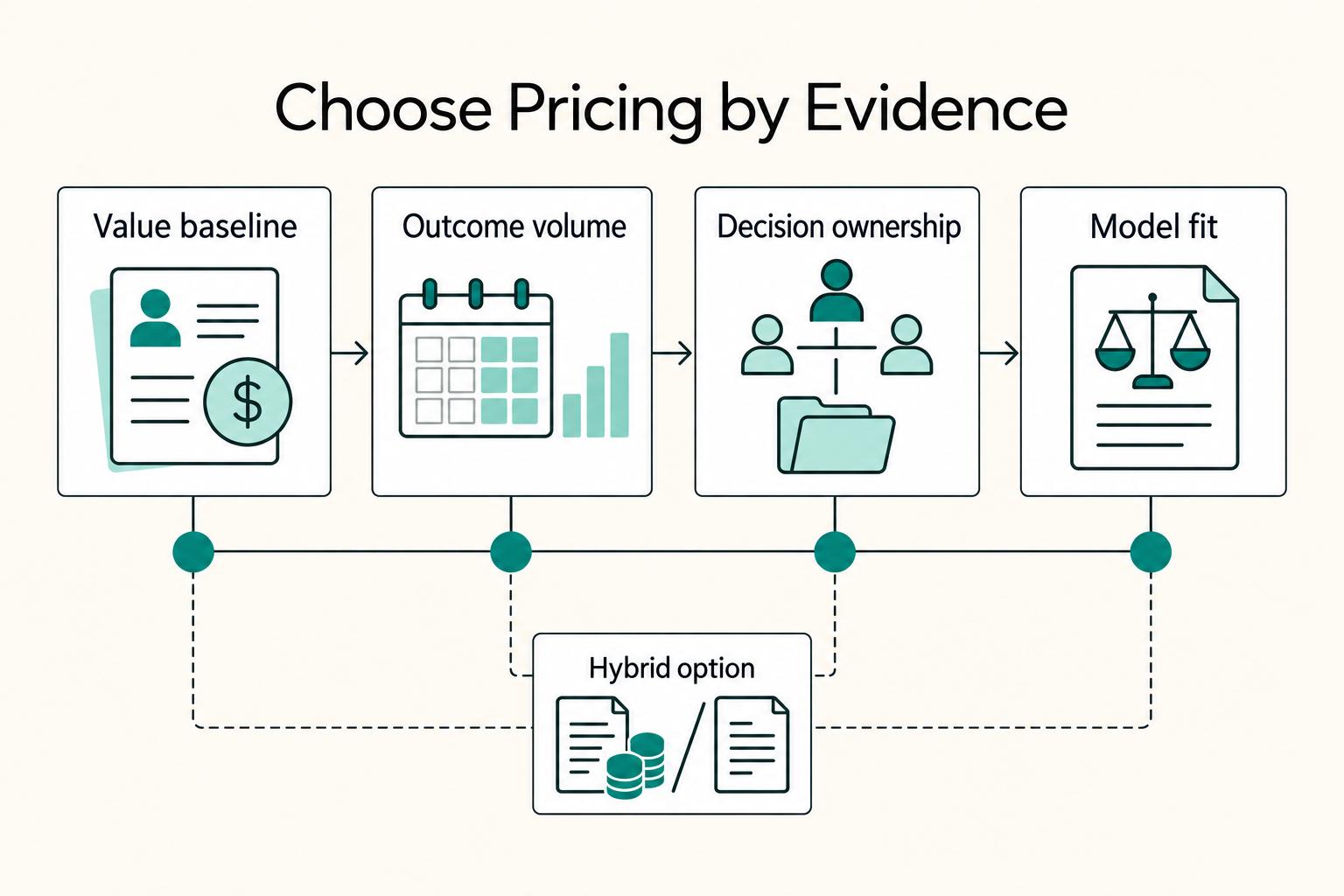
Value-Based Pricing for Freelancers Under Real Payment Risk
Value-based pricing starts with the client’s expected benefit and willingness to pay. It still needs a deliverable, scope and payment agreement you can perform. Use a discovery phase when the benefit or effort is too uncertain to support a defensible quote.
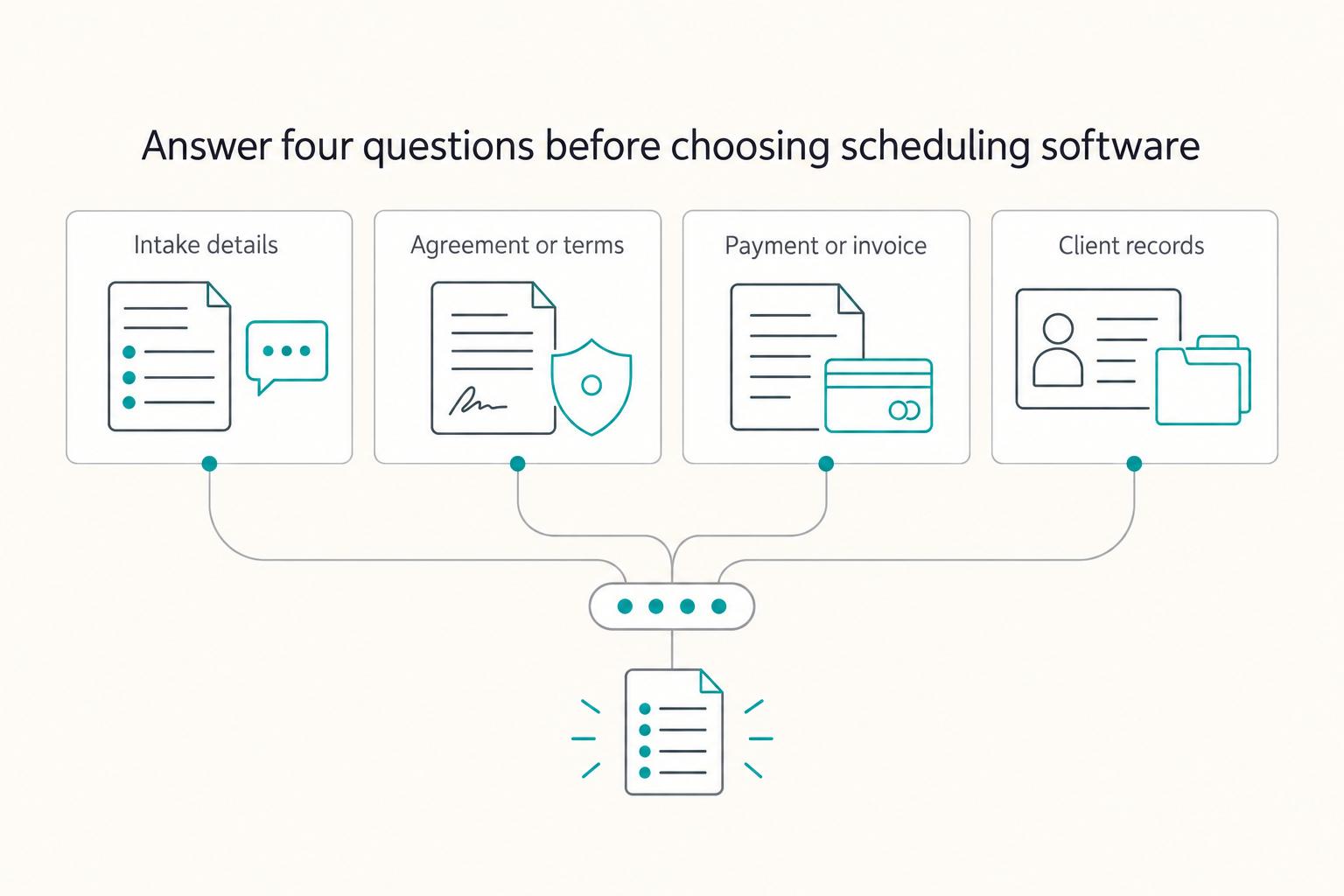
The Best Calendar and Scheduling Apps for Freelancers
Your scheduler is an operations layer, not just a booking link. It determines whether clients can self-book, whether buffers actually protect your day, and whether confirmed meetings land cleanly in Google Calendar or Outlook instead of creating cleanup work later.

Calendly for Freelancers Who Want Reliable Booking-to-Payment Handoffs
Treat **calendly for freelancers** as your scheduling layer, not as full business control. The practical win is simple. You stop trading emails about times, protect your week with [real-time availability](https://calendly.com/blog/online-booking-system), and give clients one booking page that reflects the calendars you actually use. The limit matters just as much. Booking is only the front end of operations.