
Operator playbooks for cross-border payments, tax, and compliance execution.
Step-by-step guidance for finance, product, and ops teams to launch faster, reduce payout friction, and keep reconciliation clean across borders.
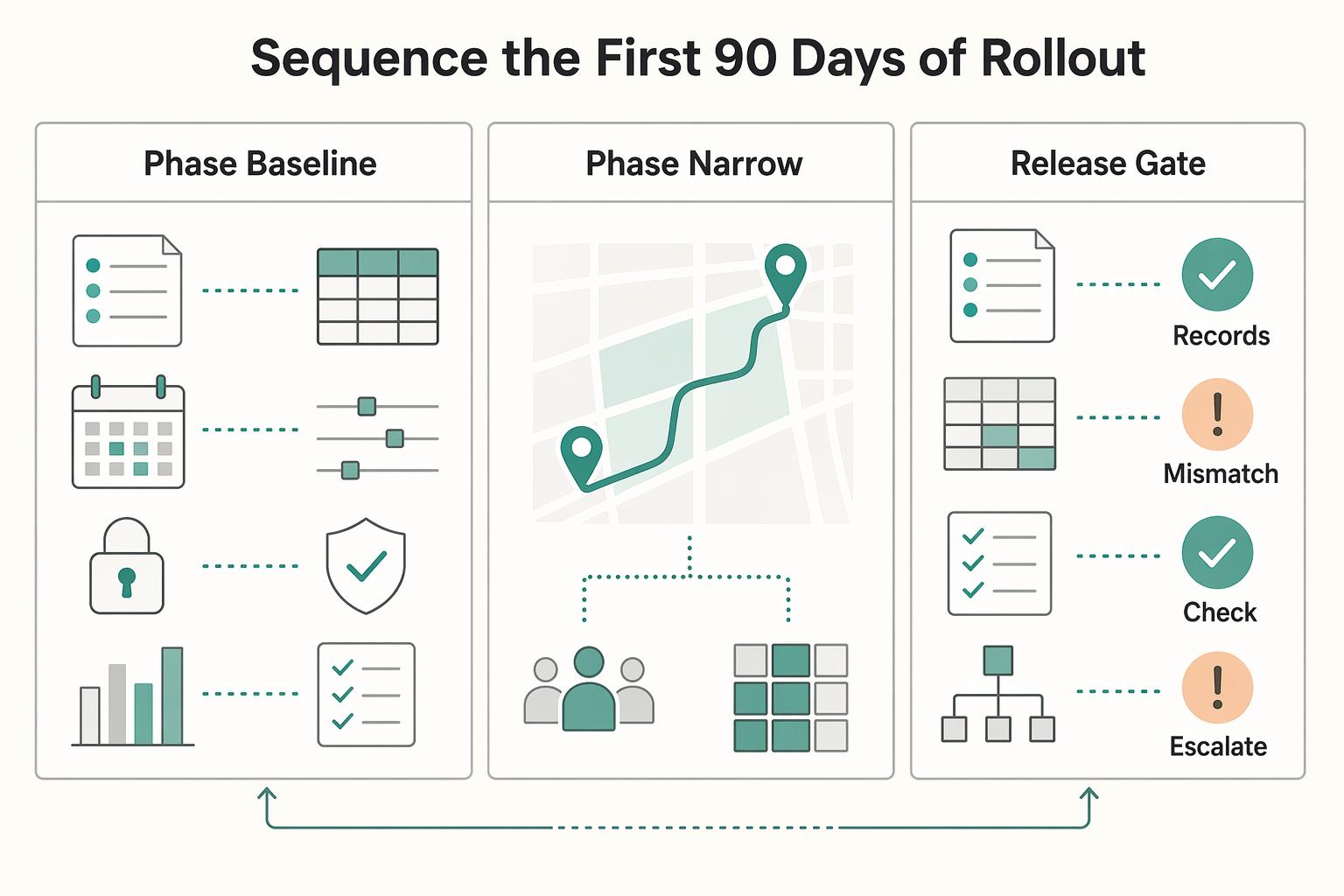
The Future of Contractor Payments: AI Automation and Instant Settlement
Treat instant settlement as a market-by-market operating outcome, not a feature badge. This explainer is for founders and operators deciding where contractor payment automation can deliver immediate, final funds availability, and where it still means only faster initiation, approval, or messaging.
Read more →
Gig Economy 2026: Payment Volume Trends, Payout Rail Readiness, and Platform Consolidation
Treat **gig economy 2026 payment volume trends** as an execution question, not a headline-growth story. Some inputs are measurable now, including platform counts, payout-rail behavior, and jurisdiction-specific compliance requirements. What remains uncertain is any single, verified global gig payment volume number for 2026.
Read more →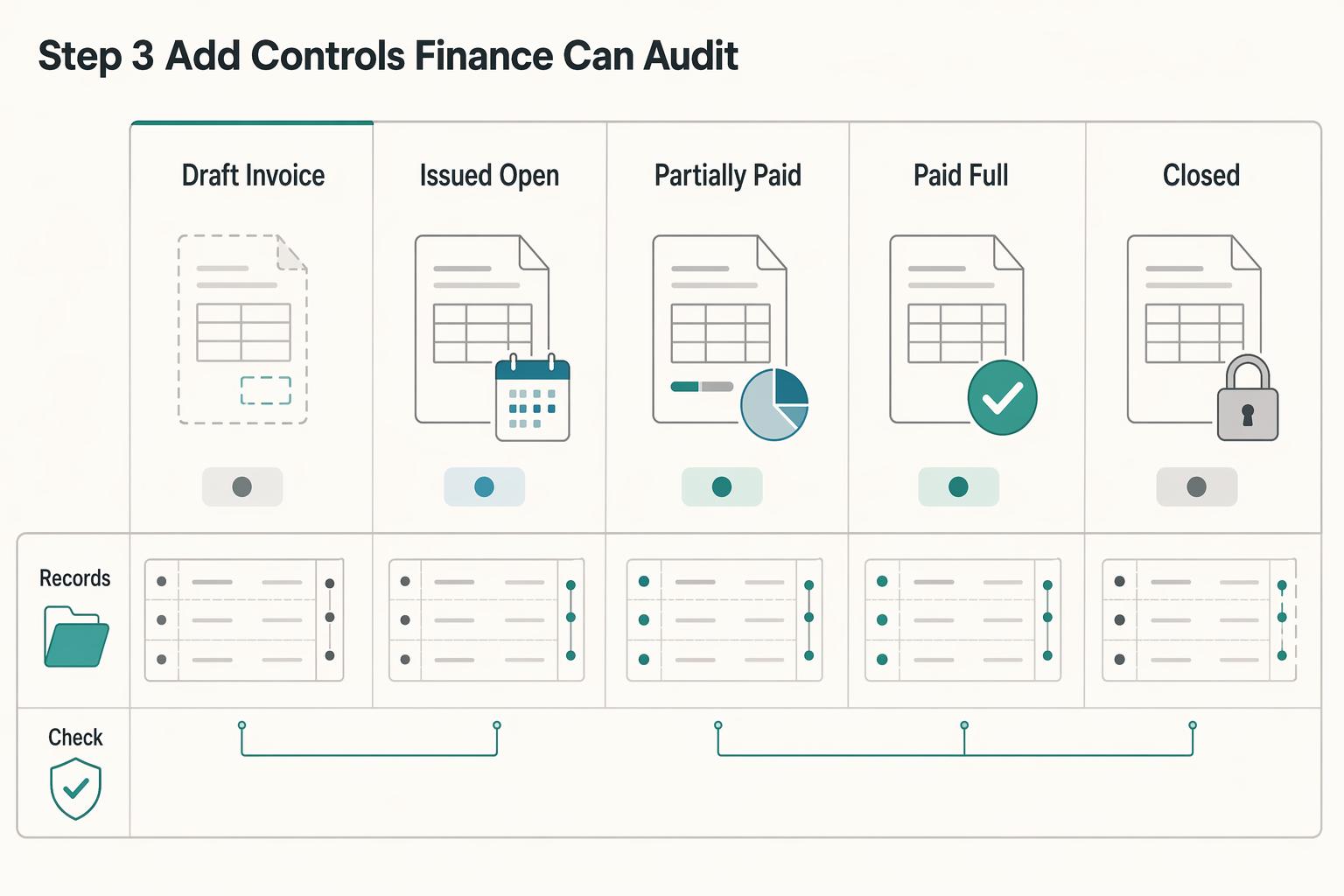
Partial Payments and Milestone Billing: How to Implement Flexible Invoice Terms on Your Platform
Milestone billing is most reliable when each invoice is tied to a defined project checkpoint, a clear completion signal, and a billable amount. Without that chain, there is no clear link between progress and billing.
Read more →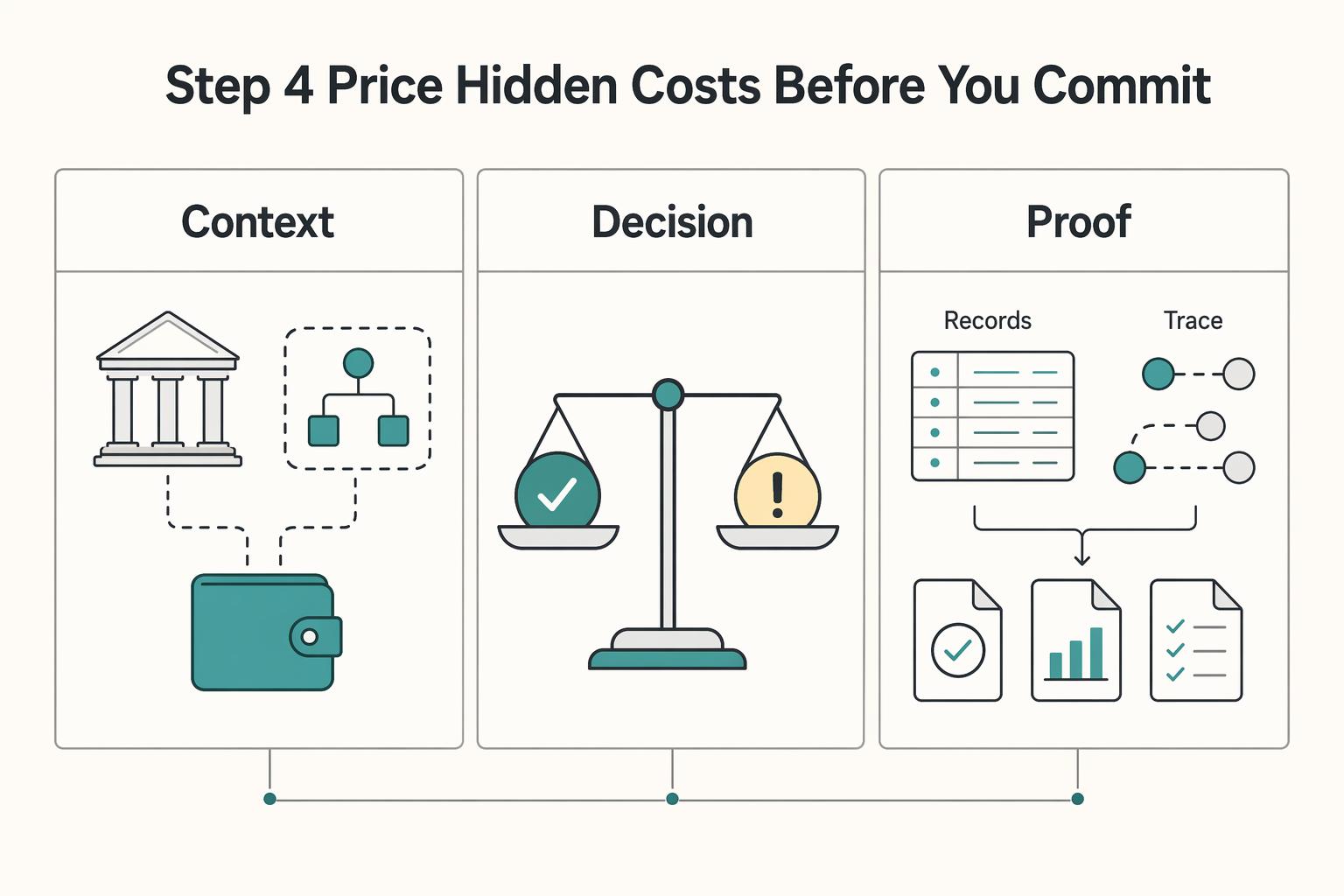
FDIC Pass-Through Insurance for Platform Wallets: How to Protect Your Contractor Funds
If your wallet holds user funds, even briefly, set the insurance boundary before launch. Pass-through protection can apply only after funds are deposited at an FDIC-insured bank under qualifying conditions. The wallet itself is not FDIC-insured.
Read more →
Calculate NRR for a Subscription Platform Without Reconciliation Gaps
The formula is the easy part. In practice, the hard part is producing a single Net Revenue Retention number that finance, ops, and product can all trace to the same recurring revenue base and the same set of in-period movements.
Read more →
How Embedded Finance is Changing the Competitive Landscape for Gig Platforms
Treat the **embedded finance gig platform competitive market** as a market-selection and control problem, not a feature race. Financial products are increasingly distributed inside non-financial platforms, and those platforms are taking more of the customer relationship and profit pool.
Read more →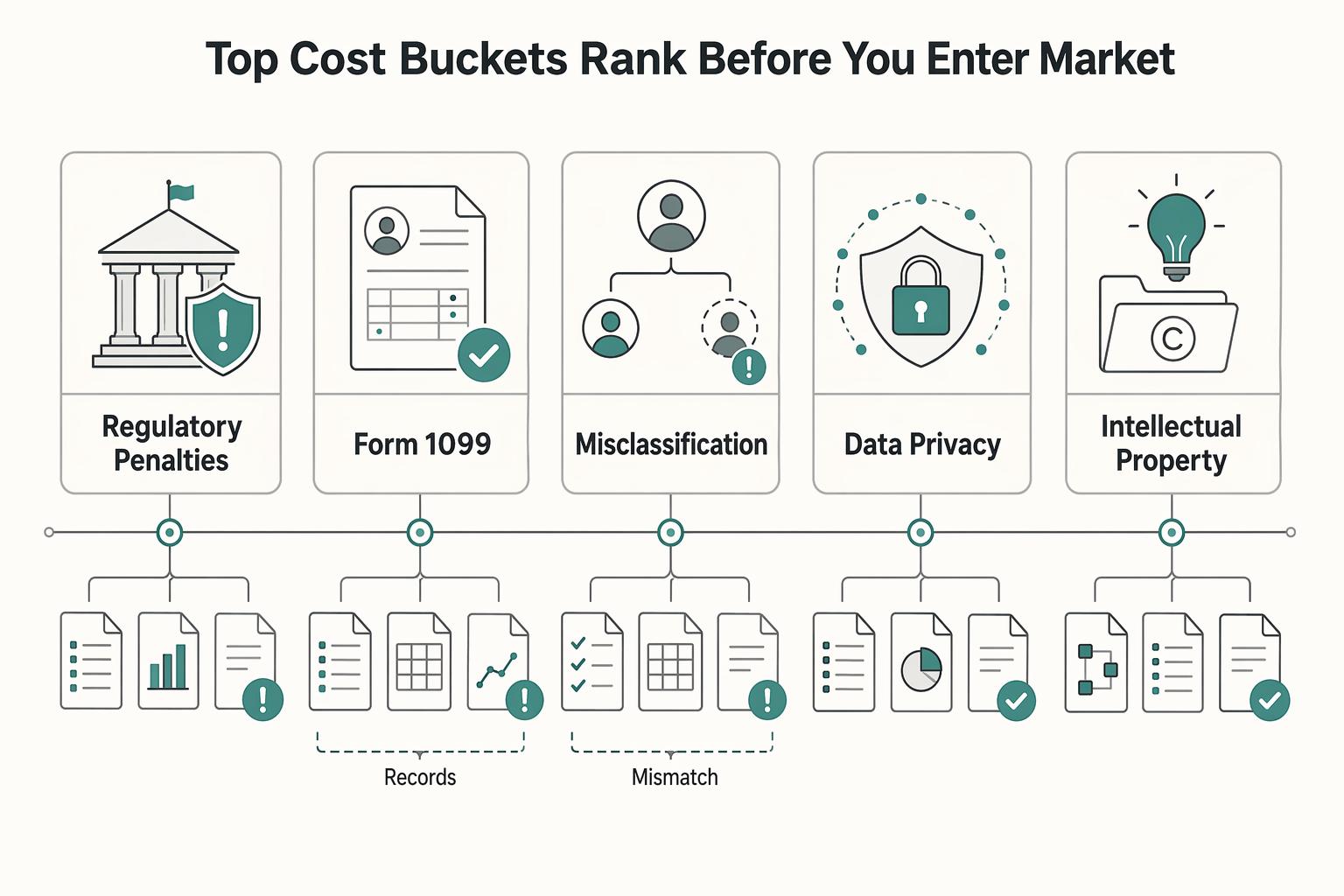
What Non-Compliance Costs Gig Platforms Before Market Expansion
The cost gig platforms absorb from non-compliance rarely sits neatly in a legal reserve on a spreadsheet. In expansion work, it often shows up first as operating drag. Launch plans can slow, operational flows may need exceptions or rewrites, and teams can lose confidence when compliance assumptions do not hold.
Read more →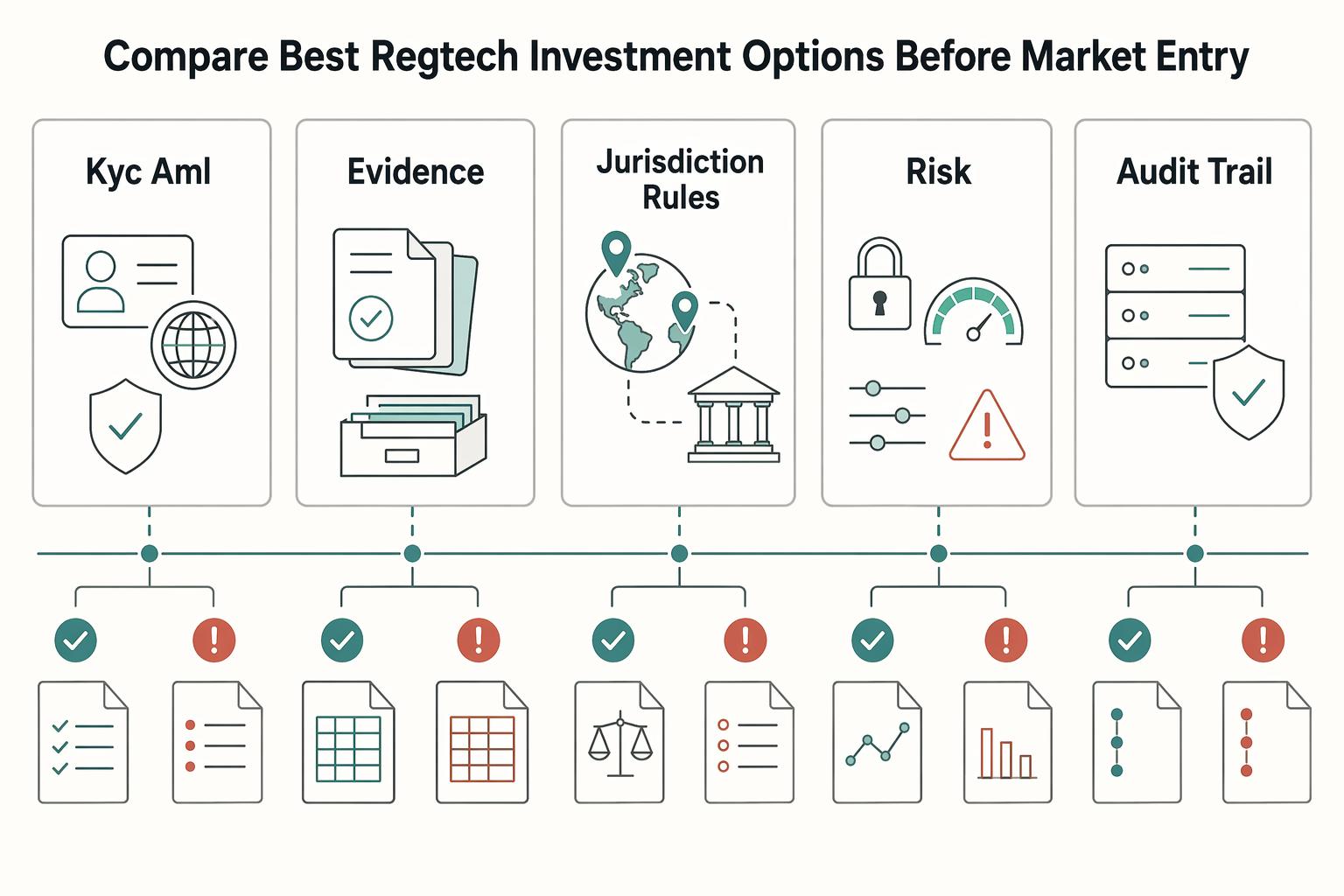
Why RegTech Creates a Compliance Moat for Gig Platforms
For platforms that keep expanding, success is rarely about having the longest policy library. It is more often about compliance choices that make onboarding, payouts, and market entry more reliable under pressure. Use that lens if you are deciding where to launch next, which worker segments to serve, and which payment flows to support. It matters before product and GTM spend hardens around the wrong assumptions.
Read more →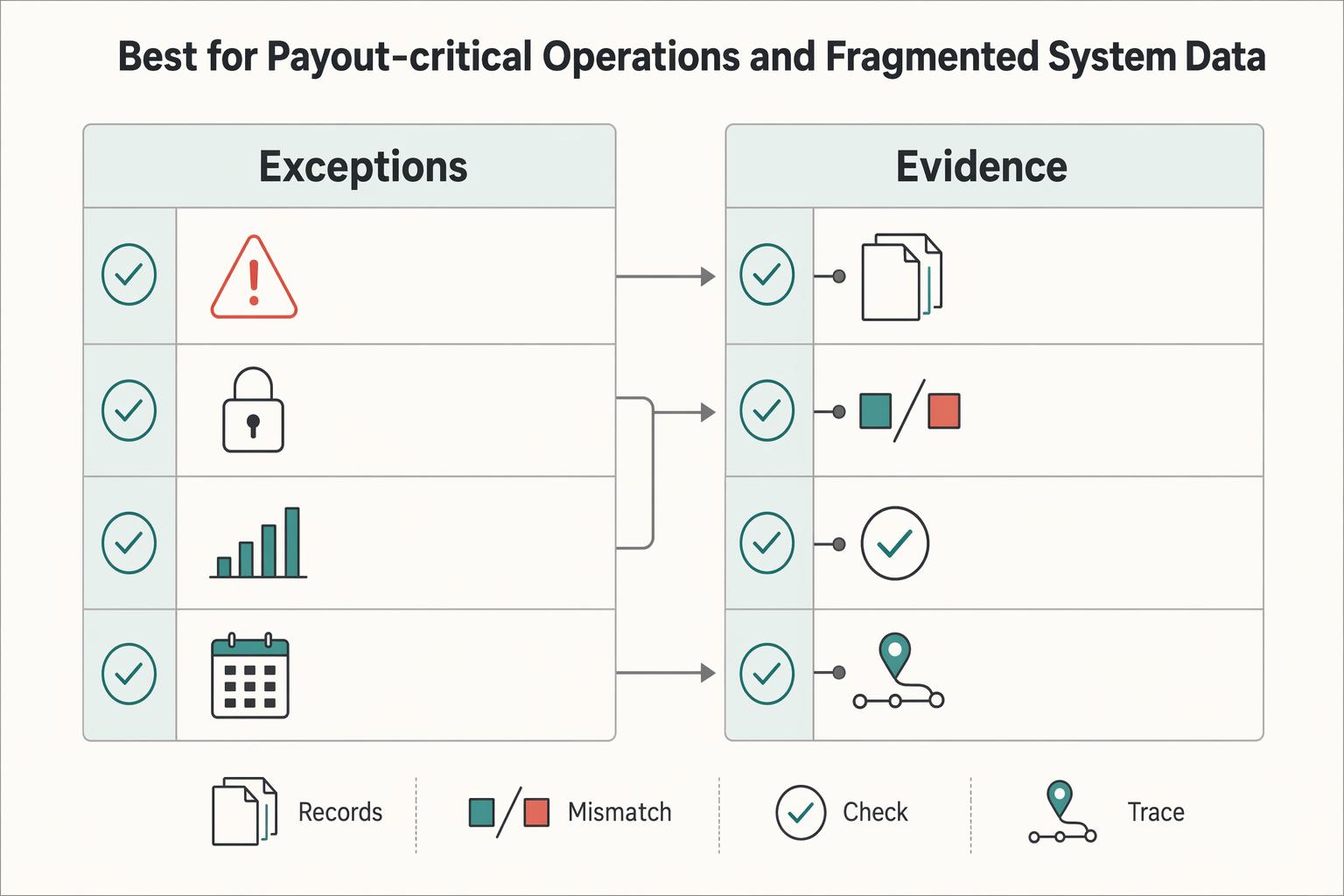
PO Matching Exceptions for Platforms with Partial Receipts and Variances
**Many PO matching exceptions are less a knowledge problem than an ownership problem.** Teams usually know what a Purchase Order and an invoice are. What breaks under volume is who acts when matching finds a mismatch, what evidence clears it, and when that exception is allowed to move toward payment.
Read more →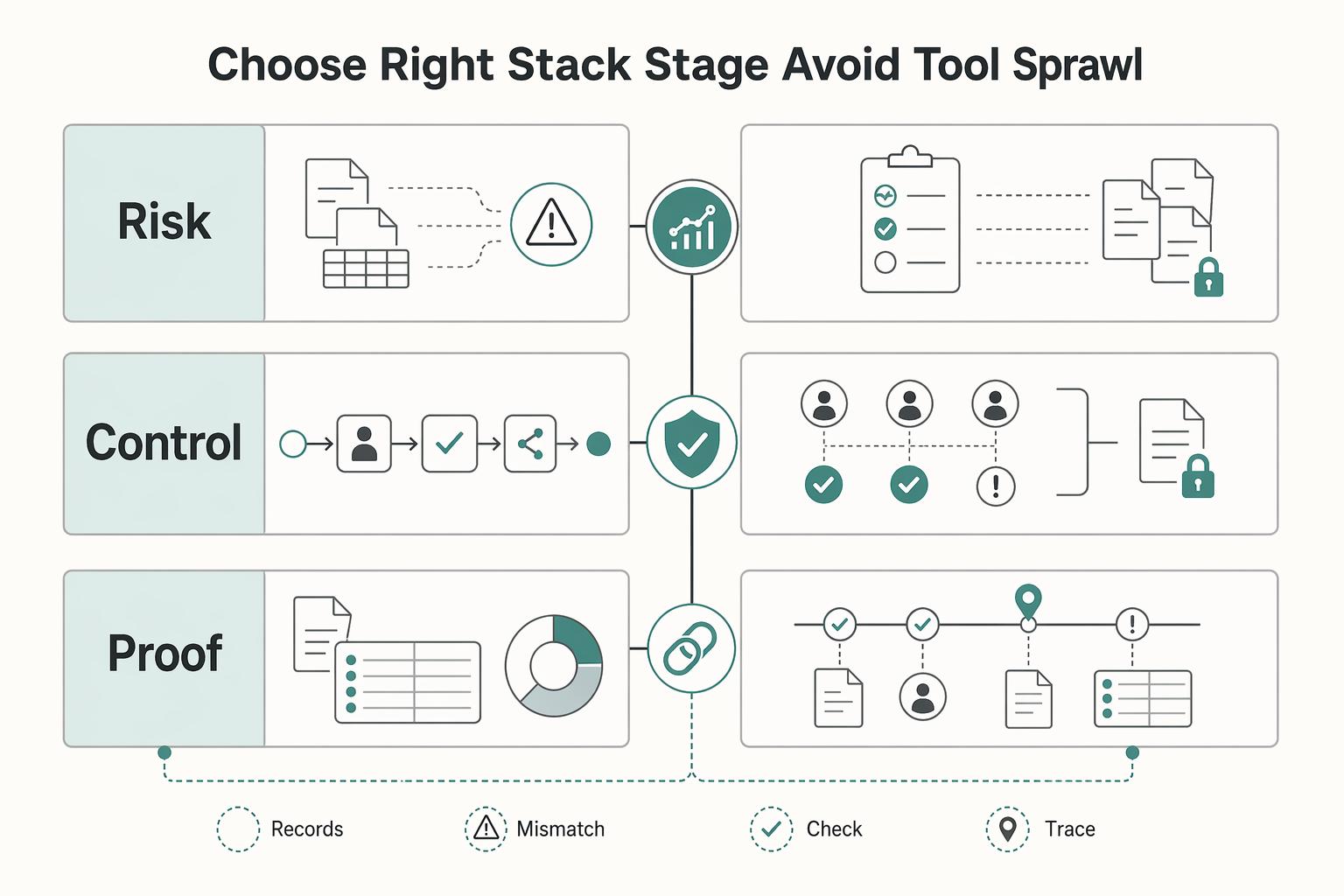
Procurement Technology Stack for Platform Operators at Each Growth Stage
If you run a marketplace, contractor, or creator platform with cross-border money movement, your stage can matter more than feature count. Use what gives you control now, and defer added overhead until you need it. Then watch for upgrade triggers that show your current stack is no longer enough.
Read more →
How to Implement a Freemium-to-Paid Conversion Funnel on Your Platform
Treat freemium as an operating choice, not a pricing page edit. A strong **freemium to paid conversion funnel platform implementation** starts with shared judgment across product, finance, and revenue. Align on what the free user must be able to accomplish, what the paid buyer is actually purchasing, and which numbers will decide whether the model is healthy.
Read more →
AP Automation ROI for Platforms That Need a Defensible Business Case
If you want approval for AP automation, you need a business case, not a promise that it "saves money." It has to be strong enough for finance, product, and engineering to defend. The assumptions should be visible, the tradeoffs named, and the operating reality clear.
Read more →
SaaS Revenue Metrics Glossary for Platform Operators
This glossary is for platform operators, not a generic SaaS KPI refresher. If your team owns the ledger, reconciliation, settlements, or payout execution, the real question is not what MRR or NRR means in theory. It is whether the number can be tied back to source records, period cutoffs, and settlement evidence before it reaches board reporting.
Read more →
Per-Seat Pricing for B2B Platforms That Scales Without Billing Drift
Start with **per-seat pricing** only when active human users are still the clearest proxy for customer value. If value comes from throughput, automation, or AI-generated work that happens without an added user, test usage-based pricing or a hybrid model early instead of forcing seats to carry the whole commercial story.
Read more →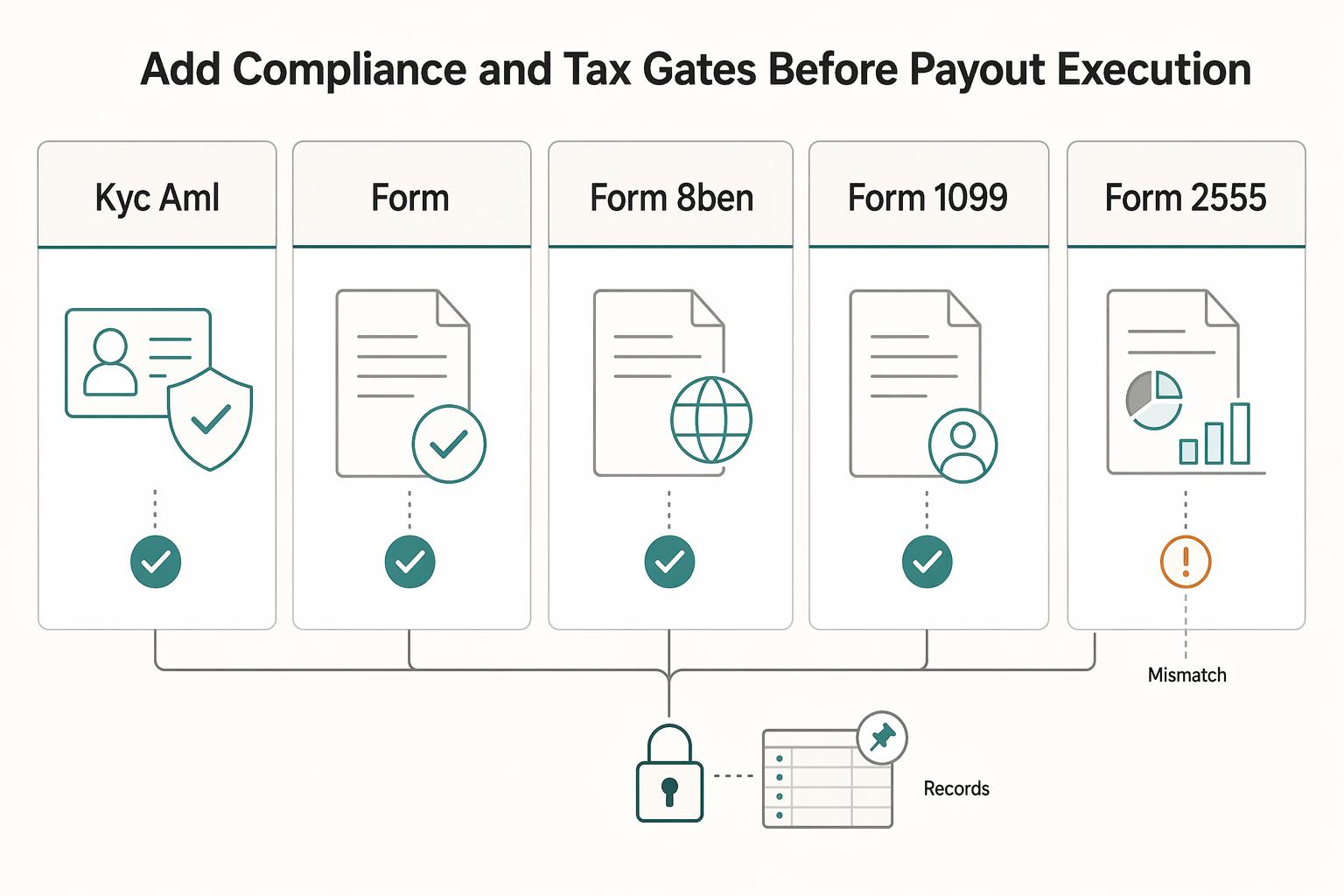
Hybrid Billing Models for One Invoice and Clean Reconciliation
**Hybrid billing means combining recurring subscription fees, usage-based charges, and one-time fees in the same offer.** Treat **hybrid billing models subscriptions usage-based one-time charges platform** as an operating design problem, not just a packaging choice. In practice, many SaaS teams put subscriptions, metered overages, and one-time fees in the same contract.
Read more →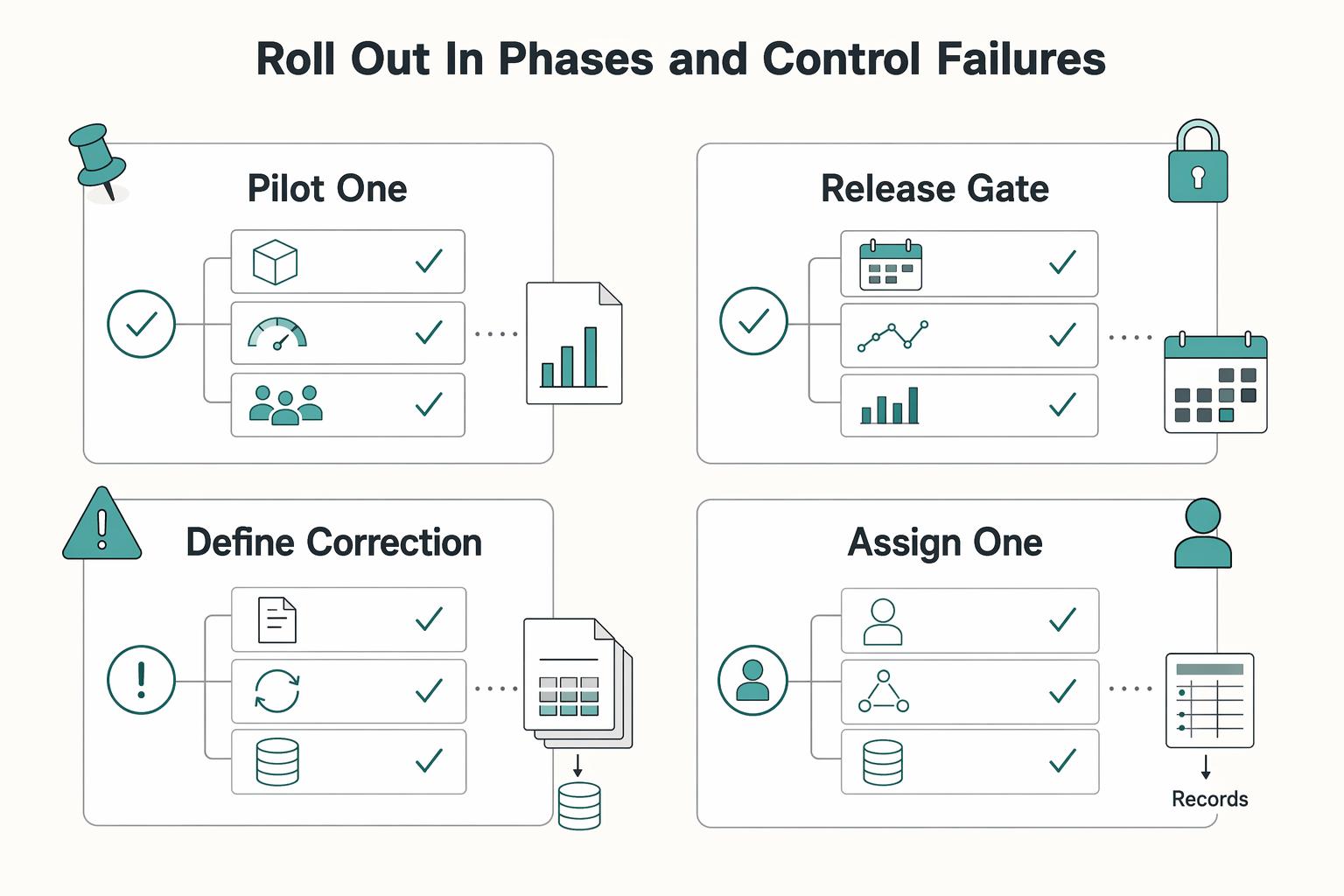
Usage-Based Billing for Platforms That Holds Up at Month-End Close
Usage-based billing is strongest when a measured event survives the whole trip from product telemetry to pricing, invoicing, and accounting. Charging on API calls, storage, or seats is the easy part. The harder part is making sure measured usage, rated charges, invoice lines, and internal records all resolve to the same truth.
Read more →
How to Build a Subscriber Win-Back Flow for Churned Users
Some win-back advice overweights opens, clicks, and send volume. This guide takes a stricter view. Judge recovery by unit economics and margin first, then use engagement metrics to explain what happened. A reactivated subscriber who only returns on an overgenerous discount is not always a win.
Read more →
How to Handle Auto-Reminders and Dunning for a Contractor Marketplace
If you are building an automated reminder flow for a contractor marketplace, make one decision first: treat collections as receivables operations, not as a messaging feature. Dunning belongs inside your accounts receivable process, so reminder logic has to follow the same financial truth your team uses to decide whether an invoice is unpaid or resolved.
Read more →
Subscription Commerce Growth Trends for Platform Builders Using the 76 Million Signal
Subscription growth headlines are useful only until you have to fund product work, choose a launch market, or hire against a forecast. For platform builders, the real question is not whether subscription models are gaining traction. It is which claims are scoped tightly enough to support a decision, and which are only directional signals.
Read more →
Platform Invoicing at Scale for Compliant Auto-Generated Contractor Invoices
In practice, **platform invoicing at scale auto-generate** is not just invoice creation. It is an operations control problem. Every invoice still has to be created, validated, routed, sent, tracked, reconciled, and preserved in an audit trail without dumping cleanup on finance later.
Read more →