
Operator playbooks for cross-border payments, tax, and compliance execution.
Step-by-step guidance for finance, product, and ops teams to launch faster, reduce payout friction, and keep reconciliation clean across borders.

Should Your Platform Add BECS Direct Debit for Australian Subscriptions
If you are deciding whether to add **becs direct debit australia subscriptions platform** support to an Australia launch, ask a narrower question first. Should it be in scope now, delayed until key terms are verified, or skipped for this launch?
Read more →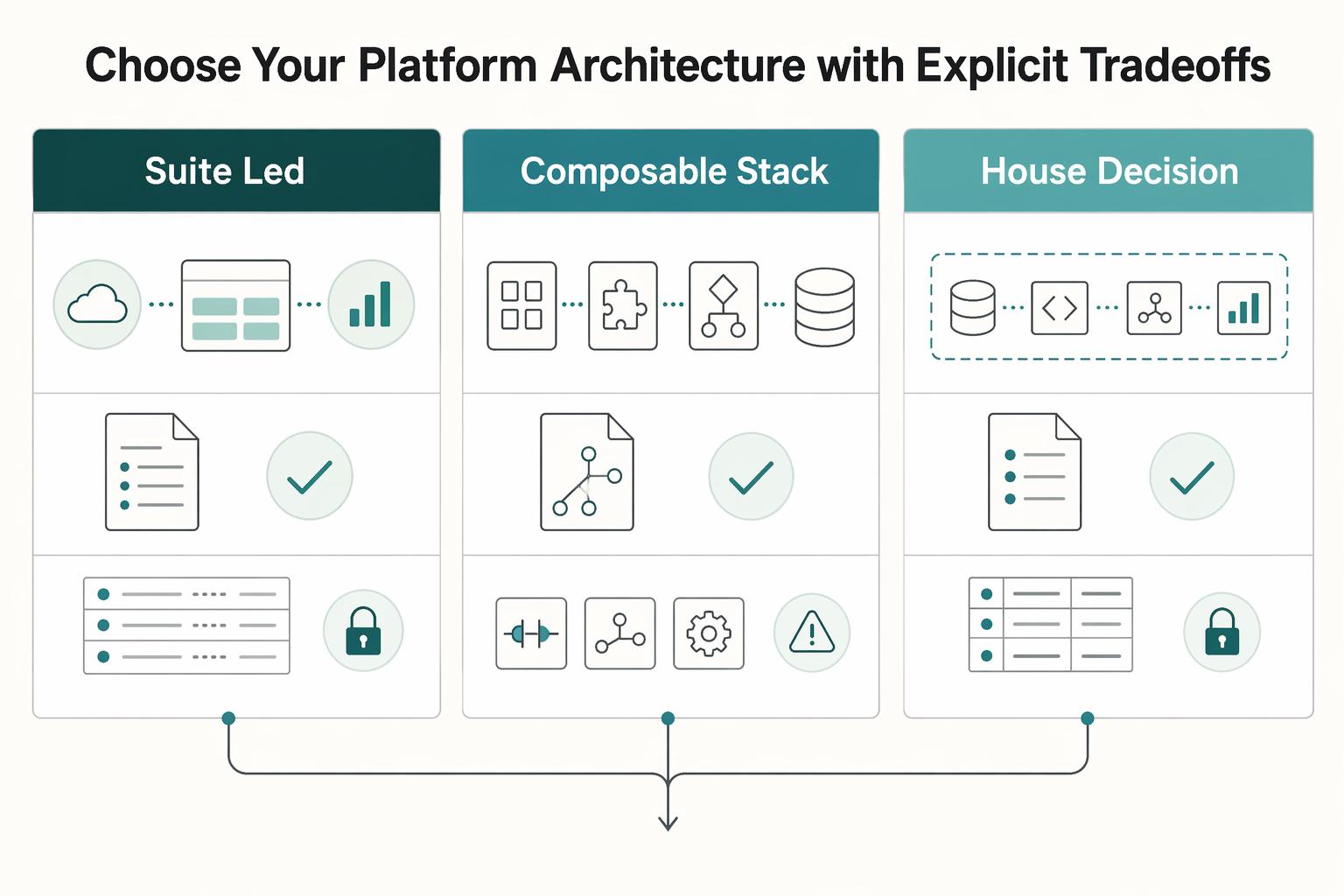
How to Use AI to Personalize Subscriber Experiences at Scale on Your Platform
Treat **ai personalize subscriber experience at scale platform** as an operating and margin decision first, not a messaging upgrade. If you start with campaign ideas before you decide what data, controls, and staffing you can actually support, you can add complexity faster than you improve retention.
Read more →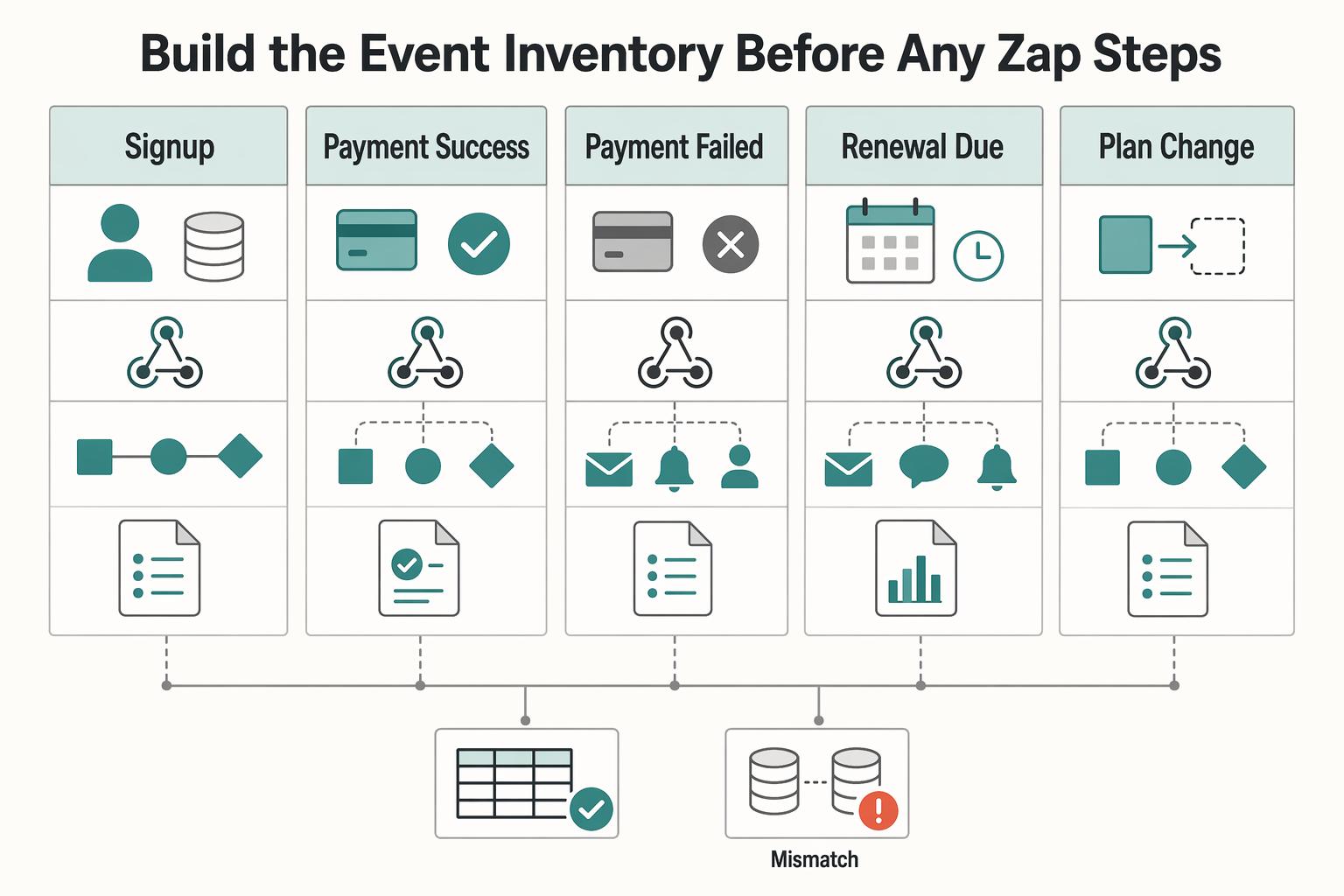
How to Use Zapier to Automate Subscriber Workflows on Your Platform Without Code
If you want to move fast with **zapier subscription billing automate subscriber workflows no code**, the hard part is not wiring apps together. It is setting the control boundary early. Decide what Zapier should orchestrate, and what your API or source system must own. Get that boundary right, and you can move quickly without creating billing logic you need to unwind later.
Read more →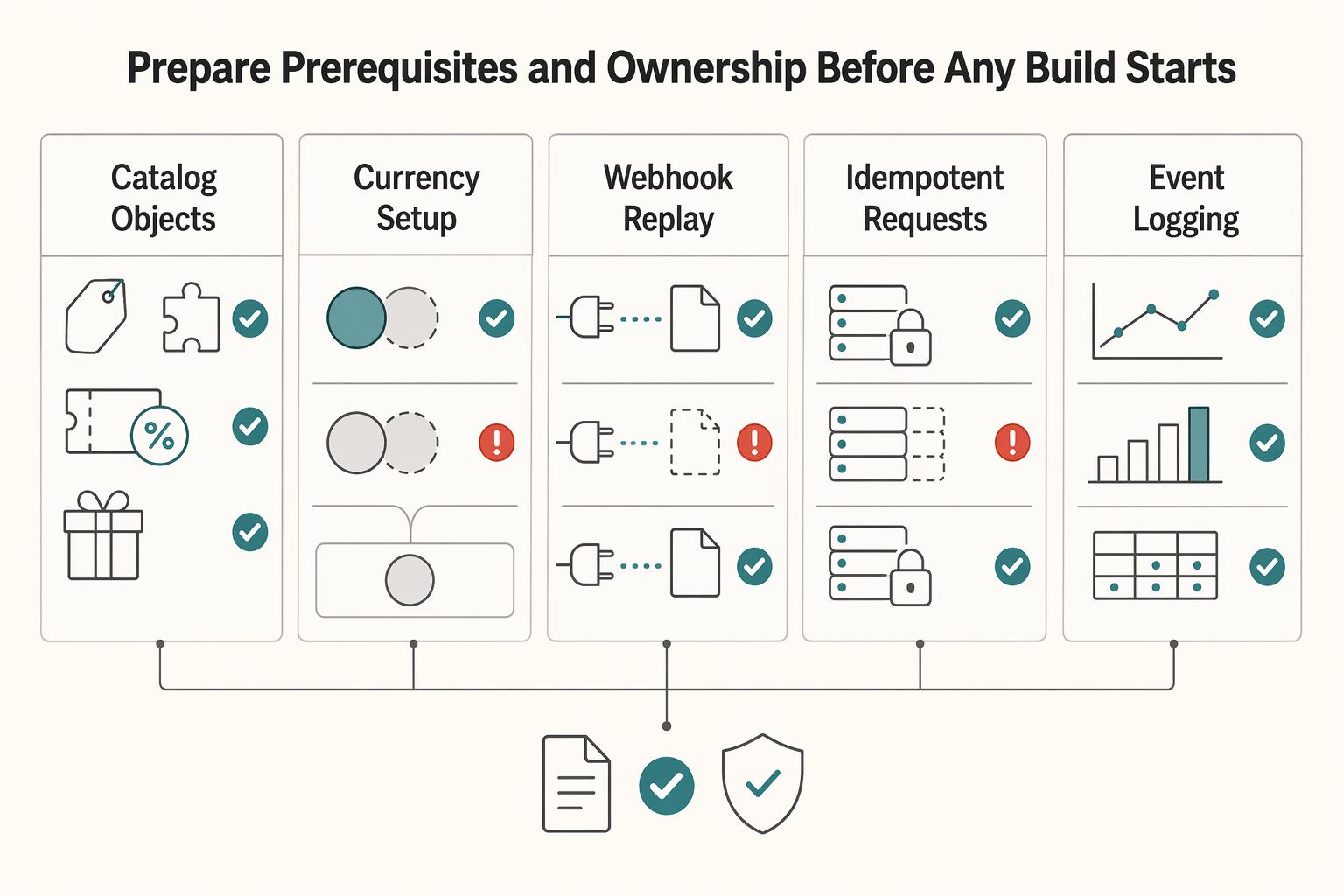
How to Let One Customer Hold Multiple Plans on Your Platform
**Step 1. Set the bar at operational integrity, not feature availability.** Multi-plan billing can break after the product demo. The real test is whether one customer can hold multiple plans without bad totals at checkout, unclear posting into the ledger, or support cases that bounce between teams because nobody sees the same billing state.
Read more →
Which Contractor Payment Experience NPS Metrics Actually Predict Retention
Platform NPS is useful as a directional loyalty signal, but on its own it is not enough to justify pricing, payout-policy, or retention changes. Teams make better decisions when they treat score movement as a prompt to investigate, not as proof that retention outcomes improved or declined.
Read more →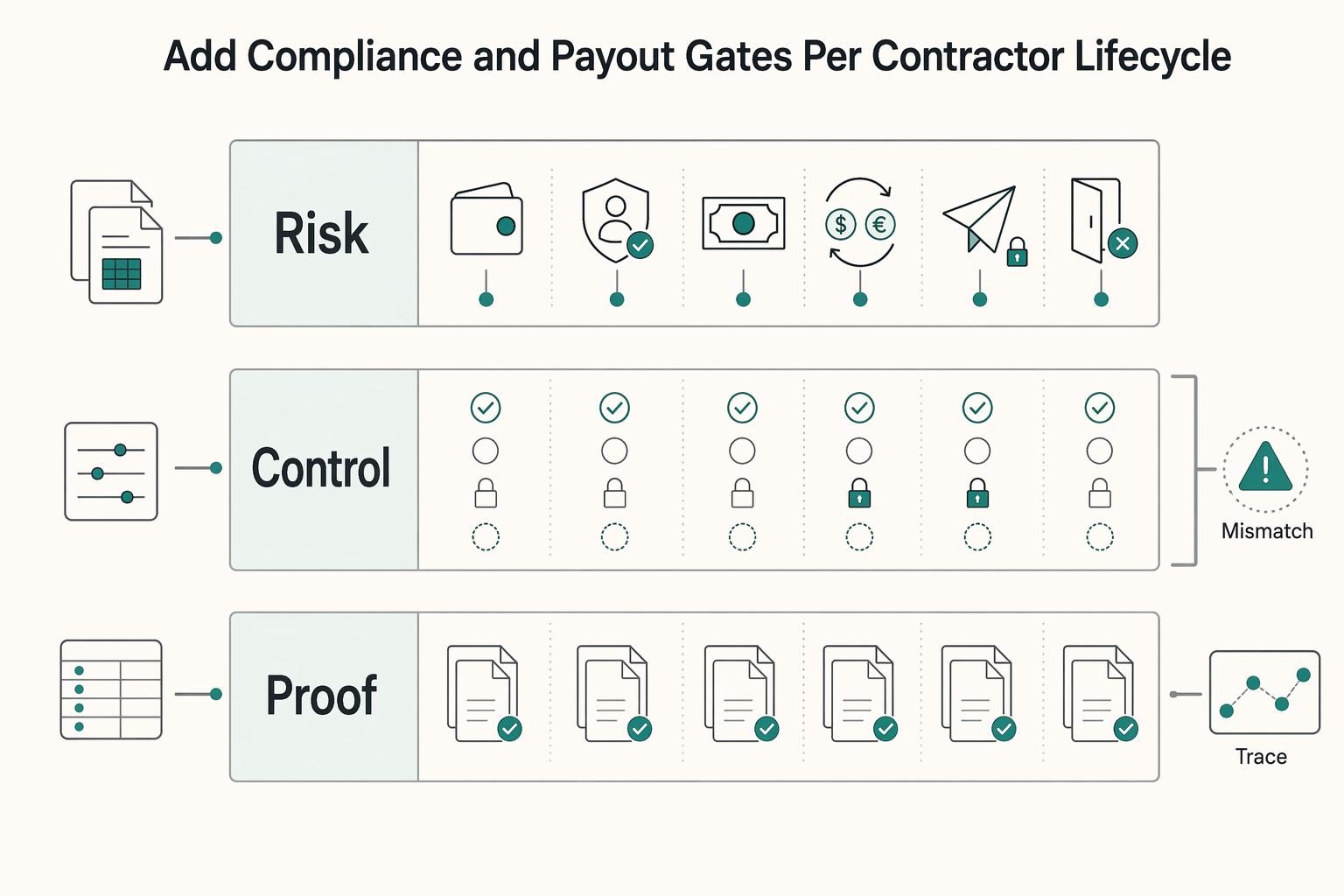
How Platforms Build Multi-Currency Sub-Wallets for Contractors
**Short answer:** treat sub-wallets as an operating choice, not just a balance view in your product. The core decision is not about UI. It is about where money lives, what a balance actually represents, and what your team will need to reconcile later.
Read more →
Item Catalog Management for Billing Platforms with SKUs, Plans, and Add-Ons
Treat your catalog as a billing model, not a naming exercise. The label you choose for a `SKU`, `Plan`, or `Add-On` affects more than merchandising. It can influence charge creation, how offerings are managed, what repeats on renewal, and what your team has to explain when exceptions show up later.
Read more →
Subscriber Acquisition Benchmarks for Platform Operators on CAC, LTV Ratio, and Payback
CAC, CAC payback period, and LTV:CAC ratio only help when you read them together. A low acquisition cost can still be a bad trade if cash comes back too slowly, and a strong ratio can still mislead when payback and calculation assumptions are unclear.
Read more →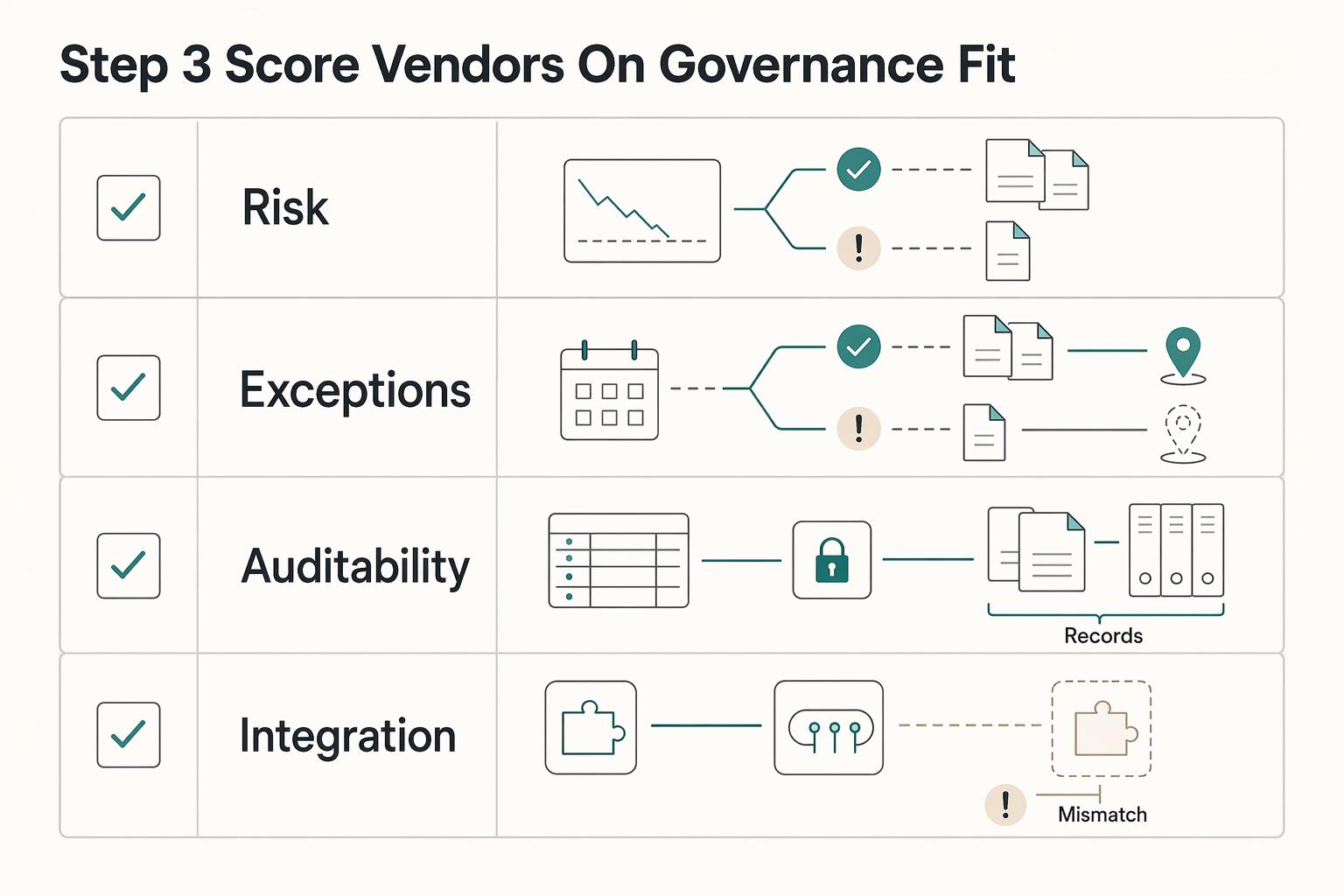
How to Build a Trust and Safety Program for Your Contractor Marketplace
Start by deciding that your Trust and Safety program exists to protect users and business performance at the same time. In a contractor marketplace, weak controls do not stay contained as policy issues. They show up as operational losses, higher support burden, and slower growth when teams are forced to clean up preventable damage.
Read more →
Marketplace Subscription Monetization: How to Add Recurring Revenue
Treat a Subscription Revenue Model as an operating decision first and a pricing decision second. Recurring fees can turn uneven sales into steadier monthly revenue, but in a cross-border marketplace they also expose entitlement logic, country-specific payout constraints, and tax responsibility gaps quickly.
Read more →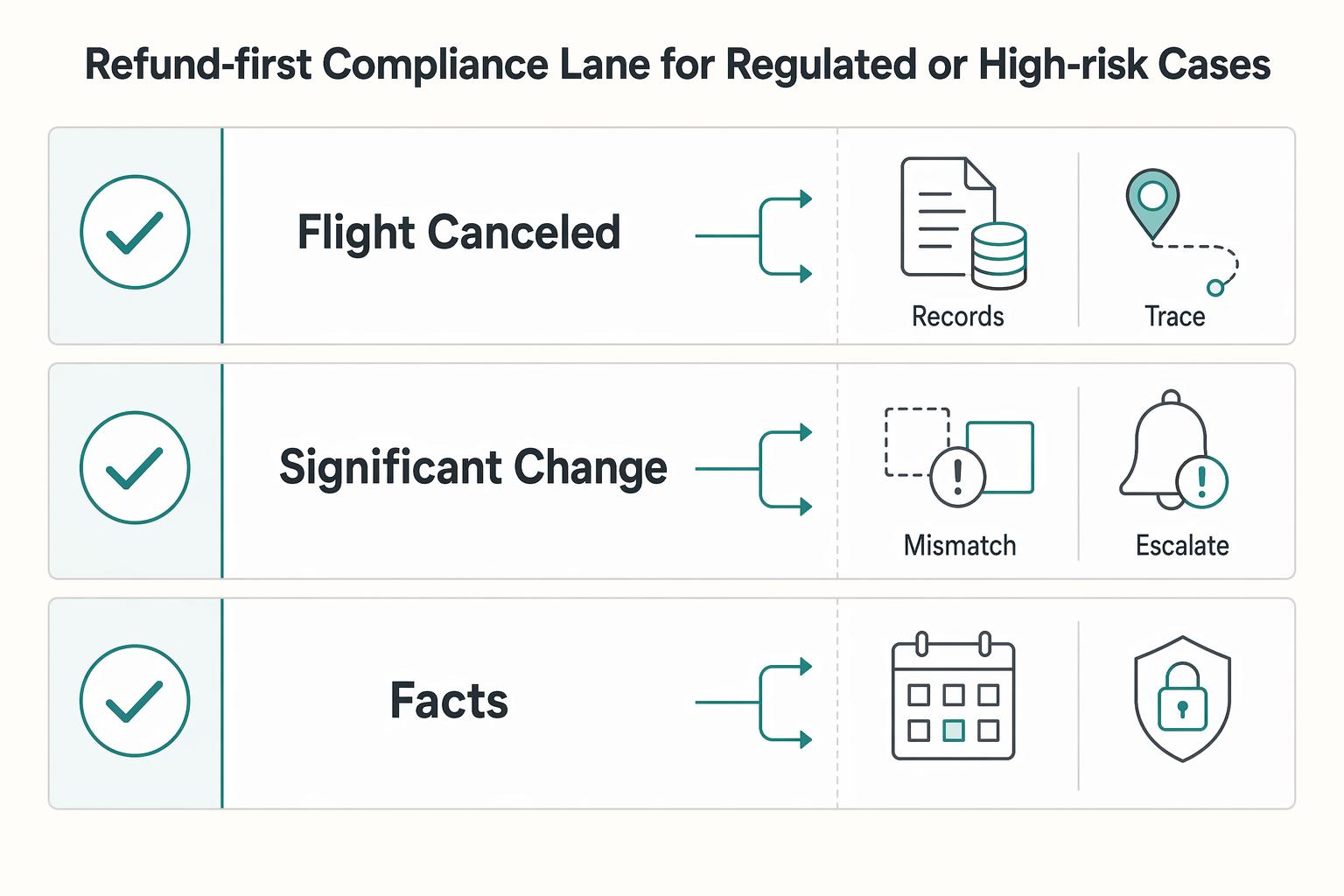
Travel and Hospitality Membership Billing for Annual Passes, Credits, and Refunds
If you run a pass or membership program, the hard part is not the charge. It is what happens after the sale. The pressure shows up later: when someone wants to cancel before renewal, asks for a refund, or accepts a credit that does not get redeemed cleanly. In travel and hospitality, those post-purchase events can make reconciliation unmanageable fast if support, finance, and billing are not working from the same record.
Read more →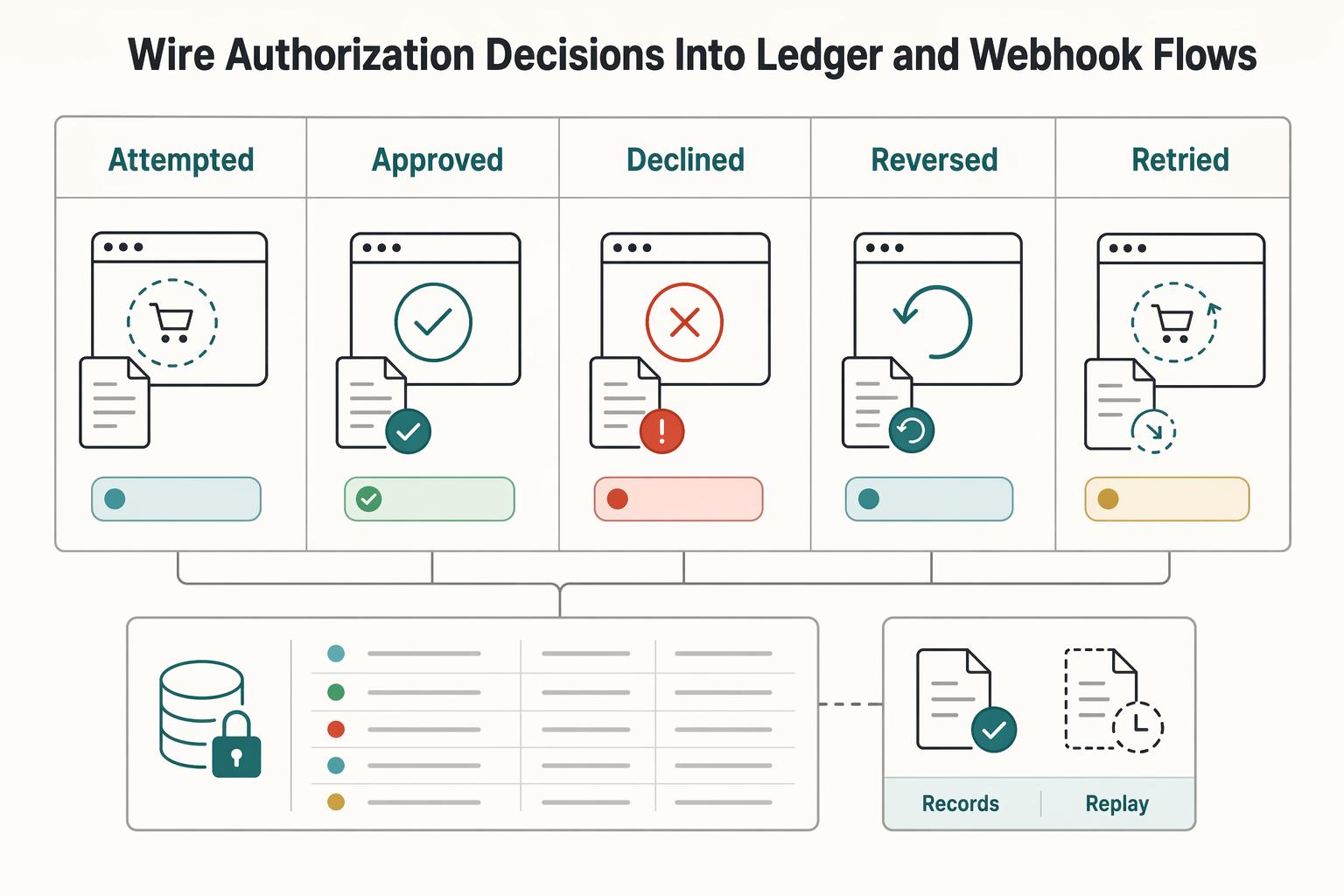
Spend Controls for Contractor Cards with Limits and Merchant Restrictions
If you are designing contractor cards, treat controls as authorization logic first and UI second. Problems start when teams configure category toggles and card settings before deciding what should happen at transaction authorization.
Read more →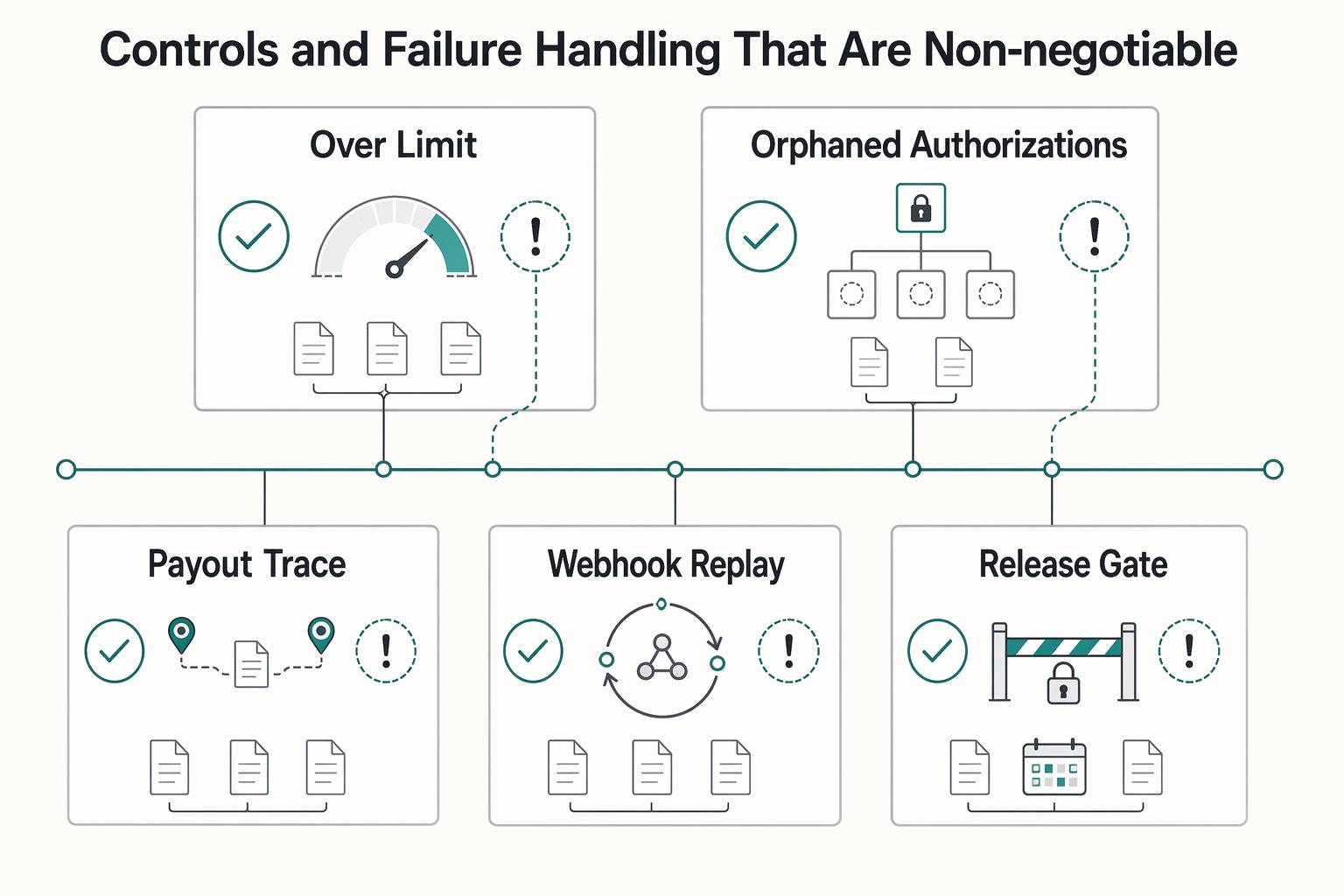
Virtual Cards for Contractors and the Real Cost of Getting Issuance Wrong
Virtual cards deserve a serious look if you need tighter control over contractor spend without turning payments into a bottleneck. For most teams, a practical place to start is a virtual card tied to an approved invoice or request. They can reduce misuse risk compared with standard corporate cards and speed some supplier payments, but they do not fix weak approval logic, poor accounting links, or fuzzy ownership between AP and product ops.
Read more →
Contractor Onboarding Optimization: How to Reduce KYC Drop-Off and Get to First Payout Faster
Treat contractor onboarding KYC drop-off as a payout-speed problem first. When contractors do not become payout-ready quickly, conversion, operations, and compliance can all be affected.
Read more →
Gig Worker Financial Wellness: How Platforms Can Offer Savings and Insurance as Benefits
Benefits in the gig economy are a unit-economics decision, not a branding exercise. Your job is to improve worker stability without creating a cost base you cannot control. For many workers, the goal is steadier cash flow and better protection from shocks. Platforms still have to protect margin, absorb payout volatility, and avoid recurring benefit costs that may outrun retention gains.
Read more →
IndieHacker Platform Guide: How to Add Revenue Share Payments Without a Finance Team
If you are designing indiehacker platform revenue share payments, start with payout and market reality before you debate split percentages. The main risk is assuming that if you can charge a buyer, you can also pay sellers in your target countries on your promised timeline.
Read more →
How to Build a Milestone-Based Payment System for a Project Marketplace
Start with operations, not feature copy. In a marketplace that uses milestone payments, the first real decision is where you can collect funds, hold prefunded milestones, and release payouts under clear approval and dispute rules.
Read more →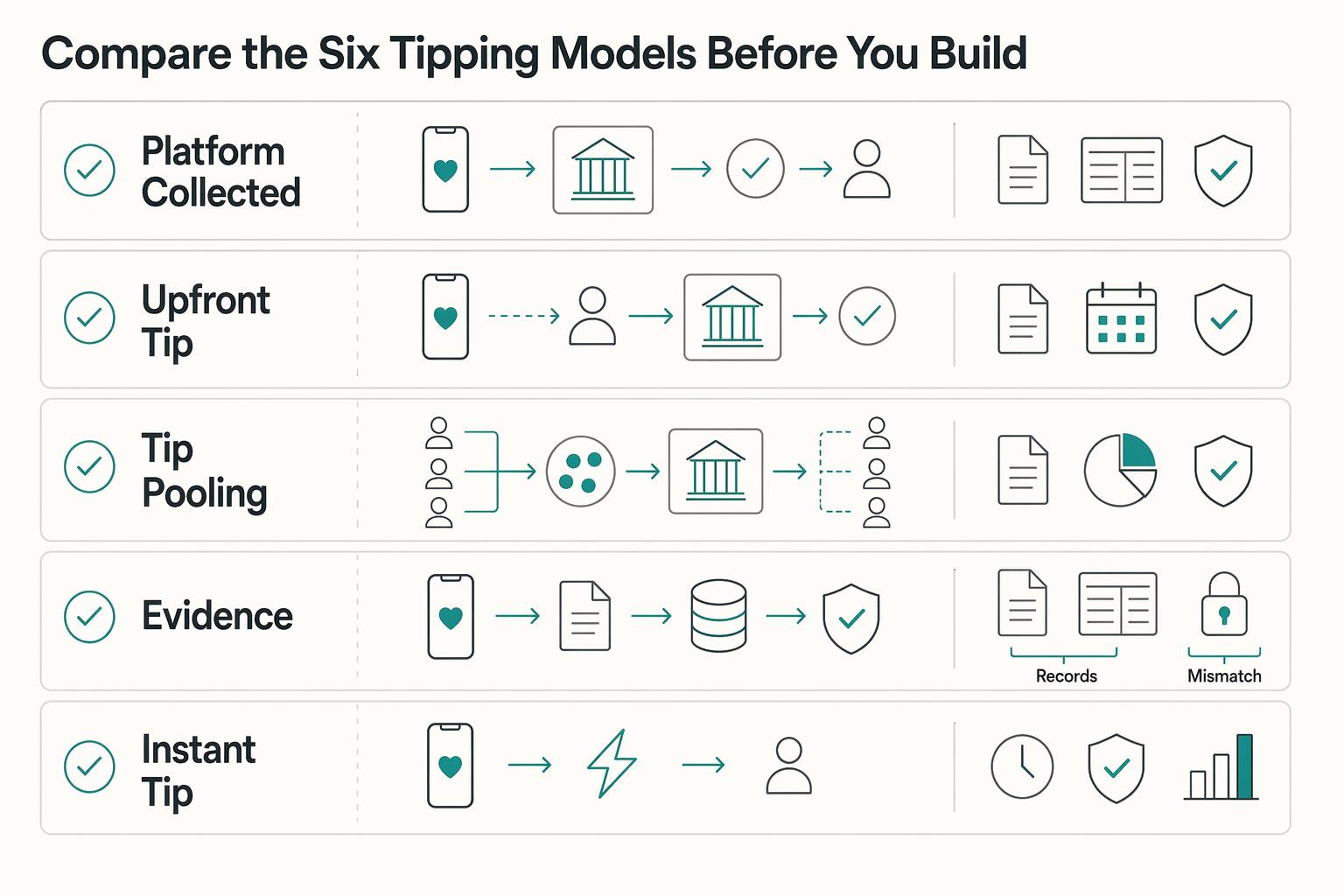
Tipping and Gratuity Features on Gig Platforms: Payment and Tax Implications
**Treat tipping as a funds-flow decision first and a product feature second.** The visible choice is the tip prompt. The harder choice is the operating model behind it: who collects funds, whether the amount is voluntary, when it is released, what tax identity data you hold, and what records you can defend later.
Read more →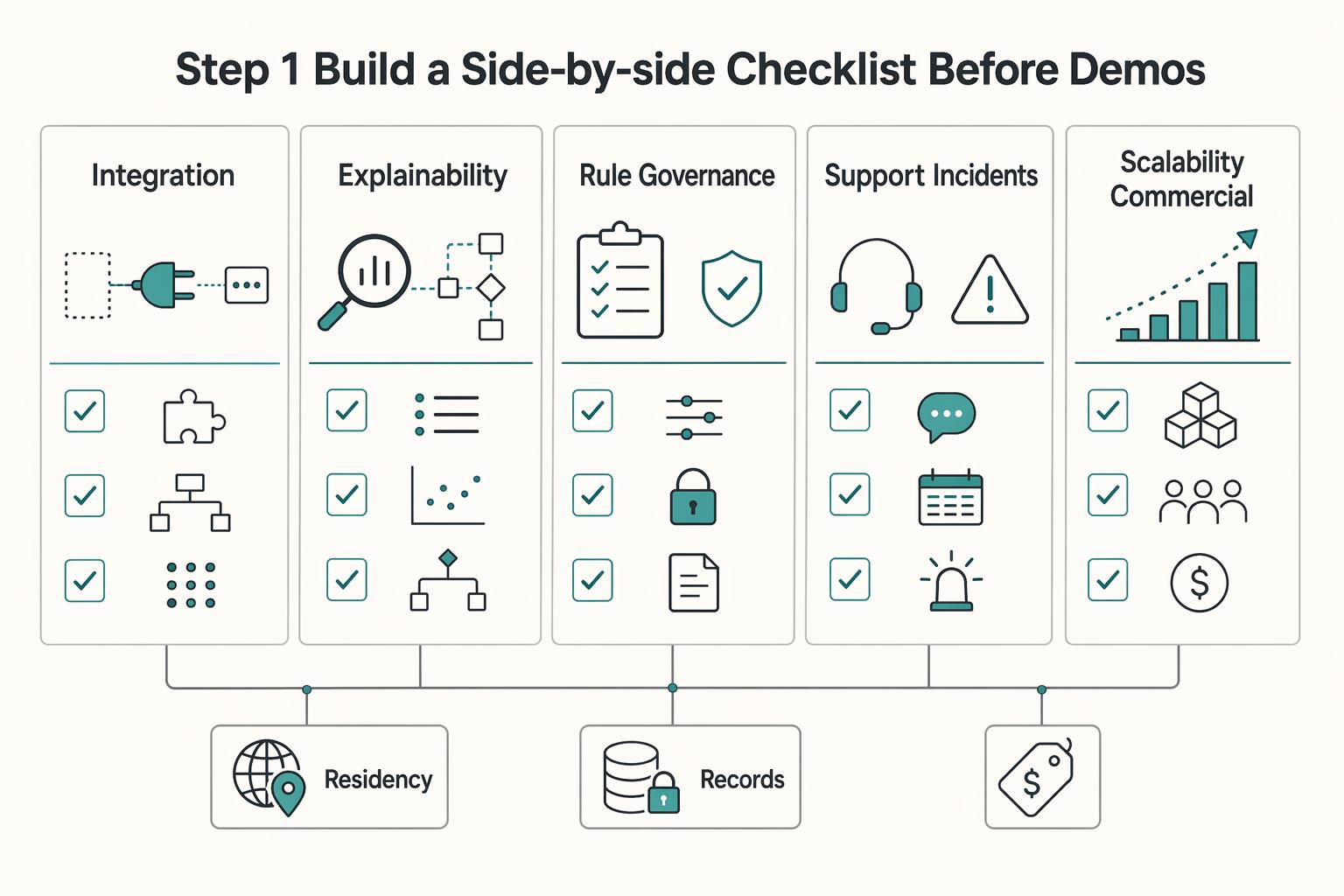
Transaction Monitoring for Platforms: How to Detect Fraud Without Blocking Legitimate Payments
The job is to catch fraud without choking legitimate payouts. If your controls stop more fraud by freezing every unusual payout, the loss shows up somewhere else: false declines, delays, and avoidable friction for real contractors and sellers.
Read more →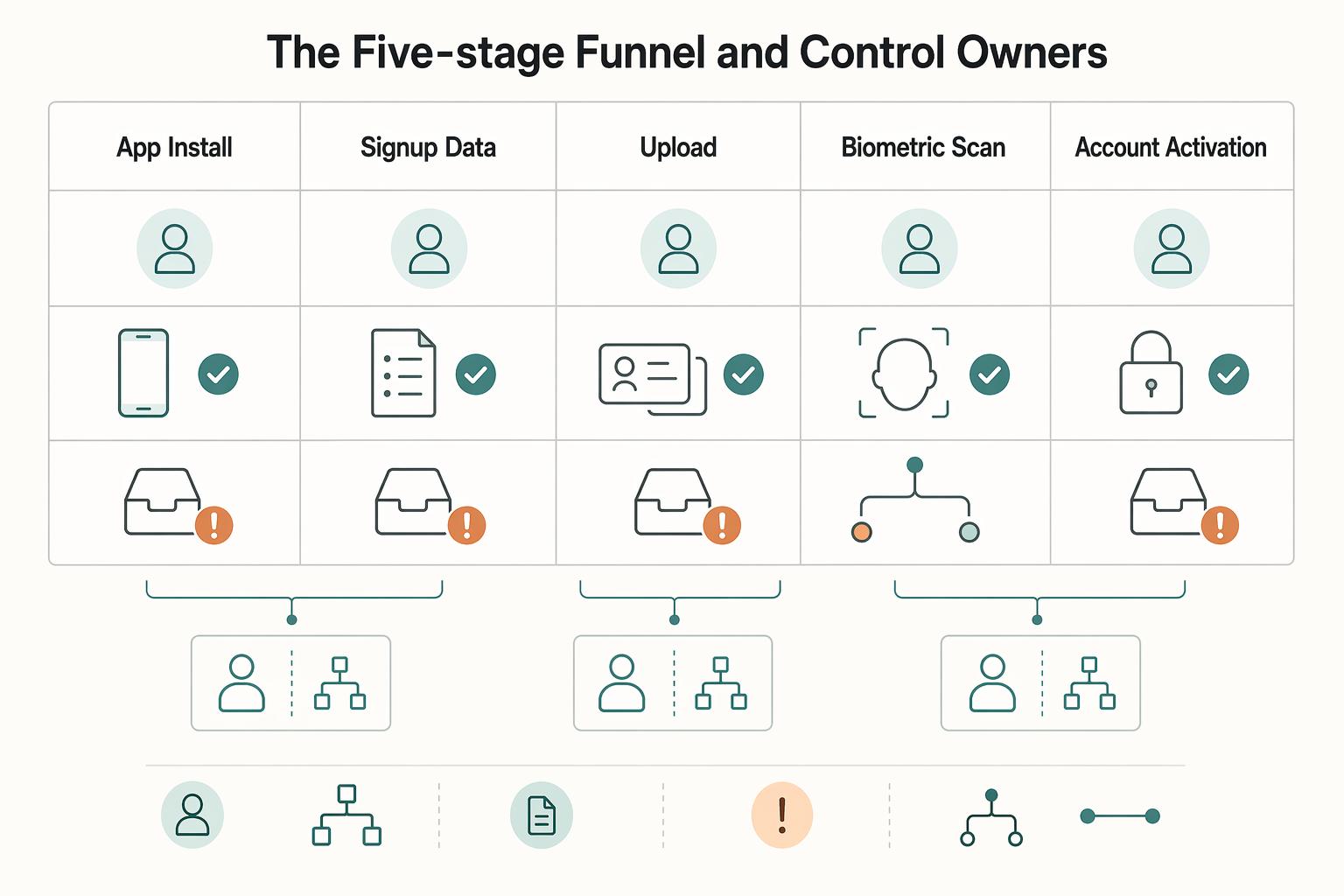
The KYC Funnel: Where Platforms Lose Signups to Identity Friction
KYC signup loss is often driven by funnel design choices, not just by the fact that identity checks exist. The funnel is the path from signup to verification and approval, and users can leave at any stage. Abandonment can rise when the flow adds too many steps, unclear instructions, or technical friction such as unsupported upload formats.
Read more →