
Operator playbooks for cross-border payments, tax, and compliance execution.
Step-by-step guidance for finance, product, and ops teams to launch faster, reduce payout friction, and keep reconciliation clean across borders.

Scheduled, Same-Day, and On-Demand Instant Contractor Payouts: Economics, Rails, and Rollout
Treat payout speed as a product and margin decision, not a feature race. This guide helps platform teams choose between scheduled payouts, same-day payouts, and on-demand instant payouts for contractor and creator programs based on economics, controls, and rollout order.
Read more →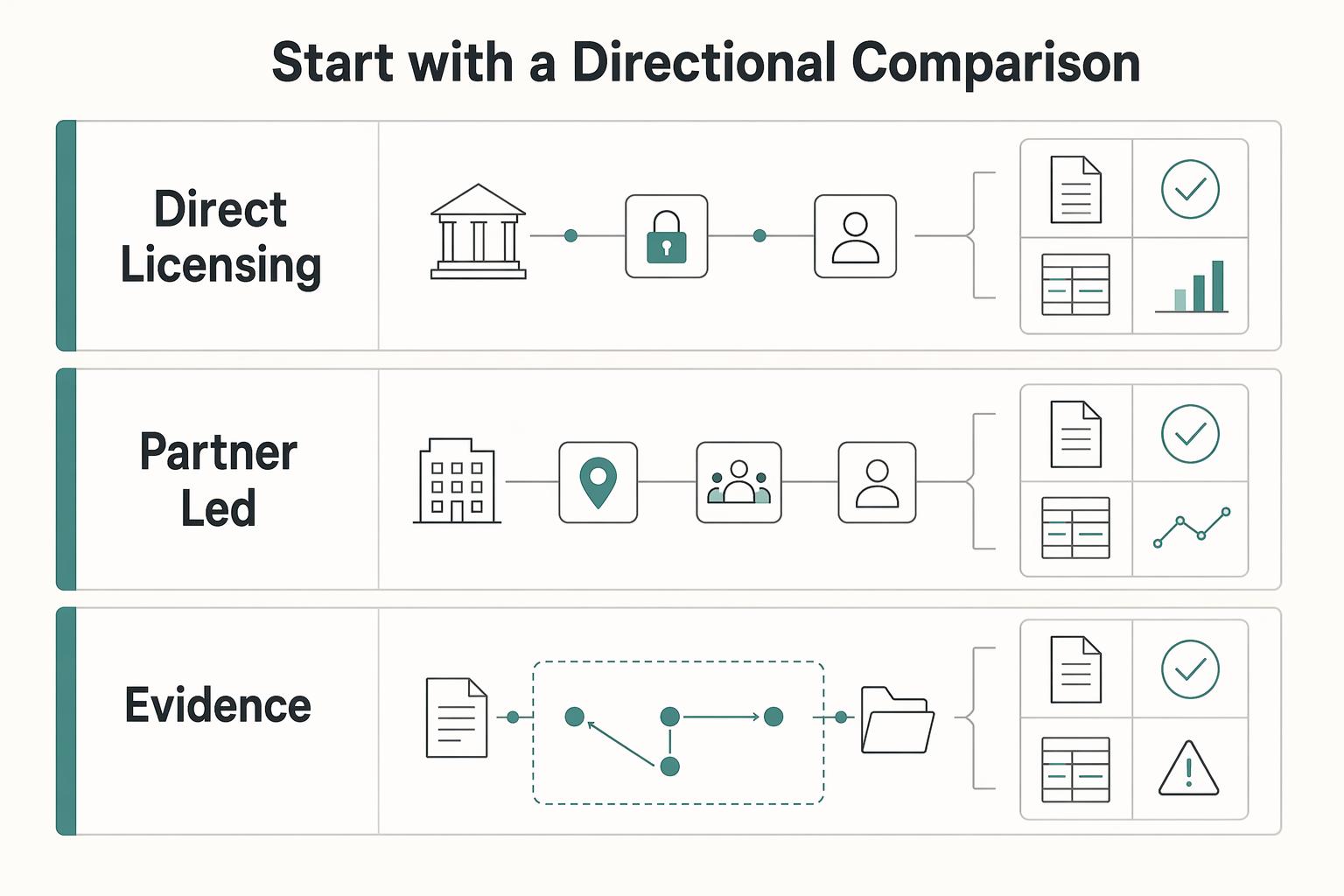
How to Structure Platform Fees Without Violating Money Transmission Laws
Platform fees alone are not the legal test for money-transmitter risk. The risk turns on what your product does with customer funds in practice, including whether it receives value from one party to send to another.
Read more →
How to Build a Payment Sandbox for Testing Before Going Live
Platform teams need a sandbox before go-live because it lets you validate payment behavior without touching live merchants or your production account. More importantly, it keeps launch decisions from resting on a clean demo of the happy path.
Read more →
White-Label Checkout: How to Give Your Platform a Branded Payment Experience
A **white-label checkout platform** can help you launch a branded payment experience faster without building the full payment stack yourself. For SaaS and marketplace teams, that tradeoff is often practical because payments are usually more complex than a basic direct-to-consumer flow.
Read more →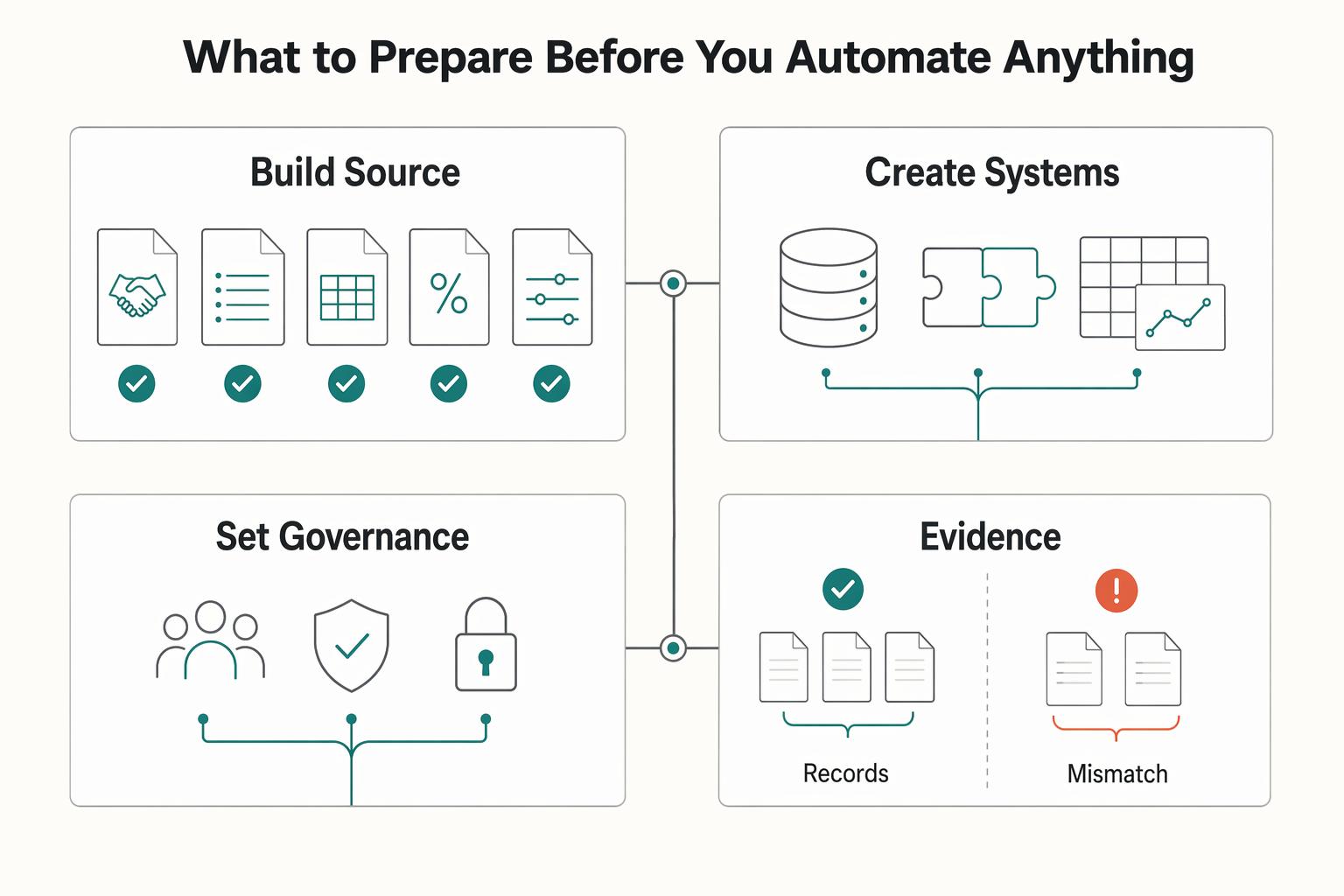
Automating B2B Rebate Calculations and Disbursements for Platforms
Treat rebate automation as an operating problem before you treat it as a software search. The challenge is not only finding a tool that can calculate a rebate. It is running payout and disbursement processes without weakening control over accruals, auditability, and reconciliation as volume grows.
Read more →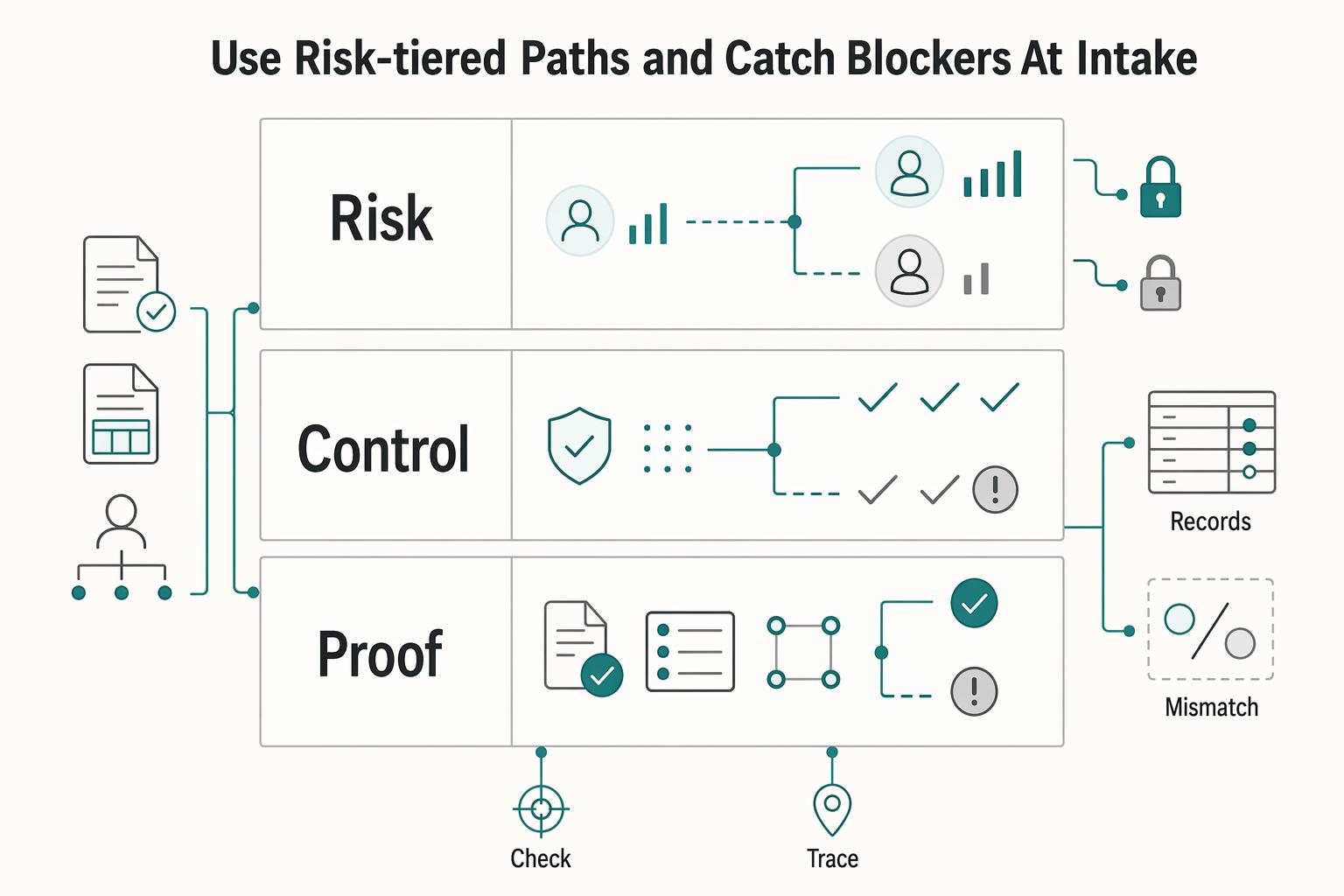
State of Platform Onboarding Benchmarks for KYB and First Payout
Many widely shared onboarding reports are written for Customer Success and implementation teams. Recent examples say that directly. OnRamp's 2026 report surveyed 161 customer success, onboarding, and implementation leaders, and Rocketlane's 2025 report is framed as a "State of Customer Onboarding Report" based on over 950 leaders and practitioners. That perspective is useful, but it is not enough if you own payouts, compliance operations, or finance controls.
Read more →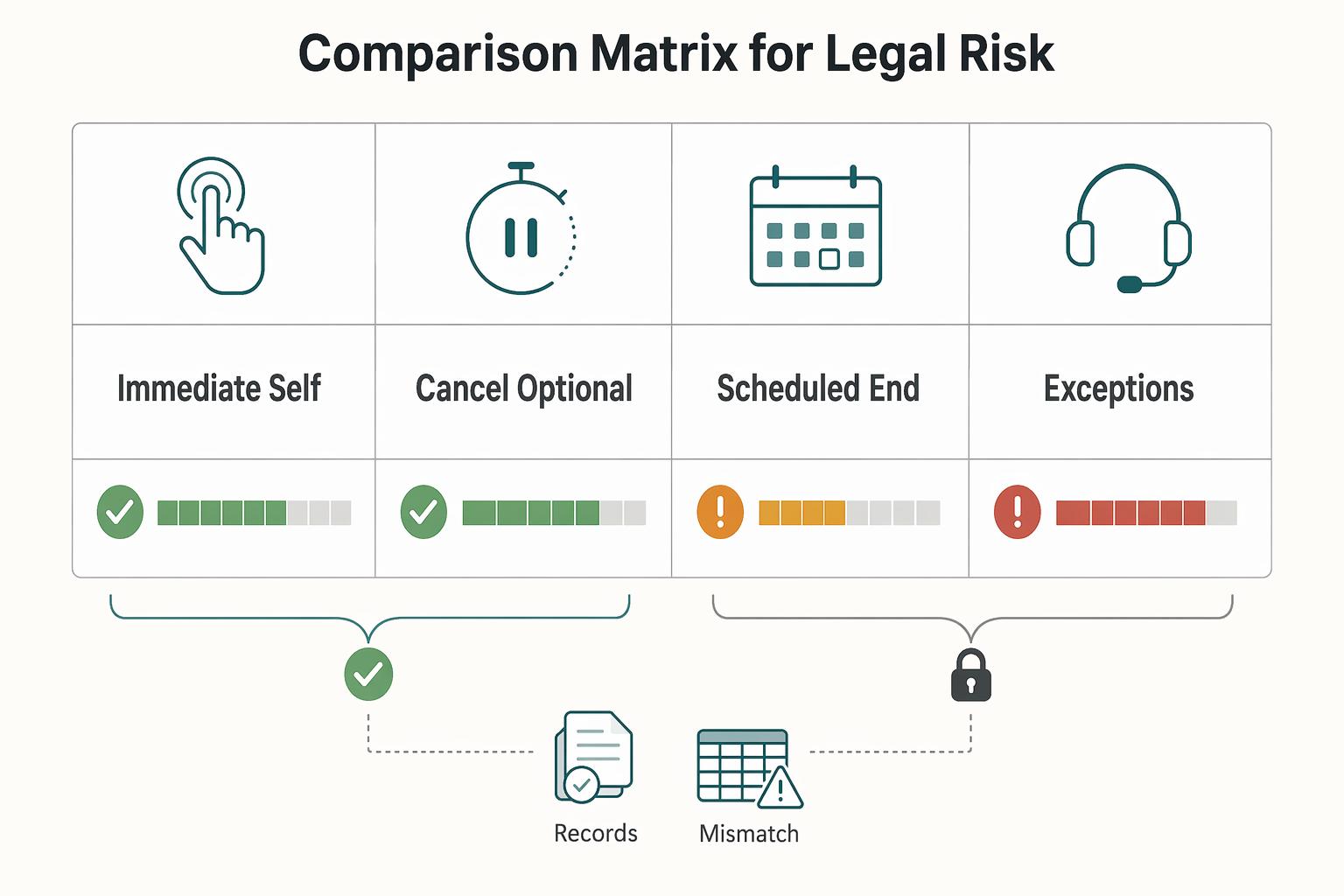
Click-to-Cancel Subscription UX After the FTC Rule for Platforms
If you run recurring billing, your cancellation path is no longer a design side project. It is a revenue decision with legal exposure attached, so product, finance, and legal need to treat it as part of how the business operates.
Read more →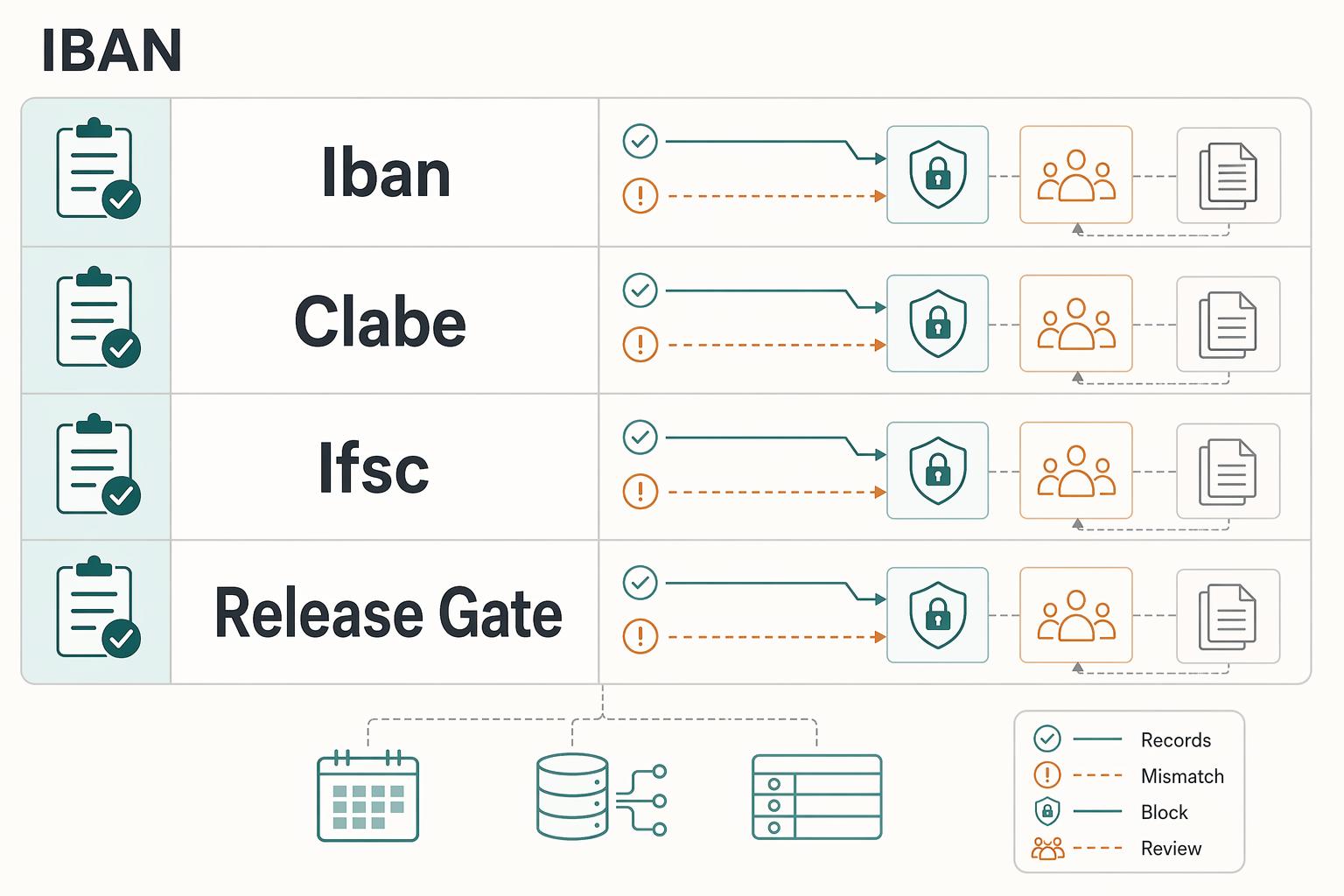
Beneficiary Data Requirements by Rail for Platform Payouts
**beneficiary data requirements by rail** refers to the recipient fields needed to route a payout correctly. If you searched that phrase, you may also have seen results about Railroad Medicare and other healthcare records. That is a different topic. Here, beneficiary data is about moving money across borders, not Medicare identifiers such as the Medicare Beneficiary Identifier, which CMS says must be protected and shared only for Medicare-related business.
Read more →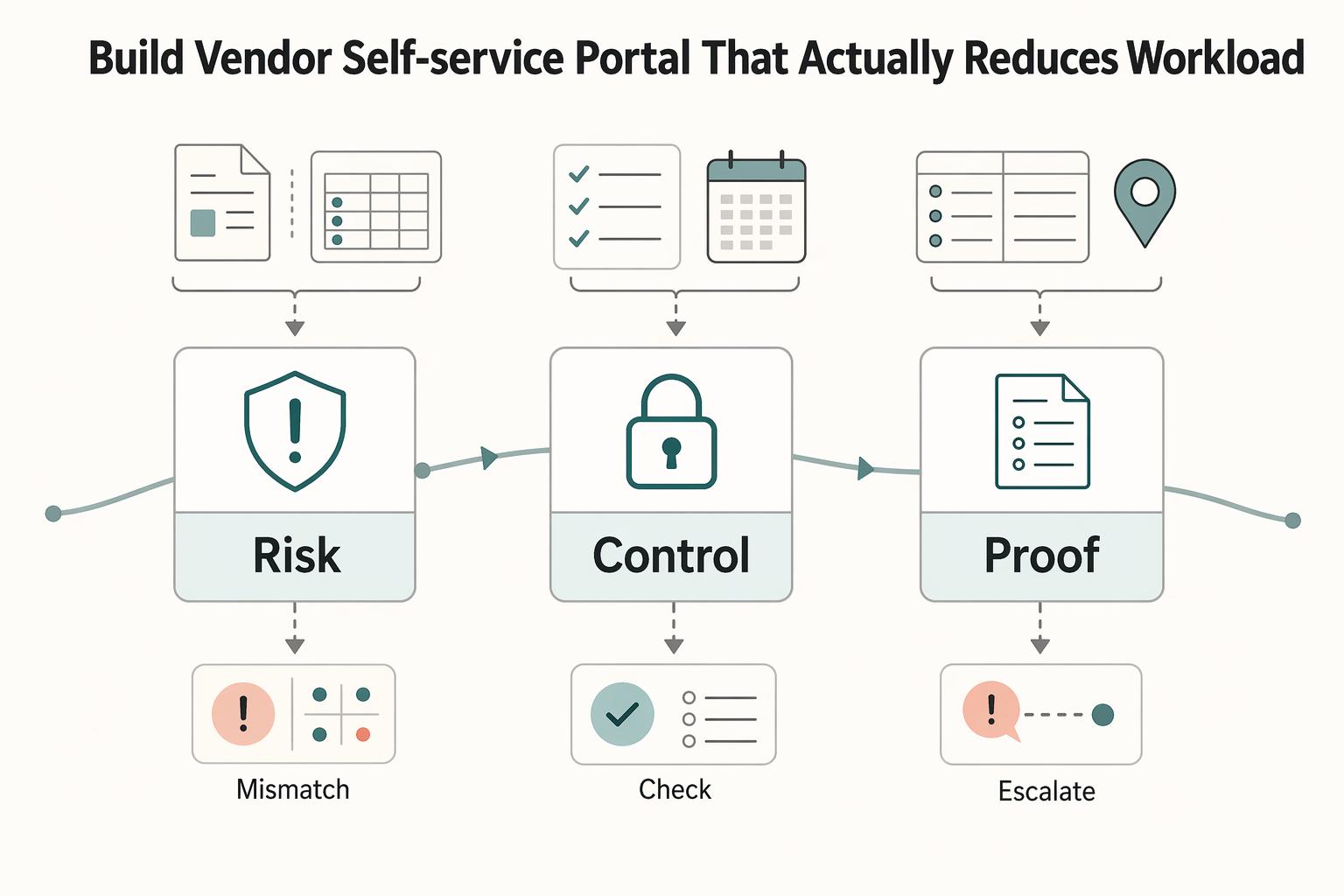
How to Build a Vendor Self-Service Portal That Reduces AP Workload
If the portal does not remove AP inbox work, show payment and document status, and preserve a usable AP audit trail, it is not real self-service. This guide is for platform teams that want fewer vendor support loops and cleaner evidence when finance or compliance asks what changed, when, and by whom.
Read more →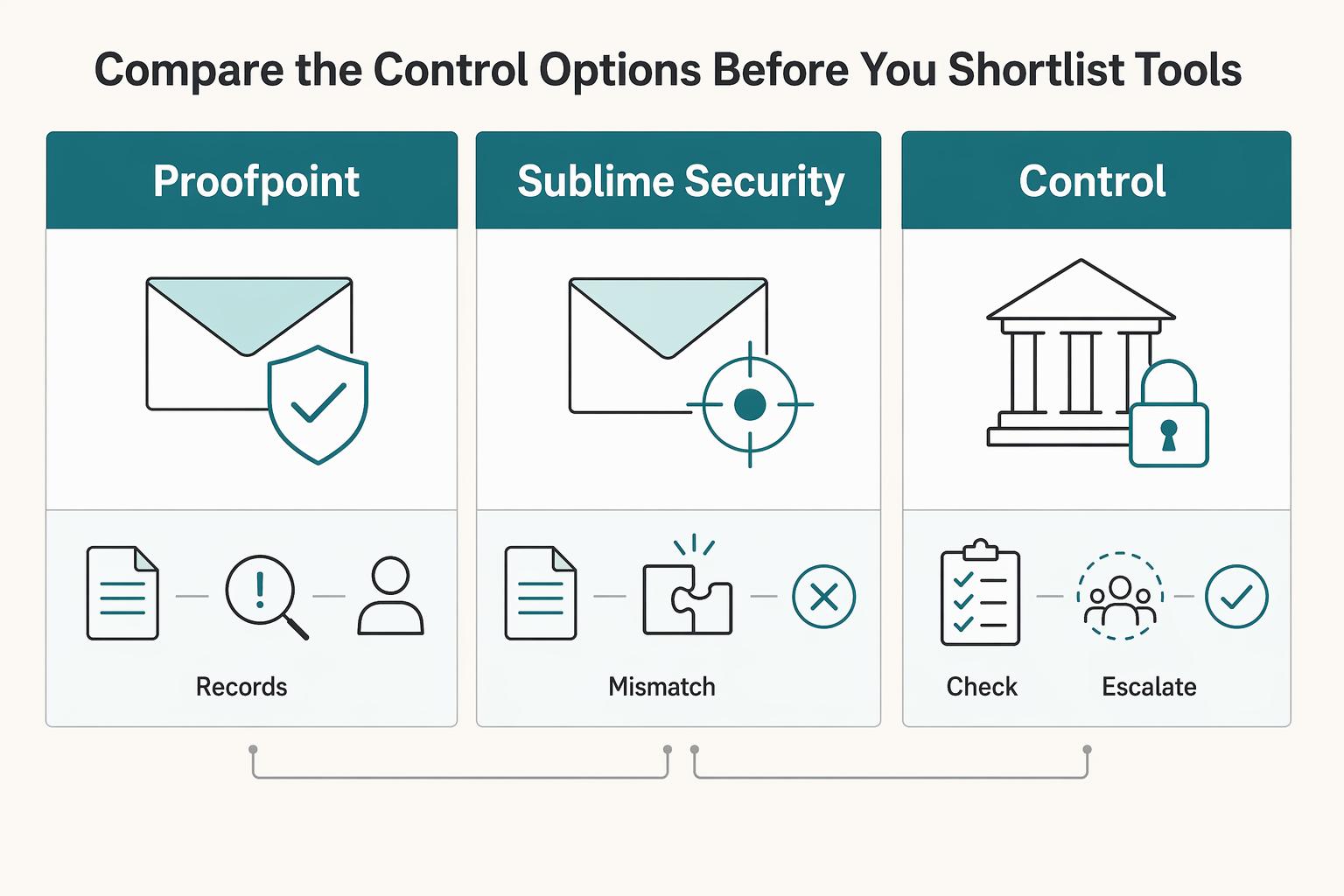
How Platforms Stop Business Email Compromise in Accounts Payable
Treat Business Email Compromise and Email Account Compromise as payment-release risks first. Email is often the delivery path. Loss happens when accounts payable accepts a fraudulent invoice, a bogus payment update request, or another convincing impersonation message and releases funds.
Read more →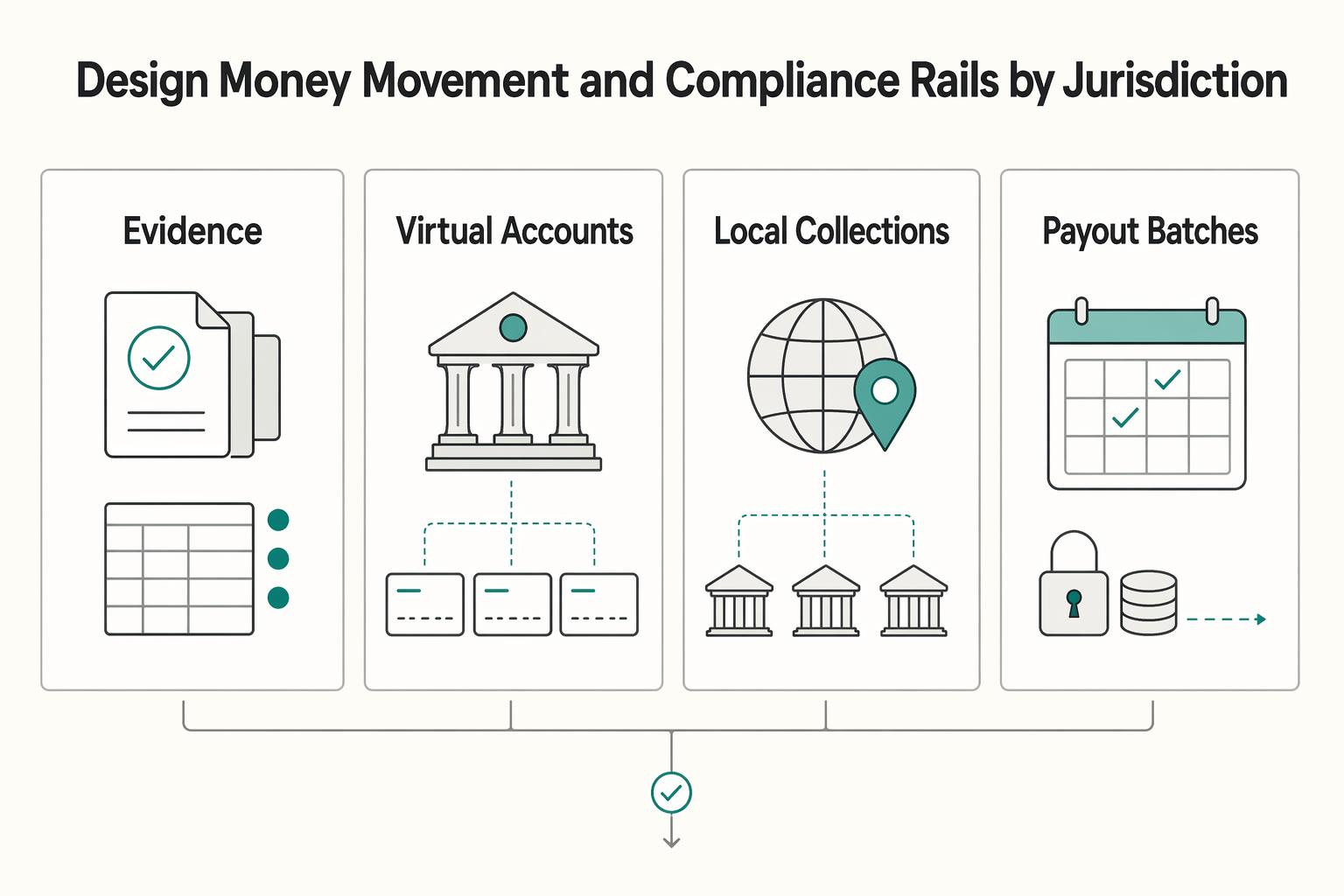
Future Subscription Commerce Predictions for Platform Operators Through 2027
The point of **future subscription commerce predictions platform operators 2027** is not to admire a growth curve. It is to turn broad forecasts into country-by-country, vertical-by-vertical go or no-go decisions that still hold up when billing starts, renewals hit, and compliance review begins. If a market looks attractive on paper but you cannot confirm payment fit, retention durability, and jurisdiction requirements, it is still a risky bet.
Read more →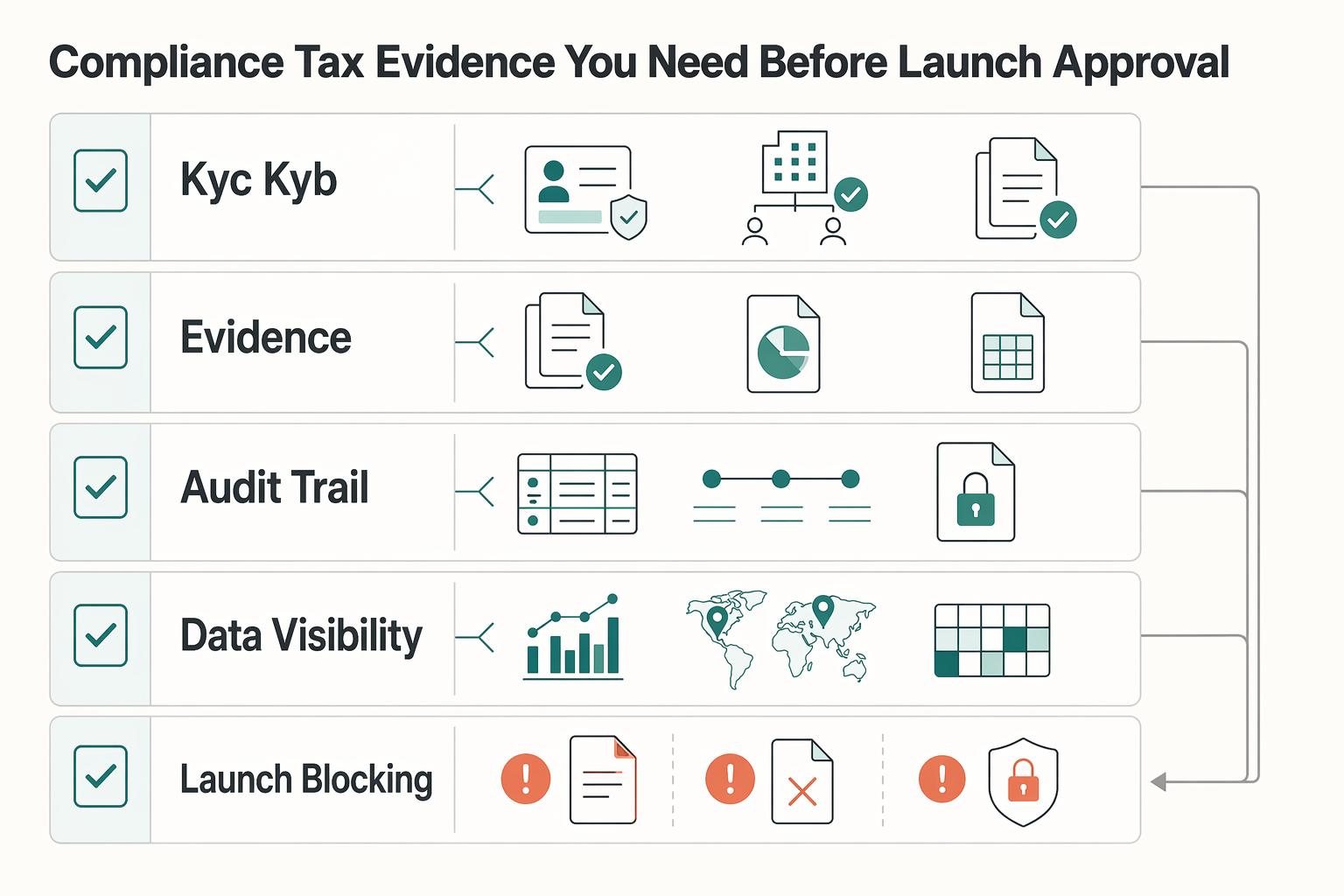
State of Subscriptions 2026 Benchmarks for Platform Operators
Subscription benchmarks matter only if they help you make a better launch decision. For platform operators looking at the 2026 subscription benchmark cycle, the job is not to repeat market trends. It is to separate signals that justify investment from signals that only sound reassuring.
Read more →
Building a Virtual Assistant Platform Around Payments Compliance and Payout Design
Start with country choice and money movement, not screens or matching logic. For virtual assistant platform payments compliance, many costly mistakes happen before launch. Teams treat corridor support as automatic, assume a provider absorbs all regulated work, or reuse one onboarding flow across markets.
Read more →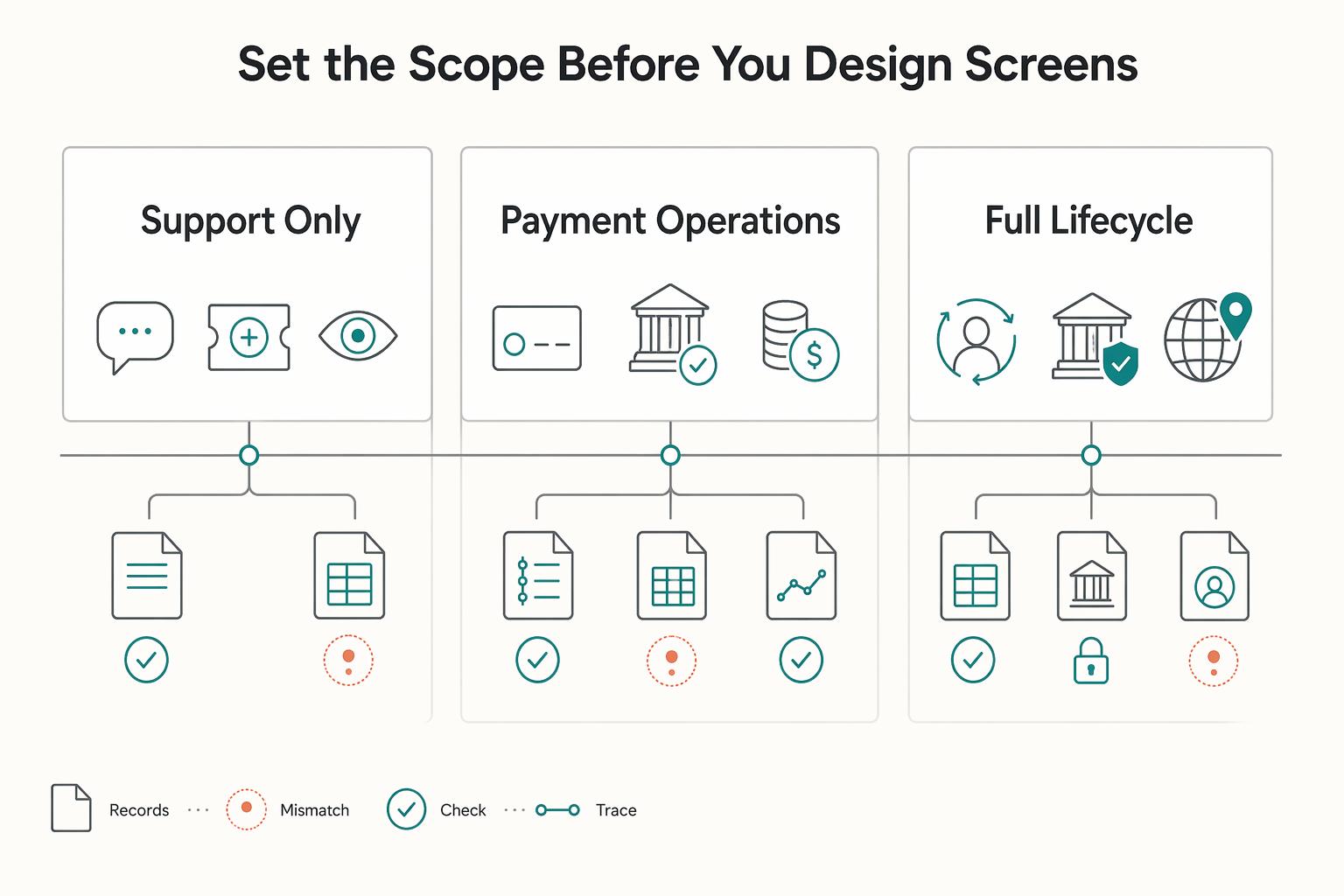
Building a Self-Service Subscriber Portal Finance and Ops Can Trust
A self-service subscriber portal is not just a nicer front end for support. Built well, it becomes a shared payment operations surface for finance, ops, and product. Subscribers can resolve simple issues themselves, and your team can align what the portal shows with underlying reconciliation and payout records.
Read more →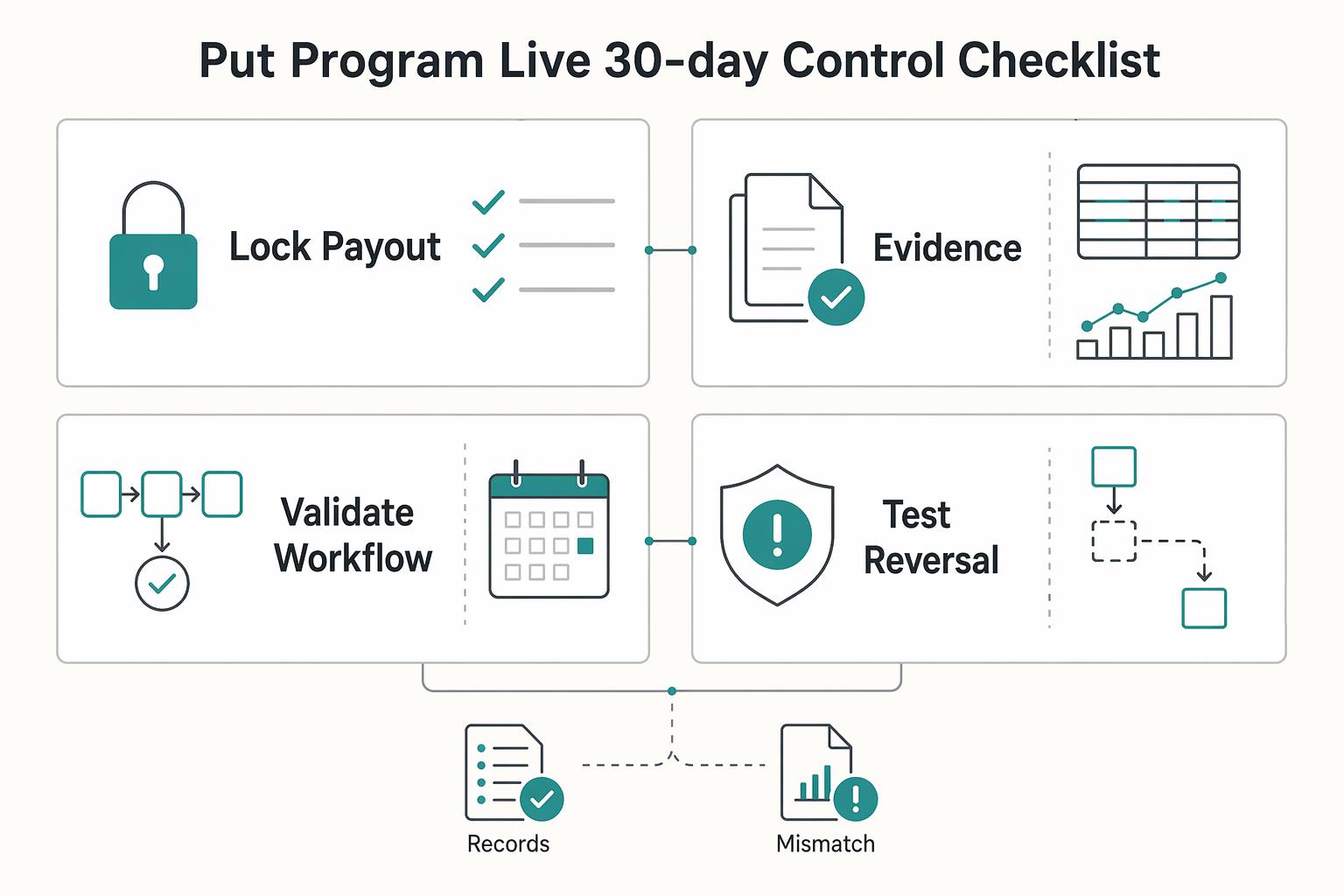
How to Build a Gig Platform Referral Commission Model That Protects Margin
Your referral program commission plan for a gig platform should pass a margin test before it chases volume. The core decision is not how generous the offer looks on a landing page. It is whether each payout trigger and each commission base still produce acceptable CAC payback and contribution margin after refunds, abuse, and variable costs.
Read more →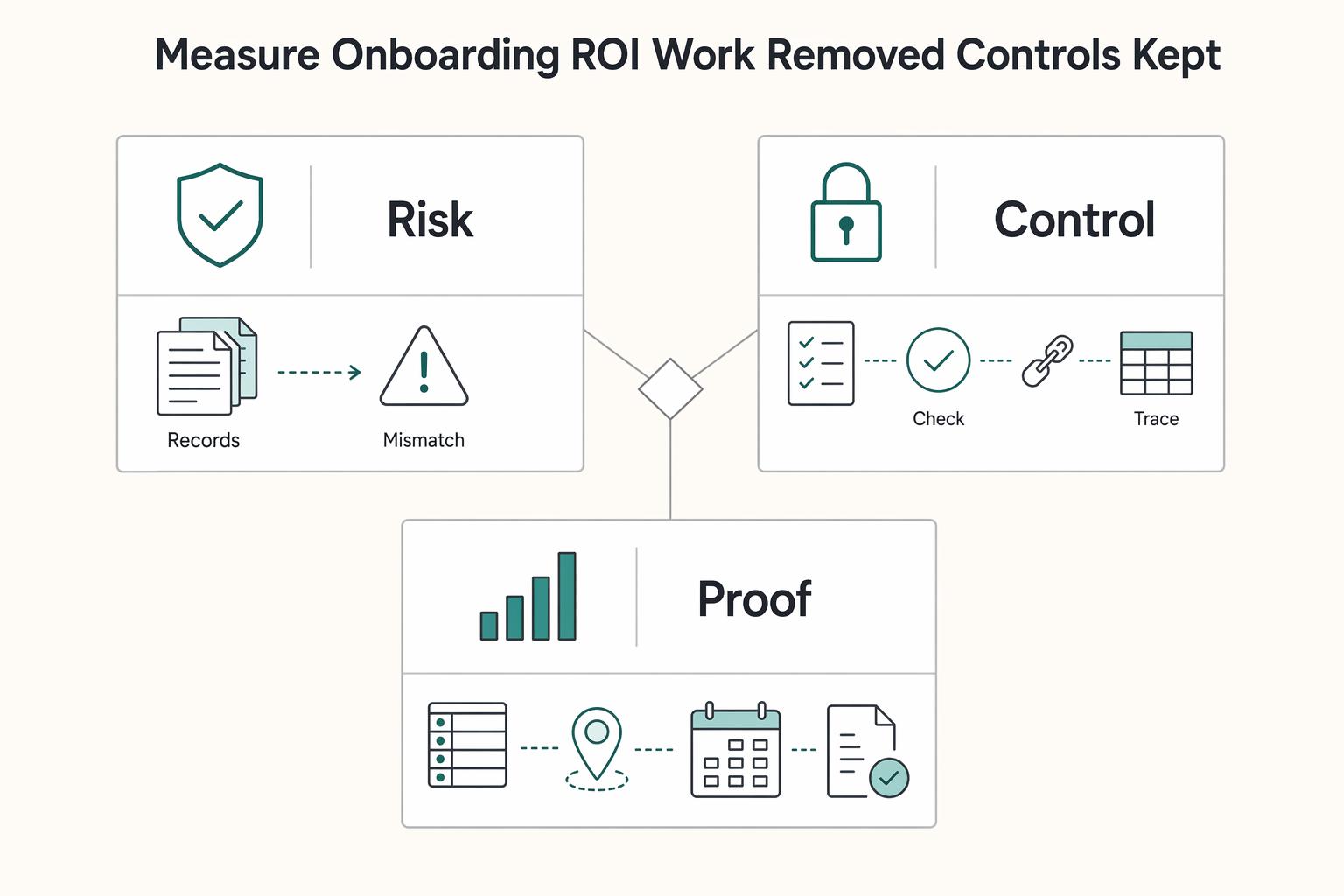
Vendor Onboarding ROI Calculator for Manual Review vs Automated Verification
A credible **vendor onboarding roi calculator** should answer one question clearly: does automation remove enough real work, without weakening controls, to justify the spend? That's the case you need to make to finance and ops. The real comparison is simple to state and harder to model well. It is manual review across onboarding data, banking, compliance, and ERP setup versus automated verification that still routes exceptions to a human.
Read more →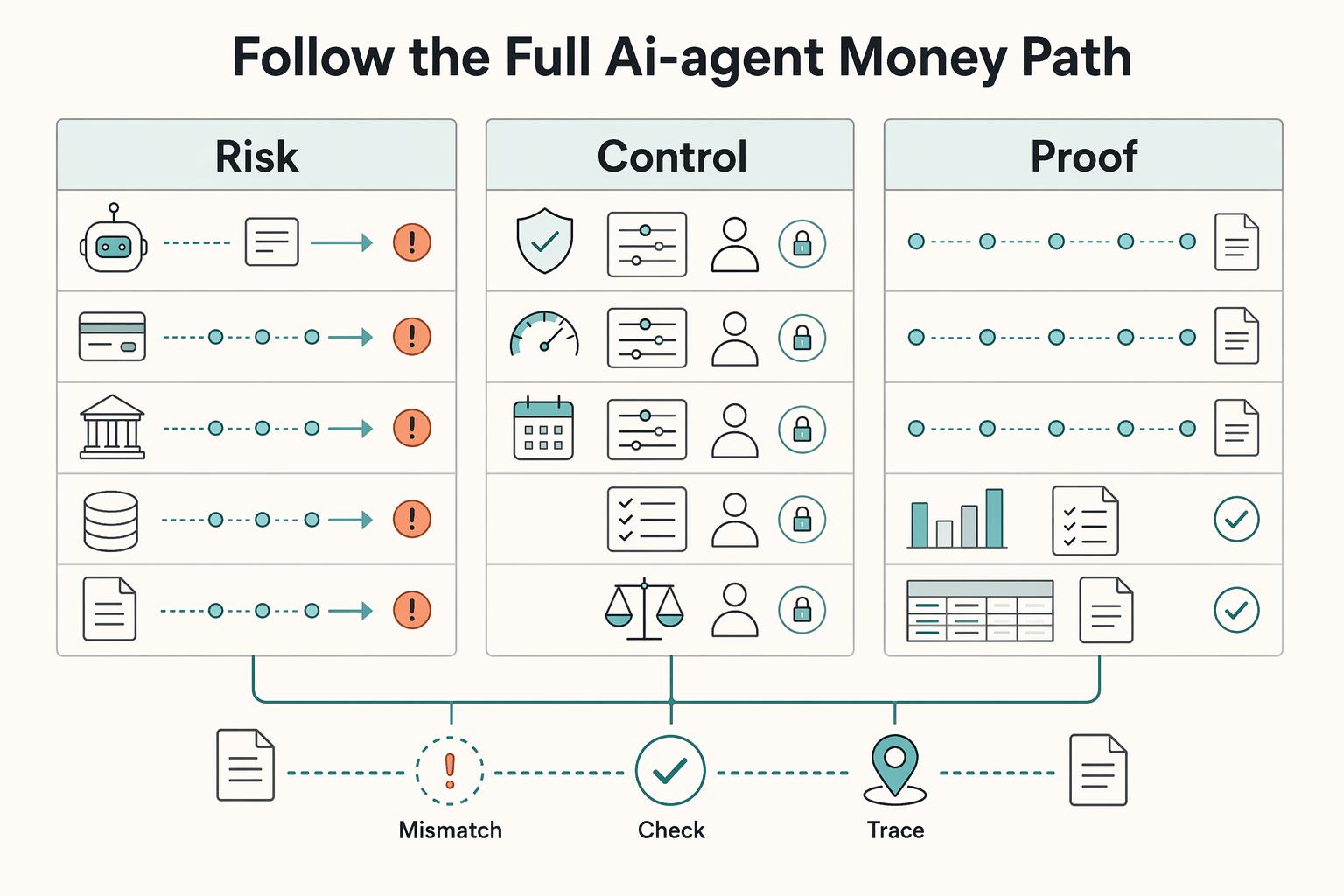
Spending Controls for AI Agents in Platform Payment Operations
Spending controls for AI agents are only credible when they follow the full money path, not just the moment an agent asks to spend. For platform finance, ops, and product owners, the job is to set approvals, hard limits, and human-in-the-loop checkpoints that can actually be enforced from authorization through execution, settlement, posting to the books, and final record matching.
Read more →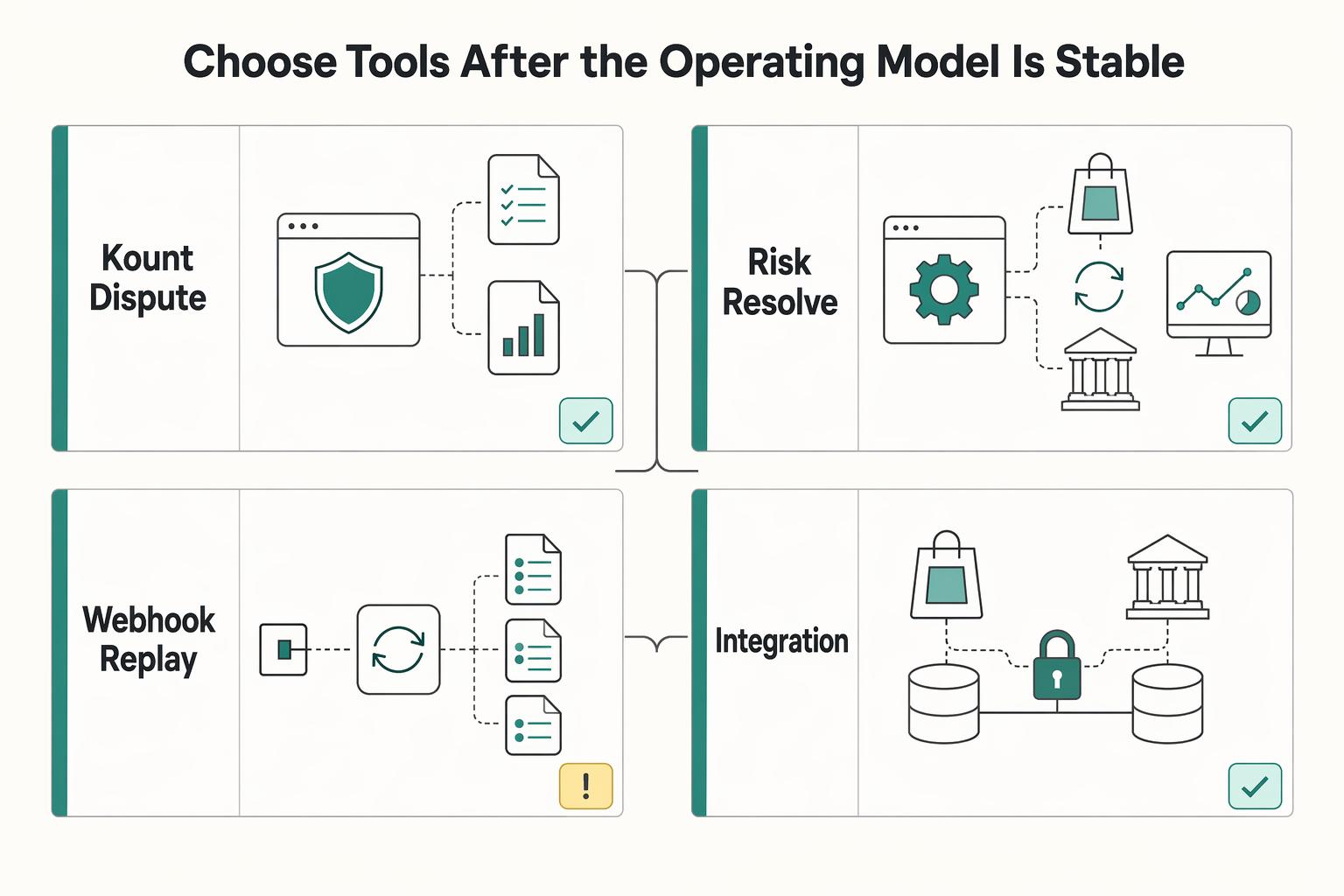
Dispute Evidence Workflows for Marketplaces Before a Chargeback
If you want better dispute outcomes, start before a chargeback exists. Build a dispute evidence workflow that still holds up when the clock is already running. Do not spend another quarter polishing workflows that look helpful but still leave teams scrambling at filing time.
Read more →
Agentic Commerce Risk Scoring: Detecting Abuse When Bots Control Wallets
Agentic commerce is moving quickly, and the controls around it are still evolving. If you treat fraud, compliance, and accountability as one generic risk bucket, you can make the wrong launch call even when demand looks strong. A corridor can look attractive commercially and still be weak operationally because provider coverage, control expectations, or accountability are not ready.
Read more →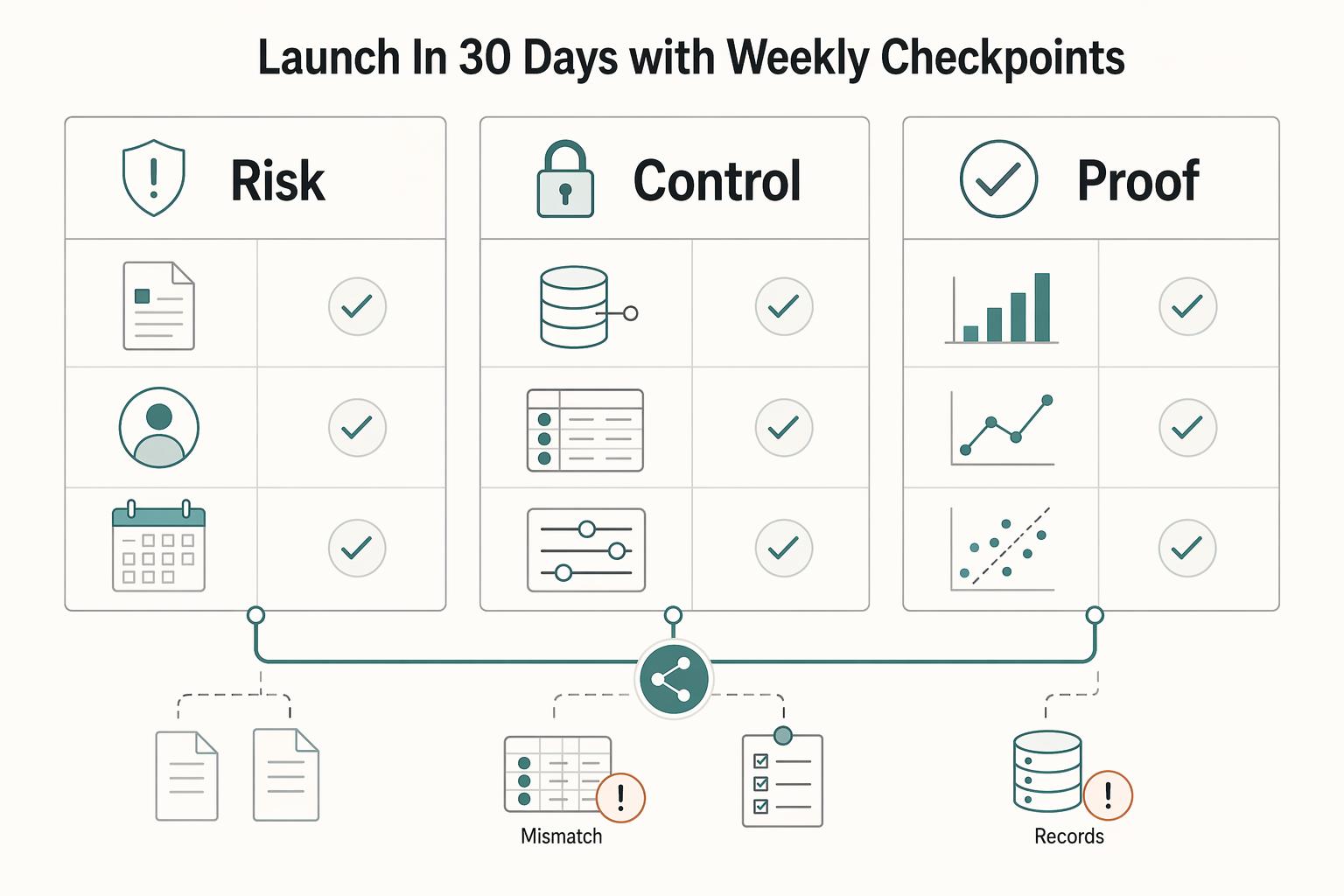
AI-Driven Churn Prediction for Platforms Before Subscribers Cancel
A churn score matters only if it changes what you do before a subscriber leaves. If the output lives in a dashboard and never affects pricing, outreach, feature access, or support treatment, you do not have a retention motion. You have a reporting artifact.
Read more →