
Operator playbooks for cross-border payments, tax, and compliance execution.
Step-by-step guidance for finance, product, and ops teams to launch faster, reduce payout friction, and keep reconciliation clean across borders.

Merchant of Record for AI Agents and Buyer of Record Decisions
AI commerce is moving faster than role clarity, and that is where teams get into trouble. Before you debate protocols or checkout surfaces, decide who is actually selling, who is the recognized buyer, who captures approval, and who owns the fallout when a charge, dispute, or identity mismatch shows up later.
Read more →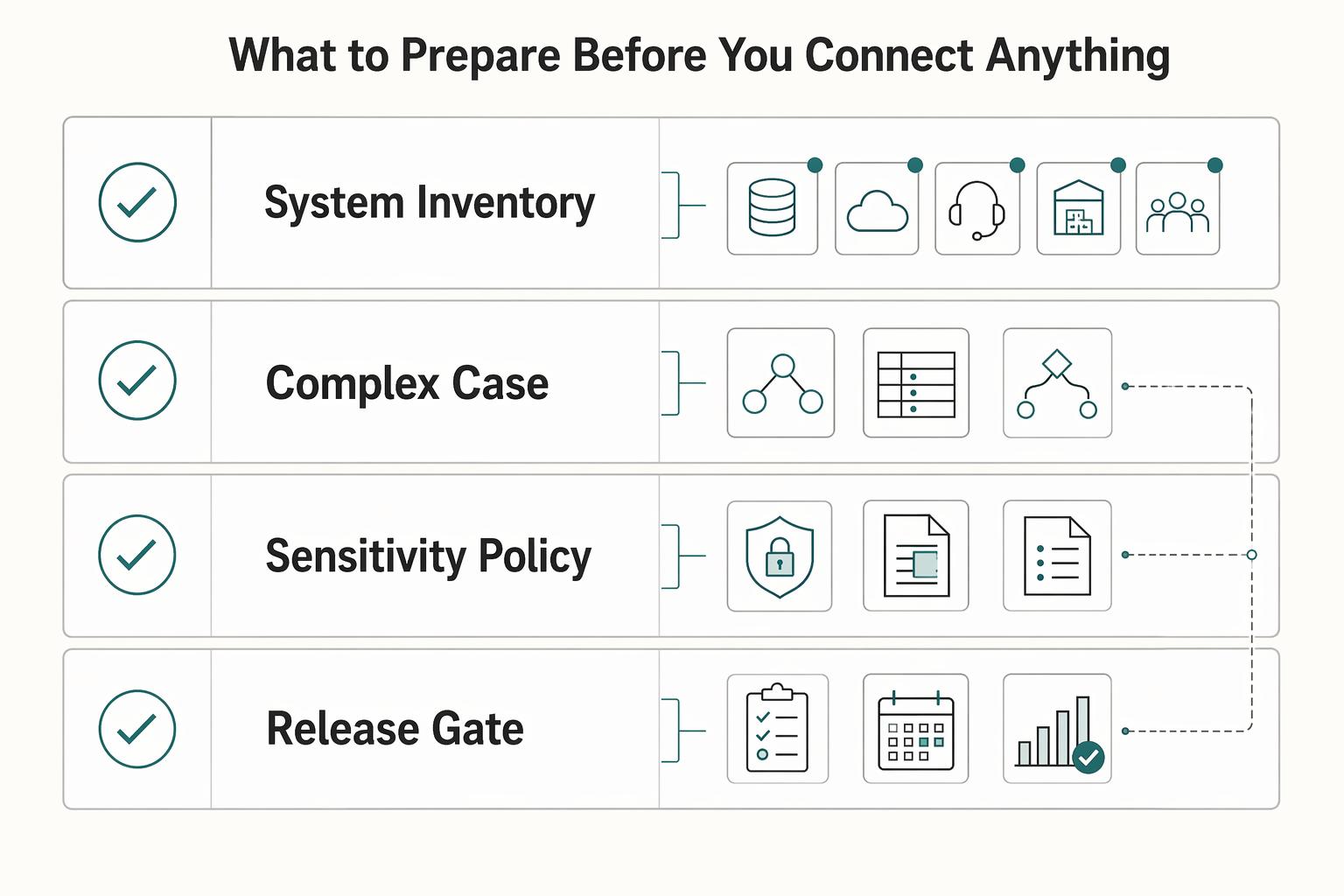
How to Integrate Your Subscription Billing Platform with Your CRM and Support Tools
Start with ownership, not tooling. You can move fast on a billing, CRM, and support integration, but only if you protect System of Record boundaries from day one. Treat every sync as part of Quote-to-Cash, not just an API project.
Read more →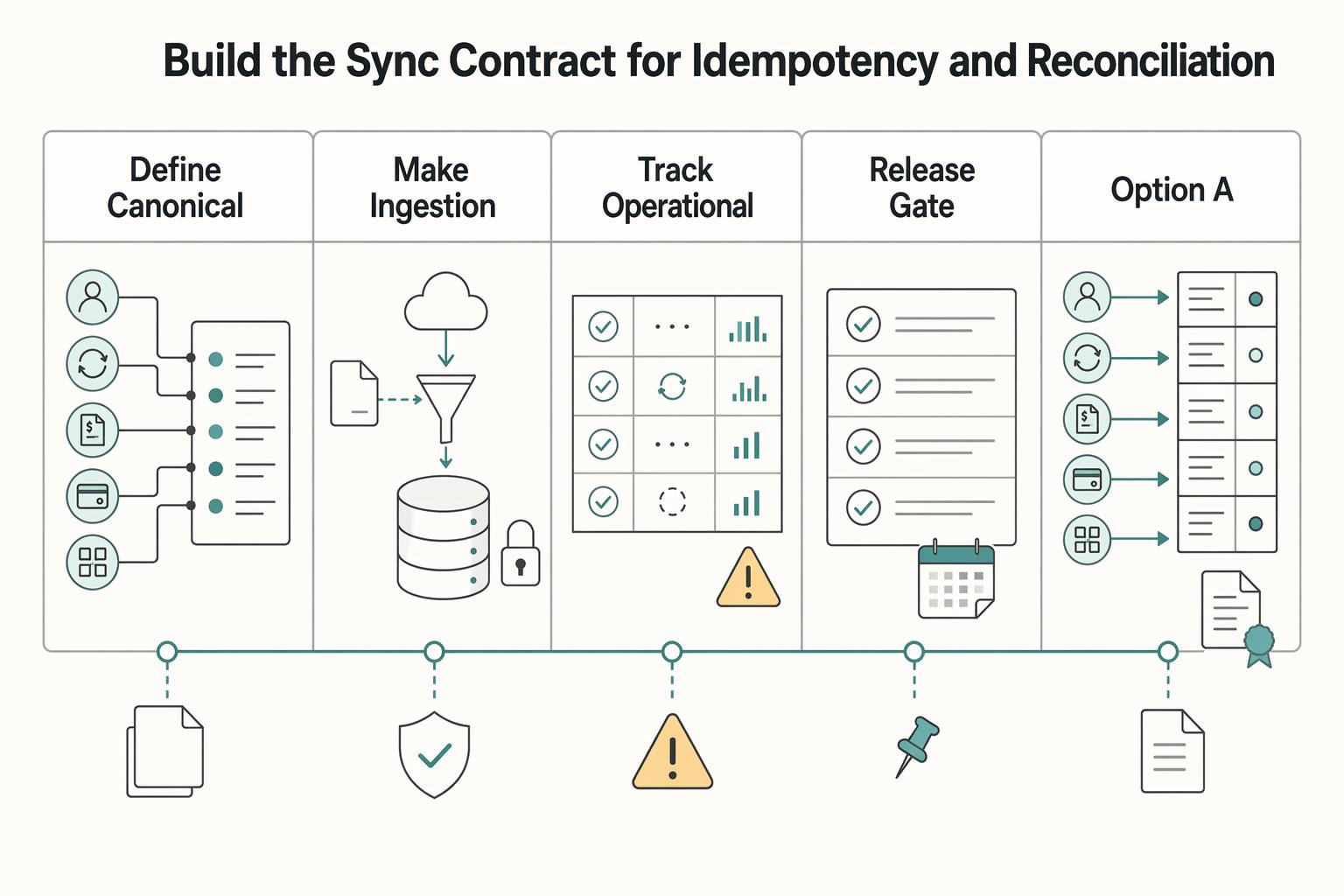
NetSuite Subscription Billing Integration for Reliable Revenue Recognition and Cash Flow
For **netsuite subscription billing integration revenue recognition** work, the connector demo is not the hard part. The hard part is deciding where the accounting truth lives, how billing events map to `Revenue Element` and `Revenue Arrangement` records in `Oracle NetSuite`, and what finance will verify before month-end close.
Read more →
SEPA Direct Debit for European Subscriptions With Clear Approval and Rollout Checks
**SEPA Direct Debit can support subscriptions, but only if your mandate flow, country scope, and async handling are solid.** It is easy to treat it like just another European checkout option. That is where expansion plans start to drift. For subscriptions, it is an operating model built around prior customer approval, mandate capture, delayed payment status, and post-initiation exception handling.
Read more →
Account Hierarchy for B2B Platforms and Parent-Child Billing for Enterprise Clients
Start with financial responsibility, not the org chart. In a parent-child billing setup, the real design question is simple: which accounts are structurally related, and which account is financially responsible when invoices, ledger entries, reconciliation, settlement, and payout records start moving.
Read more →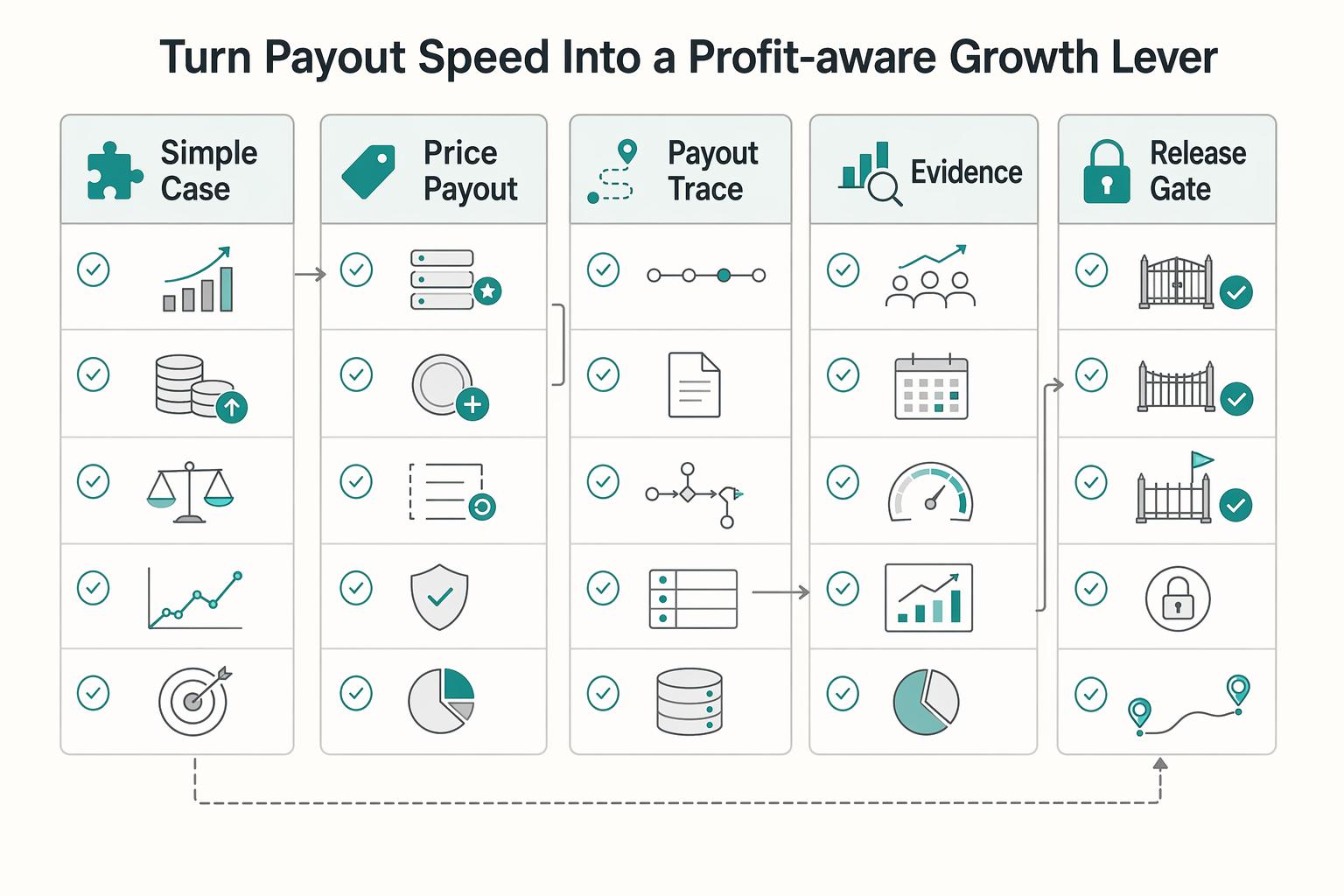
How to Use Payout Speed as a Competitive Advantage to Attract Top Contractors
Payout speed can help you attract independent contractors, but only if you treat it as a pricing and operations decision, not a blanket perk. The real question is not whether faster pay sounds attractive. It is where speed should be free, where it should be paid, and where your current process is too slow for a faster rail to matter.
Read more →
Refunds in Agentic Commerce With Approval Gates and Reconciliation Control
Treat **refunds in agentic commerce** as a post-purchase operating decision, not a payment reversal. Once AI agents can act on cancellations, returns, and other refund-related adjustments, the real work is deciding which cases can resolve automatically, which need preset limits, and which must stop for human approval.
Read more →
Agent-to-Merchant Authentication for Platforms Verifying Autonomous Buyers
Agent to merchant authentication is becoming a checkout design problem, not just a fraud control. Once AI agents can transact for users, the core design question is where you anchor trust so onboarding, payment orchestration, and later disputes all point back to the same proof instead of splintering into separate records.
Read more →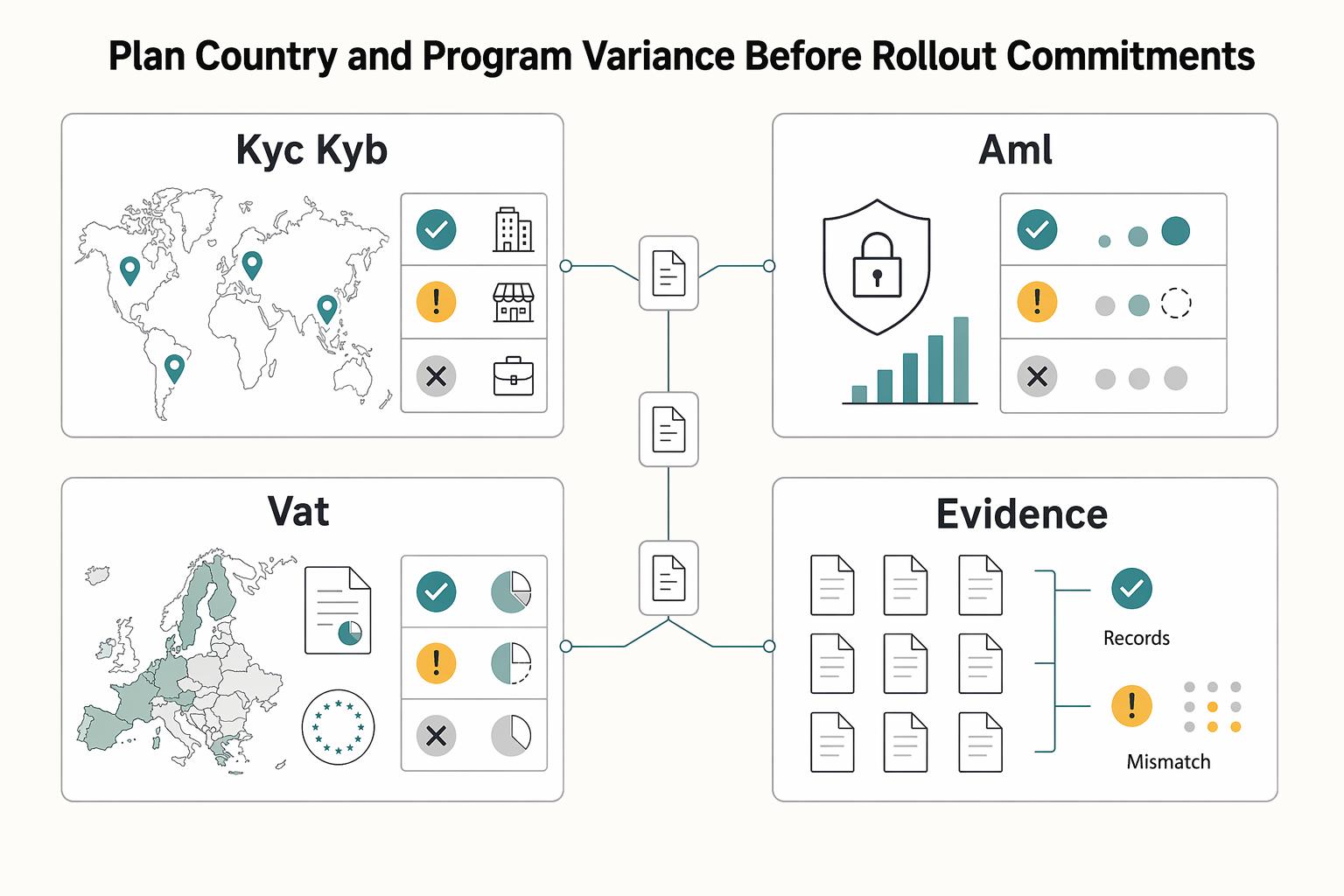
Making Your Checkout Agent-Ready for AI Buyers
`agent-ready checkout` is not a prettier pay button. It is a control problem. Can an AI agent complete a purchase through your API and payment gateway without breaking purchase confirmation, fraud handling, reconciliation, or customer trust? When the answer is no, the issue is usually not the model. It is the gap between authorization, payment events, and finance close.
Read more →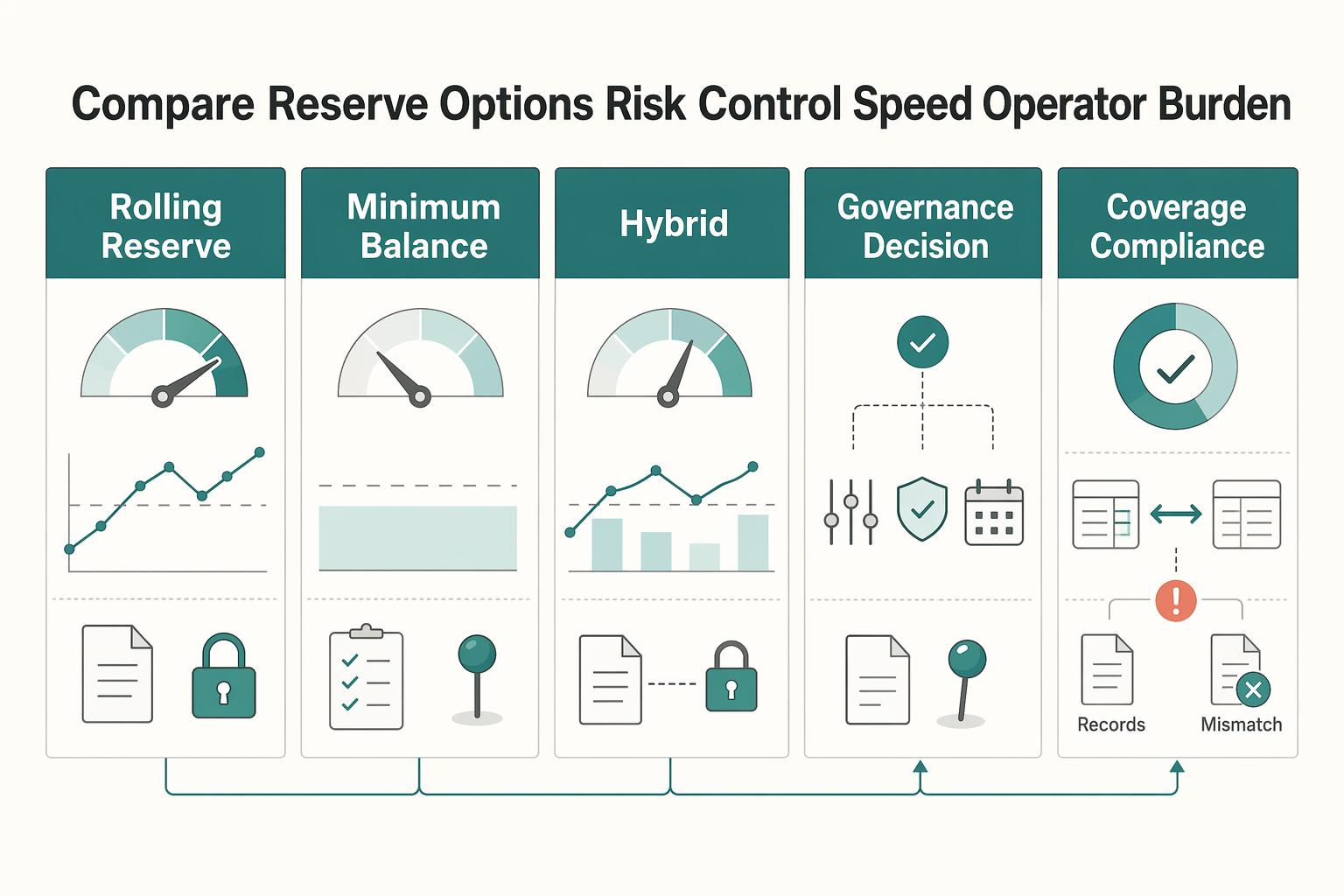
Reserve Policy Design for Platforms with Rolling Holds and Release Controls
Reserve policy for a platform comes down to three things: decide what gets held, when it gets released, and how you will prove later that the release was justified. For embedded payments, that is usually the hard part. A good reserve policy is less about abstract risk theory and more about controls your finance, ops, and engineering teams can verify from event history and payout records.
Read more →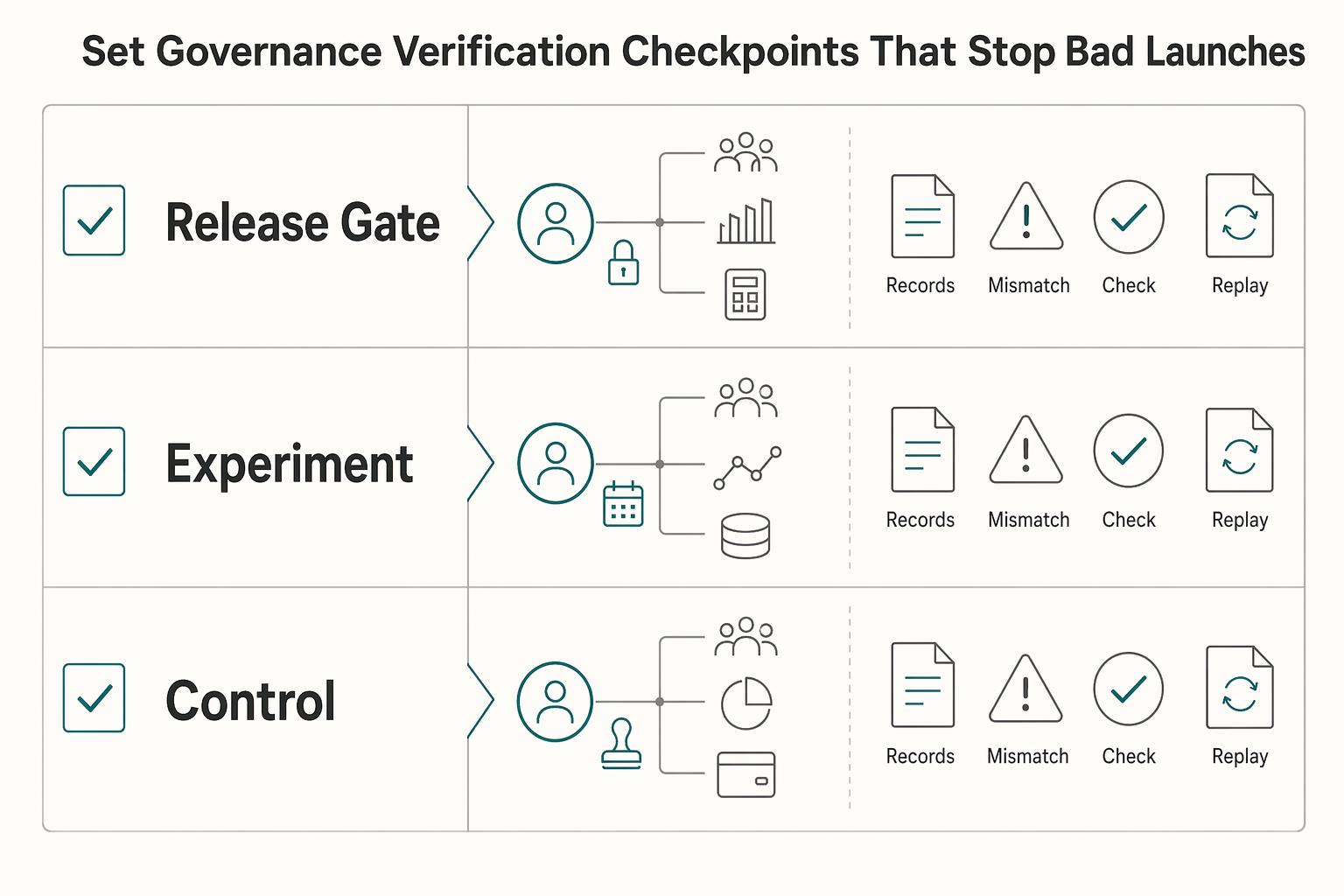
Media Subscription Billing Decisions for Paywalls, Metering, and Bundling
**A metered paywall is only a good business decision if your billing operations can support it.** For platform founders, the real question is not whether reader revenue sounds attractive. It is whether digital publishing subscription billing and paywall metering can survive the messy parts of launch: failed renewals, entitlement sync, invoicing, tax treatment, and local payment movement.
Read more →
Negative Balance Management for Marketplaces
Marketplace deficits are a payments liability problem, not something you can explain away after launch. They hit finance, ops, and engineering at the same time, because someone still has to absorb the loss, stop more money from leaving, and reconcile the ledger cleanly. This piece treats marketplace negative balance management as an operating discipline: who is liable, how recovery works, and which controls you can actually enforce.
Read more →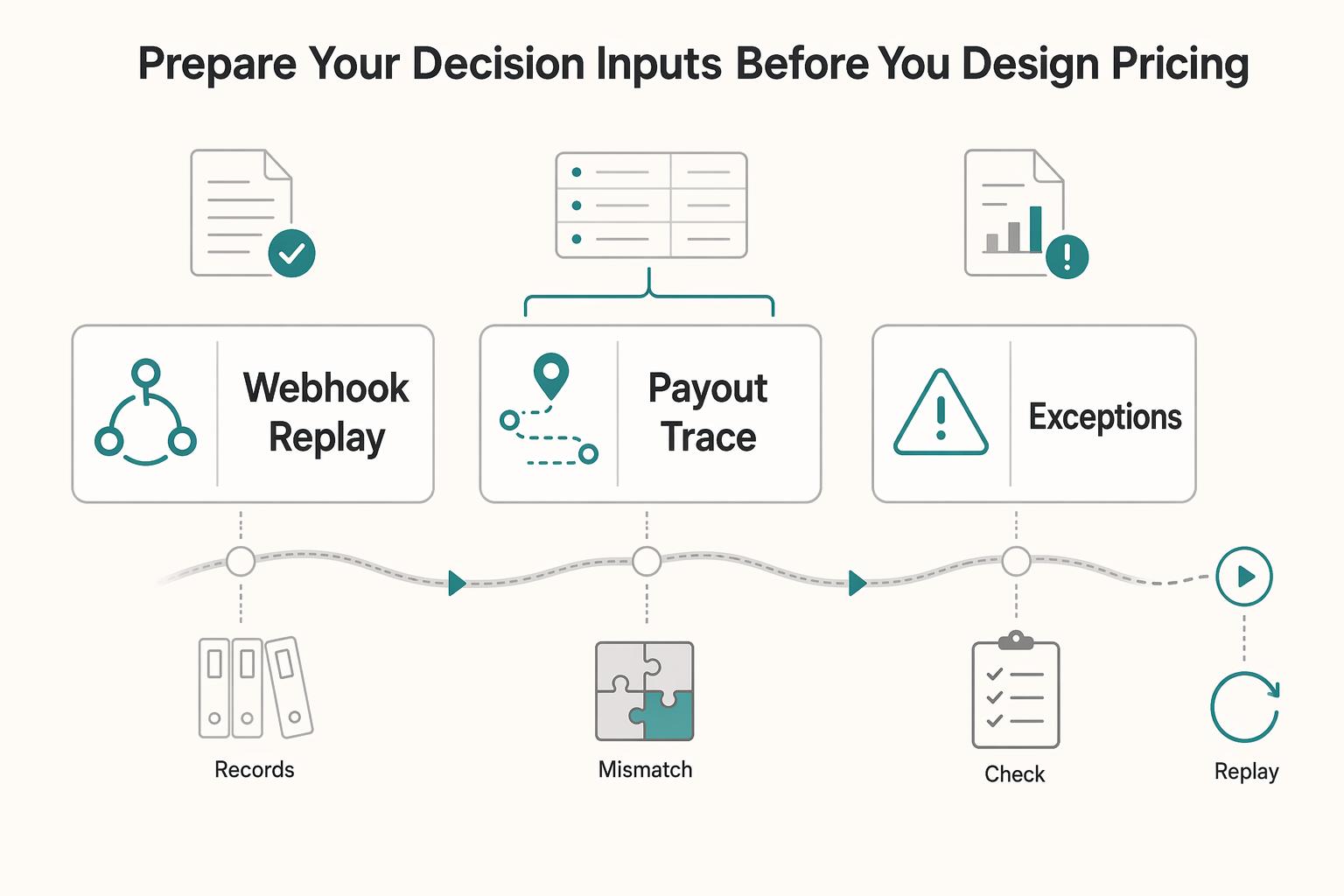
Education and eLearning Platform Billing for Cohorts and Course Access
Start with three linked decisions: what you are selling, how access is granted, and whether your payout setup can support the currencies you plan to offer. Make those calls in the wrong order, and you can end up rebuilding pricing, enrollment logic, and finance operations at the same time.
Read more →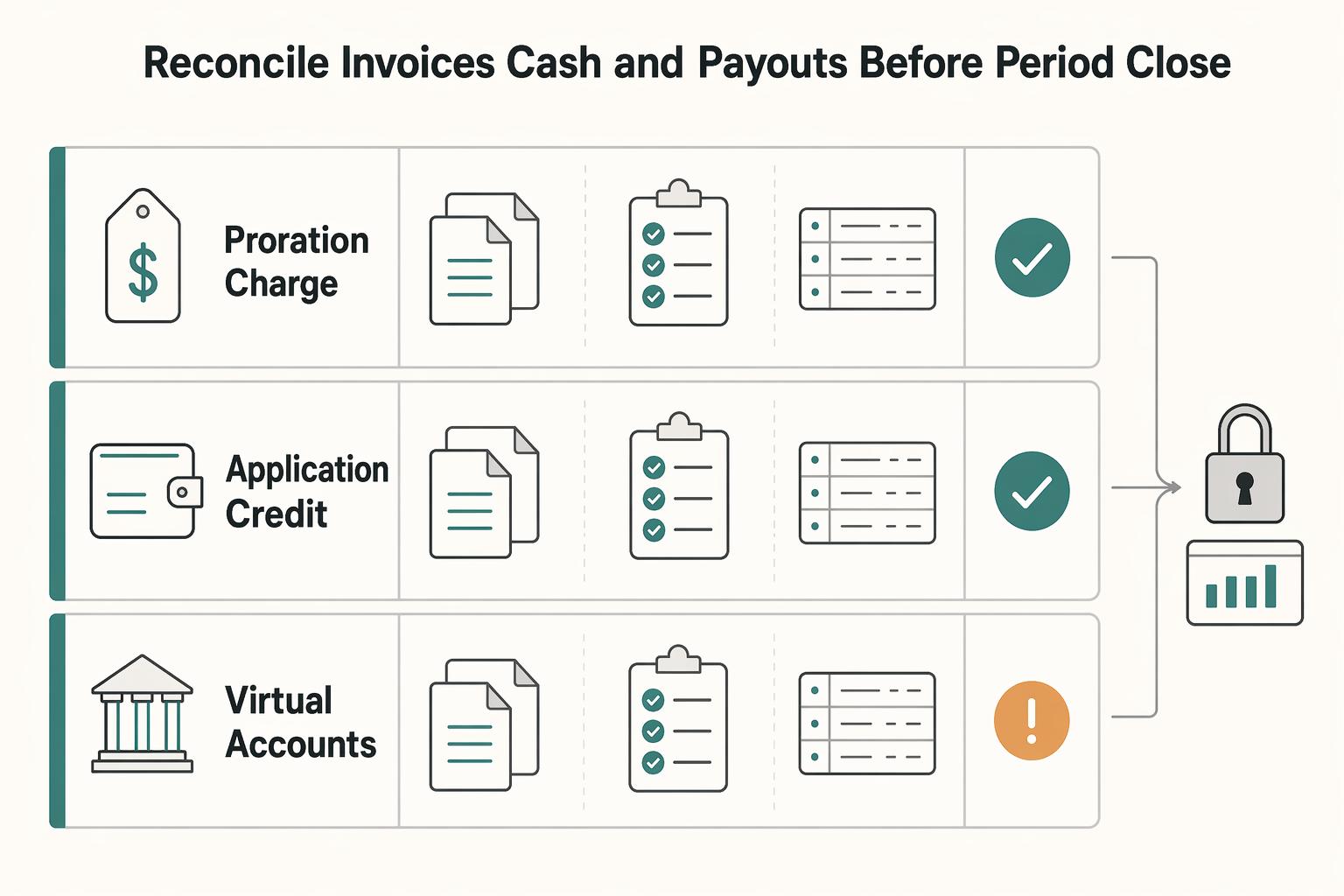
How to Handle Mid-Cycle Upgrades and Downgrades Without Double-Charging Customers
Mid-cycle upgrades, downgrades, and prorated billing stay clean when you pick one timing model and follow it all the way through. The hard part is not the arithmetic. It is choosing one control path for invoice timing, event handling, and customer communication, then using it consistently enough that one plan change does not turn into two charges or a charge plus a stray credit.
Read more →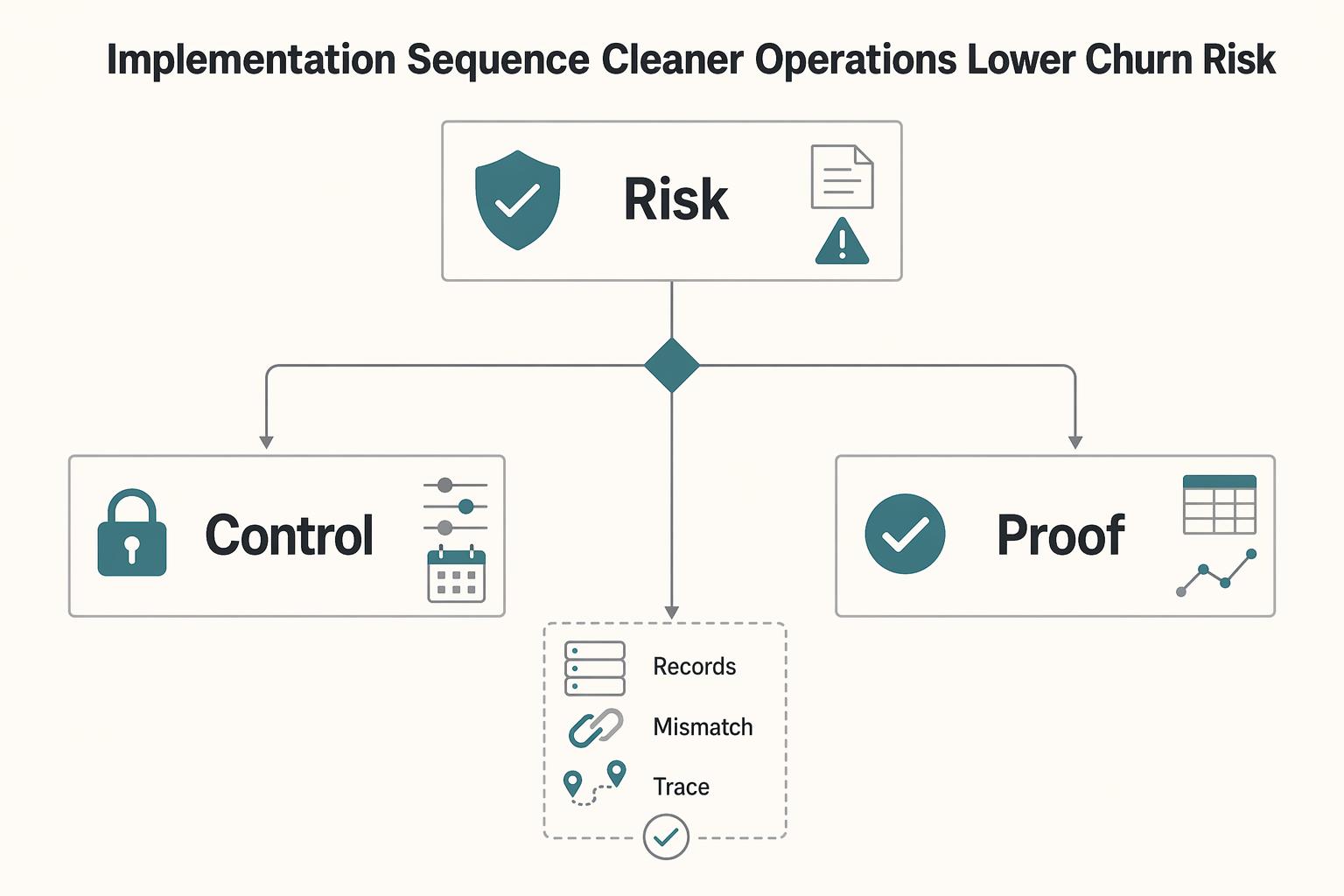
B2B SaaS vs B2C Subscription Billing and Churn Differences That Drive Operations
Treat B2B SaaS and B2C subscription as different operating models, not just two versions of recurring revenue. Both rely on repeat payments, but when you choose between charges on saved payment methods, recurring invoices, or a mixed collection setup, you also choose a different level of billing effort, ledger reconciliation work, and churn risk.
Read more →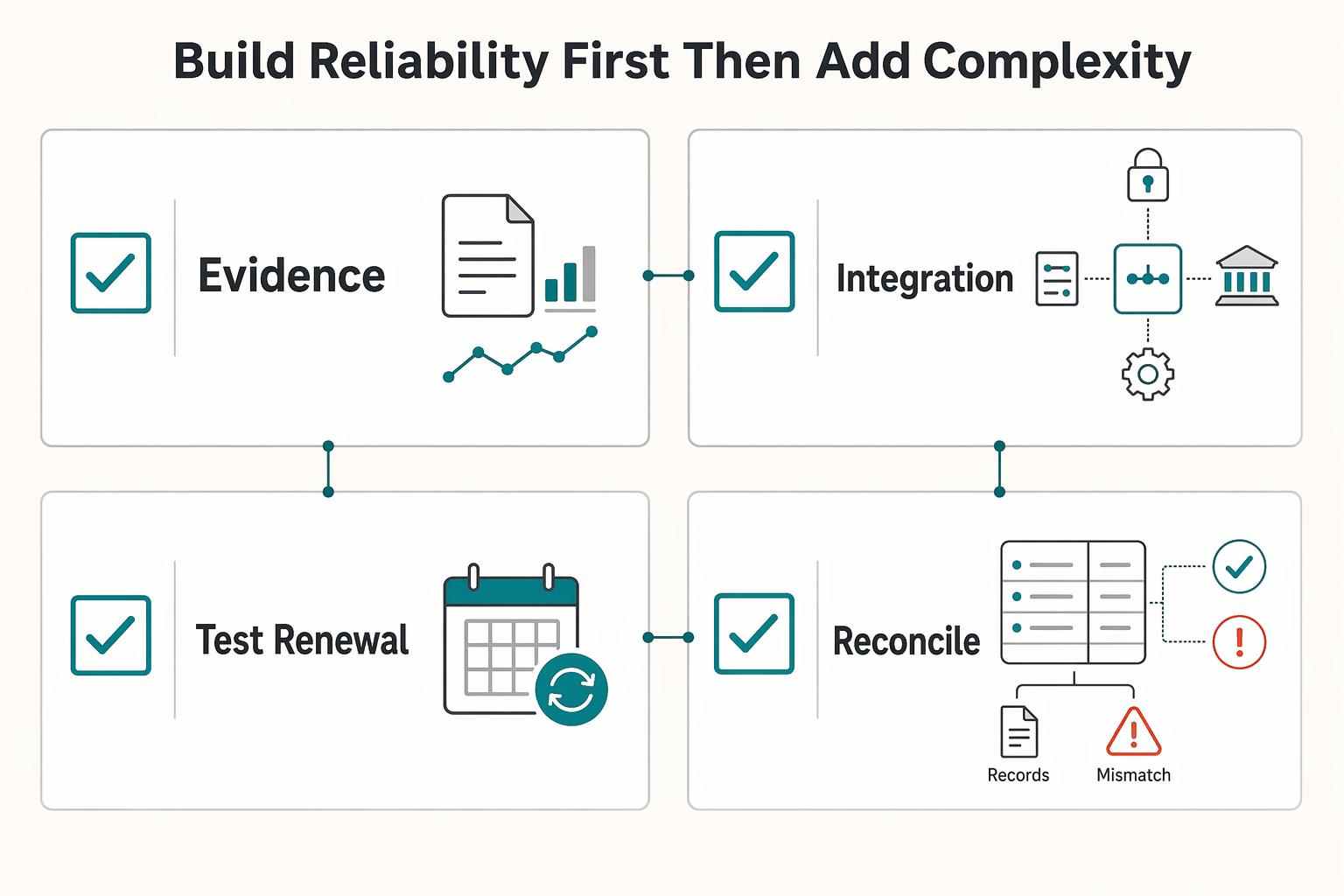
Non-Profit Membership Billing for Recurring Donations and Member Tiers
Billing usually breaks before volume looks dangerous. The real problem is that membership programs often grow faster than their controls, so tiers, recurring donations, and membership dues start following different rules depending on who last touched the record. What you want is simpler than most billing documentation suggests: charges, renewals, and exceptions should be traceable and handled consistently, with ownership finance can explain without guesswork.
Read more →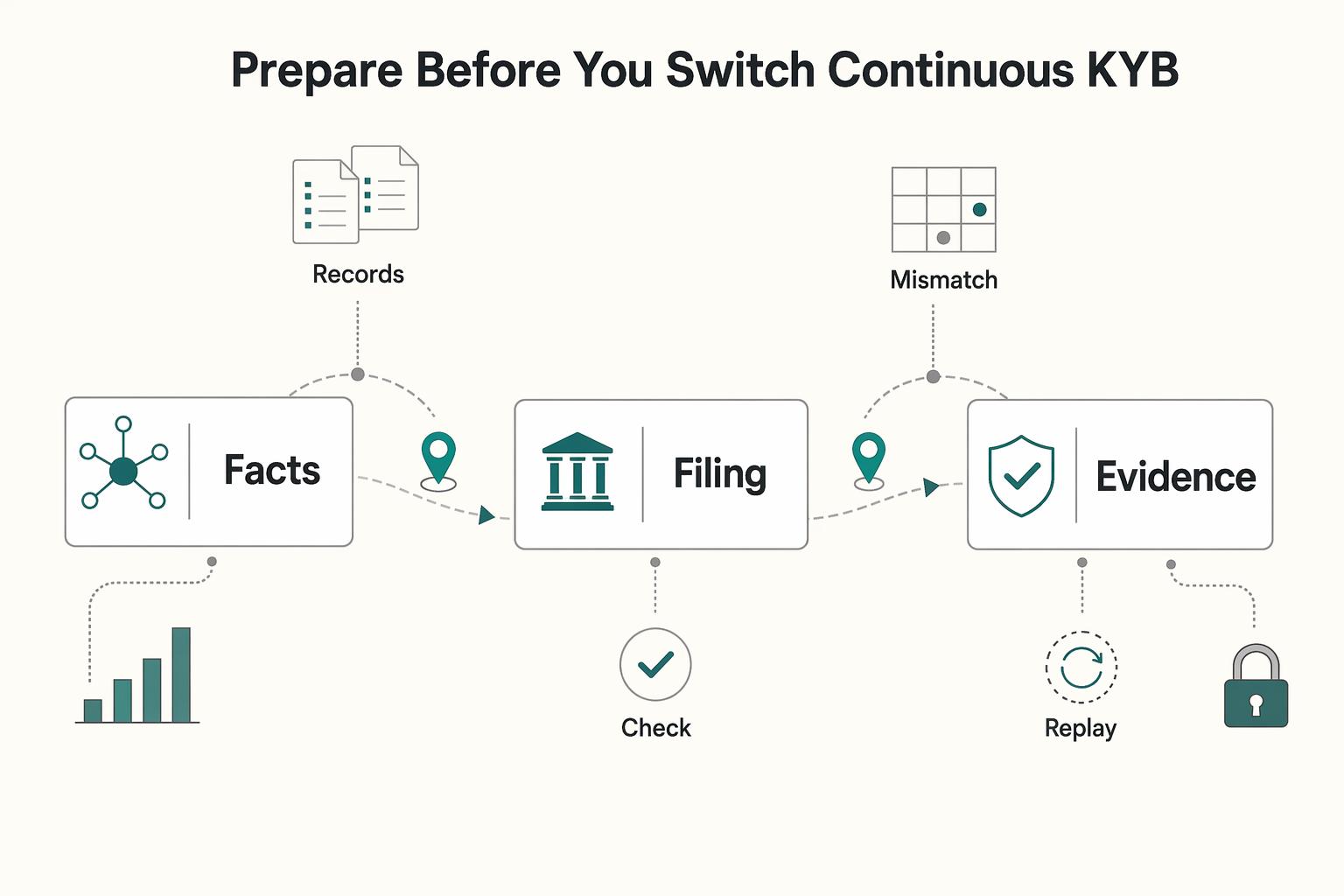
Continuous KYB for Platforms Without Full Re-Onboarding
Continuous KYB should reduce surprises without turning onboarding into a recurring document chase. For platforms, this is a shift in operating model, not a bigger onboarding form. KYB starts as a legitimacy check, but it now needs to continue through the full merchant lifecycle so you can catch material changes early without dragging every business back through full re-onboarding.
Read more →
How to Reduce Subscriber Churn on Your Platform Without Sacrificing Margin
Churn is an economics problem before it is a growth problem. At its simplest, subscription churn is the rate at which subscribers discontinue within a defined period. The impact runs deeper than lost logos: churn cuts recurring revenue, makes planning less reliable, and forces you to spend more to replace customers you often could have kept more cheaply.
Read more →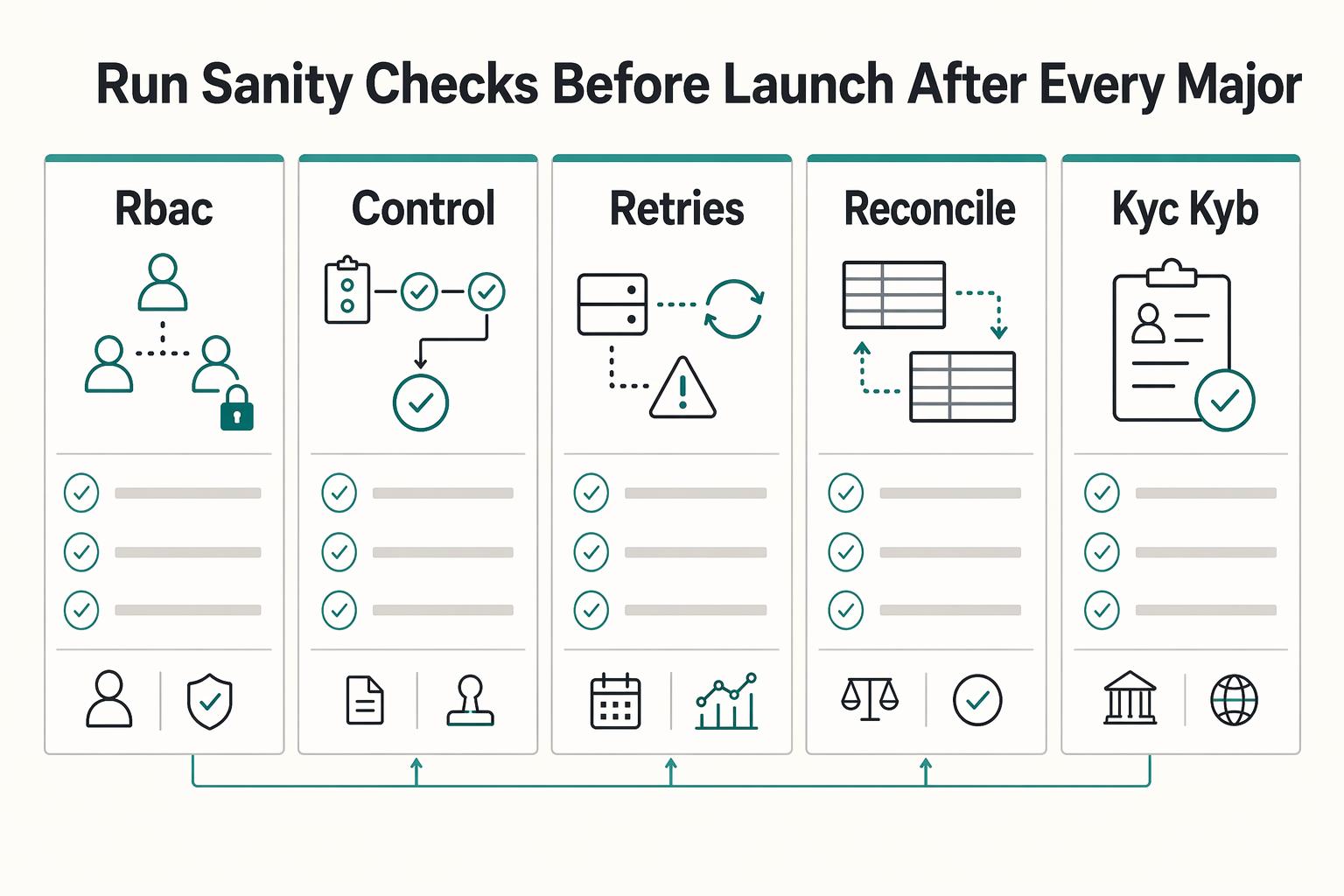
Vendor Portal Requirements Checklist for Platform Payment Ops
A useful **vendor portal requirements checklist** starts with money movement, not screen mockups. Define which actions can create an obligation, release funds, or only capture data. Then set the control, evidence, and reconciliation rules before finance, ops, and product start building inside the same boundary.
Read more →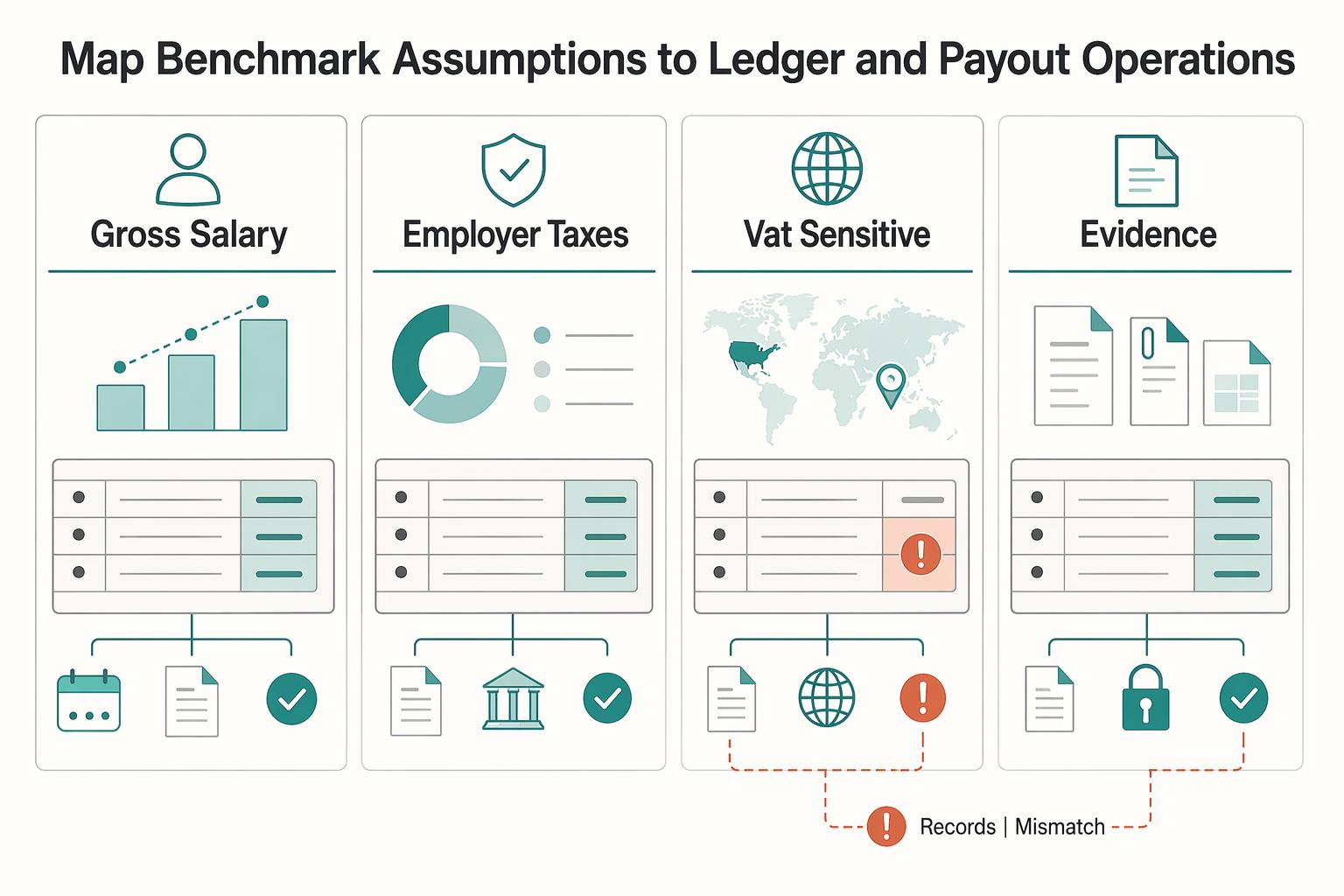
Employer Cost by Country Benchmark for Finance and Ops Teams
Salary-only comparisons fall apart as soon as you try to tie them to real employer spend. A usable employer cost by country benchmark has to include the full cost stack: wages or salary, benefits, payroll taxes, social security, and any employer-paid health insurance or pension contributions that apply in that jurisdiction.
Read more →