
Operator playbooks for cross-border payments, tax, and compliance execution.
Step-by-step guidance for finance, product, and ops teams to launch faster, reduce payout friction, and keep reconciliation clean across borders.
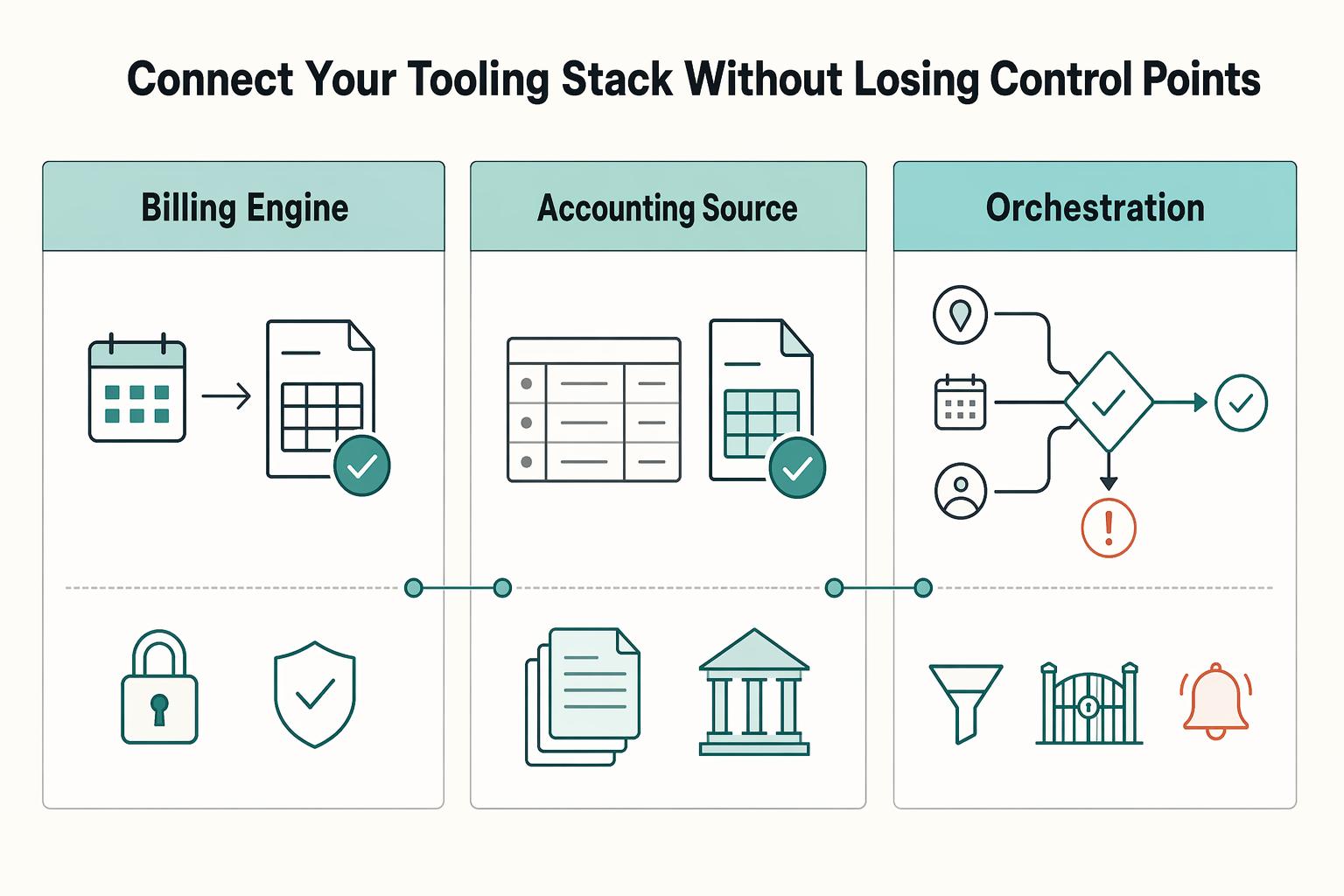
Country Rules for Late Fee Automation in Marketplace Invoices
Late fee automation in marketplace operations is first a legal and accounting control decision, not a convenience feature. When a fee is triggered automatically, you are deciding whether the charge is allowed and how it will be posted, reconciled, and explained later.
Read more →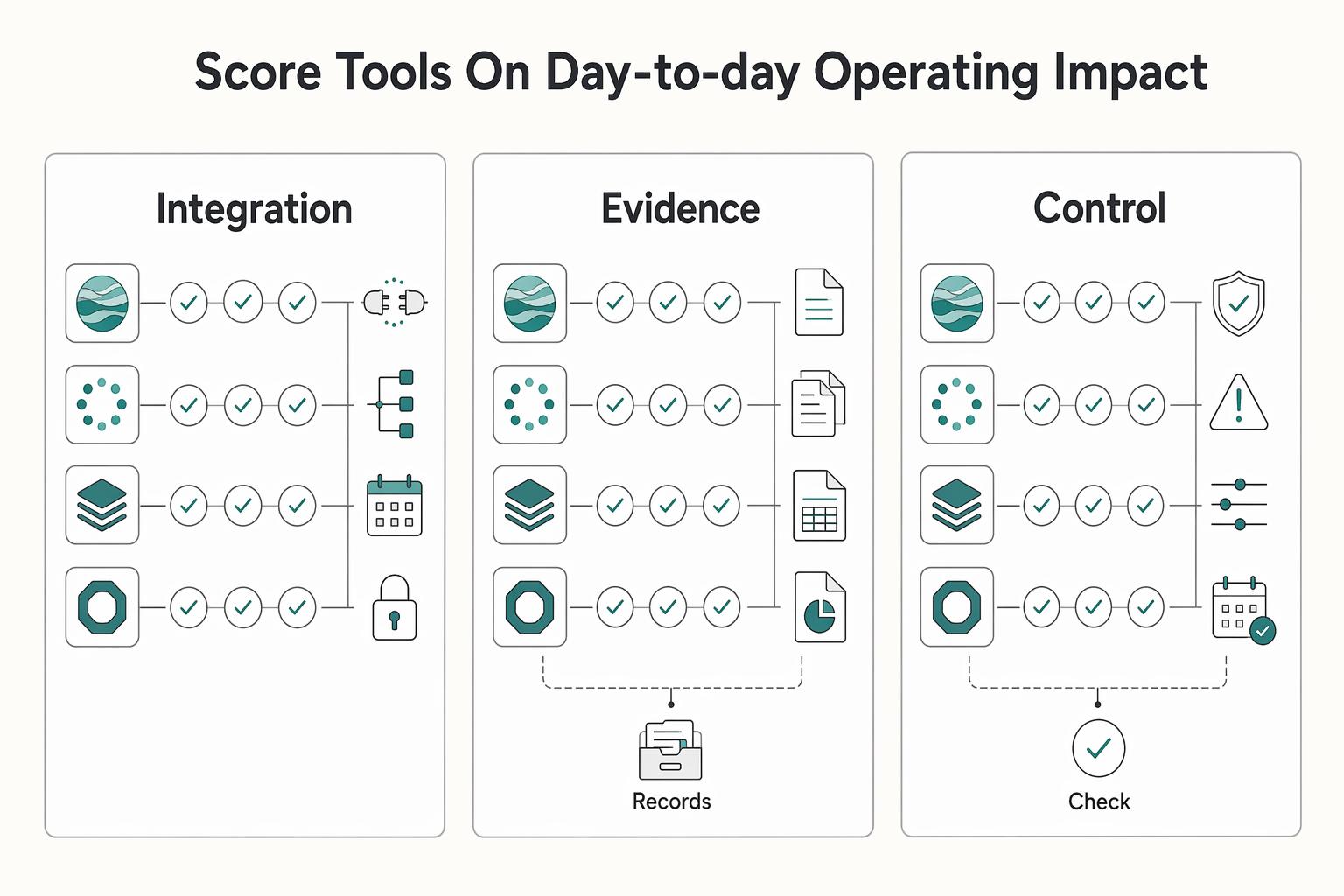
How to Handle Payment Disputes as a Platform Operator
Payment disputes create operational and financial risk early, not just later as a finance line item. For a platform operator, the exposure is not only the disputed amount. It is also the labor to work the case and the drag from slower resolution when cases move across multiple parties and platforms.
Read more →
Choosing Global Contractor Payment Rails in 2026 Without False Precision
This article is about payout rails for an international contractor program, not transport infrastructure. The real decision is which markets to open first after you price total payment friction, not just the headline transfer fee.
Read more →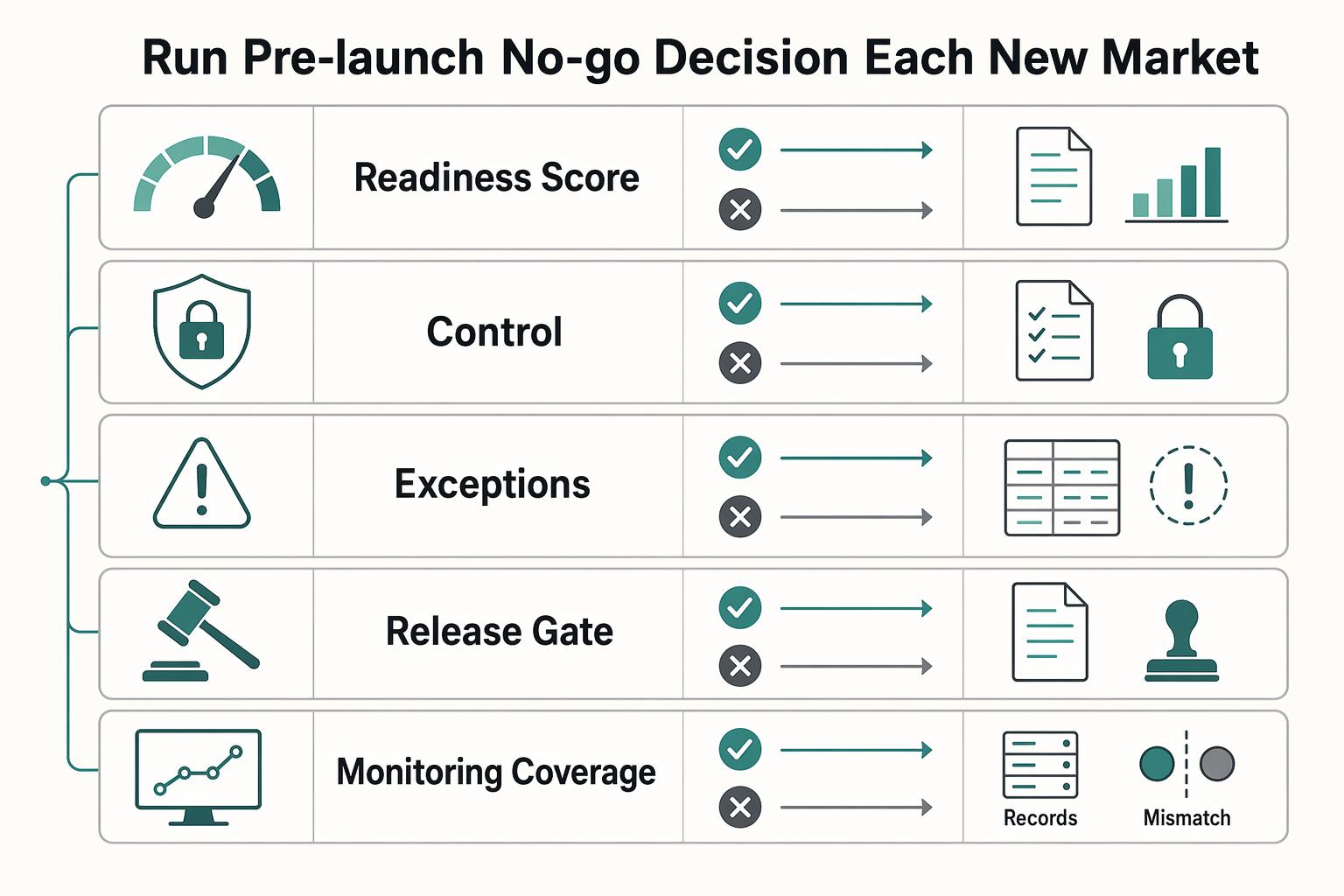
When Platforms Are Responsible for Contractor Tax Fraud or Money Laundering
If you are deciding where to launch contractor payouts, the real question is whether your current controls are strong enough for each market you want to enter. The liability issue is not just an abstract policy debate. It comes down to whether onboarding, tax-data handling, payments, and exception handling leave preventable gaps for tax crime or money laundering.
Read more →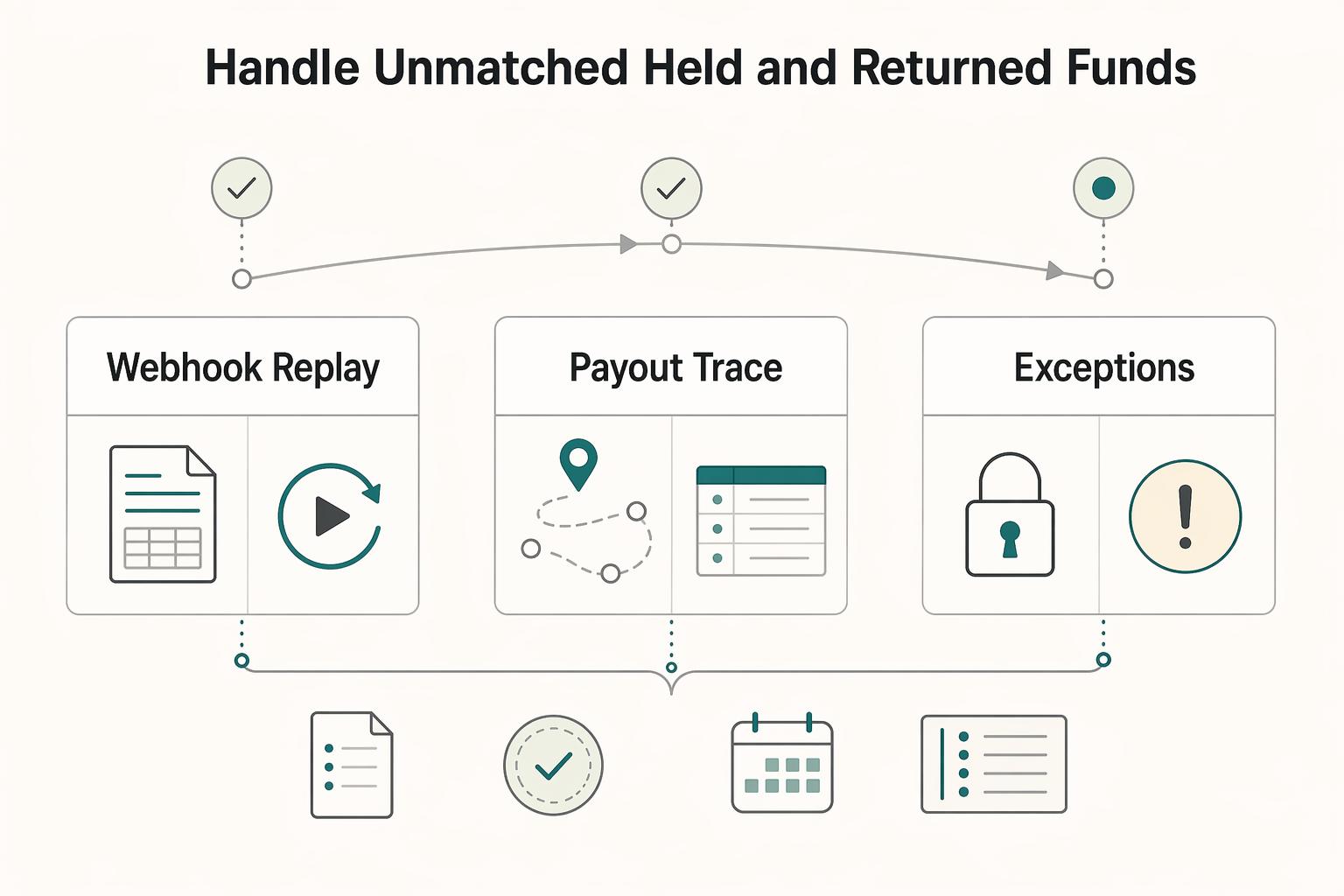
How Platforms Use Virtual Accounts to Reconcile Incoming Payments Per Client
Virtual accounts can remove a lot of manual matching, but only if you design reconciliation into the product instead of treating it as cleanup after integration.
Read more →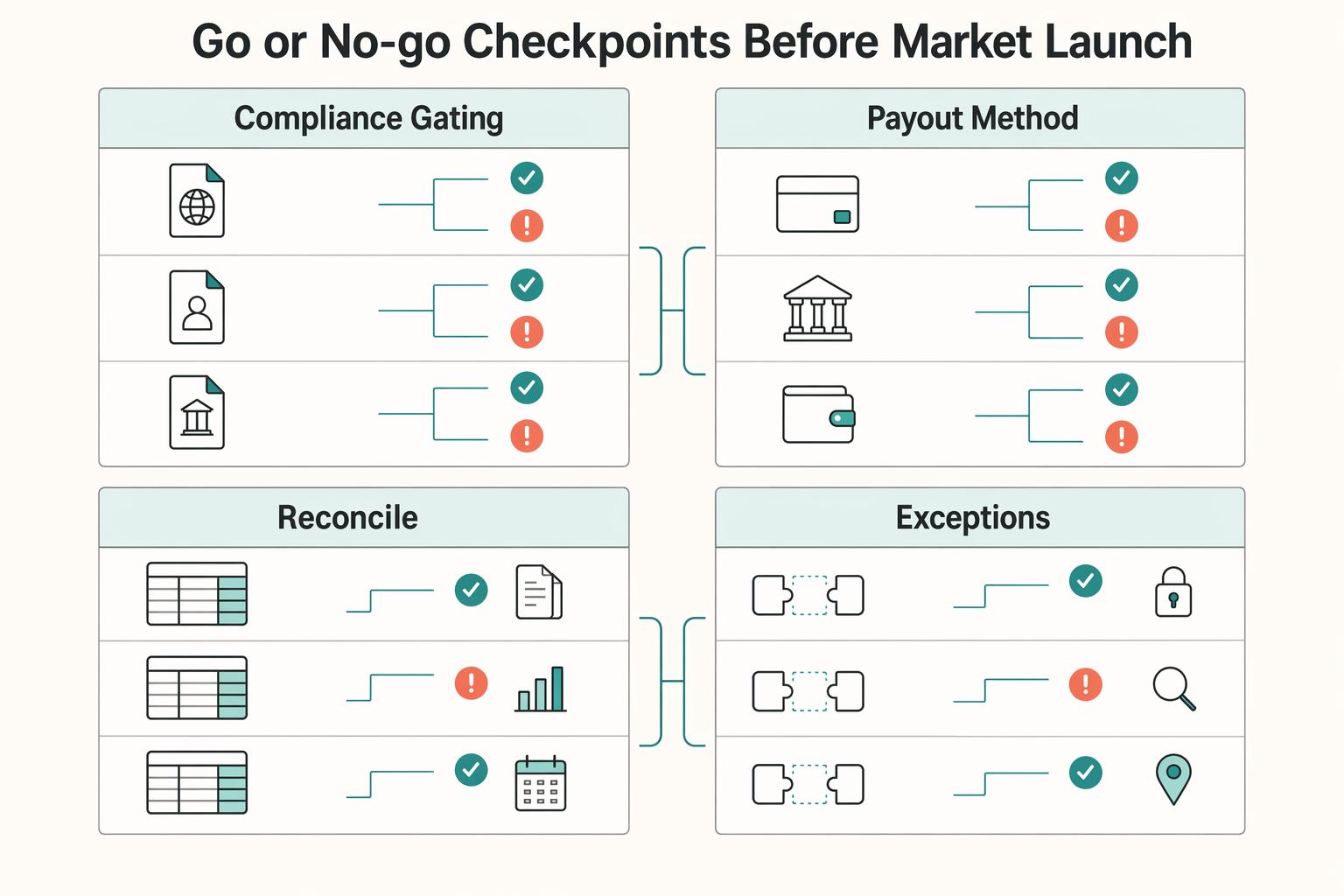
Choosing an Accounting Platform Payments Expert Network for Market Launch
If you are expanding an accounting or tax platform into new markets, decide your bottleneck first: expert access, payout execution, or both. That is the right lens for this accounting platform payments expert network guide, because sourcing readiness is not the same as launch readiness once cross-border payout and reporting requirements show up.
Read more →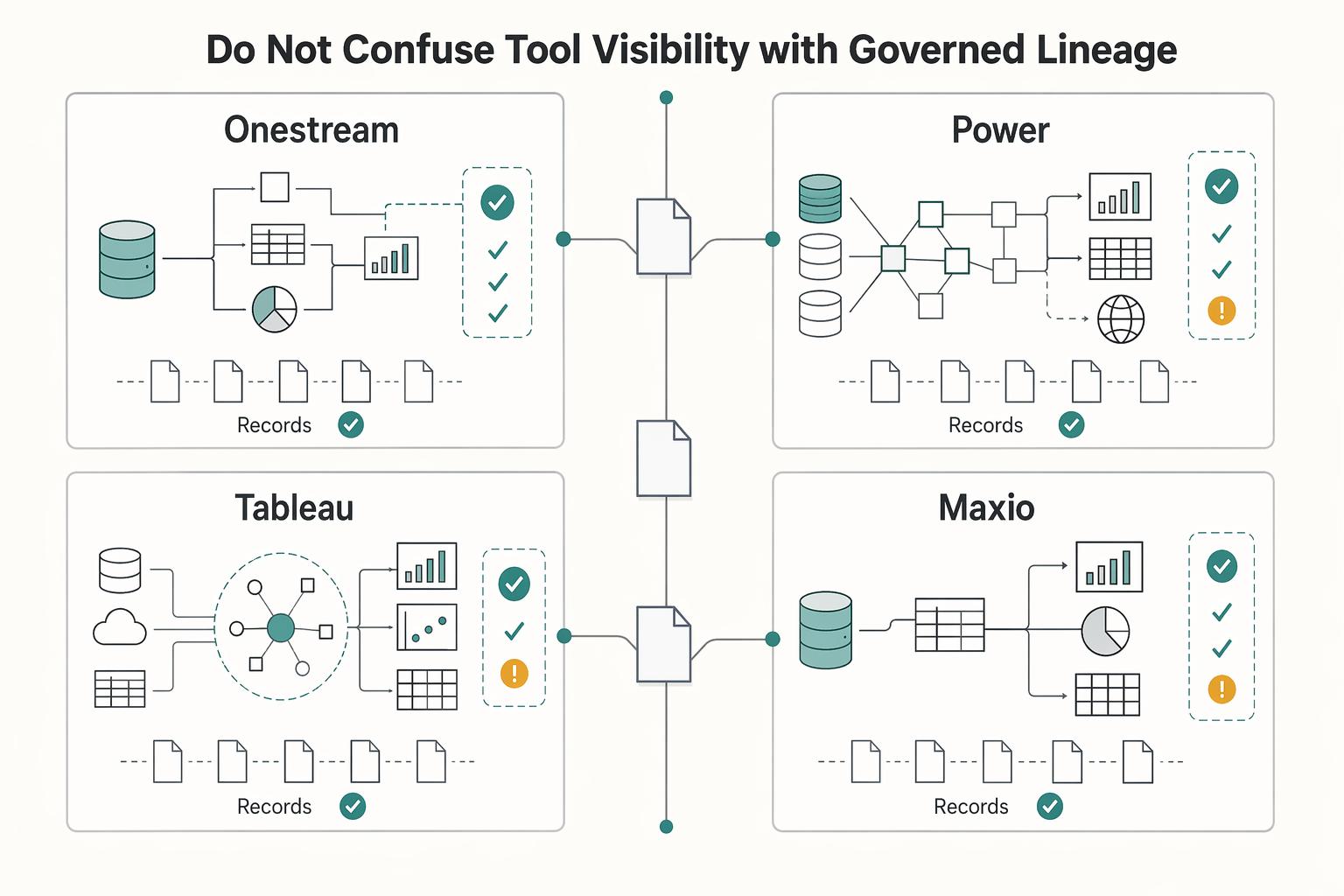
Real-Time Reporting Metrics Platform Finance Teams Can Actually Control
Treat real-time reporting as an internal control problem, not a dashboard shopping project. For platform finance teams, the goal is timely control over reporting quality and payment operations. You need issues detected, routed, and acted on before they turn into misstatements or payment errors.
Read more →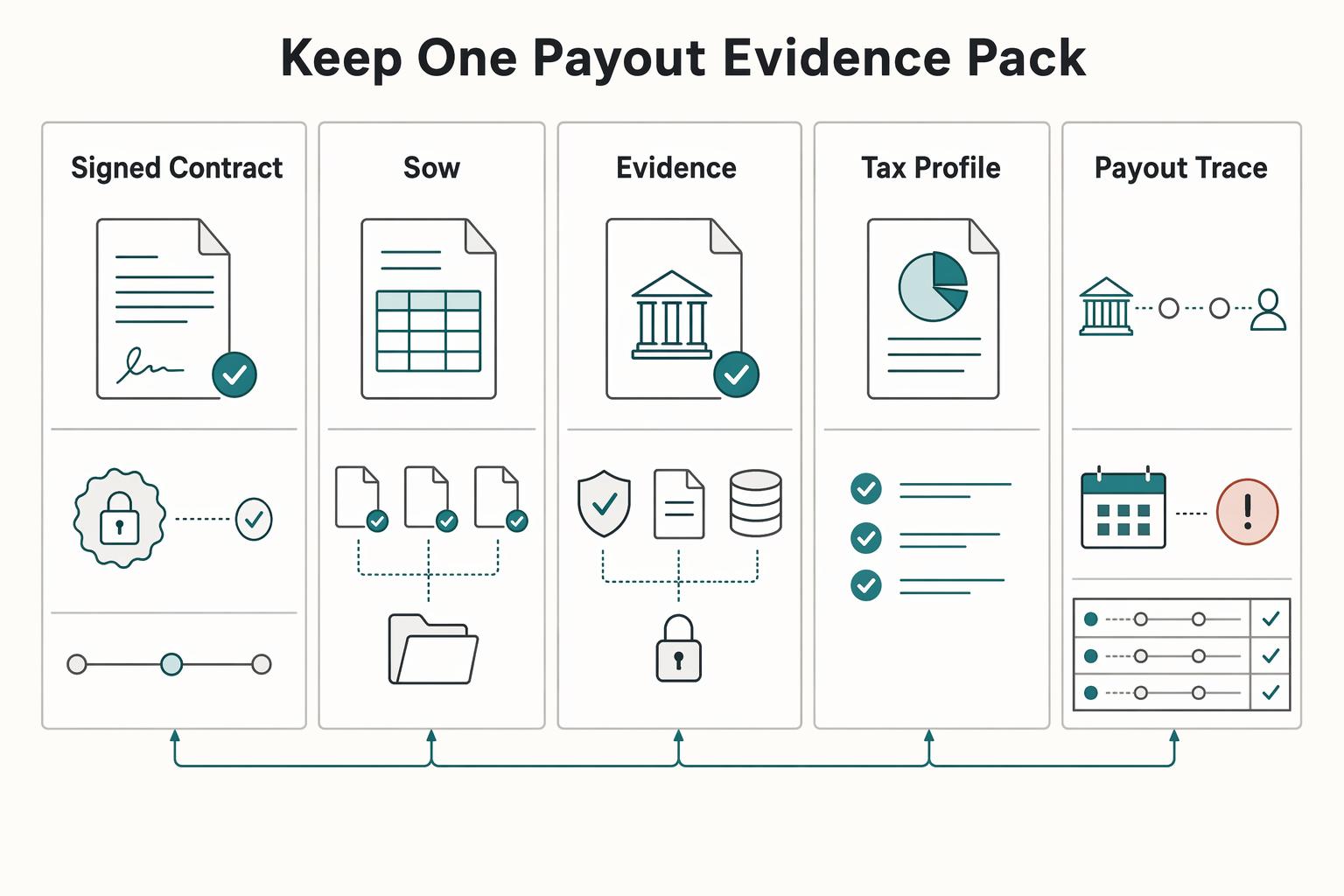
How to Launch a Legal Compliance Platform for Freelancers and Handle Their Payments
Start narrower than you want. A legal compliance platform for freelancer payments should launch with defensible operations before it expands payout coverage or speeds up onboarding. If you cannot show who approved a payment, what obligation triggered it, and which documented basis allowed funds to move, you do not have a real launch sequence yet.
Read more →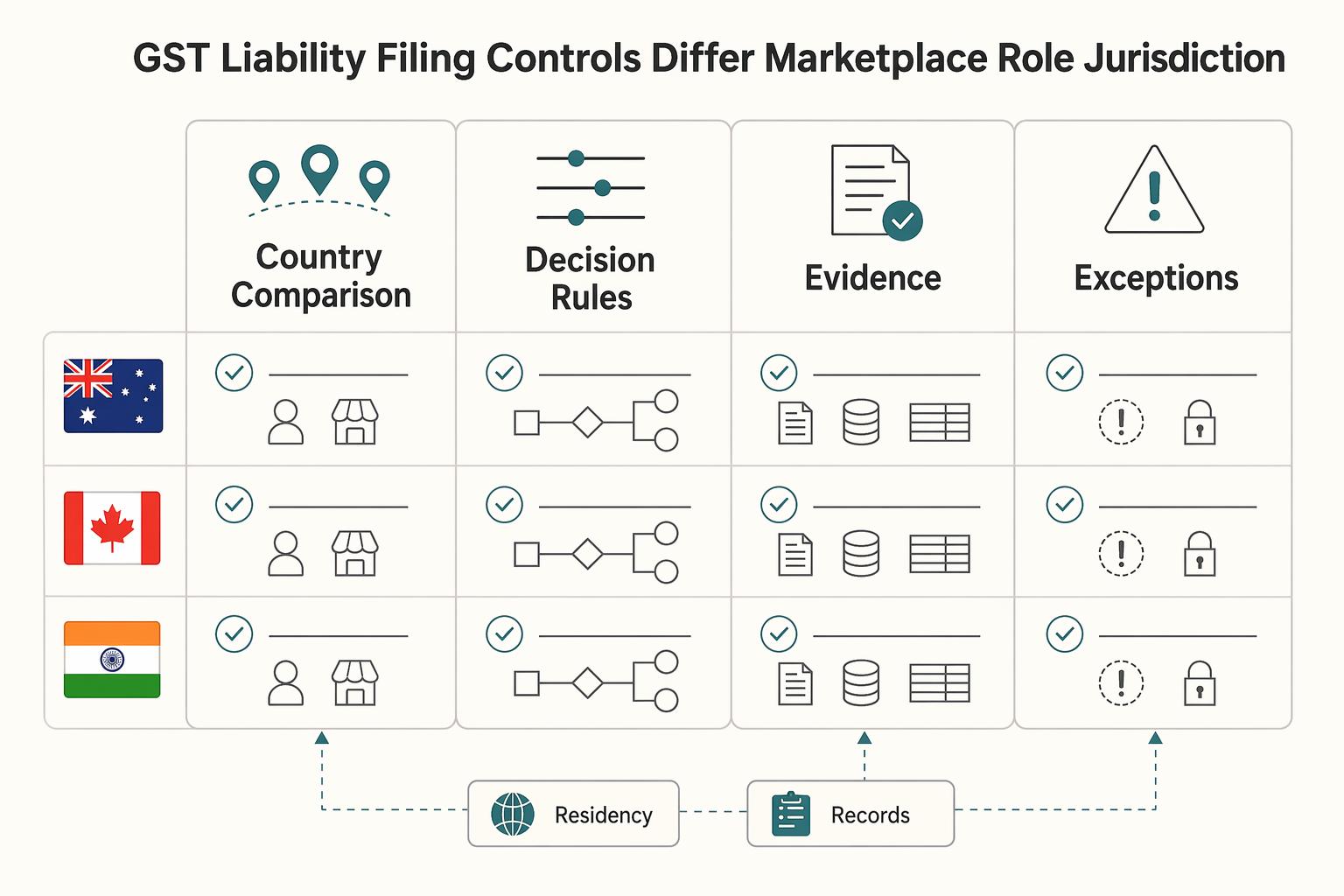
GST Digital Marketplace Platform Comparison for Australia, Canada, and India
This comparison is an operator guide for Australia, Canada, and India. It is about control decisions, not software selection. The real question is who owns GST decisions, invoice issuance, audit trail quality, and launch readiness in each market.
Read more →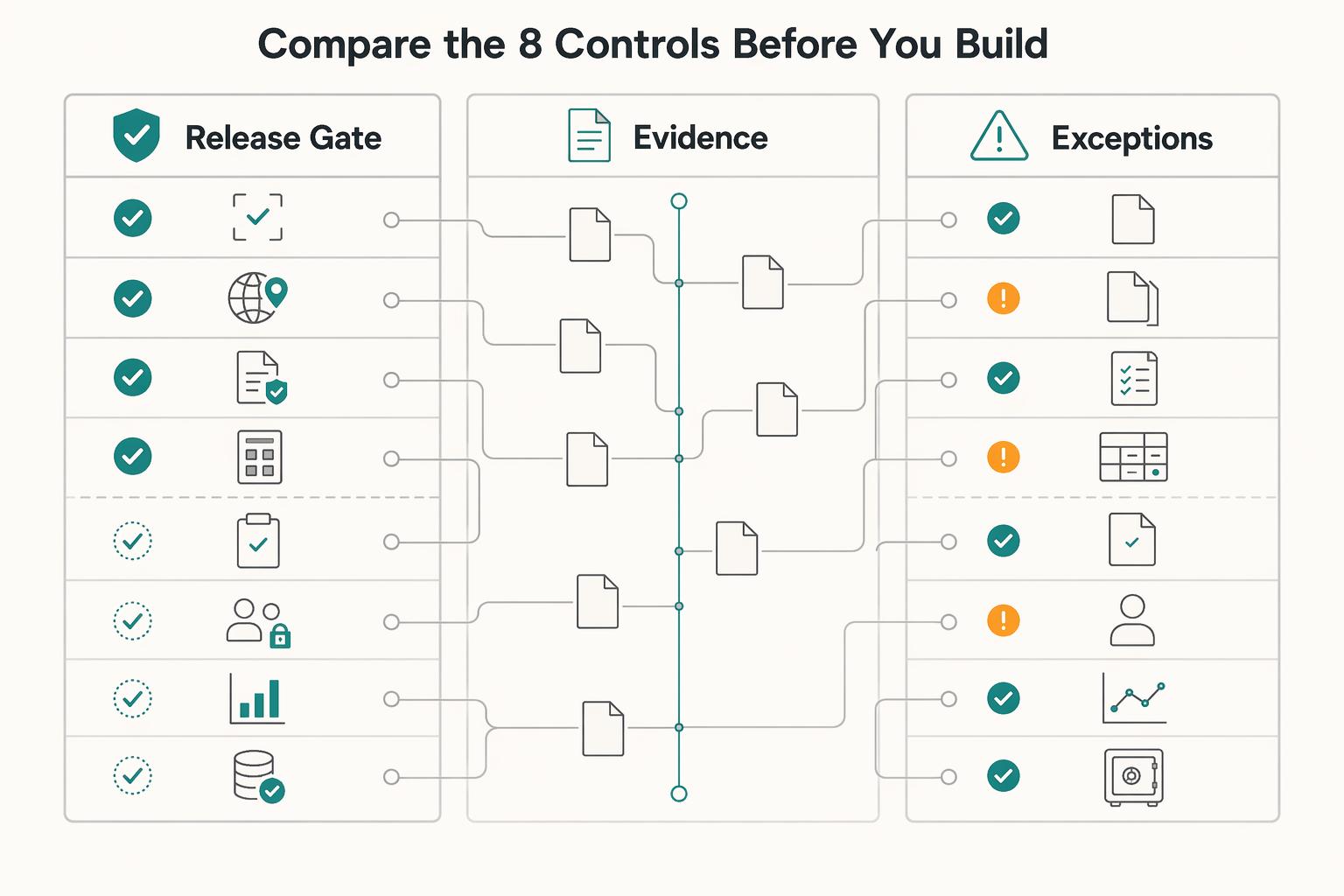
VAT Reverse Charge Controls for B2B Marketplace Operators
For cross-border B2B platforms, a common risk is not just recognizing the phrase "reverse charge." It is being able to show why a treatment was used, who owned the decision, and what happens when the facts do not fit the default path. This guide focuses on those controls so decisions can hold up at invoice, filing, and audit time.
Read more →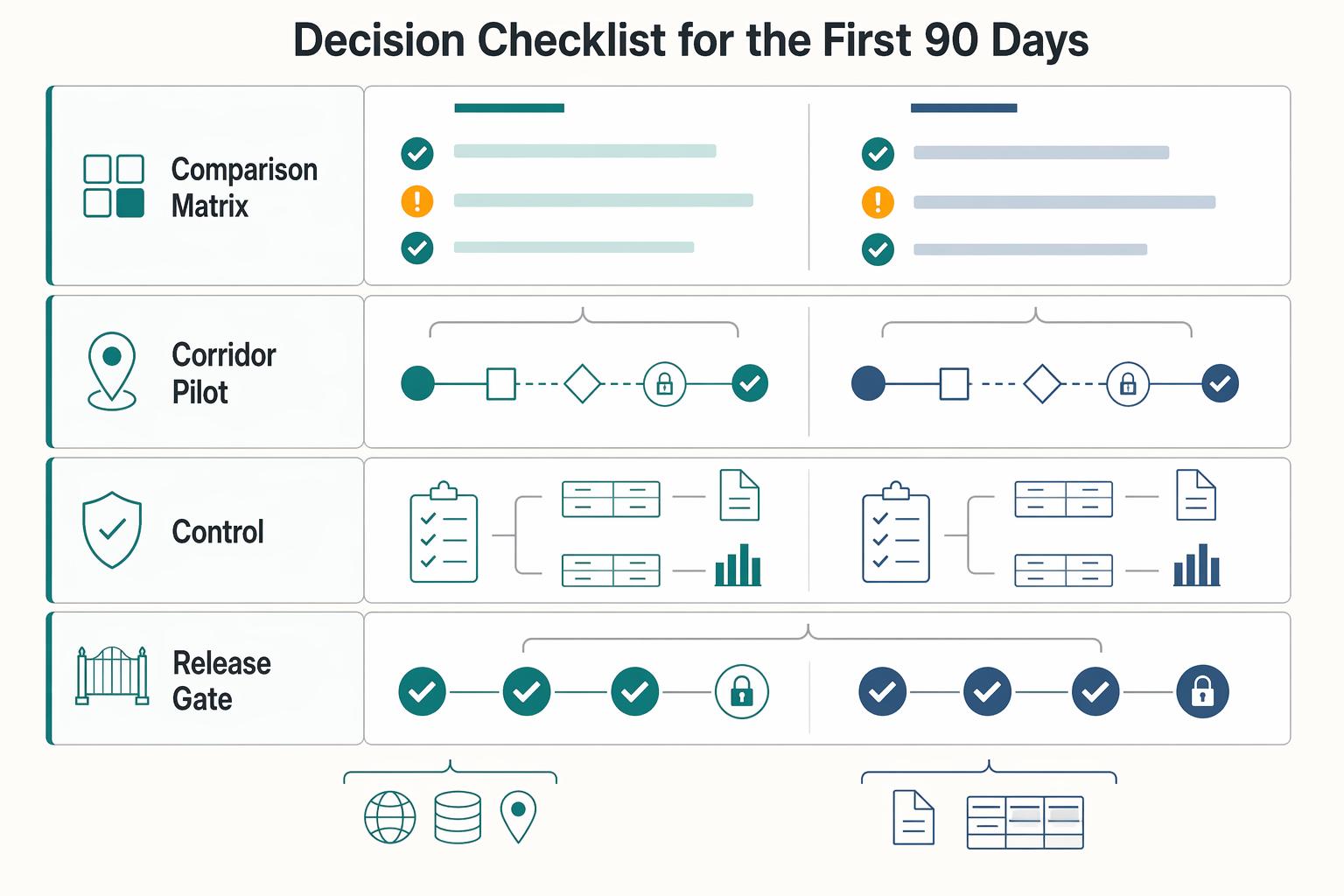
Visa Direct vs Mastercard Send Payouts for Platform Teams
If you need an evidence-first decision on **visa direct vs mastercard send payouts**, this guide keeps the focus on operating reality rather than marketing language. It covers payout mechanics, recipient eligibility, timing, cancellation limits, reconciliation impact, and the unknowns you still need a provider to confirm.
Read more →
How MoR Platforms Split Payments Between Platform and Contractor
In a Merchant of Record setup, revenue share architecture is an operating design, not just a percentage split. The model has to hold across the full money flow, including refunds and disputes, while taxes, payments, and regulatory obligations move through the same path.
Read more →
How to Build a Contractor Payment System for a Nursing or Allied Health Staffing Agency
For contractor setup and reporting details, keep the IRS [Form W-9 overview](https://www.irs.gov/forms-pubs/about-form-w-9) and the IRS [independent-contractor reporting guidance](https://www.irs.gov/businesses/small-businesses-self-employed/reporting-payments-to-independent-contractors) in the same operating packet as your staffing payout workflow.
Read more →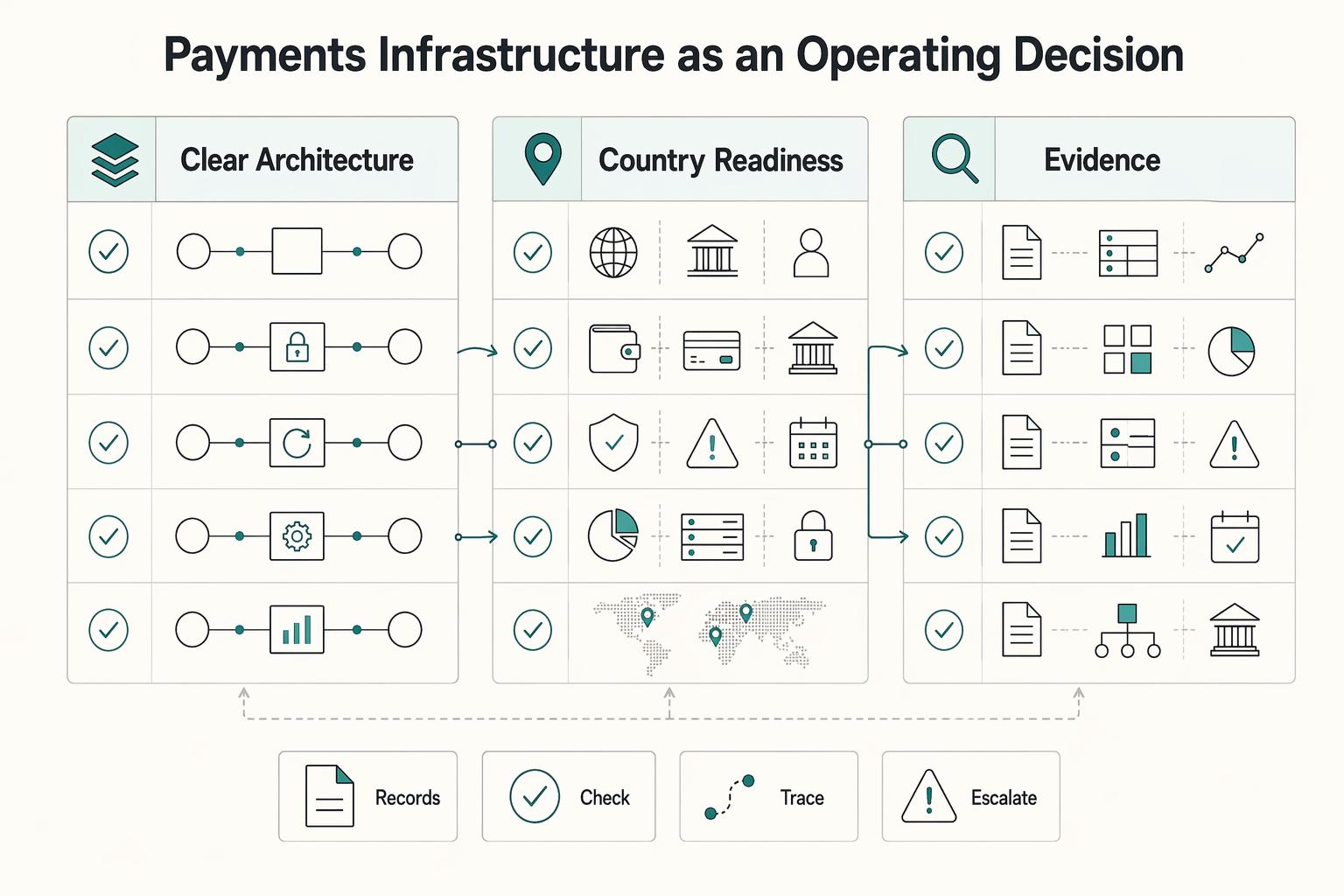
Payments Infrastructure for Creator Platforms: A Complete Build vs. Buy Guide
Treat this as an operating decision, not a branding exercise. This guide helps founders and ops teams choose build, buy, or hybrid for creator payment infrastructure. The goal is to avoid committing roadmap, compliance effort, and go-to-market spend in the wrong markets.
Read more →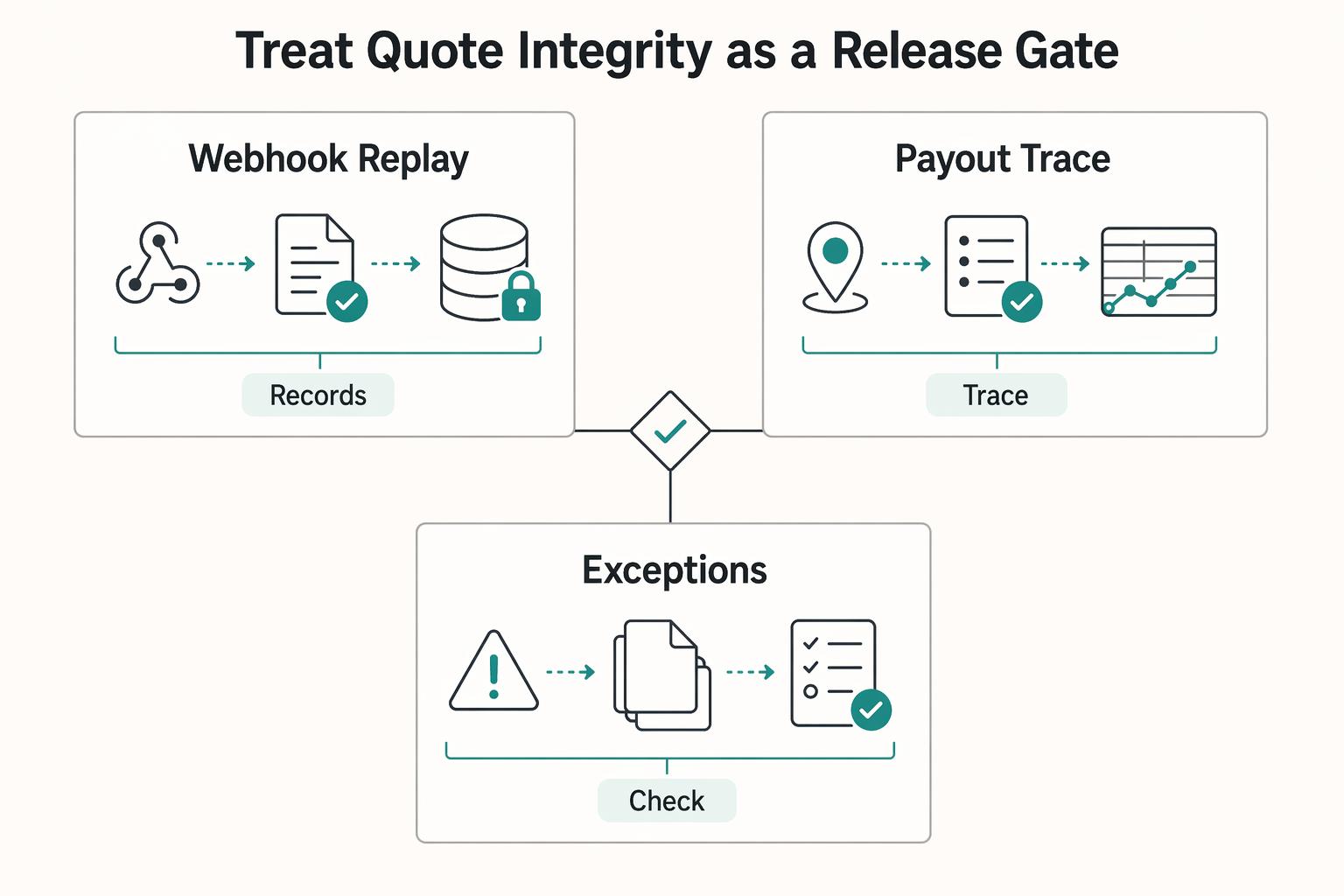
How Payment Platforms Really Price FX Markup and Exchange Rate Spread
Platform teams can underprice cross-border payouts because they start with visible `transaction fees` and transfer charges, while the rate-layer cost sits inside the conversion rate. Transfer fees are the easiest line item to spot, but exchange-rate margin can be charged separately and may not appear in that fee line at all.
Read more →
3-Way Reconciliation Explained: PSP Ledger vs. Internal Ledger vs. Bank Statement
For platform finance and payments ops teams, 3-way reconciliation is an operating discipline, not a vocabulary exercise. The job is to prove the same money movement across three records built for different purposes: the PSP ledger, your internal ledger, and the bank statement.
Read more →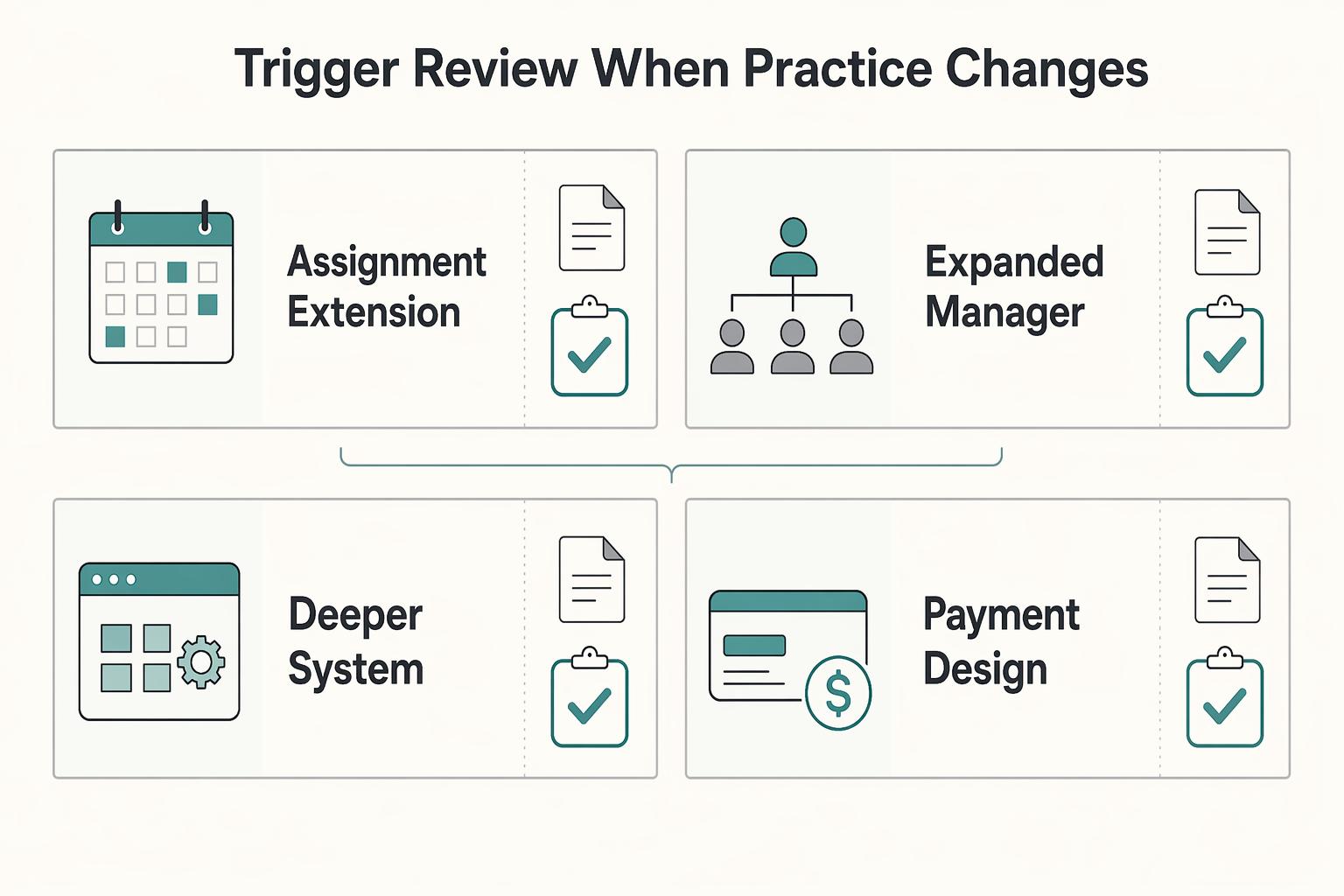
Contractor Misclassification at Platform Scale: Legal and Financial Risks
At platform scale, contractor misclassification is an operating risk, not a legal edge case. As programs expand across countries and teams, risk can build through many day-to-day classification decisions rather than one obvious mistake.
Read more →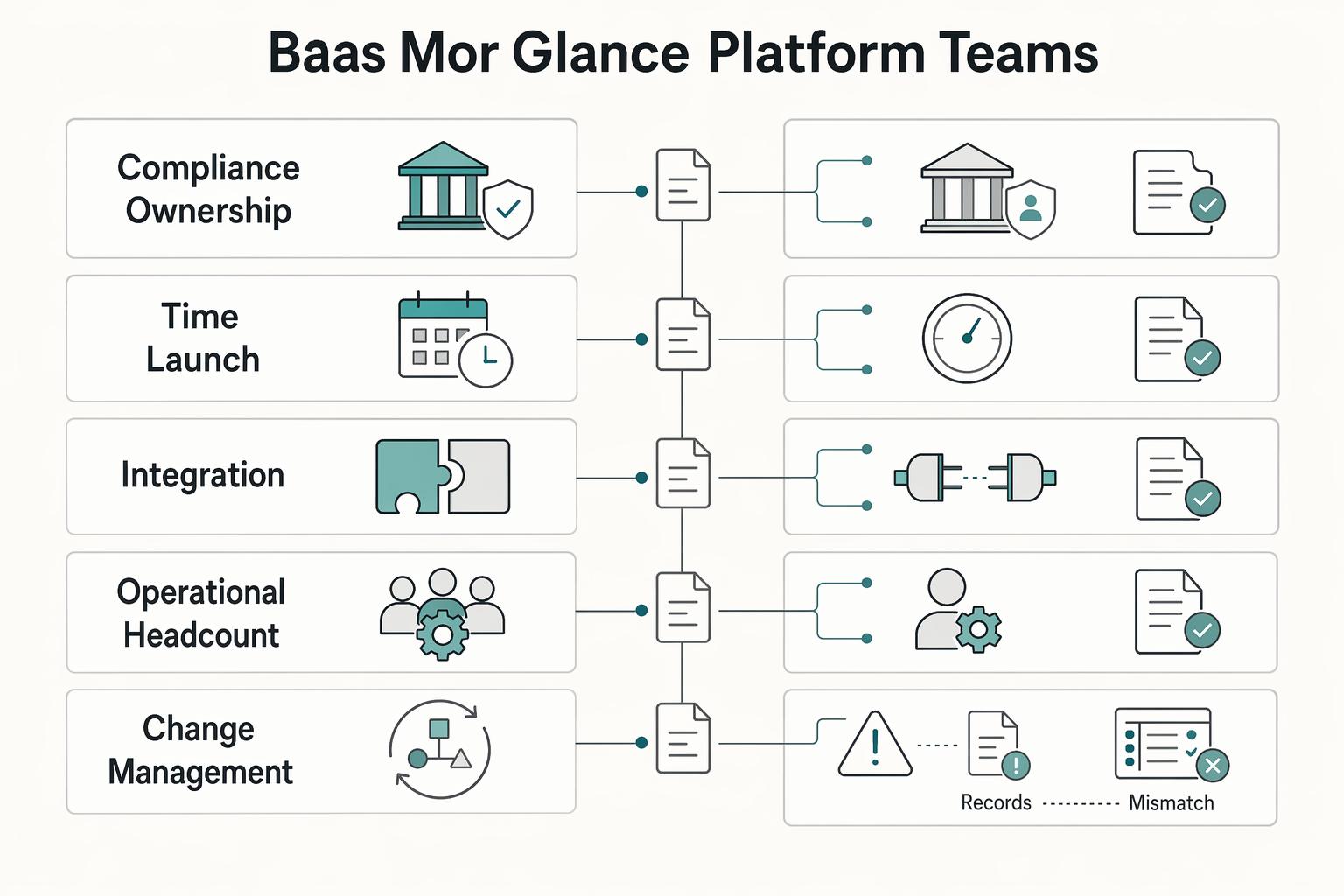
Banking Partnerships for Fintech Platforms: How to Choose Between BaaS and MoR
In banking partnerships, the BaaS vs. MoR decision is about operating ownership after go-live, not whose demo looks better. Before you compare vendors, you need clear owners for approvals, monitoring, reconciliation, exception handling, and change control.
Read more →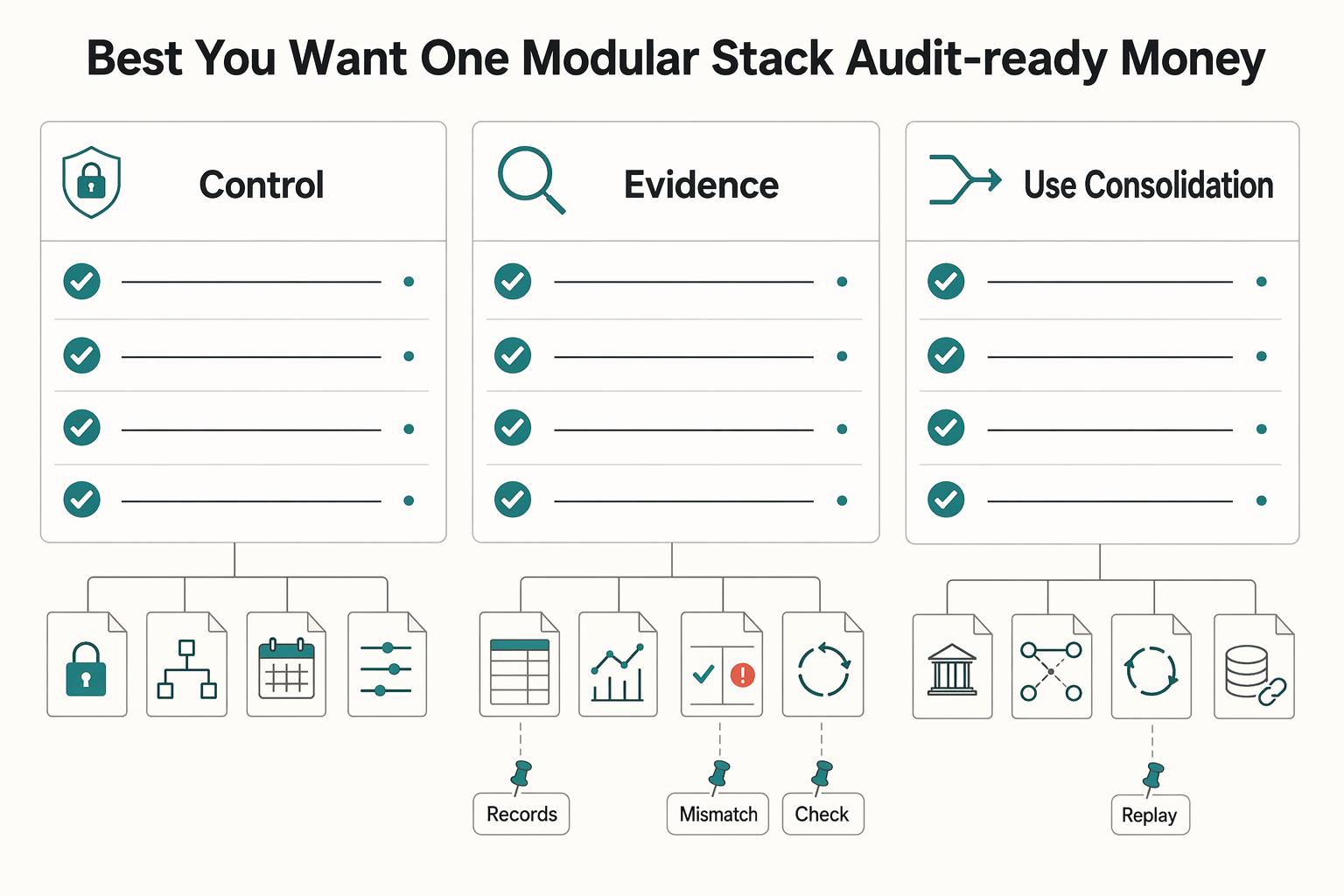
SOC 2 for Payment Platforms: What Your Enterprise Clients Will Ask For
If you are evaluating platforms that enterprise clients can approve, start with this assumption: SOC 2 is a baseline, not the finish line. A SOC 2 examination gives buyers control assurance, but enterprise review usually moves past a badge claim quickly.
Read more →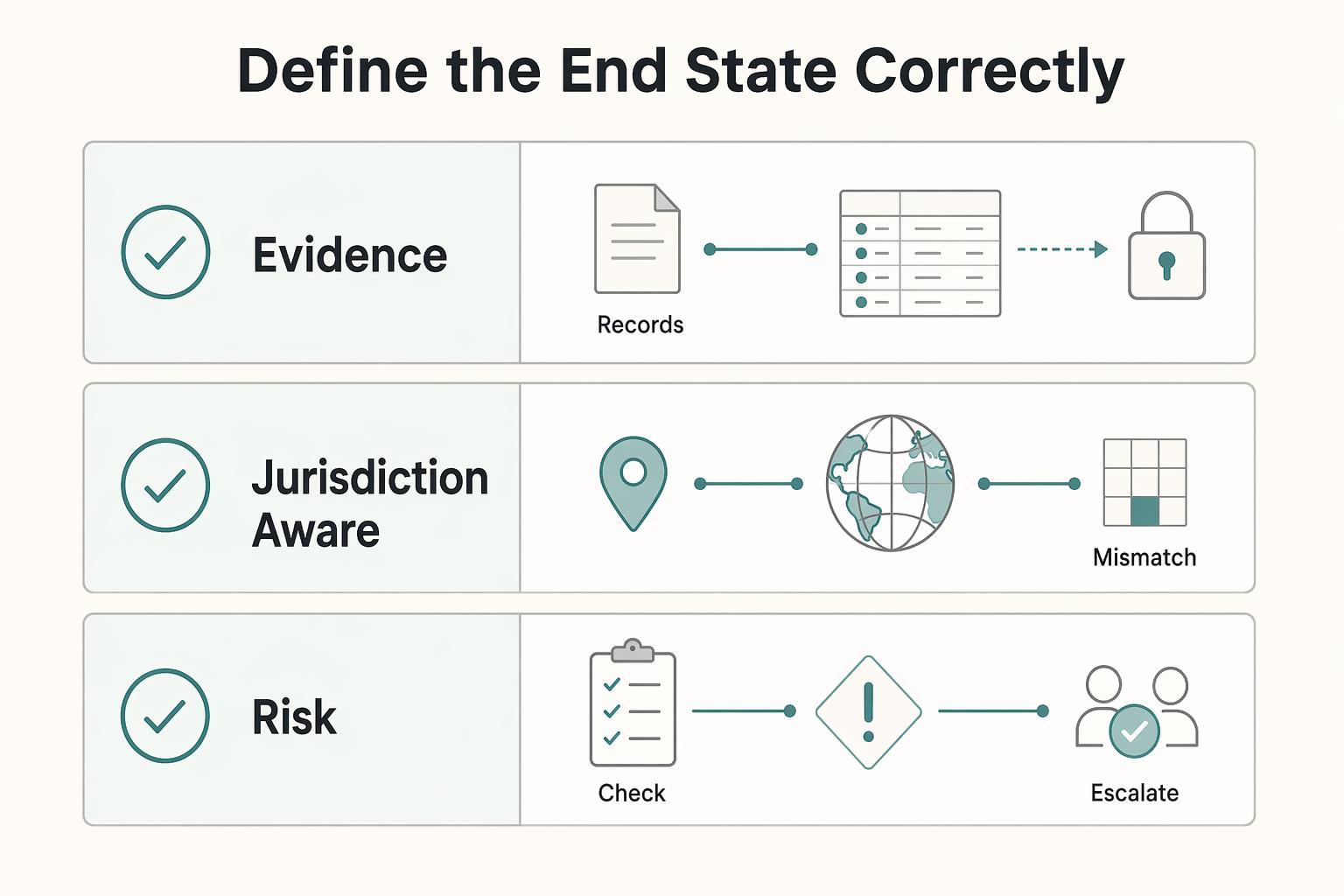
How to Write a Payments and Compliance Policy for Your Gig Platform
Treat your **payments compliance policy for a gig platform** as an operating document, not a legal memo. If product, finance, and engineering cannot use it to decide whether a payout is released, held, reviewed, or reported, the policy is not finished.
Read more →