
Operator playbooks for cross-border payments, tax, and compliance execution.
Step-by-step guidance for finance, product, and ops teams to launch faster, reduce payout friction, and keep reconciliation clean across borders.

Hybrid Pricing Models for One Subscription and Usage Invoice
Treat this as a billing and operations project, not just a pricing exercise. A hybrid pricing model can be commercially strong. The real test is whether you can put a recurring subscription fee and usage-based charges on a single invoice without forcing Finance to stitch things together at month-end.
Read more →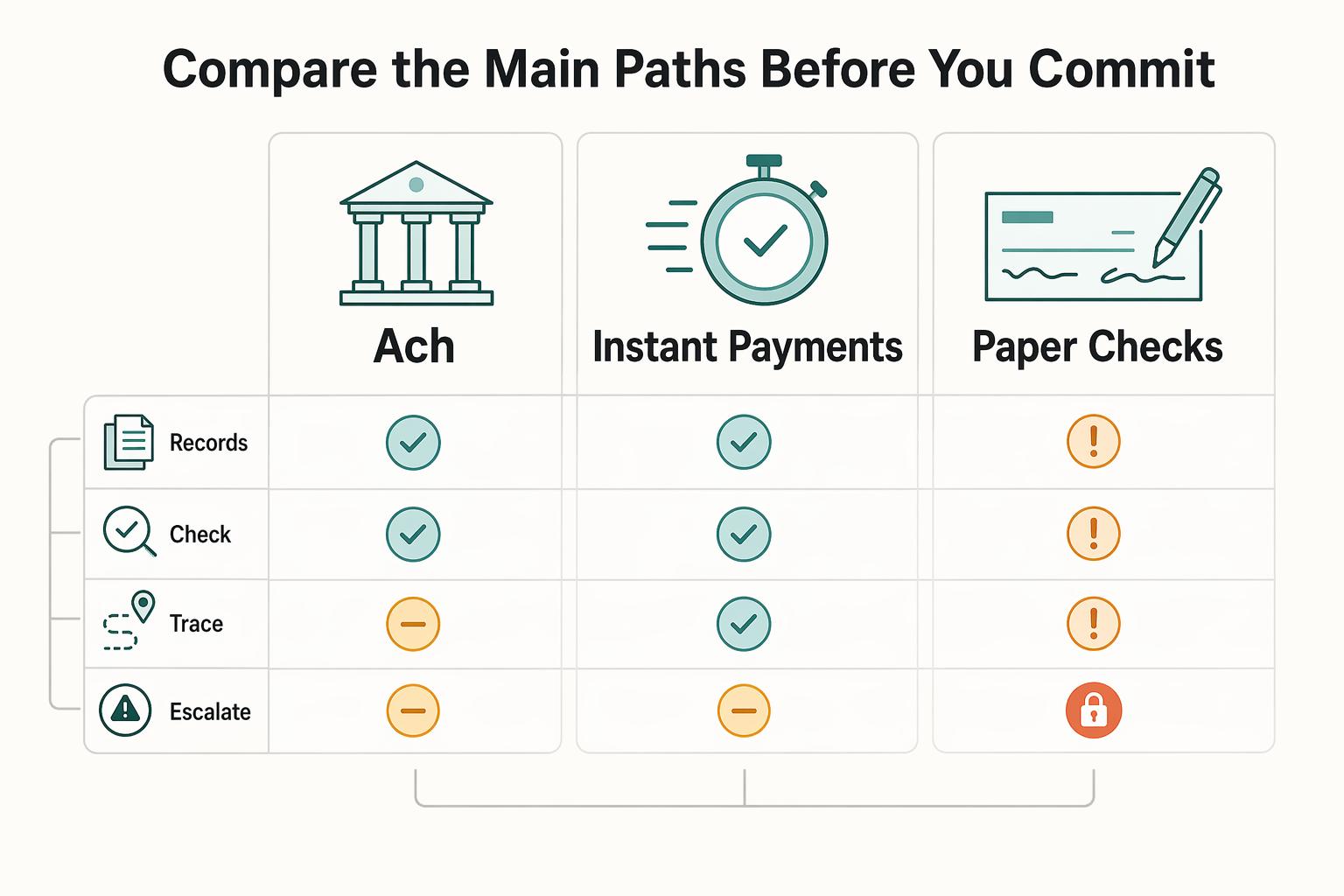
5 Reasons Insurers Should Modernize Claim Disbursements with Digital Payout Platforms
Claims payouts are where an insurer proves the product. If the money arrives late, trust erodes fast, and paper-heavy payment flows add friction. That is not just a service issue. The cited research says the longer it takes for money to reach the insured, the more trust erodes, and payment delays can stretch a claim by days or even weeks.
Read more →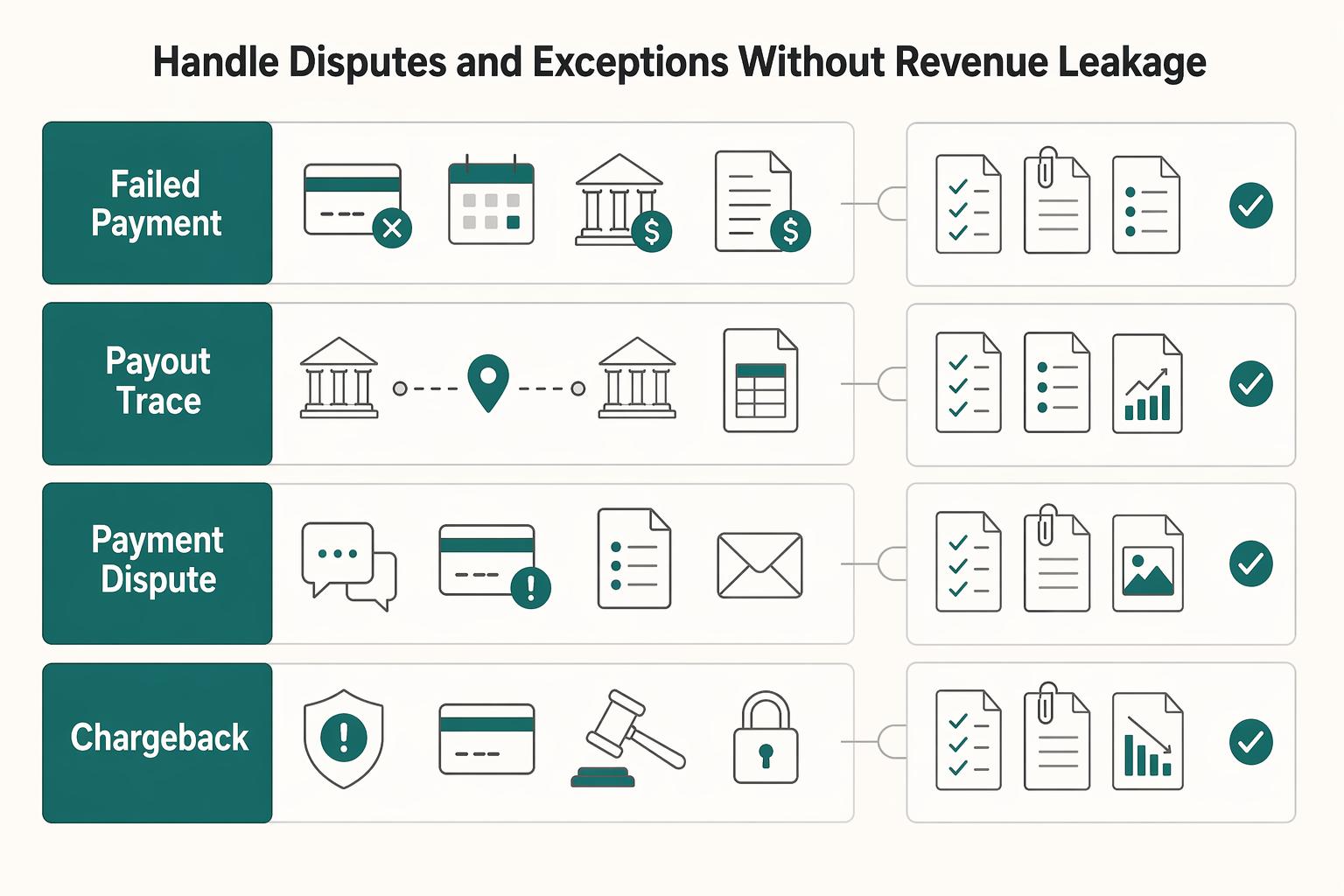
When Payment Links Fit and When to Route to ACH, Wire, or Virtual Accounts
# Payment Links for Platforms: When to Use Them and When to Route to ACH, Wire, or Virtual Accounts
Read more →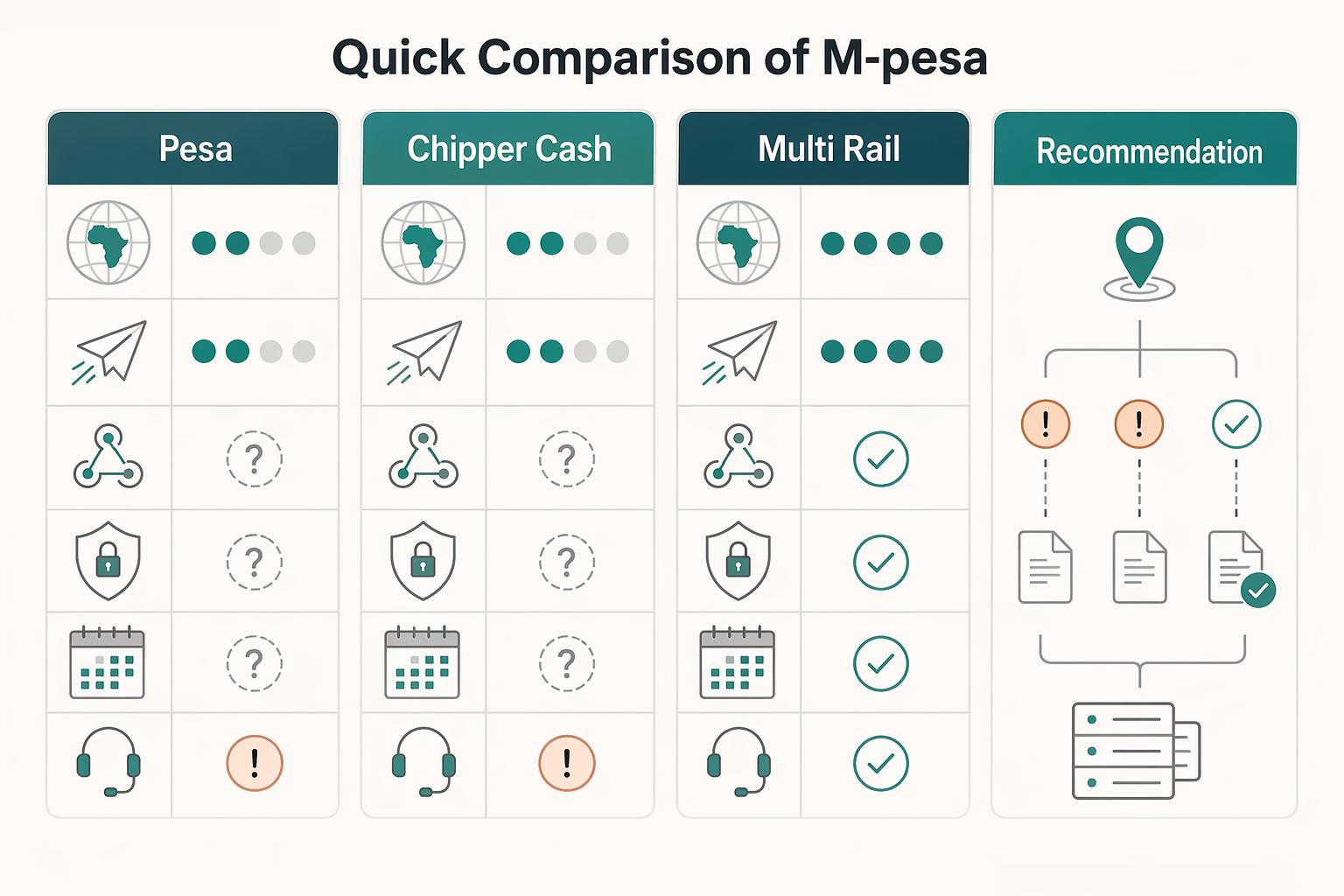
Choosing M-Pesa, Chipper, or Local Rails for African Gig Platform Payouts
If you are choosing between M-Pesa, Chipper Cash, and local rails, start with corridor execution, not brand popularity. This list is meant to help you choose the setup you can actually verify by country, payout type, and operating workflow before launch.
Read more →
Month-End Close for Payment Platforms with PSP Settlement Control
Month-end close often breaks down when PSP settlement is treated as a side reconciliation. For payment platforms, settlement is often the clearest record of what cash should have moved, so it should drive the close rather than being checked after journals are drafted. If you run close across multiple PSPs, you need that settlement record to lead the review before your team starts defending journal entries.
Read more →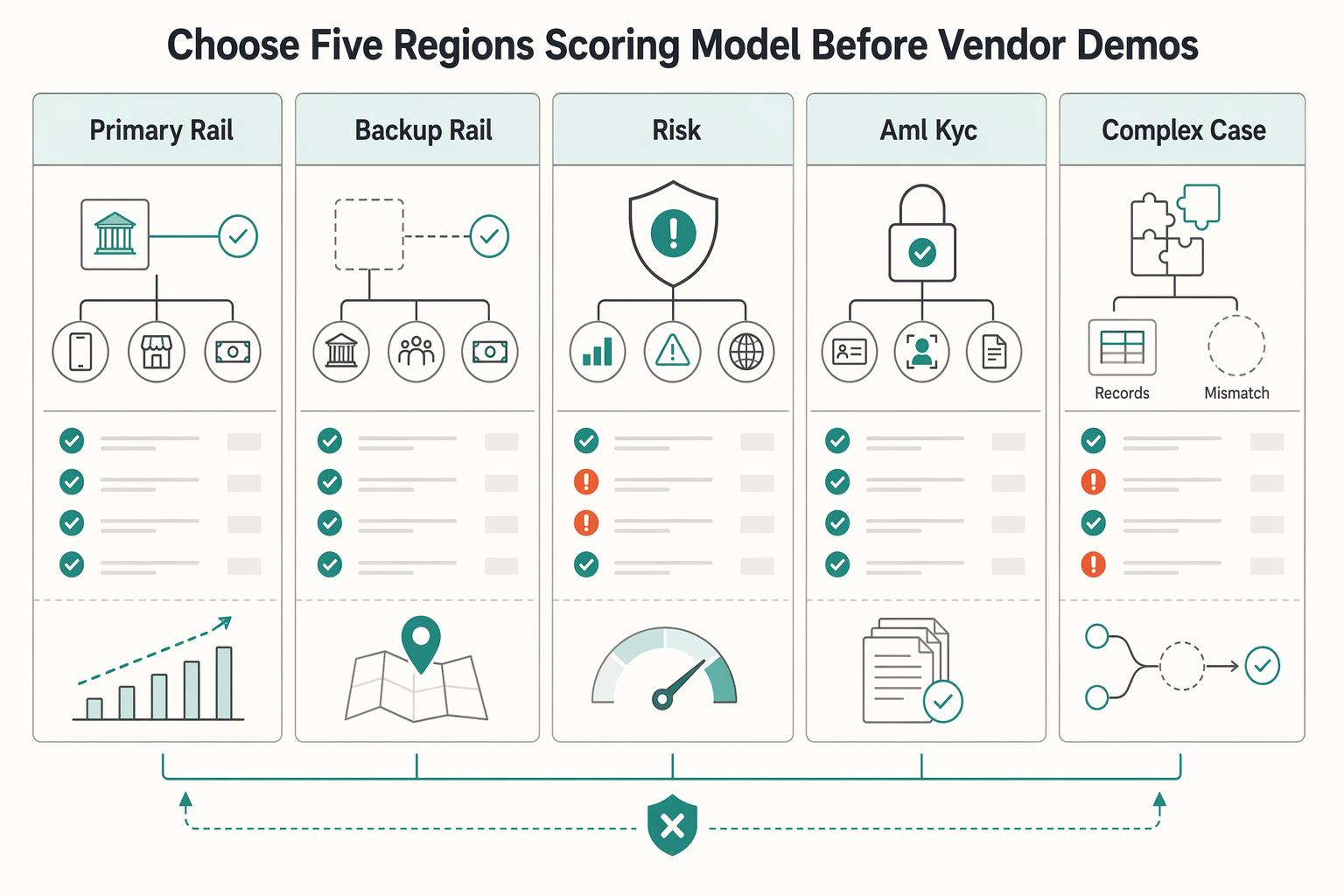
How Platforms Should Prioritize 5 Emerging-Market Payout Regions
If you are choosing where to launch cross-border payouts in 2026, start with what your team can actually run. Too many "top" lists lean on hype or market-cap tables. That may work for headlines, but it does not help with execution.
Read more →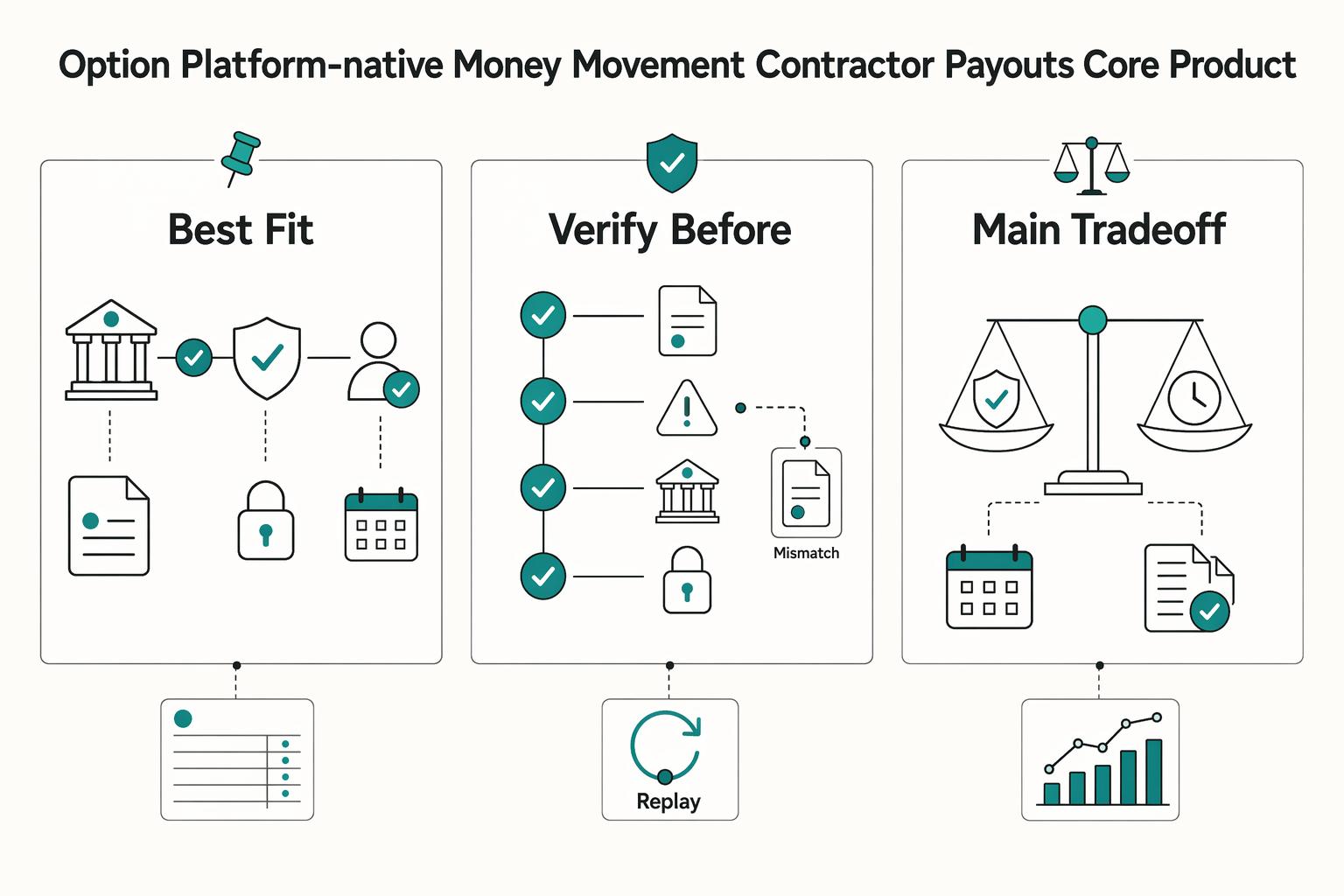
How Staffing Platforms Automate Healthcare AP for Clinical Contractors
A key distinction matters: this article focuses on healthcare AP workflows, not contractor-payout orchestration. If your expansion bet depends on reliable contractor payments, generic healthcare AP language is useful context, but it is not enough on its own.
Read more →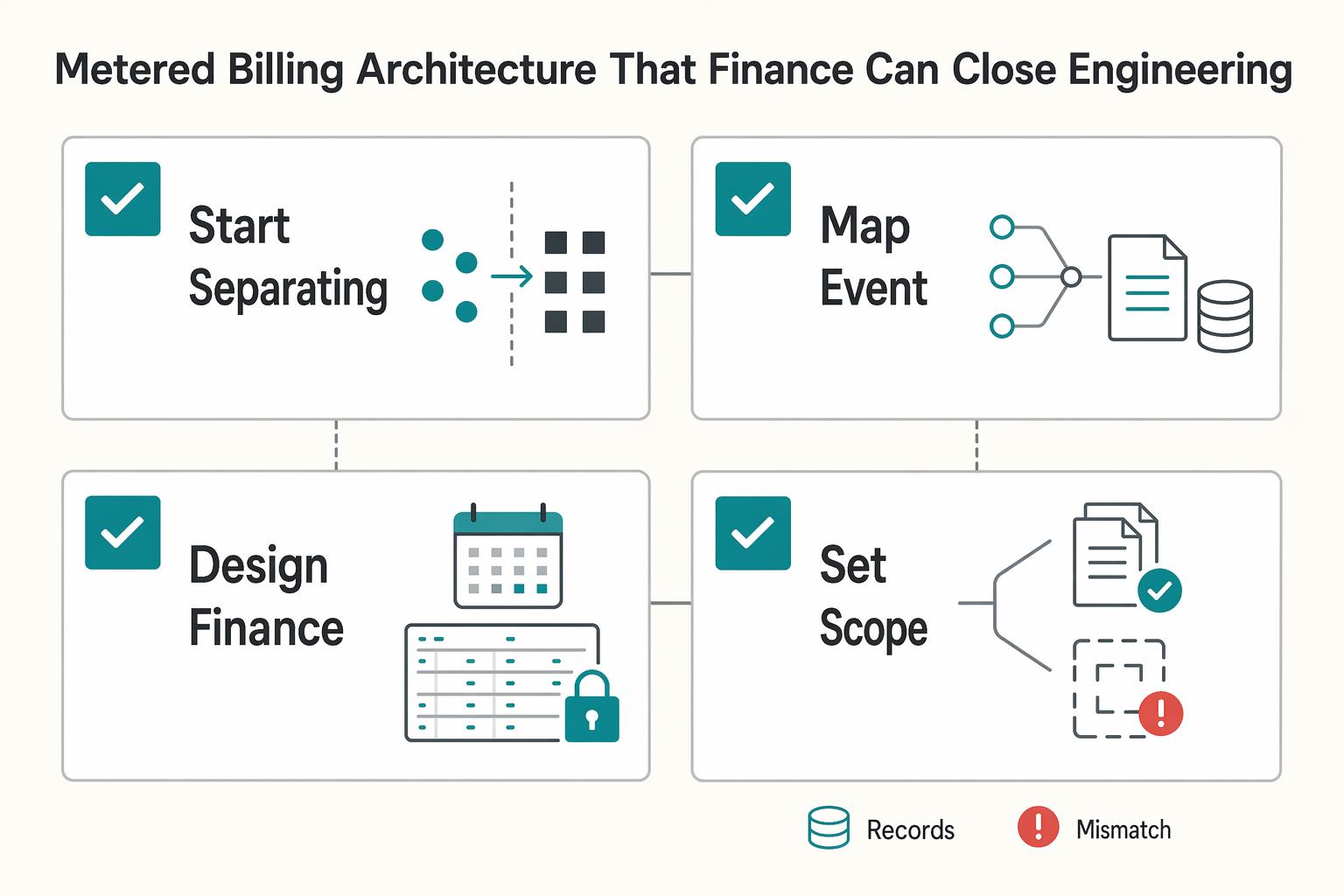
Metered Billing Architecture That Keeps Finance and Engineering Aligned
Real time often belongs in usage capture, not in issuing an invoice for every event. A common requirement is to record consumption as it happens, then turn that usage into charges on a defined billing cycle or another explicit trigger.
Read more →
Micromobility Payout Challenges for Scooter and Bike-Share Fleets
The real payout challenges in scooter and bike-share platforms often start before money ever reaches a payout rail. In shared micromobility, failures can begin when operating events and finance records stop matching. Rides can close late, credits can post without clear references, or partner obligations can sit outside the same transaction view.
Read more →
Integrated Payouts vs Standalone Payouts for Platform Architecture Decisions
**Treat integrated and standalone payouts as an architecture decision, not a product toggle.** The real split is the same one you see in payment processing more broadly: either payments are connected to the core platform experience, or they are not. [Lightspeed](https://www.lightspeedhq.com/blog/payment-processing-integrated-vs-non-integrated) puts that plainly in POS terms: your payment terminal either speaks to your point of sale, or it does not. For platform teams, the equivalent question is whether payment flows run through one connected system or sit in separate lanes you manage independently.
Read more →
Handle Multi-Entity Payroll Across Countries Without Losing Control
Buying a multi-country payroll tool is the easy part. Keeping control across multiple entities is where teams usually struggle. The hard problem is not payroll calculation alone. It is coordination across approvals, calendars, deductions, reporting formats, and the finance close.
Read more →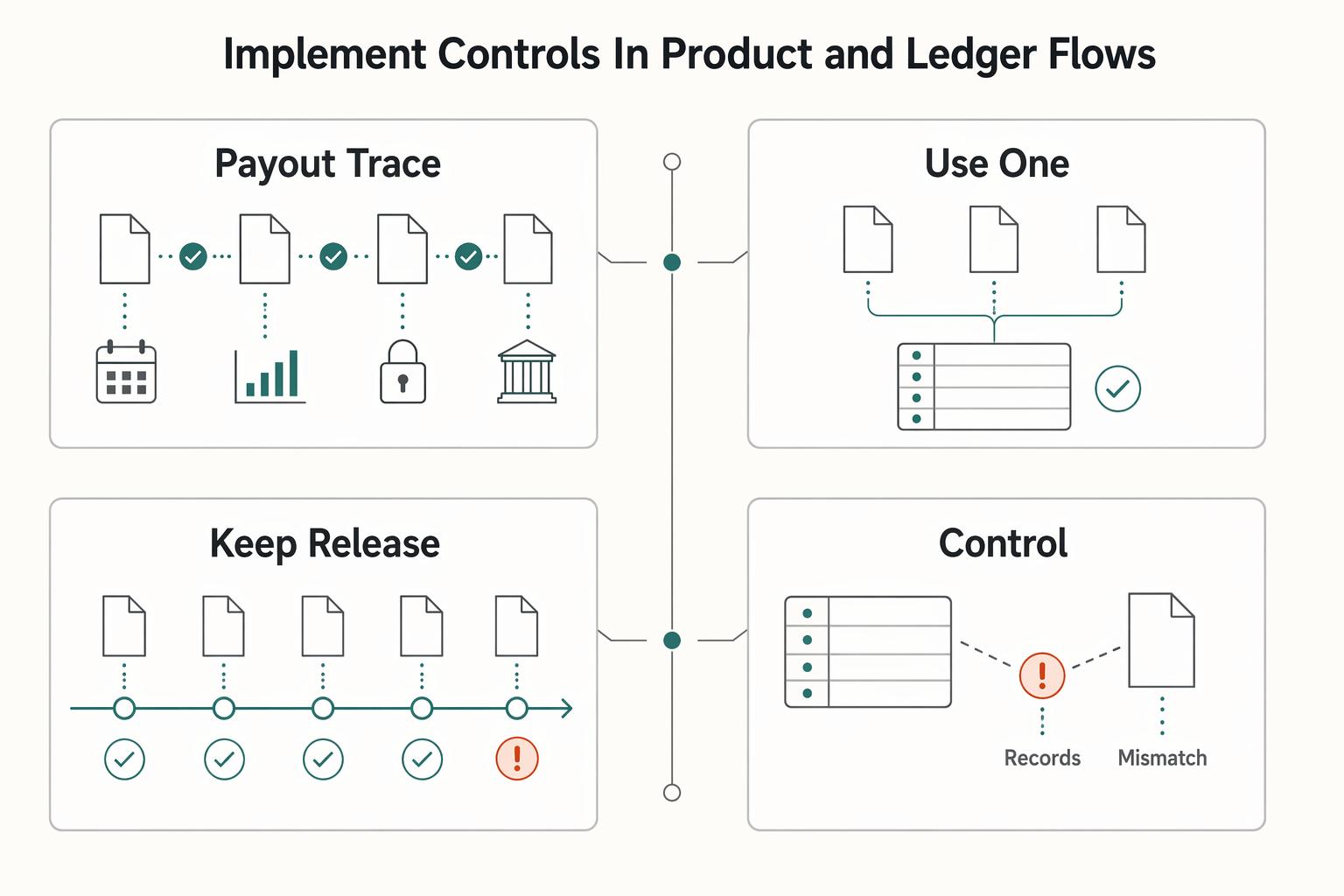
Days Payable Outstanding (DPO) for Marketplaces: How to Optimize Working Capital Without Hurting Sellers
Use Days Payable Outstanding as a timing tool, not a blanket instruction to pay later. You only get a real working-capital benefit if you can hold cash longer without creating operational problems.
Read more →
Manufacturing Accounts Payable Automation for Industrial Platforms Paying Subcontractors
Industrial finance teams do not need another feature checklist. They need a clear way to decide what belongs inside AP automation, what belongs in payout infrastructure, and what needs to stay tied to ERP and production controls so payables do not create downstream delays.
Read more →
How Retail and eCommerce Marketplaces Pay Suppliers at Volume
For many retail and ecommerce finance teams, AP automation is the starting point because the first pain is usually obvious: too many invoices, too much manual approval chasing, and not enough visibility into what is owed. Accounts payable is the money you owe suppliers and vendors for goods or services bought on credit, and automation reduces the manual work that slows processing and creates human error.
Read more →
How to Scale a Gig Platform From 100 to 10000 Contractors: The Payments Infrastructure Checklist
If you want to scale a gig platform from hundreds to thousands of contractors, treat payments operations as a launch gate alongside demand, not as a back-office task. Demand can look strong while payout execution, compliance checks, and reconciliation risk build in the background, then surface when you add a country, contractor cohort, or reporting obligation.
Read more →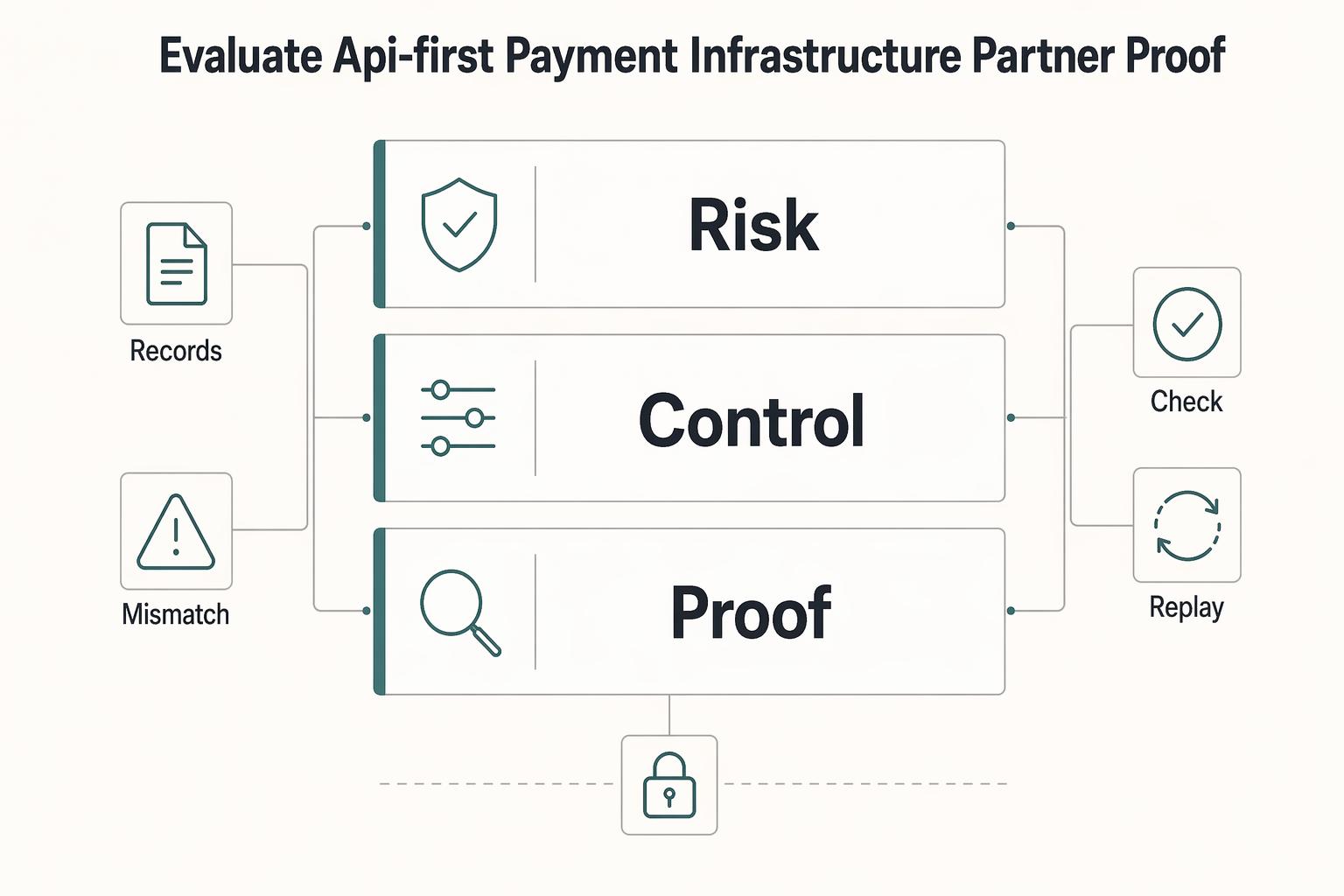
Evaluate an API-First Payments Partner for Your Platform
An API-first payment infrastructure evaluation should end with a shared decision record, not just a polished demo. That record keeps product, engineering, finance, and risk aligned on one decision path, one proof plan, and one pass-or-fail standard before cutover pressure takes over.
Read more →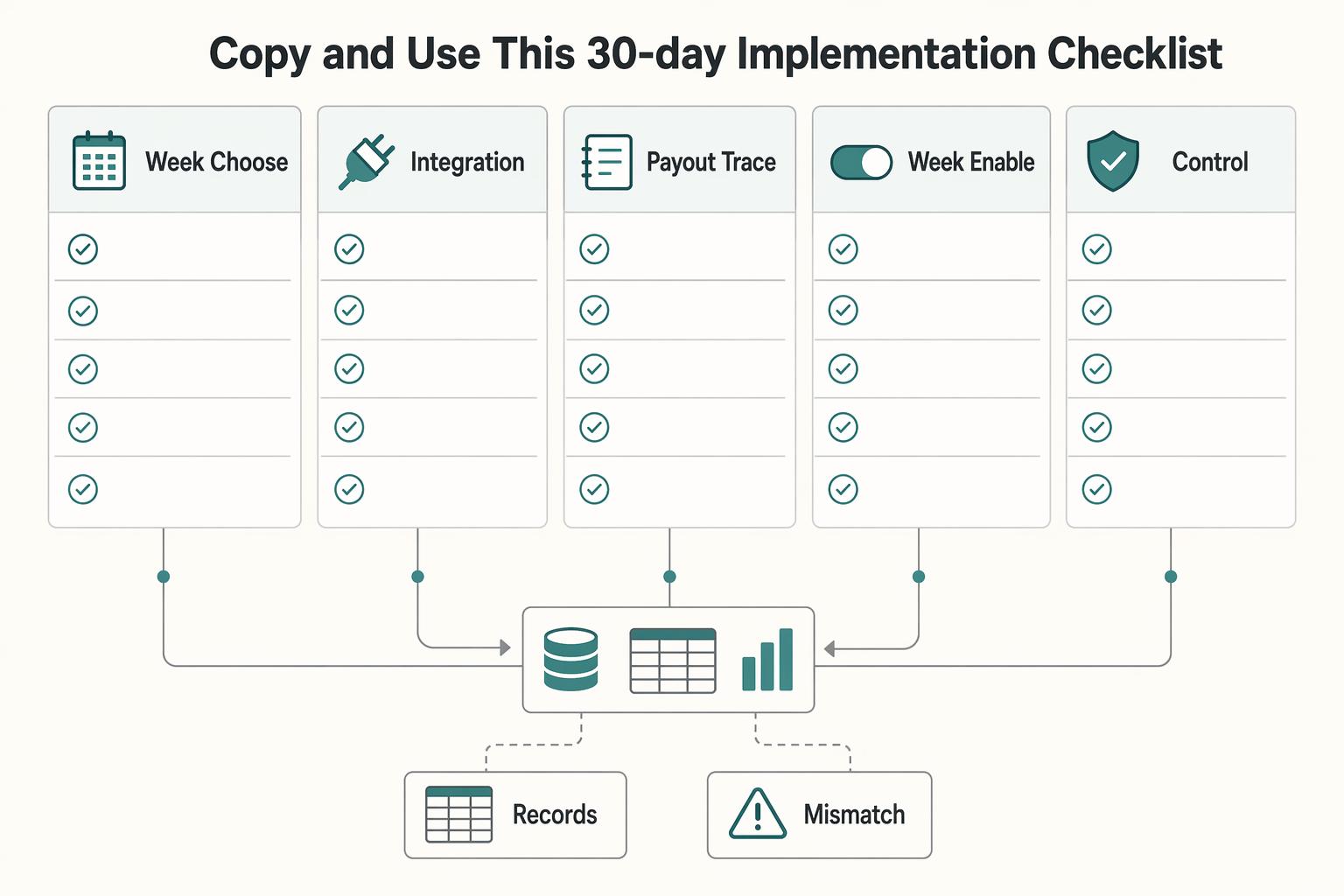
How to Embed Payments Into Your Gig Platform Without Rebuilding Your Stack
If you want to embed payments into a gig platform without rebuilding your stack, treat it as an operating design problem first and an integration task second. The hard part is keeping product promises, money movement, event handling, and compliance ownership aligned when some payment events are delayed and others happen in real time.
Read more →
How to Issue Compliant Tax Invoices in 50+ Countries as a Global Platform
Issuing **compliant tax invoices across a multi-country platform** is an operating design problem, not a template task. It touches tax rules, product behavior, integration paths, and record retention. If you assume one invoice layout or one vendor coverage claim will work everywhere, you usually create rework and weak audit evidence.
Read more →
How to Handle VAT on Platform Fees Across the EU: A Marketplace Operator's Guide
EU VAT gives marketplace operators a workable rule set for many online sales, but platform fees and commissions still need their own VAT analysis. The rules are clearest in specific facilitated-goods scenarios, while fee lines such as seller access, intermediation, listing, promotion, or retained commission often need separate analysis.
Read more →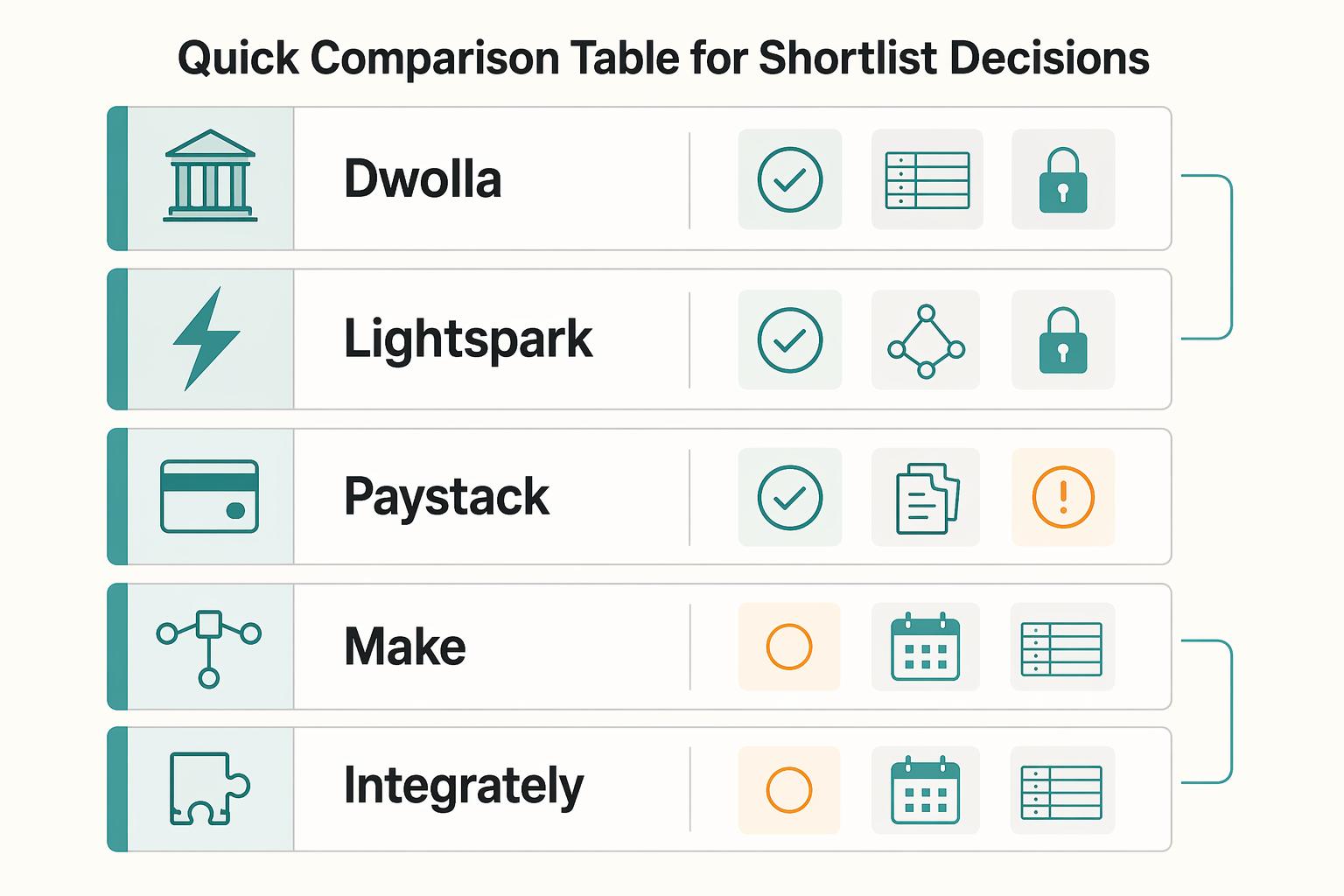
Webhook Payment Automation for Platforms: Production-Safe Vendor Criteria
This guide is for the teams that carry the operational risk after launch: product, engineering, and finance ops. If you are comparing payment automation platforms built around event callbacks, the real question is not feature breadth. It is whether the platform still holds up when payment events drive status changes, notifications, internal record updates, and accounting workflows. Providers describe this model as HTTPS callbacks, essentially an API call in reverse, and as a way to avoid constant polling. That matters, but it does not make an implementation production-safe by itself.
Read more →