
Operator playbooks for cross-border payments, tax, and compliance execution.
Step-by-step guidance for finance, product, and ops teams to launch faster, reduce payout friction, and keep reconciliation clean across borders.
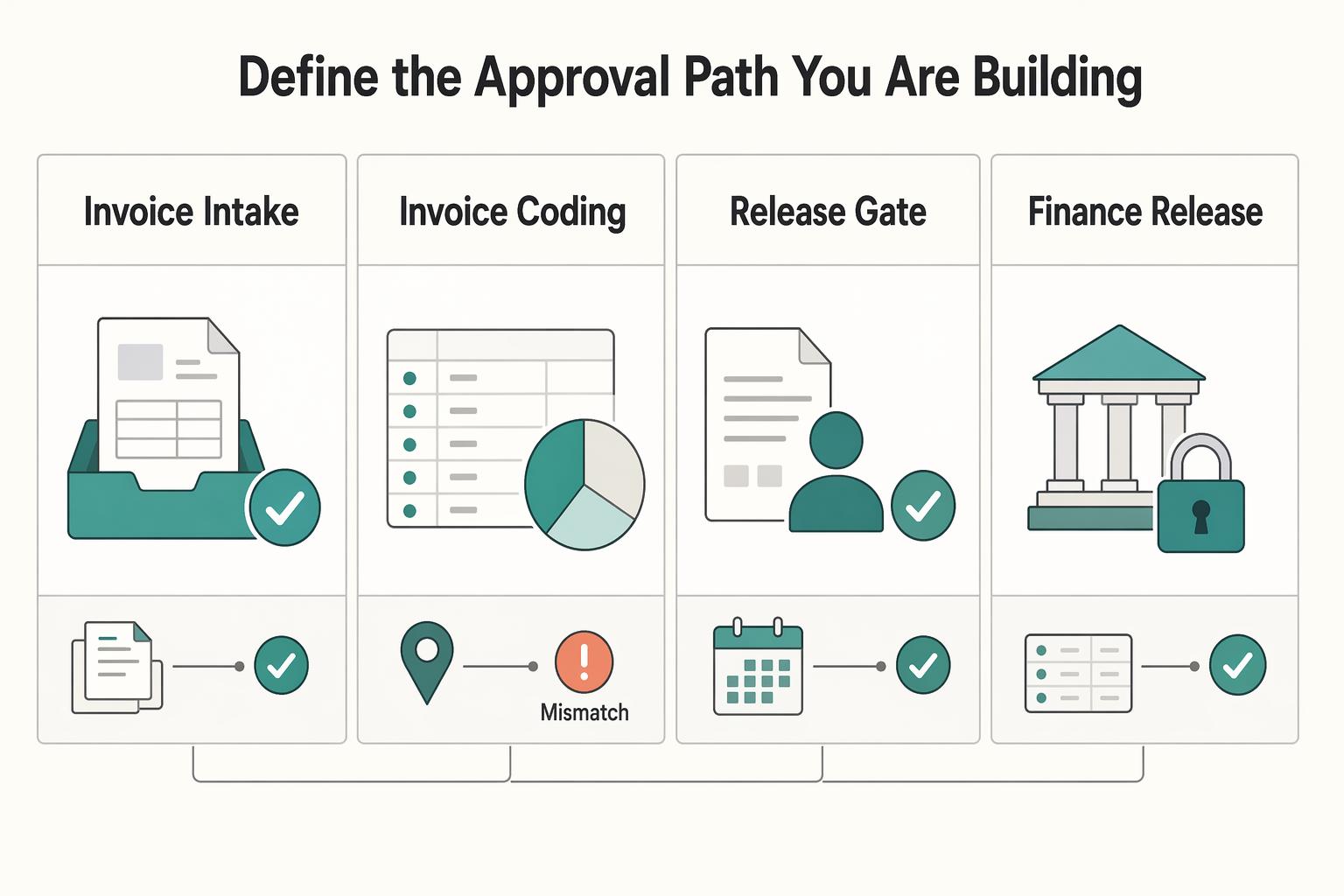
How to Set Up Invoice Approval Workflows for Agencies and Teams
**For agency teams running invoice approval workflows, speed only matters if control holds up.** The goal is not just to move AP faster. It is to build an approval path that keeps invoices moving while giving finance and platform operations a clean, defensible record from approval through release readiness. If you cannot show who approved an invoice, when they approved it, and what state the invoice was in before payment moved forward, the process may feel fast, but it is not audit-ready.
Read more →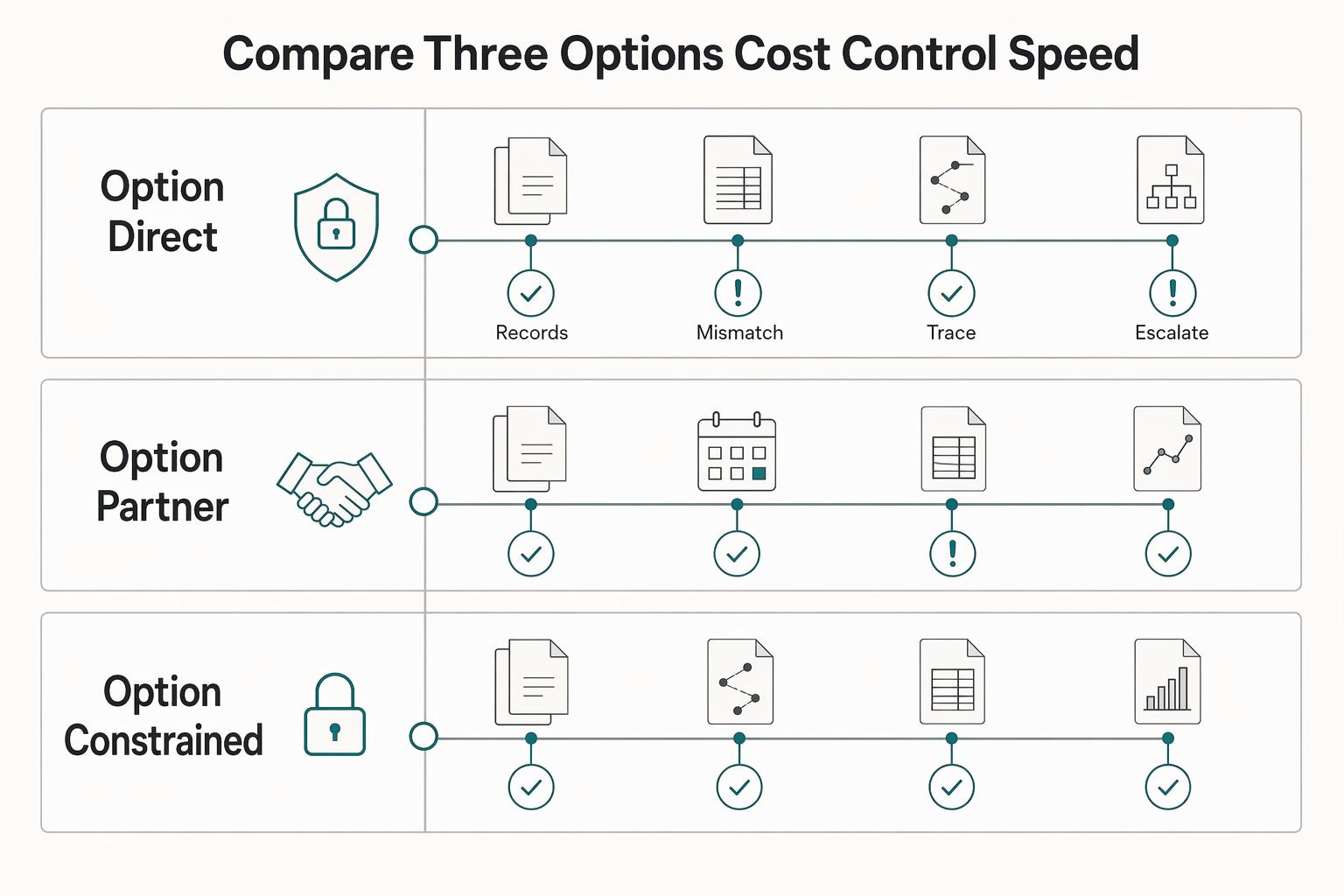
How Streaming Platforms Calculate and Pay Mechanical Rights
Mechanical rights in interactive streaming can fail at the operations layer before they fail in a legal memo. If you are building or expanding a platform, the real question is not just what counts as a mechanical royalty. It is whether your licensing, data, reporting, and payout choices will hold up once monthly usage starts moving.
Read more →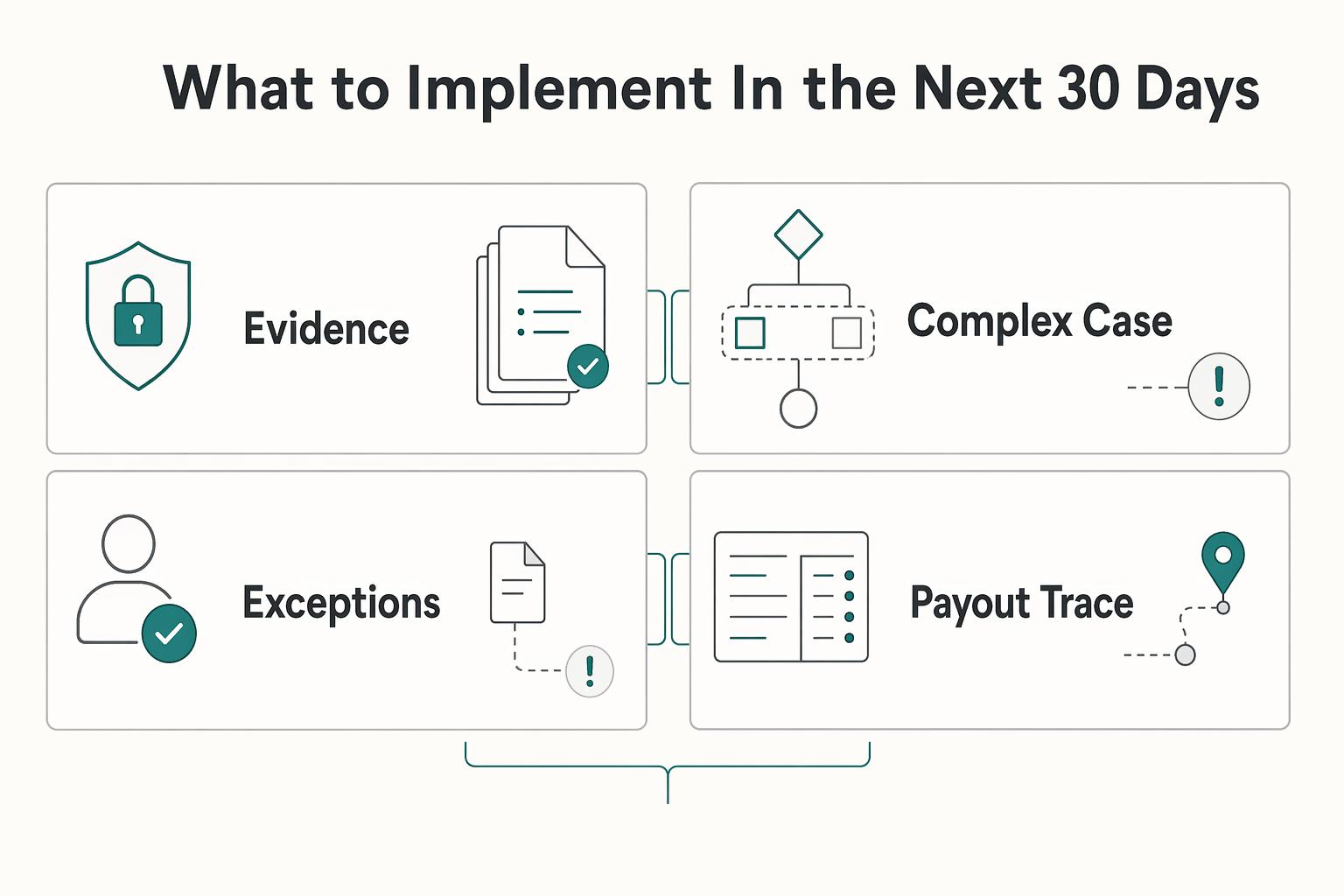
When Platforms File 1099 for Foreign Contractors and When W-8 Applies
If your platform waits until year end to choose between a Form 1099 path and a W-8 path, you are already late. In cross-border payouts, the real question is not just what each IRS form means, but which document controls the payout decision before money moves, who verifies it, and what you do when the facts do not fit the default path.
Read more →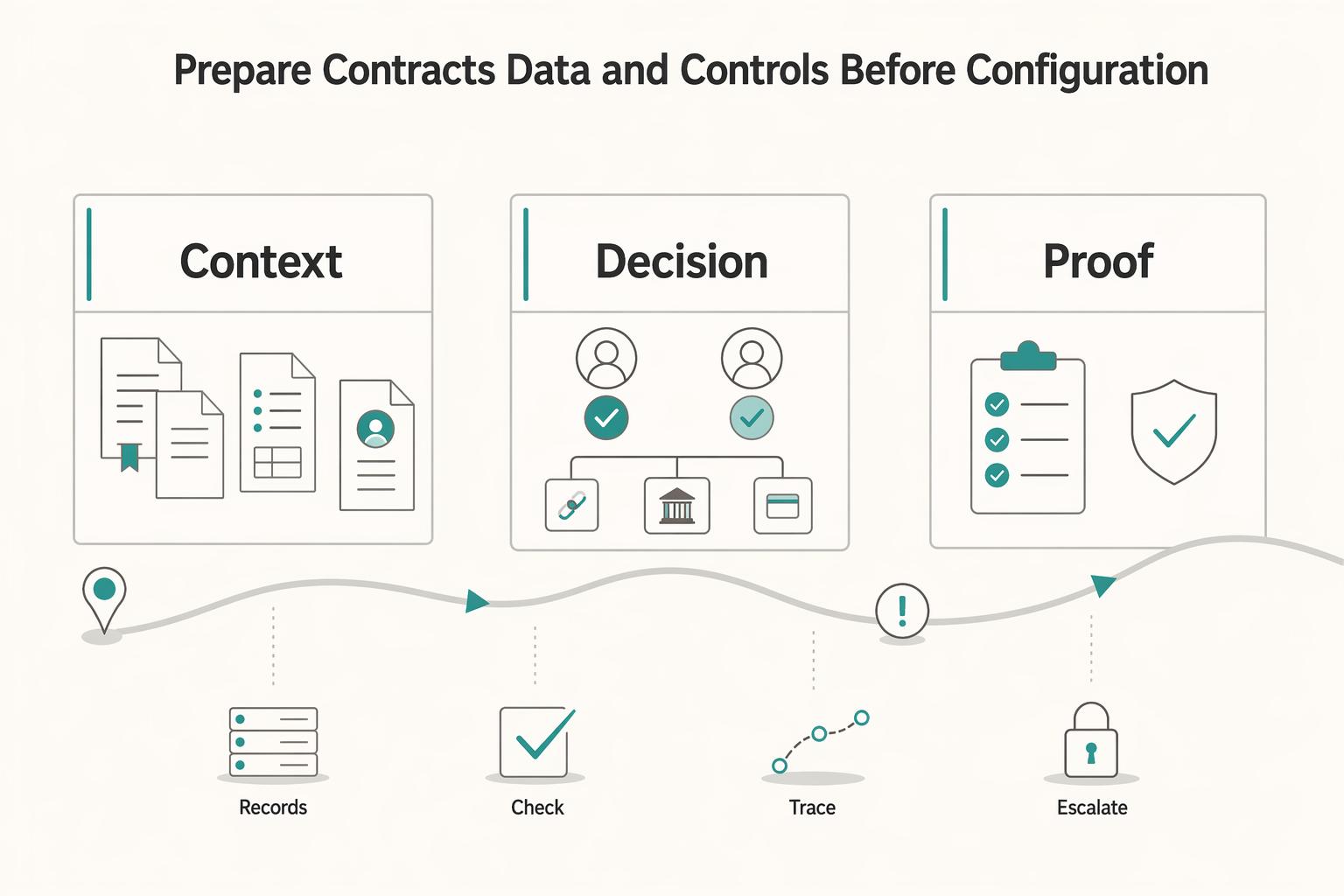
Automate Recurring Invoices for Retainer Clients
If you want to **automate recurring invoices for retainer clients**, start with the accounting path, not the send schedule. A recurring invoice is simply an invoice generated and sent automatically at a regular cadence. The real work is making sure each **Monthly Retainer** goes out on time, settles as expected, and lands in your books in a way you can clear through **Reconciliation**.
Read more →
Pay Translators and Interpreters Globally for Language Services Platforms
Use Indeed, ZipRecruiter, and Vaia Talents for market signal only: they help you gauge demand and pricing, but they do not tell you how to run cross-border payouts.
Read more →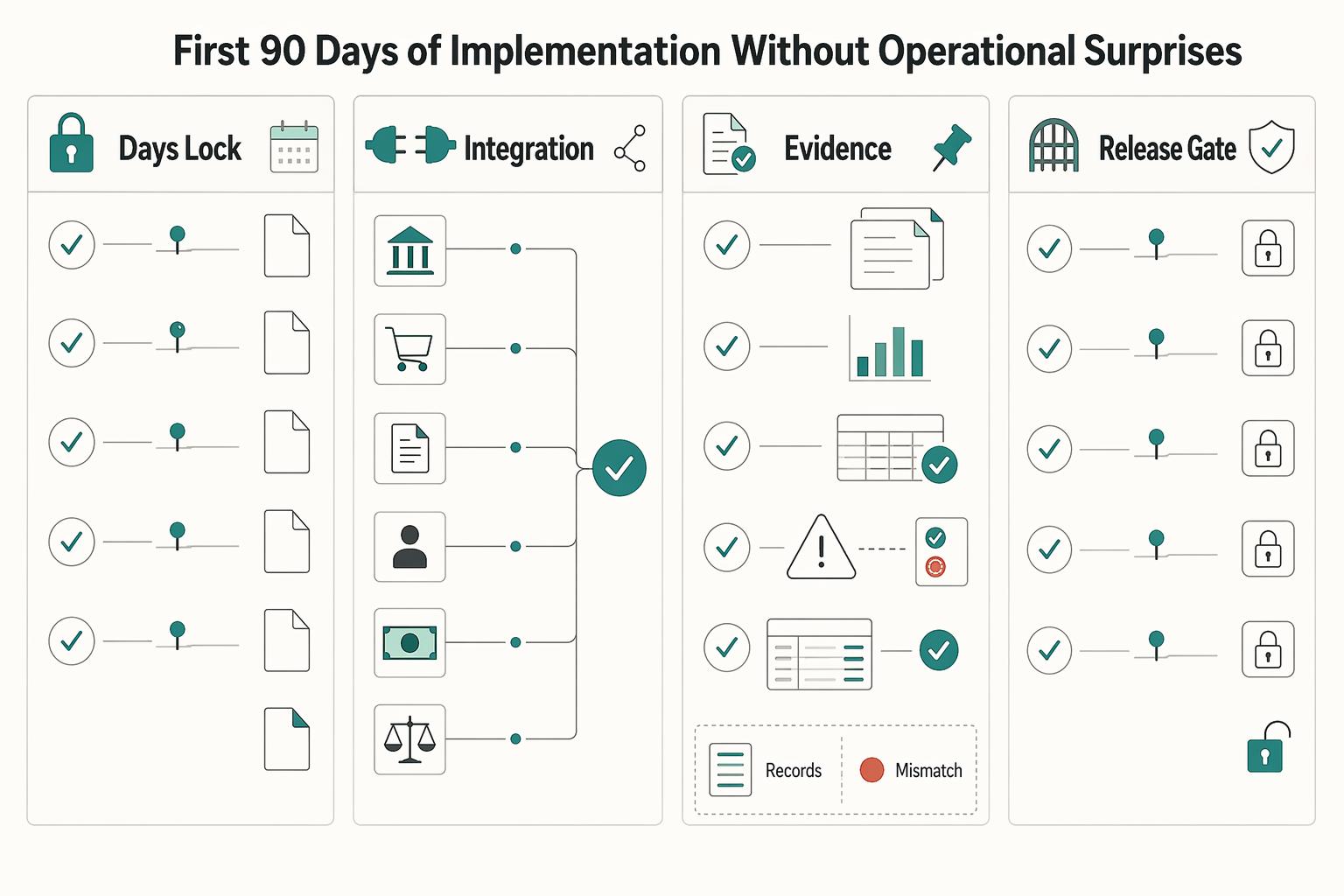
What Is Source-to-Pay? How Platforms Can Automate the Full Procurement Lifecycle
For platform teams, the pain usually does not sit in one isolated procurement task. It shows up in the handoff between finance, ops, product, and engineering as a supplier relationship moves from evaluation to agreement, purchasing, invoice review, and payout. A credible S2P platform should support that path end to end, not just the last mile of AP. In practical terms, the scope includes strategic sourcing, contract lifecycle management, procurement, invoice processing, and payment. You can frame S2P as four linked decisions:
Read more →
Choosing Visa Direct or Mastercard Send for Debit Card Push Payouts
The core decision is usually not "Visa Direct or Mastercard Send?" in isolation. Start with your recipient card mix, your tolerance for payout exceptions, and how much integration and operational complexity your team can absorb right now.
Read more →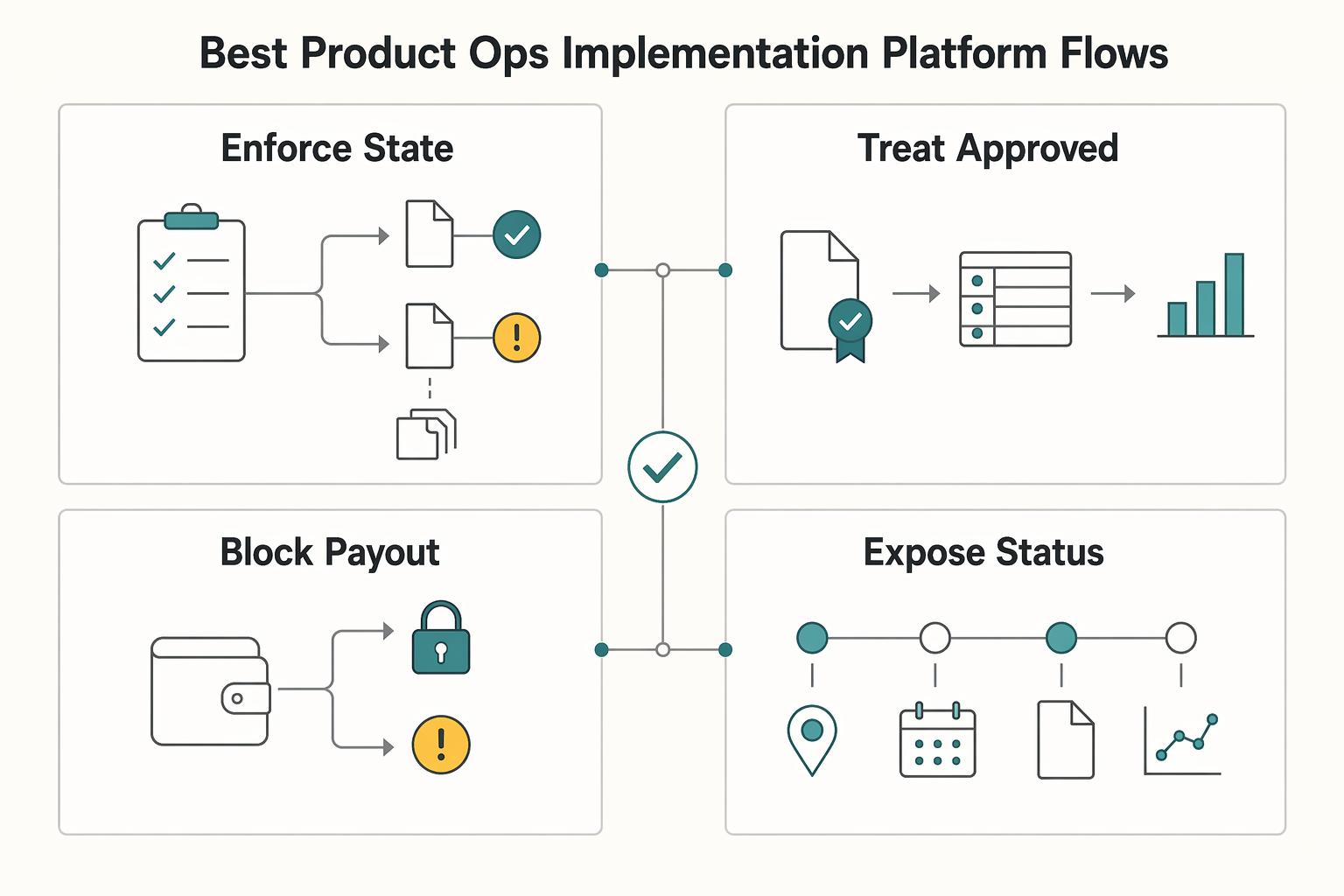
W-8ECI for Platforms Handling Foreign Contractors With Effectively Connected US Income
Start with a simple checkpoint. Verify that the payee is actually claiming foreign status and using the right form for that claim. Then confirm that the record ties the form to U.S.-source income and an ECI position. A common failure mode is accepting the document because it is signed and looks current, while never capturing the business facts that explain why W-8ECI was used instead of W-8BEN. Where source detail is limited, such as exact refresh cadence, this article flags legal-tax escalation points instead of pretending the IRS gives platforms one clean decision matrix. Related reading: [How Platforms Are Reshaping Foreign Exchange in 2026](/blog/platforms-reshaping-foreign-exchange-landscape).
Read more →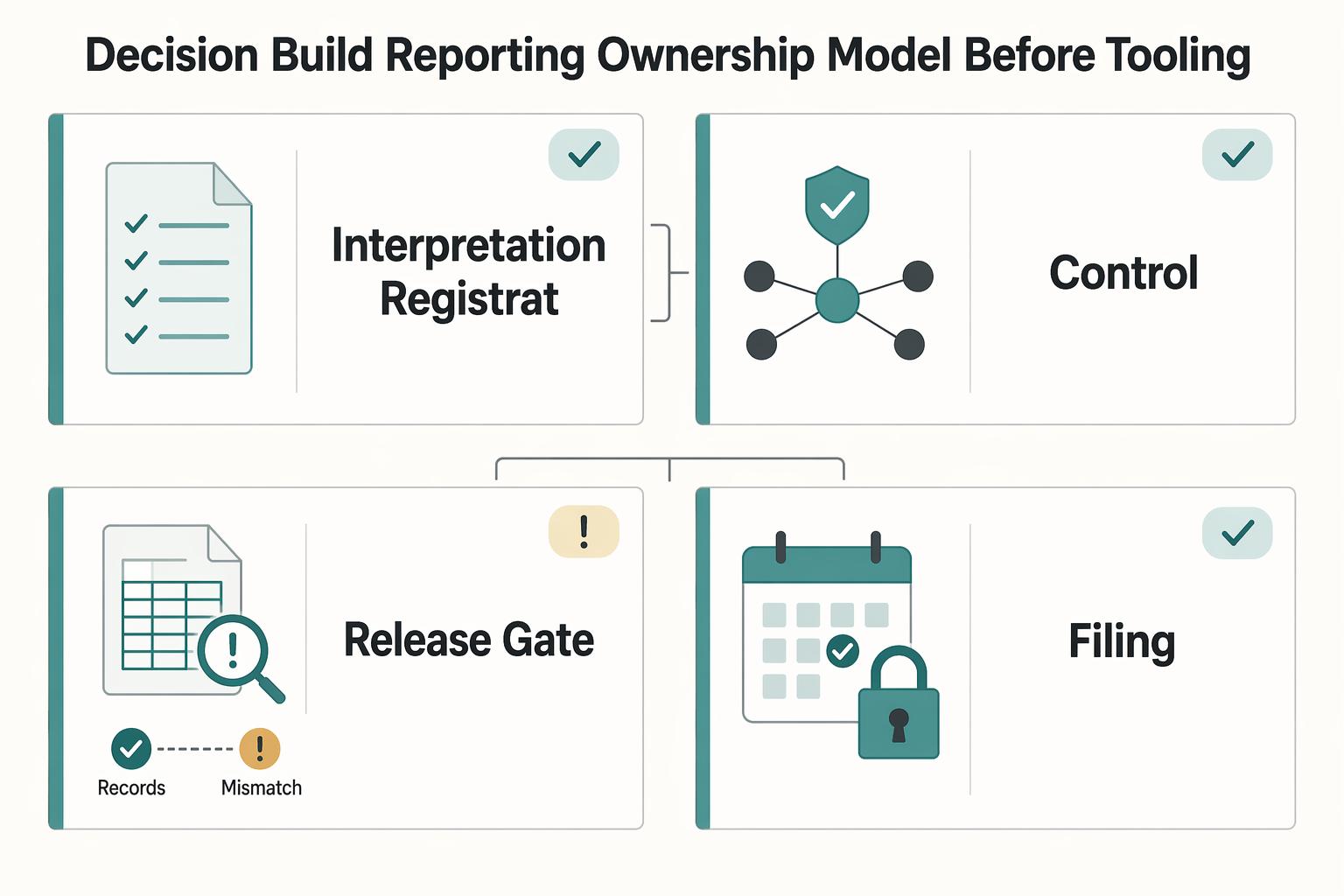
Does Your Non-EU Marketplace Owe DAC7 Tax Reporting in Europe?
Treat DAC7 first as a reporting and data-control problem, not a tax-rate problem. Council Directive (EU) 2021/514 was adopted on 22 March 2021 and entered into force on 1 January 2023. It amended the Directive on Administrative Cooperation so tax authorities can receive and exchange platform seller data across the EU. We recommend starting there so your team does not treat DAC7 like a tax-calculation project and miss the reporting controls that actually fail first.
Read more →
15 Industry-Specific Invoice Templates Freelancers Can Reconcile
A good freelance invoice template is one finance or ops can reconcile without guesswork. A polished PDF and a fast download do not matter much if the invoice number, date, currency, or service detail changes between draft, send, and payment. Once those fields drift, reconciliation turns into manual cleanup.
Read more →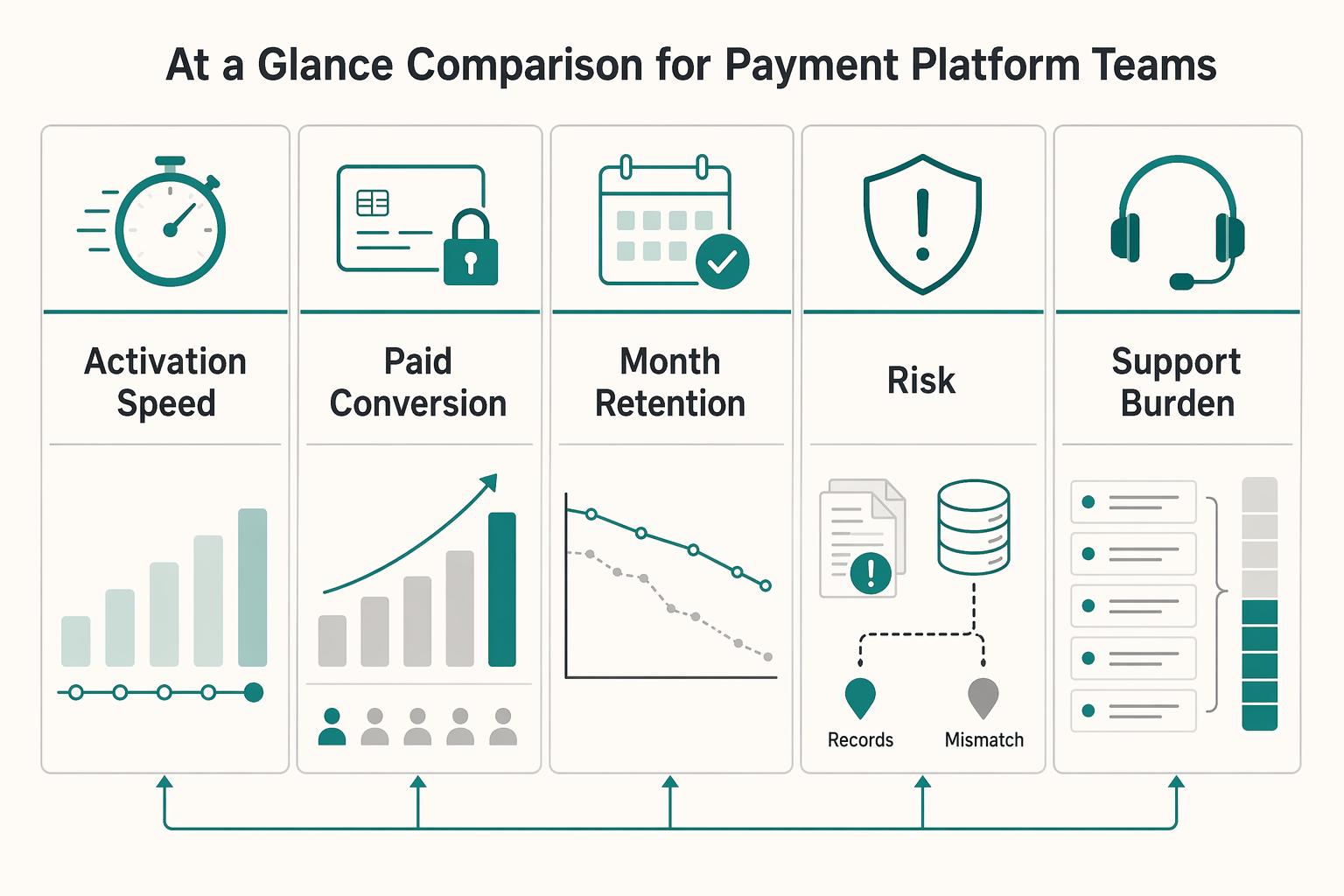
Freemium vs. Free Trial vs. Reverse Trial: Which Acquisition Model Works for Payment Platforms
If you are choosing between **freemium, free trial, and reverse trial** for a payment platform, signup lift is easy to measure and easy to overvalue. The better choice comes from conversion quality, retained revenue, downgrade behavior, abuse exposure, and the operating load your team can actually support.
Read more →
Liquidity Management for Payment Platforms With Funds Ready to Pay
If you offer instant `Payouts`, "funds ready to pay" means you can execute payouts within seconds when needed, without a manual balance scramble.
Read more →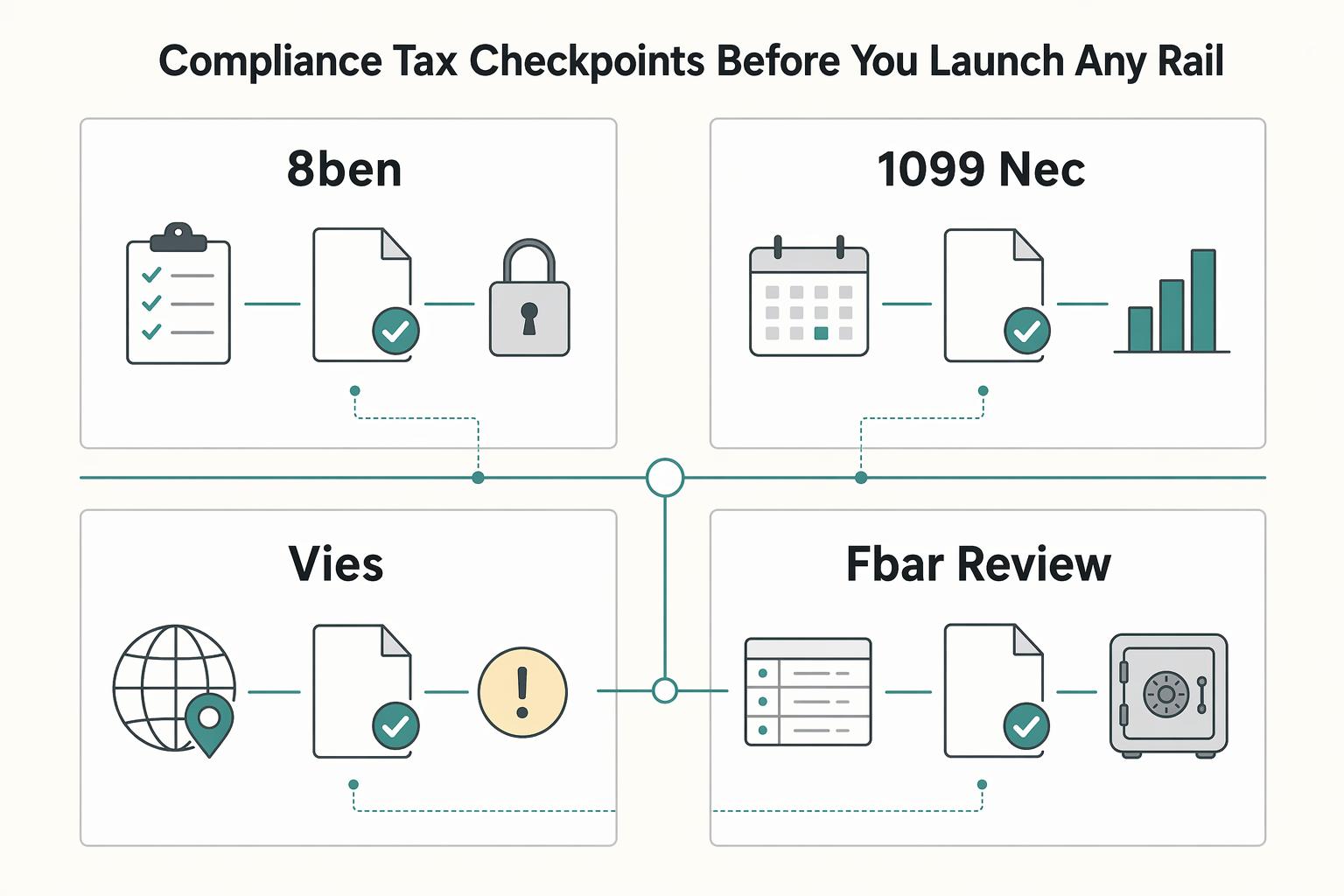
Prepaid Cards as a Payout Method: When They Work for Platforms and When They Don't
Prepaid cards are a real payout option, but they are not a shortcut to sound payout design. If you run payouts for a marketplace platform or embedded payments product, the question is not just whether a rail moves money fast. It is whether the rail fits your use case and operating model.
Read more →
Build a Global Contractor Payment Compliance Calendar for Monthly, Quarterly, and Annual Obligations
A usable first version of your **global contractor payment compliance calendar monthly quarterly annual** should work as a control document, not just a list of dates. Keep monthly, quarterly, and annual obligations in one place, assign clear owners and reviewers, and define when unclear rules or missing evidence must be escalated. If you are building version 1, we recommend starting with the obligations your team can evidence today and marking the rest for legal review.
Read more →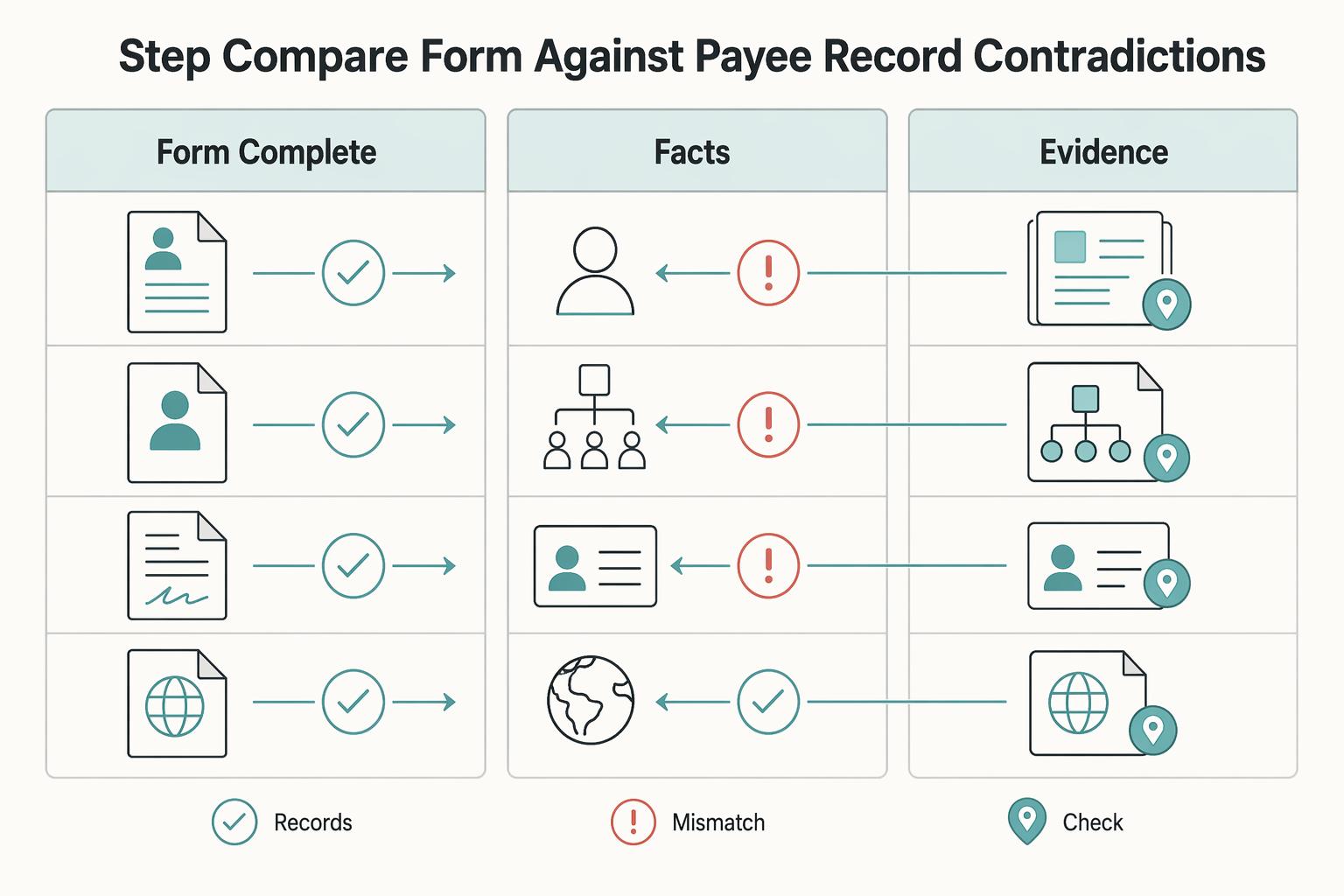
W-8BEN Controls for Platform Payouts to Foreign Contractors
**Treat Form W-8BEN as a decision input, not a document collection task.** The Internal Revenue Service frames Form W-8BEN as the "Certificate of Foreign Status of Beneficial Owner for United States Tax Withholding and Reporting (Individuals)." That matters because a platform paying foreign contractors may need more than a file on record. If you are on the payer side, you need a process that supports a withholding and reporting position you can explain later.
Read more →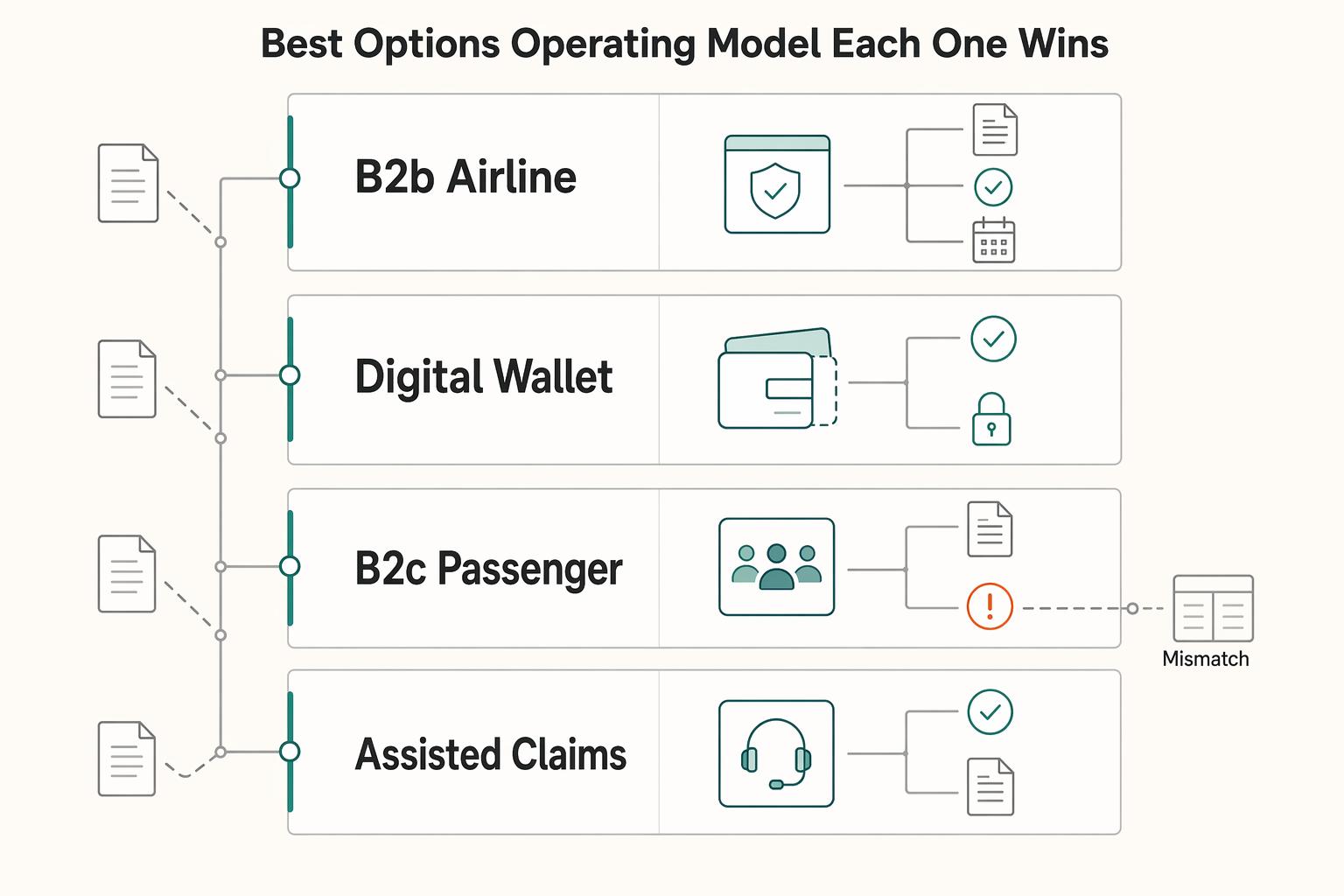
Airline Delay Compensation Payments for Customer Experience and Control
If you are evaluating an `airline compensation payments customer experience delays platform`, split the work into three lanes first: legally owed refunds, discretionary compensation, and outsourced claims recovery. Vendor pages often blur these together, but they lead to different policy choices, ledger treatment, and customer outcomes.
Read more →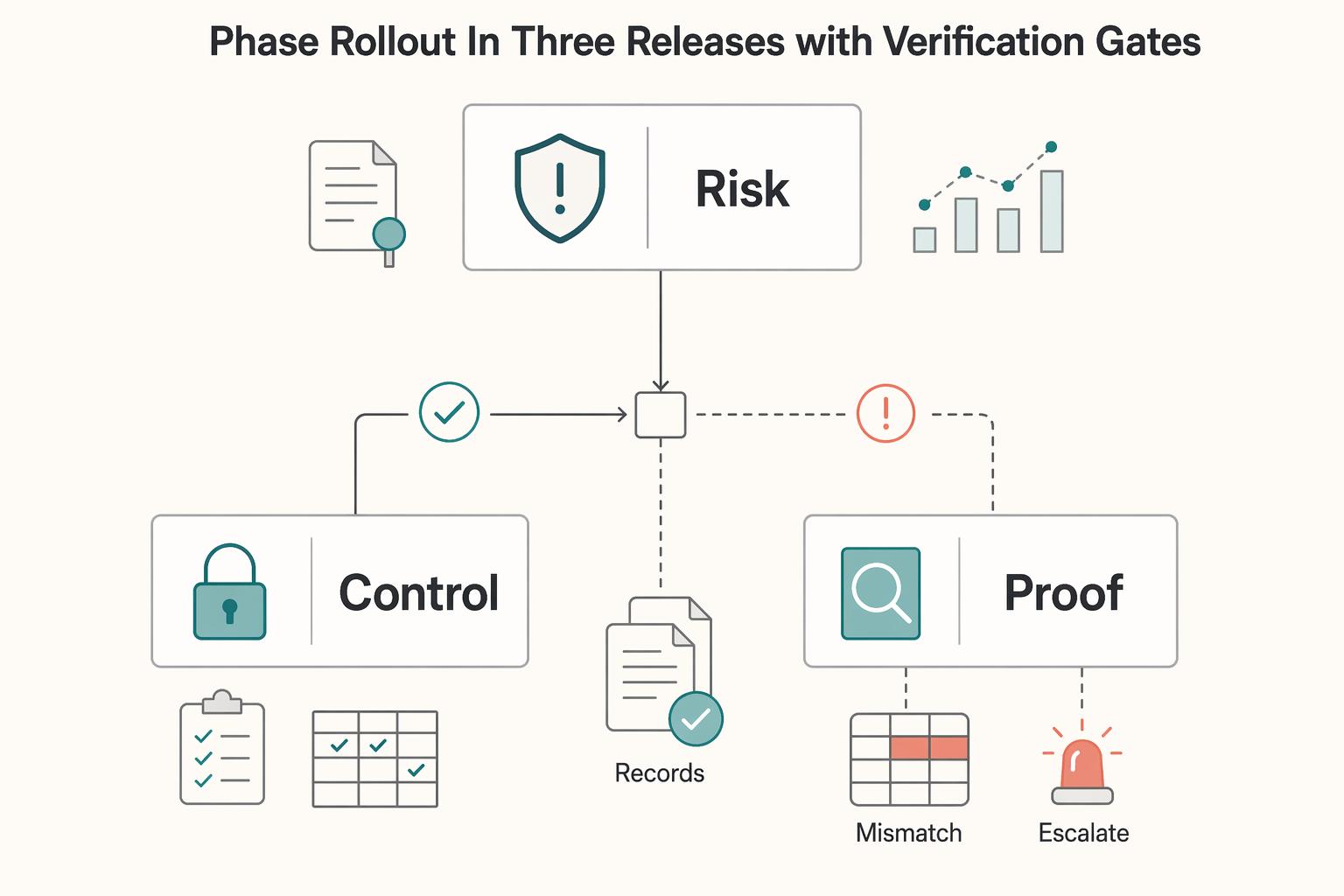
Building Compliant Grant Disbursement Operations for Nonprofits
Nonprofit teams do not need another generic automation pitch. They need a grant disbursement process that answers basic questions clearly: why a payout went out, which rules applied, and what evidence shows it was handled correctly.
Read more →
When Instant Payout Matters for Gig Platform Payments
Instant payout is a tool, not the goal. The real operating decision is where instant timing creates measurable value, where batch timing is enough, and where both should run side by side.
Read more →
How Platform Teams Pay Contractors Across UAE, Saudi Arabia, and Egypt
This guide is for platform teams building repeatable contractor payouts across the United Arab Emirates, Saudi Arabia, and Egypt, not for one-off freelancer invoices. The hard part is not sending a payment once. It is sending payments repeatedly with controls that still hold up when volume grows, exceptions pile up, and audit questions start coming in.
Read more →
Bad Payouts Are Costing Your Supply in Two-Sided Platforms
Payout issues are not just an accounts payable cleanup task if you run a two-sided marketplace. They shape supply-side trust, repeat participation, and fill reliability. They can also blur the revenue and margin signals teams rely on.
Read more →