
Quick Answer
Choose the operating model first. For liquidity management payment platforms funds ready to pay, map payout routes across ACH, FedNow Service, and The Clearing House RTP network, then set named owners who can approve top-ups and pause releases at any hour. Separate compliance holds from funding incidents, and require traceable records from instruction through settlement before resuming queued sends.
Liquidity management is an operating decision, not a treasury afterthought#
If you offer instant Payouts, "funds ready to pay" means you can execute payouts within seconds when needed, without a manual balance scramble.
The practical question is whether you can keep outbound funds available whenever users expect payment, including off-hours. On instant rails, this is a 24x7x365 requirement, not a once-daily treasury routine. The FedNow Service is built for payments within seconds at any time, while Same Day ACH runs on scheduled windows such as 10:30 a.m. ET, Noon ET, and 1:00 p.m. ET. That difference changes who monitors balances, when they act, and how quickly a shortfall becomes a customer issue.
The real operating risk
The tradeoff is straightforward: too little prefunding can raise payout failure risk, while too much leaves excess liquidity parked. This is an operations and product-reliability decision, not just a finance decision.
On instant rails, pre-send control matters because recovery options are limited after submission. On The Clearing House RTP network, settlement is final and irrevocable, and the sender cannot recall a payment once submitted. Before go-live, treat these as minimum controls: balance checks on each payout path, a named off-hours decision owner, and a documented stop-send condition.
Choose the ownership model before you tune balances
Pick the operating model first, then tune balances. You can run liquidity in-house with prefunding, monitoring, and replenishment, or delegate parts of it to a funding agent or correspondent partner.
Both models are supported by the rails. FedNow's liquidity management transfer (LMT) is designed to move funds between institutions for instant-payment liquidity. It explicitly supports correspondent institutions, funding agents, and agents of joint accounts backing private-sector payment services. RTP also distinguishes Funding Participants and Non-Funding Participants, with non-funding participants processing through a funding participant.
There is no universal best model. If your team cannot reliably monitor and act across 24x7x365 operations, delegated setups can provide additional operational coverage. If you have strong treasury and payments coverage, self-managed operations may offer tighter control. In either case, define normal funding, emergency top-ups, and traceable movement records as day-to-day operating requirements.
That choice sets up everything else. This guide follows that sequence: choose self-managed versus delegated support first, then build the monitoring, escalation, reconciliation, and control checks your team can run every day. Related: Expired Card Management at Scale: How Platforms Automatically Refresh Payment Credentials.
What to prepare before you design liquidity controls#
Before you set thresholds or alerts, lock down the inputs those controls depend on. Without this prep, teams often triage the wrong issue, such as treating a compliance hold as a funding shortfall or treating ACH fallback like an instant rail.
- Map scope by rail and flow first.
Document every inbound and outbound path that changes available funds. A platform might route inbound collection through Virtual Accounts and outbound flow through Payouts, with possible fallback to ACH. This matters because the FedNow Service and RTP run continuously, while ACH follows scheduled processing and can include future-business-day settlement entries. Checkpoint: for each path, confirm where funds sit, how they move, and when they are actually available to send.
- Assign named owners for business hours and off-hours.
Assign people, not just teams, for three actions: approving funding moves, monitoring alerts, and executing escalations. FedNow Service is designed for 24x7x365 processing, and RTP is also always on, so next-business-day ownership is not a safe assumption. If liquidity depends on an RTP Funding Participant or a correspondent, include that external contact in the ownership map.
- Collect operating artifacts before control design.
Build one working set of RTP Rules and technical specifications plus FedNow operating documents, especially reconciliation and reporting requirements. FedNow Operating Circular 8 includes 12.0 REQUIRED REPORTING; RECONCILEMENT, which is a practical baseline for your export checklist. Also gather internal incident contacts, settlement-report access, and the exact reconciliation exports finance and ops need after an incident.
- Keep liquidity controls separate from compliance gates.
Define which identity and AML checks can hold payout release and which checks happen earlier in onboarding or ongoing monitoring. CIP is part of the AML compliance program, so those holds should not land in a generic "insufficient funds" queue. Red flag: if dashboards cannot distinguish compliance-held payouts from liquidity-blocked payouts, escalation will likely go to the wrong owner first.
For a step-by-step walkthrough, see How to Build a Float Management Strategy for Marketplace Platforms.
Step 1 map payout timing and irreversible rails#
Start here. Rail behavior determines every downstream choice. If you do not map settlement timing and recovery limits first, product promises, ops procedures, and funding plans will drift apart.
Separate rails by how money moves#
Split the generic label "payout" into at least ACH, FedNow Service, and The Clearing House RTP network.
| Rail | Settlement behavior to map | Recovery posture to mark | Typical fit |
|---|---|---|---|
ACH | Scheduled processing. Same Day ACH settles three times daily, not continuously. | Reversals and corrections exist only in certain circumstances, so treat recovery as limited. | Planned batch disbursements where scheduled timing is acceptable. |
FedNow Service | Payments process and settle continuously on a 24x7x365 basis, with liquidity needed at all times. | Treat as an always-on instant path that needs immediate exception handling. | Urgent payouts when you can support continuous monitoring and escalation. |
The Clearing House RTP network | Instant payment behavior. | Mark as hard to reverse at submission: payments cannot be revoked or recalled, and settlement is final. | Time-sensitive payouts where payment certainty matters most. |
If someone says "we can fall back to ACH," the map should make clear that this changes both timing class and recovery posture.
Mark the handoff from normal correction to exception recovery#
For The Clearing House RTP network, once submitted, recovery is no longer cancellation. It becomes investigation, communication, and reconciliation. For ACH, avoid promising easy clawbacks: reversals are constrained, not universal. For FedNow Service, plan operations for continuous settlement windows, not a business-hours-only response.
Tie each use case to a timing promise#
Match each payout use case to the mapped rail behavior before launch. For contractor payouts and other time-sensitive disbursements, avoid rail-specific receipt-time promises unless provider and recipient-bank behavior is confirmed for that path. Do not silently downgrade an instant path to ACH without updating recipient communication.
Verify ownership and operational handoffs#
Before go-live, confirm every mapped path has:
- a named owner for business hours and off-hours
- an escalation contact for liquidity, recipient, and reconciliation issues
- an operational handoff note with minimum evidence: payout ID, rail, submission timestamp, provider acknowledgment, ledger status, and current exception state
- a testing owner for pre-production and post-change validation, plus reconciliation ownership for emergency and failure events
This pairs well with our guide on Webhook Payment Automation for Platforms: Production-Safe Vendor Criteria.
Step 2 choose self-managed liquidity or managed support#
Choose the model your team can operate continuously. Instant-payment liquidity is a 24x7x365 responsibility. Managed support may reduce internal technical and administrative burden, while self-managed prefunding can reduce third-party dependency when your treasury and operations coverage is already strong.
Compare the two operating models directly#
The core choice is internal ownership versus delegating part of liquidity operations to a funding agent or correspondent partner. FedNow materials state that correspondents can settle for participants and that external partners may reduce operational burden, but the participating institution remains responsible for partner actions.
| Decision area | Self-managed prefunding | Managed support through funding agent or correspondent partner |
|---|---|---|
| Core ownership | Your team monitors balances and executes funding moves. | Partner settles transactions and may manage position on your behalf, depending on model. |
| Account implications | For FedNow Service, settlement can use your own master account, a correspondent's master account, or an eligible joint account at a Federal Reserve Bank. | Your operating model depends on partner structure, coverage, and controls. |
| Staffing load | Higher internal coverage expectations across treasury and ops. | Lower direct internal load in some setups, but oversight and escalation stay with you. |
| Monitoring burden | You own alerting, triage, and top-up execution. | Partner may execute monitoring steps, but your team still validates execution and outcomes. |
| Reconciliation complexity | More internal evidence collection across ledger, bank position, and rail acknowledgments. | Execution may simplify, but dependency on partner reporting can add coordination complexity. |
| Response time for liquidity incidents | Fast with staffed off-hours coverage; slower when approvals or execution are business-hours dependent. | Can be stronger when partner coverage includes nights, weekends, and holidays, if defined clearly in operations. |
Check the account model before you choose#
For FedNow Service, participants do not need a separate settlement account just for FedNow activity. Liquidity settlement can run through the institution's master account, a correspondent's master account, or an eligible joint account at a Federal Reserve Bank.
For The Clearing House RTP network, positions on the RTP ledger are backed by funds held in a joint account at the Federal Reserve Bank of New York. The Clearing House acts as agent and operator of that RTP Prefunded Balance Account. If you self-manage RTP liquidity, you take direct responsibility for keeping the prefunded position aligned with payment demand and settlement exposure.
If you delegate RTP liquidity support, align legal and operations teams to the formal role. RTP rules effective January 1, 2026 define a Funding Manager as an approved depository institution serving as agent to non-funding participants.
Use a practical decision rule#
If off-hours coverage is thin, managed support can be safer for some institutions. FedNow guidance also notes that Federal Reserve Banks do not intend to open the Discount Window outside standard hours, so overnight and weekend plans should not rely on that path.
If treasury and ops can monitor, fund, and reconcile outside business hours with clear escalation ownership, self-managed prefunding can be a cleaner fit with less partner dependency. This is institution-specific, not one-size-fits-all.
Verify the failure path, not just the happy path#
Before locking your model, run one liquidity-incident drill end to end. For FedNow Service, remember liquidity management transfers run under the same 20-second (or less) timeout clock. Manual or multi-step approval chains can slow incident response.
Keep a minimum evidence pack for drills and live events: prefund position, alert timestamp, approver, rail or provider acknowledgment, resulting ledger change, and final reconciliation status. If you use a partner, also verify what they monitor, what they execute, and what proof they return after action. Related reading: Continuous KYC Monitoring for Payment Platforms Beyond One-Time Checks. Use this decision point to turn ownership choices into concrete integration and ops requirements in Gruv Docs.
Step 3 design account structure and movement paths#
Step 2 only works if your cash path is explicit. For every payout route, define the receiving account, the balance view your product trusts, the rail-specific prefund location, and the replenishment path when liquidity gets tight.
Separate collection accounts from spendable liquidity#
Treat inbound collection accounts and spendable payout liquidity as different things. If your bank or provider uses Virtual Accounts, use them for attribution and routing, not as proof that payout cash is already in the right funding position.
One bank description defines a virtual bank account as a sub-ledger linked to a DDA, which is a useful operating model even if terms vary by provider. Your payout engine should therefore fund from the real operating account or prefunded rail position, not from a virtual label.
Project available payout balance from three inputs together: posted inbound collections, pending outbound Payouts, and funds already committed to rail prefunding. If those values sit in separate reports with no unified view, the design is not operational yet.
Place prefunding where the rail actually settles#
Put prefunding where each rail settles, not where it is easiest to label internally. For FedNow Service, settlement and liquidity movements can run through your Federal Reserve Bank master account, a correspondent's master account, or, in some setups, a joint account structure. FedNow LMTs can be sent directly or through service providers, and FedNow operates on a 24-hour business day including weekends and holidays.
For The Clearing House RTP network, explicitly map funding into the RTP Prefunded Balance Account defined in RTP rules. You do not need every rule detail in this section, but you do need a written path from operating cash to the rail-backed position your sends depend on.
If a funding agent or correspondent is involved, document both directions: how funds move in and how excess funds return out. Then document the three sequences below in plain language, with owners and expected evidence.
Write the normal, top-up, and emergency sequences#
| Sequence | Trigger or use | Key detail |
|---|---|---|
| Normal operations | Routine payout demand | Inbound collections post to the operating DDA or equivalent, internal balances are projected, and scheduled moves prefund the rail before payout demand ramps |
| Top-up path | Thresholds are hit | Treasury or a partner executes a transfer into the FedNow or RTP funding position; for FedNow, state whether you use LMT directly or via a service provider |
| Emergency replenishment | Payout demand exceeds forecast | If ACH is part of the plan, label it as batch movement, not instant liquidity; if no replenishment path can settle in time, use a stop-send instruction |
- Normal operations
Inbound collections post to the operating DDA or equivalent. Internal balances are projected, and scheduled moves prefund the rail before payout demand ramps.
- Top-up path
When thresholds are hit, treasury or a partner executes a transfer into the FedNow or RTP funding position. For FedNow, state whether you use LMT directly or via a service provider, and include local controls such as availability windows or transaction limits.
- Emergency replenishment
Define the last available option if payout demand exceeds forecast. If ACH is part of the plan, label it correctly as batch movement, not instant liquidity. ACH does not currently settle on weekends and federal holidays, and Same Day ACH includes timing windows plus a $1 million per payment limit.
If no replenishment path can settle in time, use a stop-send instruction.
Add a traceability checkpoint for every movement#
Require traceable records for every transfer path tied to payout demand. At minimum, retain payout request or batch reference, source account, destination account or rail position, amount, timestamp, operator or approver, rail or provider acknowledgment, and resulting ledger change.
For covered transmittals of funds of $3,000 or more, institutions must obtain and retain transfer-order records, and additional obligations can vary by institution type and flow. Many teams keep the same evidence standard across all replenishment events to avoid inconsistent audit trails.
Before go-live, run one reconstruction test: trace a single payout from inbound collection to internal balance projection to prefund movement to final send. If that chain is slow or unclear, the account structure still needs simplification.
Step 4 set real-time monitoring and escalation rules#
Treat monitoring as a release control, not a passive dashboard. FedNow and RTP run continuously, and instant payments are effectively irreversible once submitted, so escalation has to happen before send, not after reconciliation.
Step 4.1 build the minimum live view#
Use one live operator view that answers a practical question: can we safely release the next queue right now? The format is internal, but an on-call owner should be able to decide without stitching together multiple tools. Show these values side by side:
- available prefund position by rail funding location
- queued sends approved but not yet submitted
- pending inbound returns or credits that are visible internally but not yet spendable in the funding position used for sends
Keep posted cash separate from expected cash. If returns are still in transit or unreconciled, do not count them in release logic. Likewise, cash in an operating account is not send-ready until it reaches the FedNow or RTP funding position that settles the payment.
For FedNow, label the exact settlement source of truth your program depends on, whether that is your master account, a correspondent's master account, or another documented arrangement.
Step 4.2 define alert classes and named actions#
Keep alerting simple enough to run under pressure. Define clear internal alert states and pair each one with a required action and owner. These labels are internal, not rail-mandated. FedNow supports configurable value and velocity thresholds by customer segment, which you can map to this model.
| Alert state | Typical trigger pattern | Required action and owner |
|---|---|---|
| Warning | Outbound demand is approaching an internal threshold, or pending returns are slower than expected | Payments ops validates queue and data freshness, then notifies the named treasury owner |
| Action-required | Projected rail position may not cover queued sends without a funding move | Treasury or authorized on-call owner initiates or requests funding and confirms expected funding path |
| Stop-send | Available position is unclear, a funding move failed or is unavailable, or acknowledgments are stale | Release owner pauses new sends immediately; incident ownership transfers to the named responder |
Make ownership explicit for nights, weekends, and holidays. Name one primary, one backup, and a clear handoff.
Step 4.3 fix visibility and netting before parking more cash#
If liquidity cost is rising, first check whether visibility gaps or weak netting logic are forcing excess buffers before you increase parked balances. Better instrumentation can show whether extra balance is covering real volatility or timing uncertainty.
Common issues include duplicated queue reservations, delayed recognition of inbound credits, separate prefunding by lines whose peaks offset, or stale queue counts. Fixing these does not remove the need for buffer cash, but it improves how precisely you size it.
If off-hours funding is hard to execute or demand can spike faster than your funding path, a larger buffer can still be justified. The point is to make that tradeoff explicit.
Step 4.4 write rail-specific escalation logic#
Do not rely on one generic incident playbook. Document escalation logic per rail, with trigger authority and confirmation steps. Liquidity risk guidance expects processes and plans to be documented and reviewable.
For FedNow Service, name who can trigger a liquidity management transfer, whether it is direct or via a provider, and who confirms success before resuming releases. FedNow is designed for 24x7x365, and LMT timing operates on the same 20-second (or less) timeout clock. Escalation has to work at all hours.
For The Clearing House RTP network, document who can pause sends, who can move or request funding, and what confirmation is required before restart. RTP operates 24/7, and settlement is final and irrevocable, so stop-send authority must sit ahead of submission. If a funding agent is used, define exact contact channels and acknowledgment evidence.
For each real alert, retain a compact incident record: alert time, balance snapshot, queued send amount, pending inbound credits or returns, person paged, funding or approval reference, rail acknowledgment, and release-resume time.
Step 5 make reconciliation and audit evidence non-negotiable#
If a payout cannot be traced from instruction to external settlement and final ledger impact through one record trail, your control design is incomplete. On instant rails, that gap can turn into unresolved exceptions quickly: the FedNow Service settles by debiting and crediting designated master accounts and sends an acknowledgment to the sender institution, and The Clearing House RTP network treats submitted payments as non-revocable.
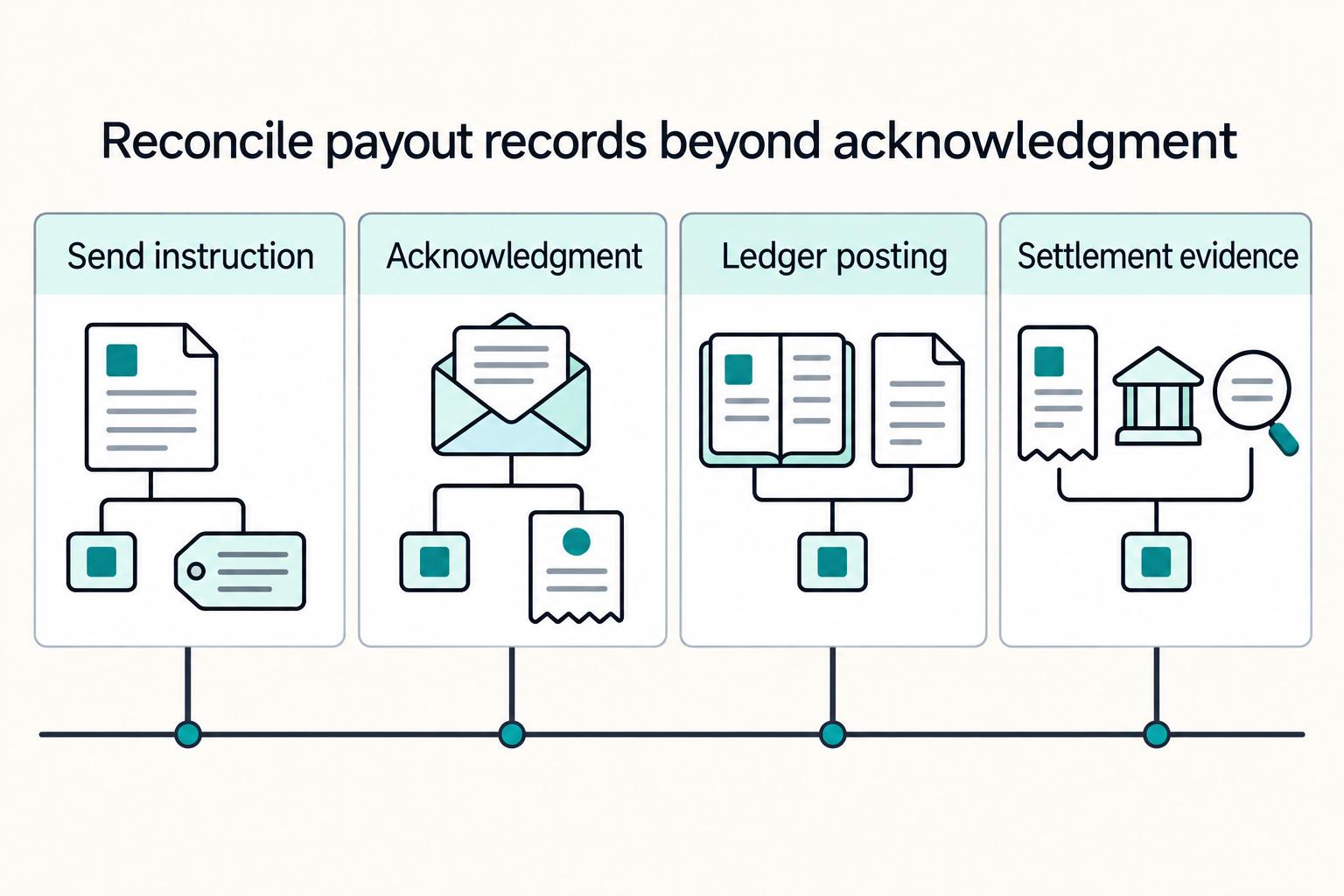
Step 5.1 reconcile each payment across four distinct records#
Do not collapse payment flow into one internal "success" state. For every Payouts item, reconcile these four checkpoints:
| Checkpoint | What it proves |
|---|---|
| Payout instruction | Your platform created and approved the send intent |
| Provider or rail acknowledgment | The message was accepted for processing |
| Internal ledger posting | Your books recorded the movement |
| External settlement confirmation | Cash movement settled on the payment path |
Treat external settlement confirmation as a separate requirement, not a byproduct of app success. A provider acknowledgment alone does not fully close reconciliation. Mark a payout fully reconciled only when external confirmation and internal posting both exist, match amount and currency, and map to the same payout identifier.
Step 5.2 preserve records that explain Virtual Accounts and cash movement without reconstruction by hand#
Keep records that can reconstruct material financial transactions, not just status snapshots. Each payout should retain durable join keys to the funding movement and to inbound cash events that changed available position before release.
For Virtual Accounts, preserve both references when transactions post to a linked physical account. Keep the virtual account identifier used by ops and customer views, and the linked physical account posting reference used in treasury and bank reporting. Without both, teams end up rebuilding cash lineage by hand.
Your incident evidence pack should include:
- event timeline: instruction, acknowledgment, settlement confirmation, ledger post, and any correction entry
- operator actions: who paused sends, approved funding, and resumed release
- identifiers and values: message IDs, payout IDs, account references, amount and currency across layers
- resolution state: cleared, still open, or moved to suspense or exception handling
If an external party is involved, keep their acknowledgments and balance confirmations with the same incident file.
Step 5.3 add close gates that force breaks into the light#
Before finance close, set two internal gates: a daily break check and an exception aging review. The break check surfaces current mismatches across instruction, acknowledgment, settlement, and ledger. The aging review surfaces unresolved items that are turning into control risk rather than normal timing.
Do not allow open-ended exception queues. For each unresolved item, assign an owner, opened-at timestamp, last-action timestamp, and next expected step. This aligns with examination focus on management review of suspense and aging reports.
Practical rule: if a break involves a settled FedNow or RTP payment, escalate before close even when customer impact appears contained. For ACH, some pending states can be timing-related, but label them explicitly as timing-related rather than leaving unexplained mismatches. If you are a New York covered entity under 23 NYCRR 500.6, keep these audit-trail records for not fewer than five years.
Step 6 add compliance gates without freezing good payouts#
The control split is straightforward: run identity and business checks at onboarding, then run a narrower risk gate at payout release. If you move everything to release time, you can slow good payouts and still miss preventable onboarding risk.
Step 6.1 place checks at onboarding first, then at release#
Make onboarding the heavy gate. For individuals, use a CIP-aligned identity process where your program requires it. For legal entities, 31 CFR 1010.230 ties onboarding to identifying beneficial owners at new account opening, so your KYB record should capture beneficial-owner data, reviewer identity, and approval timing.
Make release the targeted gate. At release, run checks tied to release risk, such as sanctions status, transaction-level AML controls required by your program, and post-onboarding restrictions. This matters on instant rails because RTP payments generally cannot be revoked after submission, so a required policy block should happen before release.
Keep one caveat explicit: gate depth is not universal. FFIEC guidance frames AML controls as risk-based. Rail or sponsor-bank rules can add program-specific milestones. For example, RTP OBO rules include an April 16, 2026 compliance milestone. Confirm exact gating behavior with your bank, processor, and rule set before go-live.
Step 6.2 separate compliance holds from liquidity incidents#
Treat compliance and funding as different incident types. A blocked payout is not automatically a liquidity shortfall, so your queue should make compliance_hold and liquidity_hold visibly distinct.
That split prevents bad triage. FedNow LMT is a funding tool for instant-payment liquidity needs, while OFAC blocks and rejects follow compliance workflows with their own reporting logic and deadlines. If sanctions policy stops a payout, route it through compliance handling, retain transaction identifiers, and keep it separate from liquidity remediation.
Use a daily exception check to enforce this split: for each held item, classify it as policy, insufficient funds, or rail processing. If the owner cannot prove the class from status plus evidence, your hold model is too loose.
Step 6.3 require evidence for release decisions and overrides#
Make every manual release or override fully traceable. A reviewer should be able to reconstruct the decision without asking for extra context.
| Evidence area | What to retain | Notes |
|---|---|---|
| Transaction details | Payout ID, account number or reference, amount, currency, and screening or transaction reference numbers | OFAC rejected-transaction reporting calls for identifying transaction details, including reference numbers, account numbers, and dates |
| Decision outcome | Hold reason and disposition: released, rejected, or blocked | Make every manual release or override fully traceable |
| Approval record | Approver, approval timestamp, and policy basis | A reviewer should be able to reconstruct the decision without asking for extra context |
| Support file | Linked case notes or supporting documents | Blocked-property reporting has a 10-business-day timeline when property becomes blocked, and required Chapter X records must be retained for five years |
At minimum, retain:
- payout ID, account number or reference, amount, currency, and screening or transaction reference numbers
- hold reason and disposition: released, rejected, or blocked
- approver, approval timestamp, and policy basis
- linked case notes or supporting documents
This is operationally necessary, not optional paperwork. OFAC rejected-transaction reporting calls for identifying transaction details, including reference numbers, account numbers, and dates. Blocked-property reporting has a 10-business-day timeline when property becomes blocked, and required Chapter X records must be retained for five years.
Before go-live, re-check current beneficial-owner requirements in primary-source policy and program interpretation. Do not lock release logic to secondary summaries alone.
Step 7 test failures before launch, not during an outage#
Run failure drills before go-live so your first live incident is not also your first experiment. The minimum bar is to simulate known failure types, prove retries cannot duplicate payouts, and require cross-functional sign-off on the results.
Step 7.1 run rail-specific drills, not generic outage tests#
Use scenario-driven simulations tied to how each rail actually behaves. FedNow Service and ACH do not fail on the same timing model, so a generic outage test is not enough.
| Drill | What to test | Timing or evidence note |
|---|---|---|
| Low-balance event | Simulate a low-balance event before payout release | Record when the balance alert fired and when sends were stopped |
| Rail delay | Compare ACH delay versus live instant-rail processing | FedNow processes continuously, while Same Day ACH runs on scheduled windows |
| Webhook lag or duplicate delivery | Simulate webhook lag or duplicate delivery | Treat delayed and duplicate delivery as normal operating conditions |
| Reconciliation mismatch | Test a mismatch between payout instruction, provider acknowledgment, and settlement record | Require a timestamped event timeline and record when finance verified the resulting position |
Start with four drills:
- low-balance event before payout release
- rail delay on
ACHversus live instant-rail processing - webhook lag or duplicate delivery
- reconciliation mismatch between payout instruction, provider acknowledgment, and settlement record
Model timing correctly. FedNow processes continuously, including across the cycle-day transition at about 7:01 p.m. ET, with no disruption in message or transaction processing. Same Day ACH runs on scheduled windows, including a late window with file submission at 4:45 p.m. ET, availability at 5:30 p.m. ET, and settlement at 6:00 p.m. ET.
For each drill, require a timestamped event timeline. Record when the balance alert fired, when sends were stopped, which rail each payout was queued to, and when finance verified the resulting position.
Step 7.2 prove idempotent retries before you trust automation#
Before you trust automation under stress, prove duplicate protection in both your payout API and webhook handlers. An idempotency key lets the server recognize retries of the same request so you can repeat safely without creating a second object.
Test two failure modes deliberately:
- replay the same payout-creation request with the same idempotency key after a timeout or synthetic 500, and confirm you get the original result instead of a second payout
- resend the same webhook event, and confirm your handler does not post the ledger twice or release a payout twice
Webhook delivery can be asynchronous, and the same event can be delivered more than once. Treat delayed and duplicate delivery as normal operating conditions. Capture evidence for each test: request ID, idempotency key, payout ID, webhook event ID, and final ledger outcome.
Step 7.3 validate your incident sequence#
Choose and rehearse a recovery order until execution is routine. One practical sequence to test is: detect, contain, replenish, requeue, reconcile, and close.
For FedNow Service, make replenish explicit because the service includes liquidity management transfer capability, with weekday LMT processing hours of 7 p.m. ET to 7 a.m. ET. For ACH delays, requeue may mean waiting for the next eligible Same Day ACH window or adjusting customer messaging, not forcing instant release.
Do not resume queued sends until reconciliation confirms which items were never submitted, which were acknowledged, and which reached settlement. Settlement through FedNow is final, so this checkpoint is operationally critical.
Step 7.4 require cross-functional launch sign-off#
Before production, set written cross-functional sign-off on scenario outcomes. FFIEC expects board and senior management to provide for appropriate exercises and tests, and FedNow onboarding requires certification before production, including specific test cases and operational readiness attestation.
Keep sign-off short and concrete: tested scenarios, observed outcomes, unresolved gaps, owner, and target fix date. If any scenario still requires manual reconstruction to explain balances or payout status, delay launch.
We covered this in detail in Global Treasury Management for Platforms Across 50+ Countries.
Common mistakes that create preventable payout failures#
Many preventable payout failures come from operating design, not just funding levels. A common pattern is rail behavior being blurred, compliance and liquidity getting mixed, off-hours ownership staying unclear, and incident evidence arriving too late.
1. Treat instant rails as different rails, not faster ACH
Model instant rails on their own behavior, not as accelerated ACH. FedNow Service is designed for uninterrupted 24x7x365 processing, while ACH is business-day based, open 23 1/4 hours each business day with four daily settlements. The Clearing House RTP network also uses final, irrevocable settlement for credit transfers, so recovery options are not ACH-like.
Keep rail-specific monitoring and stop-send logic. For FedNow, use dedicated monitoring and alerting capability rather than a single generic "payments delayed" status. If queued payouts, available prefund, and rail status are all merged, diagnosis will be slower.
2. Separate compliance holds from liquidity holds
Keep customer-identification and AML review workflows separate from low-balance or prefunding failures. Compliance events can create blocked-payment workflows that are different from liquidity shortfalls, and Customer Identification Program controls are part of the AML compliance program. If these queues are blended, teams can add funds for payouts that are actually held for compliance reasons.
Use one primary reason code per delayed payout and expose it in both ops and finance views. A held payment should be explainable immediately as compliance review, blocked payment, insufficient prefund, rail delay, or manual exception.
3. Assign off-hours authority before you self-manage
Self-managed liquidity is harder to run safely if no one can act when incidents happen, including nights and weekends. FedNow participation includes availability and service-level expectations, and liquidity management transfers can be handled directly or through service providers. If off-hours authority is weak, a funding agent or correspondent partner may be the safer model.
Test this before launch: page the overnight owner, confirm approval authority, and verify credentials and escalation paths.
4. Preserve evidence during the incident, not after it
Treat evidence capture as part of incident response, not cleanup. Record-preservation rules can require full and accurate transaction records, with some records retained for five years and certain blocked-transaction records available for examination for at least 10 years.
At minimum, tie together payout instruction, provider acknowledgment, settlement confirmation or block status, timestamps, and operator actions. If finance or audit cannot reconstruct the flow from records alone, the control design still needs work.
The takeaway and a copy-paste launch checklist#
Start with one decision: who owns settlement liquidity. Then make monitoring, escalation, reconciliation, and compliance controls follow that choice. If you treat ACH, FedNow Service, and The Clearing House RTP network as one generic path, failures get misrouted.
Rail behavior is not the same. FedNow Service is built for near real-time processing at any time and includes liquidity management transfers between participants. The RTP network is also always on and positions settlement as final, while ACH is business-day oriented with 23 1/4 hours every business day and four settlements per day. The goal is clear operating boundaries, not just larger balances.
Copy-paste launch checklist
- Confirm your rail map and timing behavior (
ACH,FedNow Service,The Clearing House RTP network).
Document which payout types use each rail, expected posting and settlement timing, and fallback behavior when a preferred rail is unavailable.
- Choose ownership model: self-managed vs
funding agentorcorrespondent partner.
Decide this before launch. For FedNow, document the exact settlement path, whether that is your institution's Federal Reserve master account, a correspondent's master account, or a joint-account structure.
- Document account paths and prefunding movement where required, including emergency replenishment.
Capture normal top-ups and emergency funding steps with clear ownership and traceable records.
- Implement live monitoring with escalation ownership and rail-specific stop-send criteria.
Track available settlement position, queued payouts, and reconciliation lag in near real time, with named off-hours decision owners.
- Validate reconciliation evidence for
Payouts.
For each payout, retain a clear chain from instruction to provider response, internal ledger entry, and settlement outcome.
- Verify compliance gates (
CIP,CDD, beneficial ownership, andAMLcontrols) and incident separation logic.
Keep liquidity incidents separate from verification and AML review queues, with distinct reason codes, owners, and approval evidence.
- Run failure simulations and confirm internal launch readiness ownership.
Test low-balance scenarios, acknowledgment delays, fallback behavior, and reconciliation mismatches so teams can contain, recover, and evidence the outcome quickly.
If you need to pressure-test rail coverage, escalation ownership, and launch controls for your flow, talk with Gruv.
Frequently Asked Questions
What does “funds ready to pay” mean for a platform using instant rails?
It means you can release a payout now and the recipient gets funds immediately, with near real-time interbank settlement. On instant rails, that is an operating requirement, not just a treasury preference. In practice, your balance at the settlement point and your payout queue should agree before you open the send path.
Why do instant payouts increase intraday liquidity pressure compared with `ACH`?
Because ACH follows business-day windows, including 23 1/4 processing hours each business day and four settlements per day. Instant rails are designed for 24x7x365 processing with immediate funds availability. That shifts liquidity management from batch timing to continuous readiness, including nights, weekends, and holidays.
How do we choose between self-managed prefunding and a `funding agent`?
Choose self-management only if your team can monitor, approve, and replenish liquidity without business-hour gaps. On FedNow, participants settle in their own Master Account or through a single correspondent, and FedNow does not require a separate prefunding account. On RTP, senders must meet the Prefunded Requirement directly or through a funding agent (minimum $25,000). If off-hours authority is limited, a funding agent can reduce operational risk by managing settlement liquidity continuously.
What minimum controls are required for 24/7 liquidity operations?
Start with direct balance visibility at the settlement point and near-real-time reconciliation using advice or acknowledgment messages. Add clear ownership and a defined stop-send or reject rule when balances breach your operating threshold. The control test is simple: at any hour, your team can verify balances, confirm what settled, and execute the approved top-up path without delay.
What is the practical risk difference between underfunding and overfunding?
Underfunding is an immediate continuity risk because sending can stop when required prefunded levels are not met. Overfunding is a capital-efficiency risk because excess prefunded balances should be tied to reasonably anticipated liquidity needs. If you see repeated emergency top-ups, you may be underfunded. If excess balances sit without matching payout demand, you may be overfunded.
How should we separate liquidity incidents from `KYC`/`AML` payout holds?
Treat them as separate queues with separate reason codes and owners. AML and CDD controls are for monitoring, detecting, and reporting suspicious activity, while liquidity incidents are balance and settlement-readiness issues. For each held payout, keep evidence that clearly shows whether the block was compliance review, liquidity, or rail-related.
Try a related tool
Researched and edited by the Gruv editorial team. Gruv builds cross-border billing, payouts, and finance-operations software for global businesses.
Sources
- bsaaml.ffiec.gov/docs/resources/FDIC_DOCs/BSA_Manual.pdftrusted
- bsaaml.ffiec.gov/manual/AssessingTheBSAAMLComplianceProgram/01trusted
- ecfr.gov/current/title-31/subtitle-B/chapter-X/part-1...trusted
- ecfr.gov/current/title-31/subtitle-B/chapter-X/part-1...trusted
- fdic.gov/sites/default/files/2024-03/fil16035.pdftrusted
- fdic.gov/resources/supervision-and-examinations/exami...trusted
- federalreserve.gov/paymentsystems/fednow_about.htmtrusted
- federalreserve.gov/paymentsystems/files/interest_on_rtp_joint_b...trusted
Educational content only. Not legal, tax, or financial advice.
Related Posts
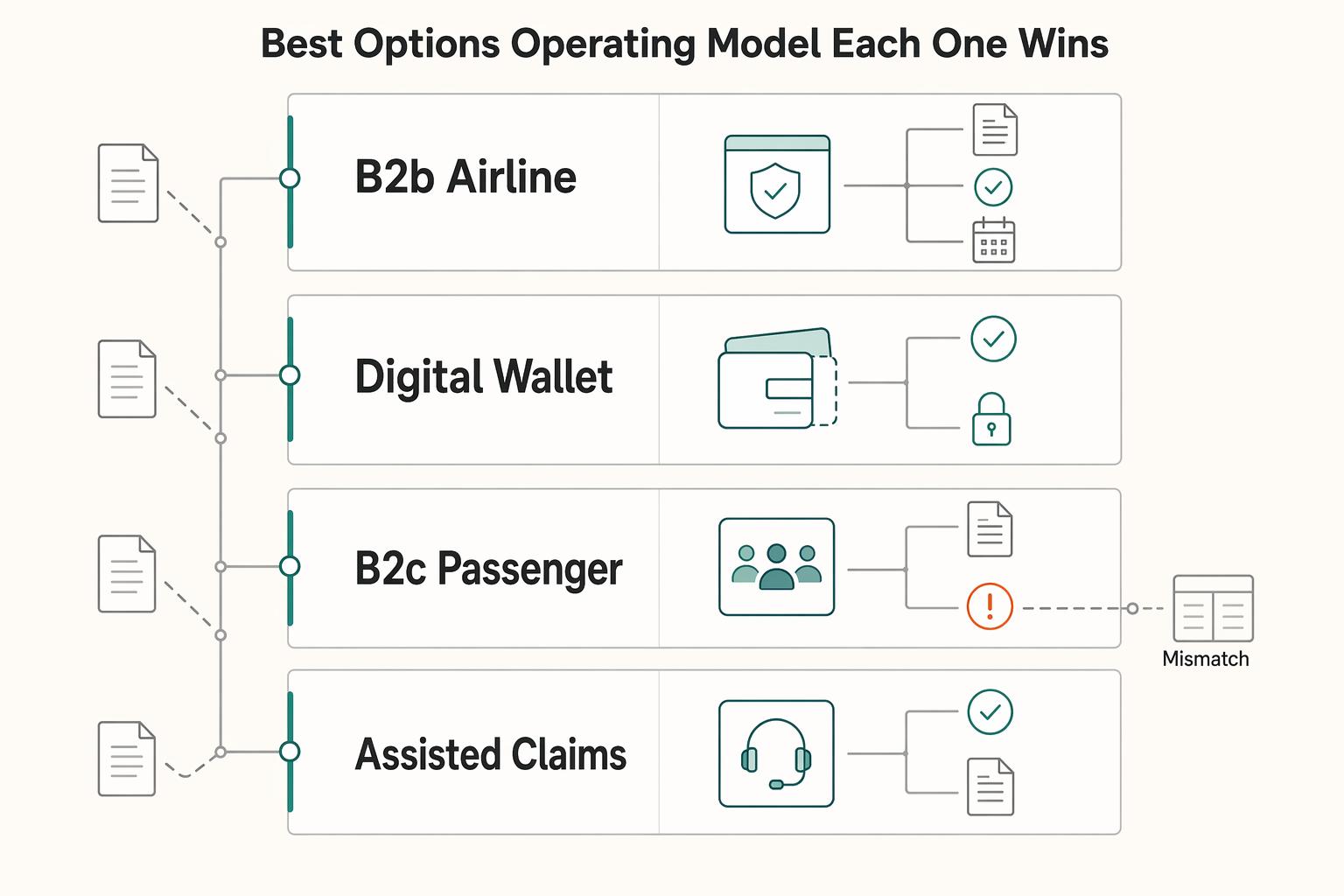
Airline Delay Compensation Payments for Customer Experience and Control
If you are evaluating an `airline compensation payments customer experience delays platform`, split the work into three lanes first: legally owed refunds, discretionary compensation, and outsourced claims recovery. Vendor pages often blur these together, but they lead to different policy choices, ledger treatment, and customer outcomes.
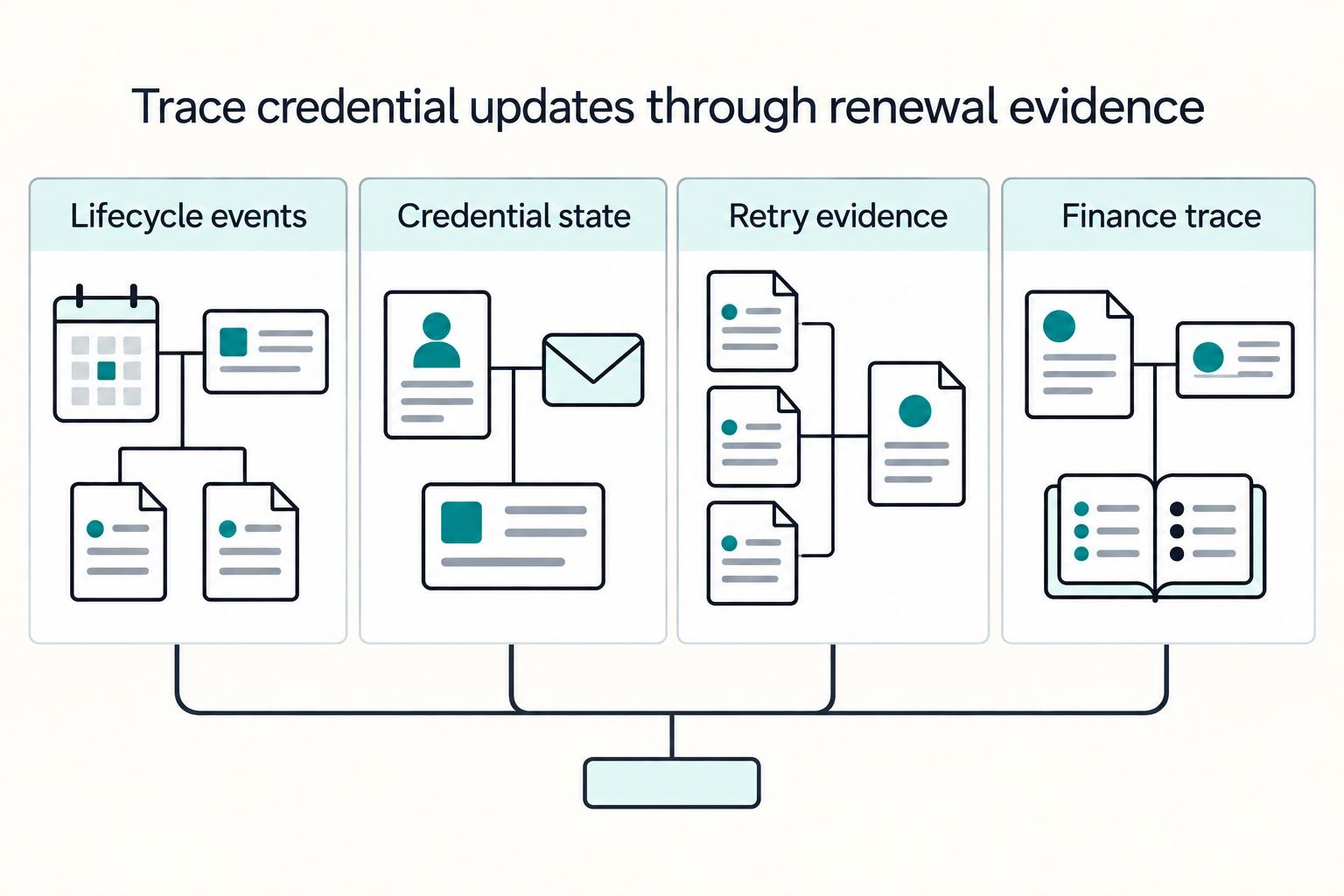
Expired Card Management for Platform Teams Scaling Card-on-File Payments
If you run card-on-file payments across products or merchant entities, this guide is about operating decisions, not billing basics. The real question is not whether you have an updater. It is which credential failures you actually cover, what still falls through, and how you will prove outcomes in logs and reconciliation.
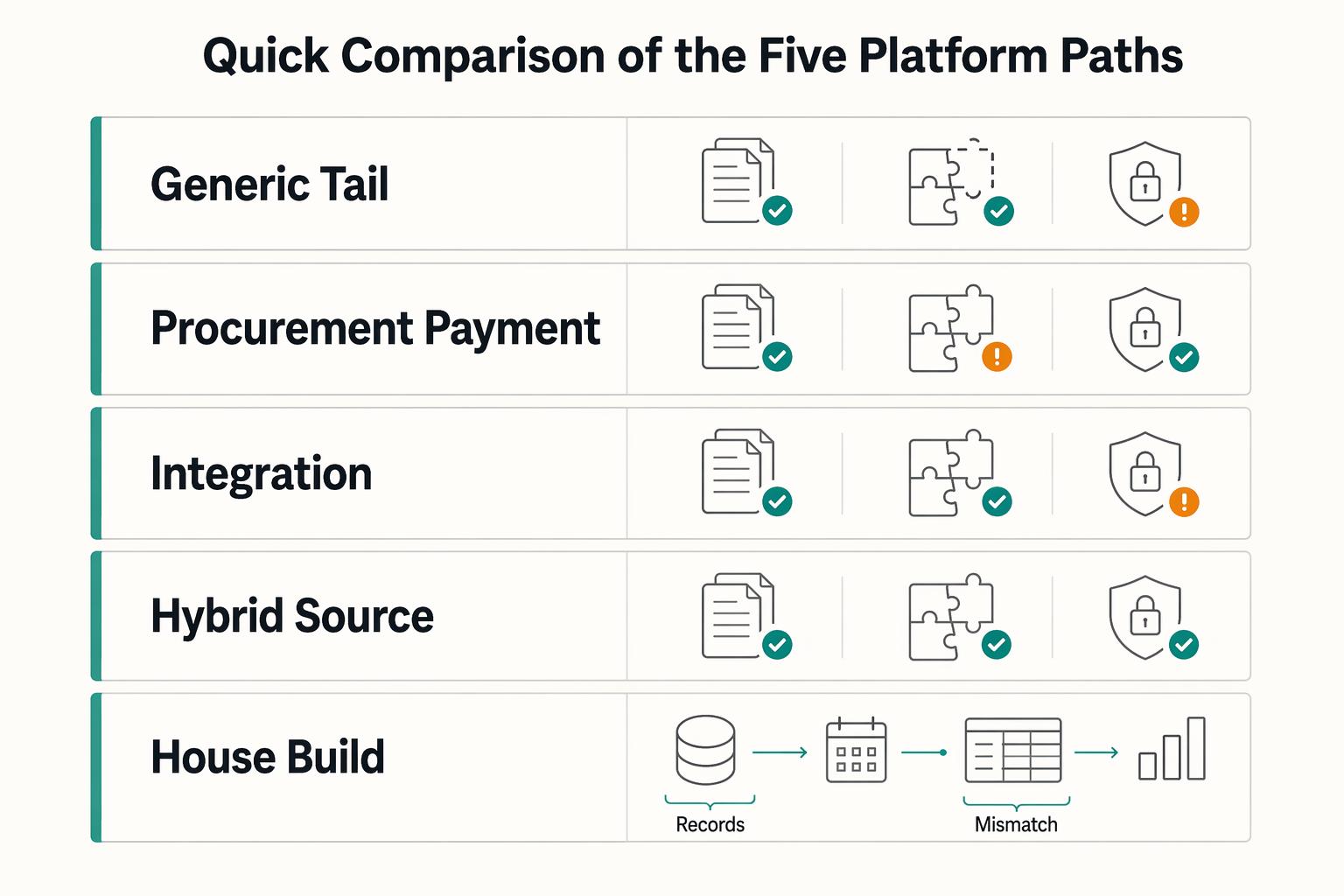
Choosing a Tail-End Spend Management Platform for Long-Tail Contractor Payments
Tail-end spend management can start to break down when long-tail contractor payouts begin to scale. Tools built for low-value, low-visibility procurement can tighten approvals and policy. They are not automatically built for payout-state tracking, retry safety, payout failures, or reconciliation evidence. That gap is the real decision here.