
Quick Answer
Use a launch sequence, not salary pages, to decide how to pay translators and interpreters across countries. Start with scope and evidence packs, then clear KYC, KYB, and tax gates before any disbursement. Require payout eligibility only after identity and business checks pass, with Form W-9 collected where applicable. Keep HIPAA obligations on a separate control path, choose rails by assignment urgency, and approve go-live only after traceable reconciliation and retry-safe payout tests.
What It Takes to Pay Translators and Interpreters Globally#
Use Indeed, ZipRecruiter, and Vaia Talents for market signal only: they help you gauge demand and pricing, but they do not tell you how to run cross-border payouts.
Before you start#
Step 1. Separate hiring signal from payout execution. Indeed can tell you whether the market is active. One cited page showed 3,257 translator interpreter jobs. ZipRecruiter can tell you what posted compensation looks like. Its March 2026 interpreter salary page showed a national average annual salary of $66,330, based on job posting data it scans across millions of active listings. Vaia Talents helps you see how roles are presented to students and graduates. Those are useful signals, but they do not answer the questions that matter once you need to move money to providers in different countries.
For a platform operator, cross-border payouts start where salary pages stop. The inputs that matter are payout methods, currency conversion, local regulation, onboarding requirements, and what happens when onboarding data is incomplete. Use a simple checkpoint: if a source only gives you job volume, job titles, or salary estimates, put it in your market-signal folder, not in your launch approval pack.
Step 2. Define the decisions this guide is meant to support. This guide is for operators deciding where to launch first, how to pay translators and interpreters reliably, and how to reduce surprises around exceptions and reconciliation. The goal is practical: take hiring-market signal and turn it into a country-by-country payout decision plan with explicit checks, tradeoffs, and a clear reason to say yes, not yet, or no.
That distinction matters early because a common failure mode is false confidence. A team sees strong hiring activity, assumes the corridor is ready, and only later finds out that payout setup, verification data, or local handling can create more manual work than expected. From there, operations can end up improvising around exceptions instead of launching from a controlled position.
The outcome you want from the next sections is straightforward: a shortlist of countries that are attractive not just on paper, but operationally, plus a written basis for why they should launch first. If a market looks promising on Indeed or ZipRecruiter but you cannot validate the payout side yet, keep it in research. If demand is slightly lower but the payment side is clearer and easier to reconcile, that market may deserve to go first.
Start with decision scope, not salary pages#
Define payout operations first, then model compensation format. Indeed and ZipRecruiter are useful for pricing context, but they are not payout-design guidance.
- Use salary pages as market signal only.
Indeed shows a U.S. interpreter benchmark of $29.95 per hour, and the cited ZipRecruiter snapshot shows a middle band of $50,000 to $69,000. Use that for budgeting and provider economics, not for payout rails, onboarding requirements, or launch sequencing.
- Use GLS-style job listings as role-pattern evidence.
The cited listing shows on-site and remote interpretation, medical consultations, and urgent telephonic work with a 90-second response target, plus on-site assignments in Florida, Puerto Rico, and the U.S. Virgin Islands. Treat this as operating-shape input, not infrastructure proof.
- Write scope decisions before pay-format debates.
Capture the basics: role mix ("Translators do the writing. Interpreters do the talking."), regulated-context share (for example, healthcare/legal work where confidentiality or contract obligations are referenced), and first jurisdictions.
If your team is still stuck on hourly vs annual first, pause and finish this one-page scope. It prevents a common mistake: using job-board demand data as a substitute for payout-operability decisions.
Related reading: How Platform Teams Pay Brazil Contractors with Pix.
Gather prerequisites before payout design#
Lock these prerequisites before you choose payout rails. If classification, onboarding data, and compliance context are unclear, payout design is mostly guesswork, and failed payments often trace back to setup data quality.
Step 1. Build a country- and segment-specific evidence pack#
Create one evidence pack per launch country and worker segment, at least individual linguists and legal-entity vendors. Put your classification assumption first, because tax treatment differs between employees and independent contractors.
For each segment, define the onboarding data required for verification:
- individuals: enough data for risk-based CIP identity verification (KYC)
- legal entities: beneficial-owner identification and verification (KYB)
Keep each pack operational: required fields, expected documents, verification owner, and payout-eligibility rule. This matters because payment setup can require up to ten pieces of information, and insufficient data is a known contributor to failed payments.
Step 2. Map compliance by use case, not provider type alone#
Tag each service line by compliance context before launch. Medical interpretation requires HIPAA-aligned privacy handling for medical records and other personal health information.
Public-sector work needs a separate check path. The Service Contract Act can apply to prime service contracts over $2,500 and can add locality-based wage and fringe obligations, which may affect onboarding and payout approvals.
Step 3. Document language concentration risk before launch#
Map where demand clusters so support, liquidity, and exception handling are planned in advance. Use ACS state/county language-use data with your internal demand forecast to flag corridors where one language is likely to dominate.
Your readiness check is simple: for each launch corridor, name the primary language concentration, likely provider segment, and required compliance tags. If you cannot do that, you are not ready to select rails.
With this evidence pack in place, you can compare launch options by operational readiness rather than optimism.
Related: How to Pay Interpreters and Court Reporters: Compliance for Legal Services Platforms.
Choose launch countries with an evidence matrix#
Use an operational-readiness matrix to sequence launch: start where tax and onboarding branches are clear, settlement behavior is confirmed in your stack, and support can recover quickly from exceptions.
Build the matrix before you pick a market#
Score each launch candidate on four factors: onboarding friction, settlement predictability, expected exception pressure, and compliance overhead (KYC, KYB, and HIPAA-related handling when healthcare interpretation is in scope).
Florida is usually simpler for natural persons because state framing reinforces no state income tax on natural-person residents. Puerto Rico and the U.S. Virgin Islands require tighter tax branching, because territory filing outcomes can differ by residency and income source.
| Launch candidate | Onboarding friction | Settlement predictability | Compliance overhead | Expected exception pressure | Do not launch yet trigger |
|---|---|---|---|---|---|
| Florida | Lower for individuals when core KYC data is complete | Higher confidence when tax handling is straightforward for natural persons | Lower relative tax complexity; HIPAA controls still depend on use case | Lower if onboarding data is complete | Hold if agency KYB beneficial-owner data is missing |
| Puerto Rico | Medium, because treatment can change by bona fide residency and income source | Moderate; at least one major U.S. bank documents Puerto Rico as domestic ACH | Medium to high if territory tax branching is not explicit in onboarding | Medium if ops cannot resolve residency and tax profile at onboarding | Hold if residency evidence and tax declarations are not captured up front |
| U.S. Virgin Islands | Medium to high, especially for territory tax handling | Lower confidence until routing is validated in your provider stack | High, because bona fide residents file in the Virgin Islands with the Bureau | Higher until exception recovery is proven in live ops | Hold until test payouts and territory tax handling pass real-case checks |
This is an operator matrix, not a demand ranking.
Treat territory tax questions as hard launch gates#
For Puerto Rico and the U.S. Virgin Islands, onboarding should explicitly capture territory-residency inputs. IRS guidance includes a 183-day physical-presence input in bona fide residency analysis, and required Form 8898 failures can carry a $1,000 penalty. If your team cannot explain when this branch applies, do not scale those corridors yet.
Run a concrete gate test: take sample provider profiles in each market and confirm, from collected data alone, whether payout approval can proceed without manual tax escalation. For Puerto Rico, verify domestic-ACH treatment in your actual bank/provider configuration instead of assuming uniform behavior across providers or extending that assumption to the U.S. Virgin Islands.
Sequence by recovery speed, not headline demand#
Launch first where you can fix a rejected payout or tax mismatch with one clear follow-up request and a short support loop. For many teams, that means Florida first, Puerto Rico next after residency/tax branching and routing are validated, and U.S. Virgin Islands in a hold column until live-case payout and territory-tax handling are proven.
Keep HIPAA scoped correctly: it affects health-information handling controls, but it does not replace KYC, KYB, or territory tax logic.
If you need one rule: launch where documentation is complete, settlement behavior is predictable, and failure recovery is fast; defer markets that require repeated manual review for basic residency or tax determination.
Once launch order is clear, you can choose payout rails that fit each market's operating reality.
Pick payout rails by assignment pattern and urgency#
Pick rails by assignment pattern and urgency, not by one platform-wide default. Urgent phone or video interpreting and planned translation batches should not share the same payout lane.
Split flows into assignment queues#
Use three payout queues based on service patterns visible in providers like LanguageLine Solutions and Global Language System (GLS): urgent calls, scheduled sessions, and document translation batches. LanguageLine presents on-demand and scheduled interpreting across phone and video, and GLS describes instant-access phone interpreting plus video remote interpreting, so this segmentation is operationally grounded.
| Assignment pattern | Public service signal | Recommended payout posture | Why it fits |
|---|---|---|---|
| Urgent calls | Phone interpreting can connect in seconds; GLS offers instant-access phone interpreting | Faster rail where supported, such as FedNow Service | Aligns payout speed with immediate-response work |
| Scheduled sessions | Scheduled phone or video interpreting | Planned rail with clear cutoff handling, often ACH Network | Work is known ahead of time, so batching is predictable |
| Document translation batches | Providers also handle document and website translation | Batch rail, usually ACH, with fixed payout days | Delivery is easier to group and reconcile in cycles |
Use urgency to choose the lane. Job title alone is too broad when the same provider does both on-demand and scheduled work.
Set a primary rail and fallback rail#
Define a primary rail and fallback rail for each queue before launch. ACH is open for processing 23.25 hours every business day and settles four times daily, which fits planned disbursements and translation cycles. FedNow runs 24x7x365, which better matches urgent payout scenarios when your setup and counterparties support it.
For healthcare-linked assignments handled under HIPAA constraints, prioritize rails and workflows with strong payout-status visibility and fewer reconciliation blind spots. A common failure mode is mixing urgency classes: routing after-hours urgent work to ACH can create business-day timing delays, while routing all scheduled work to a faster rail adds complexity without a clear operational gain.
Add corridor rules for recurring language pairs#
Add corridor-level rules when a language pair recurs often enough to justify standard handling. For a recurring corridor such as Mandarin Chinese, pre-assign the preferred rail, approved fallback, and required beneficiary-detail checks so ops is not improvising at payout time. Census reporting shows English proficiency varies among Chinese speakers, with 48.2% reporting they speak English "very well," so English-only payout instructions are a weak default for error prevention.
Document each corridor rule with assignment type, primary rail, fallback rail, cutoff assumptions, and the exact artifact used when a payout is returned. If one corridor keeps rerouting or failing for beneficiary-detail fixes, pause auto-approval there until the rule is tightened.
Once rails are set, lock the approval gates that control who can enter each lane.
If you want a deeper dive, read How Translation and Language Service Platforms Pay Interpreters and Translators Globally.
Set compliance and tax gates before first disbursement#
Before first disbursement, enforce separate gates for identity, business verification where applicable, and tax readiness. In practice, run them in this order: KYC, KYB for legal entities, then tax completion. This keeps payout approvals defensible and reduces avoidable exceptions later.
| Control | What to check | Operator rule |
|---|---|---|
| KYC | CIP-aligned identity check with risk-based procedures | Do not mark beneficiary details payout-eligible until identity is verified |
| KYB | Beneficial ownership identification and verification for legal entities | Do not mark company payees payout-eligible until beneficial ownership checks are complete |
| Tax | Completed Form W-9 with a correct TIN for applicable U.S. payees | "Verified" is not the same as "tax ready"; backup withholding can apply at 24 percent if TIN conditions are missing or incorrect |
| HIPAA | PHI handling controls under the HIPAA Security Rule | "HIPAA cleared" should never be used as a proxy for "ready to pay" |
| Public-sector/SCA | Contract type, counterparty, and whether the work sits under a covered prime contract | Screen during onboarding and approvals; SCA can apply to prime service contracts over $2,500 |
Step 1. Verify the person, then the business entity#
Verify the person first, then verify the business when the payee is a legal entity. A CIP-aligned identity check is the starting control, with risk-based procedures to verify identity to the extent reasonable and practicable. For legal entities, add beneficial ownership identification and verification before disbursement approval.
Keep the outcome binary in ops: do not mark beneficiary details payout-eligible until identity is verified, and do not mark company payees payout-eligible until beneficial ownership checks are complete.
Step 2. Collect tax artifacts before the first payout#
Collect tax artifacts after verification clears and before first payout. For applicable U.S. payees, require a completed Form W-9 with a correct TIN before disbursement. If TIN conditions are missing or incorrect, backup withholding can apply at 24 percent on future payments.
Keep tax status separate from verification status in the operator view. "Verified" is not the same as "tax ready."
Step 3. Treat HIPAA and payout compliance as separate tracks#
Treat HIPAA and payout compliance as different control tracks. HIPAA governs PHI handling, and the HIPAA Security Rule sets standards for protecting electronic PHI. Those controls do not replace identity, beneficial ownership, beneficiary-detail, or tax gates for disbursement.
Operationally, keep payout evidence in payment records, not mixed into case or clinical threads. "HIPAA cleared" should never be used as a proxy for "ready to pay."
Step 4. Screen public-sector and regulated contracts early#
Screen for Service Contract Act implications during onboarding and approvals, not at release time. SCA can apply when services are performed on prime contracts in excess of $2,500, but not every language-services engagement is covered. Confirm contract type, counterparty, and whether the work sits under a covered prime contract before go-live.
Define written escalation paths so ops does not improvise:
- Failed verification: hold payout eligibility and route to compliance review with failed-check details and replacement evidence.
- Mismatched beneficiary details: stop payment and require corrected ownership evidence before retry.
- Incomplete tax artifacts: block disbursement until missing W-9 or TIN issues are resolved and recorded.
Implement the payout flow in strict order#
Once your KYC, KYB, and tax gates are closed, lock the payout flow so money movement follows the same retry-safe sequence every time: fund, record, quote (if needed), pay, reconcile.
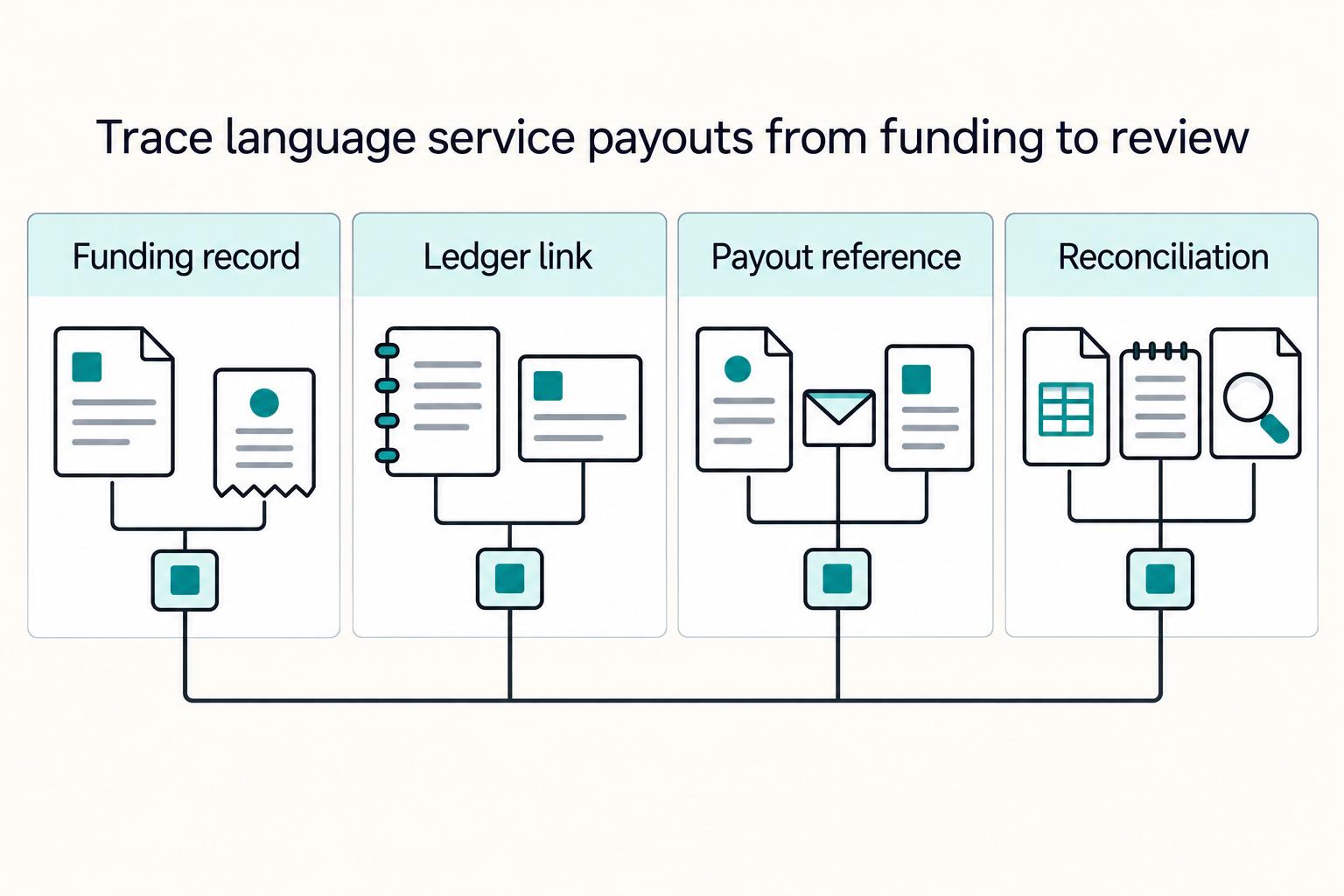
Step 1: Confirm funding and ledger readiness before payout creation. Treat "payment succeeded" and "ready to disburse" as separate states. Only allow payout creation after funds are posted and the payable is mapped to a ledger-linked internal ID, so you can trace exactly which invoice or client payment funded the payout.
Step 2: Apply FX only with an explicit valid quote. If conversion is required, execute against a current quote object and pass the quote ID at payment creation. If the quote expires, requote rather than manually overriding amounts.
Step 3: Make critical retries idempotent. Webhook delivery can be duplicated, so replay logic must be safe by design. Use idempotency keys on payout-creation paths so retries return the same payout object instead of creating a second disbursement.
Step 4: Expose operator statuses and reconcile with trace data. Give ops visible payout states, for example processing, posted, failed, returned, and canceled, and store payout references, including Trace ID when available. If expected funds are still missing after 10 business days, use that trace data for bank follow-up. Before go-live, complete end-to-end sandbox testing, including webhook transitions. Then validate traceability and reconciliation in at least one real corridor you plan to use, with funding, ledger, quote (if used), payout, and reconciliation records tied together.
Even with strict sequencing, exceptions will happen, so define stop and recovery rules before volume ramps.
For a step-by-step walkthrough, see How Platform Operators Pay Creators Globally Across YouTube, Twitch, and Substack.
Prevent common failure modes and recover quickly#
Most payout failures here come from data and verification gaps, not from payout intent. Use one recovery pattern every time: stop at the first mismatch, revalidate, and recreate the payout only from a clean approved record.
- Freeze beneficiary data after approval, then re-run KYC if anything changes.
Treat this as an internal control, not a universal provider mandate. If bank details or beneficiary identity fields change after approval, route the profile back through KYC before release. This reduces two documented outcomes: funds sent to the wrong account when incorrect details are on file, and returned payouts when destination accounts are invalid.
- Block batching when verification or compliance is unresolved.
Do not allow payables into a payout batch until required verification states are cleared. Stripe notes payouts can be disabled if required verification information is not provided by deadline, and Adyen notes failed verification leaves payouts not enabled. Add explicit internal hold states, including pending KYB review, so finance can see why a batch is short without guessing.
- Separate hiring signal from payout-launch readiness.
Indeed job pages and ZipRecruiter compensation estimates are hiring and salary context, not payout-infrastructure validation. If launch justification relies on those pages, require your country evidence matrix before approving go-live.
- Tag regulated work at intake, not during payout review.
Mark healthcare interpretation early when work can involve individually identifiable health information maintained by a covered entity. Add an upfront Service Contract Act screen for covered federal service contracts, especially those over $2,500. This prevents regulated legal or medical work from entering a generic payout queue and surfacing only after approval.
Conclusion#
Treat this as an operations launch decision, not a compensation-content exercise. Scale markets in the order your controls can support, then expand volume once onboarding, payout, and recovery checks hold up under real use.
- Step 1: Define scope by segment and jurisdiction.
Start with the actual mix of work you will pay for: urgent interpreter sessions, scheduled appointments, or translation batches. Then name the first jurisdictions explicitly, such as Puerto Rico and the U.S. Virgin Islands, because those territories should not be treated as generic state launches. For those territories, include tax-treatment review tied to IRS Publication 570, since it addresses whether a return must be filed with the territory.
- Step 2: Lock onboarding gates before the first payout.
Fix the gate order: identity verification, business verification where the payee is a business, then tax completion before disbursement. For U.S. reporting cases, collect Form W-9 so you have a correct TIN on file before money moves. If the work touches protected health information, handle HIPAA separately and confirm that the covered entity has the required written business associate arrangement. Privacy paperwork is not a substitute for payout compliance.
- Step 3: Screen regulated use cases early.
If public-sector work is in scope, check whether the McNamara-O'Hara Service Contract Act applies during onboarding and approvals, especially on prime contracts in excess of $2,500. Treat "language services" as a service category, not a compliance exemption, because contract structure can add a labor-standard review requirement. If you cannot document that review path, hold the segment back from launch.
- Step 4: Choose rails by urgency and define a fallback.
Urgent interpreter payouts need a rail built for continuous availability, not a weekly batch assumption. FedNow is relevant here because it operates in near real-time at any time, any day of the year. Scheduled translation cycles can often sit on batch rails. The tradeoff is cost and operational overhead versus speed, so set a fallback route before go-live rather than improvising when the primary path fails.
- Step 5: Prove traceability, retry safety, and recovery before launch.
Before launch, set explicit go/no-go criteria and test failure recovery on real payout scenarios. The verification point that matters most is end-to-end traceability: you should be able to follow one payout from approved beneficiary record to internal ledger entry, payout trigger, provider reference, and final reconciliation. Also require idempotency keys on retryable payout requests so transient errors do not create duplicate disbursements when you retry.
That is the practical checklist for running language-services payout operations without letting manual exceptions define the launch. If the controls are strong in the first corridor, scale gets much easier. If they are weak, volume only makes the gaps more expensive.
Frequently Asked Questions
What does a language-services platform need in place before paying translators and interpreters globally?
Before first disbursement, you typically need a clean onboarding record, an approved beneficiary profile, applicable identity and entity checks where relevant, and tax collection such as Form W-9 to obtain a correct TIN where applicable. If you handle HIPAA-regulated work, treat that as a separate gate: the covered entity must have a written business associate contract or similar arrangement with the business associate. A practical checkpoint is that the beneficiary name, tax name, and payout account align with the approved record before release.
How is payout infrastructure different from salary benchmarking data on Indeed or ZipRecruiter?
Salary pages are market signal, not payout evidence. ZipRecruiter states its compensation estimates are not verified by the employer posting the job and are generated from job metadata such as title, location, and company. Use that to gauge demand and pricing pressure, but not as evidence that your onboarding, tax, or payout controls are launch-ready.
Which checks should happen before first payout in a new country: KYC, KYB, tax, or all three?
Run all applicable checks before payout, not after. For legal entities, include beneficial-owner identification at account opening; for tax onboarding, collect the right form and TIN data where required, including Form W-9 for relevant U.S. reporting cases. Sequencing matters: if owner or tax artifacts are missing when payout is queued, release can be delayed.
How should operators choose between urgent payout rails and batch payout rails for interpreters?
Match the rail to the assignment pattern. For urgent interpreter work, use a rail that supports near real-time availability, such as FedNow, which operates in near real-time at any time, any day of the year. For scheduled translation or predictable weekly interpreter payouts, batch rails are often a better fit. If you rely on Same Day ACH, plan around the 4:45 p.m. ET submission window, because missing that cutoff can push a payout into the next cycle.
What should be validated before launching in places like Florida, Puerto Rico, or the U.S. Virgin Islands?
Validate end-to-end traceability, tax onboarding, beneficiary-data quality, and your chosen rail cutoffs. For Puerto Rico and the U.S. Virgin Islands, add territory-specific checks instead of assuming state treatment, especially around operating context and tax-return treatment, since IRS Publication 570 addresses whether a return must be filed with the territory. If your team cannot document that treatment clearly, pause launch rather than forcing manual exceptions later.
How do you reduce payout failures in multilingual networks with high Mandarin Chinese volume?
Start by sizing the concentration with a real data source, not guesswork. The U.S. Census Bureau collects language data annually in the American Community Survey (ACS), which gives you a defensible way to estimate where language concentration may create support and exception volume. Operationally, that means tighter beneficiary-data QA, bilingual support coverage where needed, and test payouts in the highest-volume segment before scaling batch volume.
Try a related tool
Researched and edited by the Gruv editorial team. Gruv builds cross-border billing, payouts, and finance-operations software for global businesses.
Sources
- bir.vi.gov/article/bir-reminds-v-i--residents-to-file-i...trusted
- census.gov/topics/population/language-use/data.htmltrusted
- census.gov/newsroom/press-releases/2023/language-at-hom...trusted
- cms.gov/about-cms/information-systems/privacy/health...trusted
- dol.gov/agencies/whd/government-contracts/service-co...trusted
- ecfr.gov/current/title-31/subtitle-B/chapter-X/part-1...trusted
- ecfr.gov/current/title-31/subtitle-B/chapter-X/part-1...trusted
- federalreserve.gov/paymentsystems/fednow_about.htmtrusted
Educational content only. Not legal, tax, or financial advice.
Related Posts
How Translation and Language Service Platforms Pay Interpreters and Translators Globally
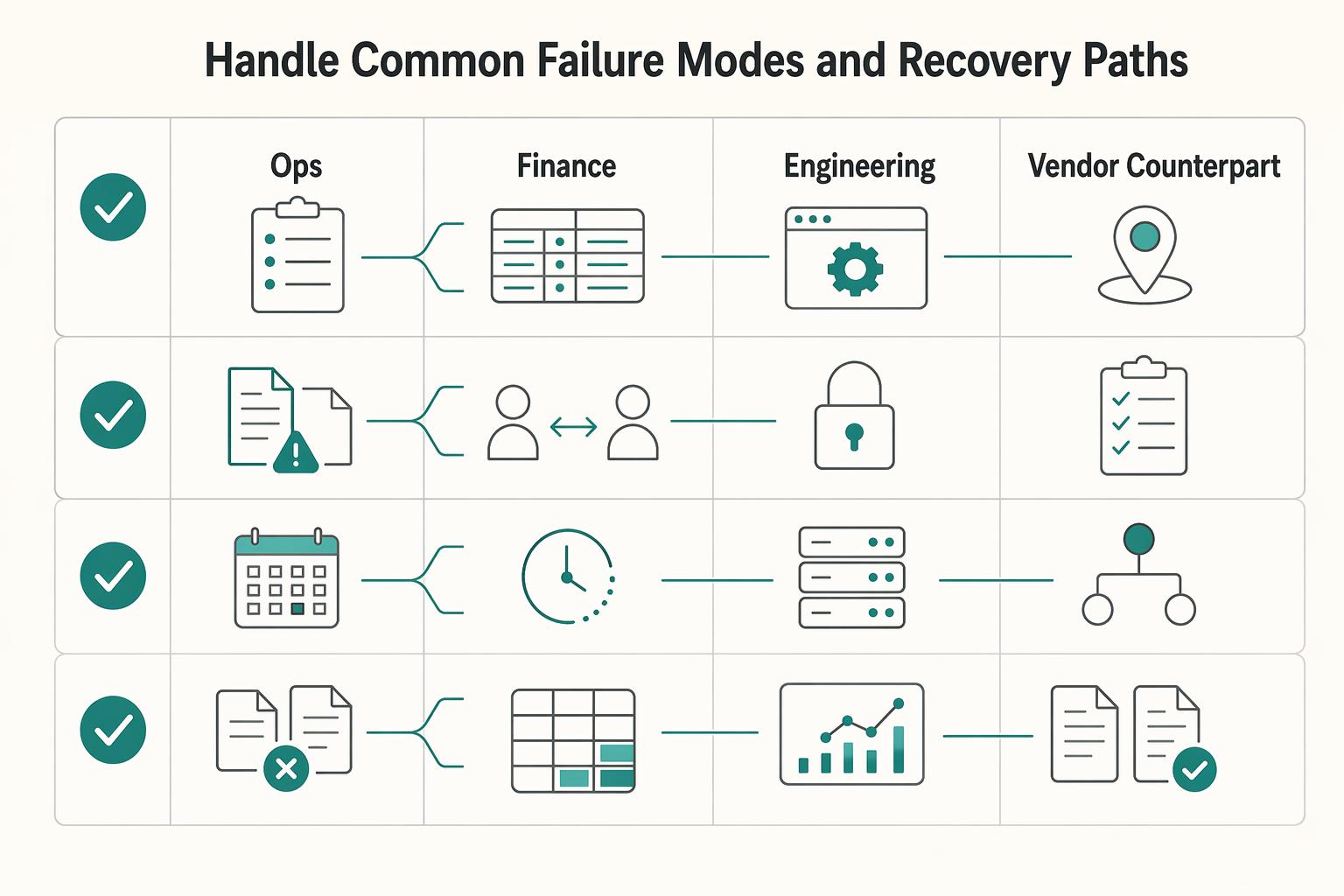
**Step 1. Start with the payment model question, not the vendor list.** If you are evaluating this category, the first useful decision is not which language company looks strongest on a landing page. It is which model lets you source work, verify completion, release funds, and close payout exceptions in the countries you actually want to enter. This article helps you choose that model market by market, so you can make a grounded call before you commit product scope or go-to-market time.
How Legal Platforms Pay Interpreters and Court Reporters
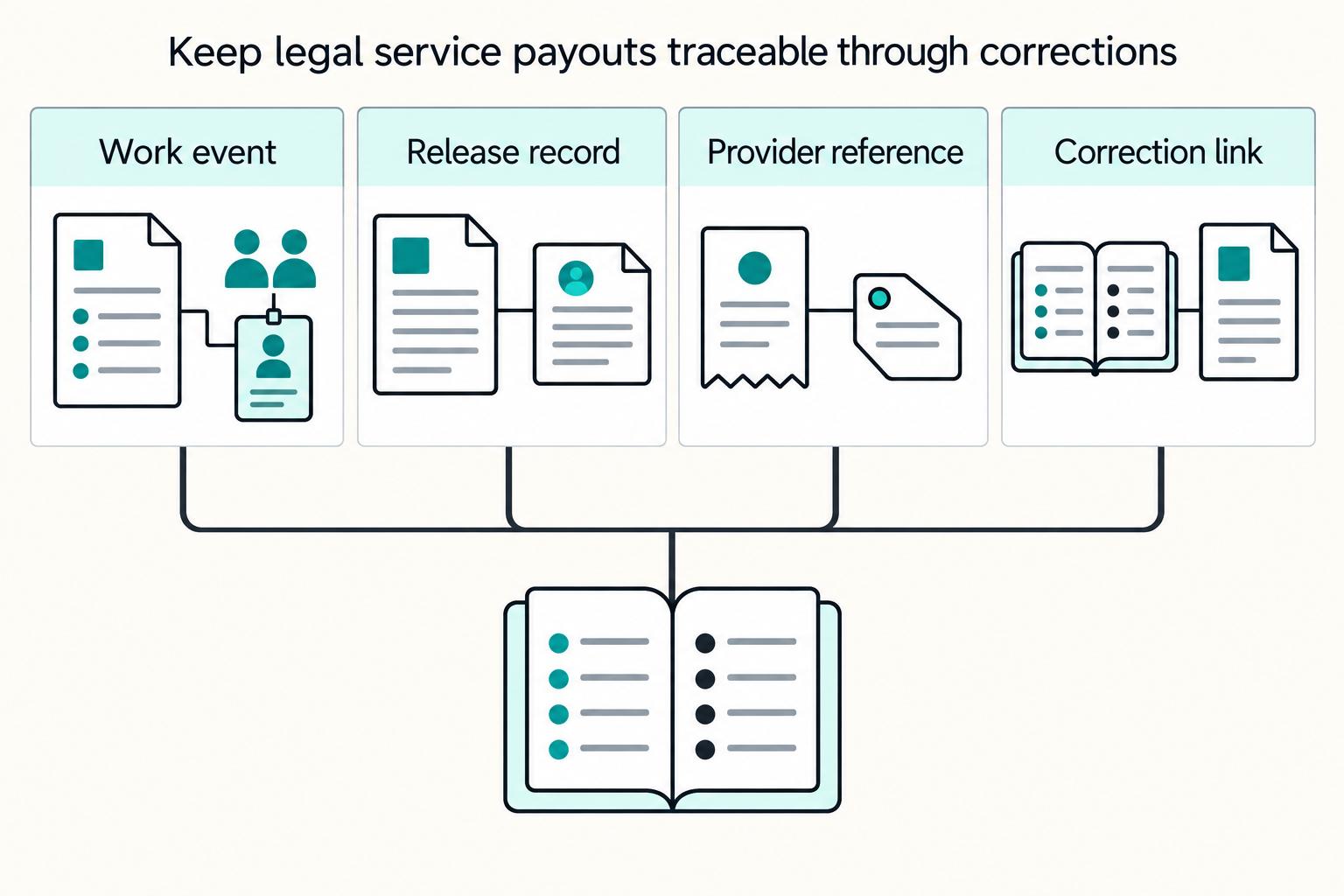
If you are launching a legal-services payout workflow in 2026, the hard part is not sending money. The hard part is classifying the role, collecting the right tax record, deciding which payout state is releasable, and preserving enough evidence to defend those choices later.
Solving Esports Prize Payment Distribution: How Tournament Platforms Pay Winners Globally
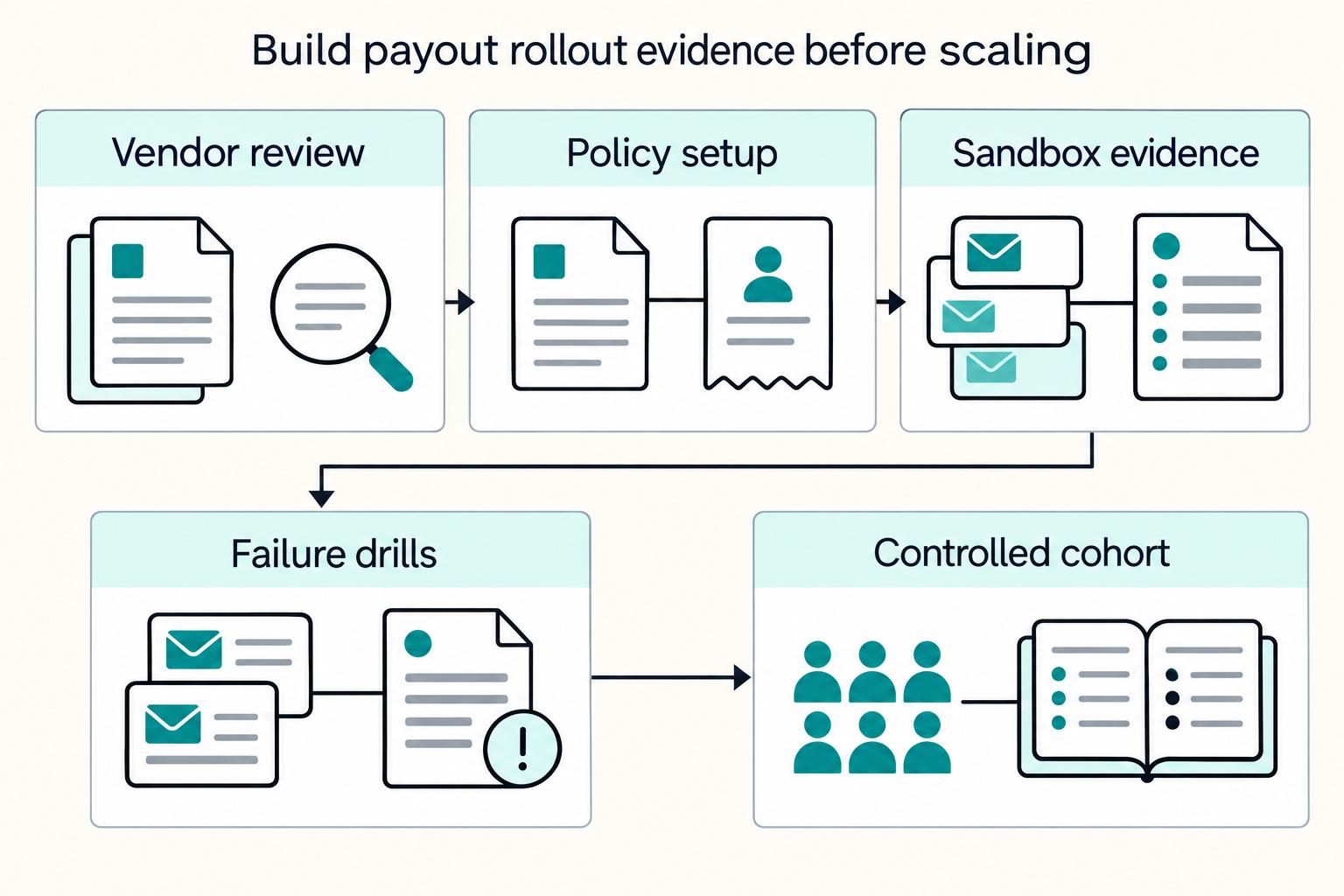
Choose your payout path based on your operating model and control requirements, not on esports messaging alone. Public pages from Payment Labs, Dots, and i-payout are useful for a shortlist, but they are not enough on their own to sign confidently or run payouts without finance and engineering surprises.