
Quick Answer
Choose a path based on where payments actually fail. For manufacturing accounts payable automation industrial platforms subcontractors, start with AP-suite depth when PO and ERP control are the core risk, start payout-led when approved payments still stall in execution, and use a hybrid when both issues exist. Keep supplier invoices and subcontractor flows distinct, then require an auditable chain from request through approval, payment status, and reconciliation before adding more entities or rails.
Why Manufacturing Platforms Automate Subcontractor Payables#
Industrial finance teams do not need another feature checklist. They need a clear way to decide what belongs inside AP automation, what belongs in payout infrastructure, and what needs to stay tied to ERP and production controls so payables do not create downstream delays.
-
Start with the actual AP job. Accounts payable automation digitizes and streamlines the invoice-to-pay process. In practice, that means capturing and validating invoice data, routing approvals, syncing with ERP systems, and executing payments. In manufacturing, the real question is not whether a tool can scan invoices. It is whether those steps still hold up when planning, production, costing, and delivery already sit inside a manufacturing ERP. If invoice data cannot be checked against the records your team already trusts, speed alone is not much of a win.
-
Separate invoice control from payout execution. Generic AP claims usually focus on faster processing, fewer errors, and better visibility into spend and liabilities. Those benefits are real, and manual AP is still time-consuming, costly, and error-prone. But for industrial teams, the decision is narrower. If your main failure mode is weak approval routing or poor invoice validation, bias toward deeper AP controls first. If the real pain starts after approval, with payout status, exceptions, or reconciliation, invoice capture will not solve the whole problem. A simple checkpoint is whether finance can trace a payable from request to ERP posting to payment status without asking engineering for help.
-
Treat this as an architecture choice, not a software beauty contest. The hard part of manufacturing accounts payable automation for industrial platforms and subcontractors is not picking the tool with the longest feature page. It is deciding how finance, ops, product, and engineering share control across supplier invoices, non-PO spend, and payment workflows. Some teams need deep invoice-to-ERP discipline. Some need stronger payment execution and status handling. Some need both without replacing the stack they already run.
That is why the rest of this outline stays concrete. We compare AP-suite-led, payout-led, end-to-end, and hybrid approaches using practical criteria: ERP integration depth, approval routing, payment status reliability, and reconciliation evidence. We also call out lower-risk sequencing. In practice, a hybrid path can be the safer move when your current ERP controls already work for supplier AP, but your payout layer and exception handling do not.
Keep one red flag in mind as you read. If one side of the business sees an invoice as approved while another side cannot confirm payment state or ledger impact, you do not just have a tooling problem. You have a control-boundary problem, and that is the decision this article is built to help you make.
Related: Healthcare Accounts Payable Automation: How Staffing Platforms Pay Clinical Contractors at Scale.
Who this list is for and how to choose#
Use this list when your team needs a system decision, not just cleaner invoice entry. It is best for high-volume, multi-entity AP that must handle both PO-based supplier invoices and non-PO subcontractor payouts.
| Criterion | Article cue |
|---|---|
| ERP integration depth | Deep invoice-to-ERP discipline |
| 2-way and 3-way PO matching quality | PO-based supplier invoices |
| Approval routing flexibility | If approvals are the bottleneck |
| Mass payments reliability | If approved items still fail in payout execution |
| Payment reconciliation auditability | Trace a payables item from request to ERP posting to payment status |
- Best fit
Use this comparison if you need AP controls from invoice receipt through payment while balancing supplier invoice discipline with subcontractor payout execution. This gets harder as vendor count, payment-term complexity, and invoice volume increase.
- Not a fit
If you are a single-entity team with low invoice volume and no meaningful cross-border or compliance complexity yet, you likely do not need a major architecture change. If finance can still match invoices to POs or receipts, route approvals, and reconcile payments without major manual overhead, process cleanup may be the better first step.
- Use the same five criteria every time
Evaluate each option on five criteria: ERP integration depth, 2-way and 3-way PO matching quality, approval routing flexibility, mass payments reliability, and payment reconciliation auditability.
- Choose by current failure mode
If approvals are the bottleneck, prioritize predefined, policy-based approval routing first. If approved items still fail in payout execution, prioritize payment status tracking and retry controls first.
For a broader look at scaling AP operations, see Finance Automation and Accounts Payable Growth: How Platforms Scale AP Without Scaling Headcount.
Comparison table for the four operating paths#
Use this as a diligence matrix, not a ranking. The facts here confirm core AP automation functions such as invoice scanning, data entry, and GL coding, and they show that advanced AP can extend into vendor management, analytics, ERP integration, and payment features. But path-level claims still need proof in your own demo or pilot.
| Decision point | AP suite-led example category (Rillion/DataServ style) | Payout-led example category (Ramp Bill Pay style) | End-to-end finance automation category (Tipalti style) | Gruv-style modular hybrid (AP + compliance-gated payout infrastructure) |
|---|---|---|---|---|
| Best for | Teams starting from core AP control and posting discipline | Teams starting from payout execution workflow pain | Teams evaluating a broader finance scope in one buying motion | Teams keeping current AP while adding payout infrastructure in modules |
| Key strengths | Directly aligns to core AP automation scope | Keeps payout operations in focus during evaluation | Can be tested against both core and advanced AP scope in one track | Modular design for AP + payout infrastructure, with compliance gating where configured |
| Key constraints | Do not assume subcontractor payout depth without evidence | Do not assume AP depth from a payout-first entry point | Do not assume broad scope means every edge case is covered | Requires clear ownership boundaries across AP, compliance, and payout flows |
| Required integrations | Validate ERP/GL and related AP data handoffs | Validate ledger/ERP handoffs plus payout status surfaces | Validate ERP + vendor/payment data paths end to end | Validate AP system + Gruv module boundaries, APIs/webhooks, and status mapping |
| Compliance depth (KYC/KYB/AML, W-8/W-9, VAT validation) | Treat as diligence items; confirm exact control location | Treat as diligence items; confirm if split across tools | Treat as diligence items; confirm native vs external dependencies | Gruv supports compliance-gated flows where enabled; confirm market/program coverage for KYC/KYB/AML, W-8/W-9, and VAT validation in scope |
| Subcontractor handling (milestones, mixed logic, partial approvals, returned payments) | Require explicit proof in workflow tests | Require explicit proof in workflow tests | Require explicit proof in workflow tests | Define module-level ownership for these cases before rollout, then test |
| Evidence trail (request-to-ledger, provider references, reconciliation exports) | Require an auditable path in demo artifacts | Require the same, especially across payout state changes | Require one trace across approval, posting, payment status, and export artifacts | Design for traceability across modules and confirm export-ready reconciliation artifacts |
| Implementation risk | Assuming supplier AP behavior equals subcontractor behavior | Solving payout speed while AP evidence stays manual | Buying broad scope before exception ownership is defined | Under-specifying handoffs and failure ownership between modules |
Subcontracting is explicitly described by GSA, in a federal procurement context, as businesses working for prime contractors. That one-step-removed relationship is why you should weight subcontractor handling and evidence-trail checks as heavily as core AP checks during selection.
Best end-to-end AP suite for multi-entity supplier control#
An AP-suite-led path is usually the better starting point when your core problem is invoice-to-posting control, not payout edge cases. It fits finance-led teams that need invoice capture, approval routing, three-way matching, and consistent AP operations across multiple entities before expanding scope.
At this level, the main benefit is supplier-side control. AP software is built to manage accounts payable from invoice receipt through payment, and modern tools can combine invoice capture, approval routing, three-way matching, and payment scheduling while connecting purchasing and AP in one platform.
- Best for: finance-led teams standardizing supplier AP across business units, subsidiaries, or legal entities.
- What you gain first: more consistent approvals, better cash-flow visibility, and centralized reporting across entities.
- What to prove in diligence: real support for your entity structure, intercompany transactions, and ERP posting behavior.
- Main watchout: strong supplier AP controls do not automatically solve subcontractor payment complexity.
The key check is multi-entity depth. In practice, that means managing finances for multiple entities in one platform, with consolidated reporting and intercompany handling. In demos, require a full trace: invoice intake, approval flow, posting, and consolidated reporting output for the correct entity.
Also test how the platform behaves when supplier and subcontractor workflows diverge across projects. Those payments add complexity, and weak accounting support can increase errors and reduce visibility. Use this path to stabilize supplier AP first, then define clear ownership for subcontractor exceptions that sit outside the AP layer.
This pairs well with Accounts Payable Software Comparison for Platforms That Need Operational Proof.
Best payout-led option for subcontractor-heavy operations#
Choose a payout-led option when your main risk starts after approval: paying many subcontractors on time across projects. Keep supplier AP in your ERP or AP suite, and use the payout layer where subcontractor volume, timing, and exception handling create the most operational friction.
- Best fit: product and operations teams paying many subcontractors across multiple projects, with fewer PO-bound supplier invoices.
- What it does well: runs approved payouts through defined workflow steps, including automated notification sequences and response validation across handoffs.
- Main tradeoff: treat PO-centric AP controls, matching depth, and ERP posting behavior as diligence items to verify in your own environment, not assumptions.
- Concrete use case: a field-services marketplace tied to manufacturing keeps supplier AP in its existing ERP stack while using a payout-focused layer for frequent subcontractor disbursements.
This split is practical because subcontractor and supplier payments across projects add complexity, and weak accounting support is associated with more errors, lower visibility, and slower operations. If your team is spending time chasing payment state, resending notices, and resolving exceptions, a payout-led operating layer is often the cleaner first intervention for that lane.
In diligence, insist on a live walkthrough of one subcontractor payment from approval through each notification step, including how response validation advances or stops the flow. Keep supplier AP discipline in view at the same time: AP remains foundational to timely vendor payments and vendor relationships, and prompt payment is linked to fewer late fees, stronger supplier relationships, and better prioritization when capacity is constrained. A 2023 passage cited here also reports 53% of B2B invoice value overdue and 7% written off as bad debt, which reinforces why payment control cannot be treated as secondary.
Best ERP-first AP stack for PO-heavy manufacturing#
Choose an ERP-first AP stack when PO governance, ERP integration, and purchasing controls matter more than launching subcontractor payouts quickly.
- Best fit: teams with PO-heavy supplier spend that want AP to stay tightly connected to purchasing, receiving, and inventory records.
- What it does well: reduces tool-to-tool handoffs across the procure-to-pay chain (request, approval, fulfillment, invoice, payment) and keeps operational visibility close to ERP and warehouse data.
- Main tradeoff: subcontractor payout rollout is usually slower if payee onboarding and compliance steps are split across separate owners and systems.
- Concrete use case: an MRO-heavy operation reduces supplier invoice exceptions first, then adds subcontractor payment rails in phase two.
The value here is practical control, not abstract automation. Manual back-and-forth between purchasing and AP can still push processing to 17.4 days per invoice with about $12.88 in hard cost, even when POs exist. ERP-first setups are strongest when they reduce those handoffs and keep records aligned across purchasing, AP, and warehouse operations, including multi-warehouse visibility.
Be precise about scope. ERP-first does not fix weak process design on its own. If your current state has what amounts to "obscurement" - approvals, discussions, and data split across ERP workarounds, spreadsheets, and email - adding more tooling without cleaning up handoffs will just digitize the confusion.
If your business also runs project- or job-based payment flows, treat that as a separate design decision. Construction-style accounting needs can differ from general accounting, so do not force that complexity into phase one unless it is already the primary bottleneck.
Related reading: Accounts Receivable Automation for Platforms to Collect from Enterprise Buyers at Scale.
Best phased hybrid architecture when you cannot replatform at once#
If you cannot replace ERP and payouts in one move, use a phased hybrid: keep the ERP and PO controls that already work, and add payout capabilities only where the current flow breaks.
| Phase | Focus | Key check |
|---|---|---|
| Stabilize AP automation and approval routing first | Start with the invoice and approval path your ERP already governs | Approvals are clear, visible, and tied to the source transaction finance trusts |
| Add eligibility and control gates next | Add the pay-or-hold checks your operating model requires, without overhauling the ERP core | Use one visible status model so non-engineering owners can answer quickly |
| Expand payout orchestration and reconciliation last | Implement ledger-linked payment reconciliation exports before introducing new payout paths | Before scaling volume, test failure handling for partial approvals, stale approvals, payment returns, and unmatched deposits |
ERP choice is already a strategic, complex decision, so avoid coupling AP redesign with a full ERP replacement unless both are truly required. In practice, this approach reduces change risk while you fix the operational bottlenecks first.
Stabilize AP automation and approval routing first#
Start with the invoice and approval path your ERP already governs. Phase one is successful when approvals are clear, visible, and tied to the source transaction finance trusts.
Before moving forward, verify one transaction end to end: who approved, when, what changed after approval, and whether that change reset approval status. Do not advance just because throughput improved; advance when exceptions are explicit and teams are not resolving approval state in email threads.
Add eligibility and control gates next#
After approvals are stable, add the pay-or-hold checks your operating model requires without overhauling the ERP core. The key design choice is where that eligibility decision is made and how status is exposed across teams.
Use one visible status model so non-engineering owners can answer quickly: is this payee verified, are they currently eligible for payment, and what changed most recently? If those answers differ by system, the architecture is not ready to scale.
Expand payout orchestration and reconciliation last#
Only then add payout methods or cross-border rails. If manual reconciliation is the bottleneck, implement ledger-linked payment reconciliation exports before introducing new payout paths.
Keep ERP, PO, and approval controls where they already perform well, and add modular payout infrastructure at the boundary for retries, status tracking, and reconciliation evidence. Before scaling volume, test failure handling for partial approvals, stale approvals, payment returns, and unmatched deposits with real transaction traces.
For a step-by-step walkthrough, see Accounts Payable Outsourcing for Platforms When and How to Hand Off Your Payables to a Third Party.
Controls required before cross-border scale#
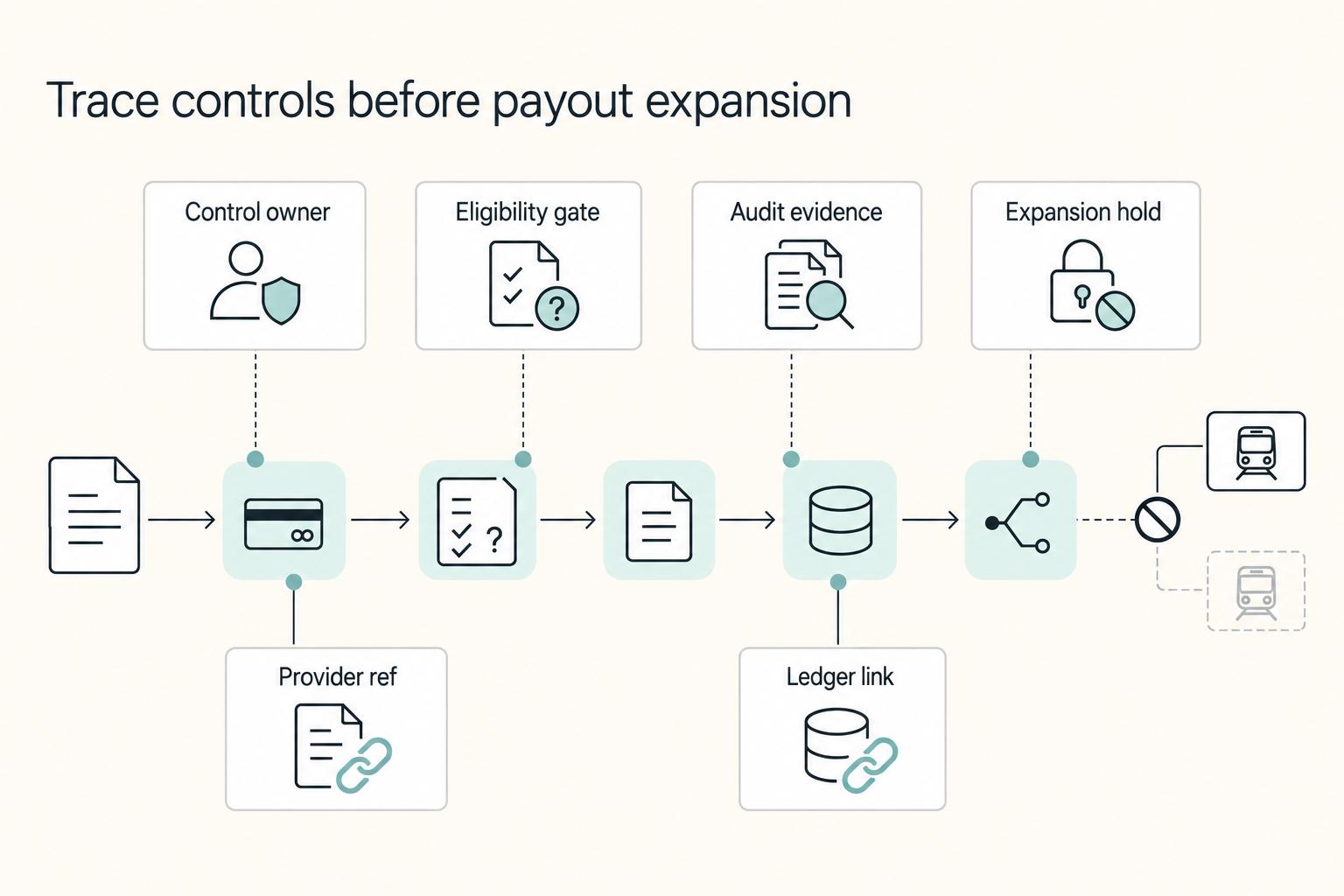
Do not scale to new countries, entities, or payout rails until control ownership and payment traceability are clear. If your team cannot trace one payment from request to final status without side chats or custom SQL, stop expansion.
| Control area | Article guidance | Risk/stop sign |
|---|---|---|
| Minimum control pack ownership | Document who owns onboarding checks (KYC, KYB, AML), tax form collection (W-8 form, W-9 form), VAT validation, and tax-reporting boundaries (1099, FEIE, FBAR) | Coverage without clear ownership will break when payee legal or tax details change mid-cycle |
| Fixed operating order | Onboarding verification, payout eligibility rules, exception SLAs, then monthly audit evidence review | If you set SLAs before eligibility rules are stable, you only accelerate bad exceptions |
| Finance-ready verification artifacts | Require retrievable approval logs, provider reference mapping, ledger postings, and export packs finance can reconcile without engineering intervention | If finance needs engineering to reconstruct month-end status, control ownership is still incomplete |
| Hard red flag | If you cannot trace a single payment from request to final status | Do not add new entities or rails yet |
- Define ownership for the minimum control pack. Document who owns onboarding checks (KYC, KYB, AML), tax form collection (W-8 form, W-9 form), VAT validation, and tax-reporting boundaries that are often conflated (1099, FEIE, FBAR). Coverage without clear ownership will break when payee legal or tax details change mid-cycle.
For FEIE, keep the boundary explicit inside your controls. IRS eligibility depends on specific requirements, including a tax home in a foreign country and, for one path, physical presence of 330 full days during any period of 12 consecutive months. The 330 days do not have to be consecutive. Also, excluded foreign earned income is still reported on a U.S. tax return, so FEIE should not be treated as a generic "approved to pay abroad" flag in AP.
-
Run controls in a fixed operating order. Sequence should be: onboarding verification, payout eligibility rules, exception SLAs, then monthly audit evidence review. If you set SLAs before eligibility rules are stable, you only accelerate bad exceptions.
-
Standardize finance-ready verification artifacts. For each payment lane, require retrievable approval logs, provider reference mapping, ledger postings, and export packs finance can reconcile without engineering intervention. If finance needs engineering to reconstruct month-end status, control ownership is still incomplete.
-
Use one hard red flag. If you cannot trace a single payment from request to final status, do not add new entities or rails yet. More rails and geographies multiply exception states faster than they improve coverage.
Conclusion#
The right choice is rarely the platform with the longest feature sheet. For manufacturing AP automation across industrial platforms and subcontractors, the better path is the one that fits your payee mix, your control obligations, and the amount of operational change your team can actually absorb.
- Match the architecture to the payment reality
If most of your volume is supplier invoices, bias toward stronger AP control first. In practice, that means reliable invoice capture, approval discipline, and consistent reconciliation before you add more payment rails. The differentiator is not feature count. It is whether the tool handles your dominant lane cleanly without forcing subcontractor exceptions through supplier logic.
- Sequence the rollout so risk drops before volume rises
There is no single universal rollout sequence, but risk usually drops when you stabilize one lane before expanding to more payout methods, entities, or payee types. That matters even more once cross-border payees enter the picture, because manual handling creates more room for errors, wasted time, and payment confusion. A practical checkpoint is simple: do not expand scope until compliance checks, payout eligibility rules, and exception handling are working in one repeatable lane.
- Only scale what you can trace and prove
A launch is not a success if finance still needs side messages, spreadsheet patching, or engineering help to explain where money went. Before you scale, make sure one payment can be followed through the same links every time: request ID, approval state, payment/provider reference, final status, and reconciliation record. That evidence pack matters because missing-payment visibility eats finance time and frustrates vendors, while automated payment reconciliation can support a faster close.
Typical failure modes are obvious in hindsight: approvals with no clear next owner, delayed approvals that release late, returned payments without retry handling, and transactions month-end teams cannot explain. If any of those still depend on tribal knowledge, keep the footprint smaller and fix traceability first.
So the recommendation is straightforward. Pick the path you can operate reliably under exception pressure. If supplier control is the pain, start there. If subcontractor payout status is the real blocker, solve that lane without weakening AP discipline. Either way, the winning architecture is the one your team can verify monthly, reconcile without heroics, and extend without breaking trust.
You might also find this useful: Accounts Payable Automation ROI: How Platforms Calculate the Business Case for Payables Technology.
Frequently Asked Questions
What is manufacturing AP automation for industrial platforms, not just a single manufacturer?
In this context, manufacturing accounts payable automation industrial platforms subcontractors means digitizing invoice to pay across a network that handles both supplier invoices and subcontractor payouts, not just one plant's back office. The practical difference is that industrial AP is usually tied to purchase orders, cost codes, project budgets, and committed costs, not only GL routing. If your tool cannot validate an invoice against a job or phase before approval, it may be built for generic AP rather than industrial operations.
How is paying subcontractors different from paying suppliers through standard AP automation?
Supplier AP is usually document-first: invoice data capture and validation, approval routing, ERP sync, then payment. Subcontractor payments are often workflow-first: confirm service request and delivery status, then move through invoicing and payment with compliance context. The failure mode is treating a subcontractor like a normal vendor and missing changes in service status or compliance records after onboarding.
What are the minimum controls required before scaling mass payments across entities?
For this operating model, the minimum pack is clear invoice data validation, approval routing, ERP sync, payment execution, and end-to-end traceability from service request or delivery through invoicing and final payment status. The hard stop is traceability. If you cannot follow one payment from request to final status without side chats, do not add entities or rails. That checkpoint matters more than speed because mass payment volume multiplies exception states fast.
How do we decide between an AP suite, a payout-led tool, and a hybrid architecture?
Choose an AP suite if your pain is PO-heavy supplier control, approval discipline, and ERP depth. Choose a payout-led tool if your main issue is moving subcontractor payments with clear status visibility. Pick a hybrid when both lanes matter and you cannot replatform at once: keep the strong PO and project controls where they already work, then add payout infrastructure for status visibility and reconciliation.
Which workflows should we automate first for the fastest risk-adjusted impact?
Start where the current failure hurts operations most. If approvals are slow, automate policy-based approval routing first. If payments fail after approval, automate payment status tracking first. A useful rule is to delay new payout methods until finance can reconcile one end-to-end lane without engineering help, because manual processing can cost up to $16.5 per document.
What should finance verify monthly to trust payment reconciliation and audit readiness?
Finance should test one payment end to end each month and confirm five links in one place: request or work order ID, invoice record, approval state, final payment status, and ledger impact. If any link is missing, you do not yet have reliable payment reconciliation. You have tribal knowledge with a reporting layer on top.
Try a related tool
Where Gruv fits
Plan and approve payout batches
See how payee status, approval rules, route review, and exception handling sit in one payout workflow.
See reconciliation and mismatch review
Compare ledger entries, provider payment records, and statement rows to see what matches and what finance needs to review.
Researched and edited by the Gruv editorial team. Gruv builds cross-border billing, payouts, and finance-operations software for global businesses.
Sources
Includes 1 external source outside the trusted-domain allowlist.
- fac.gov/assets/compliance/2024-Compliance-Supplement...trusted
- fdic.gov/formsdocuments/apgm.pdftrusted
- gsa.gov/small-business/register-your-business/subcon...trusted
- irs.gov/individuals/international-taxpayers/figuring...trusted
- irs.gov/individuals/international-taxpayers/foreign-...trusted
- obamawhitehouse.archives.gov/sites/default/files/omb/assets/egov_docs/fea...trusted
- sec.gov/Archives/edgar/data/1317685/0001317685250000...trusted
- armanino.com/articles/enterprise-resource-planning-erp-co...external
Educational content only. Not legal, tax, or financial advice.
Related Posts
How Platform Teams Scale AP Volume Without Adding Headcount
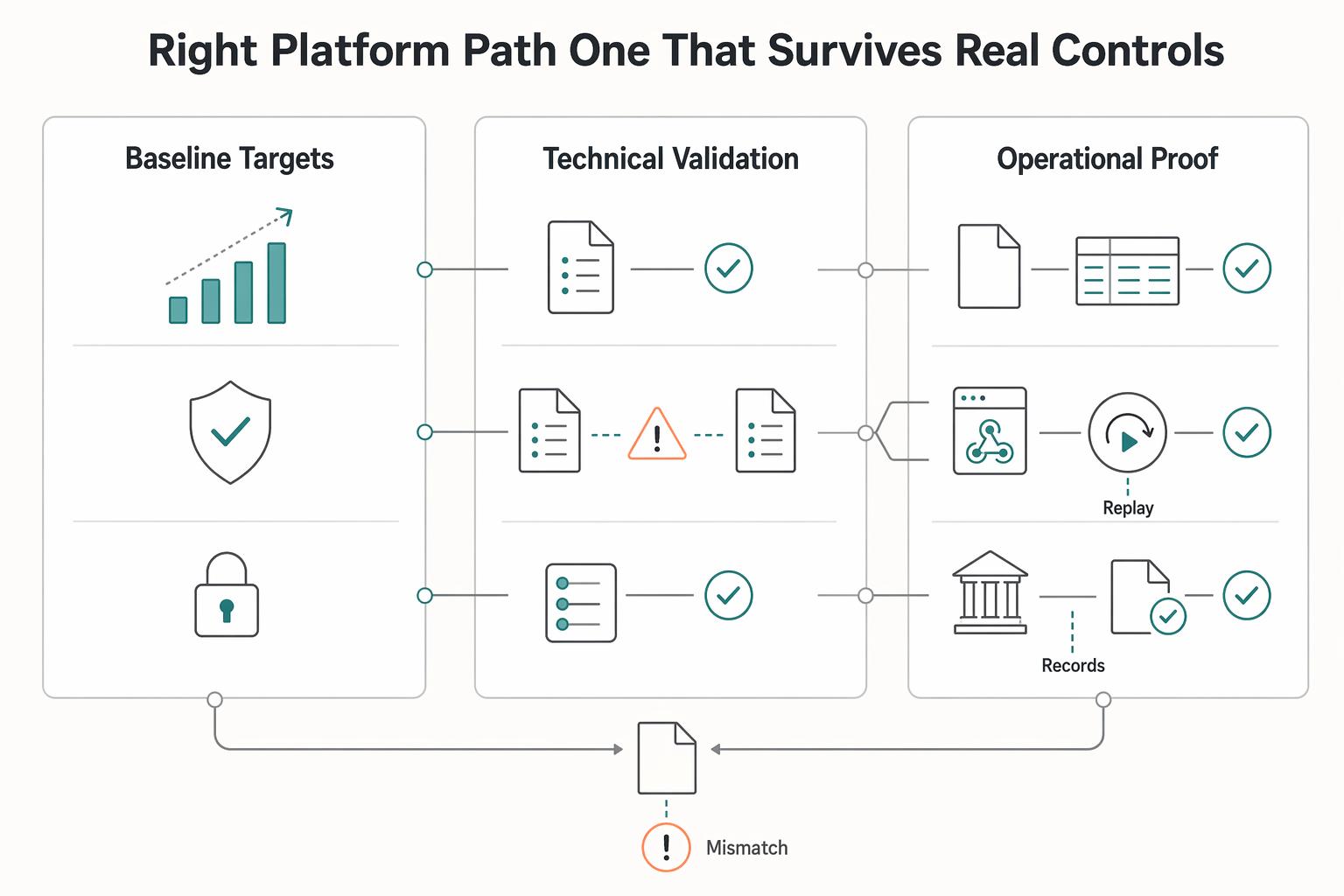
Use this as a decision list for operators scaling Accounts Payable, not a generic AP automation explainer. In these case-study examples, invoice volume can grow faster than AP headcount when the platform fit is right, but vendor claims still need hard validation.
How Staffing Platforms Automate Healthcare AP for Clinical Contractors
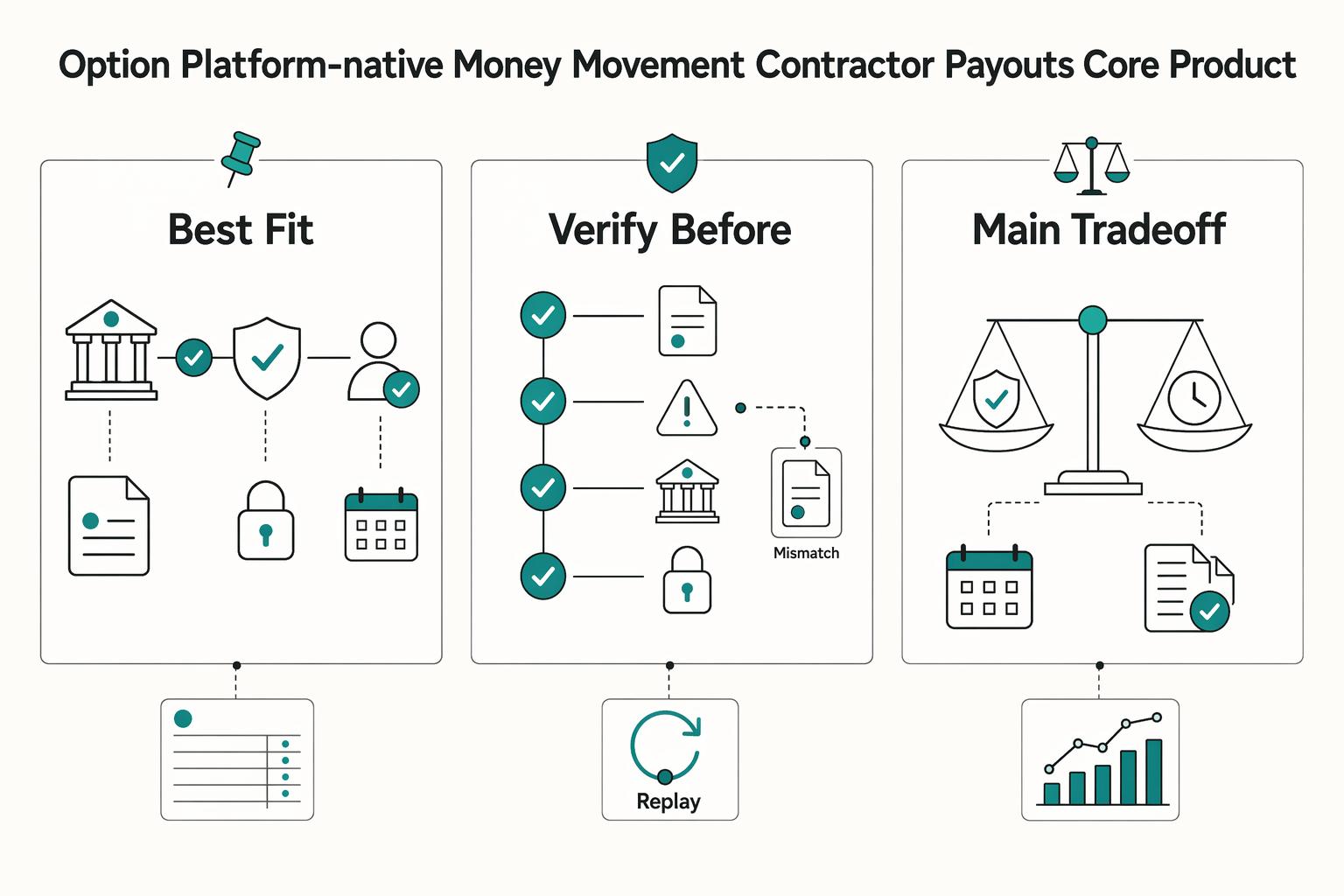
A key distinction matters: this article focuses on healthcare AP workflows, not contractor-payout orchestration. If your expansion bet depends on reliable contractor payments, generic healthcare AP language is useful context, but it is not enough on its own.
Accounts Payable Automation ROI for Platforms That Need Defensible Results
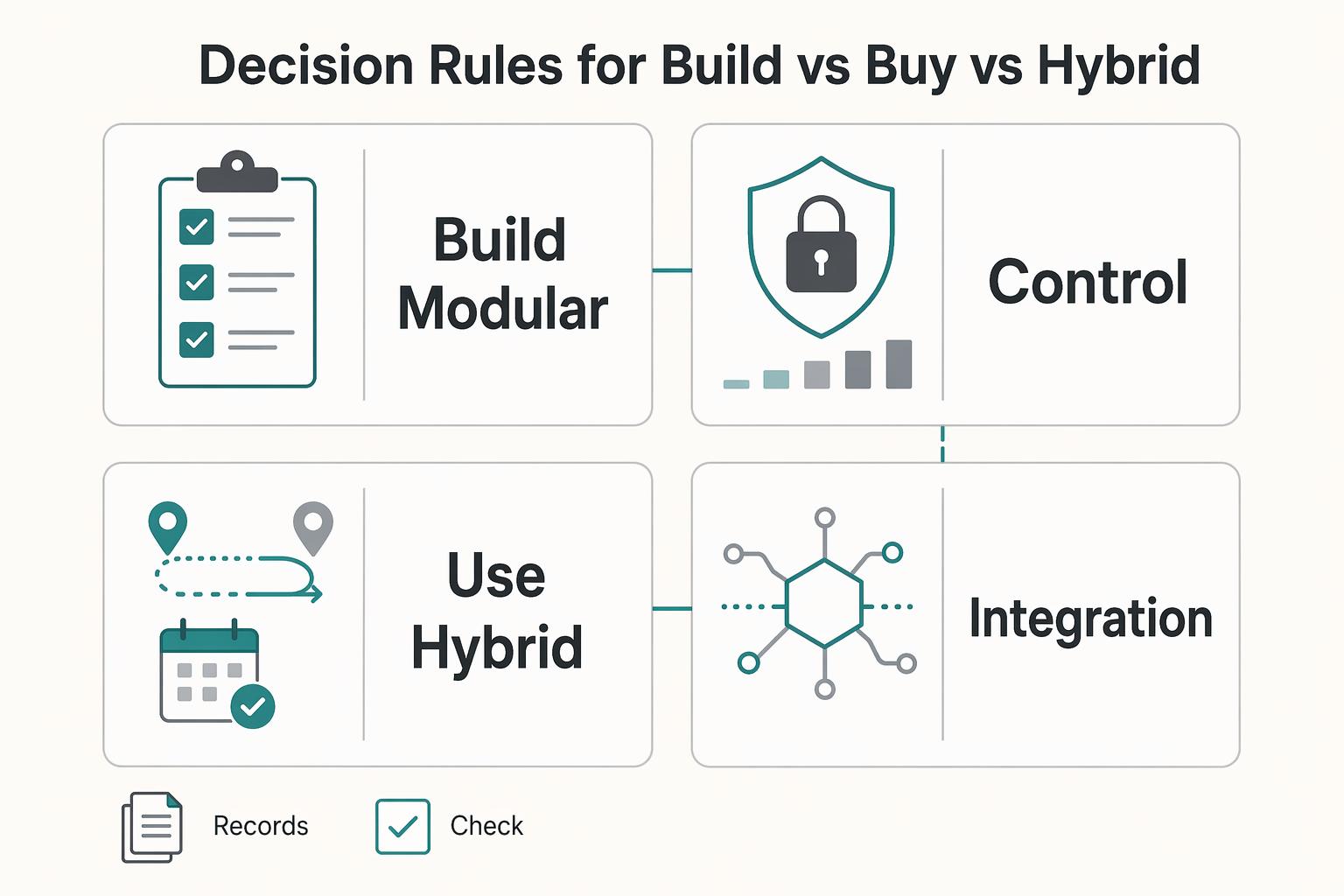
Most AP projects do not miss ROI because the spreadsheet was wrong. They miss it when real costs show up in exception handling and post-go-live process work. If you are evaluating AP automation, the useful question is not whether automation can create value. It can. The question is whether that value survives contact with your actual process.