
Quick Answer
Optimize your own lawful supplier credit, not seller delays. Measure trade AP DPO with matched costs and seller obligations with due-date, release and receipt aging. Seller principal and restricted cash are not platform working capital. Investigate a higher ratio alongside overdue payouts before expanding a new cadence.
Why DPO Works Differently in Marketplaces#
Use trade-payable DPO to understand how your own supplier credit affects cash timing. Measure seller payout reliability separately. Seller or customer funds may be restricted, safeguarded or contractually owed; retaining them does not make them platform operating cash.
DPO measures the average number of days it takes a company to pay invoices and bills. It is a working capital ratio, usually measured on a quarterly or annual basis. That makes it useful for finance, but easy to misuse when teams assume every payable can be delayed the same way.
A longer agreed supplier-credit period can improve your own cash timing. Delaying seller payments or using restricted funds for operating expenses cannot be justified by a higher DPO target. Establish the actual ownership and legal restrictions for your entity and jurisdiction.
What to prepare before changing payout timing#
Before you change payout timing, build a single view of where delays happen now and who owns each delay. Focus on your own operating records so decisions reflect your actual cash-flow lag.
Step 1. Build one repeatable evidence pack across recent closes#
Use the same evidence pack for each recent close and review the periods side by side to spot timing patterns, not just ending balances. This matters because payout delays are often tied to payout schedules, reserve policies, and upfront costs, and those delays can create real financial strain.
Verification point: trace a small sample of delayed payouts from obligation to release state. If teams cannot agree on the current state for the same payout, fix visibility before you change cadence.
Step 2. Define which records settle disagreements#
Agree in advance which records answer three questions: when an obligation is recognized, what state a payout is in, and what management reporting summarizes. If summary reporting looks cleaner while unresolved payout exceptions remain, treat that as a control gap, not a working-capital improvement.
Step 3. Separate hold queues from timing decisions#
Map policy and operational hold queues in your flow, and assign clear owners before any cadence change. Keep hold-driven delays separate from payout-timing performance so you can see whether timing mismatches are growing. Persistent cash gaps are often bridged with borrowing, so this separation is a practical risk control.
If you are evaluating financing options alongside payout timing, Embedded Working Capital for Platforms: Invoice Financing Factoring and Cash Advance Compared compares the main models.
Build a DPO baseline that reflects marketplace reality#
Keep a stable reported measure and investigate its drivers. Recognize liabilities and legitimate adjustments when required by accounting policy; perfect operational reconciliation is not a prerequisite to recording them.
Step 1. Calculate the core measure and freeze the rules#
Start with one formula and keep it stable across periods:
For ordinary trade AP, DPO = average trade accounts payable ÷ matched period cost of sales × days in the period. COGS is a common proxy; check whether it matches the payable population. For service-vendor payable-days analysis, use the matching expense or credit-purchase population and label the measure. Do not divide seller pass-through liabilities by an agent platform’s net COGS.
Use the same period, currency and inclusion rules in both numerator and denominator. State whether average AP uses opening/closing balances or daily balances; daily averages can expose seasonality hidden by two snapshots. A zero or unsuitable denominator makes the ratio undefined or misleading. Track holds separately without deleting recognized liabilities from reported balances.
For an invented 30-day period, trade AP opens at $80000 and closes at $100000: simple average AP is $90000. Matched period cost of sales is $300000, so DPO is 9 days. Separately, 100 seller obligations total $50000; 10 totaling $5000 are past their committed due time, with the oldest three days overdue. Report seller overdue count 10%, amount 10% and aging, rather than adding seller principal to this trade-AP ratio.
If a clearly labelled management measure excludes a population, bridge it back to the full recognized balance. Check purchases, mix, FX, cutoffs and reclassification as well as payment timing before calling a ratio change an operational improvement.
Step 2. Segment the baseline by payable type and pair it with companion metrics#
Maintain separate trade AP, service-vendor payable-days and seller-obligation aging views. Keep restricted assets and held liabilities visible under the actual principal-agent and funds-ownership policy; seller principal is not automatically platform revenue or cost of sales.
| Population | Measure | Evidence |
|---|---|---|
| Trade AP | DPO with matching cost-of-sales population | Recorded AP, matched period costs, supplier terms |
| Service-vendor payables | Clearly labelled payable-days measure with matching denominator | Service costs or credit purchases and due dates |
| Seller/partner obligations | Aging from obligation to due date, release and receipt | Contractual due time, provider and bank outcomes |
| Restricted/held funds | Full assets/liabilities plus hold attribution | Ownership policy, authorized hold basis, amount and review record |
If two payable types behave differently in operations, do not collapse them into one control number.
Step 3. Verify movement before you call it progress#
Trace a ratio movement to its included balances, expense or purchase population and payment records. Open reconciliation items should remain visible and investigated; they do not erase recorded liabilities or prevent a valid financial close.
For a payments-focused view of DPO controls, see Days Payable Outstanding (DPO): How Payment Platforms Help Finance Teams Optimize Cash Flow.
Segment obligations before you optimize terms#
Do not optimize terms from one blended payable pool. Segment obligations first so DPO changes reflect real payable decisions, not mixed operational effects.
Step 1. Separate obligations by reversibility, not just by account code#
Classify each obligation by ownership, contractual due date and legal restrictions before considering a new cadence. Reversibility is helpful for testing, but it does not authorize a missed due date or use of someone else’s funds.
| Obligation | Lane | Operational note |
|---|---|---|
| Supplier invoices | Primary term-optimization lane | Only lawful agreed terms; current due dates remain binding. |
| Platform service vendors | Primary term-optimization lane | Only lawful agreed terms; current due dates remain binding. |
| Contractual seller payouts | Protected lane | Defined by your own commitments and controls |
| Review-gated disbursements | Protected lane | Defined by your own commitments and controls |
Negotiate any changes to supplier terms lawfully and prospectively. Meet existing seller and supplier commitments. Restricted seller cash and matched liabilities remain protected under applicable rules; a treasury target is not an exception to them.
Verification point: sample items per bucket and confirm mapping against posted Ledger Journals, payout status logs where relevant, and the governing contract or policy note. If one obligation lands in different buckets across reports, fix mapping before you change terms.
Step 2. Use cash-cycle metrics for context, not as a substitute for payout constraints#
Use the cash-cycle view to interpret term changes, then test the result by segment. CCC = DIO + DSO - DPO, where DIO is average days inventory is held, DSO is average days to collect after a sale, and DPO is average days to pay suppliers.
This helps you see whether a DPO move improves the broader cycle or just shifts pressure. If improvement cannot be tied to supplier or vendor segments, do not treat it as clean AP progress.
Step 3. Tag compliance-dependent holds so they are not counted as AP efficiency#
Label compliance-dependent holds separately from treasury-driven payment timing. If your flow includes VAT validation, KYC/KYB, or AML review gates, track them as distinct hold reasons instead of folding them into AP efficiency reporting.
Retain recognized liabilities in the reported population while attributing hold start, reason, authorized amount and release timing separately. Compare the held and unrestricted amounts without presenting a lawful review delay as AP efficiency.
Related: Accounts Payable Days (DPO) for Platforms: How to Measure and Optimize Your Payment Cycle.
Set payout timing policies with hard decision rules#
Treat payout timing as a policy system, not a case-by-case treasury choice. Use a small set of payout bands with explicit release rules tied to statuses your team can verify: settlement, compliance, and dispute state.
Step 1. Define three payout bands by release confidence#
| Band | Rule | Cash treatment |
|---|---|---|
| Standard | Release eligible amounts by their committed due time | Seller principal remains an obligation until discharged |
| Accelerated | Approved earlier payment within valid terms and eligibility | Evaluate provider costs and your own funding exposure |
| Authorized exception | Hold only the affected amount on a valid basis; assign review and release path | Restricted funds and liabilities remain visible; no platform FCF gain |
Step 2. Write if/then release logic in plain operational language#
DPO is typically calculated on a quarterly or annual basis, but payout decisions happen continuously. Make the decision path explicit so finance, payments ops, and support interpret it the same way.
Release eligible obligations by their contractual and mandatory due time. An authorized hold needs a documented legal or contractual basis, amount, owner and review/expiry path. Isolate the affected amount and pay undisputed eligible amounts when required. A dispute does not automatically authorize an indefinite hold on the whole balance; internal approval cannot release legally blocked funds.
Verification check: sample each band and confirm cadence assignment matches recorded settlement status, compliance flag, dispute state, and release timestamp. Then reconcile the sample to posted Ledger Journals so reported DPO movement is not coming from mislabeled holds.
Step 3. Put contractual and product promises ahead of convenience#
Before rollout, test your payout policy against governing commitments and published promises, then apply treasury goals inside those boundaries. If your configured release logic, seller-facing payout window, and support language do not align, the working-capital benefit is fragile.
Do not unilaterally extend due dates to improve treasury metrics. Any new timing must respect existing terms, applicable mandatory rights and valid agreed amendments.
For a step-by-step walkthrough, see Working Capital Management for Freelancers Who Invoice Clients.
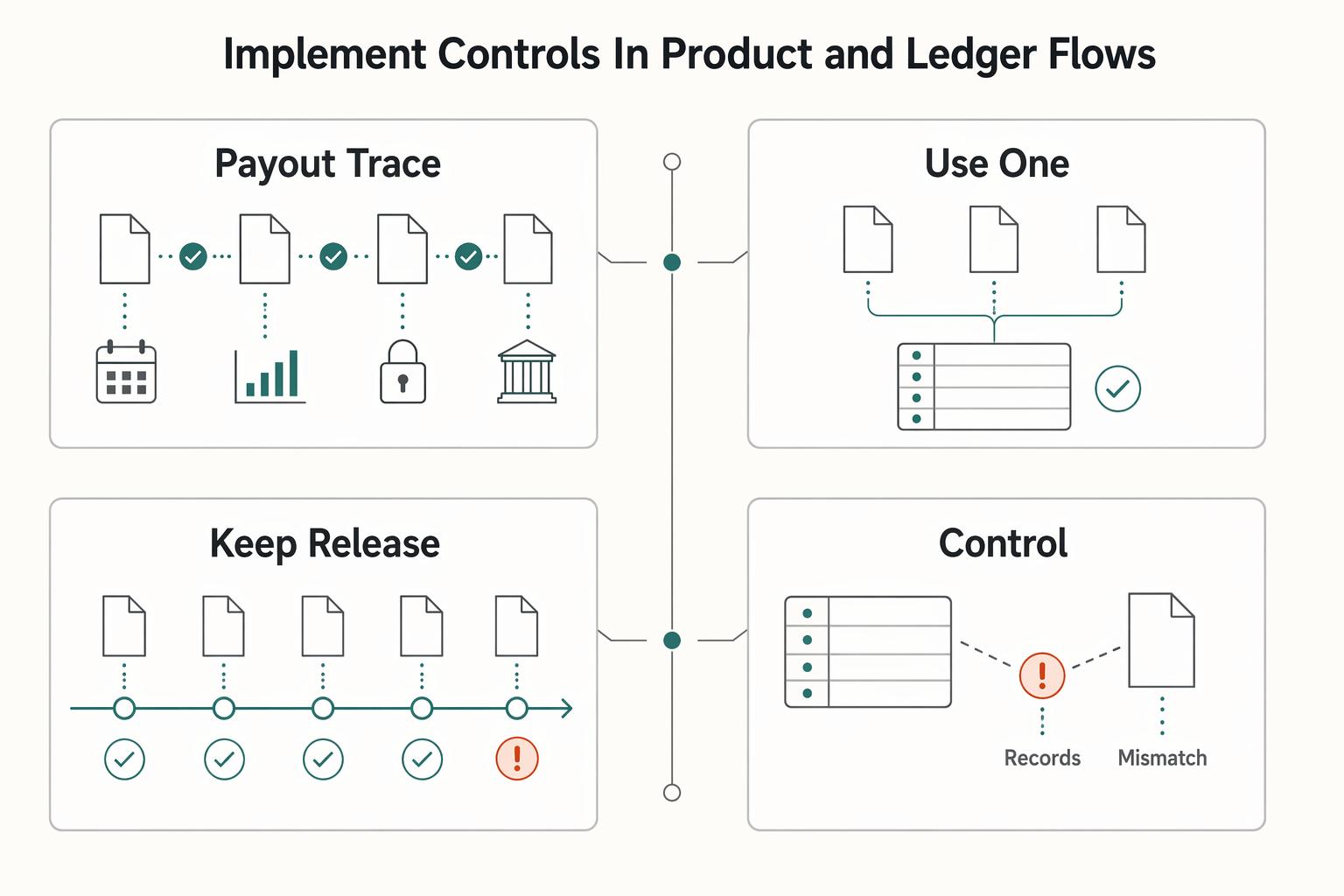
Implement controls in product and ledger flows#
Your controls should make payout timing auditable end to end, so DPO movement reflects a deliberate cash decision rather than AP process noise.
Step 1. Make each payout action traceable#
Atomically reserve the payable obligation and record its unique business payout before submission. Keep attempt IDs distinct from that obligation. Use provider idempotency keys within their documented scope and retention alongside durable local duplicate prevention. Query an unknown original before a replacement can pay.
Step 2. Use one internal status path for release decisions#
Persist webhook receipt and its local state or ledger effect atomically. Reject duplicate economic effects, prevent older events from regressing state, and record returns as linked reversals. Provider completion and local journal posting remain separate from observable seller bank receipt.
Step 3. Keep release eligibility explicit#
Do not treat every incoming cash event as automatic release approval. Define the exact release-ready state in policy and enforce it consistently so payout timing stays aligned with the decision rules set in your payout bands.
Step 4. Validate controls with regular reconciliation drills#
Reconcile amounts and dates across obligation, provider and bank records. Only changes to your own lawful supplier credit can improve available operating cash; seller holds and restricted balances are not free cash flow.
Monitor red flags and escalate early#
If DPO rises while the AP exception queue grows and seller payouts are delayed, treat it as a control risk until the records prove otherwise. In marketplaces, those delays often come from the interaction of payout schedules, reserve policies, and cash-flow lag, and they can disrupt sellers' day-to-day operations.
Step 1. Track the risky pattern as one signal, not three separate metrics#
Review trade DPO with overdue seller count and amount, measured against committed due times for a defined cohort. Keep pending, unknown and returned outcomes visible and track the oldest investigation age. A higher ratio with more overdue sellers is a reason to investigate, not a win.
Step 2. Run weekly control checks that can be verified quickly#
Check unmatched movements, stale statuses and repeat attempts. When support, finance and provider disagree, query authoritative provider status and bank evidence rather than treating local posting as receipt. Name the payments and finance owners of the investigation.
Step 3. Escalate on triggers, not on who argues hardest#
Escalate when reconciliation breaks persist across review cycles, compliance holds repeat for the same payout population, or settlement extends beyond your published payout window. Sellers experience those delays before finance closes the period, so delay in escalation compounds the risk.
| Trigger | Escalate when | Note |
|---|---|---|
| Reconciliation breaks | Persist across review cycles | Delay in escalation compounds the risk |
| Compliance holds | Repeat for the same payout population | Delay in escalation compounds the risk |
| Settlement | Committed due time is breached or expected to be breached; investigate immediately with named owner. | Sellers experience those delays before finance closes the period |
Step 4. Keep one shared scorecard for Finance and Ops#
Use one scorecard that includes DPO movement, AP backlog, delayed payout count, and settlement-delay incidents. Review working-capital gains and payout reliability together every cycle. This is the fastest way to catch a paper win before it becomes a seller-trust issue.
If buyer billing and seller payouts need to stay aligned, Recurring Billing for Marketplaces: How to Charge Buyers and Pay Sellers on the Same Cycle covers the operating tradeoffs.
Fix common failure modes without rolling back everything#
When one metric breaks, do not unwind the full change set by default. Restore protected payout segments first, verify the break in Ledger Journals and matching views, then retest AP segments in isolation.
Step 1. Restore protected segments before you touch treasury timing again#
Restore a prior cadence only for legally and contractually eligible obligations. Resolve in-flight unknown attempts before issuing any replacement. Stop new timing changes while the affected seller and supplier cases are investigated.
Use a simple control: if a flow has a published payout-window commitment, treat it as protected first. If you cannot report outcomes by segment, pause and split the measurement before you make more timing changes.
Step 2. Recalculate the gain against COGS and Ledger Journals#
Recalculate using the matched payable and denominator populations, with a bridge to reported balances. A ratio can move because of purchasing mix, FX or cutoffs even when payment timing is unchanged; do not call that a treasury gain.
Run a sample trace from reported movement to the included payable population, then to posted and closed journals. If the gain disappears after removing manual timing fixes or reclassifications, classify it as reporting-only and rework the metric logic.
Step 3. Separate compliance and tax holds from true payable-cycle time#
Track hold duration and ordinary payment timing separately for operational attribution. Keep the full recognized liabilities in financial reporting; any adjusted management ratio needs a labelled reconciliation to that population.
Scope tax documentation and withholding to the actual payer, recipient and income. Required withholding can be a deduction rather than a full block; downstream Form 1099 reporting is not a universal prerequisite to paying an earned obligation.
If batch changes increase unmatched items or manual fixes, freeze further timing-policy changes until Reconciliation backlog is controlled. Internal controls are only reliable when procedures are documented and responsibilities are clear.
Resolve breaks without silently dropping obligations. A corrected entry, matched bank receipt or documented outstanding case should explain the difference. Retest the affected segment before further timing changes.
Related reading: Accounts Payable Automation ROI for Platforms That Need Defensible Results.
Frequently Asked Questions
What is Days Payable Outstanding (DPO) for a marketplace operator, not just a textbook definition?
DPO describes payment timing for a matched trade-payable population. For marketplaces, seller aging is a separate operating measure; combining seller pass-through obligations with net platform costs creates a misleading ratio.
How do you calculate DPO when payout obligations and supplier AP behave differently?
Match average trade AP to period cost of sales or a clearly labelled appropriate denominator. Calculate seller obligation-to-due, release and receipt aging separately. The worked 30-day example shows trade DPO of 9 days alongside a 10% overdue seller cohort; one number cannot replace the other.
Is a higher DPO always better for working capital?
No. A longer agreed supplier-credit period can help your own cash timing, but overdue bills damage relationships. Seller funds may be restricted or owed under payout commitments and are not spare platform working capital.
What are the first warning signs that DPO optimization is hurting sellers?
Watch for signs that payment timing is drifting beyond intended policy, such as more overdue obligations, repeated payment exceptions, or visible relationship strain. If those signals rise while DPO rises, the change may reflect payment friction rather than healthier operations.
How should teams use DPO with DSO, DIO, and Accounts Payable Turnover Ratio in one operating view?
Use DPO for outflow timing and DSO as the corresponding view of cash inflows. Add DIO and Accounts Payable Turnover Ratio only when they are relevant to your operating model, and avoid forcing one headline conclusion when the metrics move in different directions.
What should be in the minimum evidence pack before changing payout timing policy?
Keep period and population definitions, opening/closing or daily AP, matched costs, due dates, currency/FX rules and a bridge to recorded balances. Add seller overdue count/amount, hold attribution and named exception owners before changing cadence.
Try a related tool
Where Gruv fits
Researched and edited by the Gruv editorial team. Gruv builds cross-border billing, payouts, and finance-operations software for global businesses.
Sources
Includes 2 external sources outside the trusted-domain allowlist.
Educational content only. Not legal, tax, or financial advice.
Related Posts
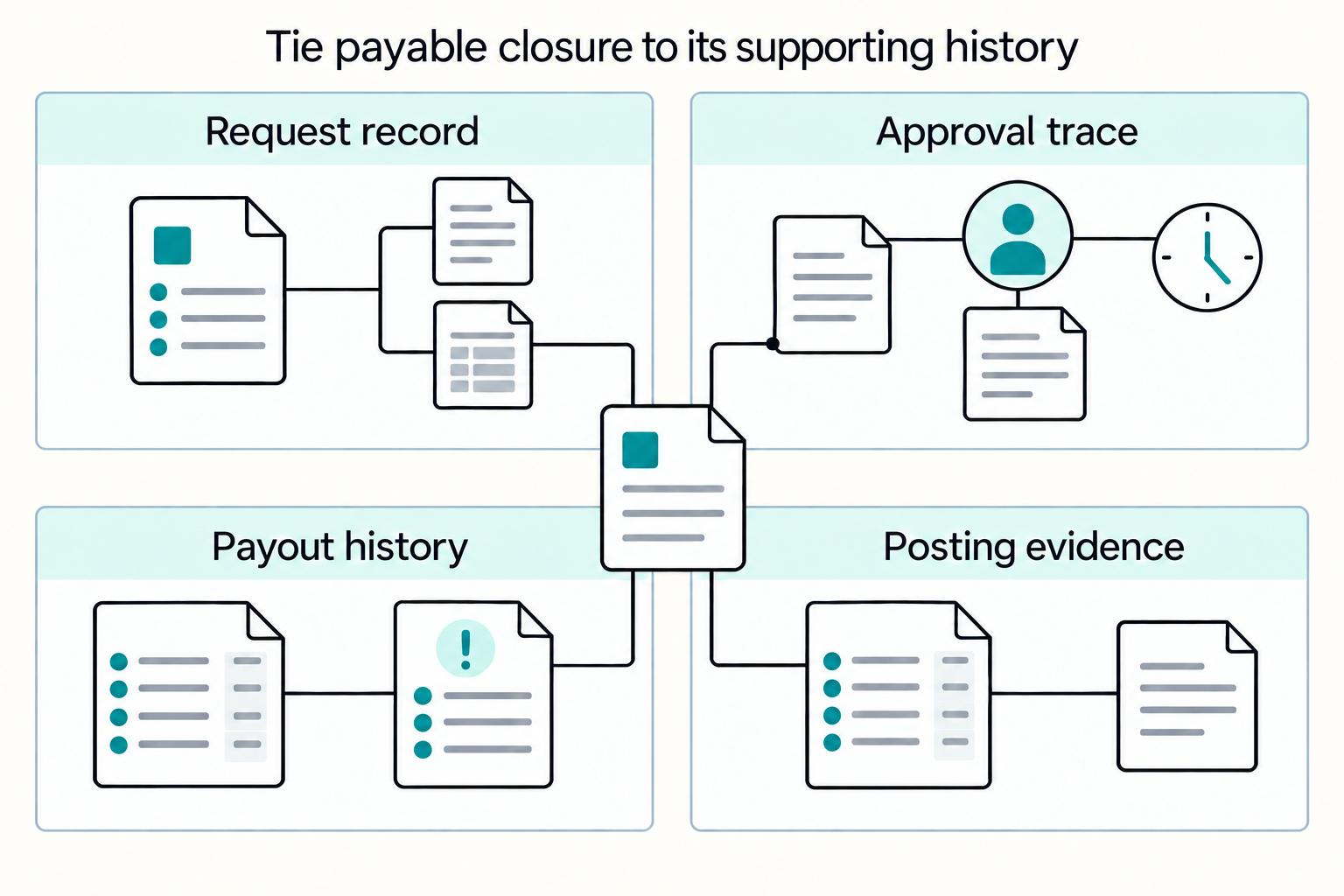
How Payment Platforms Use DPO to Improve Cash Flow Without Reconciliation Risk
A payment platform needs two views of its obligations: the accounting record and the payout history. DPO describes the company’s own trade payables relative to a matching cost base. Seller funds held for onward payment may belong in a separate liability and settlement report. Reconcile both views before changing payment timing.
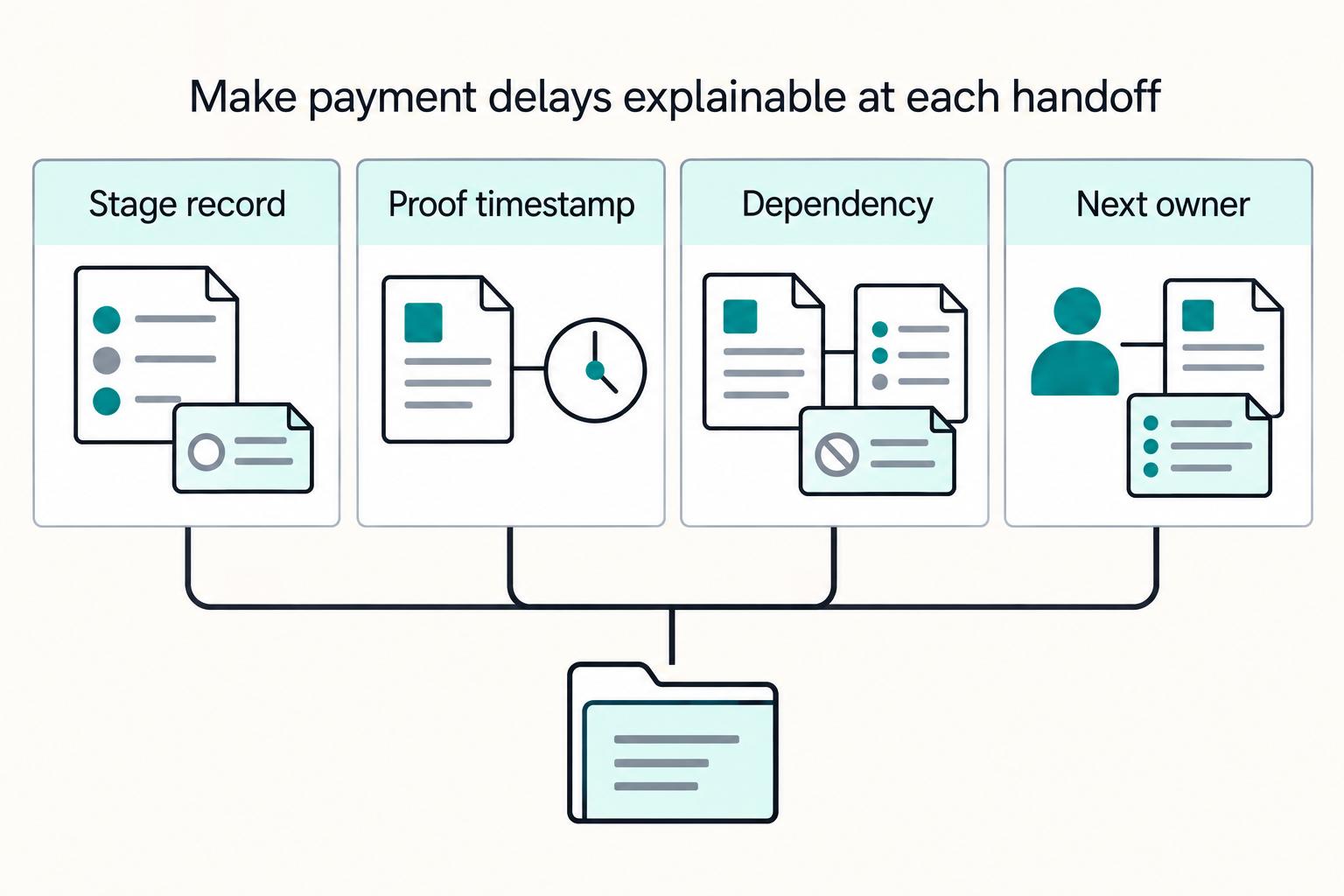
Accounts Payable Days (DPO) for Platforms in the Real Payment Cycle
Days Payable Outstanding estimates how long a business carries in-scope supplier trade payables relative to the associated cost flow. It is a period ratio, not the measured duration of each invoice or payout. Use actual invoice and payment milestones alongside it to investigate delays.
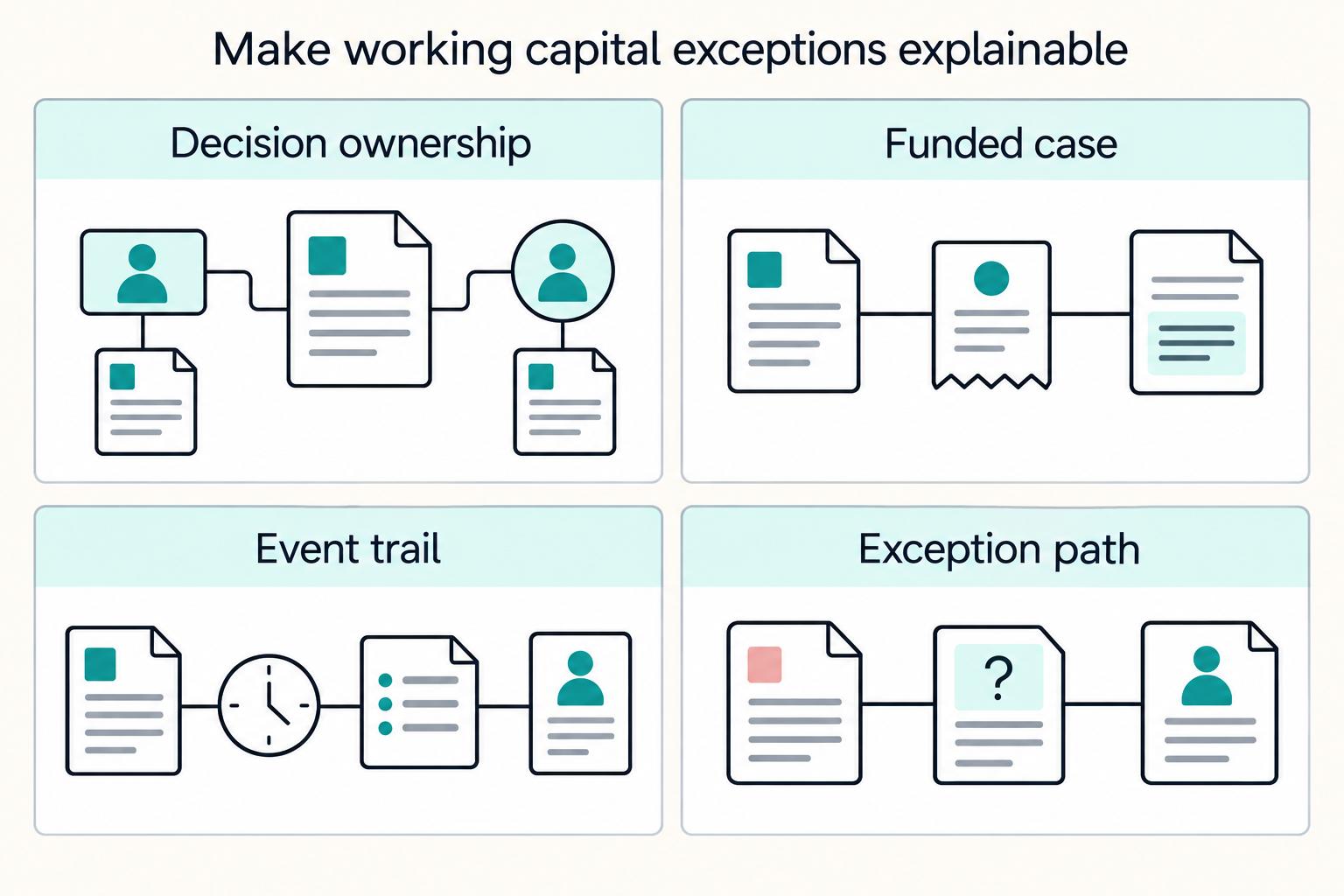
Embedded Working Capital: Factoring, Financing, or Cash Advance
Treat this as a product design choice first and a funding feature second. The model you pick changes who controls the invoice asset, who collects repayment, what your support team has to explain, and how the economics hold up once disputes and exceptions show up. That is the real lens for embedded working capital.