
Operator playbooks for cross-border payments, tax, and compliance execution.
Step-by-step guidance for finance, product, and ops teams to launch faster, reduce payout friction, and keep reconciliation clean across borders.

Global Contractor Payout Benchmarks by Country
Treat most country ranking pages as inputs, not answers. If you are evaluating **country-level contractor payout inputs**, the first mistake is assuming every page measures the same thing. Many do not.
Read more →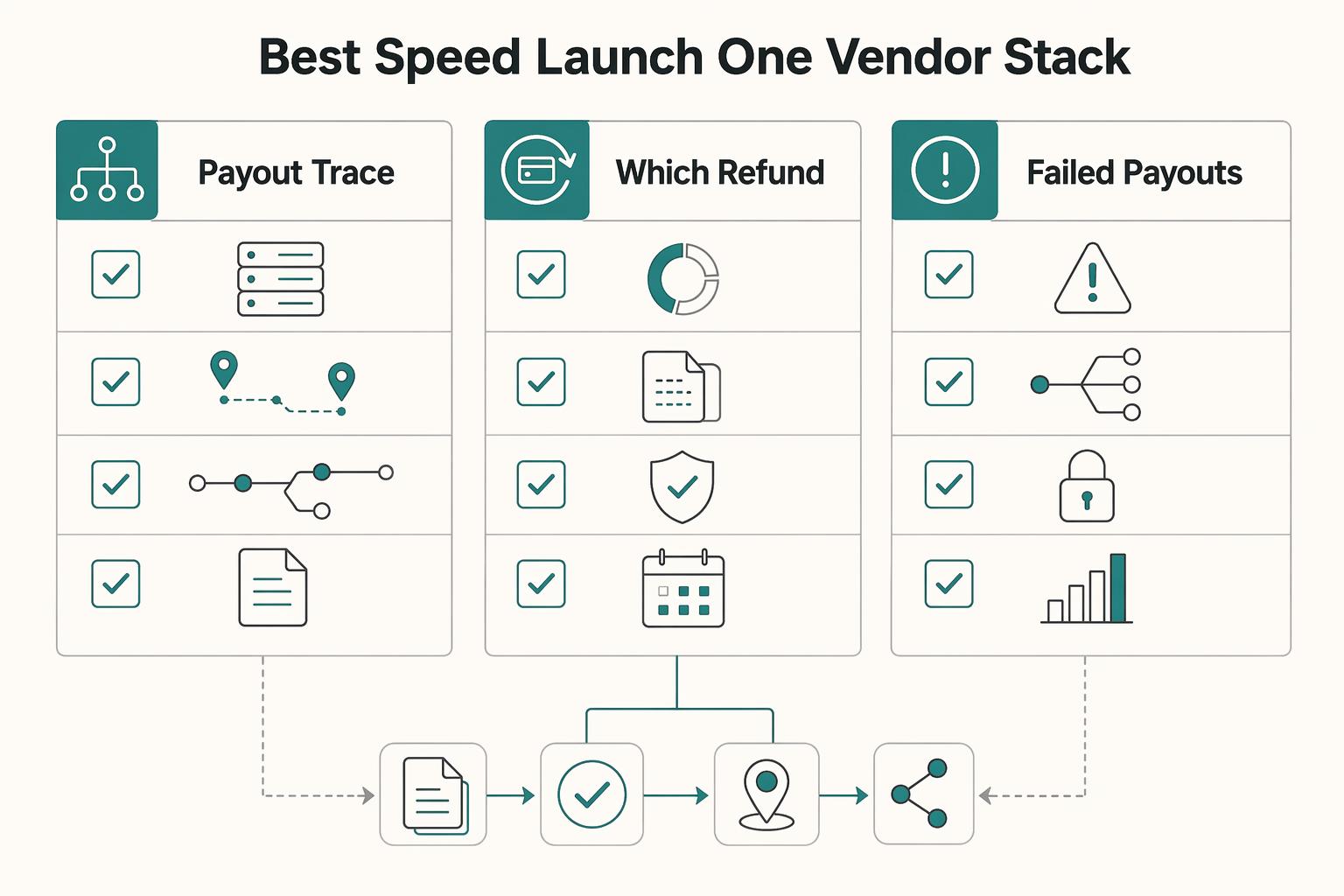
How OTAs Should Structure Payments for Hotels, Hosts, and Agents
Travel payment operations are not standard ecommerce operations. In travel, you often deal with deposits, chargebacks, and high-ticket bookings that may not be fulfilled for months. Much of the complexity sits in the gap between charge, fulfillment, and payout, where finance exceptions and reconciliation issues surface.
Read more →
Revenue-Based Financing for Platforms as an Alternative to VC and Debt
There is no universally cheaper or more founder-friendly option here. The right choice is the one your monetization model can carry when growth slows, margins tighten, or investors start asking for proof.
Read more →
Working Capital Loans for Freelancers to Bridge Cash Flow Gaps
Freelance businesses can get squeezed when cash leaves before it arrives. Client invoices may settle later than expected while payroll, rent, software, and utilities still hit on time. That kind of pressure does not automatically mean you need debt, but it does mean you need to look closely at payment timing before the gap starts making decisions for you.
Read more →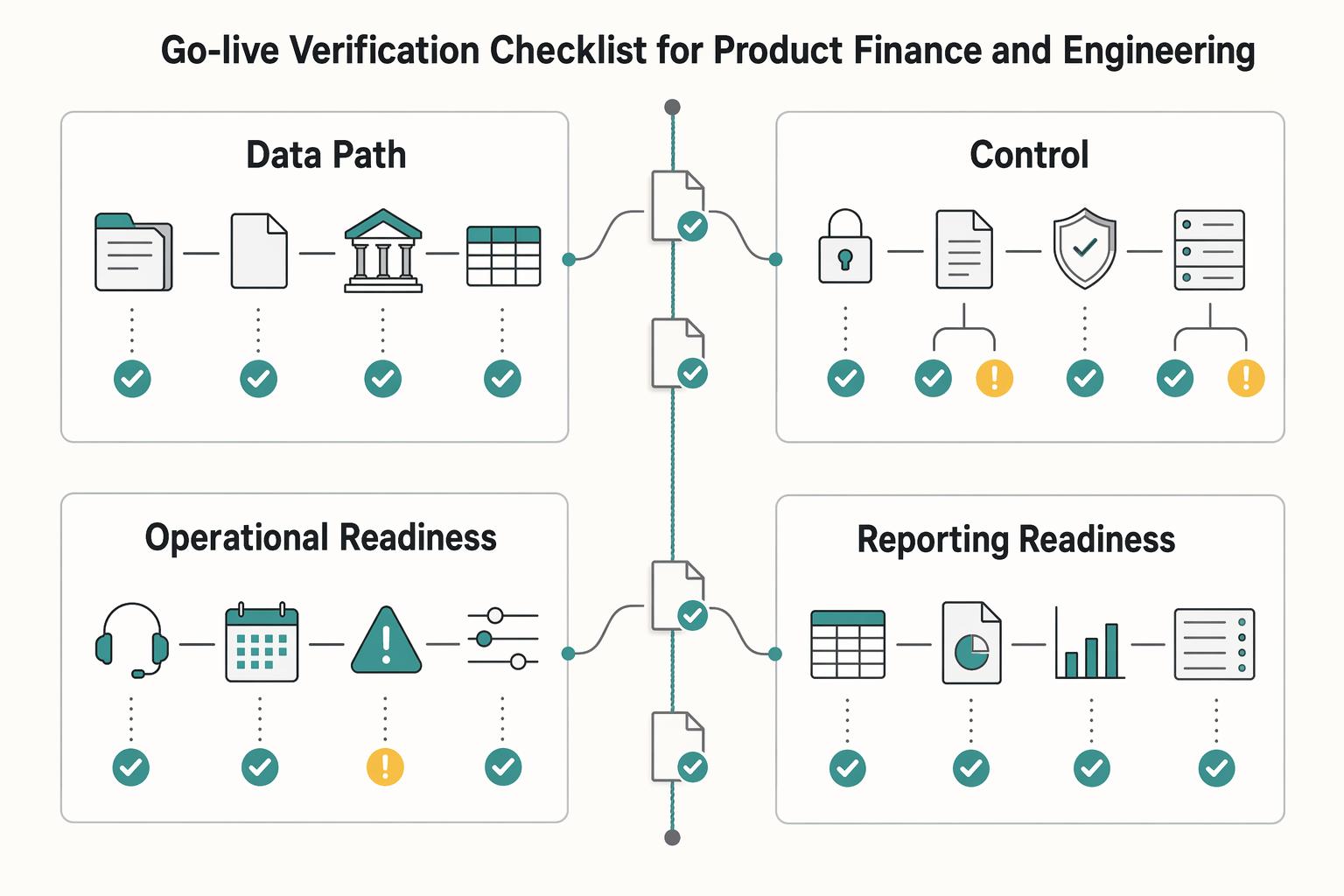
What Are ePay/ePayables? How Platforms Replace Paper Checks with Virtual Card Payments
If you are replacing checks in a high-volume environment, treat this as a controls-and-scale decision first. The goal is to choose the right ePayables model, introduce virtual cards without creating avoidable new exceptions, and keep reconciliation and audit trail intact from the AP source record through payout.
Read more →
How EdTech Platforms Pay Instructors Globally: Compensation Models, Payout Controls, and Reconciliation
Treat public payout content as market color, not implementation guidance. If you searched **online learning platform pay instructors globally edtech payout**, you probably found comparison posts about which platform pays instructors the most. That is not the same as a buildable path for an EdTech team that has to ship payouts, reconcile them, and defend the result to finance.
Read more →
When Platforms Should Move to Payment Orchestration and Multi-Gateway Routing
Payment orchestration can become a practical priority when payment performance and finance operations start limiting growth, not just checkout delivery. A single PSP can be the right setup for a long time. But once approval paths, provider constraints, or reconciliation workload start affecting outcomes, you need a clearer strategy than adding providers ad hoc.
Read more →
How Nonprofits Disburse Disaster Relief Funds Through Global Payout Infrastructure
If you are building a **nonprofit disaster relief funds disbursement global payout** capability, do not treat fund approval as if money is already in beneficiaries' hands. This guide is about the harder part: choosing an operating model that can hold up in real cross-border payout execution, with controls, reconciliation, and a recovery path when transfers fail or stall.
Read more →
Invoice Financing for Freelancers Who Need Cash Before Net-30
Net 30 sounds simple until you are the one waiting on the cash. In plain terms, **Net 30** gives the buyer 30 days from the invoice issue date to pay in full. That can be manageable when reserves are strong, but it becomes an operating problem when core expenses come due before client payment does.
Read more →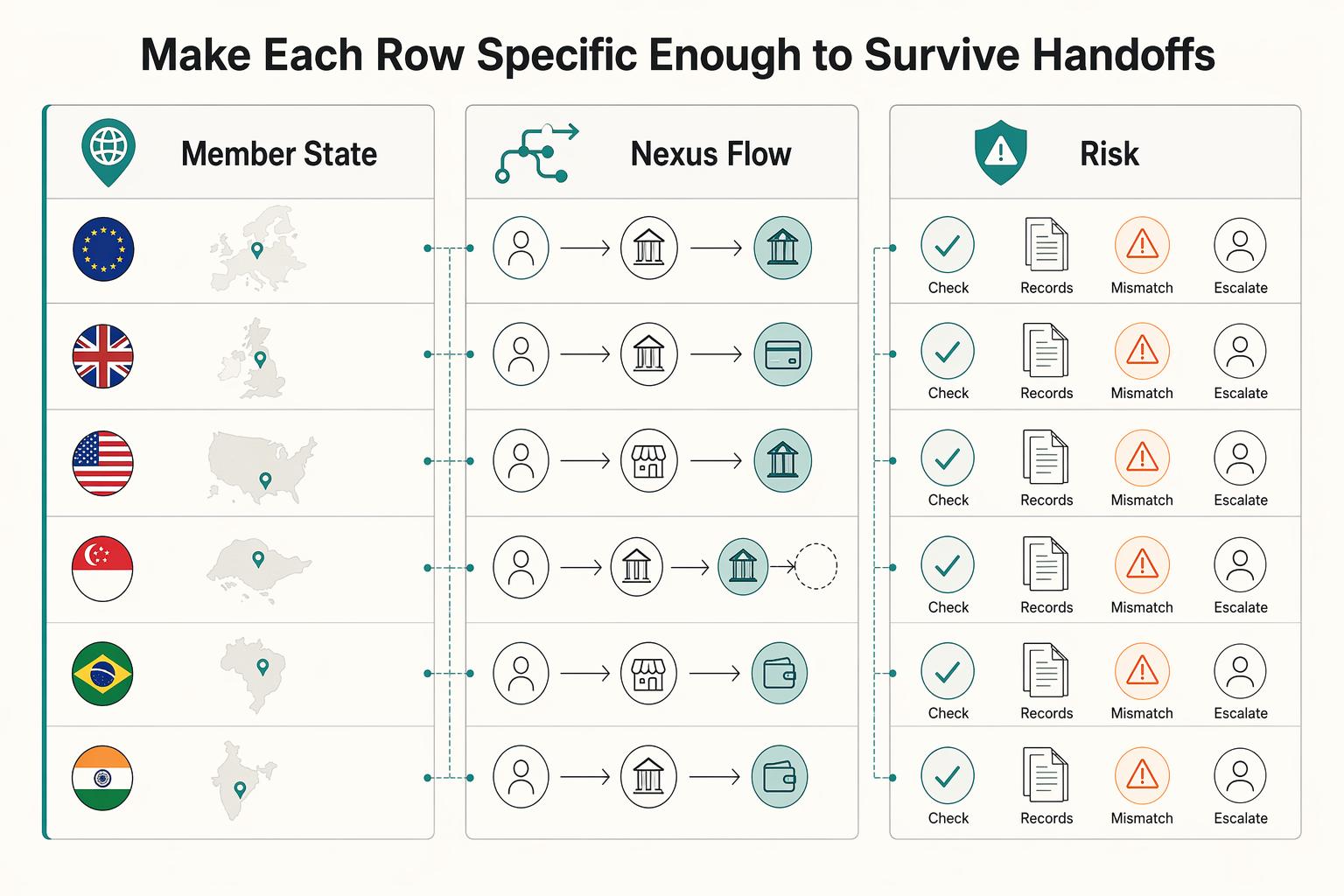
Country-by-Country Launch Rules for Platform Payout Compliance
Treat each new payout country as a go or no-go decision. It may be blocked by law, blocked by operations, or cleared only with conditions. This guide helps compliance, legal, finance, and risk teams make that call early, assign ownership, and keep an evidence trail that holds up later.
Read more →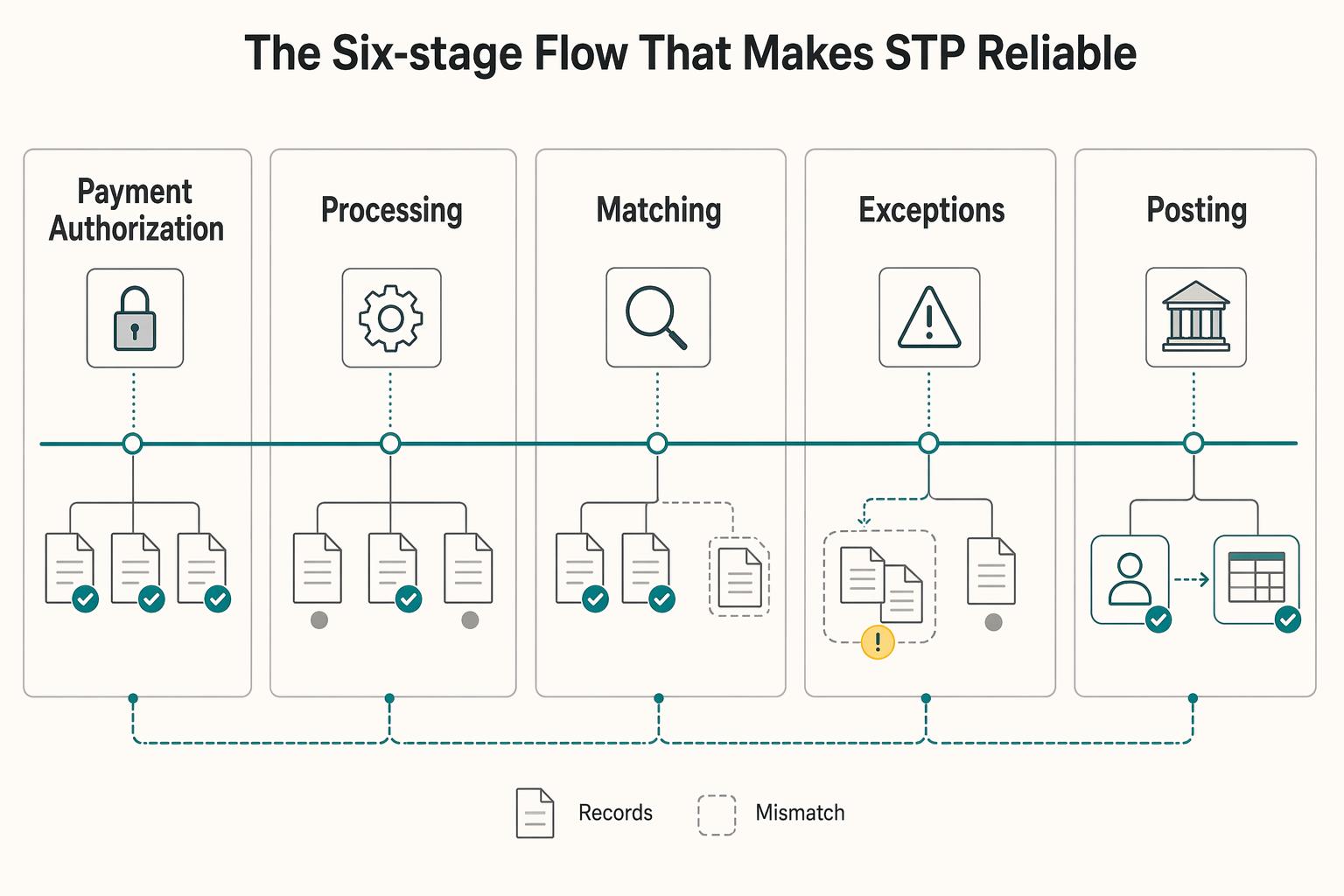
Straight-Through Processing for Platform Payments That Survives Reconciliation
Straight-through processing is strongest when you design it as an end-to-end operating model, not just a matching feature. The practical boundary is simple: STP covers the full transaction path, and automated payment matching is one critical part of that path.
Read more →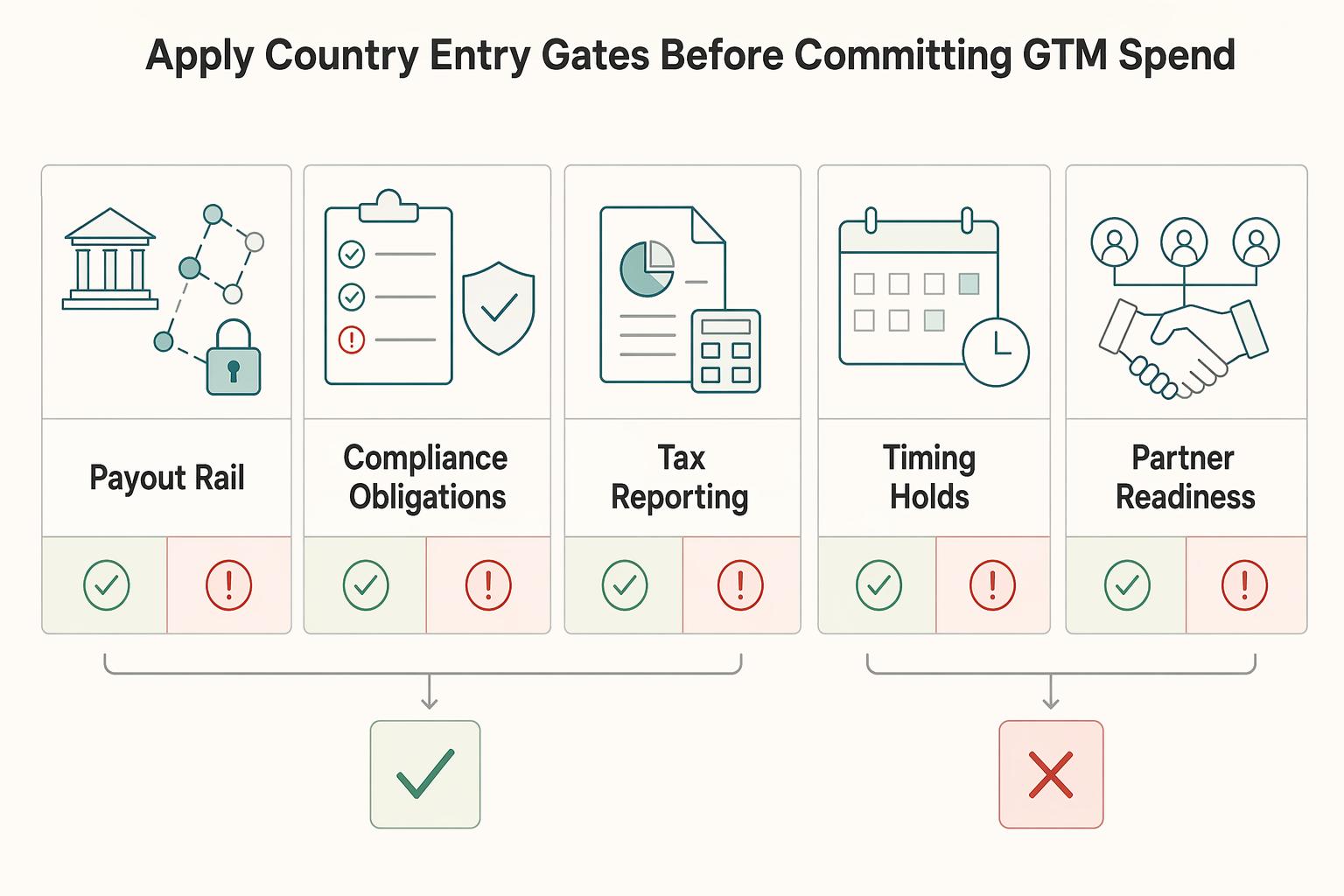
How DSPs, SSPs, and Ad Networks Pay Publishers in a Cookieless Market
If you are evaluating this market, focus on payment execution before role labels. The hard part is not memorizing definitions. It is knowing who bills whom, when cash is released, and what can break between an auction win and a publisher payout as identity signals get less reliable. We recommend starting there so your team does not confuse market labels with payout accountability.
Read more →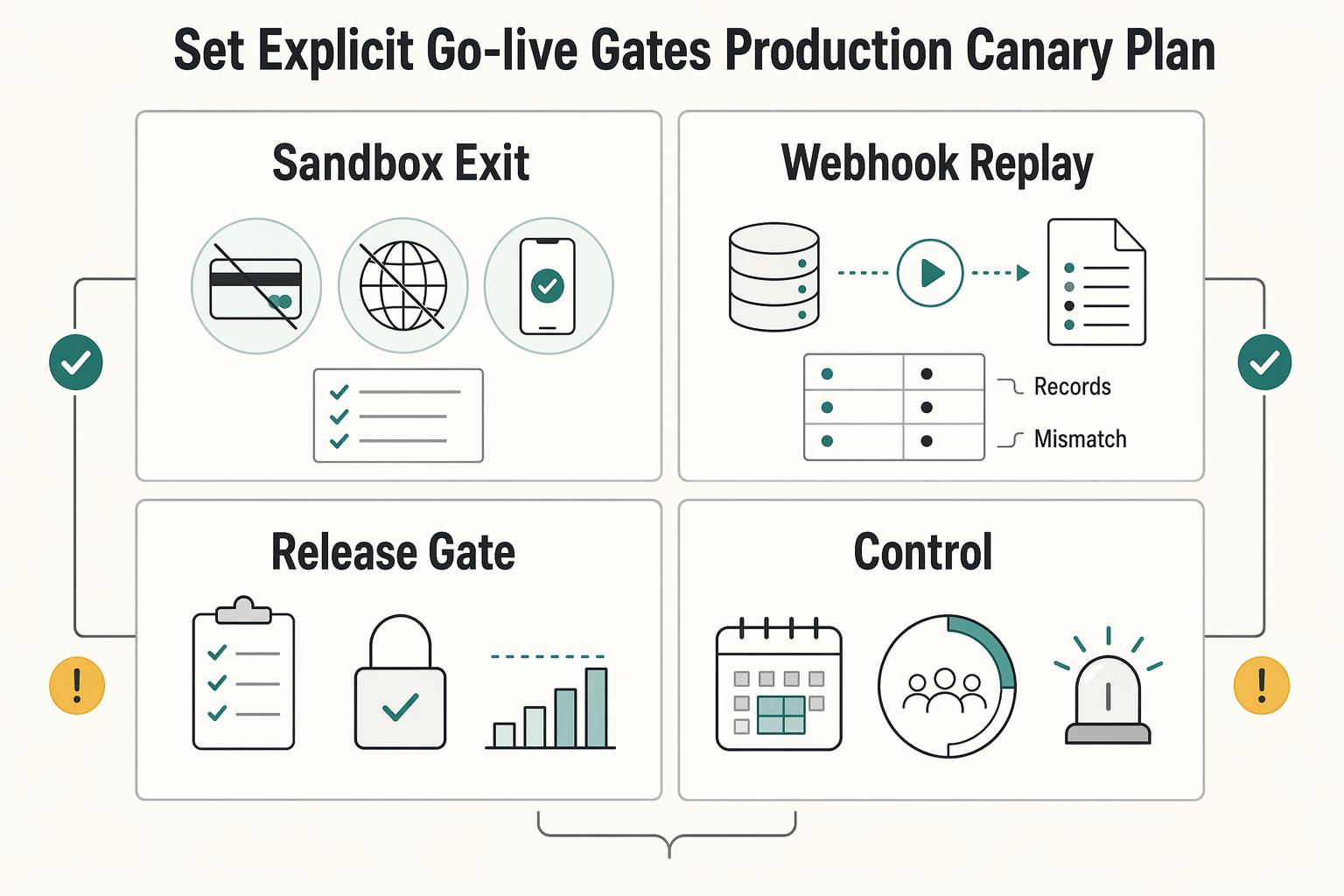
Payment Sandbox Testing Before Go-Live for Engineering Leads
Passing a sandbox flow does not prove production readiness. For CTOs and engineering leads, the real question is whether payment status, webhooks, retries, and operational controls still hold up when events arrive late or more than once.
Read more →
Create Invoices on Mobile Without Breaking Reconciliation
Yes, you can create and send invoices from iOS and Android without giving up finance control, but only if you judge the setup by its evidence trail, not just by how quickly an invoice can be sent. Xero explicitly supports creating and sending invoices from an iPhone, Android device, or tablet. QuickBooks describes phone-based invoice creation, sending, tracking, and sync back to the books.
Read more →
Key Best Practices for Improving Accounts Payable on a Two-Sided Payment Platform
Accounts payable on a two-sided payment platform is not just about bill processing. It is an internal-control function tied to cash flow, vendor relationships, and financial control. On a platform, it also sits next to payout execution, funds movement, and reconciliation across multiple parties.
Read more →
How Streaming Gaming Platforms Scale with Monetization and Payout Infrastructure
Growth is real, but expansion can break when monetization plans outrun payout operations. If you are building in streaming or esports, do not start with "where is demand highest?" Start with "which markets and revenue streams can we actually collect, disburse, and reconcile without creating avoidable failures?"
Read more →
FedNow vs RTP for Gig Platform Contractor Payouts
You are not choosing a payments theory memo. You are choosing the institution-backed rail path your bank and provider can actually run for contractor payouts now: FedNow, RTP, or one first and the other after validation.
Read more →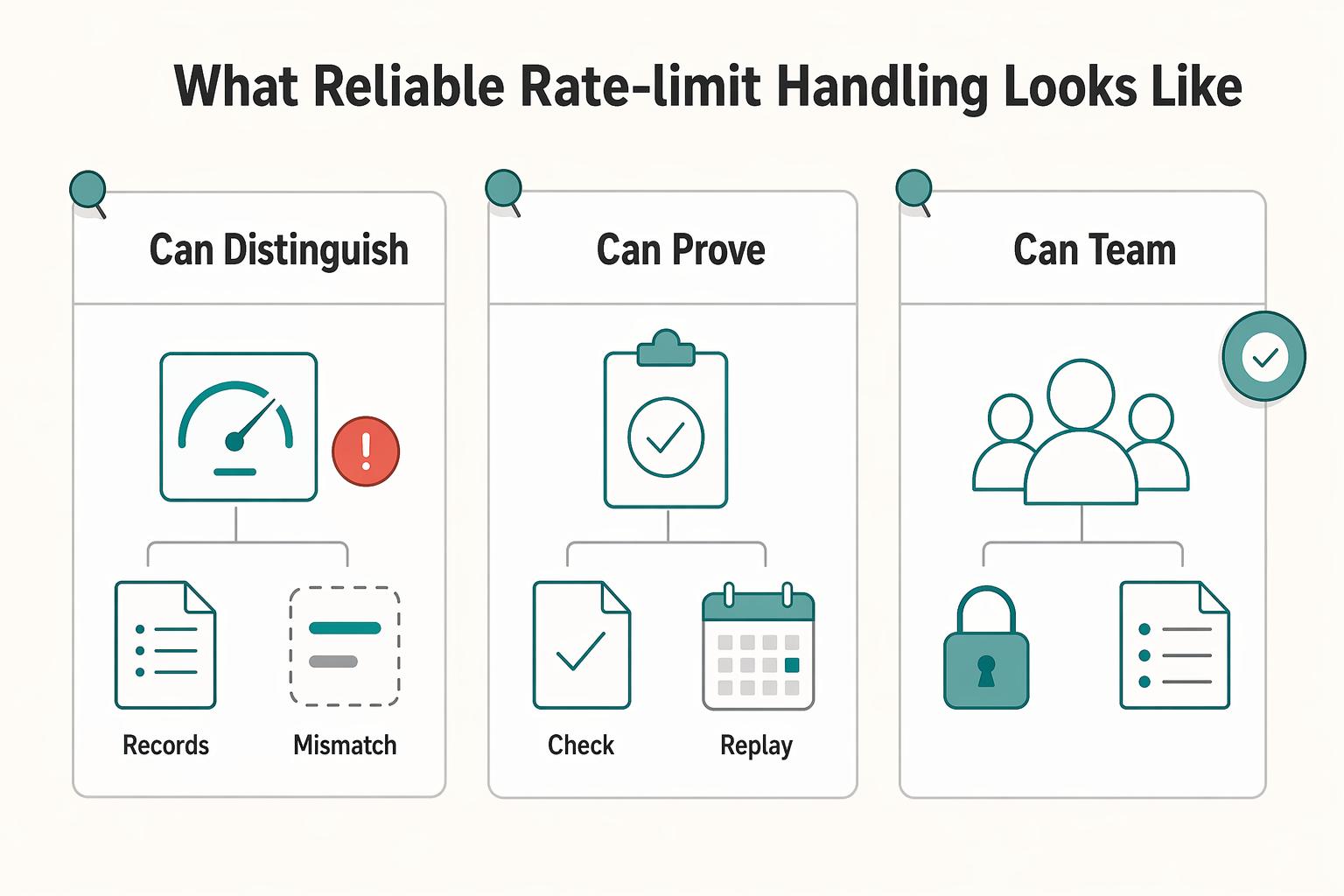
API Rate Limiting Error Handling for Payout and Webhook Integrations
If your team is integrating a Payouts API, onboarding flow, or reporting endpoint, a lone `setTimeout` is rarely a real answer once `HTTP 429 Too Many Requests` starts showing up. It may quiet the immediate error. It does not tell you whether you hit a provider limit, whether you should wait for `Retry-After`, or whether the final outcome will arrive later through `webhooks` instead of the original response.
Read more →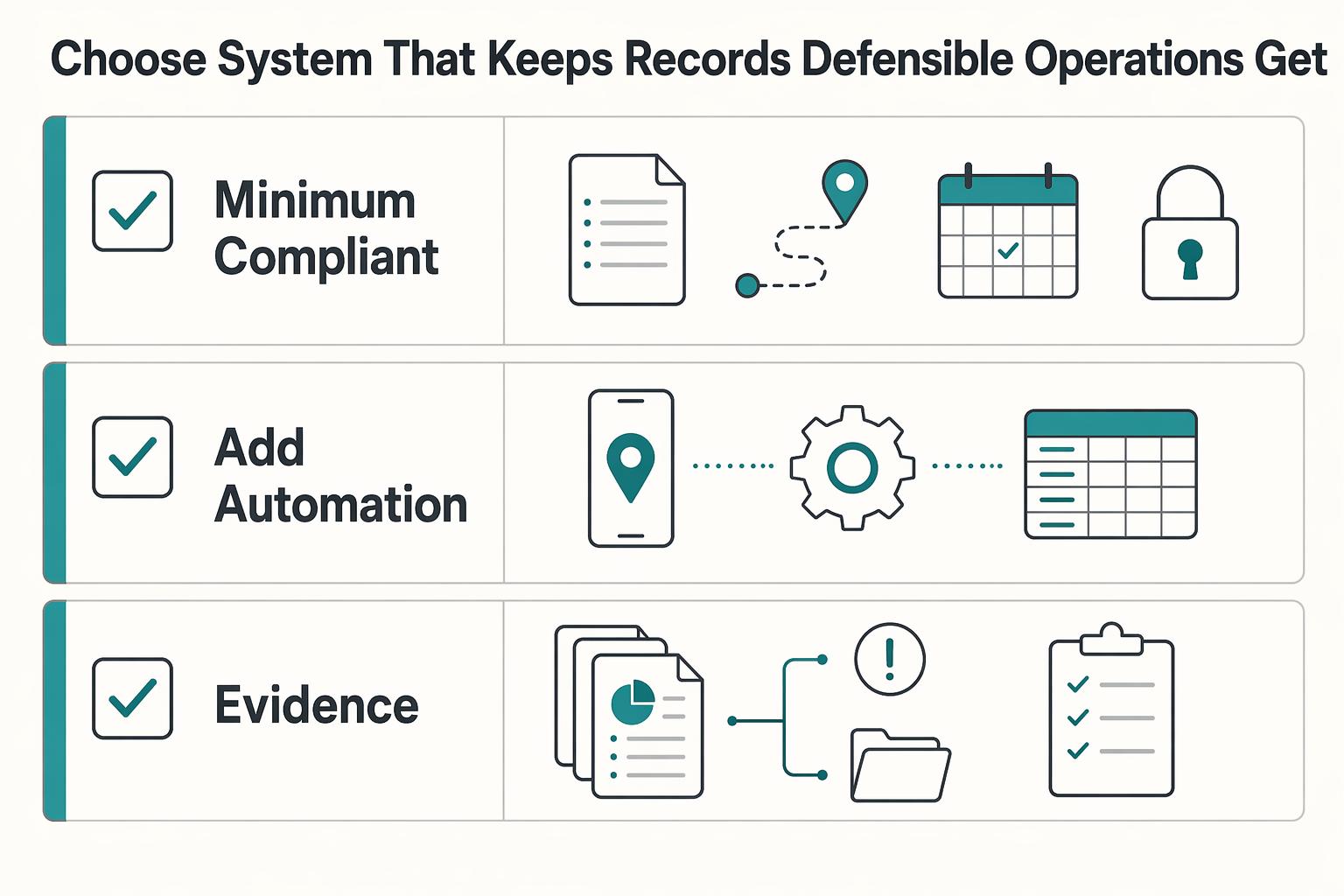
Choosing IRS-Compliant Mileage Tracking for Freelancers
Start with compliance design, not app rankings. If you are building products for freelancers and independent contractors, the core question is whether your system can produce defensible mileage records when data is incomplete, delayed, or disputed. We recommend answering that before your team compares feature lists.
Read more →
How to Generate Expense Reports for Client Invoicing
If you want expense reporting that client invoicing can actually stand on, design for traceability first. The goal is not only a fast PDF export. It is a clean chain from expense submission to client invoice issuance to payment status updates, so finance can explain every billed expense without rebuilding the story from scratch.
Read more →