
Operator playbooks for cross-border payments, tax, and compliance execution.
Step-by-step guidance for finance, product, and ops teams to launch faster, reduce payout friction, and keep reconciliation clean across borders.

What Is a Demand-Side Platform (DSP)? How Programmatic Ad Platforms Manage Publisher Payouts
Do not use a DSP as a stand-in for payout infrastructure. If you are expanding a programmatic business, the first decision is not which buying tool looks strongest. It is where buying ends, where settlement begins, and who actually owns publisher payment outcomes.
Read more →
SEPA Instant Credit Transfer for Euro Payouts
SEPA Instant Credit Transfer is real, fast, and operationally useful, but it is not an automatic yes for every euro payout program. The practical question is this: where does instant speed create enough product value to justify the extra validation work before launch?
Read more →
How Marketplace Platforms Pay Third-Party Sellers Compliantly
Generic marketplace payout advice usually skips the part that breaks in production. Paying many sellers is not just moving money out. It is deciding who gets paid, when they become eligible, what happens when a buyer disputes a payment, and how finance proves every release later. If you are working on **ecommerce reseller payouts marketplace platforms pay third-party sellers**, this guide is for the marketplace operator, not for solo freelancer banking tips.
Read more →
Platform CFO Recession Playbook for Finance-Led Market Expansion
If you are expanding in a weaker cycle, start with operational resilience, not demand. Choose markets your finance, compliance, and payments teams can support without creating cash blind spots or avoidable risk.
Read more →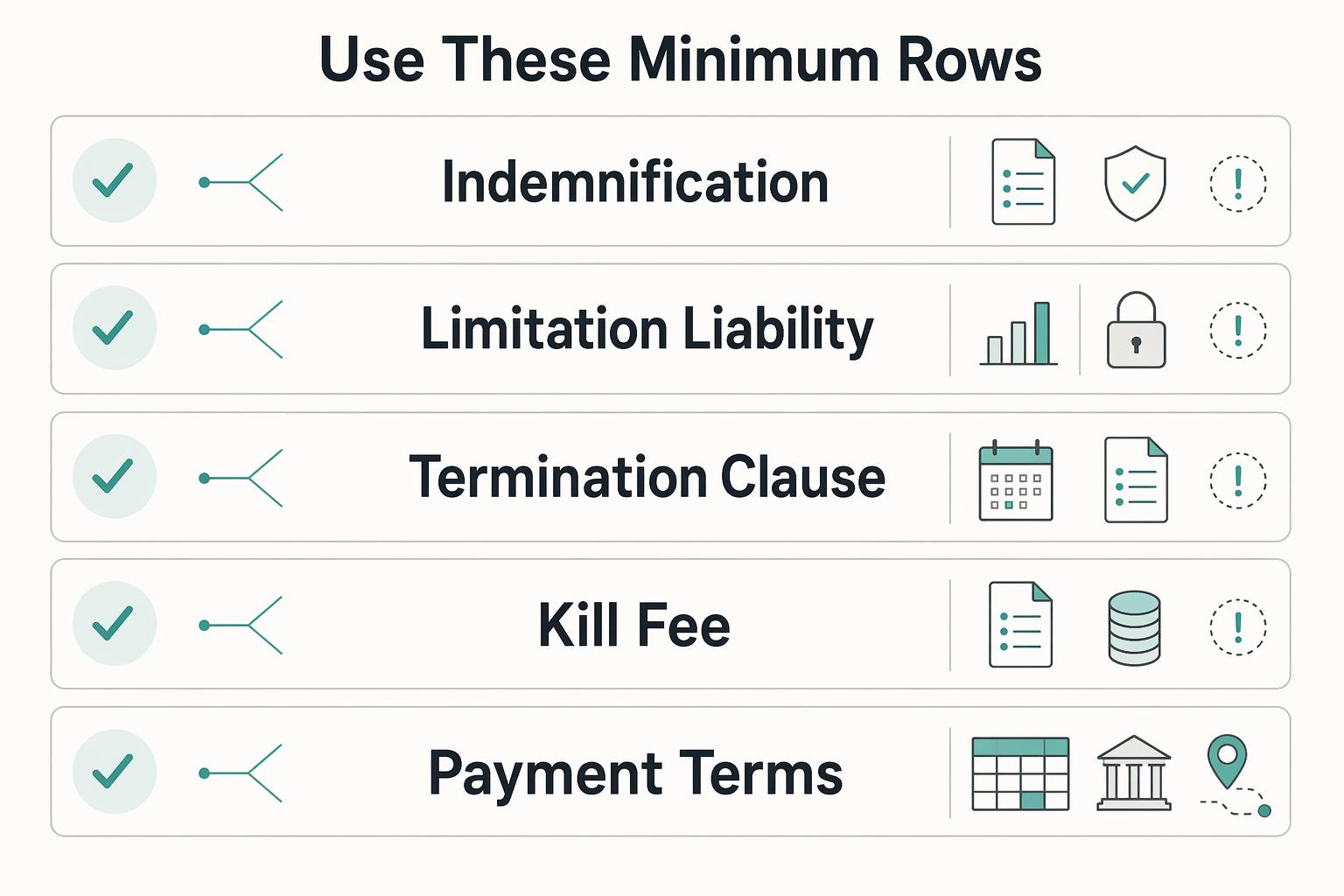
7 Freelance Contract Negotiation Clauses to Redline Before You Sign
In cross-border programs, treat **freelance contract negotiation clauses** as a pre-signature risk control, not paperwork. Governing law, jurisdiction or forum, and dispute resolution language decide which law applies, where litigation can be brought, and whether disputes go to court or arbitration.
Read more →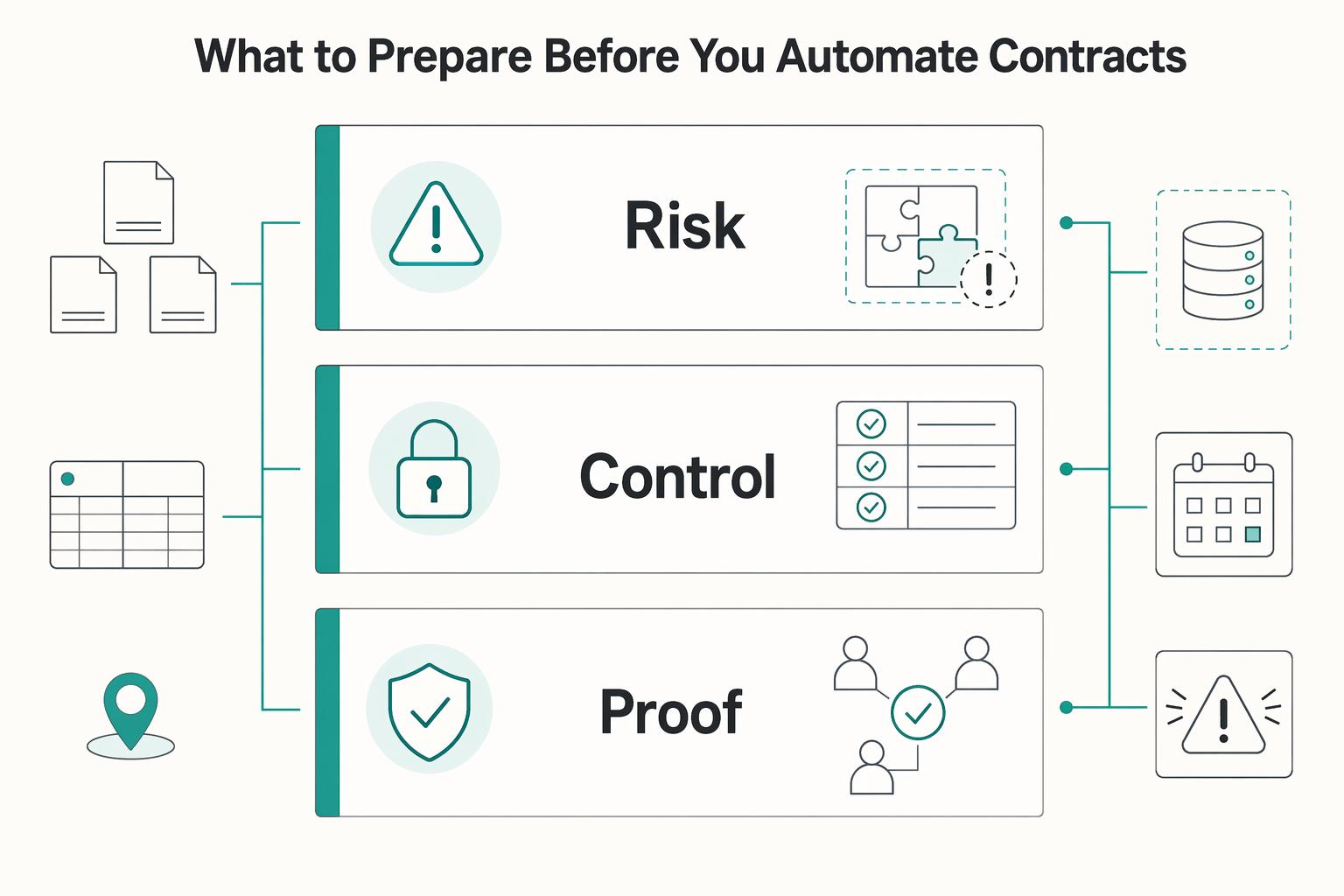
How to Automate Contract Generation from Proposal to Signature
If you are automating contract generation and proposal-to-signature work, optimize for control quality, not raw speed. The goal is fewer manual touches, clear approval gates, and an audit trail you can defend when legal, finance, or risk asks how a contract was sent and signed.
Read more →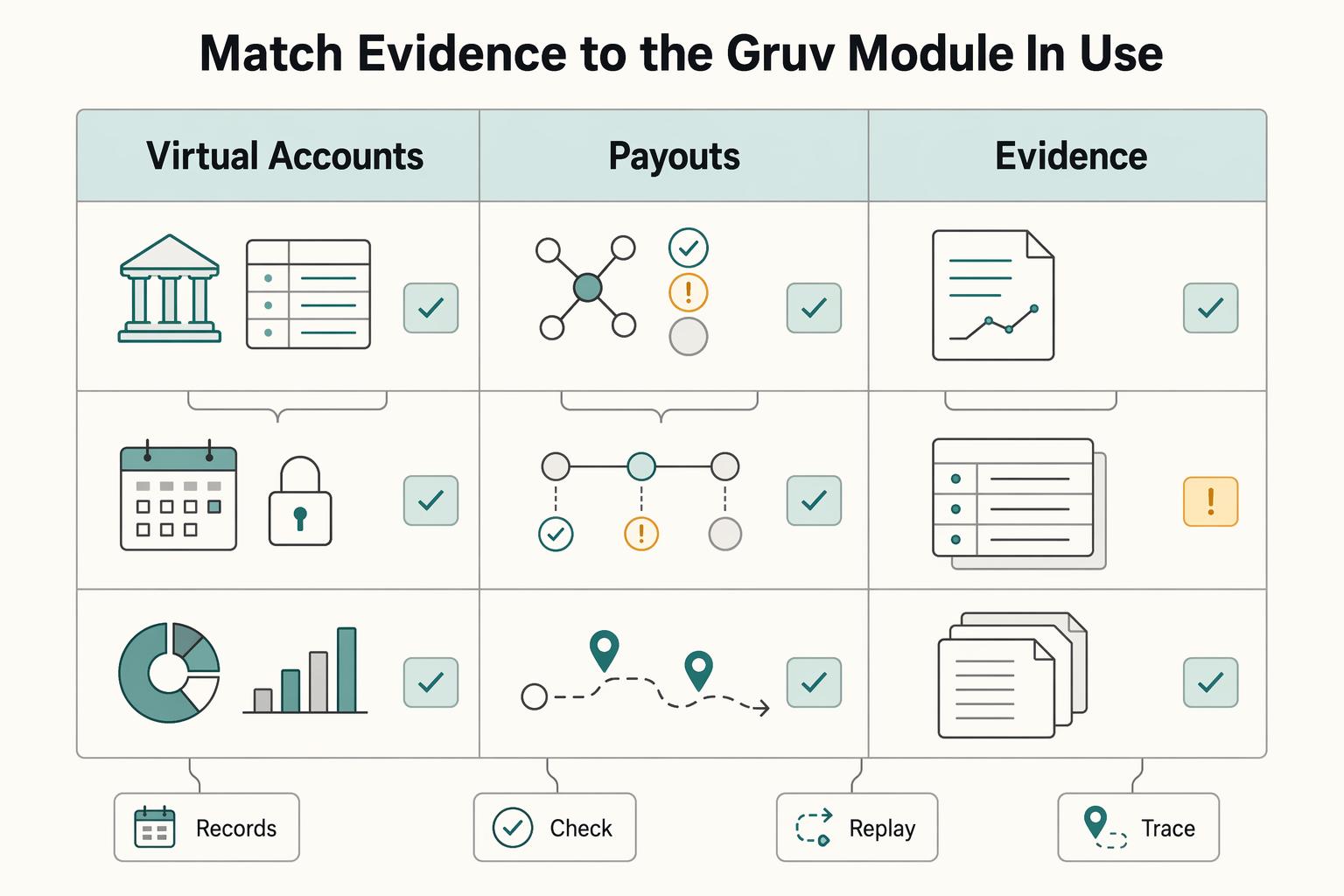
What Metrics Actually Matter for Contractor Productivity Analytics
Payment operations metrics matter only if they help you move from approved payment intent to clean reconciliation faster and with less friction. If a number looks good on a dashboard but does not reduce delays, exception handling, or close-time drag, it is noise.
Read more →
Affiliate Network Payout Structures for Publisher Commissions
Commission design is an operating decision, not a pricing footnote. The structure you choose affects what behavior you reward and the economics of the program. It is easy to announce rates. It is much harder to define a model that still holds up once reversals, edge cases, and partner questions start showing up.
Read more →
Working Capital Optimization for Platforms Through Payment Timing Control
Working capital is current assets minus current liabilities. In platform operations, timing controls are a practical lens you can verify: when collection data is posted, when funds are final, and when disbursements are released.
Read more →
How Payment Platforms Apply AI in Accounts Payable for Faster Invoices
AI in AP is most useful when it speeds up invoice handling without weakening approvals, payment controls, or record matching. The real question is not whether a tool can read an invoice. It is whether your process still holds when documents are messy, approvals are conditional, and payment release has to stay controlled. Three points should frame your decision before you compare tools:
Read more →
UK Online Safety Act Compliance for Marketplace and Platform Operators
Treat the UK Online Safety Act as operating work now, not a policy debate. The most practical way to reduce uncertainty is to run an auditable implementation plan: make an initial scope call, stand up baseline controls, assign owners, and keep records you can defend if Ofcom asks questions.
Read more →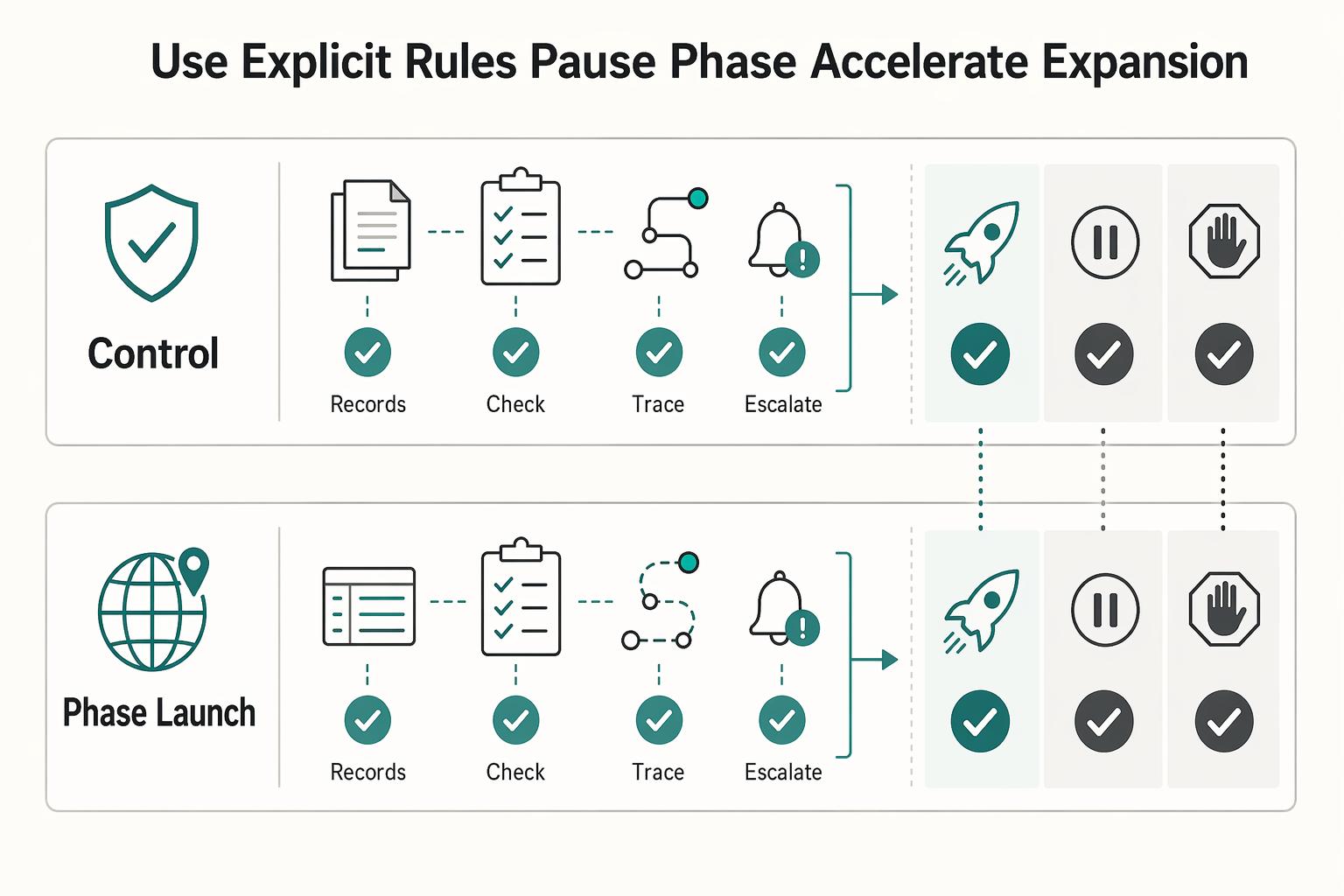
Tariff Pressure and Cross-Border Payment Choices for Platforms
If you are making expansion calls under tariff pressure, treat this as an operations decision first, not a market-opportunity story. Tariffs and cross-border payments can shift margin assumptions, support load, and launch risk on short timelines, so core planning should happen before onboarding, payouts, and reconciliation go live.
Read more →
Timesheet Management for Contractors to Track and Submit Hours
A contractor timesheet should function as a payout record in progress, not a loose note about hours worked. If your team cannot trace a clear line from logged time to an approved billing or payroll input, payment operations are not under enough control.
Read more →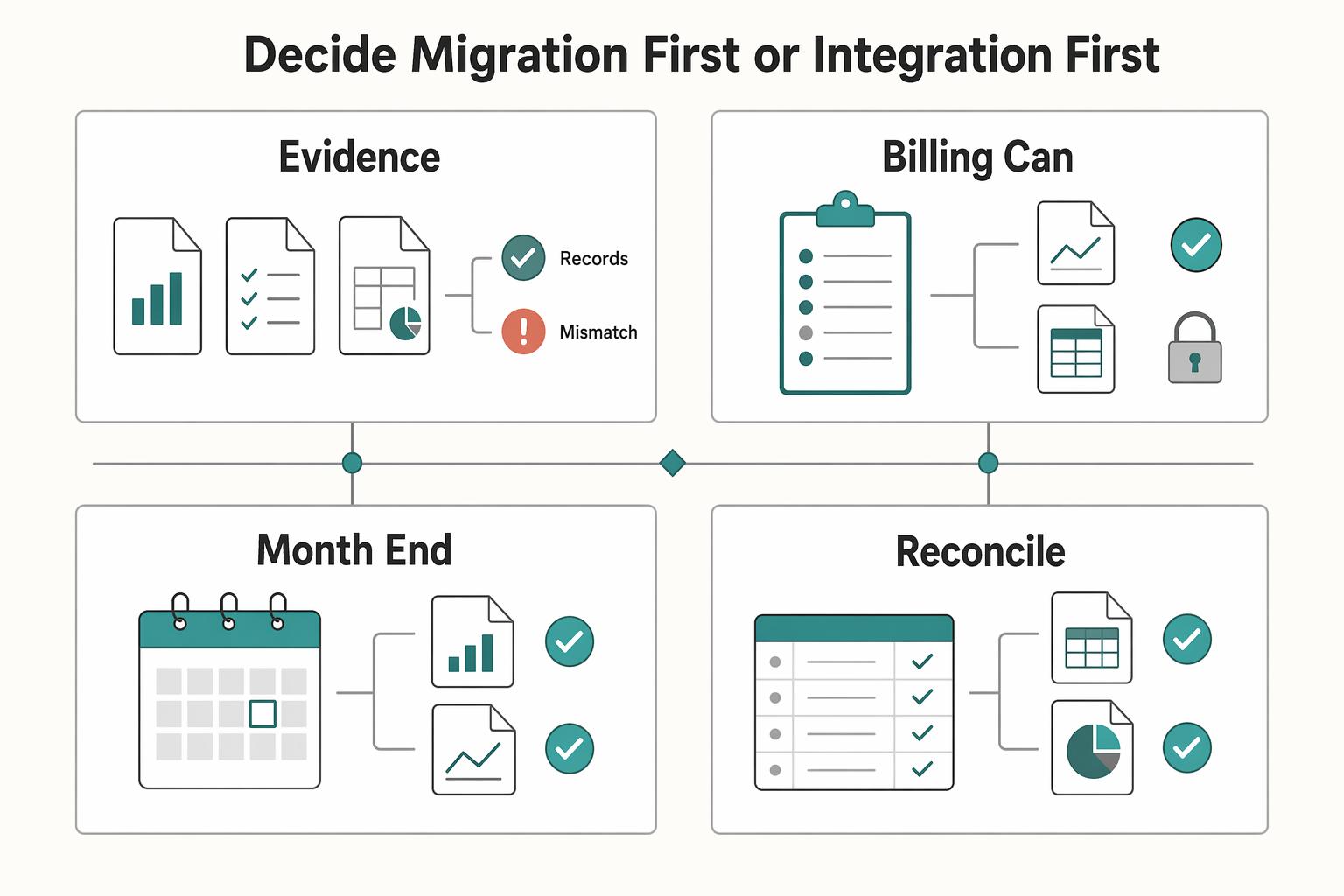
Time Tracking Integrations for Invoice Automation with Toggl Harvest and Clockify
Finance and operations teams are not usually blocked by a missing timer feature alone. Risk shows up when approved timesheets do not turn cleanly into invoices, when invoice state drifts from financial records, or when a retry creates a second financial record. That is the lens for this guide. It is not a feature shootout. It is a check on whether the chain from time capture to reconciliation and payout readiness actually holds up.
Read more →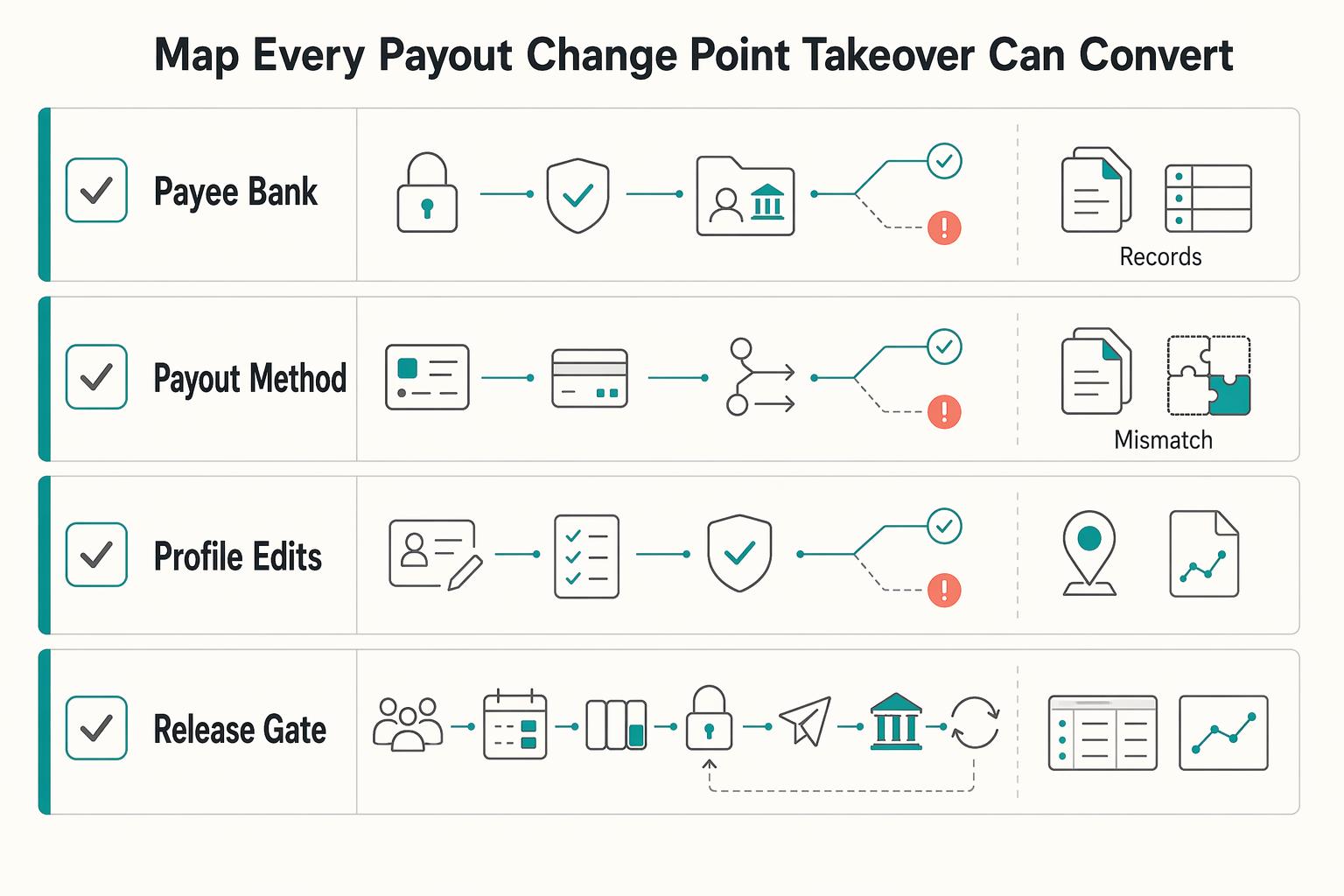
Account Takeover in Payout Platforms and How to Stop Payee Hijacks
Treat **account takeover payout platform payee hijack fraud** as a money movement control problem first and an account security problem second. Once an attacker can change payout details, contact points, or credentials, the issue is no longer just login abuse. It becomes a question of who can stop funds, who can approve a release, what evidence exists, and how quickly finance, risk, compliance, and legal can reconstruct the timeline.
Read more →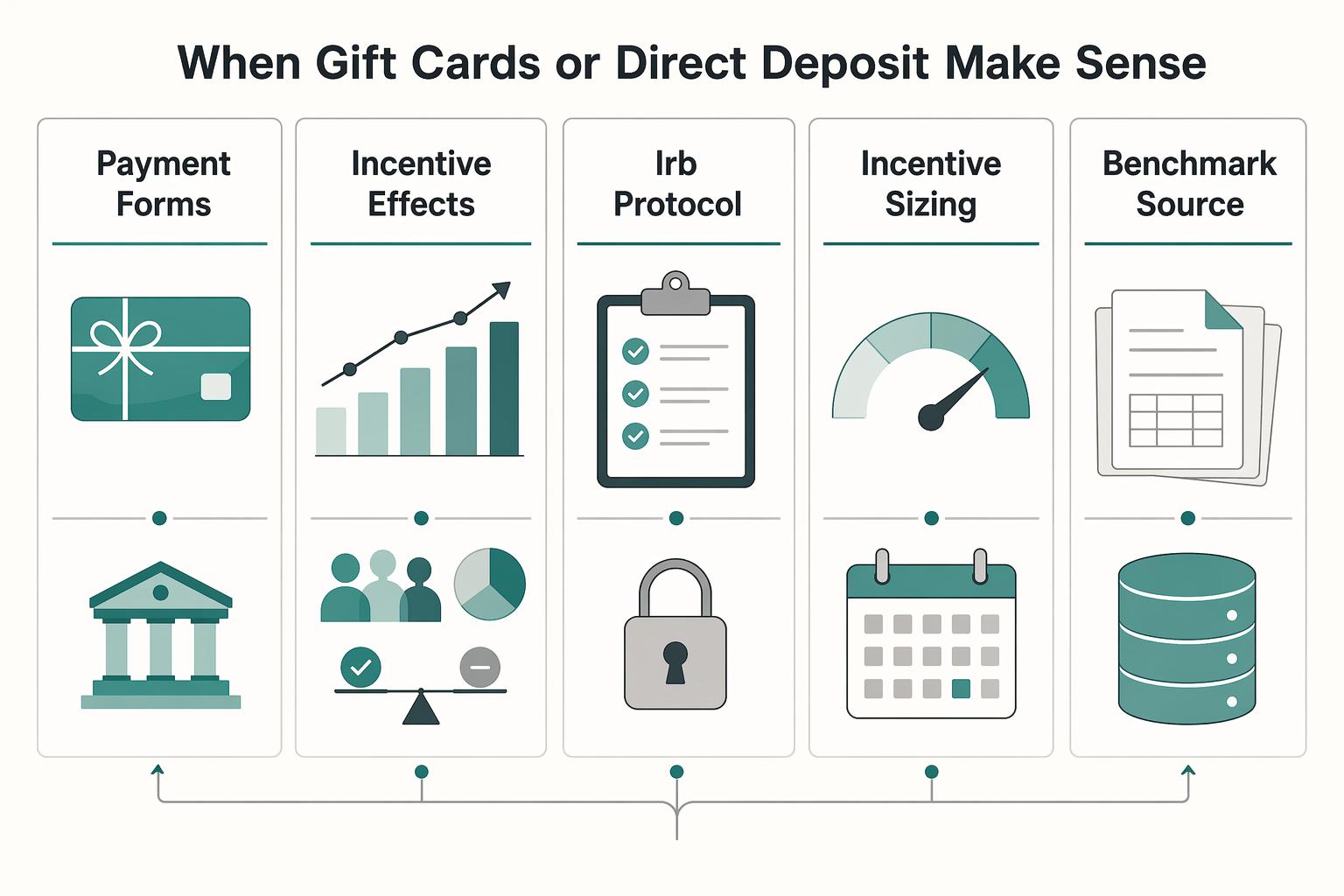
How UX Teams Should Pay Research Participants with Gift Cards or Direct Deposit
Research incentives are not just a budget line you approve after recruitment. They can shape who responds and how smoothly your study operations run. If you want to pay participants with gift cards or direct deposit without rollout surprises, you need to set the amount and the payout method together.
Read more →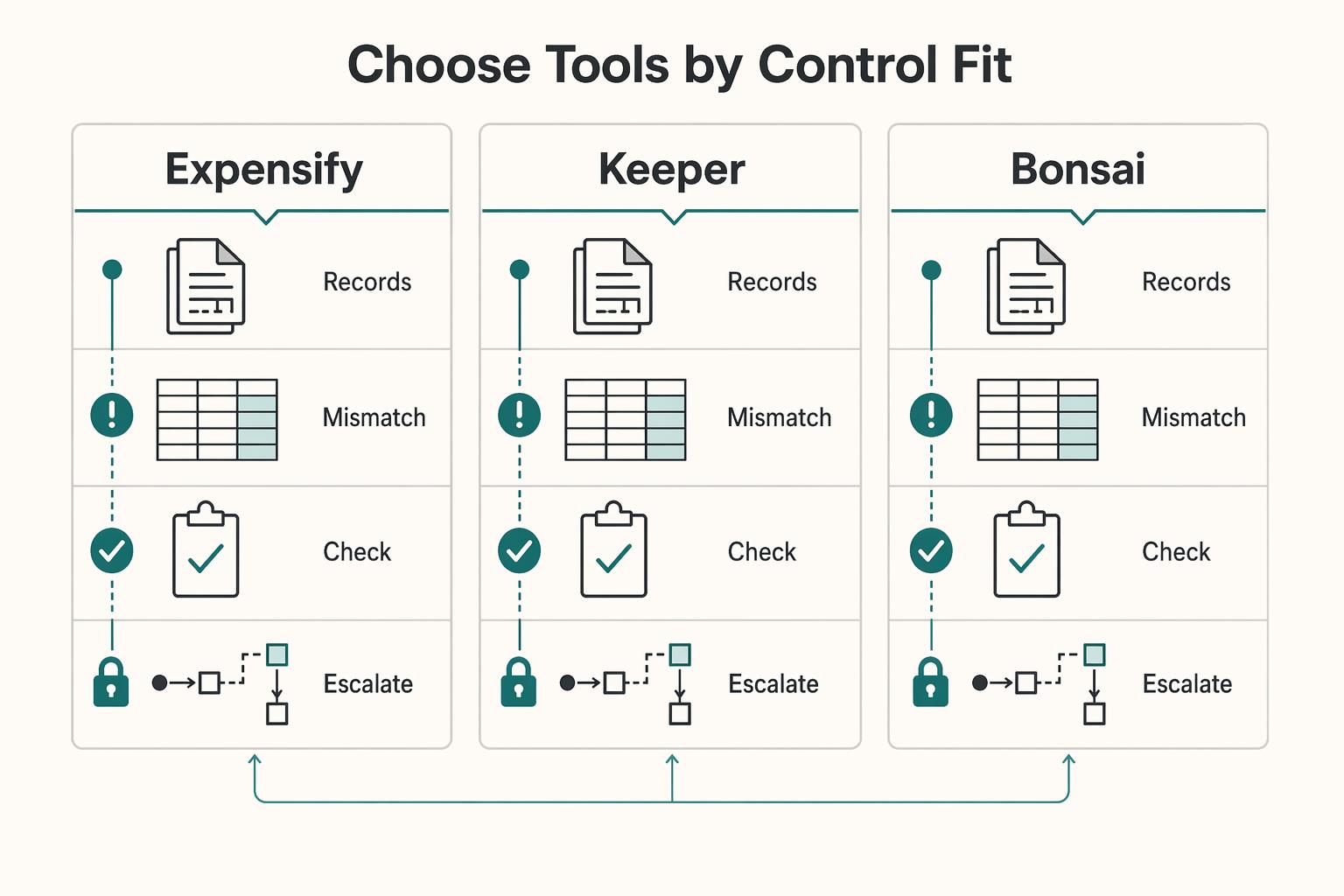
Tax Deduction Tracker for Defensible Expense Categorization
Use a **tax deduction tracker categorize expenses** workflow as a proof control, not just a faster way to code transactions. The goal is to make each tax write-off defensible with clear evidence, a documented business purpose, and the right jurisdiction rule.
Read more →
Canadian Expansion Playbook for US Payment Platforms
Canada can be a credible expansion target for US payment companies, but launch announcements alone are not enough to justify product and GTM investment. The decision should rest on whether you can support Canadian entity setup, infrastructure access, compliance obligations, and launch controls without creating avoidable operational debt.
Read more →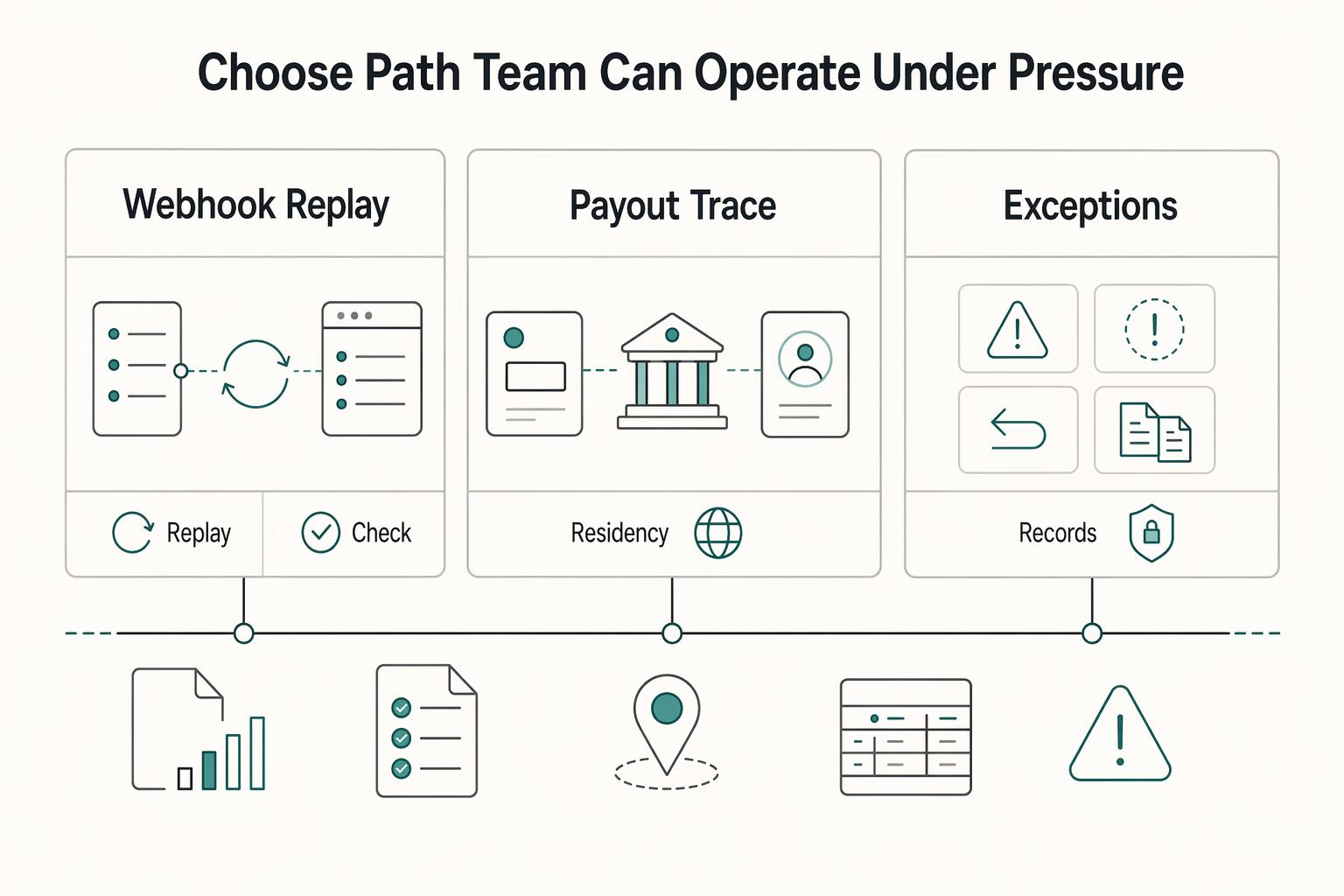
What Is Bank Remittance? How Platforms Send Payment Advice to Contractors
This guide is for platform founders, product leaders, finance ops, and engineering owners running repeat contractor payouts. If you are choosing ACH, local bank transfer, wire, or a platform payout route, the real decision is operational: which path your team can run cleanly when contractors ask for status, providers delay, and finance needs close-ready records.
Read more →
ERP Sync Architecture for Payment Platforms Using Webhooks, APIs, and Event-Driven Patterns
If you run payouts into an ERP, "just use an API and a webhook" is not enough. The design has to survive retries, late events, and finance scrutiny without creating duplicate payouts or broken reconciliation. The real question is not which transport looks modern. It is which pattern keeps postings correct, traceable, and recoverable when delivery gets messy.
Read more →